
Creating a dedicated outdoor space for your dog does not mean turning part of your backyard into something that looks cold, industrial, or temporary. With the right fence, a dog run can feel like an intentional extension of your garden, patio, or outdoor living area while still giving your pet a secure place to sniff, stretch, play, and relax.
- 20 Dog Pen Chicken Coop Ideas for a Beautiful and Pet-Friendly Backyard
- 19 Understairs Dog Kennel Ideas for a Cozy, Stylish Space Your Dog Will Love
- 18 Multiple Dog Kennel Ideas Indoor for a Beautiful and Organized Pet-Friendly Home
- 19 Stray Dog Shelter Ideas Outdoor Spaces Can Use for Safe, Cozy Refuge
- 17 Beautiful Dog Run Ideas for a Backyard Side Yard
The best dog run fence ideas balance appearance with real-life function. Your dog’s size, jumping ability, digging habits, energy level, and interest in whatever is happening beyond the yard should all influence the design. A calm small dog may be comfortable behind a relatively simple enclosure, while an athletic climber or determined digger may need a taller fence, stronger materials, reinforced lower edges, and a more secure gate.
You are reading: 19 Dog Run Fence Ideas for a Safe and Stylish Backyard
You can also make the enclosure beautiful. Warm cedar, black metal, modern horizontal boards, cottage-inspired garden fencing, privacy panels, and thoughtfully placed greenery can transform a practical pet area into a feature you actually enjoy seeing from the kitchen window.
Beautiful Dog Run Fence Ideas for a Secure and Stylish Outdoor Space
Warm Cedar Privacy Fence With Black Metal Gate
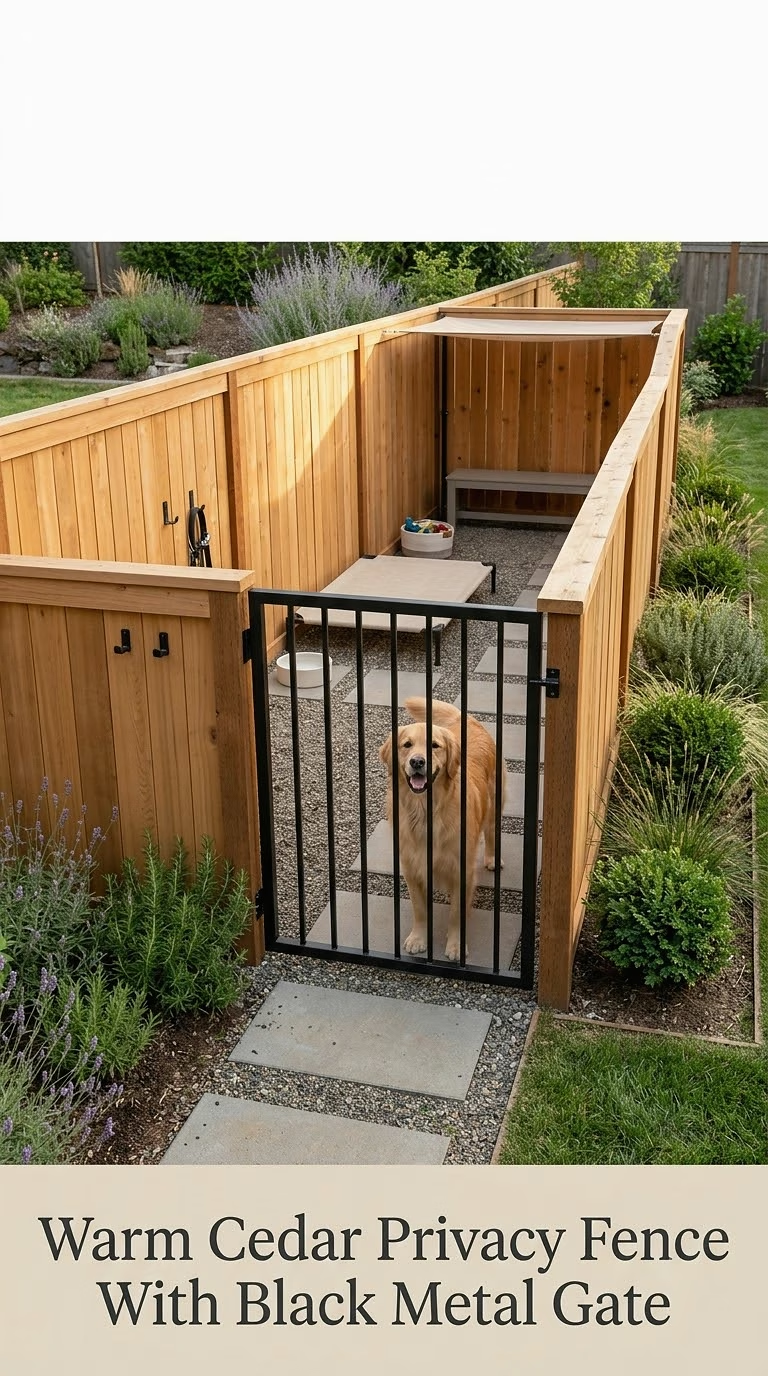
A cedar privacy fence gives a dog run a warm, polished appearance that blends especially well with cozy patios, cottage gardens, and modern farmhouse backyards. Use vertical cedar boards for most of the enclosure and introduce a black powder-coated metal gate to add contrast and make the entrance feel more intentional.
A mostly solid fence is particularly useful when your dog becomes overly excited by pedestrians, neighboring dogs, or wildlife outside the yard. Reducing those constant visual triggers can create a calmer-feeling run.
Keep boards smooth and regularly inspect the lower portion for chewing, moisture damage, or gaps. The gate should close securely and have a latch your dog cannot easily nudge open.
Finish the space with pale gravel, a washable outdoor bed, and a simple water station for an attractive yet practical setup.
Modern Timber Posts With Welded Wire Mesh Panels
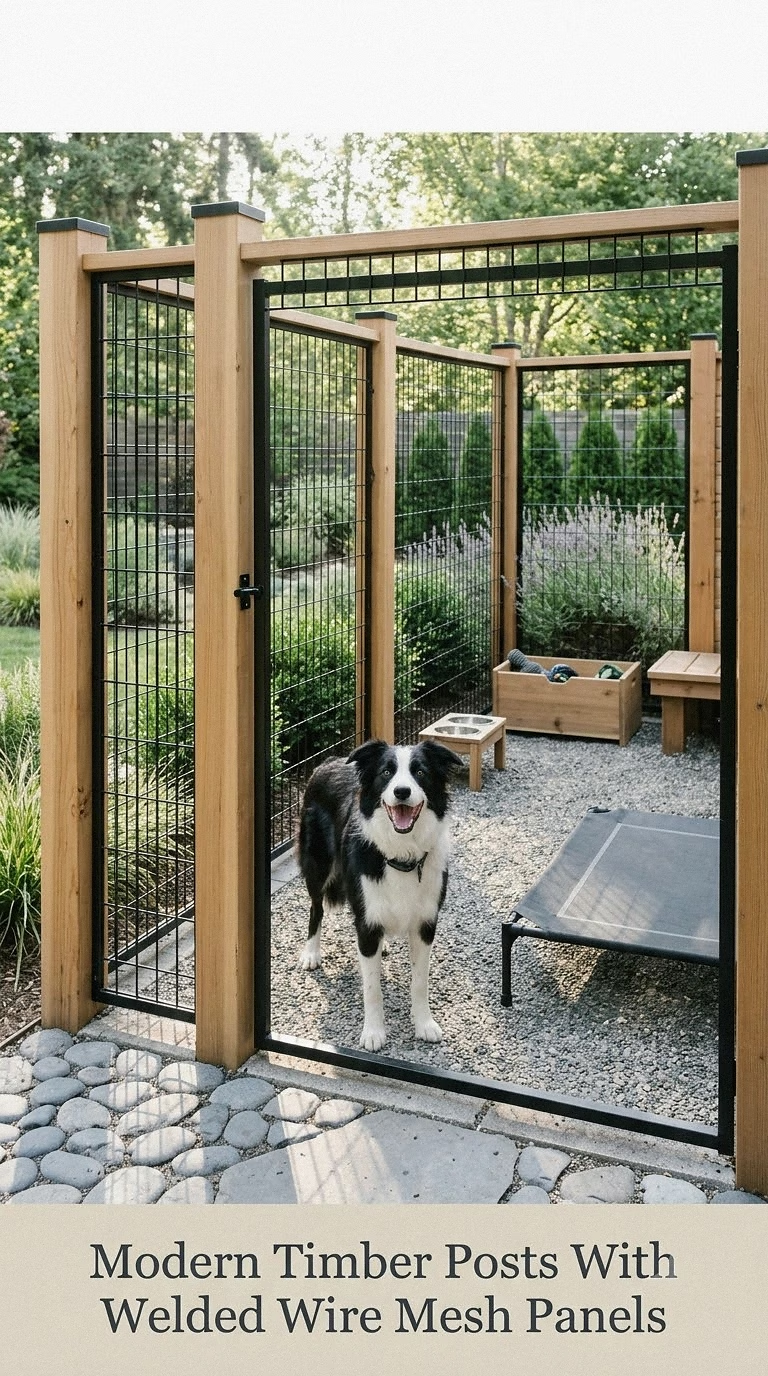
For an airy enclosure that does not visually divide your backyard, combine substantial wooden posts with welded wire mesh. The natural wood softens the utilitarian appearance of the wire, creating a style that works beautifully around gardens and landscaped yards.
Choose mesh openings that are appropriately small for your dog so their head, paws, or body cannot slip through. The wire should be firmly attached, with trimmed edges completely covered or positioned where your pet cannot reach them.
This design is especially attractive when surrounded by ornamental grasses or dog-safe shrubs because you can still see the landscaping through the fence.
It is also a realistic DIY option. Building rectangular timber frames between posts makes the fencing look much more finished than simply stretching wire around stakes, while individual panels can be repaired later without replacing the entire enclosure.
Matte Black Metal Picket Fence for a Contemporary Dog Run
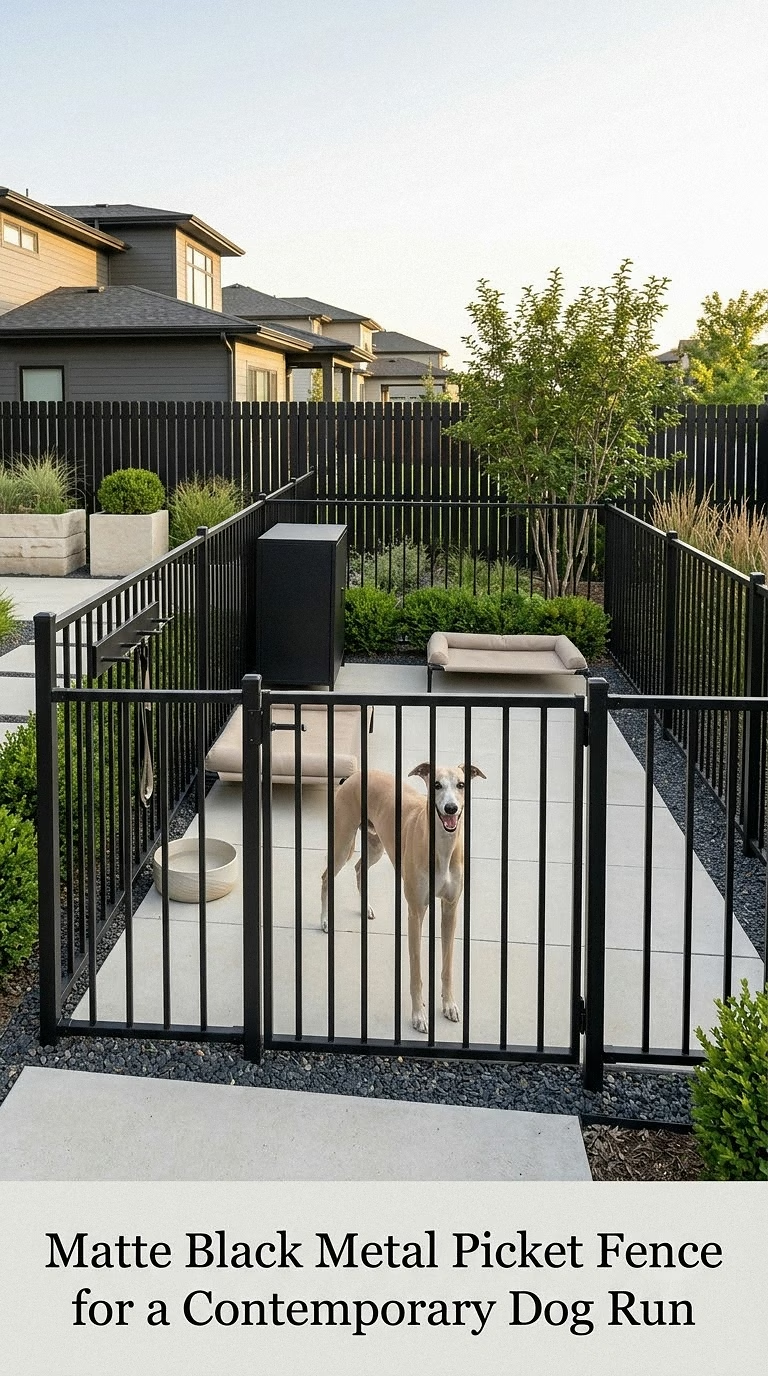
A slim black metal fence can make a dog area feel more like an elegant garden courtyard than a traditional kennel. Pair narrow vertical pickets with simple square posts and a coordinating gate for a clean contemporary look.
Vertical bars are preferable to designs with lots of horizontal rails when you have a dog that likes to climb. Pay close attention to spacing as well, especially with puppies and small breeds.
Black fencing pairs beautifully with green turf, light concrete pavers, warm wood dog shelters, and neutral outdoor accessories. You can soften the perimeter further with lavender-like dog-safe landscaping, ornamental grasses, or large planters placed outside the enclosure.
Because dogs vary dramatically in their jumping ability, choose the fence height based on your individual pet rather than purely on appearance. Athletic dogs may require a significantly taller and more secure enclosure.
Rustic Hog Wire Fence With Chunky Wood Framing
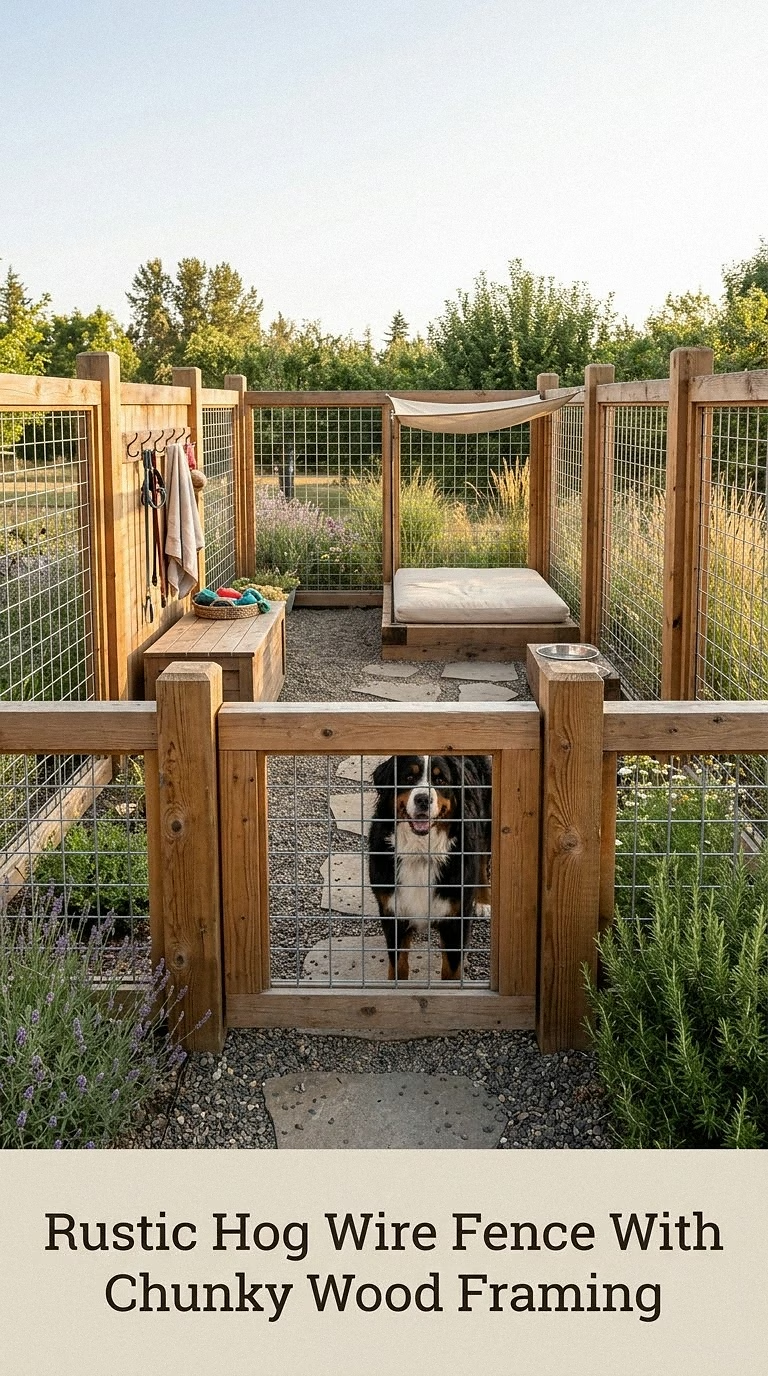
Hog-style welded wire panels framed with thick timber create one of the prettiest rustic dog run fence ideas for large backyards. The combination feels appropriate beside vegetable gardens, farmhouse landscaping, woodland properties, and casual cottage-style homes.
Instead of leaving the panels exposed, frame each section with horizontal top and bottom rails. This adds structure and creates a more custom-built appearance.
The open grid preserves views across your property and allows breezes to move through the dog run. However, check the opening size carefully for smaller dogs and puppies.
For a cohesive finish, use the same wood for the gate and posts. Gravel or decomposed granite underfoot can enhance the natural aesthetic while making muddy areas easier to manage.
Dogs that dig along fence lines may also require buried reinforcement or an inward-facing barrier along the bottom.
Horizontal Wood Slat Fence With Narrow Spacing
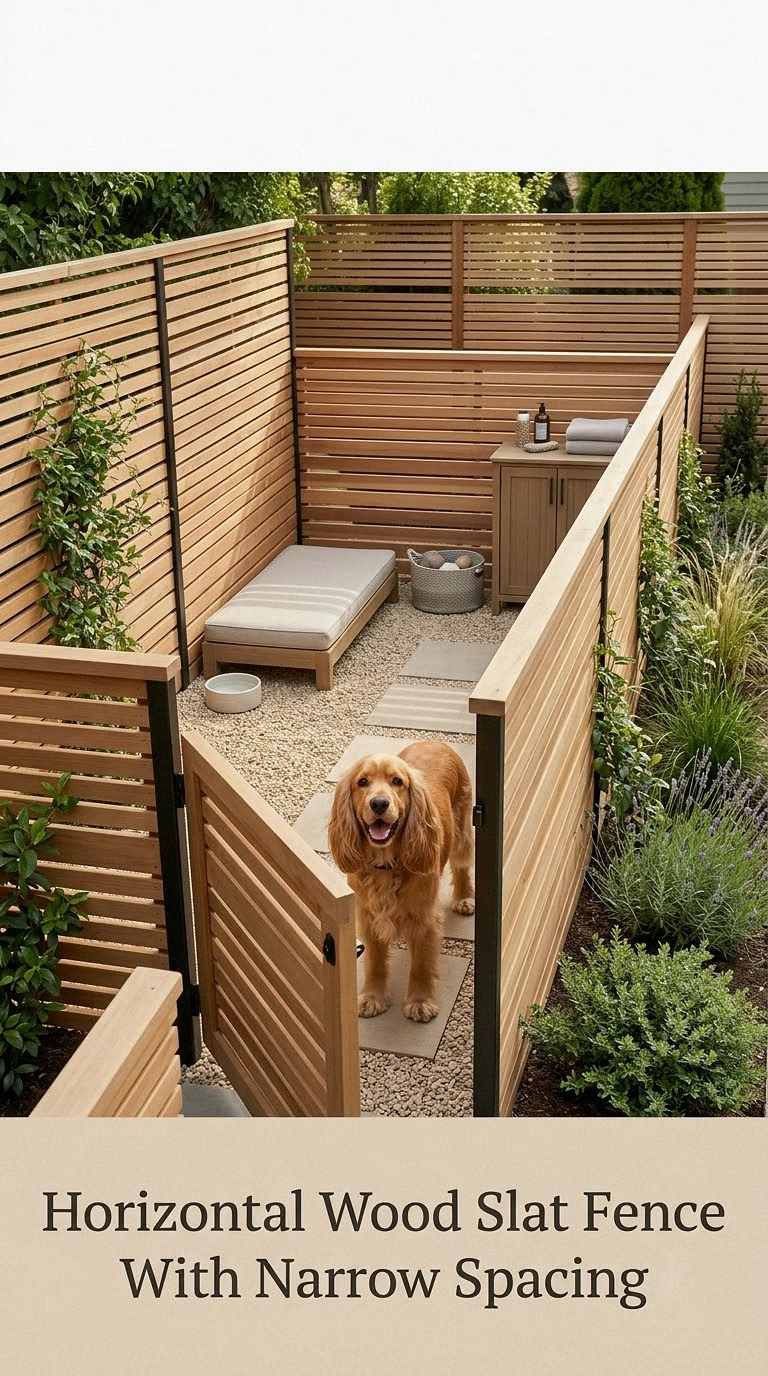
Horizontal slat fencing gives a dog run a sleek architectural appearance and works particularly well beside contemporary houses. Soft cedar, stained pine, or durable composite boards can create long clean lines that make even a narrow enclosure feel thoughtfully designed.
Keep gaps small enough that your dog cannot squeeze through or get their head caught. Remember that horizontal boards may also provide climbing opportunities for particularly agile dogs, so this style is better suited to dogs that do not routinely scale fences.
Try pairing warm-toned boards with charcoal posts and pale stone flooring for an understated Pinterest-inspired palette.
For additional airflow without exposing the entire run, you can use solid boards near the bottom and slightly more open spacing toward the upper portion.
Regularly inspect wooden boards for splitting, loose fasteners, chewing damage, and weather-related warping.
Tall Privacy Fence for Easily Distracted Dogs
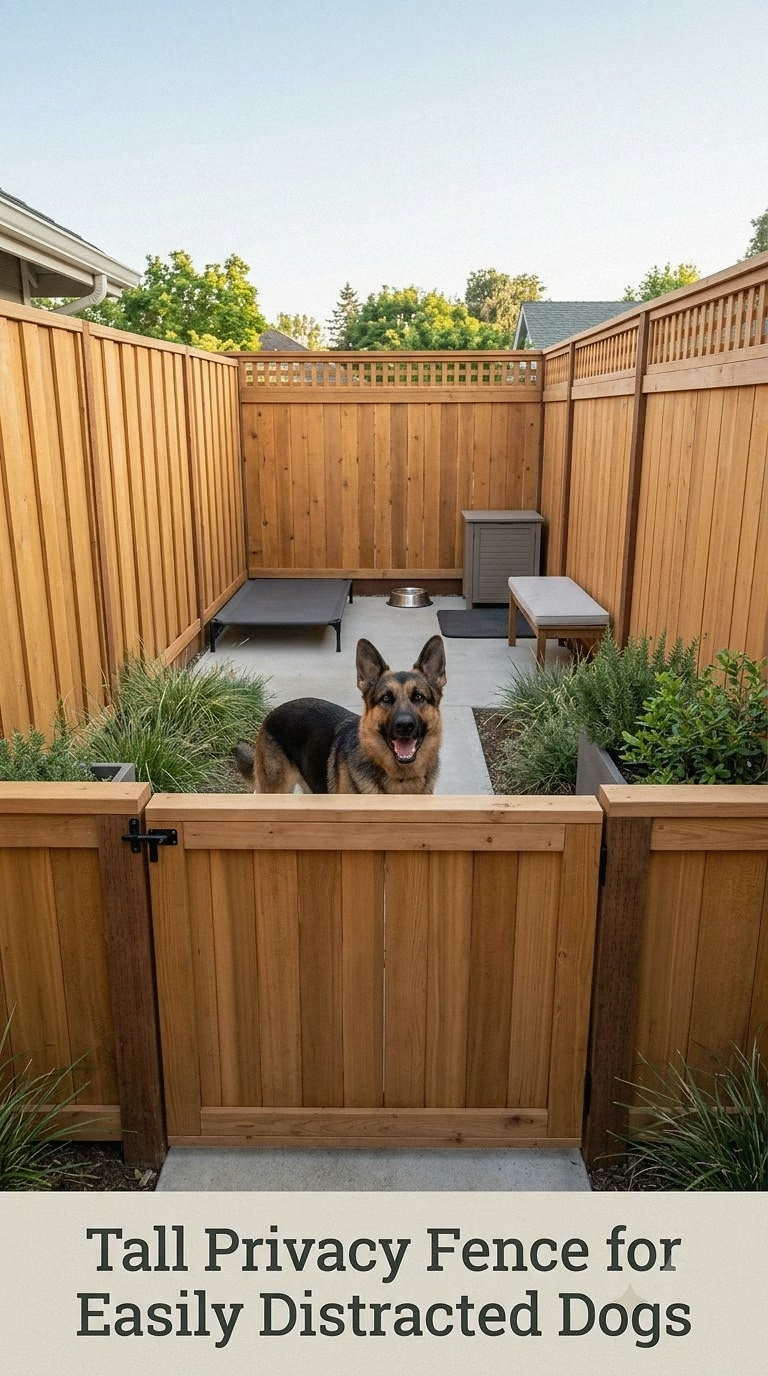
Some dogs spend their entire outdoor session watching squirrels, bicycles, delivery drivers, neighbors, or another dog across the property. For these pets, a tall solid privacy enclosure can create a much calmer environment.
Rather than making the run feel boxed in, turn the fence into a design feature. Try warm natural timber, soft gray composite boards, or muted sage-toned exterior panels. Add an elevated roof edge or pergola-like beams above the entrance for visual interest without providing climbing aids inside the enclosure.
Keep toys, benches, dog houses, and storage boxes far enough from the fence that an athletic dog cannot use them as launching platforms.
Inside, create stimulation through sniffing activities, toys, a shaded lounging area, and time interacting with you. A secure fence is important, but an engaging environment can also discourage escape-seeking behavior caused by boredom.
Black Chain-Link Fence With Stylish Privacy Slats
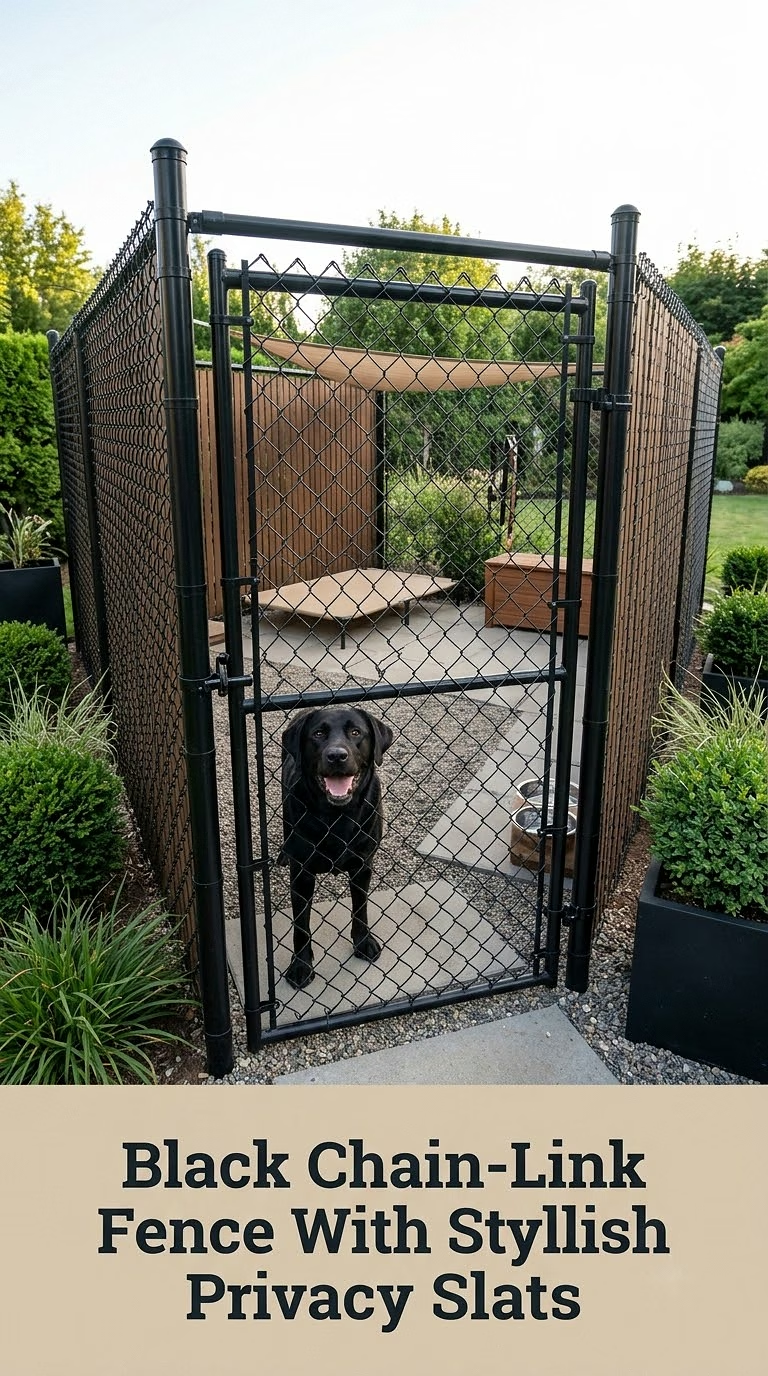
Chain-link fencing remains practical when you need to enclose a relatively large dog run without using large quantities of expensive decorative fencing.
To give it a more finished appearance, choose black-coated chain link rather than standard galvanized gray and weave privacy slats through sections facing sidewalks or neighboring properties.
The combination of black fencing, dark posts, and warm gravel can look surprisingly modern. Add timber edging around the run and repeat the wood tone in a small shelter or storage bench.
Inspect chain link regularly for broken wires, loose connections, and distorted openings that might become sharp or large enough for escape.
Read more : 18 RV Dog Kennel Ideas for a Cozy, Stylish Home on Wheels
Because chain link can sometimes provide footholds for climbers, it may not be appropriate by itself for every dog. Determined diggers will also need reinforcement along the ground.
Narrow Side-Yard Dog Run With Vertical Slatted Fencing
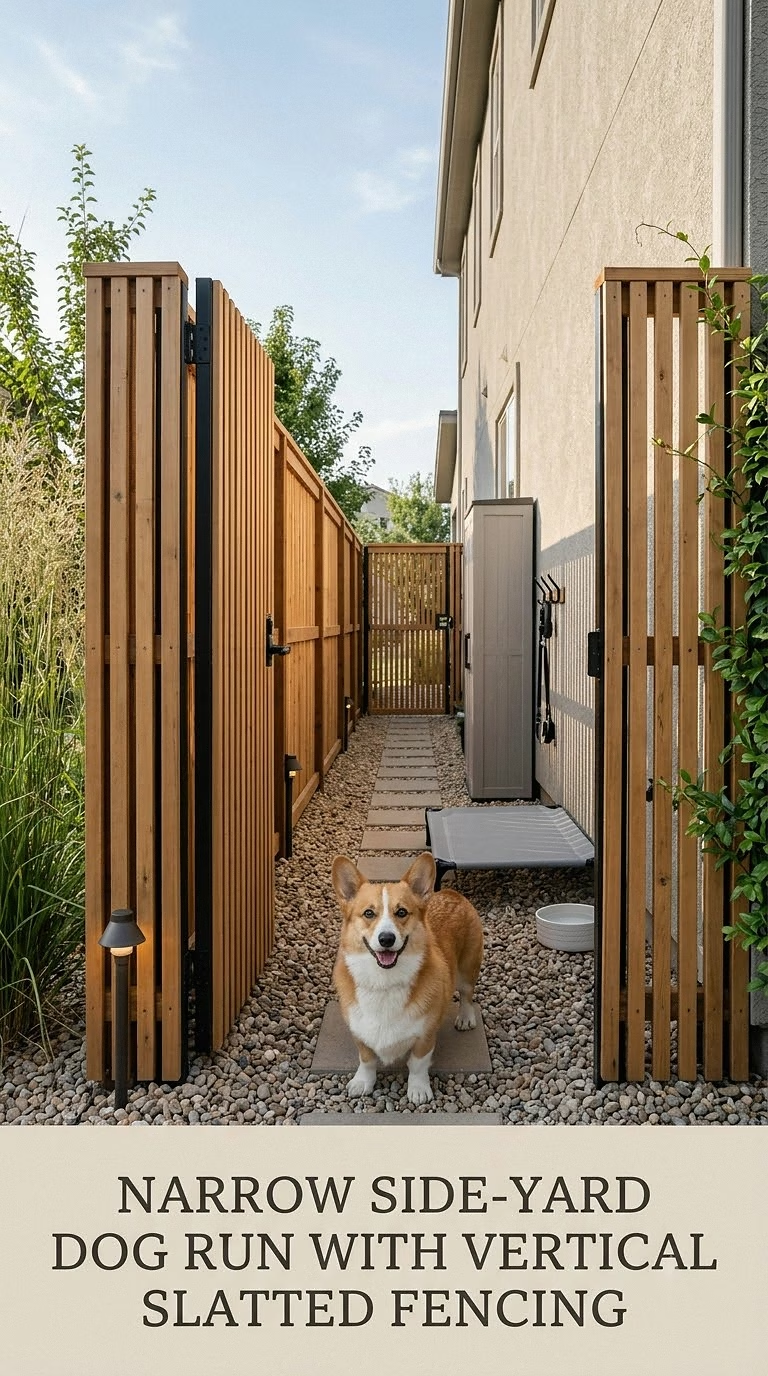
That unused strip between your home and property boundary can become an attractive dedicated dog run without sacrificing the main lawn.
Use vertical wood slats along the visible side of the run and take advantage of an existing secure boundary where appropriate. A narrow layout works best when it provides enough length for comfortable movement rather than simply creating a tiny pen.
Light-colored gravel or pavers can brighten a shaded side yard, while a slim drainage channel helps manage water after rain or cleaning.
Place the gate near the patio or back door for convenient everyday access. A small wall-mounted leash hook and covered waste-bag holder can make the area even more functional.
Make sure air can circulate freely, particularly if the run sits between solid walls or fences where heat can accumulate during warm weather.
White Vinyl Privacy Fence With a Clean Garden Look
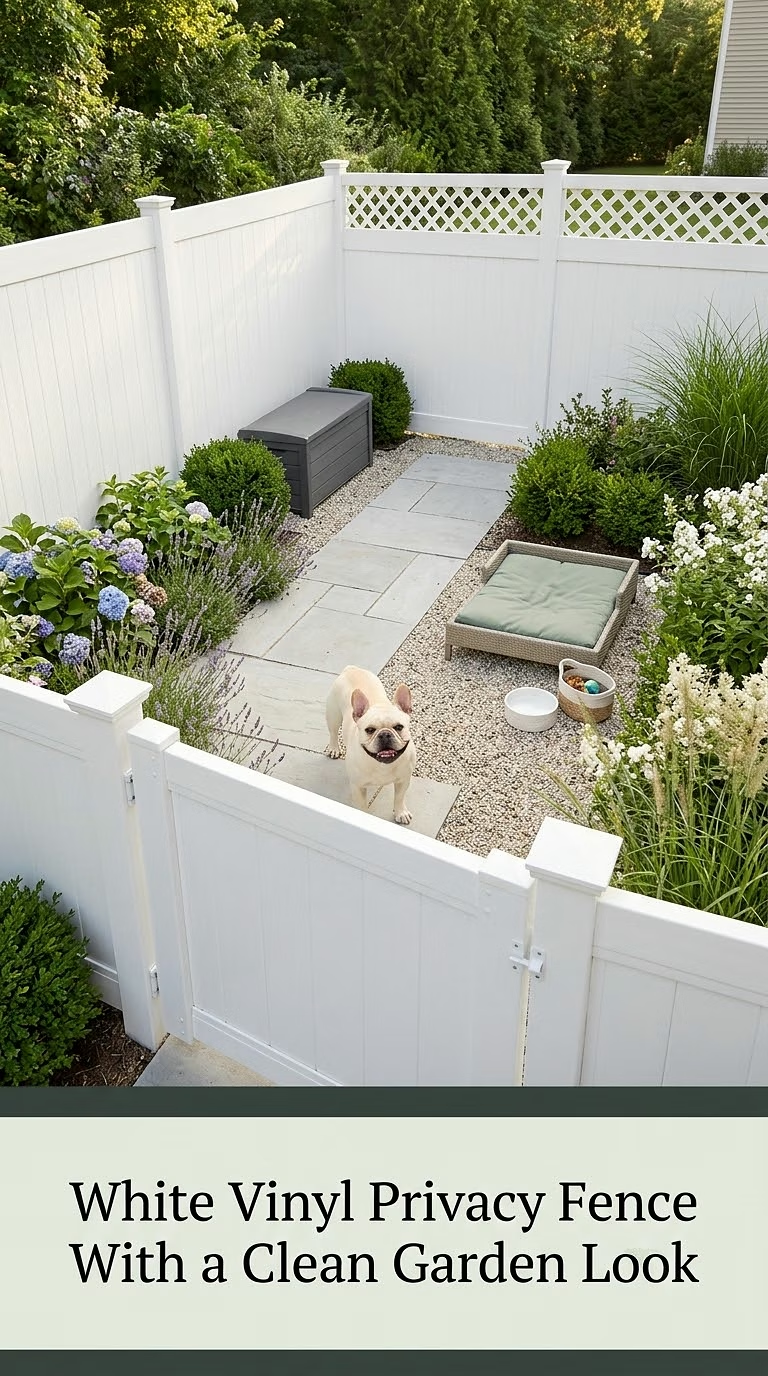
White or soft cream vinyl fencing creates a fresh, tidy dog run that suits coastal, suburban, and traditional garden styles.
A solid lower portion can help contain visual distractions while the bright color keeps the enclosure from feeling overly heavy. Pair the fence with pale stone, clipped greenery outside the enclosure, and a simple gray or natural-wood dog house.
Vinyl can also be appealing to homeowners who do not want the refinishing schedule associated with wood. However, it still requires regular inspection. Cracked panels, loose posts, gaps along the ground, and damaged gates should be repaired promptly.
Choose a product sturdy enough for your dog’s size and behavior rather than assuming every decorative vinyl panel is suitable for pet containment.
A contrasting black latch and gate hardware can give the otherwise simple fence a polished designer finish.
Corrugated Metal and Wood Fence for a Modern Rustic Run
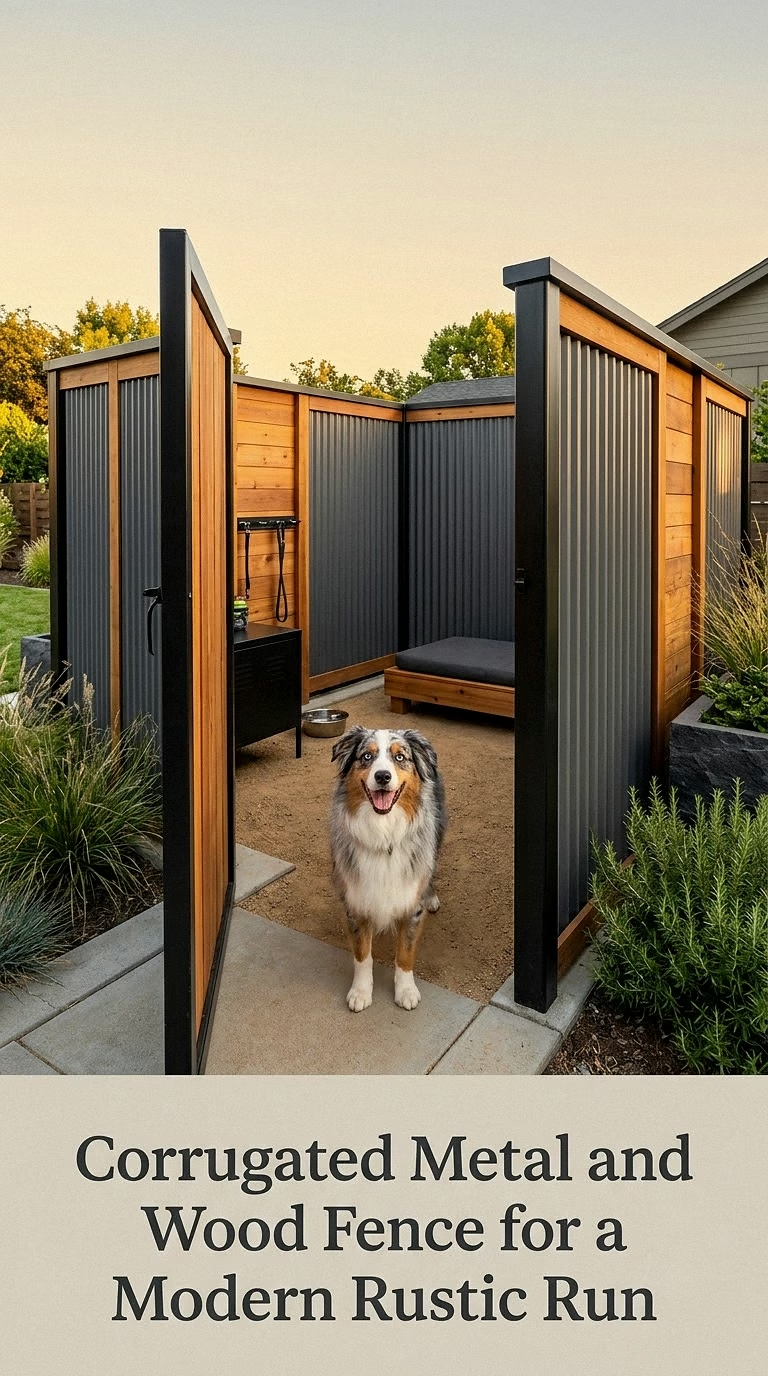
Corrugated metal panels framed by warm timber create a durable-looking dog run with a modern rustic personality.
Use solid metal strategically along boundaries where you want privacy, then combine it with open mesh sections elsewhere so the enclosure still receives airflow and does not feel enclosed on every side.
Charcoal, matte black, or muted galvanized panels work especially well with cedar or redwood-toned framing. Add pea gravel, large concrete stepping stones, and a simple timber shelter to continue the material palette.
All exposed metal edges should be securely enclosed by framing so your dog cannot encounter sharp corners or unfinished cut surfaces.
Because metal surfaces exposed to strong sunlight can become hot, consider shade and placement carefully. Avoid positioning your dog’s resting spot directly against a sun-heated panel during warm parts of the day.
Composite Privacy Fence With a Minimalist Neutral Palette
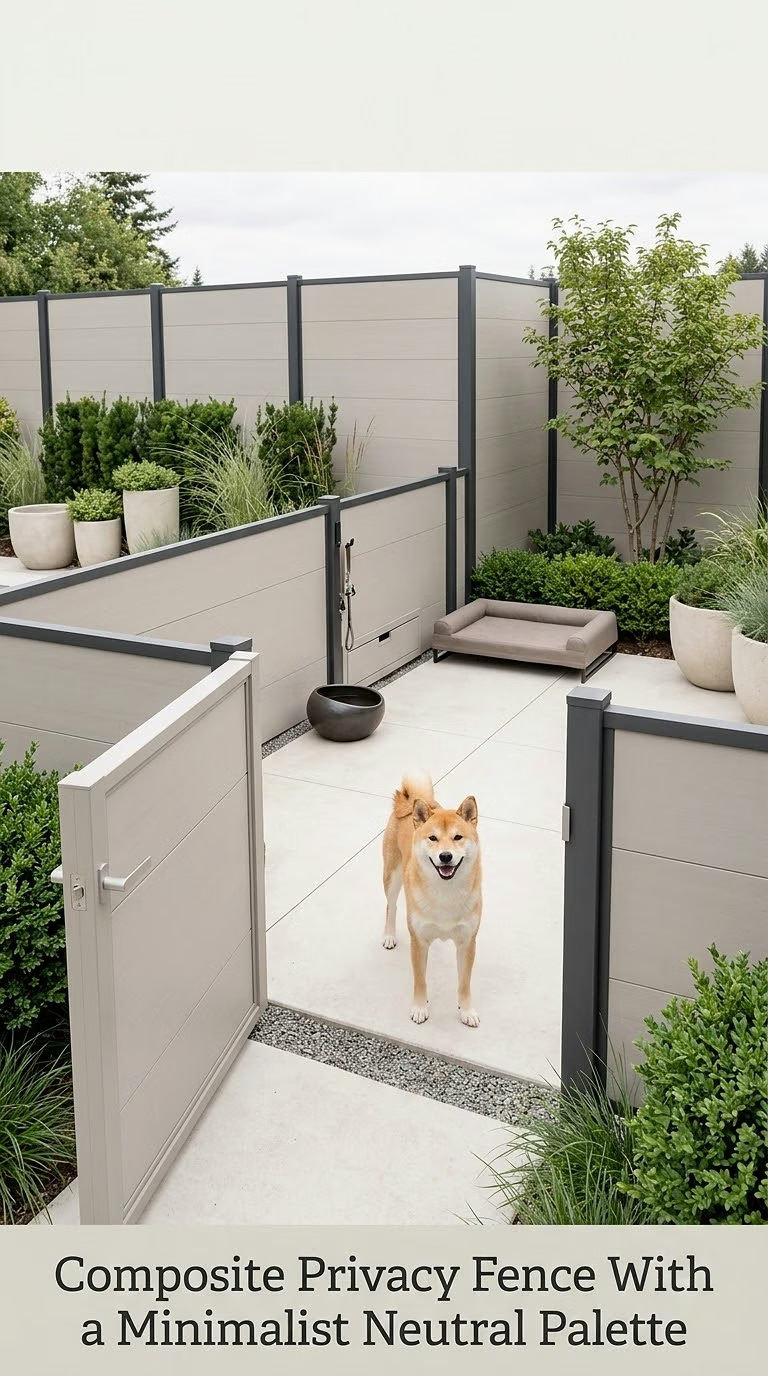
Composite boards are ideal for homeowners who love the clean appearance of modern wood fencing but want a more uniform, contemporary finish.
Choose taupe, driftwood gray, walnut, or charcoal boards and pair them with slim black posts. The restrained palette allows the dog run to blend naturally with modern patios and outdoor kitchens.
A composite enclosure looks particularly polished when the flooring follows the same minimalist approach. Large concrete pavers surrounded by pet-friendly gravel can create an easy-to-clean surface while leaving small sections of softer ground for comfort.
Before building, confirm that the fencing system is intended for the required height and structural load. Secure posts and gates matter just as much as the panel material.
Avoid large spaces underneath panels, especially on uneven terrain where a surprisingly small opening can become an escape route.
Cottage Garden Dog Fence With Timber Posts and Green Wire
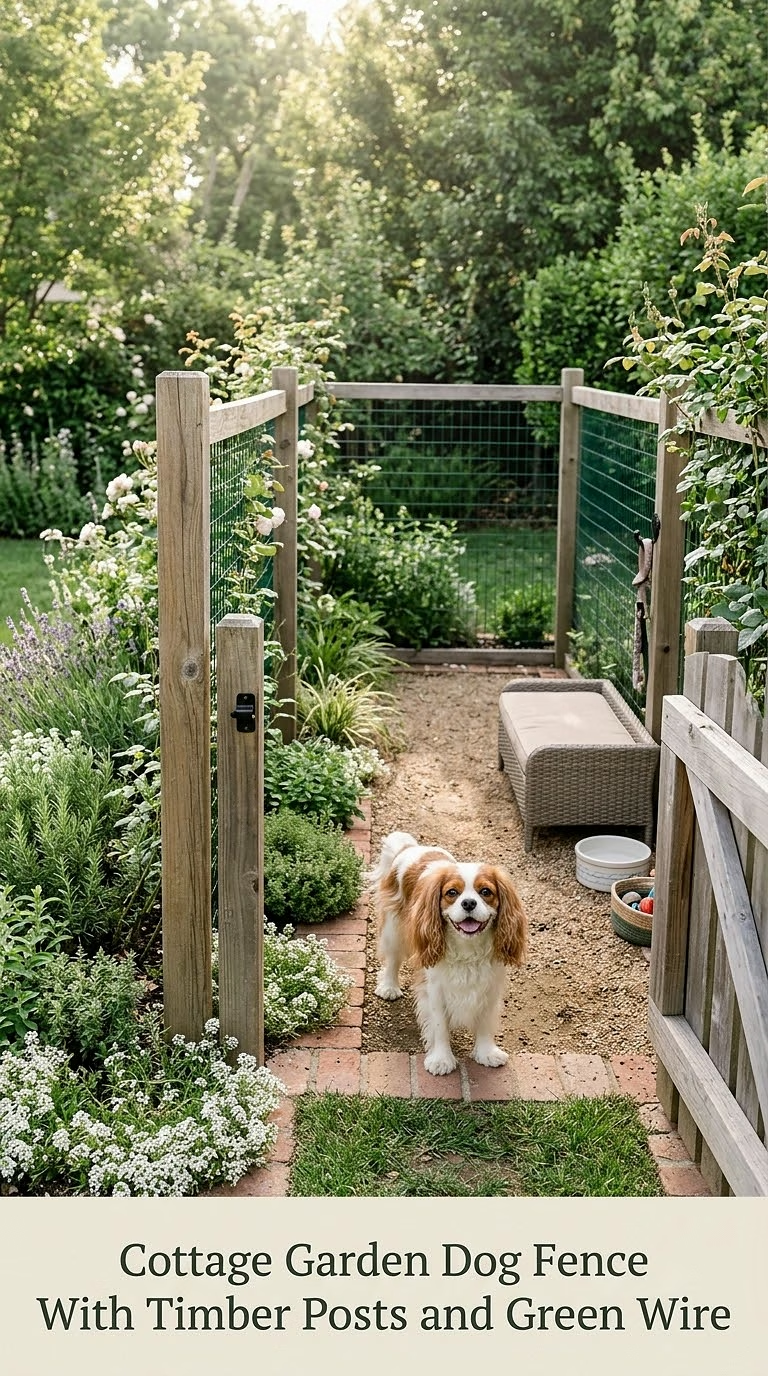
A dog run can blend into romantic cottage landscaping instead of standing apart from it.
Start with natural timber posts and dark green welded wire, which visually disappears against plants more effectively than bright metal. Create a gently informal border outside the run using dog-safe shrubs, ornamental grasses, and flowering plants appropriate for your climate.
Keeping plants outside the actual enclosure helps protect them from digging and prevents dense vegetation from becoming an easy climbing aid.
A simple wooden gate with diagonal bracing adds charming garden character. Natural gravel or compacted stone underfoot complements the rustic materials while helping define a clean path.
This design works beautifully when you want your dog area near a garden but still want open sightlines. Just ensure the seemingly delicate aesthetic is backed by fencing strong enough for your individual dog.
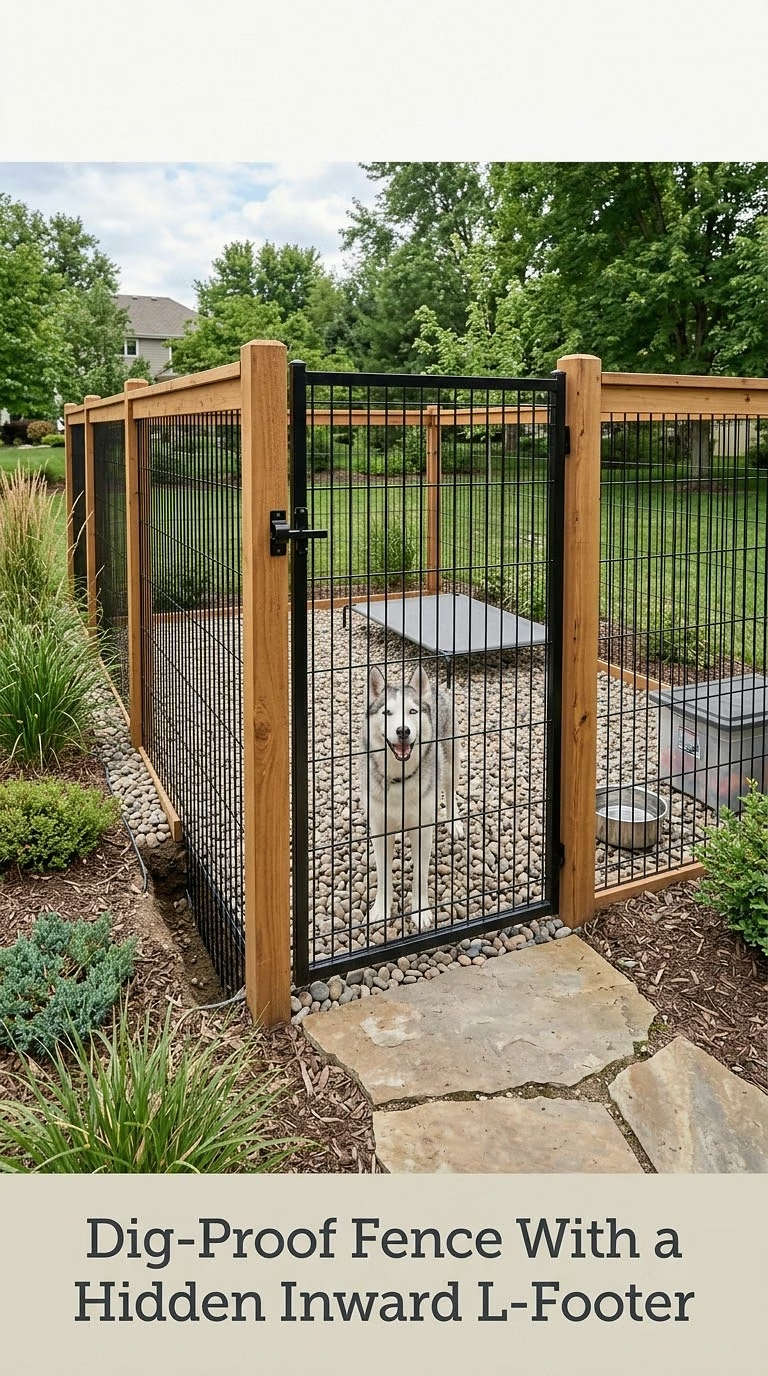
If your dog specializes in excavation, the prettiest fence in the world will not help much if there is nothing preventing an underground escape.
One practical approach is an inward-facing L-shaped barrier connected to the bottom of the fence. Suitable sturdy mesh can extend down and inward beneath soil, gravel, or landscaping so your dog encounters another barrier when attempting to dig along the perimeter.
You can hide the reinforcement completely and maintain an attractive wooden, metal, or wire fence above ground.
Large landscape stones or a properly constructed concrete edge may also be useful in particularly vulnerable sections, depending on the layout.
Inspect the perimeter regularly because repeated digging can expose previously hidden gaps. Combining physical reinforcement with a designated digging area elsewhere in the run can be especially useful for dogs that genuinely enjoy digging.
Wood Fence With a Stone-Lined Anti-Dig Border
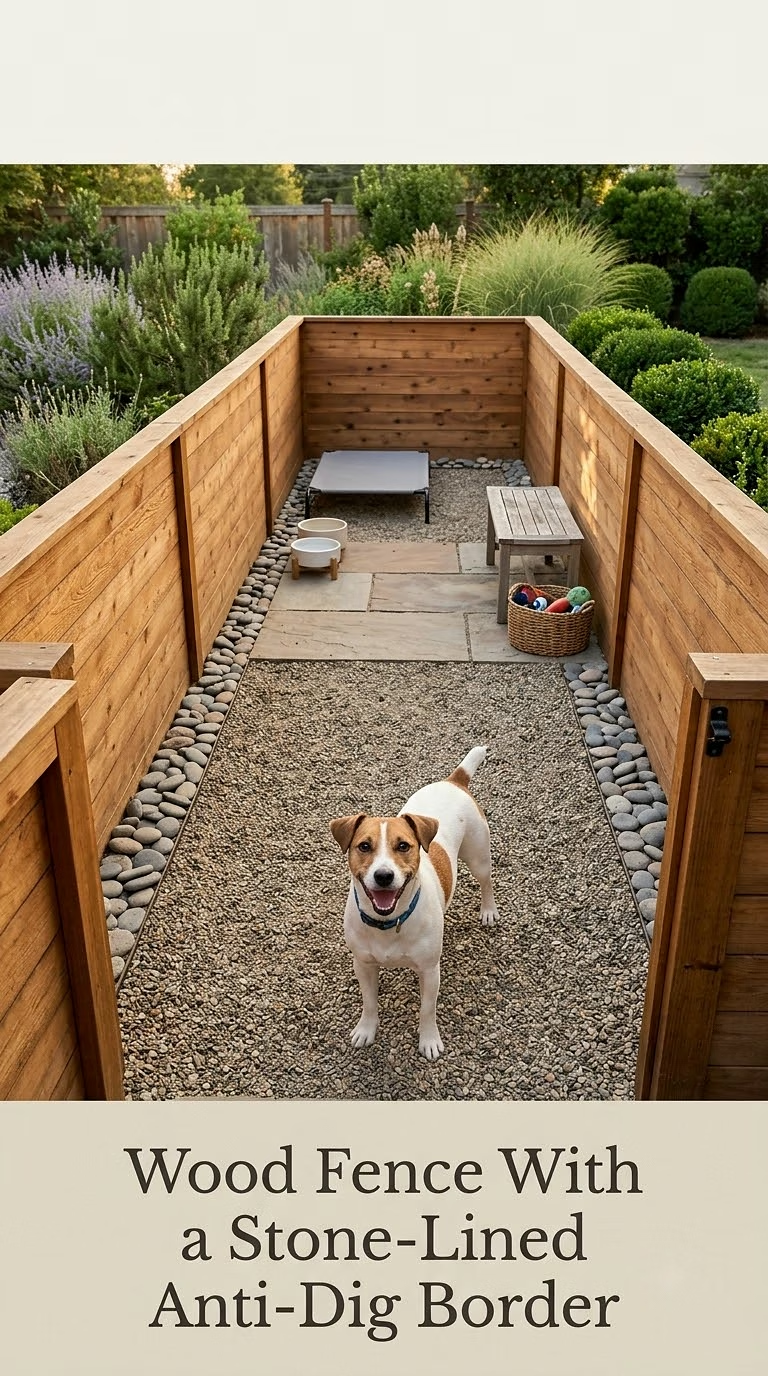
For a dig-resistant design that looks intentional rather than heavily fortified, create a stone border along the inside edge of a wooden fence.
Use substantial smooth landscape stones or a continuous hardscape strip rather than loose little stones that can easily be moved. The border visually separates the fence from the dog’s main running surface while making immediate access to soft digging soil more difficult.
Read more : 18 Dog Kennel Roof Ideas for a Stylish, Safe, and Weather-Ready Outdoor Space
Warm cedar fencing, pale natural stone, and fine gravel create an earthy neutral combination that fits beautifully into landscaped yards.
For persistent diggers, decorative stones alone should not be treated as the only security measure. Reinforce the fence below ground as necessary and use the stone primarily as the attractive finished surface.
This design also reduces muddy splash marks along the bottom of wooden boards, helping the enclosure maintain a cleaner appearance after wet weather.
Dog Run Fence With a Secure Double-Gate Entry
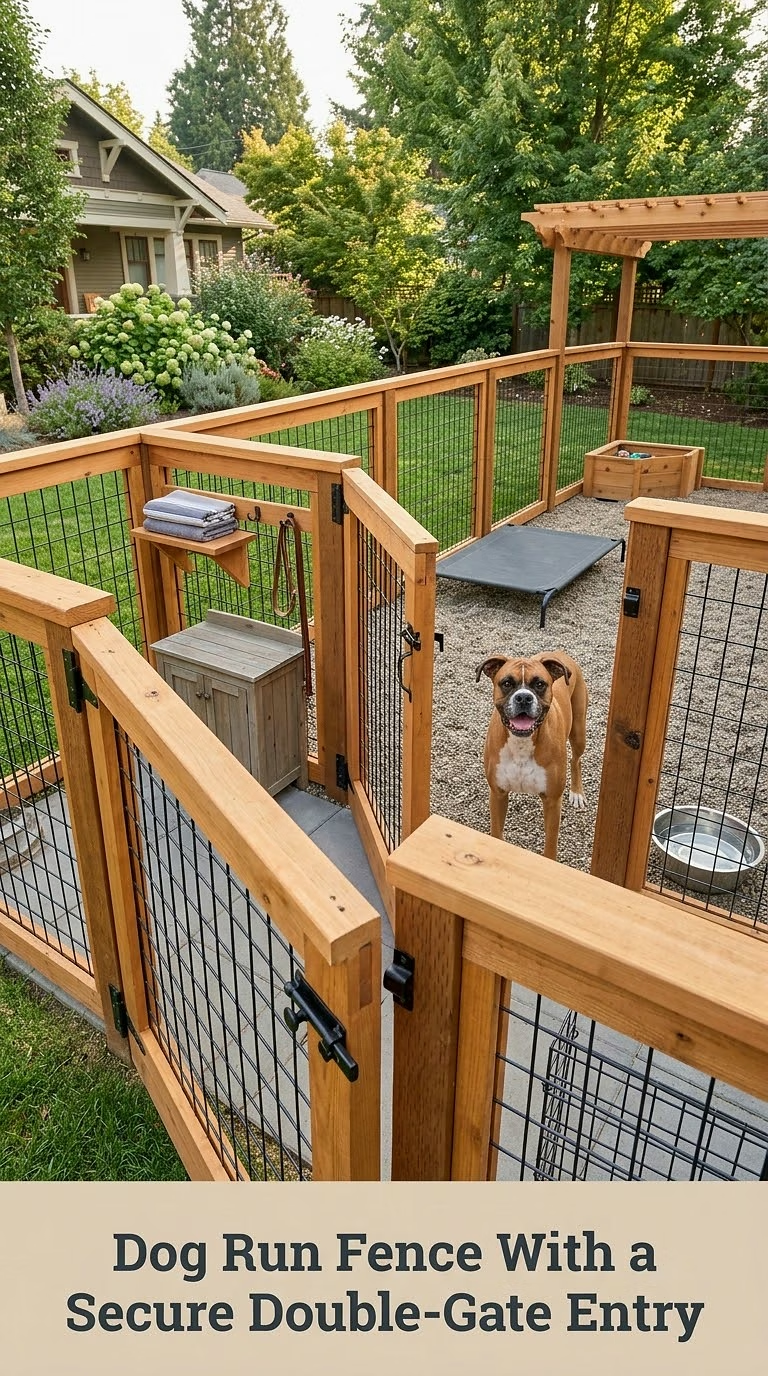
A small two-gate entry zone can be a smart addition for dogs that rush toward an opening as soon as they hear a latch.
Instead of one gate leading directly from the dog run into the open yard, create a tiny enclosed transition area. You enter through one gate, close it, and then open the second gate.
Make the feature visually appealing with matching wood-and-wire panels, black hinges, and simple square posts. Even a compact entry zone can look like a miniature garden vestibule rather than an industrial kennel system.
Choose secure latches and check them frequently. Self-closing hardware can add another layer of convenience where appropriate.
This layout is especially useful near busy household entrances where children, guests, or maintenance workers may occasionally access the dog area and accidentally leave a gate unsecured.
Bamboo-Look Privacy Screen Over a Secure Mesh Fence
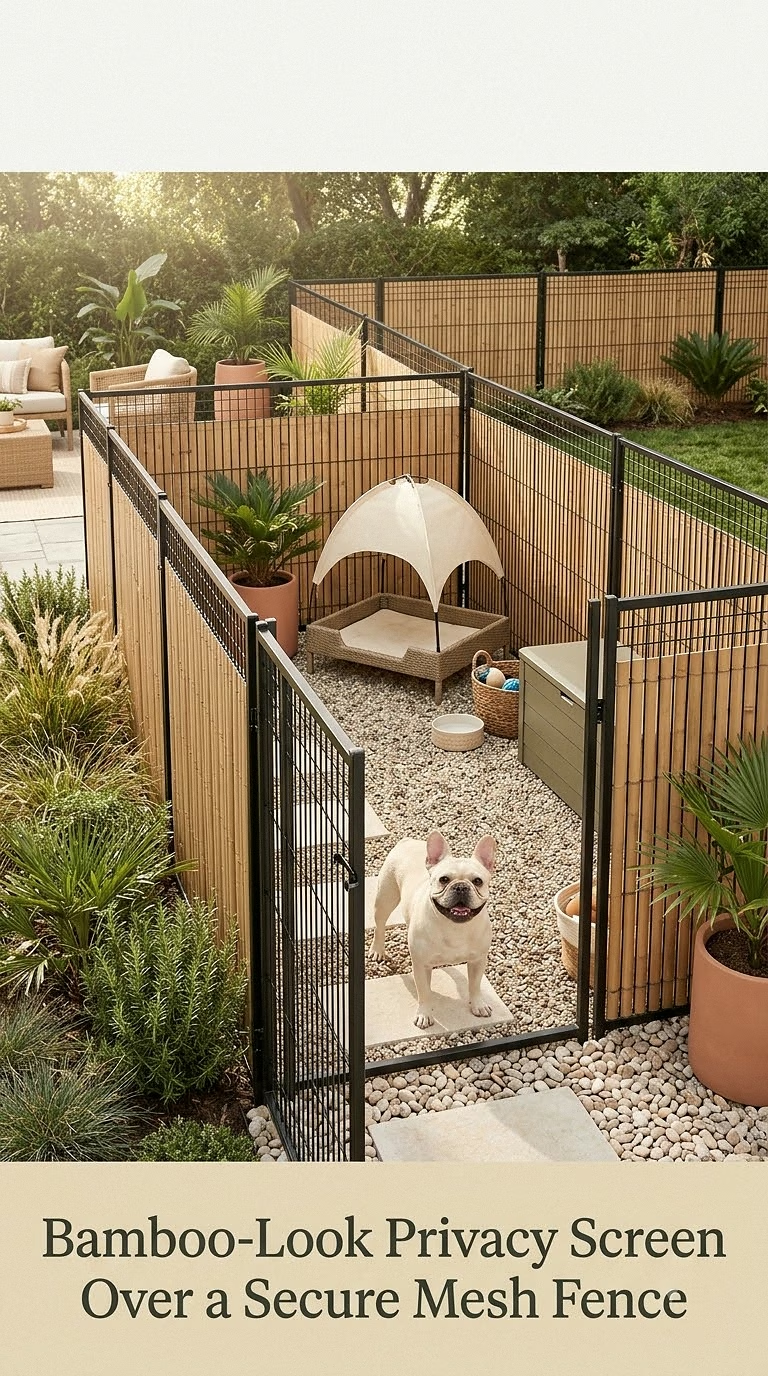
If you love relaxed tropical or bohemian gardens, you can introduce the look of bamboo without relying on a lightweight decorative screen as your dog’s only containment barrier.
Build the actual enclosure using strong mesh or another appropriate physical fence, then attach bamboo-look screening to selected exterior sections for visual softness and privacy.
Pair it with warm decking, pale gravel, terracotta planters outside the run, and a cream outdoor dog bed for an inviting resort-inspired feel.
Make sure decorative material is secured so your dog cannot pull pieces through the fencing or chew loose edges. Natural bamboo also weathers over time, so inspect it regularly and replace damaged sections.
Using screening only on part of the run maintains airflow and gives your dog a mixture of private resting areas and open views.
Garden-Integrated Fence With Built-In Exterior Planters
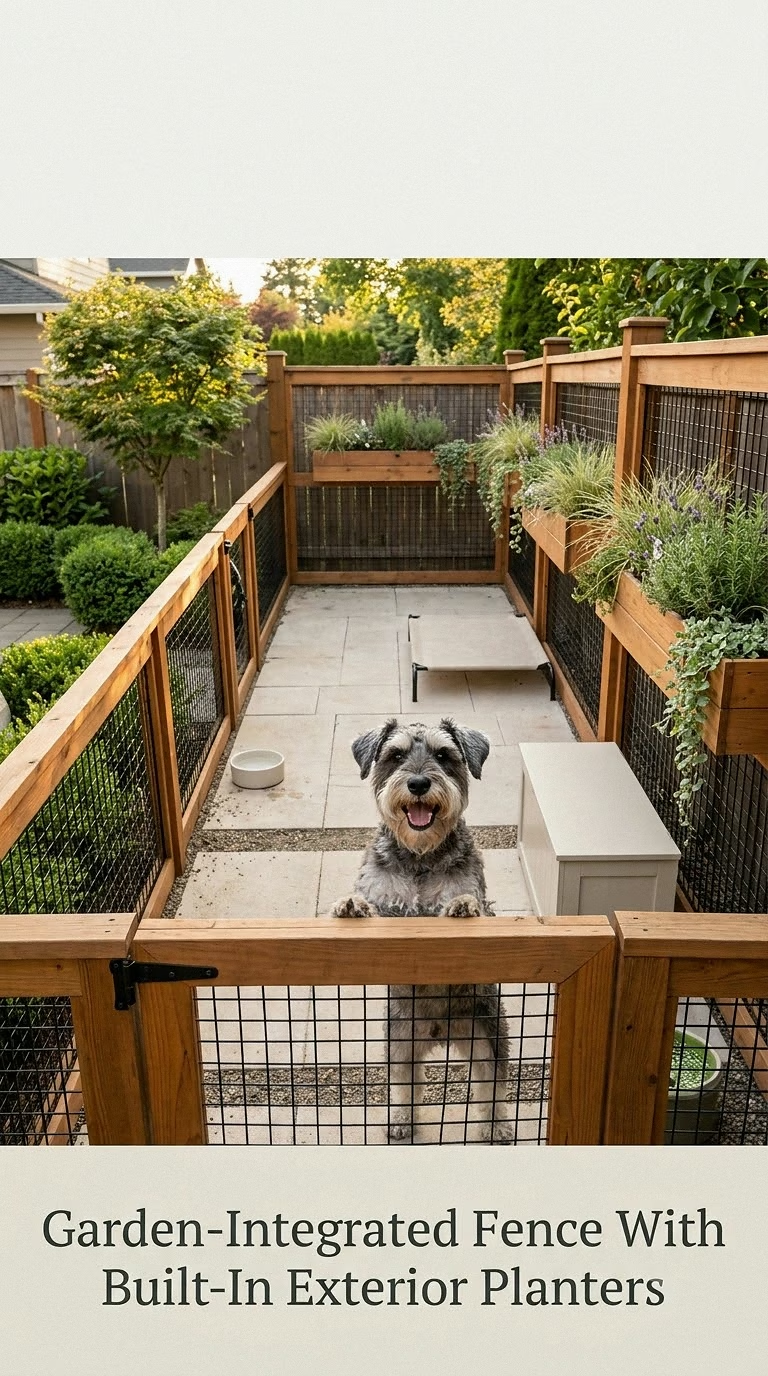
Turn the outside of your dog’s fence into usable garden space by incorporating long planter boxes along selected sections.
A black welded-wire fence framed with timber works beautifully for this idea. Attach planters only to structurally appropriate areas or install freestanding boxes directly outside the fence so their weight does not compromise the enclosure.
Choose dog-safe plants and avoid anything toxic that could grow through the mesh where curious noses can reach it.
Low herbs, ornamental grasses, and compact foliage can visually soften an otherwise simple enclosure. Planters can also create additional separation between the dog run and a patio seating area.
Keep taller structures away from the interior side of the fence, where they could accidentally provide a climbing platform.
The result feels like purposeful backyard landscaping rather than a pet enclosure added as an afterthought.
Covered Dog Run With Coordinated Wood and Metal Fencing
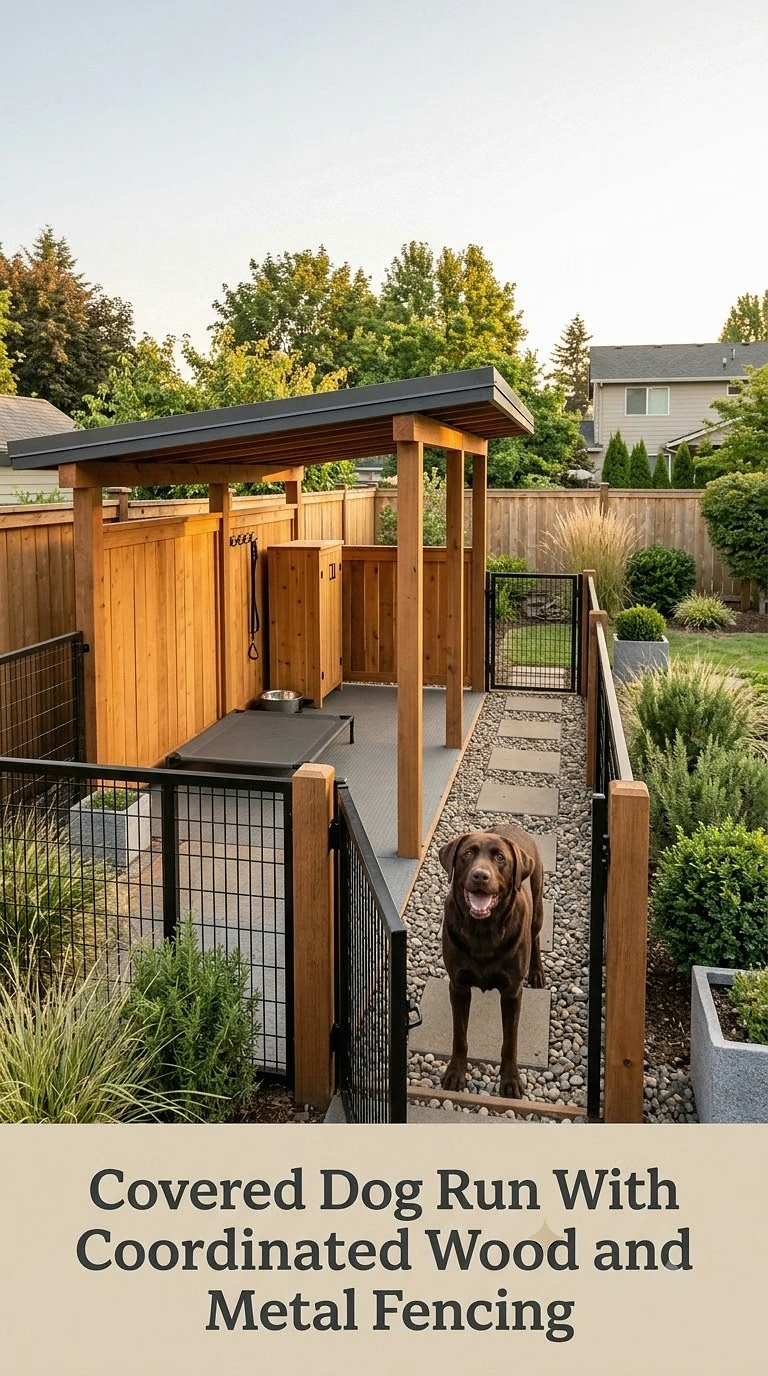
Combining fencing with partial overhead protection can create a more comfortable outdoor dog area while also making the structure look architecturally complete.
Use cedar posts, black welded-wire panels, and a simple sloped roof over one section of the run. This gives your dog a protected resting zone while leaving another portion open for fresh air and sunshine.
Coordinate the roof with nearby structures such as your shed, pergola, or home trim so the dog run looks like it belongs in the backyard.
The roof should not create gaps at the fence line that a climbing dog could exploit. Secure drainage is equally important so runoff does not create muddy areas or puddles inside the enclosure.
Add a raised washable bed and water bowl beneath the protected section for a practical everyday retreat.
Soft Sage Fence With Natural Wood Accents for a Cozy Backyard Run
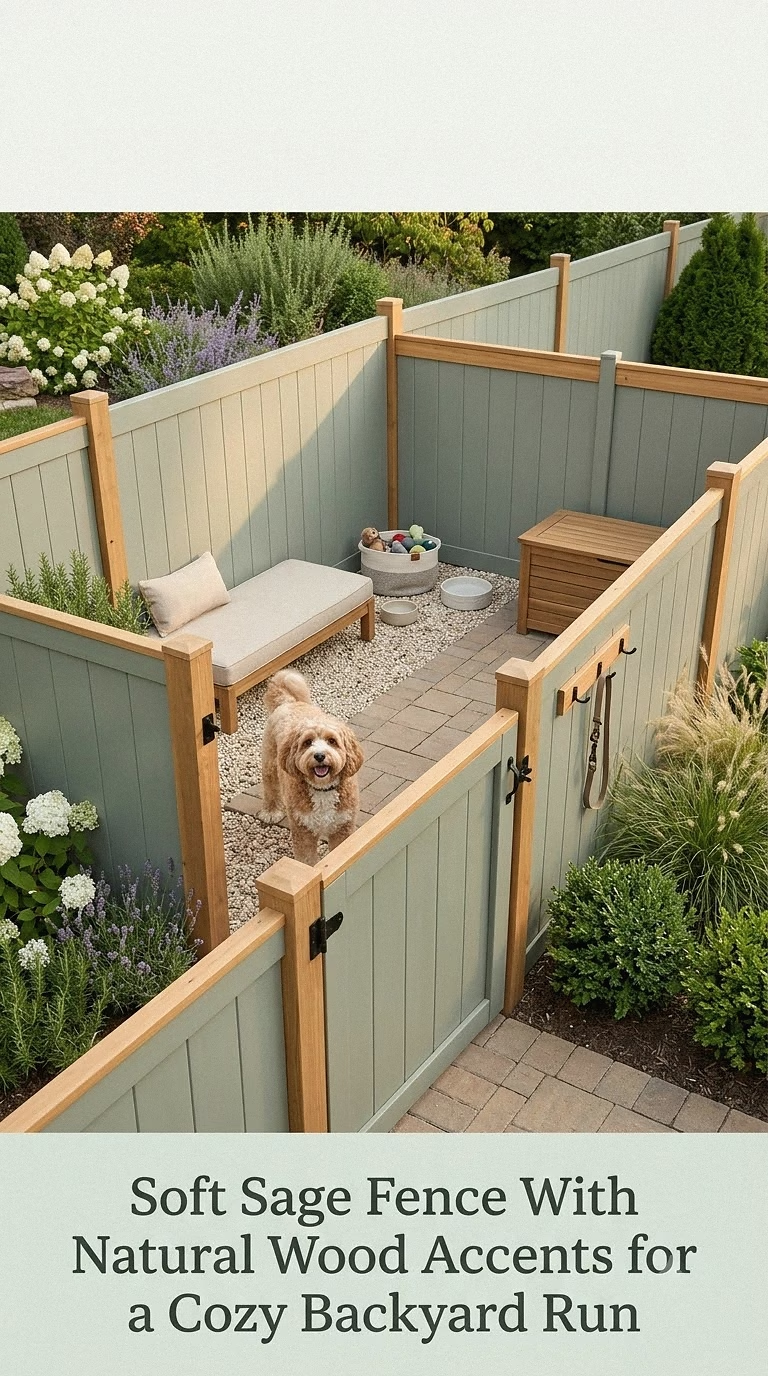
Dog fencing does not have to stay natural brown, white, or black. A muted sage green enclosure can disappear beautifully into garden surroundings while adding the soft, cozy aesthetic often seen in Pinterest-inspired outdoor spaces.
Use an exterior-grade finish suitable for your fencing material and pair the sage panels with natural timber posts or a warm wood gate. Cream gravel, woven-look outdoor accessories, and leafy landscaping outside the enclosure complete the palette.
Solid lower panels can provide privacy, while secure open fencing near the upper section introduces ventilation and light.
Keep decorative details simple inside the run. Dogs are likely to bump, chew, dig, and play against their surroundings, so elaborate trim and fragile decorations are rarely worthwhile.
A restrained color palette gives you the stylish effect without sacrificing practicality or making routine maintenance unnecessarily difficult.
Choosing the Best Dog Run Fence Ideas for Your Backyard
A beautiful dog run starts with a design that suits your home, but the final decision should always suit your dog as well. A secure enclosure for a relaxed little companion may look completely different from one designed for a large dog that can jump, climb, dig, chew, or push against gates.
Start with the practical details: adequate height, secure gaps, sturdy posts, reliable gate hardware, smooth surfaces, and protection along the bottom when digging is a concern. From there, you can make the enclosure feel like part of your landscape with warm wood, black metal, soft neutral colors, privacy panels, gravel paths, planters, and comfortable shaded areas.
You also do not need a huge budget to create something attractive. Even simple welded wire can look beautiful when framed neatly with wood, while an existing chain-link run can feel dramatically more polished with dark coating, privacy screening, and thoughtful landscaping.
Choose the dog run fence ideas that match your space, climate, maintenance preferences, and your pet’s individual behavior. With a little planning, a secure dog area can become one of the most useful and surprisingly beautiful features in your backyard.
Source: https://petstutorial.com
Category: Dog Kennels Runs
