
A thoughtfully designed dog stall can be so much more than a simple place to keep your pup contained. With the right layout, materials, and finishing touches, it can become a comfortable little retreat that looks intentional within your barn, garage, mudroom, laundry room, or outdoor space.
- 19 Dog Kennel Furniture Ideas: Beautiful Ways to Blend Your Dog’s Space Into Your Home
- 19 Laundry Room Ideas With Dog Kennel: Beautiful and Practical Spaces for Pet Lovers
- 18 Dog Trolley Run Ideas For A Safer And More Beautiful Backyard
- 17 Dog Kennel Greenhouse Ideas for a Beautiful, Cozy, Pet-Friendly Backyard Retreat
- 19 Beautiful Dog Playpen Indoor Ideas for a Cozy, Stylish Home
The best dog stall ideas balance appearance with everyday practicality. A beautiful gate and cozy bed may catch your eye on Pinterest, but easy-clean flooring, secure hardware, good airflow, comfortable resting space, and smart storage are what make the setup enjoyable to use long after the project is finished.
You are reading: 18 Dog Stall Ideas: Beautiful and Practical Spaces for a Happy, Comfortable Dog
Whether you love warm farmhouse interiors, clean modern spaces, rustic barn details, or soft cottage-inspired colors, there are plenty of ways to create a dog stall that complements your style. You also don’t necessarily need a huge budget or a professional remodel. Some of the prettiest setups can be created with basic lumber, washable wall panels, simple storage, and a few carefully chosen decorative details.
These dog stall ideas offer inspiration for spaces large and small, from practical DIY enclosures to luxurious built-in retreats.
Beautiful Dog Stall Ideas for Stylish and Practical Pet Spaces
Rustic Barn-Style Dog Stall With Black Metal Gates and Warm Wood Walls
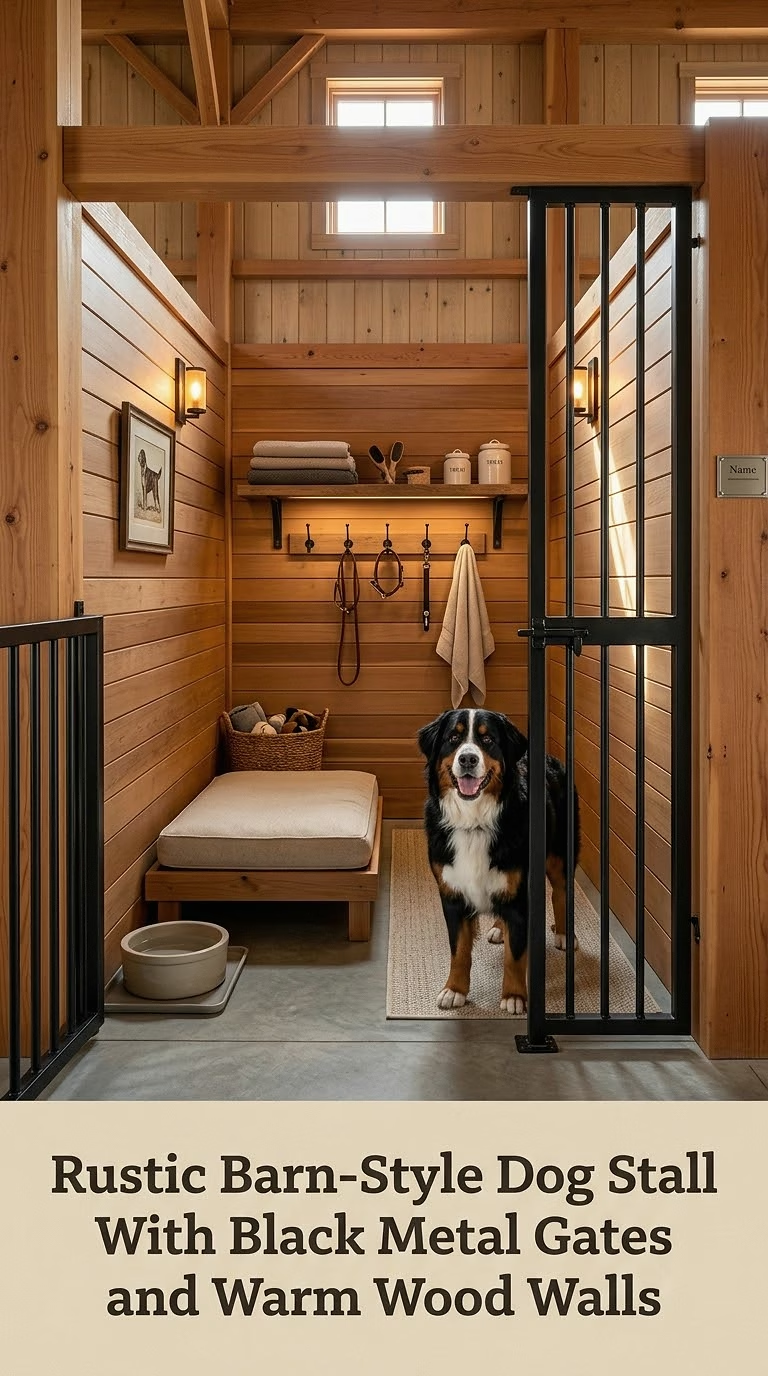
For a timeless barn-inspired look, combine natural wood walls with sturdy black metal gates. Warm pine, cedar-toned boards, or sealed tongue-and-groove paneling can make the stall feel welcoming rather than purely utilitarian, while matte black hardware gives the design a polished farmhouse finish.
Add a washable neutral bed, stainless-steel bowls, and a small wooden name plaque above the gate to personalize the space. A wall-mounted basket outside the stall can hold leads, brushes, and toys without creating clutter inside your dog’s resting area.
Choose surfaces that can withstand regular cleaning, particularly near the floor where splashes and muddy paws are common. If your dog tends to chew wood, consider protecting accessible edges with durable trim.
This style works especially well in renovated barns, garages, and large utility rooms where you want the dog area to look like a deliberate part of the architecture.
White Shiplap Dog Stall With Sage Green Trim and Woven Storage
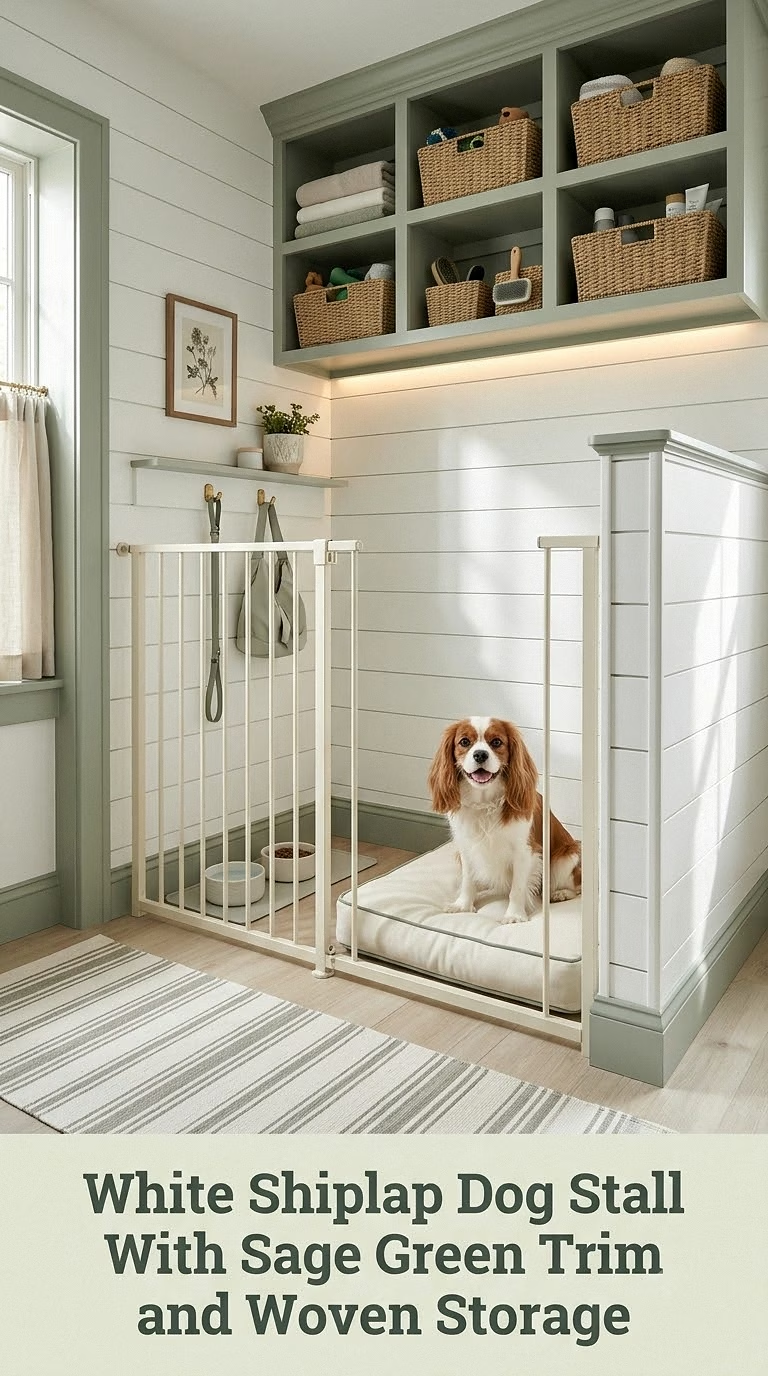
Soft sage green and creamy white create a calmer, more decorative alternative to the traditional kennel look. Use white shiplap-inspired wall panels with sage green framing around the stall entrance, then repeat the color on nearby cabinetry or storage shelves.
Woven baskets can keep blankets, grooming supplies, and spare toys organized while adding the cozy texture Pinterest interiors are known for. Finish the stall with an oatmeal-colored washable bed and perhaps a simple botanical print displayed safely outside the enclosure.
Keep decorative accessories beyond your dog’s reach, especially if she enjoys chewing or pulling objects through fencing.
For easier maintenance, consider using decorative wall treatments only on the upper portion of the stall. The bottom section can be finished with smooth, moisture-resistant panels that are easier to wipe down.
The finished space feels charming enough for a cottage-style mudroom while remaining practical for everyday pet care.
Modern Black-Framed Dog Stall With Clear Panels and Concrete-Look Flooring
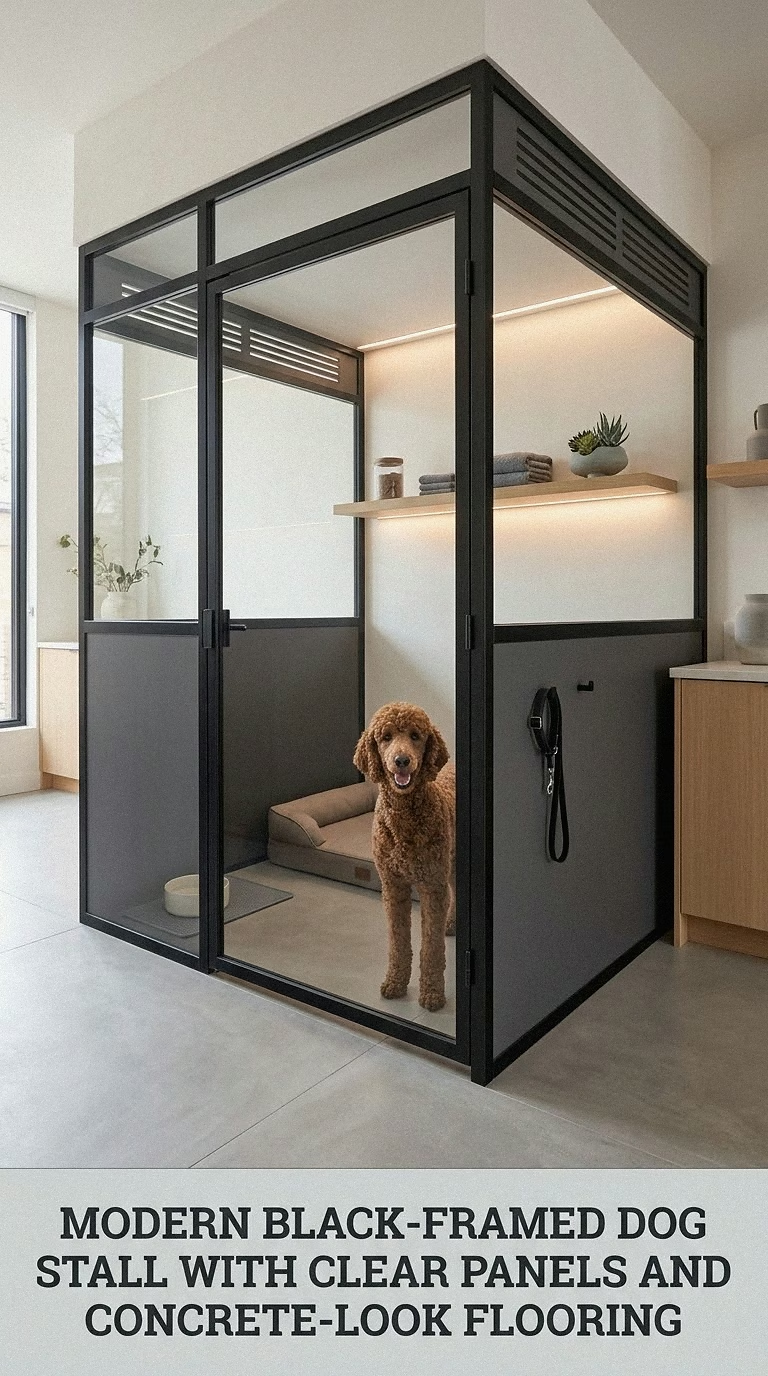
A sleek black-framed stall can look surprisingly sophisticated in a contemporary home. Use narrow black metal framing combined with durable transparent or partially transparent panels to maintain an airy appearance while defining your dog’s space.
Concrete-look flooring works beautifully with this aesthetic, but comfort and traction should come before appearance. If the existing surface is slippery, introduce a secure non-slip kennel mat or another washable surface that gives your dog confident footing.
Keep the color palette intentionally simple. Black framing, soft gray flooring, white walls, and one warm oak shelf can create enough contrast without making the area feel busy.
Transparent sections also allow you to see your dog easily, although dogs that become excited when watching household activity may benefit from partially solid side panels.
This sophisticated design works particularly well beside minimalist kitchens, modern utility rooms, converted garages, and contemporary home gyms.
Cozy Indoor Dog Stall Built Into Laundry Room Cabinetry
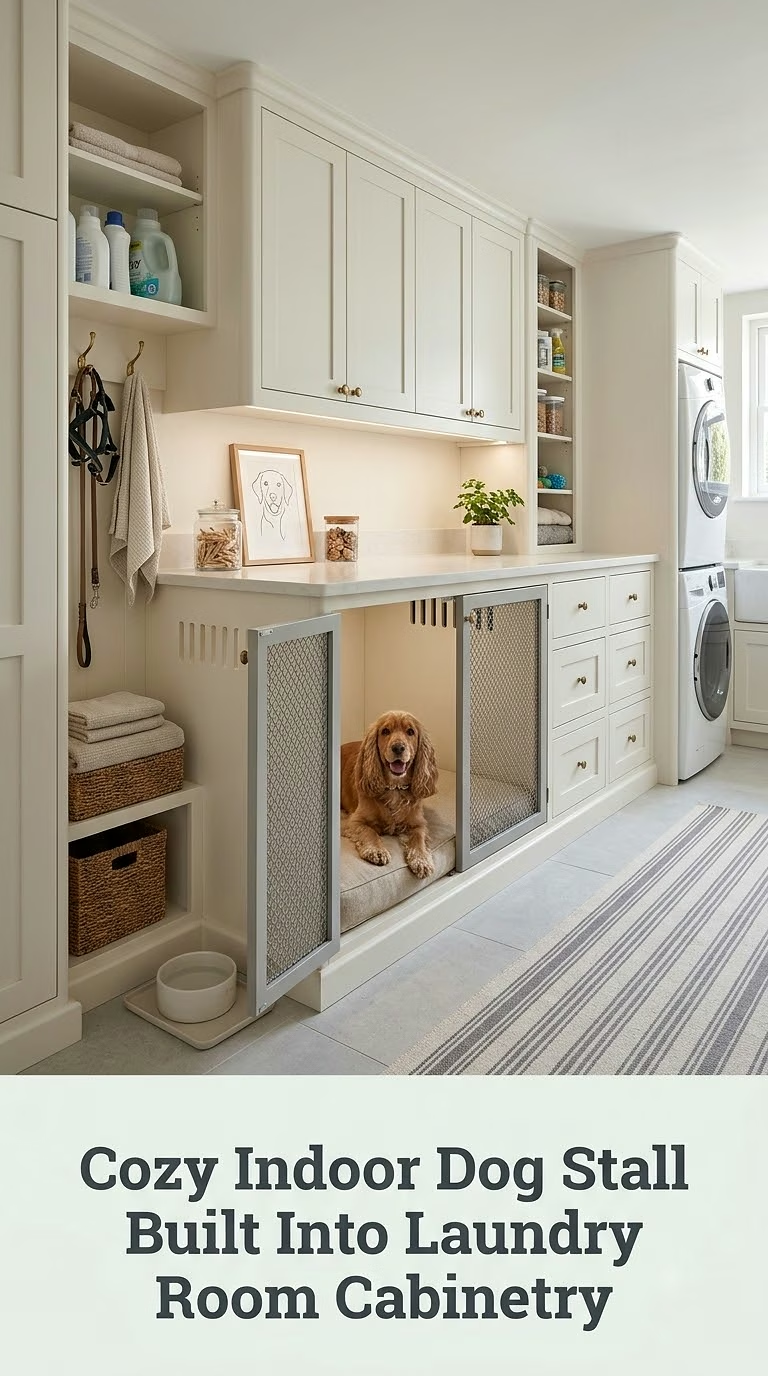
A laundry room can become one of the most practical locations for a built-in dog stall because storage and washable surfaces are already part of the space.
Create a lower enclosure beneath a countertop and surround it with cabinetry for food containers, towels, grooming products, and cleaning supplies. Matching the stall frame to the cabinets helps the entire unit resemble custom furniture rather than an added kennel.
Inside, keep things simple with a removable washable cushion and enough open ventilation around the front. Avoid storing detergents, cleaning chemicals, or other potentially harmful products where your dog could reach them.
A nearby counter can also make it easier to prepare meals or organize pet supplies.
For a Pinterest-worthy finish, try warm white cabinetry with pale wood countertops, brushed brass pulls, woven baskets, and a soft striped dog bed. The result is especially appealing when you need a functional dog space without dedicating an entire room to it.
Double Dog Stall With Center Storage Tower and Matching Beds
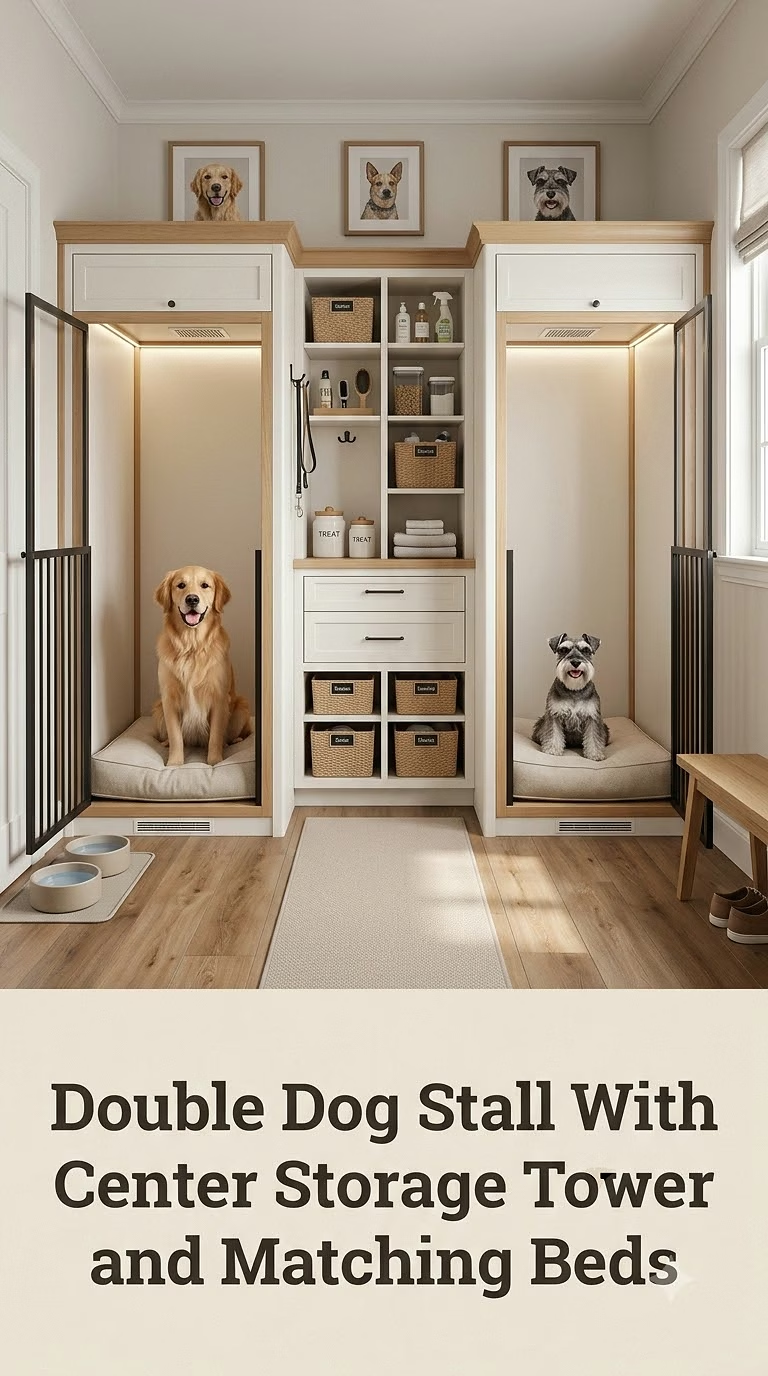
Homes with two dogs can create a beautifully symmetrical setup using two individual stalls separated by a central storage tower.
Each dog receives a defined resting area while the middle cabinet provides convenient storage for leads, food, treats, medication, towels, and grooming supplies. Matching gates and coordinating beds make the arrangement feel neat and built-in.
You can personalize each enclosure with a small name plaque or differently patterned bedding while keeping the overall palette cohesive.
Individual stalls can also be useful when dogs prefer their own sleeping spaces or need occasional quiet time away from one another. Make sure each enclosure is comfortably sized for the dog using it and that both have adequate airflow.
Try white oak cabinetry with black gates for a modern farmhouse appearance, or choose warm walnut with cream walls for something more luxurious.
This arrangement works beautifully along a long garage wall, inside a spacious mudroom, or in a dedicated dog room.
Farmhouse Dog Stall With Dutch-Style Gate and Plaid Bedding
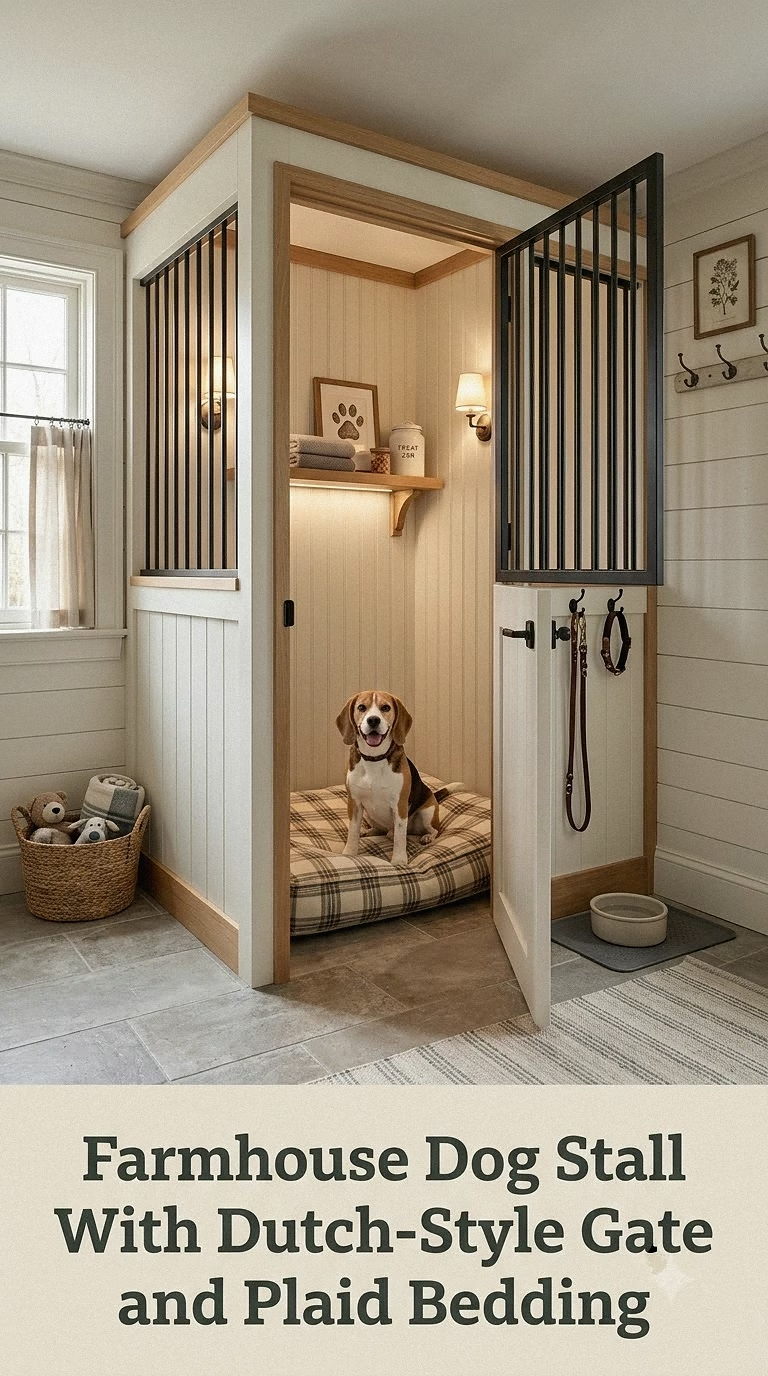
A Dutch-style half gate instantly gives a dog stall charming country character. Pair it with creamy walls, warm wood trim, vintage-inspired black hinges, and muted plaid bedding for a classic farmhouse look.
The lower solid section of the gate can provide a greater sense of privacy while the open upper section allows airflow and makes it easy for your dog to watch what is happening nearby.
Use durable, smooth materials rather than rough decorative wood within chewing reach. Rustic styling can still look authentic without exposed splinters, protruding hardware, or difficult-to-clean surfaces.
Outside the stall, add a wall hook rail for leads and a galvanized-style storage bin for sealed pet supplies. Small decorative signs can provide personality without taking up valuable floor space.
This design looks particularly natural in country homes and converted barns, but it can also bring a little farmhouse warmth into an otherwise plain garage or utility area.
Small Garage Dog Stall With Wall-Mounted Storage and Washable Mat
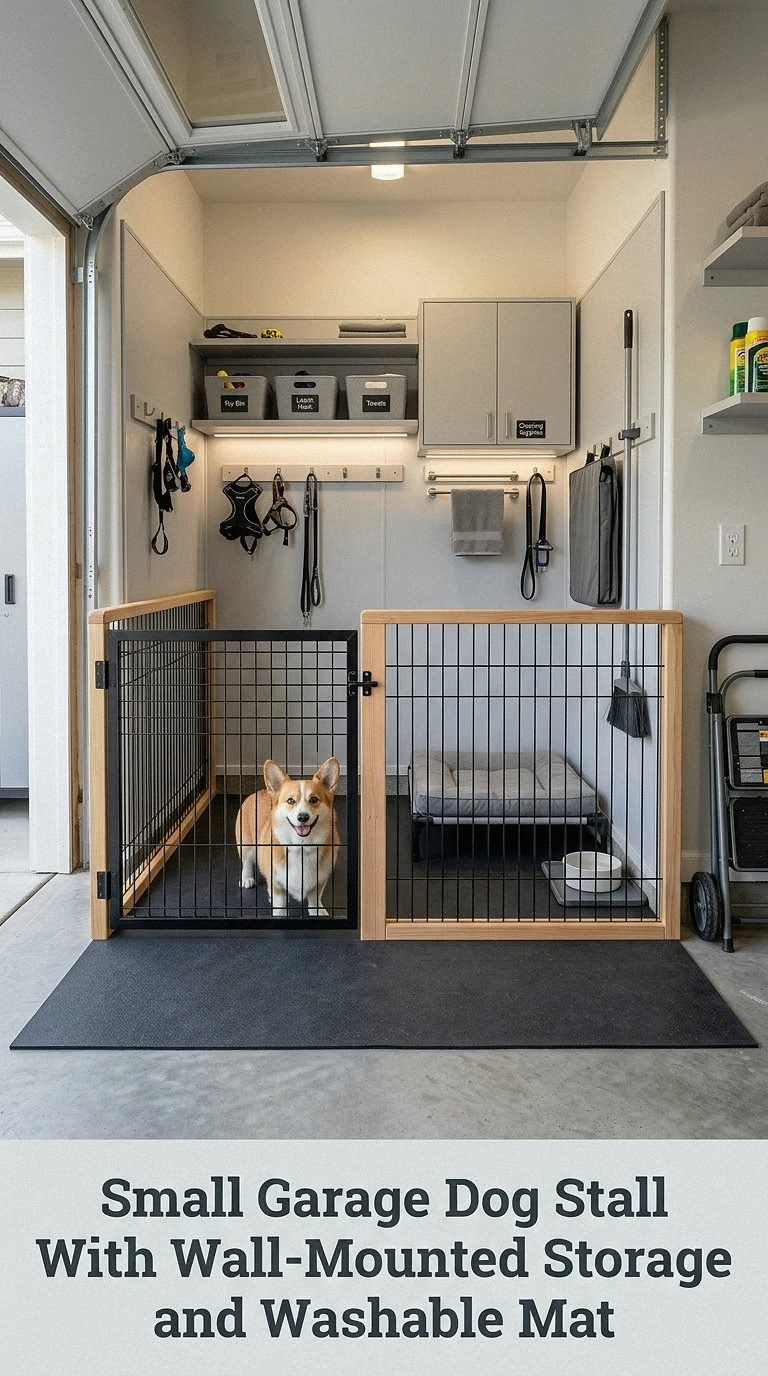
A garage dog stall doesn’t need to occupy an entire wall. For smaller homes, create a compact enclosure in an unused corner and take advantage of vertical storage instead.
Install shelving or closed cabinets above and beside the stall for pet supplies, keeping anything unsafe securely out of reach. Pegboards can organize leads, harnesses, towels, and grooming tools while freeing up floor space.
Read more : 18 Basement Dog Kennel Ideas for a Cozy, Stylish Pet Retreat
A removable washable floor mat can make the stall more comfortable and easier to maintain, especially over hard garage flooring. Choose one that stays securely in position rather than sliding when your dog stands up or turns around.
Because garages can experience larger temperature changes than interior rooms, consider local conditions carefully before using the space for extended stays.
Visually, light walls and pale wood shelving can help a small enclosure feel brighter. Add labeled storage baskets and a simple cushioned bed for an organized setup that looks surprisingly polished.
Luxury Dog Stall With Arched Entry, Brass Hardware, and Marble-Look Tile
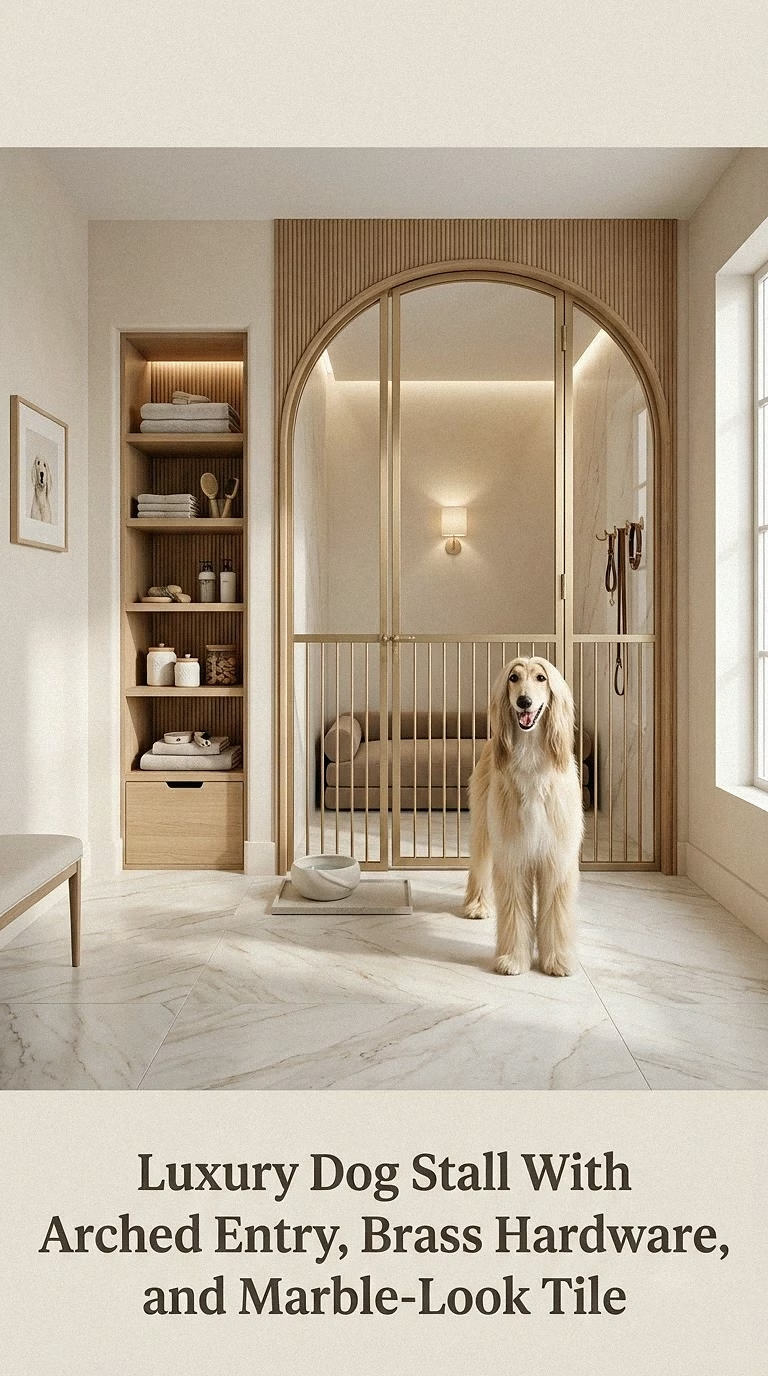
For an elevated pet room, transform the stall entrance into an architectural feature with a graceful arch.
Paint the surrounding cabinetry a soft mushroom, cream, dusty blue, or muted olive and add understated brass-colored hardware. Marble-look porcelain or similar easy-care surfaces can provide the elegant appearance of stone without turning the enclosure into a purely decorative space.
Balance harder finishes with a thick washable bed and warm wood details so the stall still feels inviting.
An integrated cabinet above the enclosure can hide pet supplies, while a pair of decorative wall lights outside the stall adds a boutique-hotel feeling. Keep electrical cords and fixtures inaccessible to your dog.
Luxury doesn’t need to mean excessive decoration. A limited palette and a few high-quality finishes usually look more sophisticated than filling the enclosure with accessories.
This idea is particularly beautiful in custom mudrooms and dedicated dog rooms where the pet area is designed alongside the rest of the cabinetry.
Budget DIY Dog Stall With Painted Plywood Panels and Lumber Frame
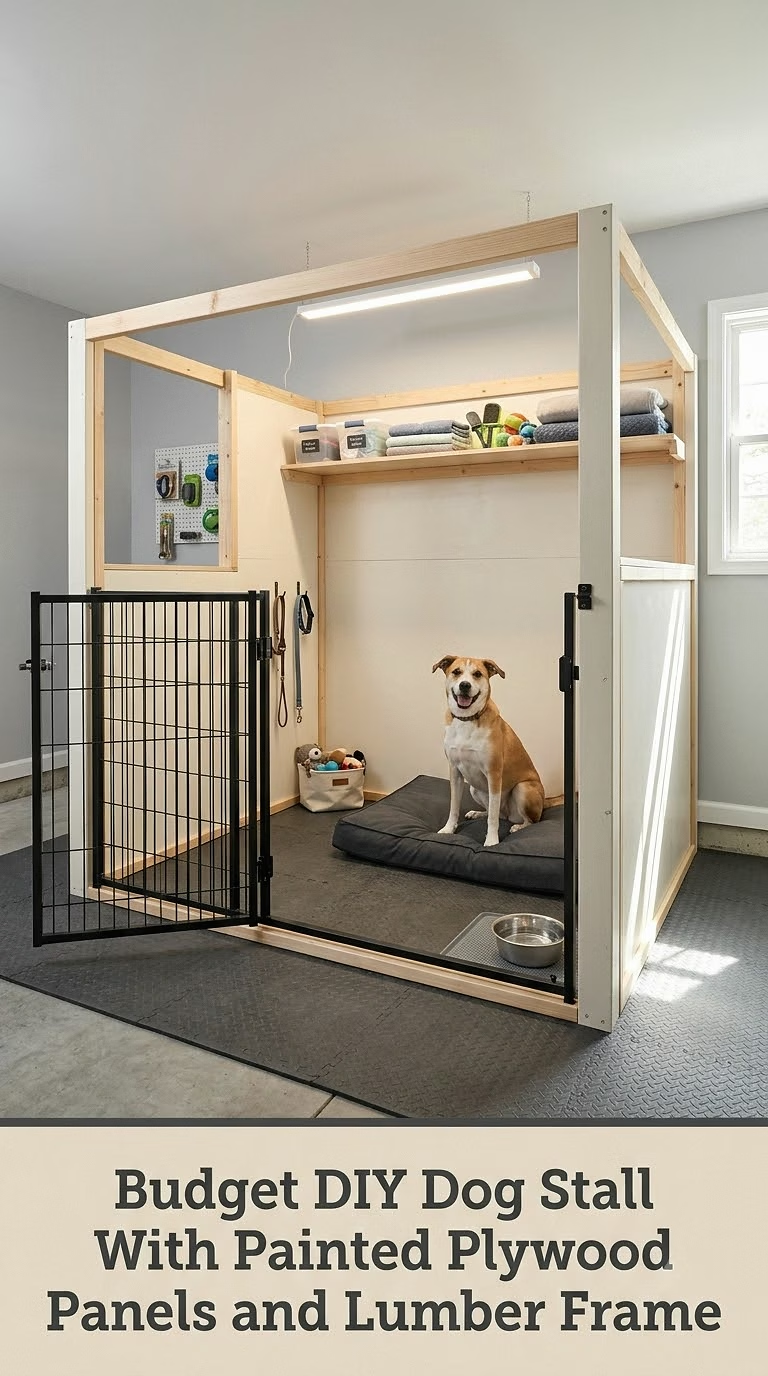
A stylish dog stall can also be built on a modest budget using a straightforward lumber frame and smooth plywood panels.
Painting everything one cohesive color instantly makes inexpensive materials feel more intentional. Warm white, charcoal, sage green, and muted navy are especially forgiving choices for a DIY project.
Use strong, secure gate hardware appropriate for your dog’s size and strength rather than relying on decorative household latches. Sand exposed edges carefully and seal surfaces so they can handle routine wiping and cleaning.
Instead of expensive built-in cabinetry, mount a simple shelf outside the stall and use matching storage bins for food accessories and toys.
A removable bed or raised cot completes the interior without complicated construction.
This approach is ideal if you enjoy weekend DIY projects because the final appearance can be customized almost endlessly. Add trim around the panels, a wooden name sign, or contrasting gate hardware once the basic enclosure is safely completed.
Outdoor Covered Dog Stall With Shade Roof and Gravel Drainage Strip
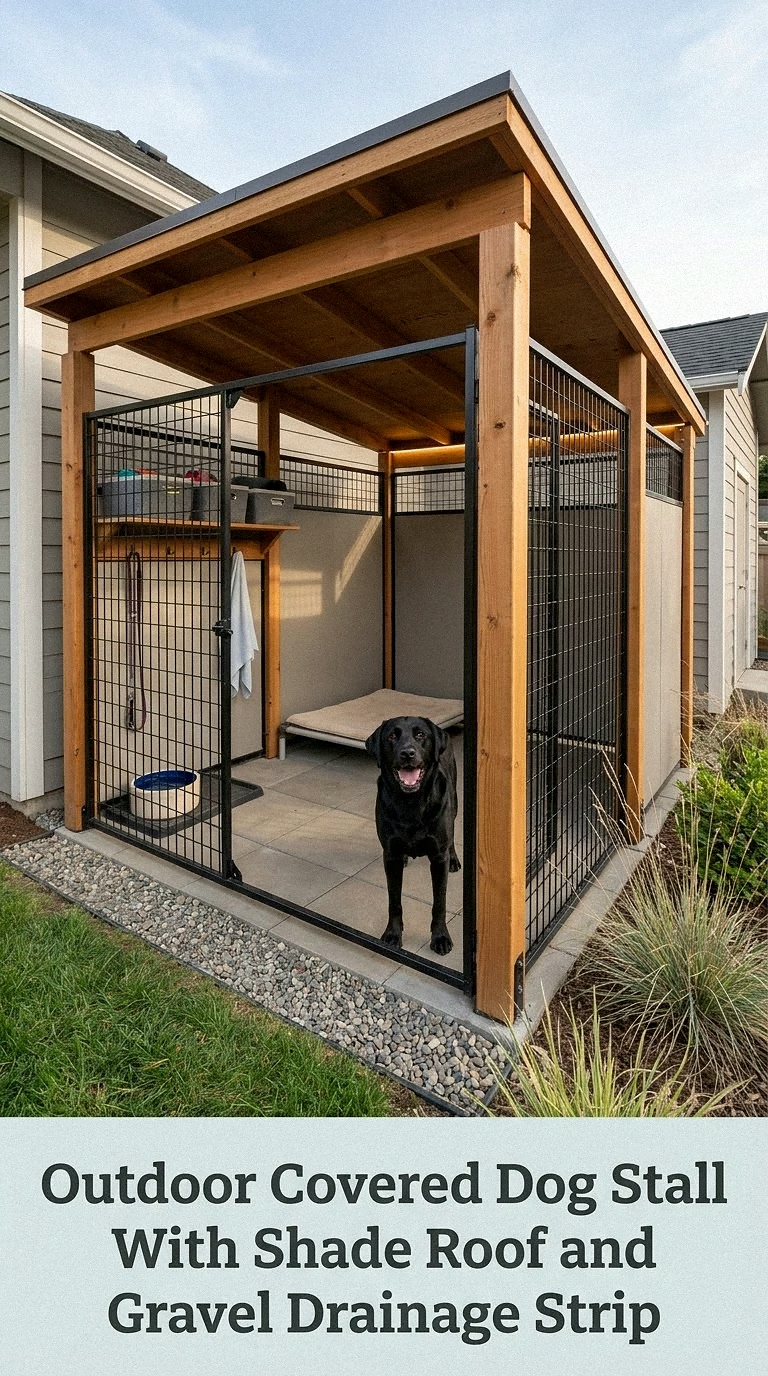
Outdoor dog stalls need to be planned around weather protection first, but they can still look beautiful.
A covered roof creates valuable shade and shelter, while an extended overhang can help protect the stall entrance from rain. Combine a durable enclosure with a clean gravel landscaping strip around the exterior to help keep muddy traffic away from the main walkway.
Inside the covered portion, provide a comfortable dry resting area and dependable access to clean water. Flooring should offer stable footing and be designed so water does not collect where your dog rests.
For a more attractive backyard appearance, coordinate the stall roof with your home’s shed, fence, or exterior paint colors. Dark metal roofing with natural wood framing creates a modern rustic look, while white framing feels brighter and more cottage-inspired.
Climbing plants or landscaping can soften the exterior visually, but keep potentially harmful plants and chewable materials safely beyond the enclosure.
Climate-Controlled Barn Dog Stall With Insulated Walls and Raised Cot
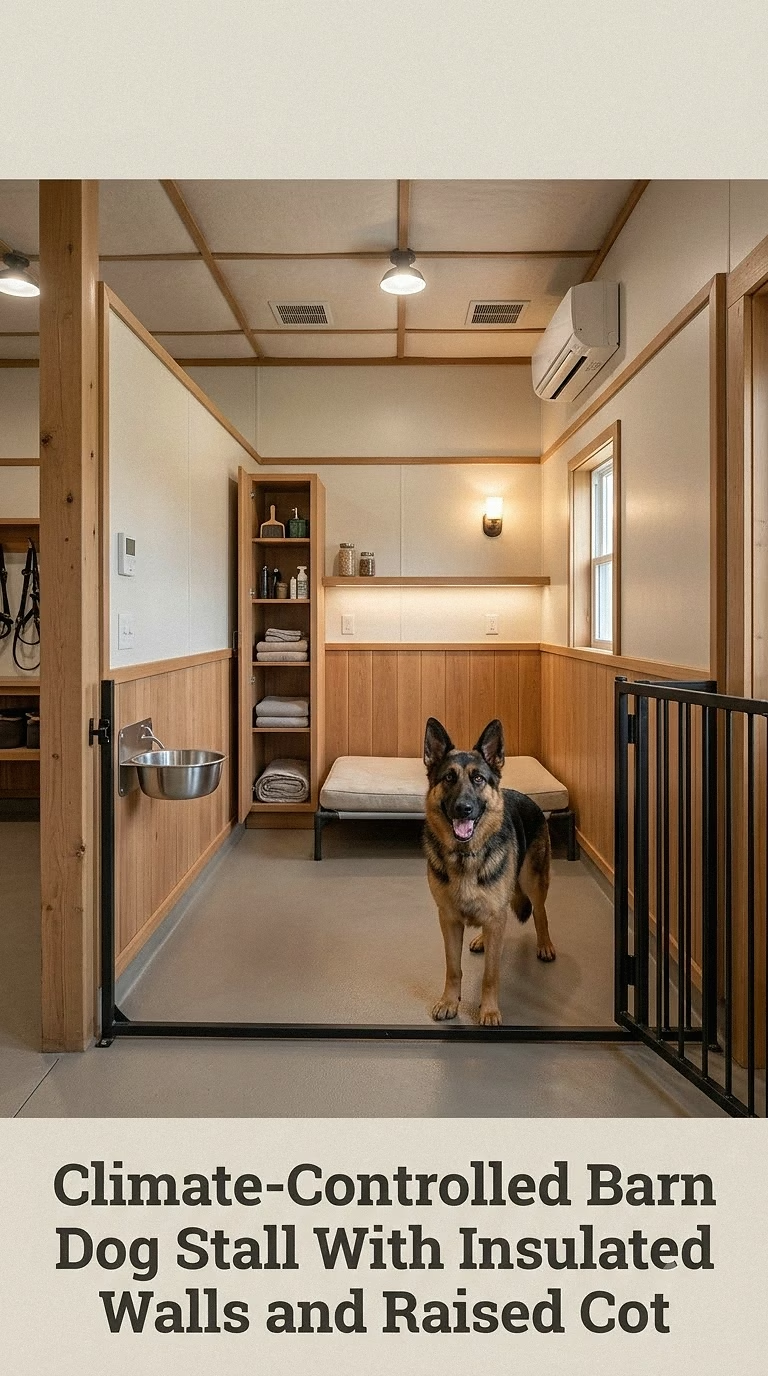
A barn stall can be made noticeably more comfortable with insulated wall construction, thoughtful airflow, and a dedicated resting platform.
Choose smooth wall panels that can tolerate regular cleaning, then introduce a raised cot or sturdy platform to give your dog a defined sleeping zone away from damp floors.
Insulation can also help create a quieter interior, particularly in active barns where doors, equipment, and other animals generate frequent noise.
Keep heating, cooling, fans, electrical wiring, and cords safely separated from the enclosure so your dog cannot chew or knock them over. Temperature management should always suit your dog’s breed, age, health, coat, and local climate.
For the decorative side, warm wood ceiling details paired with clean cream wall panels make the stall feel comfortable without sacrificing functionality.
Add a labeled storage cabinet outside the enclosure for blankets and seasonal supplies so everything needed for changing weather stays close at hand.
Mudroom Dog Stall With Bench Seating and Hidden Leash Storage
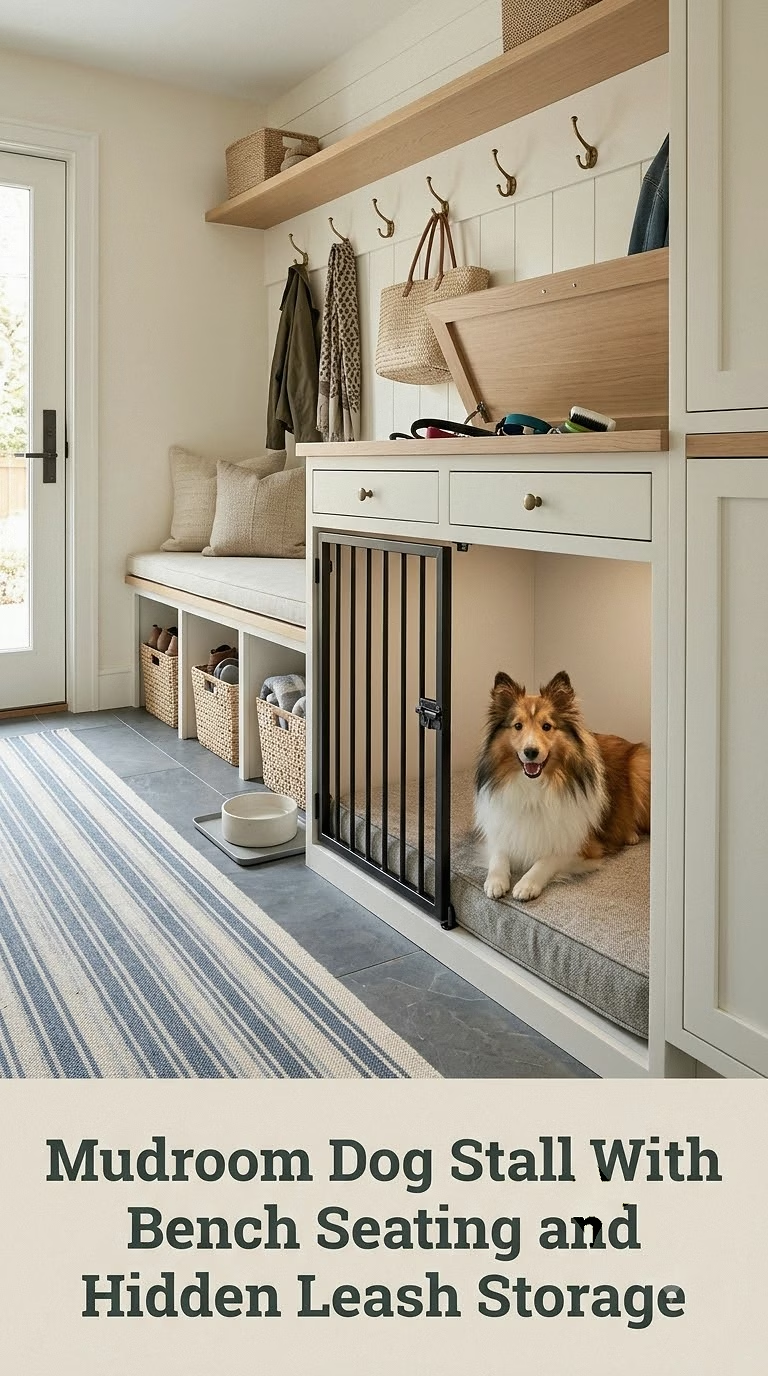
Turn an entryway into a hardworking pet station by combining a dog stall with mudroom seating.
Place the enclosure below one end of a built-in bench and use the remaining section for shoes, boots, and everyday household storage. Tall cabinets or drawers can hide leads, towels, waste bags, brushes, and outdoor gear.
This layout is especially useful for dogs that regularly come inside with muddy paws because the stall sits close to the entry door rather than deep inside the house.
Use wipeable lower wall panels and durable flooring around the entire area. A removable cushion makes the enclosure softer without complicating cleaning.
For a cozy Pinterest aesthetic, try olive green cabinetry, oak bench tops, antique brass hooks, and cream patterned cushions.
Keeping visual clutter behind cabinet doors helps the dog stall blend naturally with the rest of the room, making it an attractive option for pet owners who don’t want their home’s entrance to look like a kennel facility.
Open-Air Dog Stall With Half-Height Solid Walls and Vertical Metal Bars
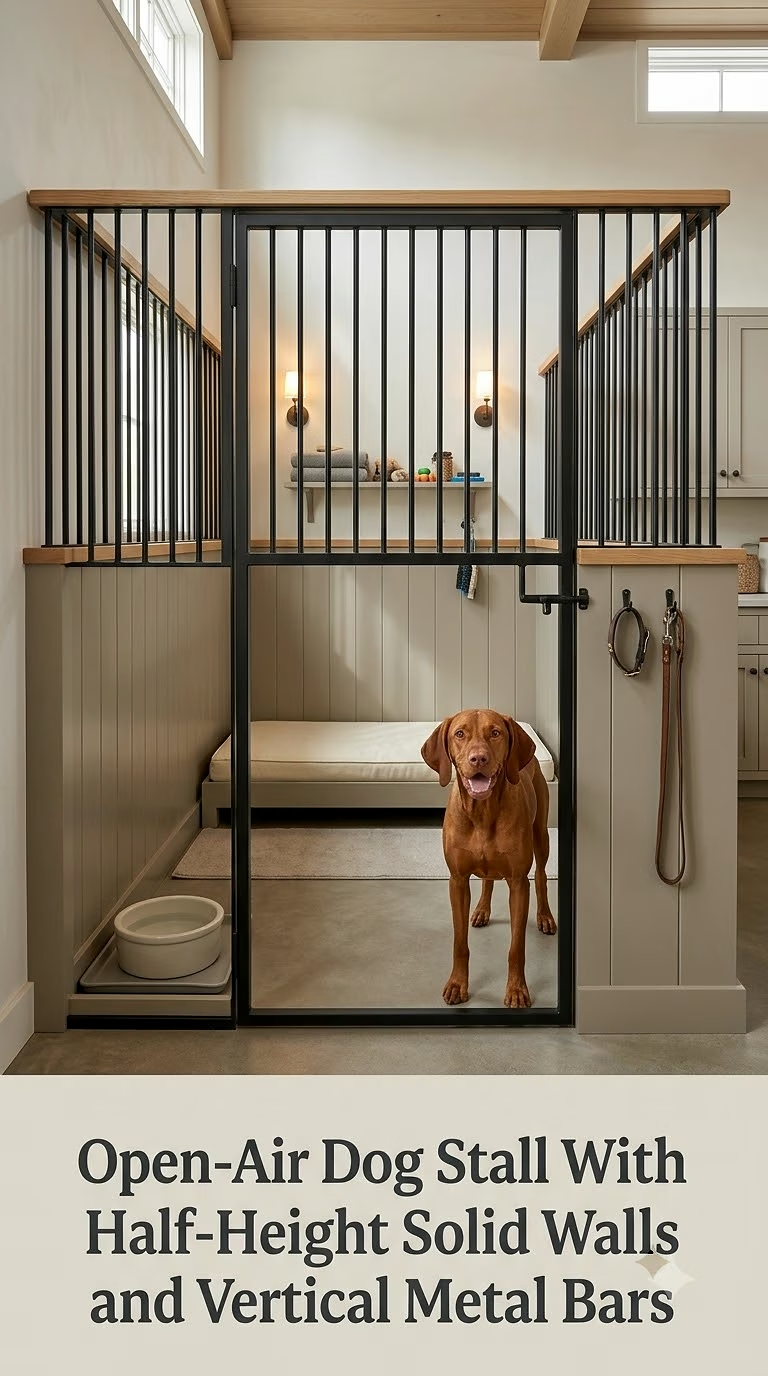
Combining solid lower walls with an open barred upper section offers an appealing balance between privacy and visibility.
The lower panels create a protected resting zone and can reduce constant visual stimulation at floor level, while vertical metal bars above maintain airflow and allow your dog to see you when standing.
This configuration can be particularly attractive when arranged as several adjoining stalls because the consistent panel height creates a clean architectural rhythm.
Choose bar spacing and enclosure construction carefully so your dog cannot become caught or push through openings. Smooth, sturdy materials are far preferable to decorative fencing that wasn’t designed for animal containment.
Read more : 17 Beautiful Dog Kennel Ideas for a Safe, Cozy, and Stylish Pet Space
For styling, paint the solid panels a soft taupe or deep green and pair them with matte black bars. Add simple neutral bedding rather than lots of decorative objects inside.
The result feels lighter than a fully enclosed kennel yet more polished and private than an enclosure made entirely from open fencing.
Minimalist White Dog Stall With Pale Oak Details and Neutral Bedding
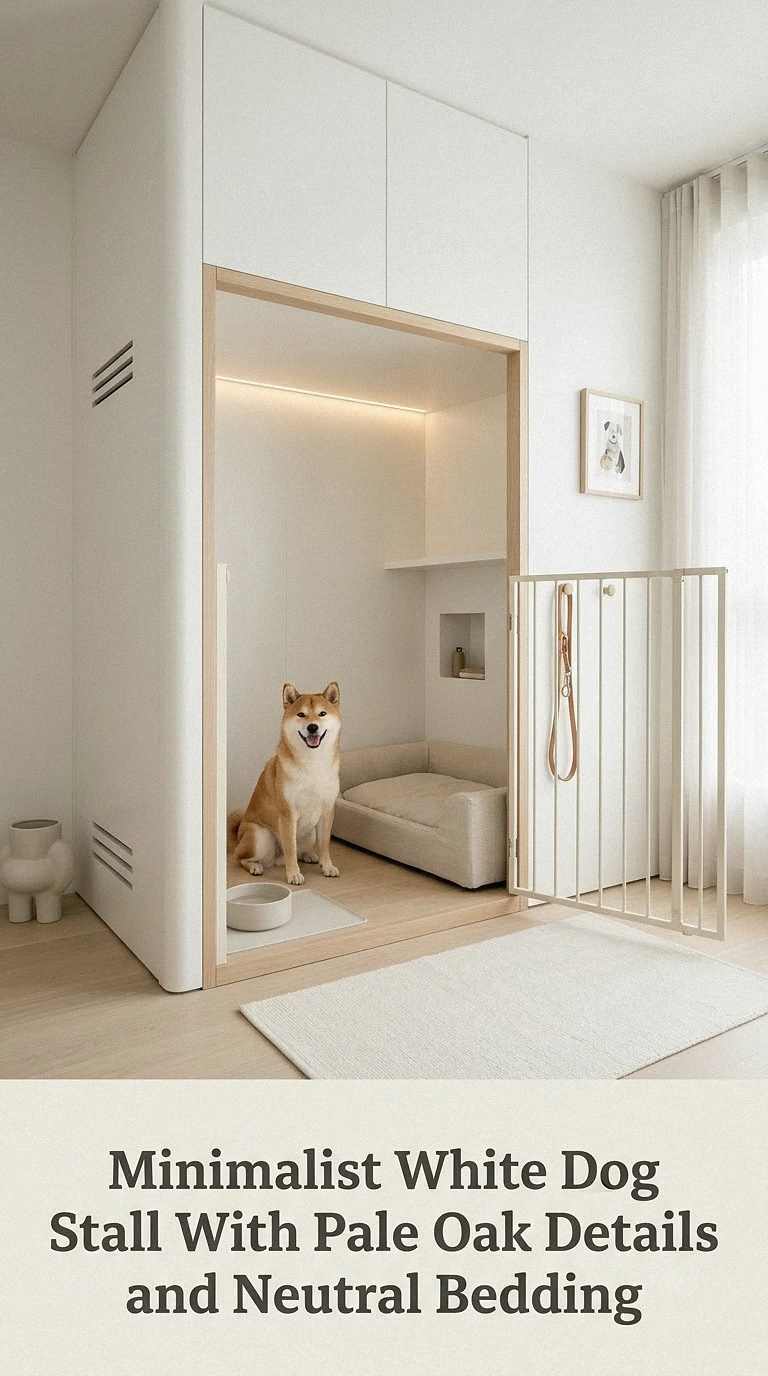
If you love Scandinavian-inspired interiors, keep your dog stall quiet and understated.
Start with warm white walls and simple pale oak framing, then introduce a beige or oatmeal washable bed. Instead of filling the enclosure with accessories, keep only the items your dog actually needs.
Closed cabinetry outside the stall can hide food bags, toys, grooming supplies, and other colorful necessities. This allows the area to remain visually calm even when it is used every day.
A minimalist design also makes cleaning simpler because there are fewer decorative objects collecting fur and dust.
Use subtle texture to keep the space from feeling sterile. A slatted oak panel outside the enclosure, linen-look storage baskets, or softly textured walls can add warmth without overwhelming the room.
This dog stall idea is perfect for modern homes where bulky traditional kennels would interrupt an otherwise clean, neutral interior.
Rustic Reclaimed-Wood Dog Stall With Galvanized Metal Accents
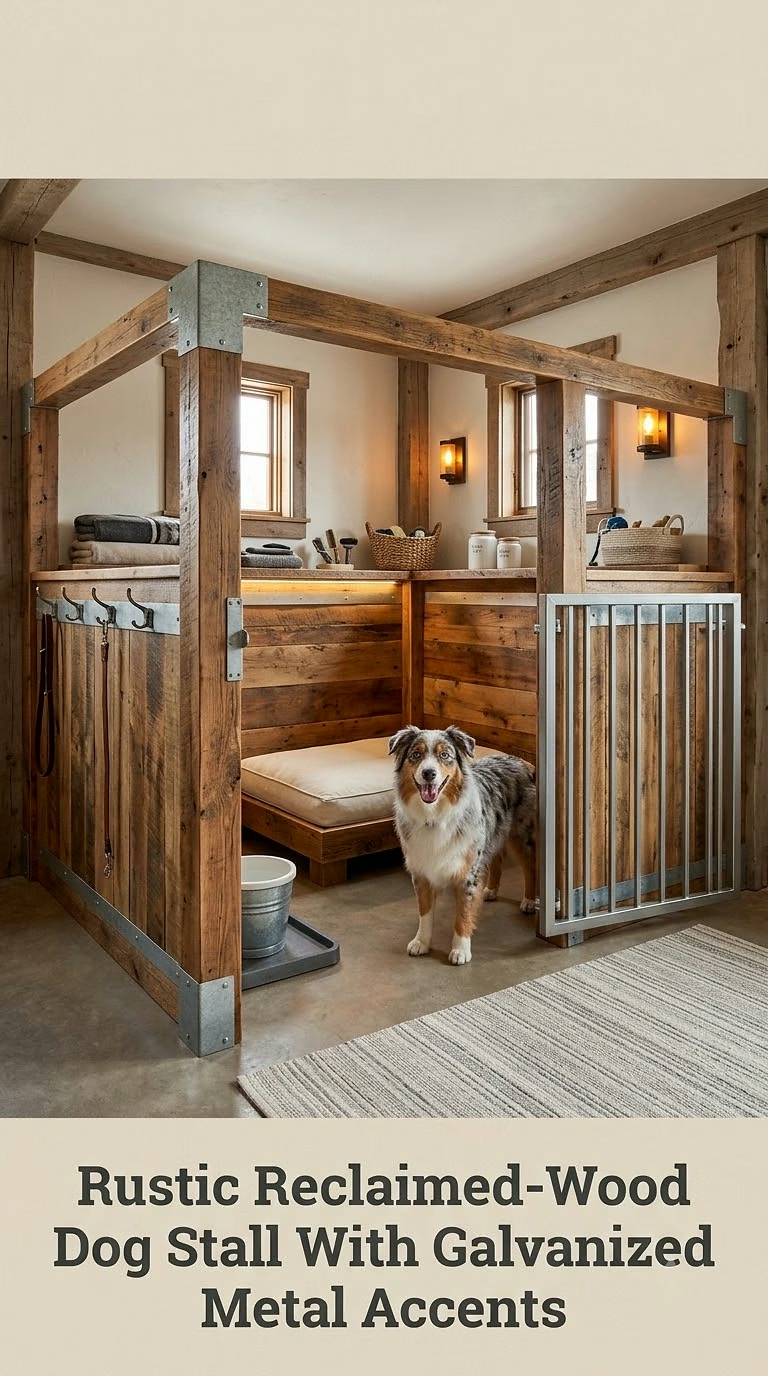
Reclaimed-wood styling can give a dog stall wonderful character, particularly inside a barn or rustic farmhouse.
Use weathered-looking boards as decorative exterior cladding and pair them with galvanized metal details, dark hinges, and a simple framed gate. Inside the enclosure, however, prioritize smooth sealed surfaces that are easy to clean.
If genuine reclaimed boards contain rough edges, old fasteners, peeling finishes, or unknown treatments, keep them outside your dog’s reach or recreate the look using new distressed lumber instead.
A tan canvas-style bed and vintage-inspired storage bins reinforce the rustic palette without making the space overly themed.
Warm wall lighting positioned safely outside the enclosure can make the wood grain especially beautiful.
This approach works best when a dog stall is visible from the rest of a barn, workshop, or mudroom and you want it to complement existing beams and natural materials instead of looking like a separate modern kennel.
Easy-Clean Dog Stall With Epoxy Floor, Wall Panels, and Floor Drain
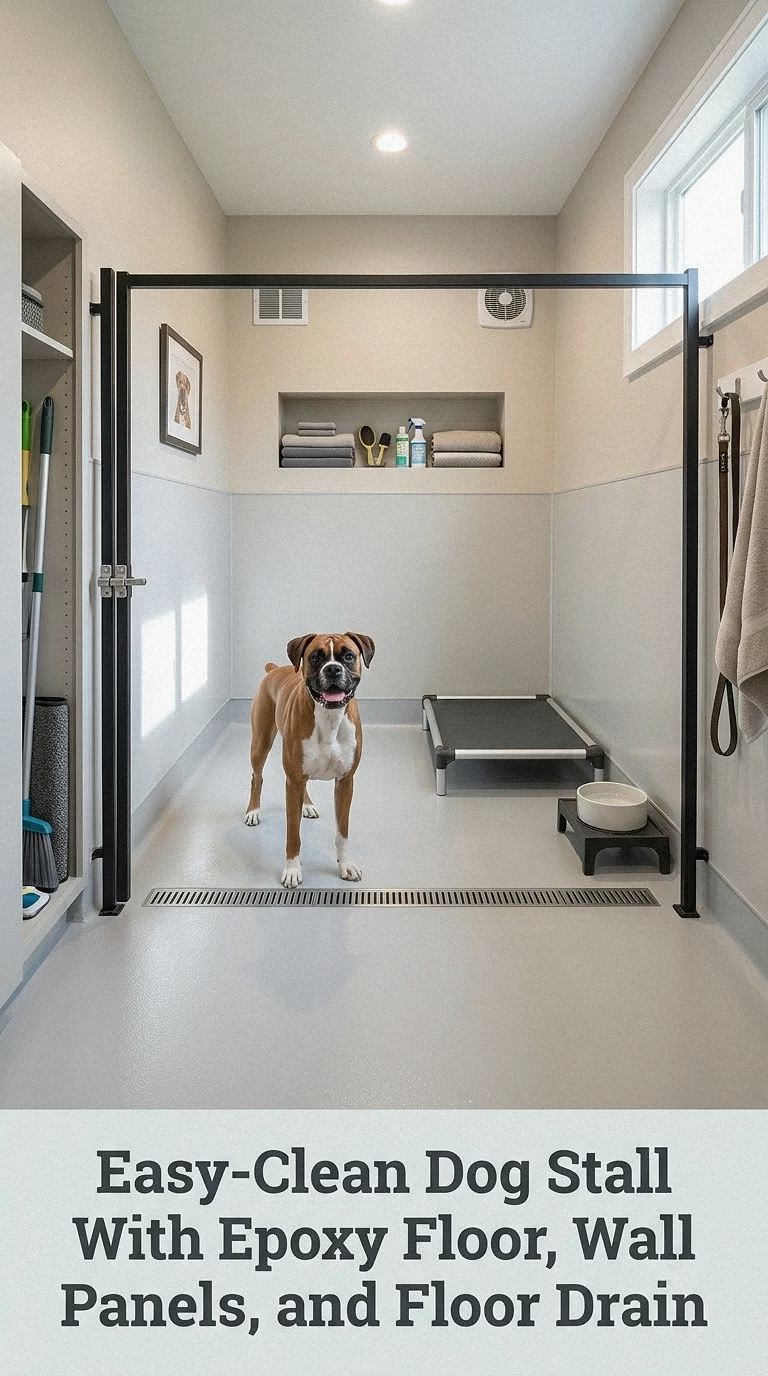
For households dealing with muddy dogs, frequent cleaning, or several pets, an easy-maintenance stall can save considerable effort.
Start with smooth, moisture-resistant wall surfaces and a durable sealed floor. If you’re building a permanent dedicated dog room, professionally planned drainage can make wash-down cleaning much easier while preventing water from pooling inside the enclosure.
Keep floor transitions smooth and choose a surface that provides enough traction for comfortable walking. Very glossy finishes may look beautiful in photographs but can become less practical if they are slippery.
Continue washable wall protection slightly higher than the areas typically exposed to splashes.
The visual design can still feel polished. Light gray walls, charcoal flooring, black gates, and warm wood storage create a clean contemporary palette.
Because cleaning products need safe storage, include a locked or elevated cabinet outside the dog area. This setup is particularly useful for active dogs that regularly return home wet or muddy.
Dog Stall and Grooming Station With Sink, Towel Shelves, and Storage
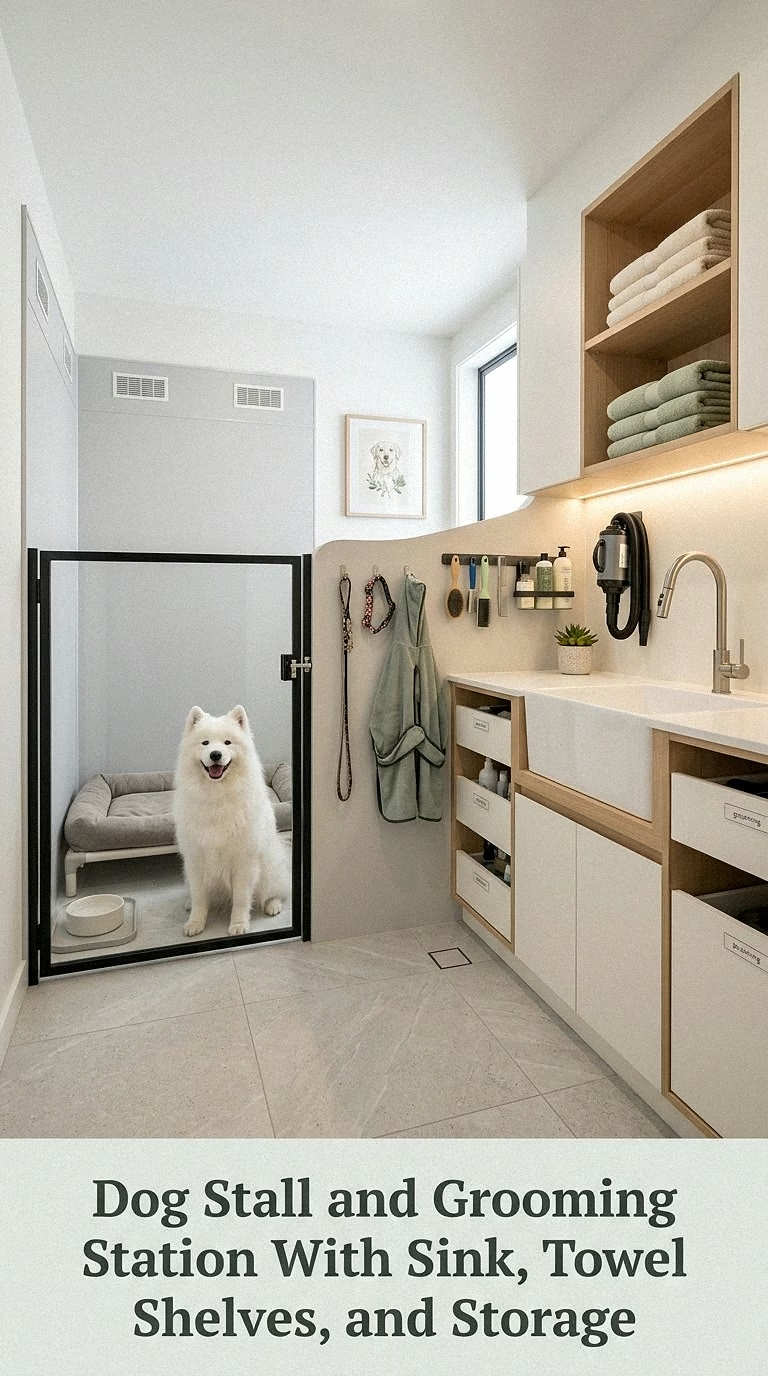
If you’re designing a larger pet room, place the dog stall beside a compact grooming station.
A utility sink or dog-washing area can handle muddy paws and quick rinses, while open shelves keep clean towels nearby. Closed cabinets provide secure storage for shampoo, brushes, nail-care supplies, and cleaning products.
Using matching cabinetry across the grooming area and stall helps both functions feel like one intentional room.
Water-resistant flooring throughout makes the transition between washing and resting easier to manage. Keep the stall itself dry and comfortable rather than allowing spray from the washing area to reach bedding.
For an elegant look, combine sage cabinetry with white tile, warm wood shelving, and matte black fixtures. For a more farmhouse-inspired room, try cream cabinetry with butcher-block-style counters and woven towel baskets.
This multifunctional setup can be especially convenient for owners of long-haired dogs, outdoor-loving breeds, or pets that frequently need cleanup after walks.
Enrichment-Focused Dog Stall With Raised Platform and Organized Toy Wall
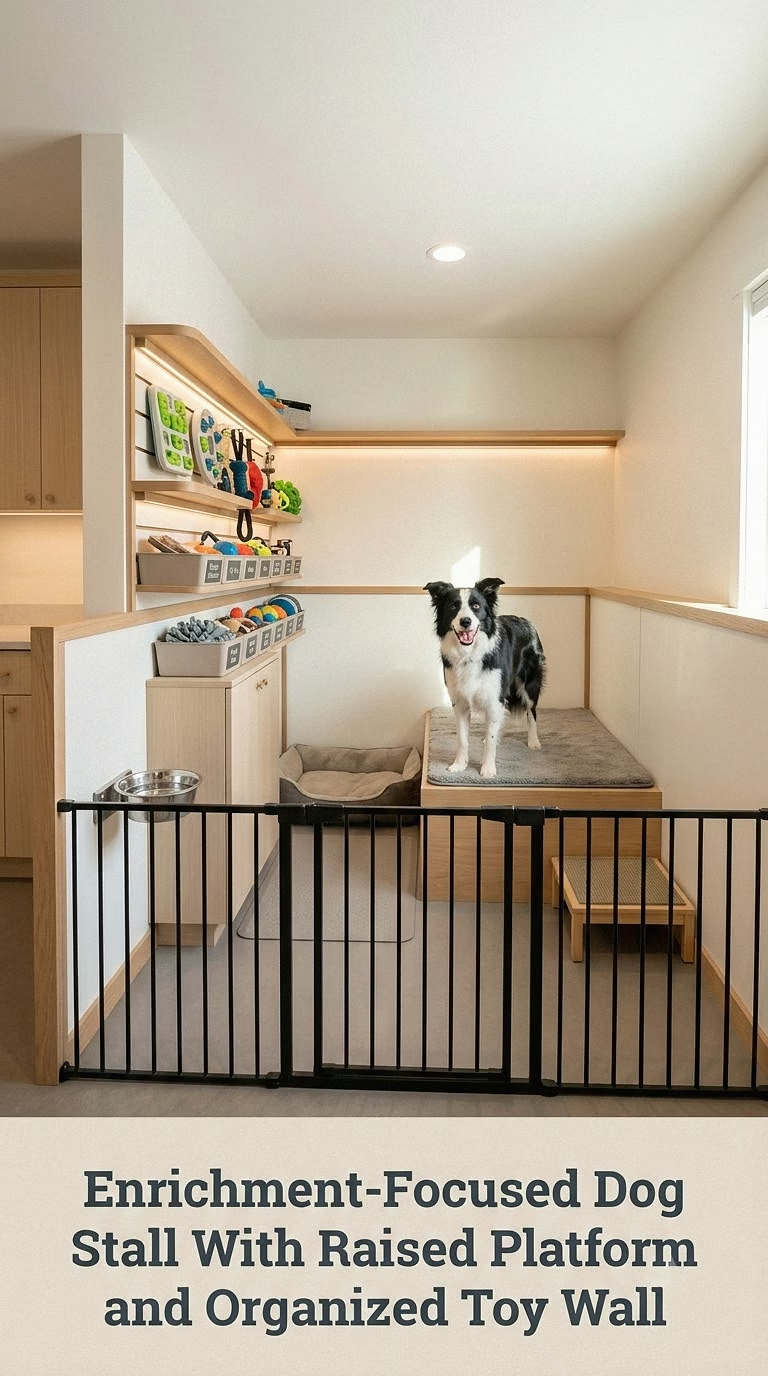
A dog stall should provide a comfortable place to relax, but thoughtful enrichment can make the surrounding area much more engaging.
Add a sturdy raised platform or cot for resting and keep a rotating selection of appropriate toys available. Rather than covering the stall floor with toys, create an organized storage wall outside the enclosure where different activities can be stored and swapped regularly.
A small secure shelf can hold puzzle feeders, snuffle activities, and training supplies for supervised use. Rotation keeps the setup visually neat while giving your dog variety.
If space permits, connect the stall to a larger exercise or play zone instead of expecting the enclosure itself to provide all of your dog’s daily activity.
For a playful Pinterest look, use soft blue, terracotta, sage, or warm beige accents alongside natural wood.
The finished space feels cheerful and personalized while still recognizing that a dog’s stall should function primarily as a safe, comfortable home base rather than a substitute for exercise and interaction.
Creating Dog Stall Ideas That Work Beautifully for Your Home and Dog
The most successful dog stall ideas aren’t simply the prettiest ones on Pinterest. They combine a look you love with a layout that makes your dog’s everyday routine more comfortable and your own routine easier to manage.
Start with the practical essentials: secure construction, comfortable space, dependable ventilation, safe flooring, easy cleaning, fresh water, and appropriate protection from changing temperatures and weather. Once those pieces are in place, you can have fun with colors, cabinetry, bedding, storage baskets, personalized signs, and beautiful architectural details.
You can also borrow elements from several ideas rather than recreating one design exactly. A budget-friendly plywood stall might borrow the sage green palette of a cottage mudroom, while a rustic barn enclosure could incorporate the drainage and washable surfaces of a more practical kennel design.
Ultimately, the best dog stall is one that fits naturally into your home or property while giving your dog a secure, comfortable place to settle. With thoughtful planning, even a simple stall can become a beautiful little retreat that both you and your pup will enjoy.
Source: https://petstutorial.com
Category: Dog Kennels Runs
