
Creating a safe outdoor space for your dog does not mean sacrificing the beauty of your backyard. With the right layout, materials, and a little design inspiration, a covered dog run can become one of the most useful and attractive areas around your home.
- 18 Dog Kennel Roof Ideas for a Stylish, Safe, and Weather-Ready Outdoor Space
- 19 Beautiful Dog Cage in Living Room Ideas for a Cozy, Stylish Home
- 18 Multiple Dog Kennel Ideas Indoor for a Beautiful and Organized Pet-Friendly Home
- 18 Dog Grooming Kennel Ideas for a Beautiful, Organized Pet-Care Space
- 18 Two Dog Kennel Ideas for a Cozy, Stylish, and Organized Home
The best covered dog run ideas backyard homeowners can use combine secure fencing with dependable shade, comfortable flooring, proper drainage, and enough room for a dog to sniff, stretch, play, or simply relax outdoors. A roof or partial cover can make the space much more practical during sunny afternoons and light rain, while thoughtful landscaping and decorative details help the run blend naturally into the rest of the yard.
You are reading: 18 Covered Dog Run Ideas Backyard Pet Lovers Will Want to Copy
Whether you have a narrow side yard, a spacious lawn, a patio beside the house, or just a small unused corner, there are plenty of ways to create a dog run that feels intentional instead of purely functional. Some designs can be built affordably with basic fencing and shade cloth, while others resemble beautiful outdoor rooms complete with pergolas, pavers, greenery, and built-in storage.
The ideas below range from simple DIY solutions to polished backyard features, giving you plenty of inspiration for designing a covered run that fits your dog, your home, and your personal style.
Covered Dog Run Ideas Backyard Spaces Can Beautifully Accommodate
Modern Black Metal Dog Run With a Slatted Wood Roof
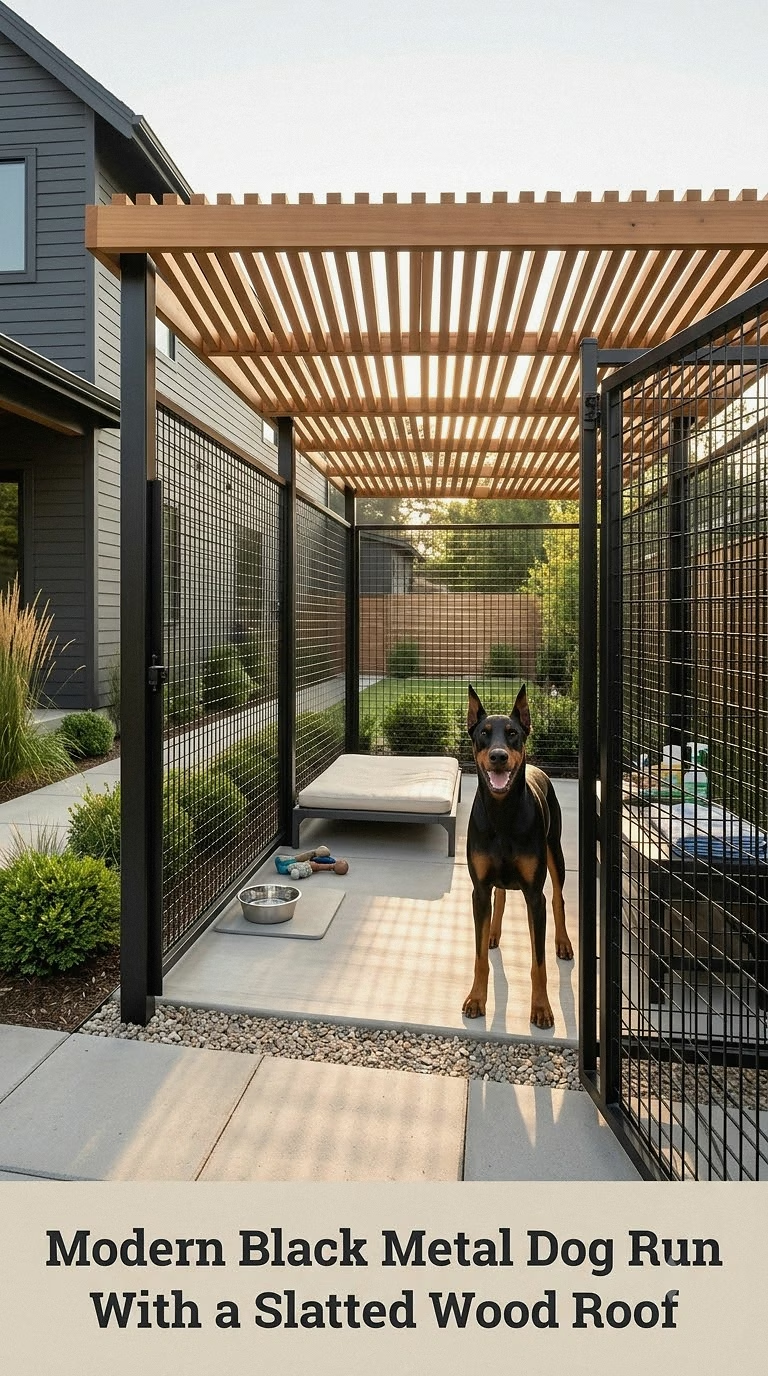
A black metal enclosure paired with a warm wood roof creates a dog run that feels more like modern landscaping than a traditional kennel. Use powder-coated metal fencing with narrow vertical lines for a clean architectural look, then soften the structure with cedar or another outdoor-rated wood across the roof.
A partially slatted roof works especially well when you want a balance between sunlight and shade. For stronger weather protection, install a clear or lightly tinted roofing layer above the wood slats so rain does not fall directly into the enclosure.
Continue the contemporary look with large concrete pavers or smooth gravel underfoot. Adding a raised washable dog bed, a water station, and one or two simple planters makes the area feel finished without cluttering the running space.
Avoid placing furniture, storage boxes, or other objects beside the fence if your dog might use them as climbing platforms.
Cozy Cedar Pergola Dog Run With Climbing Greenery
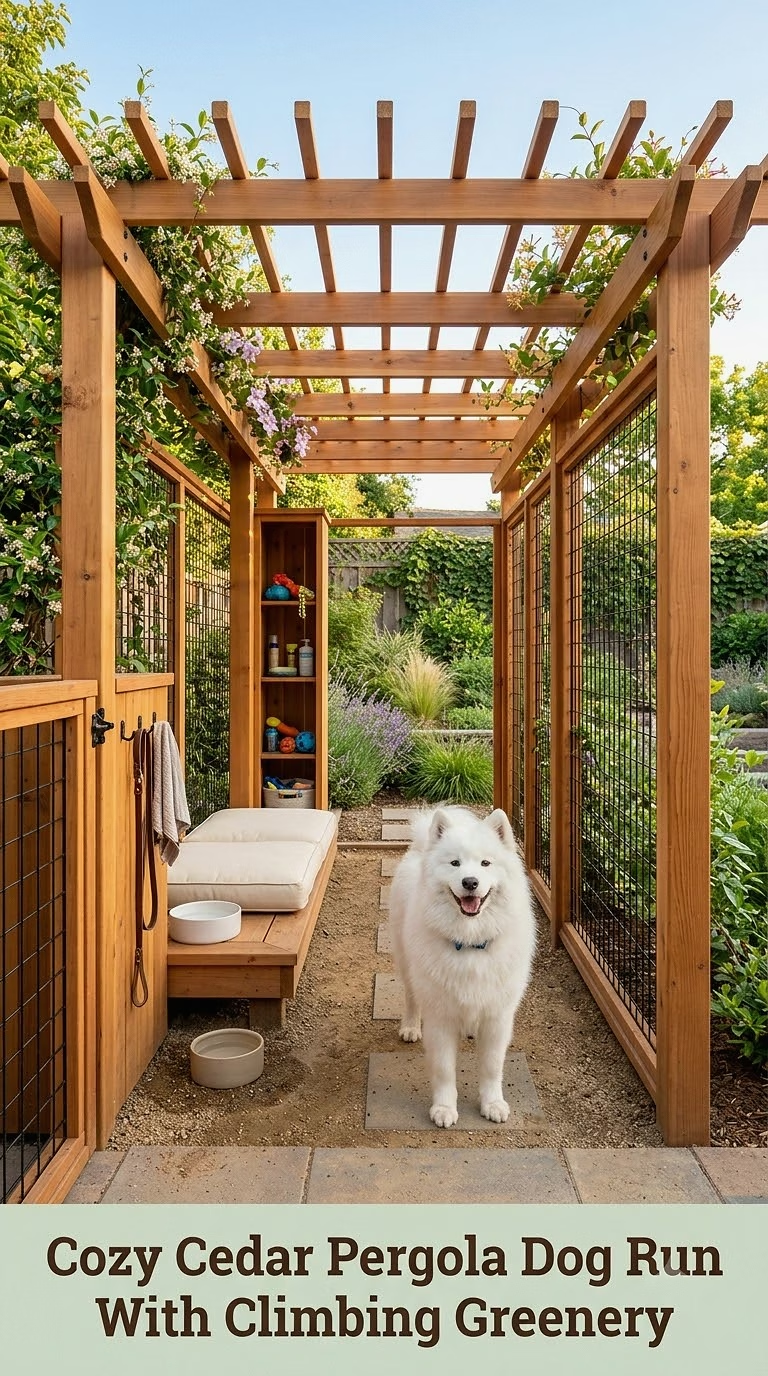
A cedar pergola can turn a simple fenced dog run into a beautiful backyard feature. Natural wood looks warm beside lawns and gardens, making this style especially appealing for cottage, farmhouse, and relaxed suburban yards.
Build the enclosure beneath a pergola-style frame and add outdoor fabric, polycarbonate roofing, or closely spaced overhead boards for dependable shade. You can encourage pet-safe climbing plants around the outside of the structure to create a lush garden effect, but keep foliage positioned where curious dogs cannot chew anything inappropriate.
Inside, use neutral gravel, pavers, or artificial turf designed for drainage. A cedar bench placed outside the run gives you somewhere to sit while your dog enjoys the space.
Because climbing plants can eventually hide fencing problems, inspect the perimeter regularly for loose panels, gaps, or damaged hardware.
Narrow Side Yard Dog Run With Clear Covered Roofing
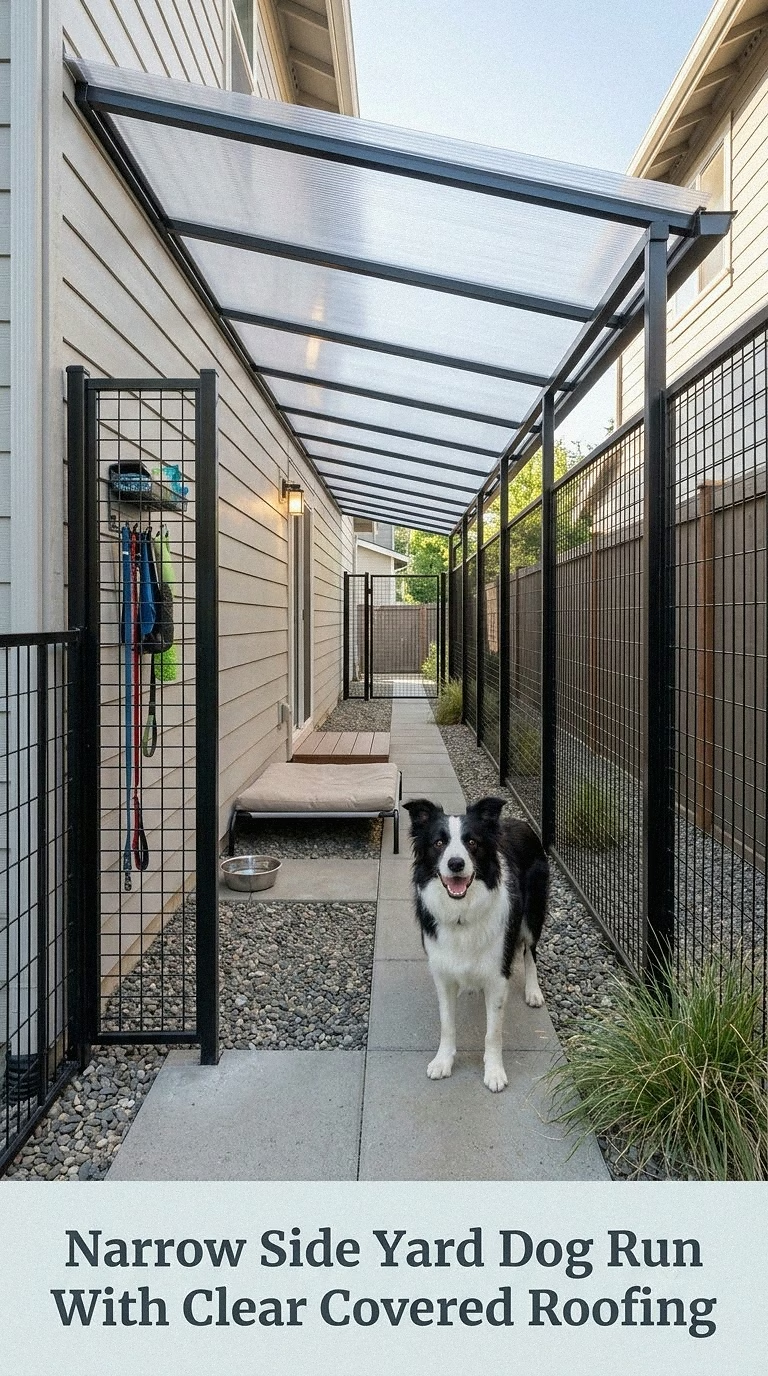
That awkward strip between the house and property fence can become an extremely practical dog run.
A narrow side-yard design works particularly well because the house itself can provide one boundary, reducing the amount of additional fencing required. Install secure fencing along the remaining sides and add a lightweight clear polycarbonate roof overhead.
Clear roofing protects against rain without making the narrow space feel dark. If the area receives strong direct sunlight, choose roofing that provides appropriate UV protection or combine clear panels with a shade sail.
Long rectangular pavers create a neat walkway and make cleanup easier. Leave small drainage gaps or a gravel strip alongside the paving so water has somewhere to flow instead of collecting around the foundation.
Finish the space with wall-mounted hooks for leashes, a hose connection if available, and a compact water bowl station.
Rustic Farmhouse Dog Run With Corrugated Metal Roof
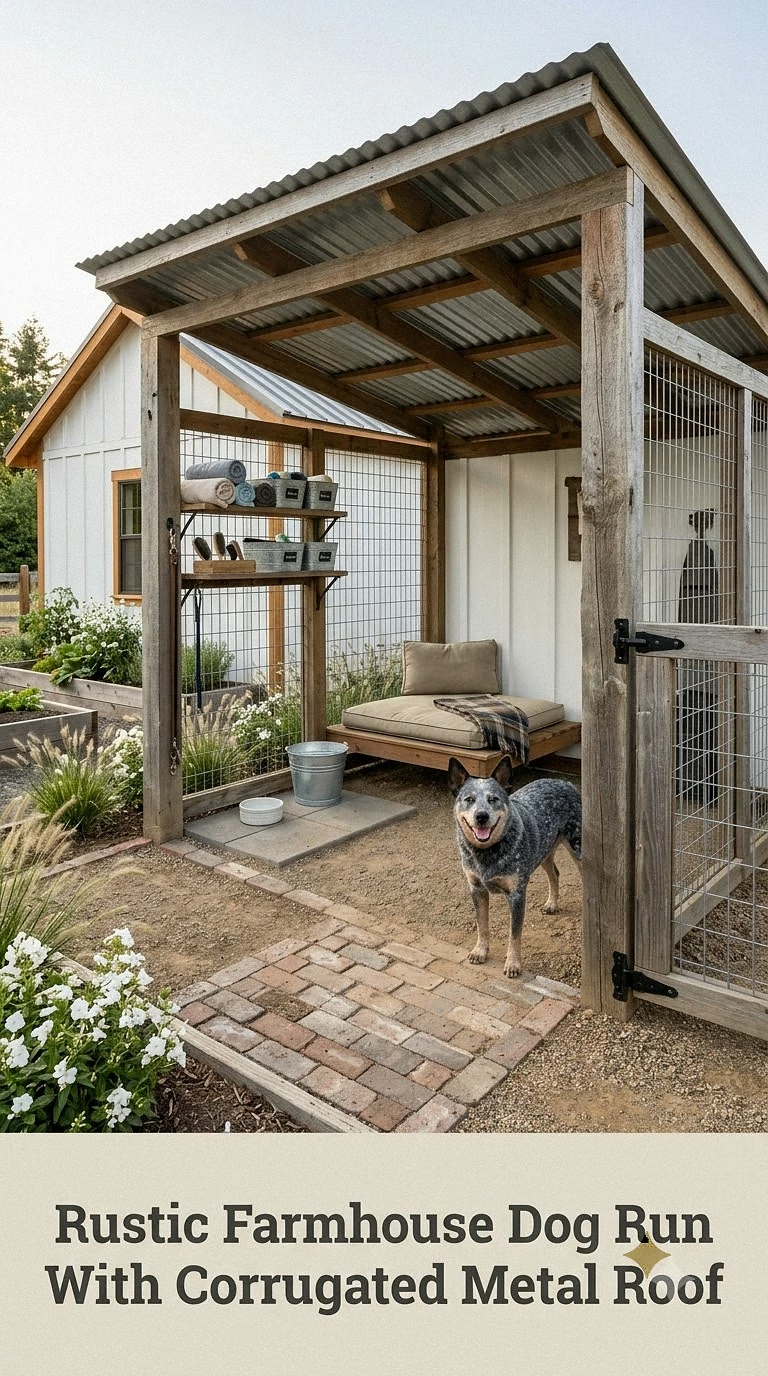
For a country-inspired backyard, combine stained timber posts, wire fencing, and a corrugated roof.
Galvanized metal roofing creates excellent weather protection while contributing to the charming barn-like appearance. A slightly pitched roof helps direct rainwater toward gutters rather than allowing it to collect above the run.
Use natural wood around the lower fencing or entrance gate to soften the industrial appearance of the wire. Gravel flooring suits the rustic aesthetic and can provide effective drainage when installed over a properly prepared base.
A wooden name sign, galvanized water bowl, and simple outdoor storage bin can provide just enough decoration.
Make sure all sheet-metal edges, screws, wire ends, and fasteners are safely covered so your dog cannot reach anything sharp.
White Cottage Dog Run With Picket-Style Fencing and Covered Patio
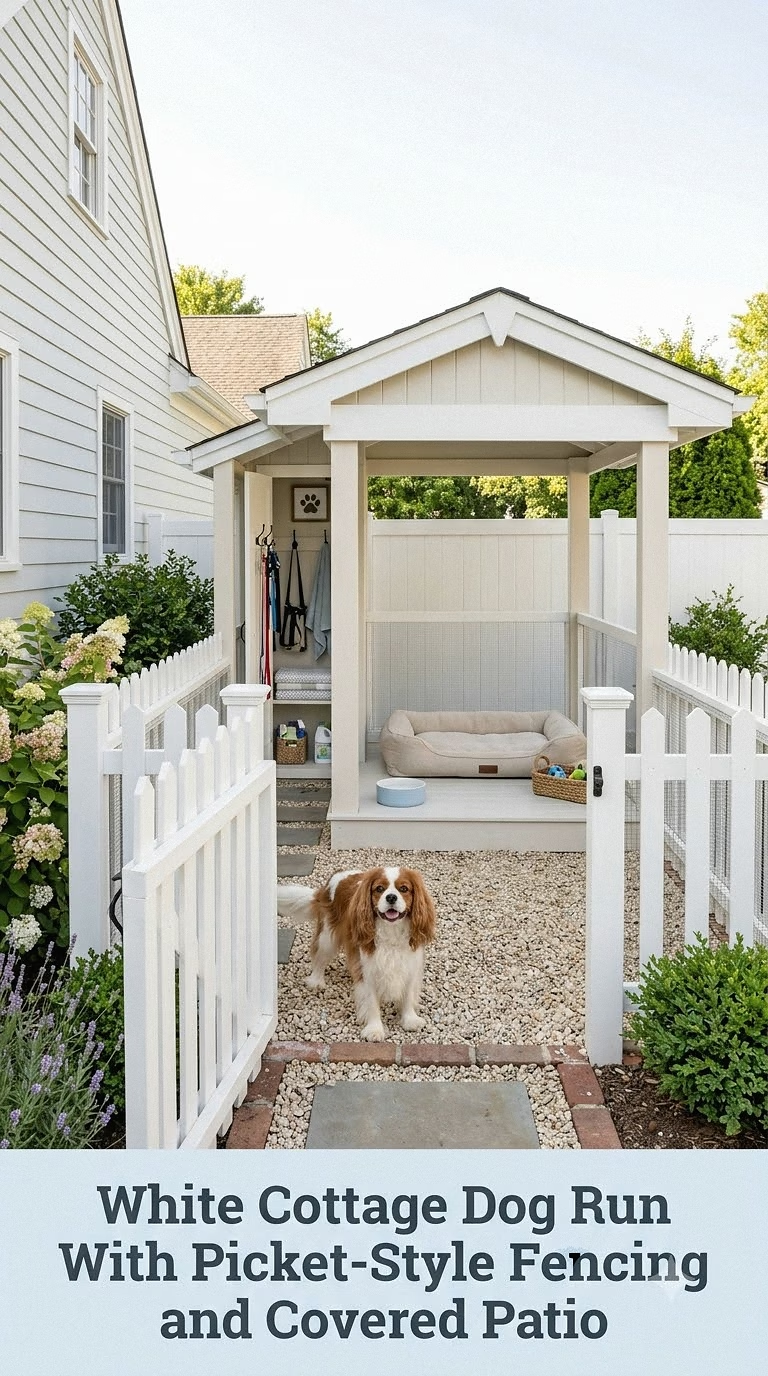
A covered dog run can feel surprisingly charming when treated like a miniature garden patio.
Start with white or cream fencing that echoes traditional picket fences while still providing secure containment. Instead of an open picket design with large gaps, choose spacing appropriate for your dog’s size.
Add a small covered roof supported by white posts and finish the floor with pale stone pavers. Soft green landscaping around the outside creates a pretty cottage-garden backdrop.
Inside the enclosure, keep the setup simple with a washable bed, water bowl, and perhaps a small shaded platform where your dog can lounge.
This style works particularly well beside light-colored homes and can visually connect the dog area with a porch or existing patio rather than making the run look like an unrelated structure.
Budget-Friendly Chain-Link Dog Run With a Neutral Shade Sail
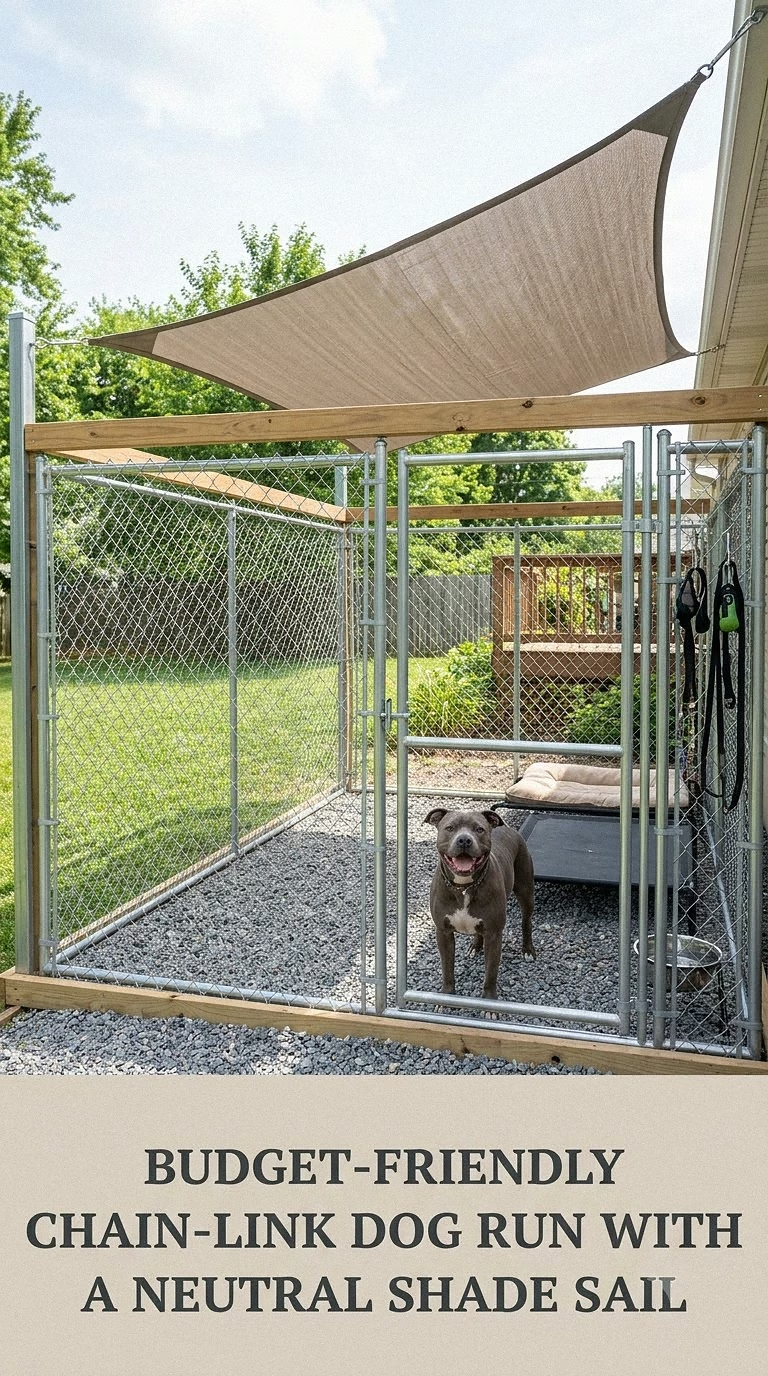
Chain-link fencing remains one of the most practical ways to build a secure dog run without investing in elaborate custom construction.
Instead of leaving it looking purely utilitarian, stretch a beige, cream, or muted sage shade sail above the enclosure. The softer color instantly makes the space feel more considered.
Add privacy screening to selected sections if your dog becomes overly excited by pedestrians, neighboring pets, or activity beyond the fence. Bamboo-style screening can provide an attractive visual layer, although it should be securely attached and checked for damage.
For flooring, compacted gravel can be relatively affordable and easier to maintain than muddy bare ground.
A straightforward setup like this leaves more of the budget available for the features your dog will appreciate most, including secure gates, clean water, enrichment toys, and comfortable resting areas.
Covered Artificial Turf Dog Run With a Dedicated Potty Zone
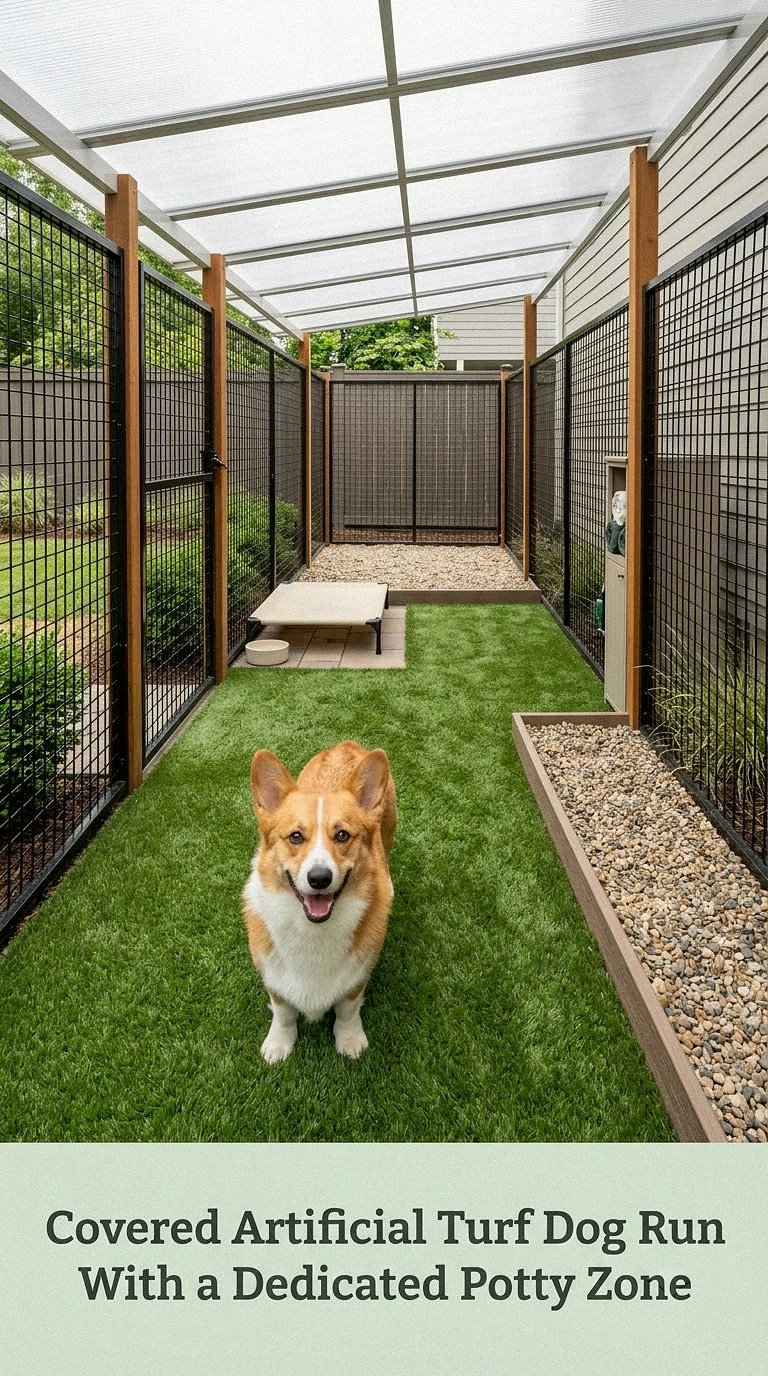
Artificial turf can create the appearance of a tiny green lawn even when the dog run sits beside a patio or in an area where natural grass struggles to grow.
The key is installing the turf over a properly prepared, well-draining base rather than simply laying it directly over soil. Good drainage becomes particularly important in covered runs that are regularly rinsed for cleaning.
Create one section specifically for potty use and leave another section for lounging or play. Separating functions can make the area easier to maintain.
Read more : 19 Understairs Dog Kennel Ideas for a Cozy, Stylish Space Your Dog Will Love
Choose turf intended for pet applications and establish a consistent cleaning routine. Solid waste should be removed promptly, and the surface should be rinsed as necessary to prevent odors.
Pair the green flooring with black fencing and a simple covered roof for a clean contemporary backyard aesthetic.
Pea Gravel Dog Run Beneath a Simple Lean-To Roof
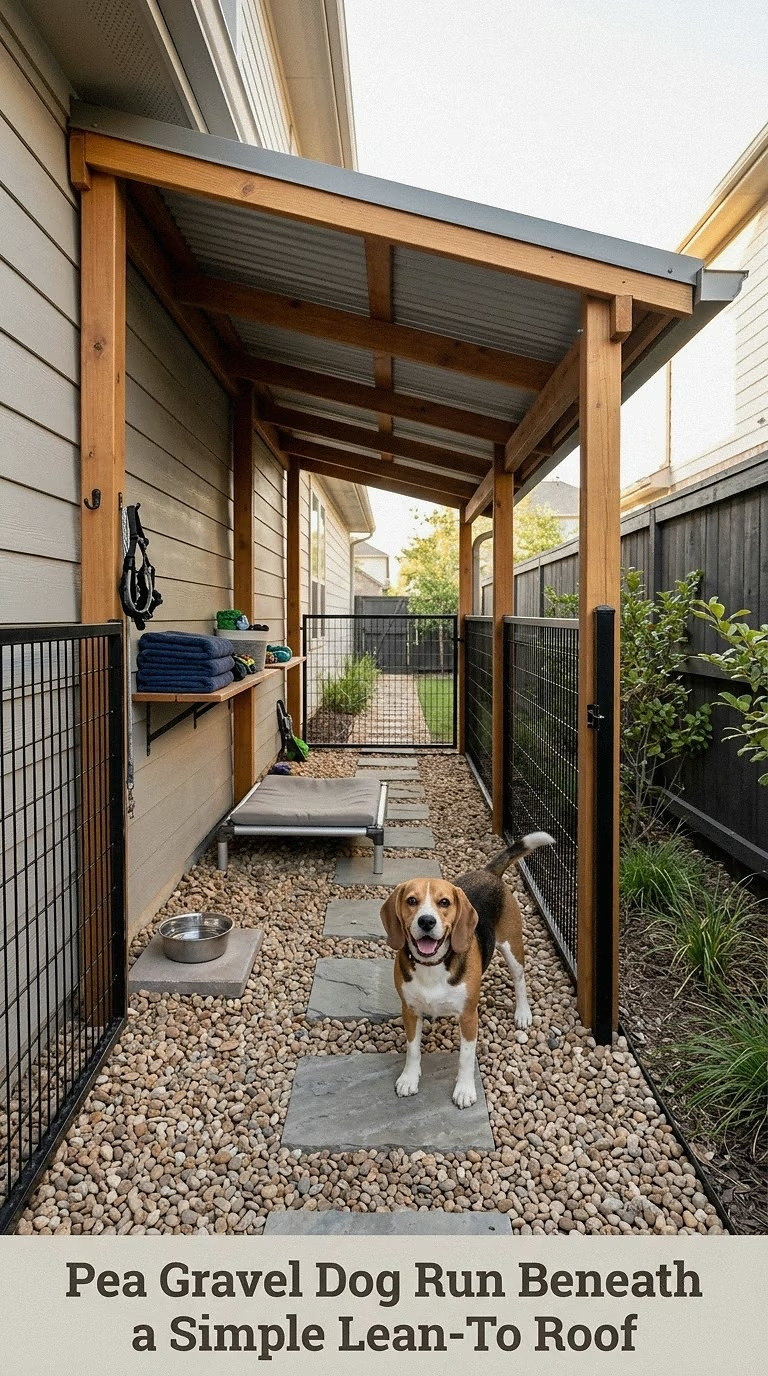
A lean-to structure is one of the simplest ways to add substantial coverage to a dog run positioned against a house, garage, or shed.
The roof slopes in one direction, making construction visually simple and helping rainwater drain predictably. Add guttering where necessary so runoff does not pour directly into the enclosure.
Pea gravel creates a casual, natural-looking floor and allows water to move through more readily than an impermeable surface. However, flooring choices should always reflect your individual dog. Dogs that constantly eat stones or aggressively dig through gravel may need another surface.
Add a border around the gravel so pieces remain contained, and position a raised cot beneath the deepest part of the roof.
A lean-to run is especially practical for homeowners who care more about function than decorative architectural details but still want something tidy.
Backyard Pergola Dog Run With a Paver Lounge Area
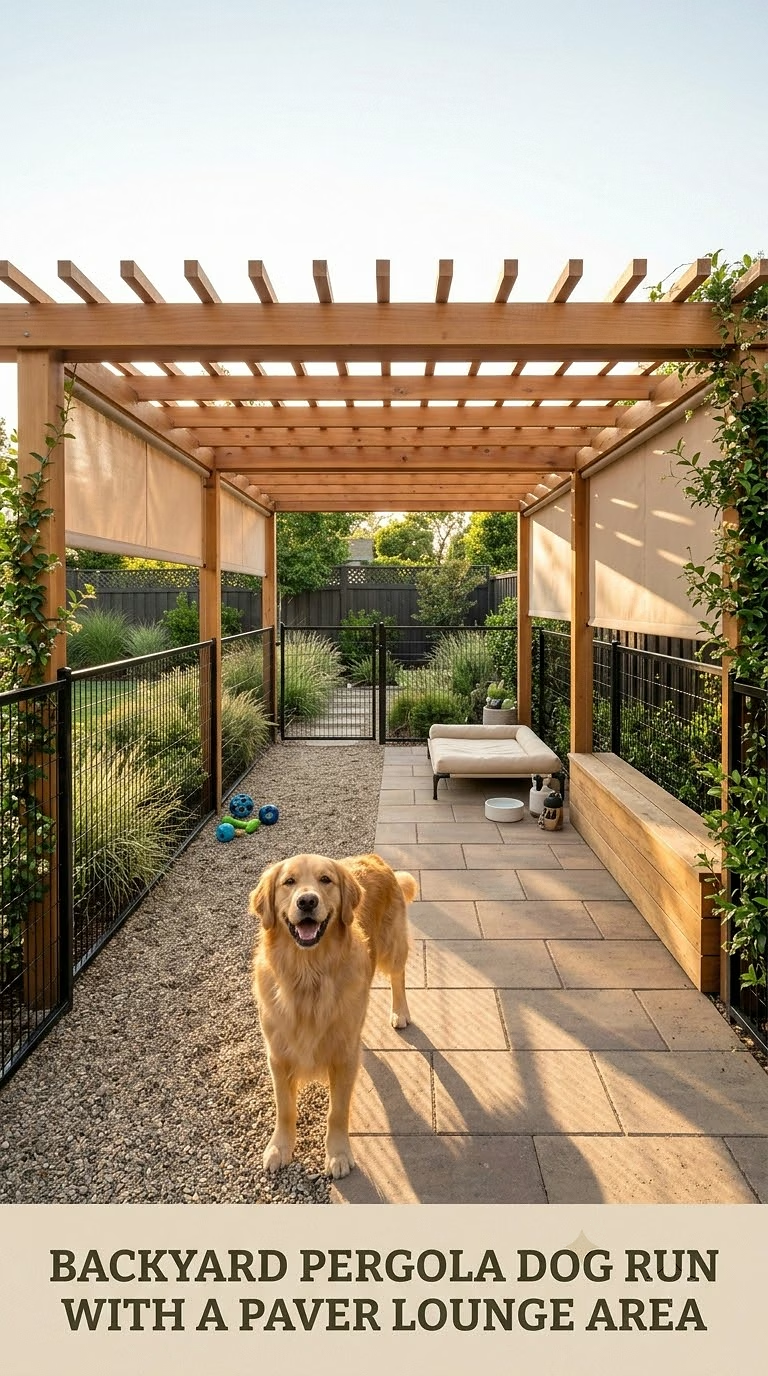
If your dog enjoys spending time outside while you garden, entertain, or relax on the patio, turn the run into a small outdoor lounge.
Use a pergola as the main structure, then securely fence around its perimeter. Install large-format pavers underneath so the finished space resembles the rest of your outdoor living area.
A covered corner can hold a raised dog cot, while another section remains open for movement and enrichment. You could also include a securely mounted water bowl and a weather-resistant toy basket positioned outside the enclosure.
Neutral beige stone, warm timber, and matte black hardware produce a sophisticated combination that blends well with modern landscaping.
Because paved surfaces can heat significantly in strong sunshine, ensure the roof provides reliable shade and check surface temperatures before allowing your dog to spend extended time there.
Small Corner Dog Run With a Retractable Waterproof Awning
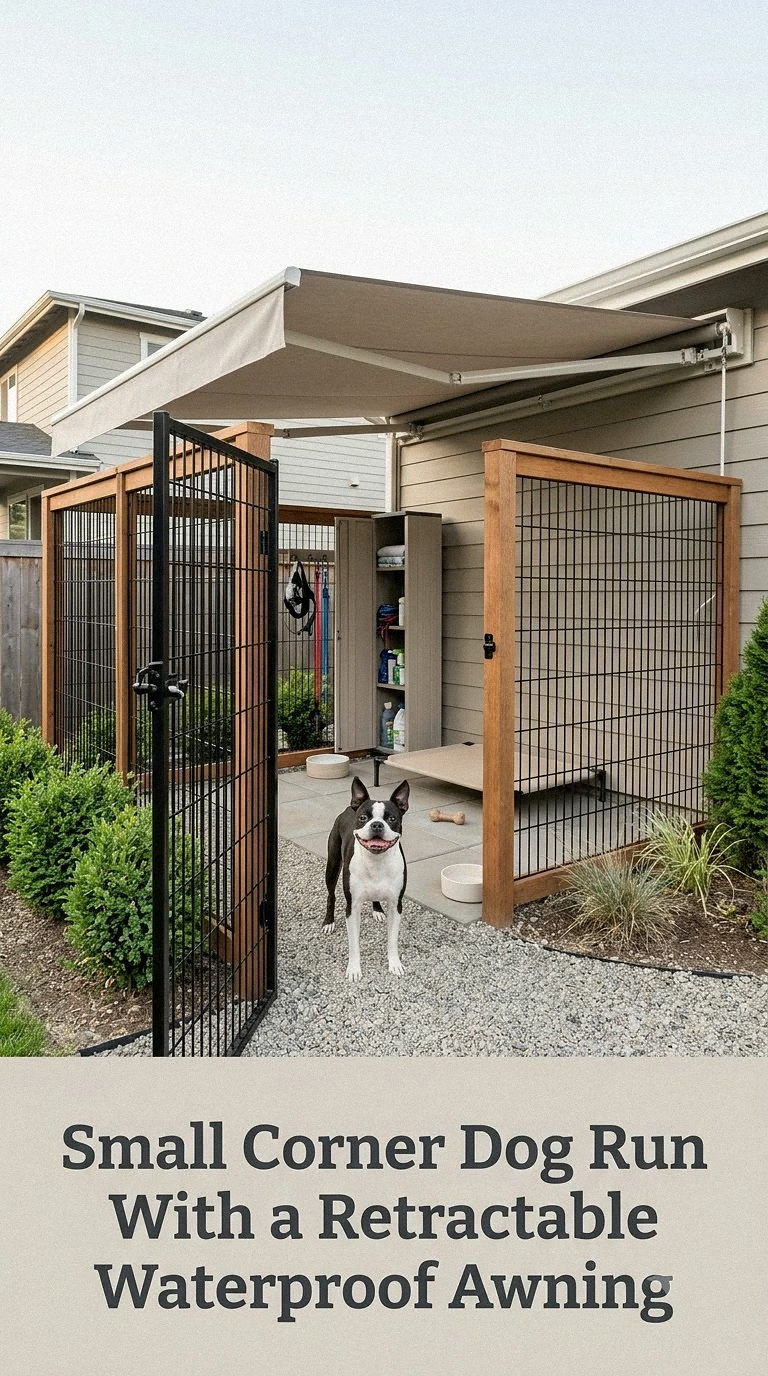
Not every backyard has enough room for a permanent roof structure. A retractable awning can provide flexibility in a compact corner dog run.
Position secure fencing against two existing boundaries and attach the awning to a suitable exterior wall or professionally supported frame. Extend it when shade or weather protection is needed and retract it when you want more sunlight.
This arrangement works particularly well for homeowners who want the backyard to remain visually open.
Underneath, use a combination of pavers and a small artificial turf section. Vertical wall storage outside the enclosure can hold towels, toys, cleaning supplies, and leads without using valuable floor space.
Choose hardware designed for outdoor conditions and ensure hanging cords, moving mechanisms, and other components remain completely inaccessible to your dog.
Covered Dog Run With an Airlock Double-Gate Entrance
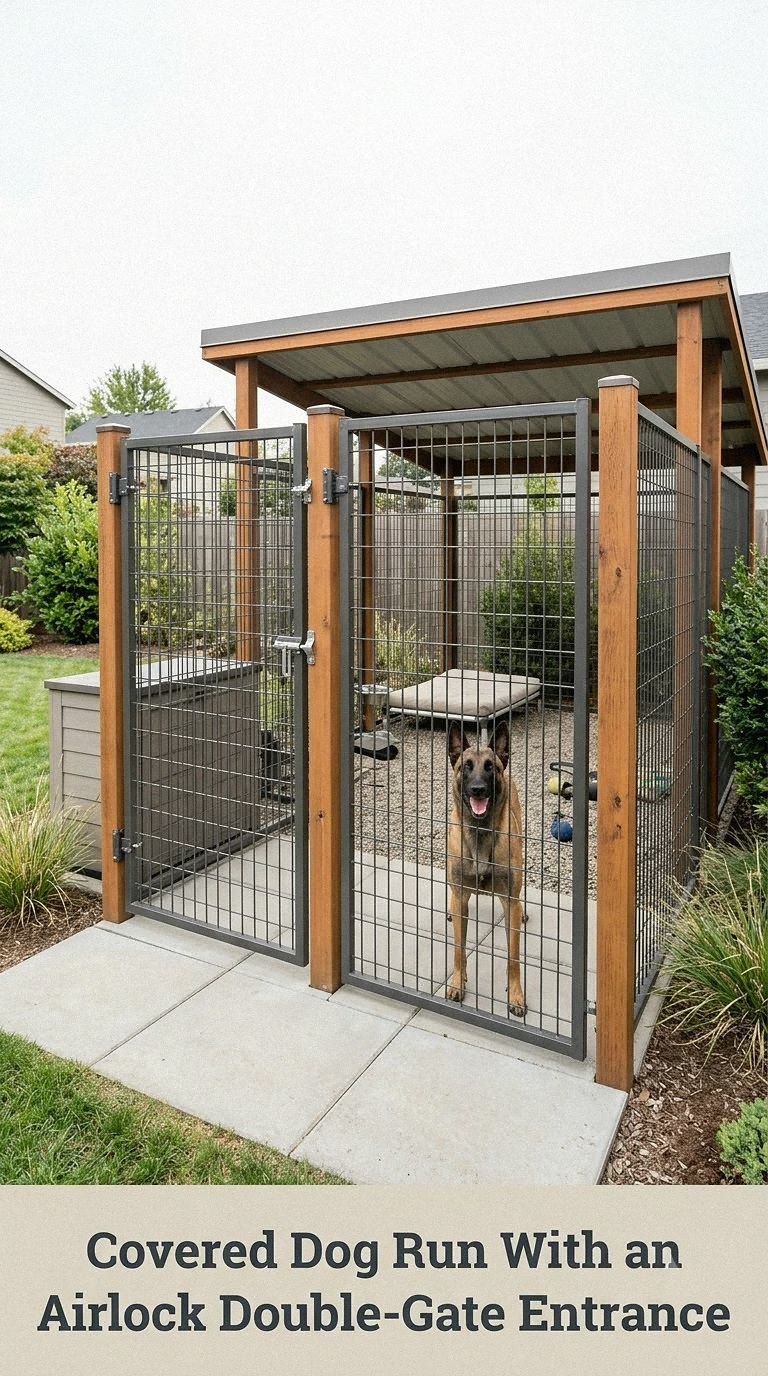
For dogs that are talented escape artists, an entrance with two gates can be one of the most worthwhile design upgrades.
Instead of opening the main yard directly into the run, create a small enclosed transition zone. You enter through the first gate, close it securely, and then open the second gate leading into the dog area.
The result can still look beautiful. Use matching black fencing, wood posts, and a continuous roof so the transition area becomes part of the architecture instead of resembling an afterthought.
Add self-closing or secure gate hardware appropriate for your setup.
This layout is particularly useful near driveways, sidewalks, or other places where an accidental dash through an open gate could quickly become dangerous.
Keep both gate areas free from stored tools, bins, furniture, or other objects that might interfere with reliable closing.
Minimalist Concrete Dog Run With Warm Timber Privacy Panels
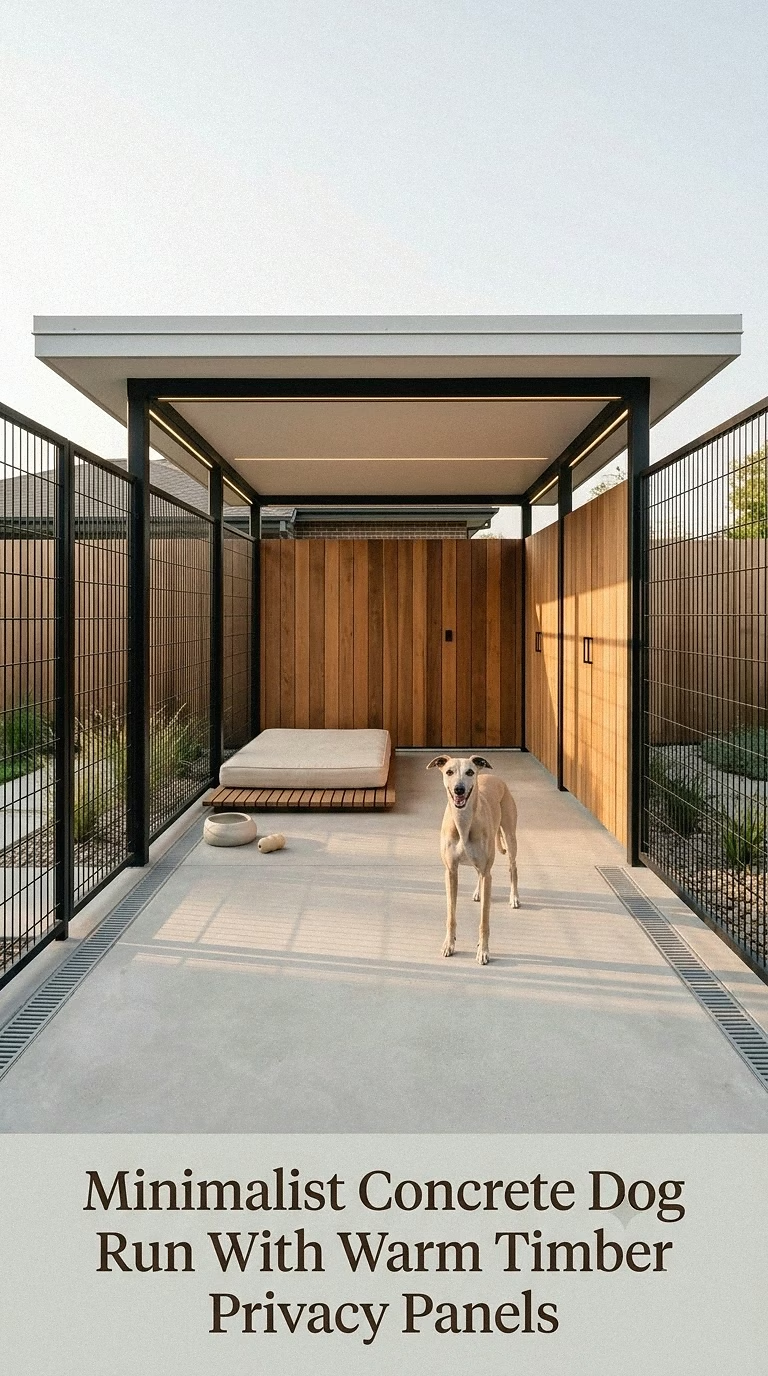
Concrete offers durability and extremely straightforward cleanup, but large amounts of bare concrete can feel stark. Warm timber panels are an attractive way to balance the look.
Use concrete primarily as the base while adding securely constructed wood privacy panels along selected sides. Black framing around the panels gives the enclosure a crisp modern finish.
Cover the run with a simple flat-looking roof that actually incorporates enough slope for drainage. Add a large raised outdoor bed rather than having your dog rest directly on the hard floor.
A hose nearby makes maintenance convenient, but the concrete should still be designed so rinse water drains away rather than forming puddles.
In hot climates, shaded coverage is particularly important because hard surfaces exposed to direct sun can become uncomfortable for paws.
Farmhouse Dog Run Attached to a Garden Shed
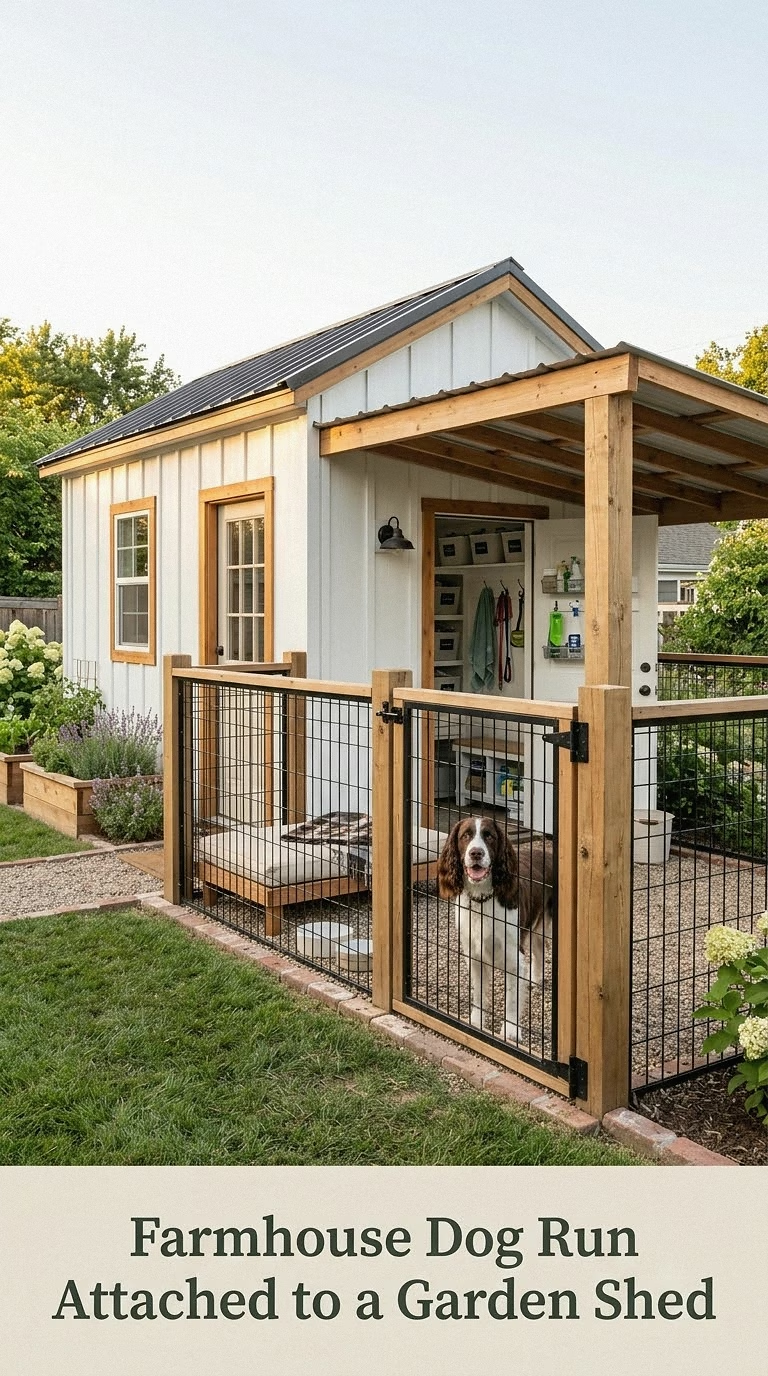
If you already have a shed in your backyard, extending a covered run from one side can help both structures feel like a single purposeful design.
Match the roofline or exterior finish of the shed wherever possible. A timber frame, wire mesh panels, and pitched metal roof create an especially attractive farmhouse combination.
The shed wall can support hooks and closed storage for dog supplies, while the attached enclosure provides outdoor space. Keep chemicals, fertilizers, sharp gardening equipment, and other hazardous items securely separated from anything your dog can access.
Add crushed stone or pavers inside the run and create a defined garden bed outside the fencing.
Repeating plants and materials already used elsewhere in your landscaping will help the dog area look integrated with the backyard rather than visually isolated.
Luxury Covered Dog Run With Stone Pavers and Built-In Bench Seating
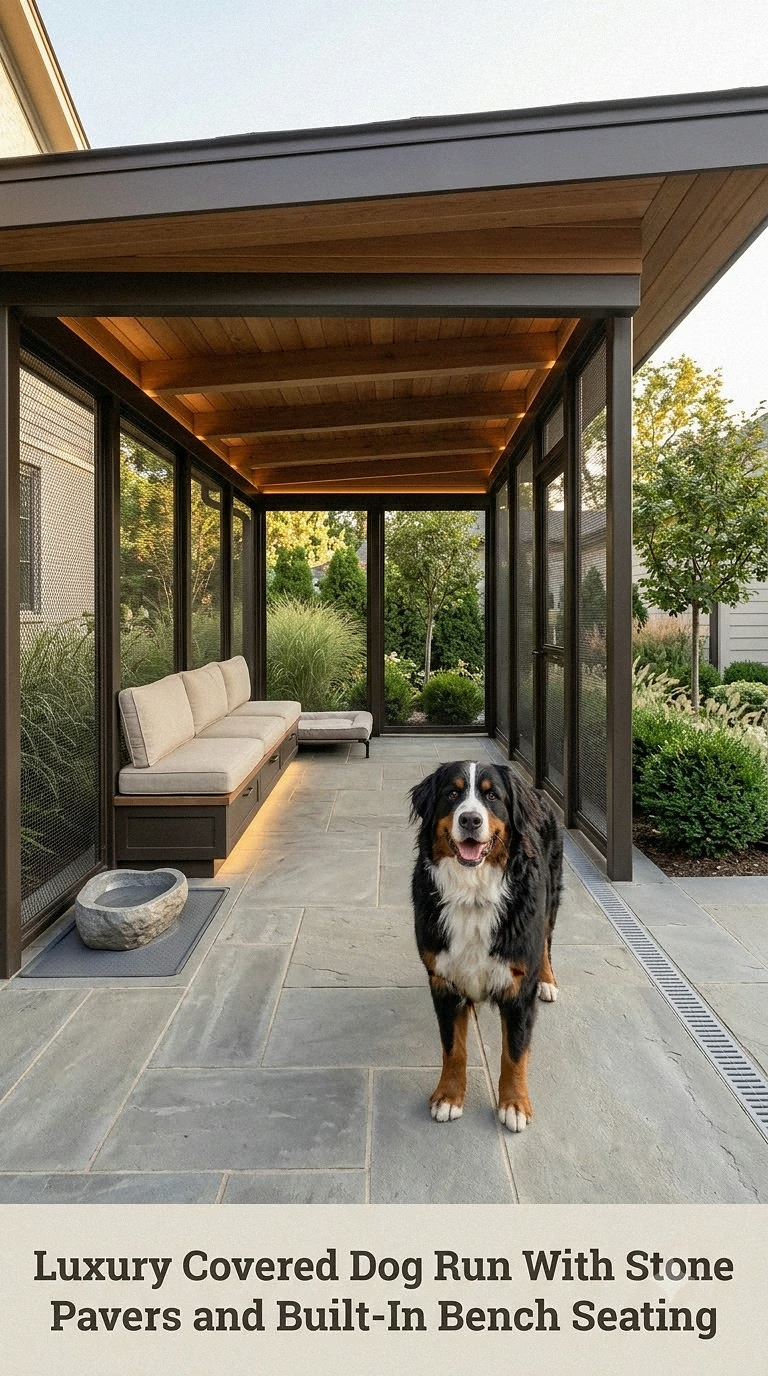
A dog run can become a true extension of your home’s outdoor architecture when premium materials are used thoughtfully.
Start with large stone-look pavers, sophisticated metal fencing, and an elegant roof supported by substantial posts. Add built-in bench seating along the outside so family members can comfortably spend time near the dog.
Read more : 17 Beautiful Dog Run Ideas for a Backyard Side Yard
Inside, create distinct areas for resting, drinking, and play. A raised bed with washable cushions can sit beneath the most protected section of the roof.
Subtle outdoor lighting can make the enclosure visually appealing in the evening, although electrical fixtures, cables, and wiring must be safely installed beyond chewing reach.
The most luxurious dog runs are not necessarily the ones filled with accessories. Spacious circulation, durable materials, easy cleaning, good airflow, and carefully integrated landscaping can create a far more polished result.
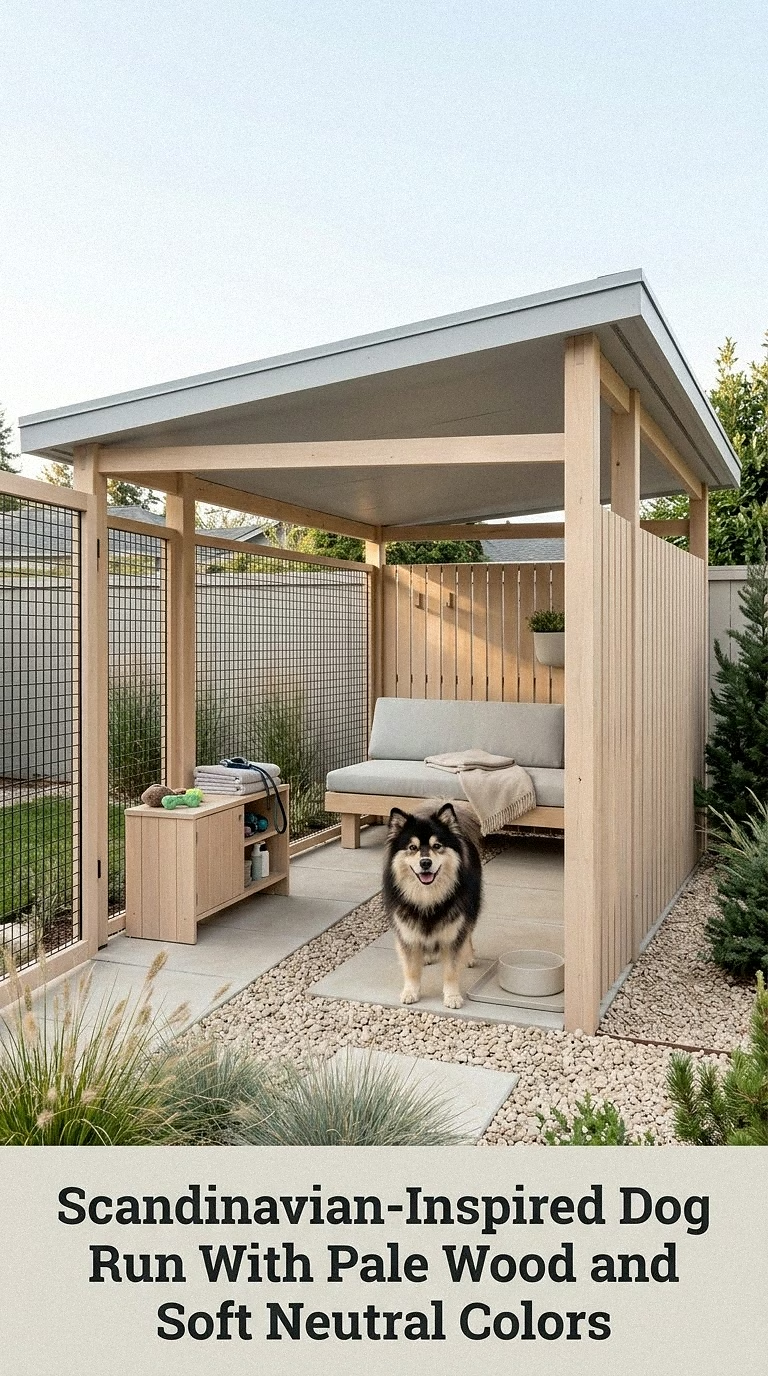
For a softer version of modern outdoor design, use pale timber, off-white surfaces, charcoal details, and muted natural textures.
The fencing can combine light wood posts with discreet black mesh, allowing the structure to feel airy. A simple pale wood roof with translucent weather-resistant panels above it provides coverage while maintaining brightness.
Use light gravel or warm-gray pavers on the ground and add a washable oatmeal-colored dog bed.
Keep accessories intentionally limited. A ceramic-look water bowl, simple storage container, and a few grasses planted outside the enclosure can be enough.
This design works particularly well beside contemporary homes where bright chain-link fencing or heavy rustic materials might feel visually distracting.
Covered Dog Run With a Built-In Washing and Rinse Station
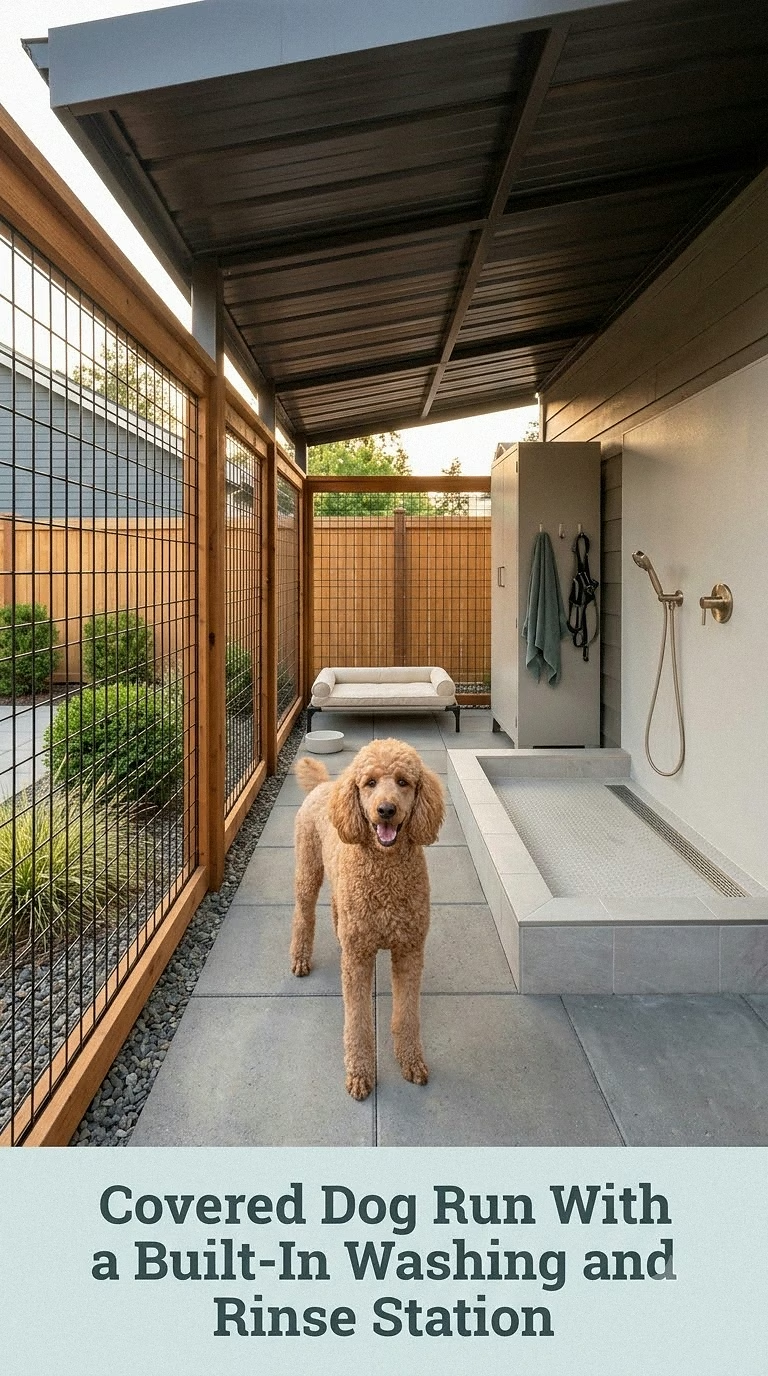
Dogs that spend lots of time digging, playing outdoors, or exploring wet grass can bring an impressive amount of dirt back inside.
A rinse station positioned beside the entrance of the dog run provides an extremely practical transition area.
Create a paved floor with a drain and install a low handheld sprayer or hose connection. If you want a more polished appearance, add tiled or stone-look walls behind the washing zone.
The covered roof keeps both you and your dog more comfortable during cleanup.
Choose slip-resistant flooring because wet surfaces can become dangerous. Store shampoo and cleaning products safely out of your dog’s reach rather than leaving bottles along the floor.
This setup can be especially convenient when the dog run connects directly to a mudroom, laundry room, garage, or side entrance.
Lush Garden Dog Run With a Covered Resting Pavilion
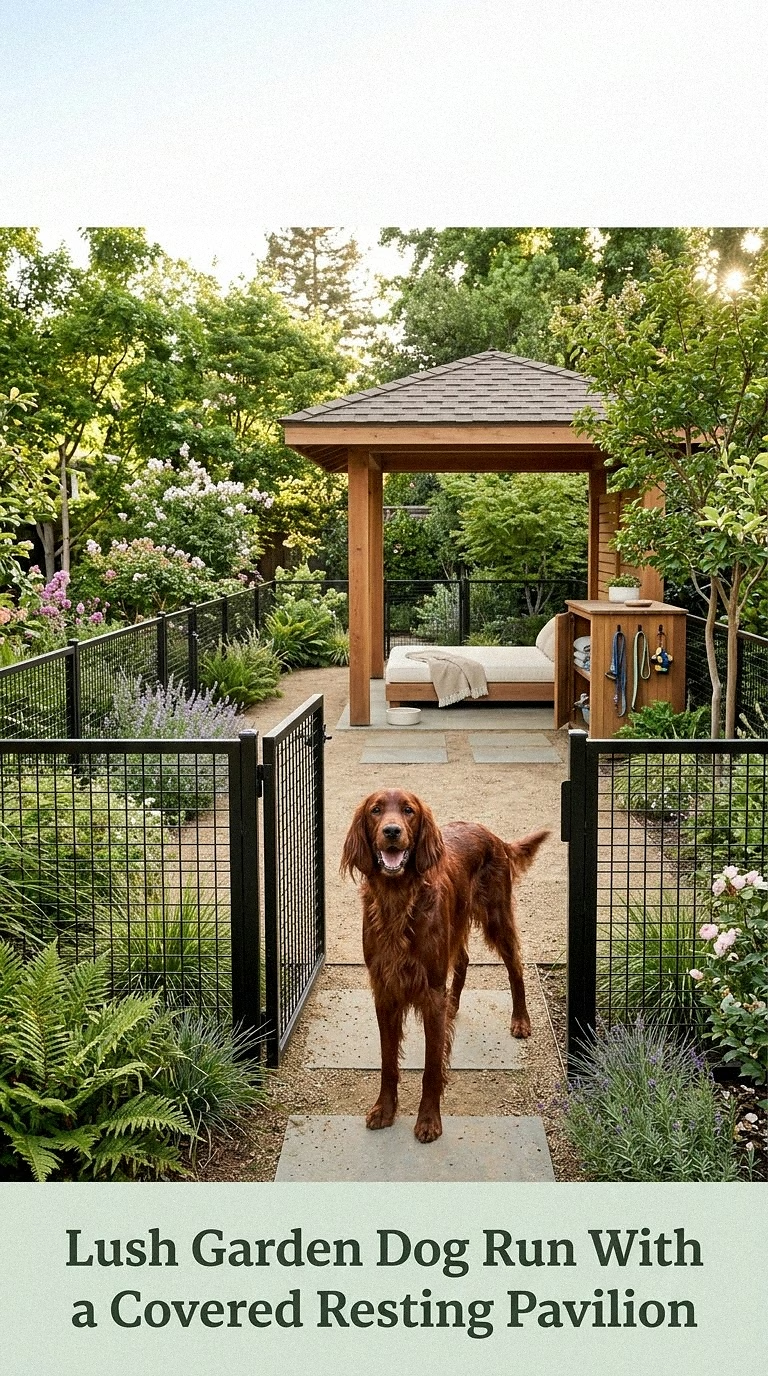
Instead of treating the dog run as something you need to hide, make it the centerpiece of a small landscaped garden.
Build a securely fenced exercise area around a compact covered pavilion where your dog can rest in shade. Surround the outside of the enclosure with layered greenery to soften the fencing.
A winding paver path leading toward the entrance makes the setup feel intentional and decorative.
Select landscaping carefully because not every common garden plant is suitable around pets. Keep potentially problematic plants away from areas your dog can reach, and consider your dog’s tendency to chew leaves or dig around roots.
Within the enclosure, maintain plenty of uncluttered space rather than filling every corner with decoration. The garden should beautify the dog run without restricting safe movement.
DIY Wood-Frame Dog Run With Corrugated Plastic Roofing
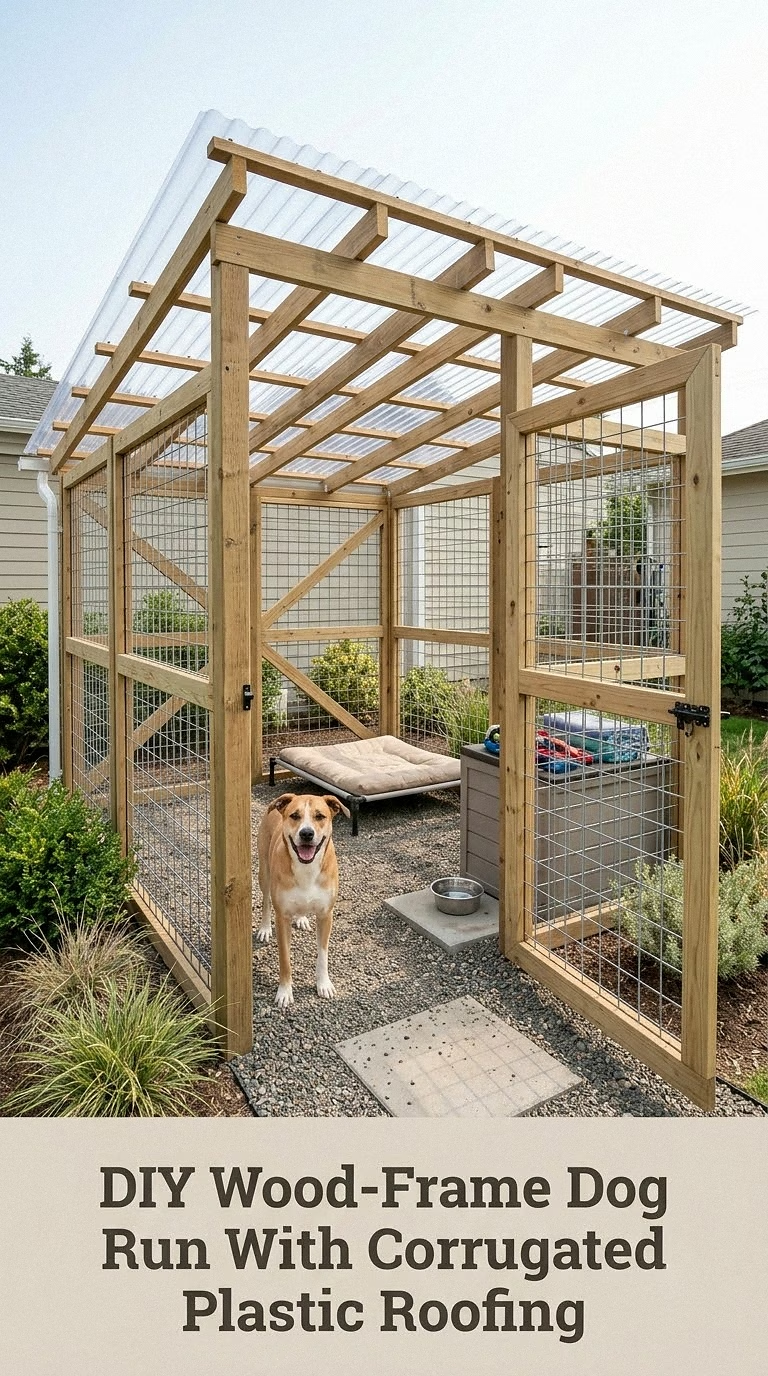
A simple rectangular wood frame can provide an approachable starting point for a DIY covered dog run.
Use outdoor-rated lumber for the main posts and framing, then securely attach suitable fencing material around the perimeter. Lightweight corrugated roofing panels can create inexpensive rain protection while still allowing daylight into the enclosure.
Staining the frame in a warm medium brown can instantly elevate the appearance.
For the flooring, compacted stone topped with gravel is practical for many setups and pairs naturally with wood.
Take particular care with construction details. Screws, nails, cut wire, rough wood edges, and loose roofing pieces should never protrude into areas your dog can access.
Anyone unsure about structural loads, anchoring, wind resistance, or roof construction should have those portions reviewed or completed by a qualified professional.
Covered Dog Run Connected to the House With a Secure Dog Door
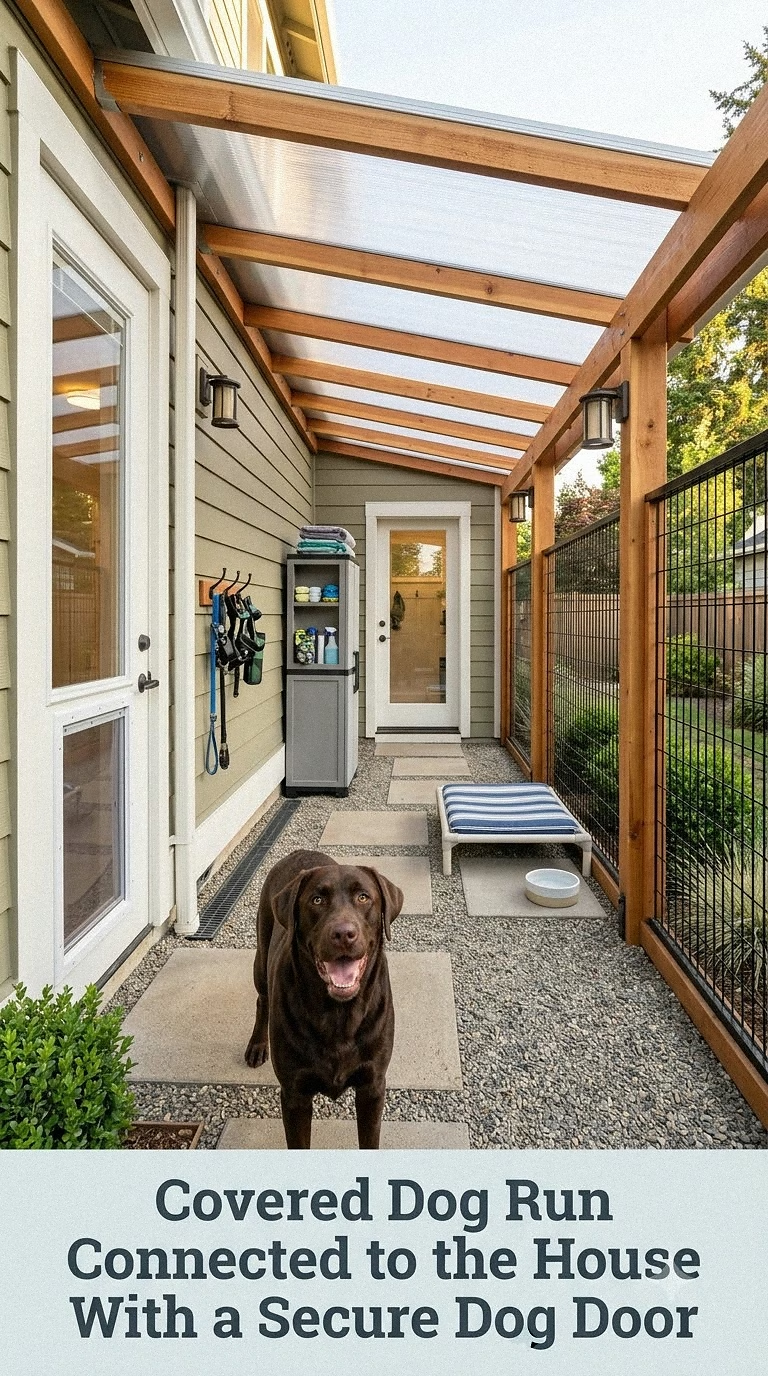
Connecting the dog run directly to your home creates one of the most convenient backyard layouts.
A properly sized dog door can lead from a mudroom, utility space, or suitable exterior wall directly into the enclosed run. Your dog then has a clearly defined outdoor destination rather than entering the entire backyard.
Continue the roof from the house or create a covered walkway leading toward the enclosure so the transition remains sheltered.
Black fencing combined with wood framing can help the addition look architecturally coordinated with the home.
Security deserves extra attention with this layout. The dog run must remain securely enclosed, and the dog-door system should suit your home’s security needs. Outdoor plants, pools, equipment, and anything else accessible from the enclosure should also be considered when planning the space.
Even with a protected run, outdoor access should not replace appropriate supervision, walks, enrichment, and interaction.
Creating the Perfect Covered Dog Run for Your Backyard
The most beautiful covered dog run is ultimately one that works well for both your dog and your everyday routine. Before choosing a design, think about how your dog actually behaves outdoors. A powerful jumper may need different fencing from a relaxed senior dog, while an enthusiastic digger may require additional protection along the bottom perimeter.
Climate also matters. In sunny areas, dependable shade and fresh water should be priorities. Rainy yards benefit from a well-planned roof and excellent drainage, while surfaces should be selected with cleaning, paw comfort, durability, and local weather conditions in mind.
You also do not need an enormous budget to create something attractive. A simple chain-link enclosure can feel completely different after adding a neutral shade sail, neat gravel, privacy screening, and a comfortable raised bed. If your budget allows more customization, pergolas, stone pavers, timber panels, landscaping, built-in storage, and rinse stations can transform the same basic concept into a beautiful extension of your outdoor living space.
Use these covered dog run ideas backyard spaces can accommodate as inspiration rather than strict formulas. Borrow the roofing style from one idea, flooring from another, and the fencing or landscaping from a third until you create a setup that suits your home perfectly.
Most importantly, design the space around your dog’s comfort and safety first. When secure boundaries, shade, drainage, fresh water, easy maintenance, and thoughtful styling come together, a covered dog run can become a backyard feature both you and your four-legged companion genuinely enjoy.
Source: https://petstutorial.com
Category: Dog Kennels Runs
