
An outdoor dog kennel can be much more than a plain wire enclosure tucked into an unused part of the yard. With thoughtful planning, it can become a secure, comfortable retreat where your dog can enjoy fresh air, watch the garden, nap in the shade, and play safely while you work nearby.
- 18 Dog Breeder Kennel Ideas for a Calm, Clean, Beautiful Breeding Space
- 19 Laundry Room Ideas With Dog Kennel: Beautiful and Practical Spaces for Pet Lovers
- 20 Dog Pen Chicken Coop Ideas for a Beautiful and Pet-Friendly Backyard
- 18 Beautiful 3 Dog Kennel Ideas Indoor for a Cozy, Organized Home
- 19 Carport Dog Kennel Ideas for a Stylish, Shaded, and Practical Pet Space
The best outdoor kennels combine appearance with practical protection. Your dog needs reliable shade, fresh drinking water, airflow, dry shelter, comfortable flooring, and secure fencing that matches their size and behavior. A determined digger may need reinforced ground barriers, while an athletic jumper may require taller panels or a secure roof. Hot climates call for open ventilation and large shaded areas, while rainy or cold locations benefit from raised sleeping spaces and insulated shelter.
You are reading: 17 Beautiful Outdoor Dog Kennel Ideas for a Safe and Stylish Backyard Retreat
An outdoor kennel should provide temporary, supervised enjoyment rather than replace daily walks, indoor family time, training, or companionship. Always consider your dog’s age, breed, coat, health, mobility, and tolerance for local weather before choosing a design.
Dog Kennel Ideas Outdoor Spaces Can Use for Comfort, Shade, and Everyday Ease
1. Modern Black Metal Kennel With Cedar Privacy Panels and a White Shade Canopy
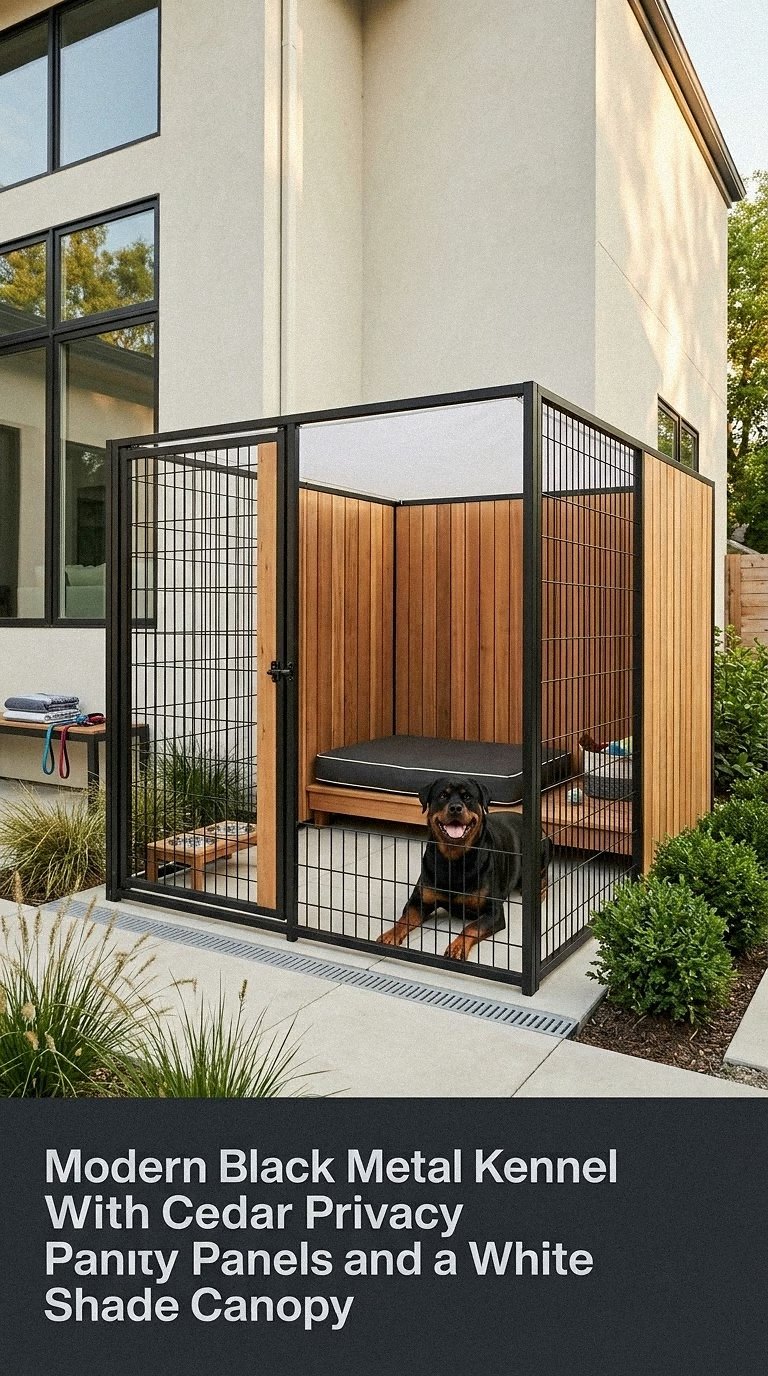
Create a polished contemporary kennel using matte black metal panels, warm cedar privacy slats, and a clean white canopy stretched across the top. The contrast between dark fencing and natural wood gives the enclosure an architectural appearance that feels intentional within a modern backyard.
Install privacy panels along one or two sides rather than enclosing the entire kennel with solid walls. This gives your dog a quieter resting area while preserving cross-ventilation. Position the open sides where you can easily see your dog from the house or patio.
A light-colored UV-resistant canopy helps reflect sunlight, but it should cover a generous portion of the run rather than only the sleeping corner. Add a raised outdoor bed beneath the canopy and place the water bowl where it will remain shaded throughout the day.
Choose smooth, sealed slats without splinters, exposed screws, or chewable edges. Leave enough clearance around the base for cleaning and drainage.
2. White Cottage Kennel With a Sage Green Doghouse and Picket-Style Fencing
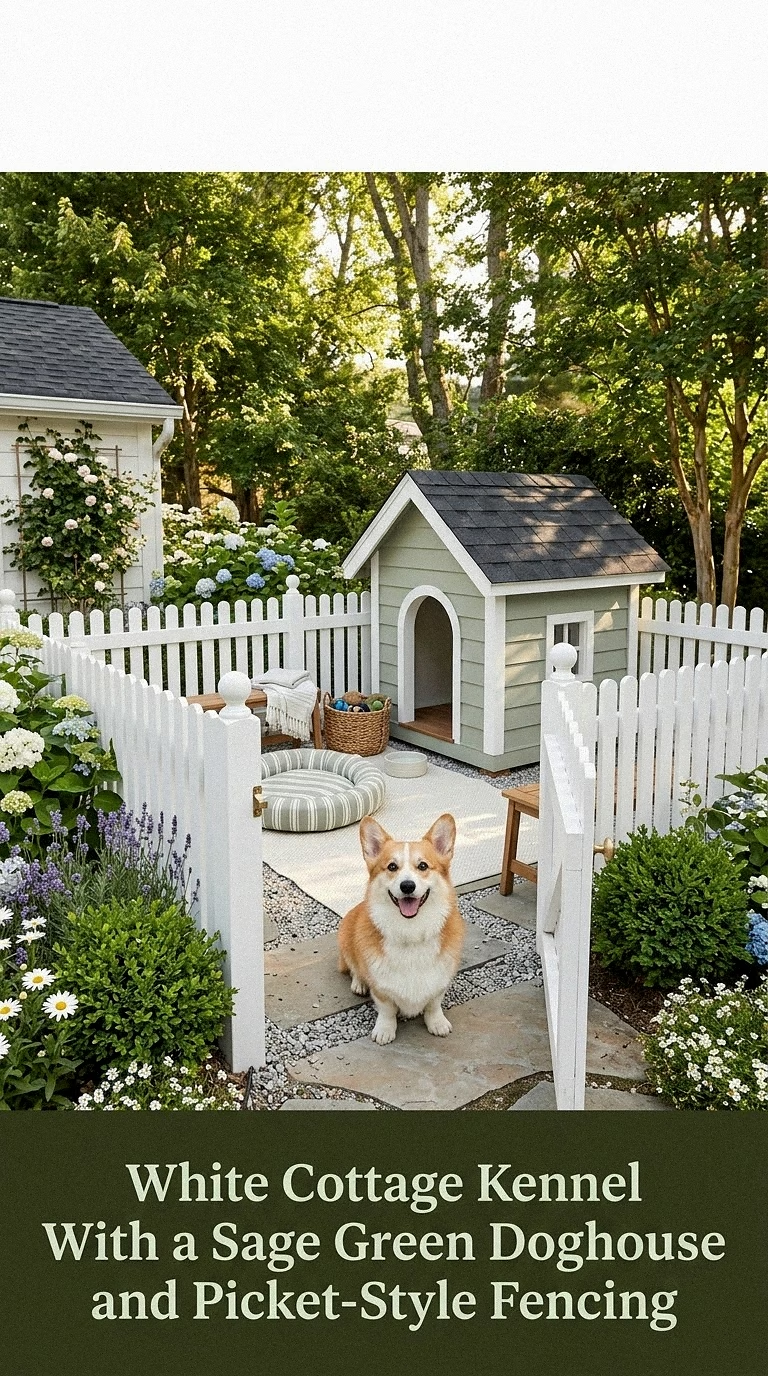
A cottage-inspired kennel can blend beautifully with a flower-filled backyard. Use white fencing, a sage green doghouse, a pitched roof, and simple decorative trim to create a sweet garden retreat that looks like a miniature home.
Keep the decorative details practical. Picket-style panels should have narrow, safe spacing so your dog cannot push their head through or become trapped. A secure wire backing can preserve the cottage appearance while strengthening the enclosure.
Raise the doghouse several inches above the ground to protect the floor from damp soil and minor flooding. A removable or hinged roof makes cleaning much easier, while small protected vents near the roofline allow warm air to escape.
Surround the outside of the kennel with dog-safe plants in raised containers. Check every plant before adding it, since many common garden flowers can be harmful when chewed. Keep fertilizers, pest treatments, and gardening tools completely outside the enclosure.
3. Narrow Side-Yard Kennel With Vertical Wood Screens and a Clear Rain Roof
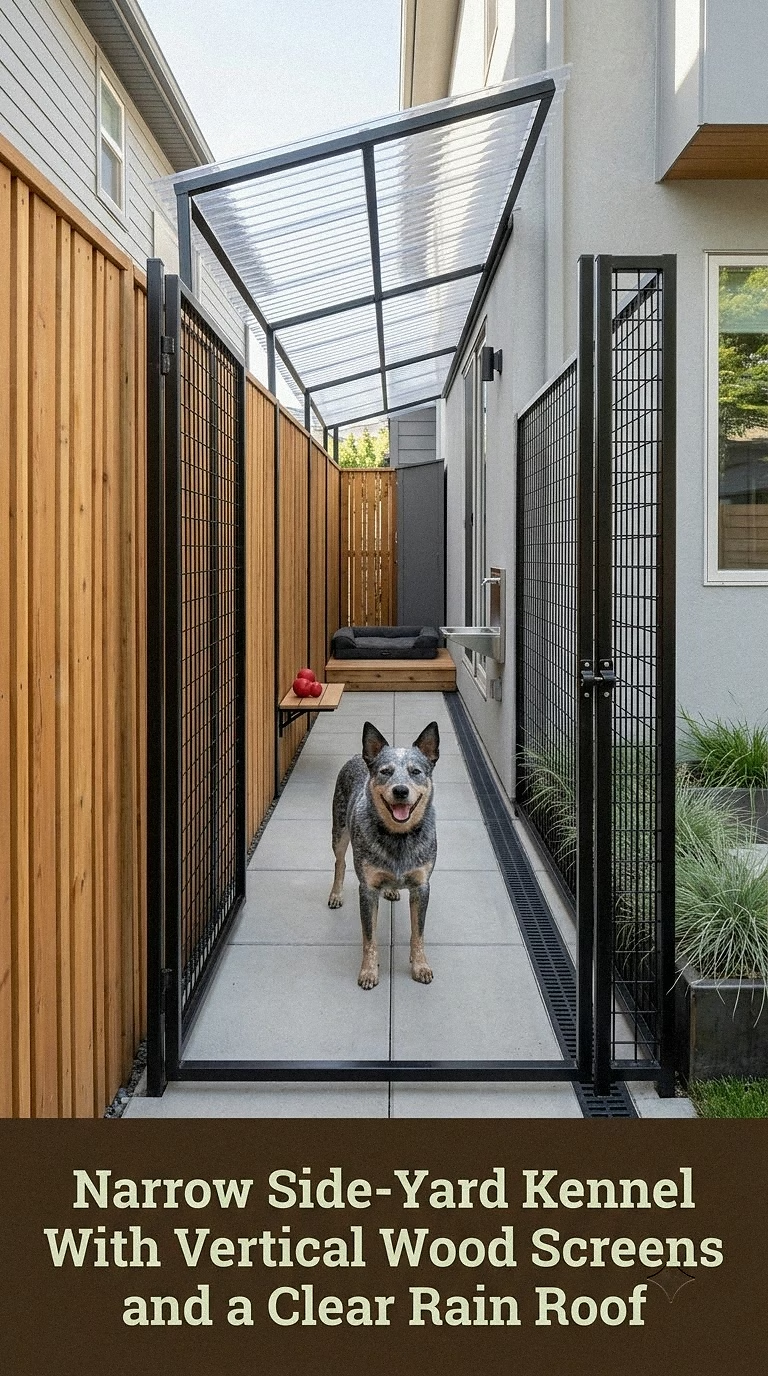
A long side yard can become a practical kennel without taking over the main garden. Install secure fencing along the open boundary, then use the exterior wall of a shed or garage to help define the layout where local building conditions allow.
Vertical wood screens can soften the narrow space and reduce visual stimulation from neighbors or passing pedestrians. Leave ventilation gaps between boards, especially in hot or humid climates. A clear or lightly tinted polycarbonate roof protects part of the kennel from rain while allowing natural light into the run.
Avoid covering the entire narrow space with a solid roof unless there is excellent airflow. Heat can build quickly between walls. Combine a covered sleeping end with an uncovered or shade-cloth-covered exercise section.
Use a gently sloped, washable floor that directs water away from the shelter and nearby foundation. A wall-mounted hose holder, lidded waste container, and narrow storage cabinet can make daily maintenance easier without crowding the dog’s movement area.
4. Rustic Farmhouse Kennel With Corrugated Roofing and Warm Timber Framing
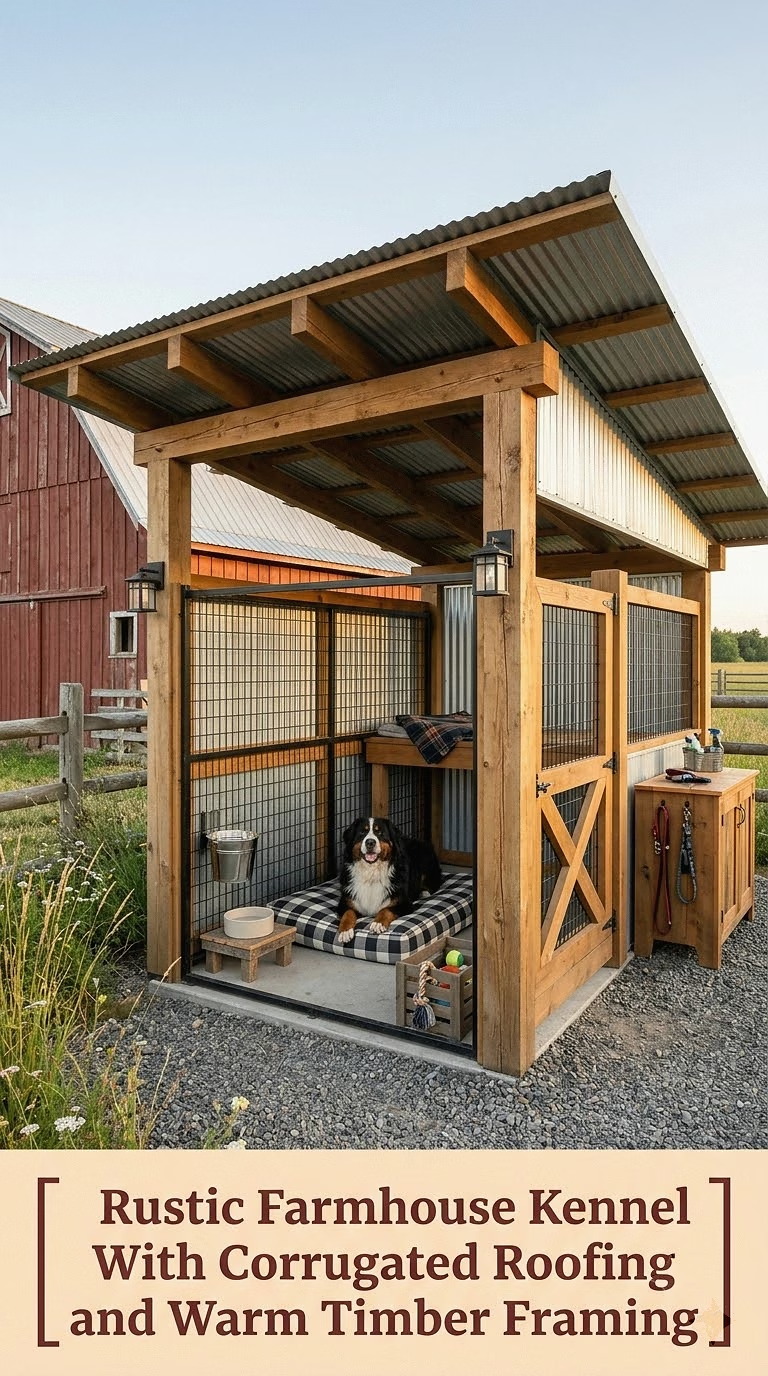
For a relaxed country look, combine sturdy timber framing with dark wire mesh, galvanized hardware, and a sloped corrugated roof. This design works especially well beside a barn, workshop, farmhouse, or rustic garden shed.
The roof should extend beyond the kennel walls to help prevent wind-driven rain from entering the resting zone. Install gutters if runoff would otherwise pour into the run or create muddy ground around the entrance. Direct collected water away from the enclosure rather than allowing puddles to form beside the fence.
Inside, create separate zones for sleeping, drinking, and movement. A raised wooden platform can hold a washable outdoor bed, while the open run can use sealed concrete, kennel tiles, or another durable surface with dependable drainage.
Use pet-safe finishes on all exposed timber and inspect the structure regularly for chewing damage, loose fasteners, rusted wire, or splintering boards. Rustic styling should never mean rough interior surfaces where paws, collars, or fur could become caught.
5. Covered Patio Kennel With Outdoor Curtains and Washable Floor Tiles
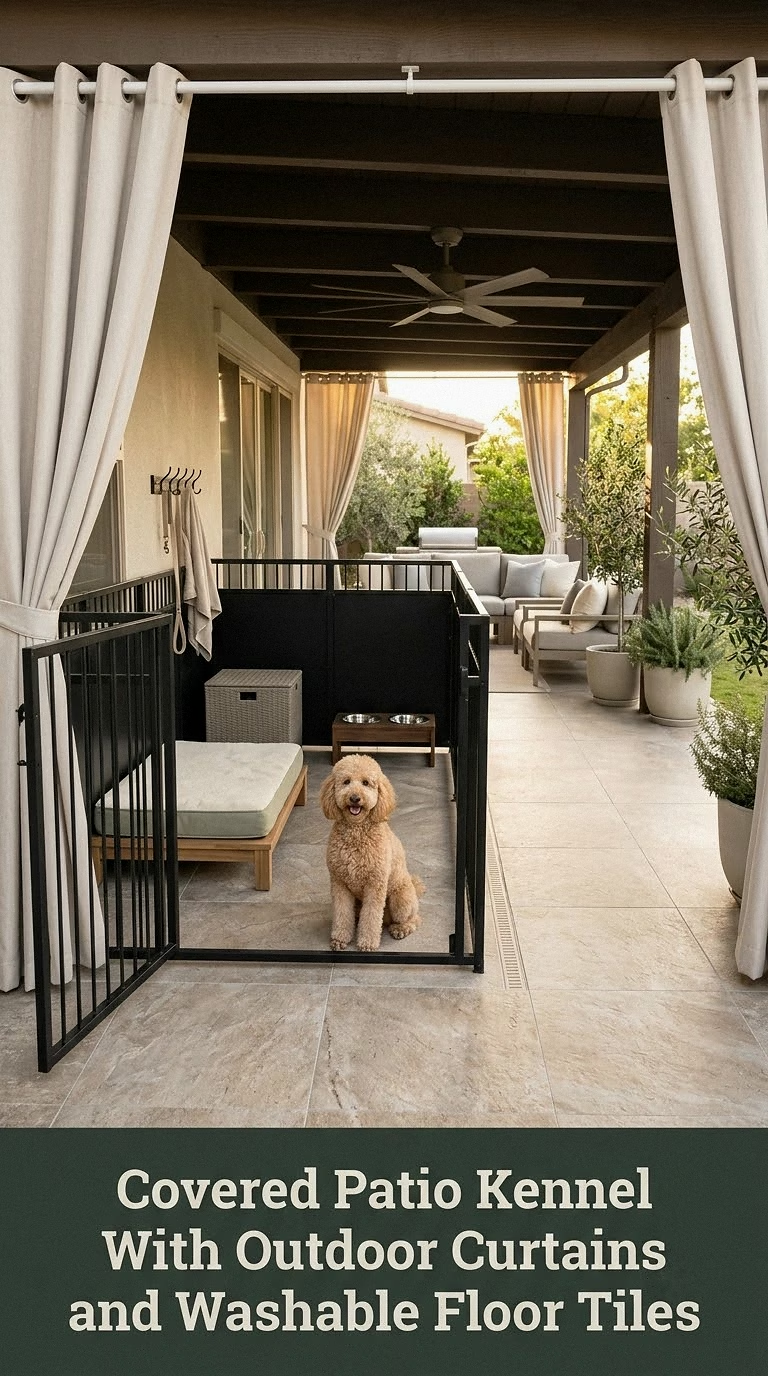
A covered patio or oversized porch can provide the foundation for an elegant kennel that feels connected to the home. Use powder-coated metal panels to create a defined enclosure, then soften the exterior with outdoor curtains in beige, cream, or muted stripes.
Curtains can provide adjustable privacy and relief from angled sunlight, but they should remain outside the kennel panels so your dog cannot pull them through or become tangled. Secure them during windy weather and make sure they never block essential airflow.
Interlocking kennel tiles or textured outdoor porcelain tiles create a neat, washable floor. Select a slip-resistant surface and avoid dark materials that become painfully hot in direct sun. Add a low resting platform, a weatherproof bed, and a stable water station placed away from the toilet area.
This setup is especially useful for dogs that enjoy being close to household activity. Keep doors, grills, electrical cords, cleaning products, and fragile patio decorations safely beyond reach.
6. Raised Deck Kennel With an Insulated Sleeping Cabin and Ramp Access
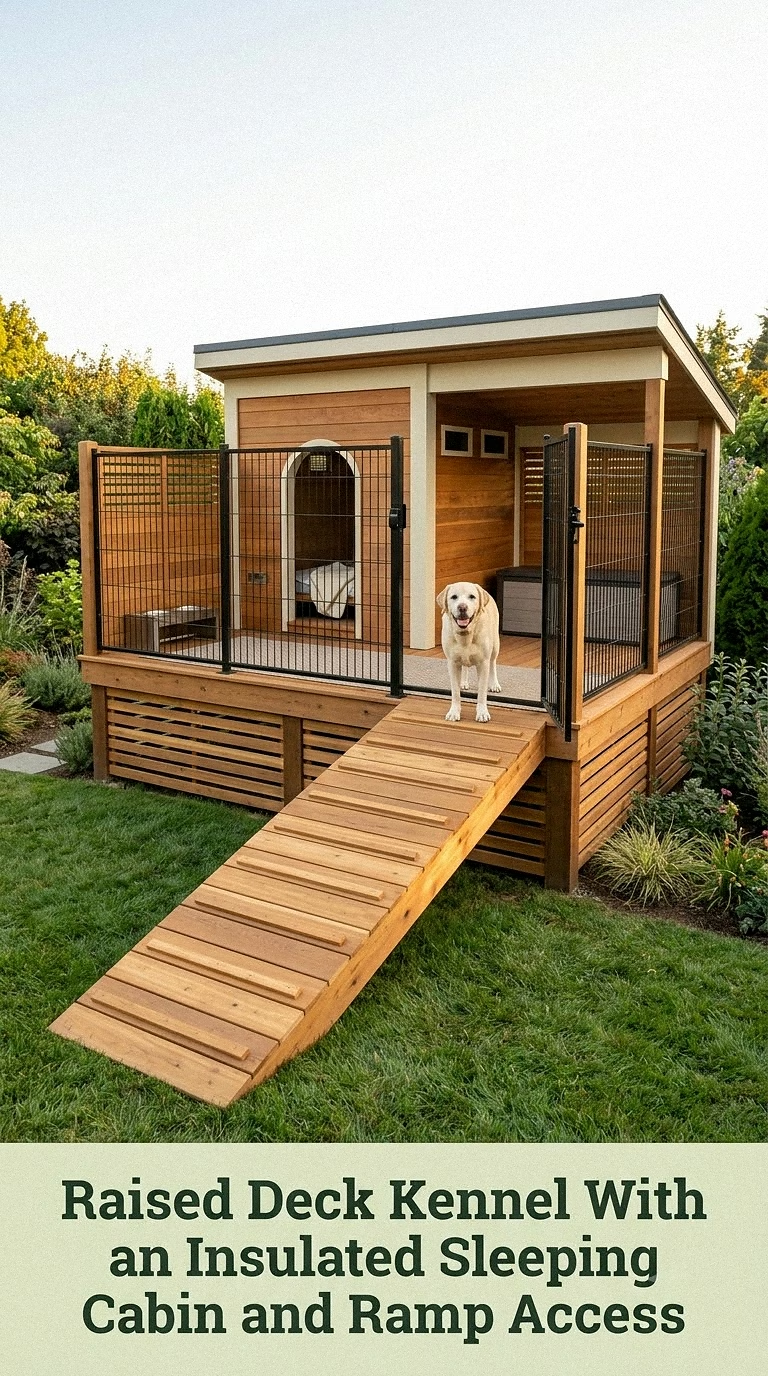
A raised kennel can help manage damp ground, light flooding, and uneven terrain. Build the enclosure on a sturdy deck-style base with a waterproof sleeping cabin positioned at one end. The elevated structure also allows air to circulate underneath, helping the floor dry after rain.
The walking surface should be solid, stable, and gentle on paws. Close large gaps between deck boards and add a nonslip finish. A removable rubber runner can provide extra traction for senior dogs or pets with joint problems.
Read more : 19 Beautiful Dog Cage in Living Room Ideas for a Cozy, Stylish Home
Include a broad ramp with side rails rather than steep steps. The ramp should have secure traction strips and a gentle incline suited to your dog’s mobility. Inspect it frequently during wet or icy weather.
The cabin can include insulated walls and a raised bed, but it still needs ventilation. Insulation is not a substitute for bringing your dog indoors during dangerous temperatures. Design the roof or front panel to open so bedding can be removed and the interior thoroughly cleaned.
7. Desert-Inspired Kennel With Sand-Colored Walls and Layered Shade Sails
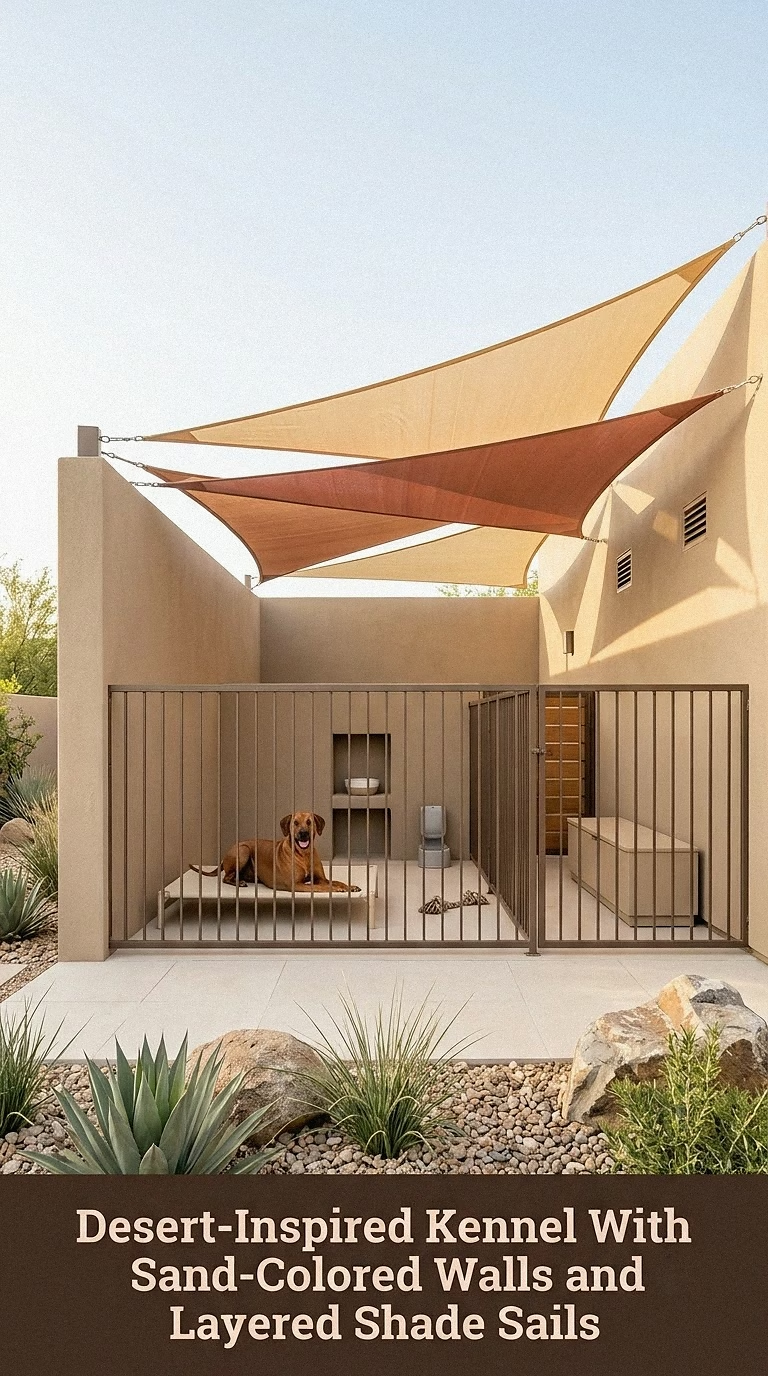
In hot, sunny regions, design the kennel around shade and airflow before choosing decorative details. Sand-colored privacy walls, terracotta accents, pale flooring, and overlapping shade sails can create a beautiful desert-inspired retreat without relying on heat-absorbing dark surfaces.
Layered sails are useful because they can shade different parts of the kennel as the sun moves. Secure each sail to structurally sound posts and maintain enough slope for rain runoff. Check tension and hardware after strong winds.
A shaded doghouse alone may still feel hot and stuffy, so include an airy covered lounging area outside the enclosed shelter. Provide more than one heavy water container if your dog will spend time outdoors, and refresh the water frequently.
Use elevated mesh beds, cooling mats designed for supervised pet use, and weather-rated fans only when wiring can be completely protected from chewing and moisture. During extreme heat, move your dog indoors regardless of how attractive or well-shaded the kennel appears.
8. Tropical Garden Kennel With Bamboo-Look Screens and a Ventilated Metal Roof
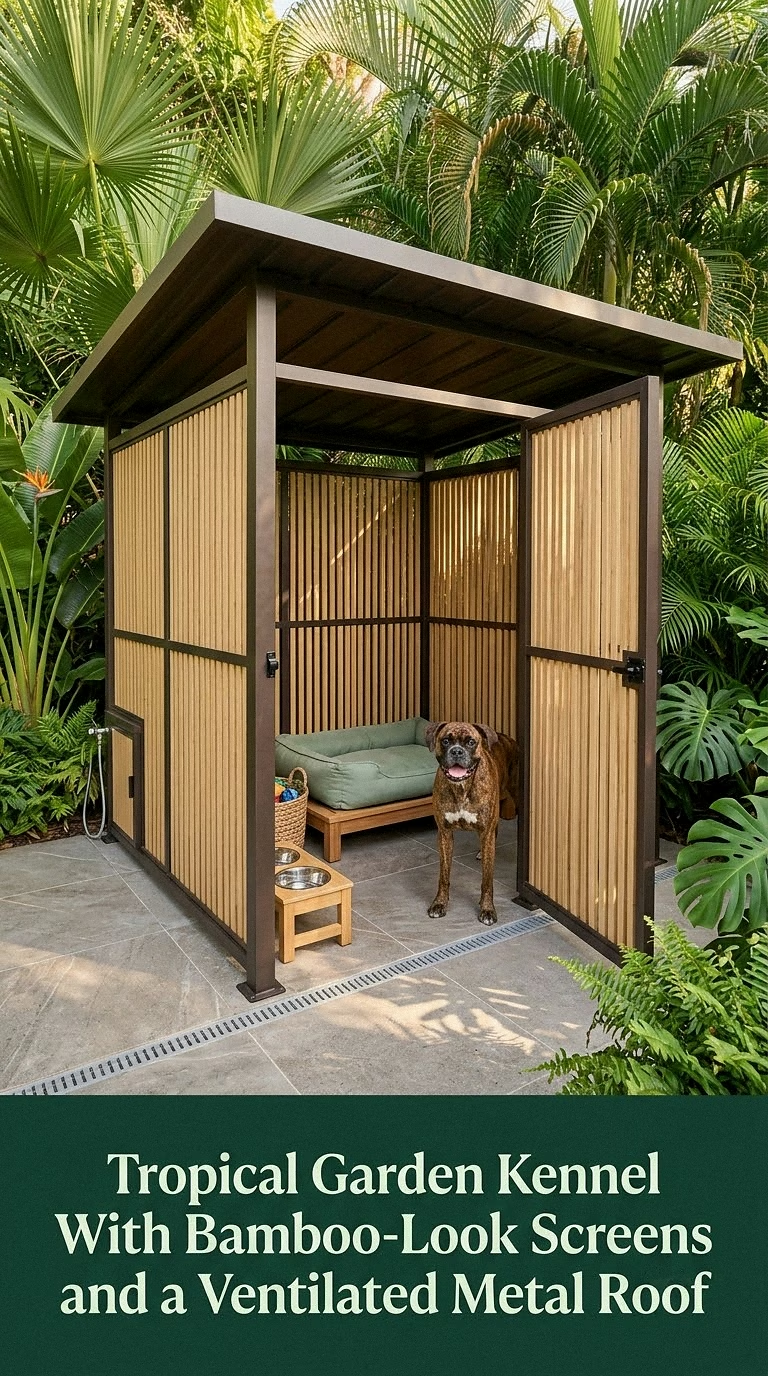
A tropical kennel can feel lush and relaxing when designed with bamboo-look privacy panels, a pale metal roof, natural stone colors, and broad-leaved plants placed safely outside the fence.
Real bamboo and woven materials can splinter or deteriorate, so durable composite screens may be easier to clean and maintain. Use them along the back wall or near a busy neighboring property while leaving multiple sides open for airflow.
Choose a high, ventilated roof that allows warm air to rise. Wide roof overhangs can protect the kennel from heavy rain, but the floor still needs drainage. In humid climates, standing water and constantly damp bedding can quickly create unpleasant odors and skin problems.
Use washable raised beds instead of thick fabric cushions that hold moisture. Trim nearby vegetation to discourage insects and maintain visibility around the kennel. Verify that landscaping plants are appropriate for dogs, and avoid leaving fallen fruit, mushrooms, mulch pieces, or plant clippings where they can be eaten.
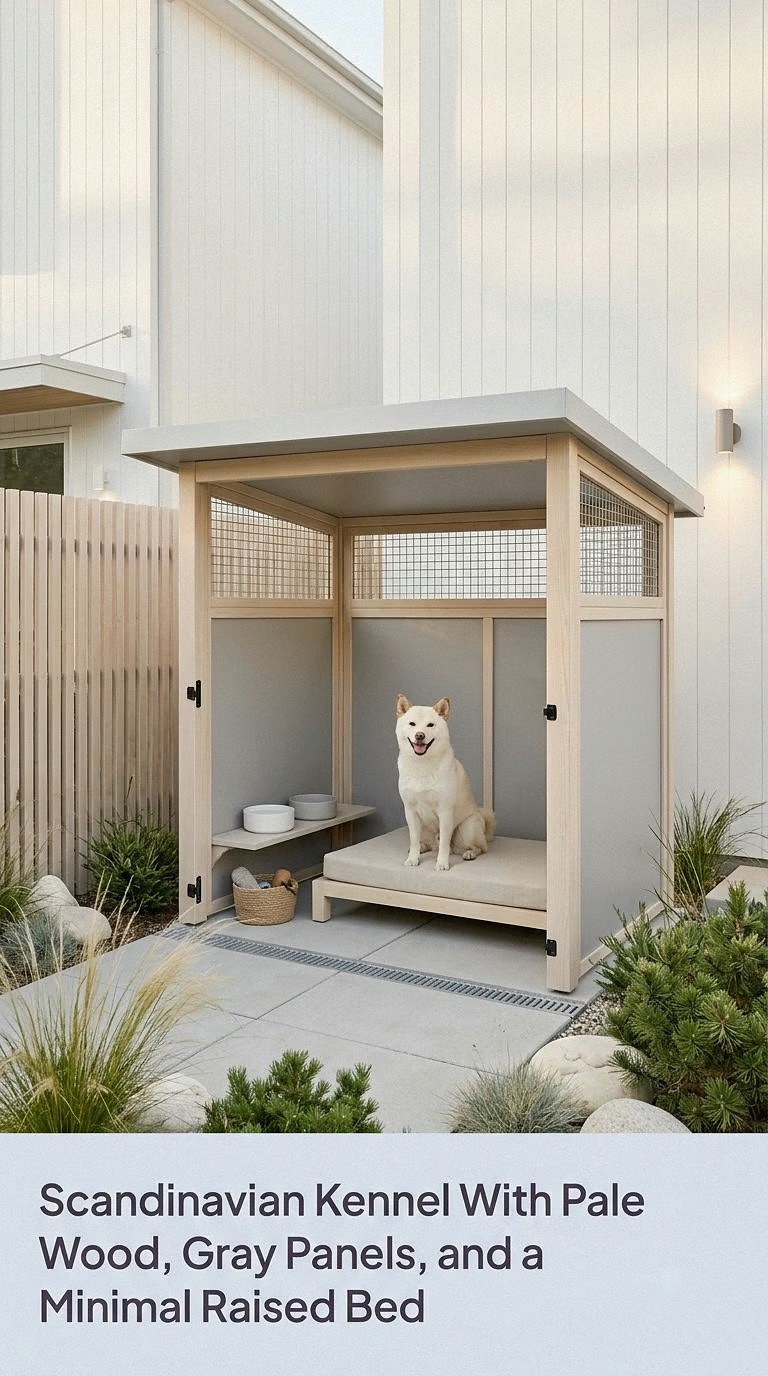
For a calm, uncluttered look, combine pale sealed wood, soft gray metal panels, a simple sloped roof, and a streamlined raised bed. This Scandinavian-inspired kennel works well in smaller modern gardens where excessive decoration might feel overwhelming.
The simplicity should extend to maintenance. Use large washable surfaces, concealed hardware, and a removable feeding station. A built-in wall shelf outside the enclosure can store leashes, cleaning supplies, towels, and enrichment toys without placing unsafe objects within reach.
Create warmth through texture rather than clutter. A durable outdoor mat under the covered area, smooth timber privacy panels, and one or two ceramic-look water bowls can make the kennel feel cozy while remaining easy to sanitize.
Keep decorative objects outside the fencing unless they are specifically designed for dogs. Small baskets, lanterns, loose rugs, and wooden signs can become chewing hazards. The dog should still have enough open space to turn, stretch, walk, and choose between resting and activity zones.
10. Budget DIY Kennel With Galvanized Panels and a Simple Tarp Roof
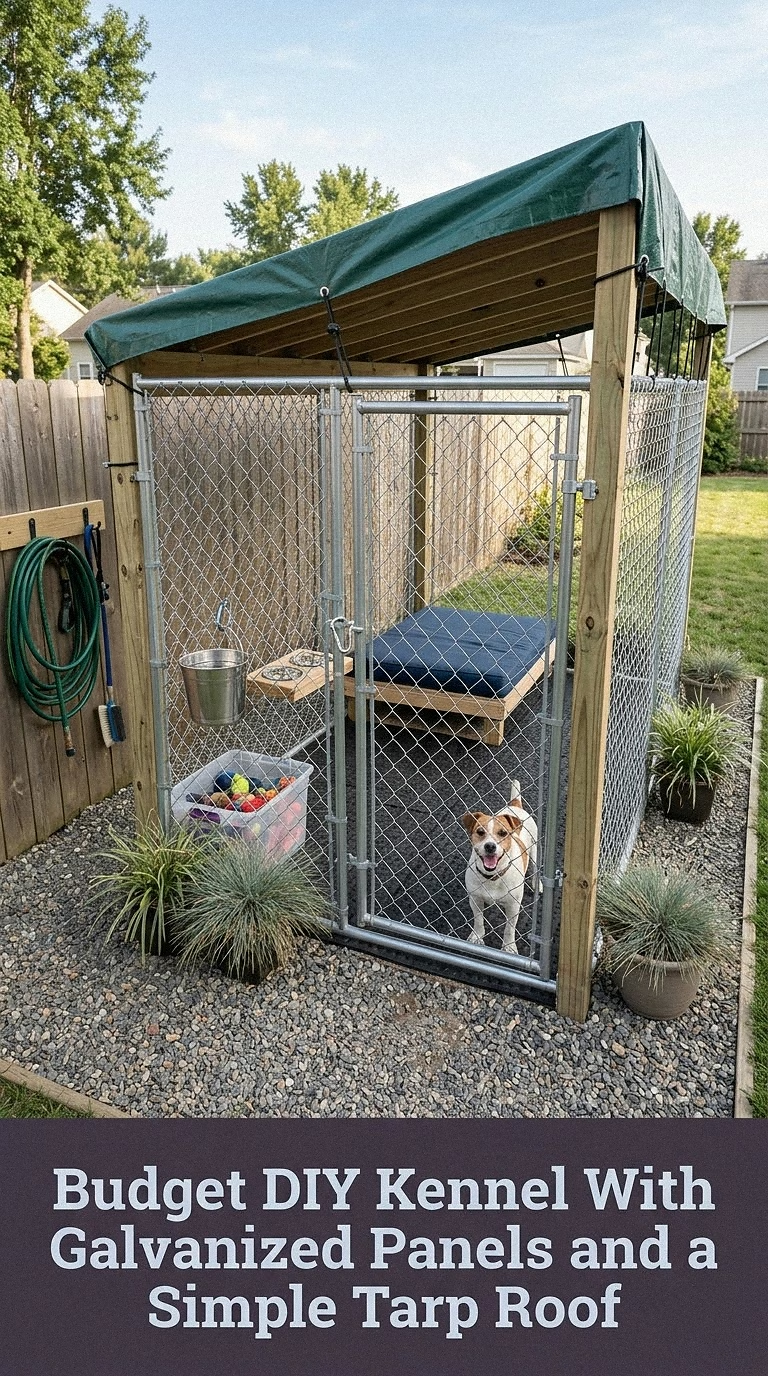
A safe outdoor kennel does not need expensive custom construction. A practical budget version can use sturdy prefabricated galvanized panels, secure clamps, a reinforced base, and a high-quality weather-resistant tarp over part of the enclosure.
Choose panels based on your dog’s strength and size rather than price alone. Lightweight exercise pens may be appropriate for supervised small dogs but are not suitable for strong dogs that push, climb, or jump. Ensure every connection is tight, smooth, and impossible for a collar or paw to catch.
Stretch the tarp firmly with a slight slope so rain cannot collect in deep pockets. Keep it high enough that your dog cannot grab the edges. Replace it when the fabric becomes brittle, torn, or faded.
For flooring, compacted gravel beneath removable kennel mats can be more affordable than a full concrete pad. Drainage must be planned carefully, and the surface should not contain sharp stones. Add a raised bed, shaded water, and a secure weatherproof shelter.
11. Luxury Poolside Kennel With Stone-Look Flooring and a Pergola Roof
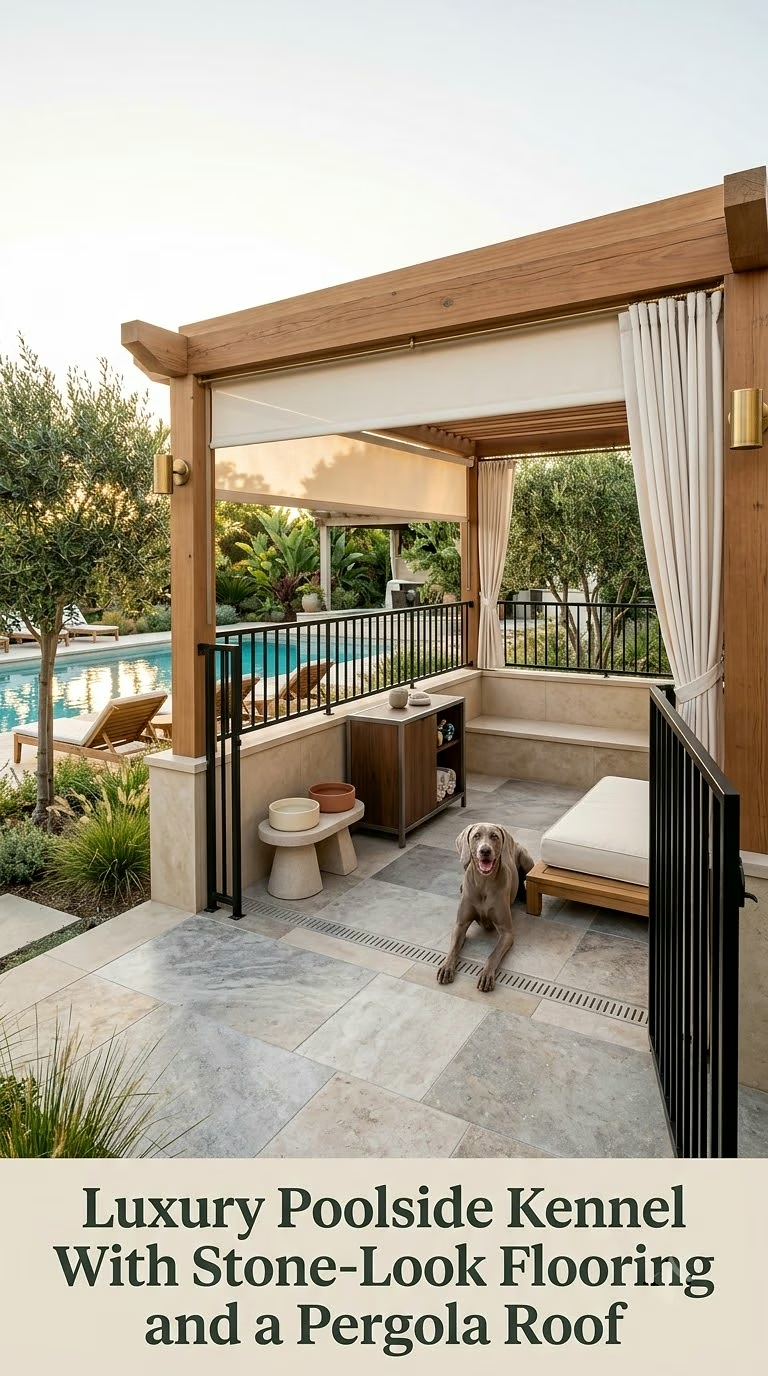
A poolside kennel can coordinate with an upscale outdoor entertaining area using stone-look porcelain flooring, black metal fencing, a cedar pergola, and a built-in sleeping alcove. The finished space feels elegant while giving your dog a secure place to relax during gatherings.
Position the kennel far enough from the pool to prevent splashing, chemical exposure, and unsupervised access to water. Pool fencing should remain separate and secure. Never assume a strong swimmer is safe around a pool without supervision.
Select textured flooring that provides traction when paws are wet. Avoid natural stone that becomes extremely hot or slick, and test the surface temperature with your hand during the warmest part of the day.
Under the pergola, install a solid waterproof panel or retractable canopy so part of the kennel remains protected during rain. Include a comfortable elevated bed and a water station that guests cannot accidentally knock over. Decorative planters should stay outside the panels and contain dog-safe plants.
12. Dual-Dog Kennel With Matching Cabins and a Removable Center Divider
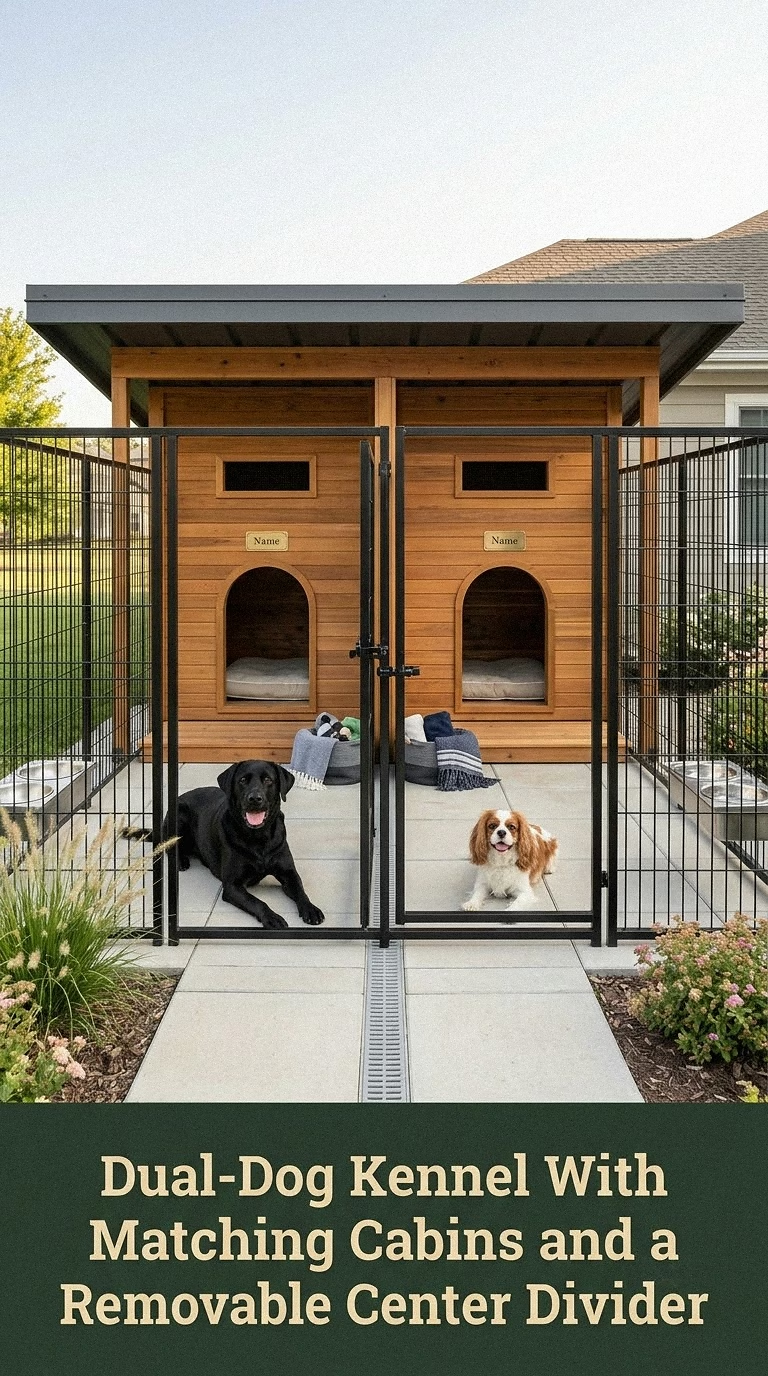
For a two-dog household, create a spacious enclosure with two matching sleeping cabins, separate water stations, and a removable divider through the center. This layout allows compatible dogs to share the run while giving you the option to separate them during feeding, recovery, training, or rest.
The divider should be as strong and secure as the exterior fencing. A panel with a closable pass-through gate can provide flexible movement without requiring a complete rebuild. Avoid leaving food, high-value chews, or favorite toys in a shared space if either dog guards resources.
Give each dog an individual raised bed and retreat area. Even closely bonded pets benefit from having personal resting space. Position the cabins so neither dog can trap the other in a narrow entrance.
Read more : 17 Beautiful Inside Dog Kennel Ideas for a Cozy and Stylish Retreat
Design the run according to the larger or more athletic dog’s containment needs. If one dog climbs, digs, or jumps, reinforce the entire enclosure accordingly. Shared outdoor time should still be supervised, particularly when the dogs have different ages, energy levels, or play styles.
13. Garden-Integrated Kennel With Living Greenery Outside the Fence
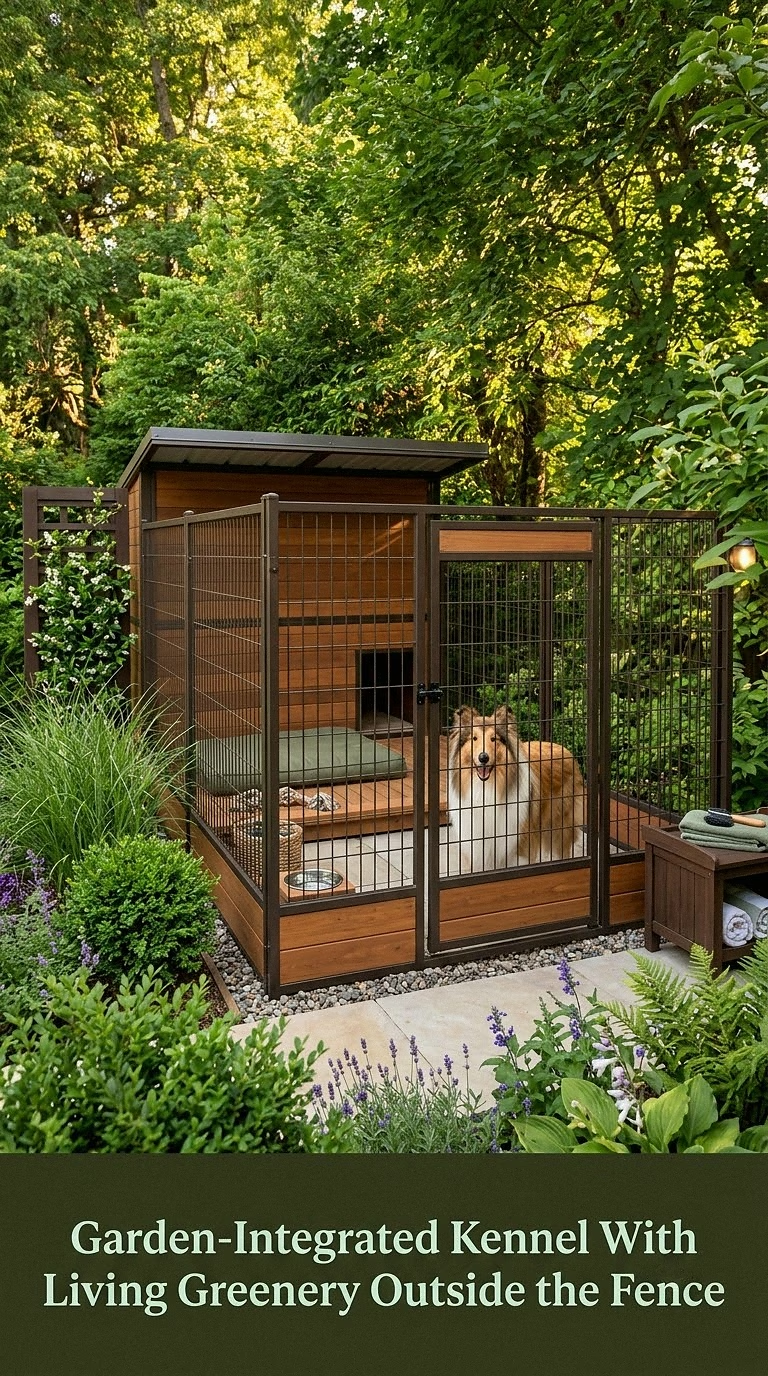
Blend the kennel into the landscape by placing it beside established garden beds and screening the exterior with layered dog-safe greenery. Use dark green fencing, warm wood details, and stepping stones to make the structure feel like part of the garden rather than an isolated cage.
Plants should remain outside the panels with enough distance that your dog cannot pull leaves, branches, mulch, or irrigation tubing through the fence. Research each species before planting because familiar landscaping plants may still be toxic to pets.
Choose greenery that will not completely block airflow or conceal damage around the kennel perimeter. Regular visibility makes it easier to notice digging, loose panels, pests, and standing water.
A paved access path allows you to reach the kennel without walking through mud. Add a small garden gate and a double-entry system if your dog tends to rush through open doors. Soft solar lighting outside the enclosure can improve evening visibility, but cables, batteries, and fixtures must remain inaccessible.
14. Rainy-Climate Kennel With a Deep Roof, Gutters, and Raised Dry Zone
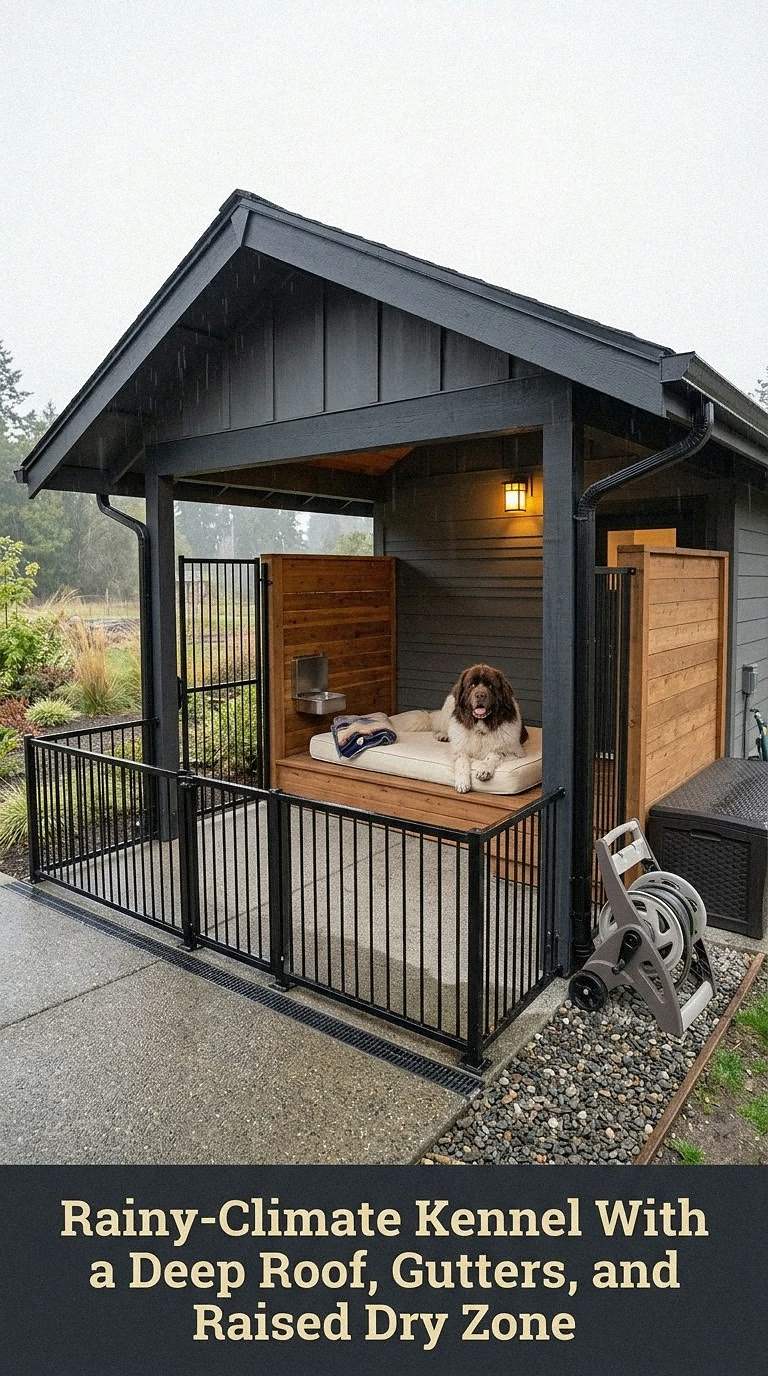
In a wet climate, a deep roof and dependable drainage can make the difference between a useful kennel and a muddy enclosure. Design a covered sleeping section with generous roof overhangs, gutters, and a raised platform that remains dry during ordinary storms.
Slope the surrounding ground away from the kennel. Water should not drain toward the doghouse, fence posts, neighboring property, or home foundation. A channel drain or gravel drainage strip may be useful where heavy rainfall is common.
Use moisture-resistant wall panels and removable bedding that dries quickly. Avoid carpeting, untreated plywood, and absorbent cushions that remain damp. Provide ventilation around the roofline so the covered area does not become humid and stale.
The kennel should also include an open-air section for mild weather, but your dog should be brought indoors during severe storms, flooding, high winds, thunder-related anxiety, or dangerous temperatures. Inspect the roof after storms for loose panels, sharp edges, and blocked gutters.
15. Dig-Proof Kennel With a Buried Barrier and Smooth Concrete Perimeter
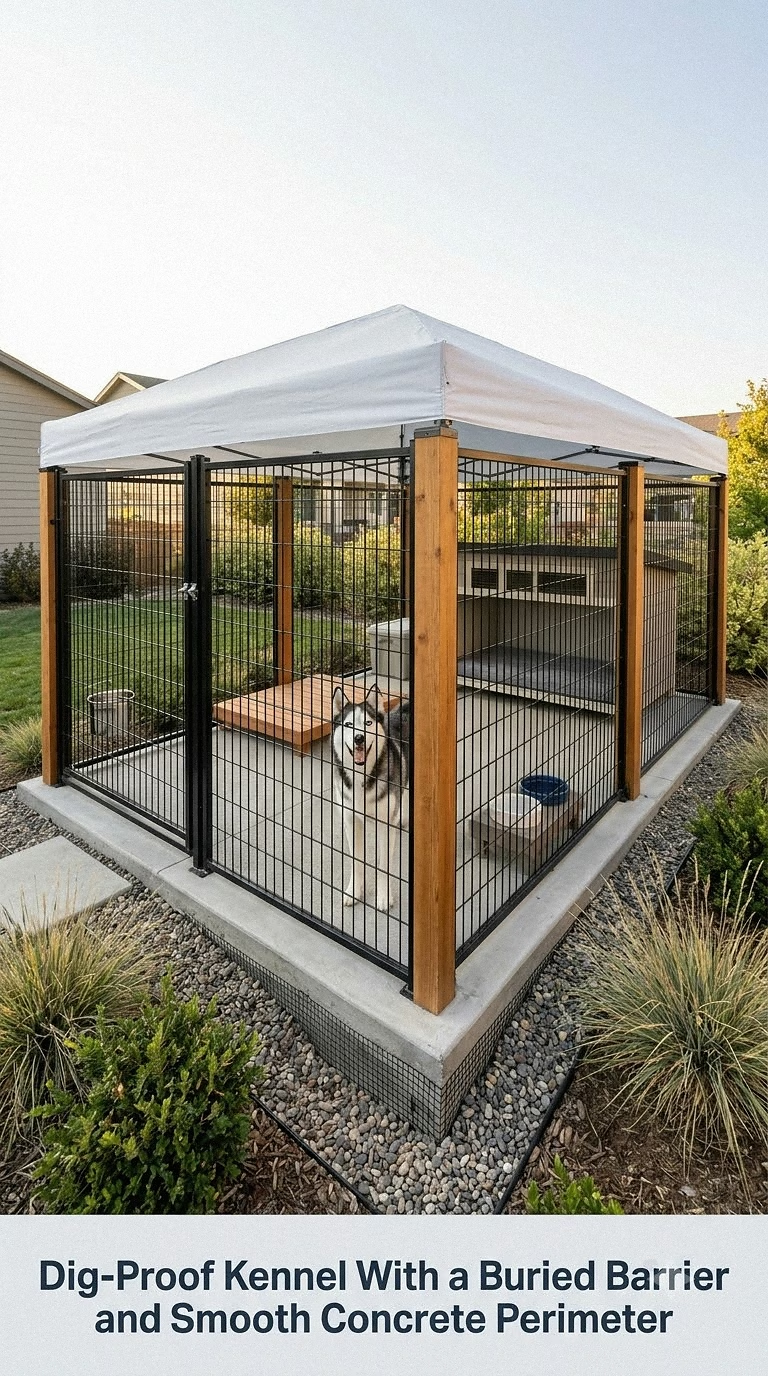
For an enthusiastic digger, reinforce the kennel from the ground up. Use strong vertical fencing combined with a buried wire apron, an inward-facing ground barrier, or a smooth concrete perimeter designed for your property and soil conditions.
The barrier should have no exposed sharp edges. If using wire below ground, install it securely and cover it completely so paws cannot scrape against cut ends. A professional installer may be worthwhile for strong escape artists or difficult terrain.
You do not necessarily need to cover the entire kennel with concrete. A secure perimeter can be combined with kennel tiles, compacted stone, or a designated digging box in the center. Providing an approved place filled with clean sand or soil can help redirect natural digging behavior.
Add puzzle toys, scent games, training sessions, and regular exercise because escape digging can also be related to boredom, stress, prey interest, or isolation. Containment improvements work best when the reason for the behavior is also addressed.
16. Modular Kennel With Expandable Panels and a Freestanding Roof
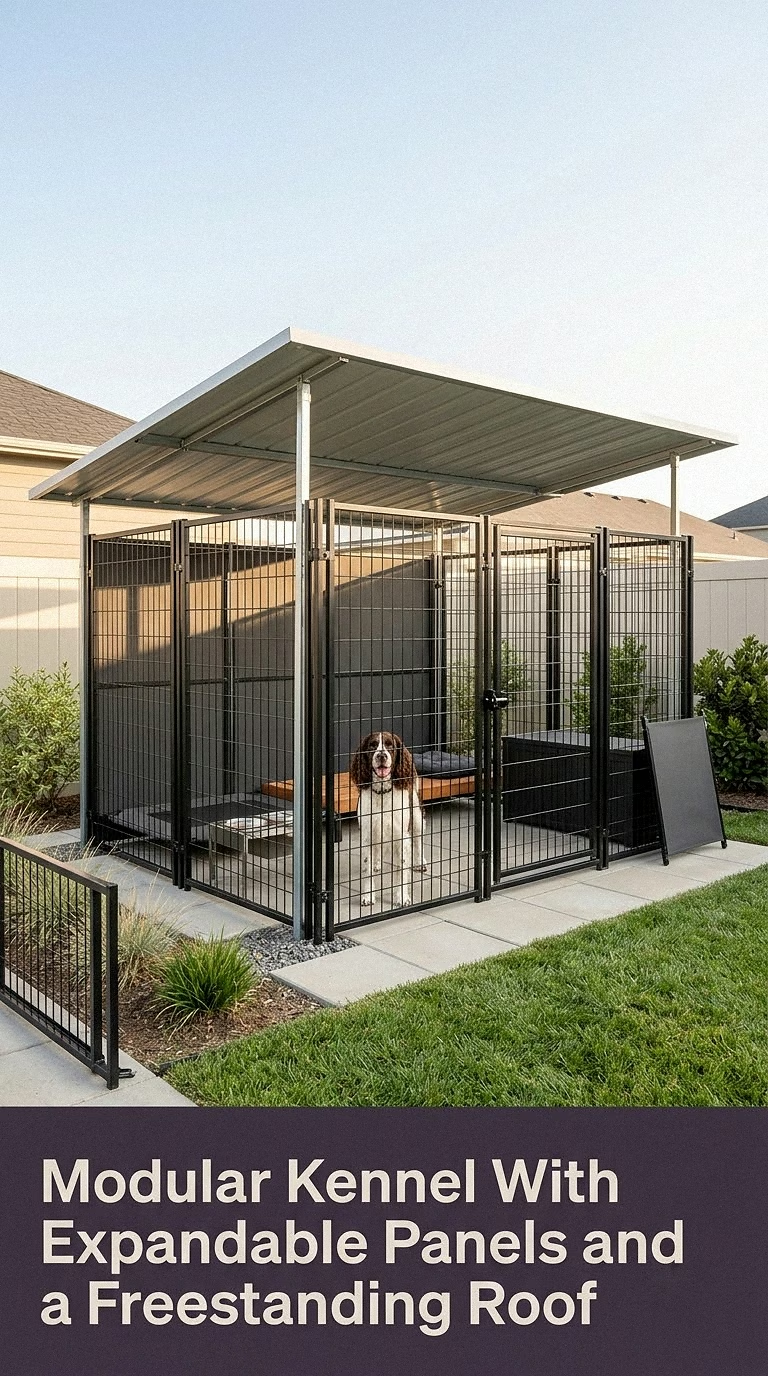
A modular kennel is useful for renters, growing dogs, or homeowners who may redesign the yard later. Choose high-quality freestanding panels that can be rearranged into a square, rectangle, or long run as space permits.
The roof should have its own stable frame rather than relying on a loosely attached fabric cover. Secure the entire structure according to the manufacturer’s instructions, especially in windy locations. Portable does not mean lightweight enough for a strong dog to shift or overturn.
Use removable floor tiles over a properly prepared base so the kennel can be expanded without replacing the entire floor. Keep spare matching panels for future changes, and choose a gate that can be moved to another side of the layout.
A neutral palette such as charcoal, taupe, and natural wood allows the kennel to work with different homes. Add style through replaceable shade fabric, an outdoor bed, and storage positioned outside the run rather than through permanent decorative construction.
17. Enrichment Courtyard Kennel With a Digging Box, Sniffing Zone, and Climbing Platform
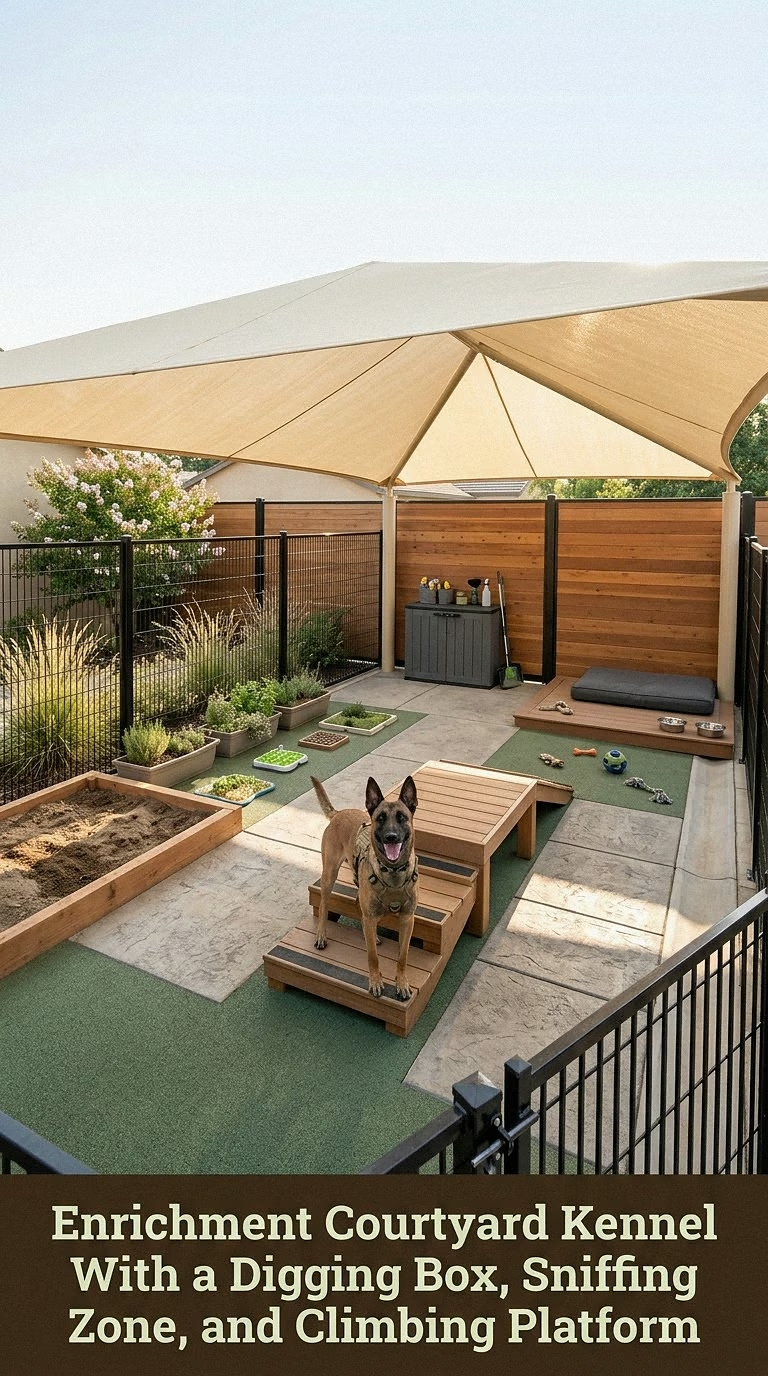
Turn a larger kennel into an enrichment courtyard by dividing it into several small activity zones. Include a shallow digging box, a patch of pet-appropriate grass, a low observation platform, and an open area for scent games or simple training.
Keep climbing structures low and stable. Platforms should have nonslip surfaces, rounded edges, and no gaps where a paw could become trapped. Senior dogs may prefer a ramp and a broad resting deck rather than steps.
Fill the digging box with clean material and check it frequently for insects, waste, sharp debris, or buried objects. Rotate toys instead of leaving a large pile outside, and remove damaged items immediately. Food puzzles should be chosen for your dog’s chewing style and used with appropriate supervision.
An enrichment kennel should not become overcrowded. Preserve clear walking paths, a separate toilet area, and direct access to shade and water. The goal is to offer choices and healthy stimulation while maintaining a calm, clean, and secure environment.
Conclusion
The most successful outdoor kennel is one that suits both your backyard and your individual dog. Begin with the essentials: strong fencing, a secure gate, dependable shade, clean water, airflow, weather protection, comfortable resting surfaces, and drainage that keeps the space dry and easy to maintain.
After those needs are covered, choose a visual style that complements your home. A cottage kennel can feel charming beside a flower garden, while black metal and cedar create a more modern appearance. Narrow side yards can support efficient covered runs, and larger spaces can become enrichment courtyards with multiple activity zones.
Check the kennel regularly for heat, damaged fencing, sharp hardware, chewing, digging, insects, wet bedding, and changing shade patterns. Bring your dog inside whenever the weather becomes unsafe, and continue providing daily exercise, attention, training, and family time.
Save the idea that best fits your dog and yard, and pin this Pinterest post so you can return to it when you are ready to create your outdoor kennel.
Source: https://petstutorial.com
Category: Dog Kennels Runs
