
A thoughtfully designed dog run can become one of the most loved parts of your backyard. It gives your dog a secure place to stretch, sniff, play, and relax while helping you protect flower beds, outdoor furniture, and delicate lawn areas. Better still, a dog run does not need to look like a plain kennel. With attractive fencing, comfortable surfaces, soft landscaping, and a few personal details, it can feel like a natural extension of your home and garden.
- 19 Laundry Room Ideas With Dog Kennel: Beautiful and Practical Spaces for Pet Lovers
- 18 Dog Kennel Roof Ideas for a Stylish, Safe, and Weather-Ready Outdoor Space
- 18 Basement Dog Kennel Ideas for a Cozy, Stylish Pet Retreat
- 17 Beautiful Dog Kennel Ideas for a Safe, Cozy, and Stylish Pet Space
- 19 Beautiful Dog Playpen Indoor Ideas for a Cozy, Stylish Home
Start with your individual dog. A senior dog may need a level space with soft footing and shade, while an energetic large breed may benefit from a long lane and taller, reinforced fencing. Climbers, jumpers, and diggers require added escape protection. Every run also needs fresh water, weather protection, secure gates, drainage, and paw-friendly surfaces.
You are reading: 17 Beautiful Backyard Dog Run Ideas for a Safer, Happier Outdoor Space
Adapt these ideas to your climate, budget, yard, and dog’s habits. Use the run for supervised outdoor time, training, and enrichment while keeping walks and shared adventures in your dog’s routine.
Inspiring Dog Run Ideas for Backyard Spaces of Every Size and Style
1. Narrow Cedar Side-Yard Dog Run With Stepping Pavers and Fern-Filled Borders
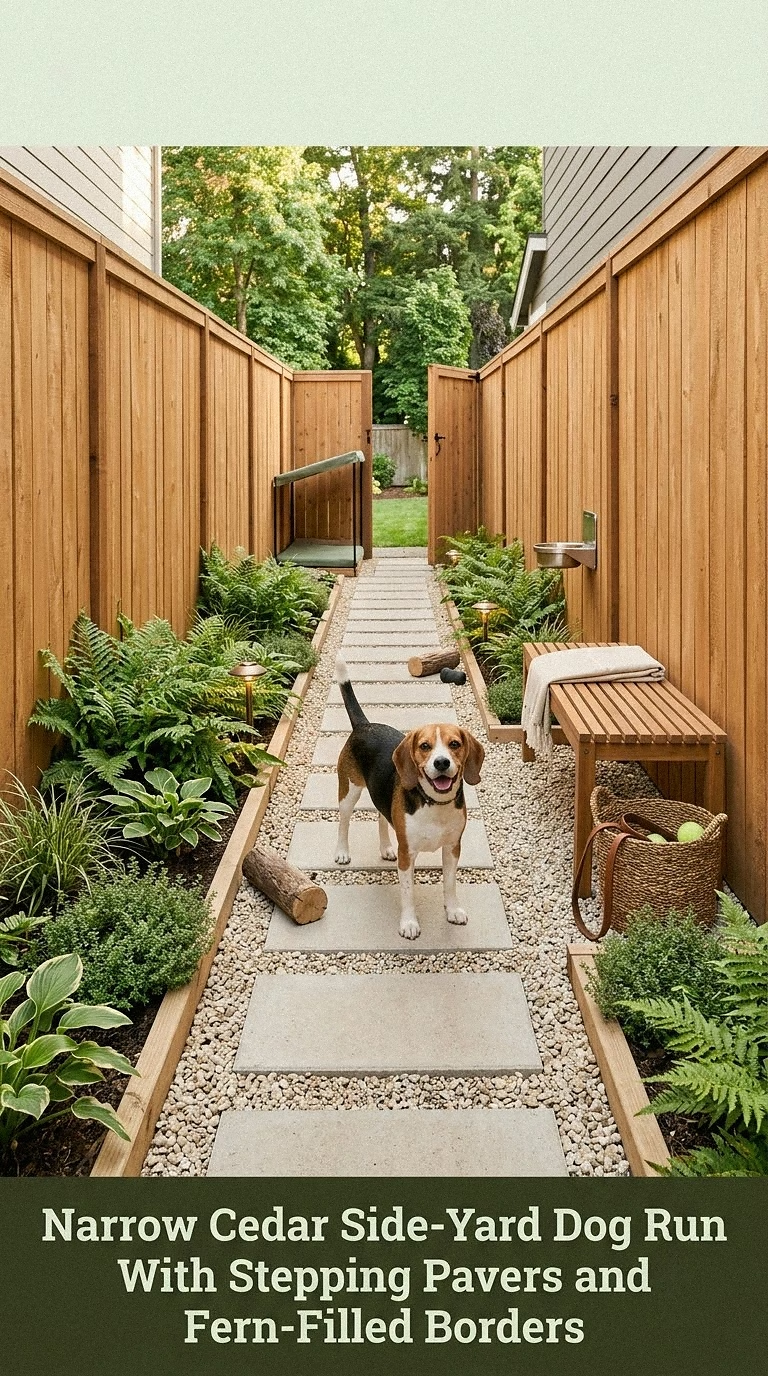
An unused side yard can become a polished dog run without taking space away from your main lawn. Install a warm cedar fence along the property line, then create a clearly defined path using large concrete stepping pavers set into compacted fine gravel. The narrow layout encourages walking and gentle trotting.
Add a slim planting strip outside the fence with dog-safe ferns, ornamental grasses, or other plants suited to your climate. Keeping plants beyond the enclosure protects them from digging and chewing while softening the view from the house. A self-closing gate near the patio makes access and cleaning easier.
Grade the surface so rainwater moves away from your foundation. Where the run meets the house, use washable pavers rather than soil to reduce mud at the doorway. For dogs that dig, extend sturdy mesh inward beneath the fence line or install a buried barrier before adding the finished surface.
2. Modern Black Metal Dog Run With Emerald Pet Turf and Minimalist Planters
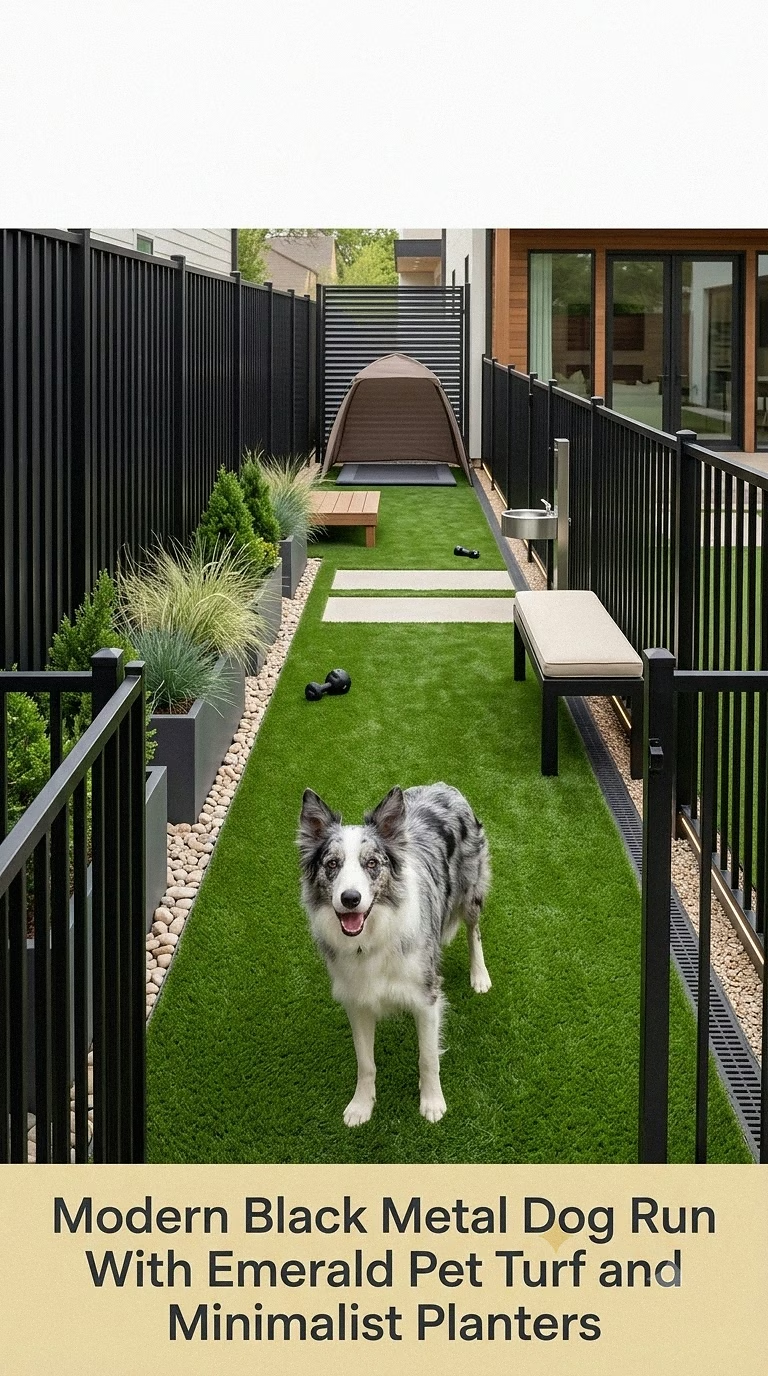
For a contemporary backyard, combine matte black metal fencing with a rectangular patch of rich green pet-friendly artificial turf. The clean contrast looks sleek beside modern siding, pale concrete patios, and simple outdoor furniture. Avoid openings that could trap a head, paw, or collar.
Artificial turf can create an even, low-mud surface, but the base matters as much as the grass itself. A properly prepared layer of compacted aggregate and drainage material helps liquids move through rather than collect underneath. Select a turf system intended for pets, secure the edges carefully, and rinse it routinely to control odors.
Finish the run with tall, heavy planters placed outside the fence, a streamlined shade sail, and a wall-mounted water bowl. On hot days, test the turf with your hand before letting your dog play, since synthetic surfaces can become uncomfortable in direct sun.
3. White Cottage Garden Dog Run With Arched Gate and Pet-Safe Flowers
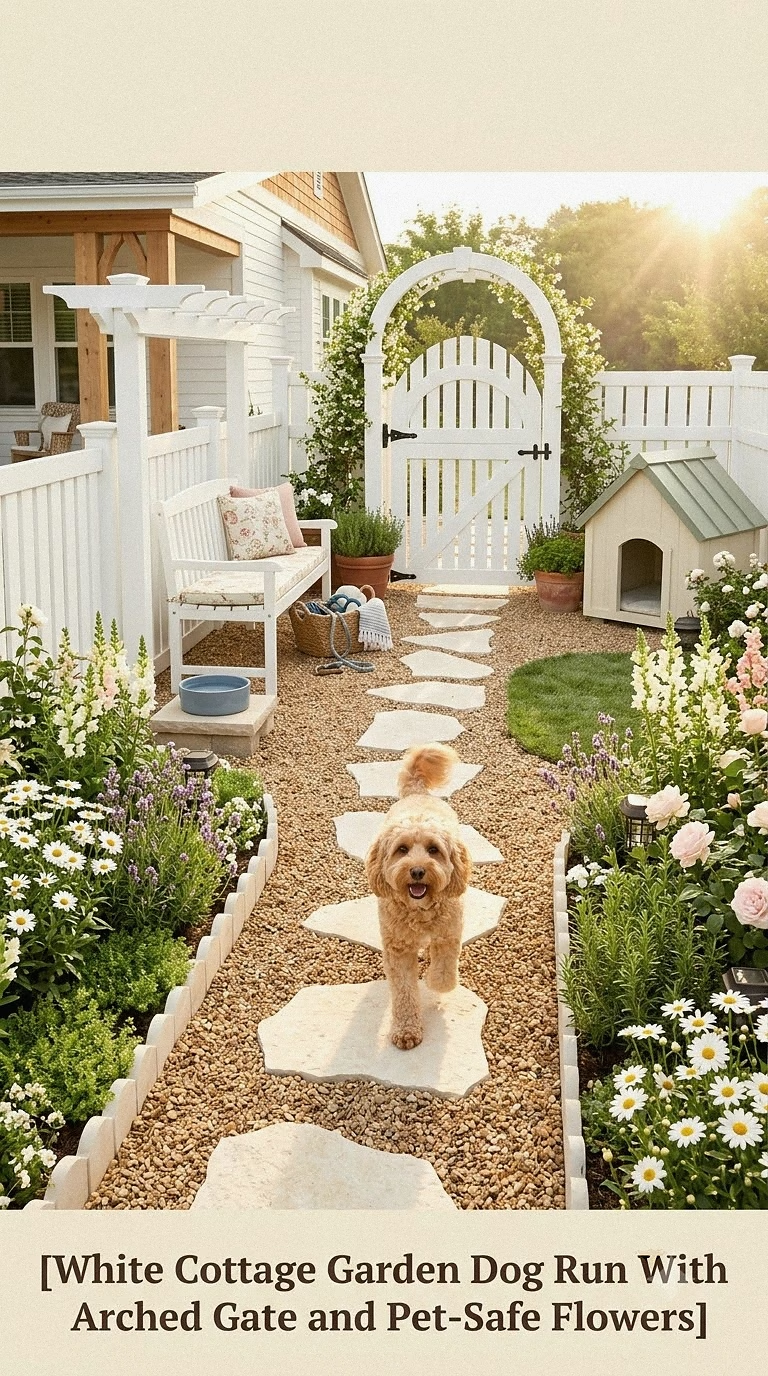
A dog run can feel romantic and garden-inspired when enclosed with a white fence, an arched gate, and overflowing flower beds positioned safely beyond your dog’s reach. Use a solid lower fence panel to reduce visual distractions and barking, then add secure vertical pickets or welded wire above it if greater height is needed.
Create a soft cottage palette with pet-safe selections verified for your particular dog and region. Confirm every flower, shrub, bulb, and ground cover before planting because natural does not always mean harmless. Raised beds outside the enclosure make it easier to control access while still surrounding the run with color.
Inside, use a practical mix of grass and pale pavers. Place the pavers beside the gate, water bowl, and resting bench where traffic is highest. A small weatherproof sign with your dog’s name adds personality without clutter.
4. Budget-Friendly Wood-and-Welded-Wire Dog Run With DIY Gravel Floor
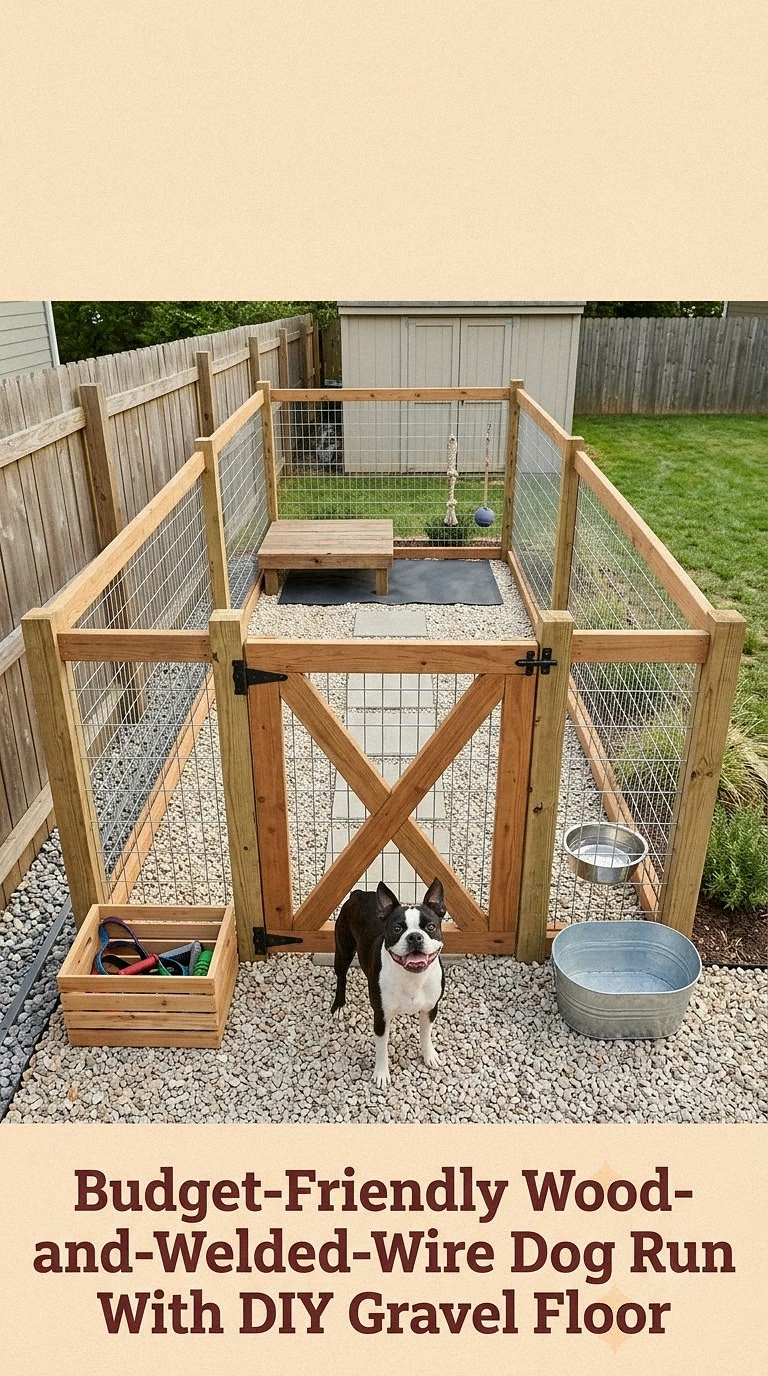
A simple wood frame and welded-wire panels can create an attractive, affordable run for confident DIY homeowners. Use pressure-rated or naturally durable exterior lumber where appropriate, smooth rough edges, and finish exposed surfaces with a pet-conscious outdoor product. Fasten strong wire securely so paws cannot reach staples or sharp cut ends.
For the floor, excavate soft topsoil, correct any low spots, lay a permeable landscape or geotextile layer, and add a compacted gravel base topped with comfortable rounded gravel or stone chosen for your dog’s paws. Avoid pieces small enough for a stone-chewing dog to swallow.
Save money by keeping the shape rectangular and using standard panel dimensions. Spend more on the gate hardware, latches, and foundation, since those details influence security and longevity. Check the structure regularly for loose fasteners, rust, splinters, shifting stone, and gaps beneath the fence.
5. Covered All-Weather Dog Run With Clear Roof Panels and French Drain
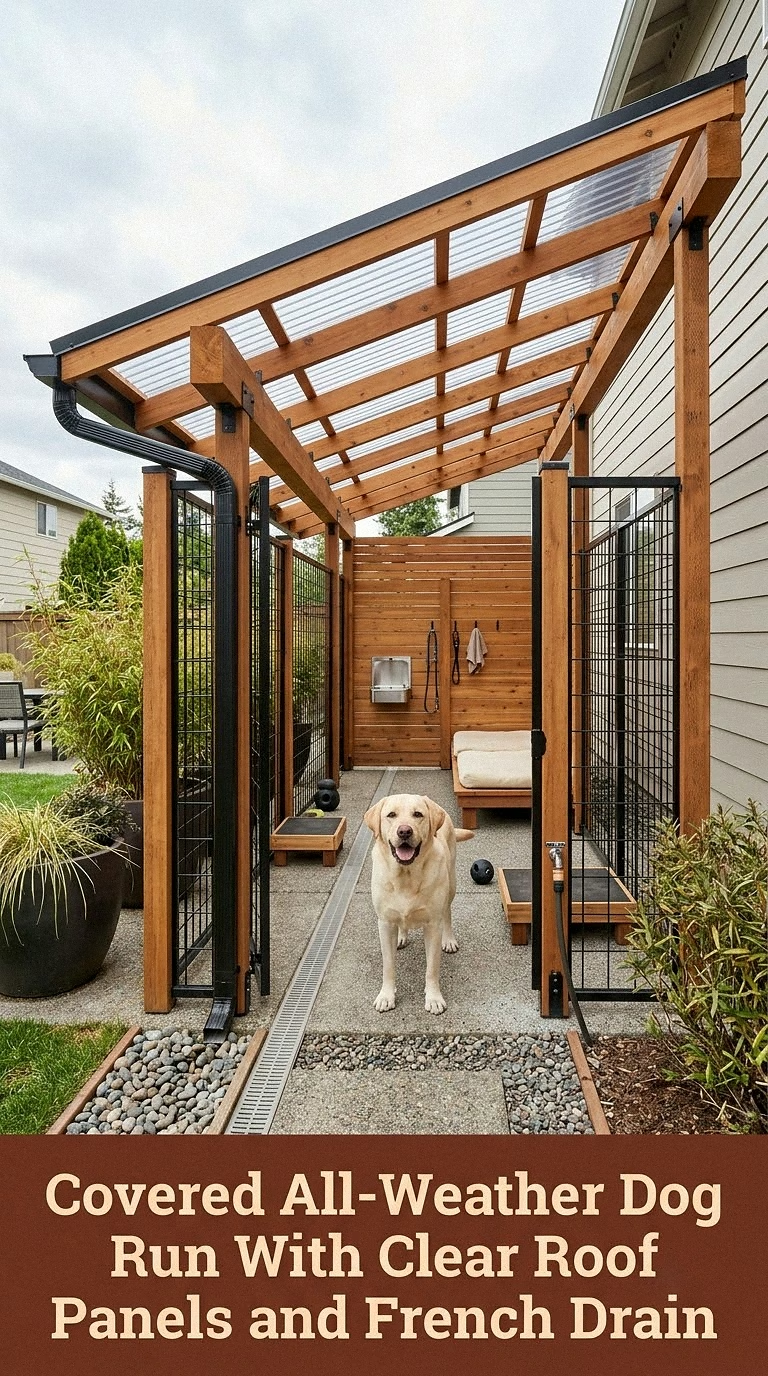
In rainy climates, a covered run makes everyday potty breaks and outdoor play much easier. Build a sloped roof using clear or lightly tinted weather-resistant panels that let daylight enter while directing water away from the enclosure. Include generous ventilation so the space stays airy.
Below the surface, install drainage suited to the site. A gravel trench with perforated pipe may help move water away from low areas, but the final plan should respect your soil type, local rules, neighboring properties, and home foundation. Never direct runoff toward the house.
Add a raised cot beneath the driest section and place the water station where roof runoff cannot splash into it. Gutters are worth considering on larger roofs. In windy regions, have the structure anchored appropriately and avoid lightweight panels that could lift or rattle. The overall design should feel protected while remaining bright and airy.
6. Pergola-Style Dog Run With Canvas Shade, Cooling Mat, and Water Station
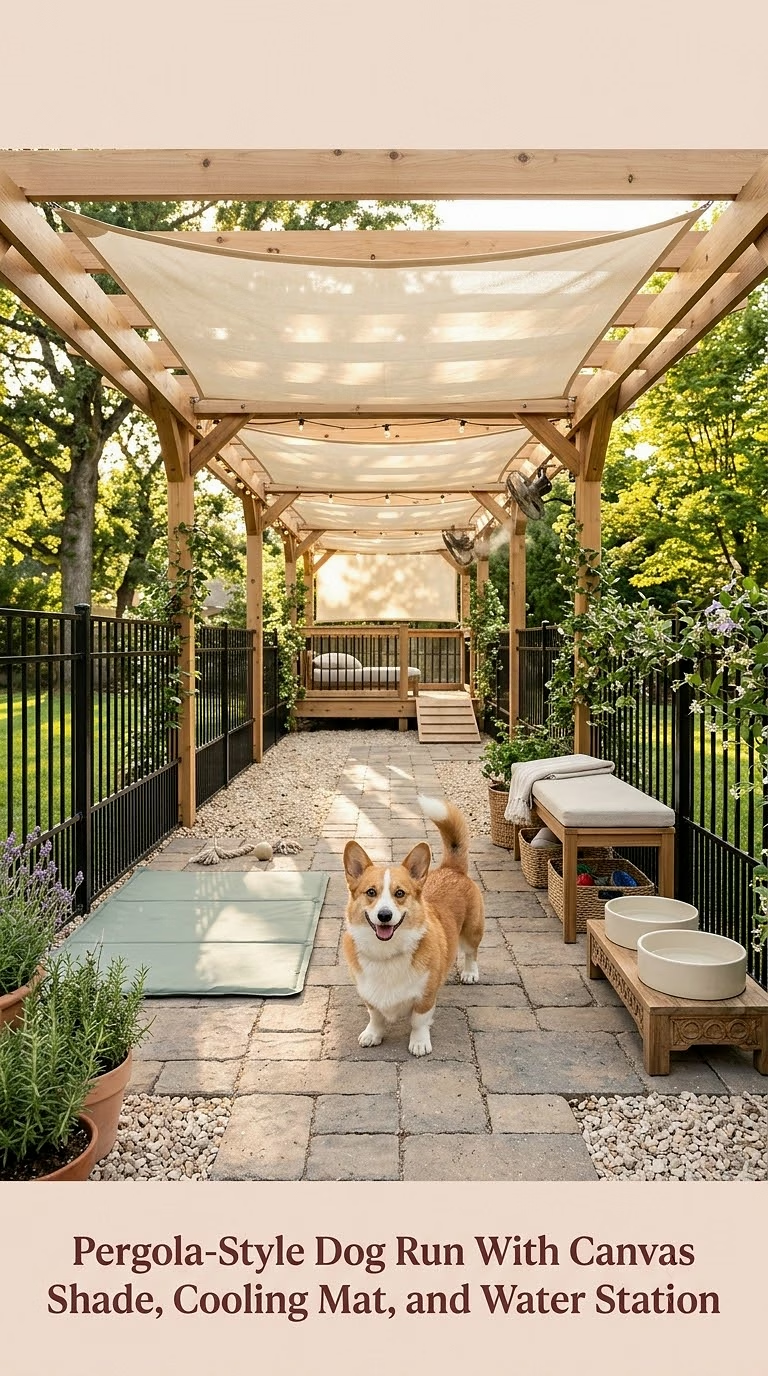
A pergola can turn a basic enclosure into a beautiful backyard feature. Use a simple timber or composite structure above part of the run, then add a removable outdoor canvas panel or shade cloth. Partial coverage offers both sun and shade.
Read more : 18 Cute Dog Kennel Ideas Indoor Spaces Will Love for a Cozy, Stylish Home
Create a cooling corner beneath the pergola with a raised breathable bed, a spill-resistant water bowl, and a washable mat. Shade alone does not make extreme temperatures safe, so bring your dog indoors whenever conditions become too hot, humid, cold, or stormy.
Climbing vines may look lovely on the exterior, but verify that the chosen species is non-toxic and keep stems from creating an escape aid. Position beams, planters, benches, and storage boxes far enough from the fence that an athletic dog cannot use them as steps.
7. Easy-Clean Gravel and Paver Dog Run With Dedicated Potty Corner
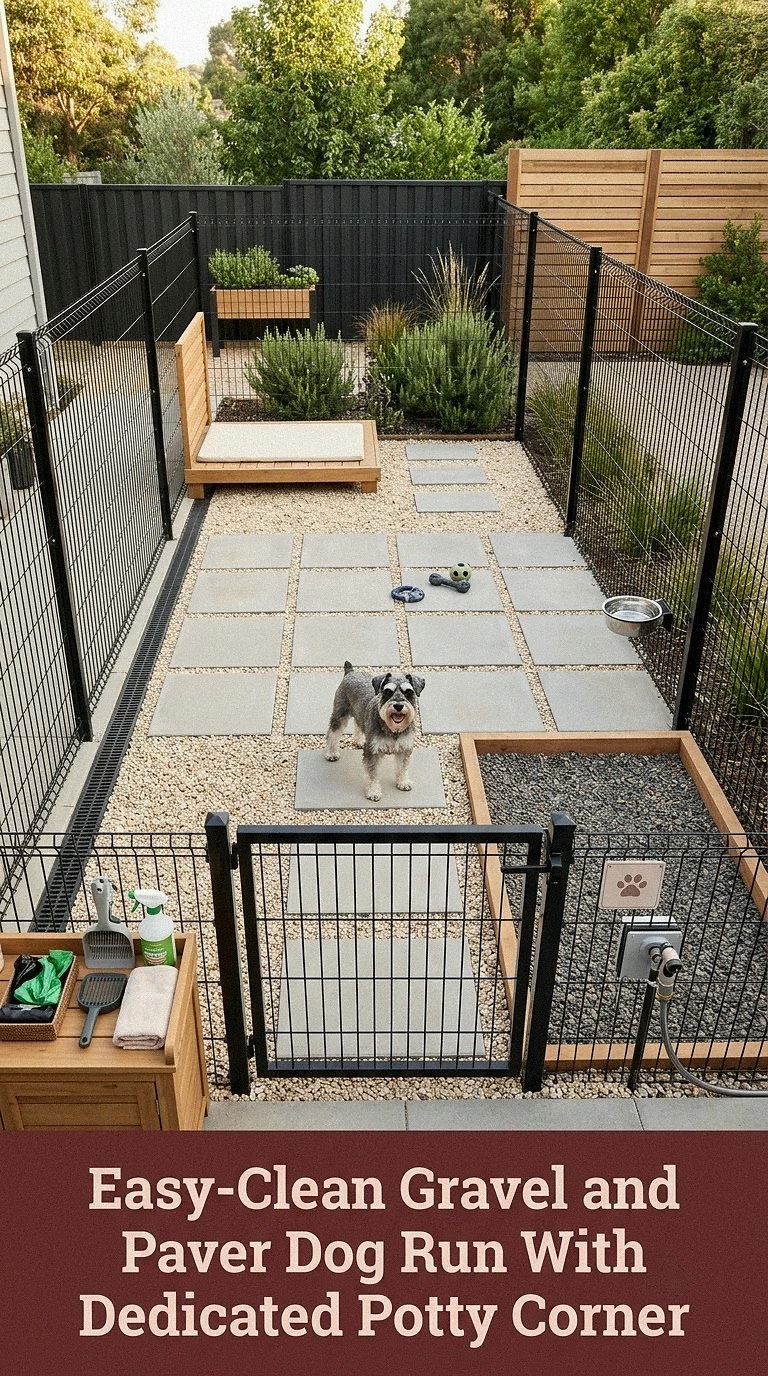
A run divided into clear surface zones can be easier to maintain than one material used everywhere. Create a broad paver strip for feeding, grooming, and access, then use rounded gravel over a stable draining base for the main exercise area. At one end, designate a smaller potty zone with a contrasting surface or edging.
Introduce the potty corner patiently with consistent cues and rewards. Make it large enough for circling and position it away from beds, bowls, and the gate. Install a nearby lidded waste container outside the fence and keep a hose or watering can within reach.
Choose pavers with a textured, slip-resistant finish, and avoid dark materials in full sun. Check gravel between toes after play, especially for long-haired dogs. Dogs that chew or swallow stones may need larger fixed pavers or another surface entirely.
8. Natural Grass Dog Run With Rotating Play Zones and Reinforced Pathways
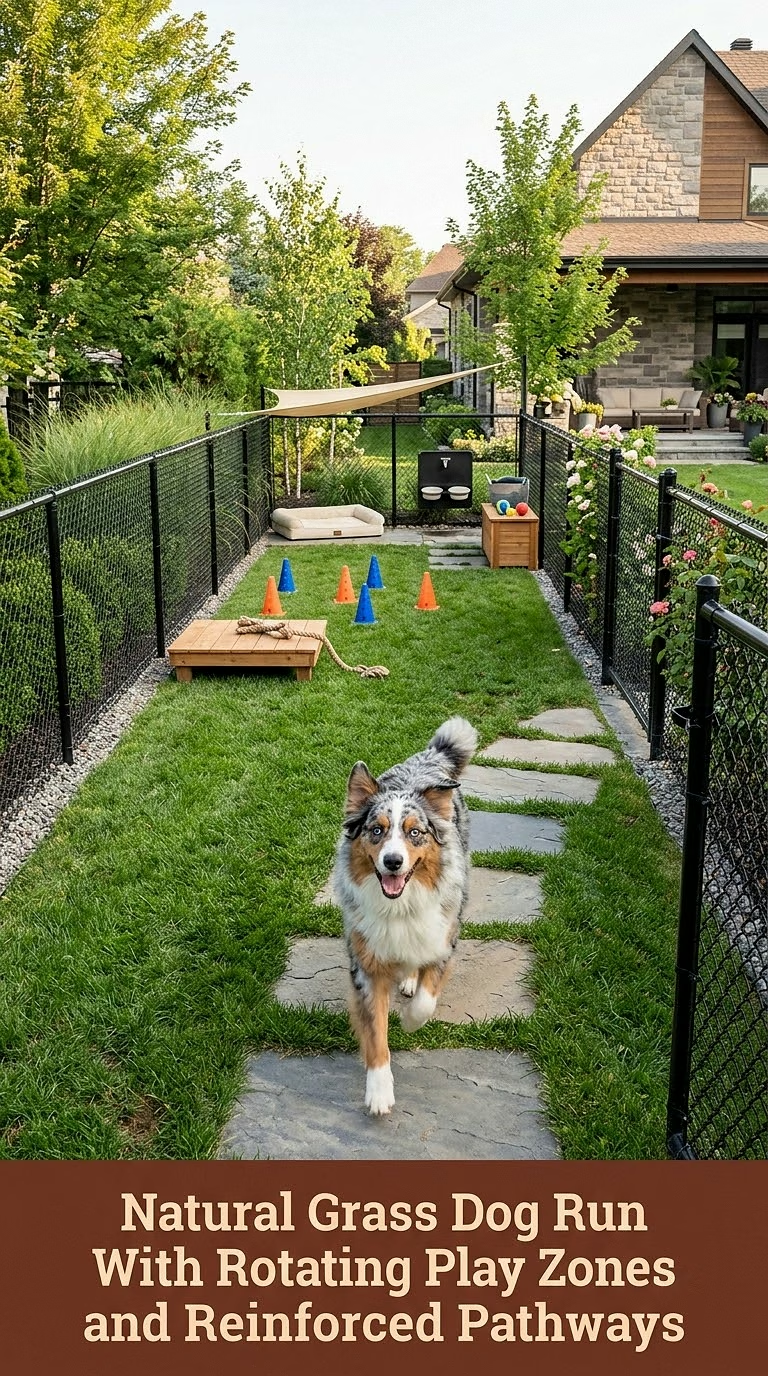
Real grass creates a soft, familiar surface, but constant running and repeated bathroom use can quickly produce bare patches. A rotating layout helps the lawn recover. Divide a larger run into two sections with a removable interior panel, allowing your dog to use one side while the other rests, dries, or is reseeded.
Reinforce high-traffic areas near fences, gates, and bowls with pavers or a ground grid. Select grass suited to your climate, sun exposure, and expected wear. Avoid lawn treatments unless they are confirmed safe for pets and used according to directions, and keep your dog away during any required drying or reentry period.
Keep the grass trimmed, remove fallen fruit and mushrooms, and inspect regularly for ticks, sharp debris, holes, and pest activity. This design works best for homeowners willing to perform seasonal lawn care.
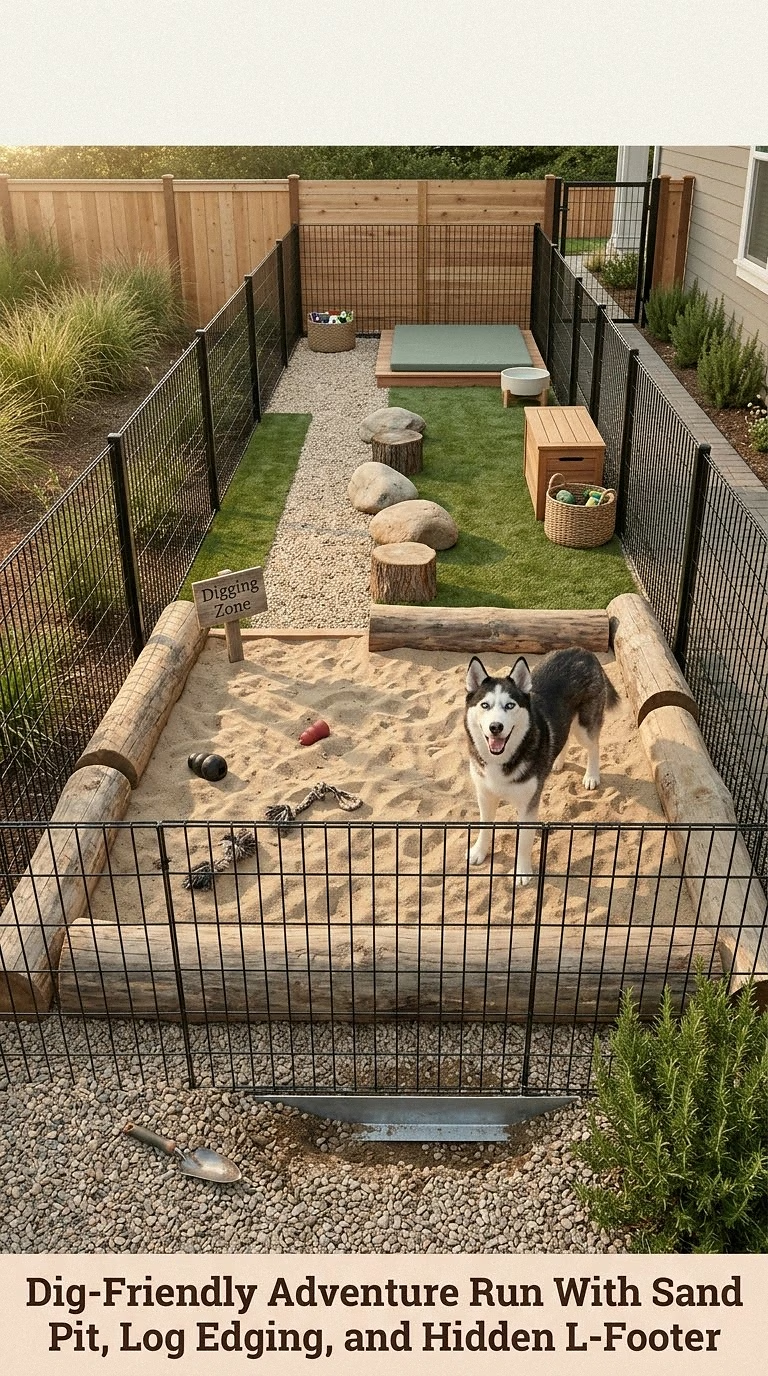
Instead of fighting a natural digging instinct everywhere, give your dog one approved place to excavate. Build a generous sand or loose-soil box in a shaded corner, frame it with smooth untreated logs or sturdy landscape edging, and hide toys just beneath the surface to make the area rewarding.
Protect the perimeter separately. An inward-facing L-shaped mesh footer, buried fencing, concrete edge, or another professionally appropriate barrier can discourage tunneling beneath the main fence. Match the method to your dog’s strength and local soil. Inspect after storms and refill any erosion gaps quickly.
Keep the digging area free of sharp stones, treated wood scraps, cocoa mulch, fertilizers, and unknown garden products. Cover it when not in use if neighborhood animals may contaminate it. Visually, warm timber, pale sand, and leafy shade create a playful woodland feel.
10. Backyard Agility Dog Run With Low Jumps, Tunnel, and Weaving Poles
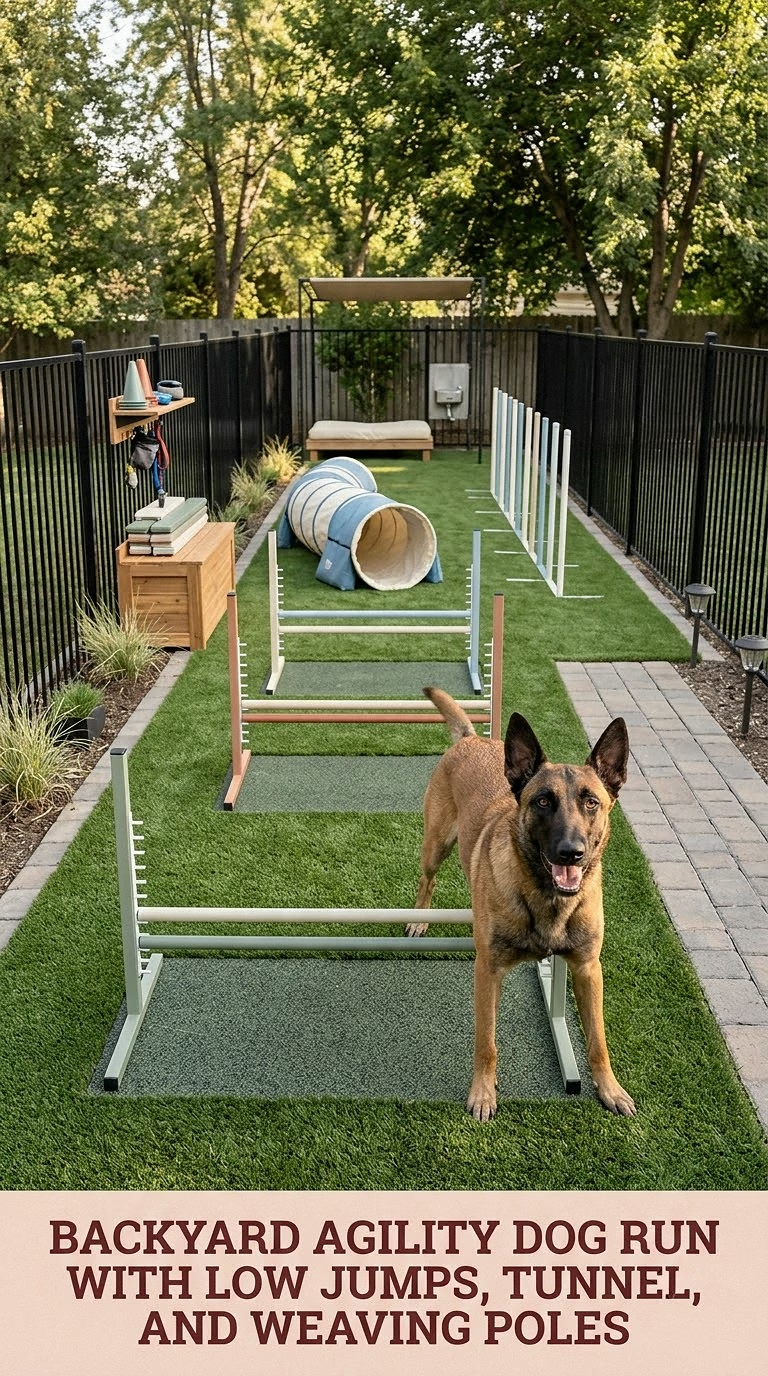
An agility-inspired run can provide exercise and mental stimulation in a compact footprint. Arrange a short tunnel, adjustable low jumps, weaving poles, and a pause platform along a loop so your dog can move safely without tight turns. Use equipment designed to release safely rather than rigid obstacles that could trap a leg.
Leave generous clearance around every feature and place equipment on level, forgiving ground. Begin with low heights and slow, reward-based introductions. Puppies, senior dogs, dogs with joint concerns, and short-nosed breeds may need modified activities, so consult your veterinarian when exercise suitability is uncertain.
Choose coordinated equipment in soft neutrals, sage green, or cheerful pastels to keep the space visually appealing. Store portable pieces under cover when not in use to protect them from weather and prevent unsupervised climbing.
11. Compact Patio Dog Run With Folding Panels and Warm Wood Privacy Screen
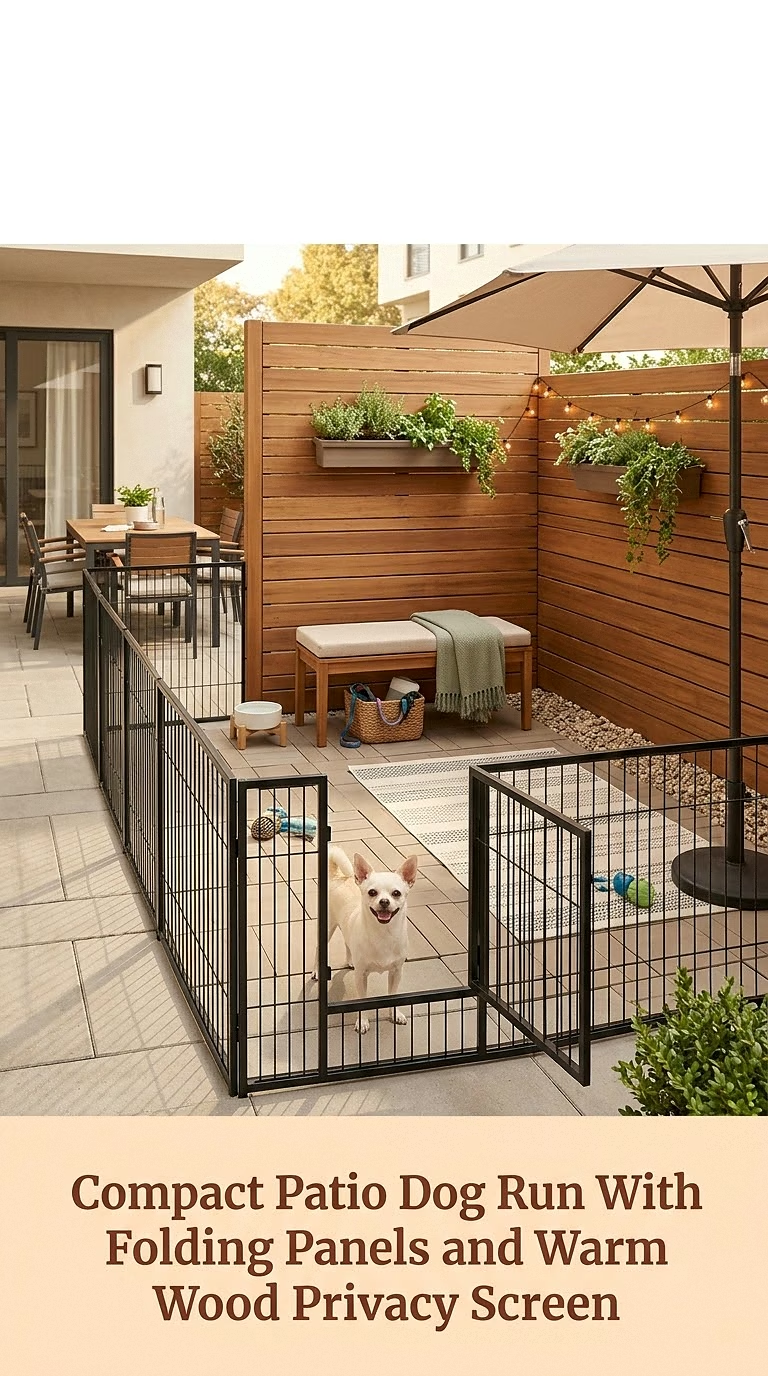
A small paved backyard or townhouse patio can still support a useful dog run. Use sturdy modular panels to create a secure rectangle along one edge, then install a warm wood privacy screen outside the enclosure to soften the metal and block overstimulating views. Use panels that are tall, stable, and securely anchored.
Cover part of the existing patio with interlocking outdoor pet tiles or a washable turf tray, leaving drainage channels open. Add one slim raised bed, a clip-on shade canopy, and a wall-mounted organizer for leashes and cleanup supplies.
For renters, choose reversible components and protect the patio from trapped moisture. Clean beneath mats regularly. Because compact runs heat quickly and offer limited exercise space, use this setup mainly for supervised fresh-air breaks, relaxation, and convenient potty access.
12. Long Sprinting Lane for Large Dogs With Tall Fencing and Soft Turf
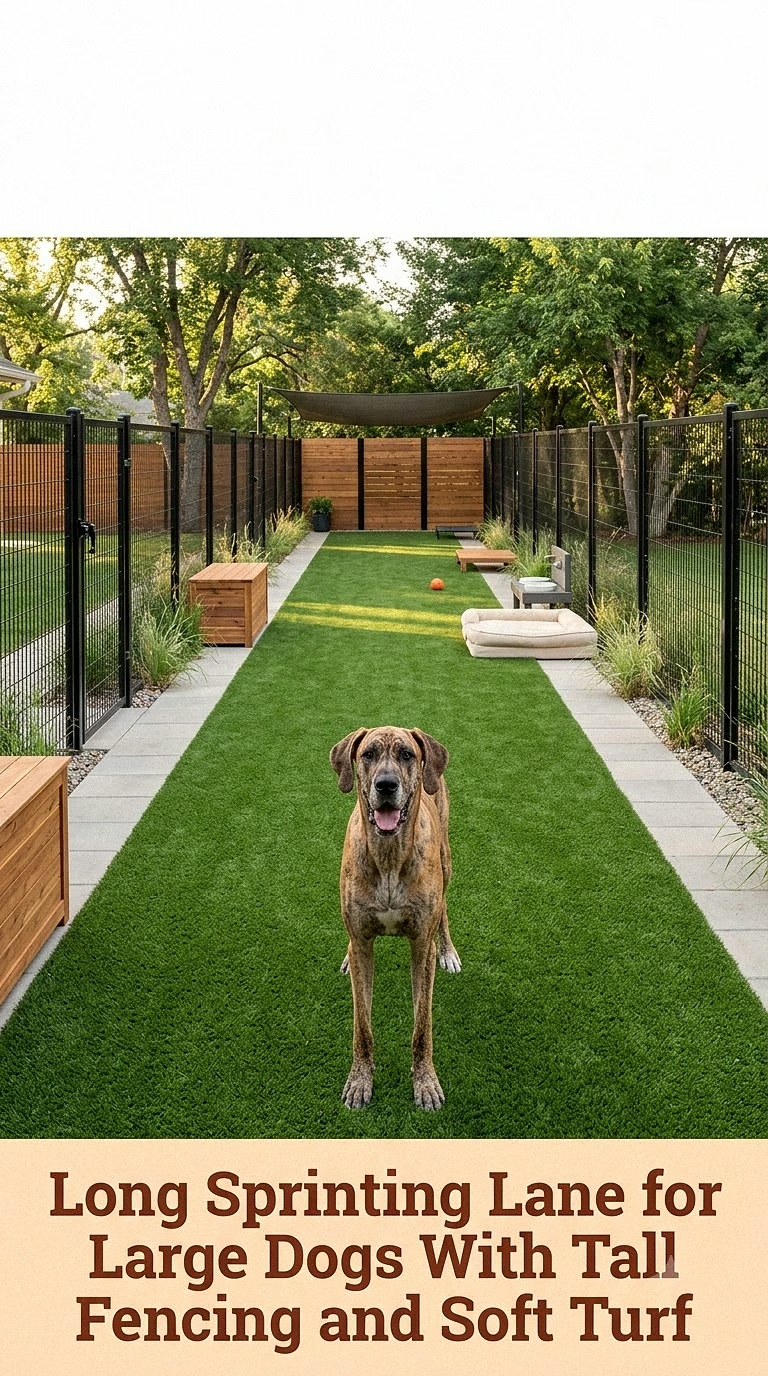
Large, athletic dogs often benefit more from length than decorative complexity. Reserve a straight strip along the back or side boundary and keep the center open for running. Use tall, robust fencing selected for your dog’s jumping, climbing, and reactivity level. A visually solid section may reduce fence racing when neighboring dogs or pedestrians pass nearby.
Natural turf, durable grass, or a professionally installed pet turf system can provide consistent footing. Avoid placing hard-edged obstacles in the sprinting line, and round or protect corners where a fast dog may turn.
Read more : 19 Side Yard Dog Run Ideas for a Beautiful, Safe, and Practical Pet Space
Include a double-gate entry if space allows, especially for dogs prone to rushing through openings. Locks should be inaccessible to clever noses and paws. Monitor play, provide water, and stop before fatigue or heat stress develops. The simple shape can look elegant when framed with matching fence caps and restrained landscaping.
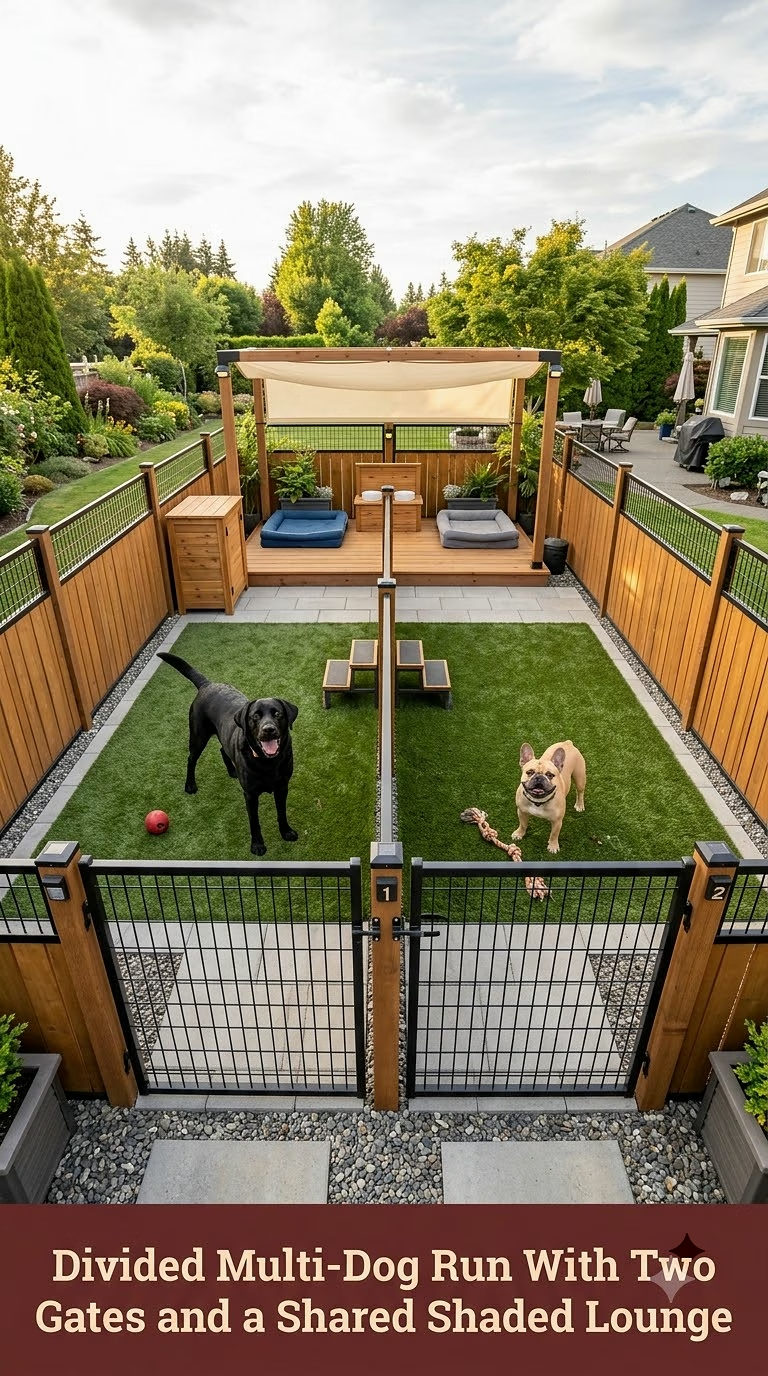
Homes with multiple dogs may need flexibility rather than one completely open enclosure. Divide the run into two connected zones using a secure internal gate. The dogs can play together when appropriate, while separate sections make feeding, training, recovery, introductions, and quiet time easier.
Give each side its own water bowl and resting spot so no dog must guard a shared resource. Along the center, create a shaded lounge with two raised beds placed far enough apart for comfort. Choose barriers that prevent paws or muzzles from reaching through.
Use similar surfaces on both sides for a balanced appearance, or assign one area to active play and the other to calm sniffing. Monitor interactions even between familiar dogs. When conflict exists, seek behavior support rather than relying only on barriers.
14. Garage-Side Dog Run With Leash Storage, Rinse Station, and Mud Control
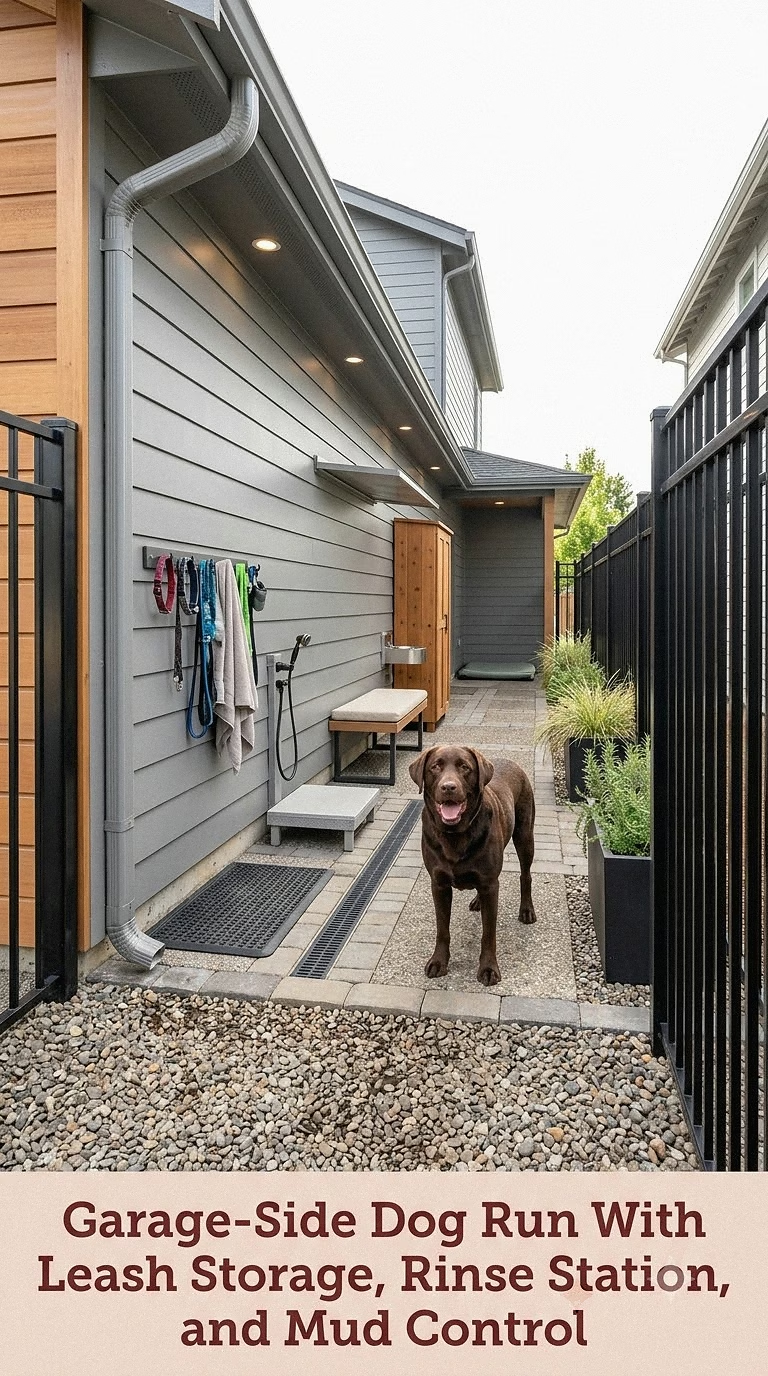
The narrow area beside a garage is ideal for a hardworking dog zone. Place the run close to a side door or mudroom so dirty paws do not travel across the entire yard. Use pavers near the entrance, then transition to a softer surface.
Mount weatherproof hooks and a closed cabinet outside the fence for leashes, towels, brushes, waste bags, and outdoor toys. A low rinse station can simplify muddy cleanups, but it should have controlled drainage, a non-slip floor, and water that does not become dangerously hot from a sun-exposed hose. Store shampoos and chemicals securely away from pets.
Add a small roof over the doorway and washing area, plus a narrow bench for you. Keep garage vents, utility meters, cords, fuels, fertilizers, and sharp tools completely inaccessible.
15. Rustic Woodland Dog Run With Stone Path, Native Shade, and Sniffing Garden
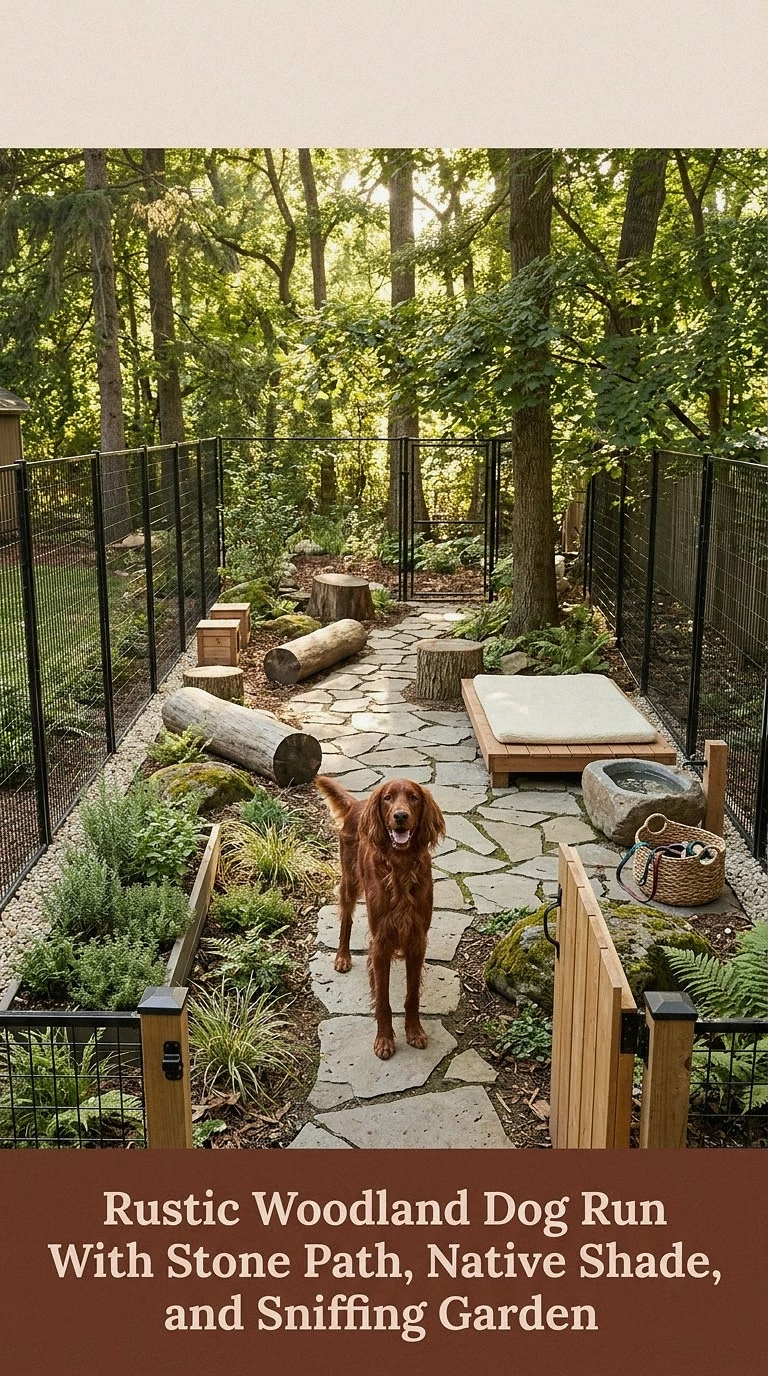
For a relaxed natural look, weave the run around existing shade trees without attaching fencing directly to trunks. Use dark welded-wire fencing with timber posts so the boundary visually recedes into the landscape. A winding stone path can lead past a resting platform, water bowl, and small sniffing garden.
Place verified dog-safe herbs and grasses in raised containers outside the fence. Choose sturdy plants that suit local growing conditions and avoid pesticide-treated materials. Fallen nuts, fruit, mushrooms, branches, and wildlife droppings should be removed promptly because a woodland setting changes throughout the seasons.
Protect exposed tree roots by directing traffic with stepping stones rather than piling deep soil or mulch around trunks. Skip cocoa mulch and reconsider loose wood products if your dog eats debris.
16. Luxury Resort Dog Run With Composite Deck, Splash Pad, and Cabana Bed
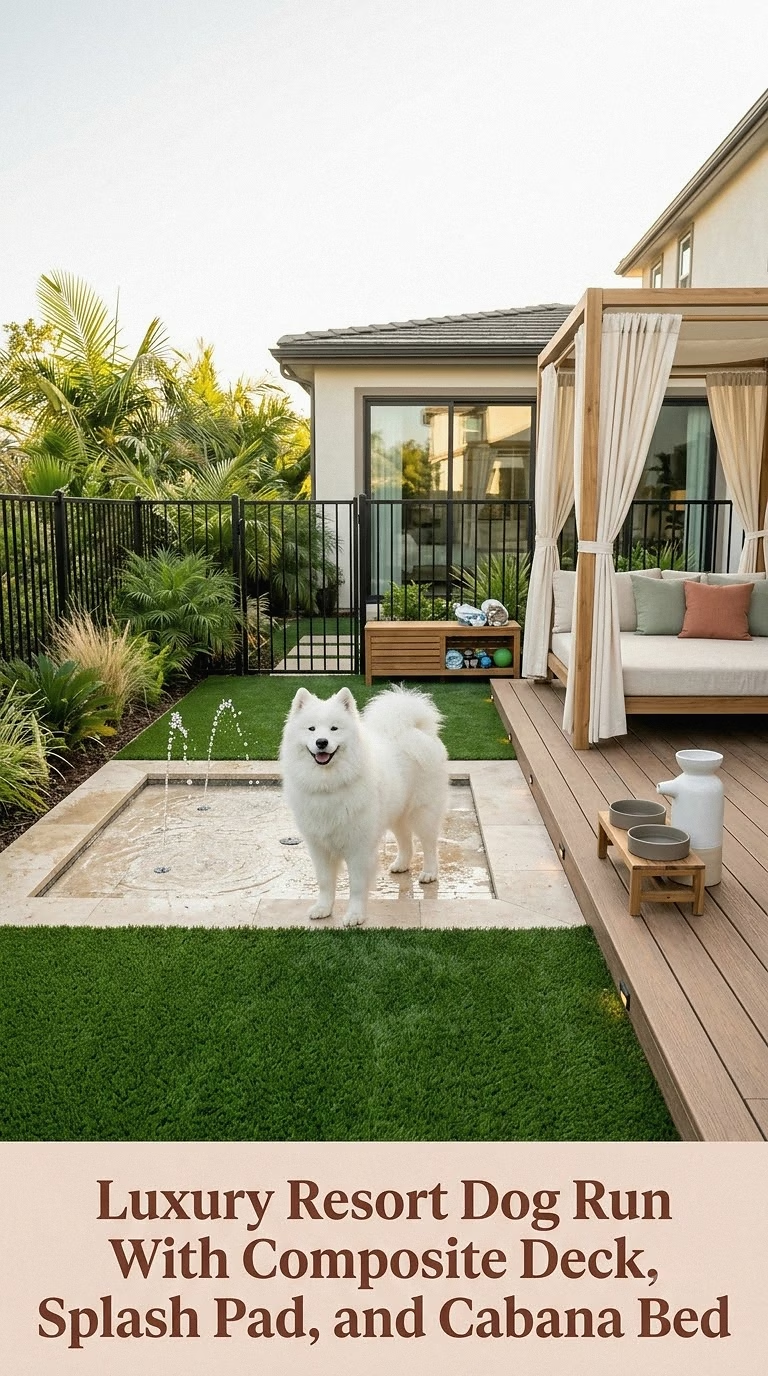
A generous backyard can support a resort-inspired run with separate areas for lounging, water play, and free movement. Build a low composite platform beneath a roofed cabana, add a washable outdoor mattress, and surround it with breezy curtains secured so they cannot wrap around your dog. Keep the deck low and use slip-resistant materials.
Install a shallow, drainable splash pad or dog-safe water feature in the supervised play zone. Water should be fresh, easy to empty, and free from harsh chemicals. Avoid deep pools unless you are actively supervising and have planned safe entry and exit. Place textured pavers around wet areas to reduce slipping.
Complete the design with light-colored fencing, large pet-safe planters outside the enclosure, and discreet toy storage. Leave open space, provide dependable shade, and choose finishes that tolerate claws, water, sun, and cleaning.
17. Rental-Friendly Modular Dog Run With Portable Shade and Reversible Ground Mats
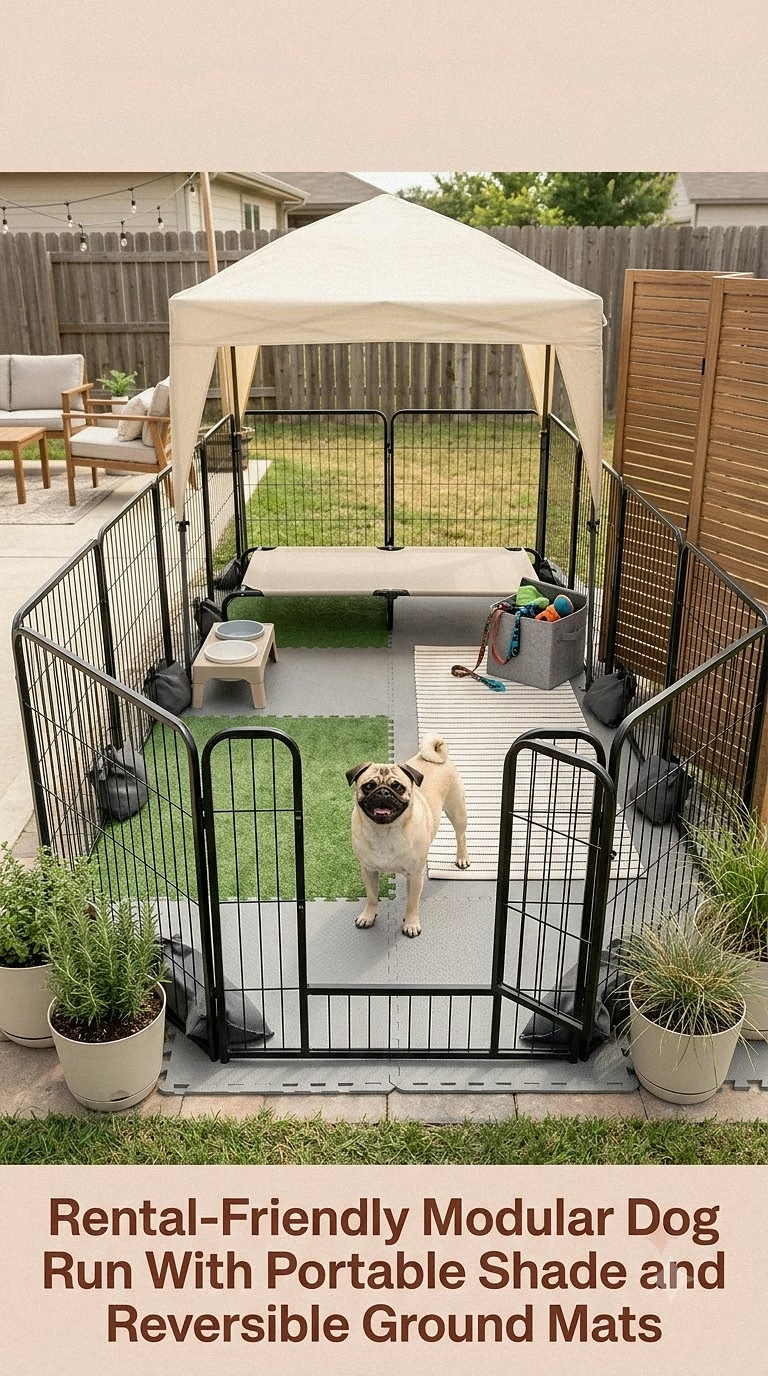
A non-permanent run suits renters and changing households. Start with heavy-duty modular panels connected according to the manufacturer’s instructions. Anchor them using an approved method for the surface and your dog’s size, and add stabilizing supports where needed. Lightweight exercise pens are not secure enough for every dog.
Protect the ground with removable outdoor mats, a freestanding turf potty system, or reversible deck tiles that allow airflow and drainage. Use a weighted canopy or panel-mounted shade accessory rated for outdoor conditions, but take fabric down during strong wind. A folding raised cot and clip-on water bowl keep the setup compact.
Inspect connections each time the run is moved. Portable does not mean escape-proof, so supervise carefully. With matching planters outside the panels, a neutral outdoor rug near the entrance, and neatly stored supplies, the run can still feel polished and welcoming.
Conclusion
The best backyard dog run is designed around your dog’s behavior, your climate, and how your household uses the yard. Secure fencing, protected gate hardware, dependable shade, fresh water, comfortable footing, drainage, and routine inspections matter more than decorative extras.
Once those essentials are covered, the space can reflect your personal style. A slim cedar lane may suit a narrow side yard, while a flower-framed cottage run, modern turf enclosure, woodland sniffing garden, or covered all-weather retreat can become a beautiful feature in its own right. Introduce the run gradually, reward calm behavior, keep it clean, and continue walks, training, play, and time together.
Pin this Pinterest post so you can return to these backyard dog run ideas when you are ready to plan your own pet-friendly outdoor space.
Source: https://petstutorial.com
Category: Dog Kennels Runs
