
A narrow side yard may seem like an awkward, forgotten strip of outdoor space, but it can become one of the most useful areas of your home when you share it with a dog. With secure fencing, comfortable ground cover, dependable shade, and a few thoughtful details, that unused passage can become a private place where your pup can stretch, sniff, play, and enjoy fresh air.
- 17 Beautiful Dog Kennel Ideas for a Safe, Cozy, and Stylish Pet Space
- 19 Beautiful Dog Cage in Living Room Ideas for a Cozy, Stylish Home
- 19 Hunting Dog Kennel Ideas for Beautiful, Practical Working-Dog Spaces
- 17 Beautiful Outdoor Dog Kennel Ideas for a Safe and Stylish Backyard Retreat
- 18 Dog Stall Ideas: Beautiful and Practical Spaces for a Happy, Comfortable Dog
The best side-yard dog runs balance appearance with everyday practicality. They should be easy to clean, difficult to escape from, comfortable beneath sensitive paws, and protected from excessive sun or rain. They should also complement the style of your backyard rather than looking like a temporary kennel squeezed beside the house.
You are reading: 17 Beautiful Dog Run Ideas for a Backyard Side Yard
Whether you have a tiny urban side yard, a muddy path that needs a makeover, or a long passage perfect for energetic zoomies, these dog run ideas for a backyard side yard offer achievable inspiration for different budgets, breeds, and home styles.
Practical and Stylish Dog Run Ideas for a Backyard Side Yard
Narrow Cedar and Black Mesh Dog Run With a Gravel Exercise Lane
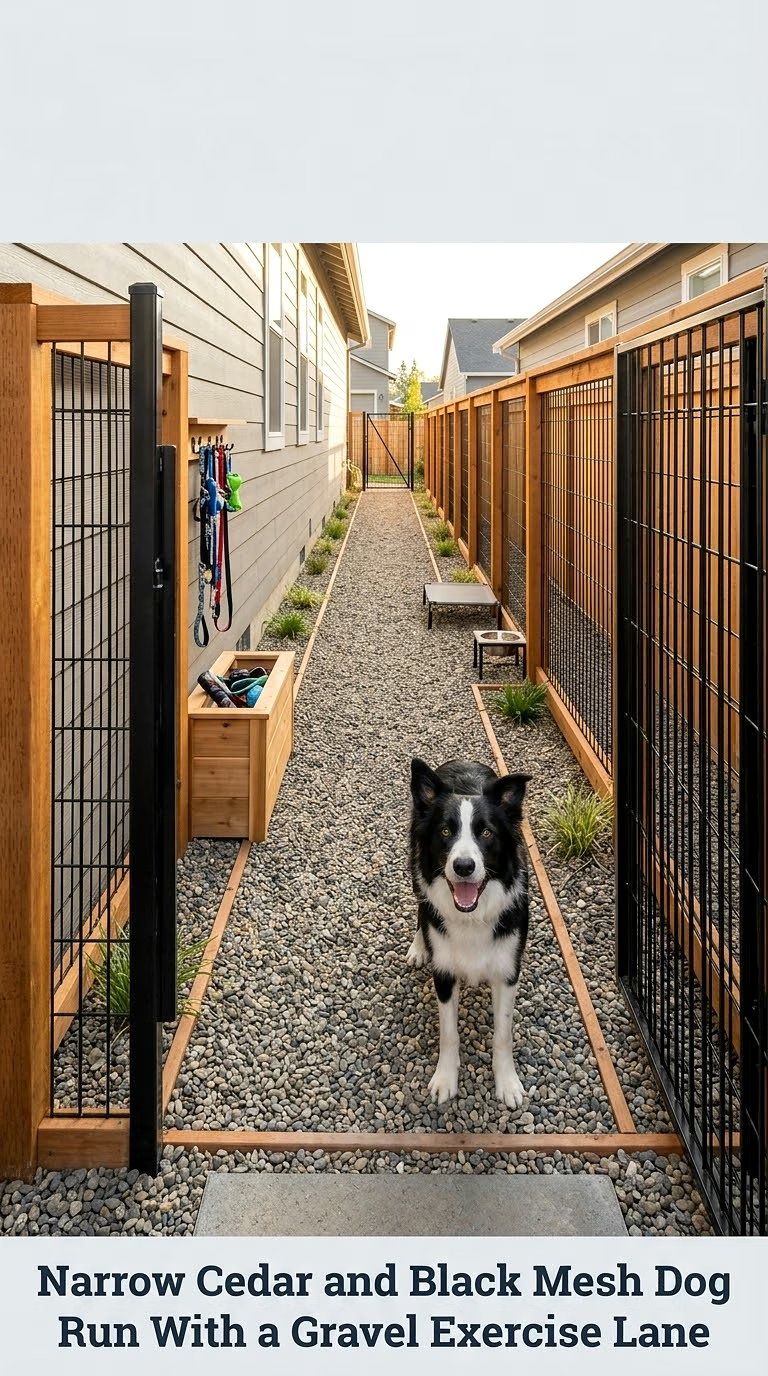
Turn a long, narrow side yard into a handsome exercise lane using warm cedar posts, black welded-wire panels, and a neatly edged gravel path. The natural wood softens the practical appearance of the fencing, while the dark mesh blends into the background and helps the enclosure feel more open.
Install landscape fabric and a compacted drainage base before adding smooth, appropriately sized gravel. This foundation can reduce weeds, puddles, and muddy paw prints. Gravel drains well, but it may not suit dogs that chew stones or have especially sensitive paws, so watch how your dog interacts with a small test area first.
Add a raised outdoor bed at the shaded end, a tip-resistant water bowl, and one weatherproof basket for toys. Keep benches, storage boxes, and stacked materials away from the fence so an athletic dog cannot use them as climbing platforms.
White Privacy Fence Dog Run With Green Artificial Turf
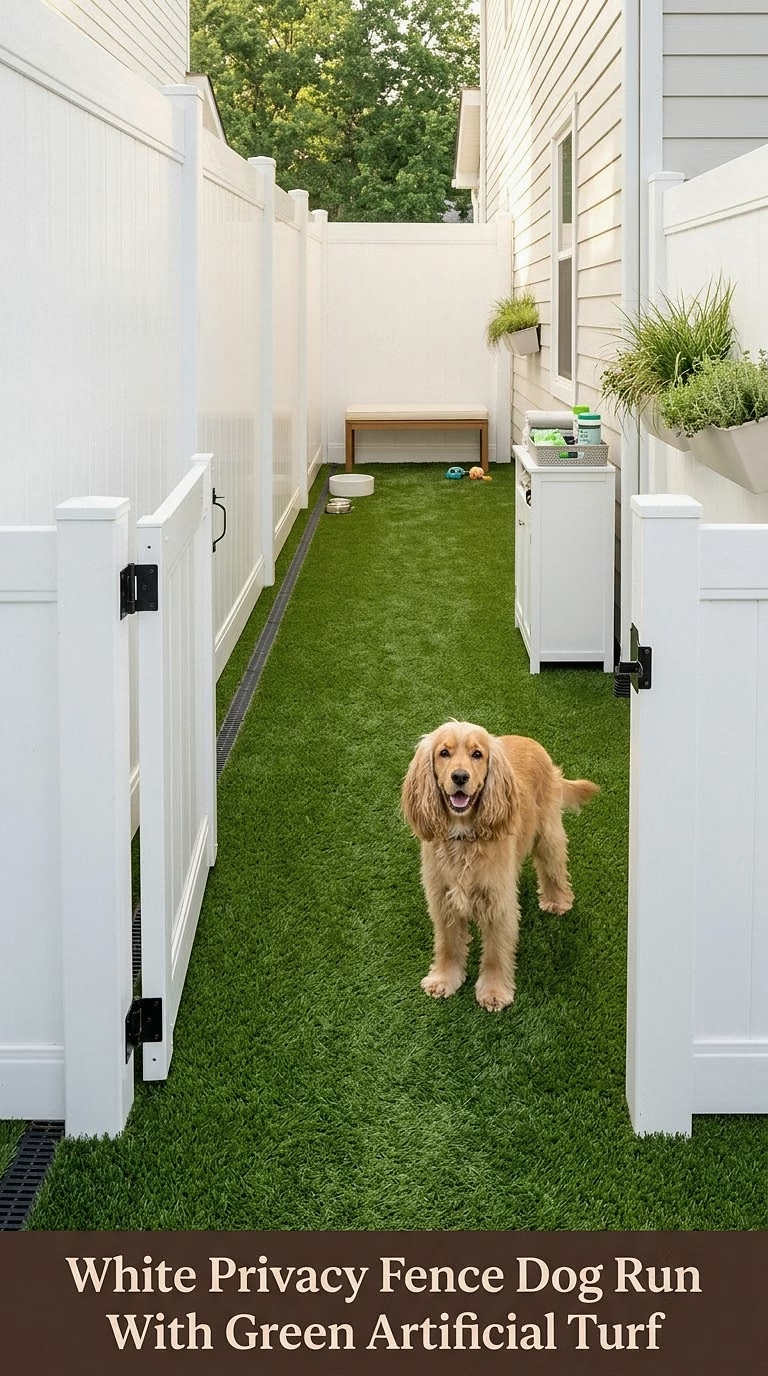
A white vinyl privacy fence paired with rich green artificial turf creates a bright, tidy dog run that feels more like a landscaped courtyard than a kennel. This design works especially well beside light-colored homes, coastal exteriors, and charming cottage-style backyards.
Choose artificial turf made for pet areas, with a permeable backing that allows moisture to pass into a properly prepared drainage layer. Poor installation can trap water and odors, so the ground should be graded correctly before the turf is secured. Regular rinsing and prompt waste removal will help keep the area fresh.
Bring in color with wall-mounted planters positioned safely beyond your dog’s reach. Verify that every plant is non-toxic to dogs, and avoid placing fallen leaves or loose potting materials inside the enclosure.
Finish the run with a washable outdoor mat beneath a covered resting platform and a secure gate with a high-mounted latch.
Budget-Friendly Wood Post and Welded-Wire Side-Yard Run
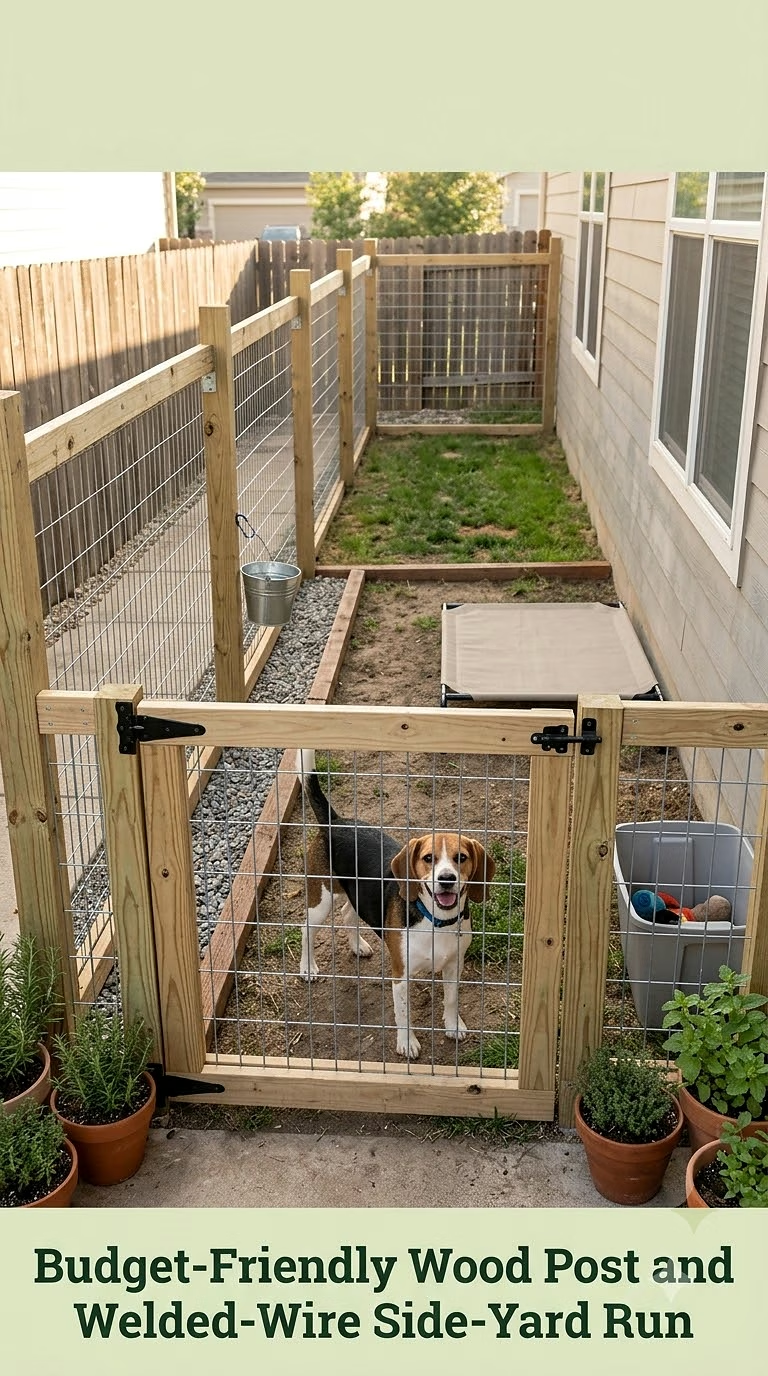
A practical dog run does not require expensive custom fencing. Pressure-treated posts, sturdy welded-wire fencing, and a simple wood-framed gate can create an affordable enclosure that still looks attractive and intentional.
Paint or stain the wooden parts to coordinate with your deck, shed, or house trim. Black or dark green wire usually blends into the landscape more quietly than shiny metal. Make sure the mesh openings are suitable for your dog’s size, especially near the ground where smaller dogs may try to push their heads through.
Retain healthy grass where possible and reinforce the busiest areas with pavers or compacted stone. Add a basic shade sail, a stainless-steel water bucket, and a durable cot-style bed.
Inspect the fence regularly for loose staples, protruding wire, erosion, and gaps. A budget-friendly run can be dependable when the connections, gate hardware, and lower fence line are maintained carefully.
Slatted Wood Privacy Run With Warm Decomposed Granite
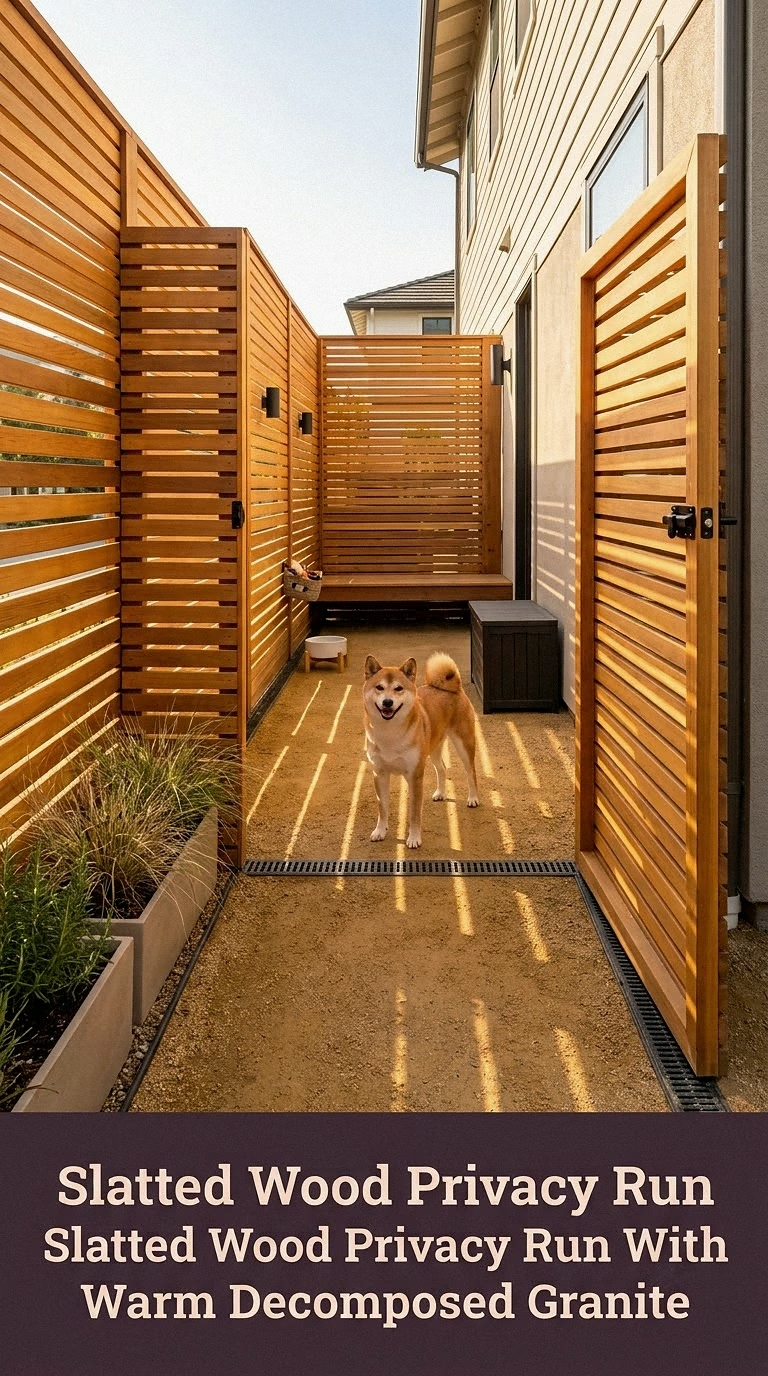
For a modern side-yard makeover, combine horizontal wood slats with warm-toned decomposed granite. The clean fence lines create privacy, while the softly textured ground gives the run a relaxed, natural appearance that suits contemporary and desert-inspired landscapes.
Decomposed granite should be placed over a stable, well-draining base and compacted enough to reduce loose dust. Select a product without sharp fragments and check the surface during hot weather, since exposed ground materials may become uncomfortable beneath paws.
Leave small spaces between fence slats to encourage airflow without creating openings large enough for paws or noses. Dogs that react to pedestrians, bicycles, or neighboring pets may benefit from a mostly solid lower section that blocks distracting movement.
A charcoal raised bed, matte black water station, and simple wall hook for leashes complete the streamlined look. Use rounded edging around the path so there are no sharp corners along your dog’s running route.
Pergola-Covered Dog Run With Pavers and Cooling Shade
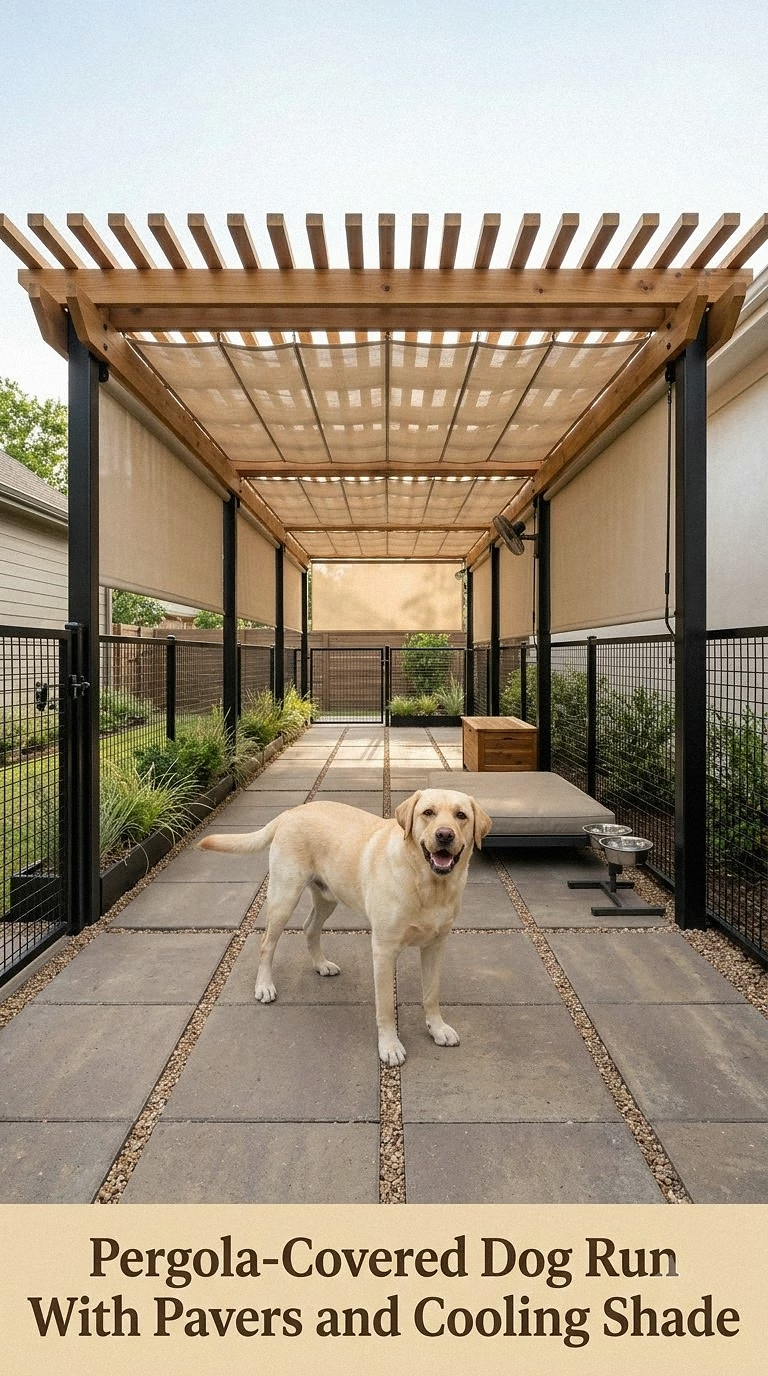
A slim pergola can transform an intensely sunny side yard into a comfortable and architectural dog run. Build it along the house wall or over the resting half of the enclosure, leaving part of the run open for movement and supervised sunbathing.
Use light-colored, textured pavers to create a stable and washable surface. Avoid polished tiles that become slippery when wet. The paving should slope gently away from the home so cleaning water and rainfall do not collect beside the foundation.
Cover the pergola with exterior shade cloth, weather-resistant panels, or closely spaced slats appropriate for your climate. Decorative vines can look beautiful, but only use plants confirmed to be safe for dogs, and prevent stems from weakening or spreading across the fence.
Place the water bowl in continuous shade and add an elevated mesh bed where air can circulate underneath. Dogs should still be brought indoors during dangerous heat, storms, severe cold, or other extreme conditions.
Two-Zone Dog Run With an Exercise Path and Separate Potty Area
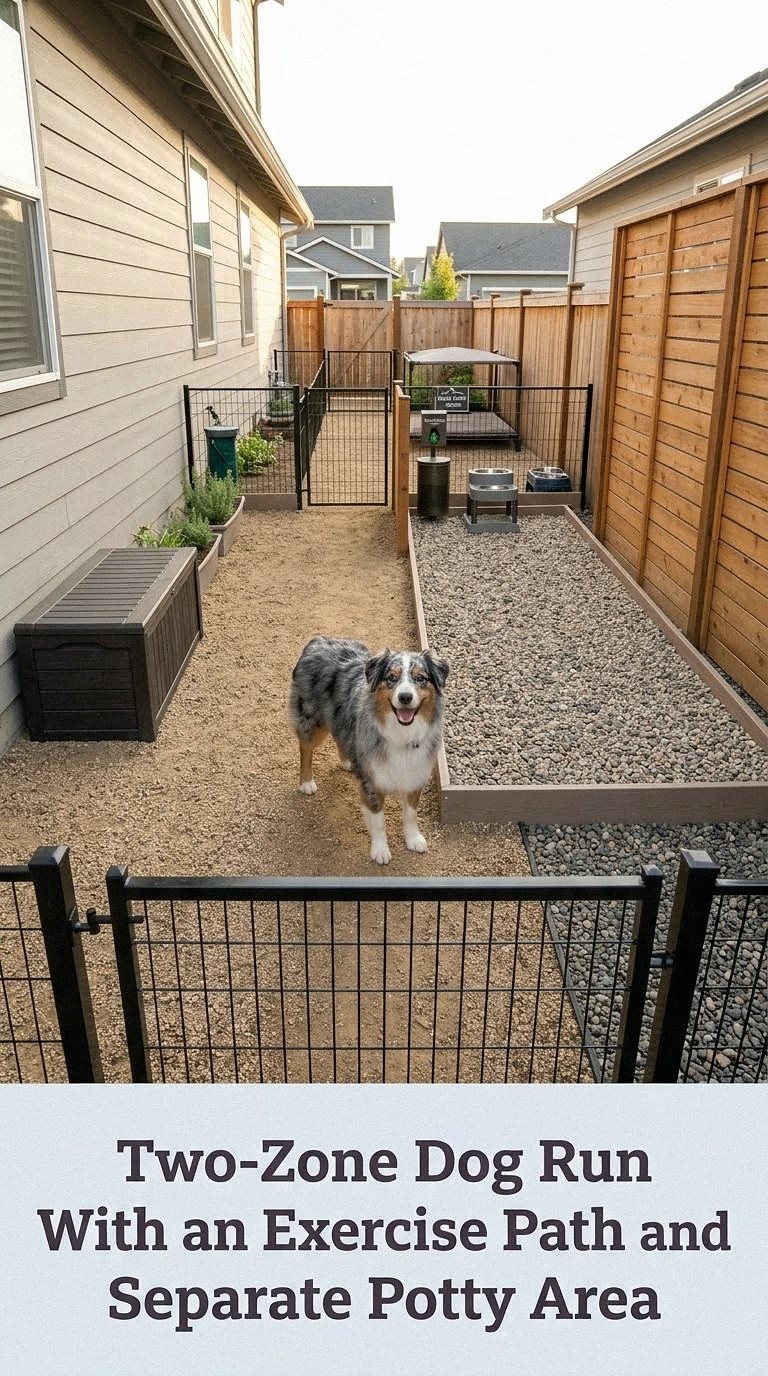
Dividing a narrow side yard into two functional zones can make it much easier to clean and maintain. Use the longer section as a movement and play lane, then create a smaller potty station near the entrance for convenient access.
Artificial turf, compacted stone, or textured pavers can work well in the exercise zone. For the potty section, consider a replaceable patch of natural sod, pet turf, smooth gravel, or another washable surface your dog accepts. A low border can visually separate the zones without interrupting the running path.
Guide your dog to the designated potty area consistently and reward successful use. The separation will not happen immediately, but a predictable routine can make the design more effective over time.
Add a lidded waste container outside the enclosure, along with a hose connection, waste-bag dispenser, and small shelf for cleaning supplies.
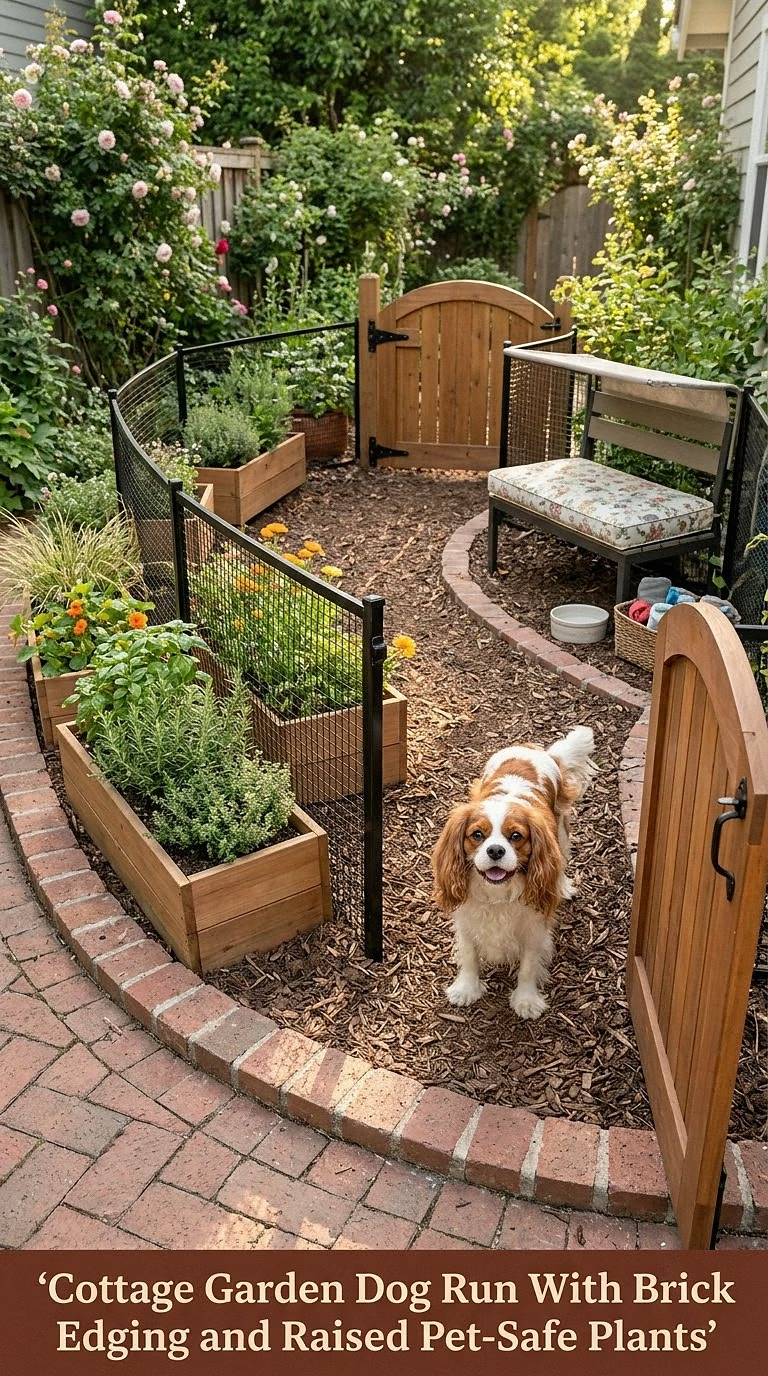
Cottage Garden Dog Run With Brick Edging and Raised Pet-Safe Plants
Read more : 18 Two Dog Kennel Ideas for a Cozy, Stylish, and Organized Home
A side-yard dog run can feel romantic and garden-inspired without exposing your pup to delicate or unsafe landscaping. Create a gently curving path with compacted gravel, turf, or brick pavers, then position planting beds outside the enclosure or behind sturdy protective borders.
Raised beds framed with weather-resistant wood can hold pet-safe herbs and flowers while keeping paws away from roots. Verify every plant using its exact name before adding it to the space. A plant should never be assumed safe simply because it is natural or commonly grown in home gardens.
Use a soft sage-green gate, cream fencing, and weathered brick edging to create a cozy cottage palette. A small covered bench outside the run gives you a comfortable place to sit while your dog explores.
Keep fertilizers, pesticides, gardening tools, slug treatments, and potting materials securely stored. The prettiest garden dog run is one that remains safe for a curious nose.
Mud-Free Side-Yard Run With Layered Drainage and Smooth Gravel
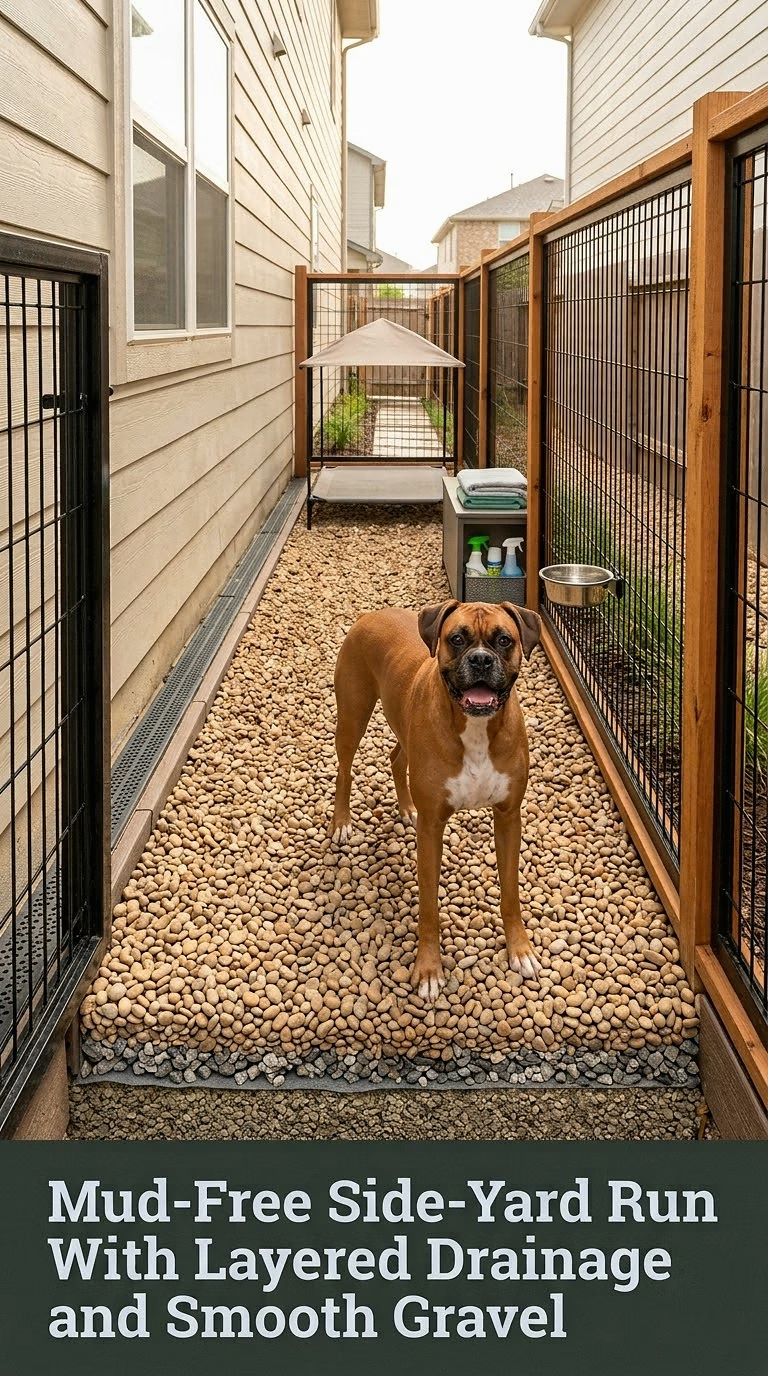
When a side yard turns into a muddy channel after every storm, the makeover should begin below the visible surface. Remove unstable material where appropriate, correct the slope, and install a layered foundation that helps move water away from the home.
A dependable base may include compacted aggregate, drainage fabric, sturdy edging, and a suitable top layer. Rounded gravel can reduce mud and make solid waste easier to locate, but it is not ideal for every dog. Small pieces can become lodged between toes or swallowed, while dark stone may absorb considerable heat.
Smooth pavers may be a better alternative for dogs that chew rocks or have sensitive paws. Include a level paved pad beneath the water bowl so it does not tip or sink into the gravel.
Rinse the area when necessary and inspect it for low spots after heavy rain. Complex drainage and runoff problems may require help from a qualified local professional.
Washable Concrete Dog Run With Soft Rubber Resting Mats
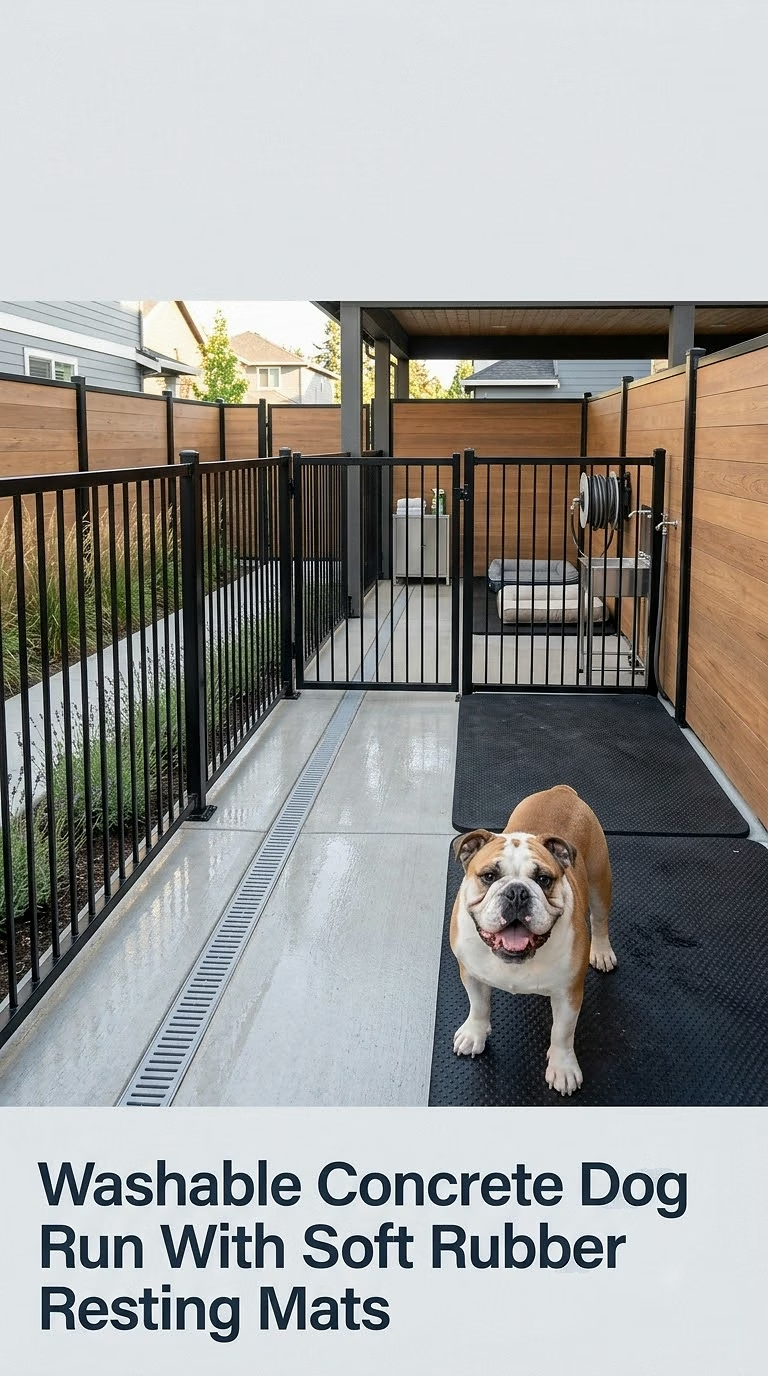
Concrete is durable, escape-resistant, and easy to wash, making it useful for active dogs that quickly destroy grass. However, an entirely hard enclosure can feel uncomfortable, so the design should include soft and shaded resting areas.
Use a lightly textured finish to improve traction and slope the concrete toward an appropriate drainage point. Avoid overly rough surfaces that may scrape paws and glossy finishes that become slippery when wet.
Place removable outdoor rubber mats or a raised cot beneath the covered section. The mats should be heavy enough to remain in place, easy to sanitize, and inspected regularly for damaged or chewed edges.
Soften the appearance with cedar wall panels, a painted gate, and planters placed outside the fence. This setup is best used as a supervised bathroom and exercise area rather than somewhere a dog remains for extended periods.
Small-Dog Side Run With Fine Mesh Panels and Solid Kickboards
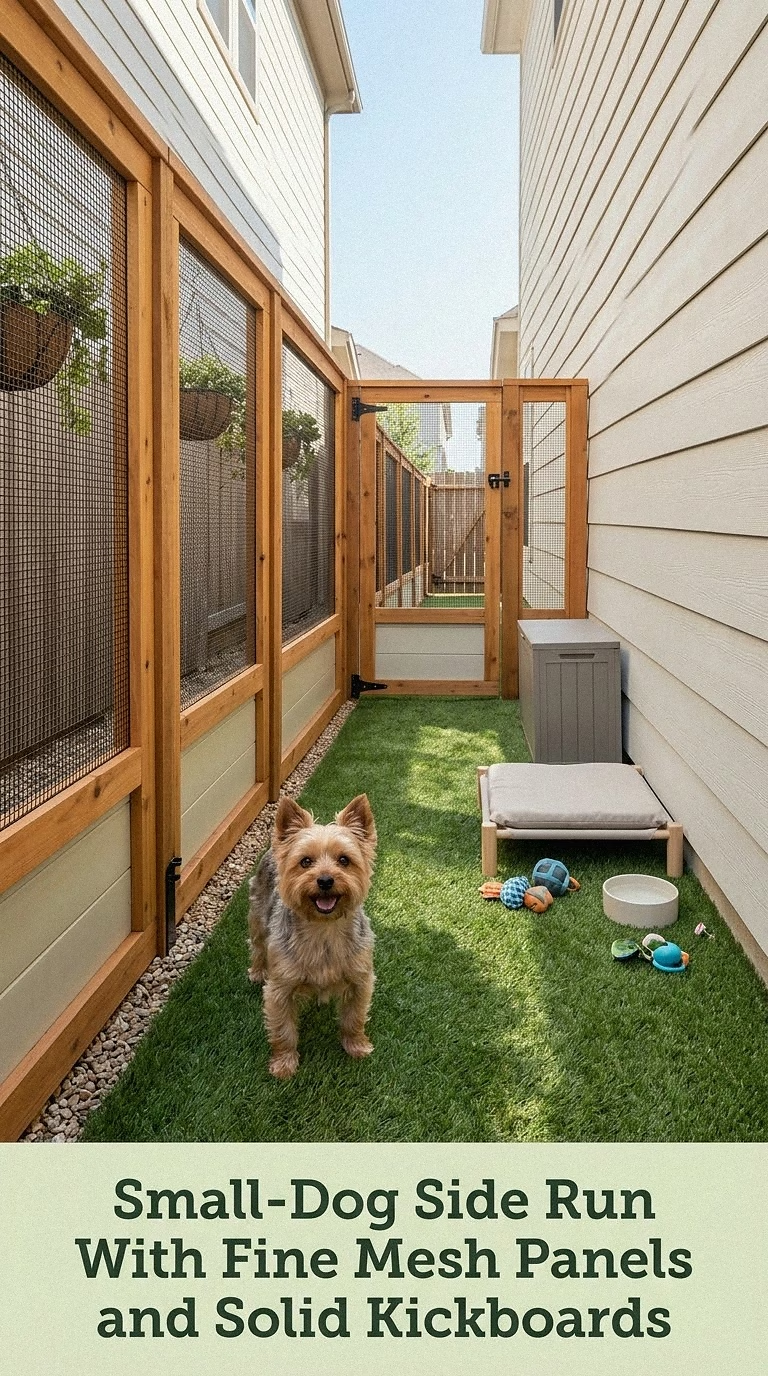
Small dogs can squeeze through surprisingly narrow openings, making standard fence spacing unsuitable for some breeds. Build a secure run with fine welded mesh, closely spaced pickets, or another fencing material selected for your dog’s head and body size.
Add solid kickboards around the bottom of the enclosure. They can reduce gaps, discourage digging at the fence line, and prevent paws from reaching toward animals or objects outside. Pay special attention to the points where the fence meets the gate, house wall, and ground.
A partially covered roof can provide additional protection for a very small dog and help prevent climbing animals from entering. Supervision remains important, particularly in areas with active wildlife.
Use soft turf, healthy grass, or smooth pavers for the floor. A low elevated bed, shallow stable water bowl, and one small toy basket provide comfort without cluttering the limited space.
High-Fence Sprint Corridor for Large and Athletic Dogs
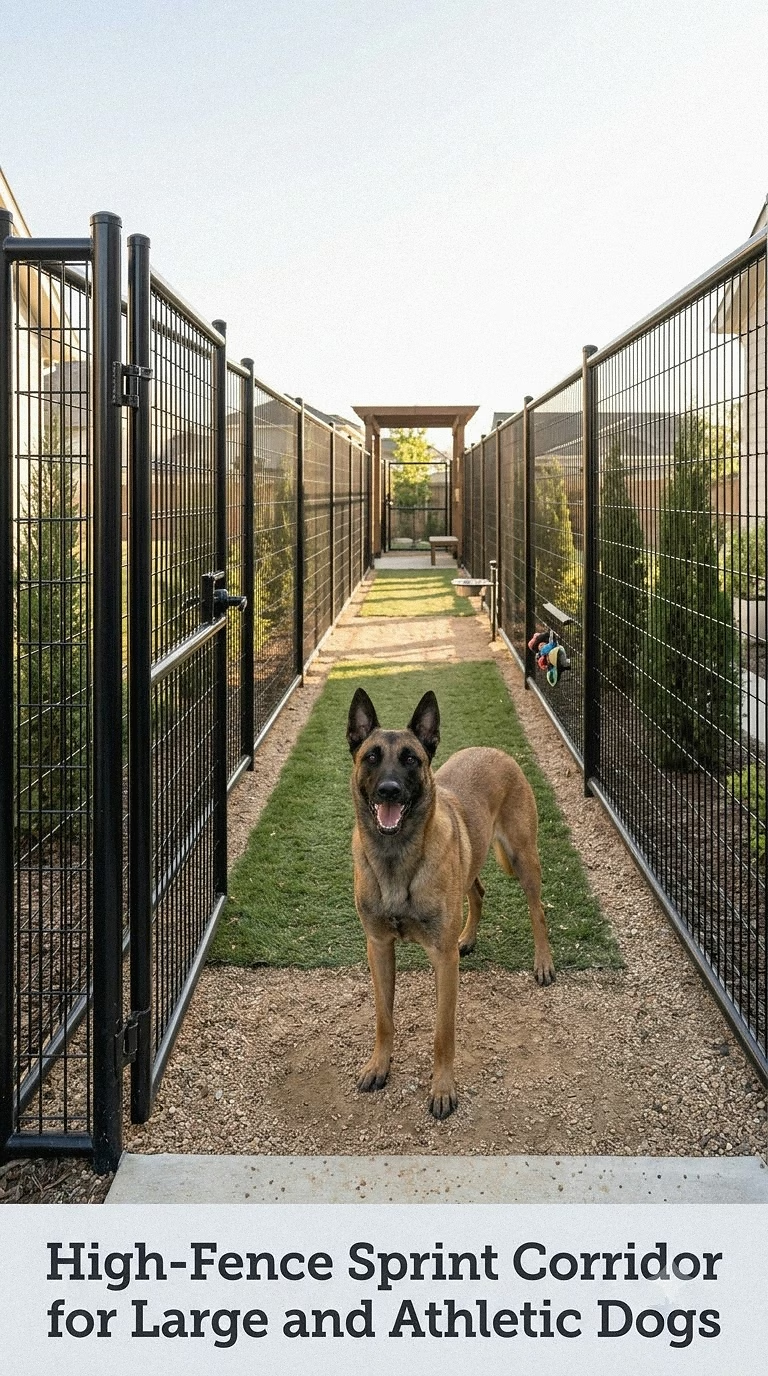
A long side yard can become a satisfying sprint corridor for a large, energetic dog when the enclosure is designed around strength, jumping ability, and escape habits. Use tall, durable fencing with reinforced posts, dependable connections, and a gate that cannot be pushed open.
Fence height should be chosen for the individual dog rather than appearance alone. Jumpers, climbers, and highly driven breeds may require extra protection near the top. Remove planters, outdoor furniture, bins, and stacked firewood that could serve as launching points.
For determined diggers, extend an appropriate barrier below the fence or install an inward-facing footer beneath the soil. Never leave sharp mesh or wire edges exposed.
Keep most of the corridor clear for running, with a shaded recovery station and fresh water at one end. Backyard exercise should complement walks, play, training, and family interaction rather than replacing them.
Double-Gated Multi-Dog Run With Separate Resting Bays
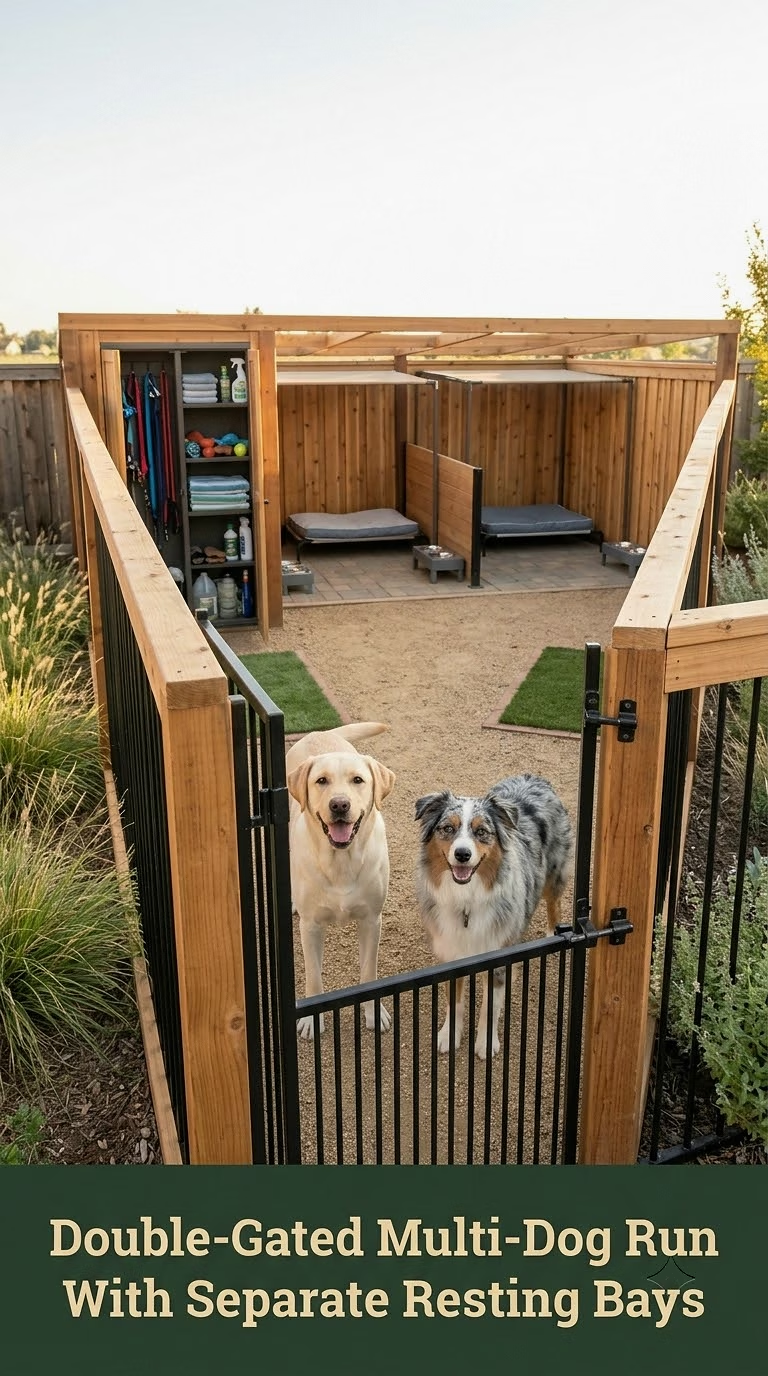
A double-gated entrance creates a small safety vestibule between the backyard and the dog run. This can be particularly helpful in multi-dog homes where one excited dog may rush the entrance while another dog is entering or leaving.
Design the gates so they do not need to open at the same time. Use durable latches and leave enough space between them for one person to stand comfortably. Avoid narrow corners where dogs might feel trapped during energetic greetings.
Inside the run, create separate resting bays using covered alcoves, raised beds, or short visual dividers. Each dog should have comfortable access to shade and water without being forced to crowd another dog.
Choose a surface capable of handling heavy traffic and frequent cleaning. Textured pavers, professionally installed pet turf, or a combination of both can make the run attractive and practical.
No-Dig Modular Fence Run for Renters and Flexible Backyards
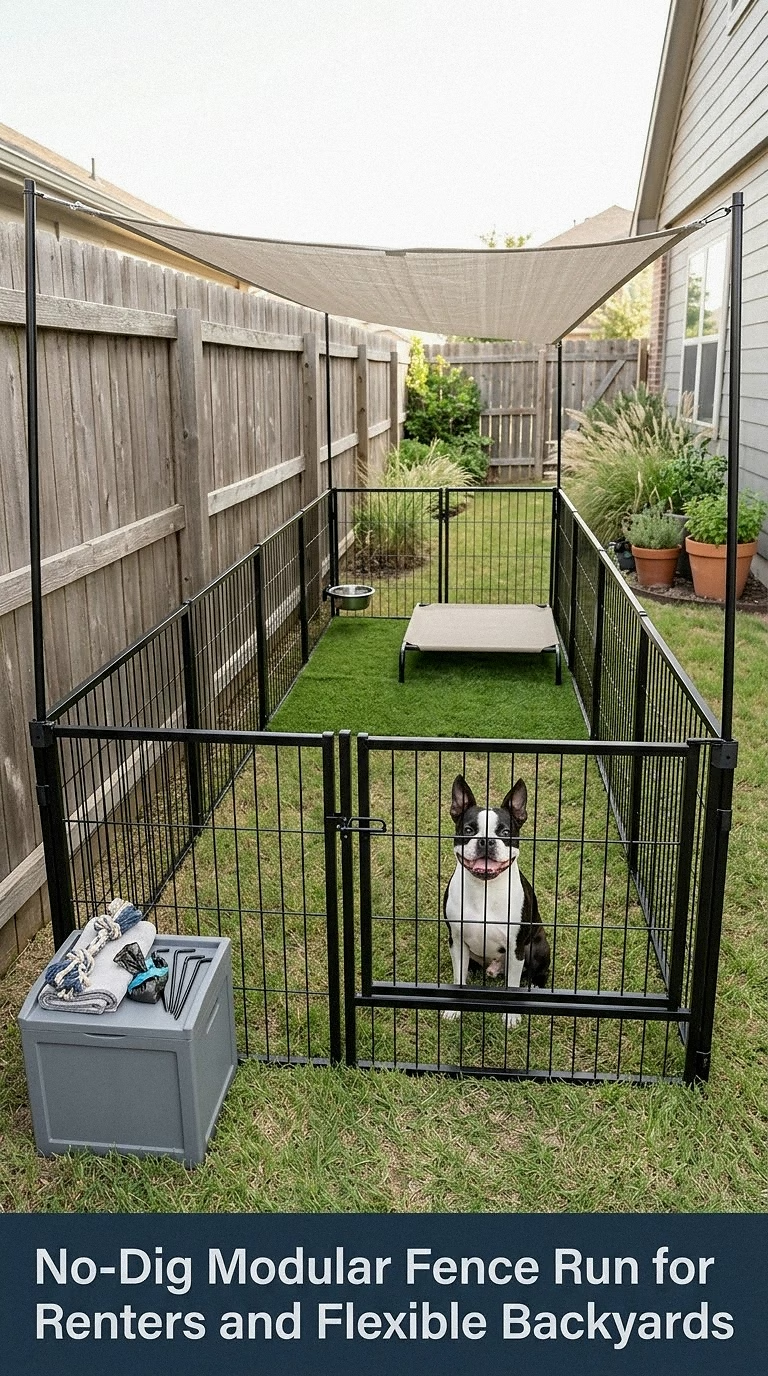
Renters and homeowners who want a reversible setup can use freestanding or no-dig modular fence panels to create a side-yard dog run. Choose sturdy panels designed for outdoor containment rather than lightweight decorative garden edging.
Anchor the system according to the manufacturer’s instructions and check the ground for gaps. Portable panels may work well for calm small or medium dogs, but they may not be suitable for strong jumpers, climbers, diggers, or dogs that push forcefully against barriers.
Read more : 17 Beautiful Dog Kennel Ideas for a Safe, Cozy, and Stylish Pet Space
Use existing boundaries only when they are secure and you have permission to incorporate them. Never assume that a neighboring fence, loose hedge, or garage wall will complete the enclosure safely.
Interlocking outdoor tiles, removable turf panels, or a stable existing lawn can provide renter-friendly flooring. Add a freestanding shade canopy and elevated bed without making permanent structural changes.
Sensory Dog Run With a Sniffing Garden and Low Adventure Platforms
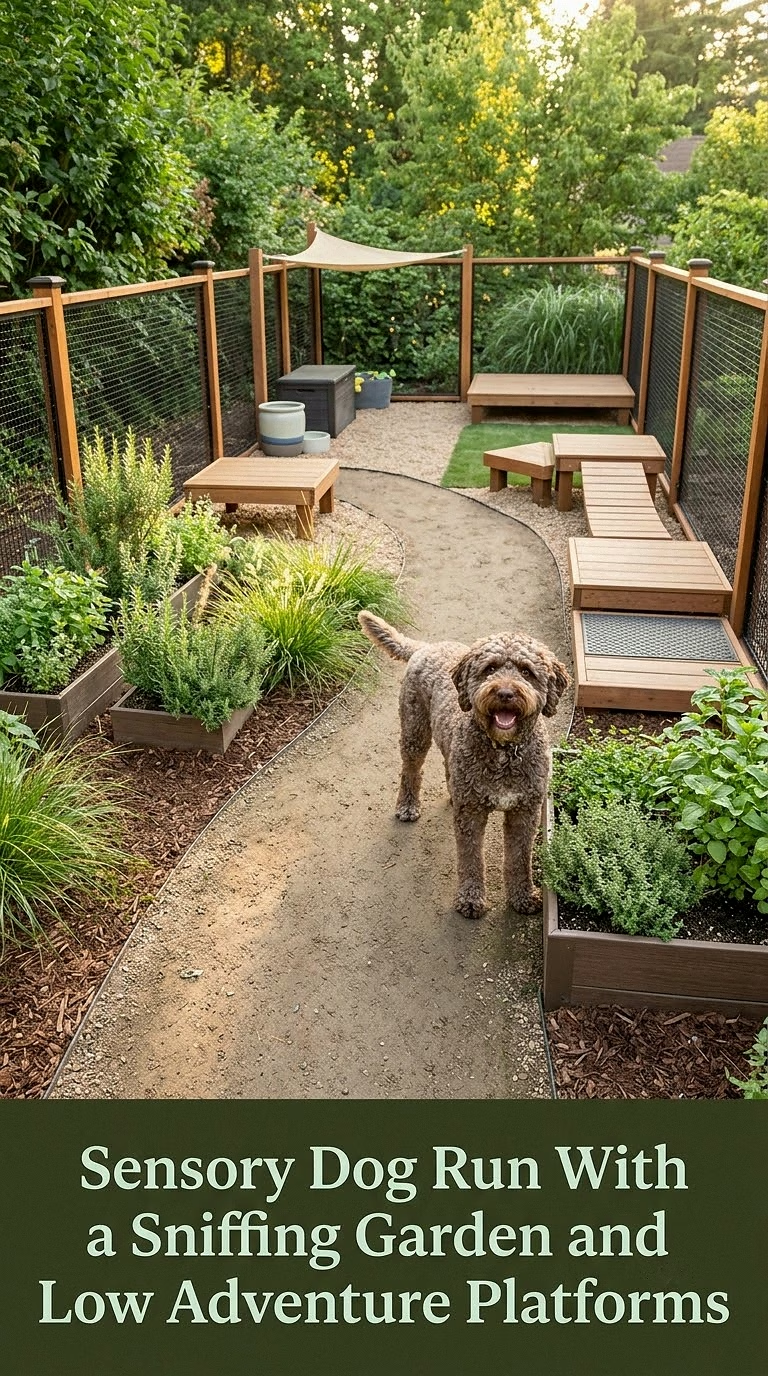
A dog run becomes more engaging when it offers activities beyond pacing from one end to the other. Create a sensory lane with safe textures, scent opportunities, and low obstacles that encourage relaxed exploration.
Include a patch of pet-safe grass, a contained digging area, a sturdy log secured against rolling, and one low platform for stepping or observing. Avoid tall, narrow, or unstable obstacles that could cause falls. Senior dogs and dogs with mobility concerns may require flat, non-slip routes instead.
Plant dog-safe herbs outside a protective border where your pup can smell them without constantly trampling or eating them. Rotate weatherproof toys and occasionally use the area for supervised sniffing games.
Keep plenty of open floor space and make sure enrichment features cannot be used as climbing aids near the fence. The final design should feel interesting without becoming cluttered.
Rain-Covered Side-Yard Run With a Clear Roof and Gutter System
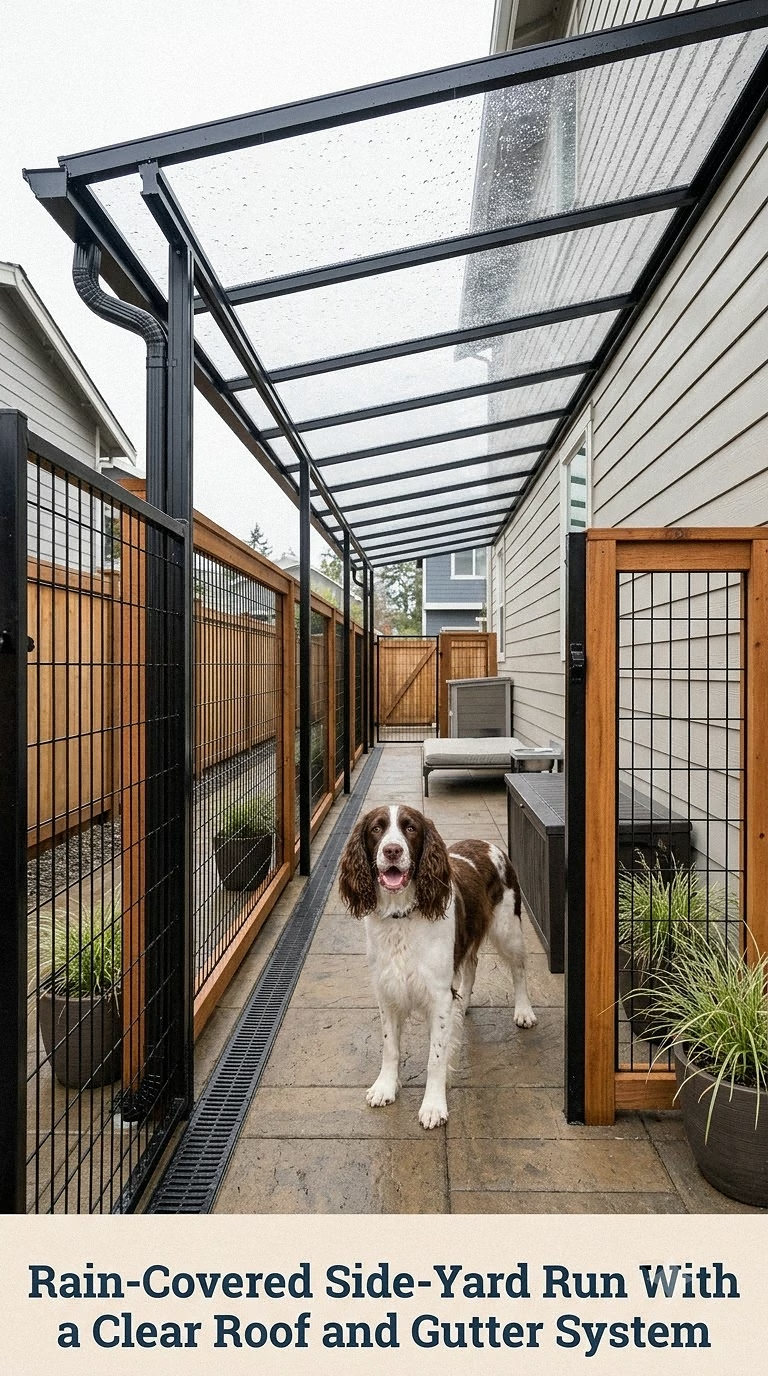
A covered run can make rainy bathroom trips easier and reduce the amount of mud carried into the house. Install a sloped, weather-rated roof over part of the side yard, using transparent or translucent panels when you want to preserve natural light.
The structure should be high enough for comfortable human access and strong enough for local weather conditions. Add gutters and downspouts that direct runoff toward an appropriate drainage point instead of releasing water into the run or beside the foundation.
Pair the roof with slip-resistant pavers and an uncovered drainage strip along the outside edge. Leave sufficient ventilation so the enclosed space does not become humid, stagnant, or dangerously warm.
A small towel station beside the entrance, hooks for leashes, and a boot tray can turn the area into a convenient transition zone. Keep all supplies beyond your dog’s chewing range.
Mudroom-to-Dog-Run Connection With a Secure Exterior Dog Door
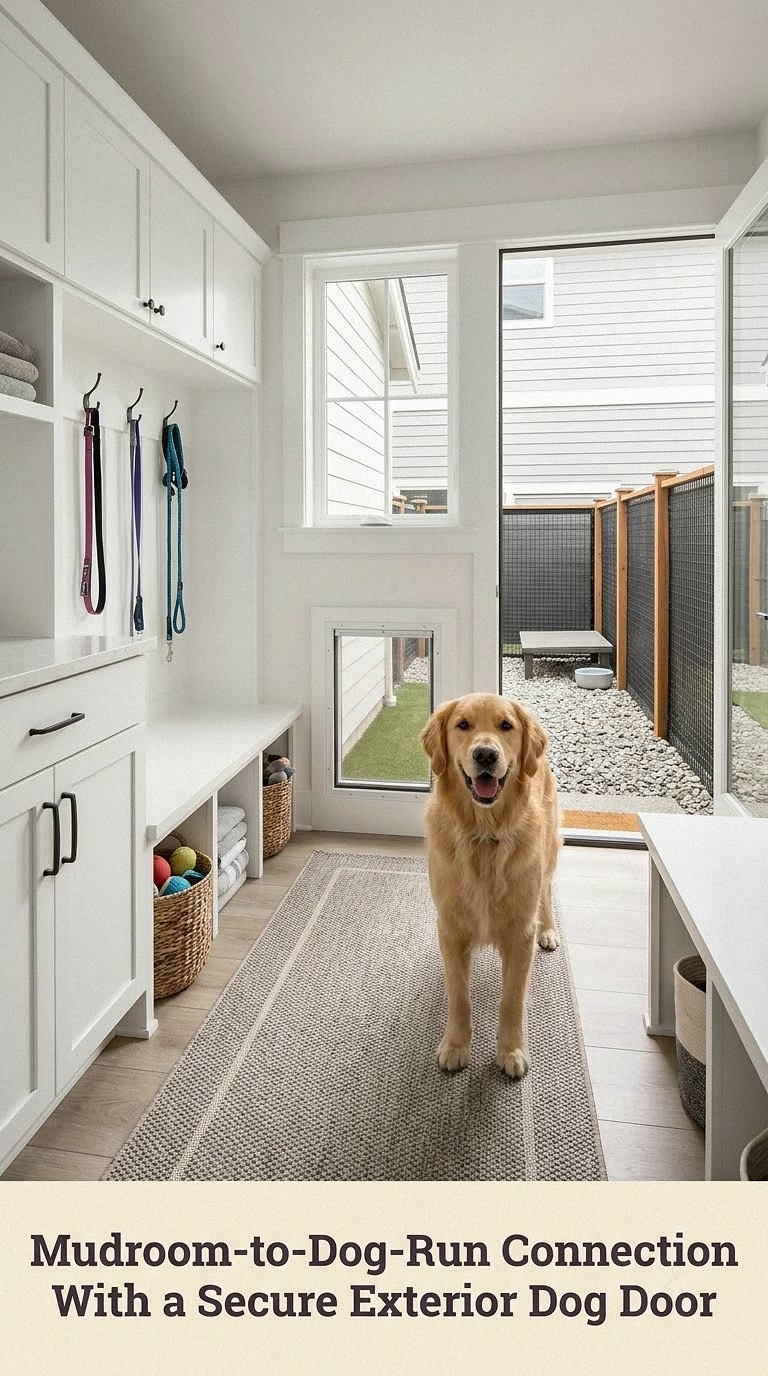
Connecting the dog run directly to a mudroom, laundry room, or utility entrance can make everyday routines much easier. A correctly installed exterior dog door offers controlled access while keeping wet or muddy paws away from formal living areas.
Choose a door sized for your dog and equipped with a reliable closing and locking system. The outdoor run should be completely enclosed before independent access is considered. Electronic pet doors can provide additional control, but they do not replace regular fence and gate inspections.
Outside, create a landing with textured pavers, a washable mat, and a covered water station. Inside, add towel hooks, a storage basket, and an easy-clean floor runner. Cleaning products should always remain inside a locked cabinet.
This setup works beautifully for brief bathroom trips, but outdoor access should be restricted during extreme temperatures, storms, or periods of increased wildlife activity.
Luxury Cedar and Black Metal Dog Run With a Covered Clubhouse
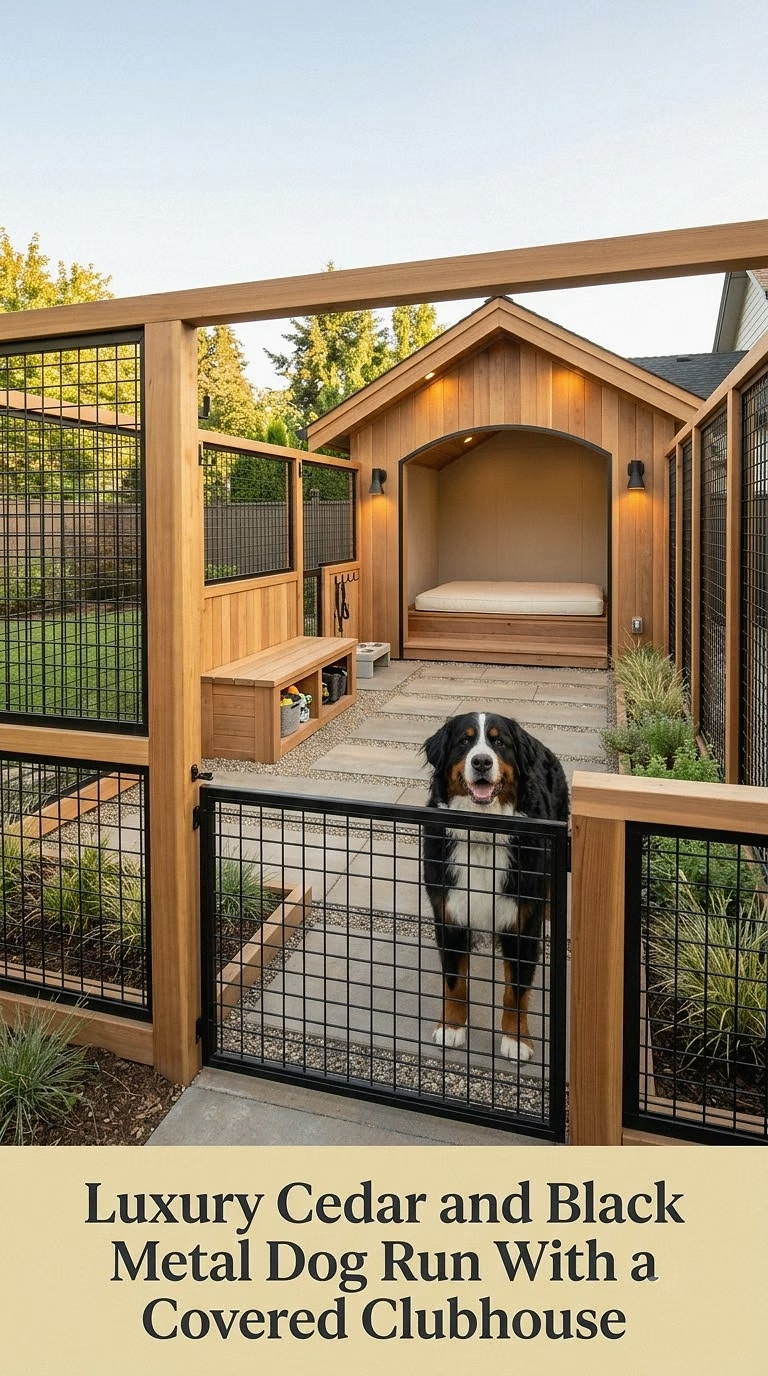
For an upscale backyard feature, combine vertical cedar boards, black metal details, and a built-in covered resting pavilion. The mixture of natural wood and dark hardware coordinates beautifully with modern decks, outdoor kitchens, and contemporary landscaping.
Use a generous section of pet turf or smooth paving for movement, then place a fitted raised bed beneath the clubhouse roof. A recessed water niche keeps bowls out of the main running path, while a small exterior cabinet can hold leads, towels, and weatherproof toys.
Decorative details should remain functional and safe. Recess exposed hardware, round sharp corners, and keep lighting wires inaccessible. Avoid loose cushions if your dog is likely to chew or swallow filling.
The covered area should prioritize airflow and dependable shade rather than becoming a closed structure that traps heat. Luxury should improve comfort and safety, not simply add decoration.
Evening Dog Run With Warm Lighting and a Secure Storage Wall
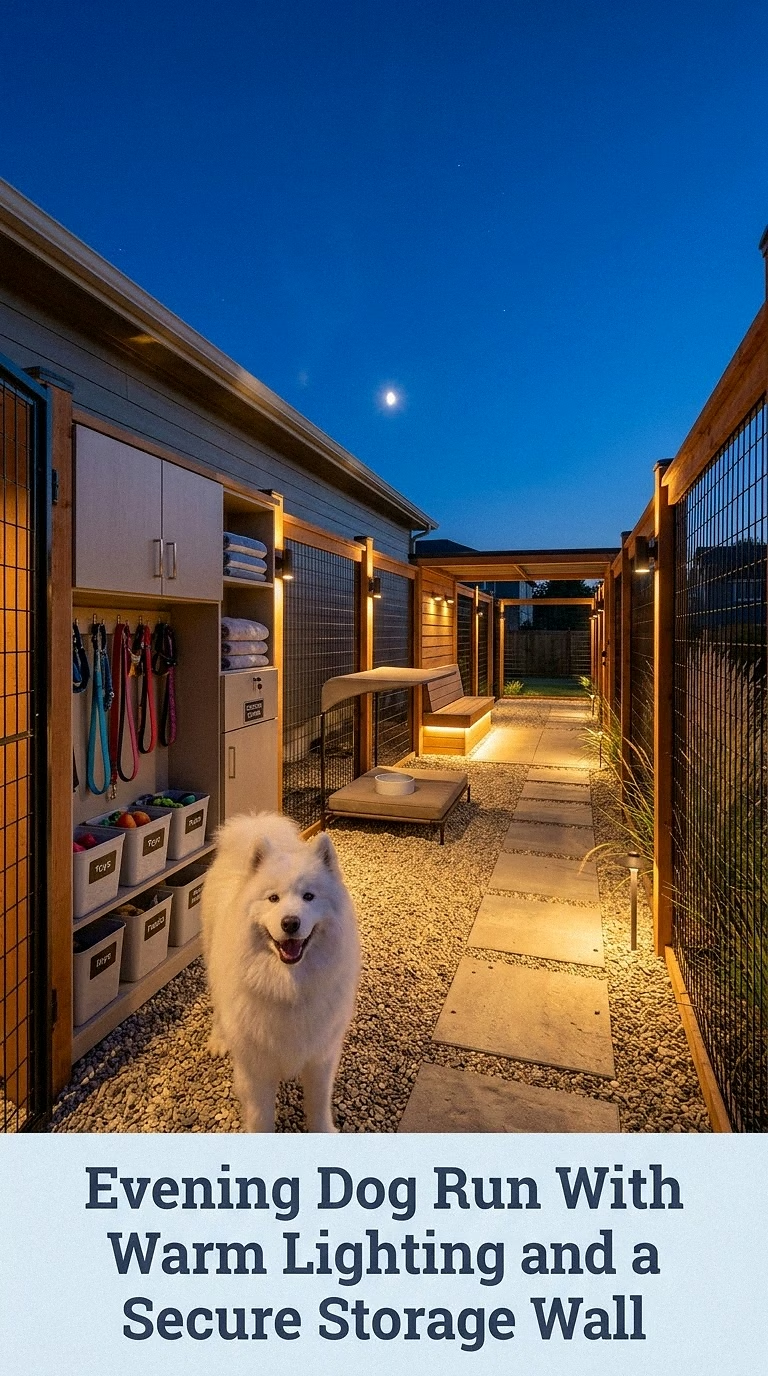
Soft exterior lighting can make a side-yard dog run safer and more welcoming during early-morning and evening bathroom trips. Use weather-rated wall fixtures, shielded path lights, or low-voltage lighting positioned where your dog cannot chew wires or damage components.
Choose warm illumination that clearly reveals the gate, walking surface, and cleanup zone without shining into neighboring windows. Motion-activated lighting can be convenient, but sudden brightness may startle a sensitive dog, so test the settings carefully.
Build a slim storage wall outside the enclosure with hooks for leashes, a sealed waste-bag dispenser, and a lidded container for outdoor toys. Avoid shelves or objects that project into the running lane or create climbing opportunities beside the fence.
Add a reflective marker near the gate latch and inspect the run before nighttime use. Lighting improves visibility, but supervision remains important where wildlife, uneven ground, or extreme temperatures may create additional risks.
Conclusion
The most successful backyard side-yard dog run is not necessarily the largest or most expensive. It is the one designed around your dog’s size, habits, comfort, and safety while fitting naturally into the style of your home.
Begin with the essential features: secure physical fencing, a dependable gate, comfortable footing, effective drainage, shade, and fresh water. Once those foundations are in place, add the details that make the run feel special, such as cedar panels, cottage-style planting, an enrichment zone, covered seating, attractive lighting, or organized storage.
Regularly inspect the fence line, gate hardware, surface temperature, drainage, plants, and accessories as your dog’s needs change. With thoughtful planning, even a narrow strip beside the house can become a beautiful and practical outdoor area that both you and your pup enjoy.
Pin this Pinterest post so you can return to these dog run ideas when you are ready to transform your backyard side yard.
Source: https://petstutorial.com
Category: Dog Kennels Runs
