
Creating a beautiful indoor space for a large dog can feel surprisingly tricky. A kennel big enough for a Labrador, German Shepherd, Golden Retriever, Great Dane, or other large breed naturally takes up more visual space than a petite crate, so it needs to feel intentional rather than like an oversized piece of pet equipment sitting in the middle of the room.
- 19 Dog Run Fence Ideas for a Safe and Stylish Backyard
- 18 Dog Grooming Kennel Ideas for a Beautiful, Organized Pet-Care Space
- 17 Beautiful Dog Run Ideas for a Backyard Side Yard
- 19 Beautiful Dog Cage in Living Room Ideas for a Cozy, Stylish Home
- 17 Beautiful Garage Dog Kennel Ideas for a Safe and Stylish Pet Space
The good news is that an indoor kennel can become one of the most charming and functional features in your home. With thoughtful materials, comfortable bedding, smart placement, and a style that complements your existing décor, even an extra-large kennel can blend beautifully into a living room, bedroom, mudroom, hallway, or home office.
You are reading: Large Dog Kennel Ideas Indoor for a Cozy, Stylish, and Practical Home
Comfort and safety should always come before aesthetics. Your dog needs enough room to stand naturally, turn around, stretch out, and rest comfortably. Good airflow, sturdy construction, secure hardware, washable surfaces, and an uncluttered interior are especially important for larger and stronger dogs. Once those basics are covered, you can have fun turning the kennel into a cozy retreat that looks completely at home in your space.
Warm Oak Furniture-Style Kennel With a Wide Wood Top
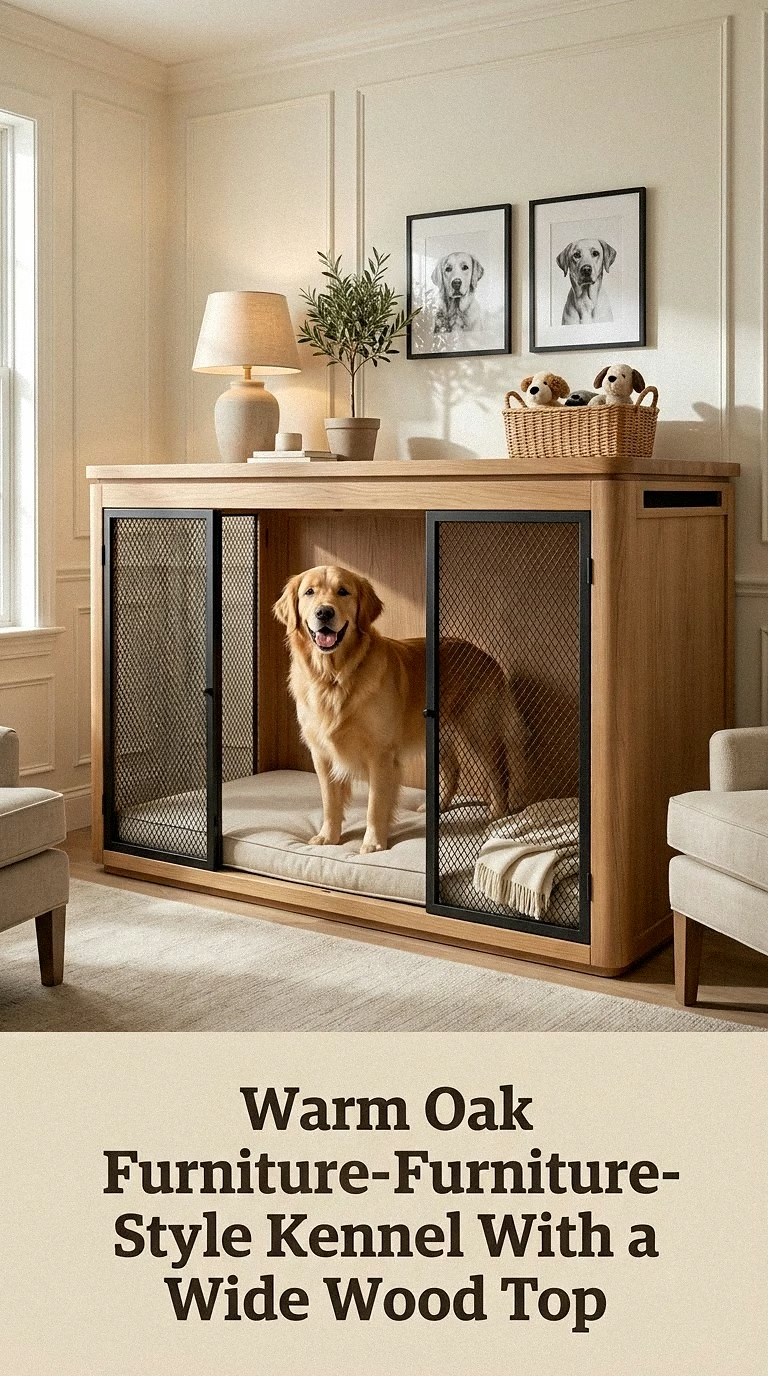
A furniture-style kennel is one of the easiest ways to make a large indoor enclosure feel like part of your decorating plan. Choose a sturdy design with warm oak panels, dark metal bars, and a substantial wood top that resembles a console table rather than a traditional wire crate.
The top surface can hold simple décor such as a ceramic vase, framed artwork, a small lamp, or a woven tray. Keep accessories restrained so the kennel still feels calm and uncluttered.
Inside, add a thick washable mat in oatmeal, beige, or muted brown. For a particularly large dog, make sure the furniture exterior is built around an appropriately sized kennel rather than sacrificing interior space just to achieve a slimmer silhouette.
This look works beautifully in transitional, modern farmhouse, Scandinavian, and organic-modern homes.
Built-In Kennel Under a Living Room Window With Soft Neutral Cushions
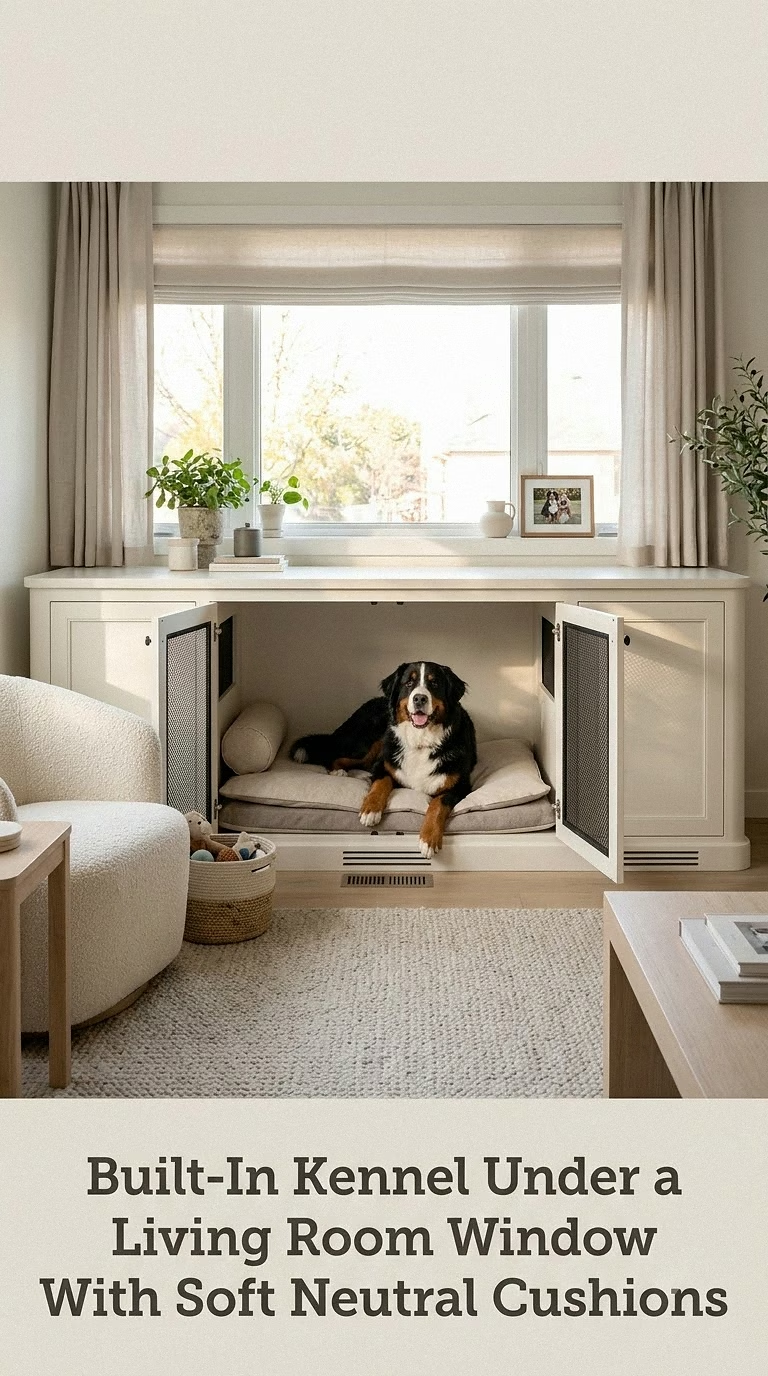
An unused section beneath a wide living room window can become an incredibly inviting dog retreat. Frame the kennel into cabinetry so it feels like an architectural feature, with a large open-front enclosure below and shallow shelves or drawers positioned beside it.
Soft cream cabinetry paired with pale oak flooring creates an airy Pinterest-worthy appearance. Inside the kennel, use a supportive washable cushion in taupe, oatmeal, or warm gray.
The window nearby provides natural light without making the enclosure feel isolated from family activity. However, avoid positioning your dog’s resting area where direct afternoon sun causes the kennel to become excessively warm.
A built-in design is especially effective when you know the kennel will remain in the same location for years.
Black Metal Kennel With Modern White Oak Surround
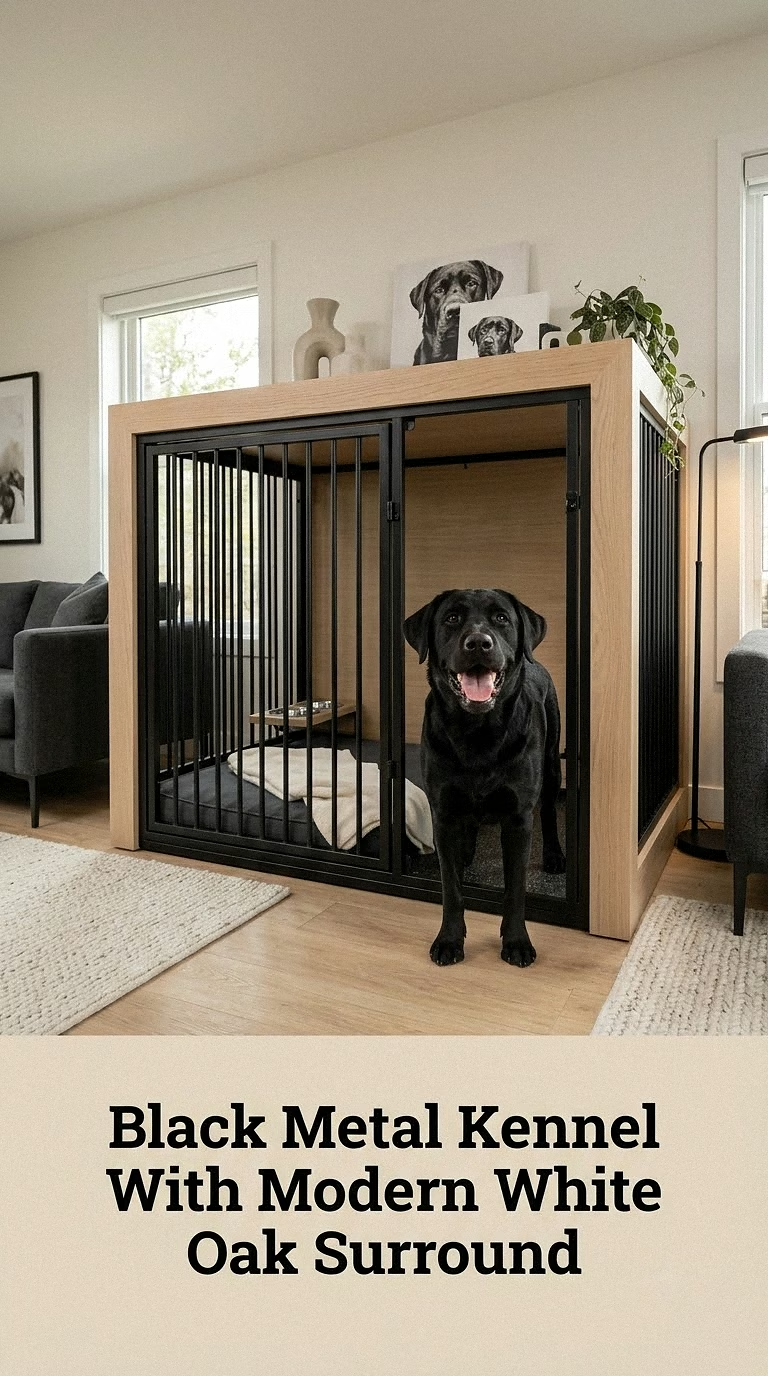
For a clean contemporary home, combine the practicality of a strong metal kennel with the softness of natural wood.
A black metal enclosure surrounded by white oak panels creates crisp contrast without looking industrial. Keep the design rectangular and minimal, using flat cabinet fronts and simple hardware around the kennel.
Place the enclosure against a warm white wall and add a charcoal, camel, or cream mattress inside. A large framed print positioned above the kennel can visually connect the dog area with the rest of the room.
This approach is particularly useful for strong large breeds because you can retain a durable metal enclosure while disguising much of its utilitarian appearance with custom carpentry.
Cozy Farmhouse Kennel With Shiplap Walls and Plaid Bedding
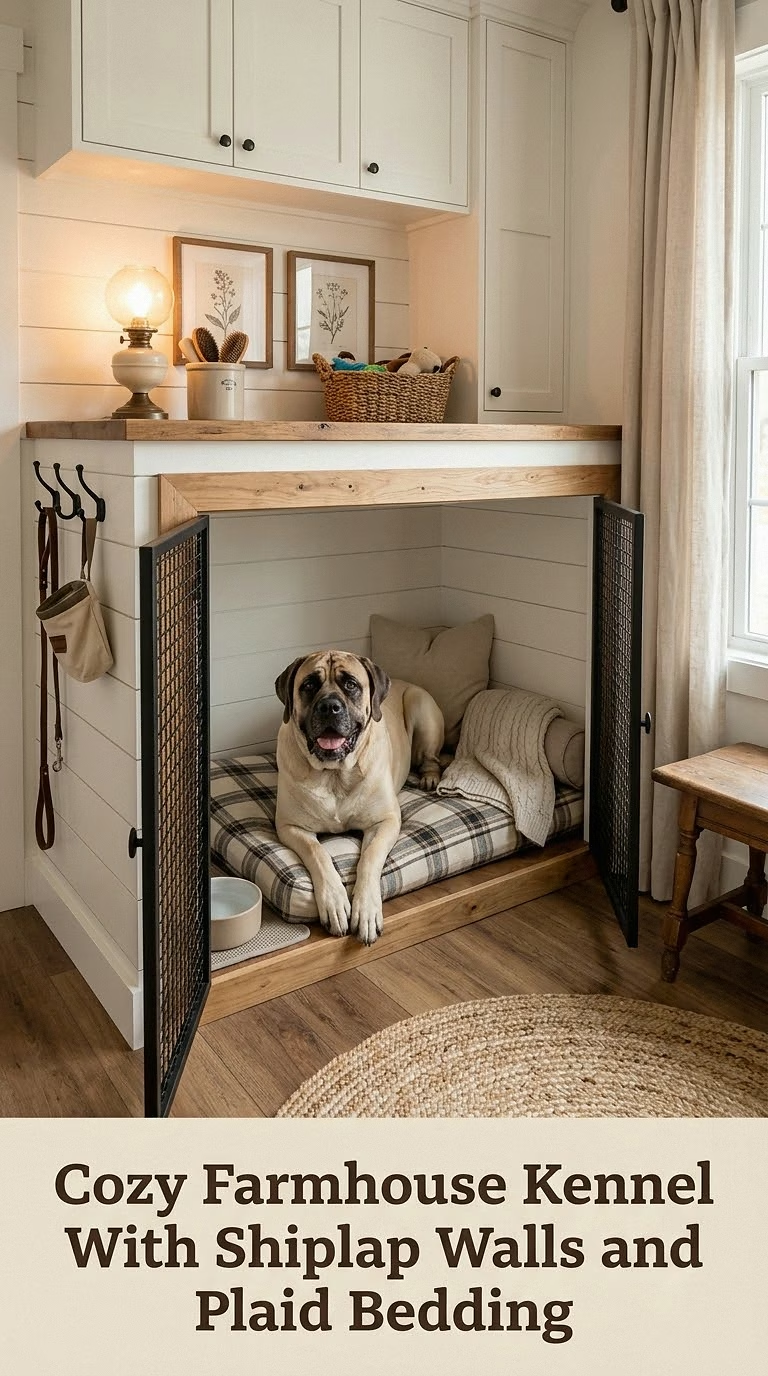
If your home leans rustic or farmhouse, turn the kennel into a cozy miniature version of the surrounding room.
White or warm greige shiplap around the exterior immediately softens the look of a large enclosure. Pair it with natural wood trim and black metal doors for classic farmhouse contrast.
Inside, use a washable mattress topped with a simple plaid or ticking-stripe cover. A small wooden sign or framed dog illustration can decorate the wall above without crowding the kennel itself.
For practicality, choose fabrics that can be removed and washed easily. Large dogs often bring significantly more dirt, fur, and moisture indoors, so beautiful bedding needs to be realistic enough for everyday cleaning.
Mudroom Dog Kennel With Built-In Drawers and Leash Storage
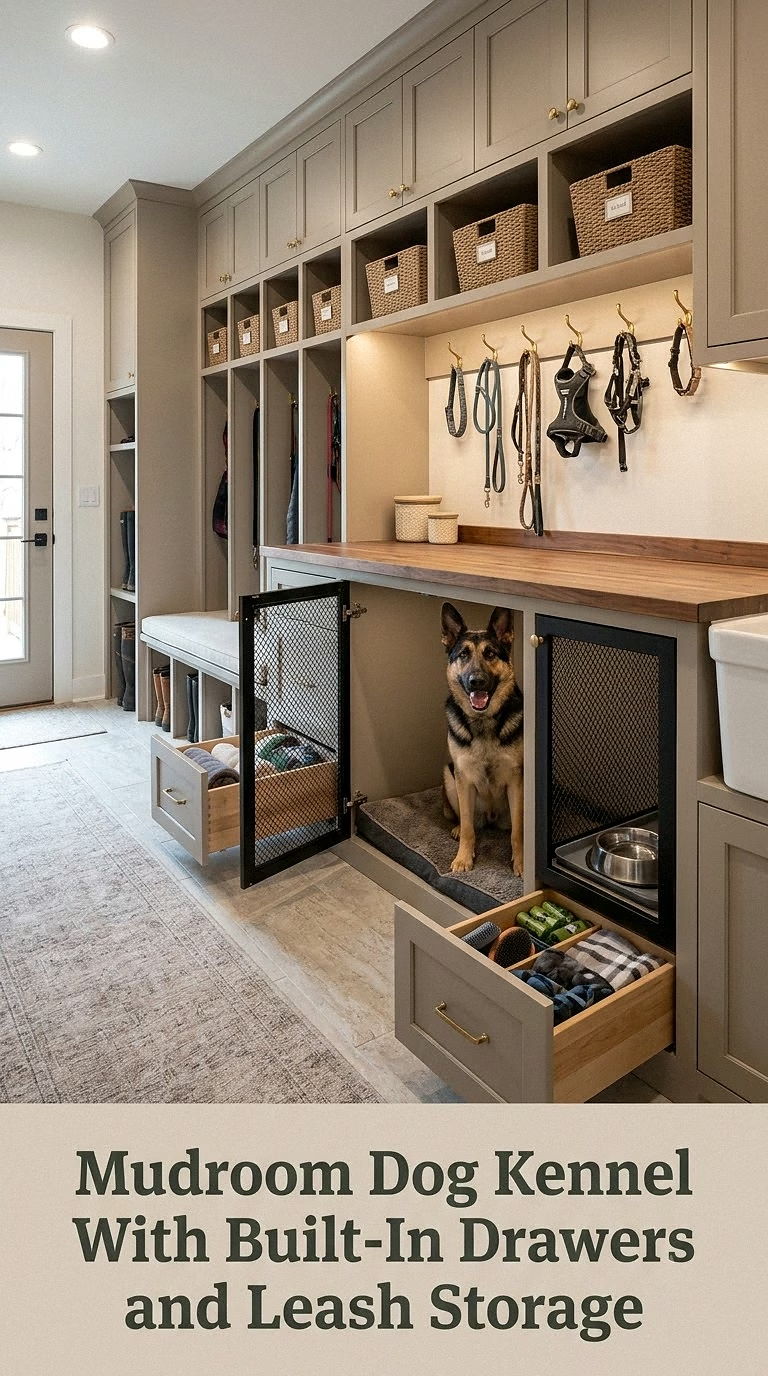
A mudroom is one of the most practical places for a large indoor kennel because dog gear already tends to collect near the entrance.
Create a wide kennel beneath a countertop and surround it with deep drawers for towels, grooming supplies, waste bags, toys, and spare bedding. Above the counter, install hooks for leashes, harnesses, raincoats, and walking bags.
Use durable materials such as painted cabinetry, sealed wood, washable tile, and metal hardware that can handle muddy paws.
A bench beside the kennel makes it easier to put on shoes or attach a leash before walks. Add a basket specifically for clean dog towels so everything needed after rainy outings stays within reach.
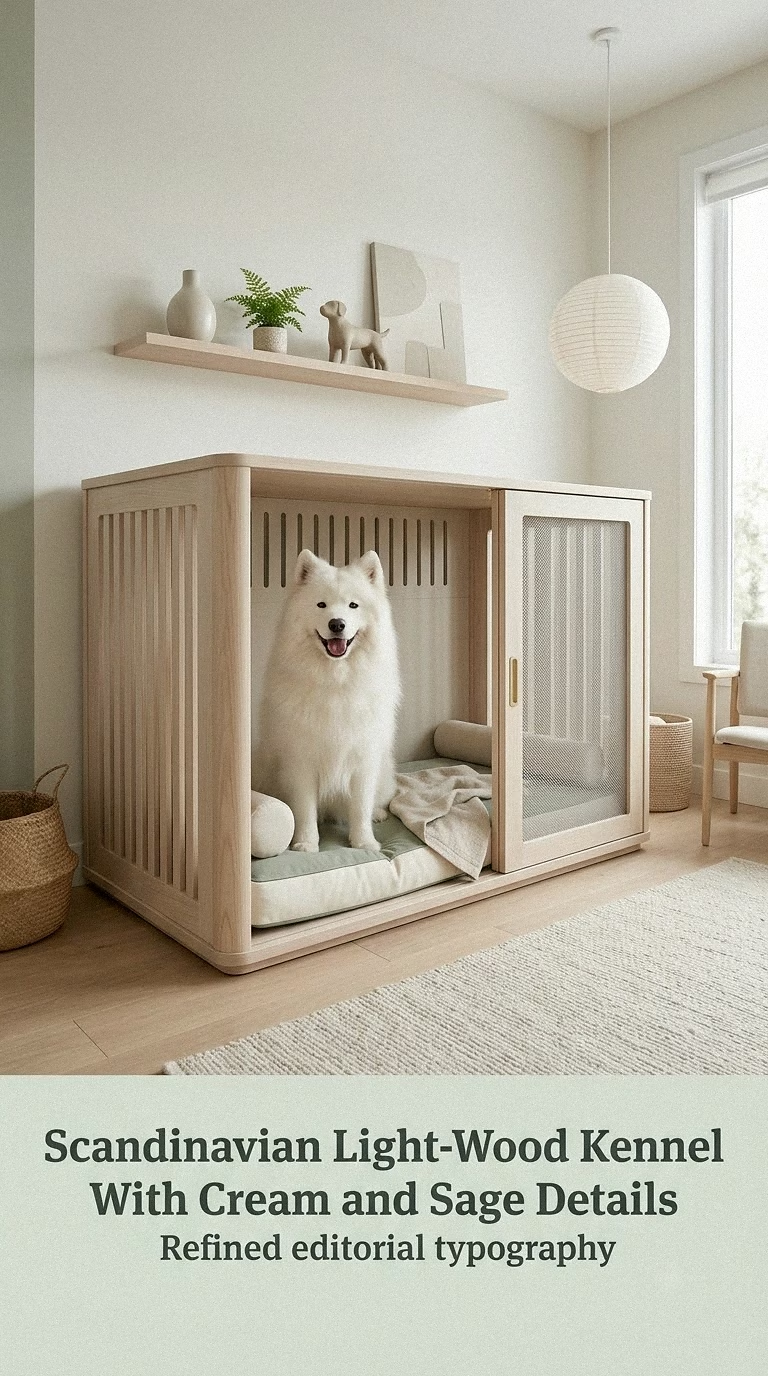
Large kennels can feel visually heavy, making Scandinavian styling particularly useful when you want the room to stay light and peaceful.
Choose pale birch, ash, or white oak around the kennel and combine it with simple vertical bars. Keep decorative details minimal.
A cream mattress, muted sage blanket, woven basket, and one leafy plant positioned safely outside the enclosure are enough to create a soft, welcoming scene.
Keep the area around the kennel visually open rather than surrounding it with numerous accessories. The restraint is what makes this style work.
The result feels more like a thoughtfully designed resting nook than a piece of pet equipment and pairs especially well with beige walls, light floors, and natural textiles.
Extra-Large Kennel Hidden Beneath a Home Office Desk
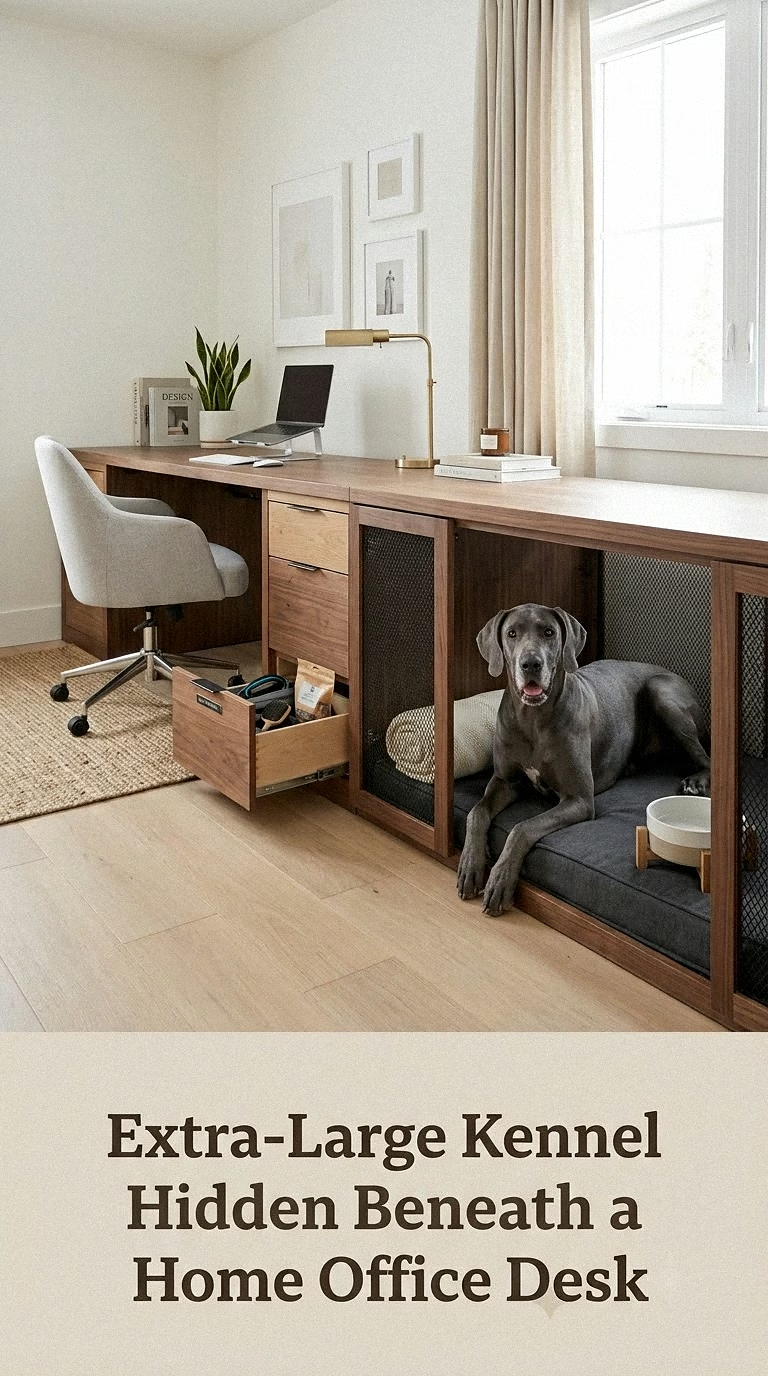
If floor space is limited, consider combining your dog’s kennel with a large home-office workstation.
A long custom desktop can span above an extra-large kennel, essentially turning unused space beneath the desk into your dog’s retreat. Position the actual working chair and legroom on one side and the kennel on the other.
This arrangement works especially well for dogs that enjoy staying near their owners throughout the day.
Read more : 20 Dog Pen Chicken Coop Ideas for a Beautiful and Pet-Friendly Backyard
Choose a sturdy wood or laminated top and maintain plenty of ventilation around the kennel. Avoid placing computer towers, power strips, loose charging cables, or other tempting electrical items where your dog can reach them.
A coordinated desk and kennel combination can make even a relatively compact office feel intentionally organized.
Elegant Arched Kennel Nook With Soft Beige Cabinetry
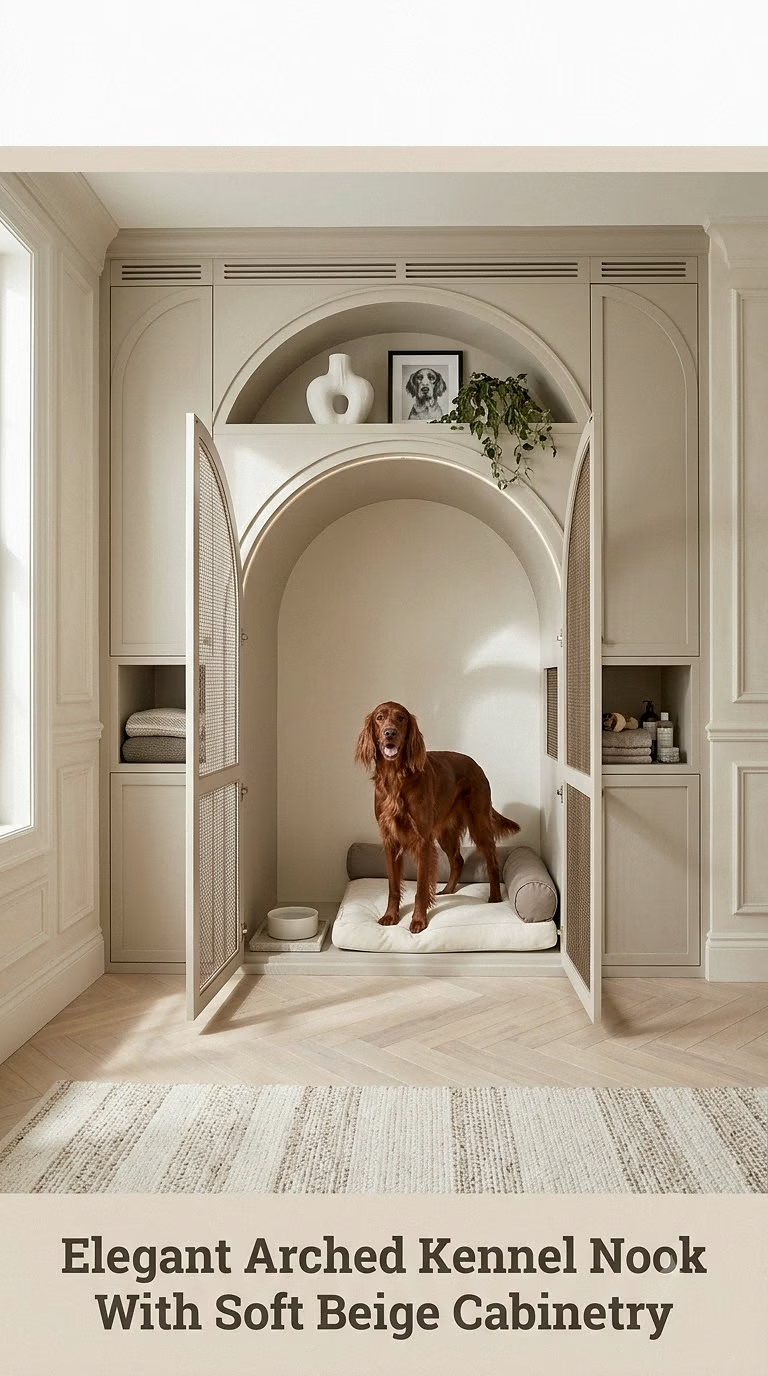
For a softer alternative to rectangular cabinetry, incorporate a gentle arch around the kennel entrance.
An oversized arched opening painted warm beige, mushroom, or creamy white creates the impression of a tiny architectural room designed specifically for your dog. Behind the decorative opening, use a secure gate or kennel enclosure appropriate for the dog’s size and strength.
Add a neutral orthopedic-style mattress and keep the interior simple enough for your dog to turn around easily.
This concept looks particularly beautiful in Mediterranean-inspired, modern European, and organic interiors where arches already appear in doorways or cabinetry.
The curved opening gives a large kennel an unexpectedly elegant appearance while still allowing plenty of usable interior space.
Industrial Loft Kennel With Matte Black Steel and Reclaimed Wood
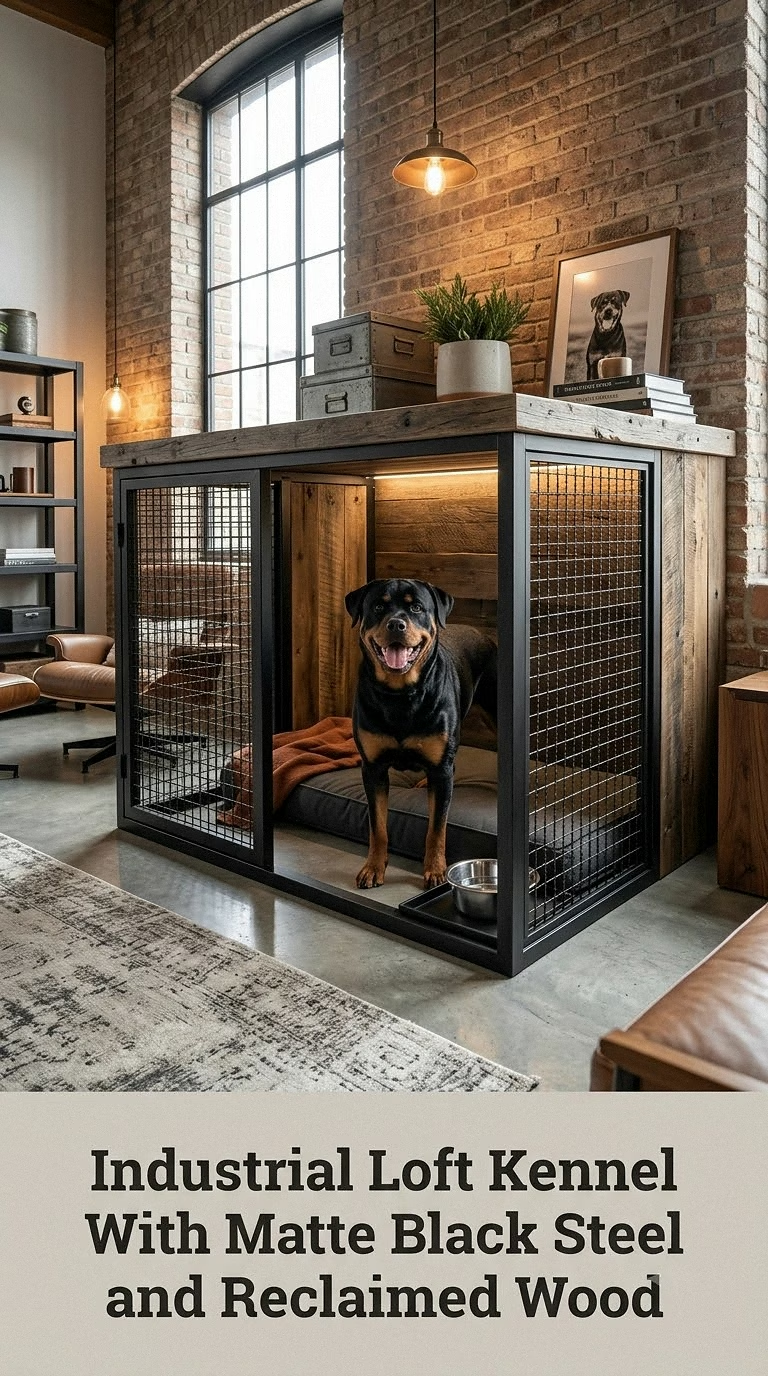
A large dog kennel can become a dramatic design feature in an industrial-style home instead of something that needs to be hidden.
Combine matte black steel bars with a substantial reclaimed-wood frame. Concrete-look flooring, exposed brick, warm leather furniture, and vintage-inspired lighting complement the rugged materials naturally.
Inside the kennel, soften the harder architectural elements with a thick tan or charcoal mattress.
Make sure reclaimed or rustic wood is properly finished and smooth, especially around areas your dog can touch. Splinters, protruding hardware, rough edges, and peeling finishes should never be part of the aesthetic.
This setup is ideal when you want durability but prefer something more distinctive than a standard metal crate.
Double Large-Dog Kennel With Matching Side-by-Side Compartments
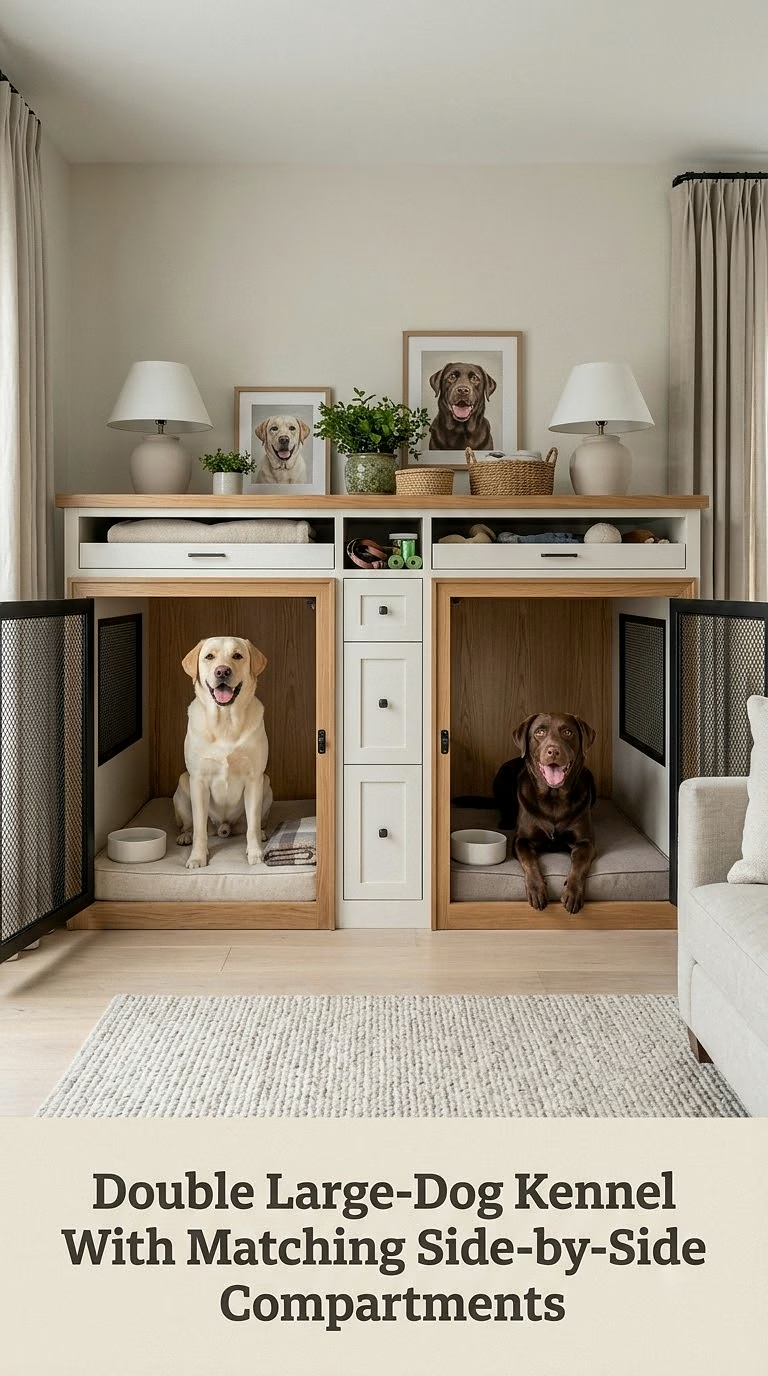
Homes with two large dogs often look tidier when both kennels are incorporated into one symmetrical piece of furniture.
Create two generously sized individual compartments beneath a long countertop, separated by a solid or ventilated divider. Matching doors make the installation appear balanced and intentional.
Each dog can have its own washable mattress, blanket, and favorite safe comfort item while still resting close to the other.
The large countertop above can function as a sideboard or storage surface. Add drawers at either end for toys, grooming tools, or linens.
Separate compartments are useful because dogs can maintain individual resting spaces rather than being expected to share one enclosure simply to save room.
Small-Apartment Corner Kennel With Vertical Storage Above
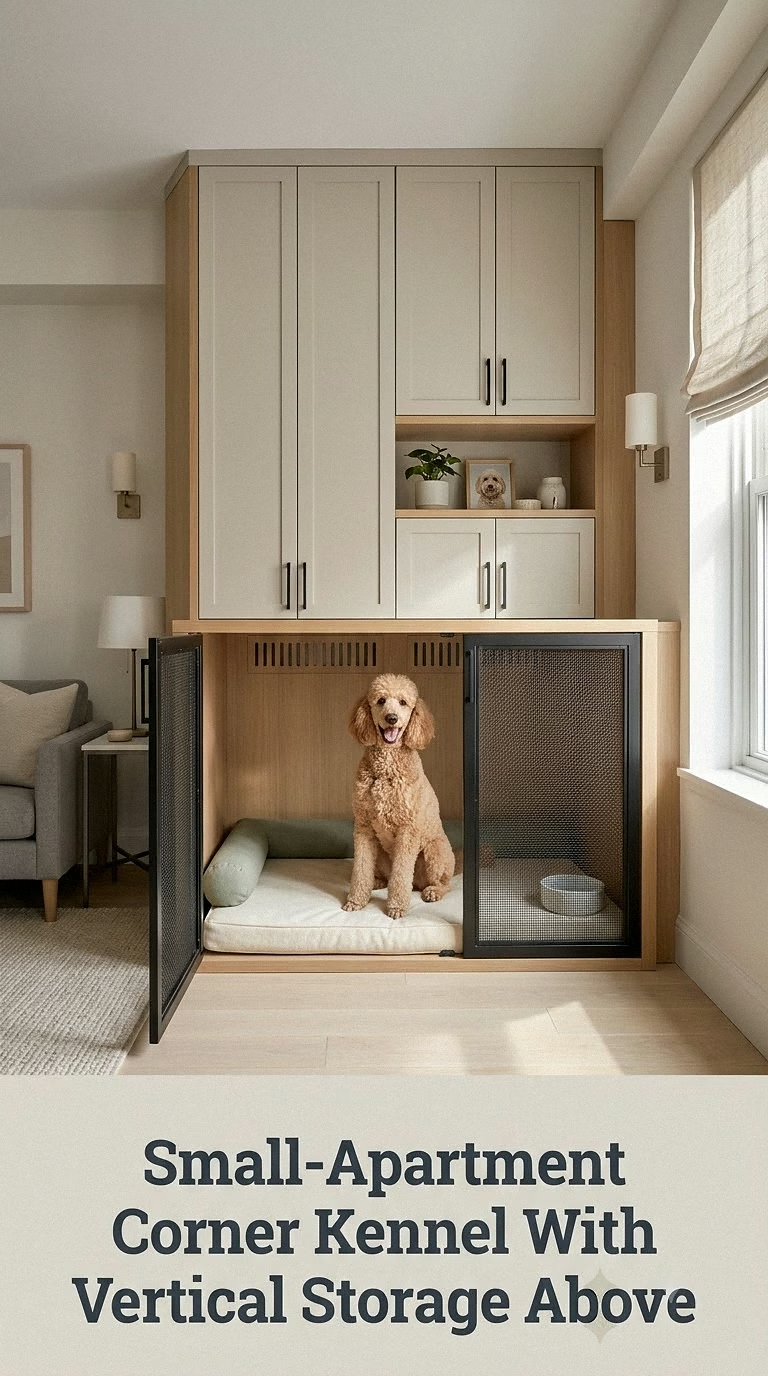
Living with a large dog in a smaller apartment means every square foot needs to work harder.
Instead of spreading storage beside the kennel, build upward. Position an appropriately sized kennel against an unused wall and add enclosed cabinets or floating shelves above it.
Store lightweight items such as folded blankets, towels, treats, and grooming supplies overhead while keeping heavier objects securely supported.
Using cabinetry in the same color as the wall can make the whole installation visually recede. Warm white, pale greige, and light oak are particularly effective.
Avoid shrinking the kennel itself to fit a small room. Space-saving design should come from using walls intelligently, not from reducing the amount of room your dog needs inside.
Cozy Bedroom Kennel Styled Like a Bedside Console
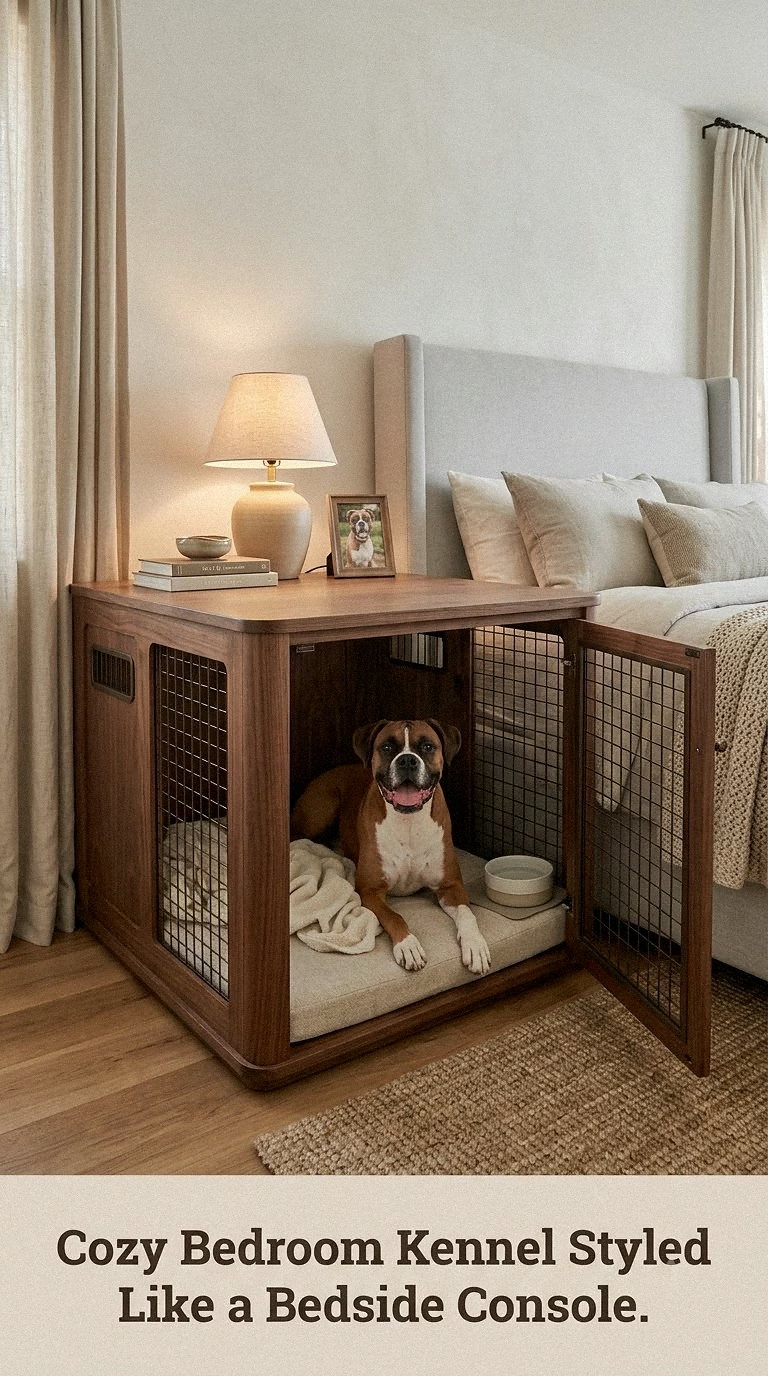
Dogs that sleep near their owners can have a kennel integrated elegantly into the bedroom rather than placing an ordinary crate beside the bed.
Choose a long furniture-style enclosure in wood that coordinates with your nightstands or dresser. If the height works with your room, its top can function like a low console for books, a lamp, or decorative objects.
Inside, use simple bedding that echoes the bedroom palette. Soft taupe, ivory, dusty blue, or sage can create an especially restful atmosphere.
Keep the space free from dangling cords, curtain fabric, or small bedside objects your dog could pull through the kennel openings.
The finished design creates a calming sleeping area for your dog without disrupting the polished feel of the bedroom.
Under-Stair Large Dog Retreat With Custom Ventilated Doors
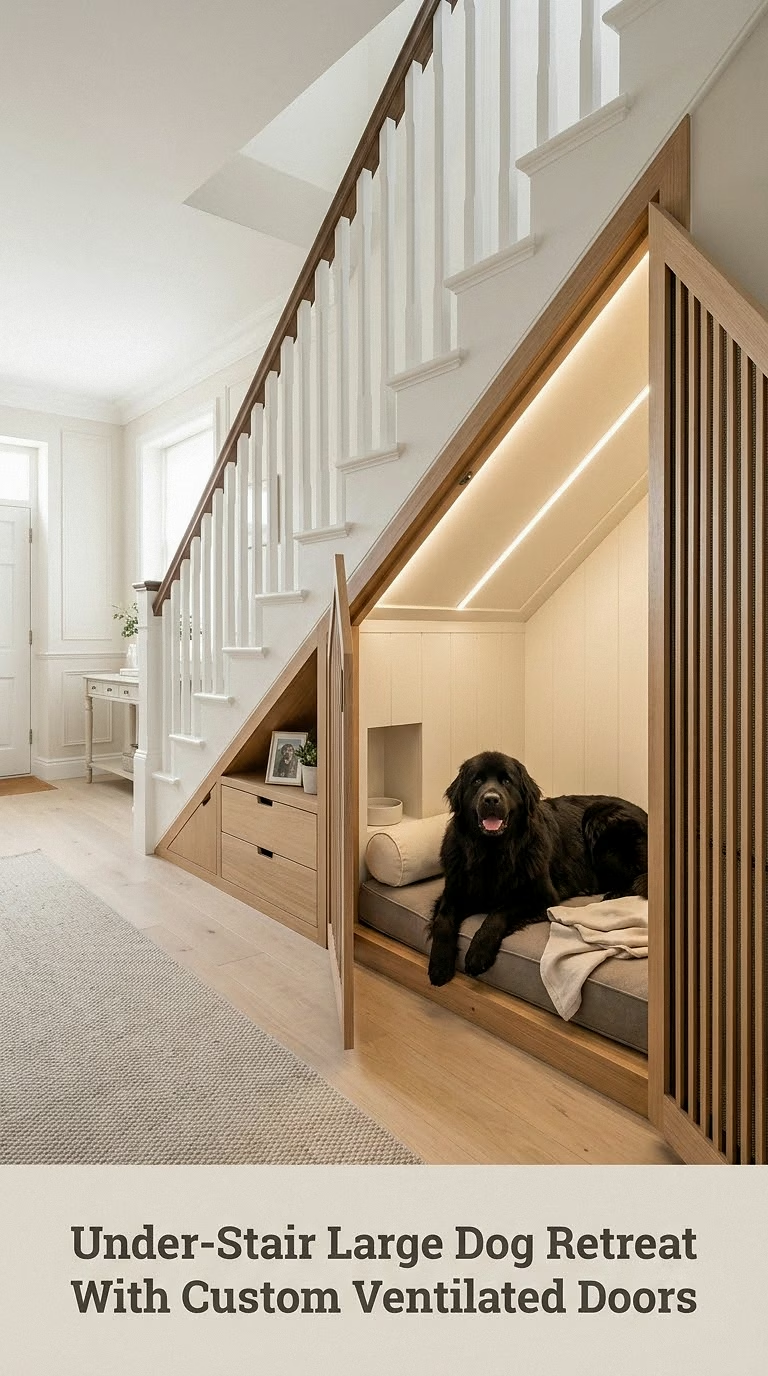
The space beneath a staircase is often overlooked, yet it can provide enough depth for a surprisingly spacious dog retreat.
Rather than closing the area behind a solid door, create a wide custom opening with ventilated metal or wood-slat doors. Paint the surrounding trim the same color as the staircase so the kennel feels built into the architecture.
Inside, use durable flooring and a removable mattress that can be pulled out for cleaning.
Measure the usable height carefully. A sloping staircase can look spacious from the entrance while becoming too low farther inside for a tall dog to stand comfortably.
Read more : 17 Beautiful Garage Dog Kennel Ideas for a Safe and Stylish Pet Space
When proportions work, however, this can transform awkward unused space into one of the coziest kennel locations in the house.
Boho Rattan-Inspired Kennel With Natural Textures
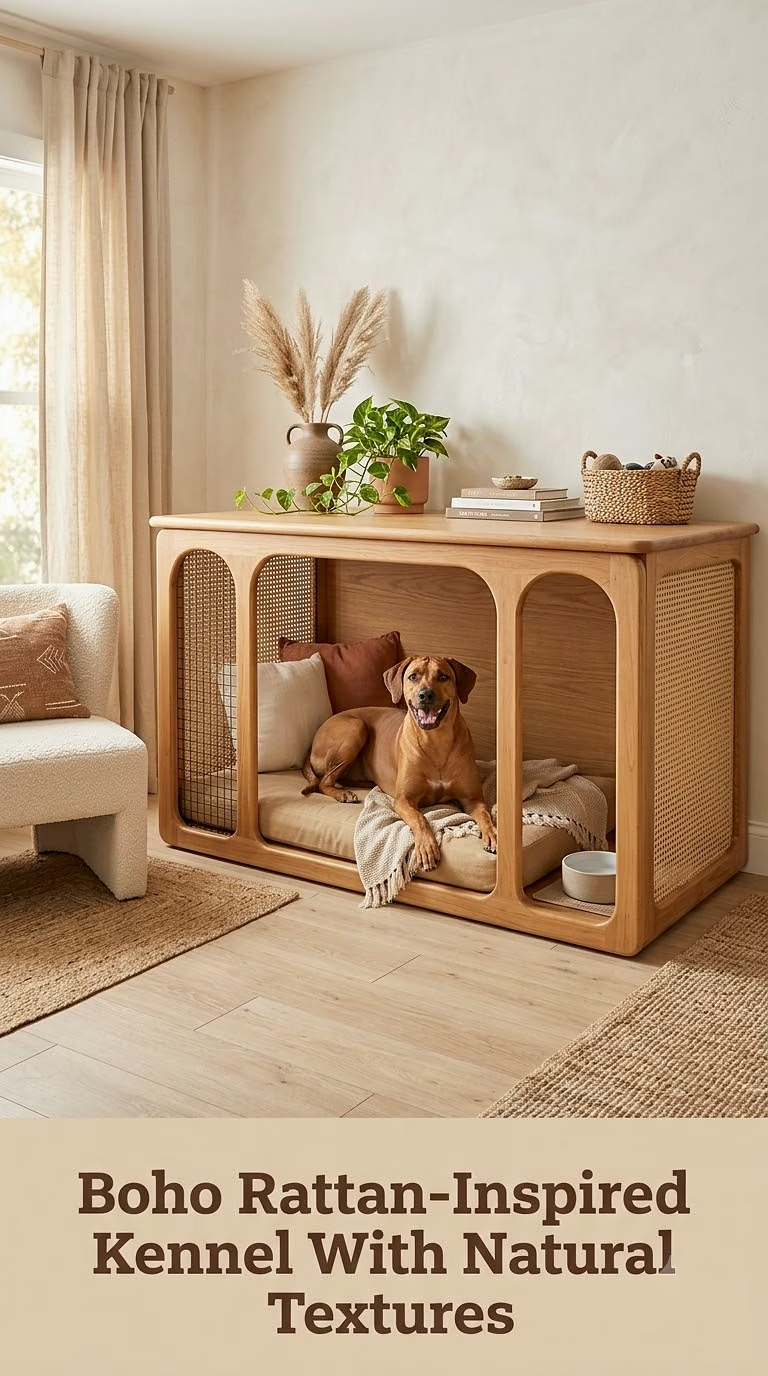
For a softer Pinterest aesthetic, use natural textures around a sturdy kennel structure.
A light wood frame with decorative woven or rattan-inspired panels can make the exterior feel warm and handcrafted. Keep actual structural components strong enough for your dog’s size rather than relying on delicate decorative materials alone.
Style the surrounding room with a washable woven-look rug, neutral cushion, linen curtains, and baskets for toys.
Colors such as sand, terracotta, ivory, and muted olive work beautifully together.
Avoid filling the interior with loose decorative pillows or accessories simply for the photograph. A kennel should remain comfortable and uncomplicated for the dog using it, while most styling can happen safely around the exterior.
Luxury Walnut Kennel With Brass Hardware and Stone-Top Console
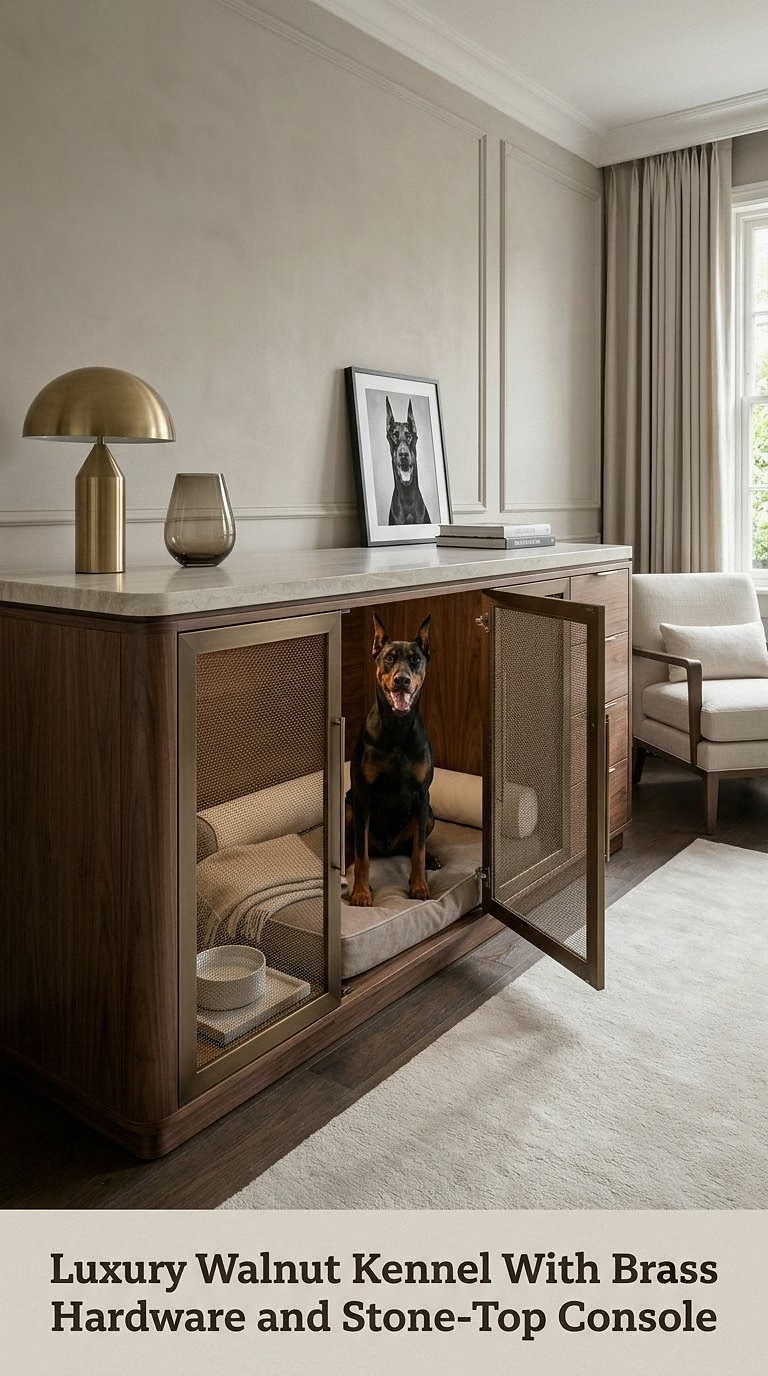
A dog kennel can feel surprisingly sophisticated when its materials match high-end furniture.
Rich walnut cabinetry paired with slim dark bars, understated brass hardware, and a stone or stone-look countertop creates an elegant built-in appearance. Choose a warm neutral mattress that allows the wood grain to remain the visual focus.
Position the kennel in a spacious living room, library, or hallway where the long console surface can also display carefully selected décor.
Luxury does not require fragile materials. Performance fabric, washable cushion covers, sealed cabinetry, and durable hardware are much more valuable in everyday life than delicate finishes.
The goal is a polished kennel that can withstand a large dog’s routine without constantly needing special treatment.
DIY Plywood Kennel With Simple Black Metal Panels
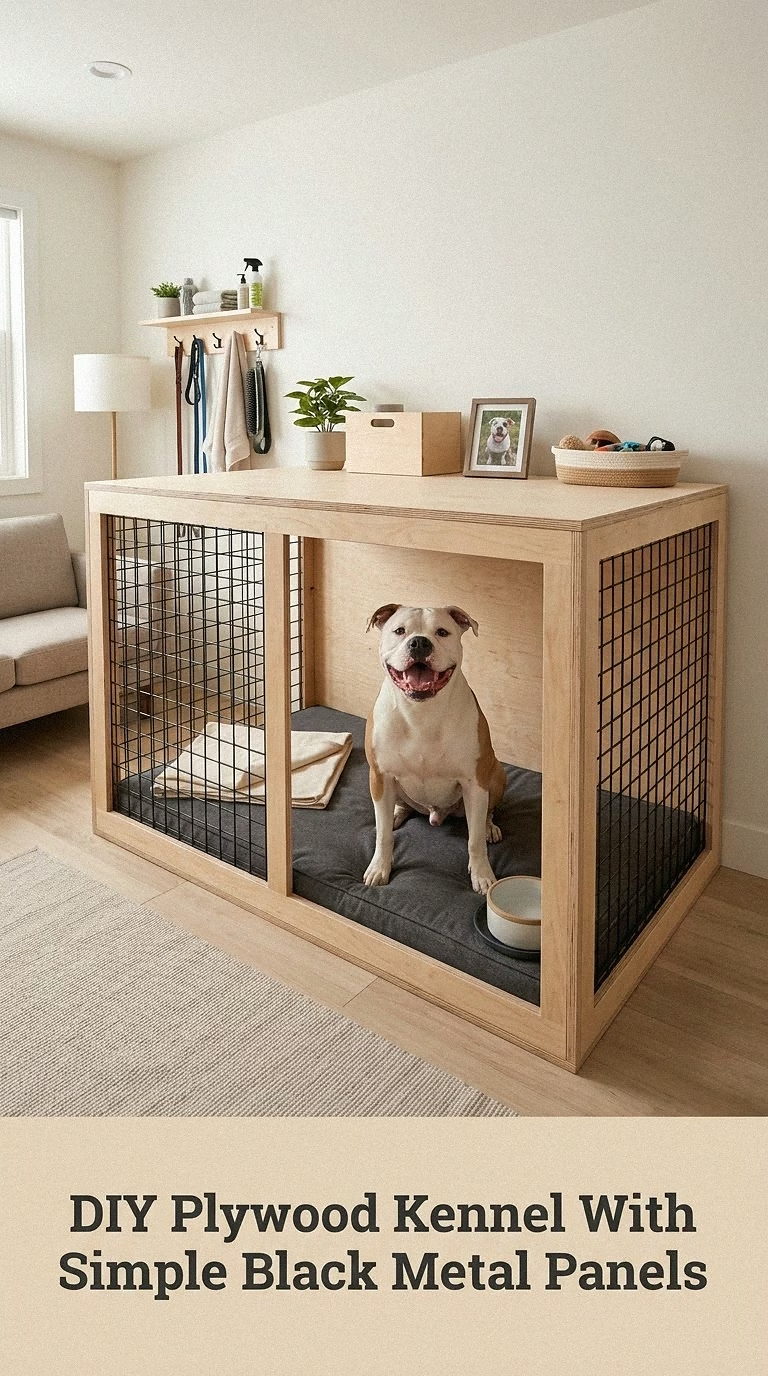
A customized indoor kennel does not have to involve expensive built-in cabinetry.
High-quality plywood can create a stylish frame around strong prefabricated metal panels. Sand the wood thoroughly, round any accessible edges, and finish it with an appropriate pet-conscious coating according to the product instructions.
A natural clear finish creates a modern Scandinavian effect, while muted green, beige, charcoal, or warm white paint can coordinate the kennel with existing furniture.
Design the top as a useful surface if the structure is engineered to support it safely.
This DIY approach gives you control over dimensions, which is particularly valuable for large dogs whose commercial furniture-style kennels may be limited or disproportionately expensive.
Hallway Kennel Console With Closed Storage Cabinets
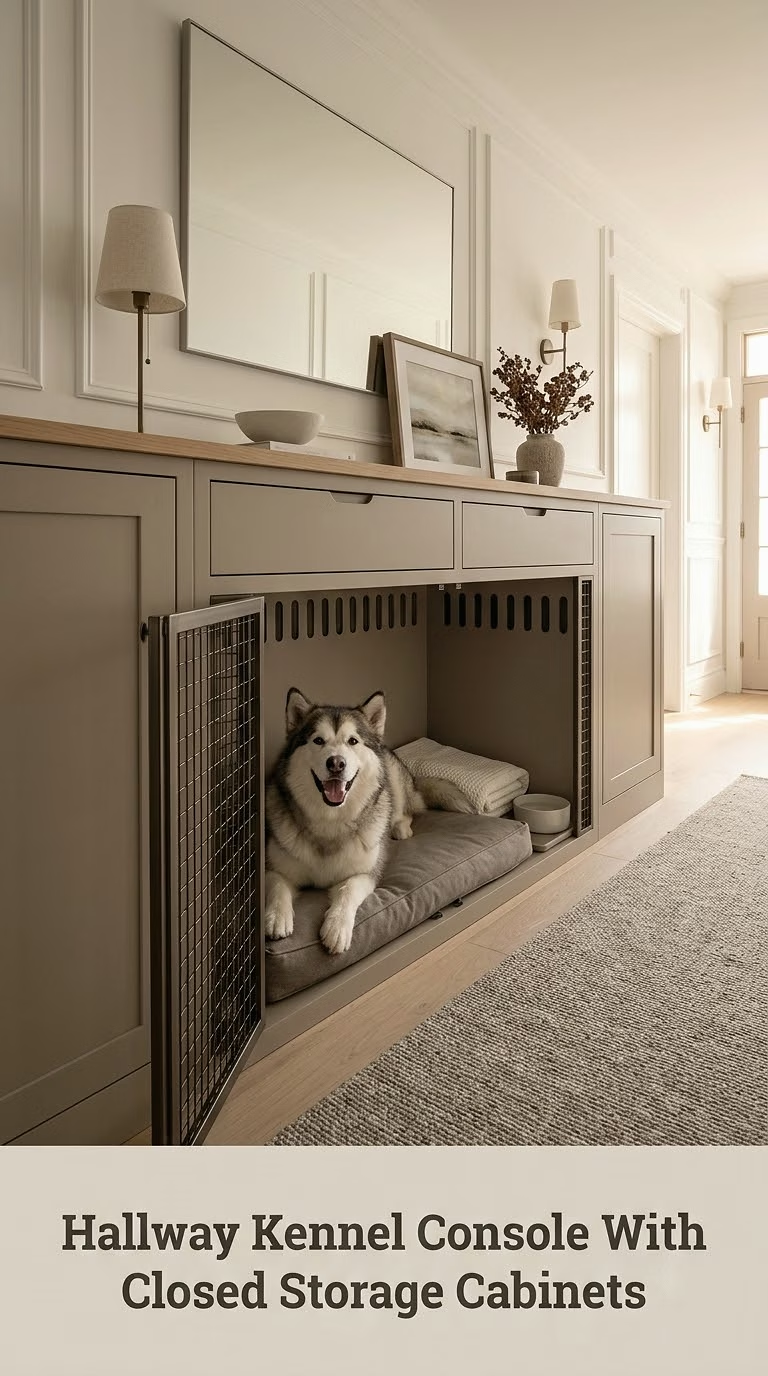
A wide hallway or transitional area can sometimes accommodate a kennel without sacrificing valuable living-room space.
Build the kennel into the center of a long console with closed cabinets positioned on either side. Keeping most supplies behind doors prevents the area from looking like a pet storage station.
Use shallow decorative objects above so the walkway remains visually open. A mirror, framed print, small lamp, or simple ceramic vase is enough.
Make sure there is still generous clearance for people to move through the hallway, particularly when the kennel door is open.
This arrangement works best in wider entry halls where your dog can remain connected to household activity without resting directly in the busiest traffic path.
Modern Kennel With Slatted Wood Privacy Panels and Open Ventilation
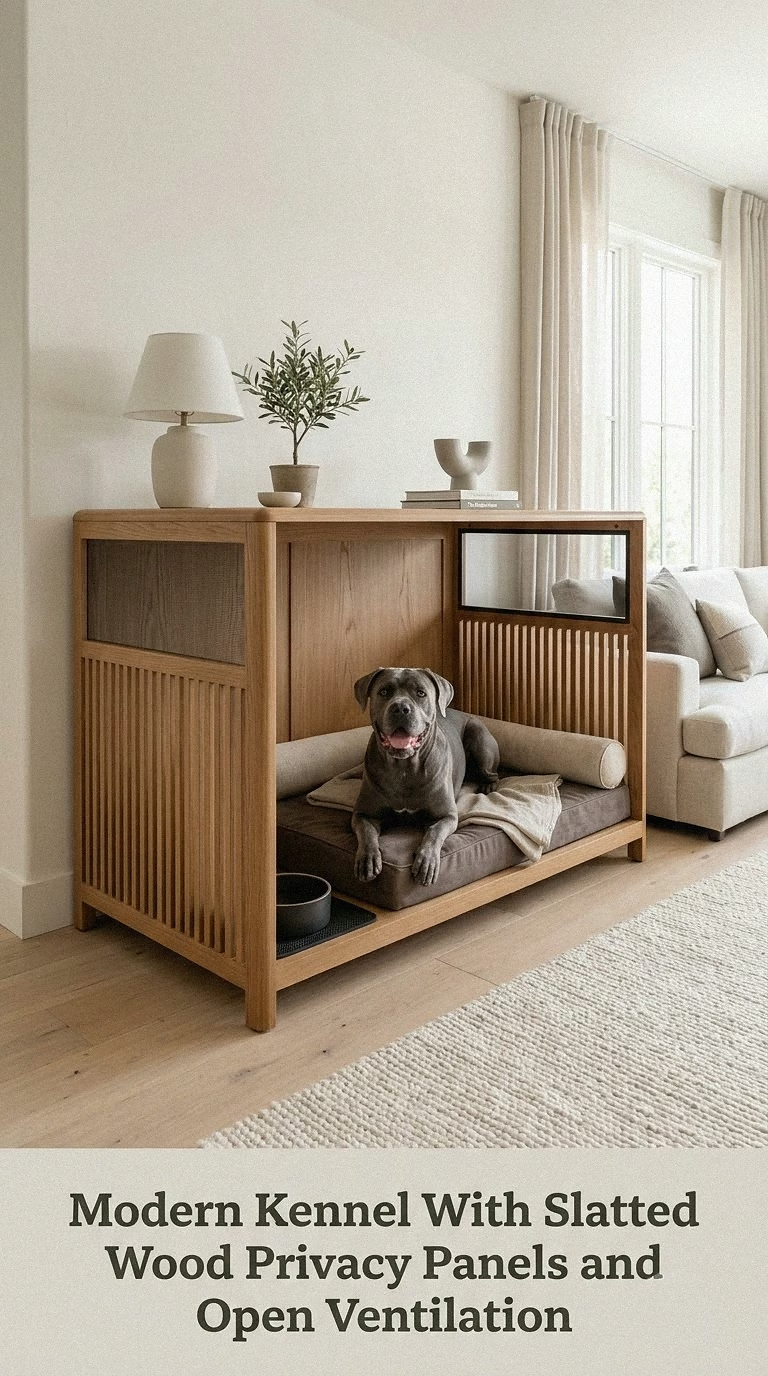
Some dogs appreciate a slightly more enclosed sleeping environment, but completely boxing in a kennel can reduce airflow and make the structure feel heavy.
Vertical wood slats offer a beautiful compromise. Use them along selected exterior sections while keeping substantial areas open for ventilation and visibility.
White oak or walnut slats paired with a black frame create a sophisticated contemporary look. Inside, keep the palette simple with a supportive cream, gray, or camel mattress.
The partial screening can also visually soften household activity without completely isolating your dog.
For dogs that prefer more enclosure, carefully designed privacy panels can help create a den-like atmosphere while preserving the practical openness an indoor kennel requires.
Living Room Kennel Credenza With Toy Drawers and Washable Flooring
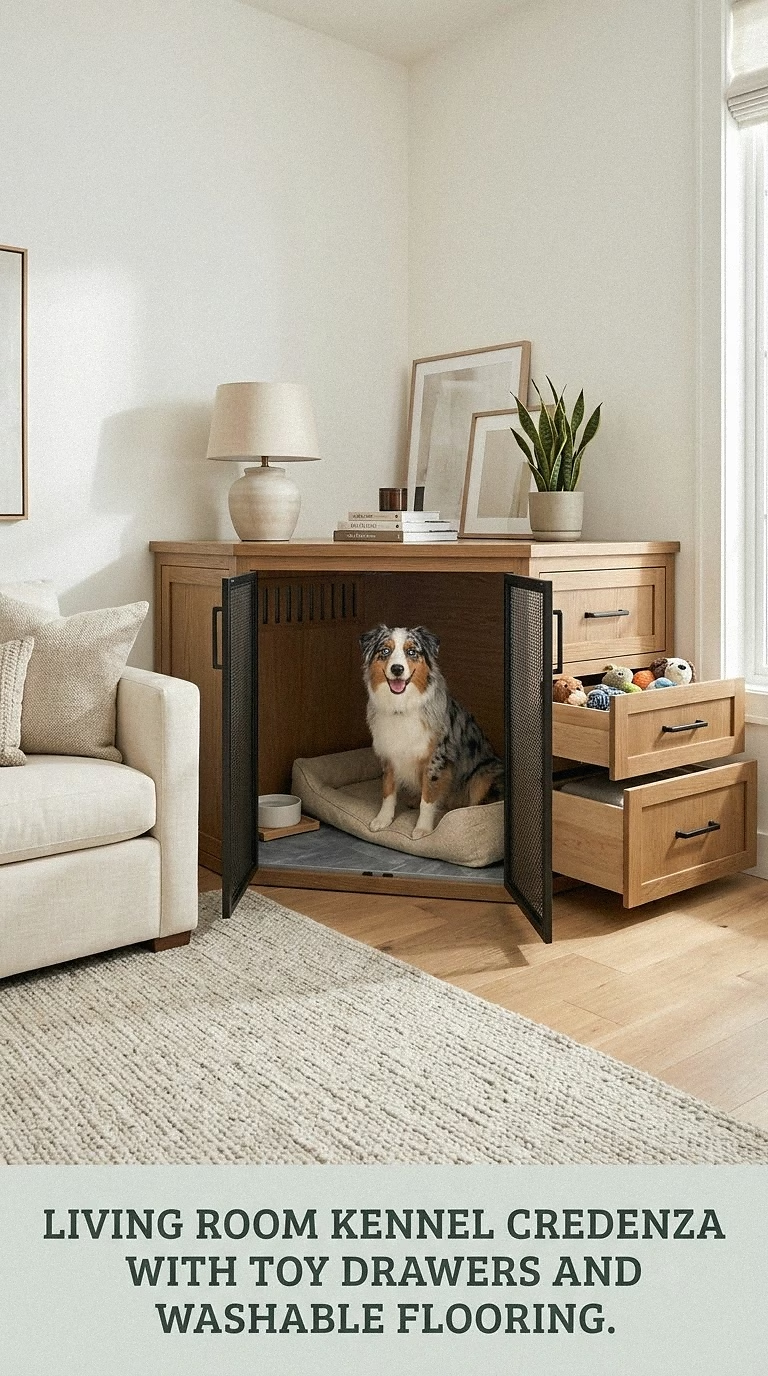
One of the most practical large dog kennel ideas indoor spaces can accommodate is a multifunctional credenza that combines resting space, storage, and an easy-clean base.
Design a wide kennel beneath a substantial countertop and place deep drawers beside it for toys, spare leads, brushes, towels, and bedding. Rather than extending delicate household flooring directly through the kennel, consider a removable waterproof mat or another easy-clean protective layer beneath the bed.
Choose cabinet colors already present in the room so the installation feels cohesive. Warm white with oak, olive green with brass accents, or charcoal with walnut can all create a furniture-like appearance.
Keep the kennel interior intentionally simple. A comfortable appropriately sized bed and a carefully chosen safe enrichment item are often all that is needed.
This setup works particularly well for families that want the dog’s everyday necessities conveniently nearby without allowing pet supplies to take over the living room.
Source: https://petstutorial.com
Category: Dog Kennels Runs
