
A dog house can be so much more than a practical shelter tucked into an overlooked corner of the yard. With the right paint colors, thoughtful details, and a little creativity, it can become a charming miniature home that feels beautifully connected to your outdoor space.
- 19 Dog House Interior Ideas for a Cozy, Stylish, and Practical Pet Space
- 18 Dog Station Ideas for a Beautiful, Organized, and Pet-Friendly Home
- 17 Mudroom Dog Room Ideas for a Cleaner, Cozier, More Organized Home
- 17 Closet Dog Room Ideas for a Cozy, Stylish Pet Retreat
- 18 Beautiful Dog Entryway Ideas for a Stylish and Organized Home
Painting a dog house is also one of the easiest ways to refresh an older structure without rebuilding it from scratch. A faded wooden shelter can be transformed with a warm neutral palette, cheerful trim, hand-painted flowers, modern color blocking, or even a tiny front porch that looks like it belongs on a storybook cottage.
You are reading: 17 Painted Dog House Ideas That Turn a Simple Shelter Into a Backyard Showpiece
Beauty should never come before your dog’s comfort, however. Choose an exterior-rated, water-based coating with low odor and low volatile organic compound emissions whenever possible. Keep your dog away from the project while sanding and painting, and do not allow the house to be used until every surface has dried and cured according to the product instructions. Peeling paint should be repaired promptly so curious dogs cannot chew or swallow loose flakes.
Climate matters as well. Dark colors can absorb more heat, so lighter palettes are usually a better choice for dog houses placed in sunny or warm locations. Paint should complement practical features such as a waterproof roof, raised floor, shaded placement, drainage, comfortable dimensions, and generous airflow.
Whether you prefer soft cottage charm, playful color, rustic character, or sleek modern styling, these painted dog house ideas can help you create a shelter that looks special while remaining comfortable, durable, and easy to maintain.
Beautiful Painted Dog House Ideas for Every Backyard Style
1. Soft Sage Green Dog House With Cream Trim and a Cedar-Shingle Roof
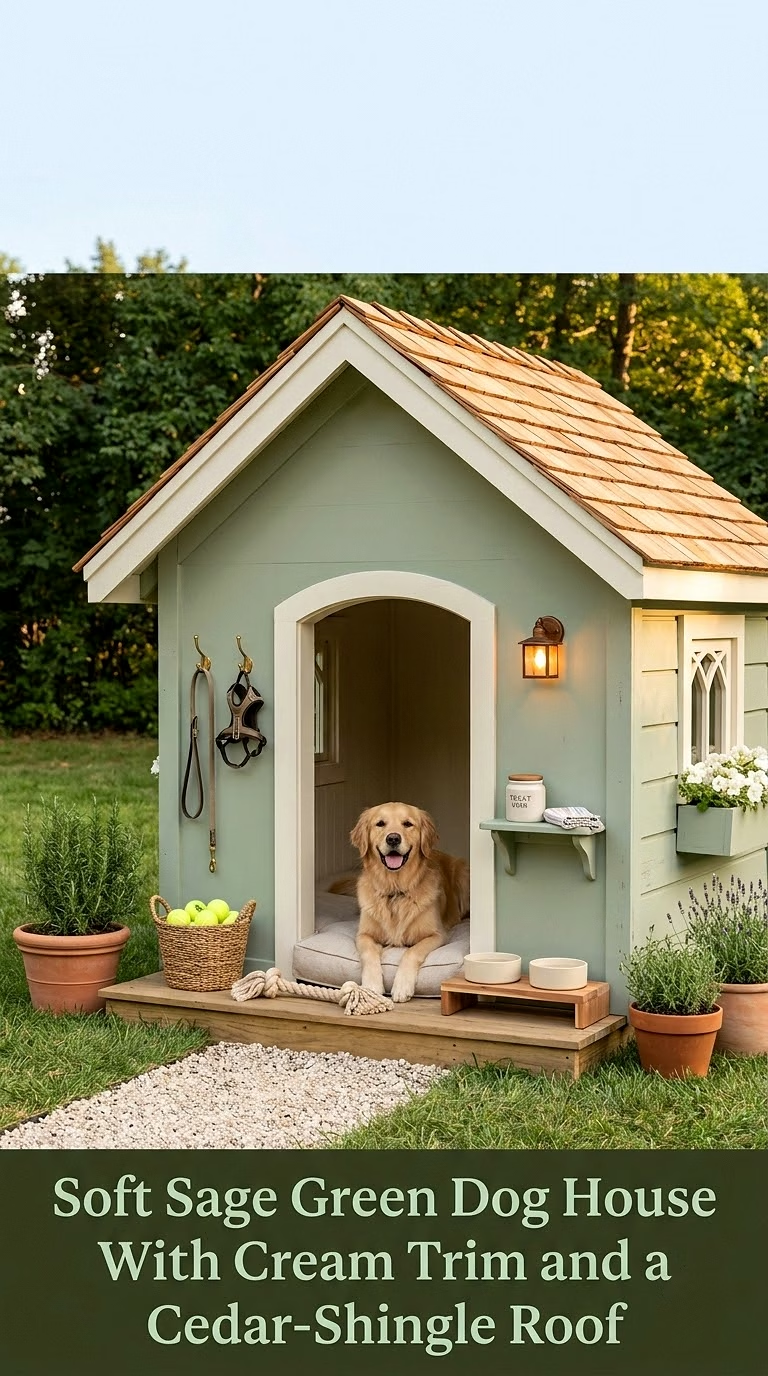
A muted sage green exterior gives a wooden dog house a peaceful, garden-inspired appearance without making it feel overly colorful. Pair the green walls with warm cream trim around the doorway, roofline, and corners to create gentle contrast. A cedar-shingle roof adds natural warmth and helps the little structure blend into flower beds, shrubs, and leafy backyard surroundings.
This palette works especially well for cottage gardens and traditional patios. Add a small wooden name plaque above the entrance and a matching cream-painted porch step for a polished finish.
Prepare the wood by cleaning, sanding, and priming any bare areas before applying the color. Paint the exterior surfaces while leaving vents unobstructed. Position the finished house in afternoon shade, particularly in warmer climates, and elevate it slightly to prevent the floor from sitting directly on damp soil.
2. Blush Pink Cottage Dog House With White Scalloped Trim
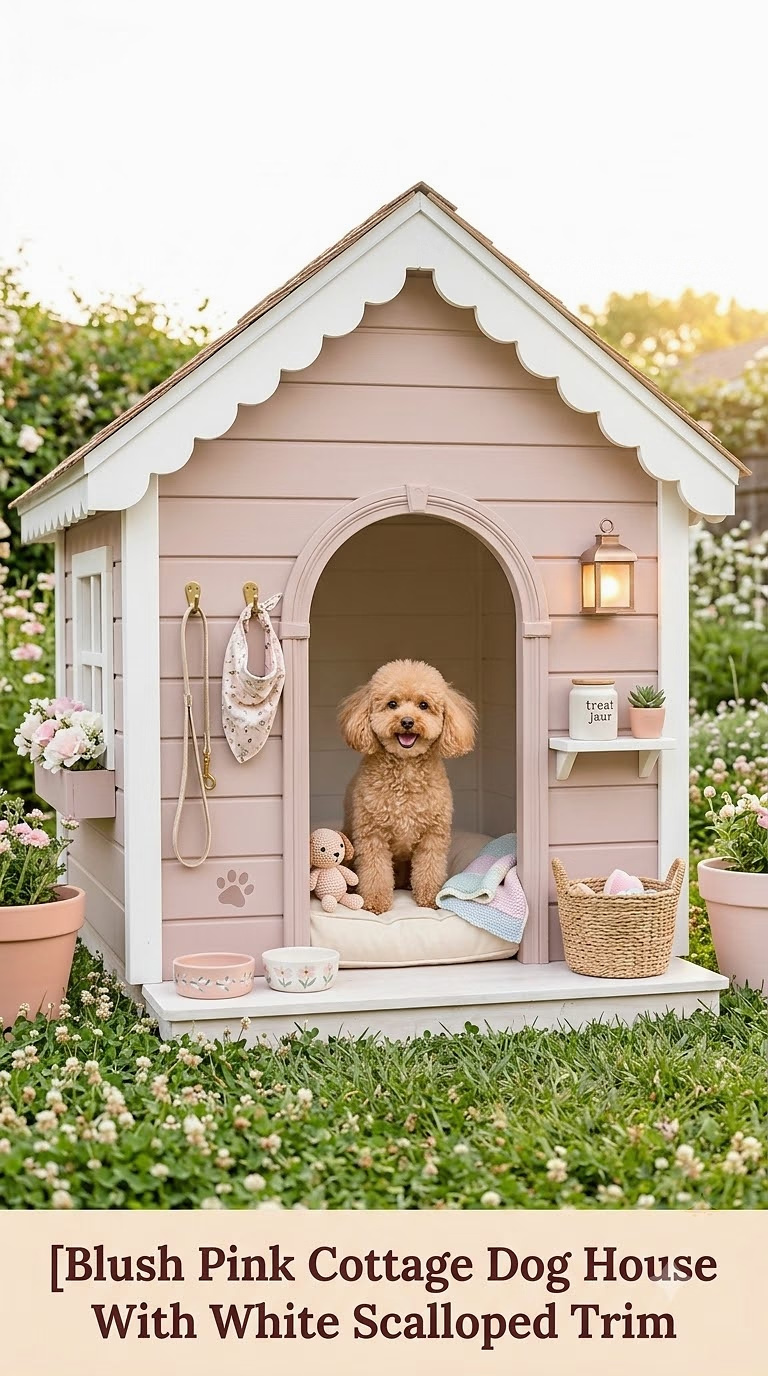
Turn a basic dog house into a sweet miniature cottage by covering the exterior in dusty blush pink and adding crisp white scalloped trim beneath the roof. The soft pink creates a charming look without becoming too bright, while decorative trim gives the structure handcrafted personality.
A tiny white window frame can be added as a decorative feature, but it should never replace proper ventilation. Paint a small flower box beneath it and fill the box with artificial greenery rather than plants that could be toxic or tempting to chew.
Complete the design with a pale gray roof and a washable outdoor mat at the entrance. Keep ribbons, loose decorations, and small ornaments out of reach. This design is particularly lovely on a covered patio or beside a white garden fence where the delicate colors remain protected from excessive mud and direct weather exposure.
3. Modern Charcoal and Natural Wood Dog House With Geometric Color Blocking
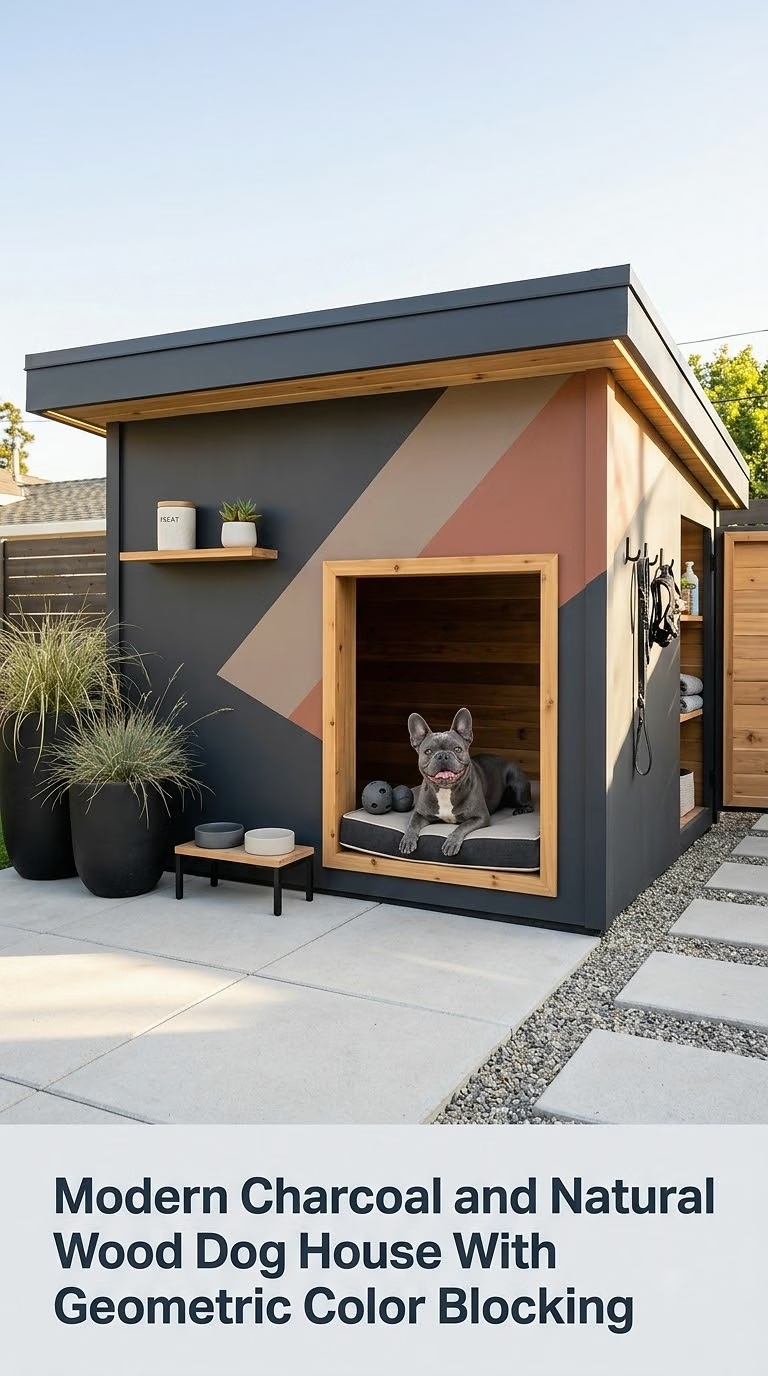
For a sleek backyard, combine charcoal paint with sections of visible natural wood. Paint one side panel and the front façade in charcoal, leaving a sealed cedar or pine section exposed to create bold geometric color blocking. A flat or gently sloped black roof gives the structure a clean architectural silhouette.
Because dark surfaces can become hot in direct sunlight, this style is best placed beneath a covered patio, pergola, or mature shade tree. Check the surface temperature regularly during warm weather and never assume the dog house is cool simply because the yard feels comfortable.
Use straight painter’s tape to produce sharp lines between the painted and natural sections. A low platform made from weather-resistant wood can lift the house above wet ground while visually extending the modern design. Finish with a simple sans-serif name plaque instead of decorative embellishments.
4. Sunny Yellow Dog House With White Trim and a Tiny Front Porch
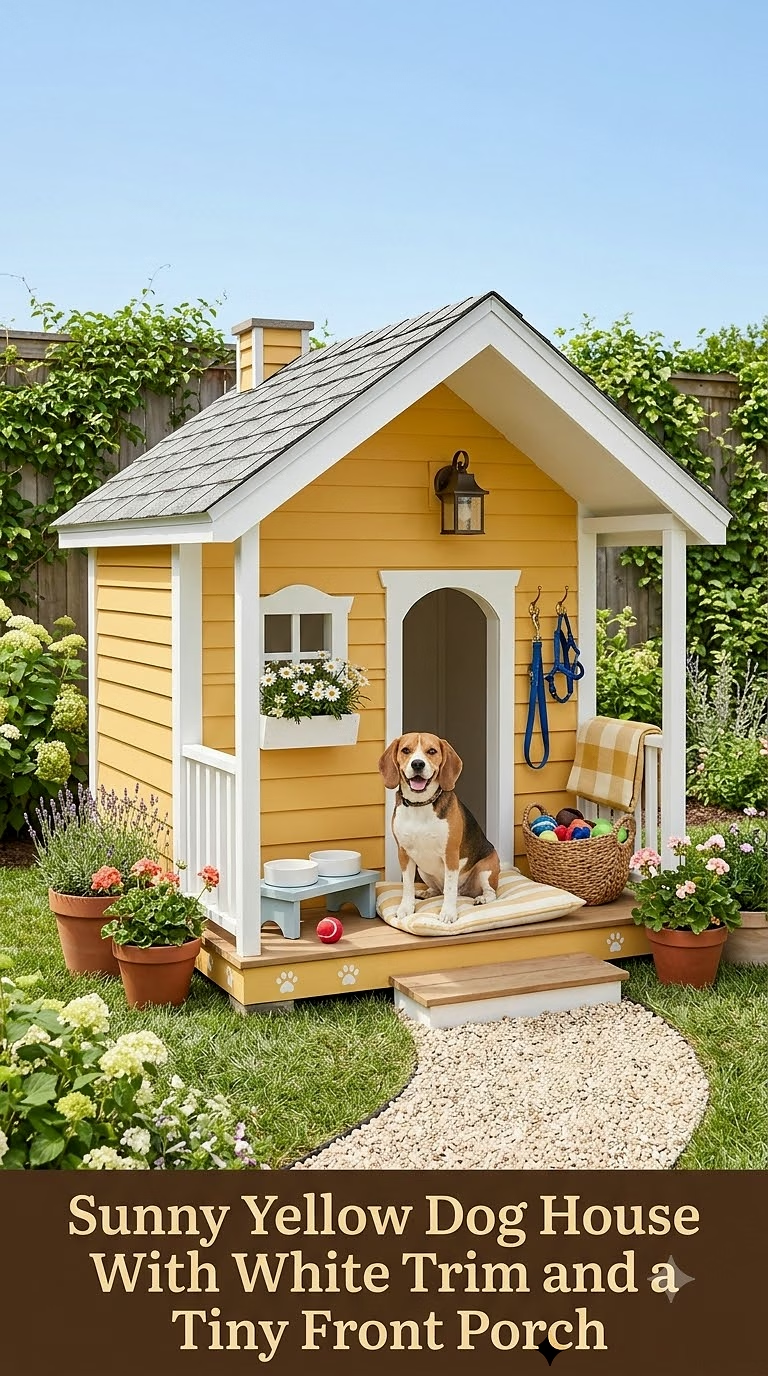
A cheerful yellow dog house can brighten a plain section of the yard and create an inviting focal point. Choose a warm, slightly muted yellow rather than an intense neon tone, then frame the doorway and roof with clean white trim.
Add a narrow front porch with a small overhang to provide a protected transition between the yard and the sleeping area. The porch should be wide enough for your dog to stand comfortably, with smooth boards and no exposed nails or sharp corners.
A white painted railing can add cottage character, but keep openings appropriately sized so paws, collars, and legs cannot become trapped. For extra charm, paint a tiny welcome sign directly onto a flat wooden panel rather than hanging loose décor.
Yellow pairs beautifully with green lawns, blue planters, and white garden furniture, making this an affordable transformation for a simple plywood or timber dog house.
5. Coastal Blue Dog House With White Stripes and a Weathered Gray Roof
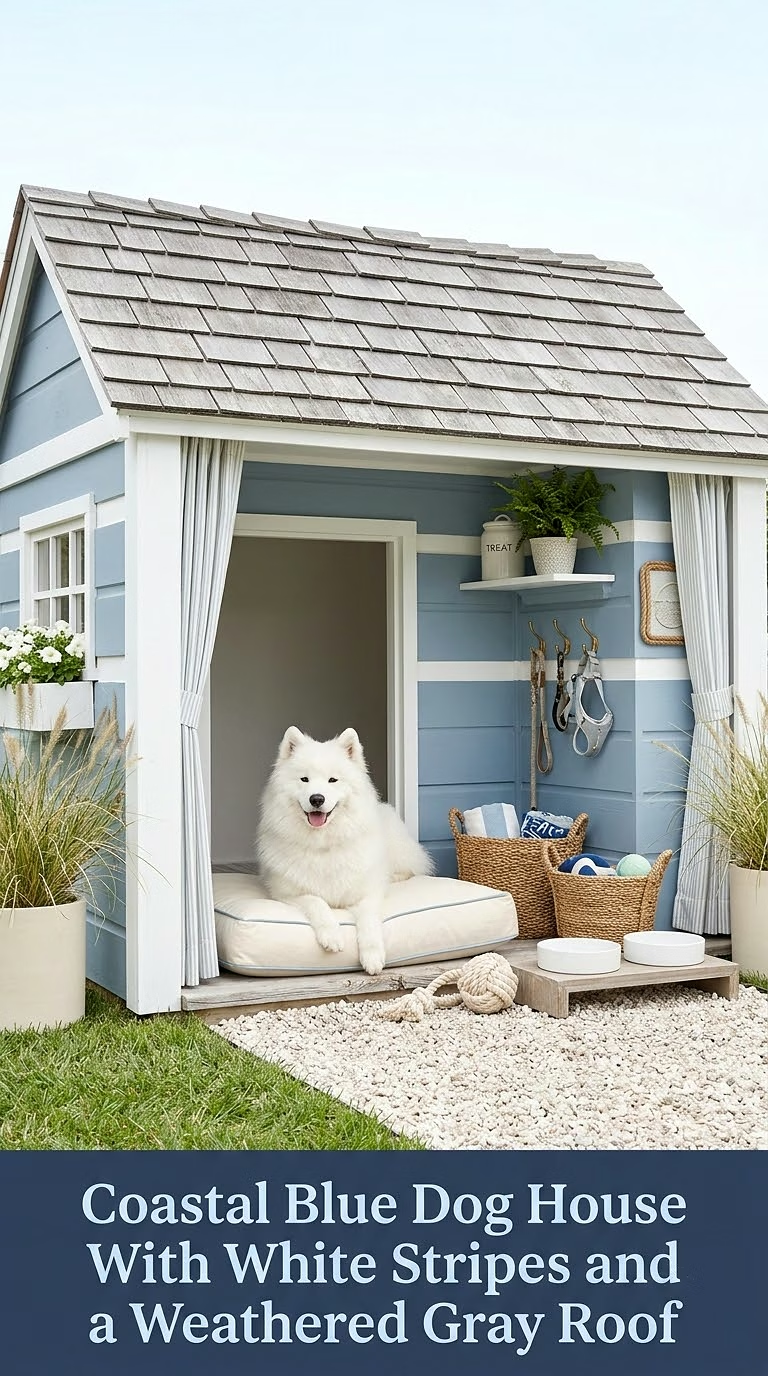
Create a relaxed seaside look with a pale coastal blue exterior, fresh white trim, and a weathered gray roof. Horizontal white stripes across the lower front panel can give the dog house the appearance of a tiny beach cottage.
Keep the stripes broad and simple so the design feels polished rather than busy. Painter’s tape will help produce clean edges, and a small angled brush is useful around the doorway and corners. A painted wooden name board in navy blue can provide a darker accent without covering large surfaces in a heat-absorbing color.
This palette is especially attractive near a pool area, light stone patio, or gravel path. Even in a coastal-themed design, the structure still needs functional protection from rain and sun. Make sure the roof sheds water away from the entrance, the floor remains dry, and the interior receives steady airflow.
6. Terracotta Dog House With Ivory Trim and Mediterranean Tile Motifs
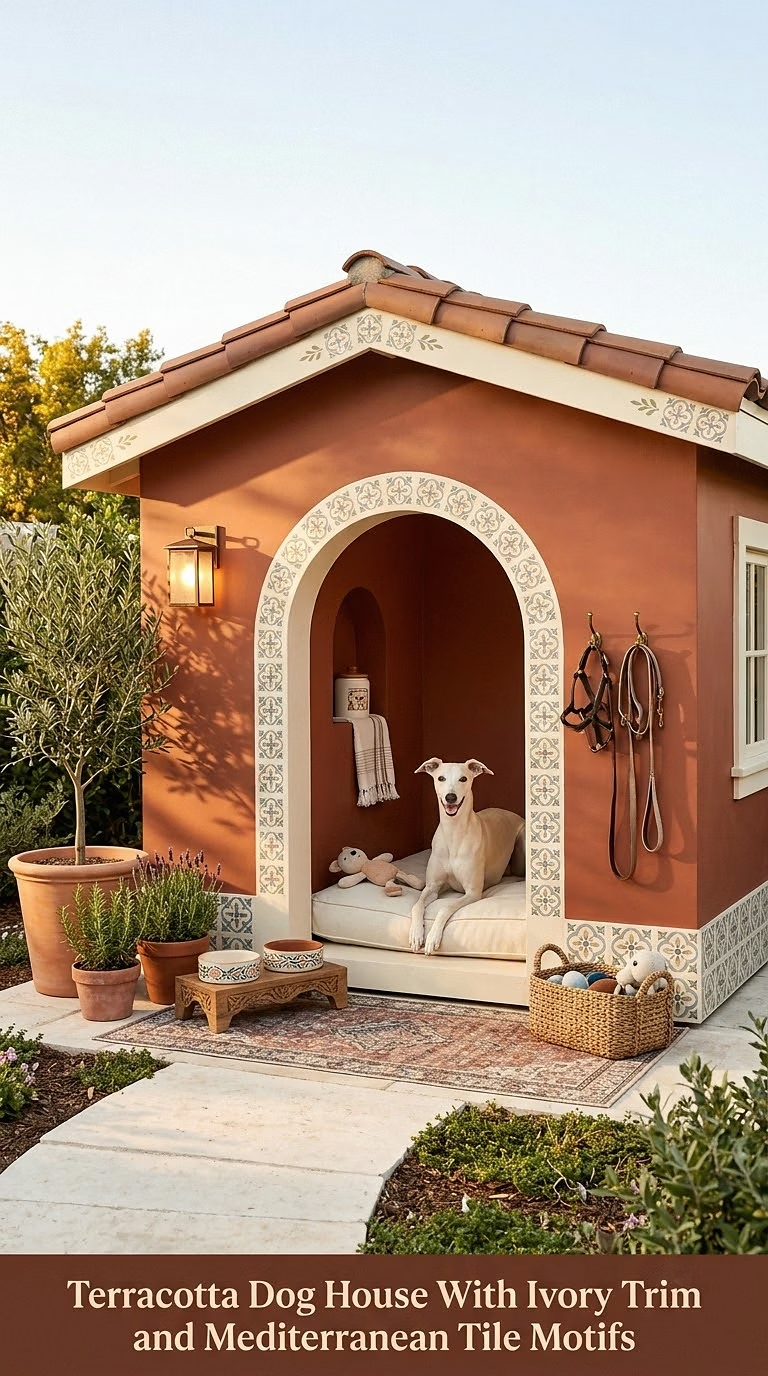
Warm terracotta paint can transform a plain dog shelter into a Mediterranean-inspired retreat. Use an earthy clay shade on the main walls and soft ivory around the doorway, corners, and roofline. Along the lower edge, add hand-painted tile motifs in blue, cream, and muted green.
You do not need advanced painting skills to recreate the pattern. A reusable stencil can produce repeated shapes with consistent spacing. Keep the design on the exterior only, and seal it with a compatible clear protective finish if recommended by the paint manufacturer.
Pair the painted walls with a simple reddish-brown roof and a small stone or concrete landing at the entrance. The landing should remain level, stable, and cool enough for paws. This style looks particularly beautiful in dry gardens filled with gravel, rosemary, ornamental grasses, and large terracotta pots placed safely beyond chewing distance.
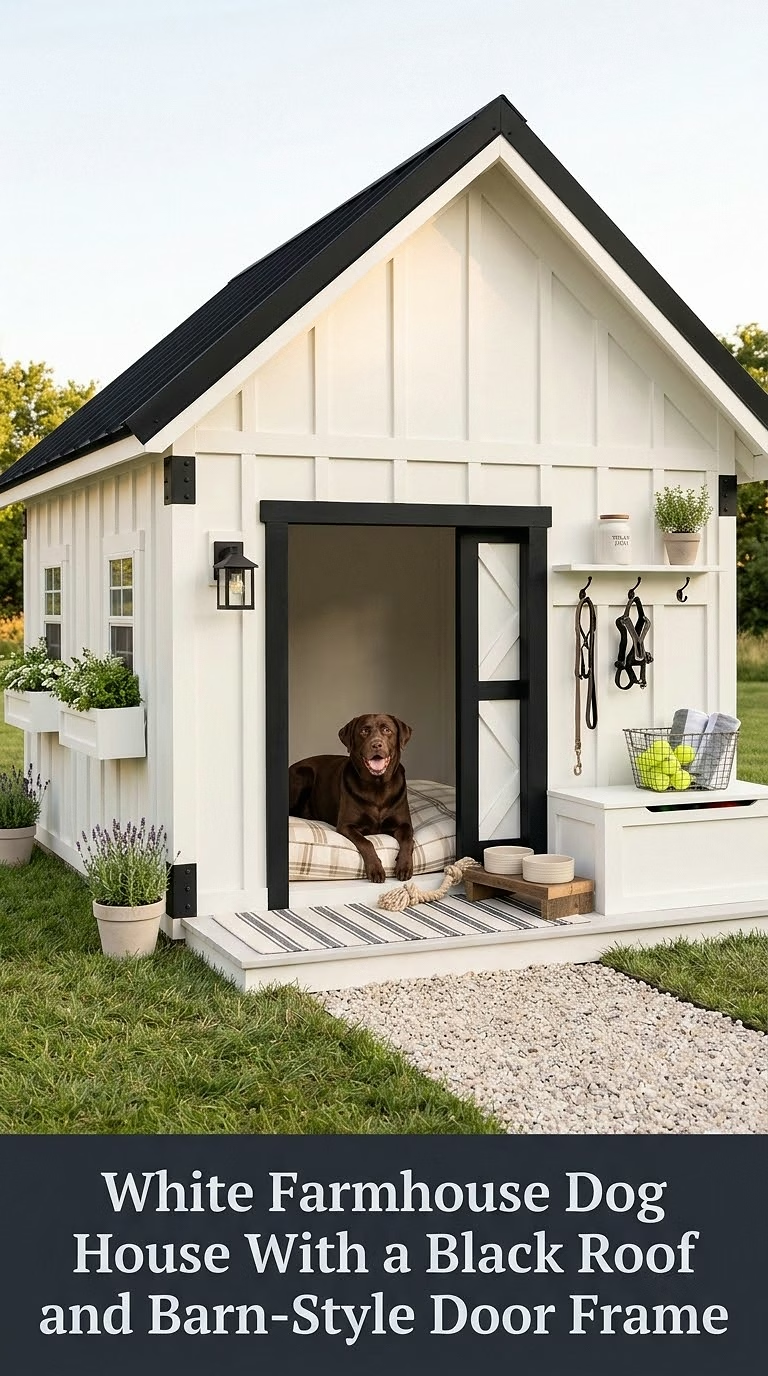
7. White Farmhouse Dog House With a Black Roof and Barn-Style Door Frame
Read more : 17 Big Dog Room Ideas That Feel Spacious, Stylish, and Made for Large Breeds
A white-and-black farmhouse palette gives a dog house a timeless appearance that coordinates easily with decks, sheds, and modern country homes. Paint the siding in a warm white, then use black on the roof, base trim, and a decorative barn-style frame surrounding the entrance.
The black accents should remain relatively small if the house receives significant sun. A light-colored roof may be more practical in very hot regions, even when the rest of the design follows the farmhouse theme.
Add narrow vertical siding lines to imitate board-and-batten construction. These can be created with thin wood strips or carefully painted lines. A simple round name plaque brings softness to the graphic palette.
White paint will show mud quickly, but it also makes dirt, mildew, and damaged areas easier to notice. Choose a washable exterior finish and clean it gently rather than allowing grime to build up around the doorway.
8. Rainbow-Trimmed White Dog House With Playful Painted Paw Prints
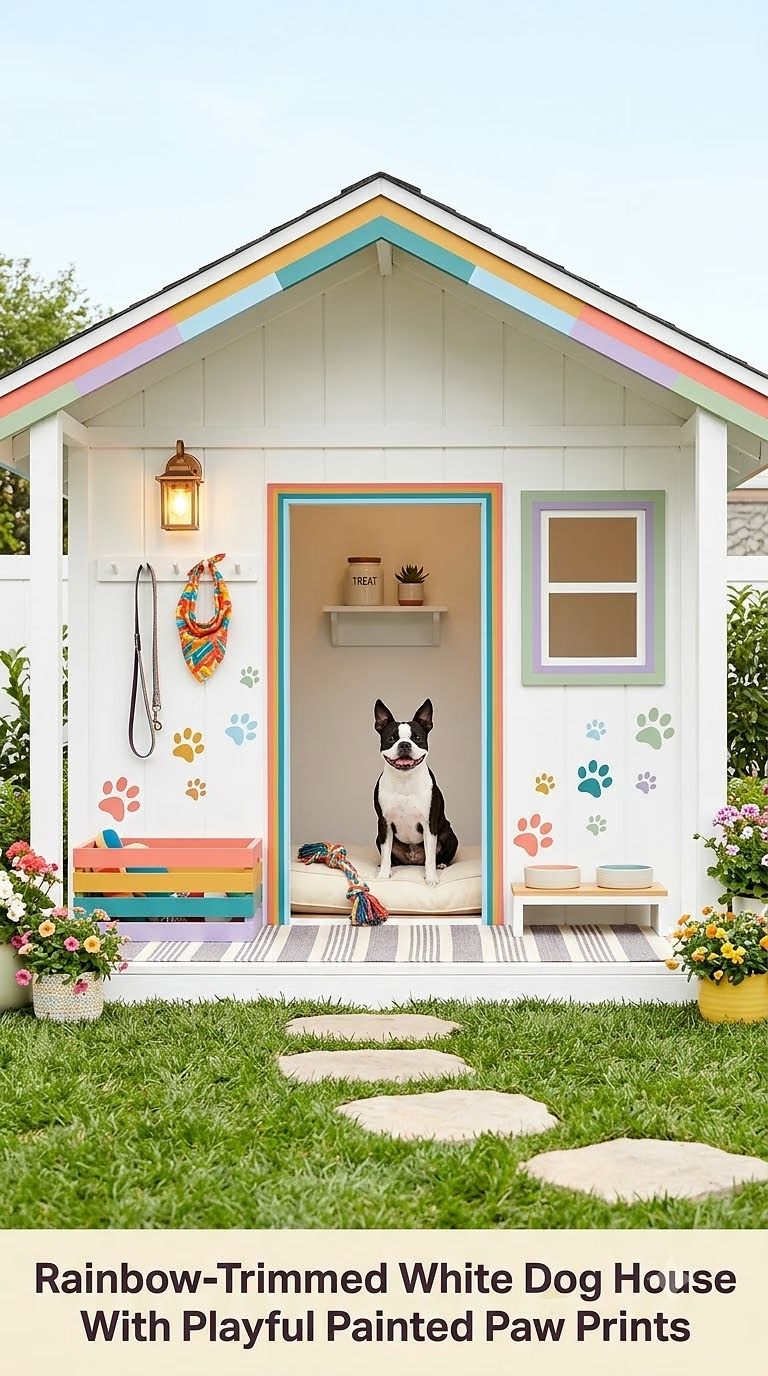
For a bright and joyful look, keep the main dog house white and introduce color through rainbow-painted trim. Use a different soft shade on each edge of the doorway, porch boards, or vertical corner pieces. Pastel coral, golden yellow, mint, sky blue, and lavender create variety without overwhelming the structure.
Paint a trail of paw prints along one exterior wall using a stencil sized to suit your dog. Avoid placing thick paint textures where your pet frequently rubs or chews.
A white base keeps the house visually light and may absorb less heat than a fully saturated exterior. It also allows the colorful details to stand out clearly in photographs.
This is an excellent family DIY project, but children and pets should remain away from the work area until sanding dust has been removed and the paint has fully cured. Store all paint containers and brushes securely after use.
9. Forest Green Cabin Dog House With Faux Log Details
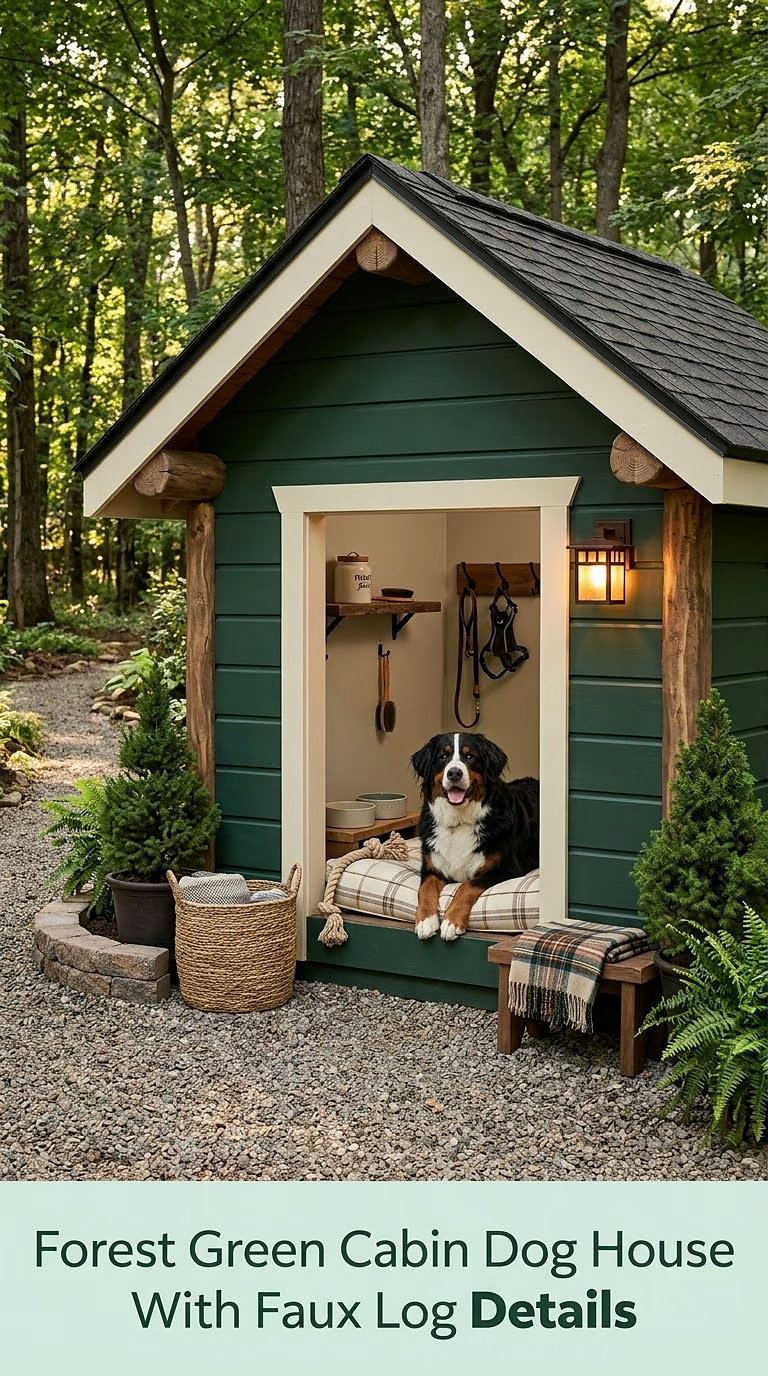
Give your dog house a cozy woodland-cabin appearance by painting the walls deep forest green and adding natural wood trim around the entrance. Horizontal faux-log lines painted in a slightly lighter green can create texture without requiring actual log construction.
A brown roof, chunky corner trim, and a small wooden porch complete the rustic design. For a handcrafted touch, add a name plaque shaped like a miniature trail sign.
Deep green is visually suited to wooded gardens, but it can warm considerably in direct sunlight. Place this dog house in reliable shade and maintain good cross-ventilation. The roof should extend beyond the walls to help keep rain away from the entrance and painted siding.
Inside, use a dry, removable resting surface appropriate for the season. Avoid stuffing the space with decorative fabrics that retain moisture, harbor pests, or become dangerous when chewed.
10. Lavender Dog House With Floral Vine Murals and White Shutters
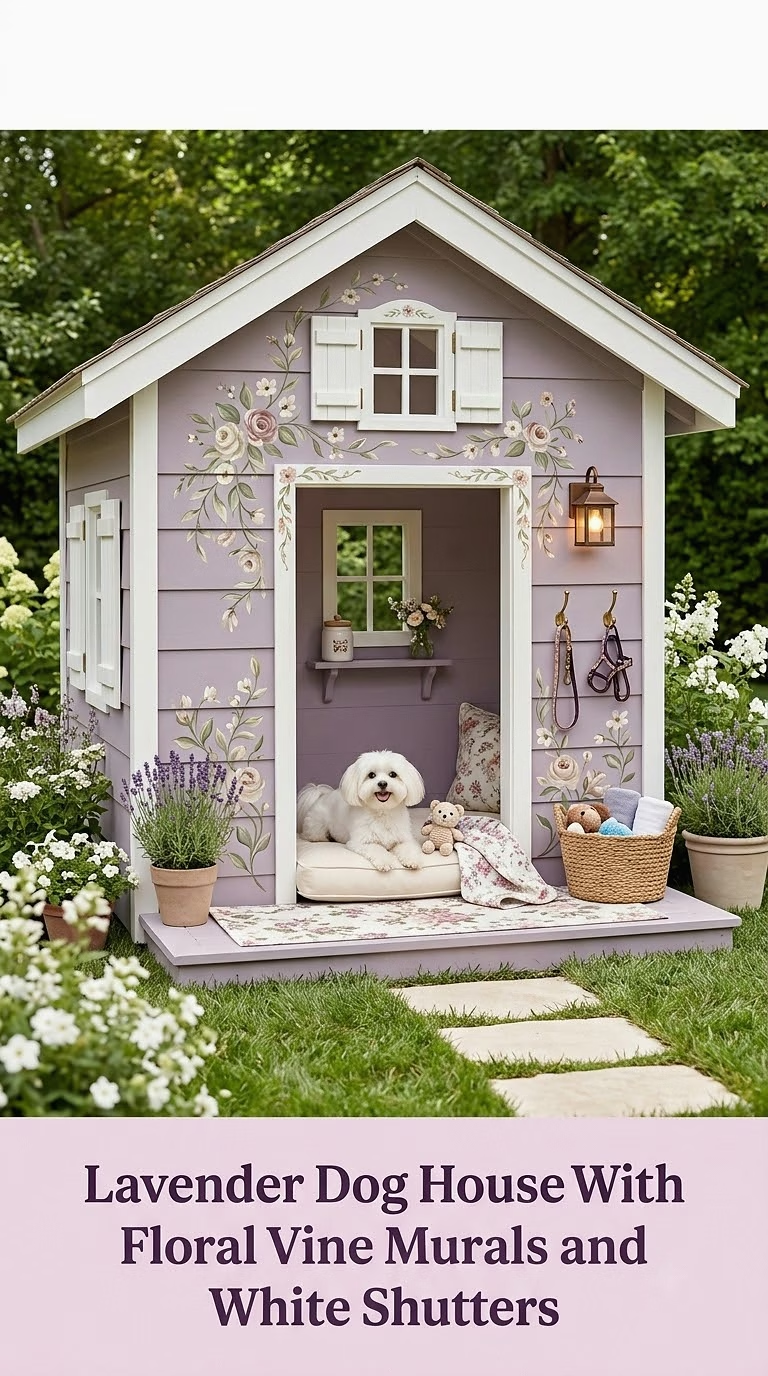
A soft lavender exterior creates a dreamy focal point for a flower-filled backyard. Add hand-painted vines that climb gently from the base toward the roof, using muted green leaves and small white, yellow, or blush blossoms.
Decorative white shutters can frame a vent or painted faux window. Any attached pieces should be firmly secured, smoothly sanded, and positioned where they cannot catch a collar. Never cover openings needed for airflow simply to improve the appearance.
To keep the mural manageable, sketch the vine lightly with chalk before painting. Use a few repeating flower shapes rather than attempting a highly detailed botanical illustration. The finished design will look intentional while still feeling handmade.
Pair the lavender walls with a warm white roof or light wood shingles. The gentle color palette works beautifully beside hydrangeas, roses, and cottage-style garden paths.
11. Two-Tone Peach and Coral Dog House With a Rounded Arched Entrance
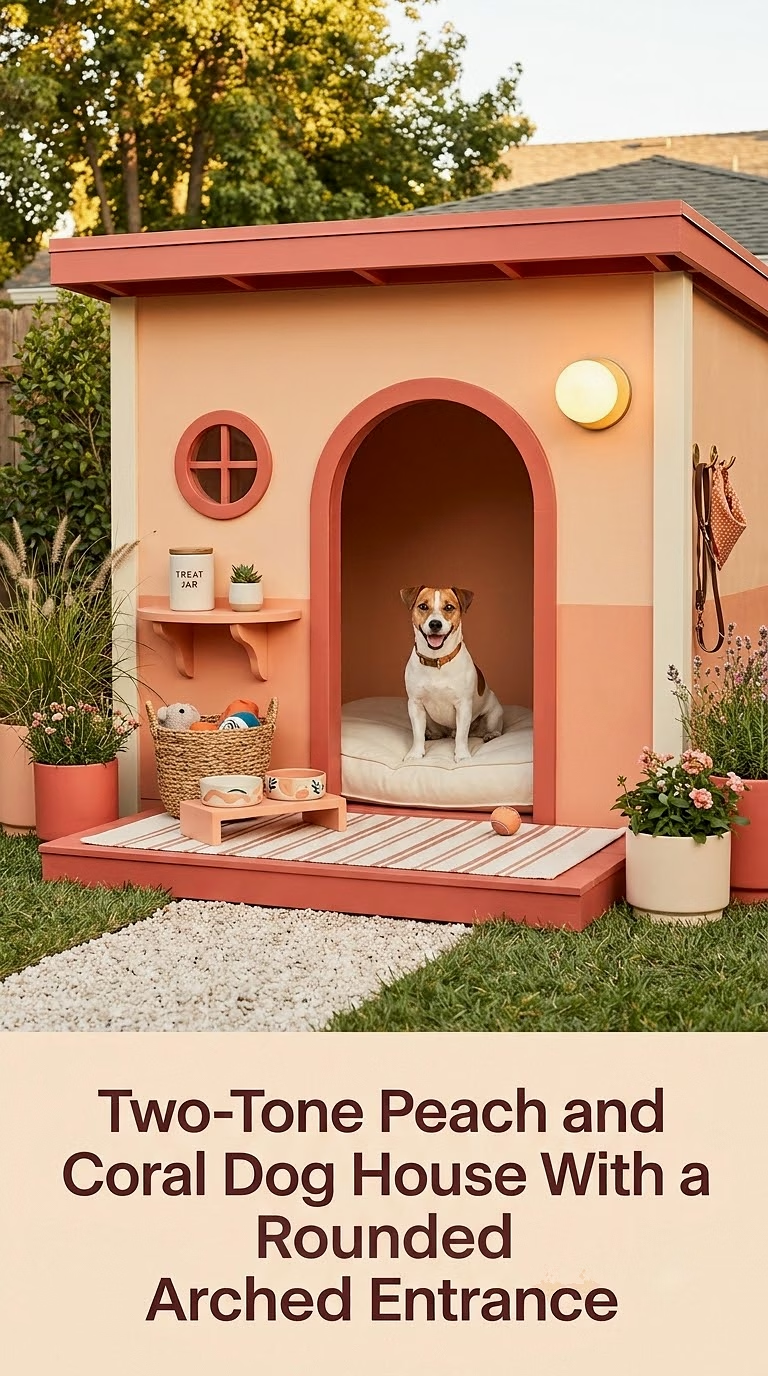
Combine pale peach walls with deeper coral accents for a warm, playful design. Use coral on the lower third of the structure, around the doorway, and on a narrow roof edge. The two related shades create depth while remaining cohesive.
A rounded arched entrance reinforces the cheerful look and softens the boxy shape of a traditional dog house. The opening must still be appropriately sized for your dog to enter comfortably without crouching excessively or scraping their back.
Painted sunburst lines above the doorway can add a subtle retro detail. Keep the roof light cream or pale tan to balance the stronger wall colors and reduce heat absorption.
This palette works particularly well on a covered deck or in a backyard with terracotta paving. Add a washable neutral mat rather than highly patterned bedding so the painted exterior remains the main visual feature.
12. Vintage Red Dog House With Cream Lettering and Distressed Farmstand Details
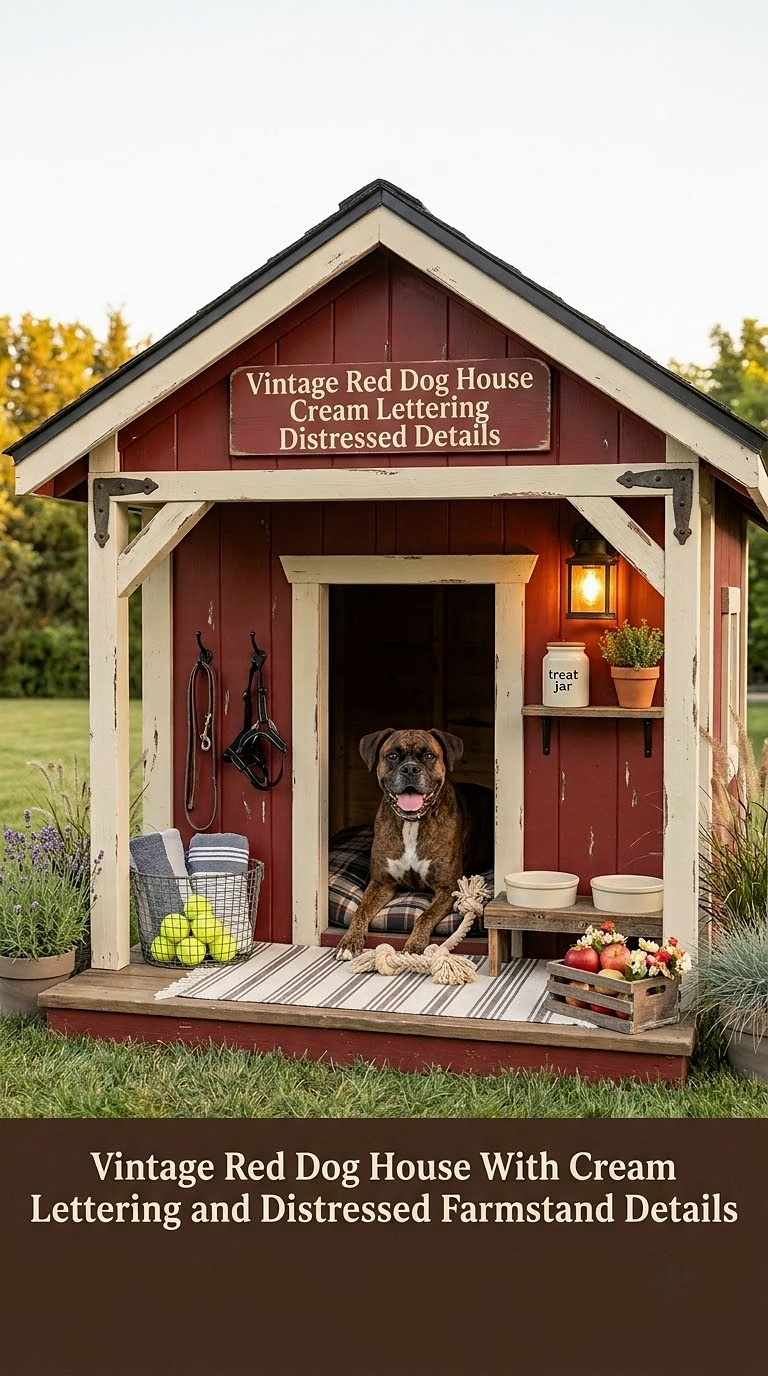
A rich barn-red exterior can make a dog house feel like a tiny vintage farmstand. Use cream paint for the trim, your dog’s name, and a simple hand-lettered phrase above the entrance. Decorative vertical lines can mimic traditional wooden siding.
For an aged appearance, apply the red neatly and add restrained dry-brushed cream accents along selected edges. Avoid deliberately creating loose, flaky paint, since peeling finishes can be unsafe around curious dogs.
A galvanized-look roof can be recreated with weather-resistant gray paint rather than real unfinished metal, which may become extremely hot or develop sharp edges. If metal roofing is used, it should be properly installed, insulated, and protected from exposed corners.
Because red is a stronger color, place this design against neutral fencing, natural grass, or pale gravel so it stands out without making the yard feel crowded.
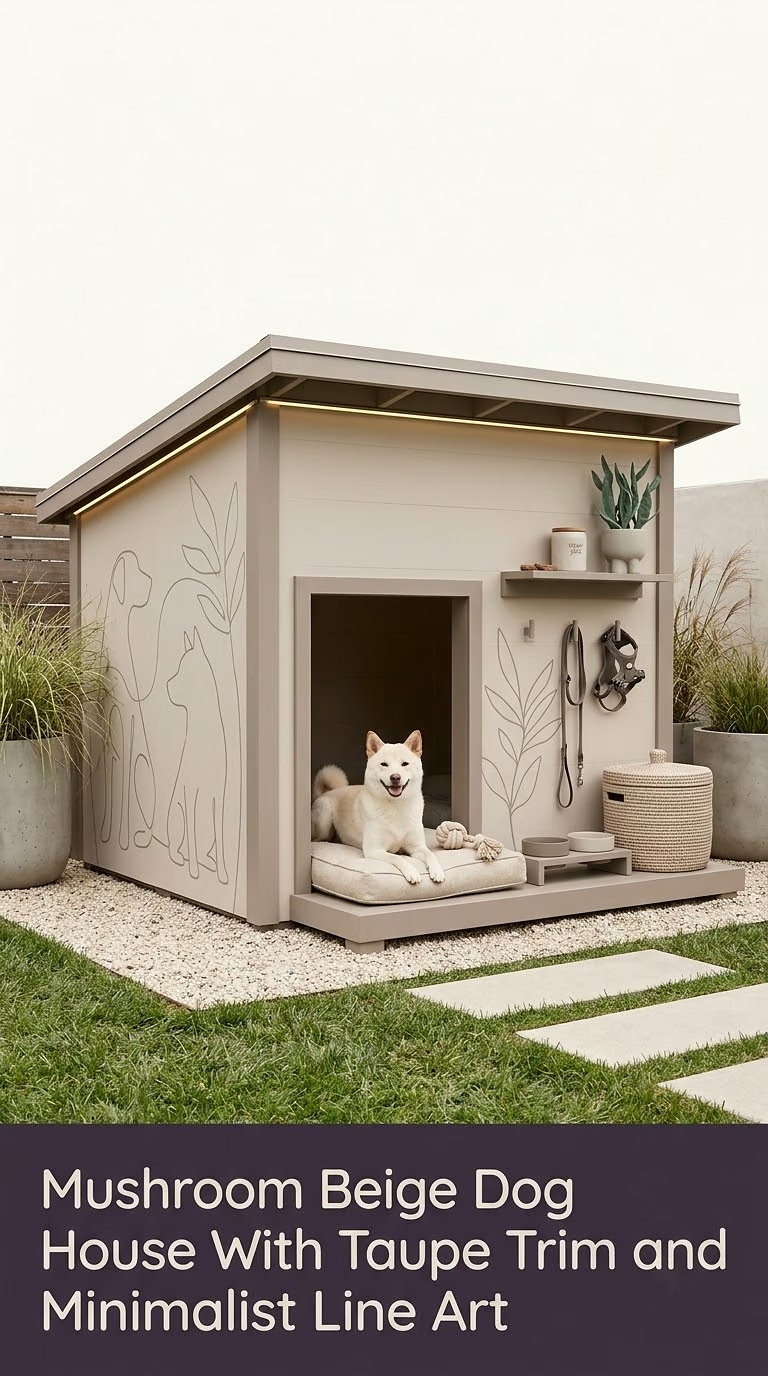
13. Mushroom Beige Dog House With Taupe Trim and Minimalist Line Art
Read more : 19 Dog House Interior Ideas for a Cozy, Stylish, and Practical Pet Space
For an understated look, paint the main structure in mushroom beige and use a deeper taupe on the roof, doorway, and base. These warm neutrals feel softer than cool gray and coordinate well with stone patios, woven outdoor furniture, and natural landscaping.
Add a simple line-art portrait of your dog to one side panel using a stencil or projector. A single dark brown outline is enough to personalize the house without turning it into a colorful mural.
This palette is forgiving when exposed to dust and light dirt, making it practical for frequently used outdoor areas. Choose a smooth, washable exterior finish and inspect the lower edges regularly for moisture damage.
A low wooden deck stained in a coordinating neutral can provide a clean resting area outside the entrance. Make sure the platform drains easily and does not create hidden spaces where water, insects, or debris can collect.
14. Storybook Blue Dog House With a Red Doorway and Hand-Painted Stars
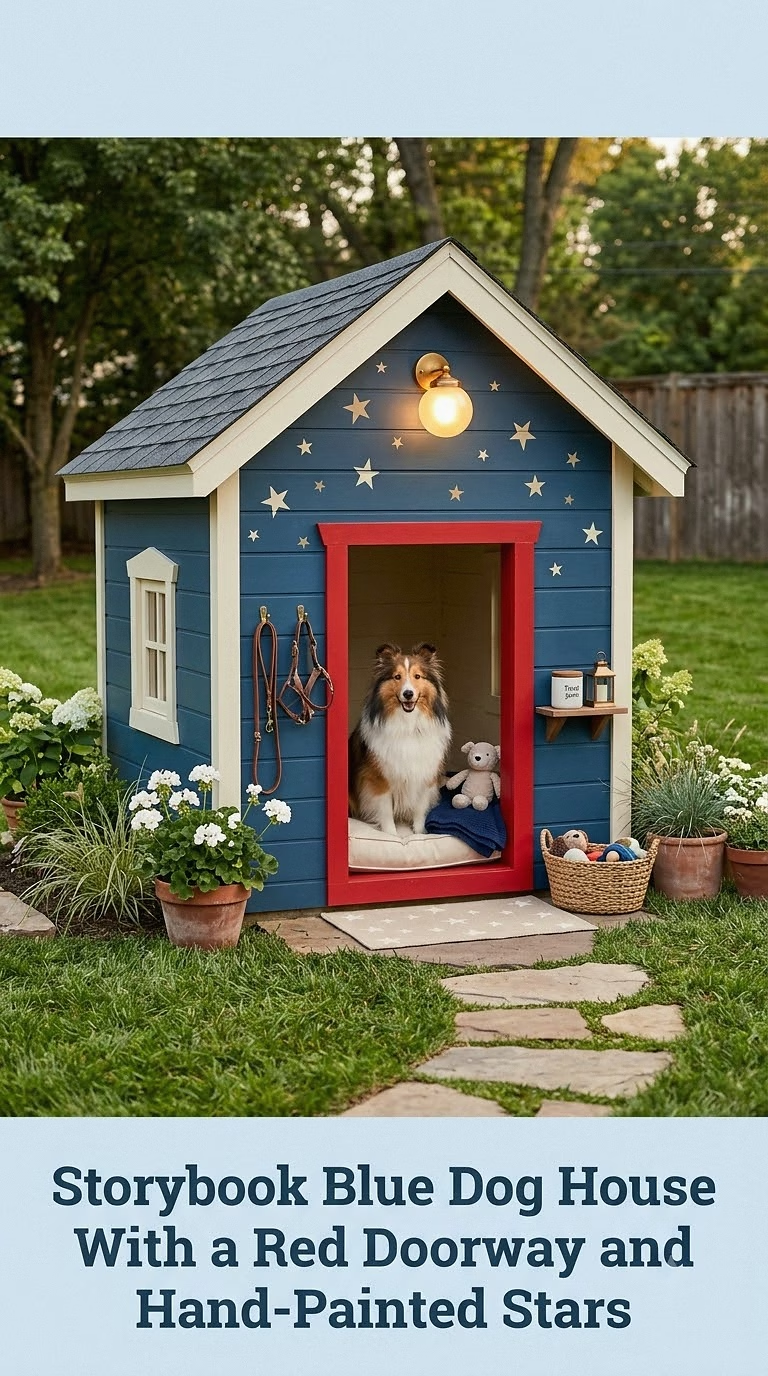
Create a whimsical storybook shelter with medium blue walls, a cheerful red doorway, and small cream stars scattered across the front and side panels. A pale roof keeps the overall design balanced and helps prevent the darker walls from dominating.
The stars can be applied with a stencil, sponge, or small artist’s brush. Vary their sizes slightly, but leave enough empty space so the pattern remains calm rather than chaotic.
This design is especially appealing for a family backyard or play area. Keep the surrounding decorations simple and pet-safe. Painted details are usually more practical than hanging ornaments, flags, lights, or garlands that a dog could pull down.
Before decorating an older structure, check for splintered wood, rusted fasteners, leaks, and deteriorating paint. Repairing the shelter first will give the colorful finish a smoother appearance and a much longer useful life.
15. Botanical Green and Cream Dog House With Oversized Leaf Stencils
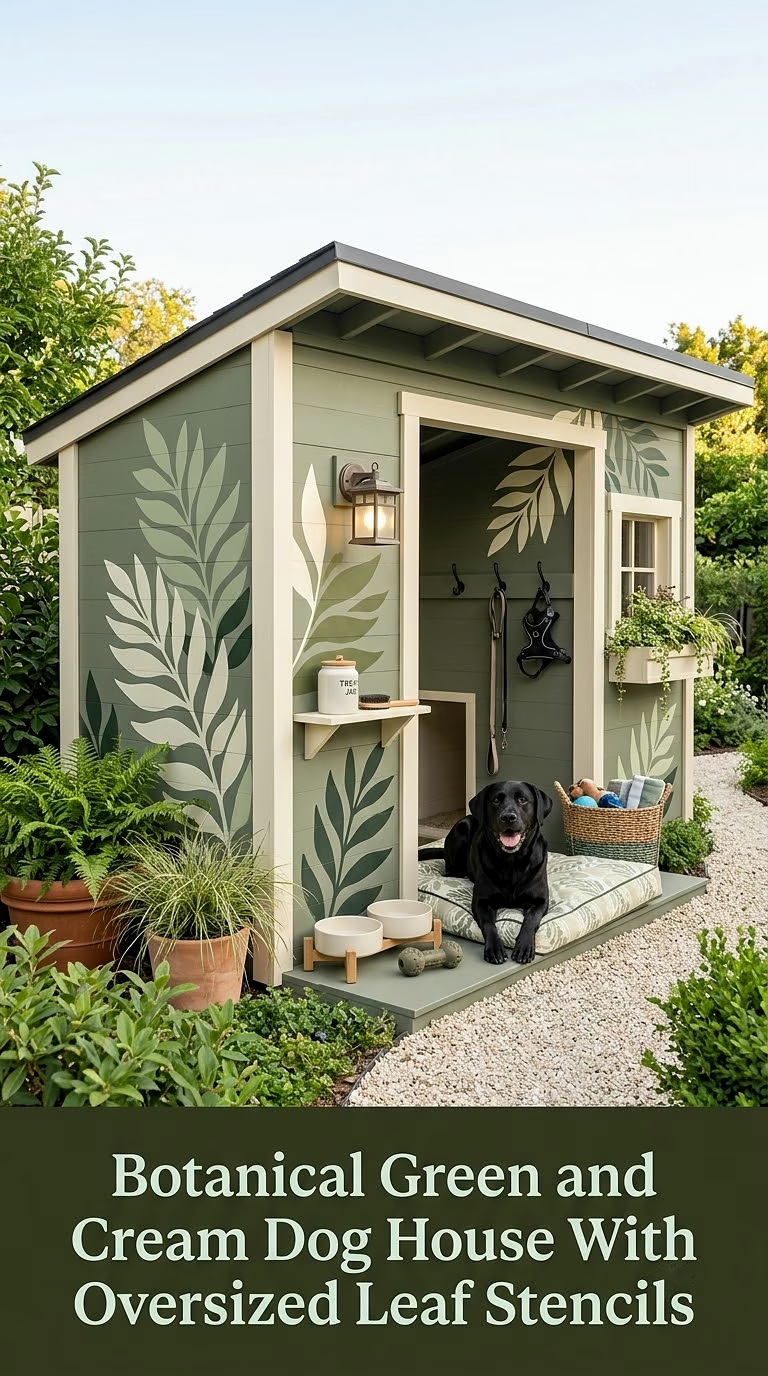
Use oversized leaf stencils to give a dog house a bold botanical look. Begin with a warm cream base, then layer large leaves in olive, fern green, and muted eucalyptus shades across selected wall panels.
Concentrate the pattern on one or two sides while leaving the front relatively simple. This creates a designer-style feature without making the small structure feel visually crowded. Paint the doorway and roof edge in a solid olive tone to frame the botanical mural.
Stencil painting is an approachable DIY technique because small imperfections blend naturally into the organic pattern. Secure the stencil firmly and apply several thin coats instead of one thick layer that may bleed beneath the edges.
Place the finished house near simple greenery rather than toxic ornamental plants. Remember that a decorative garden setting does not replace shade, drinking water, airflow, or supervision during extreme temperatures.
16. Black-and-White Dalmatian Spot Dog House With a Bright Red Nameplate
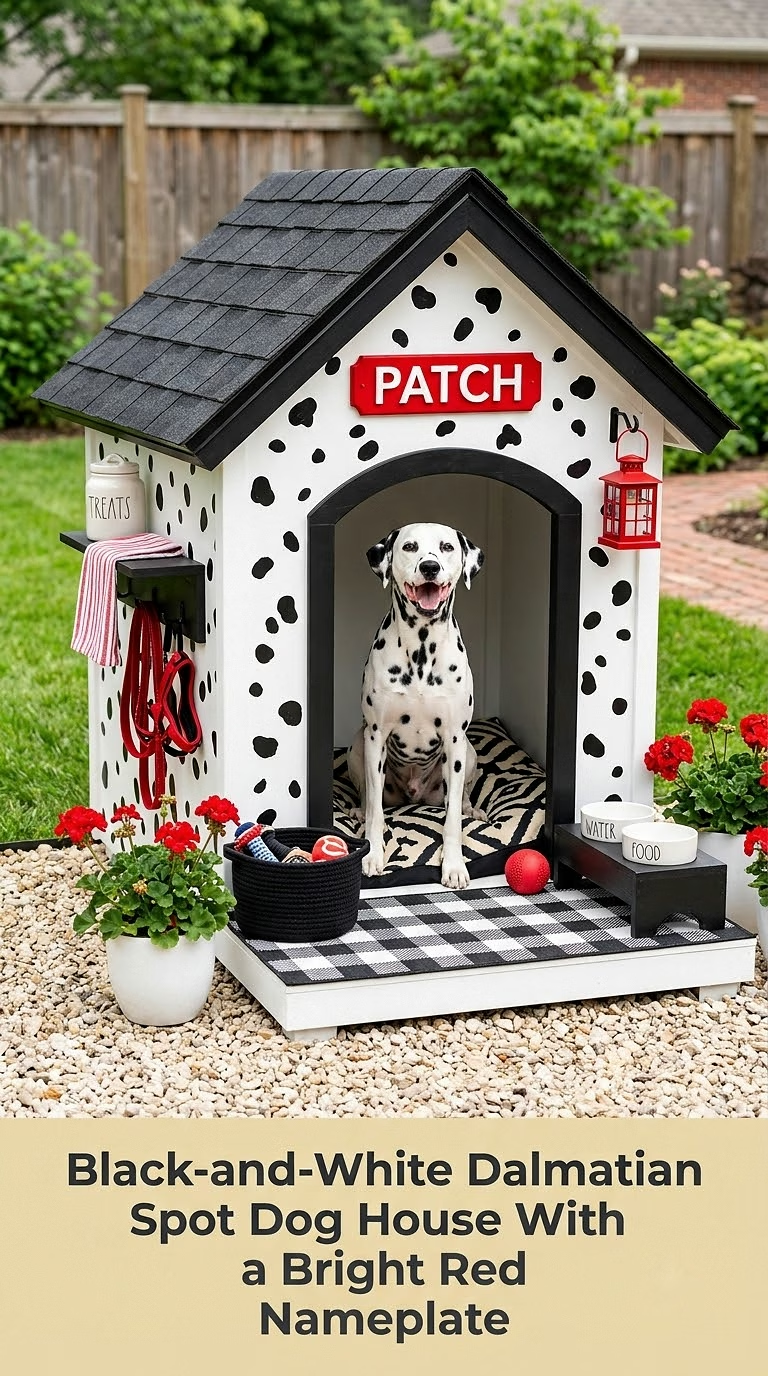
A Dalmatian-inspired spotted dog house makes an energetic statement while remaining easy to recognize. Paint the walls white, then add irregular black spots in varied shapes and sizes. Keep the roof mostly white or light gray so the design does not become unnecessarily hot.
A bright red nameplate above the entrance provides a cheerful focal point. Paint the name directly onto the plaque and fasten it securely with recessed hardware.
Freehand spots work well because they do not need to be identical. Start with fewer shapes, step back to review the balance, and add more only where the design feels empty. Avoid making every surface patterned; solid white trim gives the eye a place to rest.
The high-contrast finish will show dirt and scratches, so retain a small amount of labeled touch-up paint for seasonal maintenance.
17. Painted Miniature Replica Dog House Matching Your Home’s Exterior
Create a beautifully coordinated backyard by painting the dog house as a miniature version of your own home. Repeat the main siding color, trim shade, roof tone, and one or two recognizable architectural details.
A brick home could inspire a muted red base with cream trim, while a blue cottage might be recreated with pale blue walls and white corner boards. For a modern home, use clean color blocking and a simple flat roofline. The goal is visual connection rather than an exact scale model.
Match decorative details carefully without copying features that would compromise comfort. A tiny chimney, fake window, or ornamental door should never block ventilation, trap moisture, create sharp edges, or reduce the usable interior.
This design is especially effective when the dog house is visible from a patio or kitchen window. It makes the shelter feel like a deliberate part of the property instead of an unrelated backyard accessory.
Conclusion
A thoughtful paint scheme can turn an ordinary dog house into a charming feature that celebrates your pet and complements your outdoor style. Soft garden colors create a peaceful retreat, bold patterns add playful personality, and coordinated architectural details can make the shelter feel like a miniature extension of your home.
The most successful painted dog houses balance appearance with durability and comfort. Start with a sound, weather-resistant structure, repair damaged wood, clean and sand the surface, prime exposed areas, and apply an exterior coating suited to the material and local climate. Keep paint, solvents, dust, and tools away from pets throughout the project, and allow the finish to cure completely before inviting your dog inside.
Continue checking the shelter after the makeover. Touch up chips before they begin peeling, keep the floor dry, clean bedding regularly, preserve ventilation openings, and confirm that the placement remains shaded and comfortable as the seasons change. During extreme heat or cold, bring your dog into a safer temperature-controlled environment rather than relying solely on an outdoor house.
Choose the idea that best matches your home, your budget, and your dog’s needs, then personalize it with colors and details that make the finished shelter feel truly special.
Pin this Pinterest post so you can return to these painted dog house ideas when you are ready to begin your makeover.
Source: https://petstutorial.com
Category: Dog Rooms
