
There is something especially heartwarming about seeing a happy dog resting beside a beautiful little farmhouse-inspired shelter. Whether your pup spends afternoons following you around the garden, watching over the chickens, or napping beneath a shady tree, a thoughtfully designed dog house can make outdoor time feel safer and more comfortable.
- 17 Beautiful Outdoor Dog House Ideas for a Cozy and Stylish Backyard Retreat
- 17 Shed Dog House Ideas for a Beautiful and Cozy Backyard Retreat
- 17 Dog Den Ideas to Create a Cozy, Stylish Retreat for Your Best Friend
- 17 Big Dog House Ideas for Spacious, Stylish, and Weather-Ready Retreats
- 17 Cozy Dog House Heater Ideas for a Safer, Warmer Winter Retreat
The best farm dog house ideas combine rustic character with features that genuinely support your dog’s needs. A charming metal roof or reclaimed-wood exterior may create the country look, but the structure should also stay dry, provide ventilation, protect against wind, and be simple to clean. It should give your dog enough room to stand, turn around, and stretch out without becoming so oversized that it loses warmth during cold weather.
You are reading: 17 Charming Farm Dog House Ideas for a Cozy Country Retreat
From inexpensive pallet-style projects to miniature red barns and polished modern farmhouses, these ideas offer plenty of inspiration for different budgets, breeds, climates, and yard sizes. Each design can be personalized to complement your home while creating a welcoming retreat your dog will actually enjoy using.
Farm Dog House Ideas for a Beautiful and Weather-Ready Country Yard
1. Classic Red Barn Dog House With White Trim and a Black Metal Roof
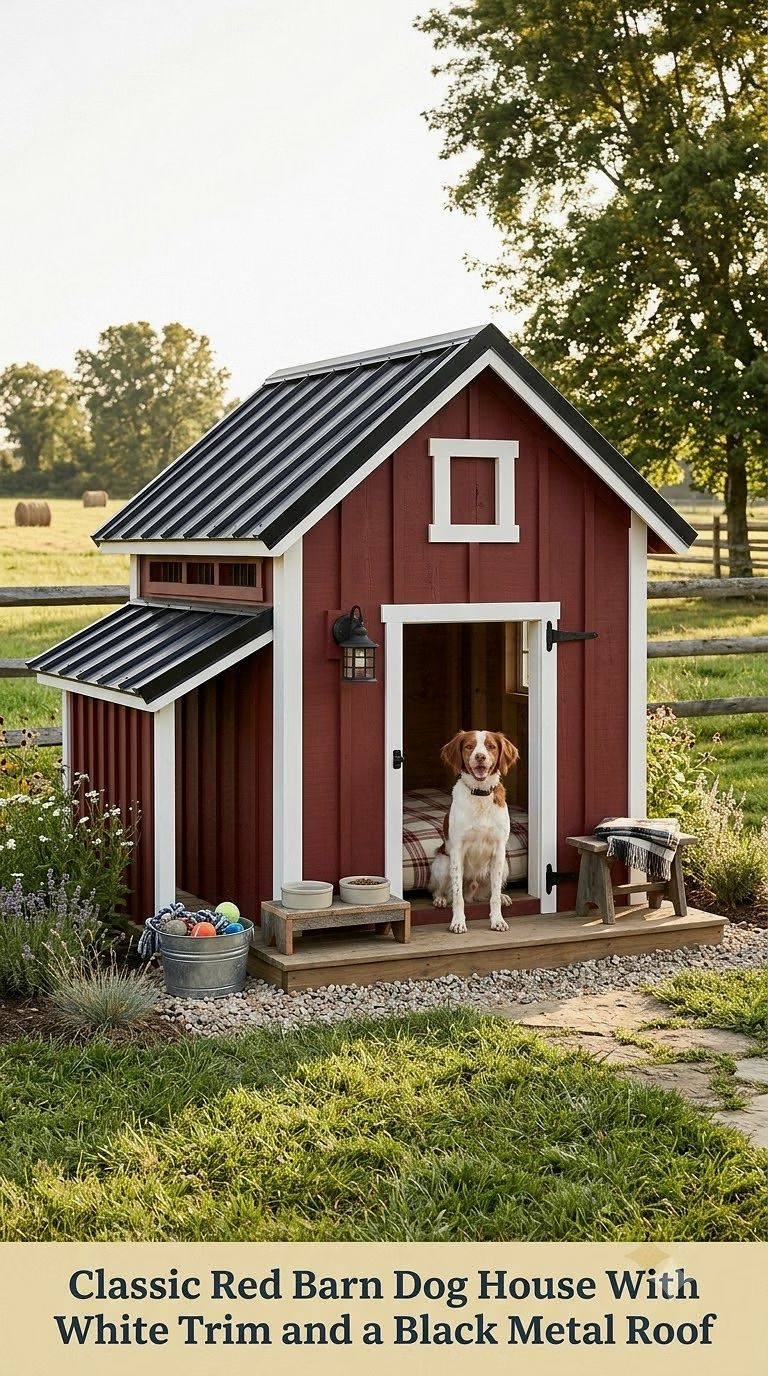
Turn a traditional farm landmark into an adorable backyard shelter with a miniature red barn dog house. Deep barn-red siding, crisp white corner trim, and a matte black metal roof create a cheerful focal point that feels instantly recognizable without looking overly themed.
Use exterior-grade wood siding or moisture-resistant panels finished with pet-safe outdoor paint. A pitched roof helps direct rain and snow away from the entrance, while a generous overhang provides additional protection. Place the doorway slightly off-center so your dog can curl up behind a sheltered interior wall rather than resting directly in the wind.
For extra charm, add decorative barn-style crossbuck details to the front, but keep embellishments firmly attached and away from chewing height. A raised platform underneath the house prevents damp soil from touching the floor and gives the structure a more substantial, finished appearance.
2. Weathered Gray Farmhouse Dog House With a Tiny Covered Porch
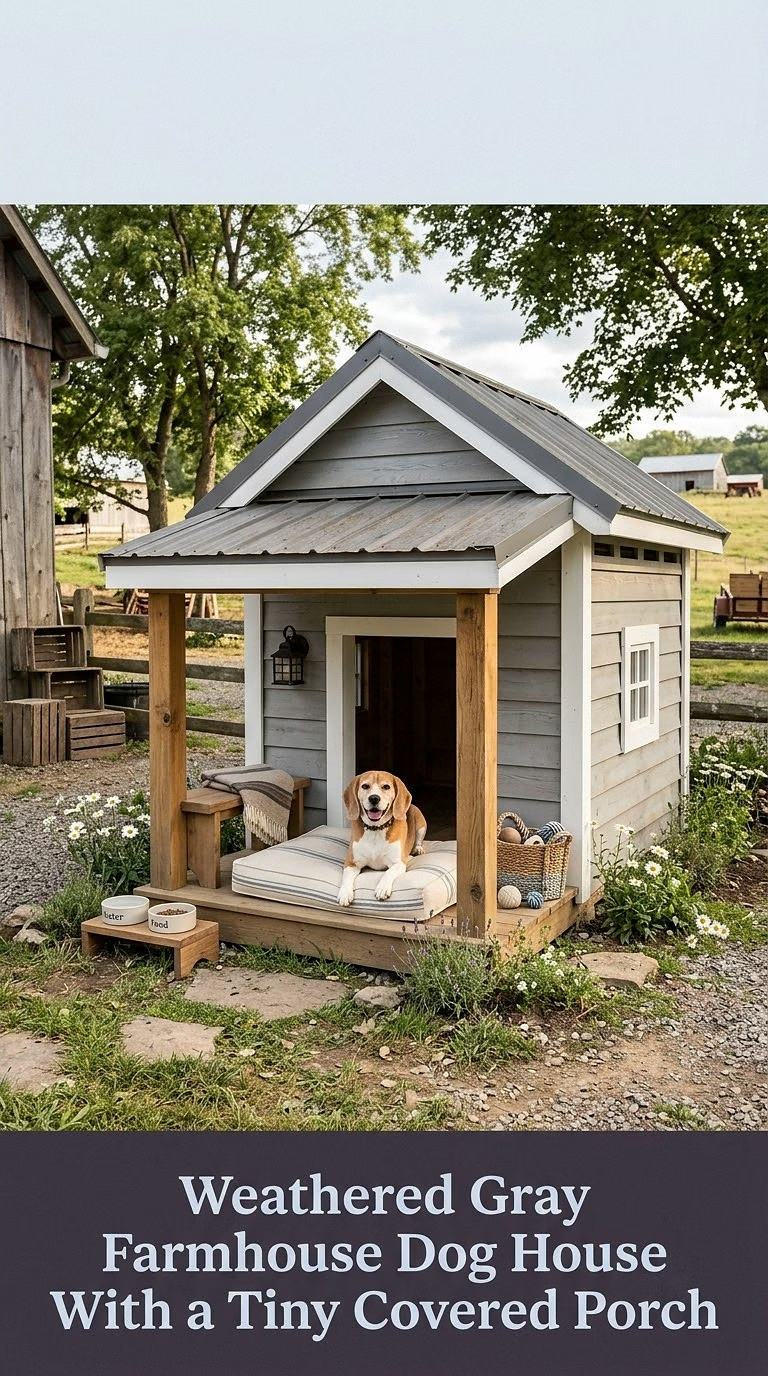
A soft gray dog house with white trim and a miniature covered porch brings relaxed farmhouse style to a garden, patio, or fenced dog area. The muted color palette blends beautifully with stone paths, galvanized planters, lavender, and natural landscaping.
The porch can provide a comfortable place for your dog to lounge while still enjoying an open view of the yard. Make it wide enough for a washable outdoor mat, but avoid creating a high step that could be difficult for puppies, senior dogs, or short-legged breeds. A gently sloped ramp can make the entrance easier to navigate.
Construct the porch roof as part of the main structure so it remains stable during wind and heavy rain. Beneath the decorative exterior, include a solid floor, rain-protected ventilation openings, and an accessible cleaning panel. A hinged roof or removable floor will make muddy paw prints and loose fur much easier to manage.
3. Reclaimed-Wood Dog House Beside a Rustic Split-Rail Fence
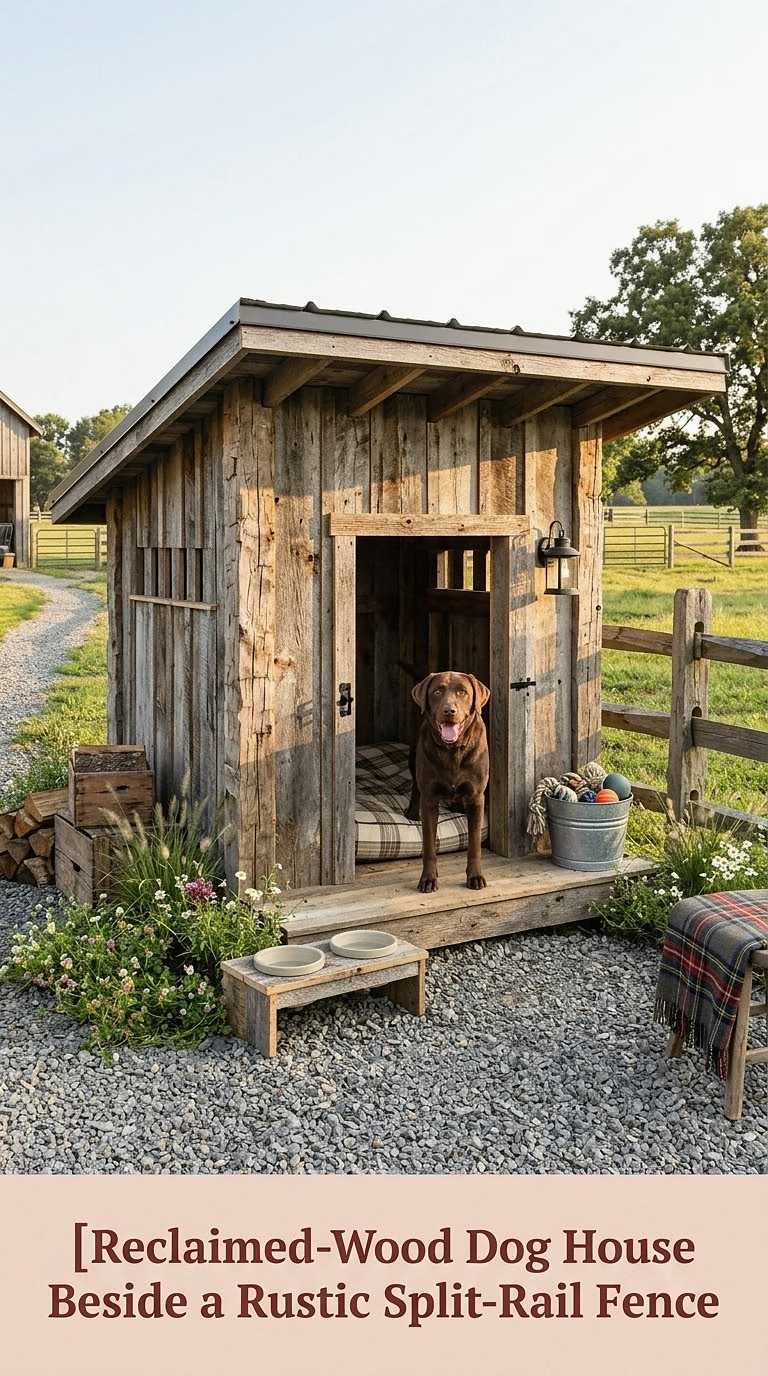
For an authentic country setting, build a simple dog house from weathered-looking boards and position it near a split-rail fence. The combination of textured wood, open pasture views, and native grasses creates a peaceful scene that feels naturally connected to the landscape.
True reclaimed lumber can be beautiful, but it should be inspected carefully before use. Avoid boards containing protruding nails, splinters, rot, chemical residue, or peeling mystery paint. New cedar, pine, or exterior plywood can be stained to achieve a similar aged appearance with fewer uncertainties.
Keep the sleeping area smooth and sealed, even when the outside is intentionally rustic. A natural oil-toned exterior, black hinges, and a simple wooden name plaque provide enough detail without making maintenance difficult. Set the house on concrete pavers or a compact gravel pad so rainwater can drain away instead of collecting underneath the floor.
4. White Board-and-Batten Dog House With a Sage Green Doorway
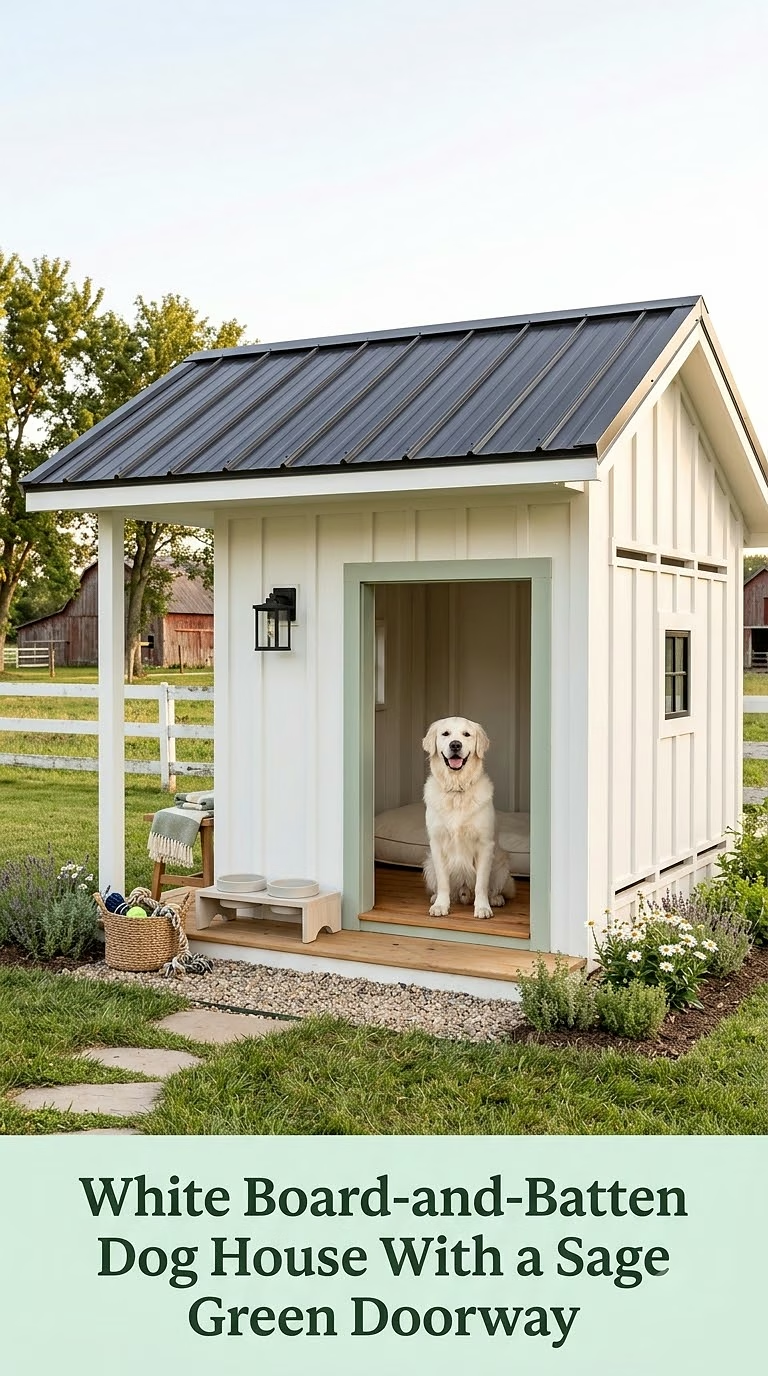
A white board-and-batten exterior paired with a sage green entrance creates a fresh, garden-friendly interpretation of farm style. This design works especially well beside a white farmhouse, cottage garden, or pale wooden fence.
Board-and-batten detailing can be created with thin exterior trim attached over weather-resistant siding. Paint the main structure warm white rather than brilliant white to soften the look and reduce visible dirt. Sage, olive, or muted eucalyptus green makes a lovely accent around the doorway and coordinates naturally with surrounding plants.
Choose the placement carefully because a light-colored dog house can still become hot when positioned in direct afternoon sun. Set it beneath safe, open shade where air can circulate, avoiding unstable branches overhead. Small ventilation openings near the roofline can release warm air while remaining protected from rain. Finish the design with a dark metal roof for contrast and long-lasting farm character.
5. Miniature Farm Shed Dog House With Double Dutch-Style Doors
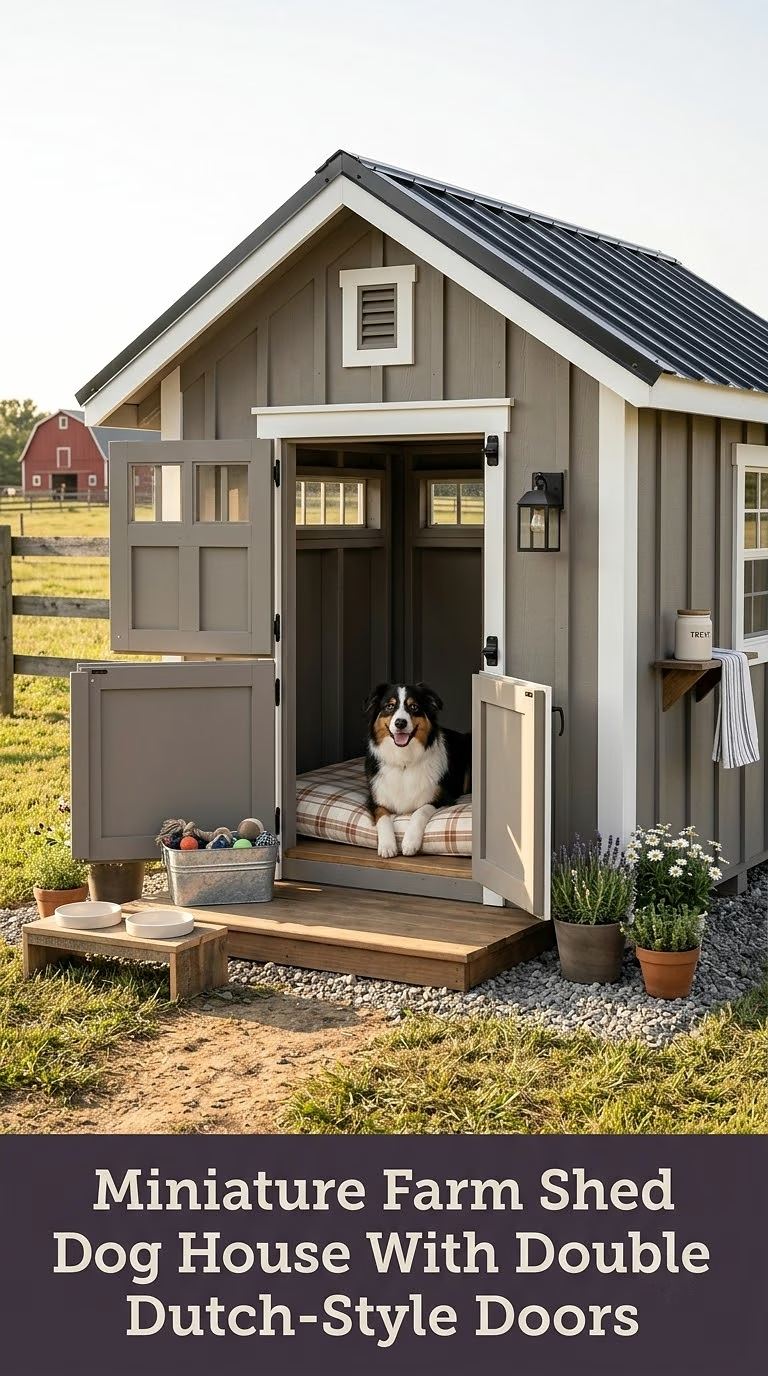
Create the appearance of a tiny working farm shed by adding decorative Dutch-style doors to the front of the dog house. The upper and lower door details can be painted in contrasting colors, giving the shelter plenty of personality while maintaining a simple rectangular shape.
The dog’s actual entrance should remain permanently open and unobstructed. Instead of installing heavy functional doors that could swing shut, use flat trim pieces to suggest the divided-door design. This creates the desired visual effect without introducing hinges, latches, or moving panels near your pet.
A shed-style roof that slopes toward the back is beginner-friendly and requires fewer complicated cuts than a traditional gable roof. Extend it beyond the walls to reduce rain exposure, and seal every exterior seam carefully. Inside, keep the surfaces plain, smooth, and easy to wipe down. This design is especially practical for an affordable weekend project because the decorative transformation relies mainly on trim and paint.
6. Stone-Base Farm Dog House With Warm Cedar Siding
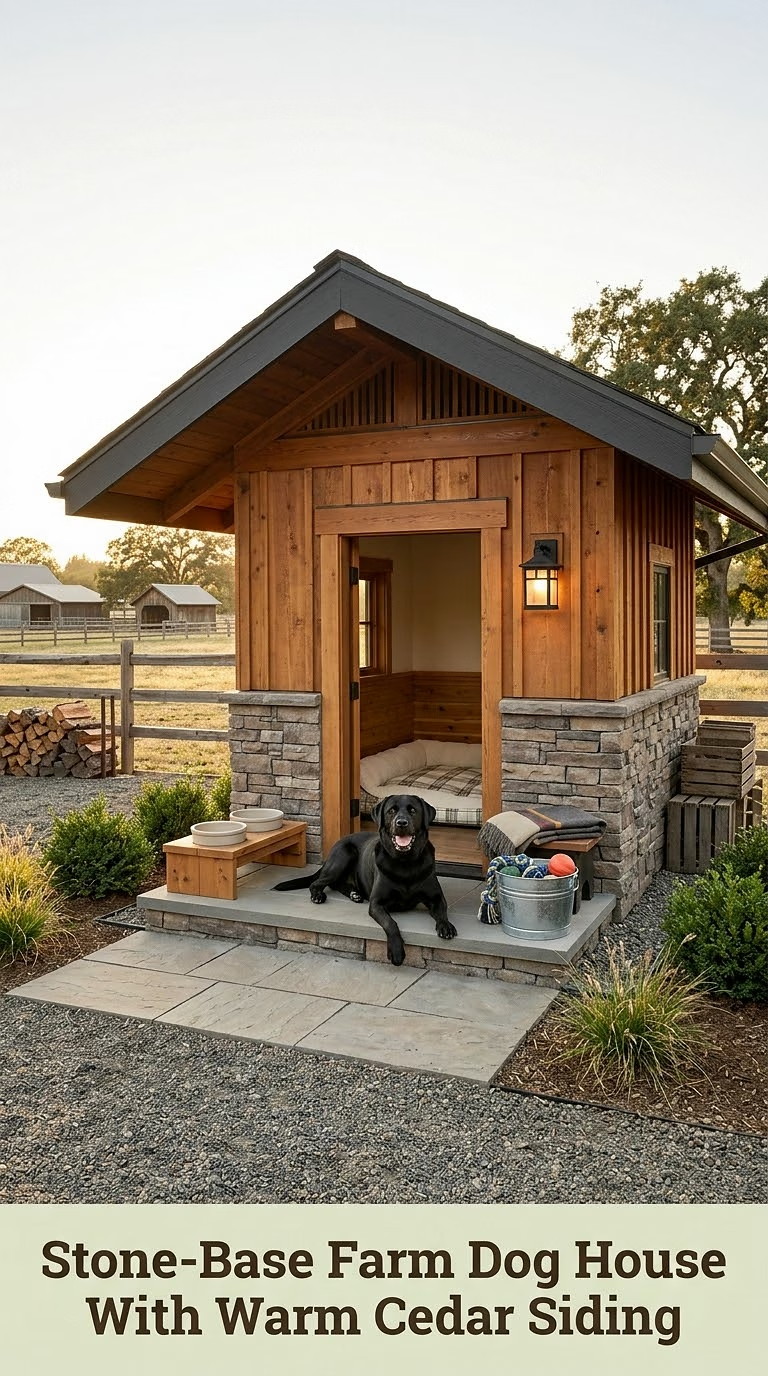
A low stone base paired with honey-toned cedar siding gives a dog house the look of a permanent country cottage. The mix of rugged masonry and warm wood feels luxurious while fitting naturally into gardens with flagstone paths, stone retaining walls, or rustic outdoor kitchens.
Read more : 18 Dog Area Ideas to Create a Cozy, Stylish, and Practical Space for Your Pet
For a manageable DIY version, use lightweight stone veneer around the exterior platform rather than constructing the entire house from masonry. The sleeping floor should remain insulated from the stone, which can feel cold and retain moisture. A raised wooden subfloor creates a warmer, more comfortable surface while preserving the solid cottage appearance.
Choose rounded or neatly finished stone pieces so there are no sharp edges near the doorway. Keep the entrance threshold low and wide enough for comfortable access. Cedar siding can be sealed in a natural tone, but all cut edges should be sanded thoroughly. A charcoal roof completes the earthy color palette and prevents the design from appearing too decorative.
7. Black Modern Farmhouse Dog House With Natural Wood Accents
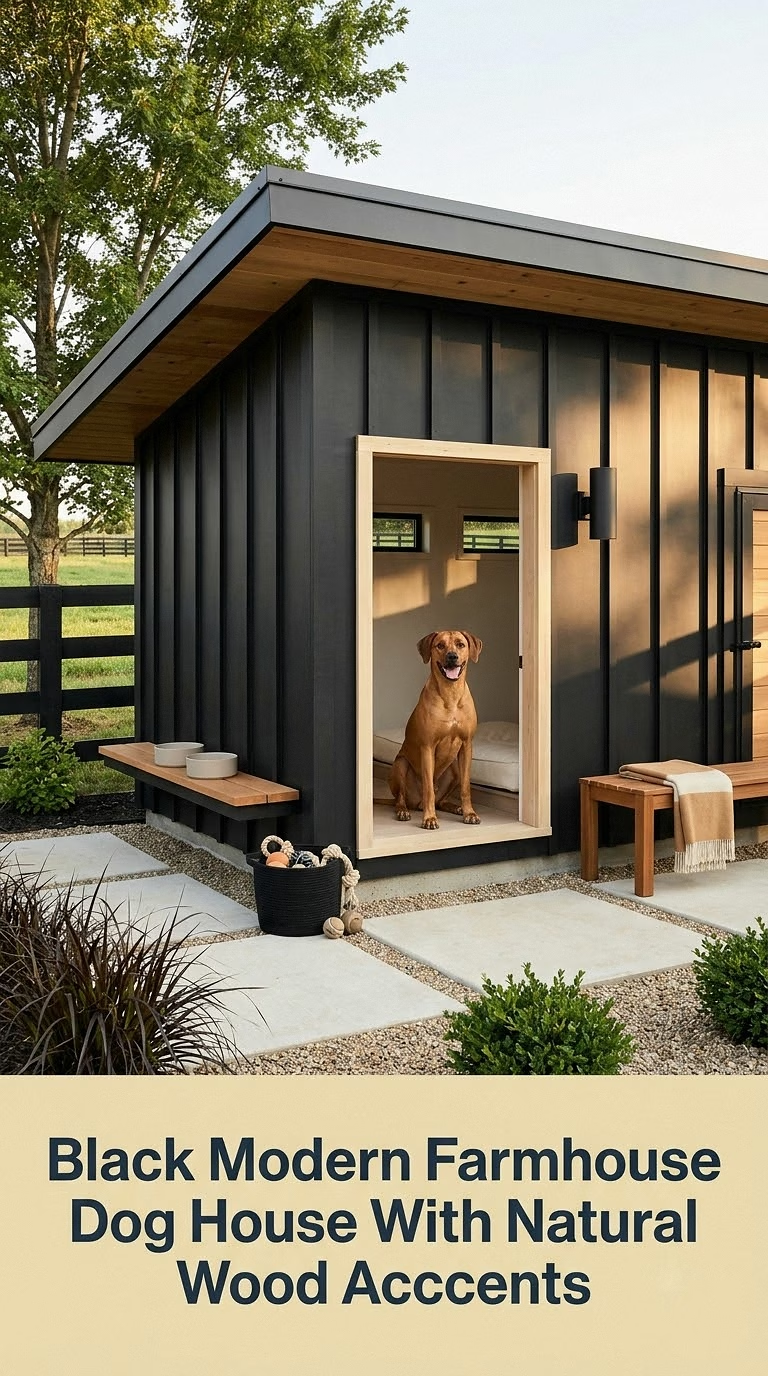
Not every farm-inspired shelter needs to look old-fashioned. A black dog house with a clean gable roof, natural wood doorway, and simple geometric shape offers a modern farmhouse look that pairs well with contemporary barns and black-and-white home exteriors.
Use matte black exterior paint on weather-resistant siding, then introduce warmth with a sealed wood frame around the entrance. Vertical siding will make the structure appear taller and more architectural. Skip excessive signs and ornaments so the contrast between dark walls and natural wood remains the main feature.
Because dark surfaces absorb heat, location is especially important. Place the shelter in consistent shade with generous airflow and regularly check the interior temperature during warm weather. A ventilated roof cavity, insulated walls, and reflective roofing can improve comfort, but the house should never replace access to cooler areas and fresh water. This style is best suited to a covered run, shaded porch, or temperate setting.
8. Farm Dog House With an Attached Shaded Feeding Station
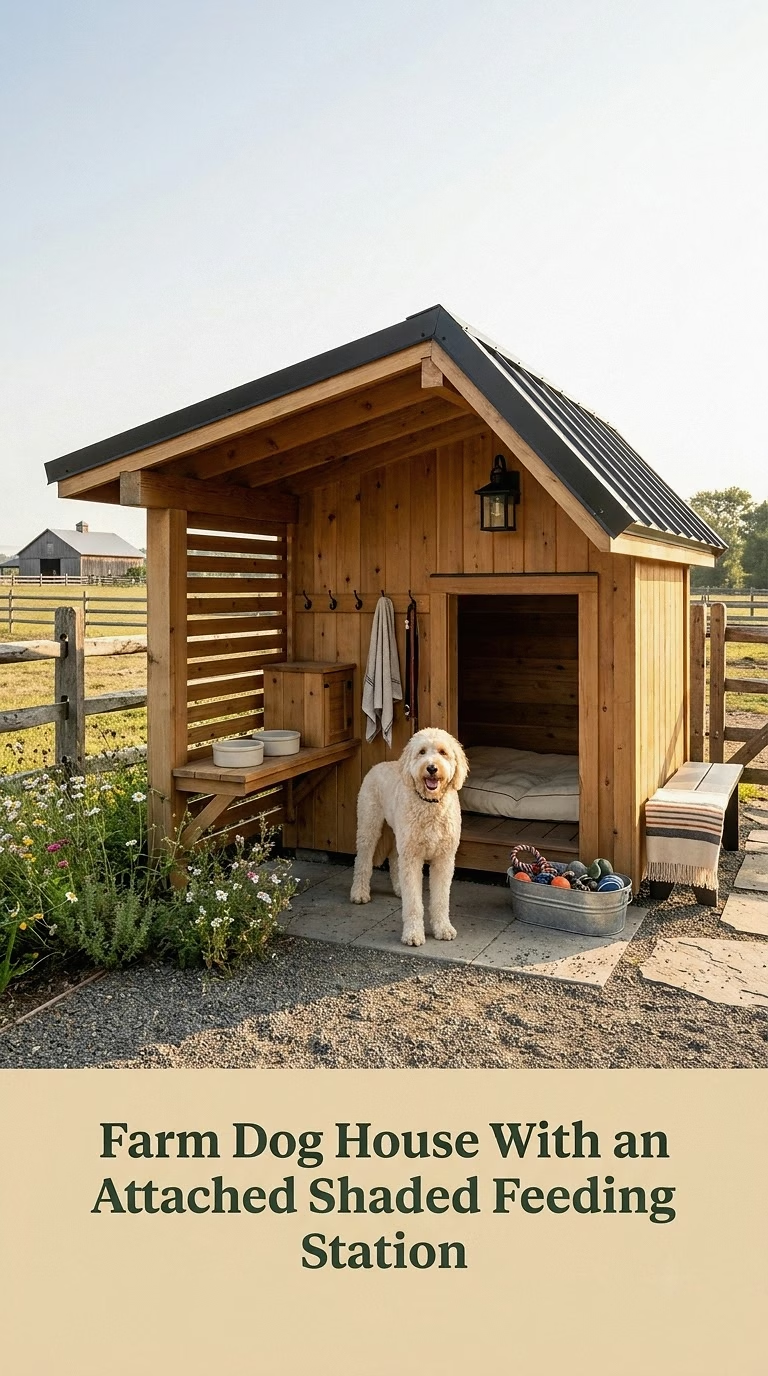
Combine shelter and organization by adding a covered feeding station beside the dog house. A shared roof can protect the resting porch and feeding area, creating a tidy little farm outbuilding for your pet.
Place water in the shaded section rather than inside the sleeping compartment, where spills could create damp bedding and humidity. Use a stable bowl stand that is appropriate for your dog’s height and cannot tip easily. Stainless steel bowls are practical because they are durable and simple to wash.
The feeding platform should have a washable, non-slip surface and enough space around the bowls for comfortable movement. Store food separately in a secure, animal-resistant container rather than leaving it beside the house, where it could attract insects, rodents, raccoons, or other wildlife. Add a small sealed cabinet for leashes, paw towels, and grooming brushes if the structure remains protected from rain.
9. Farmstand-Inspired Dog House With a Striped Canvas Awning
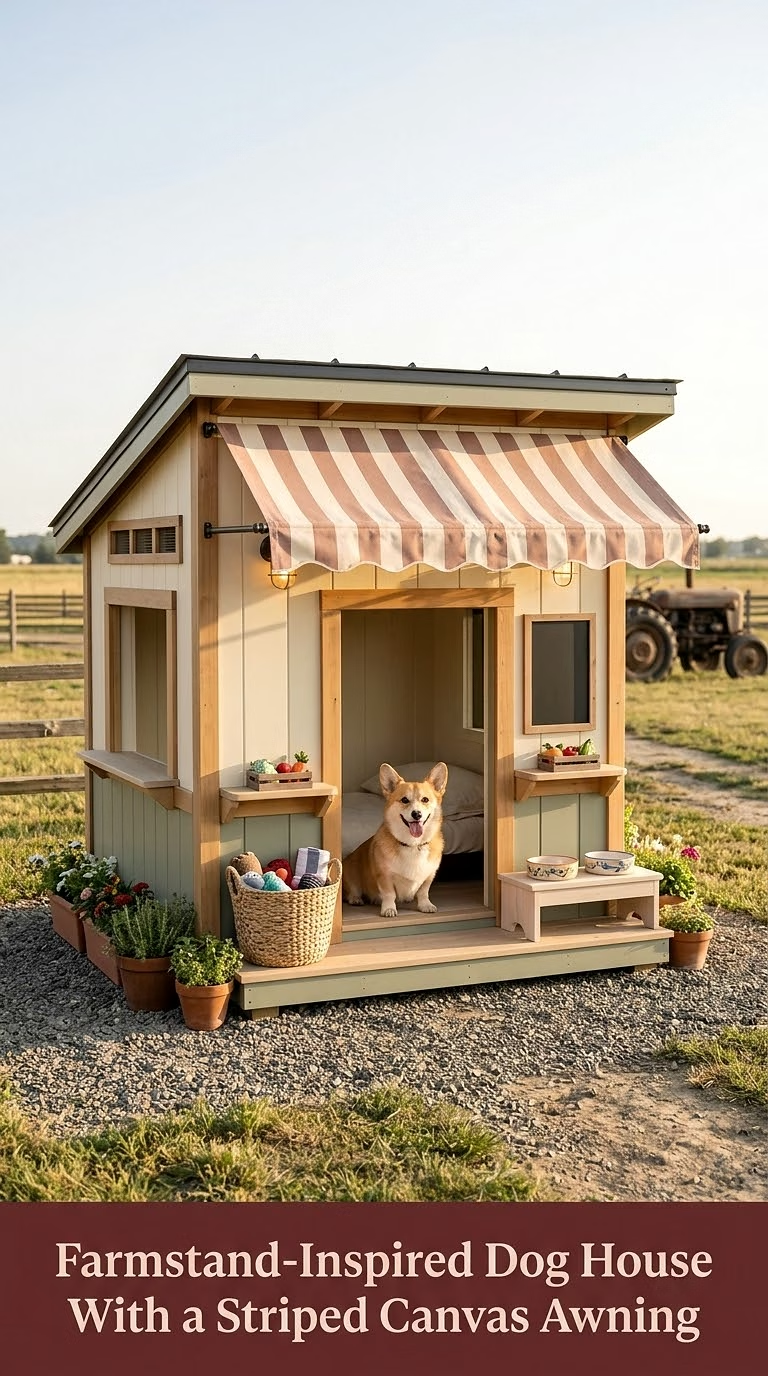
Give your dog’s shelter the playful appearance of a tiny roadside farmstand with a striped awning over the entrance. Cream-and-green, tan-and-white, or muted red stripes create a cheerful country look without overwhelming the yard.
The awning should be made from durable outdoor fabric and attached high enough that your dog cannot pull or chew it. Angle it slightly downward so water runs away from the doorway. In windy locations, a small fixed wooden canopy painted with stripes may be safer and easier to maintain than loose fabric.
Keep the rest of the structure simple with warm white siding, natural wood trim, and a small chalkboard-style name sign. A shallow porch can complete the farmstand illusion while providing a dry resting spot. This idea is particularly charming for a sheltered patio or garden area where the fabric will not be exposed to severe storms throughout the year.
10. Insulated Country Dog House With an Offset Windbreak Entry
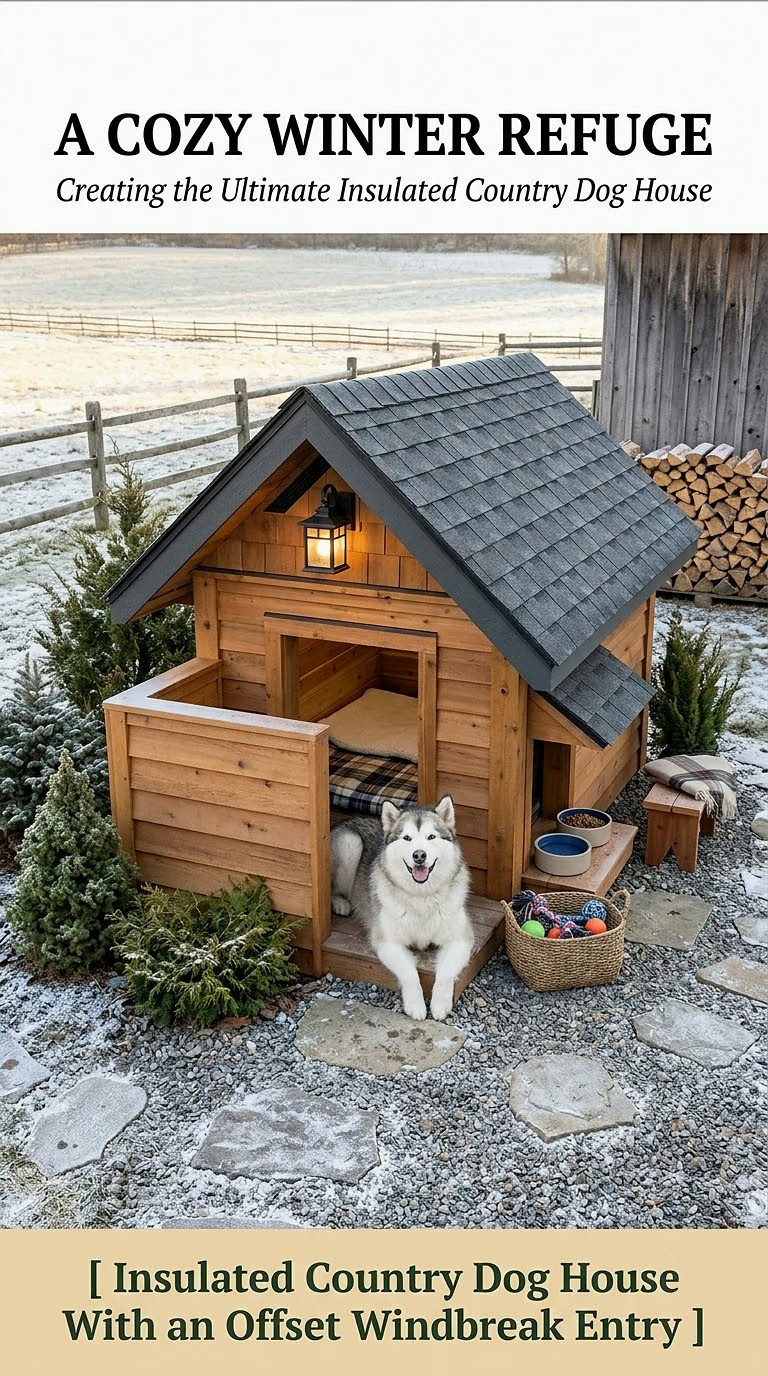
In a cold or windy rural setting, comfort should shape the layout as much as appearance. An offset entrance creates a protected sleeping corner where your dog can move away from direct drafts. From the outside, the extension can resemble a charming little farmhouse mudroom.
Build insulated wall, floor, and roof cavities, making sure all insulation is completely enclosed behind durable interior panels. Dogs should never be able to scratch, chew, or pull exposed foam or fibrous material. The interior walls should remain smooth and free of protruding screws.
Raise the floor above wet or frozen ground and use dry bedding suitable for the conditions. Check it frequently, replacing anything that becomes damp or soiled. A weather-resistant doorway flap may reduce drafts for dogs comfortable using one, but it should be flexible, lightweight, and easy to remove. Outdoor shelter does not make extreme cold safe, so dogs still need indoor protection when conditions become hazardous.
11. Open-Air Farm Pavilion Dog House for Warm Climates
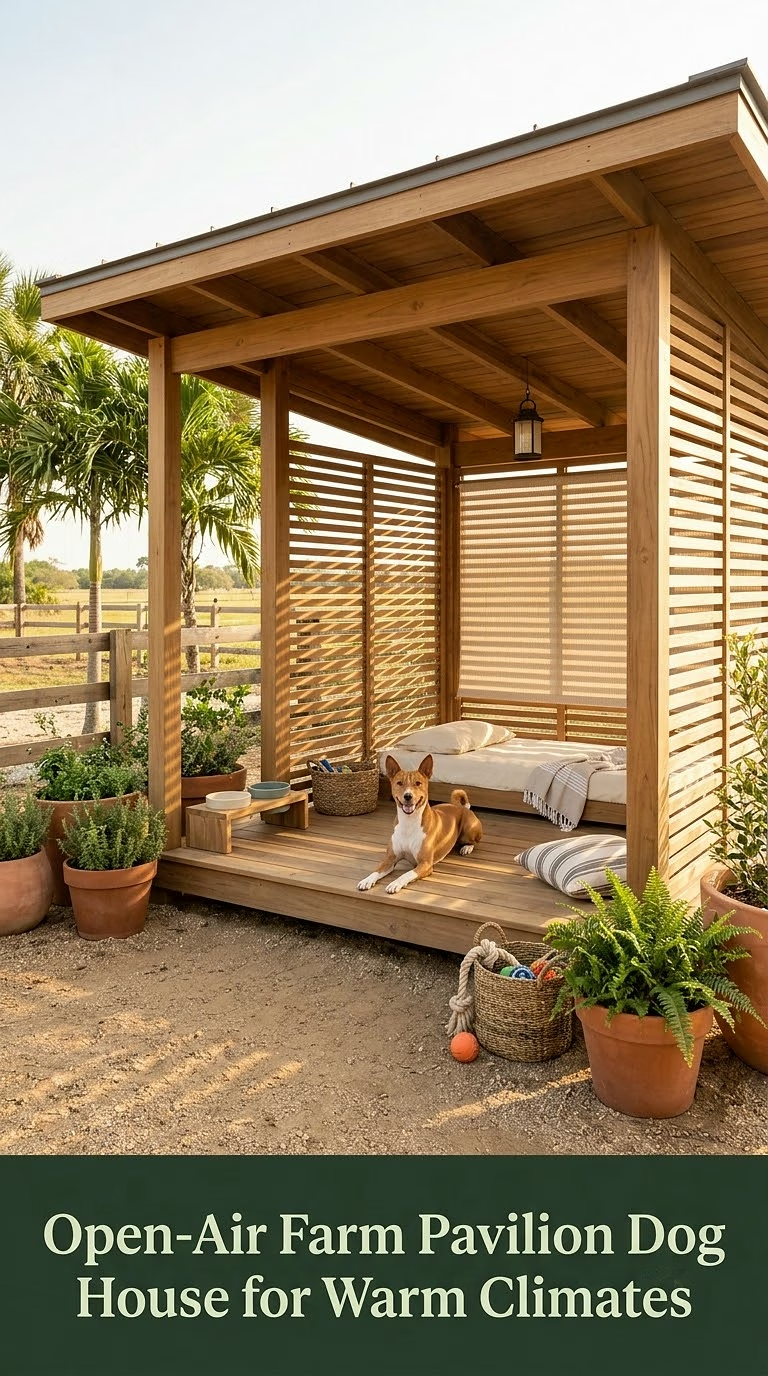
In hot regions, a shaded pavilion-style retreat can be more useful during the day than a small enclosed box. Create a farm-inspired structure with a broad pitched roof, open sides, a raised resting deck, and a smaller sheltered compartment at the back.
The generous roof should cast shade throughout the hottest part of the day, while open walls allow breezes to move freely around your dog. Use a pale or reflective roof finish instead of heat-absorbing black metal when the structure receives significant sunlight. Position the pavilion where it benefits from natural shade without sitting beneath dangerous branches.
Add a washable elevated bed or cooling mat to the covered deck, ensuring your dog can choose between the open resting area and enclosed shelter. Keep fresh water nearby and check it several times a day. During heat waves, outdoor shade alone may not be enough, so your dog should always have access to a cooler indoor environment.
12. Greenhouse-Style Farm Dog House With Clear Upper Windows
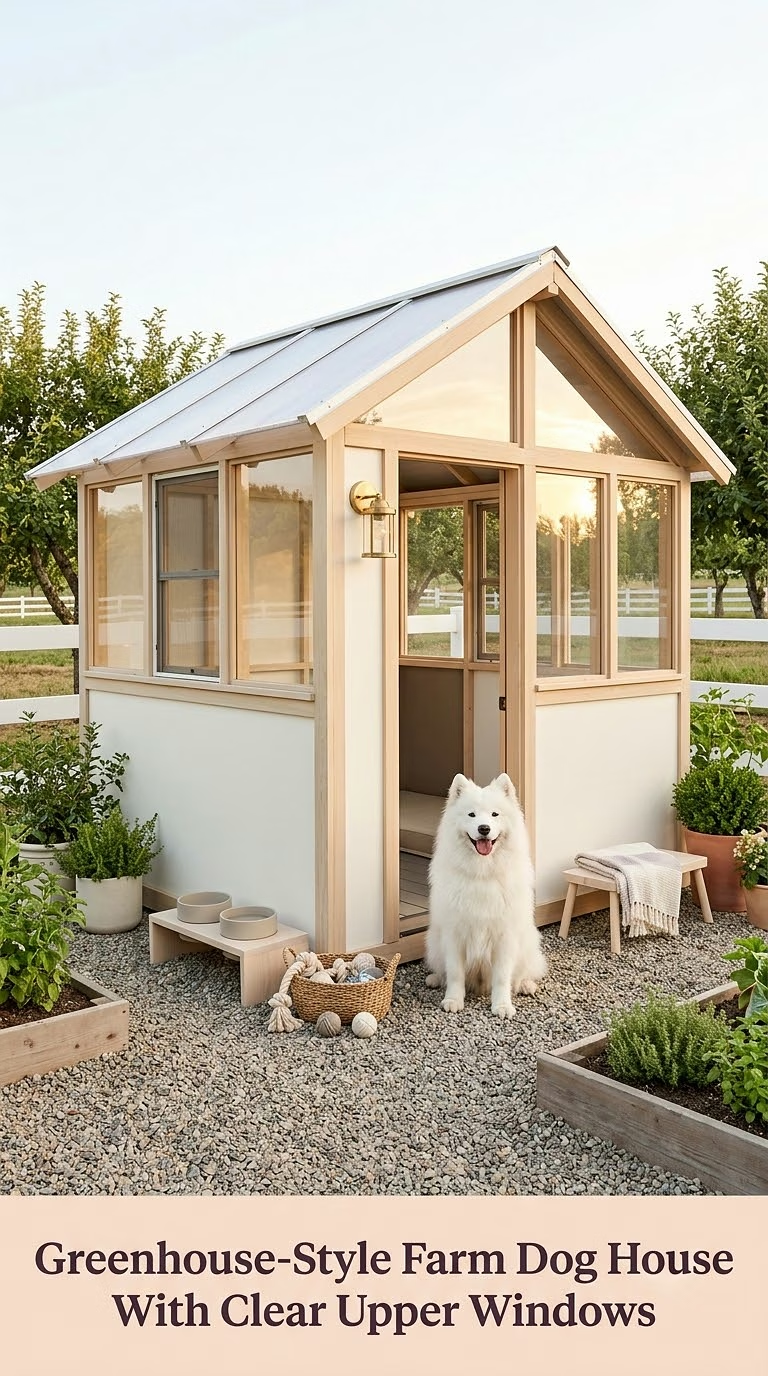
A greenhouse-inspired dog house can bring light and charm to a covered outdoor area. Use painted wooden walls on the lower section and small clear panels near the roofline, creating the appearance of miniature greenhouse windows without exposing the entire interior to the sun.
Choose shatter-resistant polycarbonate rather than ordinary glass. The panels should be installed where your dog cannot scratch or chew the edges. Keep them small and place the structure in shade, since large transparent surfaces can rapidly increase interior heat.
Read more : 19 Dog Sleeping Area Ideas for a Cozy, Stylish Resting Spot
Soft cream framing, muted green siding, and a dark pitched roof create a garden-farm aesthetic. Ventilation openings beneath the eaves help prevent stale air and moisture buildup. Surround the house with pet-safe herbs in raised planters, keeping fertilizers, pesticides, and potentially toxic plants out of reach. This design is best treated as a bright resting retreat in mild weather rather than a fully sun-exposed greenhouse.
13. Farm Dog House Built Into the Side of a Covered Barn Porch
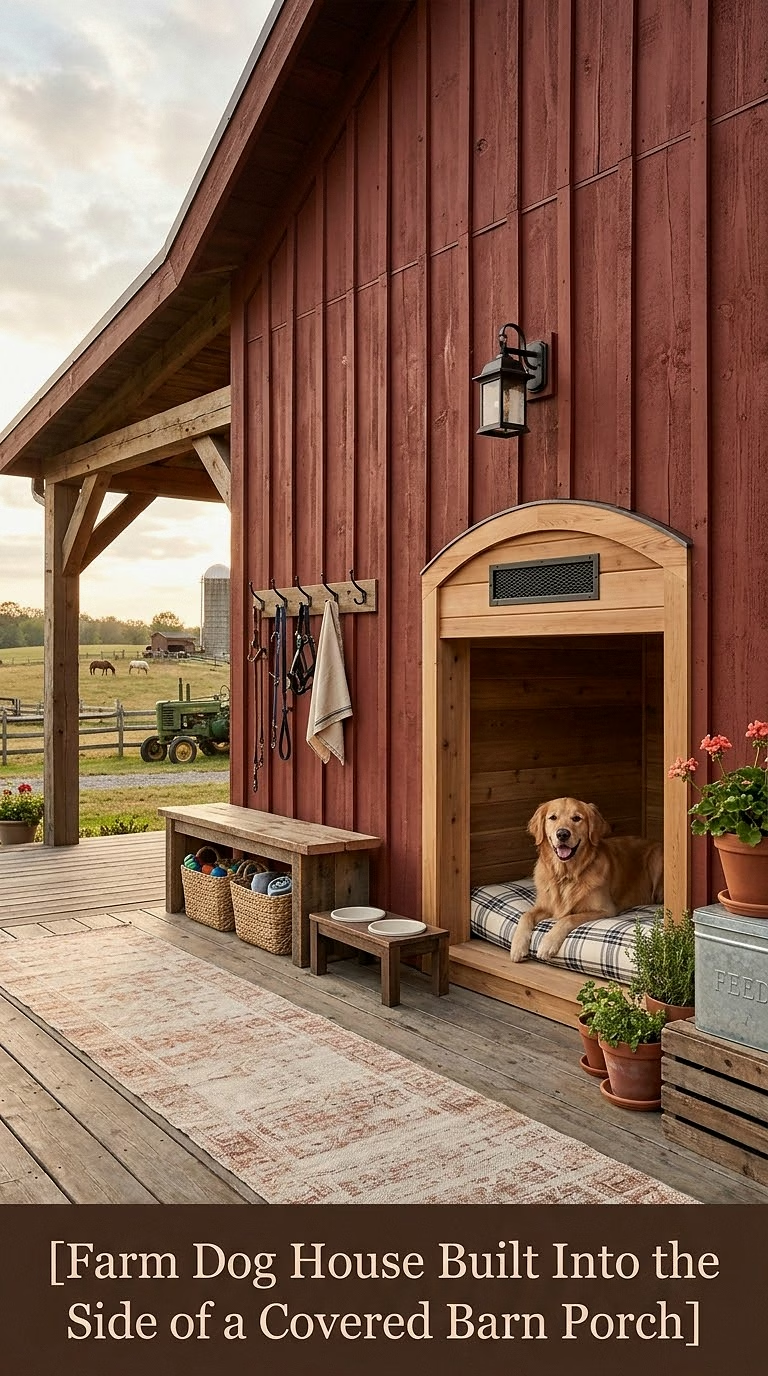
A dog house integrated beneath a covered barn or workshop porch can feel like a natural part of the property. The existing roof provides valuable protection from heavy rain and direct sunlight, while the dog remains close to everyday farm activity.
Build the sleeping compartment against an exterior wall only when the location stays dry and has adequate ventilation. Avoid placing it beside machinery, fuel, fertilizers, pesticides, sharp tools, or livestock feed. Farm buildings often contain substances that are ordinary to people but dangerous to curious dogs.
Match the dog house siding to the barn so the design appears built-in. A small porch rail, personalized sign, and washable mat can define the space without restricting the entrance. Add a removable front or hinged top for cleaning, especially if the house fits tightly beneath the porch. The location should remain quiet enough for rest while allowing your dog to observe the yard.
14. Rustic Pallet-Style Dog House With a Corrugated Roof
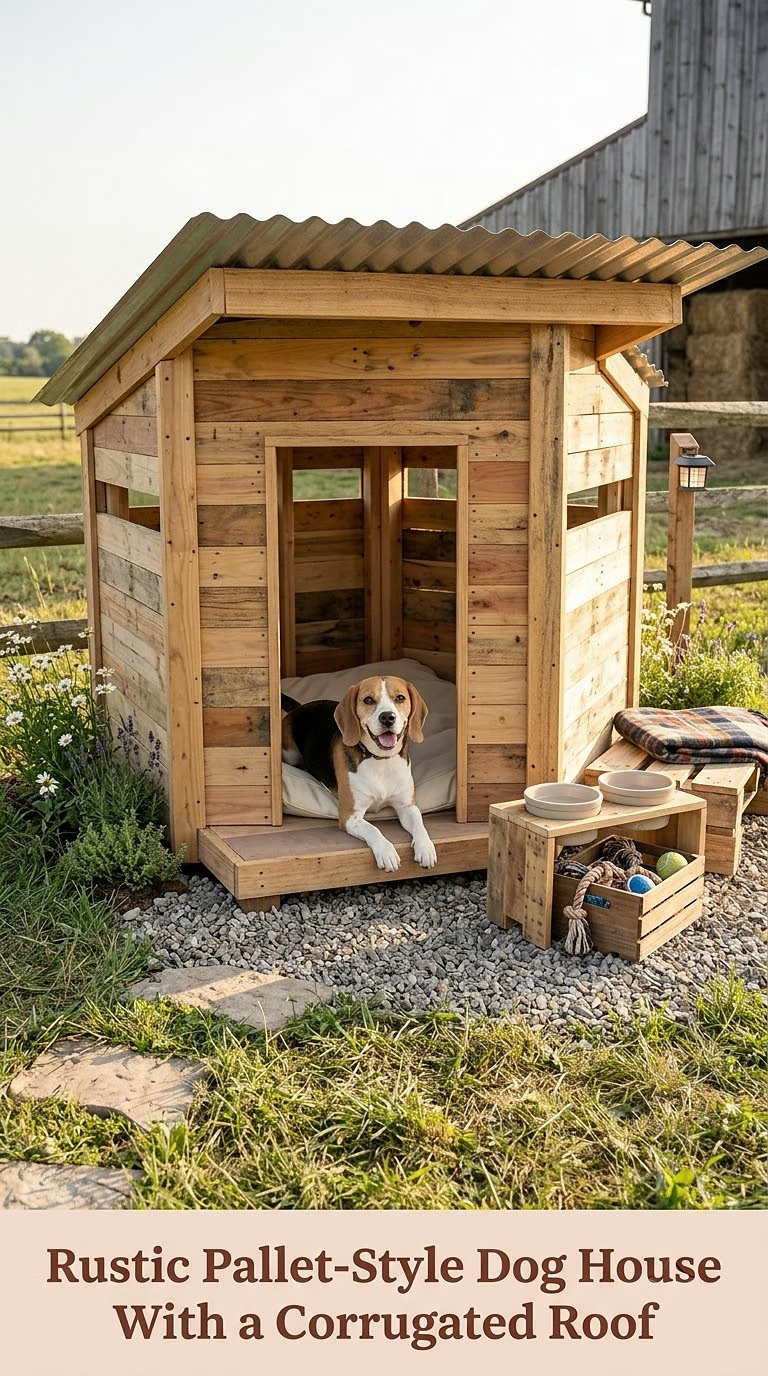
A pallet-inspired dog house offers an affordable country look using straightforward construction and rough-sawn visual texture. Rather than relying on unknown discarded pallets, build the structure from new framing lumber and inexpensive fence boards arranged to resemble pallet slats.
This approach allows you to choose clean, untreated materials and avoid hidden chemicals, oil residue, broken fasteners, and damaged wood. Space the exterior boards evenly, but install a continuous weather-resistant layer beneath them so wind and rain cannot pass through the walls.
A lightweight corrugated roof adds farm character and sheds rain effectively when installed with the correct slope and sealed fasteners. Cover sharp metal edges with proper trim and extend the roof beyond the walls. Finish the exterior in a warm brown stain or faded gray wash. Inside, use smooth plywood panels and a solid removable floor so the rustic appearance never compromises safety or cleanliness.
15. Extra-Large Farmhouse Dog House With a Wide Accessibility Ramp
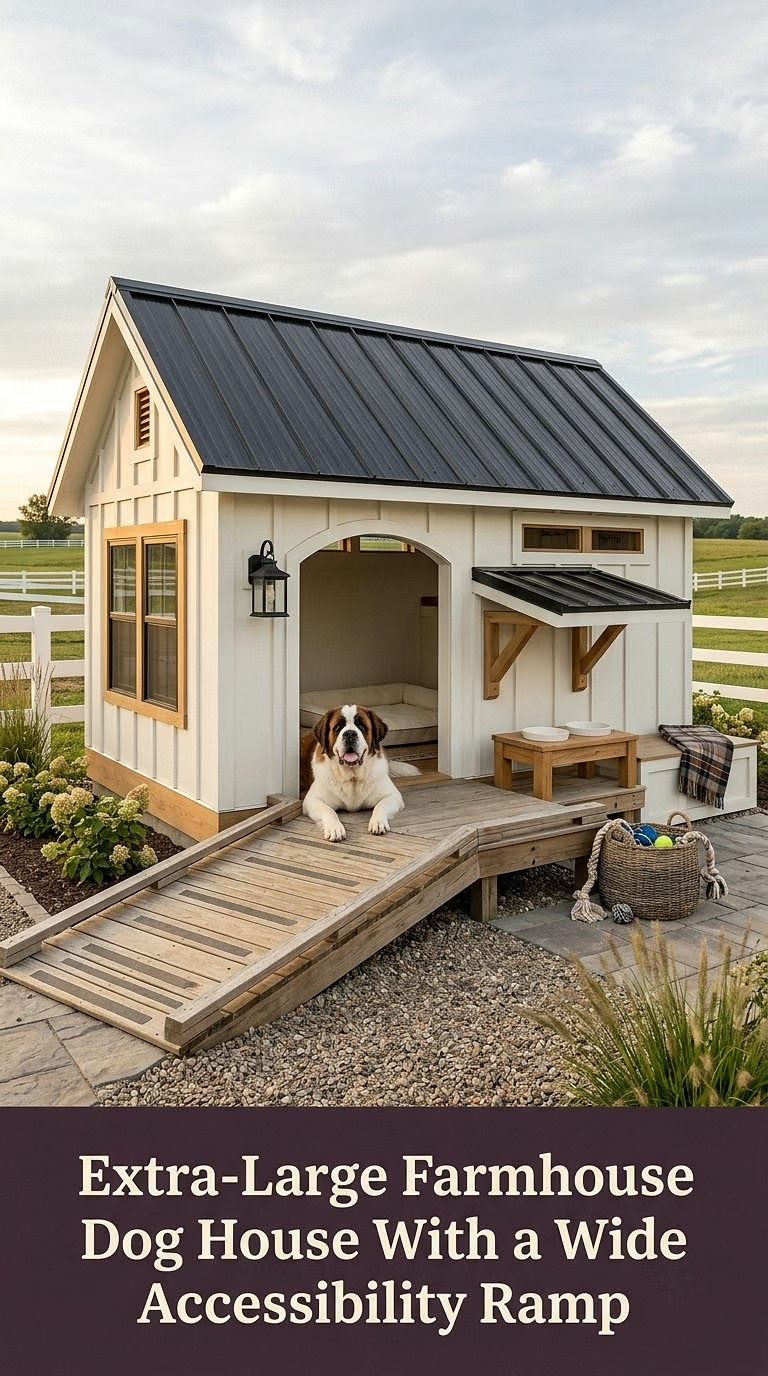
Large dogs need more than a scaled-up decorative box. Create a roomy farmhouse shelter with a broad doorway, reinforced floor, sturdy framing, and enough interior space for your dog to stand naturally, turn around, and lie comfortably.
A wide, gently inclined ramp is useful for giant breeds, older dogs, and pets with limited mobility. Cover it with a weather-resistant, non-slip surface and add low side edges for confidence. Avoid steep porch steps and raised thresholds that may strain joints.
Use a hinged roof or full-width access panel because reaching into a deep, oversized house can be difficult. The structure should be anchored securely, especially in open rural areas exposed to wind. Cream siding, natural timber posts, and a muted green or dark bronze roof create an elegant farmhouse appearance. Keep the décor proportional and restrained so the house feels spacious rather than crowded.
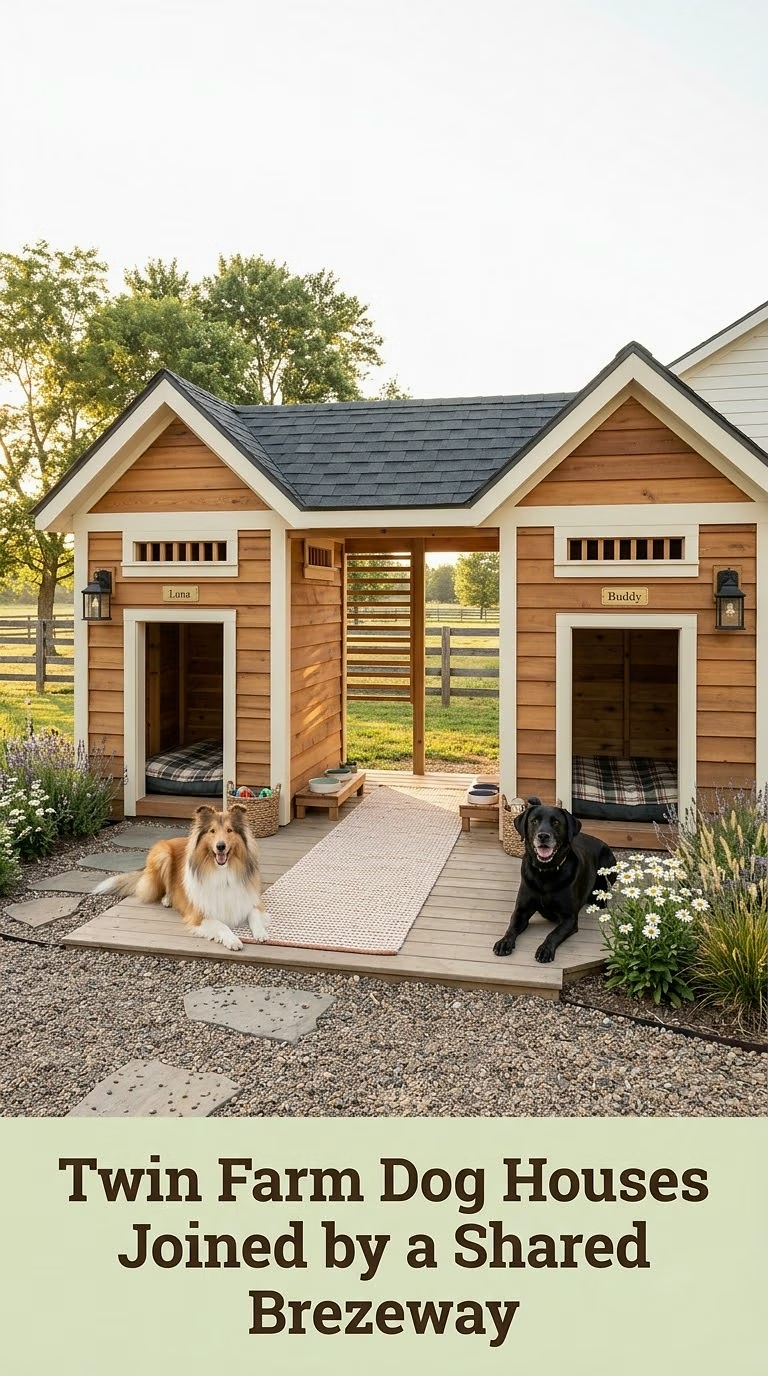
For two dogs that enjoy being near each other but prefer separate sleeping spaces, connect matching houses with a covered central breezeway. The result resembles a tiny pair of farm cottages with a shared porch between them.
Each compartment should be sized for the individual dog rather than assuming both pets have the same needs. Separate interiors also make it easier to manage bedding, feeding routines, and personal space. The central covered section can hold water bowls or provide a shaded observation spot, but food should be supervised if either dog guards resources.
Match the two houses with coordinated siding and roofing, then distinguish them with different door colors or name plaques. Ensure the shared platform has a non-slip finish and drains away from both entrances. This arrangement works particularly well in a fenced run where the dogs can move freely between private shelter and open activity space.
17. Luxury Farm Estate Dog House With a Wraparound Porch and Cupola
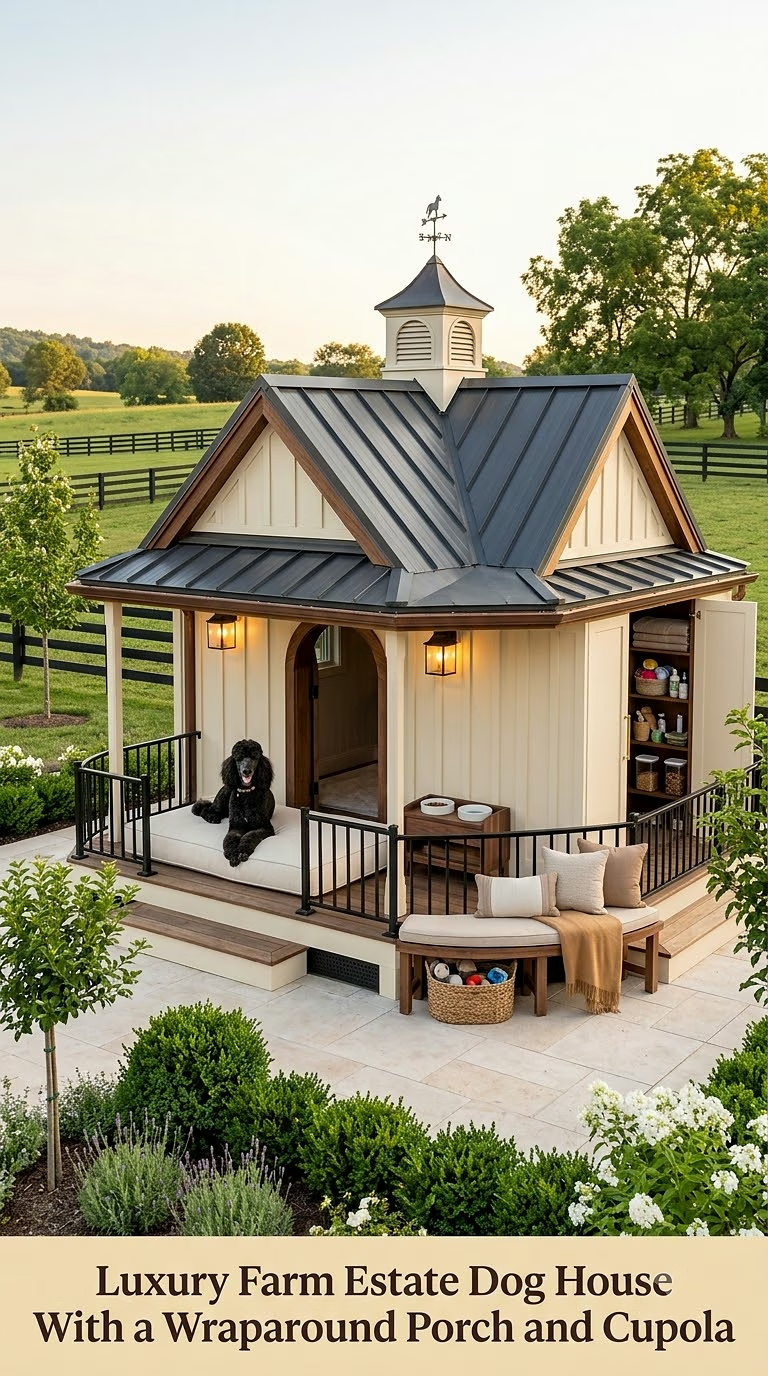
For a statement-making project, design a miniature farm estate with a wraparound porch, symmetrical windows, timber posts, and a decorative cupola. Soft white siding, natural wood details, and a standing-seam-style roof create an impressive structure that complements a polished country property.
The decorative architecture should sit around a practical, appropriately sized sleeping compartment. Keep windows small, shatter-resistant, and shaded. The cupola can conceal protected ventilation openings, allowing warm air to escape near the roof while reinforcing the barn-inspired silhouette.
Use removable porch sections or wide access panels to make cleaning manageable. Conceal insulation inside enclosed wall cavities and choose durable materials that tolerate moisture, scratching, and frequent washing. Solar lanterns may decorate the surrounding garden, but avoid placing electrical cords, exposed batteries, or hot fixtures within reach. The final design should feel luxurious because it is comfortable and carefully constructed, not simply because it includes elaborate ornamentation.
Conclusion
The most beautiful farm dog house ideas are the ones that balance country charm with genuine comfort. Red barn siding, warm cedar, stone accents, metal roofs, shaded porches, and vintage-inspired trim can help the shelter feel connected to your home and landscape. Beneath those decorative details, however, the structure should always remain dry, stable, ventilated, appropriately sized, and easy to inspect.
Consider your dog’s age, breed, mobility, coat, habits, and local climate before choosing a design. A senior dog may benefit from a low ramp, while a large working dog may need reinforced flooring and a wider entrance. Hot climates call for dependable shade and open airflow, while cooler areas may require enclosed insulation, draft protection, and consistently dry bedding.
With thoughtful planning, even a simple painted shelter can become a lovely part of the yard and a comfortable place where your dog can relax between outdoor adventures.
Pin this Pinterest post so you can return to these farm dog house ideas when you are ready to create your dog’s cozy country retreat.
Source: https://petstutorial.com
Category: Dog Rooms
