
A dog house does not have to be a plain wooden box hidden at the edge of the backyard. With a thoughtful color palette, an inviting shape, and a few carefully chosen details, it can become a charming miniature home that complements your outdoor space while giving your dog a cozy place to rest.
- 17 Dog Hallway Ideas That Make Small Spaces Stylish, Cozy, and Pet-Friendly
- 17 Dog Bathroom Ideas for a Stylish, Practical Pet Wash Space
- 17 Dog Room Ideas Outdoor That Turn Your Backyard Into a Cozy Pet Retreat
- 16 Beautiful Dog House Ideas That Make Every Pup Feel at Home
- 19 Dog Corner Ideas to Create a Cozy, Stylish Space Your Pup Will Love
Imagine a blush-pink cottage surrounded by flowers, a tiny farmhouse with a welcoming porch, or a cheerful yellow retreat that looks as though it belongs in a storybook garden. The most successful designs combine decorative charm with practical features such as shade, airflow, weather protection, comfortable flooring, and easy-to-clean surfaces.
You are reading: 19 Cute Dog House Ideas That Look Like Tiny Dream Homes
Before choosing a design, consider your dog’s size, age, coat type, mobility, and chewing habits. An outdoor dog house should provide enough space for your dog to stand, turn around, stretch, and lie down comfortably without being unnecessarily oversized. Place it away from standing water, strong winds, harsh afternoon sunlight, and garden chemicals.
Use smooth, weather-resistant materials, conceal sharp hardware, and allow all paints, stains, adhesives, and sealants to dry and cure completely before your dog enters. These cute dog house ideas offer plenty of visual inspiration while keeping comfort, safety, maintenance, and everyday practicality at the heart of each design.
Cute Dog House Ideas for a Cozy and Stylish Pet Retreat
1. Blush-Pink Cottage Dog House With White Trim and a Tiny Front Porch
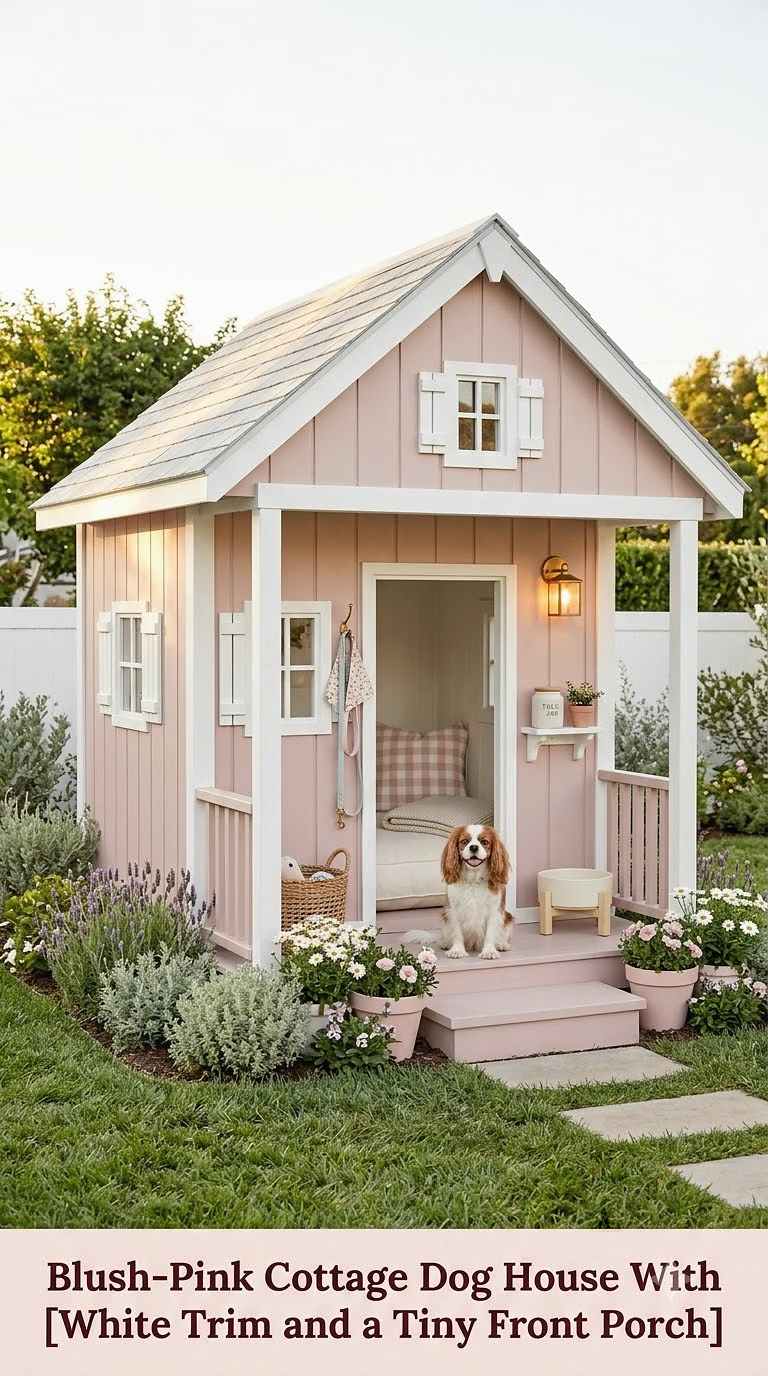
Turn a simple wooden structure into a romantic garden cottage using blush-pink siding, creamy white trim, and a miniature porch across the entrance. A pitched roof creates the familiar silhouette of a tiny home, while a small wooden step can make entry easier for short-legged, small, or senior dogs.
Decorative features should be secure and uncomplicated. Faux shutters, a painted window frame, and a lightweight wooden name plaque create personality without adding fragile objects your dog could chew or pull loose. A small scalloped fascia beneath the roofline can enhance the cottage appearance.
Place the house on a level platform or flat pavers instead of directly on damp soil. Raising the floor slightly helps reduce contact with mud and rainwater while improving airflow beneath the structure.
Complete the look with a washable floral, gingham, or neutral cushion. Bedding should fit the floor without bunching near the entrance and should be removed whenever it becomes damp. Surround the house with dog-safe flowers or soft ornamental grasses, leaving enough open space for cleaning and inspection.
2. Sage-Green Farmhouse Dog House With a Black Metal-Style Roof
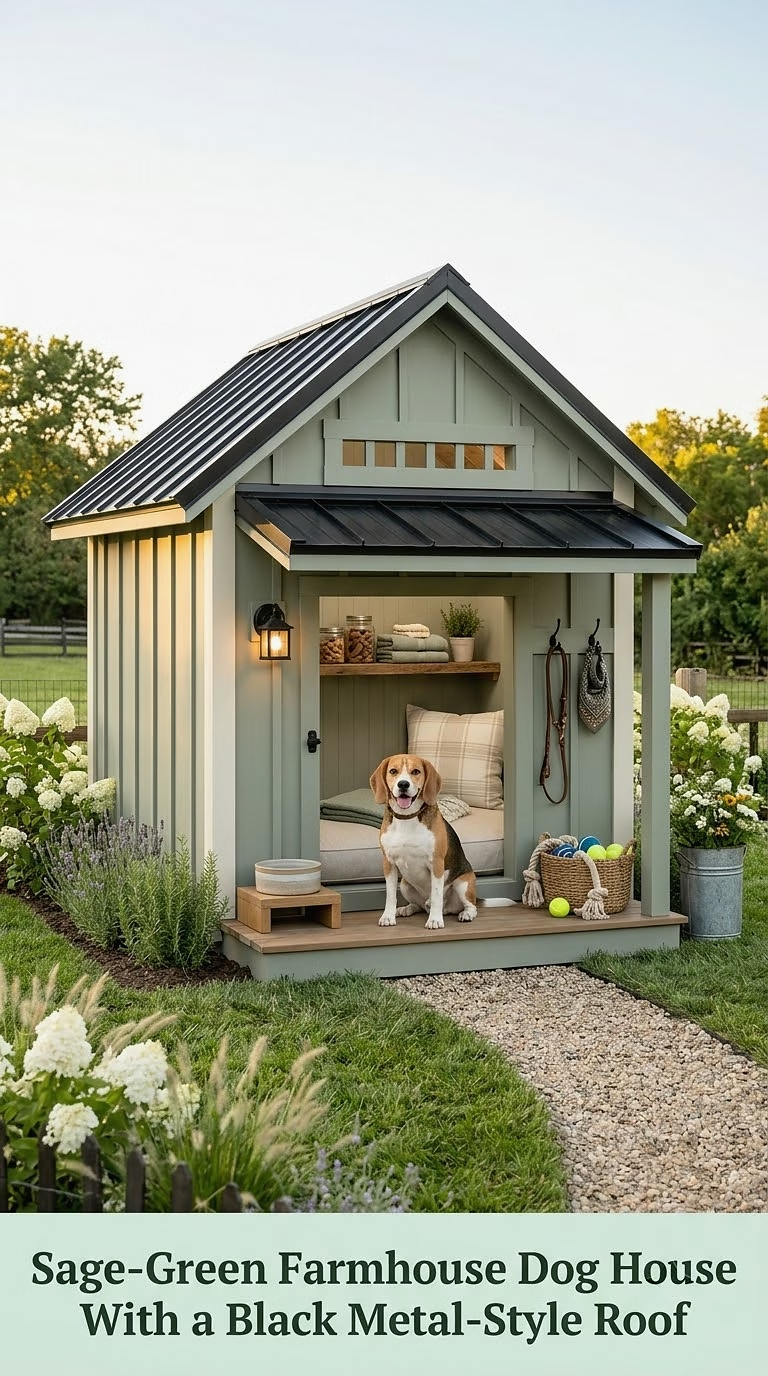
A muted sage-green dog house feels both adorable and sophisticated. Pair the green siding with bright white corner boards, natural wood accents, and a dark sloping roof for a miniature modern farmhouse effect.
Add a shallow covered entryway rather than an oversized porch. This gives the façade dimension while keeping the structure compact enough for smaller backyards. A simple black nameplate, barn-inspired trim, and a warm wooden threshold provide character without making the design feel overly busy.
The roof should slope away from the doorway so rainwater does not collect near the entrance. Extend it slightly beyond the walls to help protect the siding and opening from light rain. Small protected vents placed high on opposite walls can improve air movement while keeping the sleeping area sheltered.
Inside, continue the farmhouse theme with a tan, cream, or muted plaid mat. A removable floor panel or hinged roof makes routine cleaning much easier, especially after muddy weather or seasonal shedding.
3. Butter-Yellow Storybook Dog House Surrounded by Flower Pots
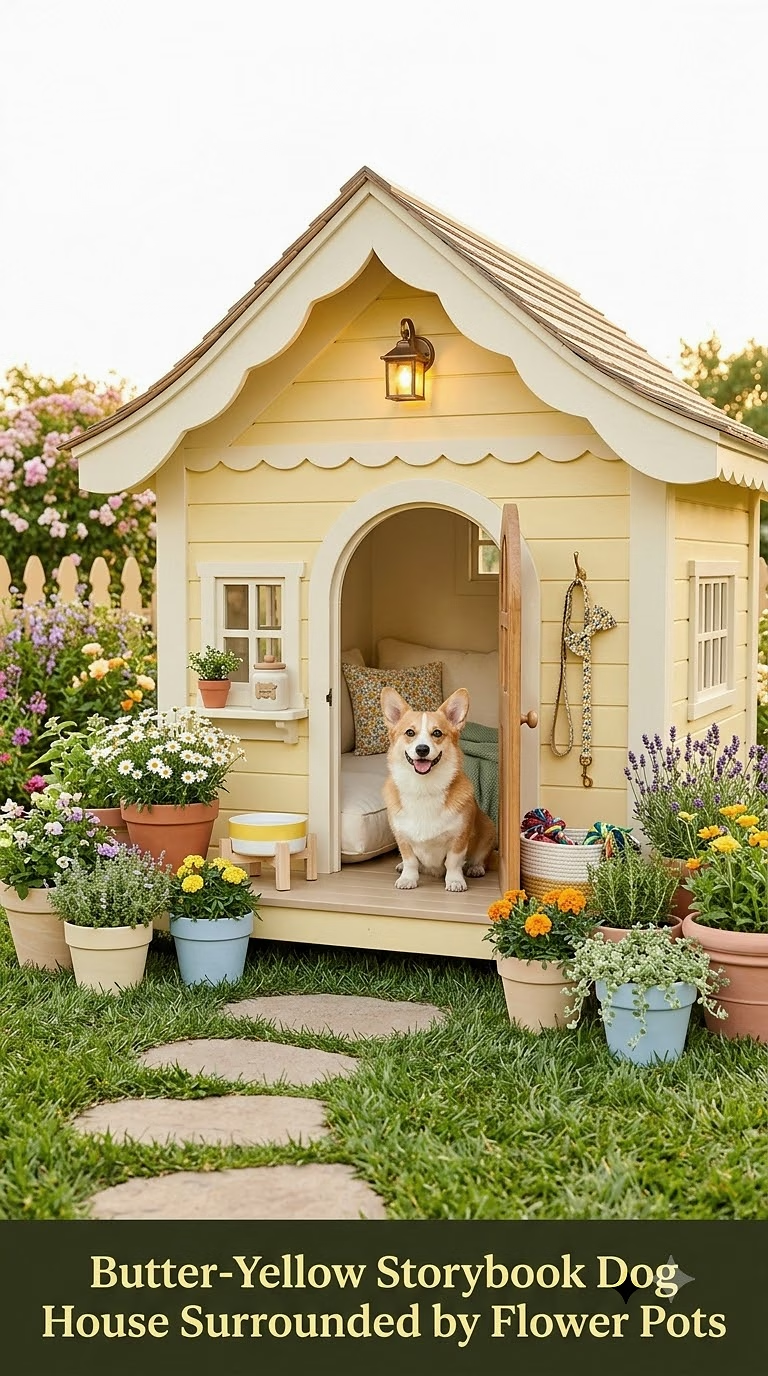
A sunny yellow dog house can brighten a plain corner of the yard and create a cheerful focal point. Choose a soft butter, marigold, or warm vanilla shade instead of an intense neon yellow. Pair it with white trim, a pale blue doorway, and a gently peaked roof.
A small awning over the entrance adds storybook charm while helping shield the doorway from light rain. Painted window details can make the structure look like a miniature cottage without creating unnecessary openings or attaching breakable pieces.
Arrange a few stable terracotta planters nearby to create the appearance of a tiny garden. Keep them far enough from the entrance that your dog cannot knock them over while running in or out. Choose dog-safe plants and avoid placing fertilizers, pesticides, loose soil, or tempting leaves within reach.
A curved stepping-stone path and a striped washable cushion complete the welcoming design. Make sure the stones remain level and do not develop sharp edges that could become uncomfortable for paws.
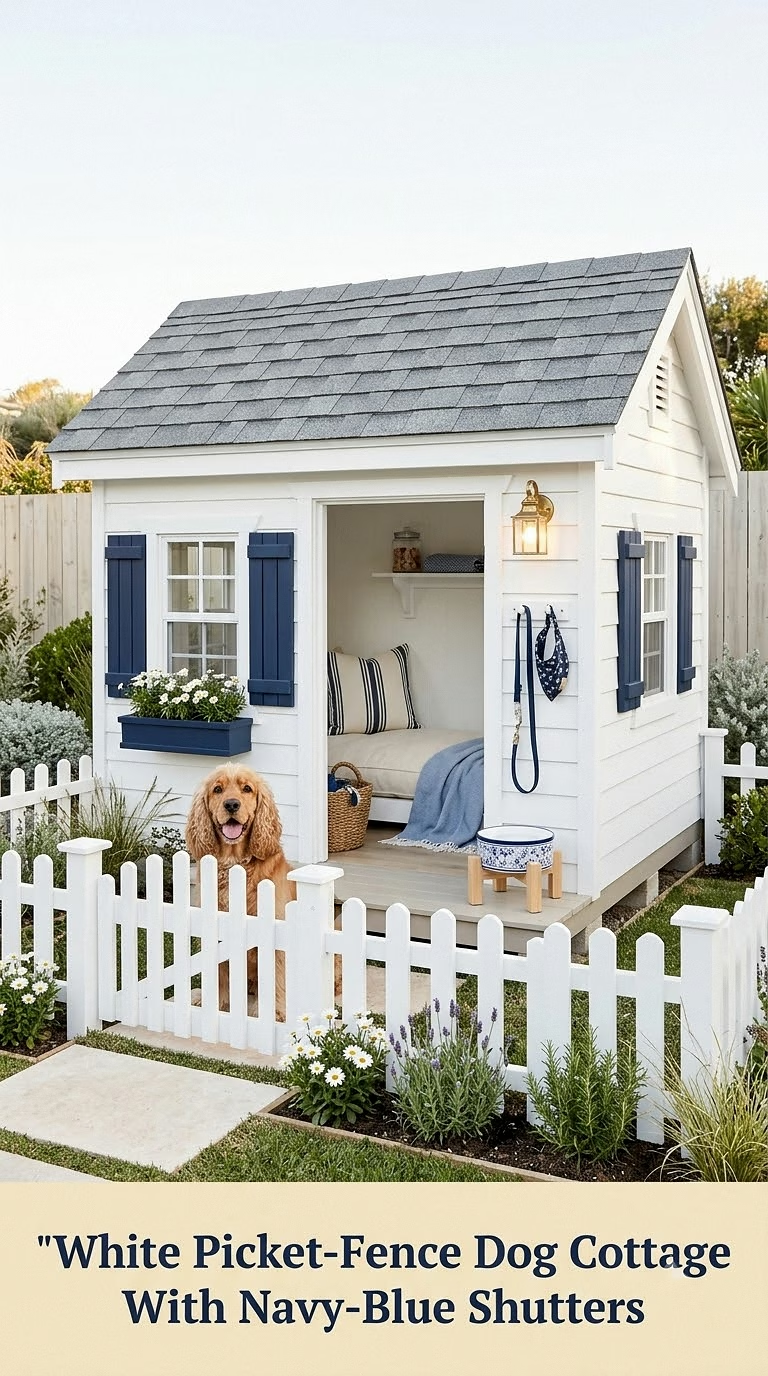
Create the feeling of a miniature suburban home by combining crisp white siding with navy-blue shutters and a matching roof edge. A short section of decorative picket fencing can frame the dog house and give it a finished appearance without enclosing the dog or restricting airflow.
The fence should be low, stable, and positioned away from the doorway. Avoid narrow gaps where paws, collars, or tags could become caught. Flat shutter panels are safer than working hinged shutters, which can rattle, swing, or develop loose hardware.
A rounded doorway softens the façade, while a small painted porch-light detail can add personality without requiring electrical wiring or chewable accessories. Introduce one brighter accent, such as a coral name sign, yellow bowl stand, or red threshold.
This design looks particularly charming beside a white garden fence or neutral patio. However, the house still needs external shade and careful placement, especially in warm climates where direct sunlight can quickly heat an enclosed shelter.
5. Pastel Rainbow Dog House With Vertical Board Siding
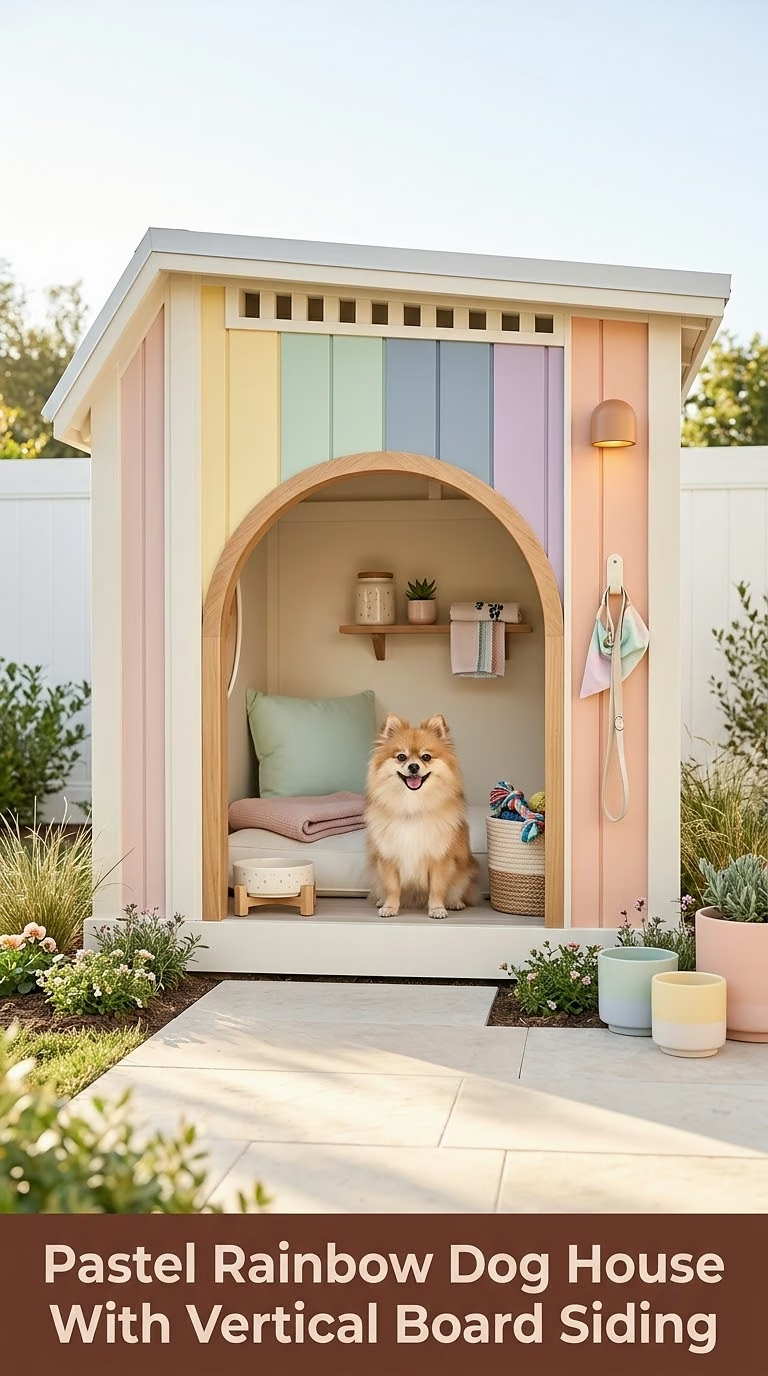
A pastel rainbow design can feel playful without looking overly bright or childish. Paint narrow vertical siding boards in alternating shades of dusty pink, pale peach, buttercream, mint, lavender, and powder blue.
Keep each color slightly muted so the palette feels coordinated. Balance the colorful walls with a simple white or natural wood roof and minimal trim. Because the siding already provides a strong visual feature, avoid adding too many signs, patterns, or accessories.
A square doorway with softly rounded upper corners can give the house a modern handmade appearance. Add a plain white nameplate or a small natural wood step to break up the pastel tones.
This project is a practical way to use small quantities of leftover exterior paint, provided the products are compatible with the material and suitable for outdoor use. Sand the surface thoroughly, repair cracks, and allow every layer to cure completely. Inspect the finish regularly if your dog likes to scratch or chew painted surfaces.
6. Mini English Cottage Dog House With Faux-Stone Details
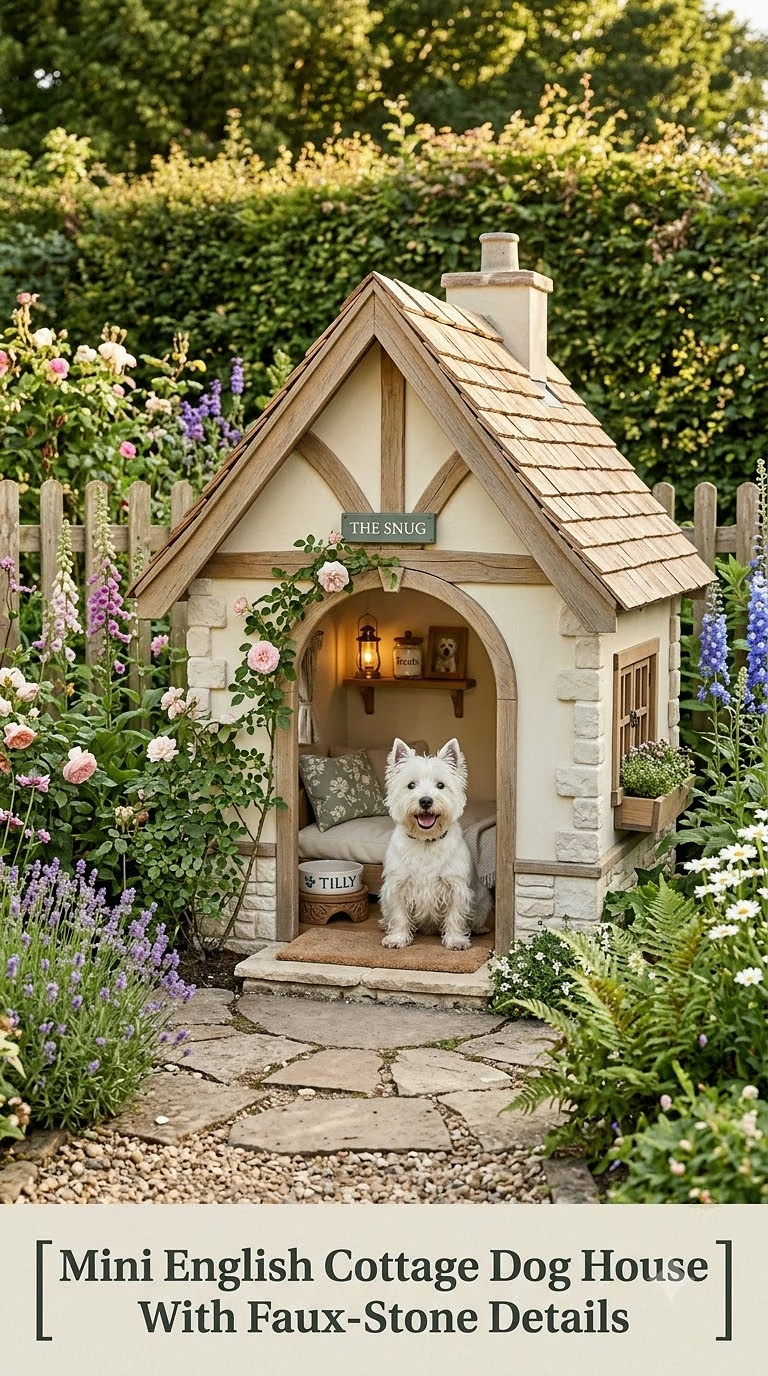
Bring old-world charm into the backyard with a cream-colored cottage featuring warm wood trim and faux-stone accents. Limit the stone effect to the base of the front wall or the area surrounding the doorway so the design remains lightweight and manageable.
Painted stonework is often easier and safer than attaching heavy pieces. Use several shades of soft gray, beige, and taupe to create irregular stone shapes directly on a flat exterior panel. If lightweight faux-stone cladding is used, every edge should be smooth and firmly secured.
A steep roof, arched entrance, and small window-shaped vent complete the English cottage appearance. Add a simple wooden name plaque beneath the roof peak for a personalized detail.
Surround the structure with low greenery while leaving space around the walls and base. Dense plants can trap moisture, conceal damage, and make cleaning difficult. Inside, use a removable neutral mat rather than thick permanent carpeting that may hold dirt or dampness.
7. Coastal Blue Dog House With White Shutters and a Striped Cushion
Read more : 17 Dog Den Ideas to Create a Cozy, Stylish Retreat for Your Best Friend
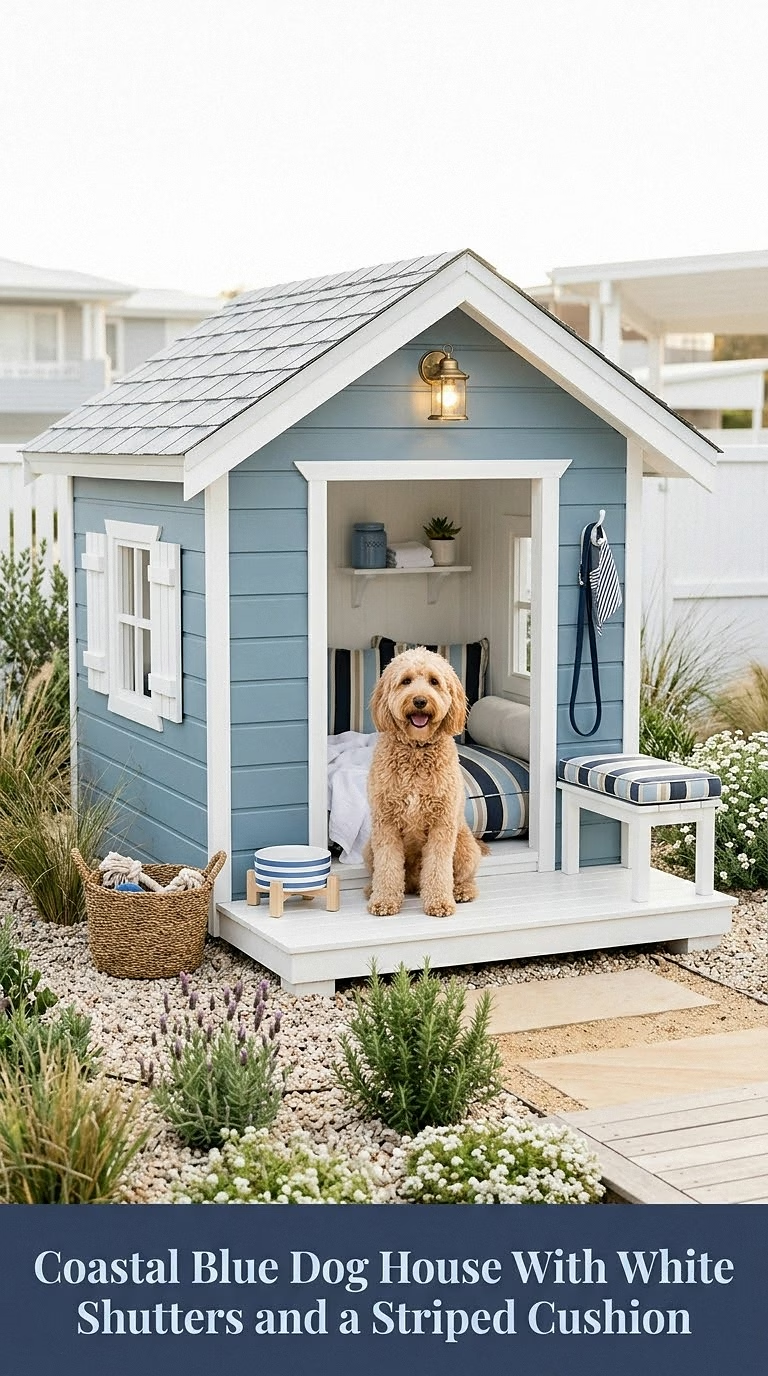
Soft coastal colors can make a backyard dog house feel clean, airy, and cheerful. Paint the walls misty blue, sea-glass green, or pale aqua, then add crisp white trim and decorative shutters.
A natural wood porch platform warms the cool palette, while a navy-and-white striped cushion brings in a classic seaside pattern. Choose a washable outdoor fabric and avoid cushions with loose tassels, buttons, or decorative cords.
Use the coastal theme as visual inspiration rather than filling the area with rope, shells, netting, or hanging ornaments. Painted details are generally easier to maintain and less tempting for curious dogs to chew.
A wide roof overhang can provide some protection around the entrance, but the house should still be positioned beneath natural or constructed shade. Place a sturdy water bowl nearby in an area that remains cool, and check pale stones or pavers before allowing your dog to walk on them during hot weather.
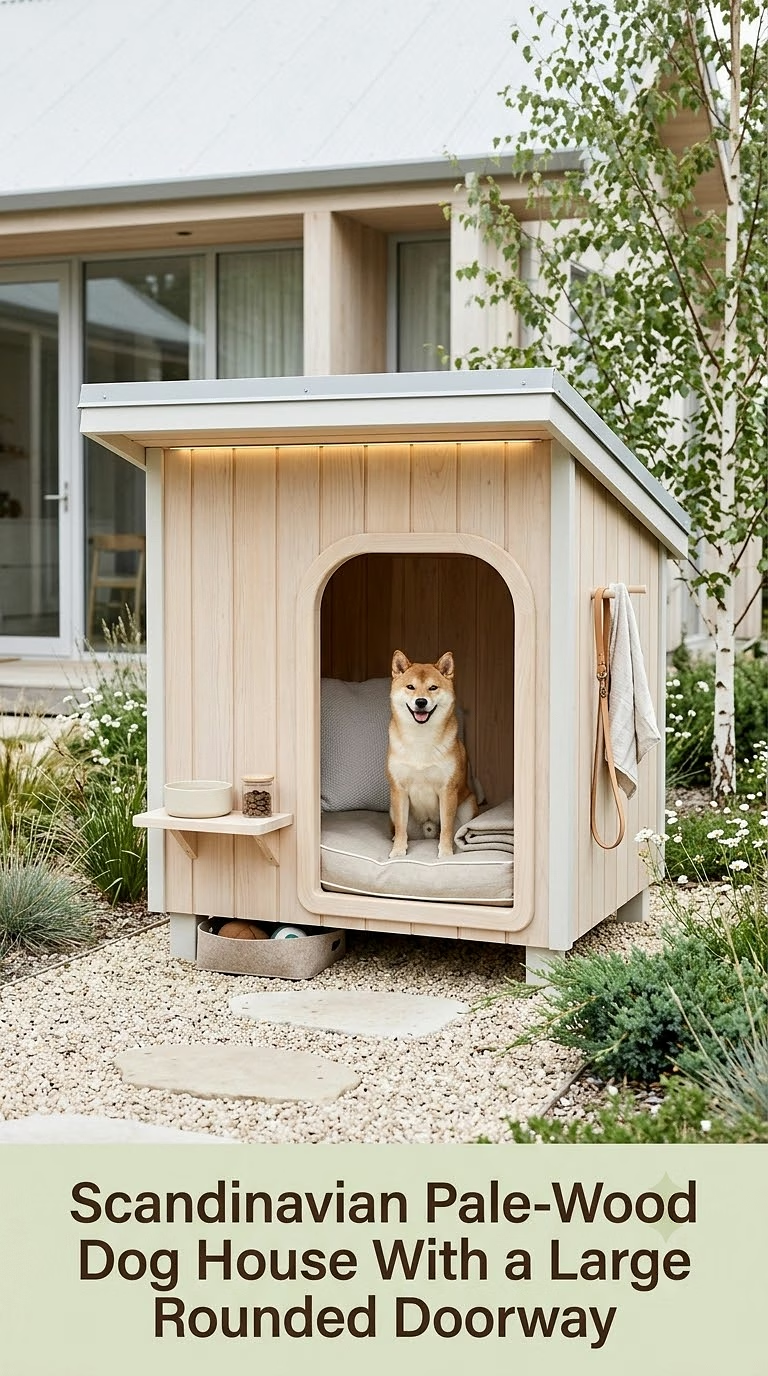
For a cleaner interpretation of cute, choose a Scandinavian-inspired design with pale wood, smooth surfaces, simple geometric lines, and a large rounded entrance.
Use exterior-grade panels or properly protected timber rather than untreated interior plywood. Conceal fasteners, sand every edge, and cover the roof with a dependable weather-resistant layer that extends slightly beyond the walls.
Keep decoration minimal. A small black name plaque, painted half-circle, or single line drawing above the doorway is enough to give the structure personality. A charcoal-gray or oatmeal-colored washable mat complements the understated design.
A removable roof or front panel makes the interior easier to inspect and clean. The finished house looks especially attractive on a modern patio, beside ornamental grasses, or against a simple timber screen. Its uncluttered style also allows it to blend naturally with contemporary outdoor furniture.
9. Tiny A-Frame Dog Cabin With Natural Wood and Mint-Green Trim
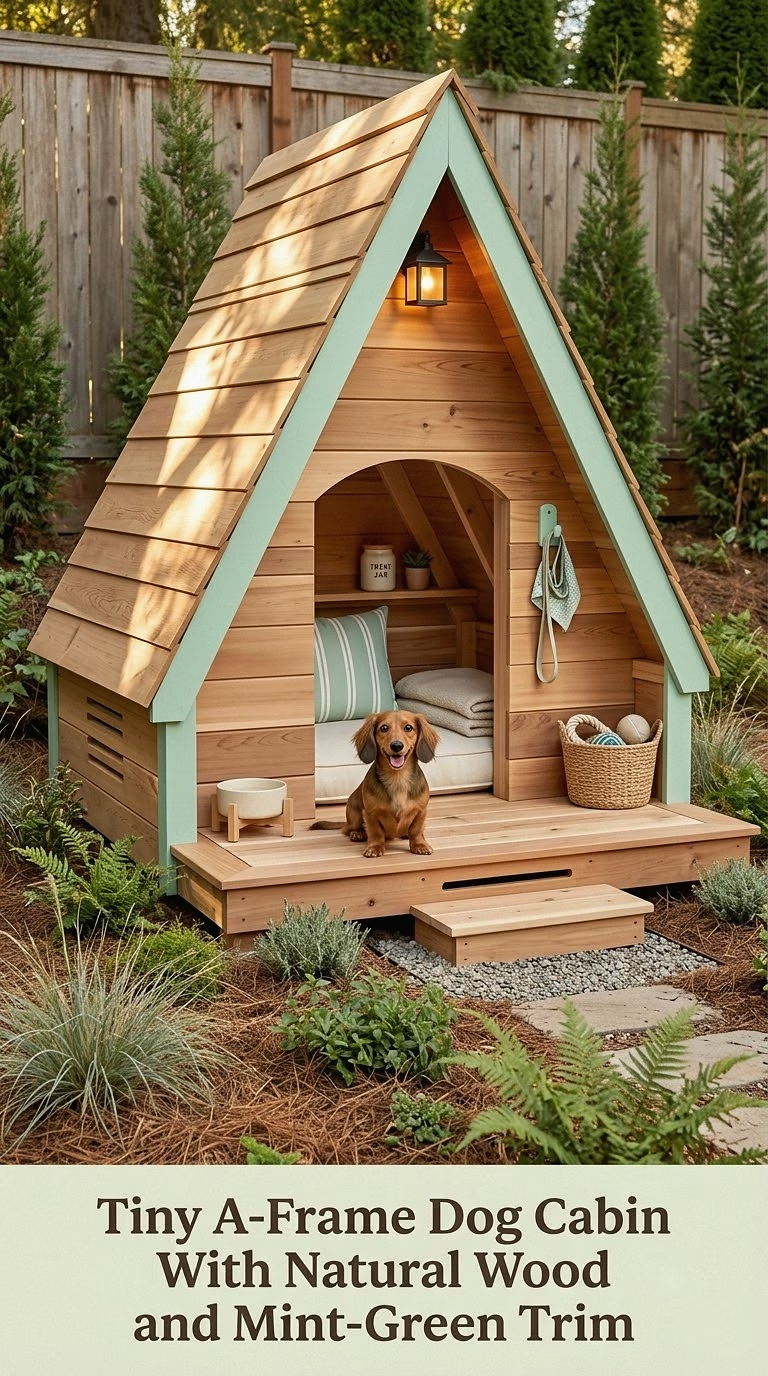
An A-frame silhouette instantly transforms a dog house into a miniature vacation cabin. Combine warm cedar-toned siding with a steep charcoal roof and mint-green trim around the doorway.
Because the sloping walls reduce usable interior space, measure the design carefully. Your dog should be able to turn around and lie naturally without being pressed against the angled sides. Extending the lower rectangular base slightly can create more floor area while preserving the pointed cabin shape.
Add a small front deck with a textured, non-slip surface. The deck provides a comfortable observation spot during mild weather, while the enclosed section offers shade and privacy.
Use a hinged roof panel or removable back wall so dirt and fur do not accumulate in difficult corners. A simple plaid mat, mountain-shaped name sign, or painted pine-tree motif can enhance the cabin theme without cluttering the structure.
10. Rose-and-Cream Victorian Dog House With Gingerbread Trim
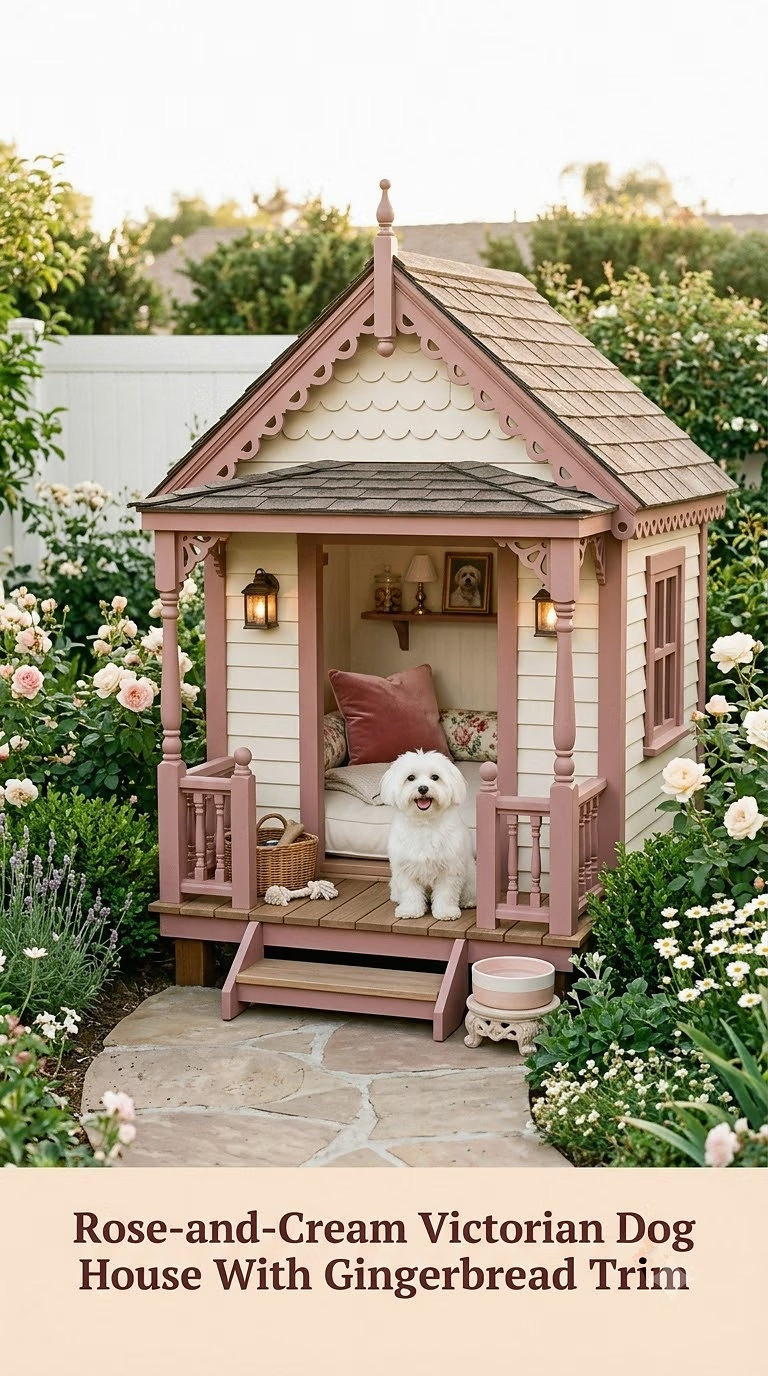
A Victorian-inspired dog house can become an enchanting garden centerpiece. Paint the walls muted rose, the trim warm cream, and the roof soft gray or dusty green.
Add scalloped fascia beneath the roofline to create the appearance of gingerbread trim. Instead of attaching thin decorative curls that could crack or splinter, cut the pattern into one solid board or paint the design directly onto the front.
Rounded porch posts, an oval name plaque, and a gently arched doorway continue the theme. Keep the porch shallow enough that it does not block the entrance or collect large amounts of rainwater.
Beneath the decorative exterior, the house still needs a solid raised floor, protected ventilation openings, smooth interior walls, and a doorway sized for the dog. The design looks especially pretty among hydrangea-colored flowers, clipped shrubs, and curved garden paths.
11. Modern Peach-and-Terracotta Dog House With an Asymmetrical Roof
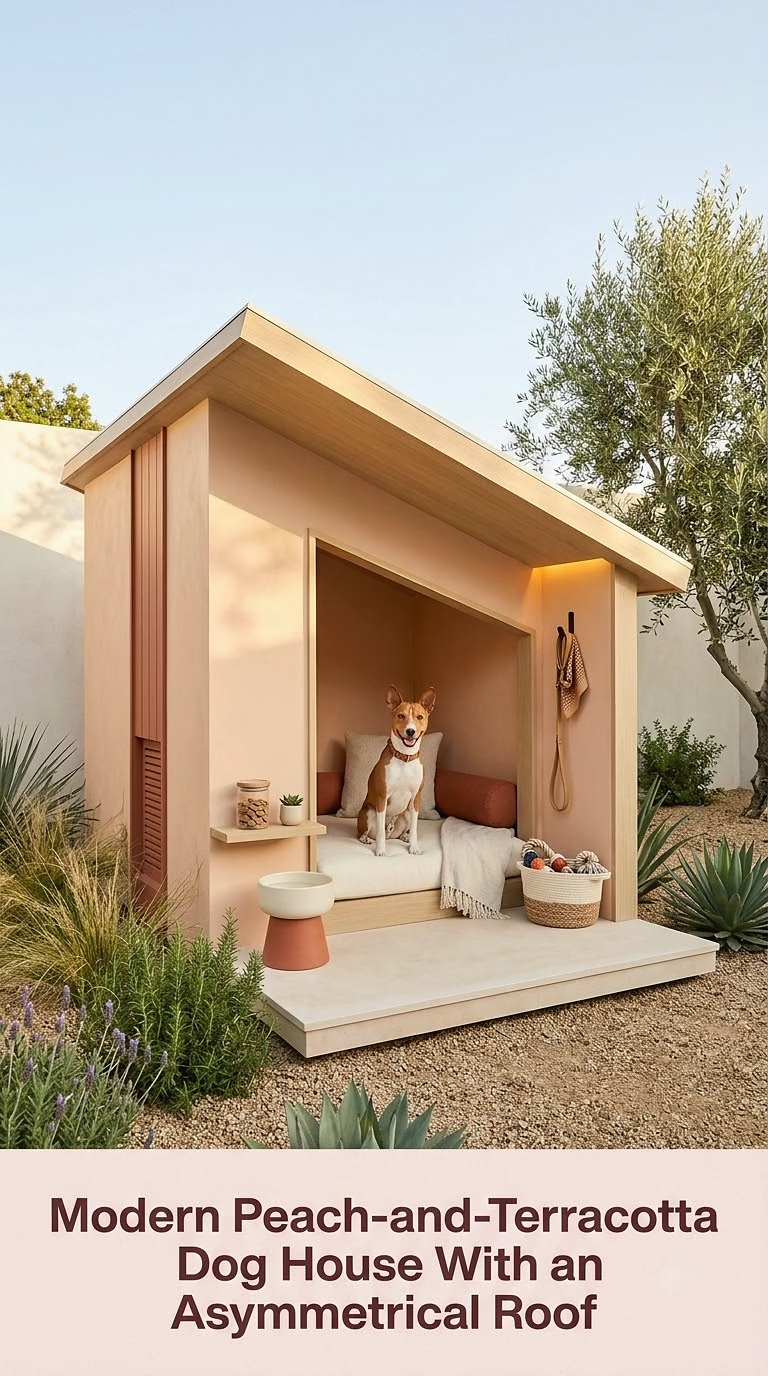
Give the dog house a contemporary personality using peach-colored walls, terracotta accents, and a single sloping roof. The asymmetrical silhouette provides visual interest while remaining simpler to construct than a highly detailed miniature cottage.
Dark brown or black trim can sharpen the pastel palette, while a natural wood base keeps the design warm and welcoming. Add a narrow vertical vent on one side and a circular painted feature near the roofline for a modern architectural touch.
Direct the roof slope toward the back or side instead of over the entrance. Consider where rainwater will land so runoff does not create a muddy patch around the foundation.
Pair the house with large rectangular pavers and a simple ceramic-look bowl station. Keep bowls outside the sleeping compartment so spilled water does not dampen the bedding or floor. This setup feels polished enough for a contemporary patio while remaining practical for daily use.
12. Red Mini Barn Dog House With White Crossbuck Details
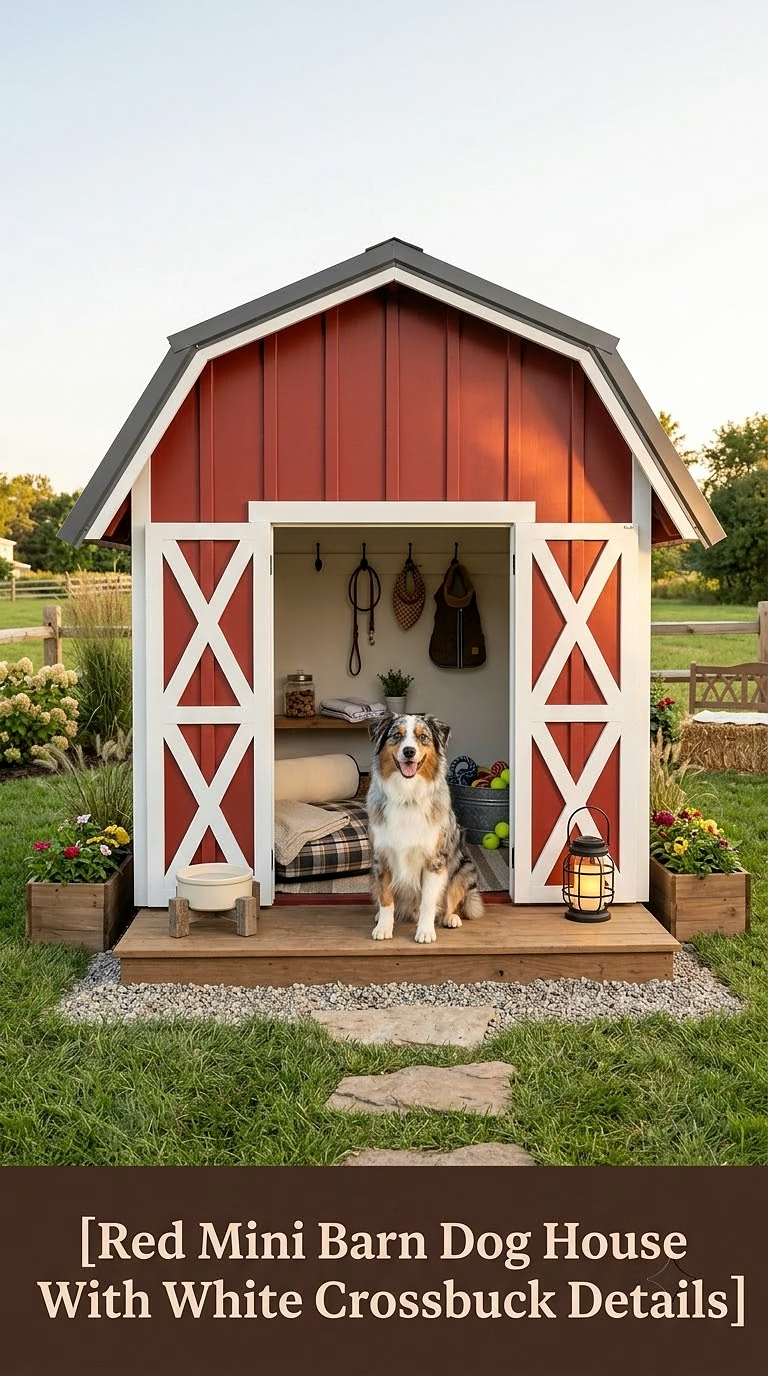
A barn-shaped dog house is an adorable choice for rustic gardens, cottage-style yards, or country-inspired outdoor spaces. Paint the exterior classic barn red and add white trim around the doorway and roofline.
Create the appearance of crossbuck barn doors on the front panels surrounding the open entrance. The pattern should be painted onto solid boards rather than built from loose wooden strips that could catch fur, collars, or claws.
A dark pitched roof and a small square vent beneath the peak complete the recognizable silhouette. Add a black or natural wood nameplate for a simple finishing detail.
Keep the interior smooth and easy to wipe. A removable rubber-backed mat provides comfort without collecting as much moisture as fixed carpeting. Set the house on compact pavers or a raised timber foundation, and keep decorative hay bales, tools, wire, and farm props away from your dog’s resting area.
13. Lavender Dog Cottage With Hand-Painted Floral Panels
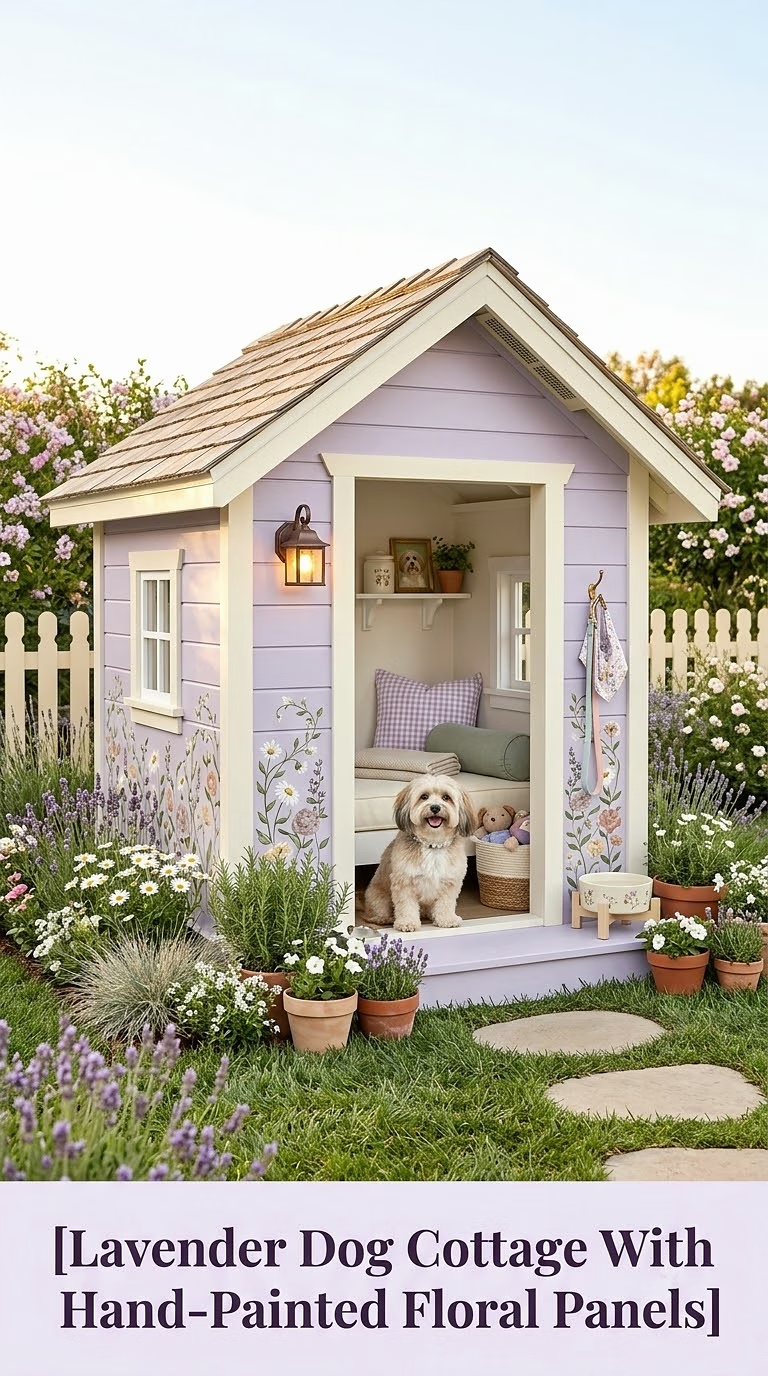
A lavender dog house decorated with painted flowers creates a whimsical look without the maintenance or chewing risks associated with real window boxes.
Paint delicate daisies, leafy vines, or loose wildflower shapes along the lower corners of the walls. Use stencils for a clean, polished result or hand-paint the flowers for a relaxed, personalized appearance.
Cream trim and a soft gray roof help balance the purple walls. A natural wood name sign above the doorway introduces warmth and prevents the overall palette from feeling overly sweet.
Keep decorative paint primarily on the exterior and follow the drying and curing instructions for every product. A pale green or oatmeal-colored cushion echoes the garden theme inside. This idea is especially useful for dogs that dig in planters, disturb flower beds, or chew leaves.
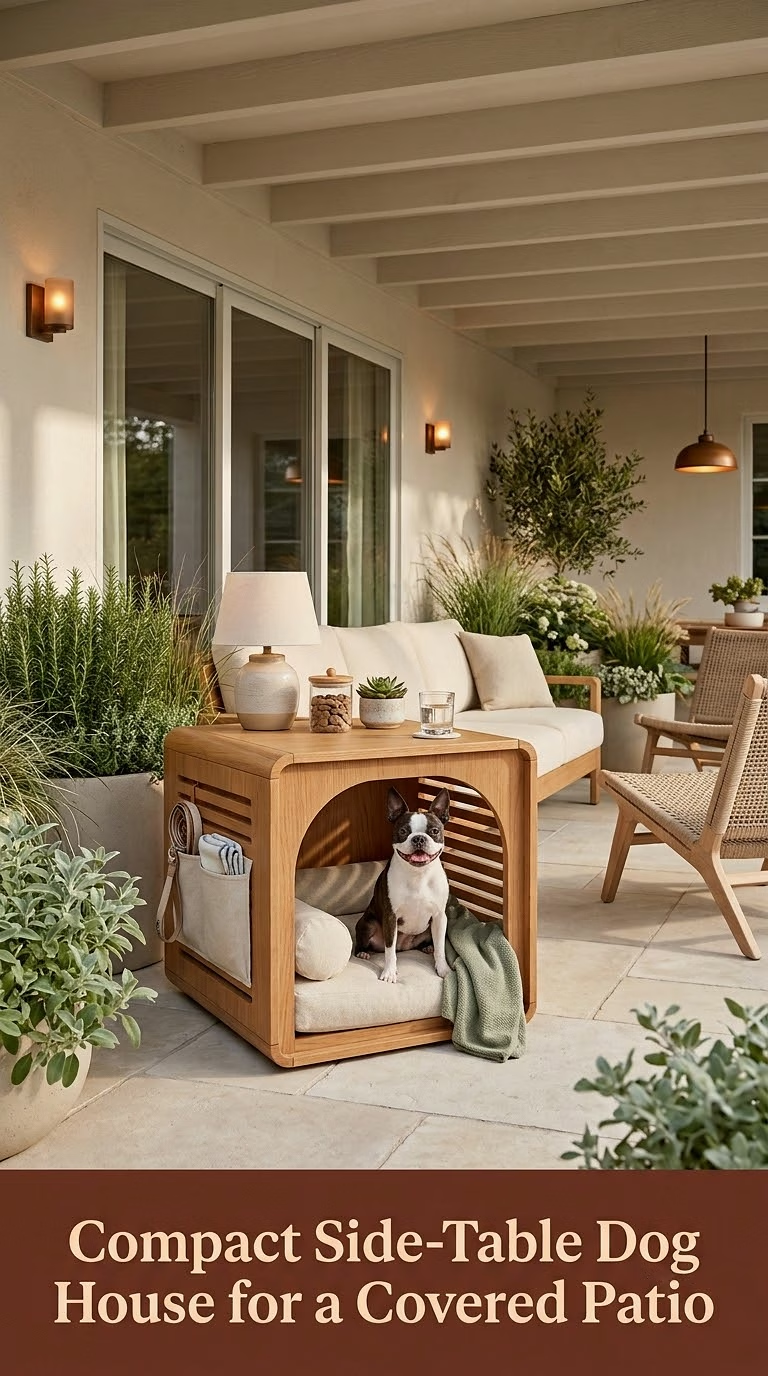
14. Compact Side-Table Dog House for a Covered Patio
Read more : 17 Dog Kitchen Ideas for a Stylish, Organized, Pet-Friendly Home
A multifunctional dog house can work well on a small, covered patio where every piece of furniture needs to serve a purpose. Build a stable rectangular enclosure with an open entrance on one side and a flat sealed top that functions as a small side table.
The tabletop should only hold lightweight, safe items. Avoid hot drinks, candles, glass décor, chemicals, sharp objects, or heavy planters that could fall if the dog bumps against the structure.
Paint the exterior creamy white, pale gray, muted green, or dusty blue to coordinate with the surrounding furniture. A rounded entrance and small name plaque can soften the boxy shape.
Ensure the interior contains no protruding screws, rough edges, or peeling finish. This design is best suited to a sheltered patio or indoor-outdoor room rather than an exposed part of the yard. The top should remain clear enough that the roof or side panel can be removed for cleaning.
15. Cheerful Upcycled Cabinet Dog Nook for an Indoor Room
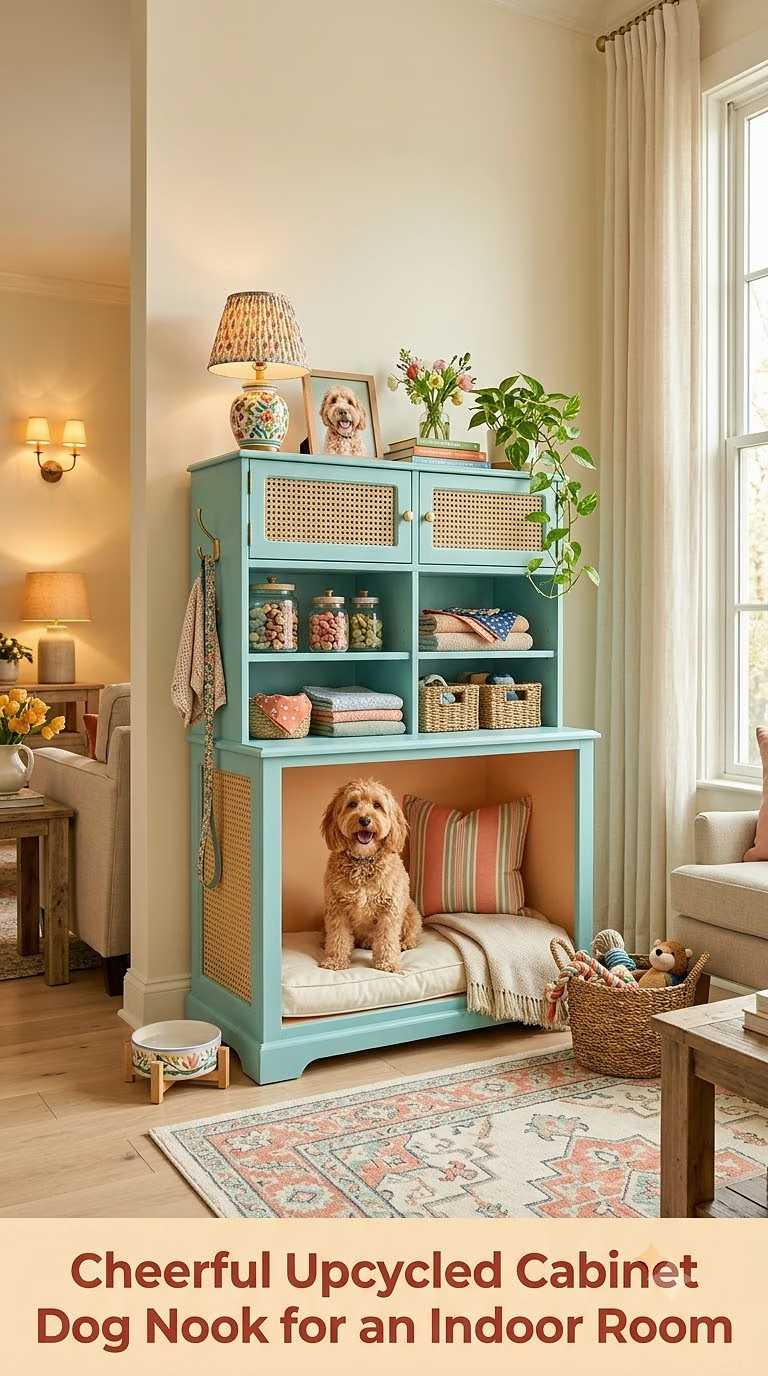
A sturdy old cabinet can become a charming indoor dog nook after careful modification. Remove all doors, shelves, glass panels, handles, hinges, and unnecessary hardware before enlarging the opening.
The entrance should allow your dog to step inside without crouching uncomfortably or brushing against the edges. Sand every surface and inspect the structure for staples, splinters, unstable joints, peeling coatings, or strong chemical odors.
Add ventilation openings if the cabinet is enclosed on several sides. Paint the exterior coral, mint, warm white, or another color that suits the room. Peel-and-stick patterns can decorate the outside, but avoid placing chewable coverings inside the sleeping compartment.
Finish the nook with a fitted washable mat and position it in a quiet area where your dog already likes to rest. Because this is an indoor setup, it can also double as a decorative side table when the top remains safe and uncluttered.
16. Cottagecore Dog House With a Cedar-Shingle Roof and Arched Door
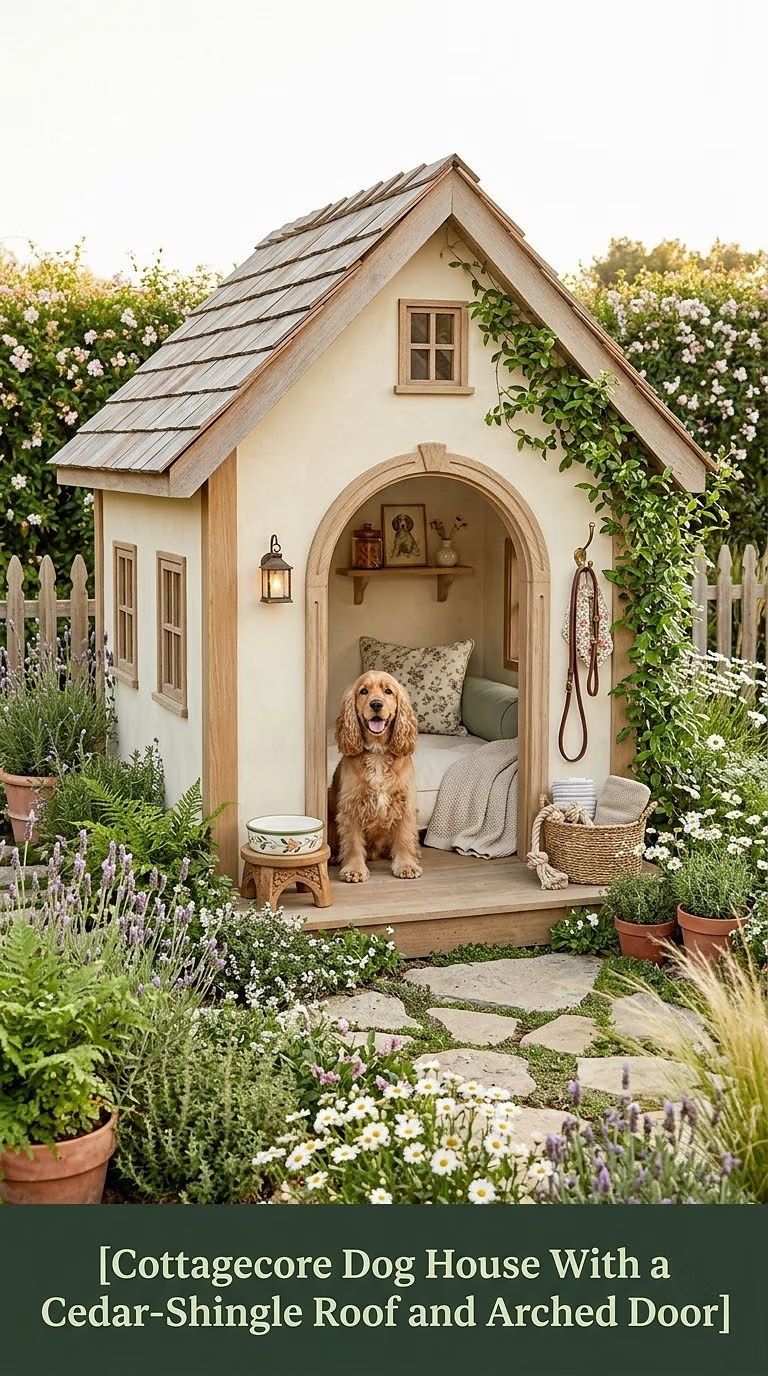
A cottagecore dog house feels most charming when natural textures and soft colors take the lead. Combine warm cream siding with an arched doorway, cedar-toned roof shingles, and simple timber trim.
Slightly imperfect handmade details can enhance the cozy appearance. A tiny painted window, narrow wooden name plaque, or subtle leaf motif is enough to decorate the façade.
Keep the entrance wide enough for comfortable movement and protect the lower edge with a smooth, replaceable threshold. The threshold can help reduce wear where paws repeatedly cross the doorway.
Surround the structure with a crescent of dog-safe herbs or low flowers while preserving a clear path. Avoid allowing climbing vines to cover the walls or roof because they can retain moisture, attract insects, and hide damage. A flat flagstone base completes the established garden-cottage appearance and reduces mud near the entrance.
17. Black-and-White Dalmatian-Spot Dog House With a Red Doorway
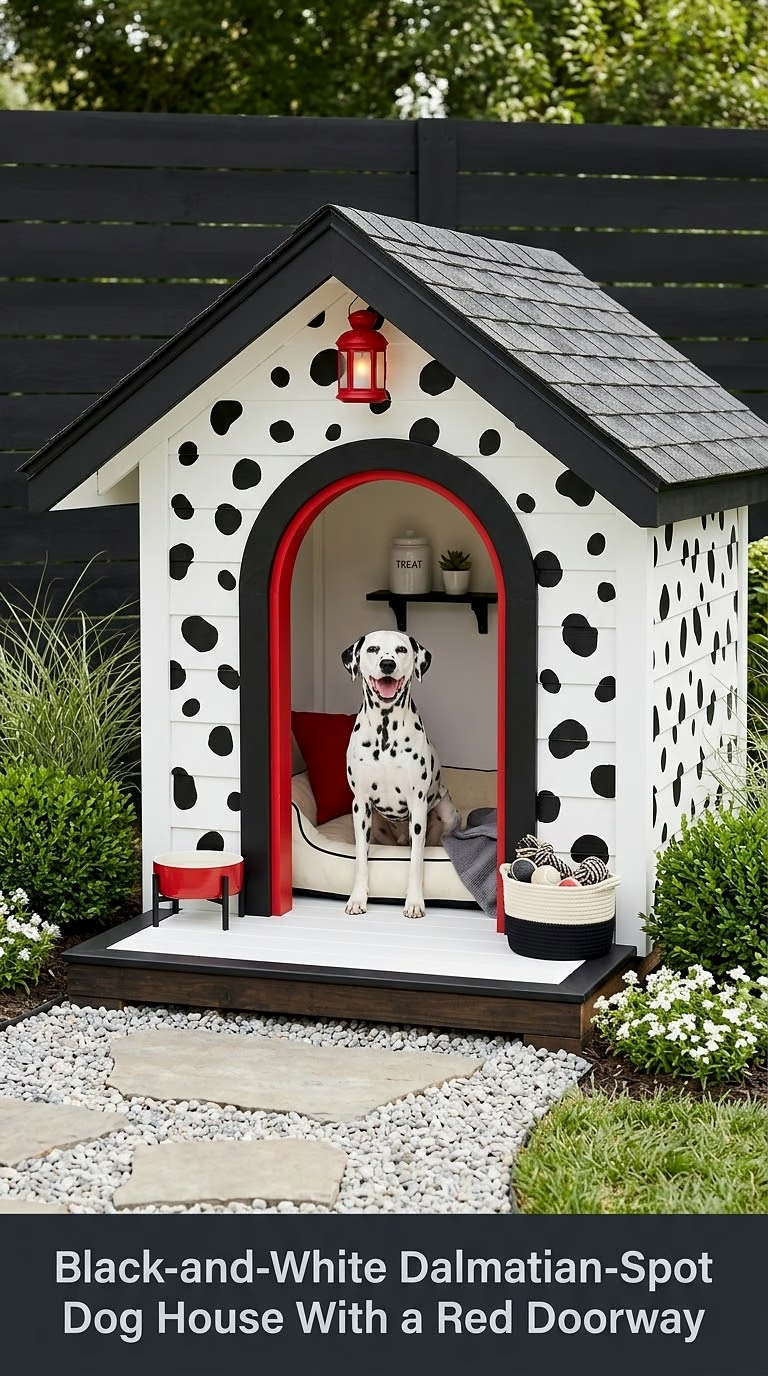
A spotted dog house is playful, graphic, and relatively easy to create. Begin with a clean white exterior, then add irregular black spots in several sizes. Avoid making every spot perfectly round, as varied shapes create a more natural and lively pattern.
Paint the doorway bright red for a bold focal point. Yellow, turquoise, or pink can provide a softer alternative. A solid black roof helps balance the busy walls and keeps the overall design visually organized.
A bone-shaped nameplate can complement the theme, but it should have smooth edges and be securely attached. Pair the finished structure with a plain black washable mat and a simple stainless-steel water bowl.
This makeover works on wooden or suitable plastic dog houses, although surface preparation is essential. Clean the material thoroughly and use coatings designed for the specific surface and intended environment.
18. Greenhouse-Inspired Dog House With Open-Air Garden Panels
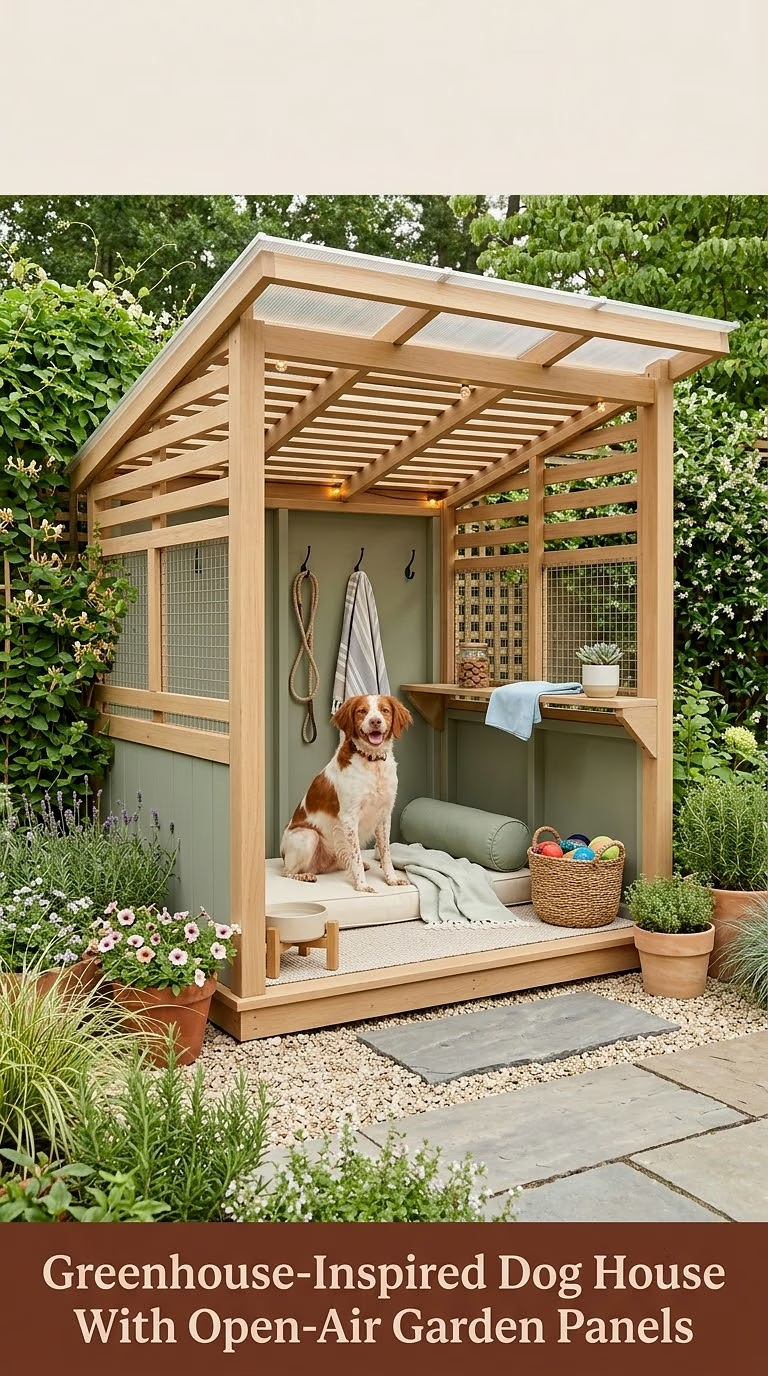
A greenhouse-inspired dog house can feel bright and botanical without surrounding the dog with heat-trapping transparent walls. Build a pale green or white frame and use open slatted sections, protected mesh vents, or painted faux-window panels.
Avoid constructing the sleeping area from large sheets of glass or clear plastic. Transparent materials exposed to sunlight can create uncomfortable heat and offer little privacy. The dog should always have access to an opaque, shaded section where it can rest away from visual stimulation.
Use a solid weather-resistant roof and place the structure beneath an airy canopy or shaded area. Surround it with raised planters positioned beyond chewing and digging range.
A sage-green cushion and natural wood floor complete the botanical palette. The design captures the light, garden-friendly appearance of a greenhouse while prioritizing shade, ventilation, privacy, and safe materials.
19. Luxury Two-Zone Dog House With a Covered Porch and Sleeping Cabin
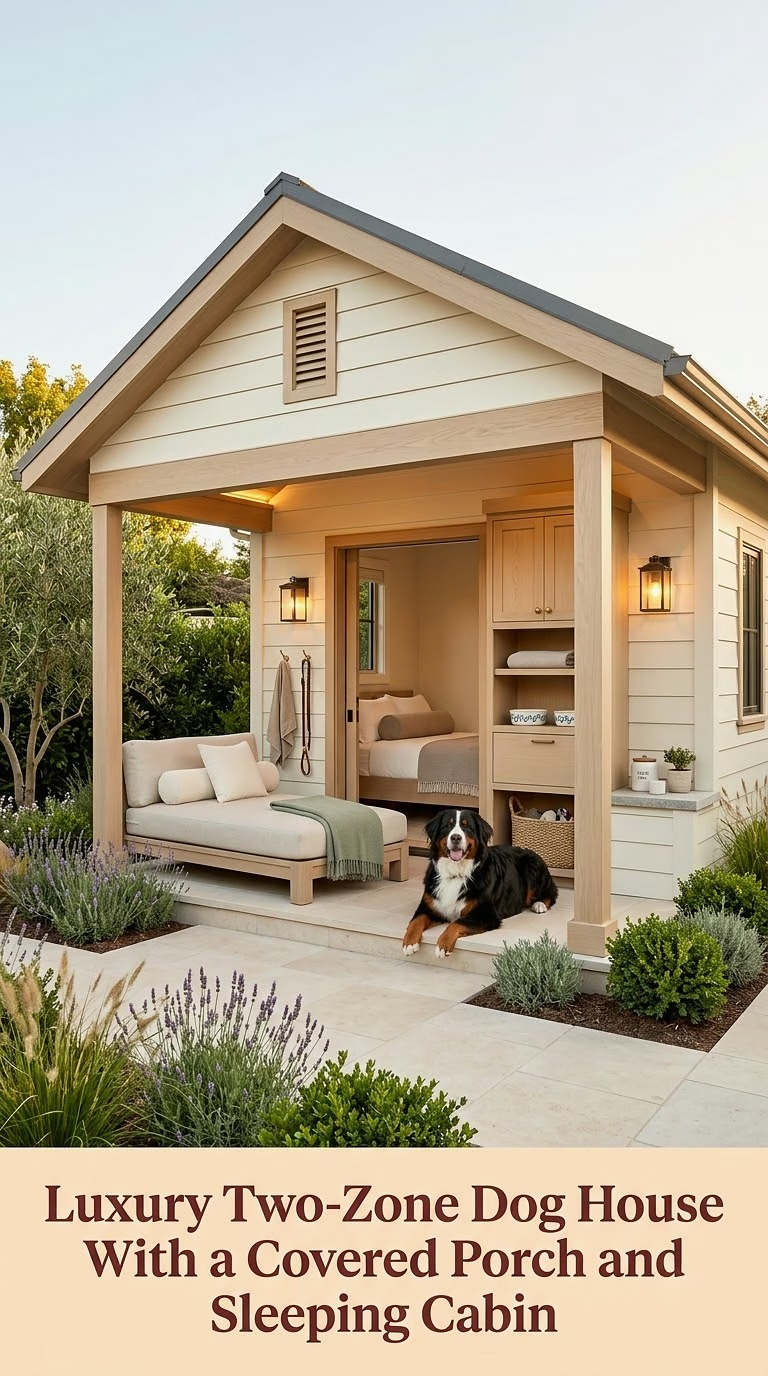
For a larger backyard project, divide the dog house into two connected areas: an open covered porch and a protected sleeping cabin. The porch allows your dog to observe the yard while staying off wet grass, and the enclosed compartment provides a quieter place to settle.
Paint the exterior warm white and add natural oak-toned trim with a muted green or charcoal roof. Wide porch posts, a low non-slip ramp, and a simple built-in bowl recess can make the structure feel like a miniature luxury home.
Keep food and water outside the sleeping cabin so spills do not dampen the bedding. Make the roof, front panel, or rear wall removable to allow thorough cleaning of both zones.
Size the house according to your dog rather than human architectural proportions. The sleeping section should feel sheltered without being cramped, while the porch should provide enough room to lie down comfortably. This design is particularly useful for large dogs, senior pets, or homeowners who want the dog house to become a substantial backyard feature.
Conclusion
The most appealing cute dog house ideas combine imaginative styling with sensible construction. A pastel cottage, tiny barn, modern cabin, floral retreat, or spacious porch house can bring personality to the yard, but decorative details should never interfere with comfort, airflow, cleanliness, or safety.
Begin with an appropriately sized structure, a dependable roof, a raised solid floor, smooth materials, and good ventilation. From there, use carefully selected paint colors, trim, roof shapes, pathways, cushions, and secure decorative features to create a miniature home that complements your garden.
Check the roof, doorway, flooring, vents, bedding, fasteners, and painted surfaces regularly. Replace wet bedding, repair damaged wood, remove splinters, and relocate the shelter when changing seasons make its original position too hot, windy, or damp.
Please pin this Pinterest post so you can return to these cute dog house ideas when you are ready to create a charming little retreat for your pup.
Source: https://petstutorial.com
Category: Dog Rooms
