
A simple backyard shed can become so much more than a place for storing garden tools. With thoughtful planning, it can be transformed into a cozy retreat where your dog can nap after outdoor play, relax in the shade, dry off after a muddy walk, or enjoy a peaceful space close to the family.
- 17 Closet Dog Room Ideas for a Cozy, Stylish Pet Retreat
- 18 Dog Room Ideas Indoor for a Cozy, Stylish Space Your Pup Will Love
- 18 Dog Living Room Ideas for a Beautiful, Cozy, and Pet-Friendly Home
- 17 Stylish Dog Cubby Ideas for a Cozy and Beautiful Pet Retreat
- 18 Dog Area Ideas to Create a Cozy, Stylish, and Practical Space for Your Pet
The best shed dog house ideas balance appearance with everyday practicality. A beautiful exterior may help the structure blend into your garden, but the interior should prioritize ventilation, weather protection, washable surfaces, safe materials, and enough room for your dog to stand, turn around, stretch out, and rest comfortably.
You are reading: 17 Shed Dog House Ideas for a Beautiful and Cozy Backyard Retreat
A converted shed should function as a supervised retreat rather than a substitute for companionship, exercise, or indoor family life. Consider your dog’s breed, age, mobility, coat type, chewing habits, and local climate before choosing features. With those needs in mind, you can create a charming backyard space that feels stylish to you and genuinely comfortable for your dog.
Creative Shed Dog House Ideas for Every Yard, Climate, and Budget
1. Sage-Green Cottage Shed With White Trim and a Covered Front Porch
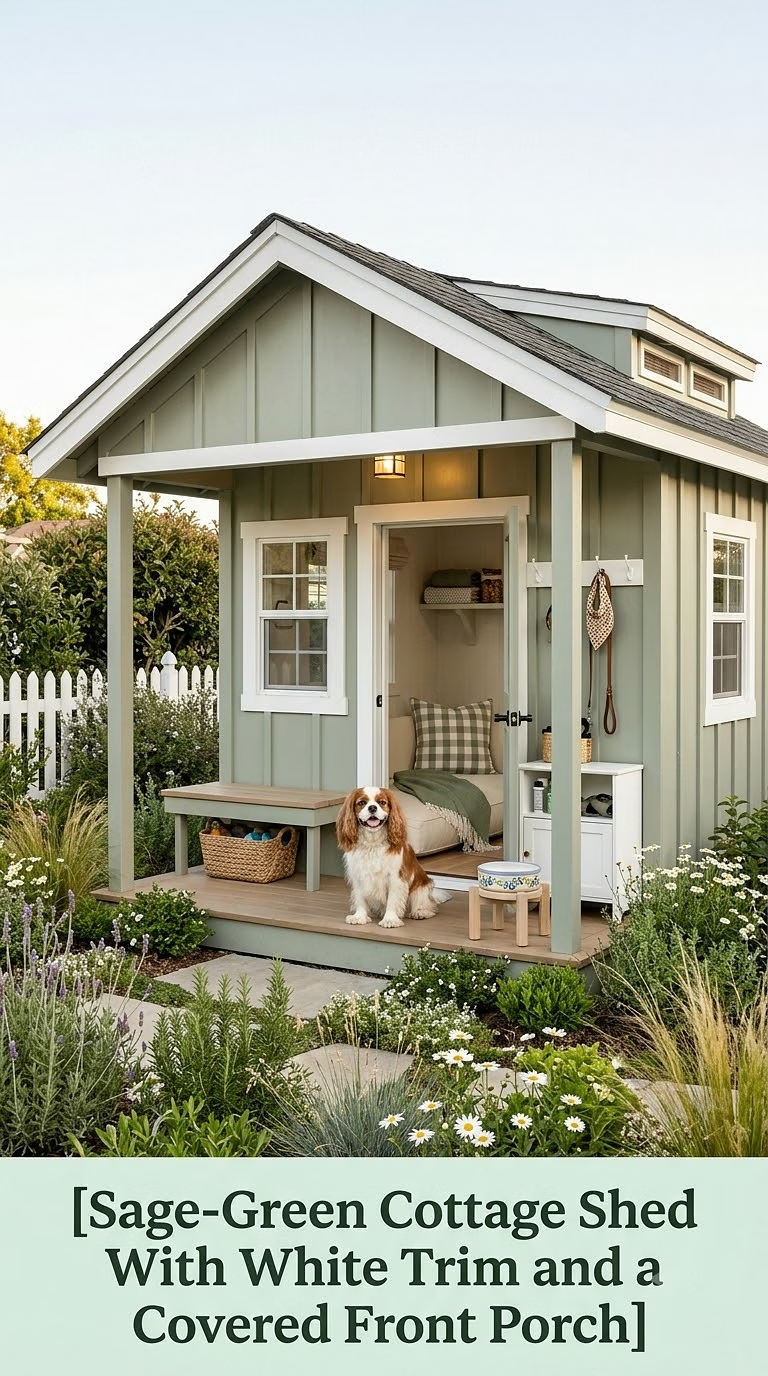
Turn a small garden shed into a storybook-style dog cottage by painting the exterior soft sage green and adding crisp white trim around the windows and door. A shallow covered porch creates a shaded spot where your dog can lie outside without resting directly in the sun.
Inside, use sealed plywood walls, washable sheet flooring, and a supportive bed placed away from the entrance. A small awning window on one wall and a screened vent on the opposite side can encourage airflow without leaving large openings that invite insects.
Complete the cottage look with a simple name plaque, a weatherproof lantern-style light, and two raised planters positioned beyond your dog’s reach. Avoid filling the porch with fragile decorations or trailing plants. The goal is to achieve a sweet garden-cottage appearance while preserving an open, safe path through the doorway.
2. Warm Cedar Mini Barn With a Raised Insulated Sleeping Platform
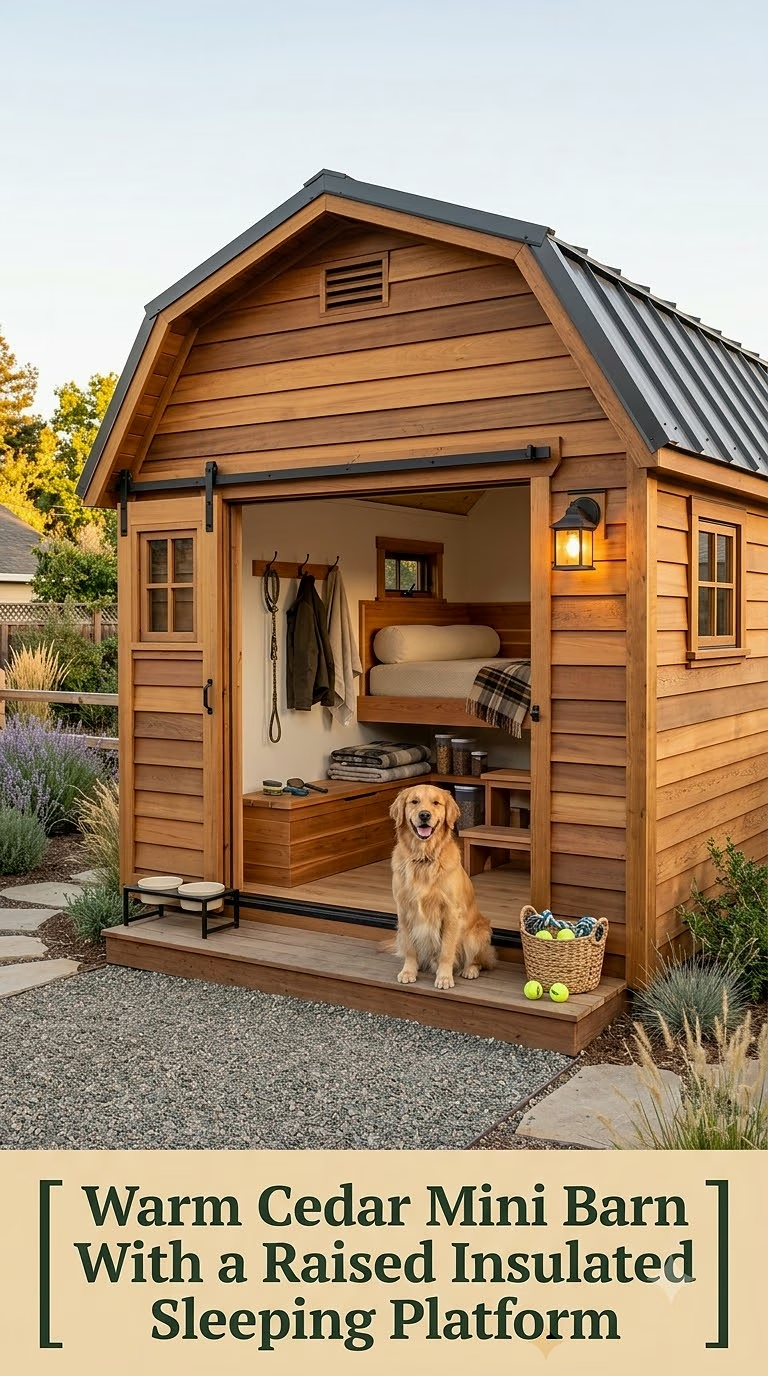
A cedar-clad shed brings natural warmth to the backyard and develops a beautifully weathered appearance over time. Shape the roof like a miniature barn and add black hinges, simple cross-braced doors, and a small overhang for rustic character.
Build a raised sleeping platform inside so the bed stays away from cold concrete, damp ground, and minor water intrusion. The platform can contain protected insulation, but every edge should be fully enclosed so your dog cannot chew or scratch the material. Place a washable orthopedic mattress on top and leave enough floor space for your dog to step on and off comfortably.
Cedar can be more expensive than basic exterior plywood, so consider using it only on the visible front façade. Less costly weather-resistant siding can cover the sides and back. This gives the shed a premium barn-inspired look without stretching the project budget unnecessarily.
3. Modern Black Shed With a Timber-Slat Run and Full-View Door
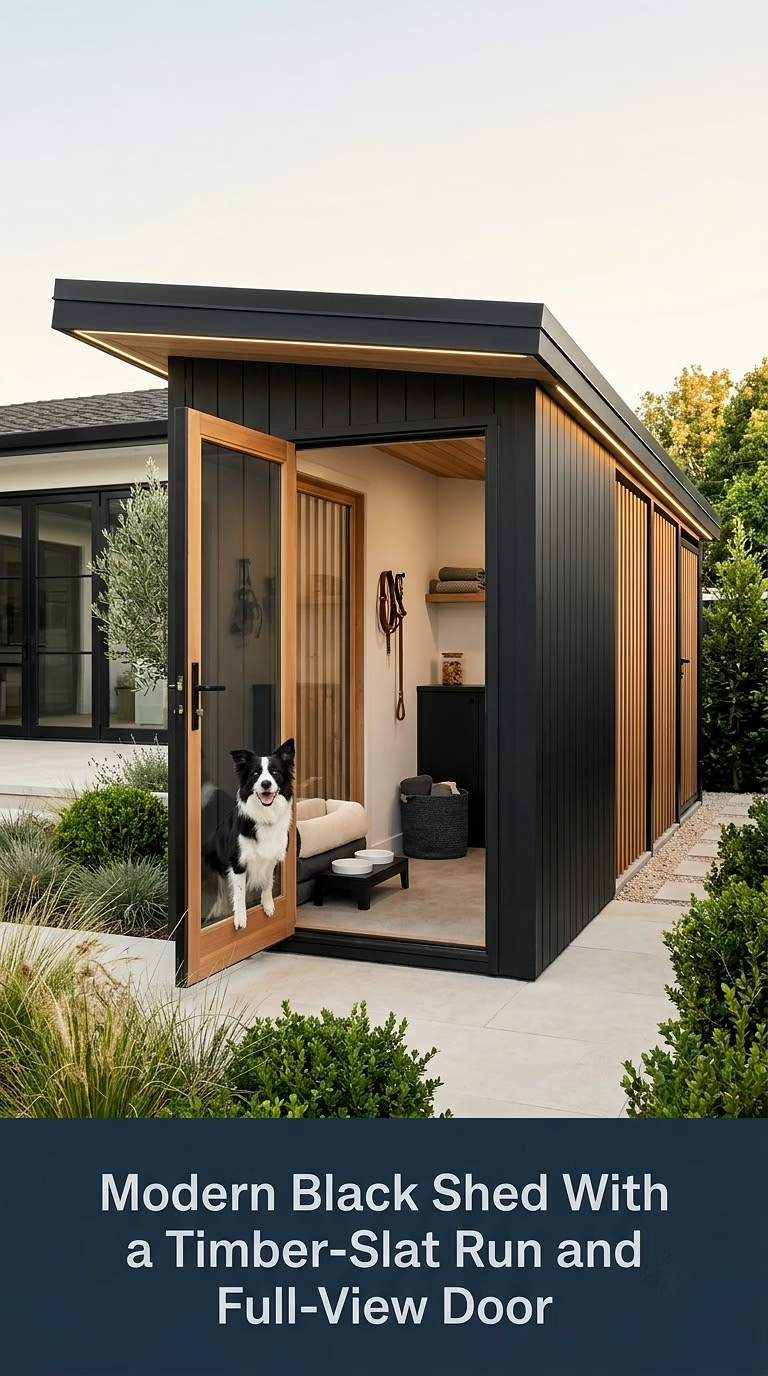
For a contemporary backyard, choose a compact shed with matte black siding, a low-pitched roof, and warm vertical timber accents. Attach a secure outdoor run framed with black metal mesh and evenly spaced wooden slats to soften its appearance.
A sturdy full-view door lets your dog see the garden and helps the interior feel less enclosed. Use safety glass or impact-resistant clear panels rather than thin decorative glass. Position the transparent section where it will not receive intense afternoon sun, as a large exposed window can cause the interior to heat quickly.
Continue the modern style inside with charcoal washable flooring, a low oak-look bed platform, and a simple wall-mounted storage cabinet. Keep leashes, grooming products, cleaning supplies, and electrical equipment behind closed doors. The result feels more like a miniature garden studio than a traditional outdoor kennel.
4. Budget-Friendly Pallet-Wood Shed With a Corrugated Metal Roof
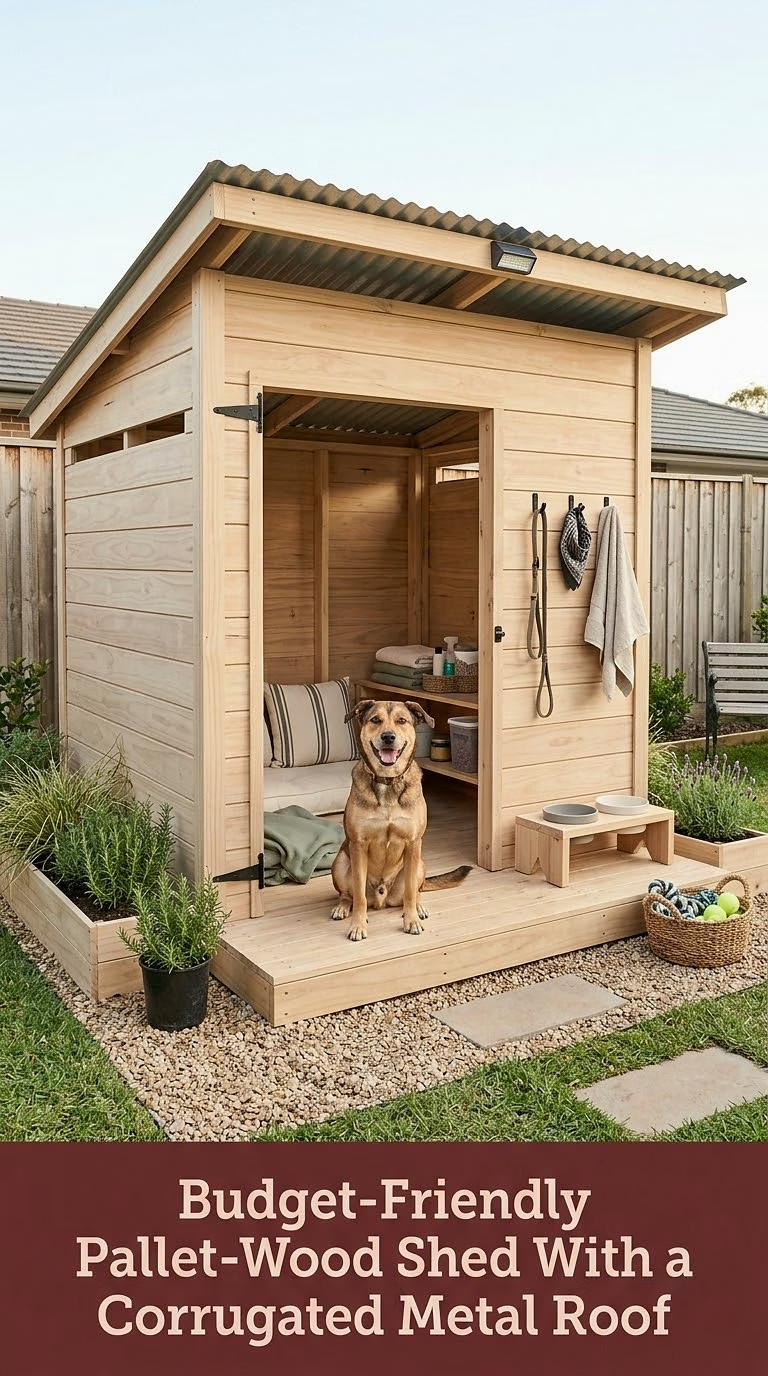
Reclaimed pallet boards can give a shed dog house a charming rustic finish, but they should be selected carefully. Use only clean, sound boards with no chemical spills, sharp staples, severe splintering, or unknown surface treatments. Sand the timber thoroughly and seal it with a fully cured, pet-appropriate finish.
A corrugated metal roof is affordable, durable, and visually suited to the reclaimed style. Add a solid roof deck or insulated ceiling beneath the metal so the interior does not become excessively hot, cold, or noisy during rain.
Instead of covering every interior wall with pallet wood, use smooth sealed panels that are easier to wipe down. Reclaimed boards can remain an exterior design feature. Finish the space with a washable secondhand bench cushion, sturdy hooks placed high on the wall, and a simple covered entry that prevents rain from blowing directly inside.
5. Narrow Lean-To Shed Dog House Along a Garden Fence
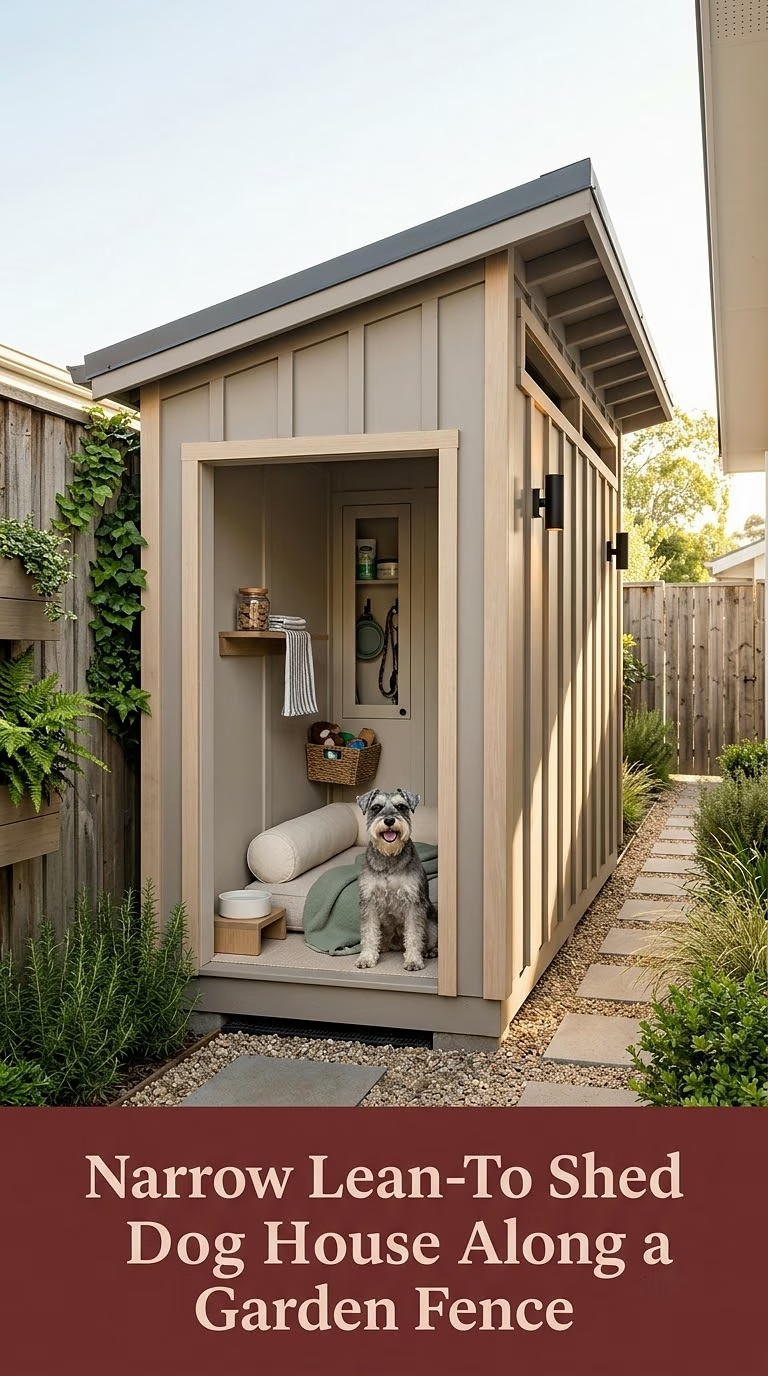
A lean-to design is ideal when the yard is narrow or when a full freestanding shed would take up too much lawn. Build the structure along a secure fence, garage wall, or side passage, with a roof that slopes away from the adjoining surface.
Arrange the interior lengthwise. Place the sleeping bed at the quietest end, create an open turning area in the middle, and position the entrance at the opposite end. A slim wall-mounted shelf can store folded towels without reducing valuable floor space.
Because narrow structures can feel stuffy, include screened ventilation openings at more than one point and make sure air can move through the full length of the shed. A light exterior color, pale interior walls, and a partially glazed door can make the small footprint feel brighter. Use a wide enough doorway for comfortable entry rather than squeezing in an overly narrow decorative door.
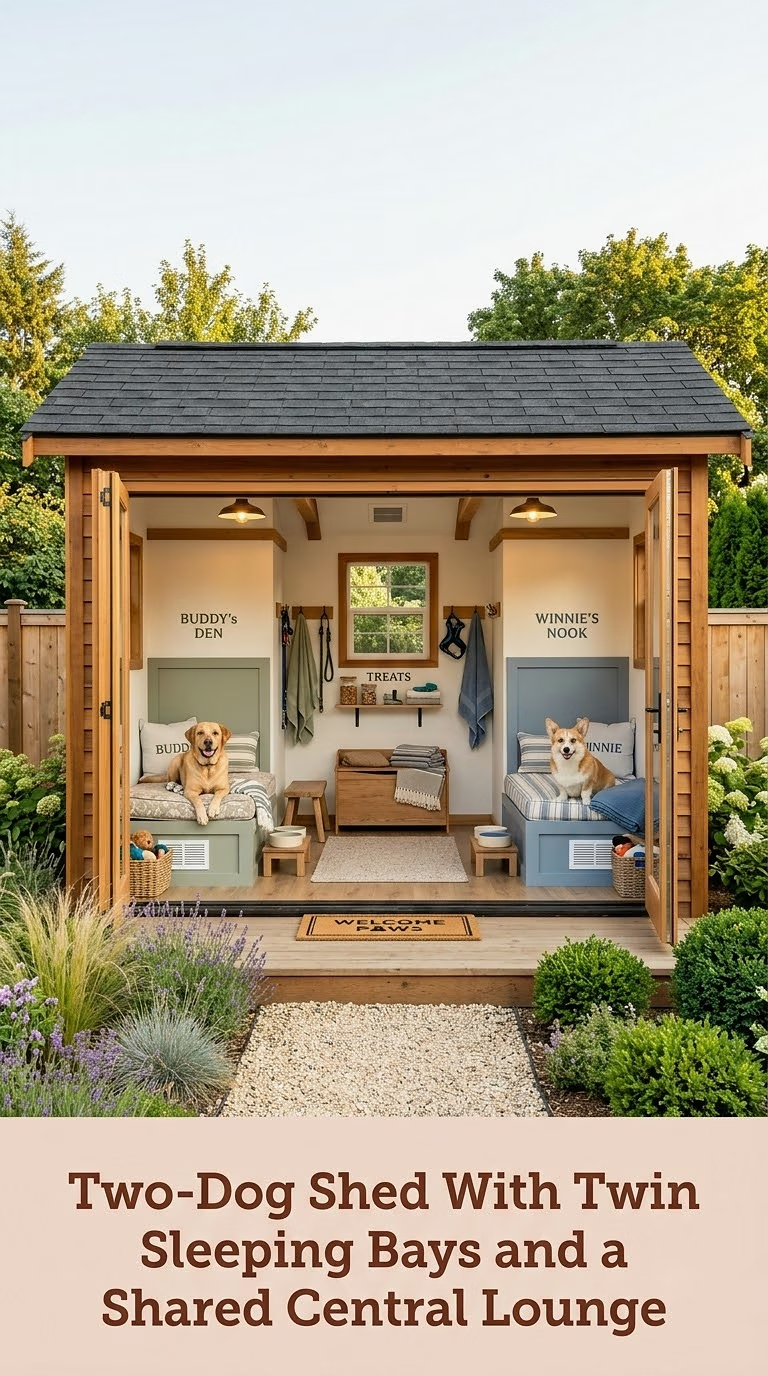
For two dogs that enjoy being together, divide the shed into two individual sleeping bays connected to a shared central area. This layout gives each dog a personal resting place while allowing them to relax and move around together.
Read more : 18 Dog Room Ideas Indoor for a Cozy, Stylish Space Your Pup Will Love
Build low partitions rather than completely enclosed cubicles so airflow can circulate throughout the structure. Each sleeping bay should be sized for the dog using it, with its own removable bed and washable wall protection. Position food bowls separately if either dog guards resources, eats at a different speed, or needs a special diet.
Use matching bed covers to create a coordinated appearance, then personalize each bay with a small name sign or different patterned cushion. The central lounge can contain a large mat and a lidded toy basket. Make sure both dogs can reach the exit without being forced to pass through a tight corner occupied by the other dog.
7. Farmhouse Dog Shed With a Wash Station and Open Towel Shelving
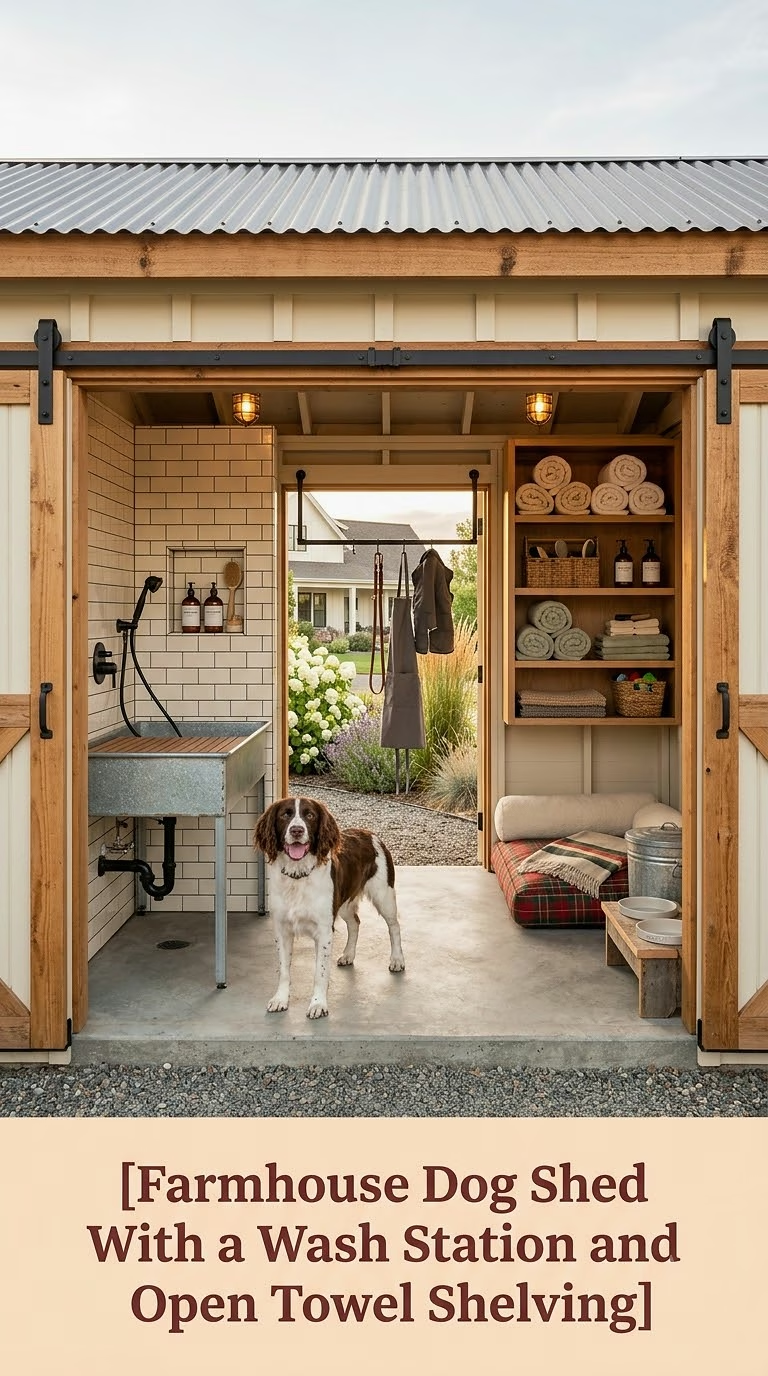
A shed located near the back door can double as a practical cleanup station after rainy walks. Create a farmhouse-inspired interior with white wall panels, warm wood shelves, black hooks, and a compact dog-washing area at one end.
Use waterproof wall finishes around the wash zone and choose textured, non-slip flooring throughout. A handheld sprayer makes rinsing paws and muddy legs easier, while a properly designed drain helps prevent standing water. Plumbing and drainage work should be completed correctly rather than improvised, especially in areas that experience freezing temperatures.
Store towels on open shelves above human shoulder height and keep shampoos inside a latched cabinet. Add a bench where you can sit while drying paws or removing a harness. A quiet ventilation fan can help manage moisture, but it should be protected, securely installed, and positioned where your dog cannot reach the cable or housing.
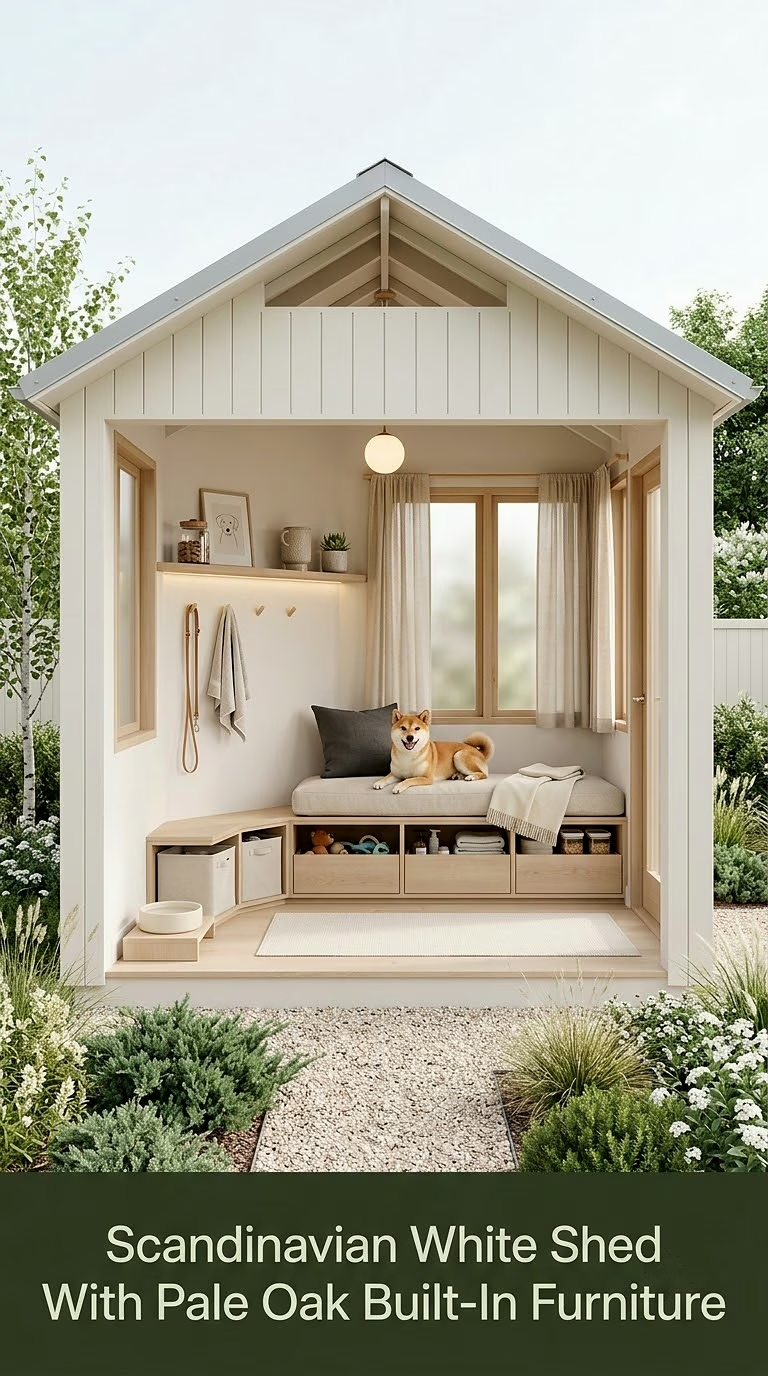
Create a calm, airy dog retreat using white exterior boards, pale oak details, and a simple charcoal roof. The uncluttered Scandinavian style works especially well in smaller gardens because the light palette helps the structure feel visually gentle.
Inside, build a low oak-look sleeping platform with rounded corners and storage drawers underneath. The drawers can hold spare blankets, seasonal coats, and clean towels while keeping the main floor open. Select hardware that closes securely so curious paws cannot pull the drawers open.
Add a washable cream wall finish, a muted gray bed, and one durable woven basket for toys. Avoid placing loose fabric curtains near the sleeping area, where they may collect fur, moisture, and odors. A frosted upper window can provide daylight without making the interior feel exposed. This design proves that a dog shed can feel minimal and polished without sacrificing warmth or comfort.
9. Rustic Red Barn Shed With Dutch Doors and Loft-Style Storage
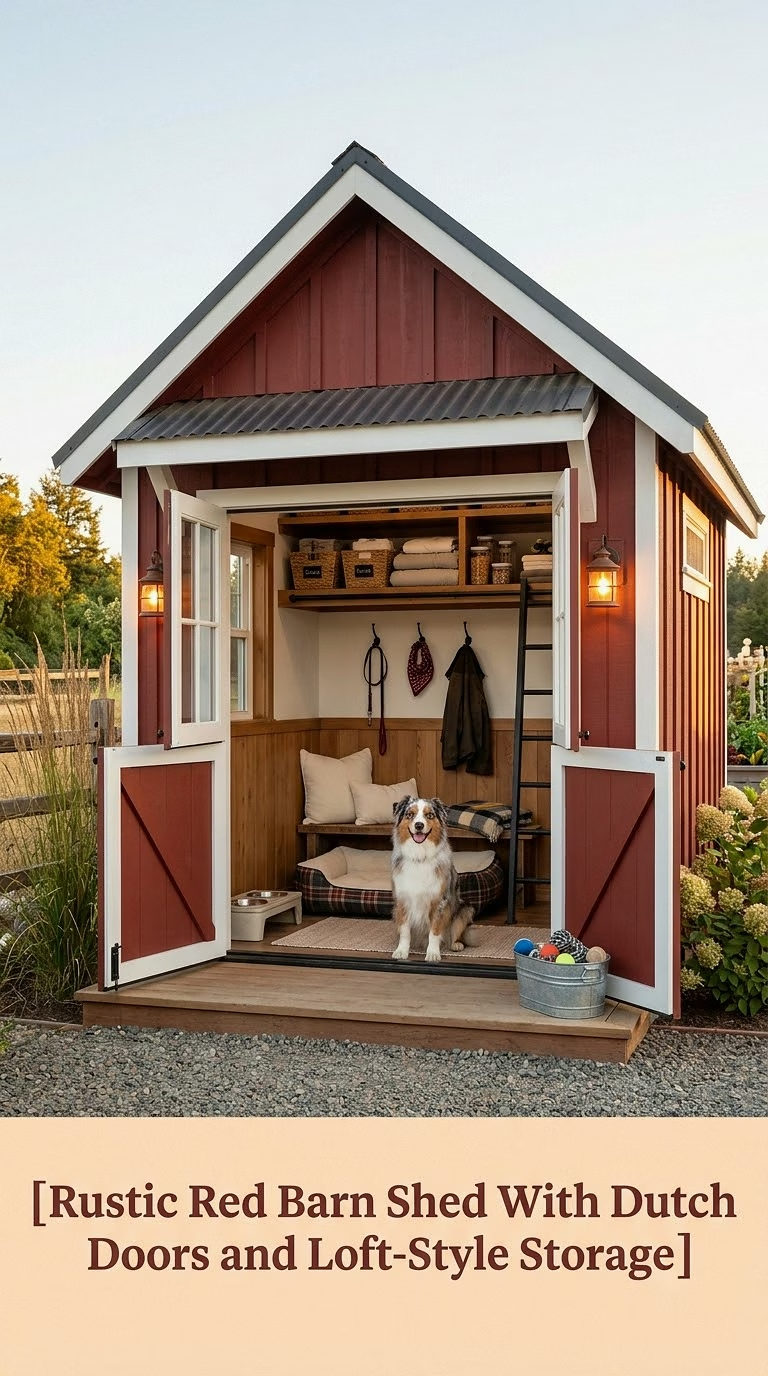
A red barn-inspired shed creates a cheerful focal point in a country garden. Use deep red siding, bright white trim, a dark roof, and a Dutch-style door that allows the upper section to open independently.
The split door is useful when you want additional airflow while keeping the lower opening closed. However, the bottom section must be tall and strong enough to prevent your dog from jumping over it. Secure latches should be positioned beyond paw and nose height.
Inside, add a shallow overhead storage loft for lightweight supplies such as folded bedding. The loft must be fully enclosed underneath so nothing can fall into the dog area. Keep heavy bags, chemicals, sharp garden equipment, and pest-control products elsewhere. Complete the barn theme with a durable plaid bed, black metal hooks, and sealed wood-look flooring that delivers rustic character without the maintenance problems of unfinished boards.
10. Climate-Conscious Shed Retreat With Safe Cooling and Temperature Monitoring
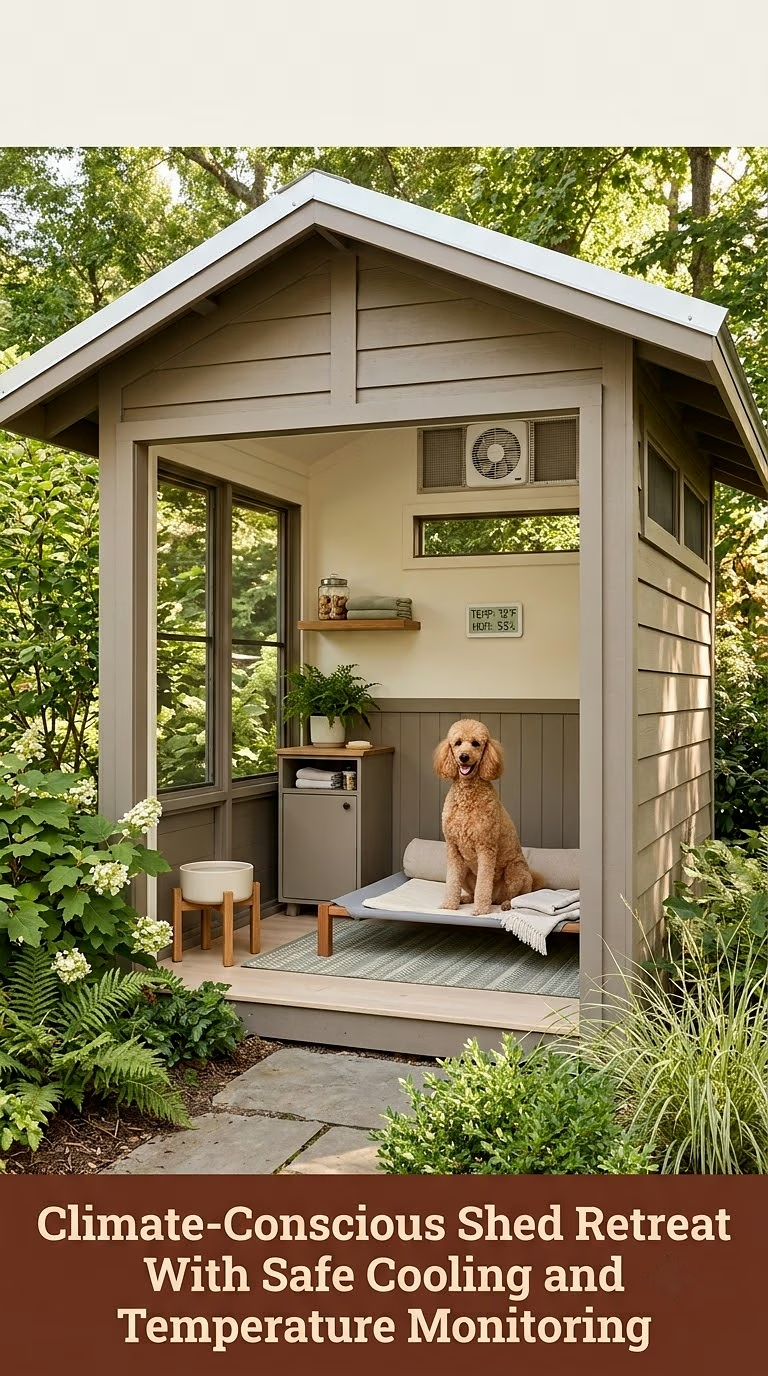
In a region with hot or changeable weather, design the shed around temperature control before choosing decorative details. Start with a shaded location, insulated roof, reflective exterior color, screened vents, and protected cross-ventilation.
Install a reliable temperature monitor that can be checked from the house. Depending on the climate and professional advice, the shed may also need a securely mounted ventilation fan or properly installed cooling system. Keep all cords, outlets, controls, and moving components enclosed behind protective covers.
Avoid assuming that an open doorway alone will keep the shed comfortable. Sun direction, humidity, roof material, wind, and the dog’s physical condition all affect how the space feels. Provide fresh water in a stable bowl and check the interior frequently whenever your dog is using it. For an inviting finish, choose pale walls, cool-toned flooring, and a raised breathable bed.
11. Tropical-Style Shed With Breezeblock Panels and a Deep Shaded Veranda
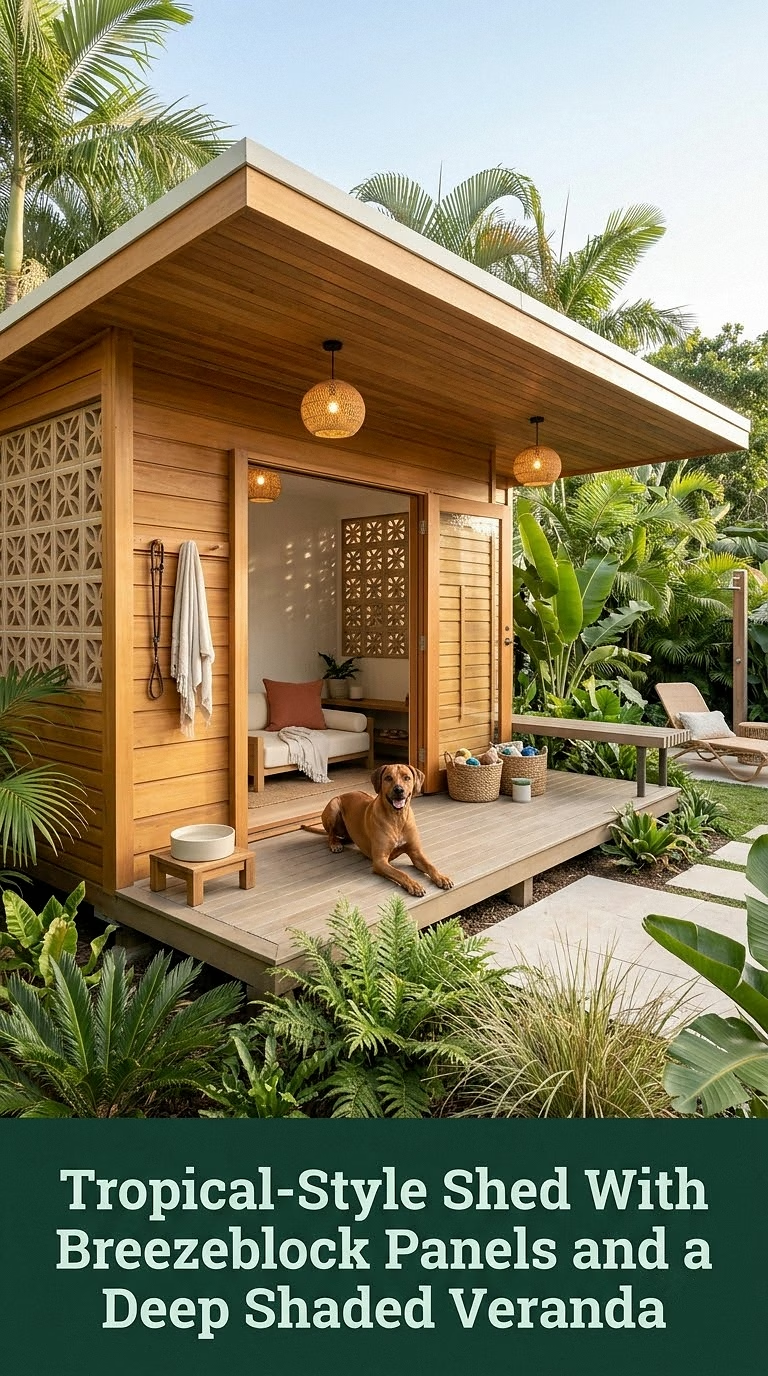
A tropical shed dog house should feel open, shaded, and protected from sudden rain. Create a deep roof overhang or veranda across the front, supported by simple timber posts. Breezeblock-style panels can add visual texture while allowing air movement.
The blocks should not leave openings large enough for your dog to push through, become stuck in, or injure a paw. Add insect screening where necessary and use a solid lower wall to protect the sleeping zone from wind-driven rain.
Choose pale sand, soft white, or muted sea-green finishes that reflect rather than absorb strong sunlight. Inside, use moisture-resistant wall panels, an elevated mesh or breathable fabric bed, and minimal decorative textiles. A wide porch can become the main daytime lounging space, while the enclosed interior provides a quieter retreat. Surround the shed with dog-safe landscaping rather than unknown tropical plants that may be irritating or toxic.
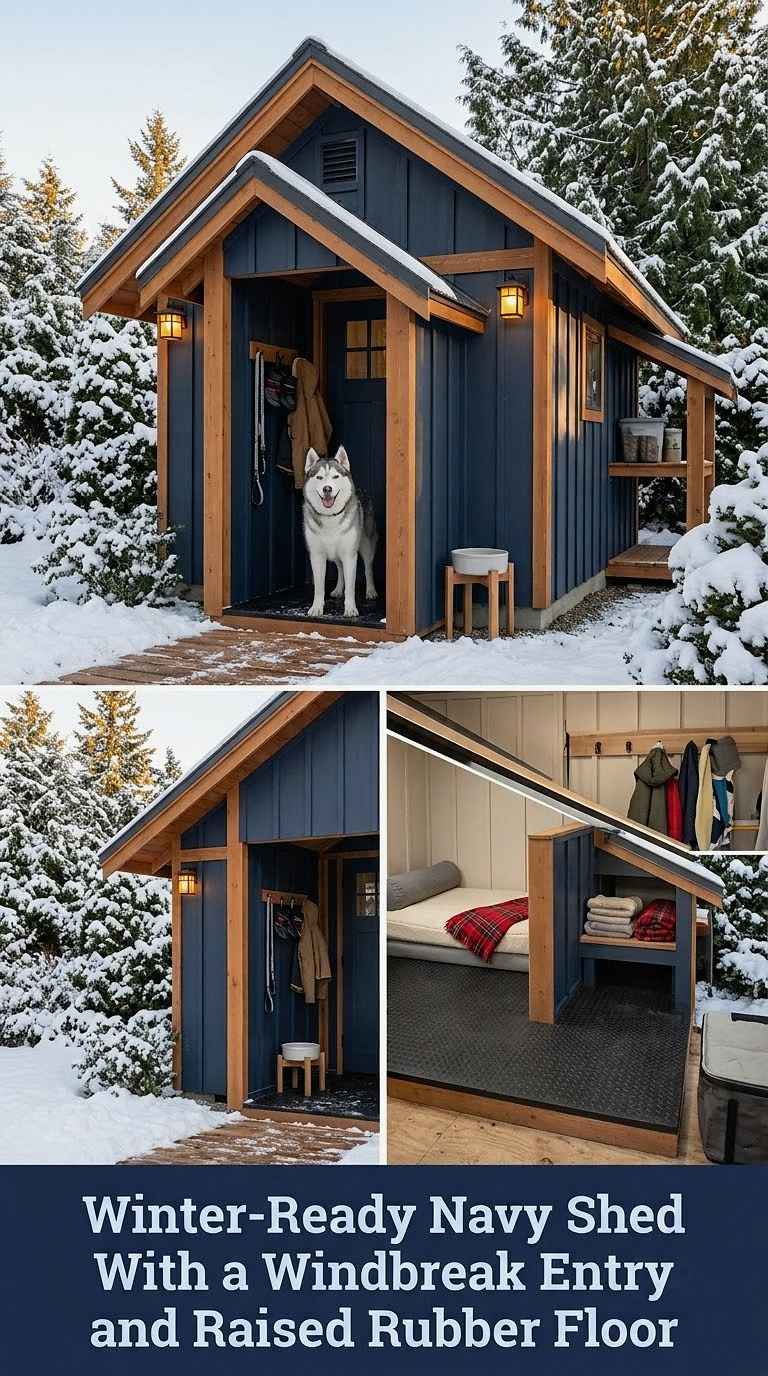
For a cold climate, paint the shed deep navy and pair it with white trim for a cozy cabin appearance. Add a short windbreak wall beside the entrance or create a small internal entry passage so strong drafts do not blow directly onto the bed.
Raise the finished floor above the ground and protect it from dampness. A sealed subfloor topped with removable non-slip rubber sections can provide grip and simplify cleaning. Make sure the rubber is heavy, securely fitted, and unsuitable for your dog to pull up and chew.
Read more : 19 Dog House Interior Ideas for a Cozy, Stylish, and Practical Pet Space
Place the bed in the driest, most sheltered corner. Use thick washable bedding and inspect it frequently for moisture. Any active heating system should be designed for safe pet use and installed without exposed elements, unstable heaters, dangling cables, or reachable controls. The navy exterior can look wonderfully snug, but daily temperature checks remain more important than the appearance of warmth.
13. Luxury Garden-Room Shed With a Window Seat and Feeding Cabinet
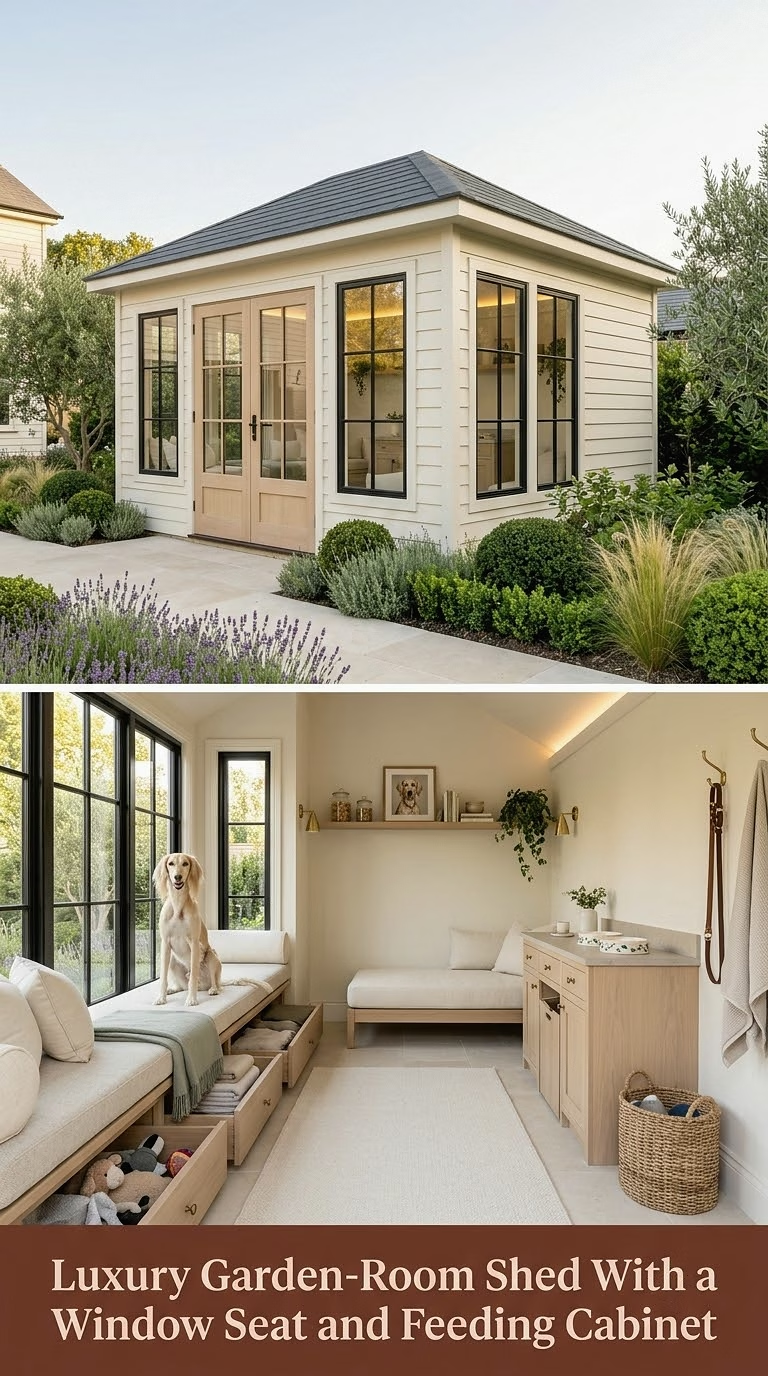
Transform a larger shed into an elegant miniature garden room using soft taupe siding, dark-framed windows, warm lighting, and a small paved terrace. Inside, create a built-in window seat large enough for your dog to stretch out while watching the yard.
Use a removable cushion with a waterproof inner cover and washable outer fabric. Beneath the seat, include ventilated storage for clean bedding. A nearby feeding cabinet can hold sealed food containers, bowls, and medication, but food should remain inaccessible when you are not present.
Add a durable stone-look floor, wipeable wall panels, and a framed portrait placed safely above reach. Luxury should come from thoughtful materials and custom storage rather than delicate accessories. Leave generous open floor space and avoid decorative objects that could be knocked over. This design works beautifully as a shared daytime garden room where you can sit with your dog.
14. Portable Resin Shed Conversion With Removable Interior Panels
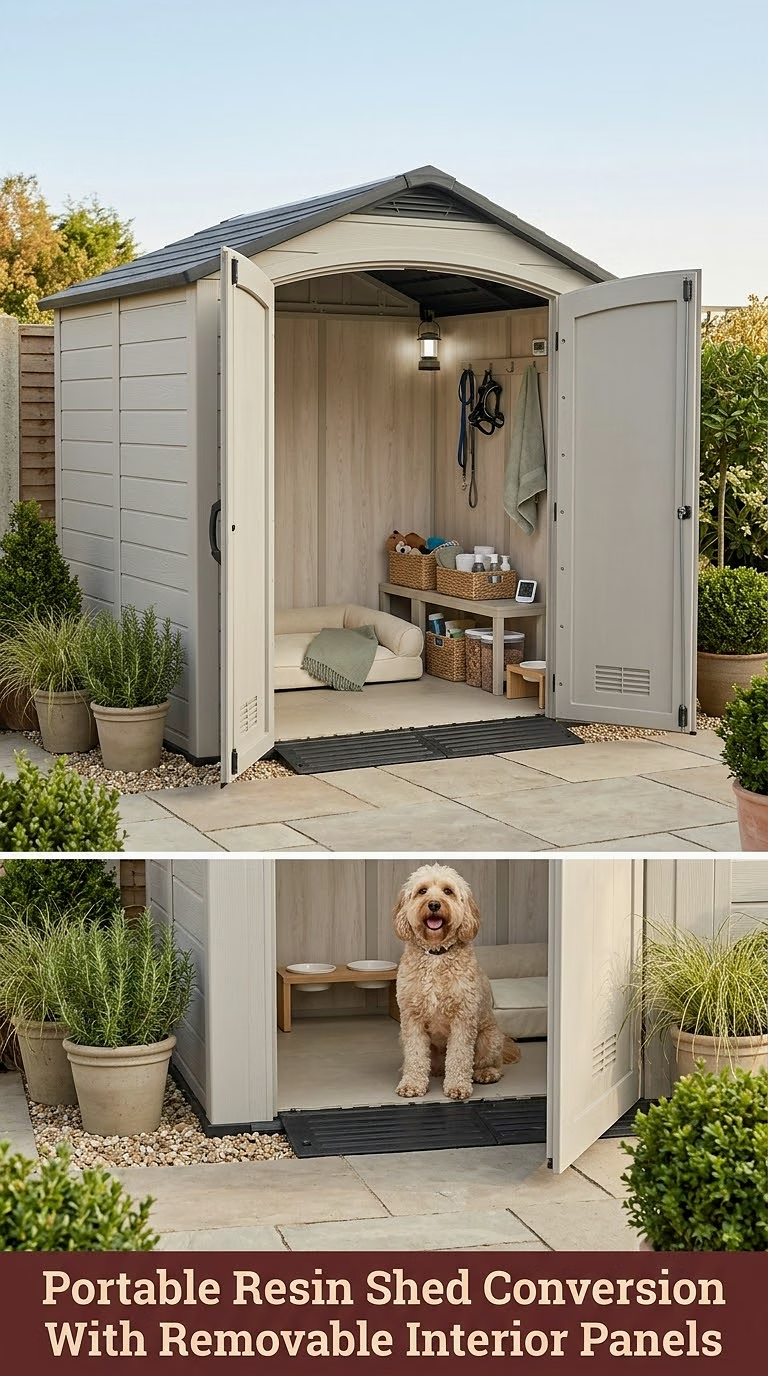
A compact resin shed can be a practical option for renters or homeowners who want a faster conversion with less exterior maintenance. Choose a model with a stable base, secure roof, ventilation, and enough interior space for your dog’s natural movement.
Line the lower interior walls with removable smooth panels to protect the original surface and simplify cleaning. Add a freestanding raised bed instead of permanently attaching furniture. Interlocking non-slip floor tiles can also be removed when the structure needs to be relocated.
Resin buildings can still become hot in direct sun, so placement and temperature monitoring are essential. Position the shed beneath dependable shade without blocking ventilation. Add a simple canopy over the entrance and use a light exterior color whenever possible. Decorative shutters, a removable name sign, and potted plants placed safely outside can make the practical structure feel more like a charming garden retreat.
15. Enrichment Shed With a Toy Wall and Indoor Activity Nook
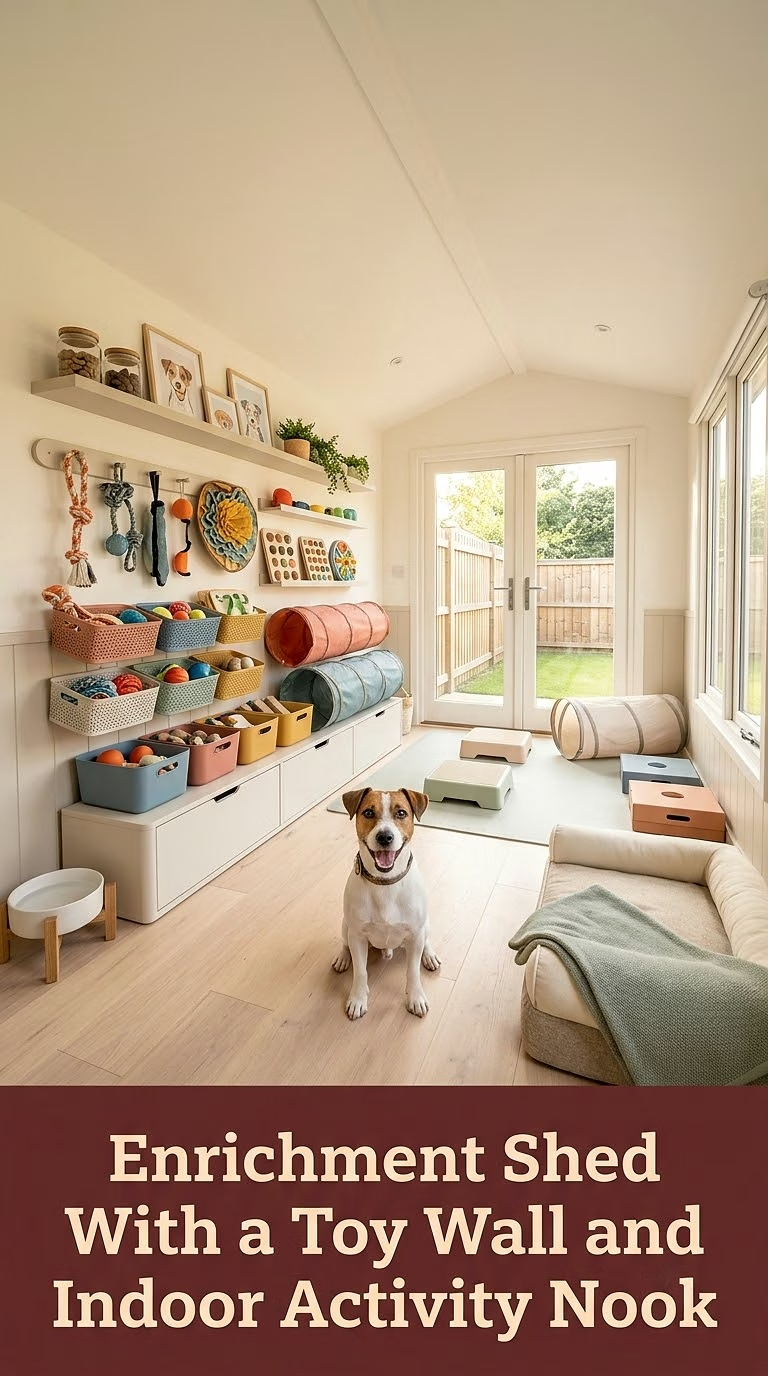
An enrichment-focused shed offers more than a sleeping area. Dedicate one wall to securely stored puzzle toys, training equipment, and scent-game supplies. Keep everything inside closed cabinets or mounted containers until you are ready to supervise play.
Leave the center of the shed open for simple activities such as searching for treats, practicing calm cues, or stepping over low removable poles. Avoid permanently filling the room with bulky agility equipment that restricts movement. The shed should still contain a quiet bed where your dog can disengage and rest.
Use cheerful but soothing colors, such as warm cream walls with muted blue or green accents. A corkboard placed high on the wall can display a training schedule or enrichment rotation. Choose easy-clean flooring because treat-based activities can become messy. This setup is especially helpful on rainy days when a short, focused mental activity can complement regular exercise.
16. Senior-Dog Shed With a Gentle Ramp and Low Orthopedic Bed
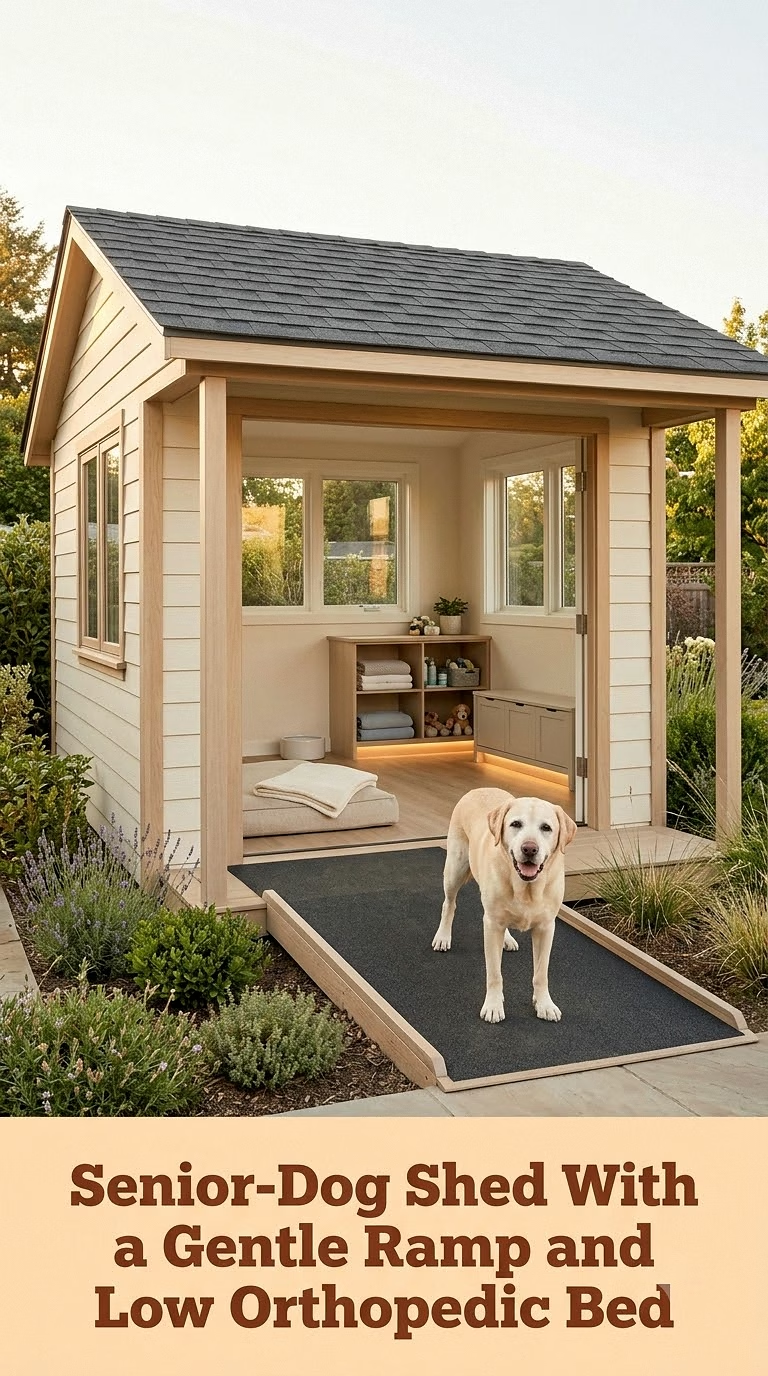
Older dogs often benefit from a shed designed around stability and effortless movement. Replace steep steps with a broad, gently sloped ramp covered in a weather-resistant, non-slip surface. Add raised edges if your dog has poor vision or balance.
Inside, keep the layout simple. Position a low orthopedic bed near the entrance so your dog does not need to cross a large room. Use cushioned, non-slip flooring with smooth transitions between surfaces. Avoid thick rugs that curl at the corners or mats that slide when stepped on.
Provide soft daylight without glare and choose contrasting colors around the doorway to make the exit easier to identify. A low window can let your dog watch the yard while resting, but it should remain secure and draft-free. Keep water nearby in a stable raised or floor-level bowl selected according to your dog’s mobility and veterinary needs.
17. Half-Storage, Half-Dog Shed With a Sealed Interior Divider
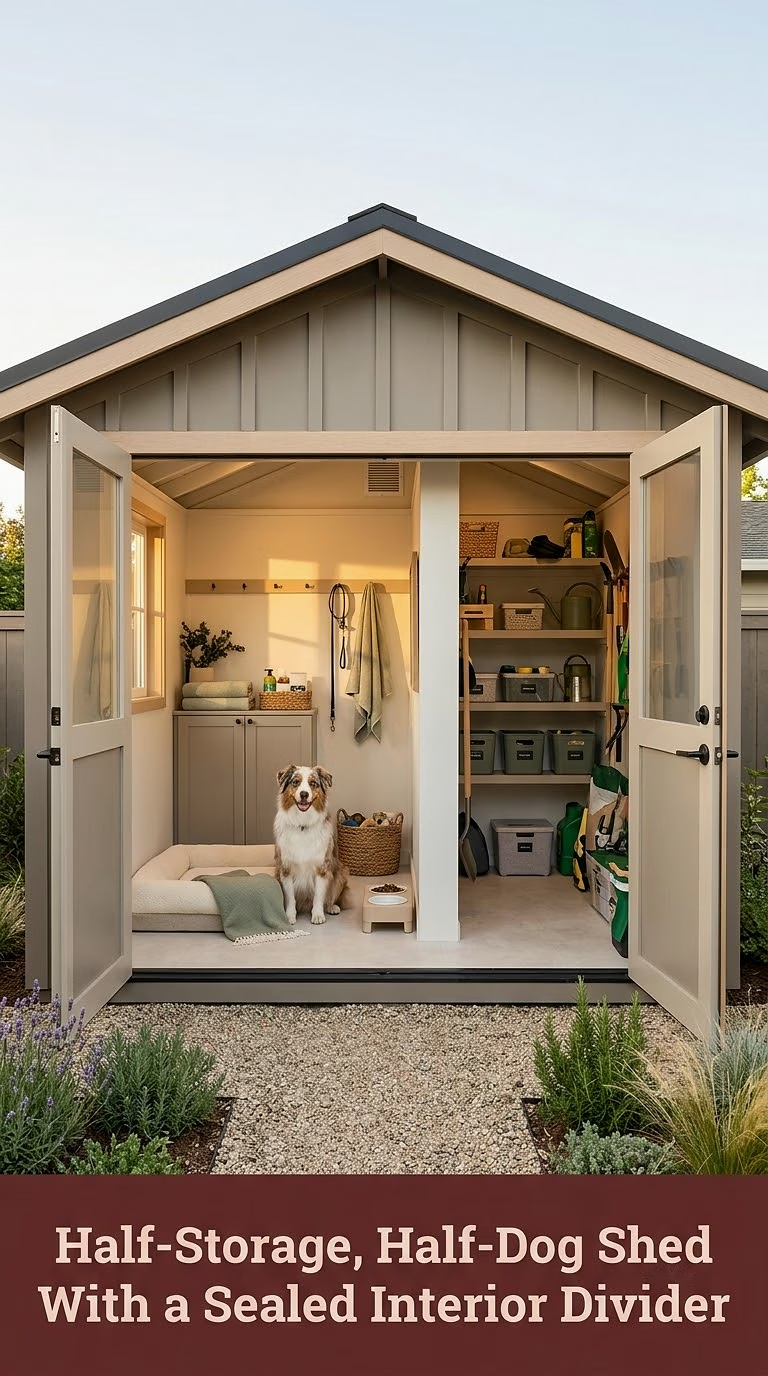
When backyard space is limited, one shed can serve both the household and the dog, provided the two areas are completely separated. Install a solid floor-to-ceiling partition with a secure, weather-sealed door between the sections.
The storage half can hold garden tools and equipment, while the dog side contains only pet-safe items. Chemicals, fuel, fertilizers, sharp tools, paint, pesticides, and machinery should never share the dog’s airspace or become accessible through gaps. Ventilate the dog area independently rather than relying on airflow from the storage section.
Give the pet side its own exterior entrance, washable floor, window, bed, and cleaning access. Match both halves visually with coordinated shelving and wall finishes, but prioritize safety over perfect symmetry. From the garden, the shed can appear like one polished structure while concealing a comfortable, purpose-built dog retreat and a practical household storage room.
Conclusion
The most successful shed dog house ideas begin with your dog’s real needs and then build a beautiful style around them. Whether you love a sage cottage, a rustic mini barn, a modern black garden room, or a practical shared storage shed, the space should remain dry, secure, well ventilated, easy to clean, and appropriate for the local weather.
Before converting an existing shed, inspect the roof, base, walls, fasteners, electrical system, and ventilation. Remove hazardous products, cover chewable materials, and make sure your dog can move comfortably through every doorway and around every piece of furniture. Introduce the finished retreat gradually with familiar bedding, treats, and relaxed supervised visits.
A thoughtfully designed shed can become a lovely extension of your home—a place where muddy paws, afternoon naps, garden views, and quiet moments with your dog all fit together beautifully.
Love these ideas? Pin this Pinterest post so you can easily return to your favorite shed dog house designs.
Source: https://petstutorial.com
Category: Dog Rooms
