
When winter settles over the backyard, even the sweetest little dog house can begin to feel cold, damp, and uninviting. A thoughtfully heated shelter can create a much more comfortable retreat for a dog who spends supervised time outdoors, especially during chilly mornings, snowy afternoons, or brisk evenings in the yard.
- 17 Dog Garage Area Room Ideas for a Cozy, Stylish, and Practical Pet Space
- 18 Dog Station Ideas for a Beautiful, Organized, and Pet-Friendly Home
- 17 Dog Nook Ideas for Apartments That Make Small Spaces Feel Cozy and Beautiful
- 19 Laundry and Dog Room Ideas That Make Everyday Life With Your Pet Beautifully Organized
- 19 Cute Dog House Ideas That Look Like Tiny Dream Homes
The safest dog house heater ideas are not simply about adding as much heat as possible. A good setup combines gentle warmth with insulation, weather protection, ventilation, dry bedding, and enough floor space for your dog to move away from the heated area whenever desired. The goal is a cozy resting spot rather than a tiny overheated room.
You are reading: 17 Cozy Dog House Heater Ideas for a Safer, Warmer Winter Retreat
Before installing electrical equipment, choose products specifically designed for pets and approved for the intended indoor or outdoor setting. Avoid ordinary portable space heaters, heat lamps, electric blankets, and human heating pads inside a dog house. Puppies, elderly dogs, short-haired breeds, sick dogs, and dogs that have not adapted to cold weather may need to remain indoors regardless of how attractive or well insulated their outdoor shelter appears.
Dog House Heater Ideas for Every Style, Budget, and Climate
1. Cedar Cottage Dog House With a Thermostatic Heated Pet Mat
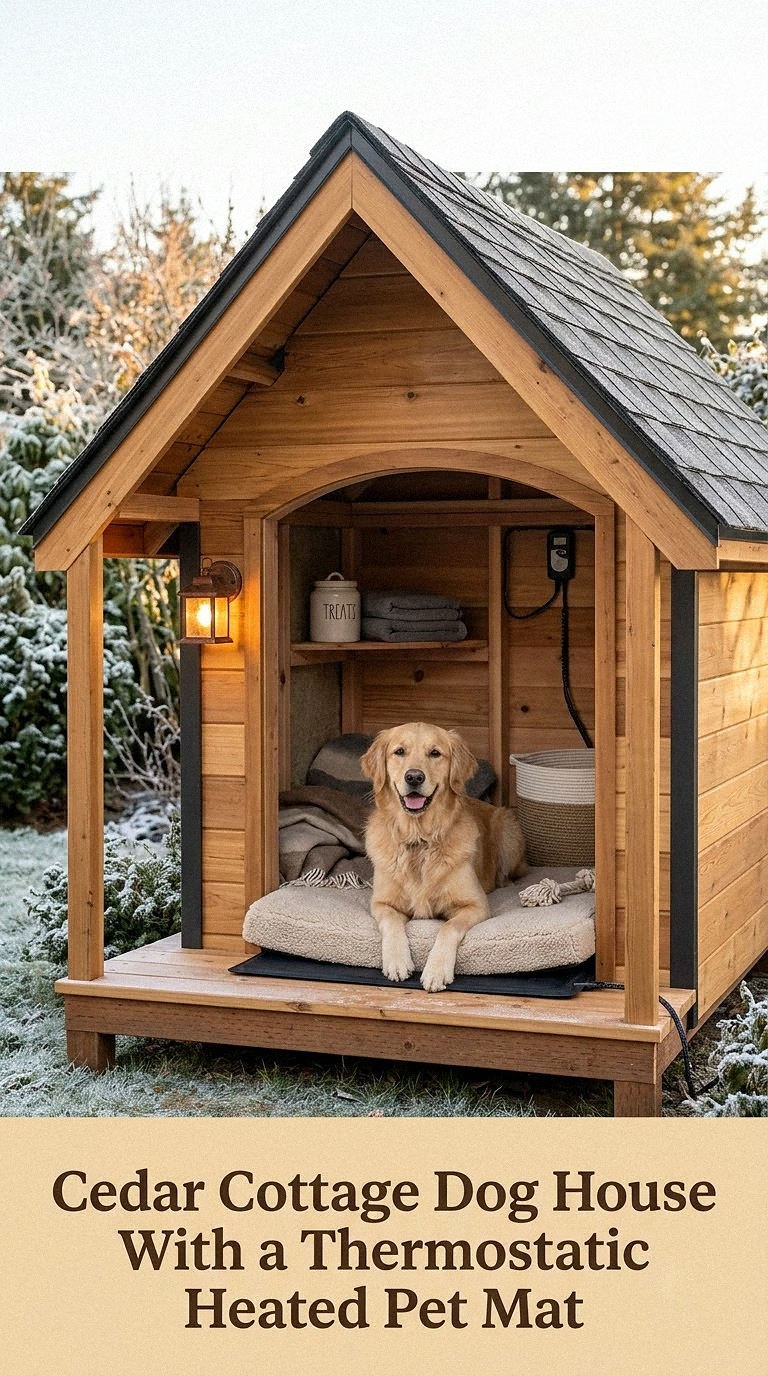
A cedar cottage with a gently heated sleeping mat offers a classic combination of rustic beauty and practical winter comfort. Use weather-resistant cedar siding, a pitched roof, and cream-colored trim to create a charming backyard feature that feels more like a miniature country home than a basic kennel.
Place an outdoor-rated heated pet mat on one side of the interior rather than covering the entire floor. This gives your dog a warm place to rest while preserving an unheated section where they can cool down. Look for a mat with a thermostat, chew-resistant cord protection, and a washable or removable cover.
The cottage should also have an elevated insulated floor so the mat is not fighting against frozen or damp ground. Keep bedding thin enough that it does not trap excessive heat over the mat. A small covered porch can help keep rain and snow away from the entrance while adding to the cozy cottage appearance.
2. Modern Black Dog House With a Guarded Wall-Mounted Kennel Heater
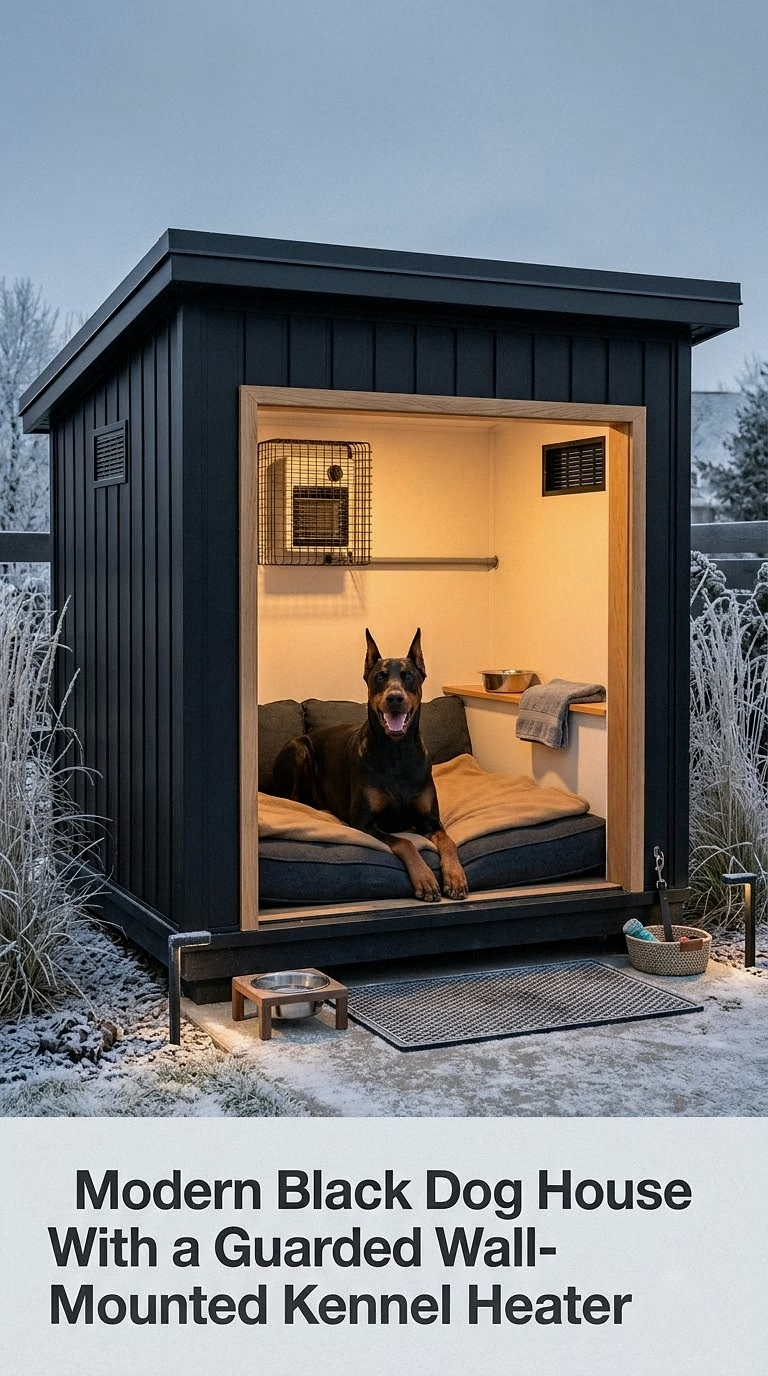
For a sleek backyard, consider a modern dog house finished in matte black siding with warm natural-wood accents. Inside, install a low-profile kennel heater designed for enclosed animal spaces. Mounting the unit high on a wall helps keep it away from paws, bedding, and curious noses.
Choose a model with a protective guard, automatic temperature regulation, and overheat protection. The heater should be securely attached according to the manufacturer’s instructions so it cannot be knocked loose. Electrical cords should run through protected conduit or a cord channel outside the dog’s reach.
Balance the dark exterior with a pale washable interior, such as sealed plywood in a soft ivory shade. This makes the space feel brighter and allows you to notice dirt, moisture, or damage more easily. A digital thermometer visible through a small inspection window can complete the clean, high-tech design.
3. White Farmhouse Dog House With an Insulated Raised Floor
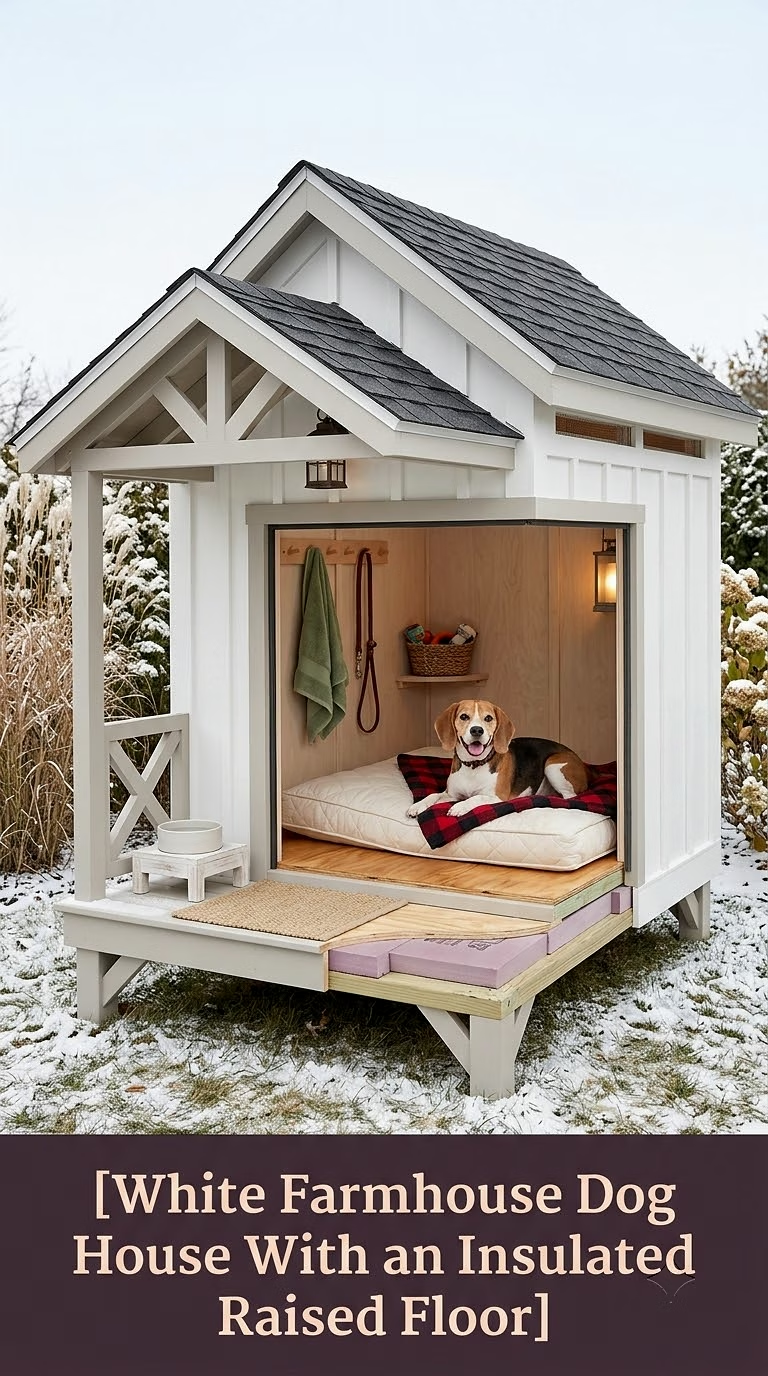
Sometimes the most effective heater upgrade begins beneath the dog rather than beside them. A white farmhouse-style dog house with a deeply insulated raised floor can retain warmth far better than a shelter sitting directly on cold soil or concrete.
Build the base several inches above the ground and fill the protected floor cavity with moisture-resistant rigid insulation. Seal the underside against drafts, pests, and splashing rain. Inside, add a pet-safe heated mat or self-warming reflective pad over a durable waterproof floor covering.
The visual details can be soft and inviting: white board-and-batten siding, a charcoal roof, natural wood steps, and a simple name plaque above the doorway. Keep decorative fabrics limited to washable items that stay dry. The raised structure not only looks polished but also reduces contact with cold ground and makes seasonal cleaning easier.
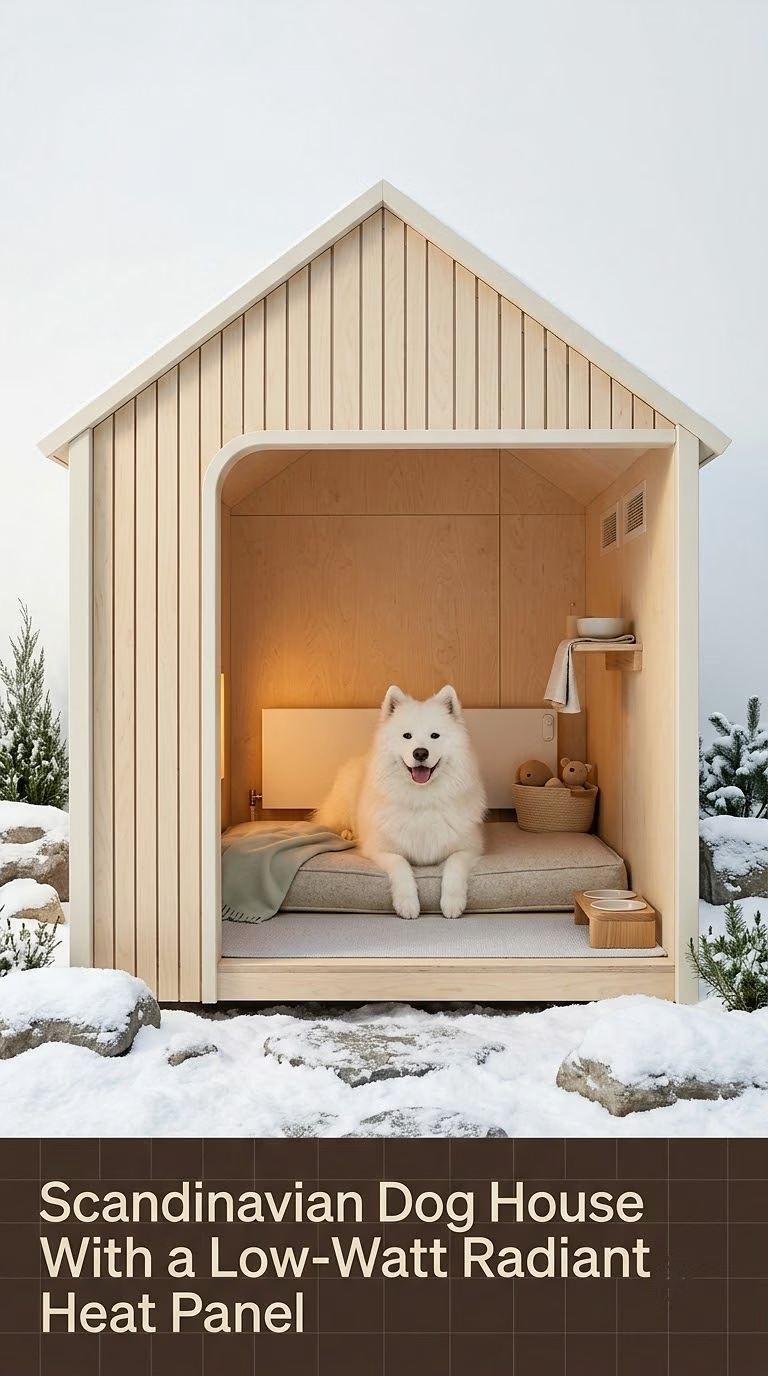
A Scandinavian-inspired dog house can feel calm, minimalist, and beautifully suited to a modern patio. Picture pale wood walls, a simple sloped roof, rounded doorway edges, and a neutral interior with a fitted oatmeal-colored bed.
Instead of heating the floor, use a low-watt radiant panel manufactured for pet or kennel environments. Position it where your dog cannot lie directly against it, and protect it with the recommended guard or spacing system. Radiant panels warm nearby surfaces and occupants without blowing dust or creating a strong stream of hot air.
Because the design is visually simple, every practical detail matters. Hide protected wiring inside a rear service compartment, add a small high-level vent, and use removable interior wall panels for inspection. A subtle thermostat display outside the shelter helps you check conditions without disturbing a sleeping dog.
5. Two-Zone Dog House With a Warm Sleeping Nook and Cool Retreat
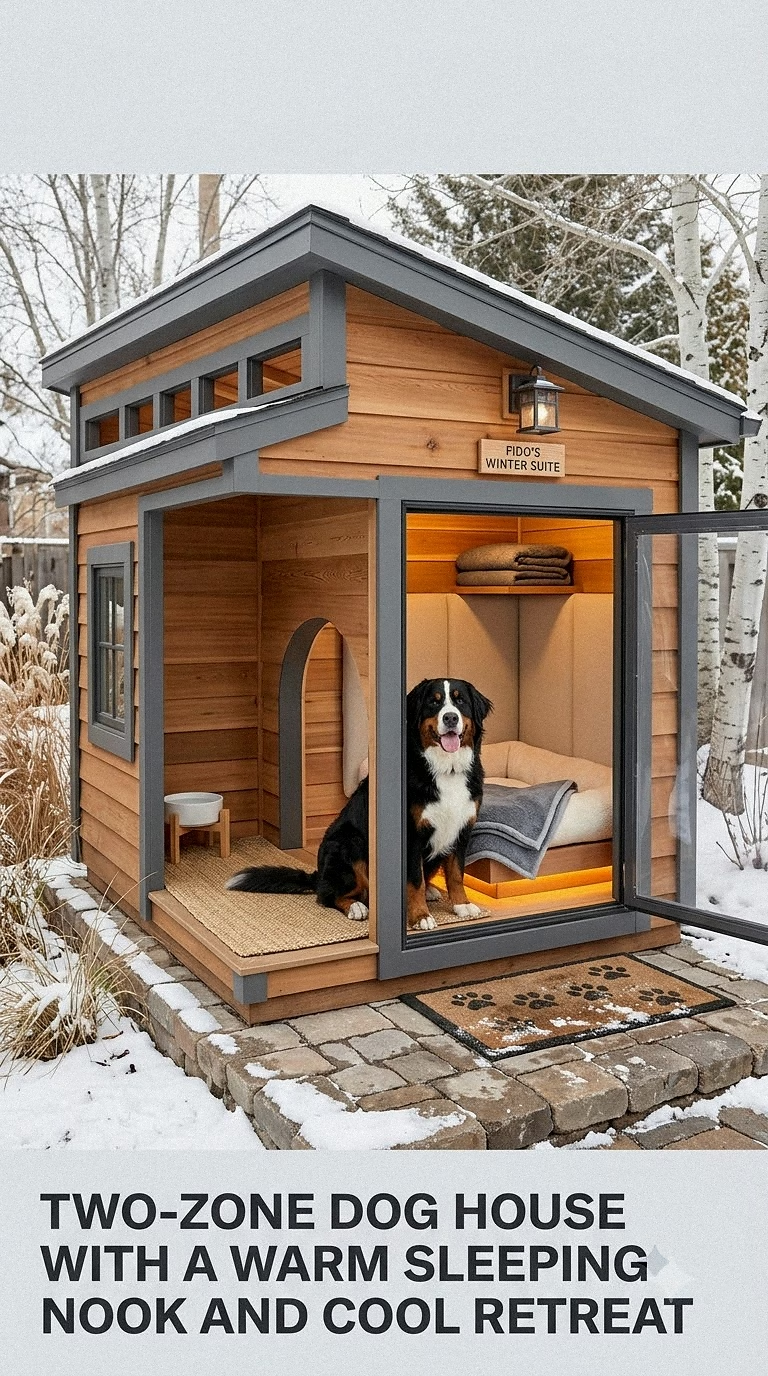
One of the smartest dog house heater ideas is a divided interior with two distinct comfort zones. The first area contains a heated mat or controlled heat panel, while the second remains unheated and well ventilated. Your dog can move freely between the two depending on how warm they feel.
Create the sleeping nook at the back of the house, away from the entrance and prevailing wind. A partial interior wall can block drafts without closing the area completely. The front zone can remain open, with a durable floor and enough space for stretching or turning around.
This layout works especially well for dogs with thick coats or changing comfort needs. Use different materials to make the zones visually clear: warm wood and a fitted bed in the sleeping nook, then sealed slate-look flooring in the cooler section. The result feels like a thoughtfully planned miniature suite.
6. Senior Dog Retreat With a Heated Orthopedic Bed
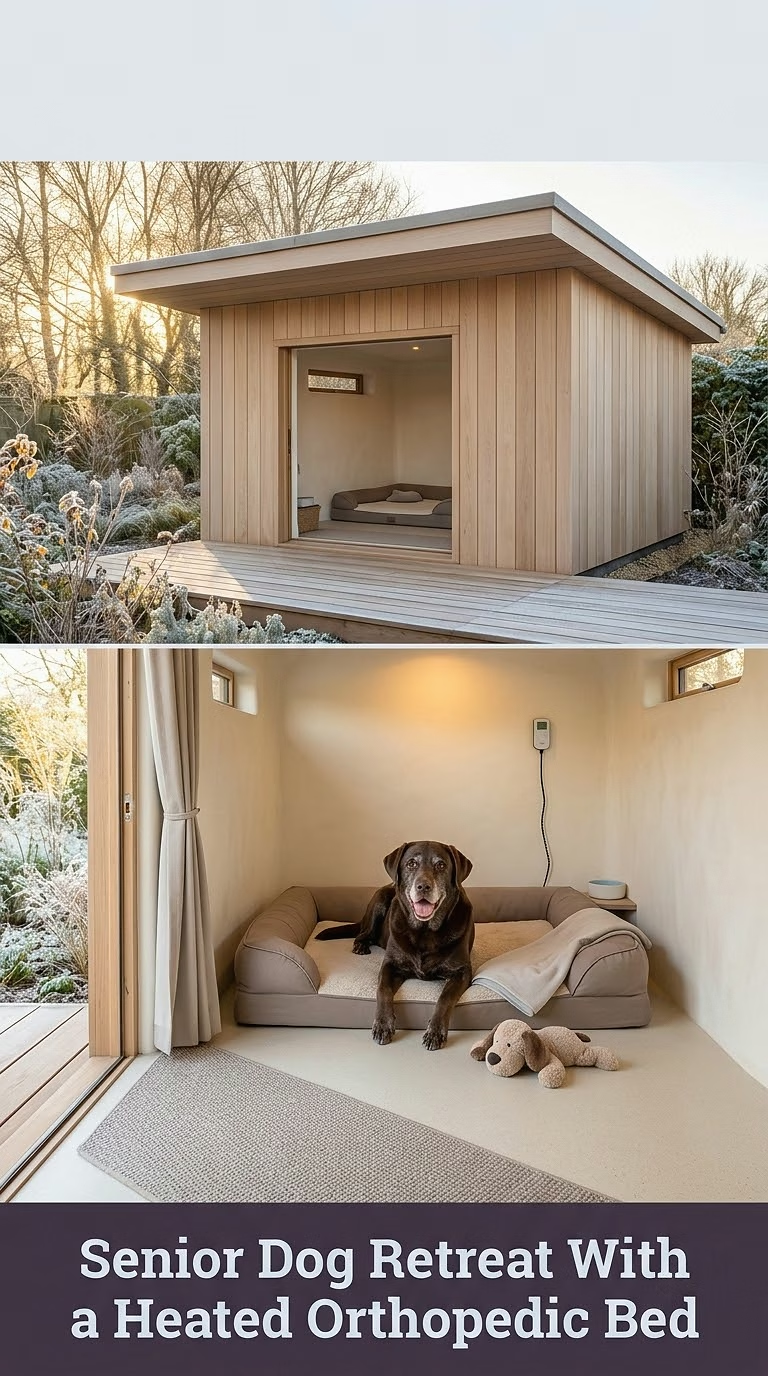
Older dogs may appreciate gentle warmth around stiff joints, but their setup should be easy to enter, supportive, and carefully monitored. Design a low-threshold dog house with a wide doorway, nonslip ramp, and an orthopedic bed made specifically to work with pet-safe heating.
Read more : 17 Closet Dog Room Ideas for a Cozy, Stylish Pet Retreat
Choose a heated dog bed with automatic temperature control rather than placing an ordinary heating pad under a thick mattress. The heated area should not fill the entire shelter, and your dog should always be able to stand up and move to a cooler surface.
Create a soothing interior with warm taupe walls, washable cream bedding, and rounded wood trim. Avoid tall steps, slippery floors, or tight corners. Check the bed regularly for worn fabric, moisture, exposed wiring, or changes in temperature. A senior or medically vulnerable dog should still be brought indoors during severe cold and may need veterinary advice before using supplemental heat.
7. Budget Plywood Dog House With a Self-Warming Reflective Mat
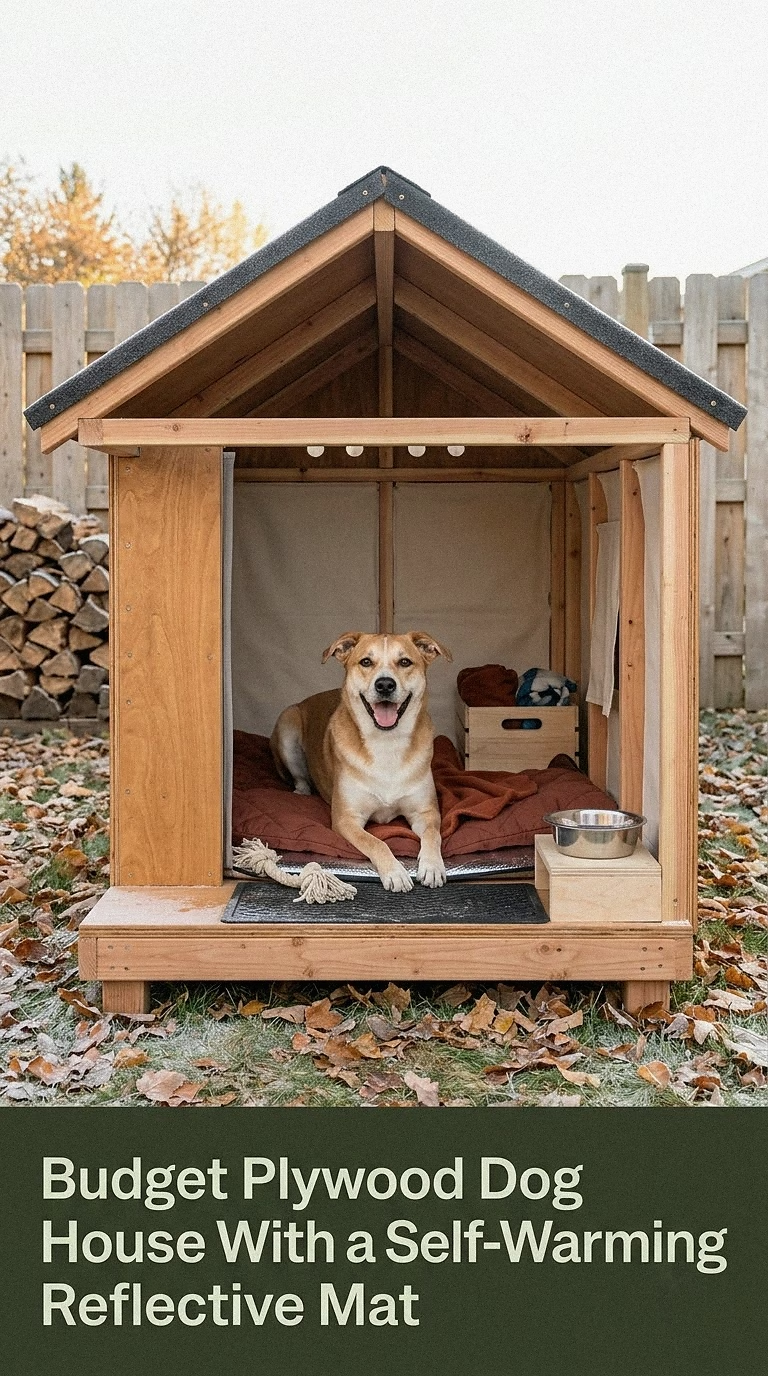
A dog house does not always need electricity to feel noticeably warmer. For a budget-friendly project, build or upgrade a simple plywood shelter with insulated walls, a raised base, and a self-warming reflective mat.
These mats use insulating and heat-reflective layers to help retain some of the warmth produced by the dog’s own body. They do not create heat in the same way as an electric pad, making them useful where power is unavailable or where only mild additional warmth is needed.
Paint the exterior in a cheerful muted color such as sage green or dusty blue, then seal all exposed edges against moisture. Add a removable floor tray so dirt and damp bedding can be cleaned quickly. A flexible entrance flap and a small offset doorway can further reduce wind exposure without adding significant cost.
8. Rustic Cabin Dog House With a Draft-Blocking Entrance Vestibule
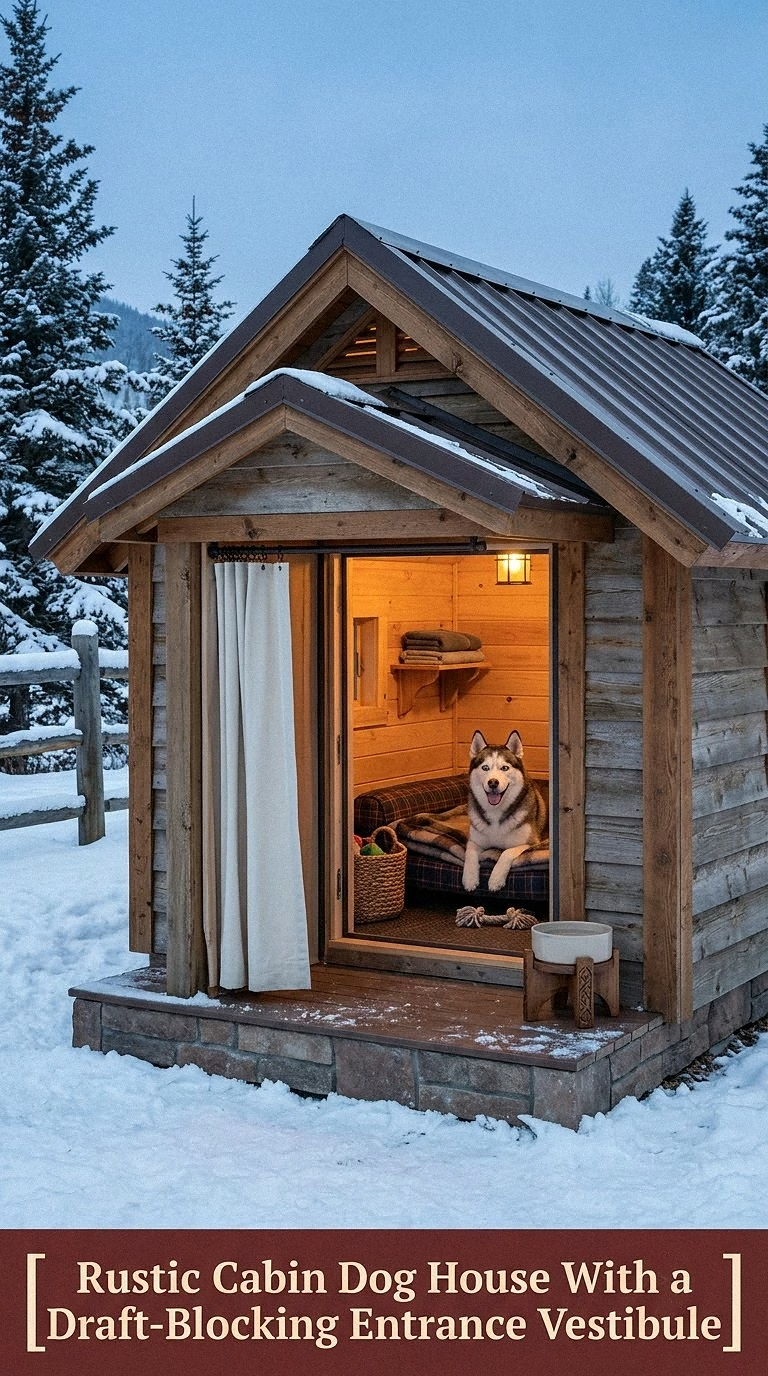
A tiny entrance vestibule can make a heated dog house more efficient by preventing cold wind from blowing directly into the sleeping area. The shelter can be styled like a rustic mountain cabin with stained timber siding, a dark metal-look roof, and a sheltered front step.
Build a short entry area that turns slightly before opening into the main sleeping chamber. Add a flexible pet-safe door flap at the exterior opening, provided your dog is comfortable pushing through it. The heated mat or panel should remain in the rear chamber, well away from the doorway.
This arrangement traps less cold air each time your dog enters and offers extra protection during windy weather. Keep the passage wide enough for easy movement, and ensure the flap cannot freeze shut. The vestibule should also be removable or accessible so leaves, snow, and dirt do not accumulate unnoticed.
9. Luxury Heated Dog House With Professionally Installed Radiant Flooring
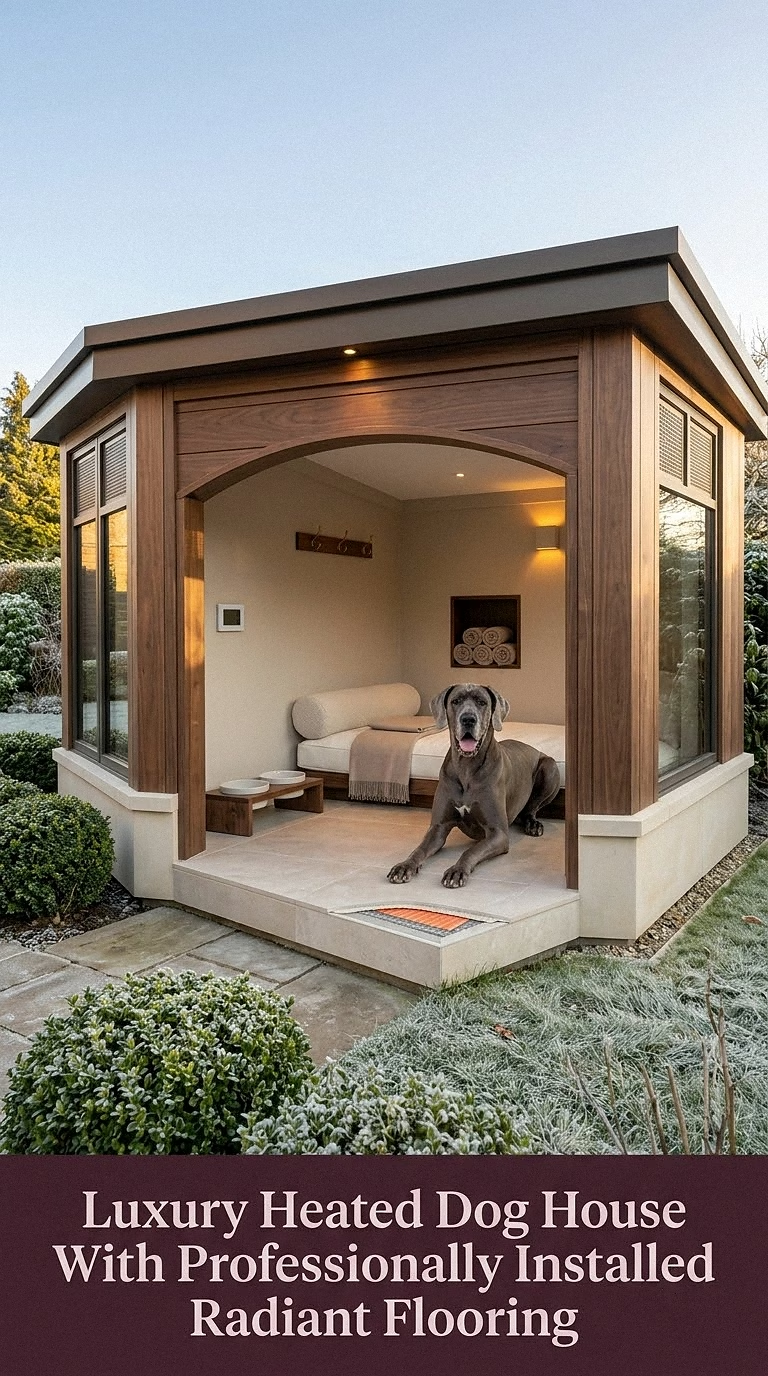
For a permanent, high-end setup, radiant floor heating can create gentle warmth beneath a waterproof finished surface. This idea is best suited to a custom-built dog house or small outdoor dog room with professional electrical installation.
The heating system should be low-temperature, thermostatically controlled, protected from moisture, and designed for the construction method being used. Household heating wires should never be casually placed beneath a dog house floor as a weekend experiment. Proper insulation below the system is also essential so the heat moves upward rather than disappearing into the ground.
Finish the interior with sealed stone-look tile or another easy-clean surface that conducts warmth evenly. Add natural oak walls, a built-in bed platform, and a small covered terrace for a luxurious appearance. Leave a substantial portion of the floor unheated so your dog can choose the most comfortable spot.
10. Compact Small-Dog Cottage With a Half-Floor Heating Pad
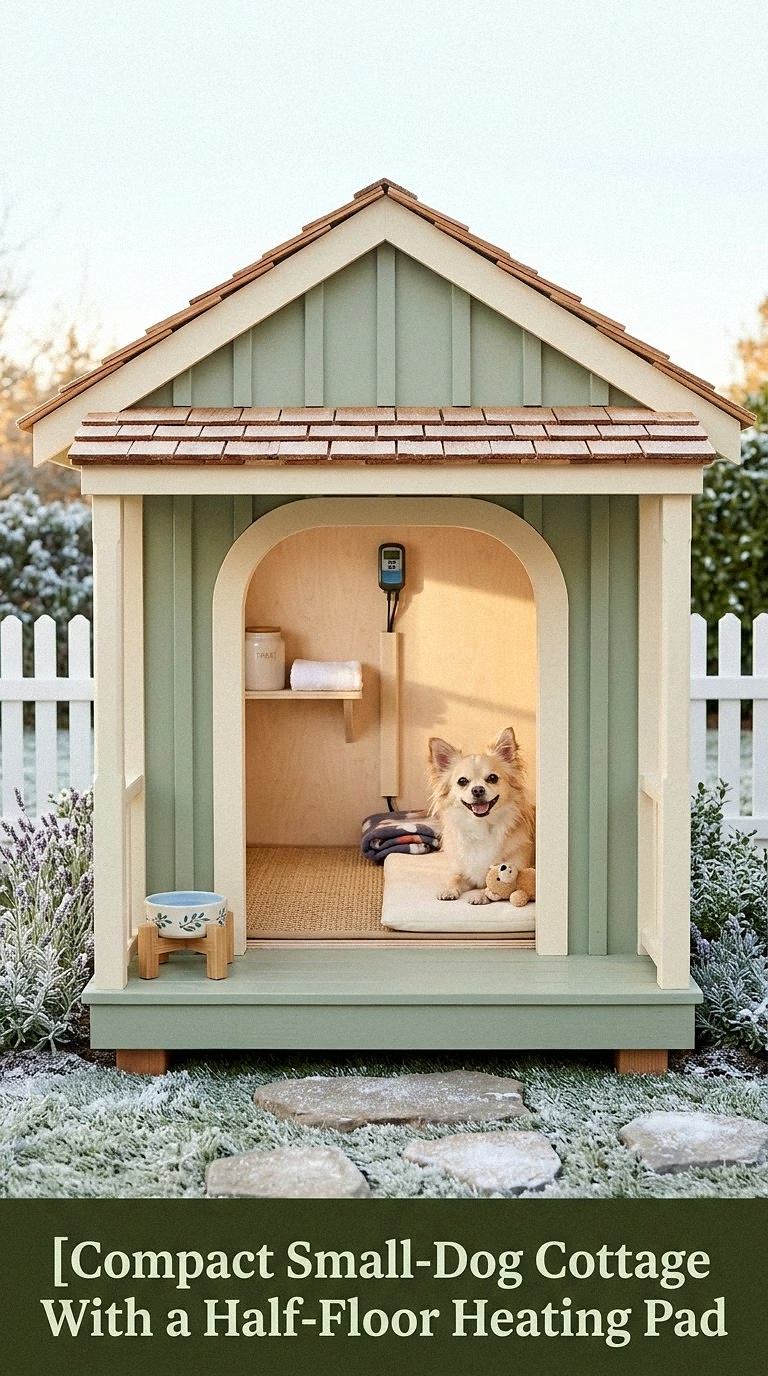
Small dogs often prefer enclosed, den-like spaces, but an undersized house can heat up too quickly. Create a compact cottage with an electric pet mat that covers only half of the sleeping floor.
The house should still be large enough for your dog to stand naturally, turn around, stretch, and move off the warm surface. Use a pale pink, soft beige, or creamy white exterior with delicate wood trim for a sweet garden-cottage look. Keep bows, fabric garlands, and dangling decorations outside the dog’s reach.
Inside, use a fitted washable cover over the heated mat and a plain sealed floor on the opposite side. A high vent can release moisture without creating a direct draft at bed level. Check the interior temperature often during the first few days to learn how the small space responds to changing outdoor weather.
11. Multiple-Dog Lodge With Separate Thermostatic Sleeping Bays
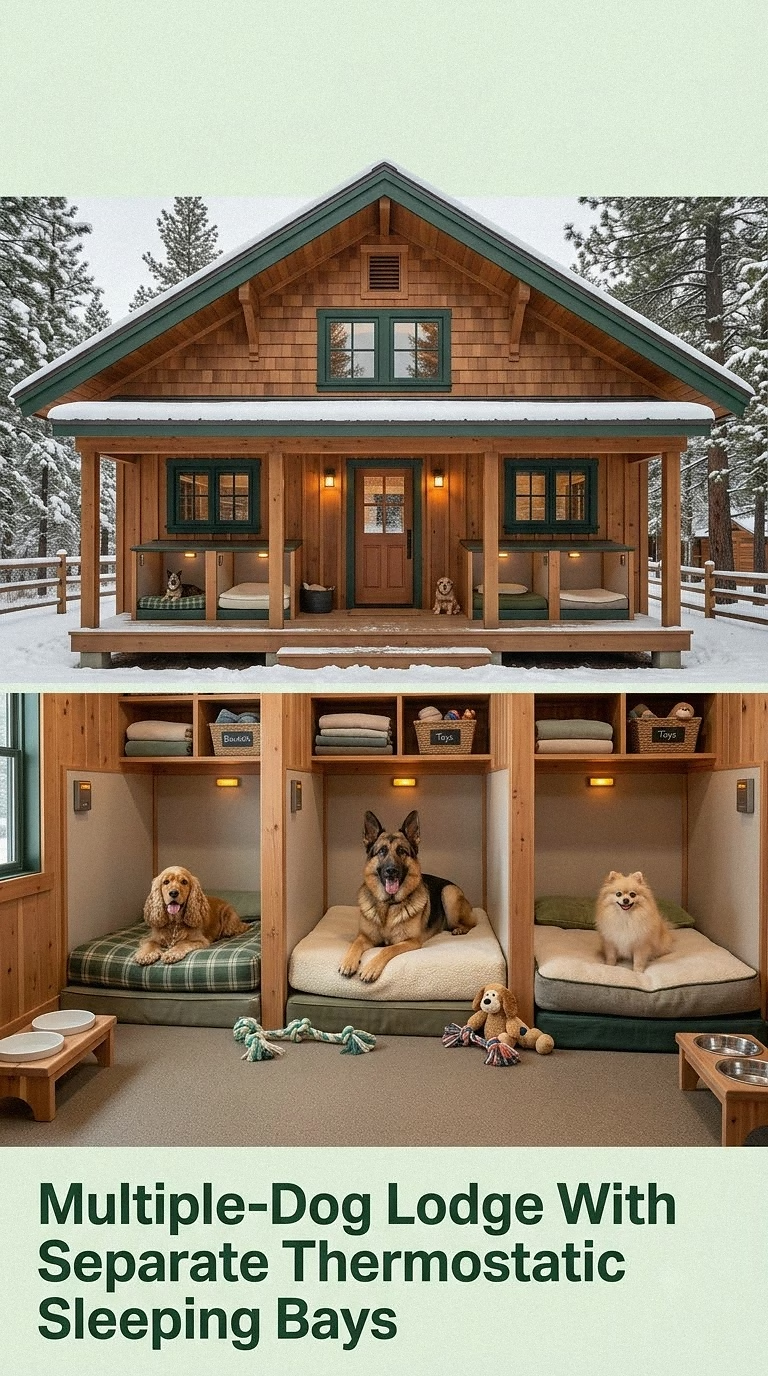
A shared dog house for multiple dogs is more comfortable when each dog has an individual sleeping bay. Design a lodge-style structure with two or three insulated compartments connected to a common sheltered entrance.
Each bay can contain its own appropriately sized thermostatic pet mat, allowing the dogs to choose separate sleeping spaces. Independent heating is particularly helpful when one dog is older, smaller, or more sensitive to cold than another. Avoid running loose cords across the shared floor; route each connection through a protected rear utility channel.
Give the lodge a cohesive appearance with deep green siding, natural timber framing, and matching name plaques. Removable interior dividers make cleaning easier and allow the layout to change as needed. Multiple dogs should never be forced into a cramped space simply because their combined body heat makes it warmer.
12. Existing Dog House Makeover With a Removable Insulated Winter Insert
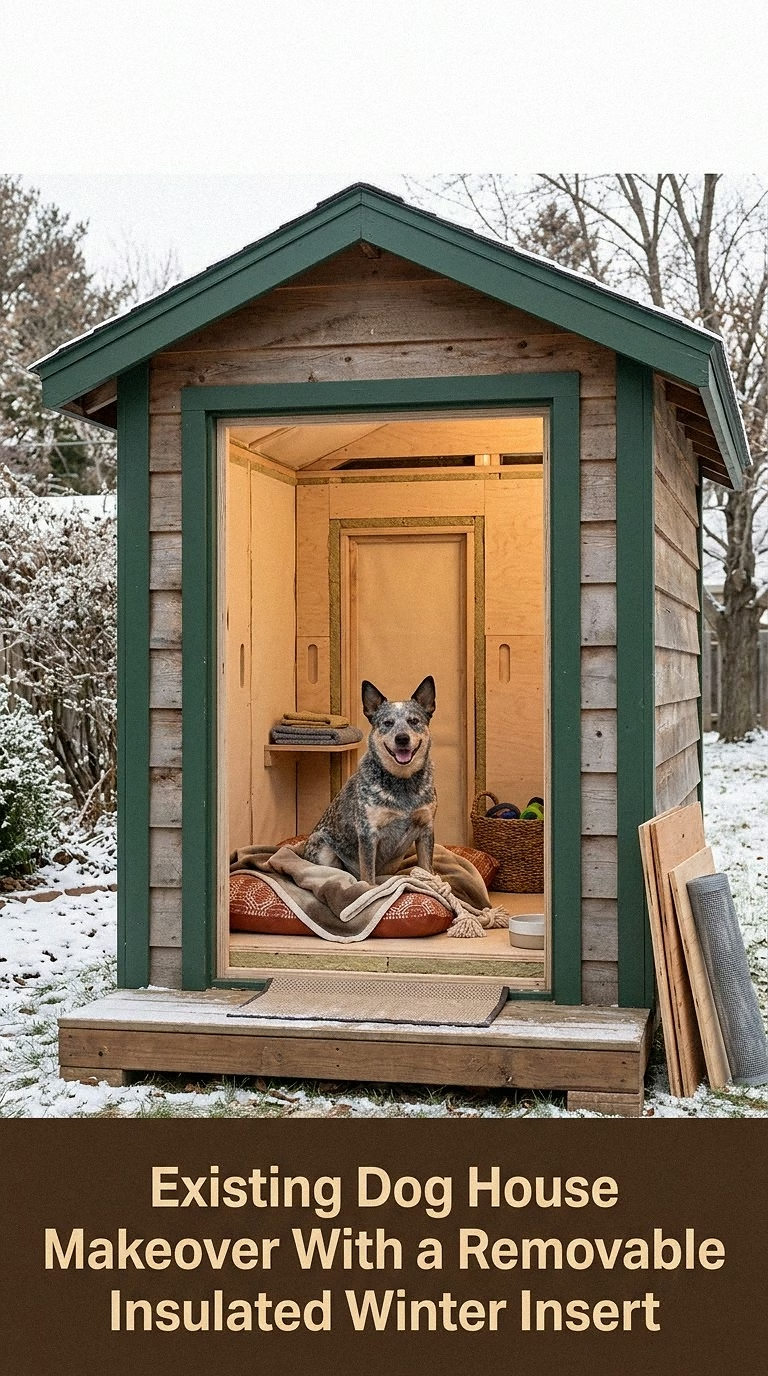
An older dog house can often be improved without replacing the entire structure. Build a removable winter insert that fits inside the existing walls and creates a smaller, better-insulated sleeping chamber.
Construct the insert from sealed plywood panels surrounding protected rigid insulation. Cover every insulation edge so your dog cannot scratch, chew, or ingest the material. Include cutouts for ventilation and a protected route for an outdoor-rated heated pet mat cord.
Read more : 17 Dog Utility Room Ideas for a Stylish, Organized, Pet-Friendly Home
A removable insert is especially practical in climates with cold winters and warm summers. It can be taken out when temperatures rise, restoring more interior space and airflow. Paint the insert in a warm neutral tone and add a fitted floor mat for a tidy finished appearance. Before installing it, repair roof leaks, rotting wood, sharp hardware, and gaps in the original house.
13. Solar-Assisted Dog House With a Passive Sun-Warmed Wall
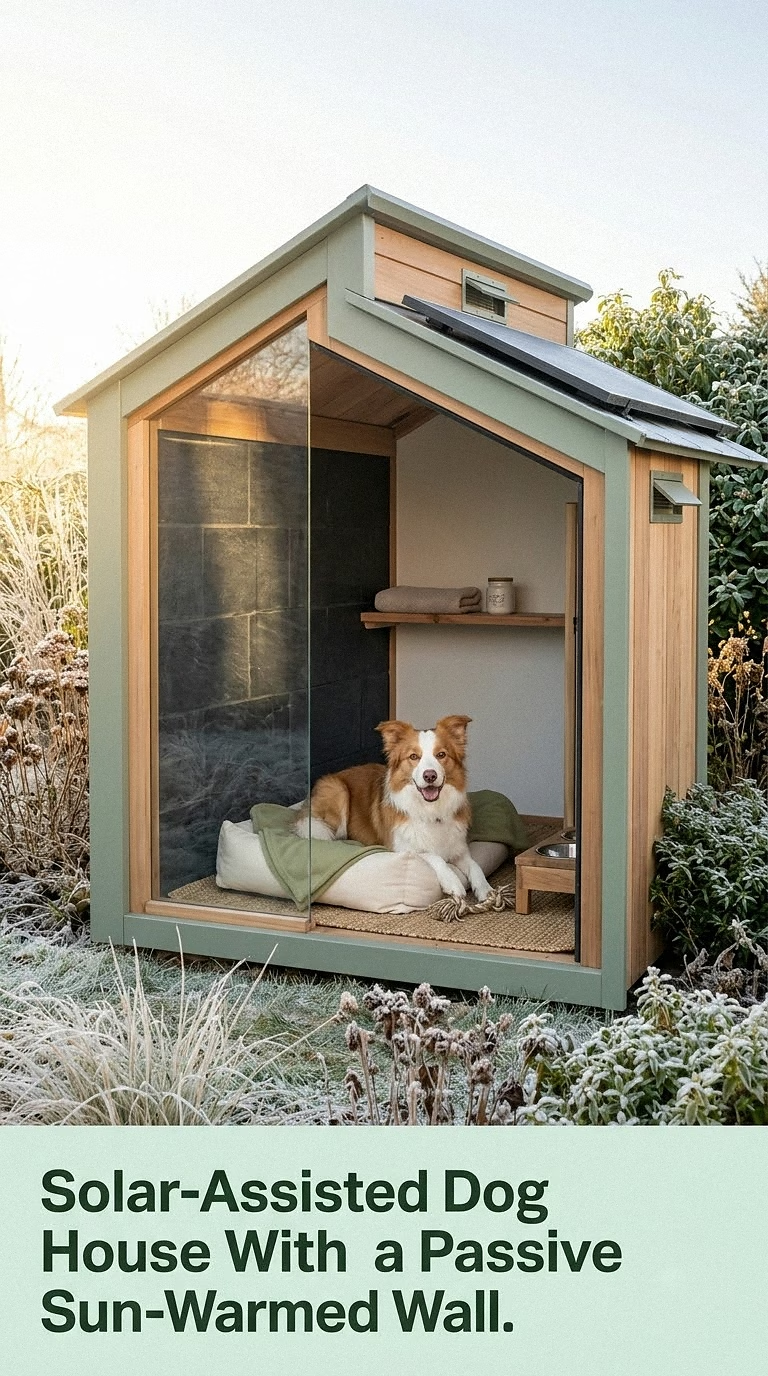
For an off-grid approach, use sunlight to warm part of the structure during the day rather than powering an unattended electric heater. Position a well-insulated dog house where it receives beneficial winter sun while remaining protected from harsh summer exposure.
A dark exterior panel on the sunny side can absorb warmth, while an insulated interior wall slows heat loss. The sleeping area should remain shaded from direct glare, and the design still needs ventilation to prevent condensation or overheating. Combine the passive solar element with a reflective self-warming bed rather than a high-powered electrical device.
Style the shelter with charcoal siding, honey-colored wood framing, and a small translucent canopy over the entrance. Seasonal shade panels or nearby deciduous planting can help prevent excessive summer heat. Monitor the interior because sunny winter days can create surprisingly different conditions from cloudy ones.
14. Storm-Ready Dog House With a Non-Electric Emergency Warmth Kit
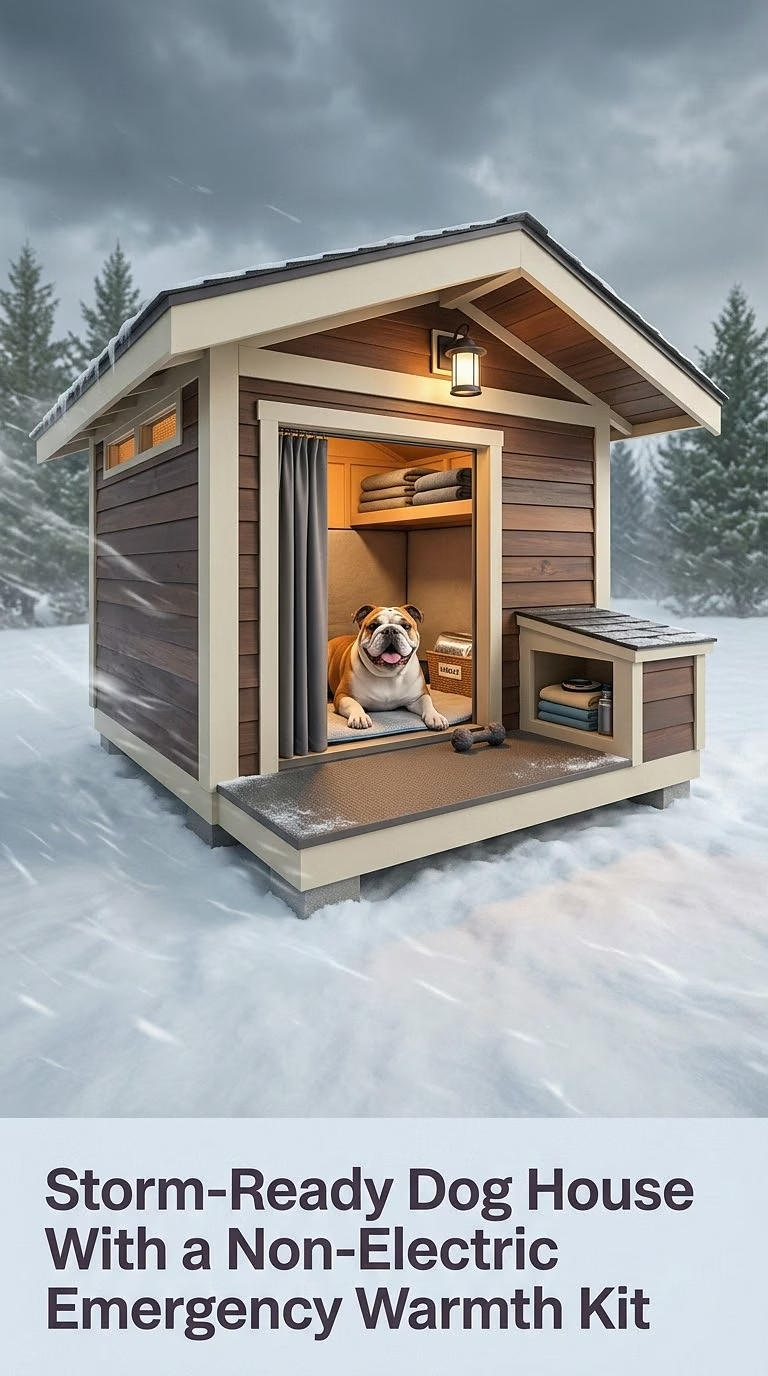
Power outages often arrive during the same storms that create the coldest conditions. A storm-ready dog house can include a dedicated compartment holding safe, non-electric winter supplies.
Keep a dry self-warming mat, lightweight breathable blankets, spare entrance flap, clean towels, and replacement bedding in a weatherproof storage box attached to the outside of the shelter. Do not leave disposable chemical hand warmers where a dog can chew or swallow them.
Use bright but tasteful details such as a muted red door, natural cedar walls, and a small covered storage bench. The shelter itself should have an insulated raised floor, sealed roof, and protected entrance. During dangerous cold or prolonged power loss, the emergency plan should be to bring the dog into a safe indoor space rather than relying on the dog house alone.
15. Smart Dog House With a Remote Temperature and Humidity Monitor
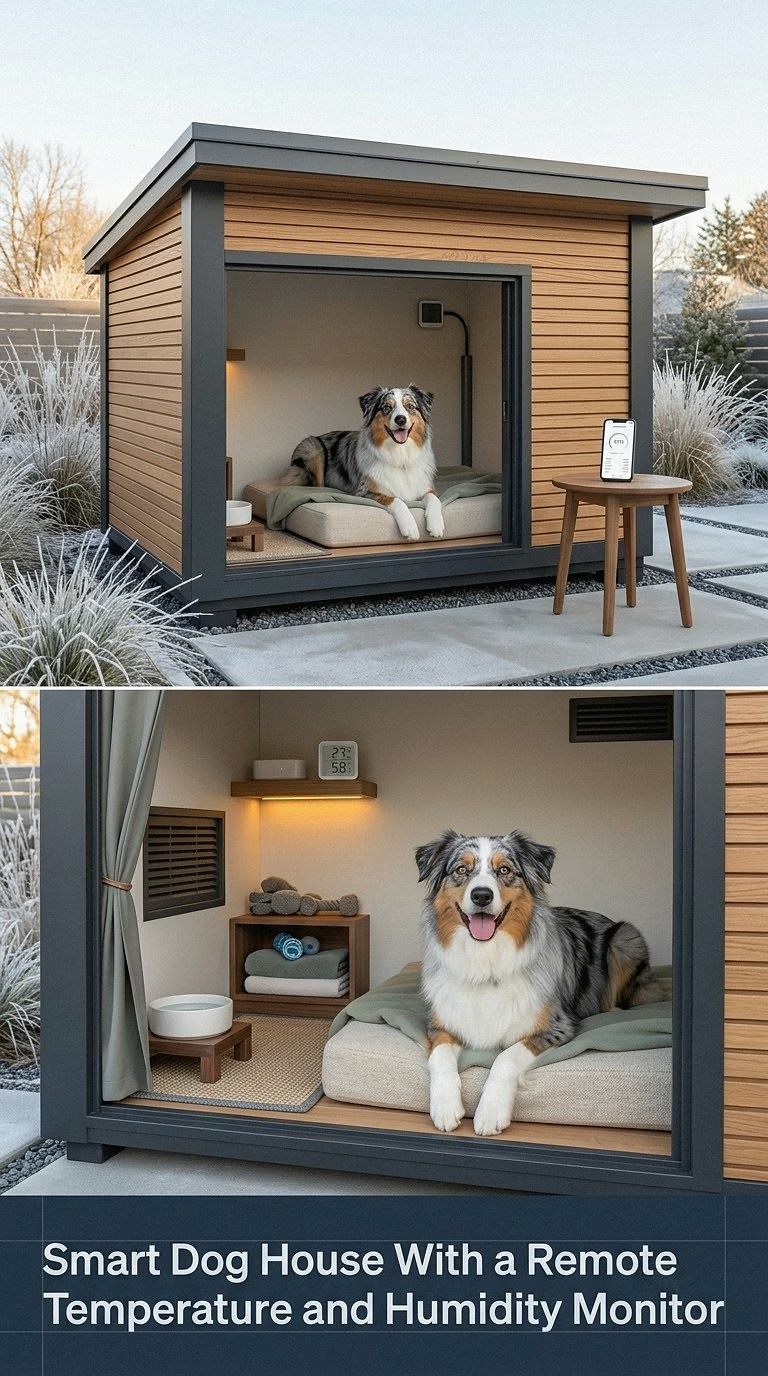
A temperature monitor does not produce warmth, but it can make every heating method safer and easier to manage. Install a wireless sensor inside the dog house and place it away from the heater, doorway, and direct contact with the dog.
A monitor that tracks both temperature and humidity can help reveal whether the shelter is becoming too warm, too cold, or excessively damp. Some systems can send phone alerts when readings move outside a chosen range. Keep the sensor and battery compartment protected from chewing and moisture.
Give the shelter a modern appearance with gray siding, a natural wood door frame, and a small exterior display panel. The monitor should support regular physical checks rather than replace them. You still need to inspect the bedding, wiring, roof, ventilation, water supply, and your dog’s behavior in person.
16. Covered Patio Dog Nook With a Heated Bed and Weatherproof Outlet
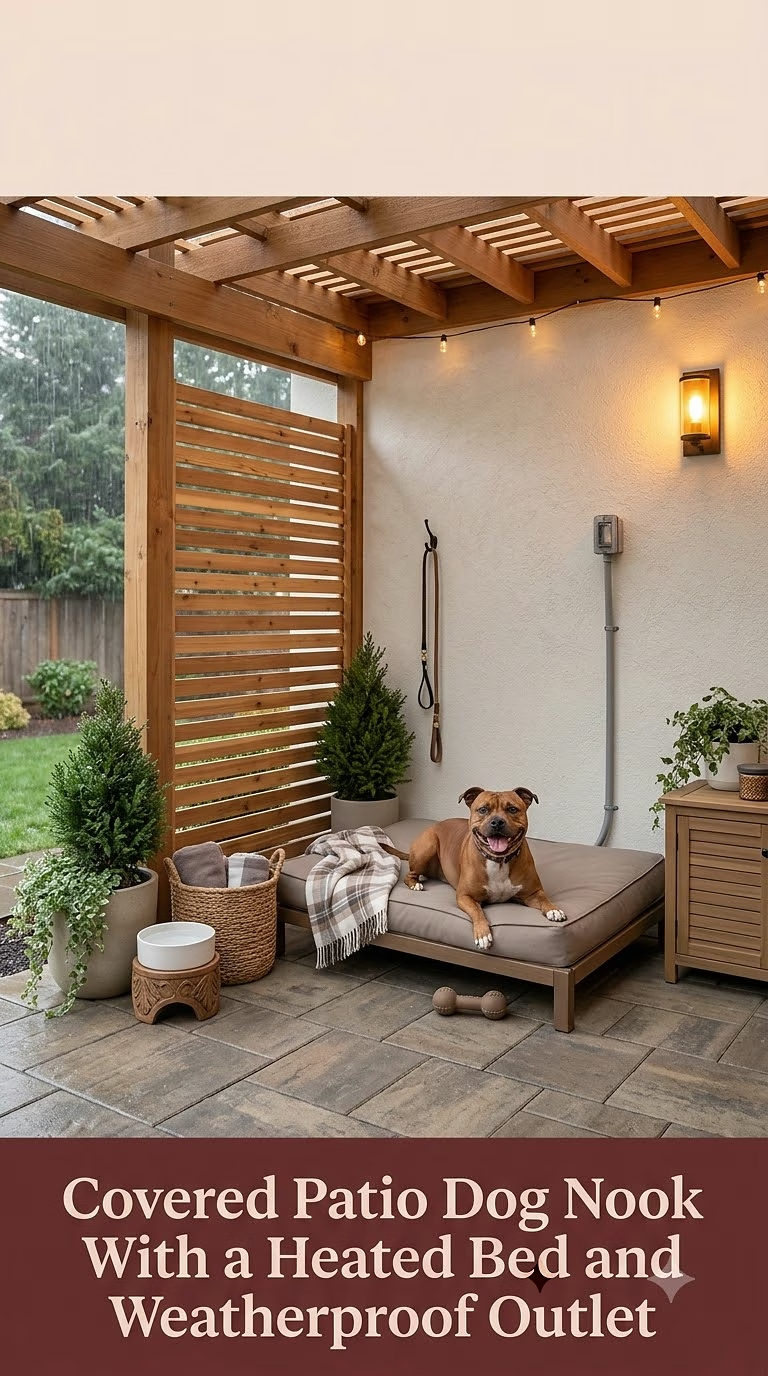
A dog house placed beneath a covered patio may be easier to heat safely because it receives additional protection from rain, snow, and direct wind. Create a built-in nook beneath an outdoor counter, bench, or roofed corner while keeping plenty of airflow around the structure.
Use a thermostatic heated dog bed made for the location and connect it to a properly installed, weather-protected, ground-fault-protected outlet. Avoid running a lightweight household extension cord across the patio. Place wiring inside a chew-resistant cover and arrange furniture so the cord cannot become a trip hazard.
Style the nook with warm wood slats, neutral outdoor cushions placed beyond chewing reach, and matching storage for leashes and towels. The dog house should remain movable or accessible for cleaning, even when it appears built into the patio design.
17. English Garden Dog House With Layered Insulation and Gentle Background Heat
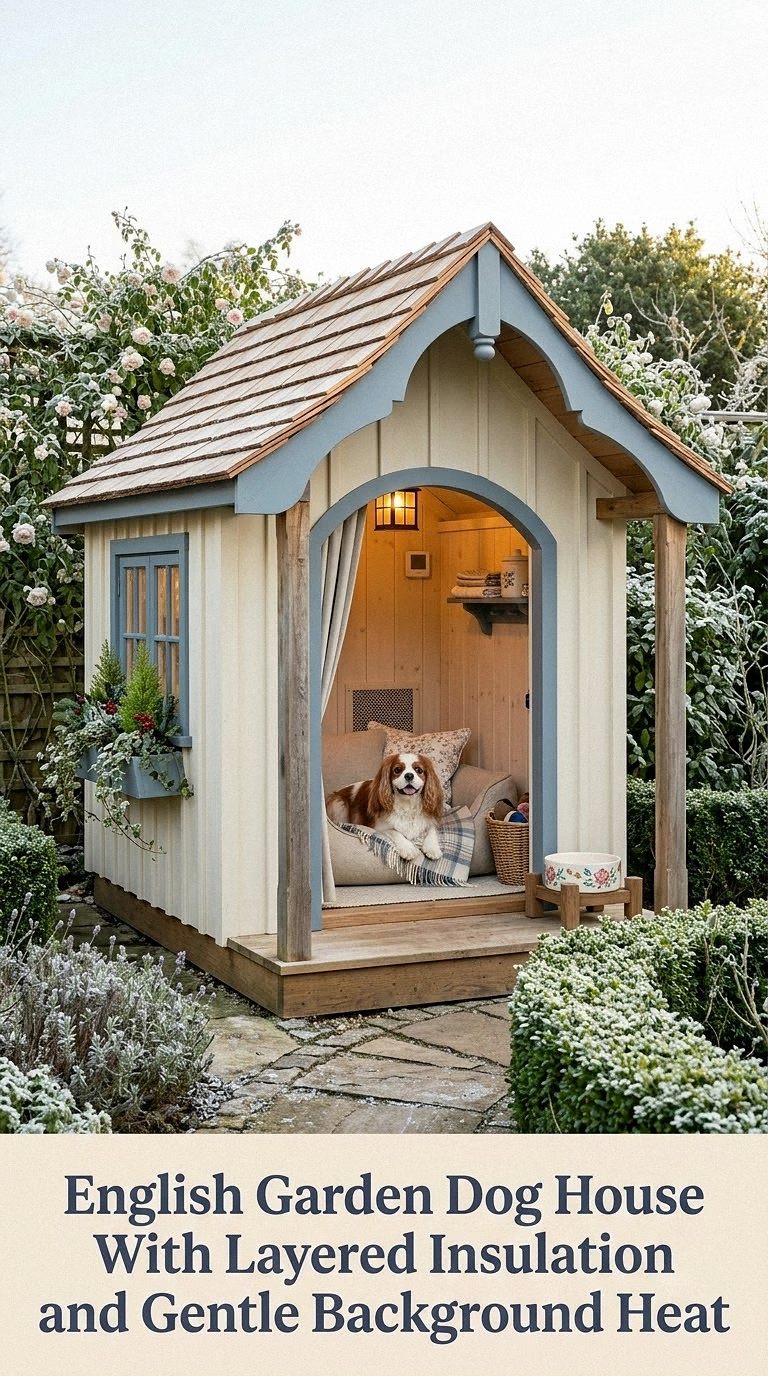
For a romantic garden setting, create an English cottage-inspired dog house surrounded by raised planters, evergreen shrubs, and a stone path. Use soft sage siding, creamy trim, cedar shingles, and a small arched entrance for an inviting storybook appearance.
Behind the decorative exterior, focus on layered protection. Insulate the roof, walls, and raised floor; seal drafts around corners; add a flexible door flap; and place a guarded low-watt kennel heating panel in the rear sleeping chamber. The heater should provide gentle background warmth rather than turning the shelter into a hot room.
Keep plants far enough from the doorway to maintain airflow and visibility. Choose dog-safe landscaping and avoid placing fertilizers, ice-melting products, or gardening chemicals near the shelter. A removable roof panel can make heater inspection and spring cleaning much simpler.
Conclusion
The most beautiful heated dog house is also one that respects a dog’s natural ability to choose where to rest. Instead of filling a small shelter with intense heat, combine a pet-specific thermostatic heater or warming mat with insulation, a raised floor, weather protection, dry bedding, and an unheated escape area.
Inspect the setup frequently, especially after heavy rain, snow, chewing, power interruptions, or sudden temperature changes. Watch your dog for shivering, reluctance to enter the shelter, unusual tiredness, heavy panting, restlessness, or repeated attempts to escape the heated area. These signs may mean the environment is uncomfortable or that your dog needs to come indoors.
A dog house can provide a lovely backyard retreat, but it should never become a substitute for supervision, companionship, or safe indoor shelter during extreme weather. With careful planning, the right heater idea can create a winter space that looks charming, stays practical, and helps your beloved dog feel protected.
Please pin this Pinterest post so you can return to these cozy dog house heater ideas before the next cold season.
Source: https://petstutorial.com
Category: Dog Rooms
