
Creating a dedicated little retreat for your dog can be one of the sweetest ways to make your home feel more thoughtful, organized, and pet-friendly. A dog cubby gives your pup a comfortable place to nap, relax, watch the household, or simply enjoy a quiet moment away from everyday activity. Even better, it can become a beautiful part of your decor rather than something you feel the need to hide.
- 17 Cat and Dog Room Ideas for a Beautiful, Cozy Shared Pet Space
- 17 Shed Dog House Ideas for a Beautiful and Cozy Backyard Retreat
- 18 Dog Room Ideas That Turn Any Space Into a Cozy Retreat for Your Pup
- 17 Charming Farm Dog House Ideas for a Cozy Country Retreat
- 17 Beautiful Dog House Yard Ideas for a Cozy, Stylish Outdoor Retreat
Whether you have a tiny apartment, a spacious mudroom, an unused cabinet, or an awkward corner waiting for a purpose, there are countless ways to create a dog cubby that feels intentional and stylish. Some designs are simple weekend DIY projects, while others blend seamlessly into custom cabinetry, furniture, or built-in storage.
You are reading: 17 Stylish Dog Cubby Ideas for a Cozy and Beautiful Pet Retreat
The best dog cubbies balance beauty with your dog’s actual needs. There should be enough room for your dog to stand, turn around, stretch out comfortably, and enter without squeezing through a tight opening. Good airflow, washable bedding, smooth surfaces, and easy cleaning also matter, especially when the cubby is enclosed or integrated into furniture.
From cozy cottage-inspired hideaways to sleek modern built-ins, these dog cubby ideas offer inspiration for nearly every decorating style, room size, and budget.
17 Dog Cubby Ideas for Cozy, Stylish, and Practical Pet Spaces
1. Warm Oak Built-In Dog Cubby Beneath a Window Seat
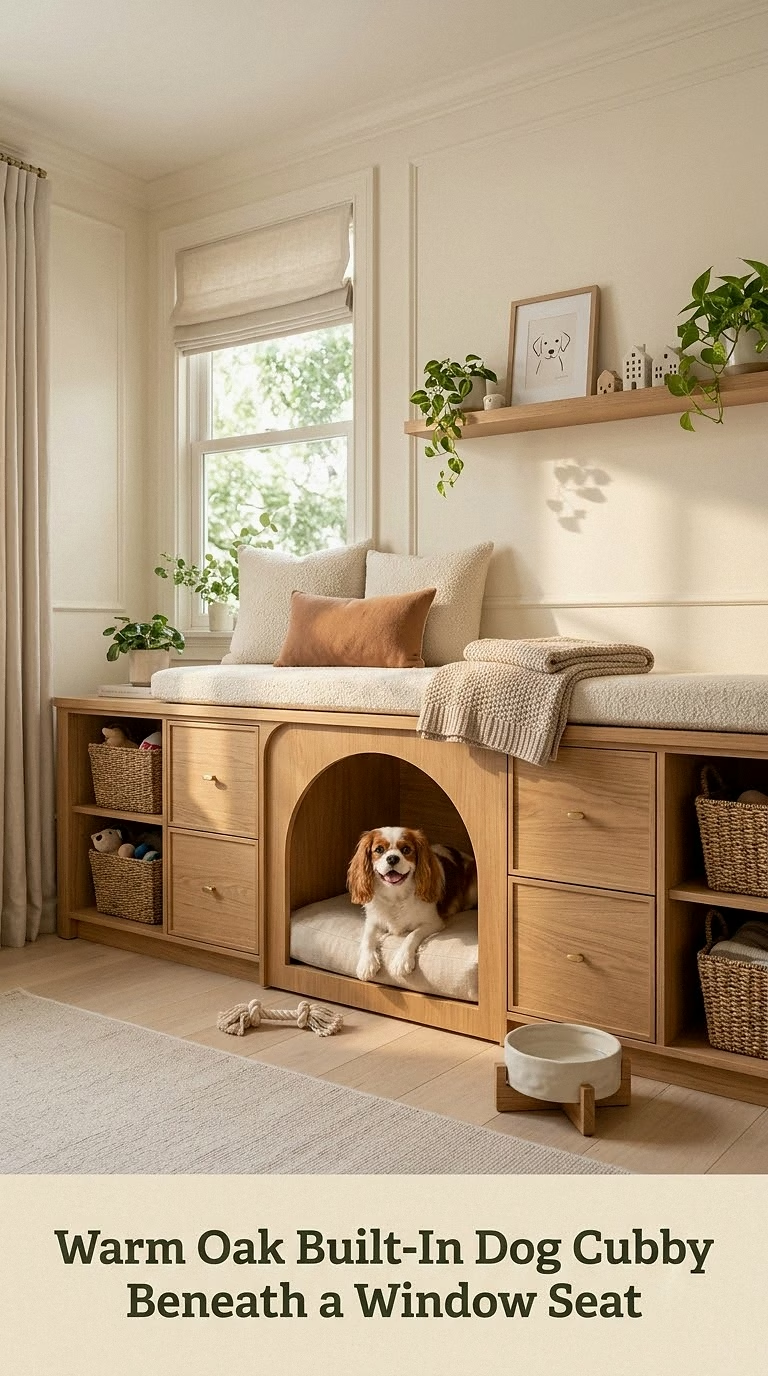
Turn the space beneath a window seat into a warm and inviting retreat by creating an open dog cubby surrounded by natural oak cabinetry. This design works beautifully in living rooms, breakfast nooks, hallways, or bedrooms where a low window seat already provides useful storage potential.
Choose warm oak, white oak, or oak-look panels for a soft organic feel, then add a thick washable cushion in cream, beige, or muted sage. A rectangular entrance with rounded corners keeps the design contemporary without feeling too sharp or boxy.
The window seat above can still function as a cozy reading spot for people, making this a truly multifunctional solution. Add drawers or cabinets beside the cubby for leashes, toys, grooming supplies, and extra blankets.
For dogs that enjoy staying close to family activity while having a protected place of their own, this setup is especially appealing. Keep the entrance completely open for airflow, and avoid placing the cubby where intense afternoon sunlight could make the interior uncomfortably warm.
2. Soft Sage Green Dog Cubby Built Into Mudroom Cabinetry
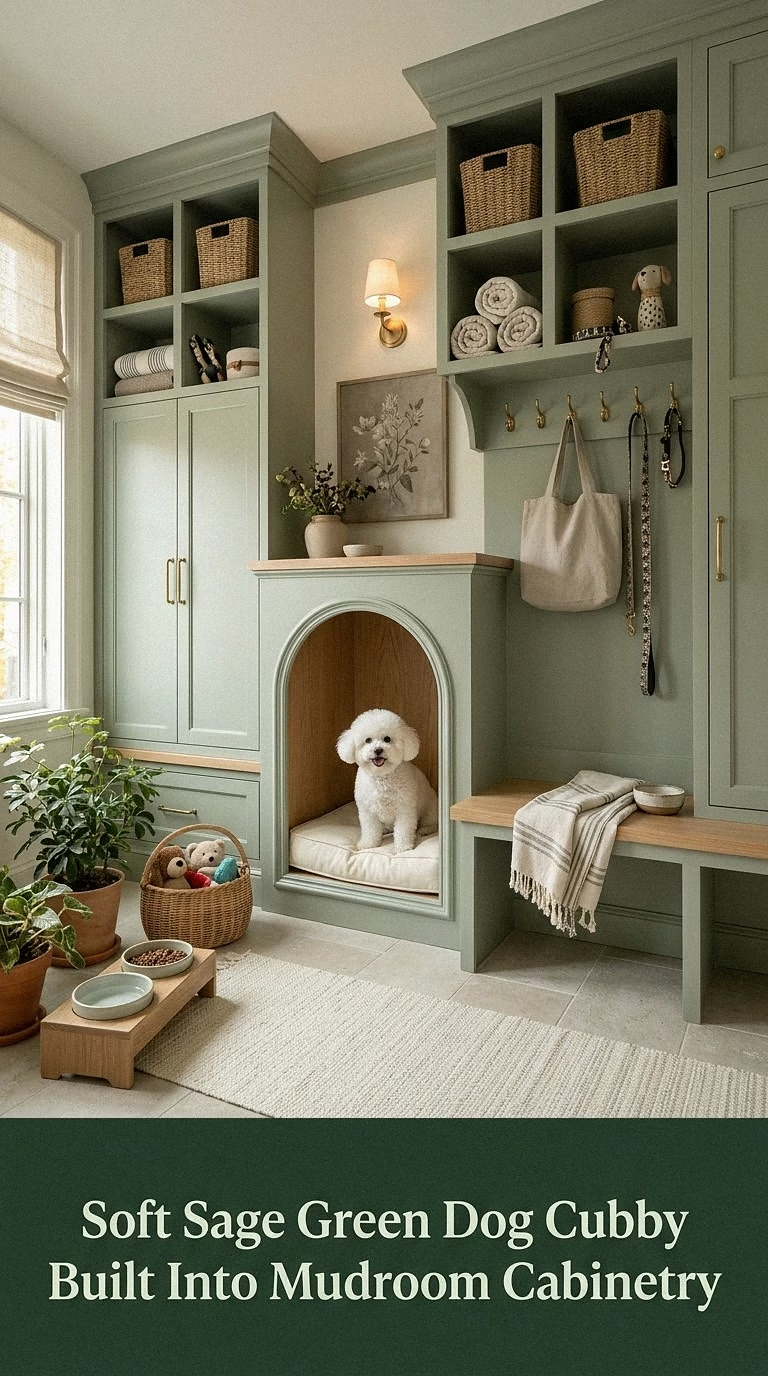
A mudroom is a natural location for a dog cubby because it keeps many pet essentials together in one hardworking area. Imagine floor-to-ceiling cabinetry painted soft sage green, with a spacious open cubby at the bottom and brass hooks above for leashes, collars, and walking bags.
Inside the cubby, use a removable mattress covered in washable ticking stripe, oatmeal canvas, or a subtle gingham fabric. The muted green cabinetry creates a cozy country-inspired look while still feeling elegant enough for a modern home.
Add closed drawers nearby for treats, towels, waste bags, and grooming tools. A woven basket can hold everyday toys while keeping visual clutter under control.
This design is especially practical for dogs that regularly come inside with wet paws. Choose moisture-resistant interior panels and a cushion cover that can be quickly removed for washing. A washable runner in front of the cubby helps protect floors while adding another layer of warmth and texture.
3. Minimalist White Dog Cubby Beneath a Floating Entryway Bench
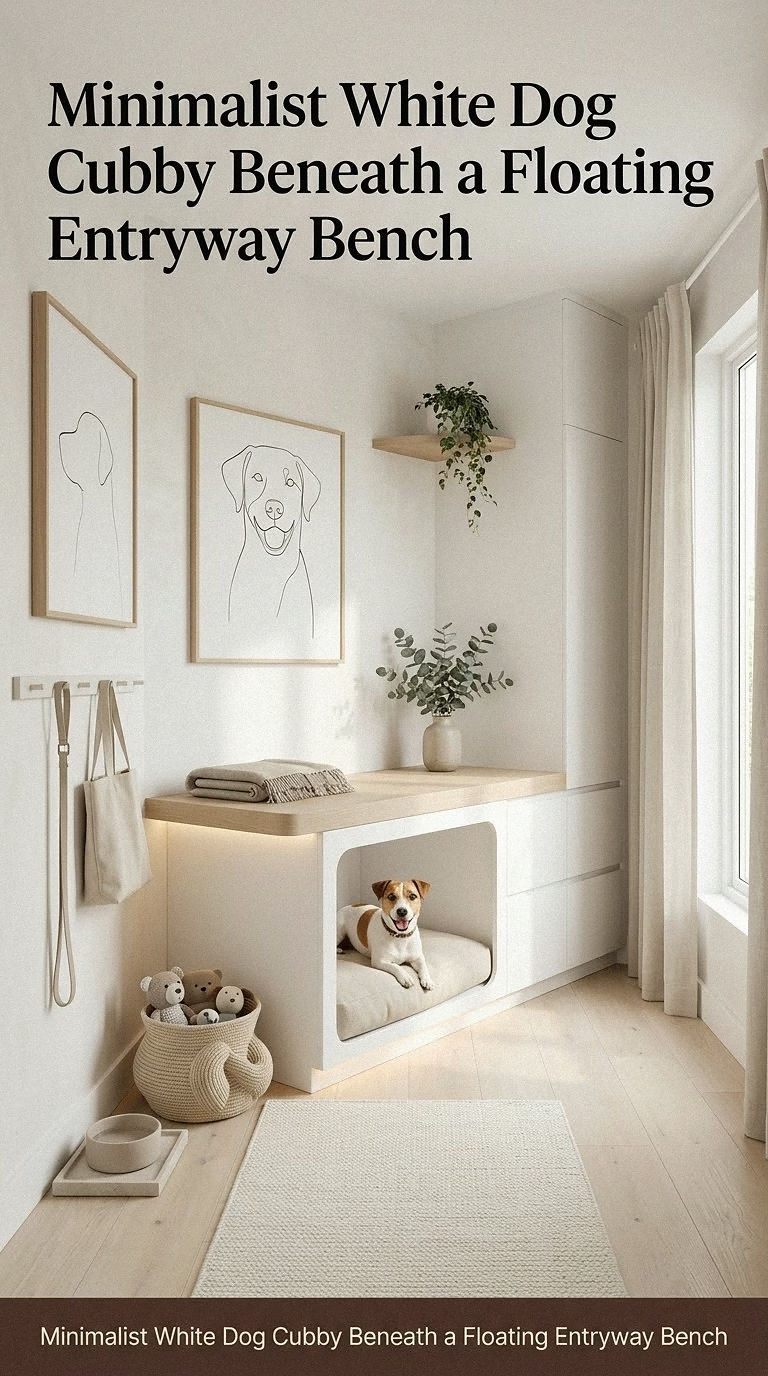
For small homes and apartments, a dog cubby does not need to occupy an entire wall. A simple floating bench can create a natural sheltered space underneath while preserving valuable floor area and keeping the room visually light.
Install a thick white or pale wood bench along an entryway wall, leaving enough open space below for a structured dog bed. Add a narrow shelf above for keys and decorative objects, plus a few simple hooks for walking accessories.
The overall look can be kept crisp with white walls, pale oak flooring, a beige dog cushion, and one or two woven storage baskets. Rather than enclosing the dog completely, the bench creates a cozy overhead canopy that still allows excellent airflow and visibility.
This is an approachable option for renters or anyone who does not want permanent custom cabinetry. A freestanding bench can achieve a similar effect. Just make sure it is stable, securely assembled, and deep enough to provide a meaningful sense of shelter without creating a cramped sleeping area.
4. Cottage-Style Dog Cubby With Scalloped Trim and Floral Bedding
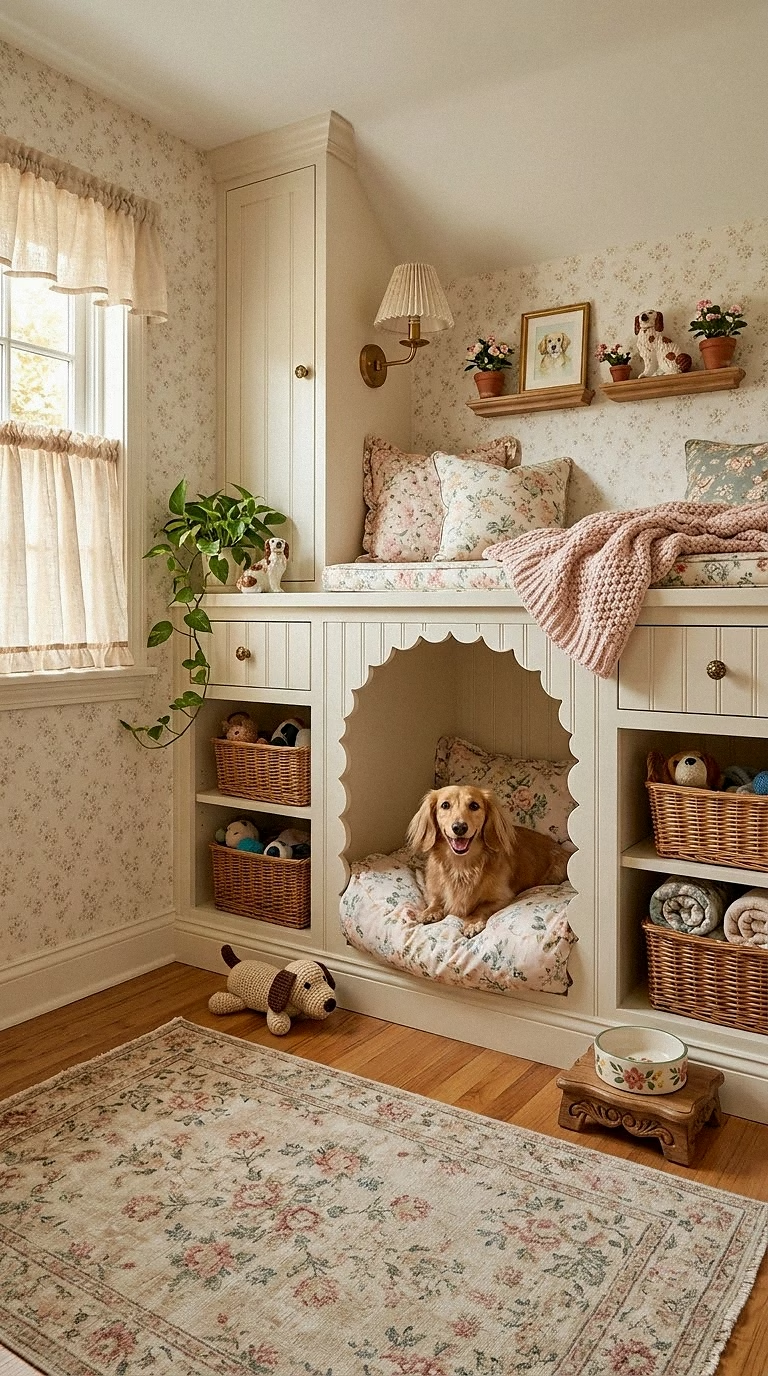
For a sweeter, more romantic look, create a cottage-inspired dog cubby with scalloped wood trim, soft painted cabinetry, and delicate floral bedding. This idea works especially well in bedrooms, laundry rooms, breakfast nooks, or cozy family rooms.
Paint the cubby in warm white, dusty blue, pale blush, or muted butter yellow. Frame the entrance with subtle scalloped trim for a charming handmade effect, then add a small mattress covered in washable vintage-style floral fabric.
The surrounding area can include beadboard paneling, antique brass hardware, wicker baskets, and a tiny framed dog portrait above the entrance. Keep decorative accessories outside the actual sleeping area so your pup has a clear, uncluttered place to rest.
This concept is particularly lovely for small and medium dogs, although the opening and interior dimensions should always be adapted to the individual dog. The result feels less like ordinary pet furniture and more like a thoughtful little room designed as part of the home.
5. Modern Black Dog Cubby Integrated Into a Media Console
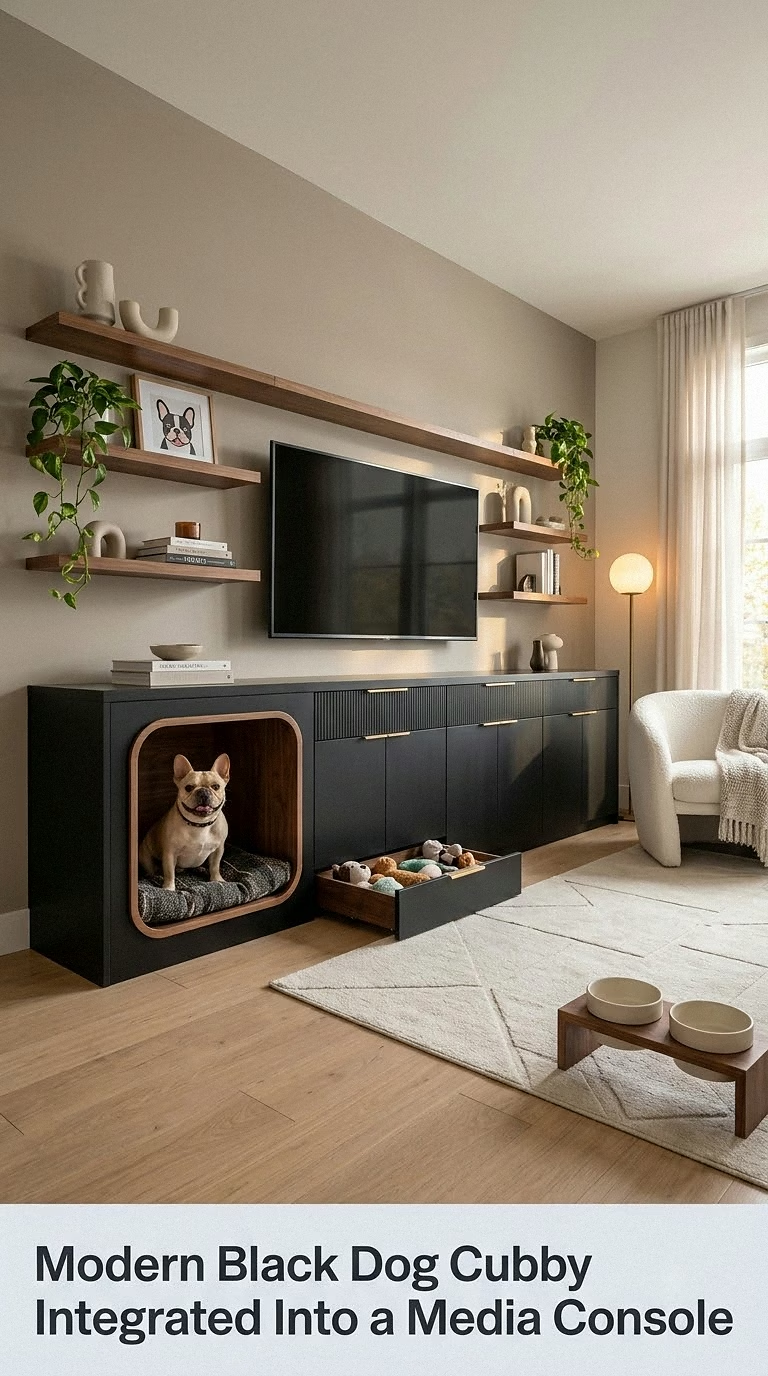
A long media console can hide an unexpectedly stylish dog retreat. Instead of filling the entire cabinet with drawers and electronics, dedicate one lower section to an open cubby large enough for your dog’s bed.
For a modern look, use matte black cabinetry with clean lines, flat-front doors, and a wide rectangular opening. Inside, soften the dark finish with a camel-colored cushion, cream bouclé bed, or warm tan mattress.
This arrangement allows your dog to relax in the living room without placing a standalone bed in the middle of the floor. It is especially useful in smaller homes where every piece of furniture needs to serve more than one purpose.
Keep electrical cables, power strips, and entertainment equipment completely separated from the pet area. The cubby should have generous airflow and enough depth for comfortable movement. A removable interior mat also makes cleaning easier when fur and dust begin to collect.
6. Under-Stair Dog Cubby With an Arched Doorway and Warm Wall Sconces
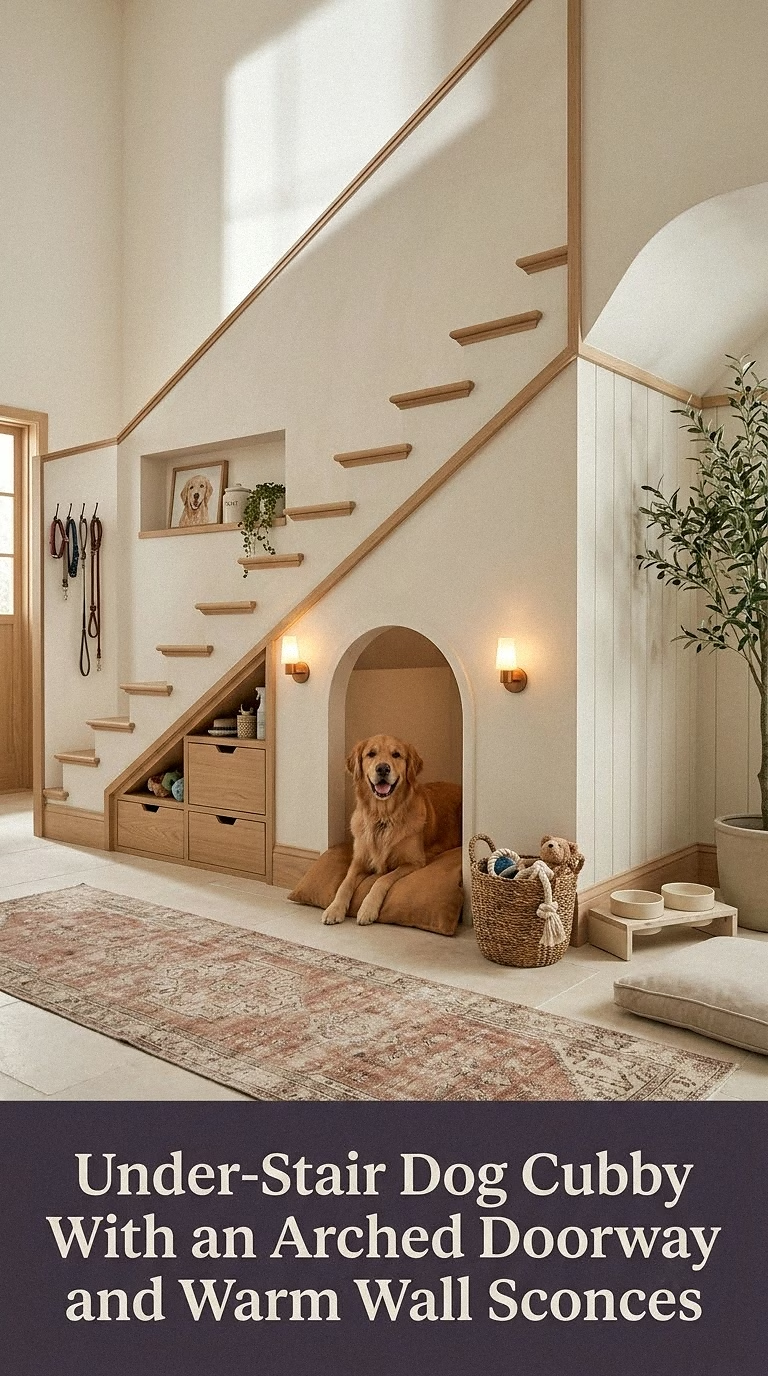
An unused space beneath the stairs can become one of the most charming dog cubbies in the house. Create a generous arched opening in the lower wall, then finish the interior as a miniature room with soft bedding and durable wall surfaces.
Warm white walls, pale wood flooring, and a neutral upholstered mattress create a calm foundation. Outside the cubby, a pair of small decorative sconces can frame the doorway and make the whole feature feel intentionally designed. Use the lights as exterior decoration rather than installing exposed fixtures where a curious dog could reach wiring or hot bulbs.
For a more playful touch, add your dog’s name above the arch or display a small framed portrait nearby.
This idea works best when the under-stair area has adequate ventilation, safe interior construction, and easy access for cleaning. Avoid turning an extremely narrow cavity into a sleeping area simply because the space exists. Your dog should be able to move naturally and rest without feeling confined.
7. Coastal Blue Dog Cubby With White Beadboard Walls
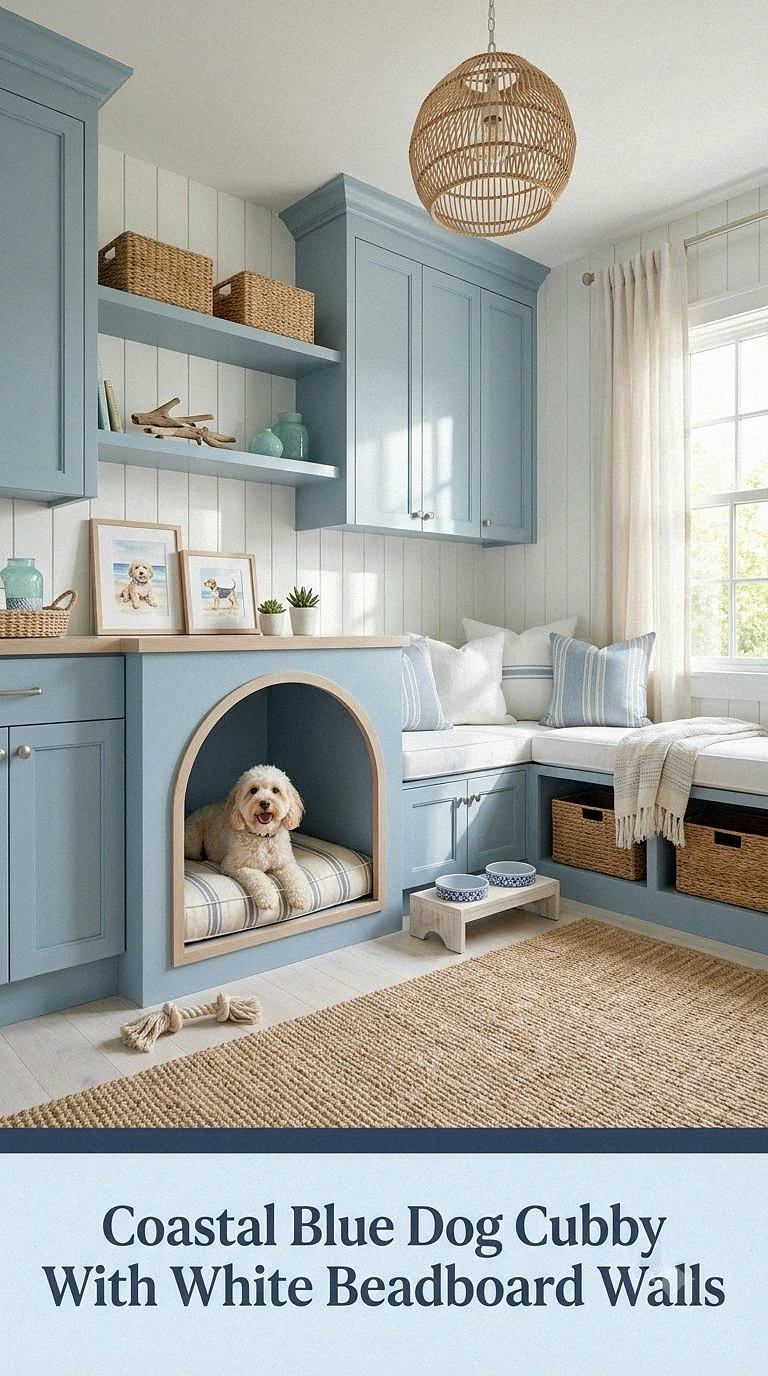
Bring a relaxed coastal feeling into your home with a dog cubby painted in dusty blue and lined with crisp white beadboard. This combination feels fresh, calm, and inviting without becoming overly themed.
Read more : 17 Beautiful Indoor Dog House Ideas That Feel Like Part of Your Home
Place the cubby within a mudroom cabinet, hallway storage unit, or built-in bench. Add a navy-and-white striped cushion, a natural jute-look mat outside the entrance, and wicker baskets for toys and walking supplies.
Soft blue works especially well in homes with white walls, light woods, linen fabrics, and casual furniture. For a subtle nautical detail, use brushed nickel or aged brass hardware rather than obvious anchors or seaside decorations.
The beadboard interior should have a smooth, wipeable finish so dirt and loose fur can be removed easily. Because textured grooves collect dust faster than plain panels, occasional vacuuming with a narrow attachment will help keep the space fresh.
This dog cubby looks particularly beautiful in bright entryways and laundry rooms where natural daylight enhances the gentle coastal palette.
8. Two-Dog Double Cubby With Matching Arched Openings
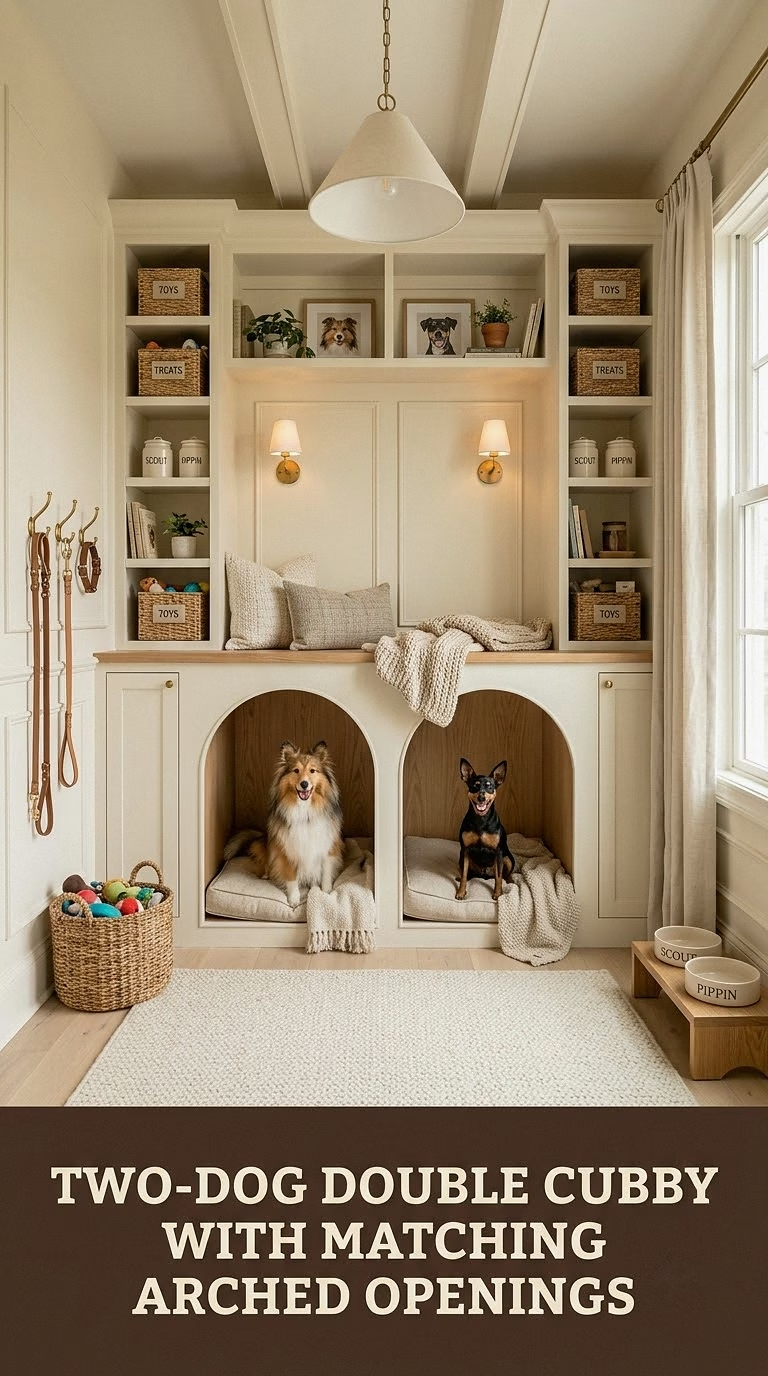
Homes with two dogs can benefit from a symmetrical double cubby that gives each pet a dedicated resting space. Build two matching compartments side by side, each with its own arched entrance and removable cushion.
Paint the cabinetry warm white, mushroom beige, deep green, or charcoal depending on your interior style. Matching name plaques above each opening add a personal touch without making the design feel cluttered.
Individual cubbies can be useful when dogs prefer separate beds or different cushion styles. One dog may enjoy a plush bolster bed, while another sleeps better on a flatter orthopedic mattress.
The compartments do not necessarily need to be identical in size. If your dogs are different breeds or dramatically different sizes, tailor each area to the dog who will actually use it.
Place shared toy drawers or a feeding station nearby to create a complete pet zone. The result can look beautifully balanced while still respecting the comfort and preferences of each dog.
9. Boho Rattan Dog Cubby With Cane Panels and Neutral Textures
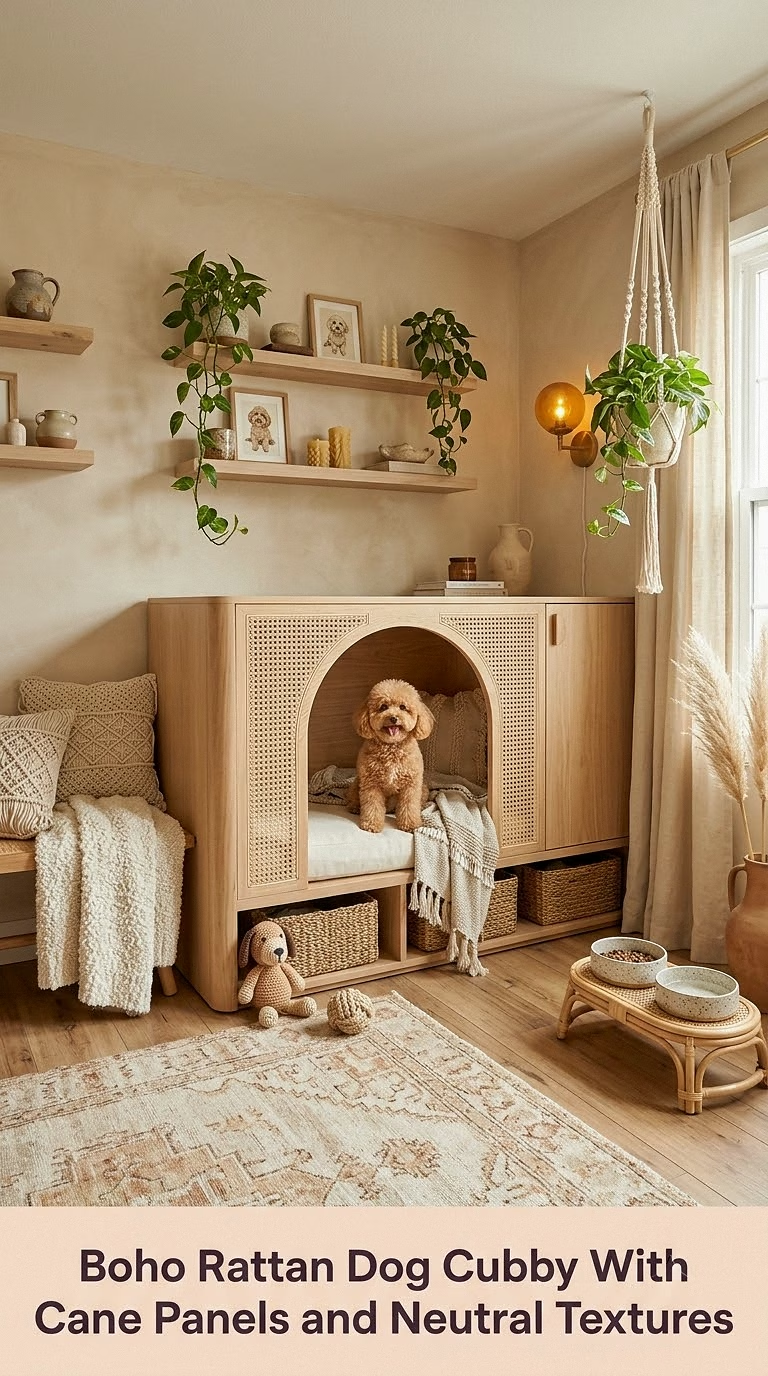
A bohemian-inspired dog cubby can add warmth and texture to a neutral room. Begin with a low wooden cabinet or custom built-in featuring natural cane or rattan details on nearby doors, while keeping the dog entrance fully open for ventilation.
Inside, add a cream cushion with a durable removable cover. Surround the area with warm wood tones, woven baskets, linen curtains, and subtle earthy colors such as terracotta, sand, olive, and caramel.
Avoid placing loose fringe, tassels, hanging cords, or chewable decorative pieces inside the sleeping space. The goal is to capture the relaxed boho aesthetic through color and material choices without filling the cubby with objects that could become tempting toys.
This design is especially attractive in sunny living rooms, home offices, and bedrooms. It can also be created affordably by adapting an existing bench or console and adding decorative cane panels to the surrounding storage doors.
A low-profile washable mat completes the look while making everyday maintenance much easier.
10. Luxury Walnut Dog Cubby With Fluted Wood Panels and Brass Details
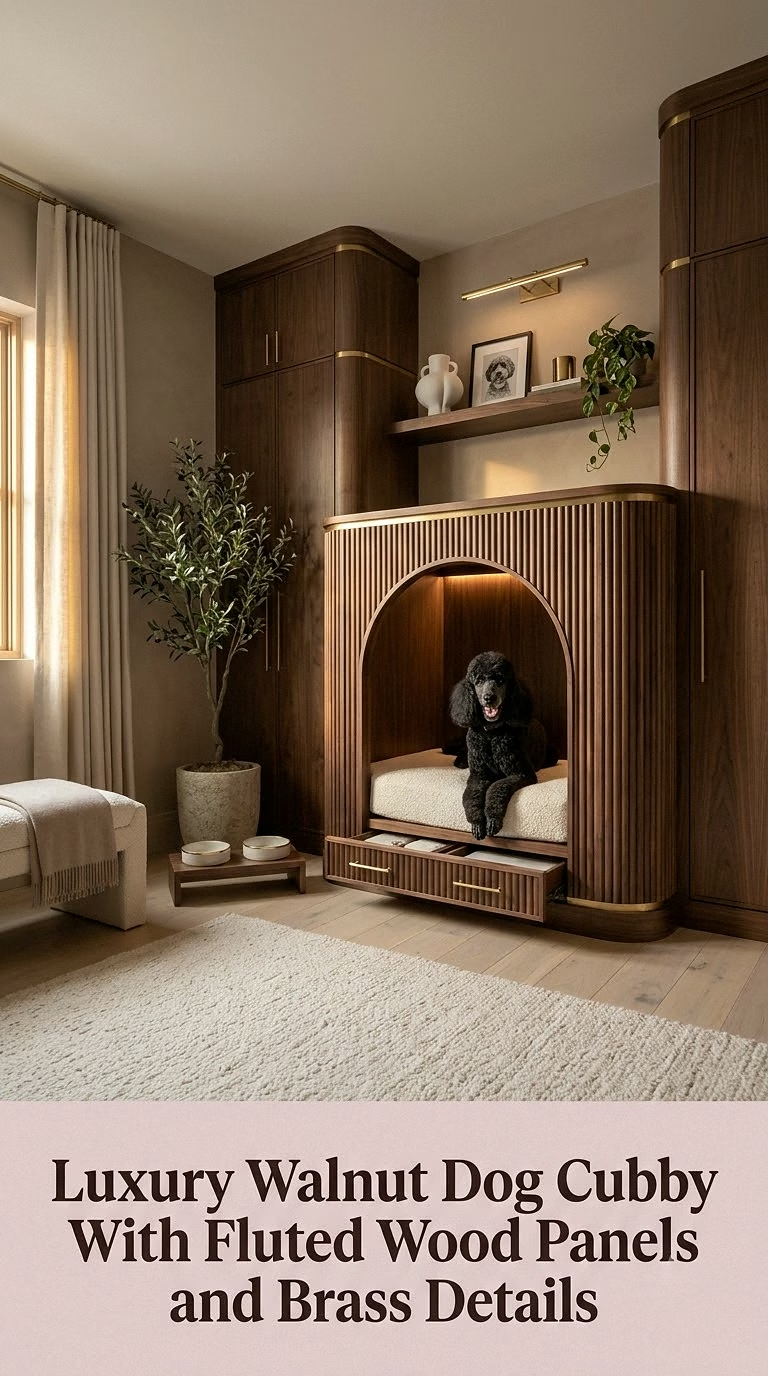
For a sophisticated home, a dog cubby can feel just as polished as custom furniture. Rich walnut cabinetry paired with fluted wood detailing creates a luxurious backdrop that blends beautifully with contemporary interiors.
Design a wide open cubby near floor level with a thick charcoal, camel, or cream cushion inside. Add slim brass handles to adjacent storage drawers for a subtle touch of glamour.
Fluted detailing can appear on the exterior cabinet fronts rather than inside the sleeping area, keeping the interior smooth and easier to clean. Warm concealed lighting outside the cubby can highlight the wood grain in the evening, but cables and fixtures should remain inaccessible to the dog.
This concept works particularly well in upscale living rooms, large entryways, home offices, or dressing rooms. It proves that practical pet spaces do not have to look casual or temporary.
The most successful version feels beautifully integrated with the rest of the room, using the same wood, hardware, and proportions as surrounding cabinetry.
11. Budget-Friendly DIY Dog Cubby Made From a Repurposed Console Cabinet
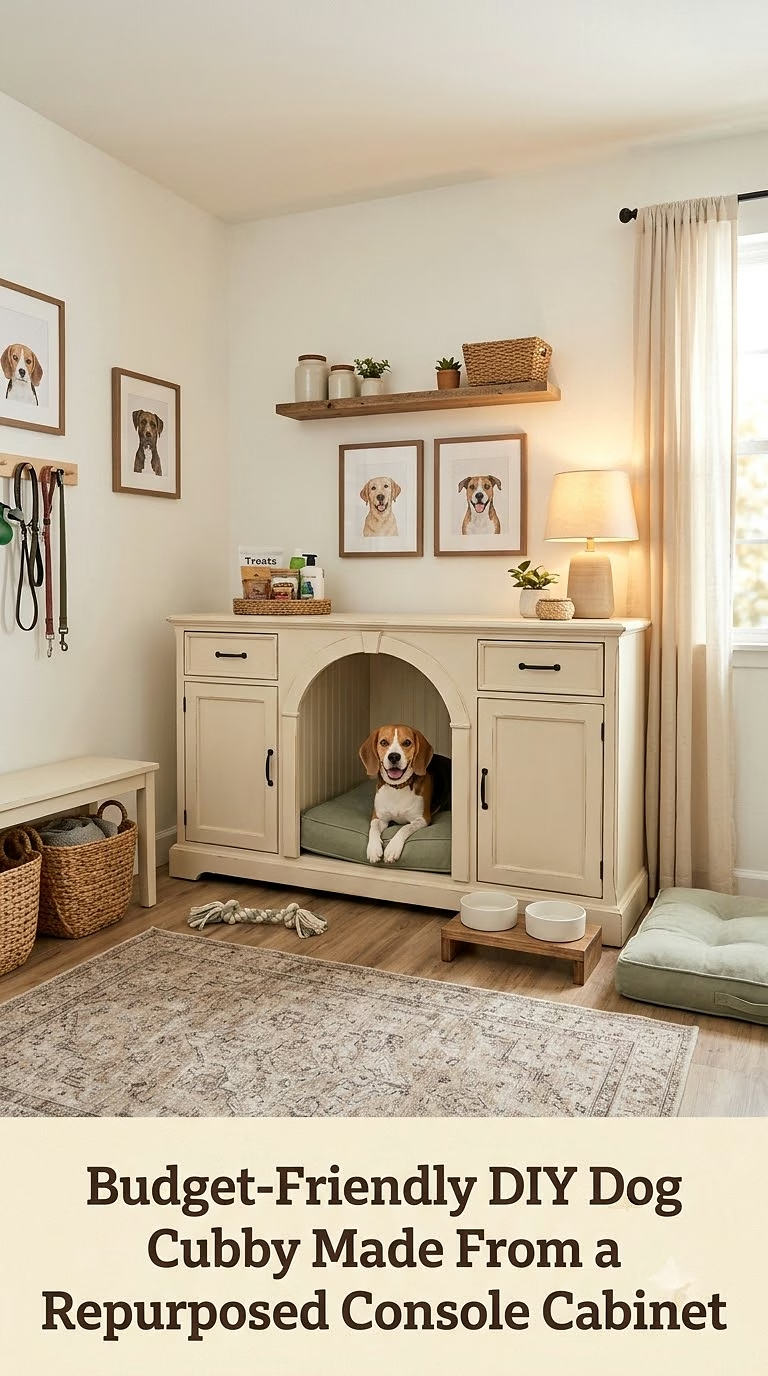
You do not need custom carpentry to create an attractive dog retreat. An old console cabinet, low dresser, or sturdy sideboard can sometimes be transformed into a comfortable cubby with careful modifications.
Choose a piece that is structurally sound and genuinely large enough for your dog. Remove unnecessary shelves or doors from one section, sand any rough edges, and create a wide entrance with smooth rounded corners.
Paint the exterior in a color that suits your home, such as creamy white, muted green, navy, or warm greige. Inside, add a washable cushion cut to fit the base.
Before using repurposed furniture, check for protruding nails, unstable panels, peeling finishes, loose hardware, and exposed staples. Older painted furniture may require additional caution before sanding or refinishing, particularly when its original materials are unknown.
This DIY approach can give a forgotten furniture piece a completely new purpose while creating a visually charming dog cubby at a fraction of the cost of custom cabinetry.
12. Laundry Room Dog Cubby With Pull-Out Storage Drawers Above
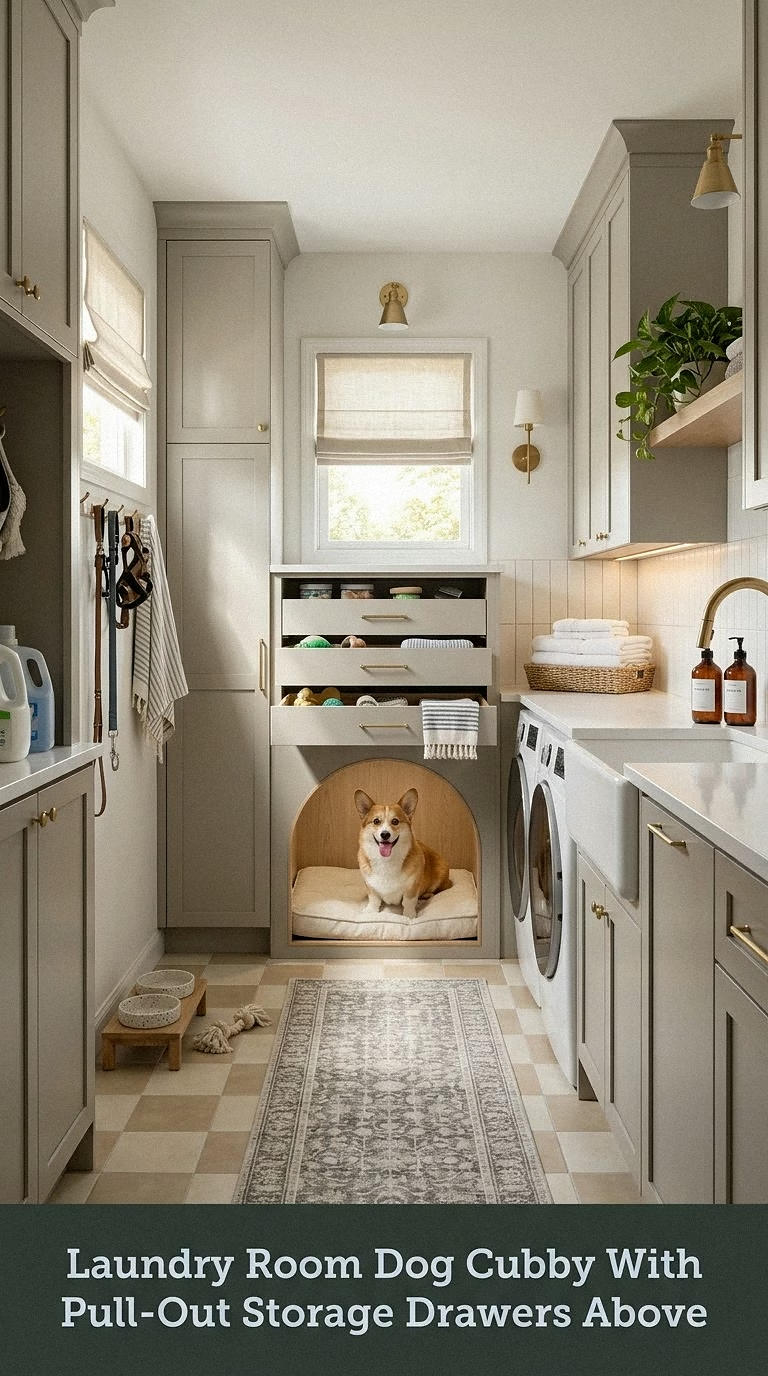
A laundry room can become much more pet-friendly when a lower cabinet is transformed into a resting cubby and the space above is used for organized storage.
Create a large rectangular opening at floor level and place a supportive washable mattress inside. Above the cubby, install pull-out drawers for towels, grooming supplies, spare collars, cleaning products, and seasonal accessories.
Use moisture-resistant cabinetry in white, warm gray, navy, or soft green. A durable tile or waterproof floor makes muddy paw cleanup easier, particularly when the laundry room also serves as an entrance from the backyard.
Cleaning chemicals should always remain securely stored away from pets, preferably in closed cabinets that cannot be casually nosed open.
For added convenience, keep a washable runner in front of the cubby and a basket of dedicated dog towels nearby. This creates a highly practical zone where your pup can rest while you deal with laundry, wet paws, or post-walk cleanup.
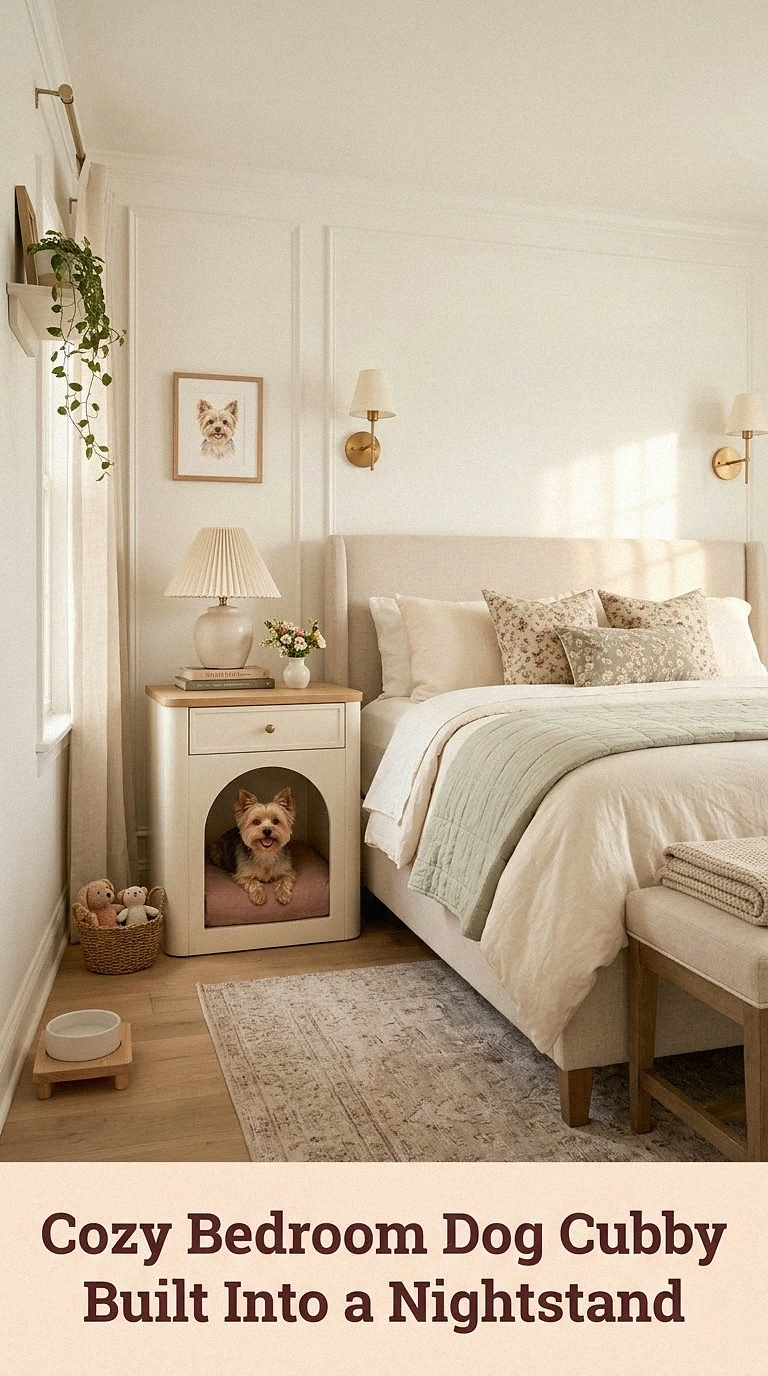
13. Cozy Bedroom Dog Cubby Built Into a Nightstand
Read more : 19 Cute Dog House Ideas That Look Like Tiny Dream Homes
A custom nightstand with a dog cubby underneath can be an adorable solution for people who want their pets nearby at night without placing a bulky bed beside the mattress.
The upper surface functions as an ordinary bedside table, while the lower section forms a protected sleeping nook. Choose pale oak for a Scandinavian feel, painted cream for a cottage bedroom, or dark walnut for a more sophisticated look.
Add a fitted washable cushion in a fabric that coordinates with the bedroom linens. A rounded entrance can soften the appearance, while an open-front rectangular cubby creates a cleaner modern style.
The nightstand must be wide and deep enough for the individual dog. This setup is generally most practical for smaller dogs because a cramped cubby should never be used simply to maintain furniture proportions.
Keep charging cables, lamps, medication, and other bedside objects out of reach. With thoughtful sizing and organization, the result can feel wonderfully personal and beautifully integrated into the bedroom.
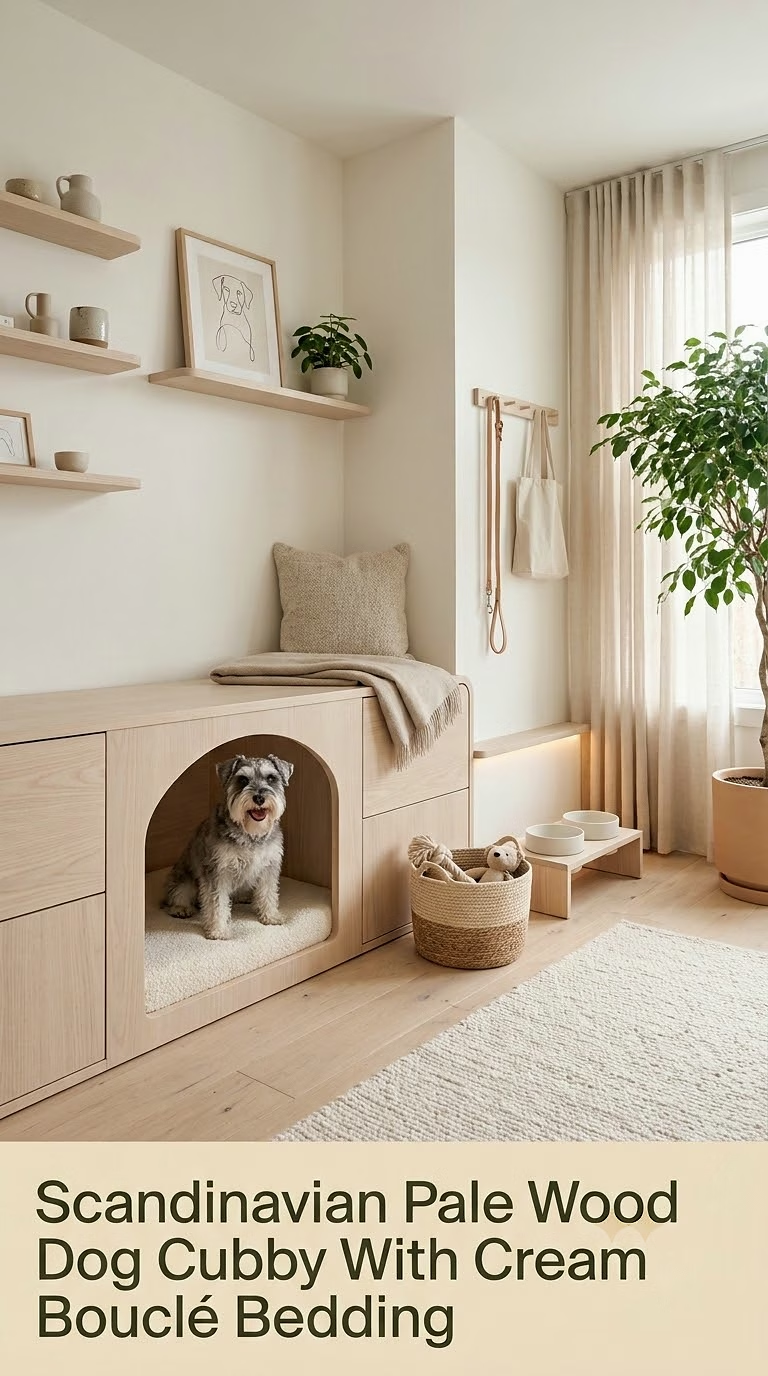
For a calm and uncluttered aesthetic, combine pale wood cabinetry with simple lines, soft neutral colors, and a plush cream dog bed. This Scandinavian-inspired cubby feels especially suitable for bright modern homes.
Use light oak, ash, birch, or a convincing wood-look finish. Keep the opening wide and geometric, avoiding unnecessary trim or decorative details. A removable cream bouclé-style cushion adds softness, although a smoother washable fabric may be more practical for dogs that shed heavily or return home with dirty paws.
Surround the cubby with minimal decor, perhaps a simple ceramic vase on a high shelf, one framed print, and a woven storage basket.
The beauty of this approach comes from restraint. Rather than trying to make the dog cubby look like a miniature house, allow it to blend naturally into the architecture of the room.
This style works beautifully beneath a built-in desk, inside hallway cabinetry, or as part of a low storage wall in a living room.
15. Rustic Farmhouse Dog Cubby With Reclaimed Wood and Plaid Cushion
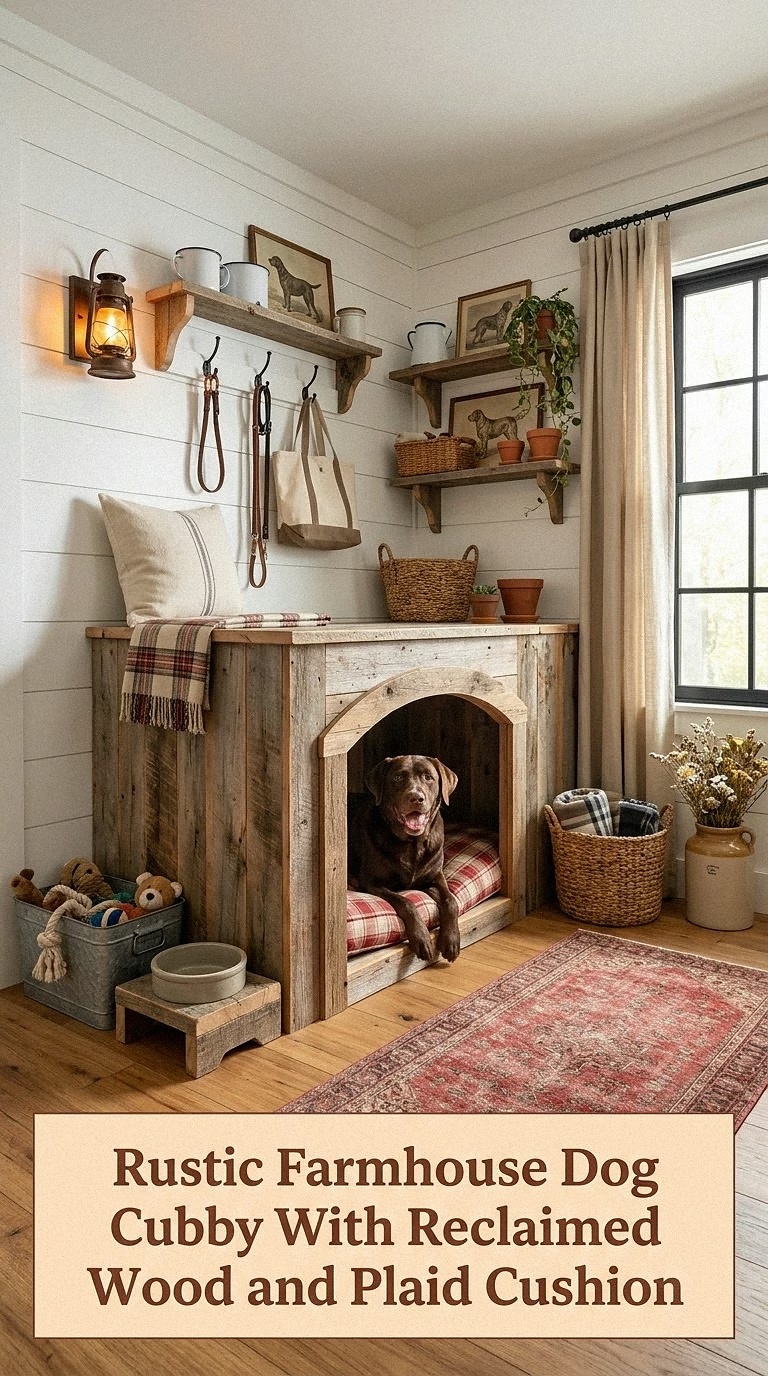
A rustic farmhouse cubby can bring warmth and character to a mudroom, kitchen, or family room. Use reclaimed-looking wood, painted shiplap, black metal hardware, and a cozy plaid mattress to create a relaxed country feel.
Build the cubby into a bench or low cabinet, leaving a generous open front. A warm wood top can provide seating above, while hooks and shelves organize walking gear around it.
For a classic farmhouse palette, combine warm white cabinetry with natural oak and black accents. For something moodier, try deep forest green cabinetry with a tan plaid cushion.
Real reclaimed wood should be inspected and properly finished before being used around pets. Rough splinters, protruding fasteners, or unknown old coatings can create avoidable problems. Smooth, sealed surfaces are easier to wipe clean and less likely to trap dirt.
A small personalized sign above the cubby can complete the look without interfering with your dog’s resting area.
16. Hidden Dog Cubby Behind Pocket-Style Cabinet Doors
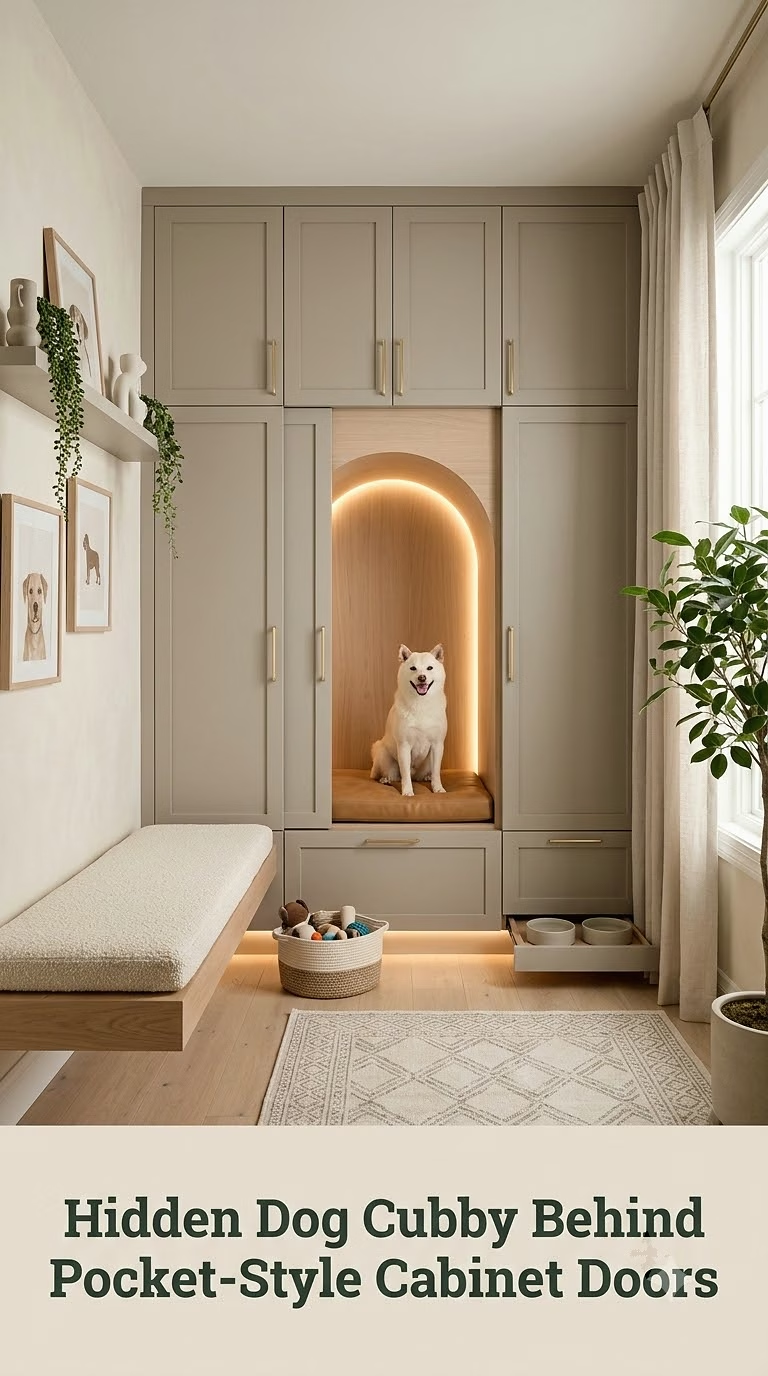
For homeowners who prefer a streamlined interior, consider a dog cubby that can be visually closed when not in use. Pocket-style cabinet doors can slide into side compartments, leaving the sleeping area fully open while your dog is using it.
This concept works well in sophisticated kitchens, utility rooms, offices, or living rooms where clean cabinetry is a priority. When open, the doors disappear neatly into the cabinet structure. When the cubby is empty, they can close to create a seamless furniture front.
Use a neutral interior finish and a removable fitted mattress. Ventilation is essential, so this design should not be treated as a sealed compartment for containing a dog. The doors are best used only when the cubby is unoccupied.
Pair white cabinetry with pale oak for a soft modern look, or choose dark green with brass hardware for something more dramatic.
This idea offers the visual flexibility of hidden storage while still giving your dog a comfortable dedicated retreat during everyday family life.
17. Colorful Retro Dog Cubby With Mustard Yellow Cabinetry and Checkerboard Accents
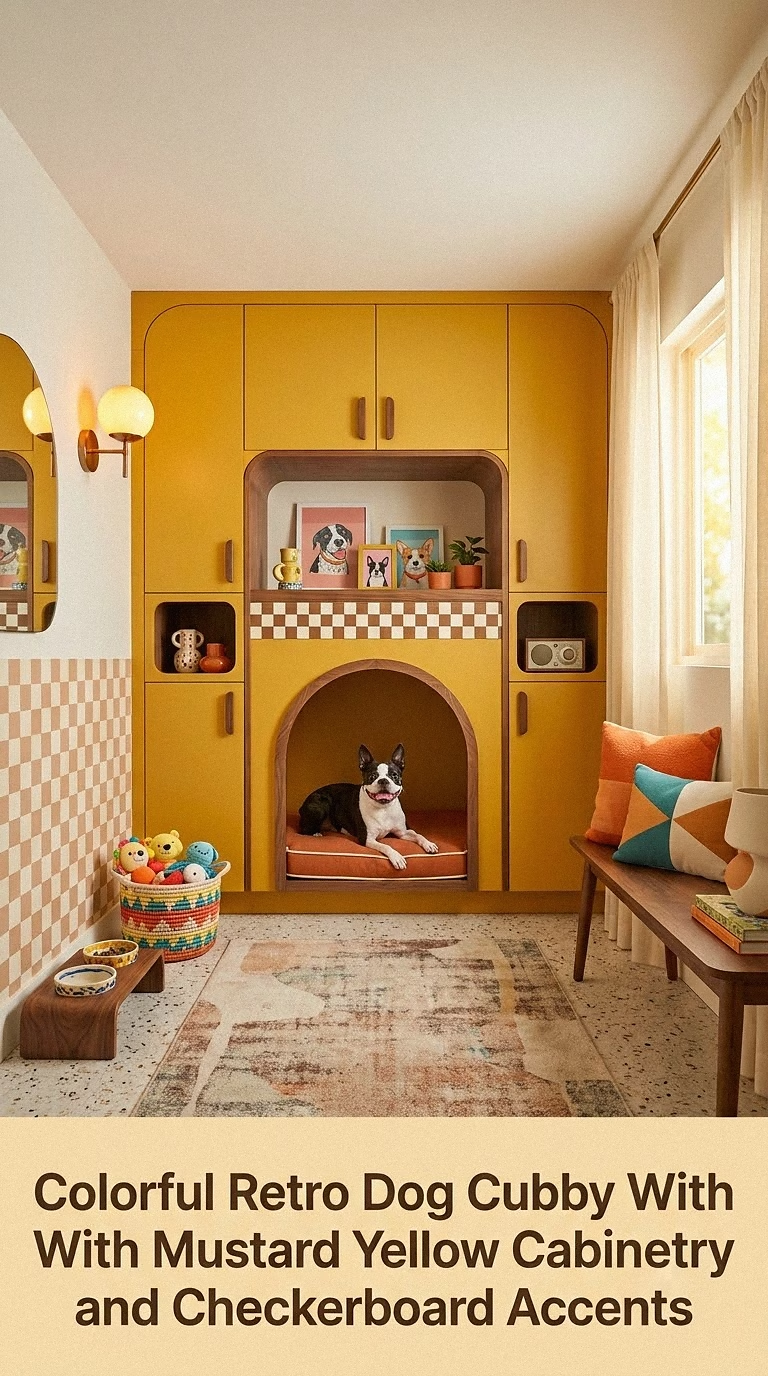
A dog cubby does not have to disappear into a neutral room. For a playful interior, turn it into a cheerful design feature using mustard yellow cabinetry, rounded corners, and subtle checkerboard accents.
Add a rust, cream, or olive cushion inside the cubby and use small retro-inspired details around the surrounding storage area. A checkerboard floor mat, curved cabinet handles, or a framed vintage-style dog illustration can give the space personality without becoming overwhelming.
This concept looks especially charming in eclectic kitchens, colorful mudrooms, creative studios, or homes inspired by mid-century and 1970s design.
Keep the actual sleeping area relatively simple so it remains comfortable and easy to maintain. Washable bedding is more practical than excessive decorative pillows, while a smooth interior surface makes fur and dirt easier to remove.
The bold color makes even a small cubby feel intentional. It is a wonderful option for anyone who sees pet furniture as an opportunity to add joy, character, and individuality to the home.
Conclusion
A thoughtfully designed dog cubby can do much more than provide a place for a bed. It can give your dog a comfortable retreat while helping your home feel more organized, beautiful, and intentionally designed around the way you truly live.
The right idea depends on your dog’s size, sleeping habits, personality, and your available space. A tiny nightstand cubby may be perfect for a small companion dog, while a larger built-in under the stairs or inside a mudroom can accommodate a bigger pup. Whether your style is cottage-inspired, minimalist, colorful, rustic, coastal, or luxurious, there is plenty of room to create something that feels natural in your home.
Prioritize comfortable dimensions, airflow, washable materials, smooth surfaces, and safe access, then have fun with color, cabinetry, fabrics, and decorative details.
Love these dog cubby ideas? Pin this Pinterest post so you can easily return to your favorite designs when you’re ready to create a cozy little retreat for your dog.
Source: https://petstutorial.com
Category: Dog Rooms
