
A dog house may look small from the outside,, and a comforting place to rest after a busy day. With the right materials and layout, even a simple wooden shelter can become a beautiful little retreat that feels intentional rather than unfinished.
- 18 Dog Corner Ideas for Small Spaces That Feel Cozy, Stylish, and Clever
- 17 Dog Room Ideas Outdoor That Turn Your Backyard Into a Cozy Pet Retreat
- 17 Beautiful Dog House Yard Ideas for a Cozy, Stylish Outdoor Retreat
- 18 Dog Nook Ideas for Creating a Cozy and Stylish Retreat at Home
- 17 Big Dog Room Ideas That Feel Spacious, Stylish, and Made for Large Breeds
A pretty cushion alone is not enough if the floor stays damp, the doorway catches cold wind, or the walls are difficult to clean. Start with the practical foundation: smooth surfaces, steady airflow, shade, weather protection, safe insulation, and enough open space for your dog to stand, turn, stretch, and settle naturally. Each one can be adapted to your dog’s size, age, chewing habits, climate, and favorite sleeping style.
You are reading: 19 Dog House Interior Ideas for a Cozy, Stylish, and Practical Pet Space
1. Warm Oak Cabin Interior With a Raised Orthopedic Bed and Cream Canvas Cushions
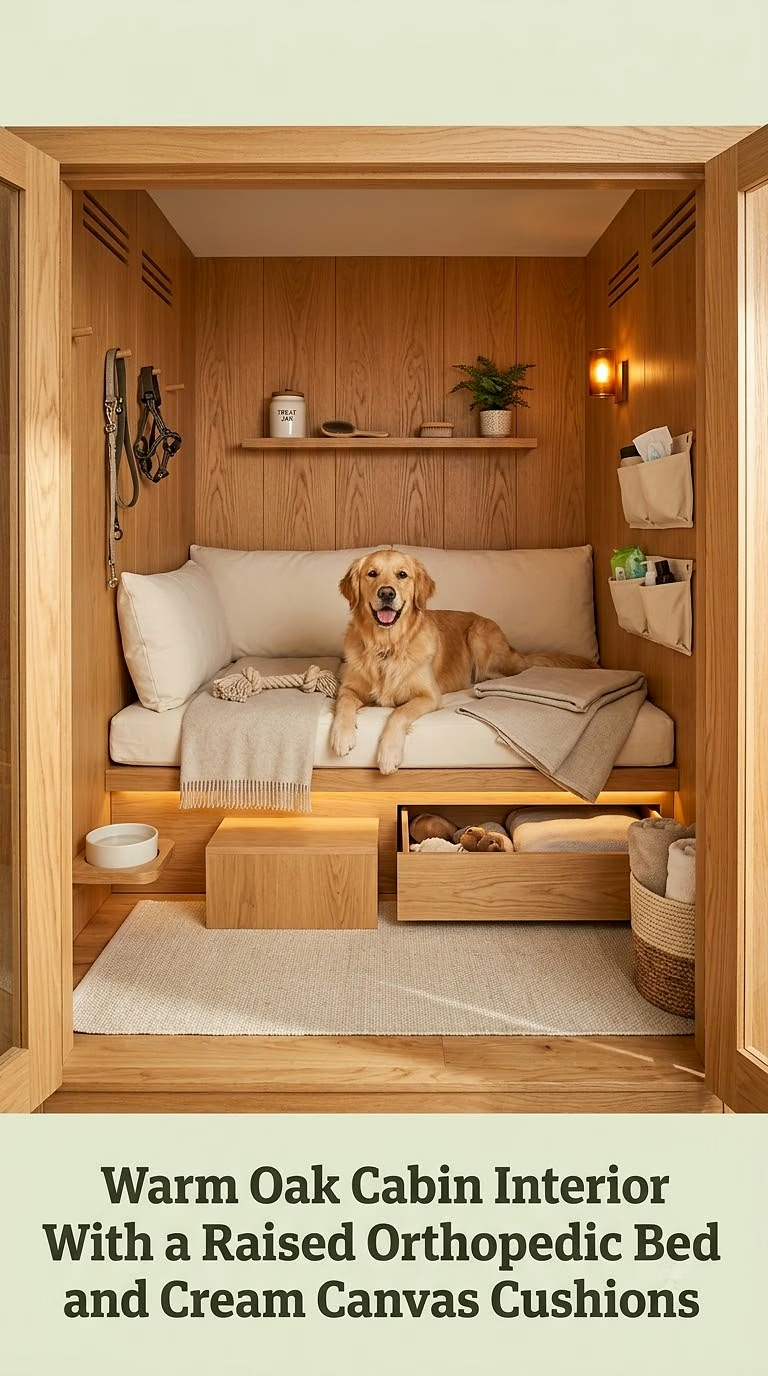
Create the feeling of a miniature mountain cabin with smooth oak-look wall panels, a warm neutral floor, and a supportive bed raised slightly above the base. The elevated sleeping surface helps separate the cushion from a cold or occasionally damp floor, while a removable orthopedic insert gives older dogs and large breeds a more supportive place to rest.
Choose cream or oatmeal canvas covers for a soft, natural look that is easier to maintain than delicate upholstery. A zippered, machine-washable cover is especially useful after muddy days. Keep the wood fully sanded and sealed with a pet-conscious, low-odor finish, and cover any exposed fasteners.
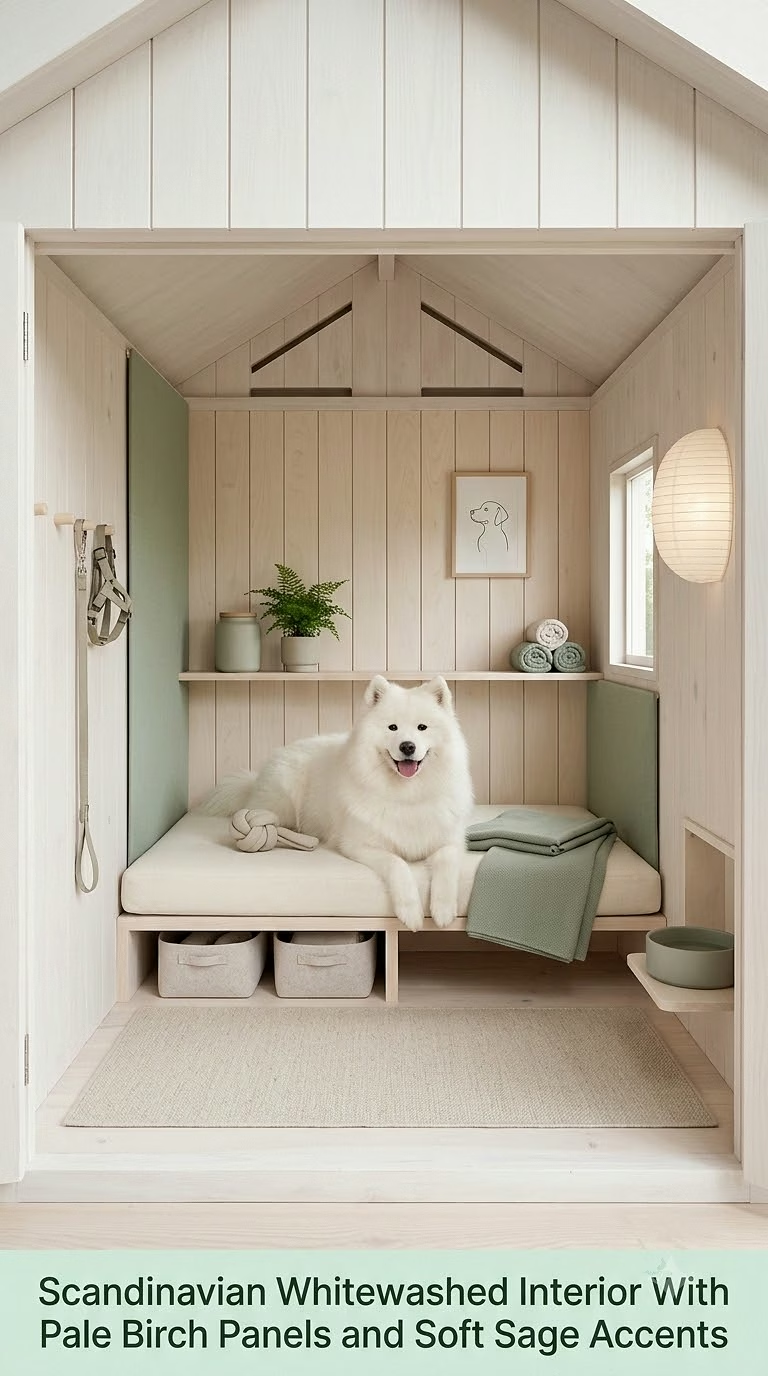
A Scandinavian-inspired dog house feels bright, calm, and uncluttered. Line the interior with pale birch plywood or whitewashed panels, then add a muted sage-green mattress and one small oatmeal bolster. The restrained palette makes a compact interior look more spacious while creating a restful backdrop.
Use flat, wipeable wall surfaces rather than deep decorative grooves that trap hair and dust. A light gray non-slip floor mat adds contrast without making the room feel dark. Keep fabrics removable so the clean appearance remains realistic rather than high-maintenance.
3. Farmhouse Shiplap Interior With a Buffalo-Check Mattress and Peg-Rail Detail
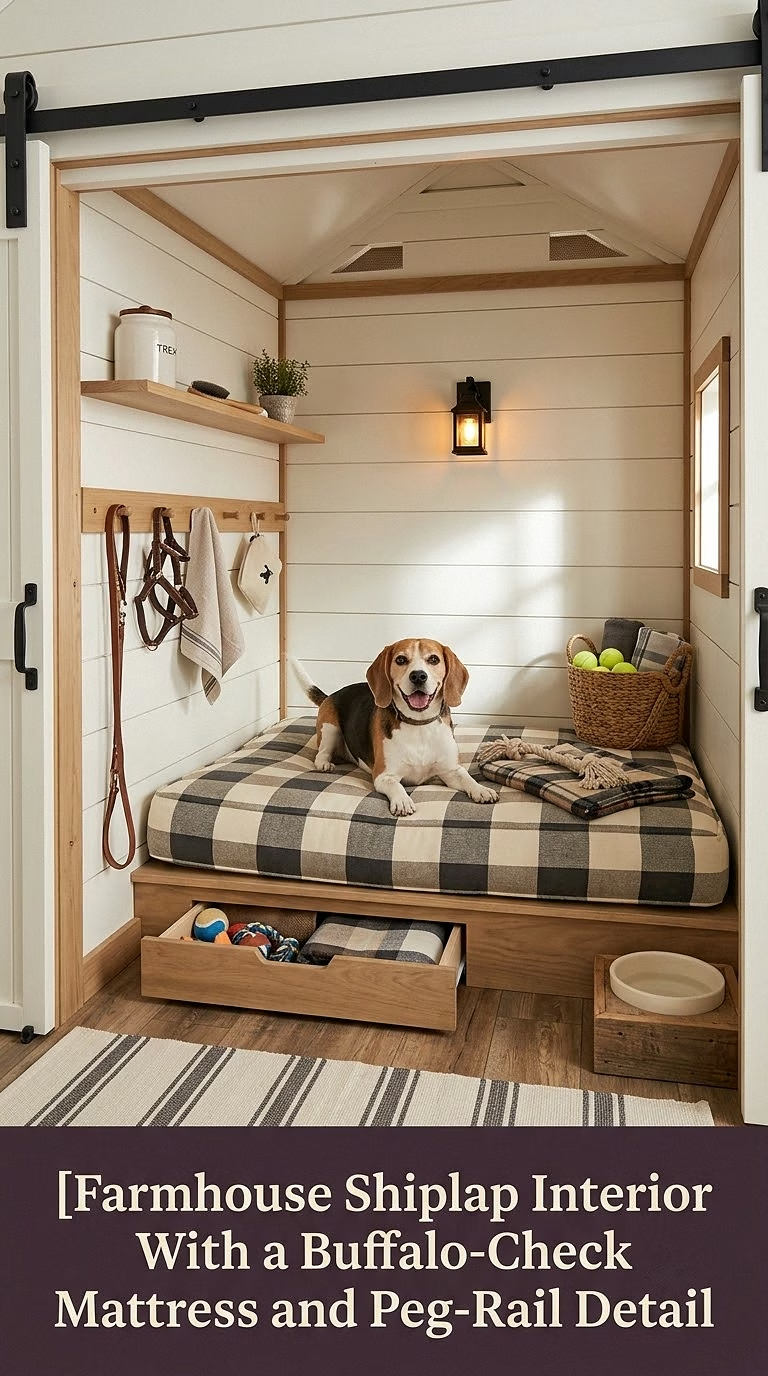
For a charming farmhouse look, use smooth white shiplap-style panels, a warm wood-look floor, and a black-and-cream buffalo-check mattress. A short wooden peg rail can be mounted high on the back wall as a decorative feature, but avoid hanging loose leashes, fabric loops, or anything your dog could pull down.
Keep functional storage on the exterior instead. To make the interior practical, seal every panel joint carefully and use a removable waterproof layer beneath the bed. A washable cushion with a firm base will hold its shape better than a pile of blankets.
4. Modern Charcoal Micro-Suite With Slatted Airflow Panels and a Low-Profile Bed
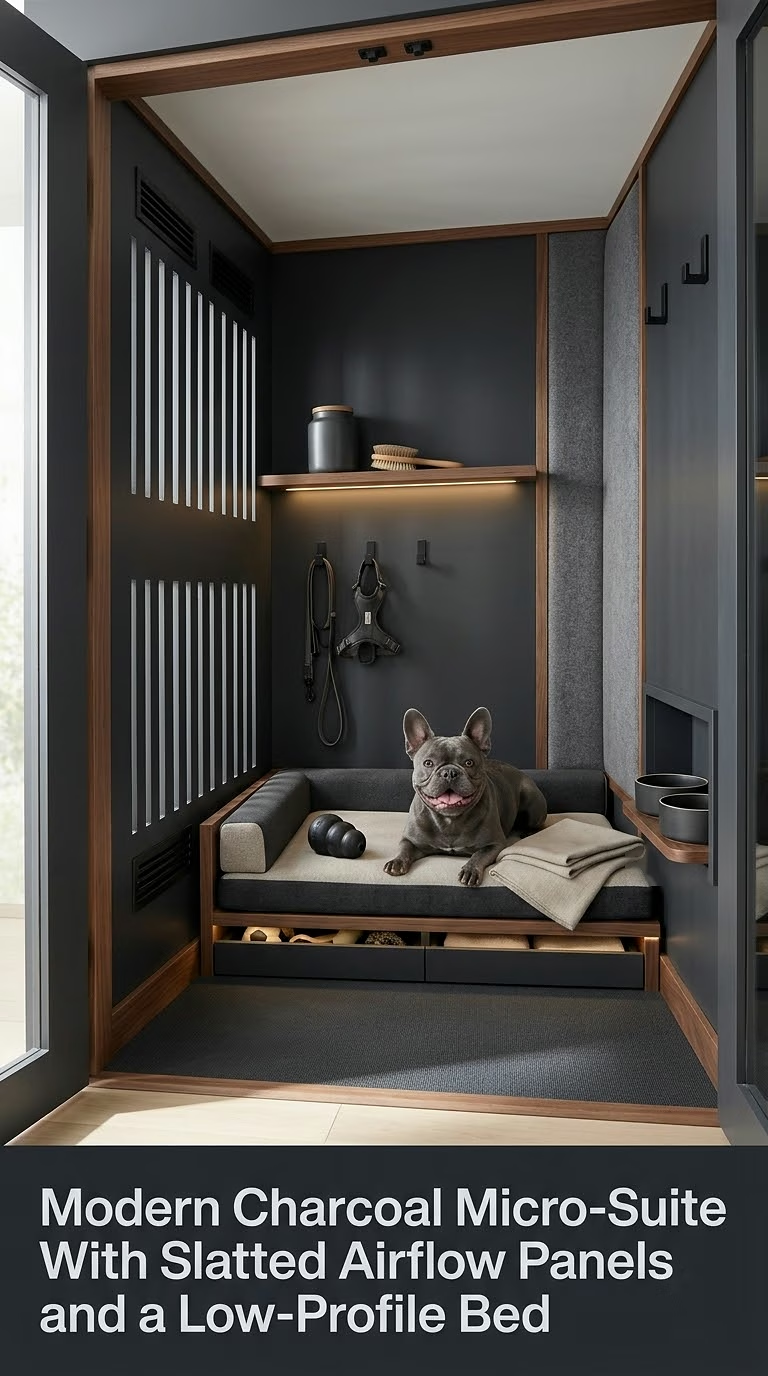
A sleek charcoal interior can look surprisingly elegant when it is balanced with warm wood and thoughtful ventilation. Use dark gray washable wall panels, a pale wood floor, and a low-profile rectangular bed in taupe or camel.
Slim ventilation openings placed high on opposing walls can support airflow without creating a direct draft across the sleeping area. Cover openings with secure, chew-resistant screening and inspect them regularly for damage. Because very dark finishes can absorb heat, this look is best used in a well-shaded structure with an insulated roof rather than a house sitting in full sun. Finish the space with rounded corners and minimal decoration for a clean, contemporary retreat.
5. English Cottage Interior With Tiny Floral Panels and a Dusty-Rose Bolster Bed
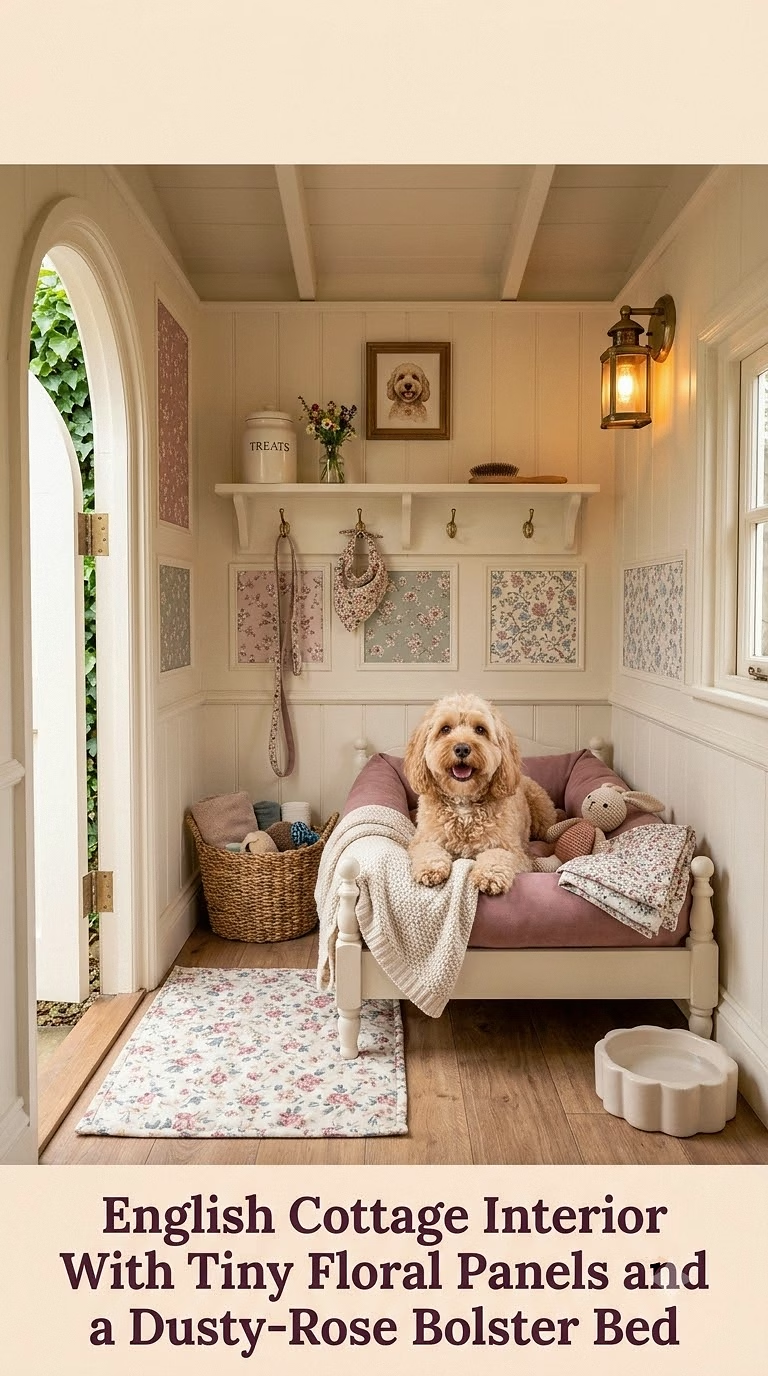
Turn a petite dog house into a romantic cottage retreat using a delicate floral motif, creamy trim, and a dusty-rose bolster bed. Instead of applying ordinary household wallpaper directly to unfinished walls, use removable decorative panels that can be taken out for cleaning or replacement. A sealed print behind a smooth protective surface offers the same visual effect with less risk of peeling edges.
Choose the floral pattern for one back wall only and keep the remaining surfaces light and simple. This prevents the room from feeling overly busy. A low bolster bed gives small dogs a cozy boundary while still allowing easy entry. Skip tassels, buttons, lace, and loose ruffles if your dog likes to chew.
6. Cold-Weather Nest With Insulated Wall Cavities and Deep Fleece Bedding
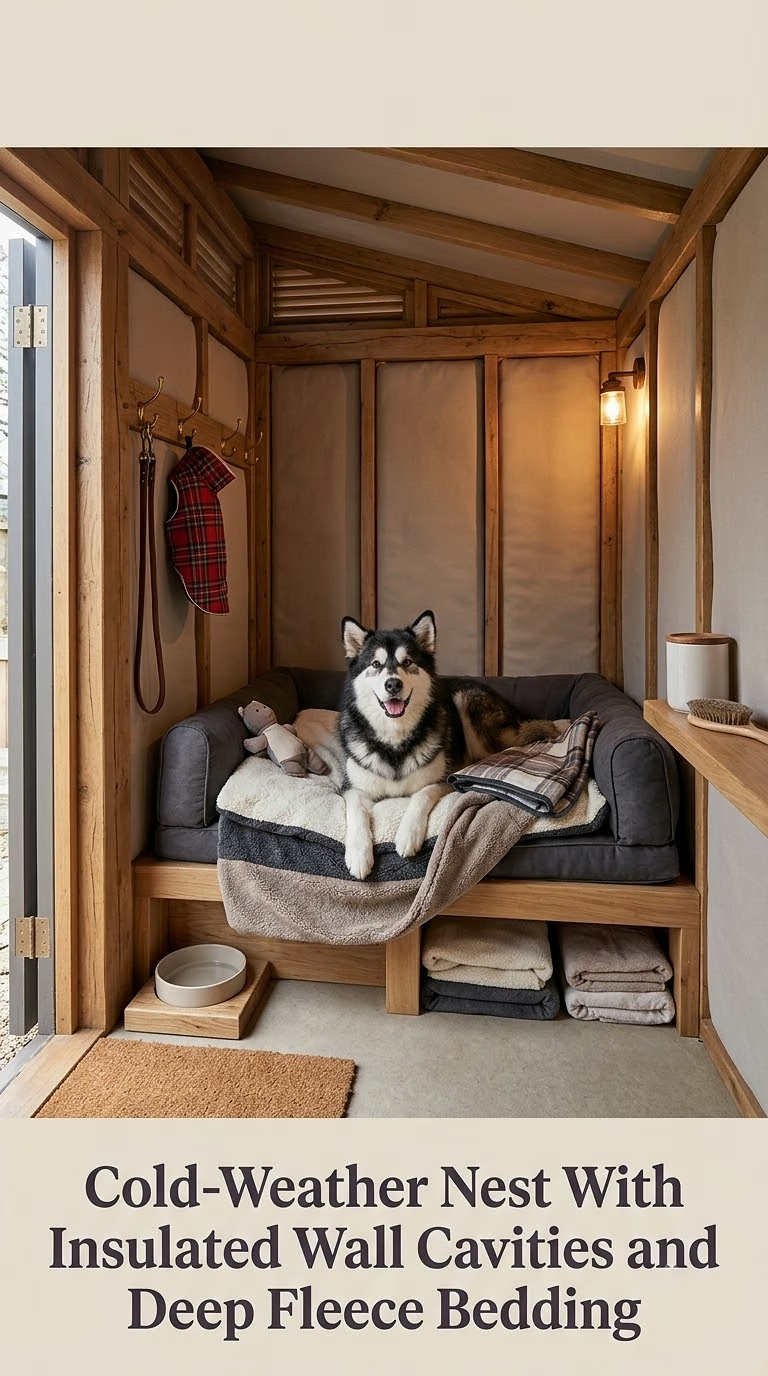
For chilly seasons, build warmth into the structure rather than relying only on thick blankets. A double-wall design can hold rigid insulation safely between the outer shell and the finished interior lining, keeping the insulating material completely inaccessible to your dog. Weather stripping around service panels and a protected entrance can reduce drafts, while high ventilation openings still allow fresh air to move through.
Inside, use a raised sleeping platform topped with a dense, washable fleece-covered bed. Avoid stuffing the house so heavily that airflow is blocked or the dog cannot reposition comfortably. Check bedding often because damp fabric loses its cozy appeal quickly and can create an unpleasant interior.
In severe weather, the dog house should remain a temporary sheltered retreat rather than the only place available. Dogs still need appropriate indoor protection, companionship, and temperature monitoring.
7. Summer Cooling Interior With an Elevated Mesh Cot and Pale Ceramic Resting Tile
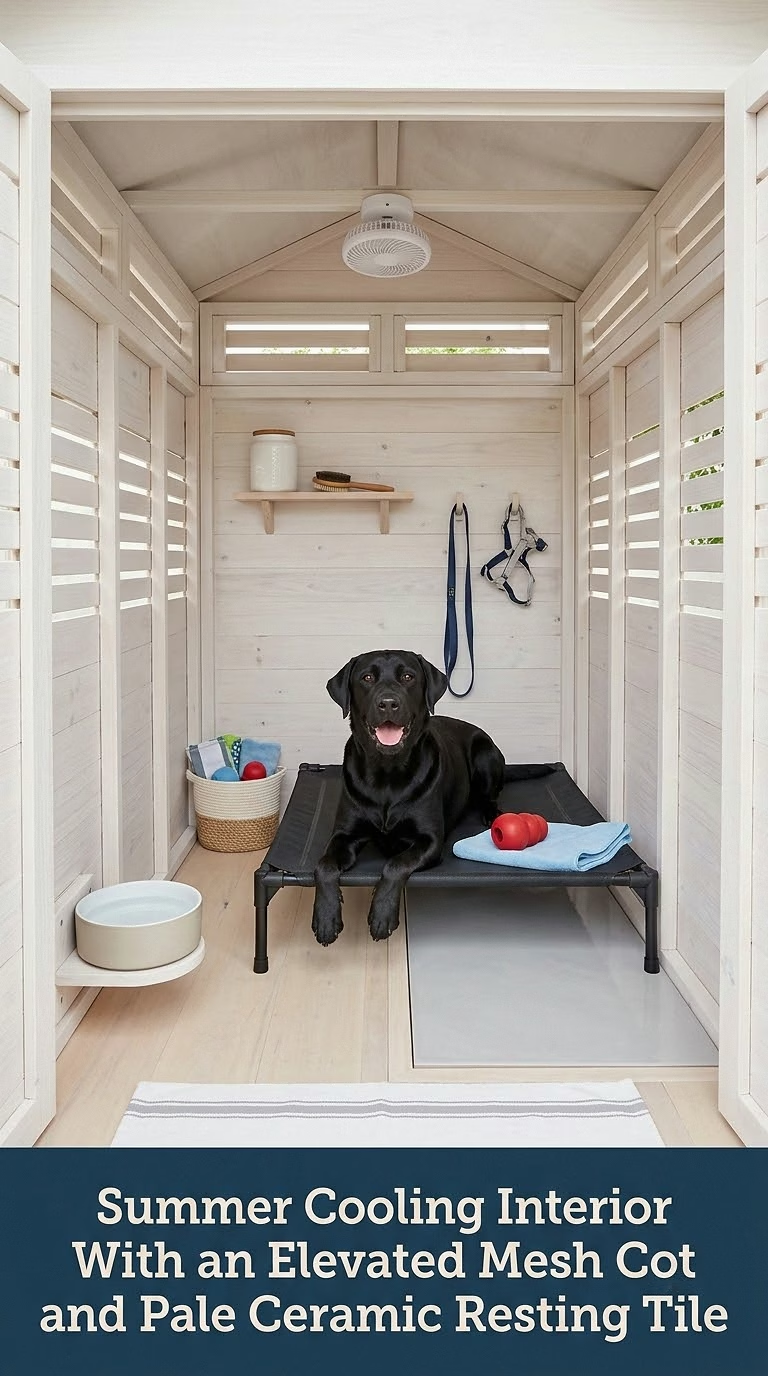
A summer-ready dog house should feel airy, shaded, and easy to escape from whenever your dog wants a cooler location. Use a breathable elevated cot instead of a thick padded mattress, leaving air space beneath the resting surface. Add one large, smooth ceramic or stone-look tile along the side so your dog can choose a cooler place to lie.
Read more : 18 Dog Bedroom Ideas for a Cozy, Stylish Space Your Pup Will Love
Keep the color palette pale with sand, soft white, or light gray, and avoid dark roofing or wall finishes that collect heat. Vent openings should sit high enough to encourage warm air to leave while remaining protected from rain. Never crowd the doorway with curtains or décor that reduces circulation.
8. Tiny Dog House Interior With Wall-Recessed Storage and a Fold-Flat Bed Base
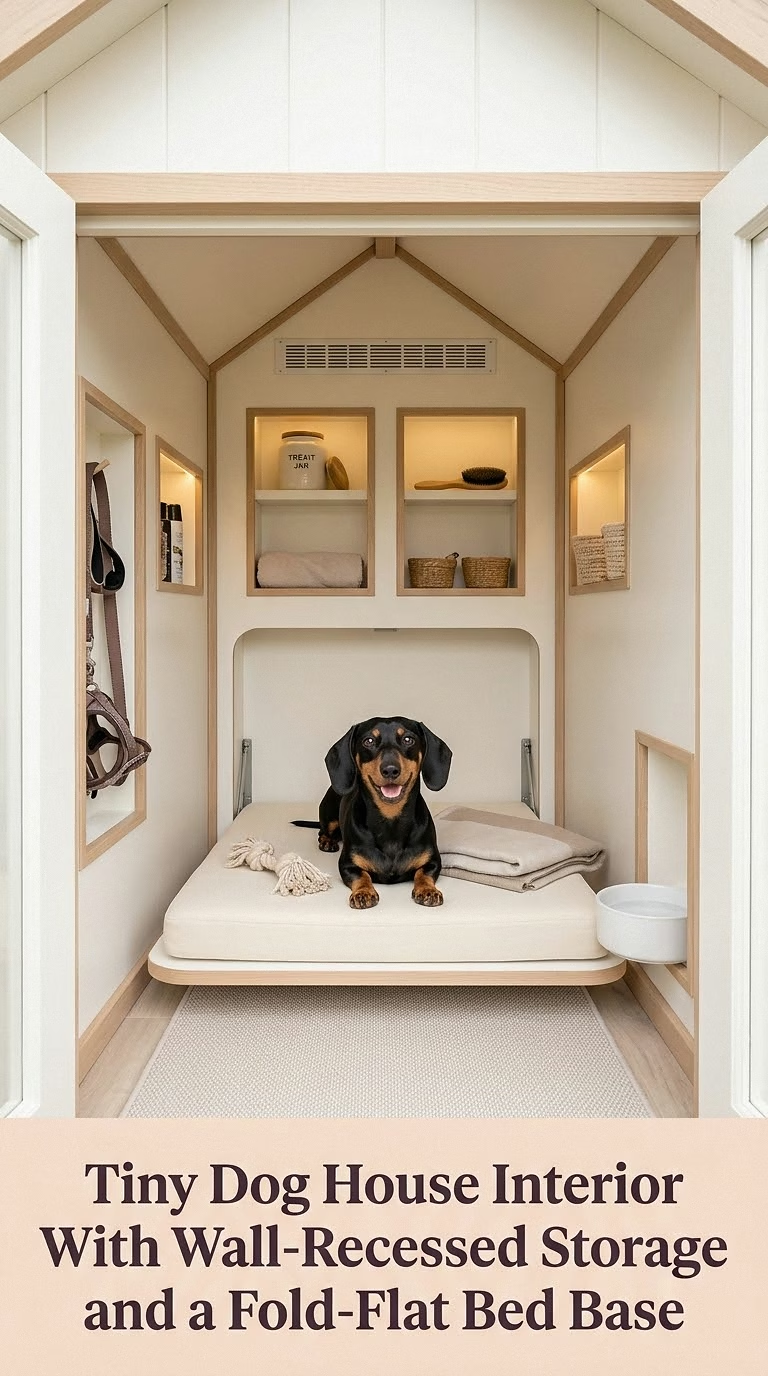
In a very small dog house, every inch should support comfort rather than decoration. A shallow recessed niche built into a safely enclosed wall can store a spare cover or cleaning cloth without projecting into the sleeping area. Pair it with a thin fold-flat bed base that lifts for quick sweeping and allows the interior to dry thoroughly after cleaning.
Keep the floor plan open and avoid placing bowls, baskets, or toys around the edges. A single fitted mattress is often more comfortable than several loose pillows that shift into the doorway. Before adding built-in features, confirm that your dog can still stand naturally, turn without bumping the walls, and lie on their side with their legs comfortably extended.
9. Oversized Big-Dog Interior With a Full-Length Platform Bed and Wide Turning Zone
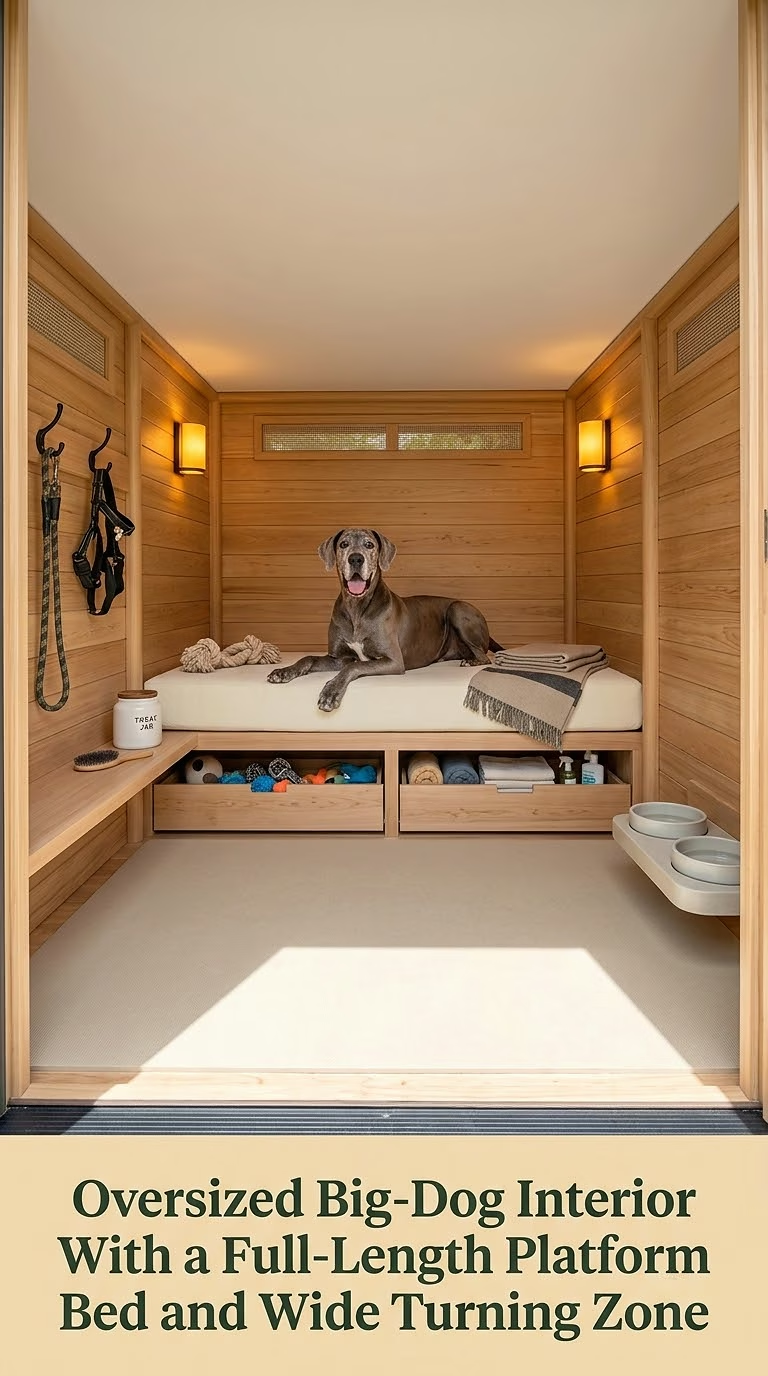
Large dogs need more than a scaled-up cushion. Design the interior around their actual body length, shoulder height, and turning movement. Place a full-length platform bed along one wall rather than centering it, preserving a clear zone near the doorway where the dog can enter, pivot, and settle without stepping directly onto soft bedding.
Use a firm orthopedic mattress with a durable cover and a non-slip layer underneath. Rounded platform edges protect legs and paws, while a low height makes access easier for heavier dogs. Light-colored walls can keep the interior visually open, and a wide doorway should allow comfortable passage without crouching. Keep decorative items outside the house so the interior remains uncluttered.
10. Senior-Dog Retreat With a Zero-Step Entrance, Rubber Flooring, and Supportive Bolsters
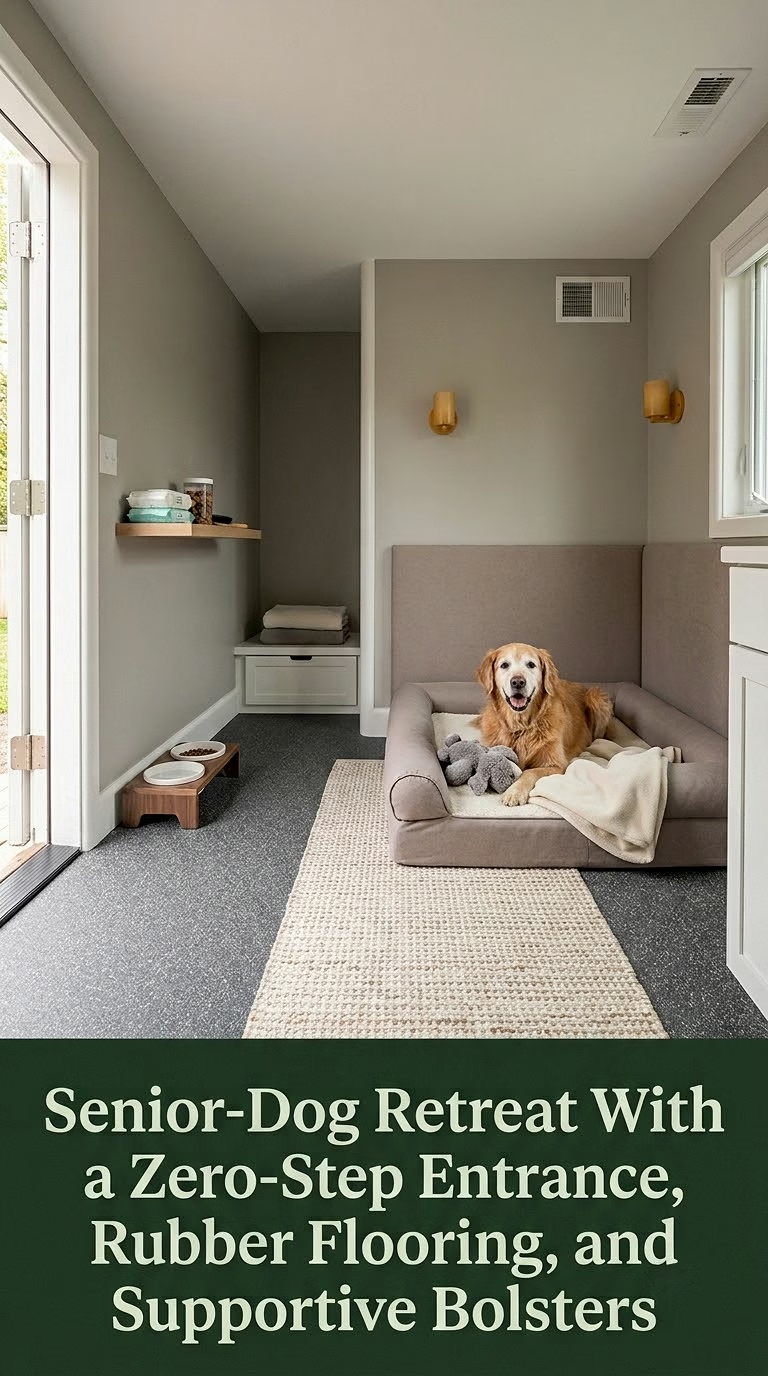
A senior-friendly interior should reduce slipping, climbing, and awkward turning. Use a low or nearly level threshold, a stable ramp where needed, and a textured rubber or cushioned vinyl floor that provides grip beneath aging paws. The sleeping area can include a supportive mattress with one or two low bolsters, giving your dog a place to rest their head without surrounding them with high sides.
Keep the bed close to the entrance so your dog does not need to cross a long slick surface. Avoid deep loose bedding that bunches underfoot. Washable covers, waterproof mattress protection, and rounded trim make accidents easier to manage while preserving comfort.
In cooler weather, place the house where it is protected from wind. In warmer weather, prioritize shade and airflow. A practical senior retreat should feel quiet, stable, and easy to enter at any time.
11. Puppy-Proof Interior With Rounded Trim, Sealed Seams, and Secured Enrichment Toys
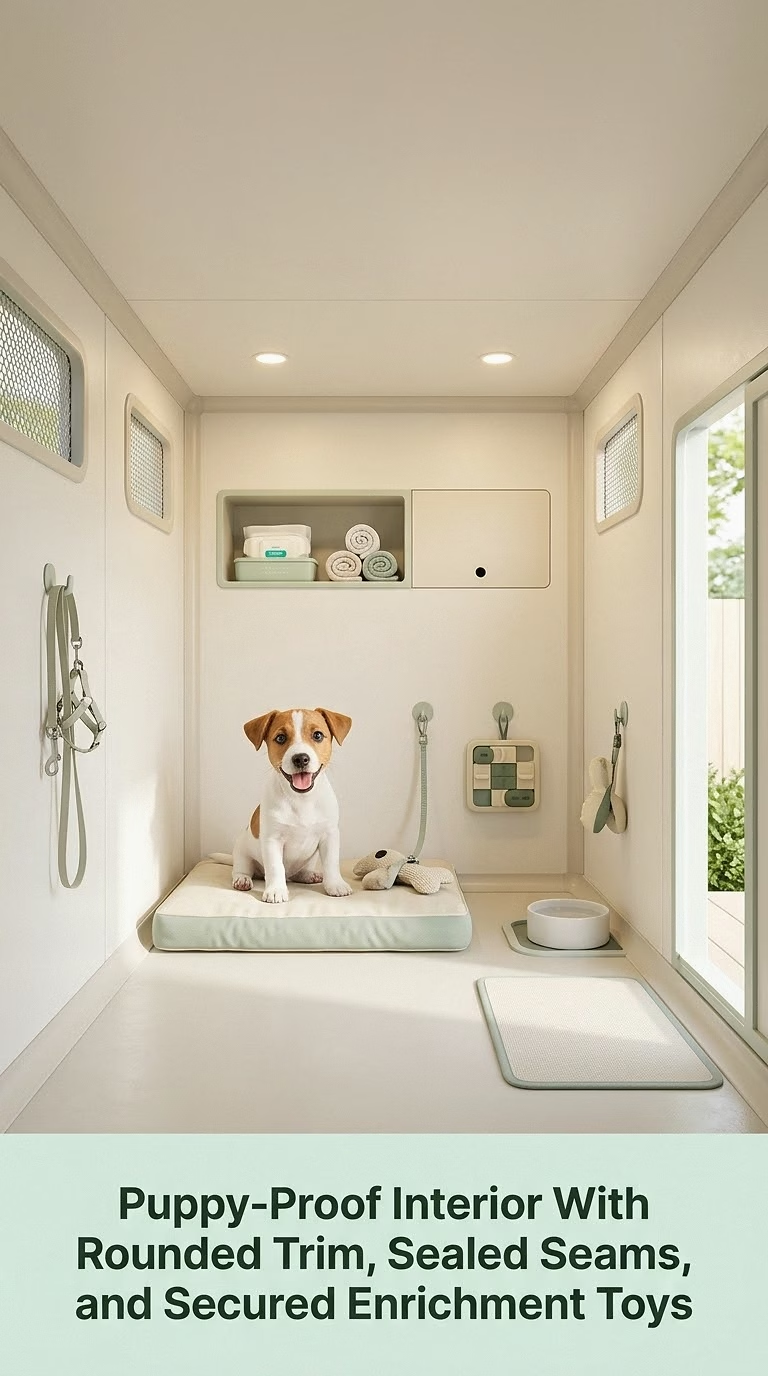
Puppies explore with their mouths, so their dog house interior should be simple, durable, and closely inspected. Use smooth wall panels, rounded trim, concealed screws, and sealed edges that cannot be lifted by curious teeth. Choose a fitted washable mat instead of a stuffed bed if your puppy regularly tears fabric or pulls out filling.
A secured rubber enrichment toy can make the space more inviting, but it must be appropriately sized and checked frequently for wear. Avoid strings, decorative baskets, foam wall tiles, dangling signs, and loose electrical cords. As the puppy grows, recheck the doorway, bed size, and interior dimensions so the house continues to provide enough room rather than becoming a cramped leftover from puppyhood.
12. Boutique-Hotel Interior With a Channel-Tufted Headboard Look and Washable Velvet-Style Bed
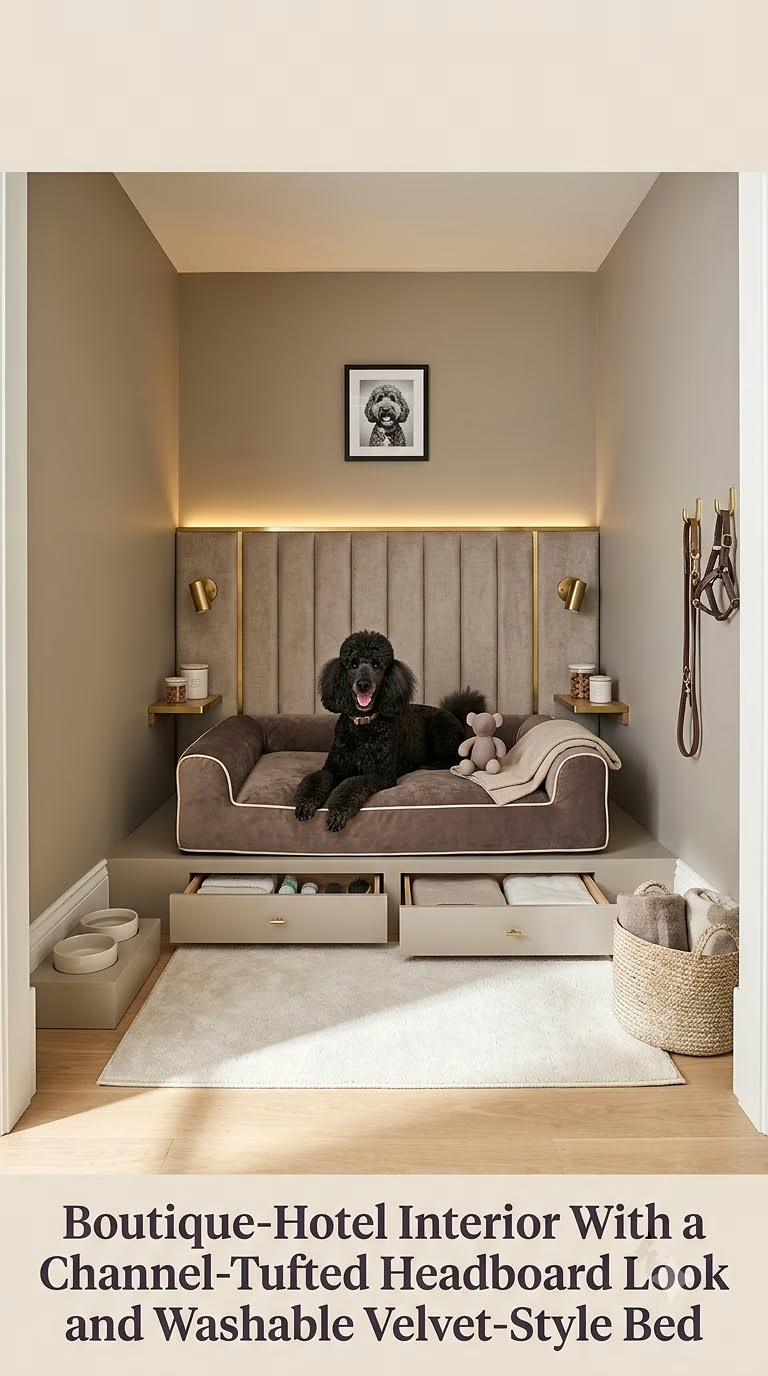
For a glamorous dog house, create the appearance of a boutique hotel suite without using fragile upholstery. A removable wall panel with shallow vertical channels can imitate a tufted headboard, while a washable velvet-style bed in olive, mauve, or deep navy adds rich color. Choose performance fabric made for frequent cleaning rather than true delicate velvet.
Add a narrow wood-look baseboard and a small metallic-look nameplate positioned safely above the bed. Keep the luxury elements flat and securely attached. Crystals, buttons, cords, and nailhead trim are unnecessary hazards.
This design is especially attractive inside an indoor dog house or a fully weather-protected porch structure where humidity and rain are less likely to damage the decorative finish.
13. Earthy Boho Interior With Woven-Look Panels and a Terracotta Floor Cushion
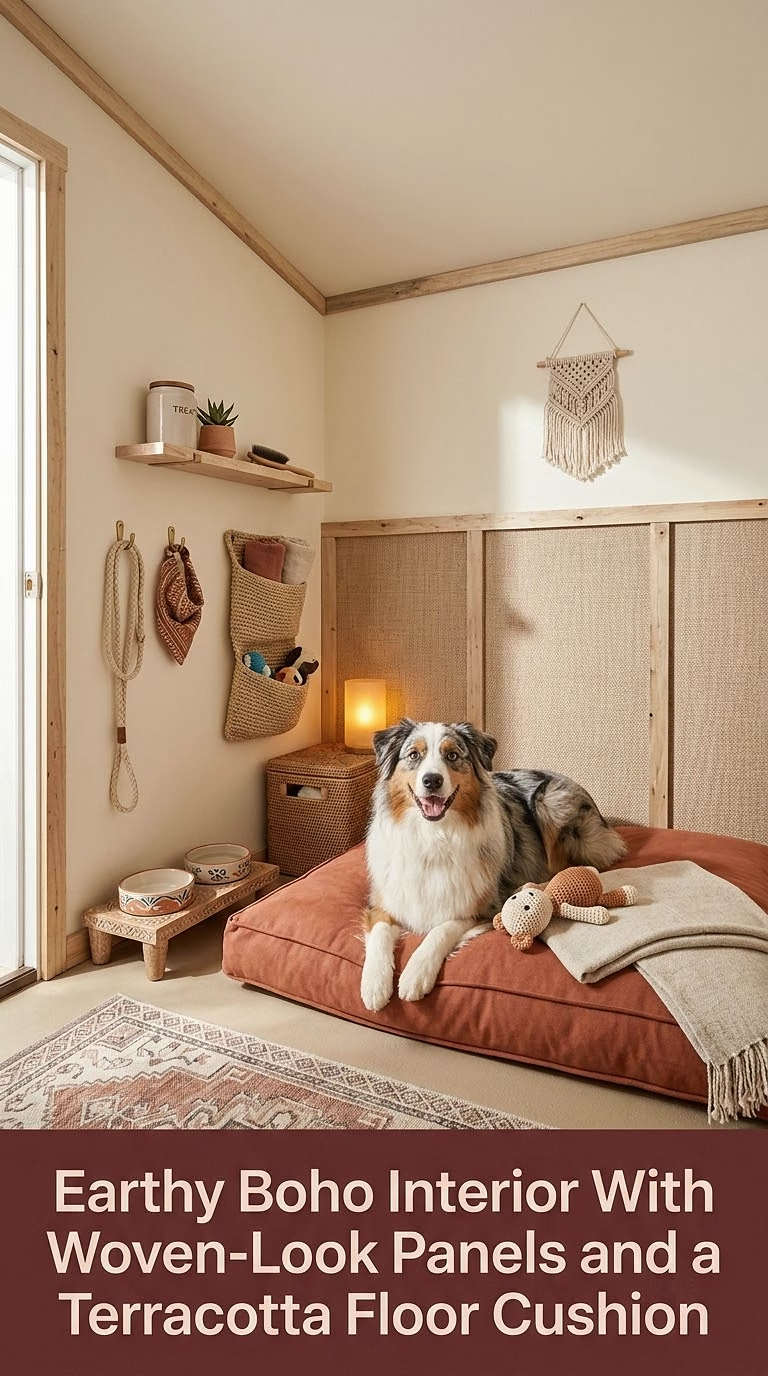
A boho dog house can feel relaxed and handcrafted with clay, sand, cream, and warm wood tones. Use woven-look printed wall panels or tightly sealed textured surfaces rather than real loose rattan, jute fringe, or wicker that can splinter and invite chewing. A round terracotta-colored floor cushion creates a cozy focal point, especially for a small dog that likes to curl up.
Introduce pattern through a washable geometric bed cover instead of layering multiple rugs. One smooth wooden arch around the doorway can echo the organic style and make the interior feel custom. Because textured décor collects fur, limit it to a single removable panel and keep the floor smooth.
14. Coastal Blue Interior With Beadboard Walls and a Sand-Colored Waterproof Mat
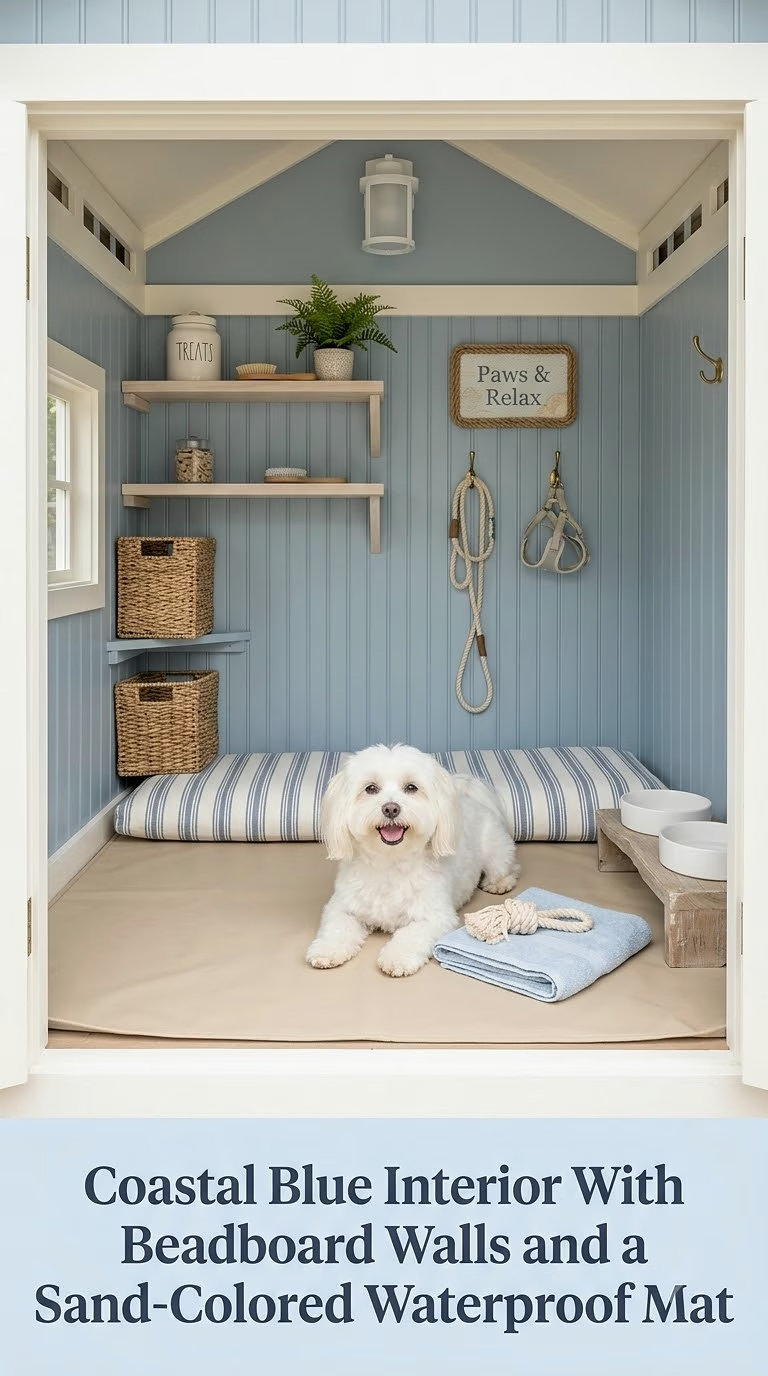
For a breezy coastal mood, pair soft blue beadboard-style walls with white trim and a sand-colored waterproof mat. The palette feels fresh and relaxed, making it a lovely match for a beach house, poolside patio, or pale garden deck. Use sealed panels with shallow grooves so dirt can be wiped away without difficult scrubbing.
Read more : 16 Beautiful Dog House Ideas That Make Every Pup Feel at Home
A striped navy-and-cream cushion adds a classic nautical touch, but choose a tightly woven cover without rope trim. Moisture management matters more than theme, especially in humid or rainy areas. Raise the structure above wet ground, provide drainage around it, and let all fabrics dry completely before returning them to the house.
15. Rustic Reclaimed-Wood Look With Smooth Sealed Panels and a Plaid Wool-Style Pad
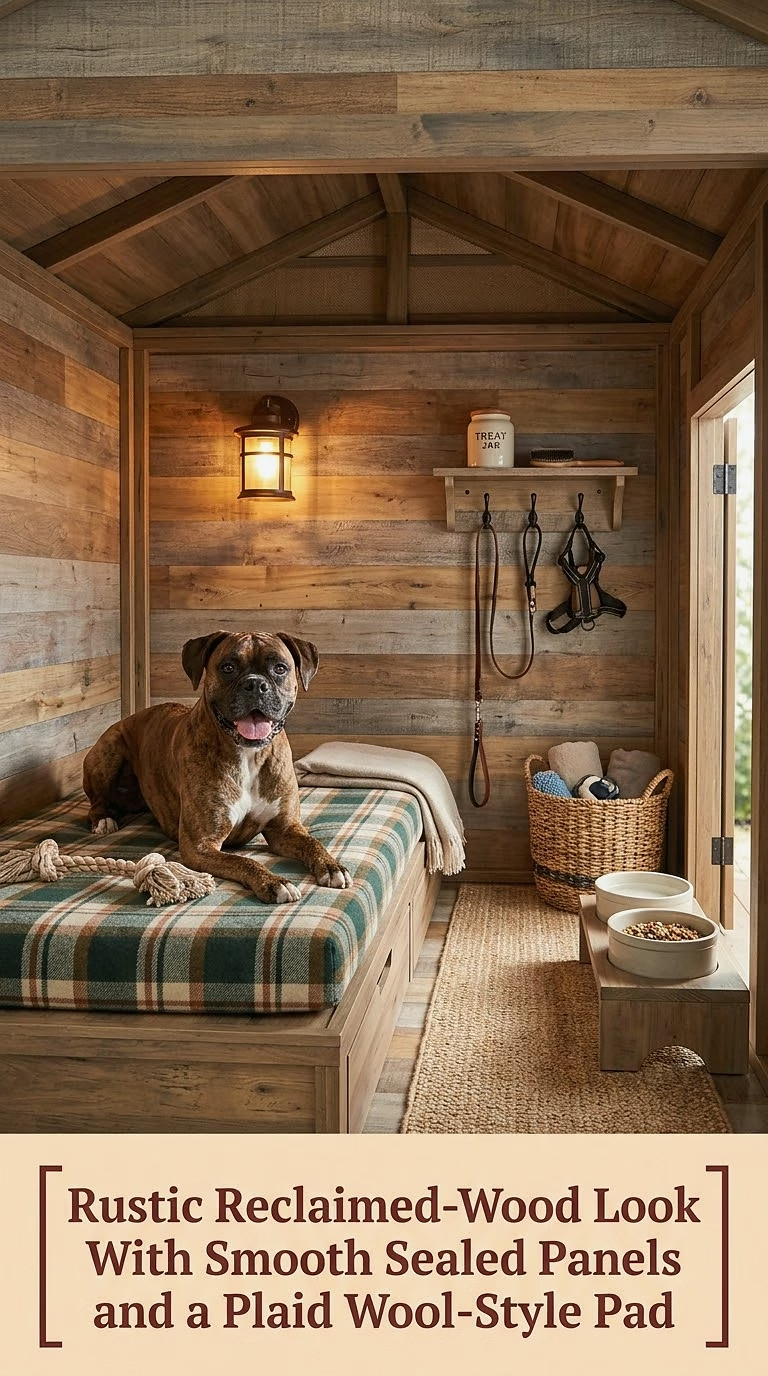
A rustic interior does not need rough boards or splintered salvage wood. Recreate the reclaimed look with new, smooth panels stained in varied warm tones, then seal them so the surface can be wiped clean. A charcoal-and-caramel plaid pad adds cabin character, while a dark rubber floor beneath it protects the base from moisture and muddy paws.
Leave nail holes, metal straps, and genuinely distressed edges out of the dog’s reach. The safest rustic room is visually aged but physically smooth. This concept works well for a DIY makeover because the look is forgiving: panels do not need to match perfectly, and a simple fitted mattress can carry most of the style. Prioritize sealed seams and an accessible roof or wall panel for cleaning.
16. Two-Dog Interior With Matching Twin Beds and a Low Removable Divider
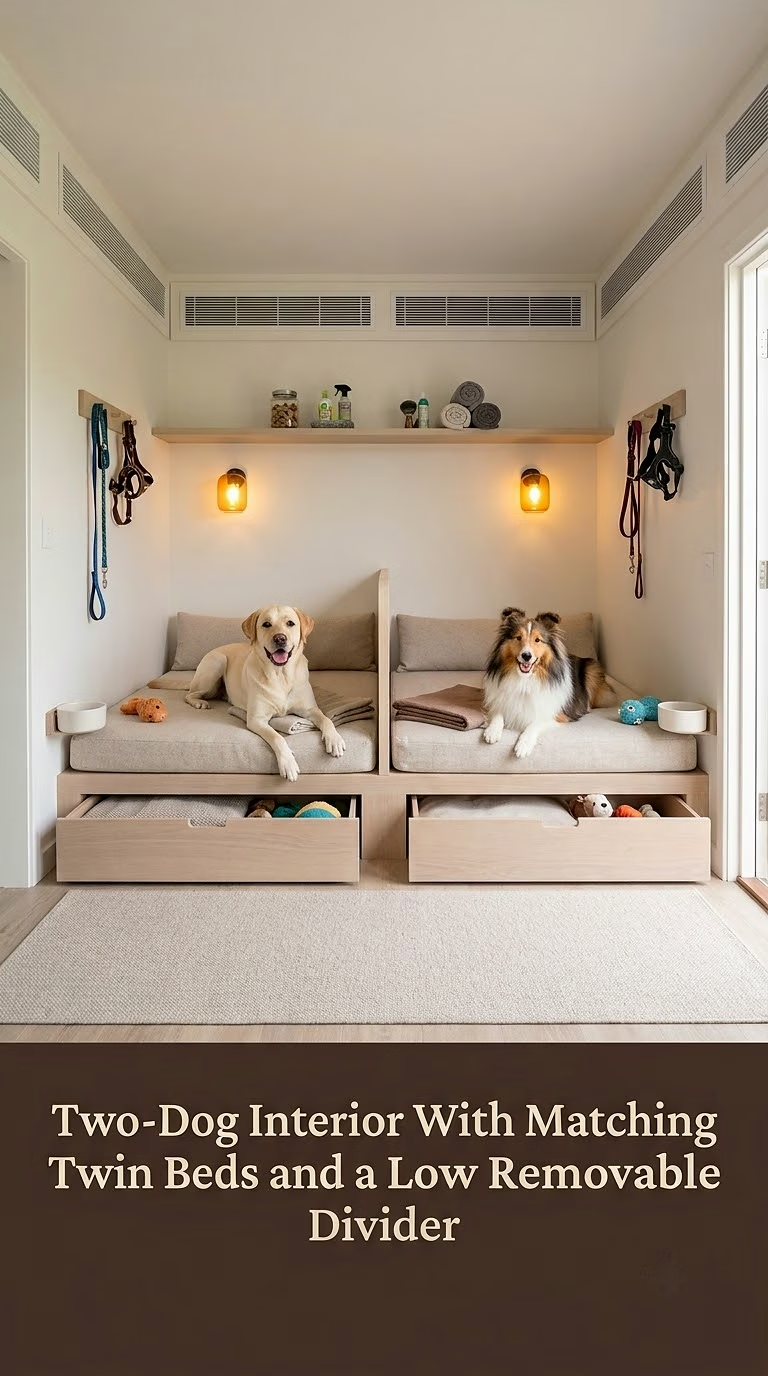
For two dogs that genuinely enjoy sharing space, arrange matching beds along opposite walls with an open pathway between them. A low removable divider can provide a subtle sense of personal space without fully separating the dogs or blocking ventilation. Use coordinated covers in different colors so each bed is easy to identify during washing.
This idea requires a structure substantially larger than a single-dog house. Both dogs should be able to enter, turn, lie fully stretched, and leave without climbing over one another. Avoid shared spaces for dogs that guard beds, toys, food, or doorways.
Keep bowls outside the sleeping area to reduce crowding and competition. A wide entrance or two separate entrances can make movement easier. The prettiest version uses symmetry, but the most successful version is based on the dogs’ relationship and comfort.
17. Split-Zone Interior With a Dry Sleeping Deck and Side-Mounted Water Station
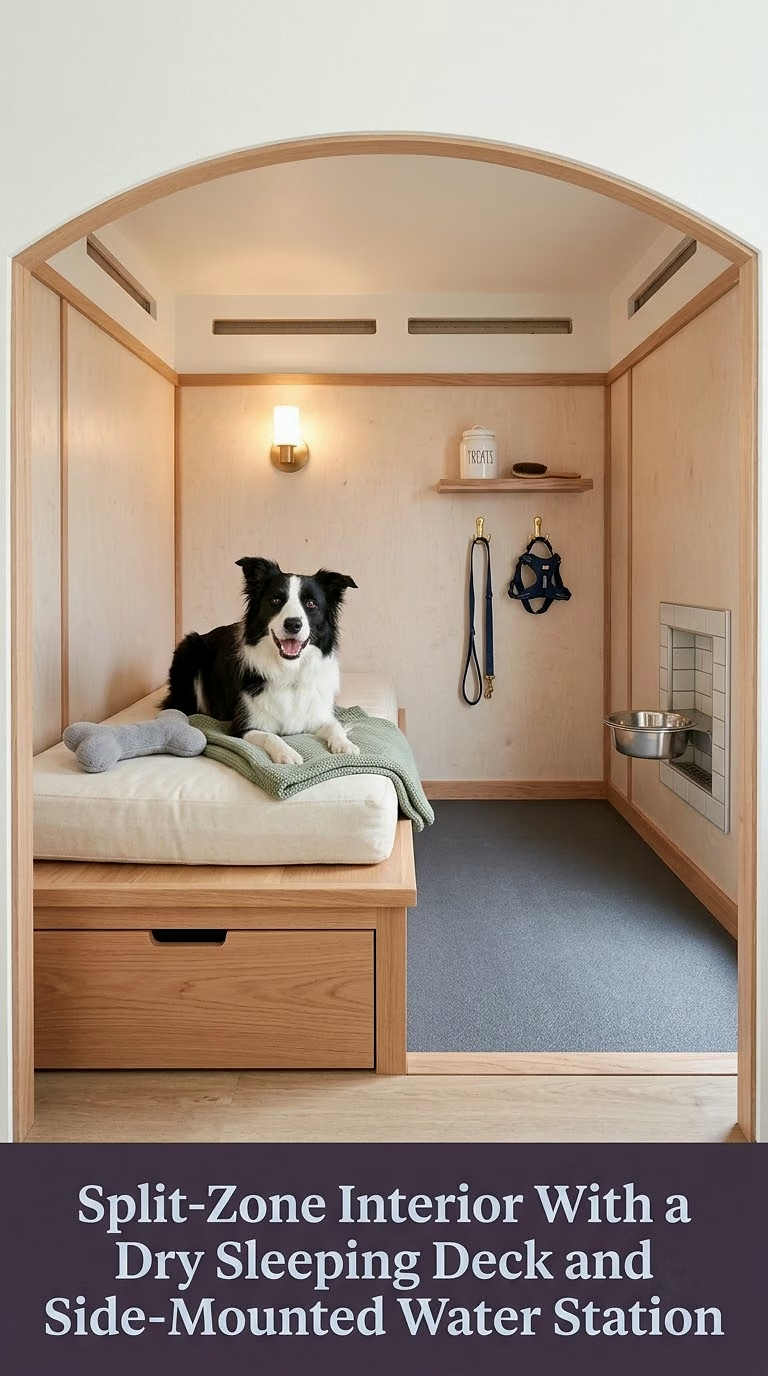
Separate resting and drinking functions so spilled water does not soak the bed. Build a low sleeping deck along the back half of the house and place a secured, tip-resistant water bowl near the entrance on an easy-clean floor section. A small raised edge between zones can help contain minor splashes without creating a tripping hazard.
Use waterproof flooring in the water area and a removable mattress on the dry deck. This layout works best in a generously sized, shaded house where the bowl does not reduce turning space. In hot weather, check and refresh the water frequently rather than assuming a large bowl will stay clean. For compact houses, keep the water immediately outside under a covered extension instead.
18. Quiet Nighttime Interior With Sound-Softening Panels and a Gentle Amber Light
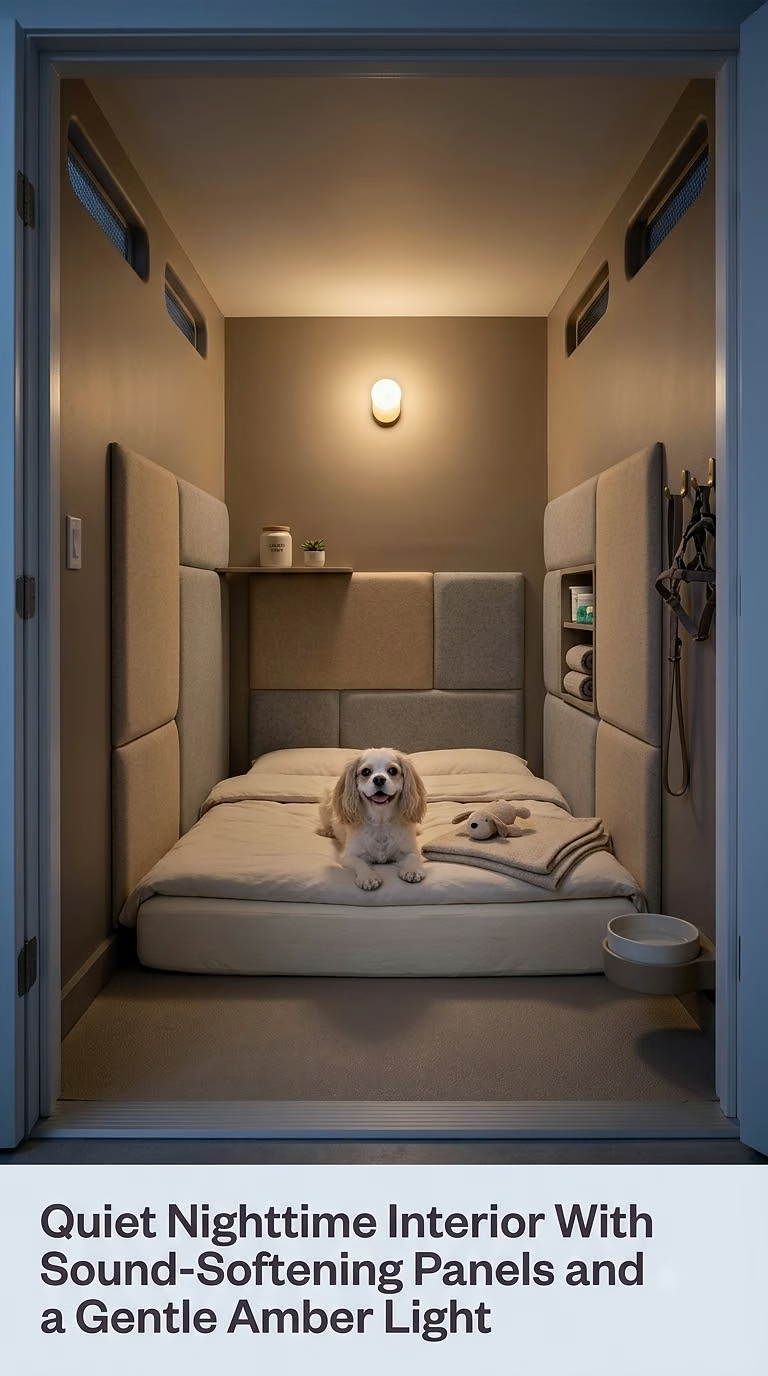
A calming nighttime retreat can help a dog settle away from household activity or distant neighborhood noise. Use smooth, securely enclosed sound-softening panels inside the wall cavities rather than exposed foam. Add a thick fitted bed and a partial visual shield near the entrance, ensuring it does not restrict airflow or trap heat.
For an indoor or fully protected structure, a very dim amber light can create a warm glow. Use only enclosed, cool-running fixtures with wiring completely inaccessible to the dog, or choose a removable battery light mounted outside the interior cavity. Many dogs will prefer darkness, so lighting should be optional rather than constant.
This design should reduce stimulation without sealing the dog away from fresh air or family contact.
19. Budget Removable-Liner Makeover With Peel-and-Wipe Flooring and Washable Fabric Panels
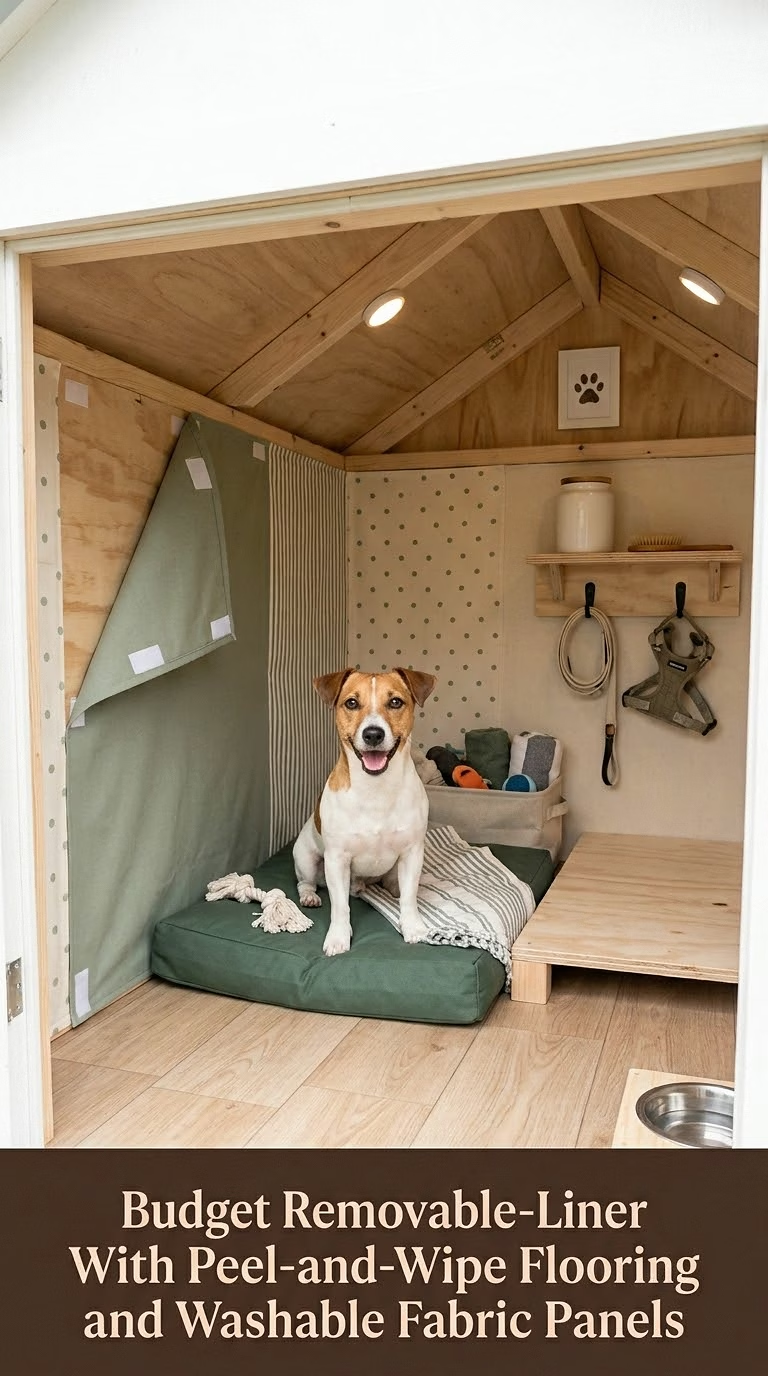
A beautiful dog house interior does not require rebuilding the structure. Start with a deep clean, smooth any rough edges, and add a fitted removable floor liner made from durable, non-slip, wipeable material. Create decorative wall panels by wrapping thin removable boards in washable fabric or applying a sealed printed finish, then secure them so no corners lift.
Skip permanent decorative changes until you know how your dog uses the space. This affordable approach makes it easy to adjust the bed thickness, color, or seasonal layer later. Because every major component lifts out, cleaning and drying the house becomes much easier, which is often more valuable than elaborate built-ins.
Conclusion
The most inviting dog house interiors feel beautiful because they are designed around the dog first. A supportive resting surface, good airflow, dry flooring, safe finishes, and enough room to move will always matter more than decorative accessories. Once those essentials are in place, even a small change—such as a fitted mattress, pale wall panels, a cooling tile, or a coordinated washable cover—can transform an unfinished shelter into a thoughtful retreat.
Choose a style that suits your home, but adapt every detail to your dog’s size, age, coat, habits, and local weather. Inspect the interior often for moisture, chewing damage, sharp edges, pests, and worn bedding, and bring your dog into a safer climate-controlled space whenever outdoor conditions become unsuitable.
The goal is not simply to create a pretty miniature room, but to give your pet a clean, comfortable place they will happily choose for rest.
Pin this Pinterest post so you can return to these dog house interior ideas when you are ready to plan your pet’s cozy new space.
Source: https://petstutorial.com
Category: Dog Rooms
