
Creating a room for both your cat and dog can feel like designing a tiny home within your home, one filled with soft beds, playful climbing spots, organized storage, and cozy corners made especially for the animals you love. The challenge is finding a balance between two very different personalities. Dogs often appreciate comfortable floor-level resting places and open areas where they can stretch out, while cats usually love elevated perches, private hideaways, and places where they can observe everything from above.
- 17 Dog Hallway Ideas That Make Small Spaces Stylish, Cozy, and Pet-Friendly
- 17 Dog Room Ideas for Multiple Dogs That Keep Every Pup Comfortable and Organized
- 18 Dog Playroom Ideas for a Fun, Stylish, and Enriching Space
- 17 Stylish Dog Cubby Ideas for a Cozy and Beautiful Pet Retreat
- 17 Dog Bathroom Ideas for a Stylish, Practical Pet Wash Space
The best cat and dog room ideas do not simply fill a spare room with pet beds and toys. They thoughtfully divide the space so every animal has somewhere to sleep, eat, play, retreat, and relax without feeling crowded. With clever zoning, durable materials, washable fabrics, and a little creativity, even a small corner or unused closet can become a charming shared retreat.
You are reading: 17 Cat and Dog Room Ideas for a Beautiful, Cozy Shared Pet Space
Whether you dream of a sophisticated built-in pet room, an affordable DIY setup, or a cozy multipurpose space that blends beautifully with your existing decor, these ideas offer plenty of inspiration for creating a practical home your furry companions can truly enjoy.
1. Warm Neutral Pet Room With a Floor-Level Dog Bed and Floating Cat Shelves
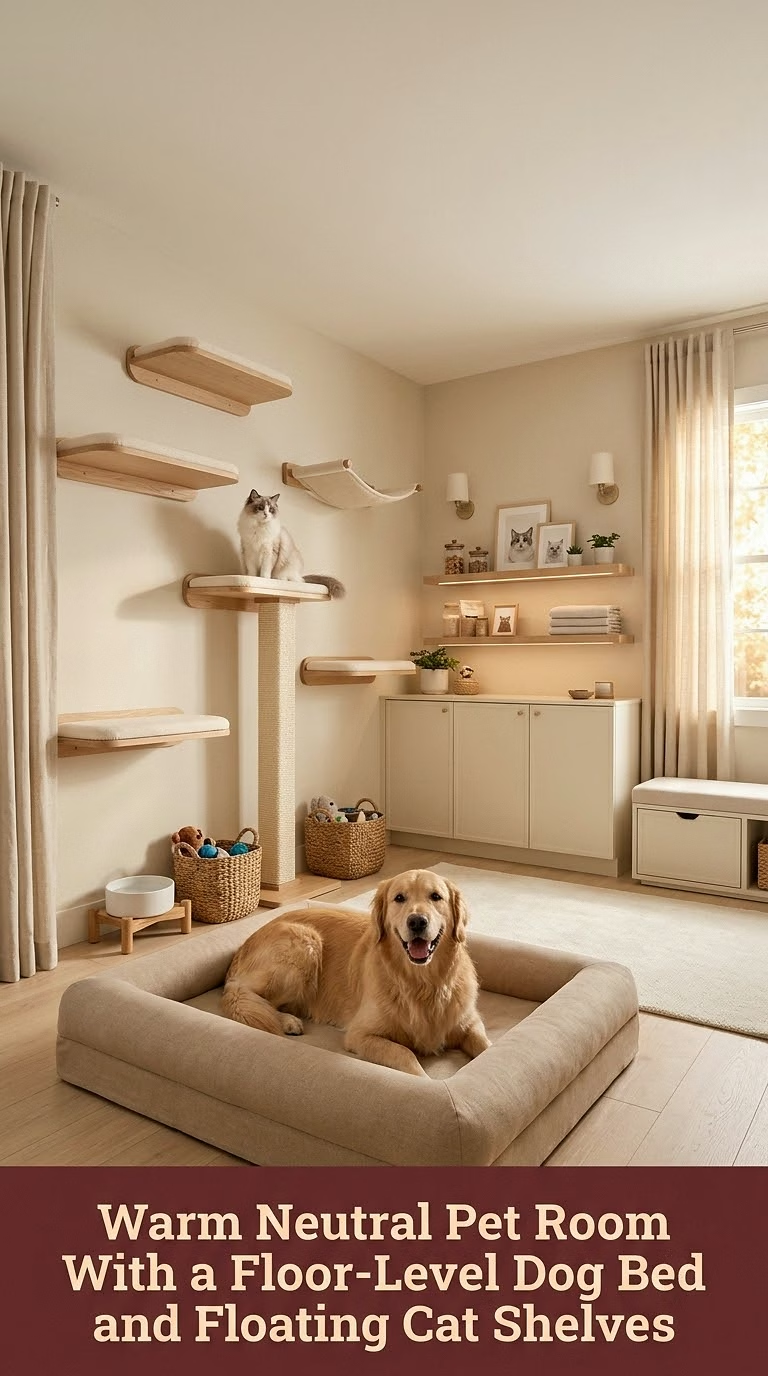
A warm neutral color palette creates a calming foundation for a shared pet room that feels as beautiful as the rest of your home. Start with soft beige, creamy white, light oak, and muted taupe, then divide the room vertically rather than using bulky partitions.
Give your dog a plush floor-level bed positioned against a quiet wall, ideally with enough room to stretch out comfortably. Above it, install a series of staggered floating cat shelves that lead toward a cozy wall-mounted perch or enclosed cubby. This allows your cat to move through the room without constantly crossing the dog’s resting area.
Choose washable bed covers and secure shelves with surfaces that provide good traction. A low woven basket can hold dog toys, while a higher wall cabinet keeps cat toys, treats, grooming supplies, and medications safely organized.
The result feels peaceful, sophisticated, and particularly suitable for modern bedrooms, offices, or spare rooms where you want the pet zone to blend naturally with your decor.
2. Sage Green Cottage-Style Pet Room With Twin Sleeping Nooks
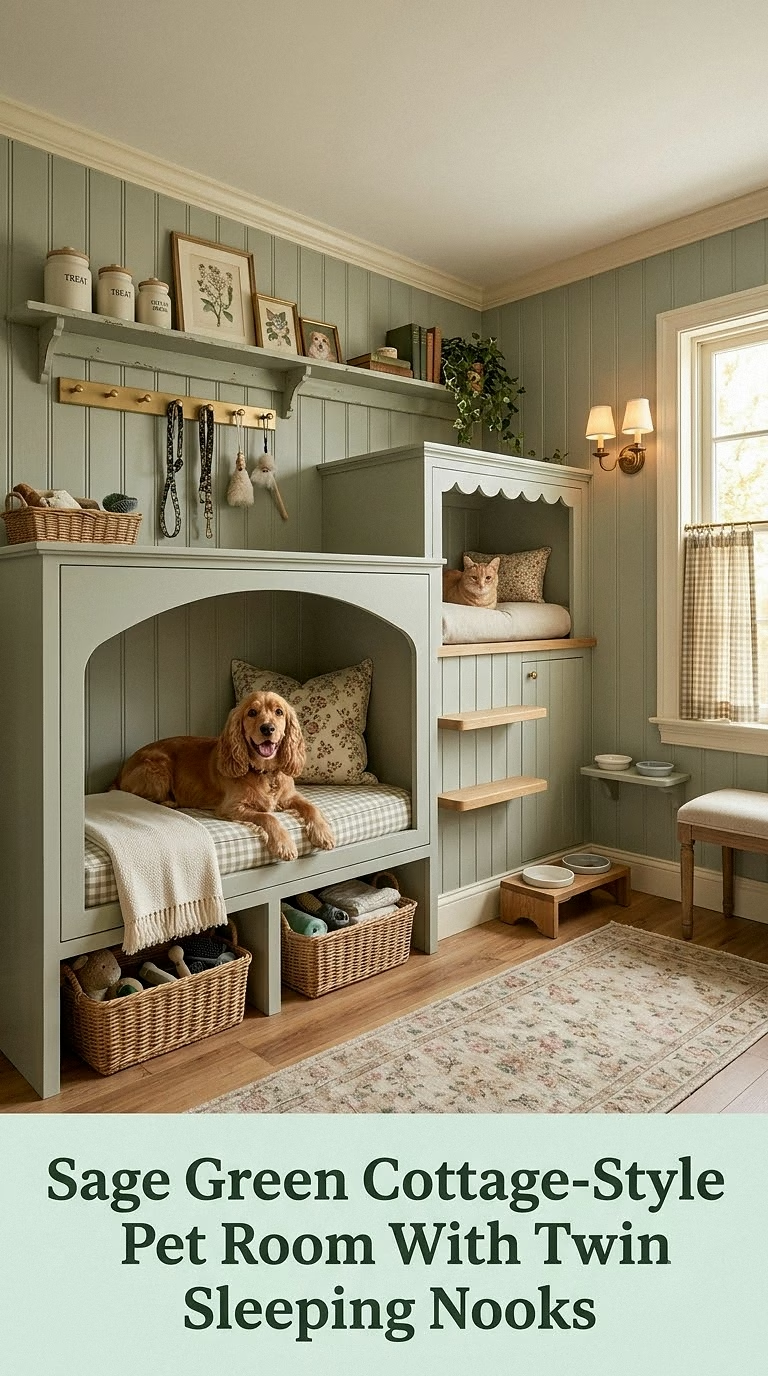
For a softer, storybook-inspired look, create two individual sleeping nooks framed by sage green cabinetry and natural wood details. One larger opening can accommodate your dog’s bed, while a smaller elevated cubby gives your cat a more private place to curl up.
Add beadboard paneling, brass cabinet pulls, gingham or floral cushions, and a small washable runner for a charming cottage feel. Open shelving above the beds can display framed pet portraits, decorative storage boxes, or neatly folded blankets.
The important detail is making each nook appropriate for its occupant rather than creating identical spaces. Your dog’s area should be easy to enter and large enough for comfortable movement. The cat nook can sit slightly higher, perhaps reached by a short set of carpeted steps or a sturdy side shelf.
This concept works beautifully in a mudroom, laundry room, or unused alcove. It also gives both pets their own recognizable retreat while maintaining a coordinated overall design.
3. Small Apartment Pet Corner With a Window Hammock and Under-Bench Dog Bed
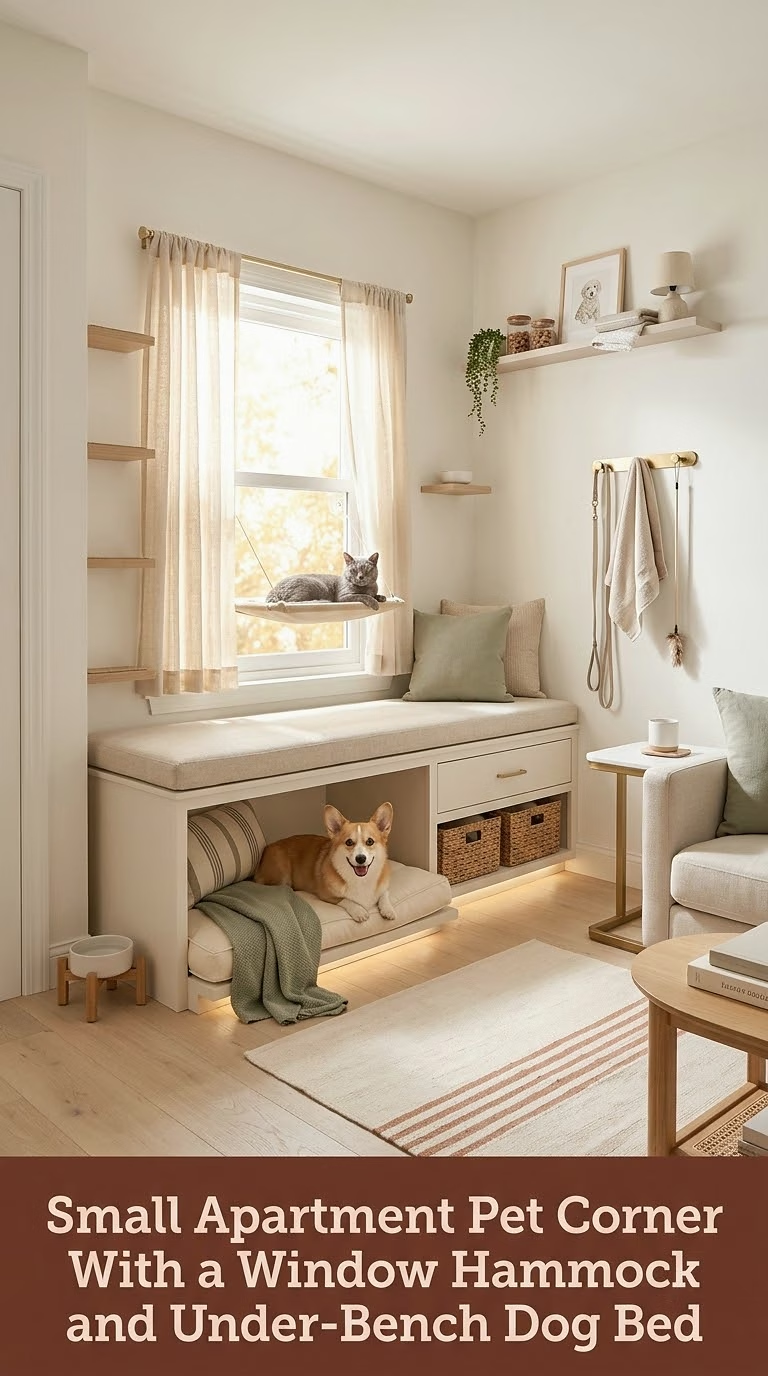
You do not need an entire spare room to create a thoughtful shared environment. A sunny window corner can become a surprisingly functional mini pet suite with the right vertical arrangement.
Install a sturdy cat hammock or window perch at an elevated level where your cat can watch birds, enjoy daylight, and rest above the main floor activity. Directly beneath or beside the window, place a built-in bench with an open lower compartment sized for your dog’s cushion.
The top of the bench can serve as human seating or provide storage inside for leashes, blankets, grooming brushes, and toys. Use washable upholstery and avoid overcrowding the corner with unnecessary decorations.
A slim wall-mounted scratching panel can give the cat another activity without sacrificing floor space. For the dog, add a small basket containing only a few favorite toys so the area remains tidy.
This layered layout makes excellent use of limited square footage and is especially practical for apartments where every corner needs to perform more than one function.
4. Modern Black-and-Oak Pet Room With Built-In Dog Crate Cabinetry and Cat Walkways
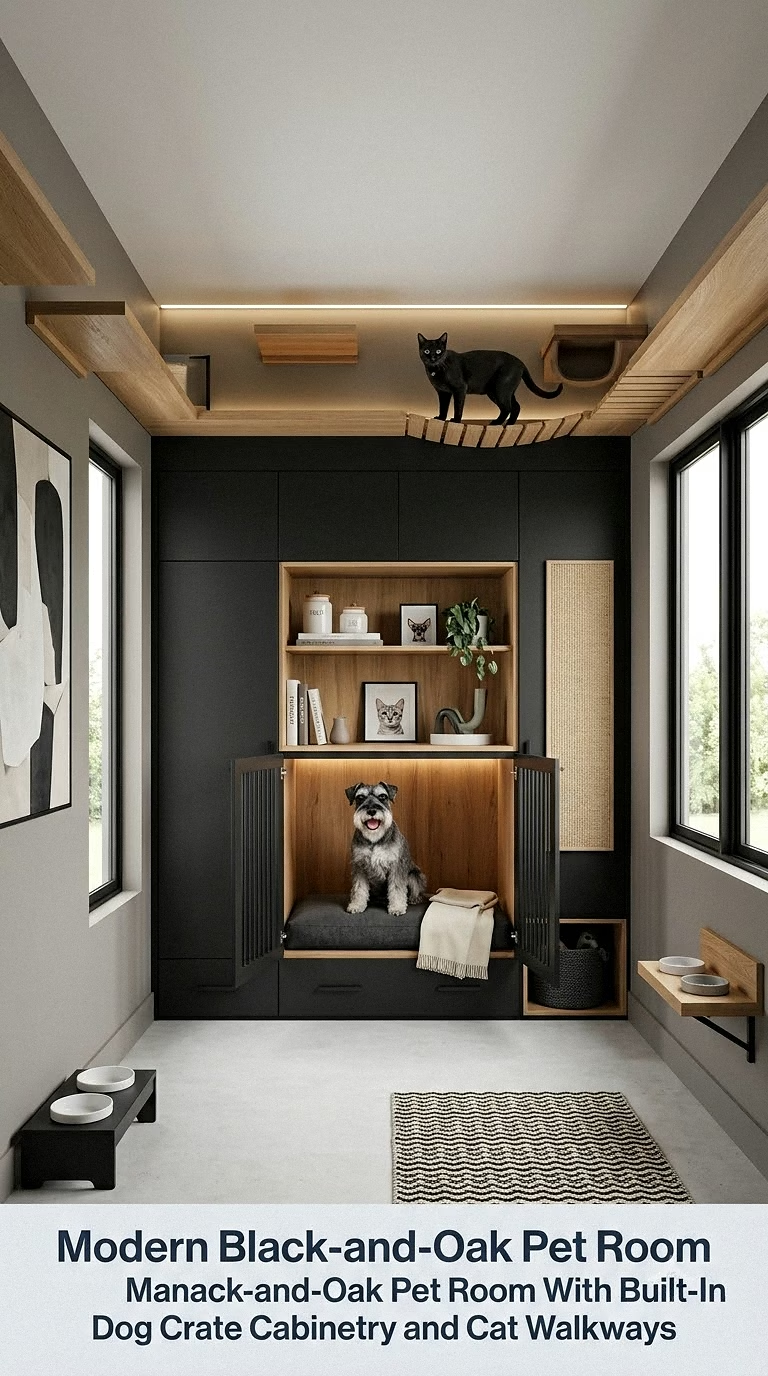
For a more contemporary look, combine matte black cabinetry with warm oak shelves and clean architectural lines. A furniture-style dog crate can be integrated into lower cabinetry, while floating cat walkways continue across the wall above.
The contrast between dark cabinets and natural wood creates a polished, custom appearance without making the room feel overly playful or themed. Add simple cream bedding to soften the look and keep accessories minimal.
When incorporating a crate, size and comfort matter more than appearance. Your dog should have an appropriately sized resting area with adequate ventilation and a comfortable surface. Avoid using decorative coverings that restrict airflow.
For the cat zone, create multiple routes rather than a single dead-end shelf. A sequence of platforms, steps, and elevated resting areas gives your cat more choices and can reduce unwanted encounters when both animals are using the room.
Closed cabinets are especially useful in a multi-pet household because they keep food, medications, litter supplies, and potentially chewable items safely out of reach.
5. Cozy Boho Pet Room With Rattan Beds, Macramé Details, and a Cat Climbing Wall
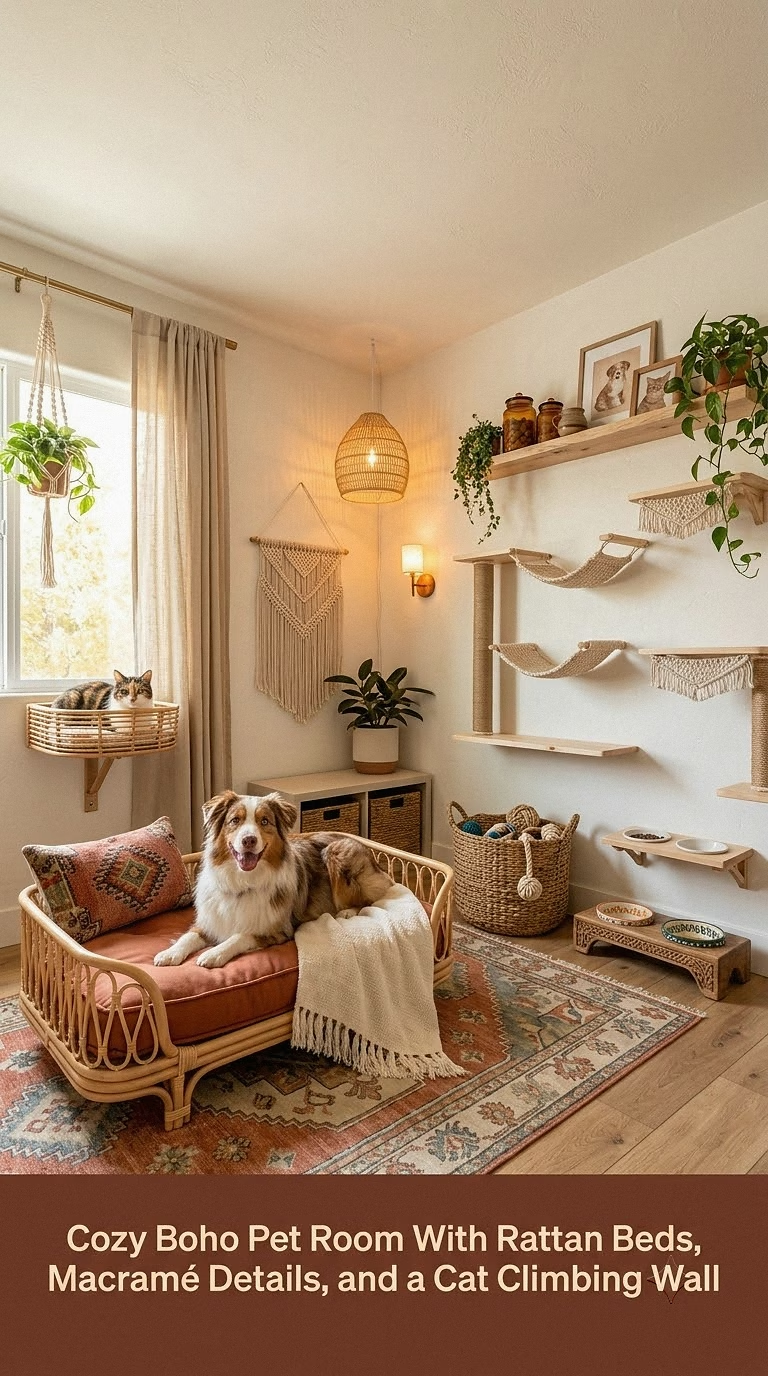
A bohemian pet room can feel warm, relaxed, and beautifully layered without becoming cluttered. Use natural textures such as rattan, woven seagrass baskets, cotton cushions, pale wood, and washable rugs to create an inviting atmosphere.
Choose a sturdy rattan-style dog bed with a removable cushion at floor level, then give your cat an adventurous climbing wall featuring wooden steps, sisal-covered scratching surfaces, and a small elevated sleeping pod.
Decorative macramé can add softness, but keep dangling cords and loose tassels outside the pets’ reach, especially if either animal tends to chew or swallow fabric. The goal is to capture the visual warmth of boho decor without introducing unnecessary hazards.
A warm terracotta accent wall works beautifully with cream bedding and natural wood. Add a large lidded basket for toys and a small washable mat near the entrance to collect muddy paw prints.
This room style is ideal for pet owners who love organic materials and relaxed interiors but still want clear, functional zones for both animals.
6. Pet-Friendly Mudroom With Wash Station, Dog Bench, and Elevated Cat Escape Route
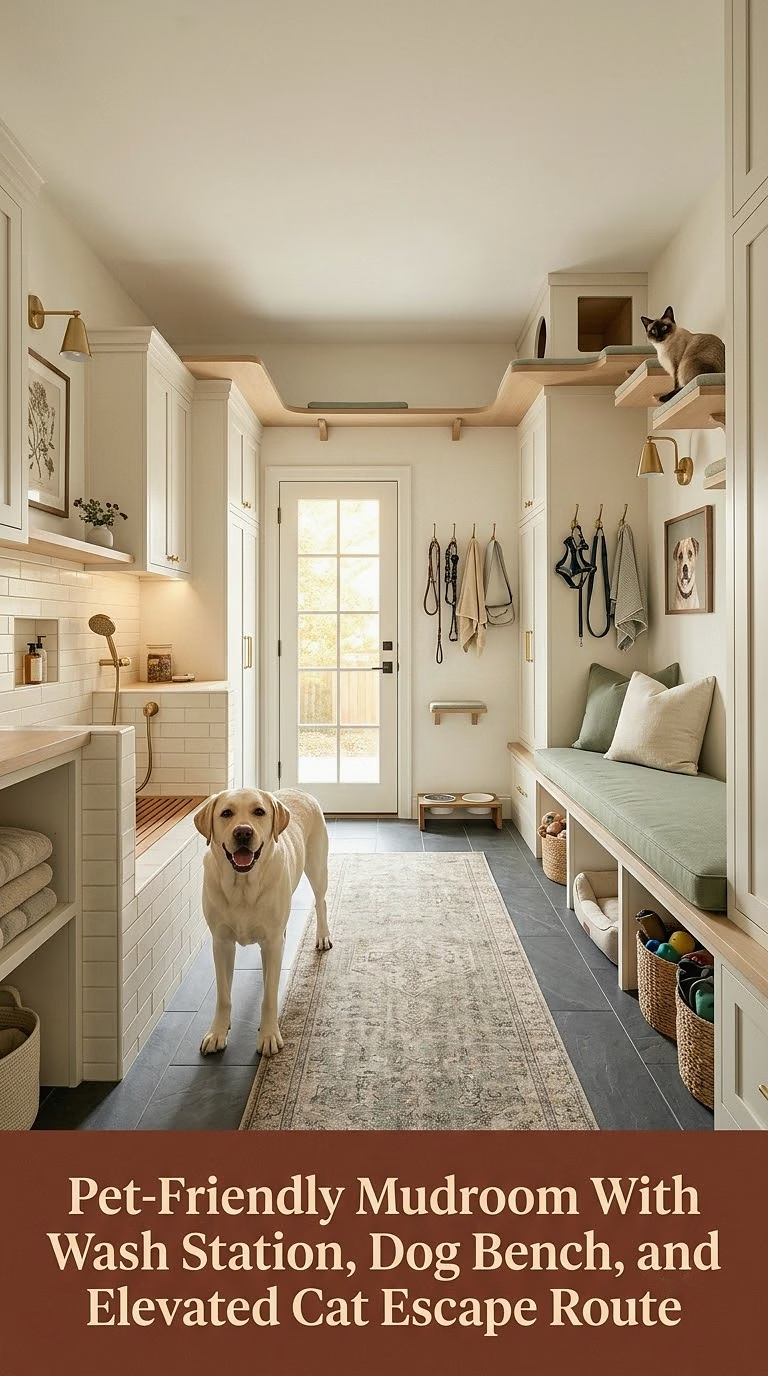
A mudroom can become one of the most practical locations for a shared cat and dog space, particularly for households dealing with wet paws, shedding, muddy walks, or frequent grooming.
Start with durable flooring that is easy to clean, then create a low dog bench with a washable cushion and nearby hooks for collars, harnesses, towels, and walking bags. A compact pet washing station can make post-walk cleanup much easier if space and budget allow.
For your cat, take advantage of the upper half of the room. Install a sequence of secure shelves leading to a high resting platform where the cat can observe activity without being surrounded at floor level.
Avoid placing the cat’s litter box immediately beside loud appliances, dog feeding stations, or heavily trafficked doorways. A quieter adjoining nook or screened corner is generally a better choice.
Read more : 17 Dog Room Ideas Outdoor That Turn Your Backyard Into a Cozy Pet Retreat
Use labeled drawers or baskets to separate cat supplies from dog supplies, making daily care faster while preventing the room from becoming a collection of scattered toys and food bags.
7. Blush Pink and Cream Pet Room With Arched Sleeping Alcoves
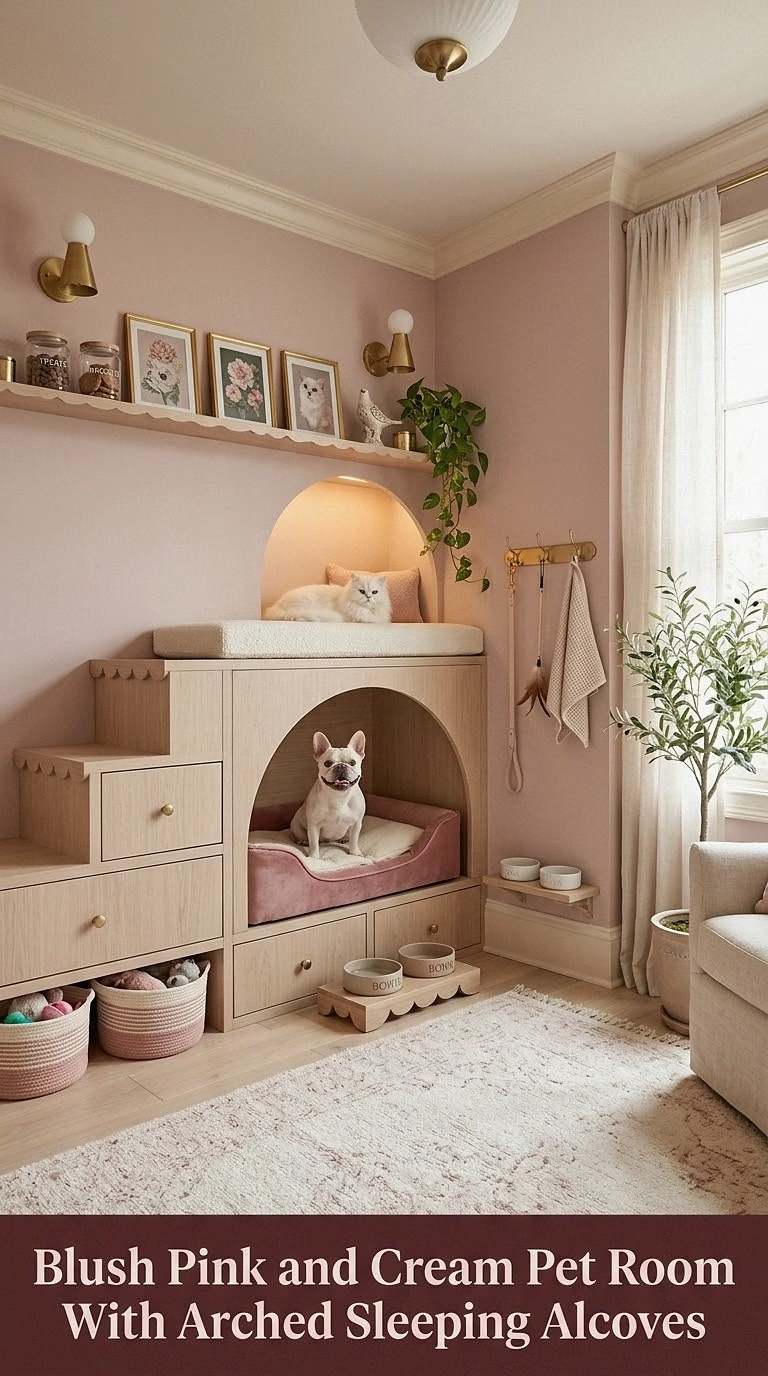
For a sweet but sophisticated look, design a soft blush pink and cream room featuring two elegant arched sleeping alcoves. A larger floor-level arch can frame the dog’s bed, while a smaller elevated arch creates a charming feline hideaway.
Paint the wall in dusty rose, warm blush, or muted clay rather than an overly bright pink. Pair it with cream cushions, pale wood, and a few subtle gold details for a polished finish.
Inside each alcove, use removable washable bedding. Consider adding gentle indirect lighting outside the sleeping spaces rather than placing exposed cords or hot fixtures inside them.
The cat alcove can connect to a short climbing route with two or three wall steps, allowing independent access. The dog’s nook should remain open enough for easy entry and exit, particularly for senior dogs or breeds with limited mobility.
This idea creates a strong visual focal point and can be adapted to DIY plywood structures, custom cabinetry, or simple painted wall niches depending on your budget.
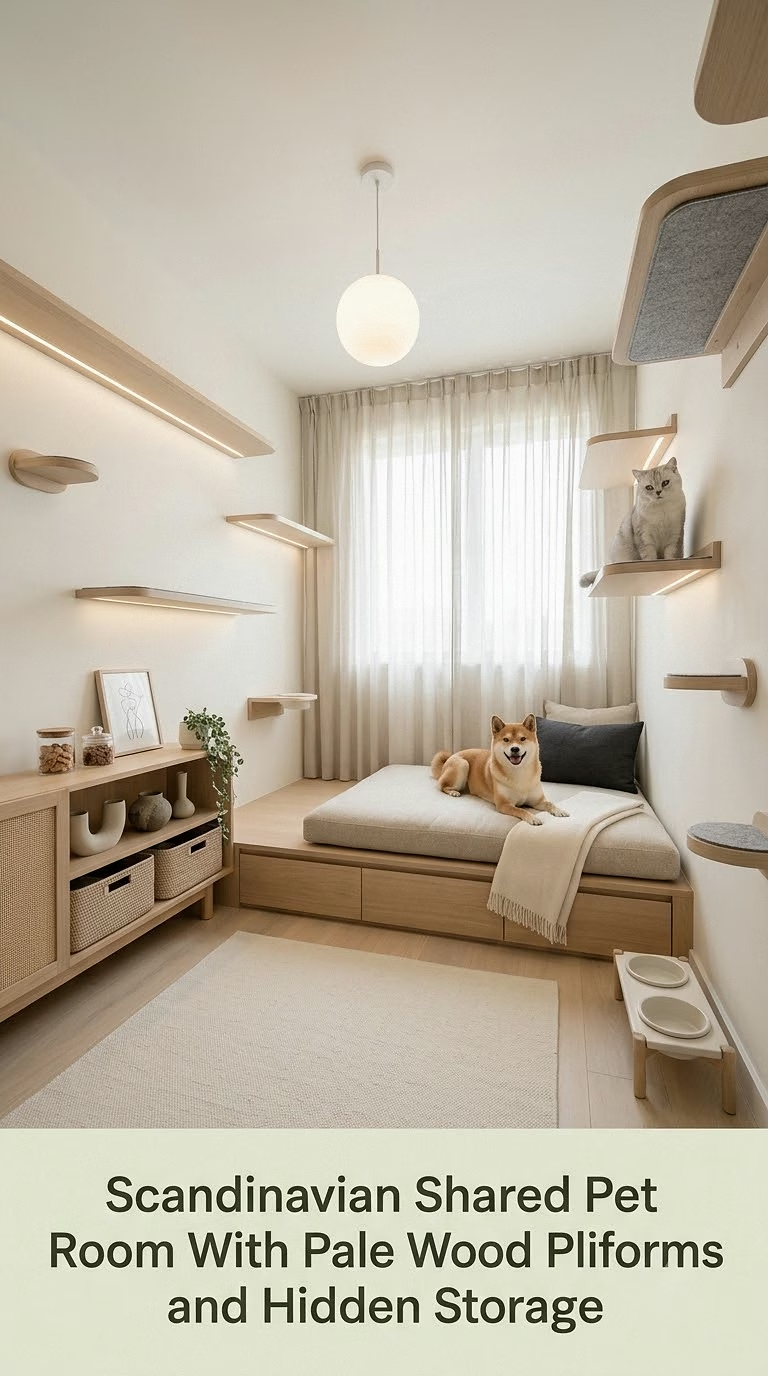
A Scandinavian-inspired pet room is perfect for anyone who loves simplicity, natural light, and practical design. Keep the palette restrained with white walls, pale oak, soft gray bedding, and small touches of charcoal.
Instead of adding numerous decorative accessories, focus on a few well-designed features. A low wooden platform can hold the dog’s bed and include drawers underneath for toys and grooming tools. On the adjacent wall, streamlined cat shelves can climb toward a compact window perch.
Use closed storage wherever possible to reduce visual clutter. Food bags, treats, litter accessories, and spare bedding are much easier to manage when everything has a designated place.
A flat-woven washable rug can add warmth, but use a secure nonslip backing so enthusiastic movement does not send it sliding across the floor.
This style is especially effective in smaller homes because the restrained color palette and vertical design prevent the shared pet area from feeling crowded.
9. Rustic Farmhouse Pet Room With Shiplap Walls and Personalized Wooden Cubby Beds
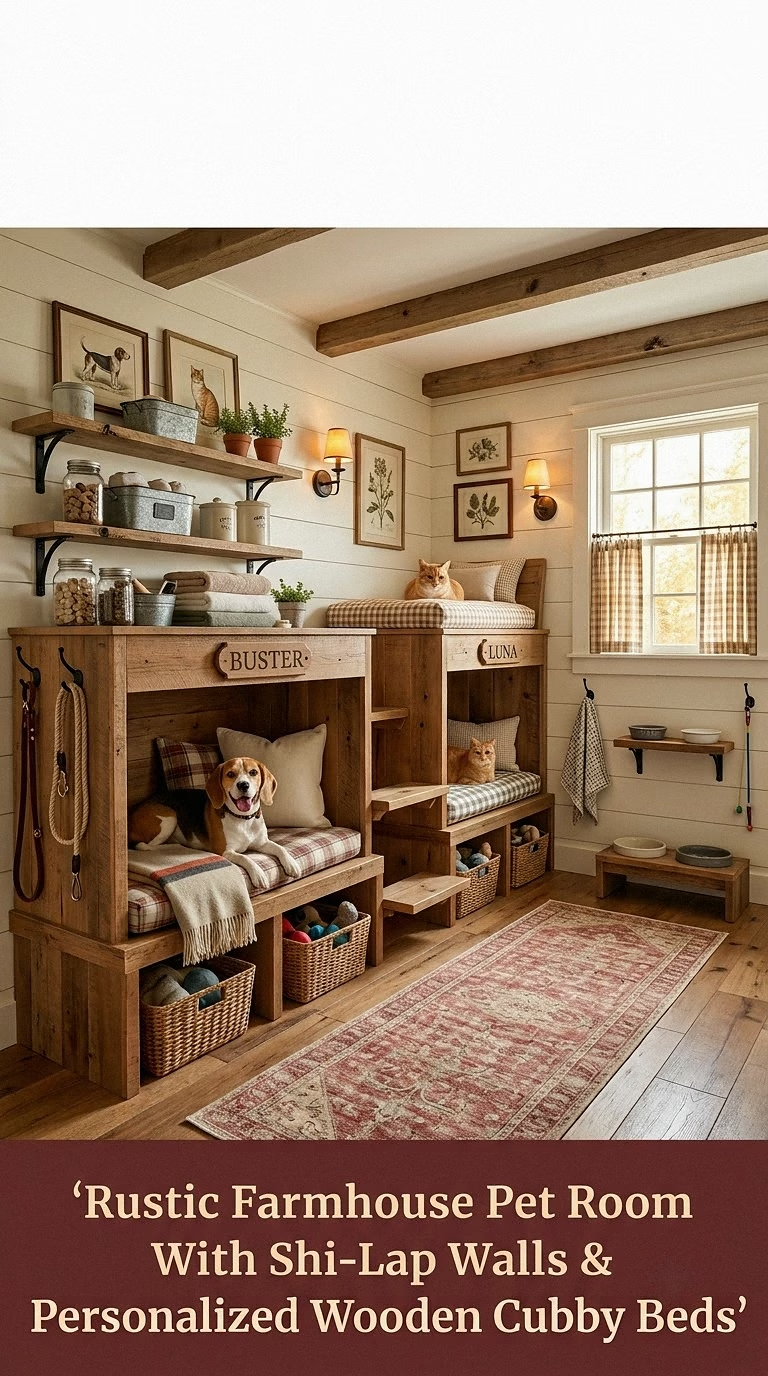
Transform a spare corner into a cozy farmhouse-inspired retreat with white shiplap walls, warm stained wood, black hardware, and personalized sleeping cubbies.
Create a broad lower cubby for the dog with a thick washable mattress, then place the cat’s enclosed bed at a higher level with a secure climbing platform nearby. Small wooden name plaques can give each area a playful custom touch without overwhelming the space.
A vintage-style cabinet can hide food containers, waste bags, brushes, and cleaning supplies. Choose secure containers rather than leaving pet food open, particularly when a curious dog may be able to reach the cat’s meals.
Add a washable plaid cushion or simple striped textiles for warmth. Avoid overly delicate decor at tail height or small objects that could easily be knocked down.
This approach suits farmhouse, country, and rustic interiors beautifully, while the combination of individual cubbies and shared storage keeps the room practical for everyday life.
10. Luxury Pet Suite With Velvet Dog Daybed and Floor-to-Ceiling Cat Tower
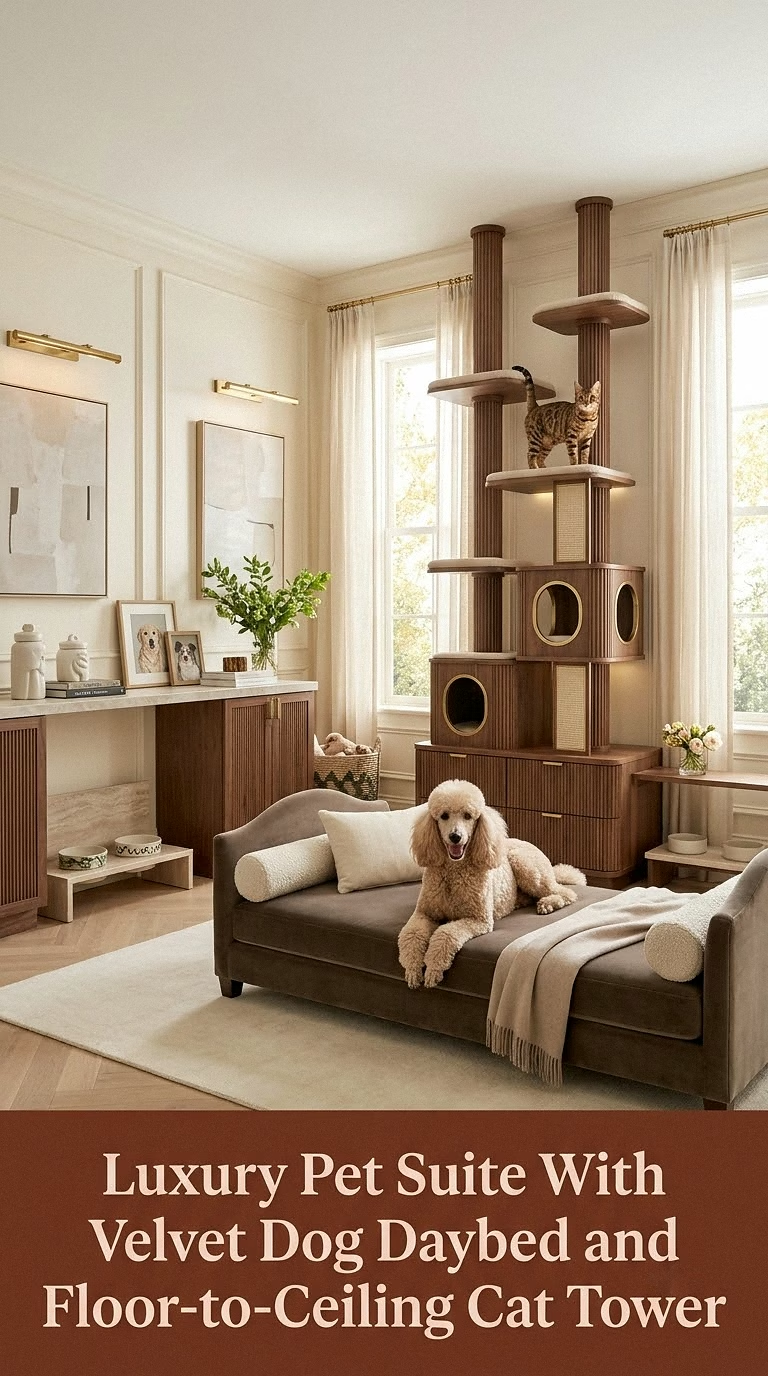
For glamorous inspiration, turn an unused dressing room or generous spare room into a luxury retreat that feels almost like a miniature boutique hotel.
Choose a low velvet-look daybed for the dog using durable, easy-to-clean performance fabric in deep emerald, navy, mushroom, or muted burgundy. Across the room, install a floor-to-ceiling cat tower that combines climbing platforms, scratching surfaces, enclosed hideaways, and elevated resting spots.
A statement wallpaper can make the room memorable, particularly botanical prints, delicate florals, or subtle geometric patterns. Keep the floor practical beneath all the luxury with a washable rug or easy-clean hard surface.
Elegant cabinetry can conceal everyday supplies, while matching ceramic or stainless-steel bowls create a coordinated feeding area. Meals may still need to be separated depending on how your pets behave around food.
Luxury should never come at the expense of comfort. Prioritize washable materials, strong construction, stable climbing structures, ventilation, and easy daily maintenance before adding purely decorative details.
11. DIY Plywood Pet Room With Modular Cat Boxes and a Simple Dog Platform Bed
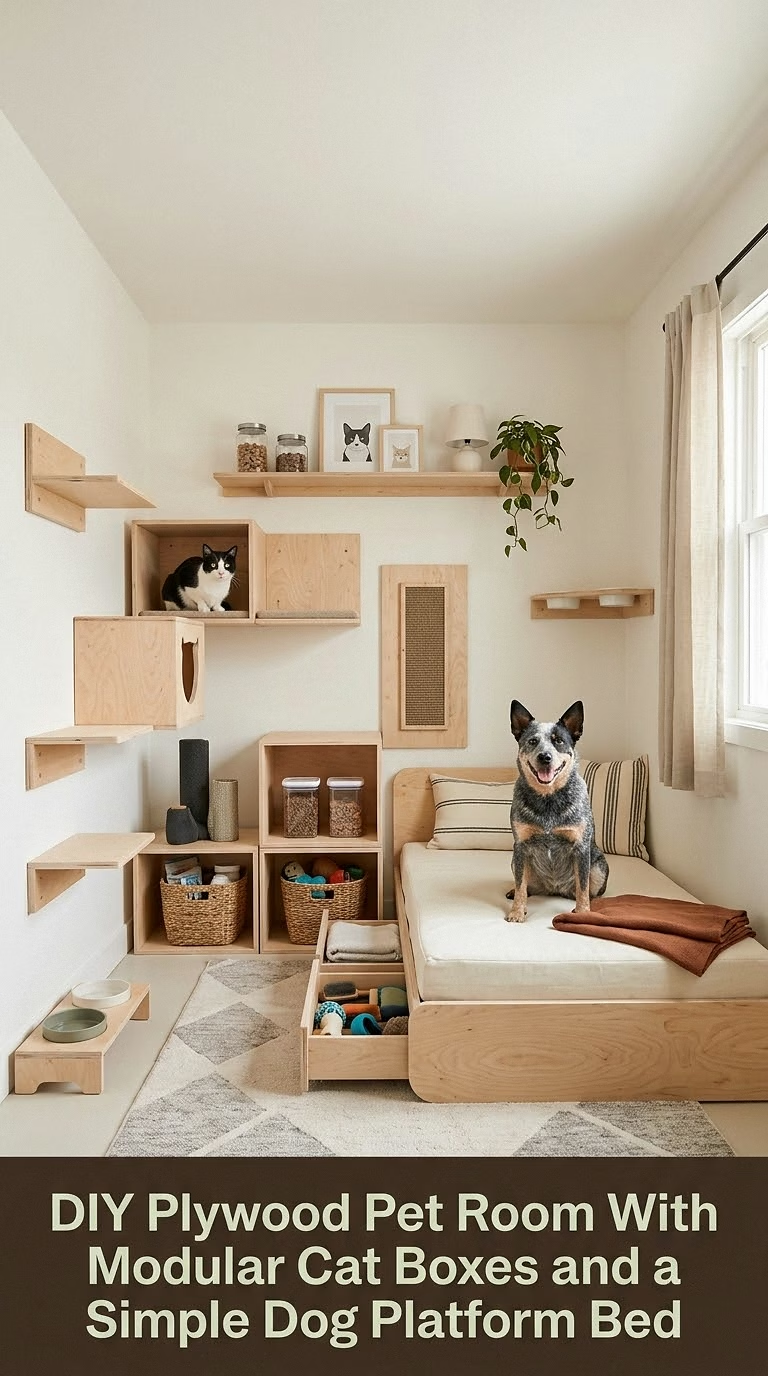
A beautiful shared pet room does not have to involve custom cabinetry or a large renovation budget. Sanded plywood can create a warm, modern DIY look while keeping the overall design relatively simple.
Build a low platform for the dog’s mattress, leaving open compartments underneath for baskets or folded blankets. On the wall above or nearby, create modular plywood boxes for the cat, combining enclosed cubbies with open shelves and climbing steps.
Round entry holes can soften the look and create a distinctive visual feature. Make sure openings are appropriately sized and all structures are securely mounted. Sand surfaces carefully to avoid rough edges or splinters.
Finish the plywood with a suitable pet-conscious finish and allow it to cure fully before your animals use the room. Add washable neutral cushions in oatmeal, rust, olive, or charcoal to complement the natural grain.
This concept can grow gradually. Start with the dog bed and one cat box, then add new modules as your budget allows.
12. Blue Coastal Pet Room With Window Seat, Rope-Free Scratching Posts, and Washable Stripes
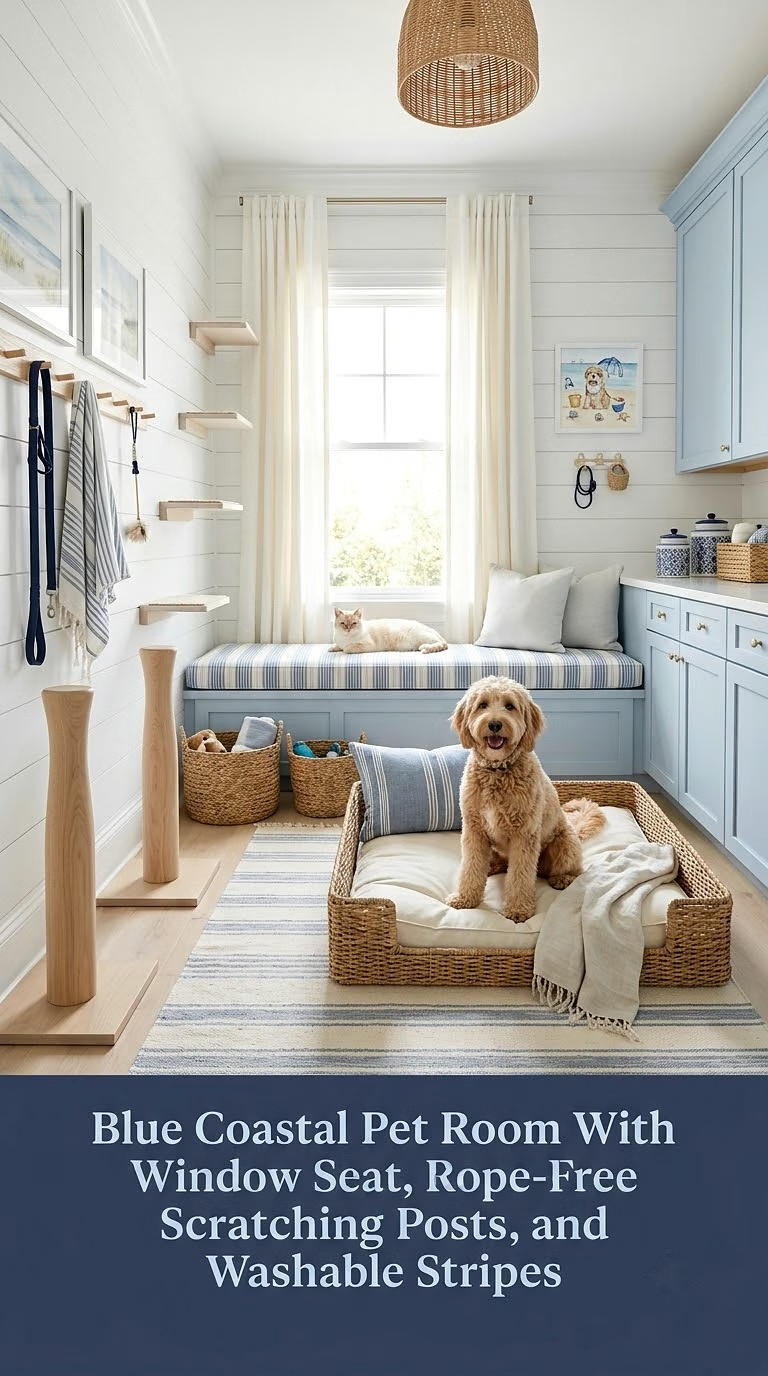
Bring a fresh coastal feeling to your shared pet room with soft blue walls, white trim, pale wood, and washable striped cushions. The look can feel breezy and cheerful without relying on fragile beach decorations.
Turn a window seat into a dual-purpose feature. The top can become a sunny observation point for your cat, while an open compartment underneath creates a quiet sleeping nook for your dog.
Add a sturdy scratching post or wall-mounted scratcher nearby, choosing a design that does not have loose decorative rope ends. Keep the accessories simple with woven storage baskets, framed pet portraits, and perhaps one nautical-inspired cushion.
Blue-gray, sea-glass green, sandy beige, and crisp white work especially well together. For a small room, use the palest shade on larger walls and bring darker color into the textiles.
Read more : 17 Big Dog Room Ideas That Feel Spacious, Stylish, and Made for Large Breeds
This is a lovely option for bright homes, beach cottages, sunrooms, or anyone who wants a fresh pet space that feels cheerful throughout the year.
13. Multipurpose Home Office and Pet Room With Desk-Side Dog Bed and Overhead Cat Perches
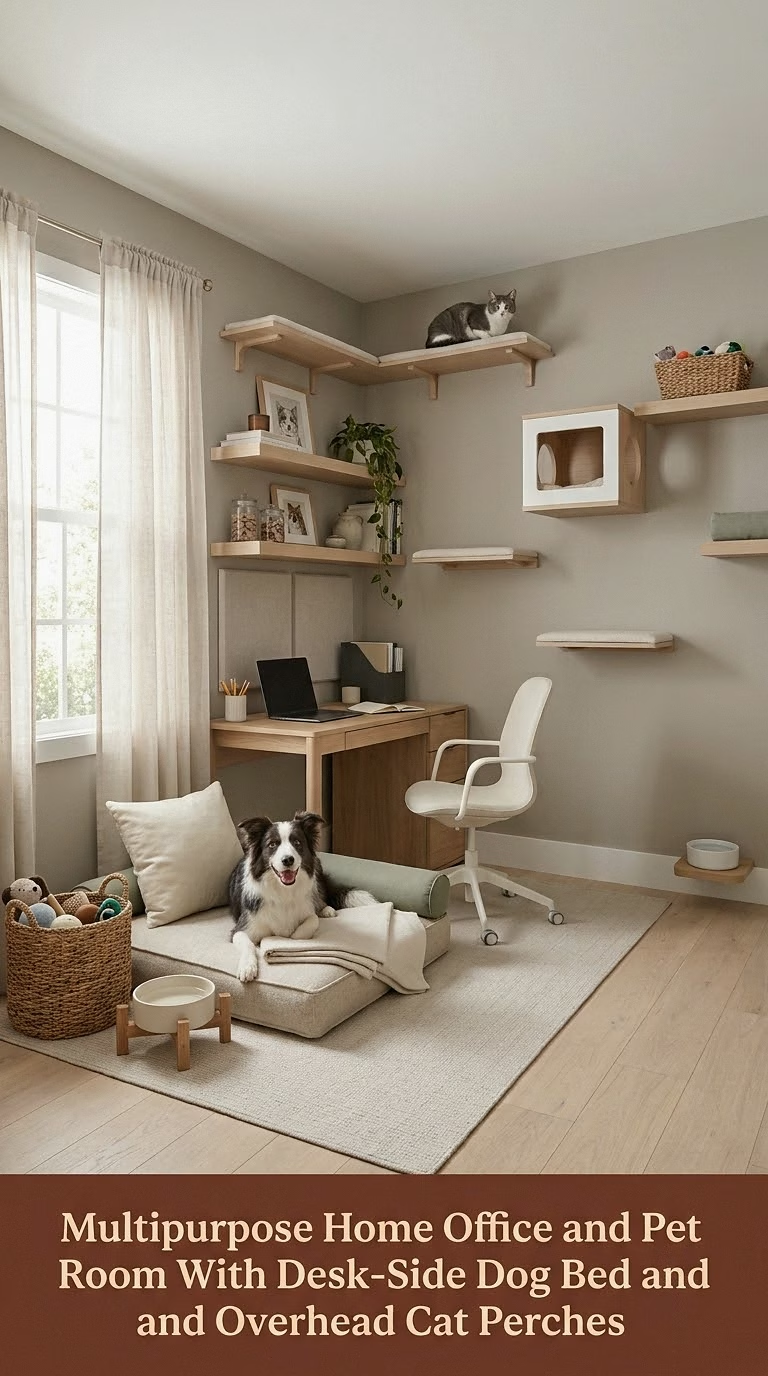
A home office can easily double as a pet room when the space is organized around different vertical levels. Your dog can relax beside the desk while your cat watches from above, allowing everyone to stay together without competing for the same spot.
Place a comfortable dog bed near your chair but away from rolling desk wheels and frequently opened cabinet doors. Above a low storage unit, install cat shelves leading to a high perch where your cat can observe the room.
Use closed cabinets to store office cables, pet treats, and other tempting objects. Secure loose cords and keep fragile equipment away from climbing routes.
A muted palette of warm white, walnut, olive green, and charcoal can make the room feel sophisticated enough for video calls while still welcoming to pets.
This arrangement is particularly useful for people who work from home and enjoy having their animals nearby. It gives both pets a designated resting place while helping preserve your chair, keyboard, and paperwork as human territory.
14. Under-Stair Cat and Dog Room With a Ground-Level Dog Den and Vertical Feline Loft
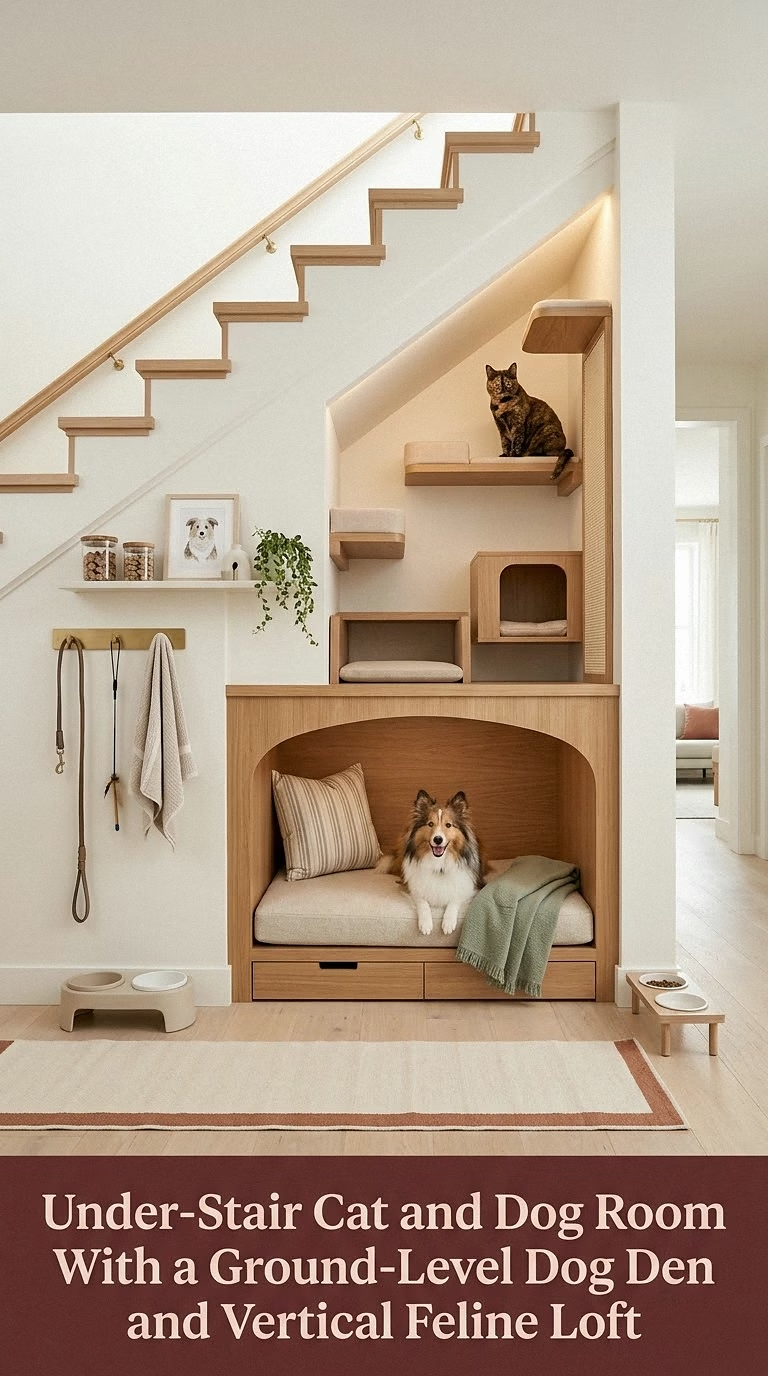
The awkward space beneath a staircase can become an incredibly charming two-level pet room. Use the lowest section for a cozy dog den and turn the taller portion into a vertical cat loft.
The dog area can feature an arched entrance, removable cushion, and softly painted interior. Above it, build a series of enclosed boxes, shelves, or small platforms that allow the cat to climb upward while remaining separated from the main floor.
Ventilation is essential in enclosed spaces, so avoid creating a completely sealed compartment. The entrance should also remain easy to access for cleaning and bedding changes.
Paint the exterior to match the surrounding hallway for a seamless built-in appearance, or make it a feature with sage green, dusty blue, or natural oak.
This concept makes excellent use of otherwise wasted square footage and works especially well when you want a dedicated pet area without sacrificing an entire room.
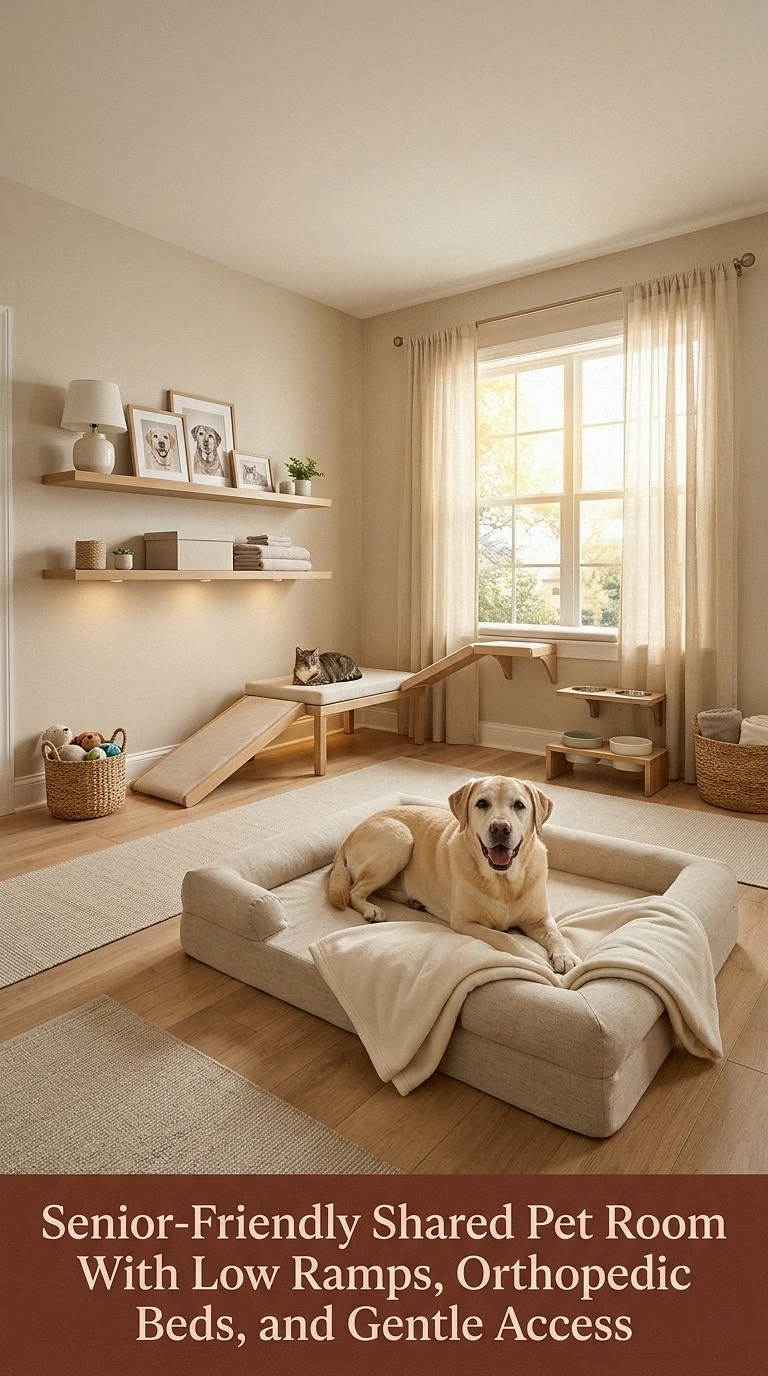
Older pets often benefit from a room designed around easy access rather than dramatic climbing features. Create a gentle, uncluttered layout with wide pathways, supportive bedding, and surfaces that help pets move confidently.
For the dog, choose a low-profile supportive bed that does not require stepping over tall sides. Place it away from cold drafts and busy doorways. If your cat still enjoys elevation but has reduced mobility, use short, closely spaced steps or a gentle ramp leading to a low window perch rather than tall jumping platforms.
Keep food, water, and favorite resting spaces easy to reach. Nonslip runners can be helpful on smooth flooring, especially when securely positioned to avoid movement.
Soft lighting, muted colors, and minimal clutter contribute to a peaceful atmosphere. Avoid rearranging the room unnecessarily once your senior pets have become familiar with the layout.
This idea proves that a pet room can be both beautiful and thoughtfully adapted to changing physical needs.
16. Playful Enrichment Room With a Dog Puzzle Zone and Cat Activity Wall
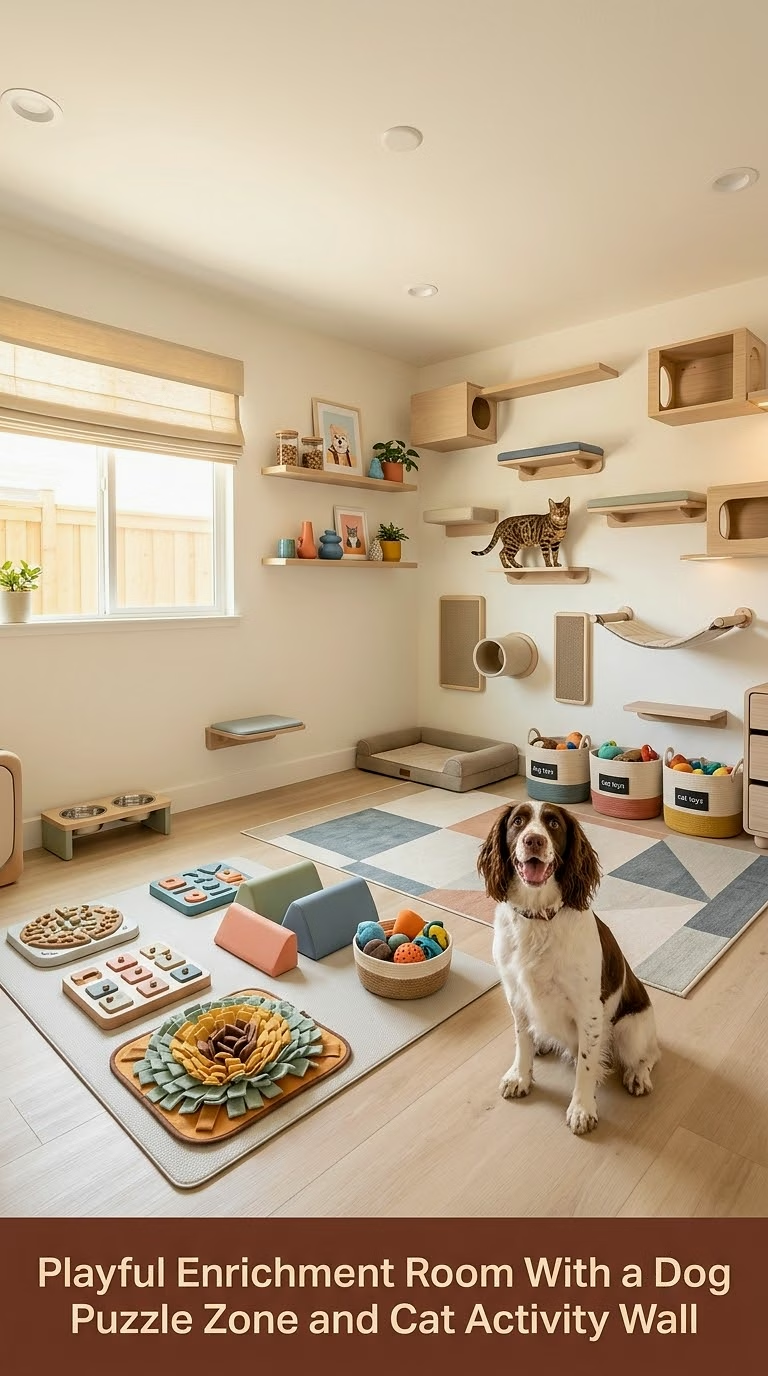
For energetic pets, create a shared playroom that encourages movement and mental stimulation while giving each species activities suited to its natural preferences.
Dedicate one side of the room to dog enrichment with a washable floor mat, appropriately sized puzzle toys, scent games, and neatly organized toy baskets. Rotate toys instead of leaving everything available at once so the room stays manageable.
On the opposite wall, create a feline activity zone using scratching surfaces, climbing shelves, lookout platforms, and one or two enclosed hiding spaces. Keep enough distance between active areas so the cat is not forced to cross directly through the dog’s play zone.
Use cheerful but coordinated colors such as muted mustard, dusty teal, warm coral, and cream. Wall decals or simple geometric painted shapes can make the room feel playful without adding clutter.
Supervise new activities, especially when toys contain treats, small removable parts, strings, or components that might not be suitable for both animals.
17. Elegant Zoned Pet Room With Separate Feeding Stations and a Hidden Litter Cabinet
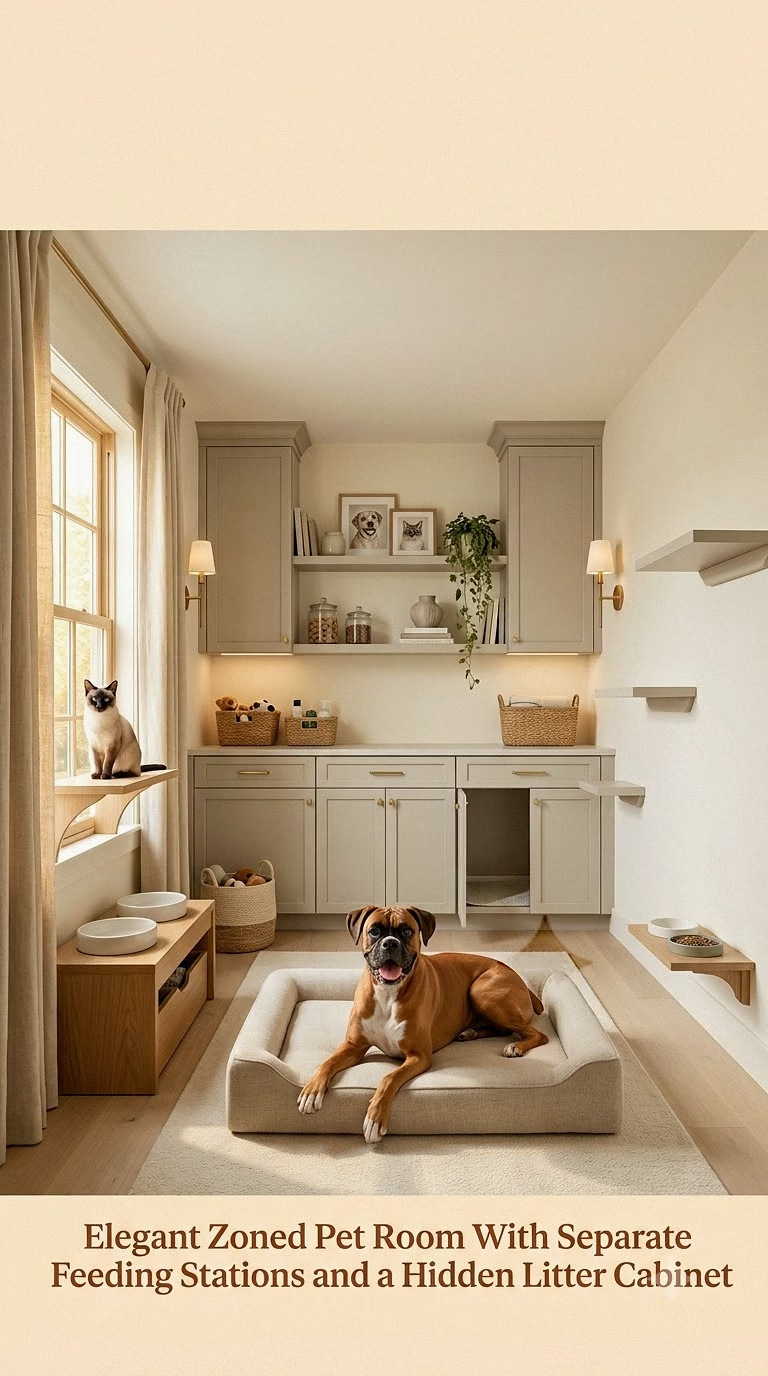
One of the most practical cat and dog room ideas is a beautifully zoned layout that keeps sleeping, eating, play, and toilet areas visually connected but physically distinct.
Place the dog’s bed in a comfortable floor-level corner and create an elevated resting shelf for the cat on the opposite wall. Keep feeding stations away from the cat’s litter area, with separate bowls positioned according to each pet’s needs and behavior.
A discreet litter cabinet can help visually integrate the box into the room, but it should be roomy, accessible, well ventilated, and easy to clean. Avoid placing it where the cat could feel cornered by the dog or trapped in a narrow passage.
Use cabinetry in a soft neutral shade such as mushroom, pale sage, or warm white. Matching storage containers can organize food, grooming supplies, waste bags, spare bedding, and toys.
This layout is particularly effective for households where the pets happily share a room but still need individual resources and opportunities to retreat from one another.
Conclusion
The most successful shared pet room is not necessarily the largest, most expensive, or most elaborate one. What matters is creating a space that respects the different ways cats and dogs rest, move, play, eat, and seek privacy.
A dog may love a comfortable bed close to floor-level family activity, while a cat may feel happiest watching the same room from a high shelf or hidden cubby. By designing with both vertical and horizontal space, providing individual resting areas, choosing washable materials, and organizing everyday supplies thoughtfully, you can create a room that genuinely works for everyone.
You might transform a sunny apartment corner with a window hammock, build an elegant under-stair pet den, create a playful enrichment room, or simply pair a cozy dog bed with a few secure cat shelves. Even small changes can make a shared space feel more intentional, organized, and welcoming.
Choose the idea that best fits your pets’ personalities, your available space, and your decorating style, then adapt it around the way your animals actually live.
And if these cat and dog room ideas have inspired your next pet-friendly makeover, be sure to pin this Pinterest post so you can easily return to your favorite designs later.
Source: https://petstutorial.com
Category: Dog Rooms
