
A hallway may seem like nothing more than a passage between rooms, but for a dog-loving home, it can become so much more. With a little imagination, even a narrow corridor can provide a cozy resting spot, an organized walking station, a practical muddy-paw zone, or a beautiful little nook designed especially for your four-legged family member.
- 17 Big Dog Room Ideas That Feel Spacious, Stylish, and Made for Large Breeds
- 17 Mudroom Dog Room Ideas for a Cleaner, Cozier, More Organized Home
- 19 Backyard Dog House Ideas for a Beautiful, Cozy Outdoor Retreat
- 17 Shed Dog House Ideas for a Beautiful and Cozy Backyard Retreat
- 18 Dog Room Ideas That Turn Any Space Into a Cozy Retreat for Your Pup
The best dog hallway ideas blend comfort with everyday convenience. A washable runner can make slippery floors easier to navigate. A small bench can hide toys and grooming supplies. Wall hooks can keep leashes ready for spontaneous walks, while an unused alcove might become the sweetest sleeping nook in the house.
You are reading: 17 Dog Hallway Ideas That Make Small Spaces Stylish, Cozy, and Pet-Friendly
You do not need a large home or an expensive renovation to make a hallway more dog-friendly. Some of the most charming solutions rely on simple baskets, removable hooks, compact furniture, or a soft bed placed in just the right corner. Whether your style is cozy cottage, minimalist Scandinavian, modern luxury, or colorful and playful, there is a hallway setup that can work beautifully for both you and your dog.
17 Dog Hallway Ideas for Stylish, Organized, and Pet-Friendly Homes
These dog hallway ideas range from tiny renter-friendly setups to custom built-ins and luxurious pet spaces. The key is to preserve a comfortable walking path while using overlooked walls, alcoves, dead ends, and storage areas more thoughtfully.
1. Narrow Hallway Dog Nook With a Washable Runner and Built-In Storage Bench
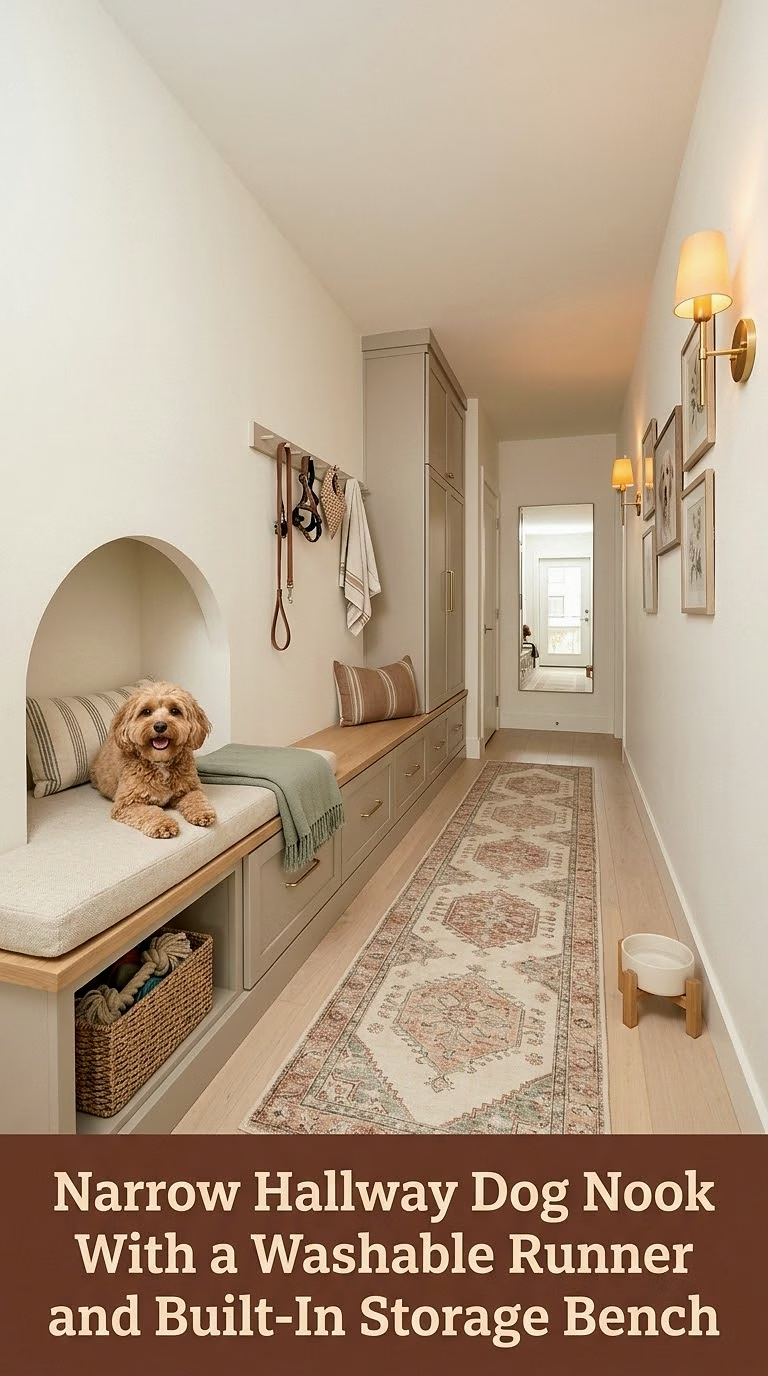
Turn a long, narrow hallway into a practical dog-friendly zone by pairing a slim storage bench with a soft, washable runner. This setup works especially well near a front or back door, where leashes, towels, poop bags, and outdoor accessories need to stay within easy reach.
Choose a bench with drawers, lift-up storage, or open cubbies fitted with attractive baskets. A warm oak or painted wood finish can make the hallway feel intentional rather than crowded. Add a small cushion on one end if the bench is deep and low enough for your dog to rest comfortably.
For the floor, use a runner with a secure non-slip backing or rug pad. This is particularly useful on smooth hardwood or tile, where some dogs may struggle for traction. Select low-pile, machine-washable materials that can handle fur, damp paws, and everyday dirt.
Keep decorative accessories minimal so the narrow space still feels open and easy to navigate.
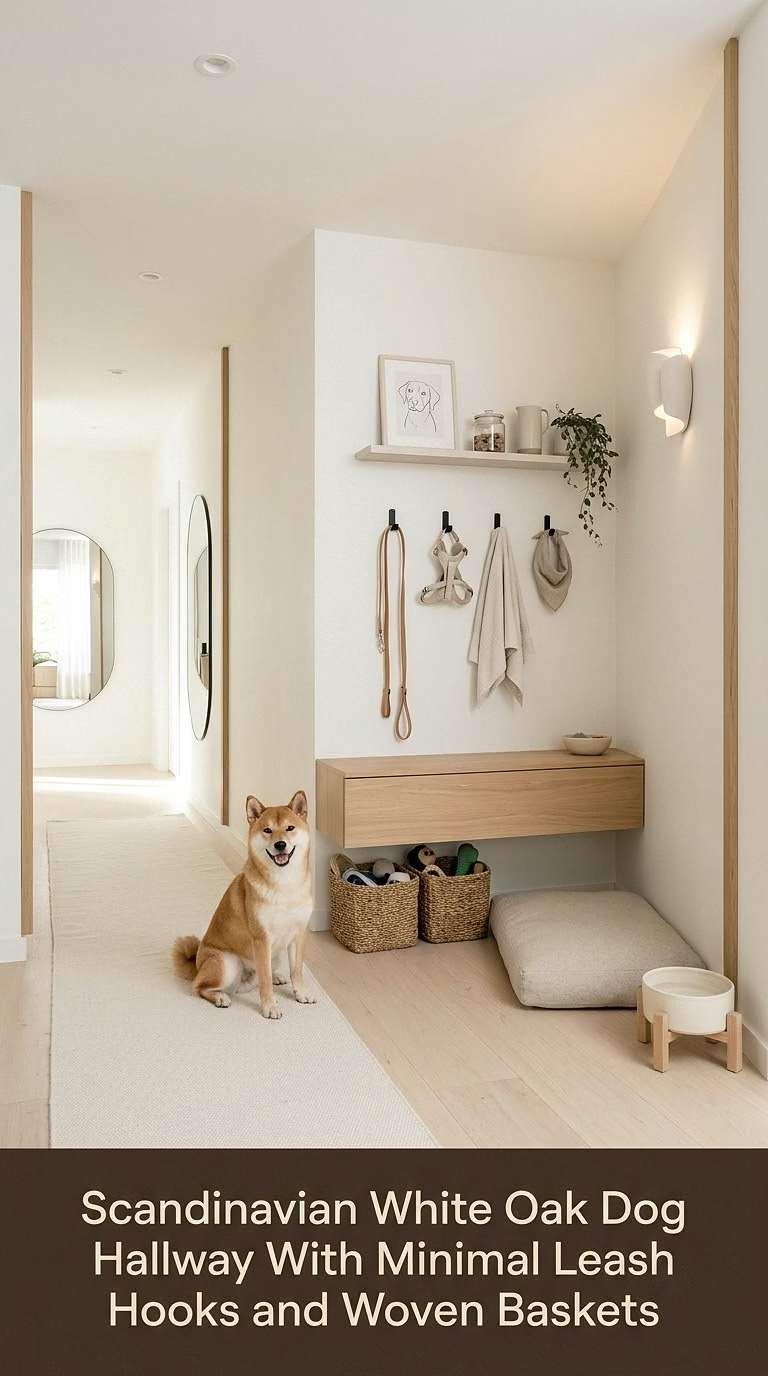
For a clean and calming look, create a Scandinavian-inspired dog hallway using pale wood, soft white walls, simple black hooks, and natural woven baskets. This style is ideal for small homes because the light palette makes a tight corridor feel brighter and more spacious.
Install a row of sturdy wall hooks for leashes, harnesses, and lightweight walking bags. Place a slim white oak cabinet underneath to conceal treats, grooming tools, dog coats, and spare towels. Open baskets can hold frequently used toys or outdoor gear without making the space appear cluttered.
A beige or oatmeal-colored runner adds warmth while helping protect the floor. Choose one that stays securely in place and can be cleaned easily.
Complete the space with a simple framed dog portrait or a small wooden name plaque. The result feels sophisticated and personal without turning the hallway into an overly themed pet area.
3. Sage Green Mudroom Hallway With a Dedicated Muddy-Paw Cleaning Station
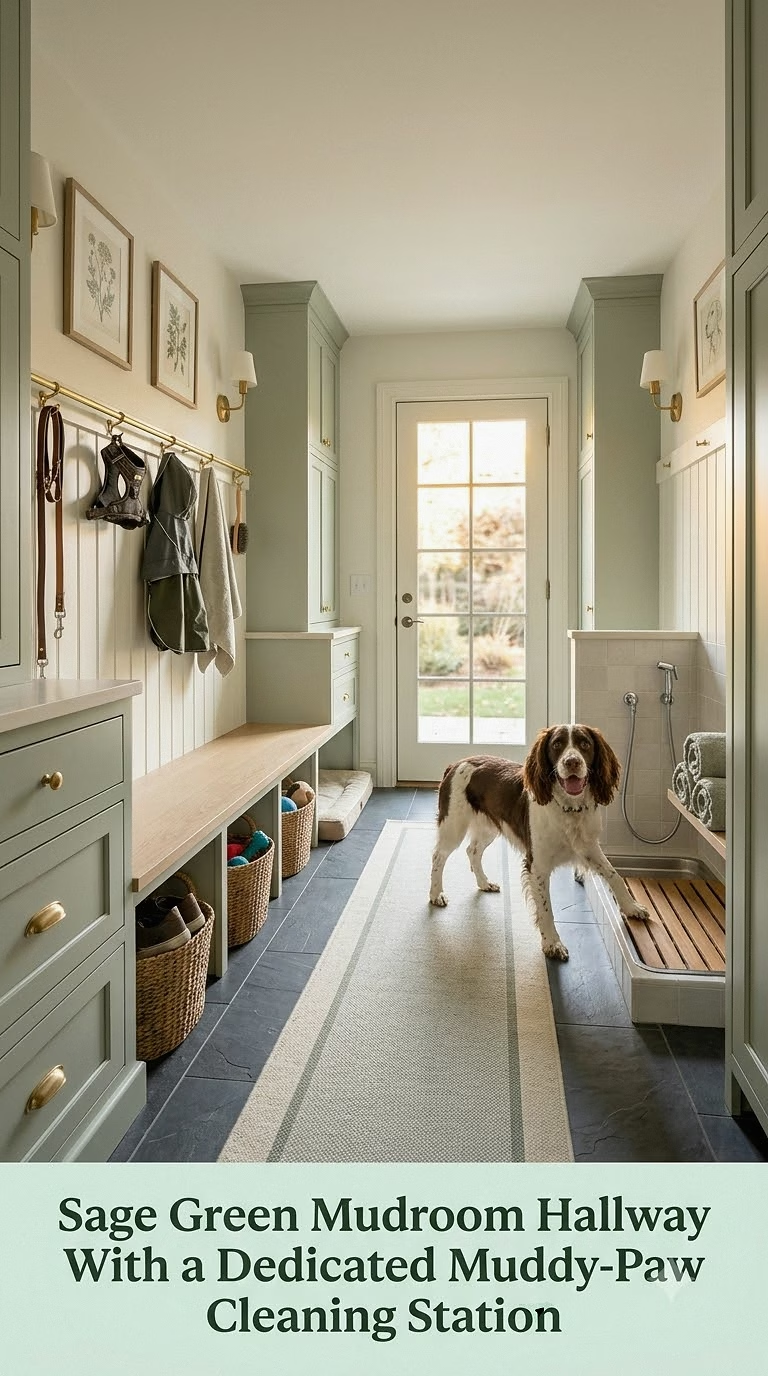
A sage green hallway can become a beautiful transitional space between the outdoors and the rest of your home. This color pairs wonderfully with natural wood, brass hooks, cream tiles, and woven storage, creating a fresh cottage-inspired atmosphere.
Set up a compact paw-cleaning station near the entrance using a small cabinet or narrow console. Keep clean towels in a basket, a paw-cleaning cup in a drawer, and grooming wipes or other dog-care supplies safely stored according to their label instructions and out of your dog’s reach.
A washable mat directly inside the door gives muddy paws a first landing place. Follow it with a longer non-slip runner to reduce the amount of dirt carried through the house.
For extra charm, add labeled wall hooks for individual leashes and raincoats. In a multi-dog household, assigning a separate hook or basket to each pet can make busy mornings much easier.
4. Cozy Under-Stairs Dog Den Opening Onto the Hallway
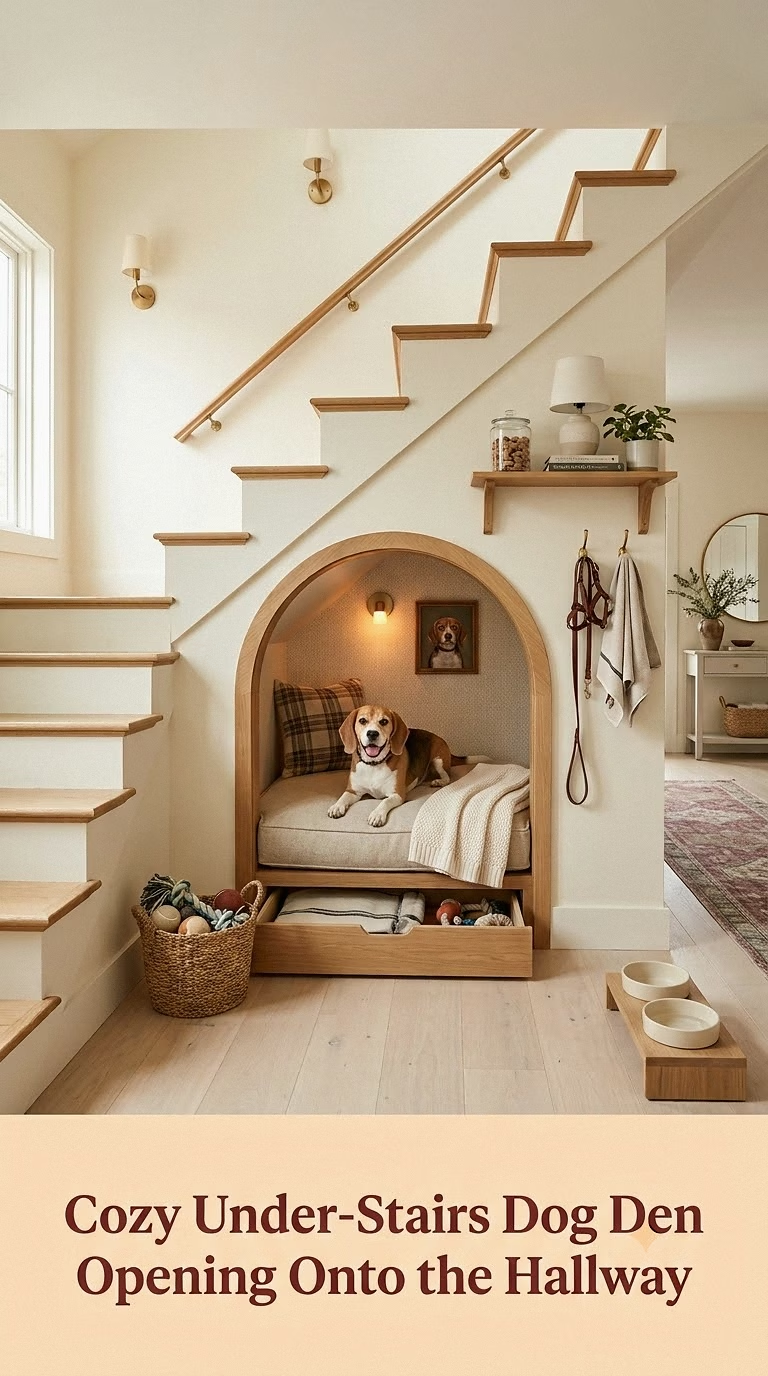
An unused area beneath the staircase can become a dreamy dog den, especially when the stairs open directly onto a hallway. Instead of leaving this awkward space empty, transform it into a warm retreat with a cushioned bed, soft lighting, and beautiful trim.
A simple open nook is often the most flexible approach. Paint the interior a warm neutral, dusty blue, muted green, or another shade that complements the surrounding hallway. Add a removable, washable bed sized so your dog can lie down comfortably and change position easily.
For a more finished appearance, frame the opening with decorative molding or an arched entrance. Small built-in shelves above or beside the nook can hold baskets for toys and blankets.
Make sure the area has good airflow and remains free from exposed wires, sharp hardware, household chemicals, or small decorative objects your dog might chew. The result can feel like a miniature room within your home.
5. Elegant Hallway Gallery Wall With Hidden Dog Toy Baskets Below
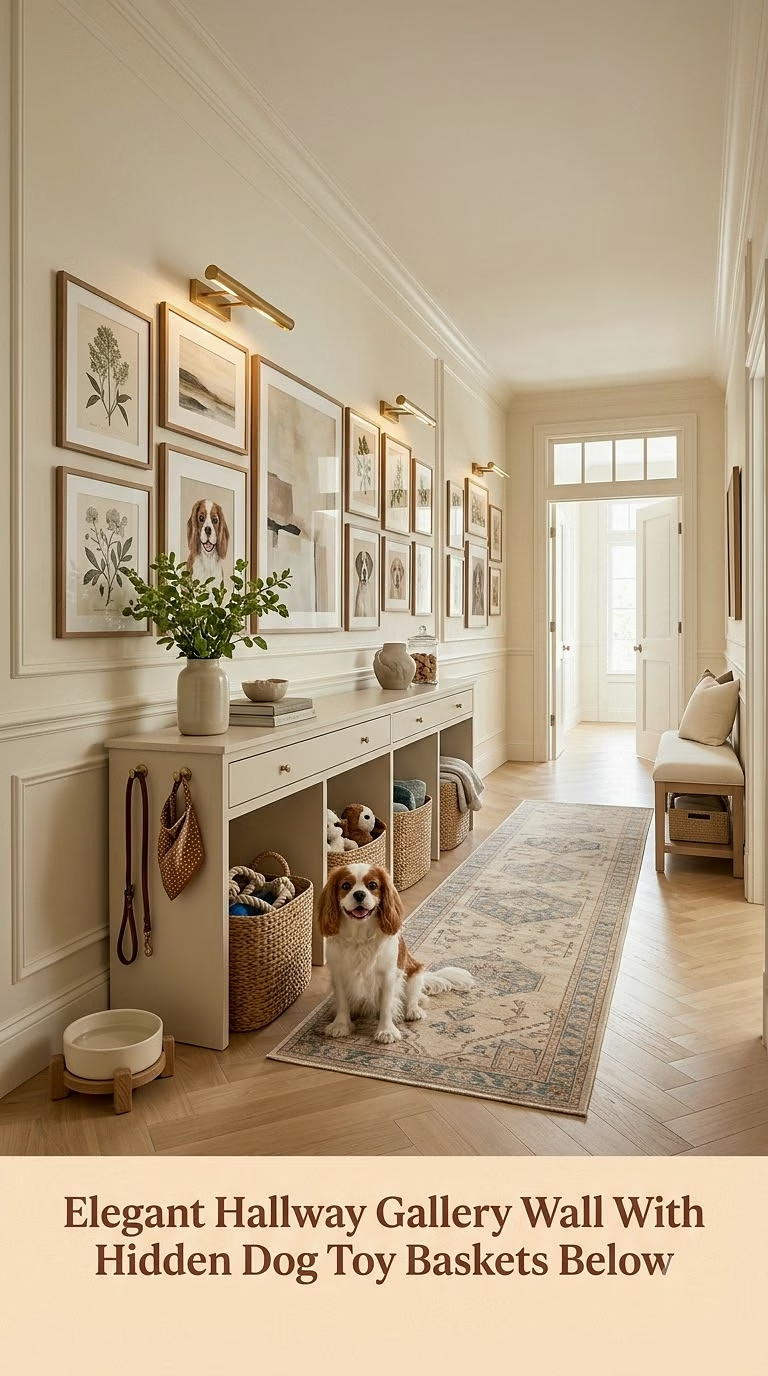
Combine your love for interior decorating and your dog by creating a hallway gallery wall above a row of discreet toy baskets. This idea works particularly well in wide hallways or corridors with an unused wall that needs personality.
Create a curated collection of framed dog photographs, paw-print artwork, vintage canine illustrations, and family pictures. Keep frames within a coordinated palette, such as black, oak, brass, or antique gold, to prevent the display from feeling chaotic.
Below the gallery, place two or three low baskets inside a narrow console, under a floating shelf, or directly against the wall. One can hold balls and tug toys, another can store grooming supplies, and a third can contain clean blankets.
Choose baskets without sharp metal edges and avoid leaving chewable decorative items at nose level. This approach keeps dog essentials convenient while allowing the hallway to remain polished enough to feel like part of your home’s overall design.
6. Modern Black Metal Dog Gate Framed by an Arched Hallway Opening
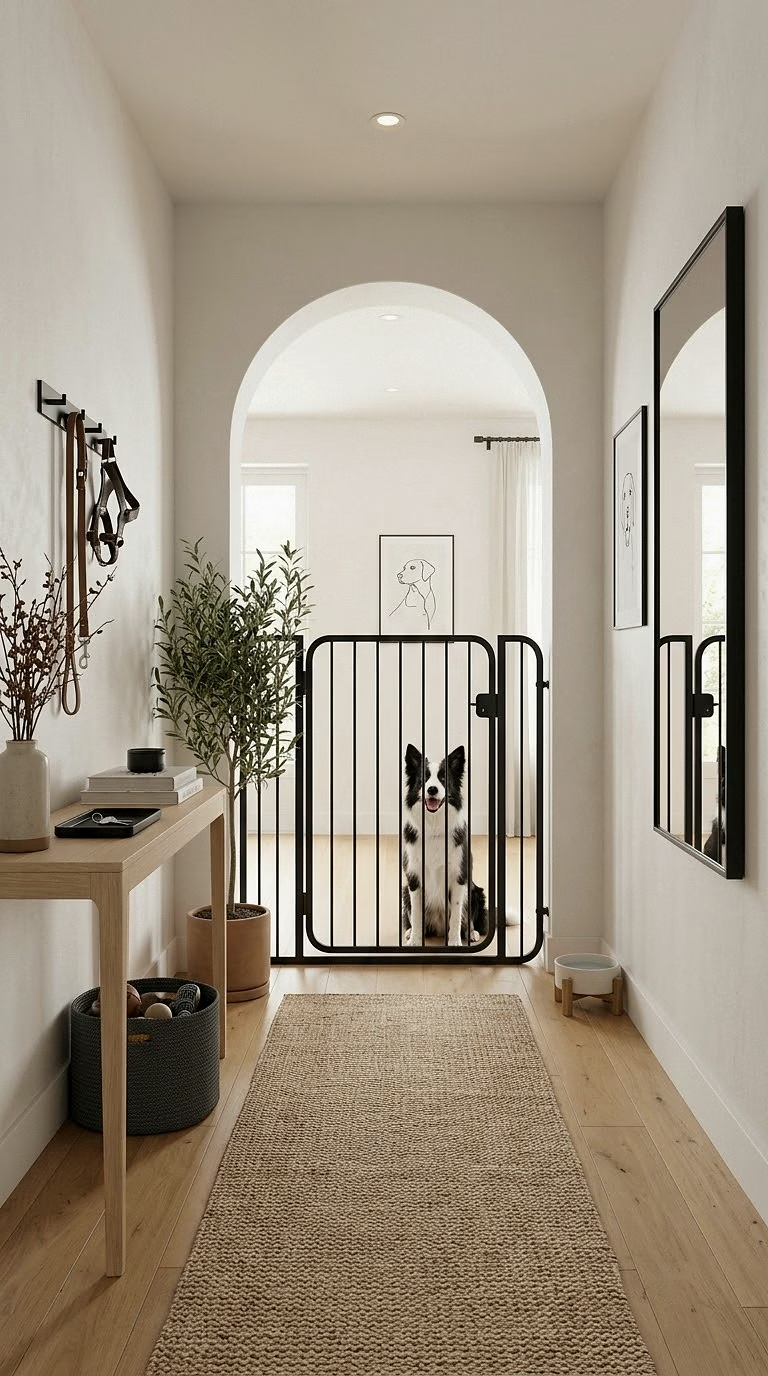
A dog gate does not have to look temporary or utilitarian. In a modern home, a fitted black metal gate placed inside an arched hallway opening can become an attractive architectural feature.
This setup is useful when you need to control access to bedrooms, stairs, a nursery, or other areas of the home. Slim vertical bars create an airy appearance and allow light to pass through, while matte black metal adds contrast against white, cream, taupe, or pale gray walls.
For a softer look, pair the gate with an oak handrail, natural runner, and warm wall sconces. In traditional homes, consider a paneled wooden gate painted to match the hallway trim.
Always select a gate suited to your dog’s size, jumping ability, and behavior. It should be securely installed and designed so your dog cannot become trapped between openings. A thoughtful gate can provide practical separation without making your home feel institutional.
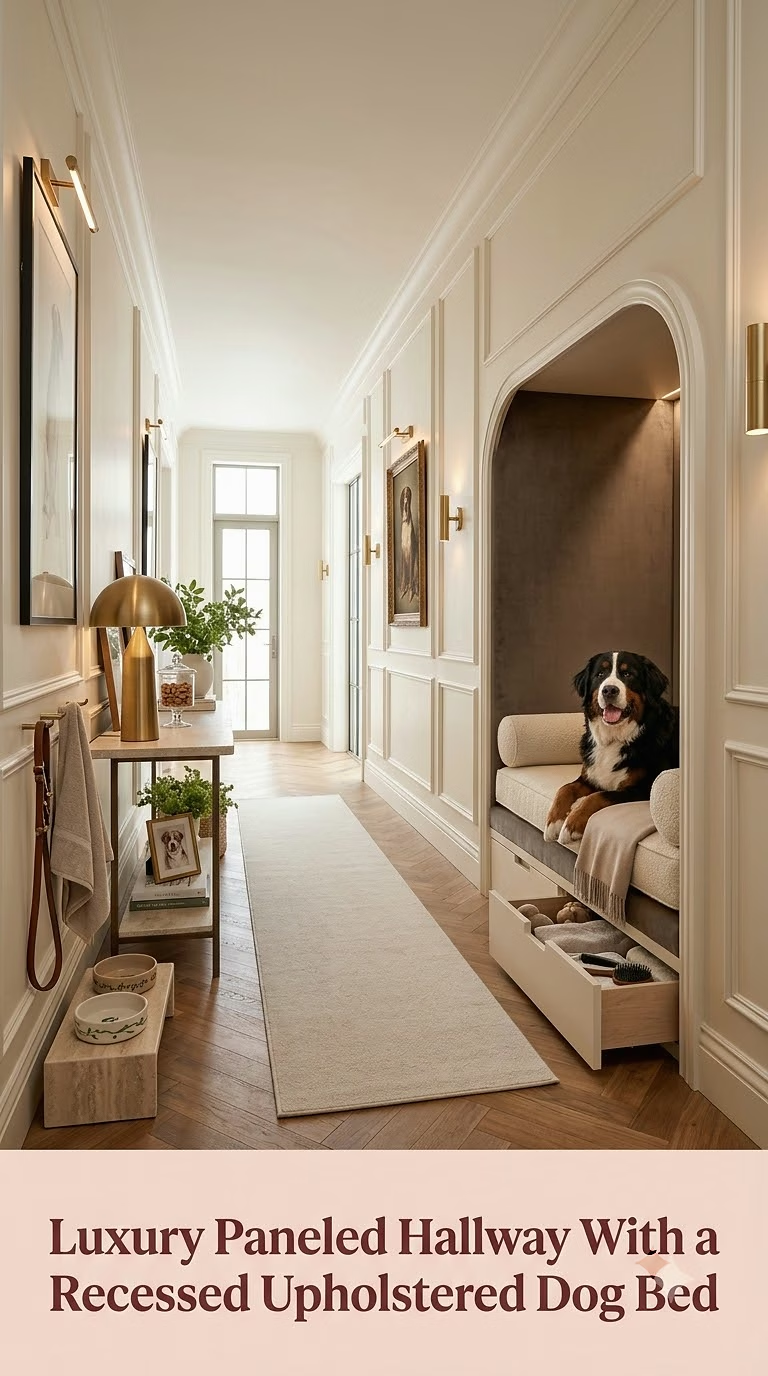
7. Luxury Paneled Hallway With a Recessed Upholstered Dog Bed
Read more : 17 Charming Farm Dog House Ideas for a Cozy Country Retreat
For an elevated custom look, incorporate a dog bed directly into hallway cabinetry or wall paneling. A recessed sleeping nook can sit beneath a console-height cabinet, between storage towers, or at the end of a wider hallway.
Imagine soft taupe paneling, brushed brass hardware, warm wall lighting, and a deep cushion in a textured neutral fabric. The dog bed becomes part of the architecture rather than an object placed randomly on the floor.
Use a removable, washable cover for practicality. Performance fabrics or tightly woven materials can make everyday cleaning easier, especially for dogs that shed heavily.
Position the nook away from swinging doors and busy intersections so your dog can relax without constantly being stepped over. Dogs should also be able to enter and leave their resting area freely.
This idea requires more investment than a simple basket or floor bed, but it can be especially appealing during a larger renovation or custom cabinetry project.
8. Renter-Friendly Dog Command Center With Removable Hooks and a Slim Cart
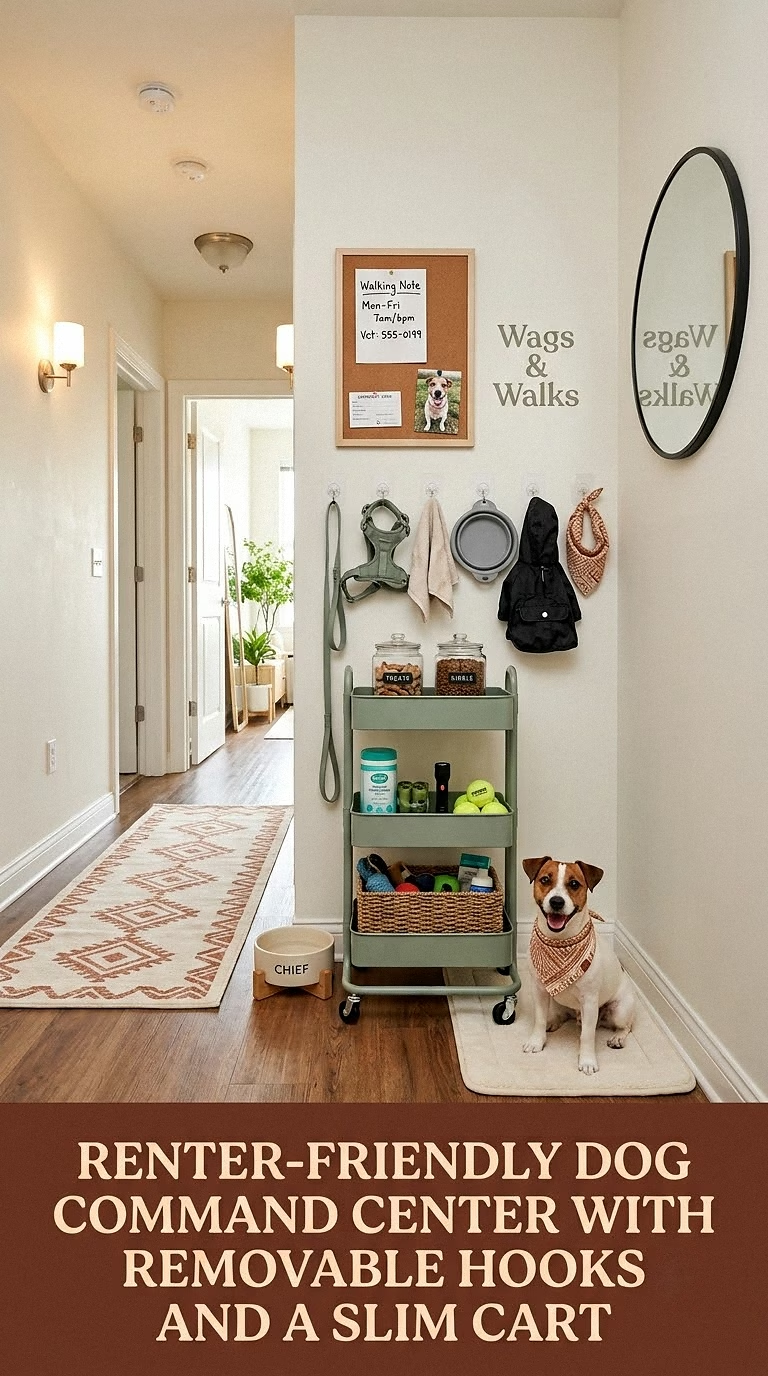
Renters can create a highly functional dog hallway without drilling into walls or making permanent changes. Start with removable adhesive hooks suitable for the surface and weight of the items you plan to hang.
Use the hooks for lightweight leashes, bandanas, empty walking bags, or collapsible bowls. Place a narrow rolling cart beneath them to organize towels, brushes, toys, and sealed treat containers.
Choose a cart in white, black, soft green, or cream to coordinate with your decor. Small labeled bins inside the cart make it easier to keep categories separate.
A washable runner can instantly soften the hallway and add traction without changing the existing flooring. Look for a low-profile design that will not interfere with nearby doors.
The beauty of this setup is flexibility. Everything can move with you, and you can reorganize the station as your dog’s routine changes. It is affordable, practical, and ideal for apartments with limited storage.
9. Double-Dog Hallway Station With Matching Beds, Hooks, and Personalized Cubbies
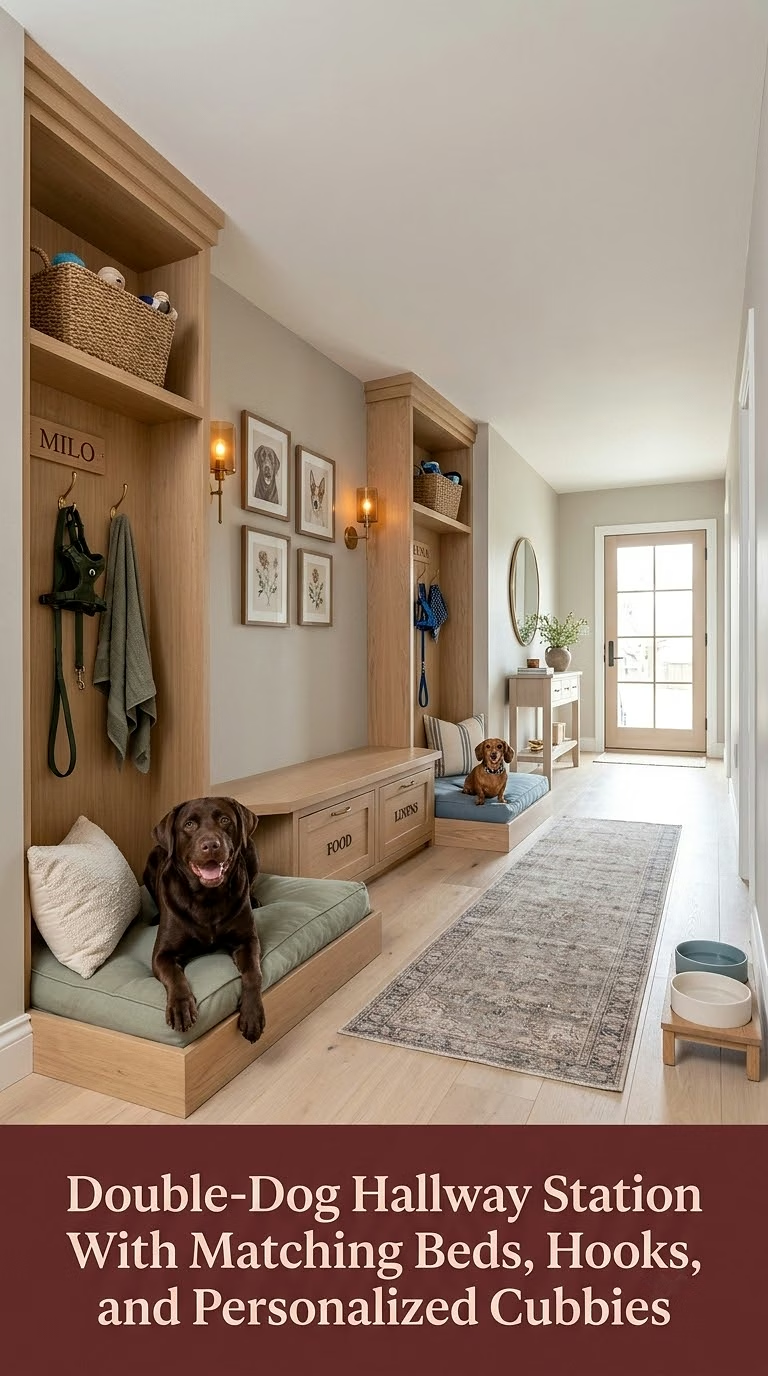
Homes with two dogs often accumulate twice the leashes, harnesses, coats, towels, and toys. A symmetrical hallway station can make those essentials much easier to manage while looking incredibly charming.
Create two matching zones, each with a wall hook, labeled cubby, and basket. Add your dogs’ names above their designated sections using small wooden plaques or subtle lettering.
In a wider hallway or dead-end corridor, two matching beds can sit side by side beneath a long floating shelf. Choose complementary cushions rather than identical ones for a more relaxed, collected look.
Keep frequently used walking equipment at comfortable adult height so it does not become a tempting chew toy. Treats, medications, cleaning supplies, and small accessories should be securely contained.
A coordinated palette of warm wood, cream textiles, and black hardware can keep the station sophisticated. For a more playful approach, give each dog a different accent color while maintaining the same furniture style.
10. Senior Dog Hallway With Continuous Non-Slip Runners and Soft Night Lighting
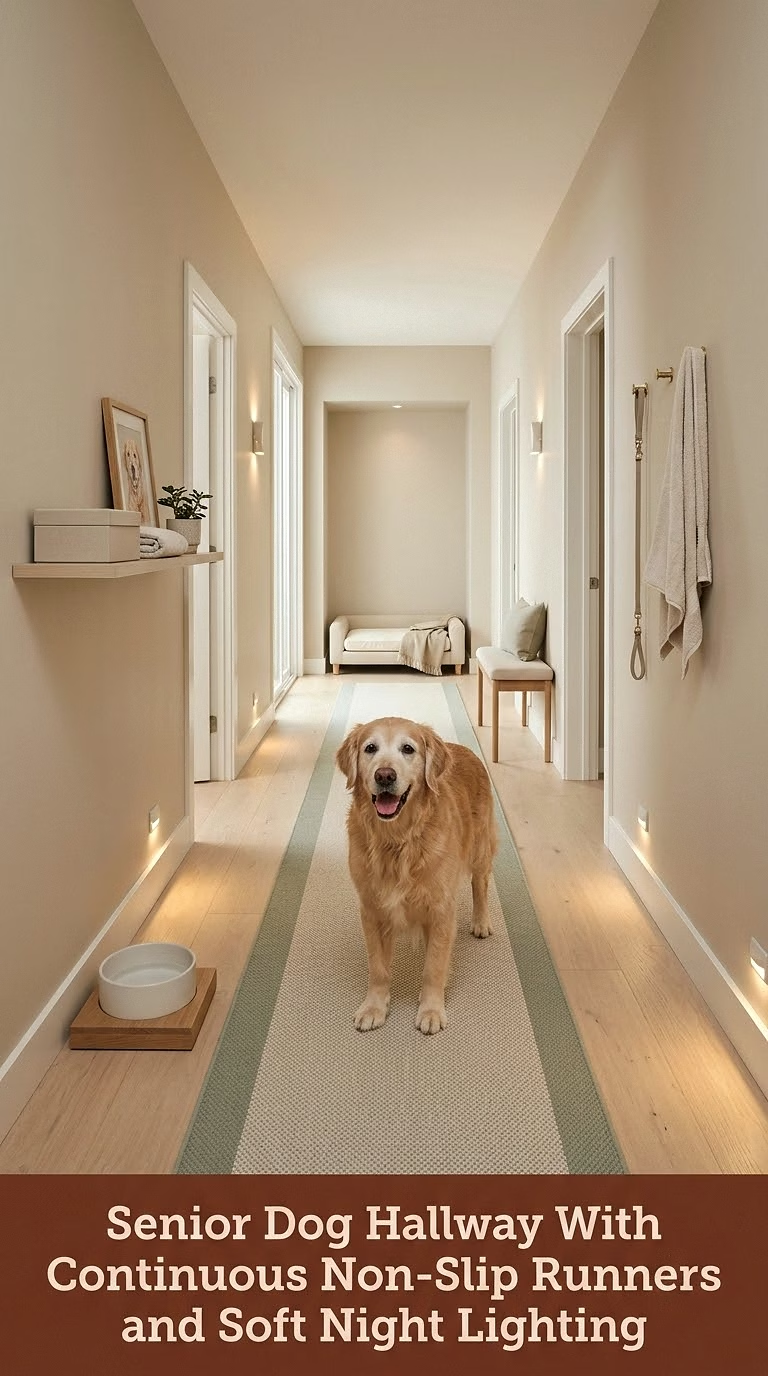
A hallway used by an older dog should prioritize comfortable movement and predictable footing. Long stretches of slippery hardwood or tile can be challenging for dogs with reduced mobility, so a continuous low-pile runner can make the route between important areas feel more secure.
Choose a rug with a stable non-slip backing or use a quality rug pad underneath. Avoid loose corners, curled edges, and thick transitions that could create a tripping hazard.
Soft plug-in night lights can help illuminate the path between a dog’s sleeping area, the family living space, and an exterior door during evening routines. Keep cords fully secured and inaccessible.
Arrange furniture so the passage remains wide and consistent. Avoid frequently moving baskets, shoes, or decorative objects into the walking route.
This setup can still look beautiful. Muted vintage-style runners, warm cream walls, and gentle amber lighting create a cozy hallway while supporting an easier everyday route through the home.
11. Tiled Hallway Dog Wash Station With Handheld Sprayer and Built-In Towel Shelves
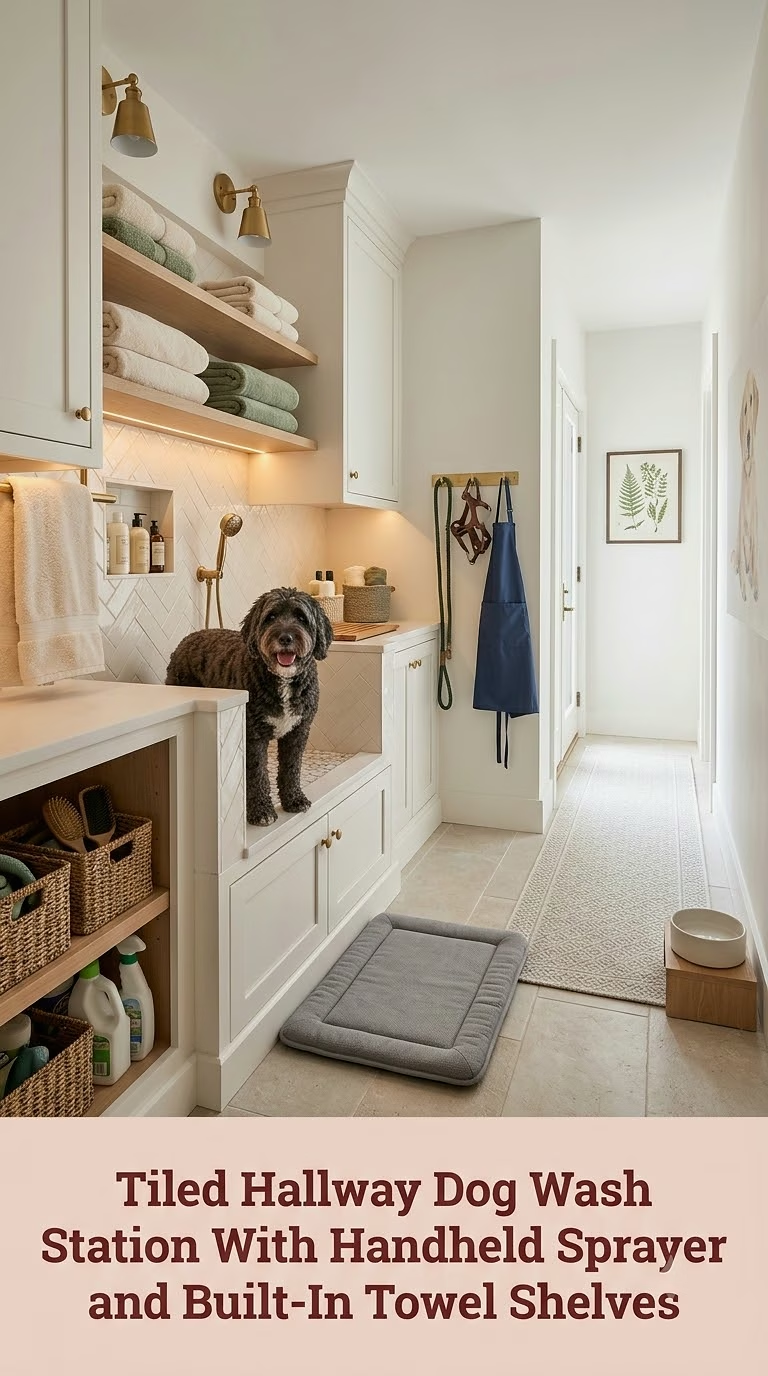
For active dogs that regularly return home muddy, a hallway near a side entrance can become the perfect location for a compact dog-washing station. This is a more ambitious renovation, but it can dramatically simplify rainy-day routines.
A low step-in basin is suitable for many medium and large dogs, while a raised tub may reduce bending when bathing smaller pets. Use water-resistant wall surfaces, a handheld sprayer, easy-to-clean tile, and convenient towel storage.
A soft gray, sage, or navy tile can make the wash station feel like a deliberate design feature. Add open wooden shelves for folded towels, but store shampoos and cleaning products securely rather than leaving them within chewing or licking distance.
Consider drainage, waterproofing, ventilation, and your dog’s mobility before installation. An older dog may benefit from a low entry and slip-resistant surface, while a nervous dog needs enough room to stand comfortably without feeling trapped.
12. Warm Terracotta Hallway With a Vintage Washable Runner and Rustic Dog Accessories
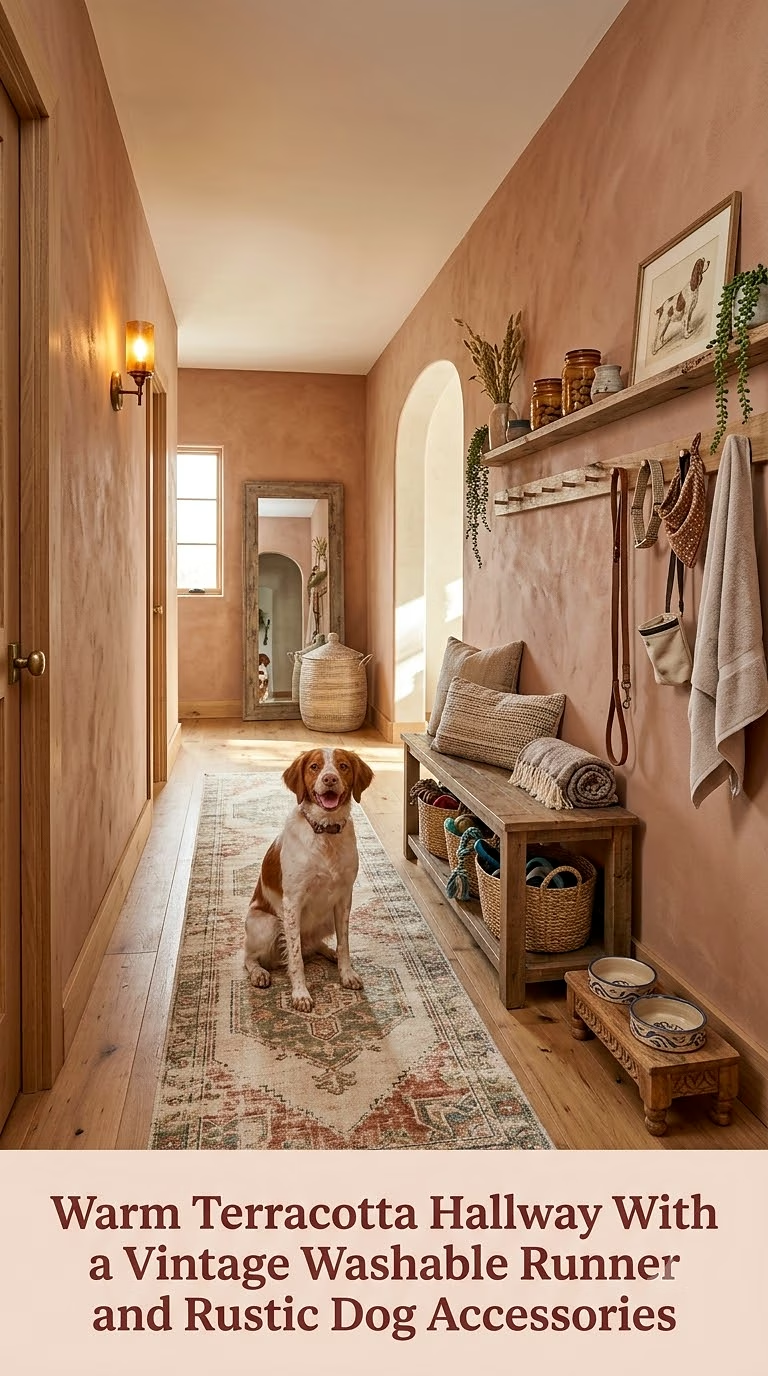
A warm, earthy hallway can feel exceptionally welcoming when styled with terracotta tones, aged wood, woven textures, and vintage-inspired details. It is a beautiful option for Mediterranean, rustic, farmhouse, or eclectic homes.
Use warm clay-colored walls or easy-clean flooring as the foundation, then soften the walking path with a patterned washable runner. Muted rust, cream, olive, and faded blue create a timeless color palette that also tends to disguise small marks better than solid pale surfaces.
Add wooden peg rails for walking gear and a rustic basket for toys. A ceramic-look container can hold spare waste bags or brushes, provided anything unsafe for your dog remains securely stored.
If you include houseplants, verify that the exact species is non-toxic to dogs before bringing it into the space. The final hallway should feel layered and soulful while still allowing plenty of clear floor space for safe movement.
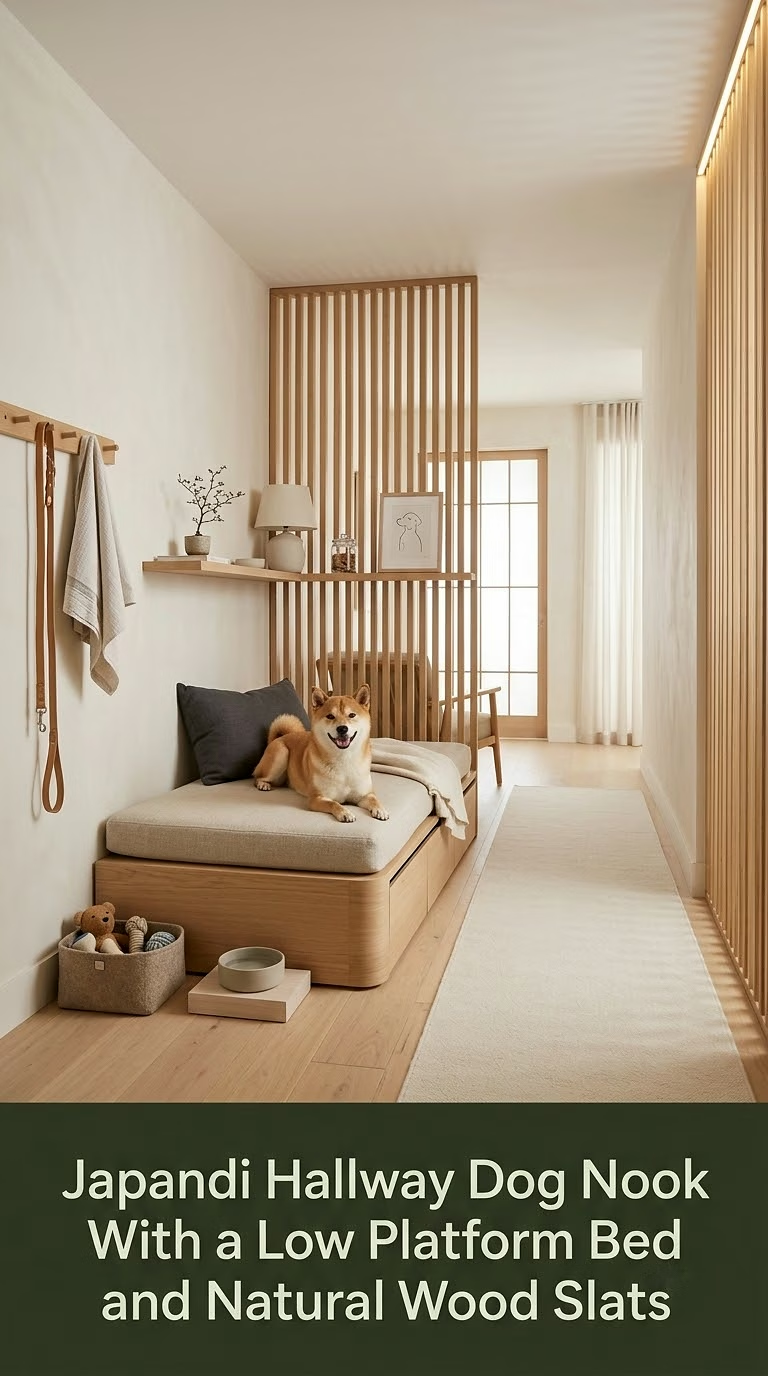
13. Japandi Hallway Dog Nook With a Low Platform Bed and Natural Wood Slats
Read more : 17 Beautiful Husky Dog Houses Designed for Cool Comfort and Secure Rest
For a calming minimalist aesthetic, create a Japandi-inspired dog nook using pale wood, warm beige textiles, clean lines, and very little visual clutter.
Place a low rectangular platform bed against the wall in a hallway alcove or at the end of a quiet corridor. A simple oak frame paired with a thick oatmeal-colored cushion can look almost like miniature furniture designed specifically for your dog.
Vertical wood slats behind the bed add architectural texture without requiring shelves or decorative clutter at dog level. A small wall-mounted light can provide warmth, provided all electrical components and cords are safely installed and inaccessible.
Keep the surrounding palette restrained with soft white, sand, taupe, and natural wood. One simple piece of artwork is often enough.
Because minimalism depends on order, include concealed storage nearby for toys and walking equipment. A slim cabinet with handle-free doors can preserve the peaceful look while keeping everyday essentials close.
14. Colorful Cottage Hallway With Floral Wallpaper and a Painted Dog Bed Nook

For a joyful, personality-filled home, turn your hallway into a colorful cottage-inspired space with floral wallpaper, painted woodwork, and a charming dog nook.
Try muted botanical wallpaper above wainscoting painted in dusty blue, butter yellow, sage, or soft rose. At the end of the hallway, create a cozy resting area using a small wooden bed frame with a washable patterned cushion.
A vintage-style peg rail can hold leashes and lightweight accessories, while woven baskets conceal toys. Small framed portraits or an antique-look sign can make the space feel collected over time.
Choose wall finishes that are practical for the location. Hallways can receive muddy splashes, wet-fur shakes, and constant contact, so washable surfaces are particularly helpful in busy dog households.
Avoid adding too many floor-level decorations, especially in a narrow corridor. The strongest cottage hallway designs feel richly layered on the walls while keeping the walking route comfortably open.
15. Compact Hallway Tech Station for GPS Trackers, Lights, and Walking Gear
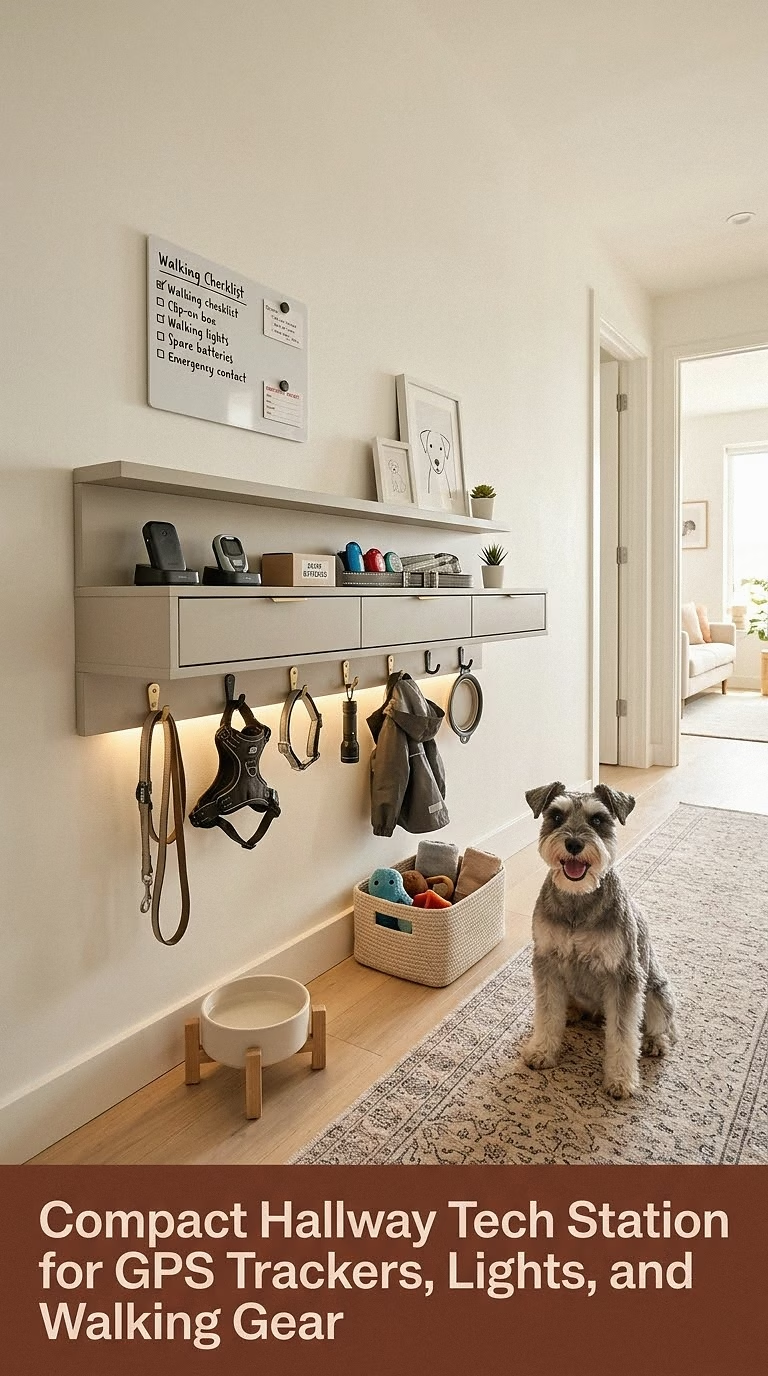
Modern dog accessories often need charging, from GPS trackers and illuminated collars to training devices and rechargeable walking lights. A compact hallway tech station can keep these small items together instead of scattered across kitchen counters.
Use a narrow wall-mounted cabinet or shallow drawer unit near the door. Inside, create compartments for charging cables, spare waste bags, flashlights, and other walking essentials.
Mount a charging solution inside the cabinet only when it can be installed safely, with cords inaccessible to your dog and enough ventilation for the devices being charged. Avoid overloading outlets or creating loose cable loops near the floor.
Above the cabinet, add sturdy hooks for everyday leashes and harnesses. A small tray can serve as a temporary spot for keys or a freshly removed tracker.
Visually, keep the station simple with oak, matte black, or painted cabinetry so the technology disappears into the surrounding decor.
16. Dead-End Hallway Dog Dining Alcove With Wipeable Walls and Raised Storage
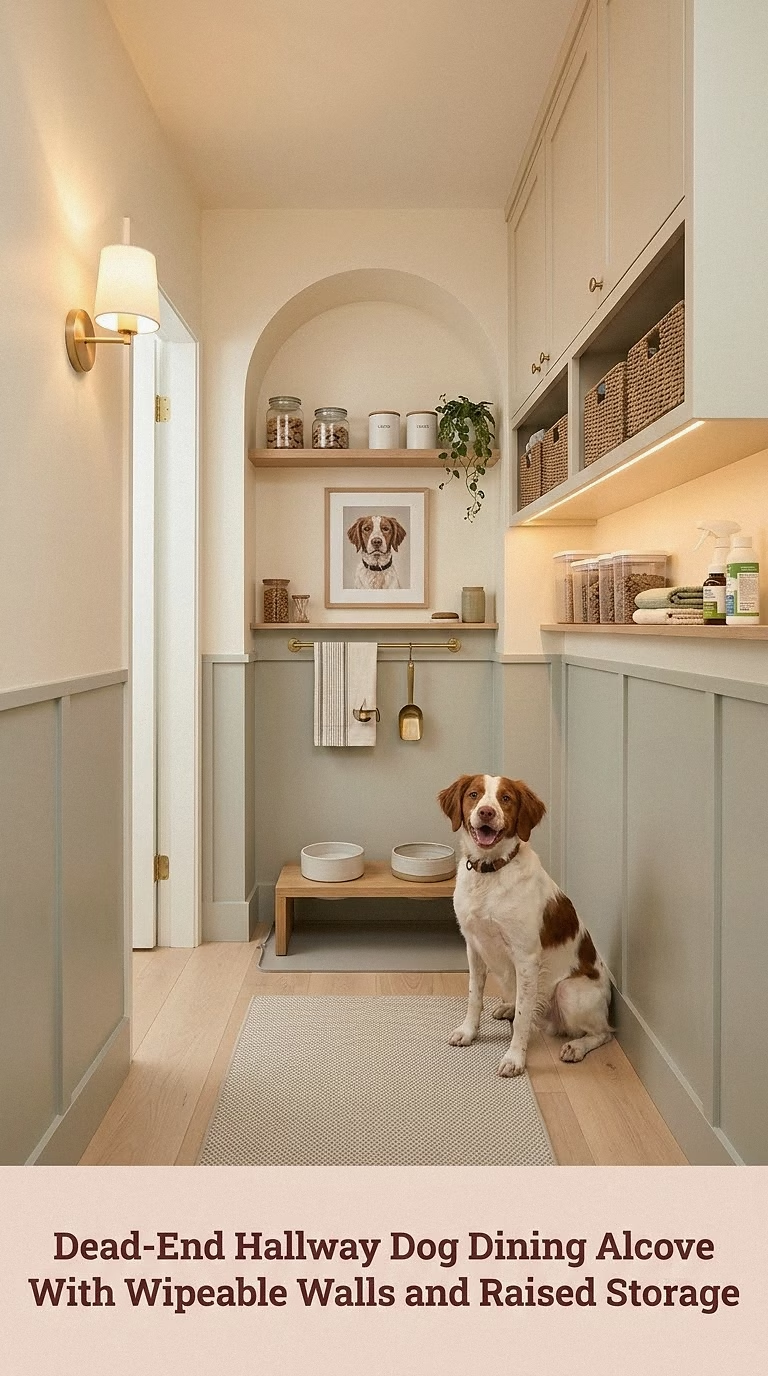
A dog dining station can work in a hallway only when the location is sufficiently wide, quiet, and outside the main walking path. A dead-end corridor or generous side alcove is far better than a narrow passage where people constantly step around bowls.
Use a waterproof mat beneath food and water bowls to contain splashes. Behind the feeding area, consider tile, washable wall paneling, or another wipeable finish that makes cleanup easier.
A floating cabinet above can hold sealed food containers, feeding accessories, and supplements while keeping them away from curious dogs. Make sure the cabinet is mounted securely and does not create a head-level obstacle for people using the hallway.
Choose bowls appropriate for your individual dog’s needs rather than assuming an elevated feeder is automatically better for every pet.
To make the alcove visually cohesive, repeat colors and materials from the rest of the hallway, such as natural oak, cream stone, sage cabinetry, or matte black hardware.
17. Four-Season Wet-Weather Hallway With Boot Tray, Towel Rail, and Cozy Dog Resting Corner
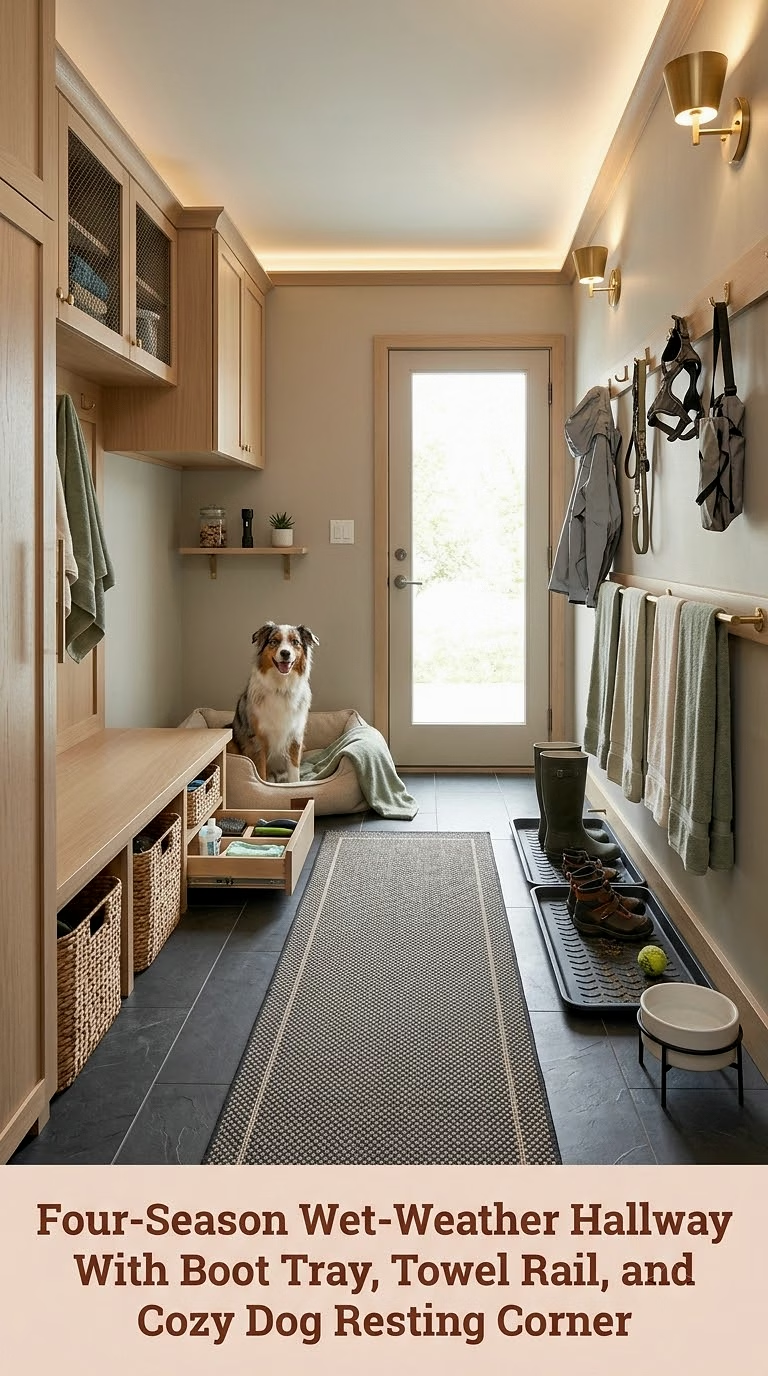
A well-designed wet-weather hallway makes rainy walks much less stressful. Instead of chasing muddy paw prints through the house, create a simple arrival sequence that gives everything a designated place.
Start with a durable entrance mat for the first layer of dirt, followed by a washable runner with secure traction. Add a boot tray for wet human footwear and a dedicated basket for dog towels.
A wall-mounted towel rail can keep clean towels visible and ready, while hooks hold raincoats and harnesses. Store grooming and cleaning products securely, following their instructions and keeping them inaccessible to pets.
In a quiet corner away from the door swing, add a washable dog bed where your pet can settle after being dried off. Warm neutrals, charcoal, forest green, and natural wood work especially well for this practical look.
The setup can be adapted seasonally with lighter towels in summer and extra absorbent supplies during rainy or snowy months.
Conclusion
The best dog hallway ideas prove that even the most overlooked parts of a home can become beautiful, useful spaces for life with a pet. A narrow corridor can hold a streamlined walking station, a quiet dog nook, a washable runner, or clever hidden storage without sacrificing your decorating style.
Start with the way your dog actually uses the space. An older dog may benefit most from improved traction and a clear walking path, while an adventurous pup might make a muddy-paw station your highest priority. In a small apartment, a few removable hooks and a basket may be all you need. In a larger renovation, custom cabinetry, a recessed bed, or even a dedicated dog wash could transform the hallway completely.
The most successful setup is one that feels comfortable for your dog, easy for you to maintain, and naturally connected to the rest of your home.
Save your favorite ideas, and be sure to pin this Pinterest post so you can return to these dog hallway ideas when you are ready to create your own pet-friendly space.
Source: https://petstutorial.com
Category: Dog Rooms
