
Creating a special outdoor space for your dog can comout muddy paws, damaged flower beds, or a curious pup wandering somewhere they should not, you can design a secure fenced area that feels like a beautiful extension of your home.
- 17 Beautiful Dog House Yard Ideas for a Cozy, Stylish Outdoor Retreat
- 17 Closet Dog Room Ideas for a Cozy, Stylish Pet Retreat
- 17 Beautiful Outdoor Dog House Ideas for a Cozy and Stylish Backyard Retreat
- 17 Dog Room Ideas Outdoor That Turn Your Backyard Into a Cozy Pet Retreat
- 18 Dog Nook Ideas for Creating a Cozy and Stylish Retreat at Home
The best DIY dog areas are not just practical enclosures. They can feature warm natural wood, charming garden borders, modern black fencing, cozy shaded corners, soft grass, easy-clean gravel, and thoughtful details that make outdoor time more comfortable for your furry companion. Whether you have a sprawling country yard, a narrow side passage, or a tiny suburban garden, there are creative ways to build a dedicated space that suits both your dog and your decorating style.
You are reading: 17 DIY Outside Dog Area Fence Ideas for a Safe and Beautiful Backyard
Before choosing a design, consider your dog’s individual habits. Some dogs are skilled jumpers, others love to dig, and smaller pups may squeeze through surprisingly narrow openings. Fence height, spacing, gate security, ground barriers, shade, drinking water, and safe landscaping should all be planned around your particular pet.
The following DIY outside dog area fence ideas range from budget-friendly weekend projects to polished backyard retreats, giving you plenty of inspiration for creating a place where your dog can safely sniff, play, relax, and enjoy the fresh air.
17 DIY Outside Dog Area Fence Ideas for Beautiful and Secure Backyards
1. Rustic Cedar Picket Fence Dog Area With White Gravel and Potted Herbs
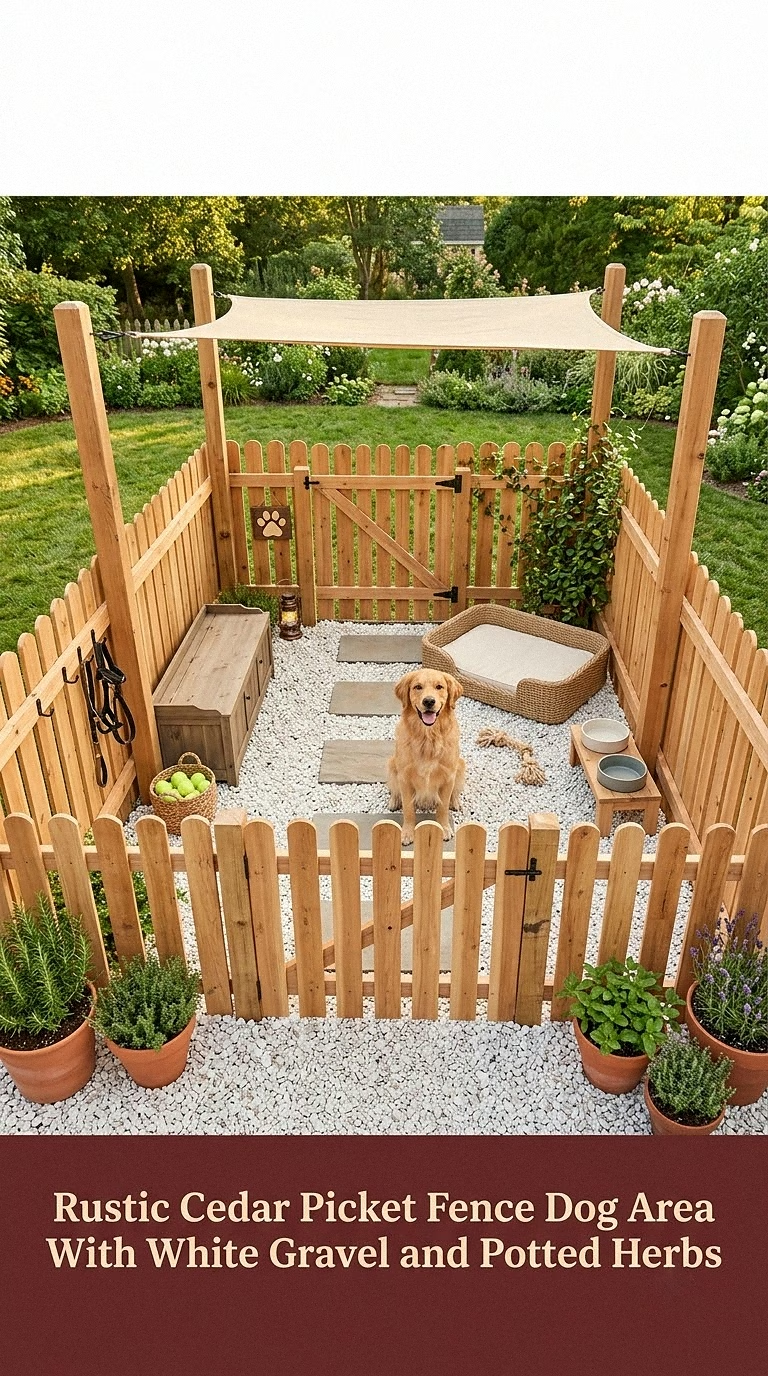
A low cedar picket fence creates a charming cottage-inspired dog area that feels welcoming rather than restrictive. Natural cedar boards bring warmth to the backyard, while simple pointed or rounded picket tops give the enclosure a handcrafted appearance.
Inside the fenced space, use pale pea gravel or smooth small stones to create a clean, bright surface that drains more easily than a constantly muddy patch of lawn. Add a few large pots of dog-safe herbs or ornamental grasses outside the fence for softness without placing vulnerable plants directly in your dog’s play zone.
This concept works particularly well for calm small and medium dogs that do not jump or climb. For more athletic dogs, increase the fence height while keeping the same charming picket style.
Make sure gaps between boards are narrow enough that your dog cannot push its head or body through them. Smooth all rough edges, recess exposed screws, and check the fence periodically for loose boards.
A small wooden sign, a weather-resistant water bowl, and a washable outdoor mat can complete the cozy cottage look without overcrowding the space.
2. Modern Black Hog Wire Fence With Chunky Natural Wood Frames
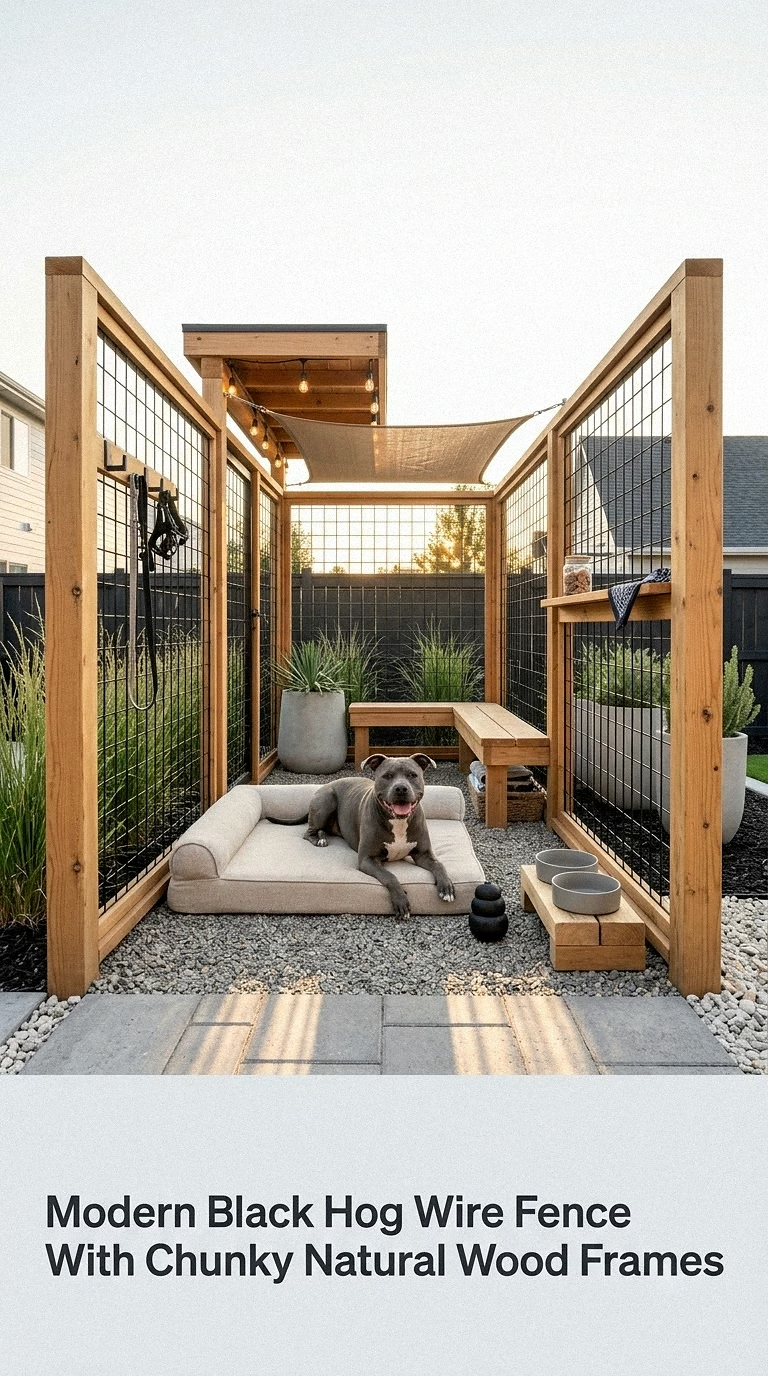
For a modern farmhouse look, combine black welded wire panels with thick natural wood posts and horizontal framing. The dark grid practically disappears from a distance, allowing you to see through the enclosure while giving the dog area a clean, architectural appearance.
This design is ideal when you want to preserve views across the garden. It can surround a grassy play area, a gravel dog run, or a landscaped corner beneath mature trees.
Use strong welded wire with openings appropriate for your dog’s size rather than lightweight decorative mesh. The framing should be sturdy enough to handle leaning, excitement at the fence line, and normal weather exposure.
A black gate latch and heavy-duty hinges create a polished finish. For an even more cohesive backyard, repeat the same wood and black metal combination in raised beds, patio furniture, or planter boxes.
The result feels sophisticated enough for a carefully styled backyard yet practical enough for everyday life with dogs.
3. Budget-Friendly Vertical Wood Fence Made From Reclaimed Boards
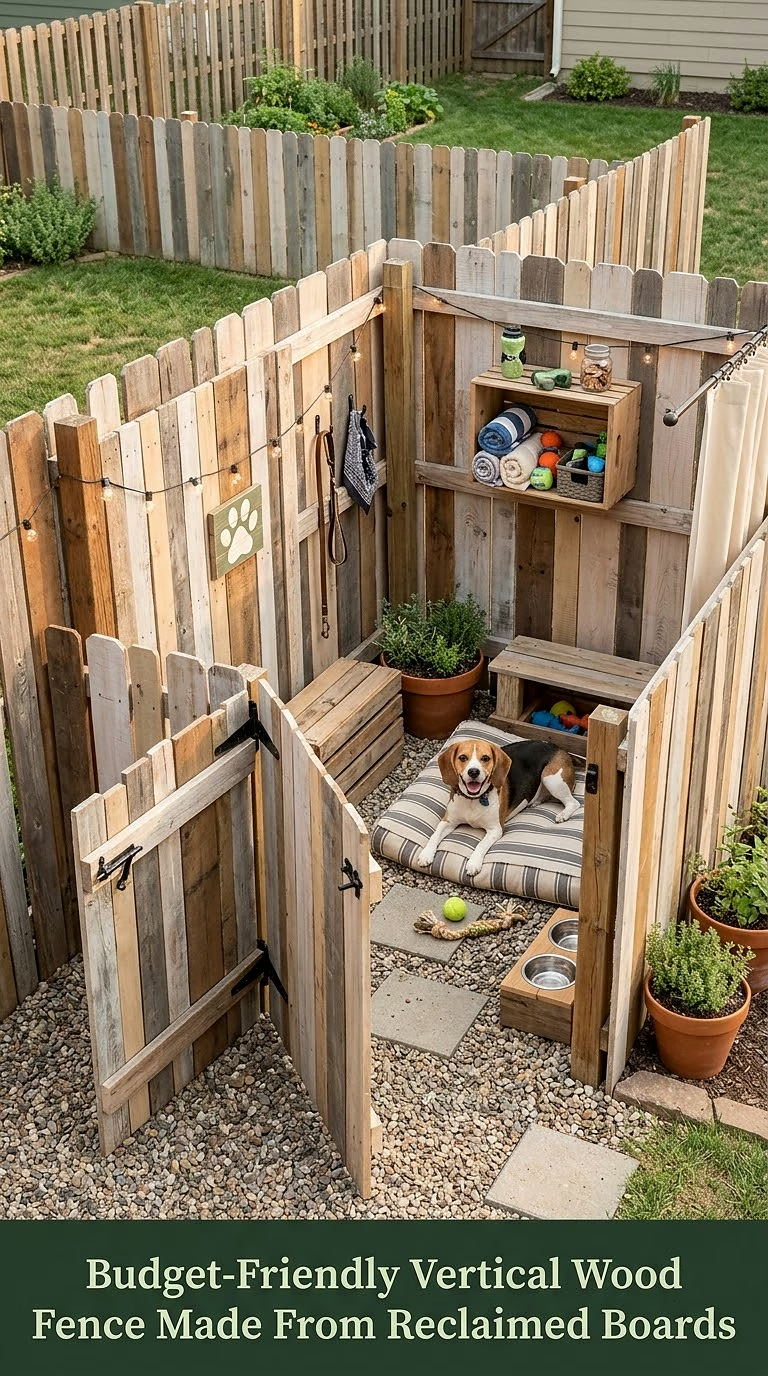
A collection of reclaimed wooden boards can become a character-filled dog fence with plenty of rustic personality. Boards of slightly different widths and natural color variations create a casual farmhouse look that feels especially beautiful in cottage gardens and country-style backyards.
The key is choosing boards that are structurally sound, free from protruding nails, and suitable for outdoor use. Avoid questionable salvaged materials that may contain unsafe chemical treatments, peeling paint, sharp fragments, or unknown residues.
Install the boards vertically with minimal gaps and secure them to strong horizontal rails. Sand rough surfaces thoroughly and use an appropriate exterior finish when needed.
This design can be one of the more affordable options when safe reusable lumber is already available. It also looks wonderful beside wildflowers, gravel paths, galvanized planters, and weathered garden furniture.
For a more intentional appearance, keep the top edge level even when individual boards vary slightly in width and color.
4. White Cottage-Style Dog Fence With Clover and a Tiny Arched Gate
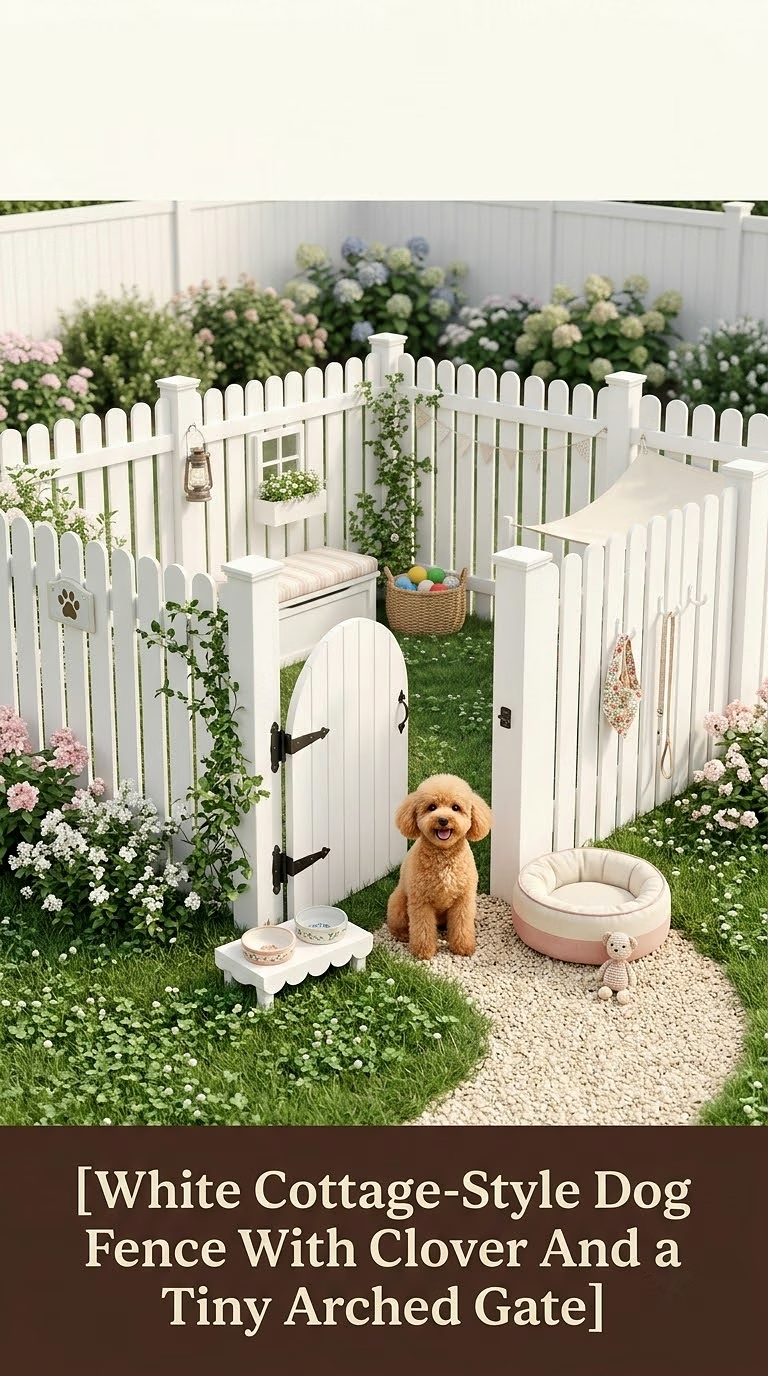
A white fence instantly gives a dedicated dog area a sweet, cheerful personality. Pair classic vertical boards with a tiny arched gate to create an enclosure that resembles a miniature cottage garden.
Inside, a durable lawn or suitable groundcover can provide a comfortable surface for lounging and casual play. The area can be decorated from outside the fence with flower borders, soft greenery, and ceramic pots, provided all plants accessible to the dog are verified as pet-safe.
This concept is especially lovely for small breeds and gentle senior dogs. A little covered shelter or shaded bench-style platform can create an inviting resting spot.
White fencing does require regular cleaning, particularly around wet soil and energetic paws. Choosing washable exterior-grade materials and keeping a gravel strip around the bottom perimeter can reduce mud splashes.
The finished space feels bright, feminine, and incredibly charming without becoming overly elaborate.
5. Sleek Horizontal Slat Fence With Concrete Pavers and Ornamental Grasses
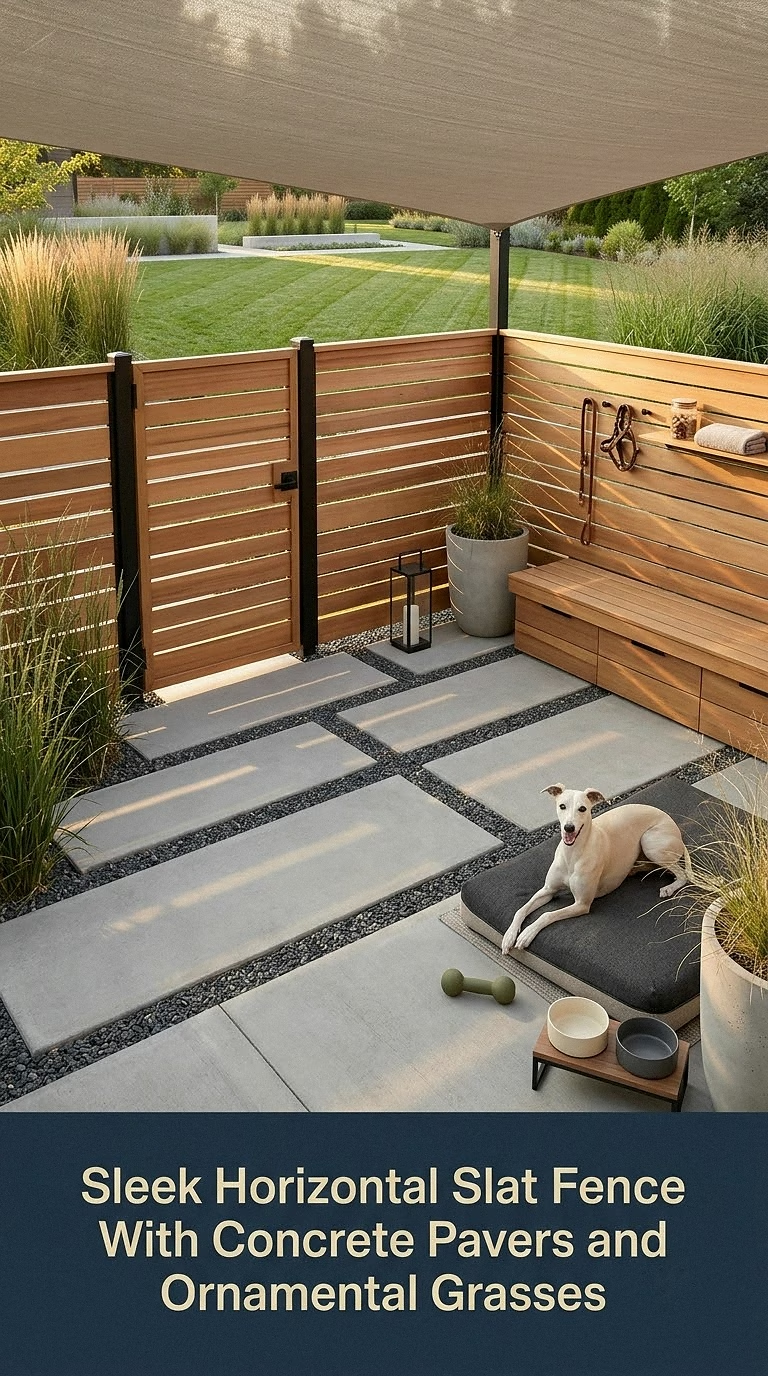
For a contemporary home, a horizontal wood slat fence can turn a basic dog run into a beautifully designed outdoor room. Long horizontal boards create clean lines and a sense of visual width, while concrete stepping stones give the ground a structured, minimalist look.
Leave carefully planned spaces between pavers for drainage gravel or suitable low-growing greenery. Outside the enclosure, clusters of ornamental grasses can soften the straight lines of the fence, but any plant within reach should be confirmed as safe for dogs.
Horizontal slats deserve careful planning for climbers because closely spaced rails may act like a ladder for certain dogs. For athletic escape artists, consider smooth interior panels or a different orientation.
A matte black gate handle, a simple wall-mounted water station, and a neutral shade canopy can complete the look.
This design is ideal for homeowners who want a dog-specific space without making the backyard feel like a traditional kennel.
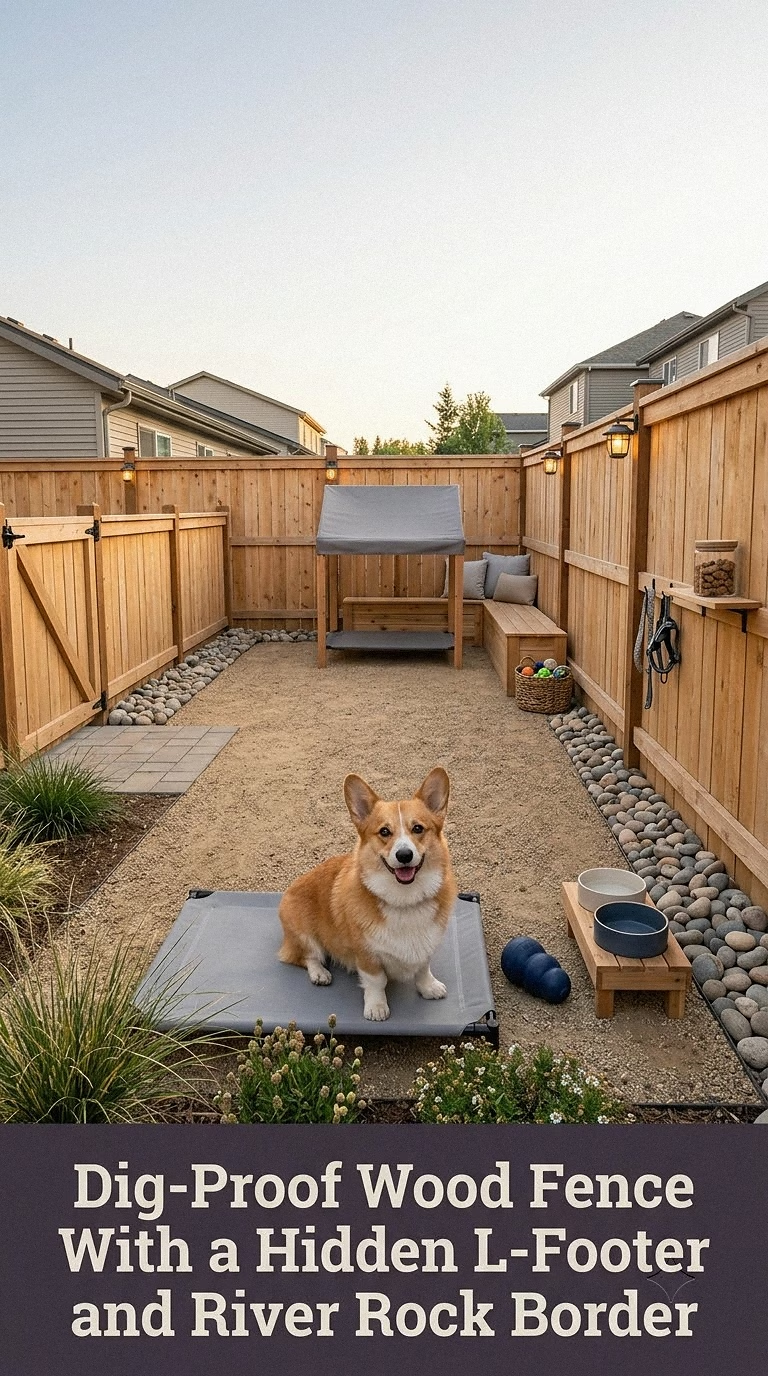
Dogs that love to excavate require more than a beautiful fence above ground. A concealed anti-dig barrier can help protect the vulnerable bottom edge where determined dogs may otherwise tunnel underneath.
One practical approach is an L-shaped footer made from suitable fencing material attached securely at the base and extending inward along or beneath the ground. Covering the area with smooth river rocks creates a finished landscaped appearance while helping disguise the functional barrier.
Read more : 19 Cute Dog House Ideas That Look Like Tiny Dream Homes
Pair this setup with warm vertical wood fencing for privacy. The result looks like an intentional garden border rather than an obvious escape-prevention system.
Choose rocks that are appropriately sized for your dog and avoid pieces small enough to become tempting objects for dogs prone to chewing or swallowing nonfood items.
This concept is especially valuable for terriers and other enthusiastic diggers, but the physical barrier should be combined with exercise, enrichment, supervision, and attention to why the dog is digging in the first place.
7. Double-Gate Dog Area Entrance With a Mini Safety Airlock
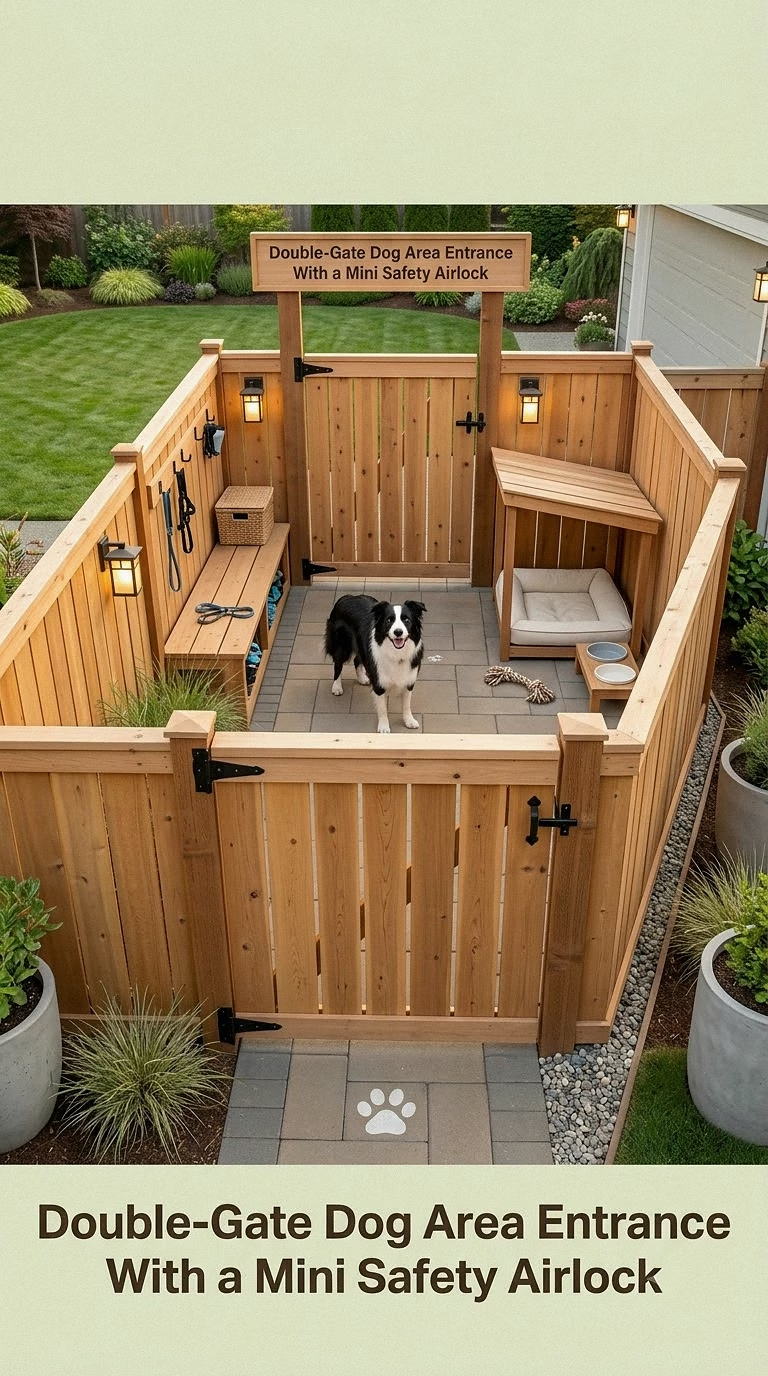
A double-gate entrance can be incredibly helpful for dogs that rush doors or become overly excited when someone enters the yard. Instead of one gate opening directly into the main dog area, create a small enclosed transition zone between two gates.
The first gate opens into the mini entry area, where you can close it before opening the second gate into the dog run. Visually, this little space can be made surprisingly attractive with matching wood fencing, black metal hardware, a gravel floor, and a hook station positioned safely out of chewing reach.
This setup is especially useful near driveways, busy roads, or frequently used garden entrances.
Use self-closing hardware where appropriate and choose latches your dog cannot easily manipulate. Check the gate alignment regularly because settling soil and weather changes can cause gaps or interfere with reliable closing.
A thoughtful entrance may not be the most glamorous part of a dog area, but it can be one of its smartest design features.
8. Narrow Side Yard Dog Run With Tall Wood Privacy Panels
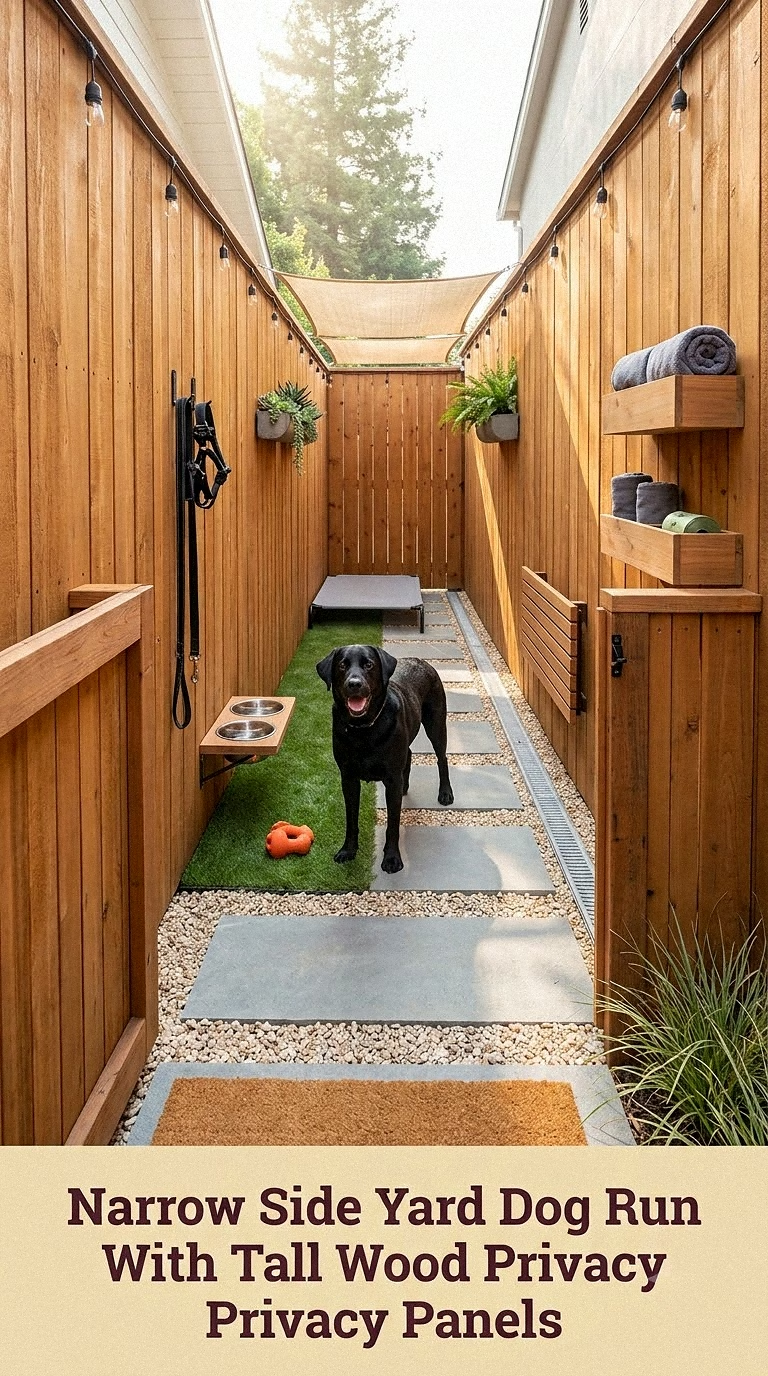
That unused strip of space beside the house can become a surprisingly functional dog run. A narrow rectangular layout is ideal for homes where the main backyard needs to remain available for entertaining, gardening, or children’s play.
Install tall privacy fencing along exposed sides and use the house wall as a natural boundary only when the entire structure and layout are genuinely secure. Add a clear walking lane using gravel, artificial turf designed for pets, pavers, or another suitable easy-maintenance surface.
Because narrow spaces can become hot, especially between walls and fences, shade and ventilation deserve special attention. A retractable shade cloth or overhead canopy may help where conditions are appropriate.
Keep air-conditioning units, cables, drains, chemicals, tools, and other household hazards inaccessible.
A slim wall-mounted shelf placed outside the dog’s reach can hold leashes, towels, and cleanup supplies, turning an overlooked passage into a beautifully organized pet zone.
9. Freestanding Modular Dog Fence With a Canvas Shade Sail
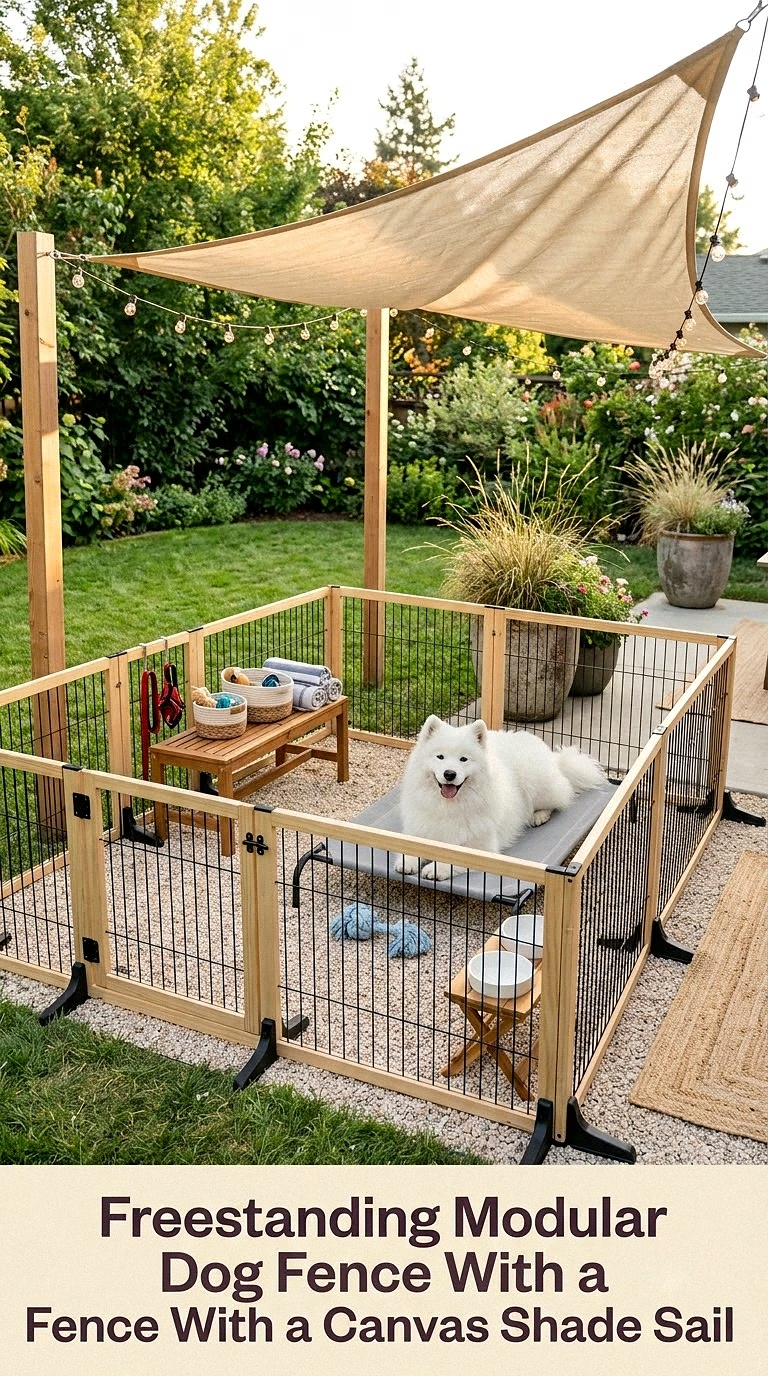
Renters and homeowners who do not want to permanently divide their yards may prefer a freestanding modular enclosure. Sturdy outdoor panels can be arranged around a selected lawn or patio area and adjusted as needs change.
Create a more stylish look by choosing panels in black metal or framed wood-and-wire construction. Overhead, install a properly anchored shade sail where structurally and environmentally appropriate, creating a cool visual focal point as well as valuable sun protection.
The enclosure should be stable enough for the dog’s size, weight, and behavior. Lightweight exercise pens may be suitable for calm small dogs under supervision but are not automatically secure for powerful, jumping, climbing, or highly determined animals.
Inside, keep the layout simple with a shaded bed platform, fresh water, and enough clear room to move comfortably.
This is a flexible choice for temporary homes, changing backyard layouts, or households that occasionally need a separate outdoor dog zone.
10. Split-Surface Dog Yard With Green Turf, Gravel, and a Black Mesh Fence
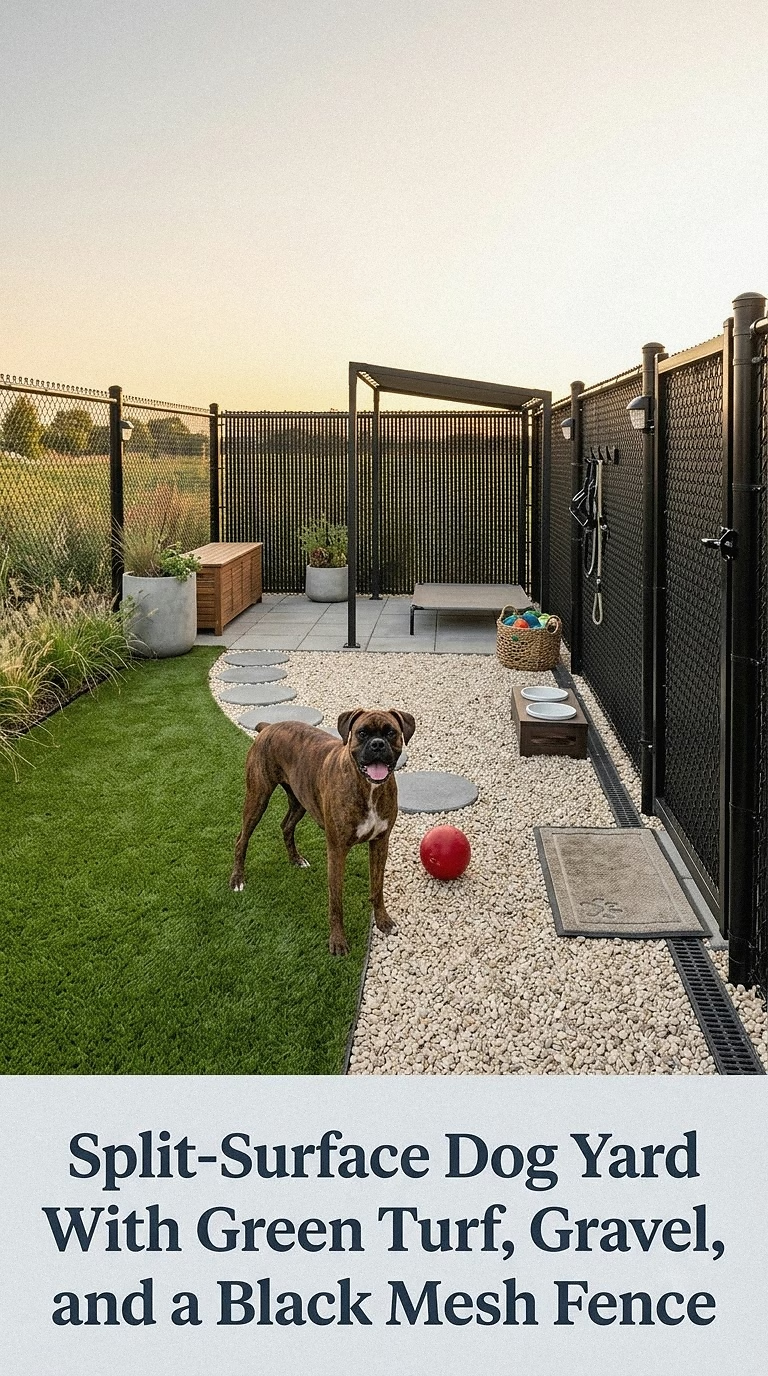
A divided ground surface can make a dog area more visually interesting while giving different zones distinct functions. Create one section with comfortable green turf or healthy natural grass for lounging, then add a gravel strip along high-traffic edges and around gates.
Surround the space with black coated mesh or welded wire fencing supported by dark posts. The nearly monochromatic fence helps the greenery stand out and gives the dog area a clean contemporary feel.
The gravel section can reduce mud near entrances, while the softer section creates a comfortable place for resting. Drainage should be carefully considered so water does not collect beneath artificial turf or around fence posts.
Add a raised wooden platform beneath a shade canopy to create a defined relaxation zone.
This design works especially well in medium-sized suburban yards where the dog area needs to feel neat and integrated with the rest of the landscape.
11. Bamboo-Look Privacy Screen Over a Secure Welded Wire Fence
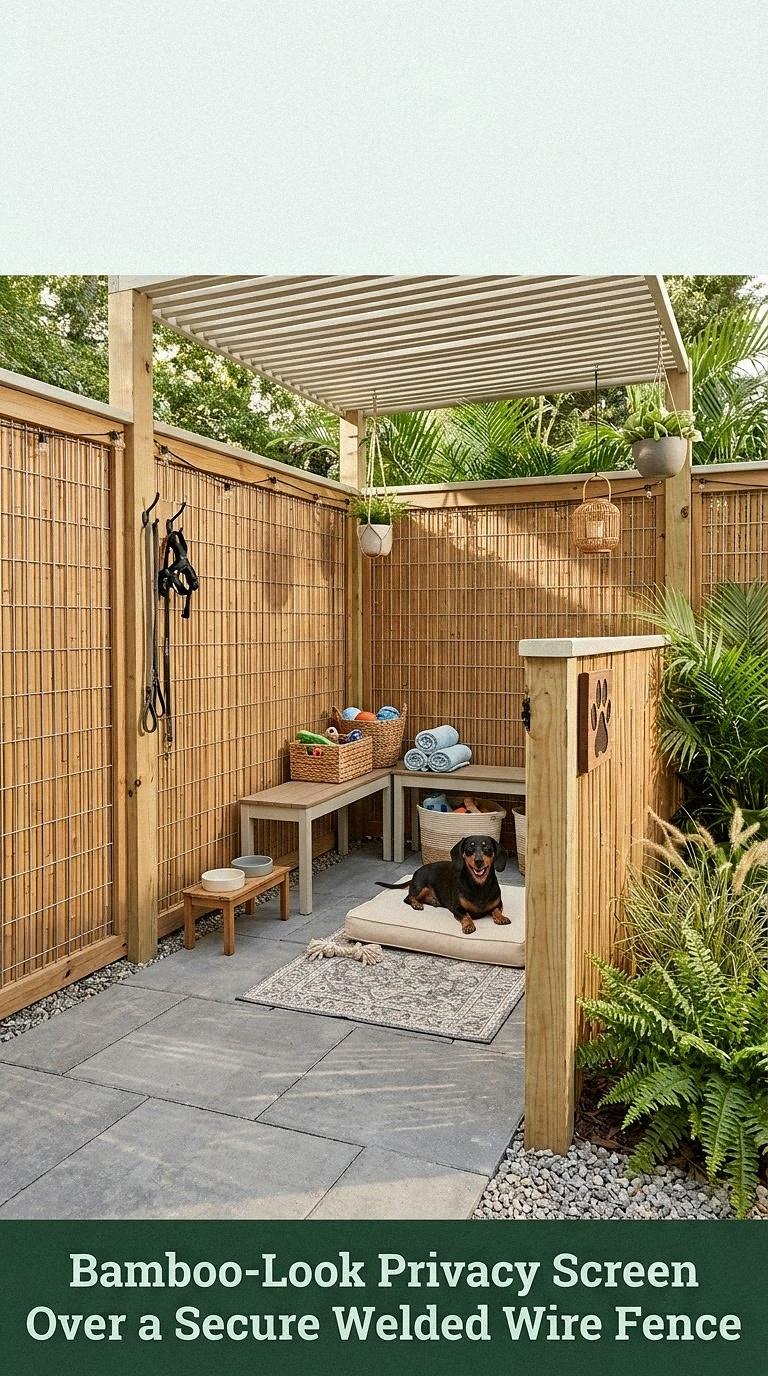
A tropical-style privacy screen can transform a plain dog enclosure, but decorative bamboo or reed screening should not necessarily serve as the only structural barrier. Instead, place attractive natural-looking screening against a properly secured fence system.
This layered design creates privacy while hiding utilitarian mesh and giving the backyard a warm resort-inspired atmosphere. Add pale gravel, large terracotta pots positioned outside the enclosure, and a neutral outdoor dog bed beneath a shaded roof.
Check screening regularly for broken pieces, sharp edges, chewing damage, and weather deterioration. Natural materials can age quickly in wet conditions, so accessibility and maintenance matter.
This concept works beautifully for patios and compact yards where neighboring properties are close. It can also help reduce some visual stimulation for dogs that become overly focused on activity beyond the fence.
A partially screened section may provide enough privacy while maintaining better airflow and visibility in other areas.
12. Raised Garden Planter Buffer Along the Outside of a Dog Fence
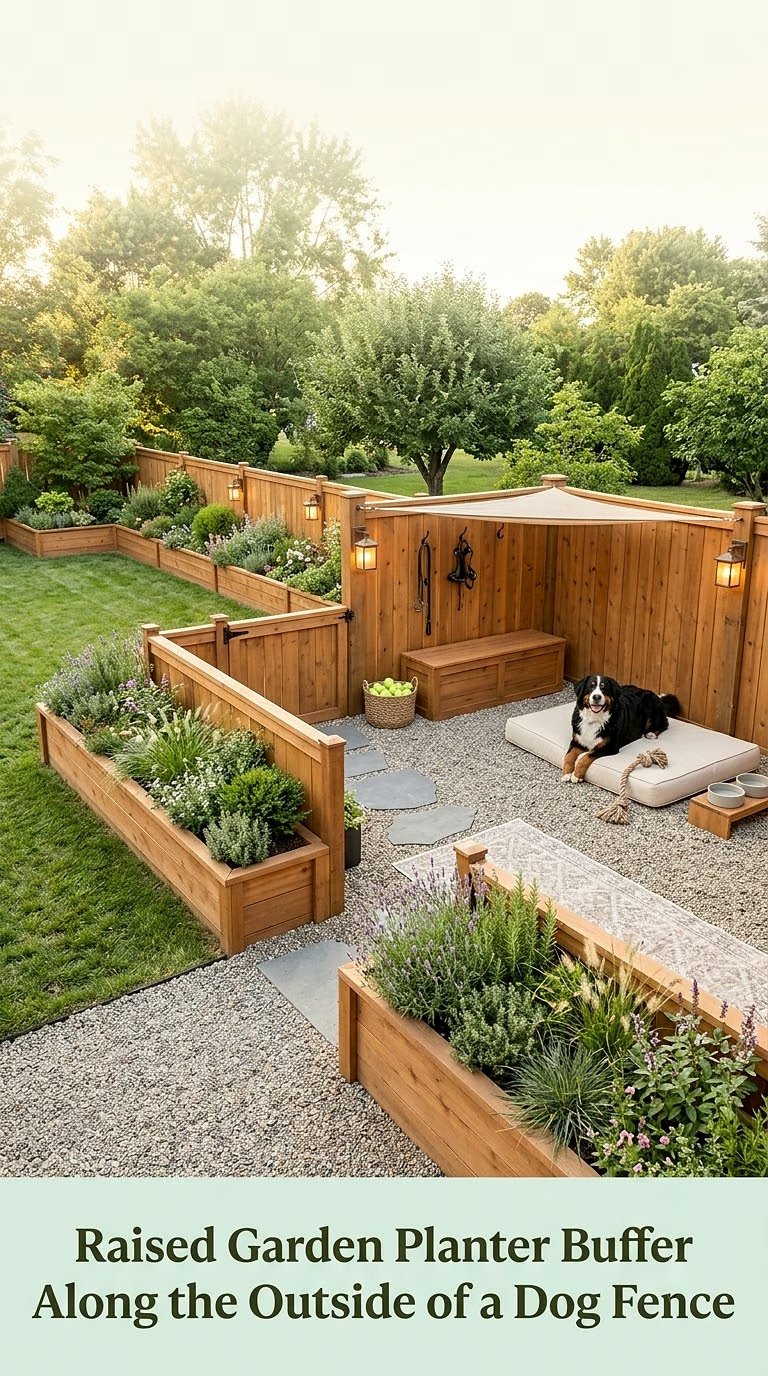
Instead of placing a dog fence directly beside a walkway or neighboring boundary, create a landscaped buffer using raised garden beds on the outside of the enclosure.
A sturdy wood or metal dog fence forms the secure interior boundary, while rectangular planters create visual depth and soften the utilitarian structure. Fill them only with plants suitable for the household’s pets and environmental conditions.
The buffer can be particularly useful for dogs that constantly patrol a fence line or become reactive to movement immediately beyond the boundary. More distance and partial visual screening may create a calmer layout for some dogs.
Read more : 17 Painted Dog House Ideas That Turn a Simple Shelter Into a Backyard Showpiece
Choose planter materials that coordinate with the fence. Cedar beds look natural beside wood fencing, while dark metal planters pair beautifully with black welded wire panels.
Do not place structures close enough to the interior side of the fence that a dog can use them as steps for climbing or jumping.
13. Curved Garden Dog Fence Wrapped Around a Mature Shade Tree
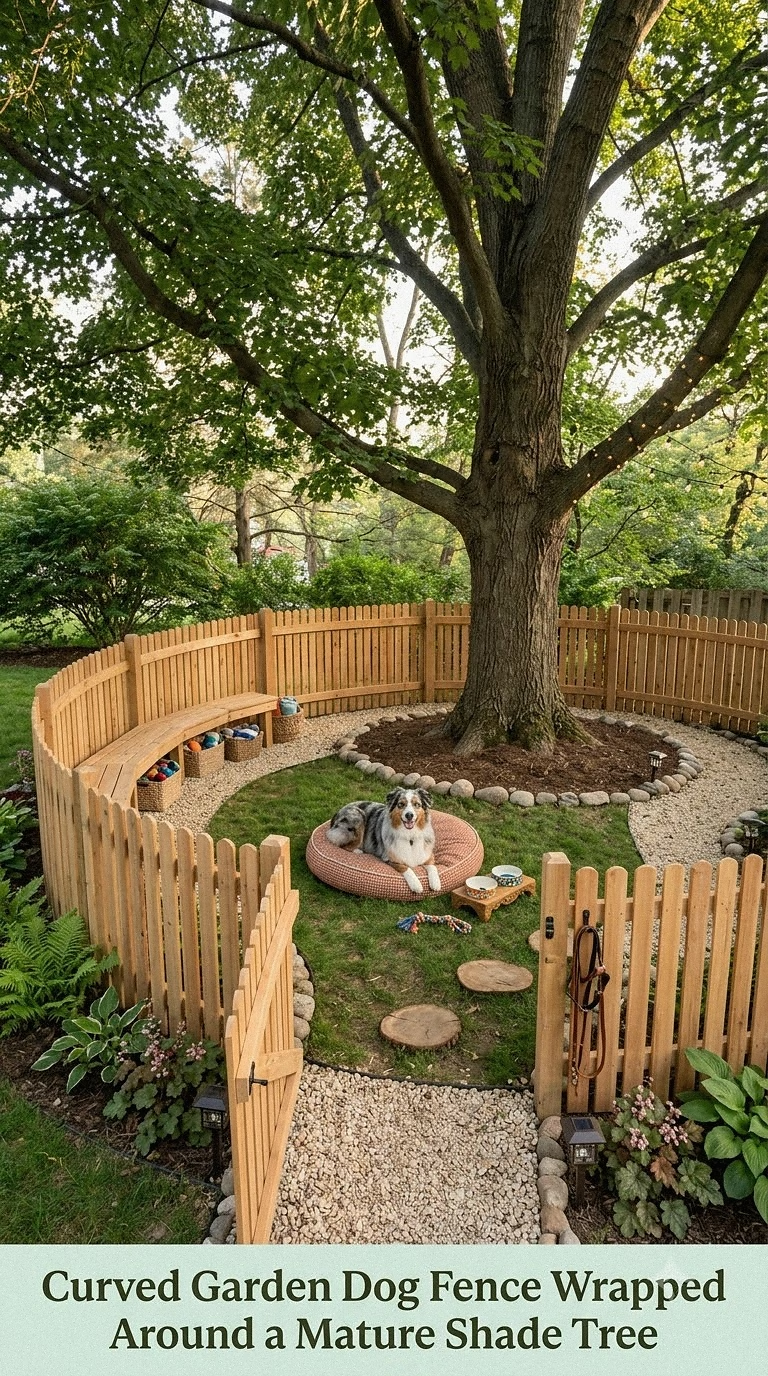
Dog areas do not have to be square or rectangular. A softly curved fence can follow the natural shape of a garden and create a much more organic appearance.
Design the enclosure around an existing mature tree only when doing so will not damage important roots or create an escape route. A tree growing close to a fence may give an agile dog additional opportunities to climb or jump, so every layout should be evaluated carefully.
A curved black metal or flexible framed-wire fence looks lovely around a grassy area with dappled shade. Add a circular water station, smooth stone edging, and a comfortable raised bed to echo the rounded layout.
Natural shade can make an outdoor dog area more pleasant, but conditions change throughout the day. Observe the space during different hours to ensure shade is actually available when your dog uses the area.
The final result can feel more like a landscaped garden retreat than a conventional run.
14. Cozy Corner Dog Patio With Half-Height Wood Walls and Black Rail Fencing
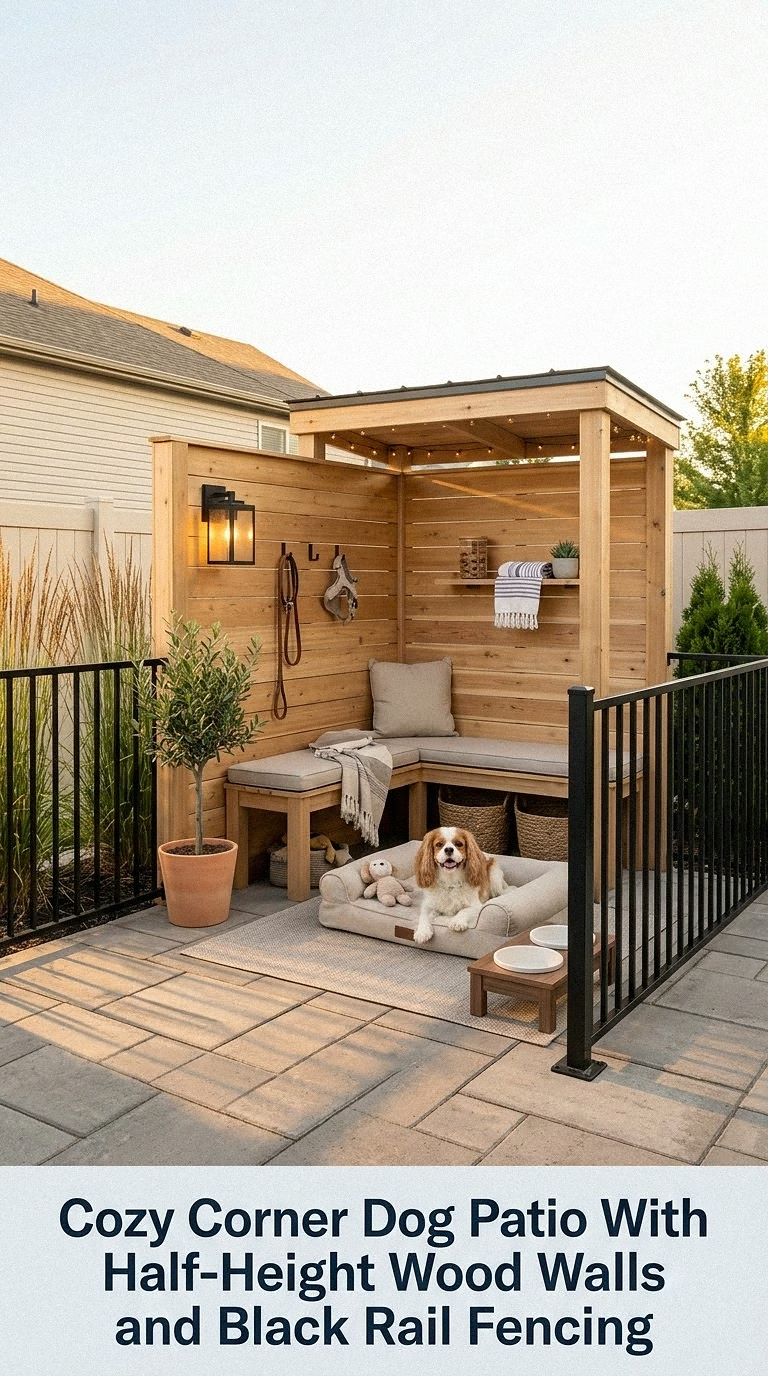
Transform a sheltered patio corner into a cozy dog lounge using a mix of solid wood panels and open black railing. Solid sections provide privacy, while open sections maintain airflow and visibility.
Use outdoor pavers or textured concrete underfoot, then add a raised washable dog bed beneath a roof or shade canopy. A dedicated water station and a small storage box kept safely inaccessible to the dog can make daily care easier.
This mixed-material enclosure feels more architectural than a simple run, making it ideal beside a modern patio or covered porch.
The fence height and railing gaps must be chosen according to the individual dog. Small dogs can squeeze through surprisingly narrow spaces, while athletic dogs may jump low barriers.
Add visual softness with plants outside the enclosure and warm outdoor lighting positioned securely away from curious mouths and paws.
15. Farmhouse Dog Run With Corrugated Metal Panels and Warm Wood Trim
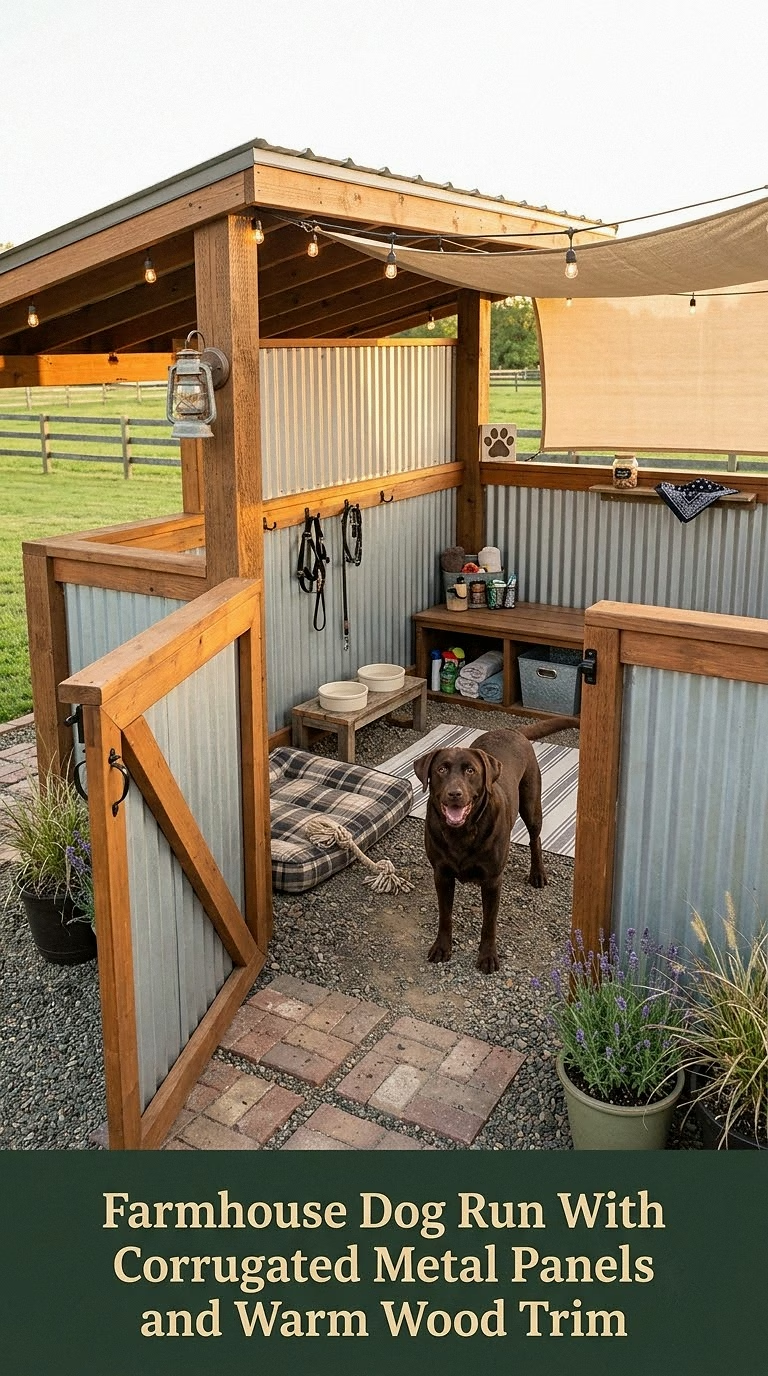
Corrugated metal combined with chunky timber creates a distinctive farmhouse dog enclosure that works particularly well beside barns, workshops, rustic homes, and country gardens.
Use solid metal panels along the lower section for privacy and durability, then add secure wire or open fencing above where greater visibility and ventilation are desired. Warm wood posts and framing soften the industrial appearance.
A compact gravel surface keeps the rustic theme cohesive, while a simple roofed shelter gives the dog a shaded place to retreat.
Because metal can become very hot in direct sun, carefully consider orientation, climate, shade, and accessibility. Sharp edges should be completely enclosed or finished safely.
This bold combination is visually different from traditional wooden fencing and can be especially effective for larger yards where a delicate decorative fence would feel out of scale.
16. Tiny Backyard Dog Zone With a Folding Lattice Privacy Wall and Paver Floor
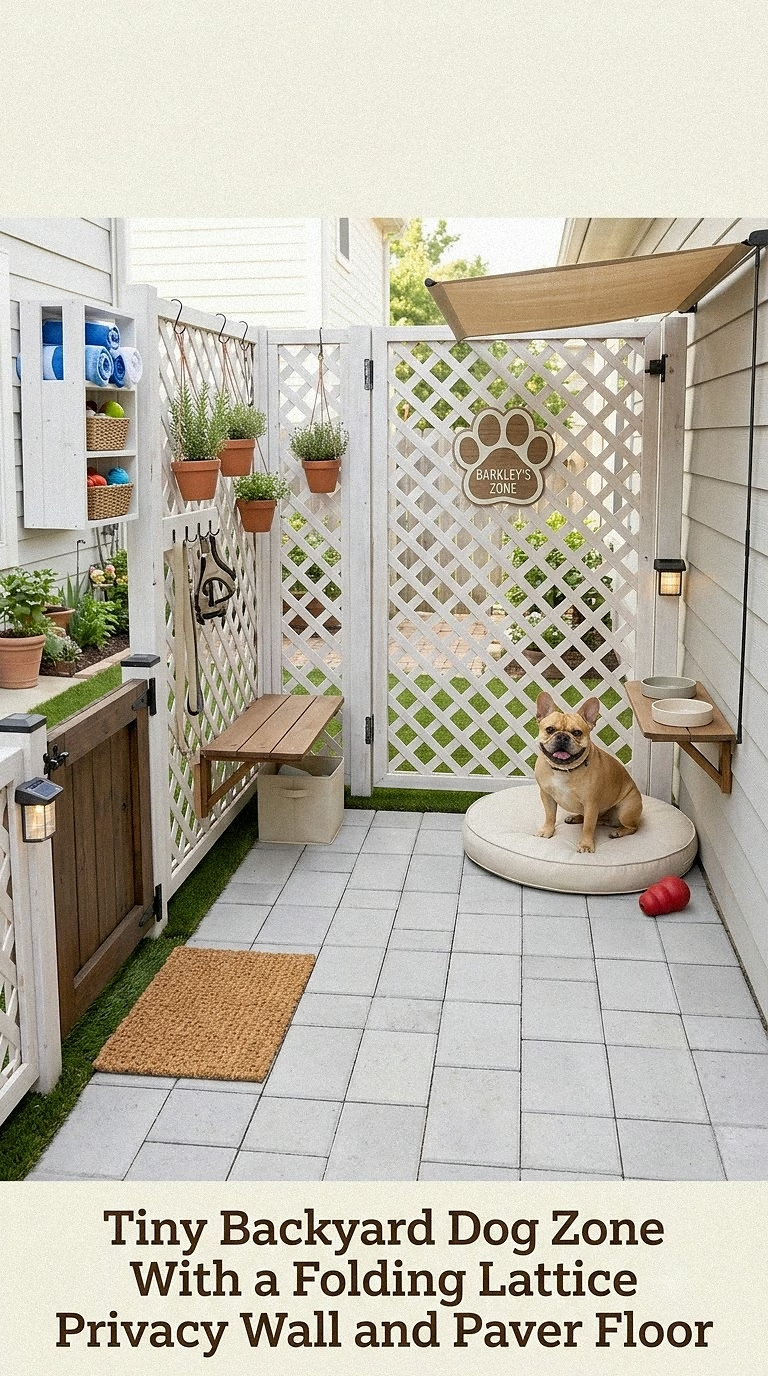
Even a very small backyard can include a dedicated dog zone. Use one compact corner and define it with secure fencing enhanced by decorative lattice or privacy panels.
A paver floor provides a neat, structured surface and can visually connect the dog area with an adjacent patio. Leave sufficient drainage gaps where appropriate, and keep the layout uncluttered so the dog still has room to turn, stretch, and rest comfortably.
A slim shade canopy, wall-mounted water bowl holder, and one washable bed can provide the essentials without taking over the space.
Decorative lattice alone may not securely contain many dogs because openings can allow squeezing, chewing, or climbing. A stronger underlying barrier may be necessary depending on the dog.
Choose soft neutrals, pale wood, or white panels to make a compact yard feel brighter and more spacious.
17. Luxury Backyard Dog Garden With Cedar Fencing, Stepping Stones, and a Covered Lounge
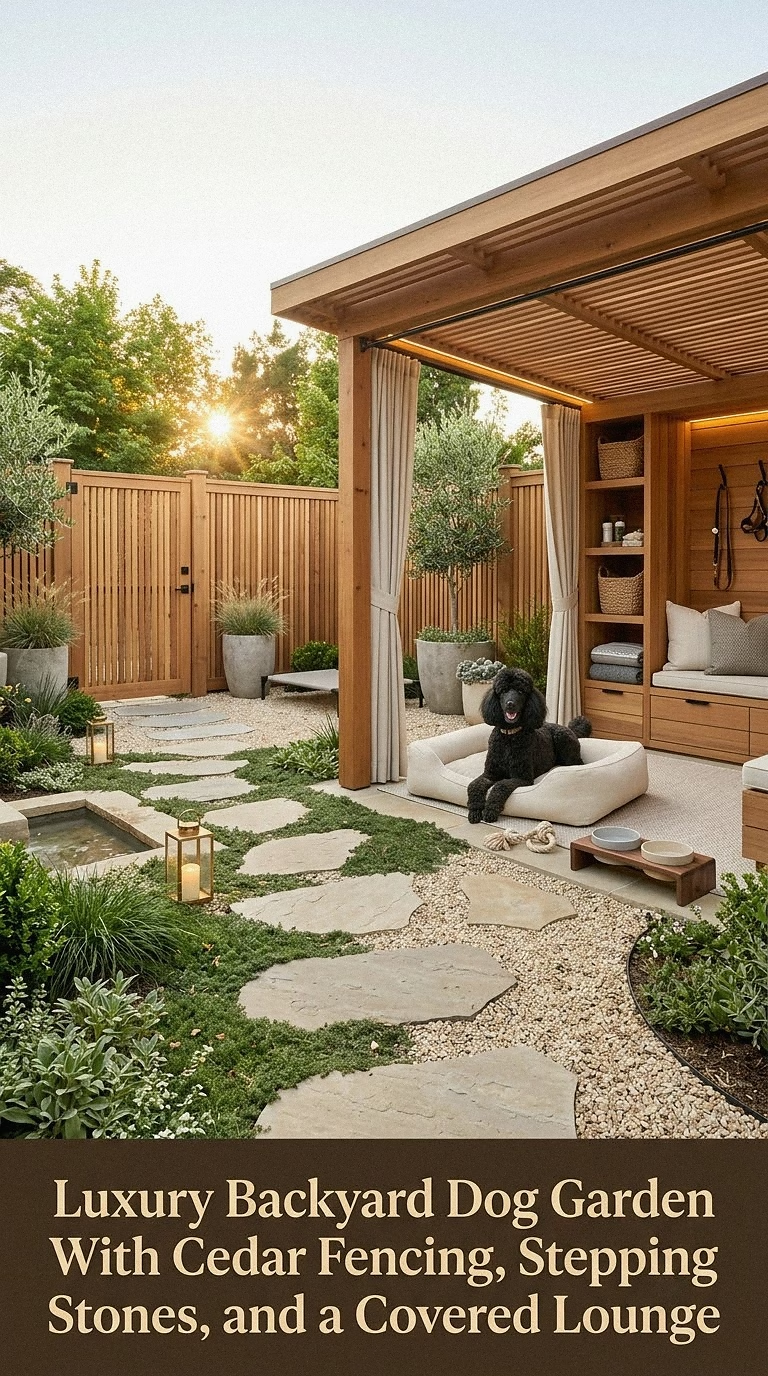
For a polished final concept, create a full backyard retreat combining secure cedar fencing with winding stepping stones, a soft green play area, and a dedicated covered lounge.
The enclosure can include several subtle zones: an open space for play, a shaded platform for resting, an easy-clean path near the gate, and a quiet corner with fresh water. Keep the center relatively open rather than filling every inch with decorations.
Use consistent materials throughout the space. Warm cedar, natural stone, cream outdoor fabrics, and matte black hardware create an elegant palette that blends beautifully with many contemporary homes.
For the lounge, a small roofed structure can provide shade and shelter, but it should be well ventilated and appropriate for local weather conditions. Avoid treating an outdoor dog area as a substitute for supervision, companionship, exercise, or indoor shelter when conditions are unsuitable.
This design proves that a practical pet space can also become one of the most beautiful features in the backyard.
Conclusion
The best DIY outside dog area fence ideas balance three things: security, comfort, and a design that genuinely fits your backyard. A charming cedar picket enclosure might be perfect for a calm small dog, while an enthusiastic digger may need a hidden L-footer, and an athletic jumper may require a taller, smoother boundary without climbable features.
Start by observing how your dog behaves outdoors, then design the fence around those real habits rather than choosing materials based on appearance alone. Secure latches, properly sized gaps, smooth edges, reliable shade, fresh water, safe landscaping, good drainage, and regular maintenance can all make the space more comfortable and practical.
Whether you create a tiny side-yard run, a cottage-inspired white fence, a modern black-and-wood enclosure, or a luxurious landscaped retreat, the goal is to give your dog a secure outdoor place that also feels beautiful as part of your home.
Love these ideas? Pin this Pinterest post so you can come back to your favorite dog fence designs when you are ready to start your backyard project.
Source: https://petstutorial.com
Category: Dog Rooms
