
The best dog entryway ideas do much more than create a cute place for hanging a leash. A thoughtfully designed entry can make everyday routines easier, keep dirt from traveling through the house, give your dog a comfortable transition spot, and turn ordinary pet supplies into part of your home’s decor.
- 17 Beautiful Dog Office Ideas for a Calm and Stylish Work-From-Home Space
- 17 Shed Dog House Ideas for a Beautiful and Cozy Backyard Retreat
- 16 Beautiful Dog House Ideas That Make Every Pup Feel at Home
- 18 Dog Room Ideas Under Stairs for a Cozy and Stylish Pet Retreat
- 17 Beautiful Husky Dog Houses Designed for Cool Comfort and Secure Rest
You do not need a large mudroom or an expensive renovation to create one, either. A narrow hallway can become a charming dog station with a few hooks and baskets. An unused corner can hold a washable mat and floating shelf. A spacious mudroom can be transformed into a luxurious pet-friendly zone with built-in cabinetry, a dog wash, and a cozy sleeping nook.
You are reading: 18 Beautiful Dog Entryway Ideas for a Stylish and Organized Home
Whether you love warm farmhouse interiors, sleek modern spaces, cottage charm, soft coastal colors, or practical small-space solutions, these ideas offer plenty of inspiration for creating an entryway that works beautifully for both you and your four-legged family member.
Dog Entryway Ideas That Make Daily Walks, Muddy Paws, and Pet Gear Easier
1. Warm White Mudroom Bench With Sage Green Dog Cubbies
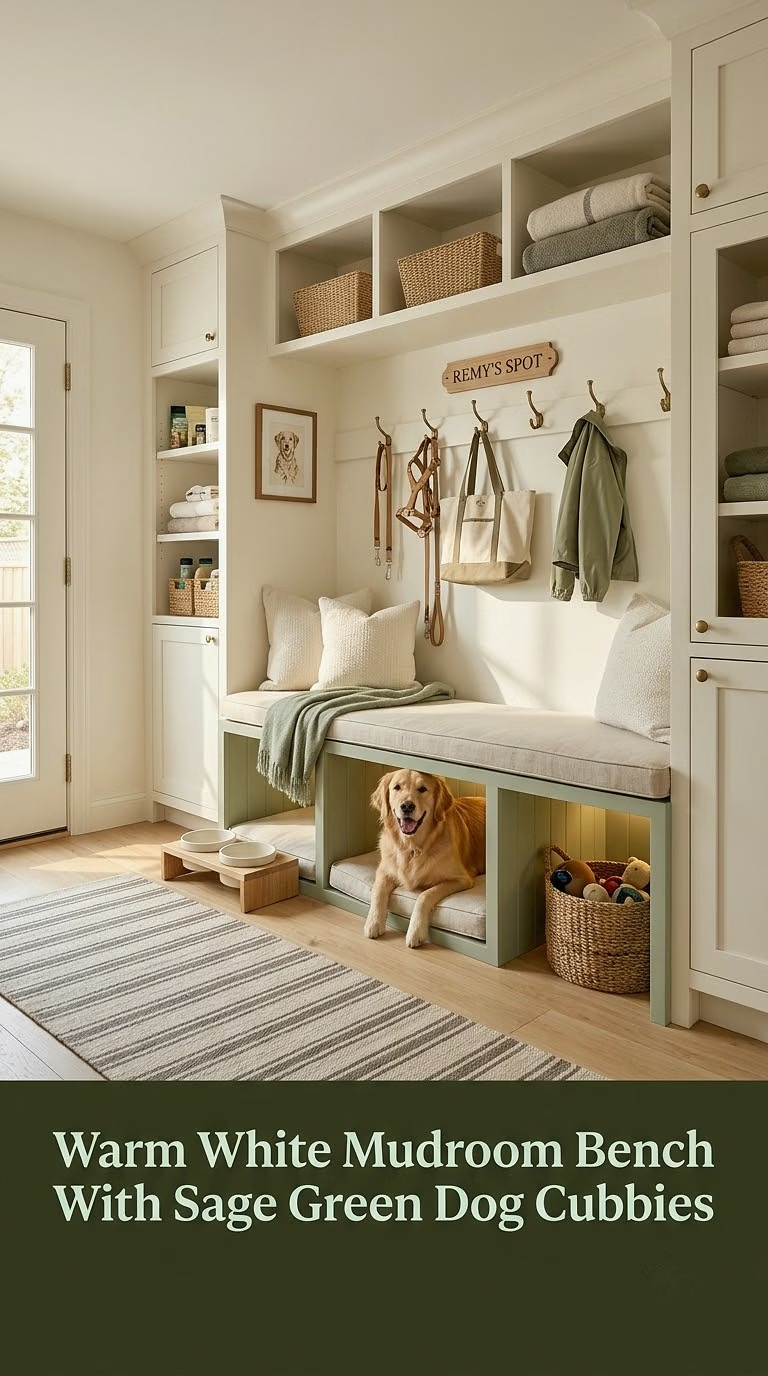
Create a soft, welcoming entryway by pairing warm white walls with muted sage green cabinetry and natural wood accents. A built-in bench provides a comfortable place to sit while clipping on a leash or removing muddy boots, while open cubbies underneath can hold baskets for dog towels, toys, waste bags, and grooming supplies.
Dedicate one lower cubby specifically to your dog’s belongings so everything has a predictable home. A washable cushion on the bench adds softness without making maintenance difficult.
Above the bench, install sturdy hooks for leashes, harnesses, coats, and your own everyday bags. Keep frequently used dog gear at a comfortable height for adults but out of easy chewing reach, especially if you have a curious puppy.
Finish the space with a durable runner that can handle wet paws and frequent cleaning. Soft green, creamy white, woven textures, and pale oak create a peaceful look that feels fresh without appearing overly formal.
2. Slim Apartment Entryway With Peg Rail, Basket Drawer, and Foldable Paw Station
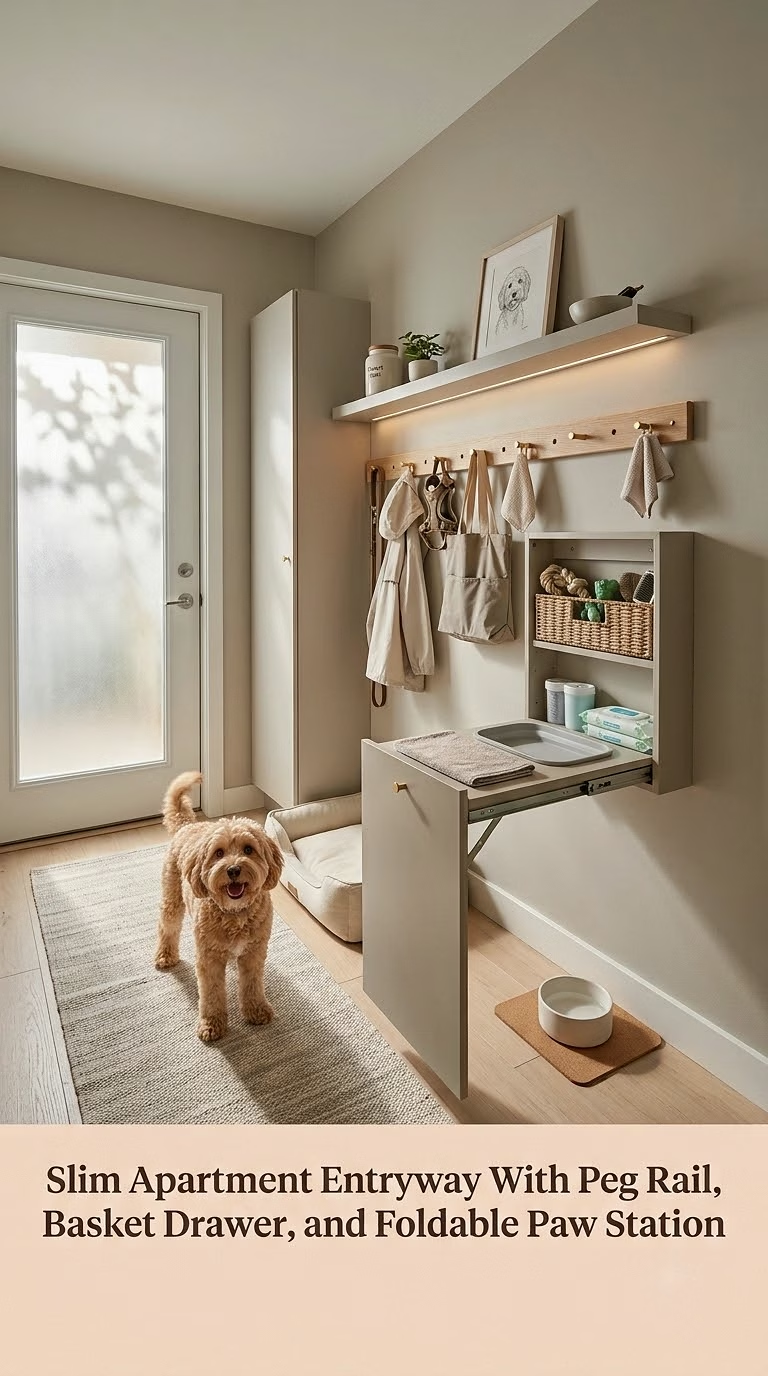
A tiny apartment entrance can still become a functional dog zone when every inch is used vertically. Start with a slim wooden peg rail for a leash, harness, collapsible water bowl, and lightweight dog jacket. Beneath it, add a narrow shoe cabinet with one drawer reserved for treats, waste bags, paw wipes, and spare accessories.
A small lidded basket can hold clean towels while keeping visual clutter hidden. For post-walk cleanup, hang a foldable wall-mounted shelf that opens when needed and closes flat afterward. Place a washable absorbent mat directly beside the door to create a designated paw-wiping spot.
Choose furniture with shallow depth so the walkway remains comfortable and uncluttered. Light wood, soft beige, creamy walls, and black metal hooks give the area an airy, modern appearance.
The result is proof that practical dog entryway ideas do not require a dedicated mudroom. Even the smallest entrance can work beautifully with thoughtful vertical storage and multipurpose pieces.
3. Built-In Bench With Hidden Pull-Out Dog Bowls and Treat Drawer
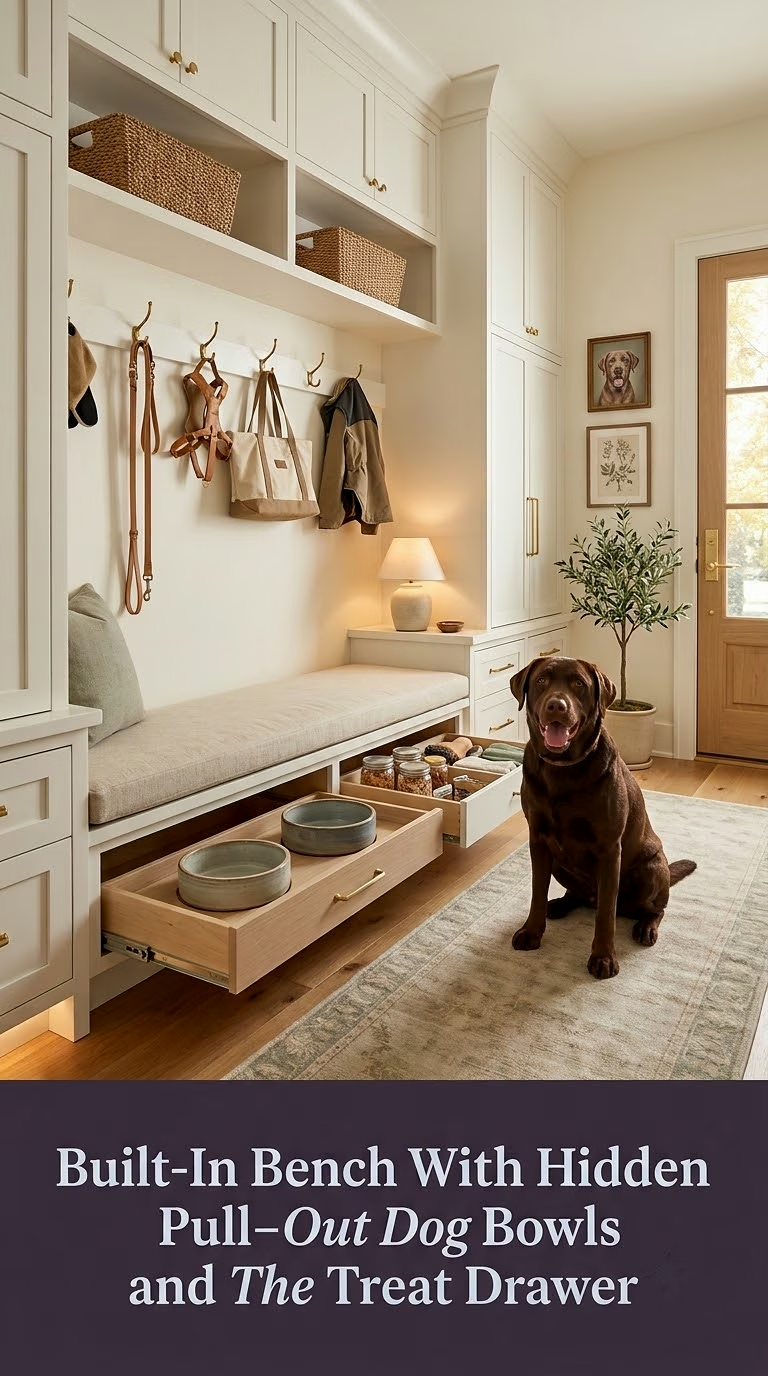
For a polished entryway that keeps pet supplies neatly concealed, consider a built-in bench with integrated dog features. One lower drawer can slide out to reveal food and water bowls, while another shallow drawer holds treats, medication containers, grooming tools, or walking accessories.
This design works particularly well in homes where the entryway connects to a kitchen, utility room, or backyard. When the bowls are not needed, they disappear into the cabinetry, leaving the floor more open and easier to clean.
Use moisture-resistant materials around feeding areas and choose removable bowls that can be lifted out for regular washing. Keep food, treats, and anything potentially tempting inside secure cabinetry rather than within easy reach of a determined dog.
For a timeless look, pair creamy cabinetry with oak seating, aged brass hardware, and a softly patterned runner. Add a framed dog portrait or a tiny ceramic dish for keys to give the space a warm, personal finish.
4. Black-and-White Checkerboard Entry With Brass Leash Hooks and Woven Baskets
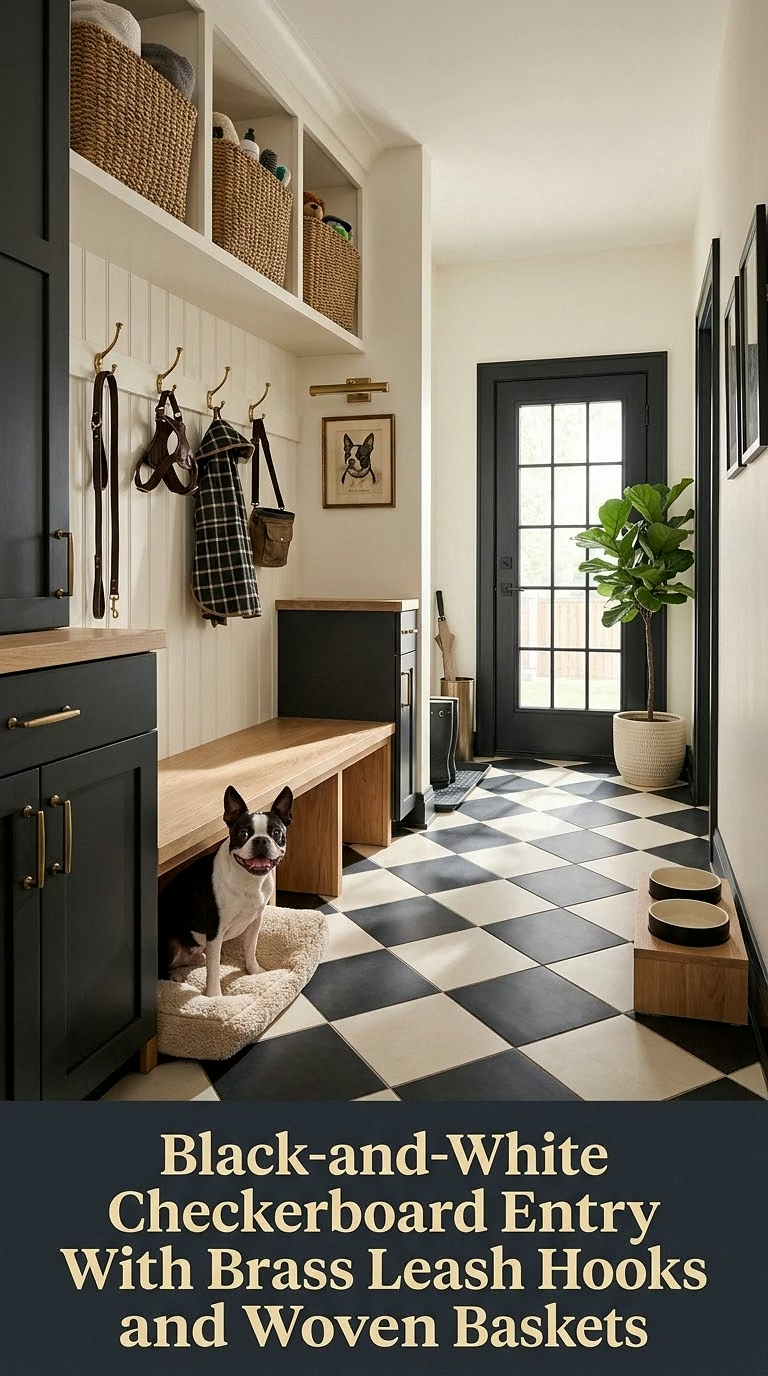
Few designs make an ordinary pet entryway feel as memorable as a bold black-and-white checkerboard floor. The strong geometric pattern hides everyday dirt surprisingly well and gives the room instant character.
Balance the dramatic flooring with warm white walls, a simple wooden bench, brass hooks, and oversized woven baskets. Label one basket for clean dog towels, another for outdoor toys, and another for seasonal items such as raincoats or winter gear.
Place a heavy-duty mat directly inside the exterior door to catch moisture before your dog steps farther into the house. A second washable runner can define the transition path between the door and the main living area.
This style feels especially charming in older homes, cottages, and traditional interiors, but it can also work in modern spaces when paired with simple cabinetry. The contrast between crisp tile, golden metal, natural fibers, and soft textiles creates an entryway that feels stylish without sacrificing everyday practicality.
5. Rustic Farmhouse Dog Drop Zone With Reclaimed Wood Bench and Galvanized Bins
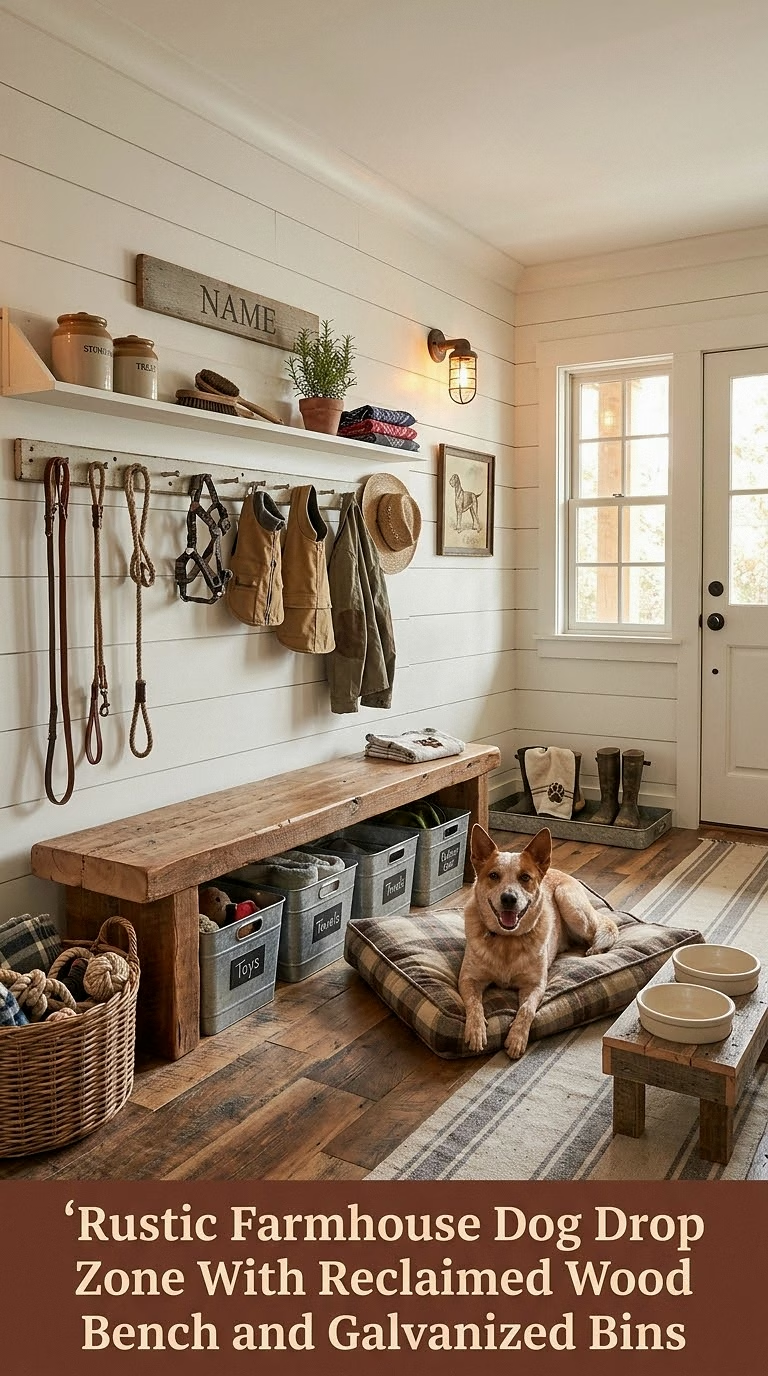
A farmhouse-inspired dog entryway feels most inviting when it looks relaxed rather than overly perfect. Start with a reclaimed wood bench or a simple DIY bench made from sturdy timber. Beneath it, tuck galvanized metal bins or deep wire baskets for toys, towels, extra leashes, and outdoor supplies.
Add an old-fashioned wooden hook rail above the bench for harnesses and dog coats. A small chalkboard can hold reminders for medication, grooming appointments, or items needed before a long walk.
Choose a floor surface or washable rug that can tolerate mud, water, and frequent traffic. A boot tray near the door is also useful for keeping wet footwear and muddy pet gear contained in one spot.
Warm wood, cream walls, black iron hardware, and vintage-inspired details create a space that feels collected over time. This is also one of the easiest looks to recreate on a budget because mismatched baskets, secondhand furniture, and simple DIY storage only add to its charm.
6. Modern Japandi Entryway With Oak Slat Wall and Minimal Dog Gear Niche
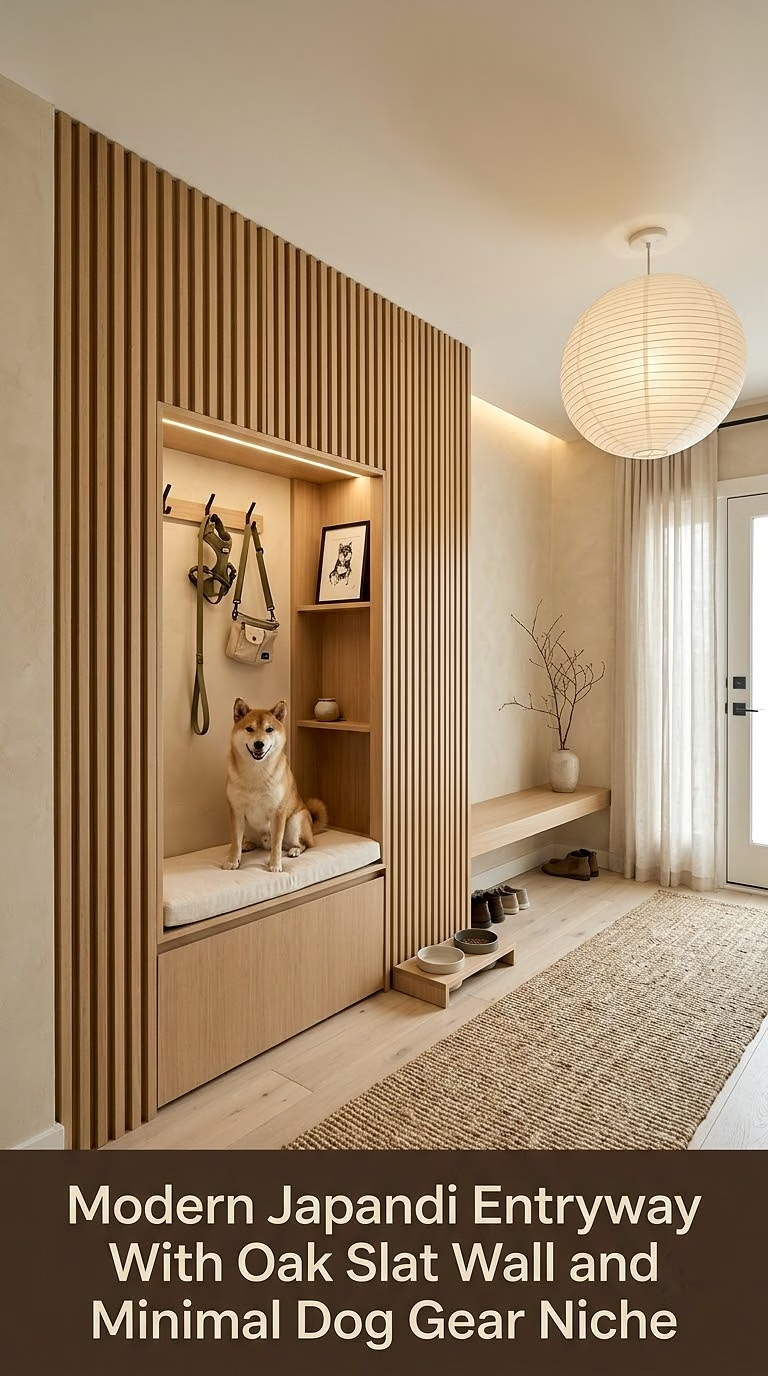
For dog owners who prefer calm, uncluttered interiors, a Japandi-inspired entryway offers a beautiful balance of warmth and simplicity. Use pale oak cabinetry, warm off-white walls, and a vertical wood slat feature wall to create subtle visual interest.
Instead of displaying every leash and accessory, build a small recessed niche with just a few carefully placed hooks. Closed cabinets can conceal towels, grooming products, toys, and backups.
A low bench with a removable washable cushion gives your dog a comfortable place to pause after coming indoors. Choose a flat-woven or low-pile runner with a secure backing to make the transition area easier to maintain.
Keep the color palette restrained with warm beige, mushroom, charcoal, and natural wood. One sculptural ceramic bowl or simple framed pet portrait is enough decoration.
This style works especially well in open-plan homes where the entryway is visible from the main living space and pet storage needs to blend quietly into the overall design.
7. Blue-Gray Cabinet Wall With Labeled Pet Lockers for Multi-Dog Homes
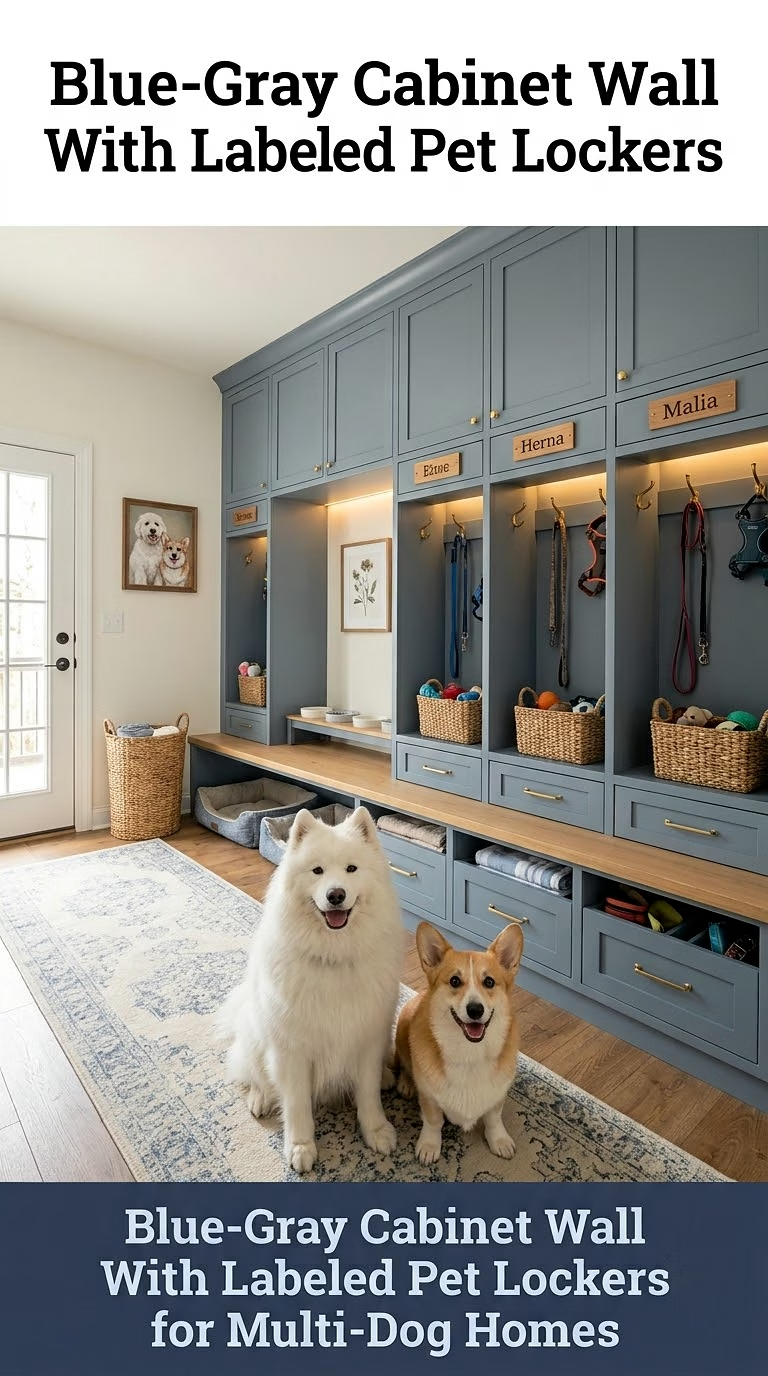
When you live with two or more dogs, individual storage can make daily walks far less chaotic. Create a wall of blue-gray lockers with one dedicated section for each dog. Each space can hold a labeled basket, leash hook, harness, jacket, and personal towel.
Use small engraved plaques, painted name tags, or framed photos to identify each dog’s section. This is both decorative and genuinely practical when different dogs use different harness sizes, medications, or outdoor gear.
Read more : 17 Dog Hallway Ideas That Make Small Spaces Stylish, Cozy, and Pet-Friendly
Include deep drawers beneath the lockers for bulky items such as towels, travel bags, grooming tools, and spare bedding. Closed cabinets above can store less frequently used supplies.
Make sure cleaning products, medications, and anything potentially hazardous stay secured behind doors rather than in open baskets at dog level.
A warm wood bench keeps the blue-gray cabinetry from feeling too cool, while brushed brass or matte black hardware adds polish. The final result feels custom, orderly, and especially helpful for busy multi-dog households.
8. Cozy Under-Bench Dog Bed Nook With Washable Cushion and Soft Lighting
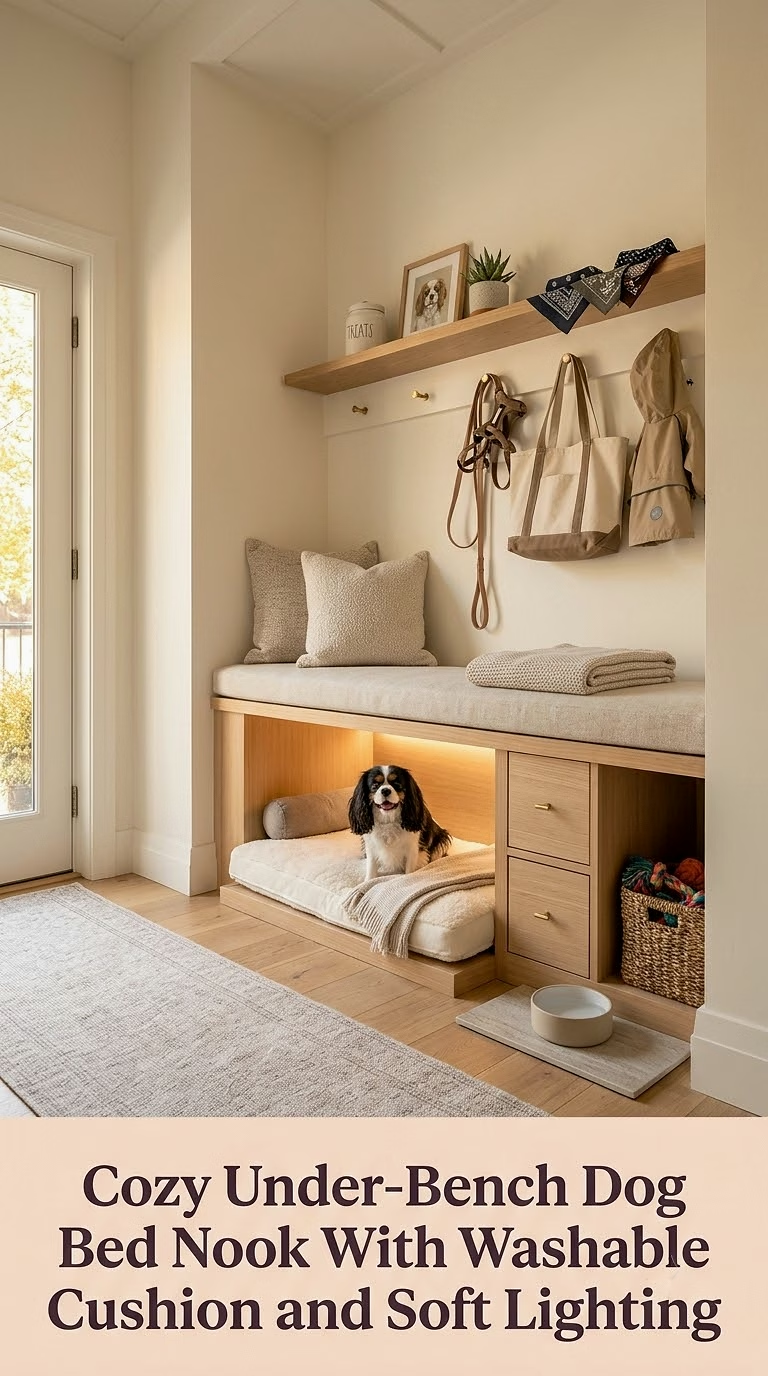
Transform the empty space beneath an entryway bench into a snug resting nook for your dog. Instead of filling every lower cabinet with storage, leave one wide opening and add a thick washable cushion sized comfortably for your pet.
Use smooth, durable interior surfaces that are easy to wipe clean, and avoid decorative details that could become tempting chew targets. The nook should have enough room for your dog to enter, turn around, lie down naturally, and relax without feeling cramped.
A small wall sconce positioned safely above the bench can create a warm evening glow, while a basket nearby keeps favorite toys close at hand. Choose fabrics with removable covers so muddy-paw days do not become a cleaning nightmare.
This idea looks especially lovely with soft cream cabinetry, natural oak, linen cushions, and gentle neutral tones. It gives the entryway a cozy, lived-in personality while providing your dog with a defined place to settle near the family.
9. Tile-Clad Paw-Washing Alcove Beside the Back Door
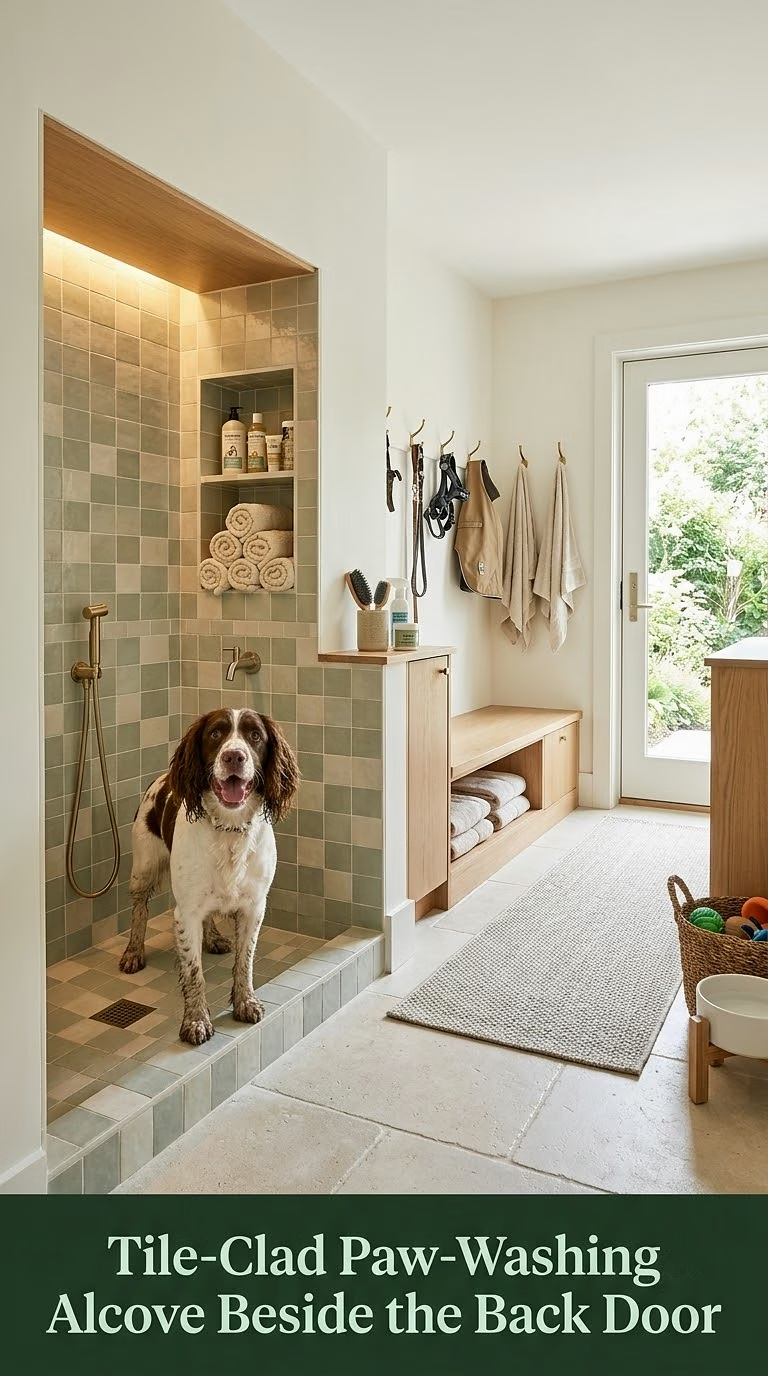
For dogs who love muddy trails, rainy walks, beaches, or backyard adventures, a compact paw-washing station can make an enormous difference to everyday cleanup.
Place the wash area as close as possible to the exterior door so dirty paws do not travel across the rest of the room first. Use water-resistant tile on the floor and surrounding walls, and select a textured, slip-conscious surface for better footing when wet.
A handheld sprayer makes it easier to rinse paws, legs, and bellies. Wall hooks nearby can hold towels, while a recessed niche keeps dog shampoo and grooming supplies organized without taking up floor space.
Size the washing area around your dog’s actual body size and mobility needs rather than copying a standard design blindly. Larger dogs require more turning space, while older pets may benefit from easier entry with minimal stepping.
Choose beautiful tile to make the station feel intentional. Zellige-inspired cream tile, earthy green subway tile, or patterned encaustic-look designs can turn a practical wash zone into the star of the entryway.
10. Budget DIY Leash Command Center With Painted Pegboard and Mini Shelf
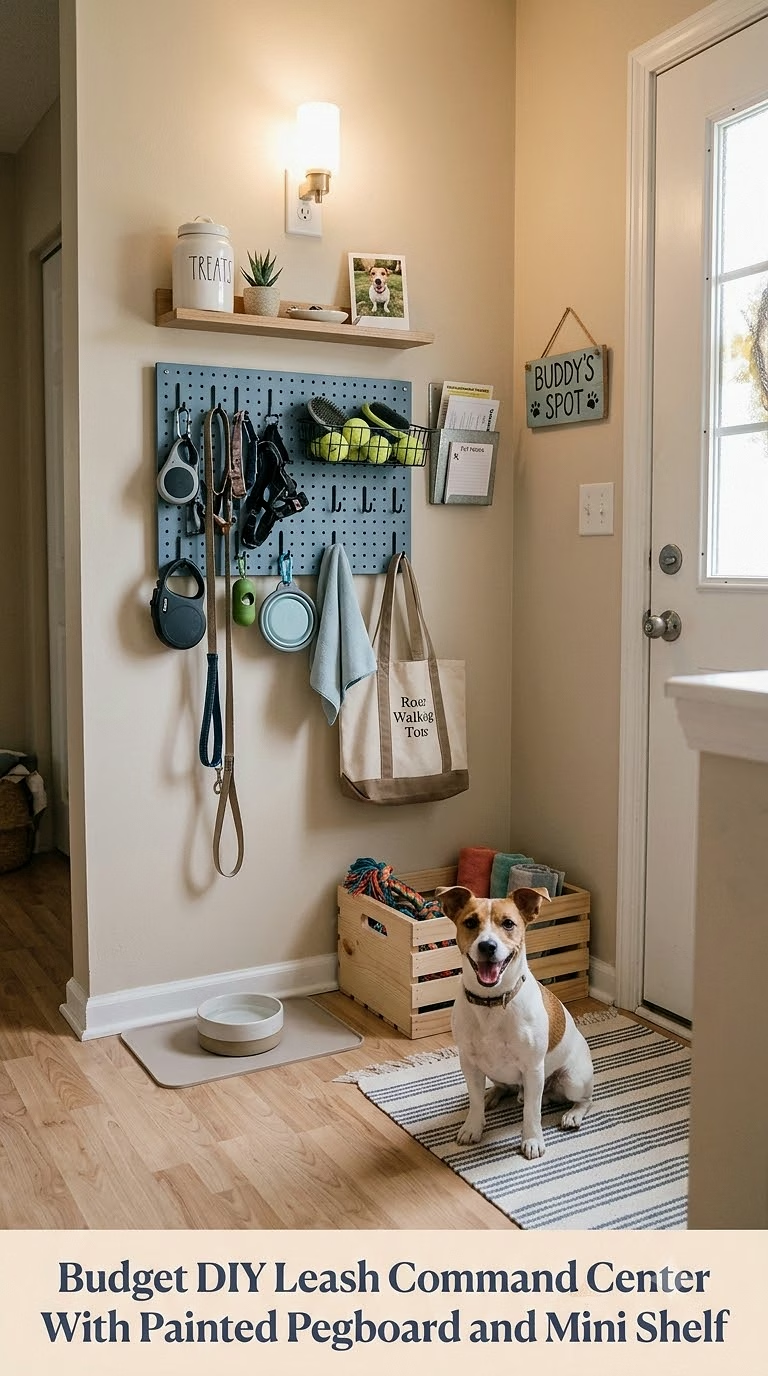
A stylish dog entryway can be created without custom cabinetry. A simple painted pegboard offers flexible storage for leashes, harnesses, brushes, treat pouches, and small walking accessories.
Mount the pegboard securely and add a narrow shelf for decorative jars, framed pet photos, or a small basket of waste-bag rolls. Keep treats and anything edible in sealed containers positioned beyond your dog’s reach.
Choose a paint color that complements your home, such as dusty blue, muted terracotta, sage green, or warm charcoal. Matching hooks create a more polished appearance, while inexpensive baskets help group smaller items.
Below the pegboard, place a narrow bench, secondhand console, or shoe cabinet. A washable runner completes the zone and protects the floor from damp paws.
This DIY project is ideal for renters or homeowners who want a noticeable transformation without building permanent cabinetry. It can also be updated easily as your dog’s routine and storage needs change.
11. Narrow Hallway Dog Station With Vertical Shelving and Wall-Mounted Drying Rack
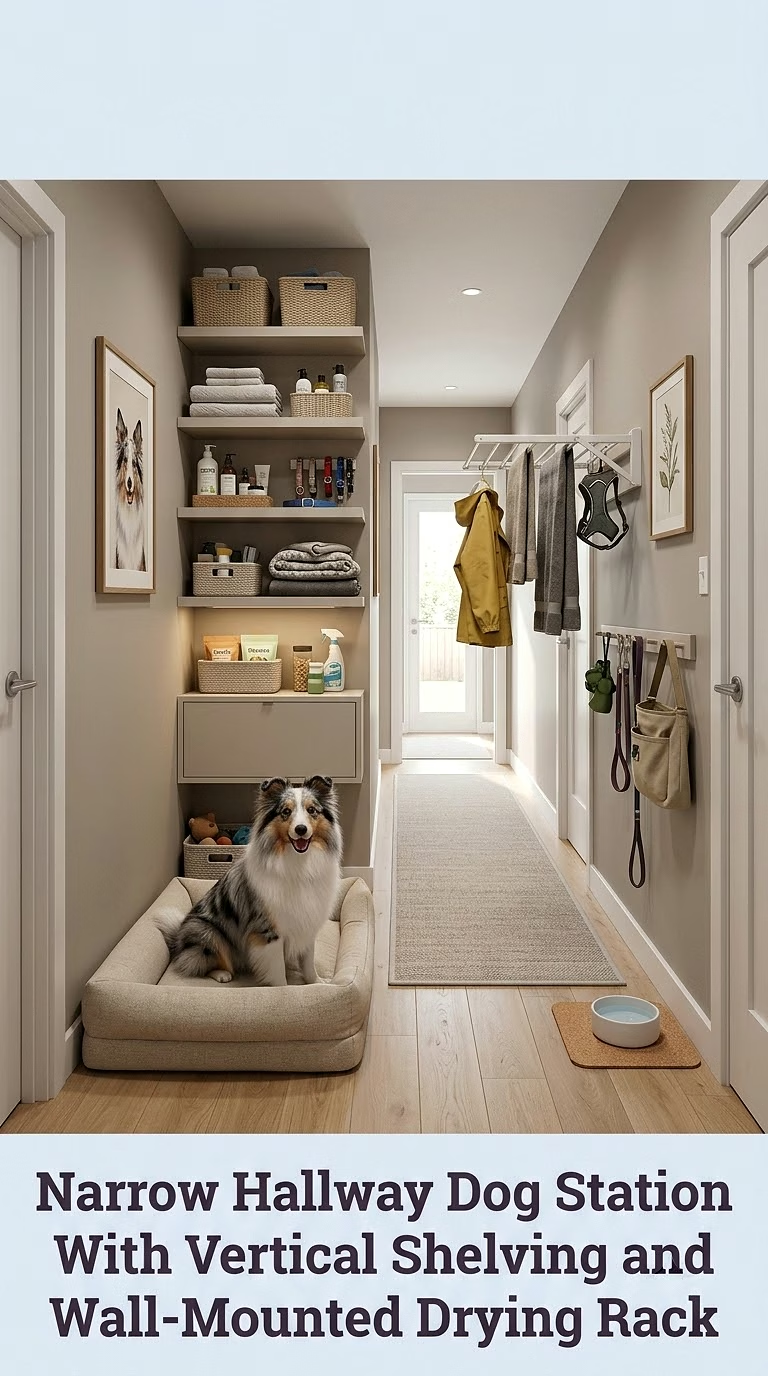
Long, narrow hallways often feel difficult to decorate, but they can be perfect for a streamlined dog station. Use tall, shallow shelving rather than bulky furniture that interrupts the walking path.
Reserve lower baskets for towels and outdoor toys, middle shelves for everyday walking gear, and upper cabinets for backups or cleaning supplies that should remain inaccessible to pets.
A fold-flat wall-mounted drying rack can hold damp dog towels, rain jackets, or fabric harnesses without permanently occupying floor space. Add a few hooks near the door for the items used on every walk.
Keep the design visually light with pale cabinetry, simple hardware, and a runner that creates a clear path through the hallway. Avoid overly deep shelves or protruding hooks in tight circulation areas.
This setup works particularly well in townhouses, apartments, and smaller homes where there is no traditional mudroom but a dedicated place for dog gear is still needed.
12. Cottage Entryway With Floral Wallpaper, Vintage Hooks, and Boot Tray
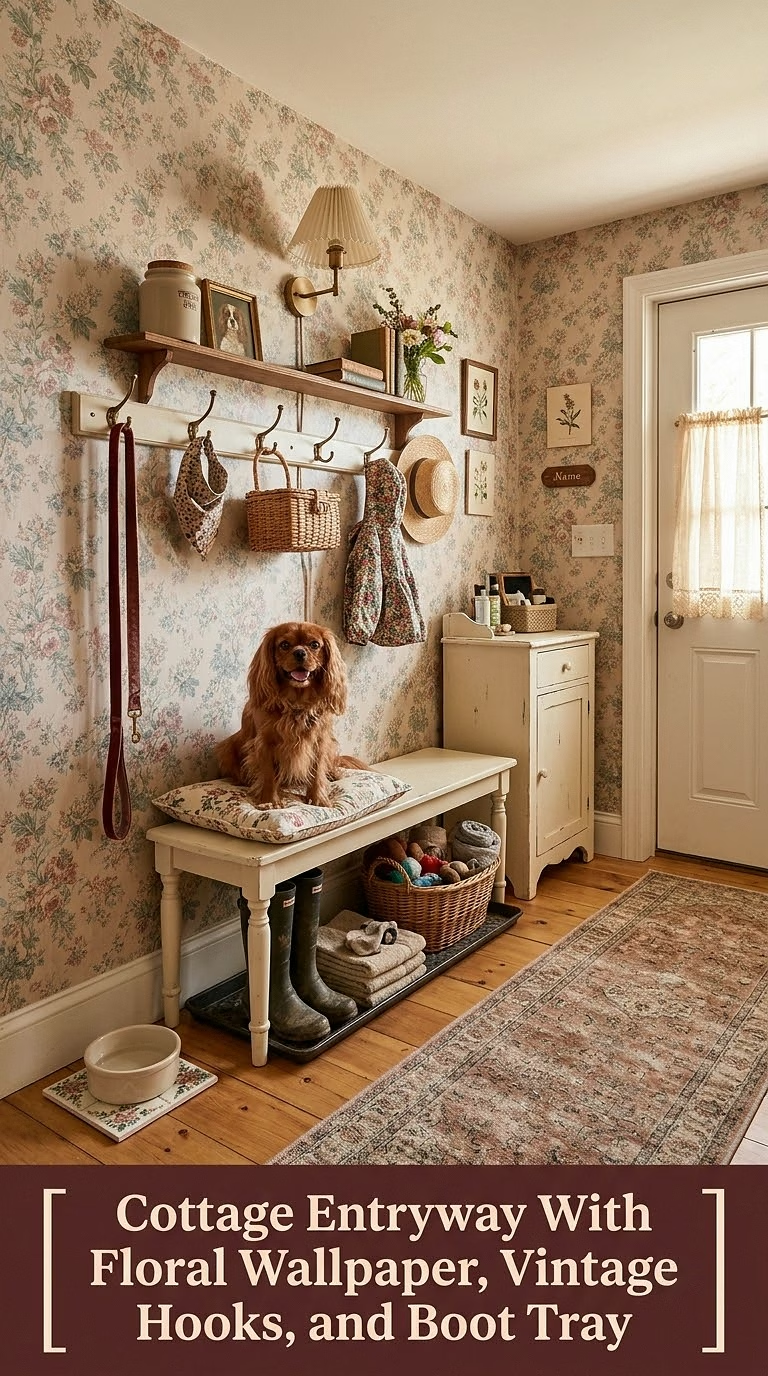
For a softer, more romantic approach to dog entryway ideas, decorate the space like a cheerful country cottage. Choose floral wallpaper in dusty blue, faded rose, sage, or warm cream, then add vintage-style brass or iron hooks for leashes and lightweight jackets.
A painted wooden bench provides seating and storage, while a metal boot tray underneath catches mud from shoes and wet pet gear. Add a woven basket full of rolled dog towels so cleanup supplies are always within reach after rainy walks.
Because an entryway experiences splashes and frequent contact, consider using wallpaper only on the upper wall and a durable painted paneling or tile surface below.
A small framed dog portrait, ceramic bowl for keys, and striped washable cushion make the room feel personal without adding unnecessary clutter.
This look is especially charming for spaniels, terriers, retrievers, and other adventurous dogs who somehow seem perfectly at home among flowers, old wood, and muddy boots.
13. Luxury Mudroom With Marble-Look Dog Wash, Custom Cabinetry, and Brass Fixtures
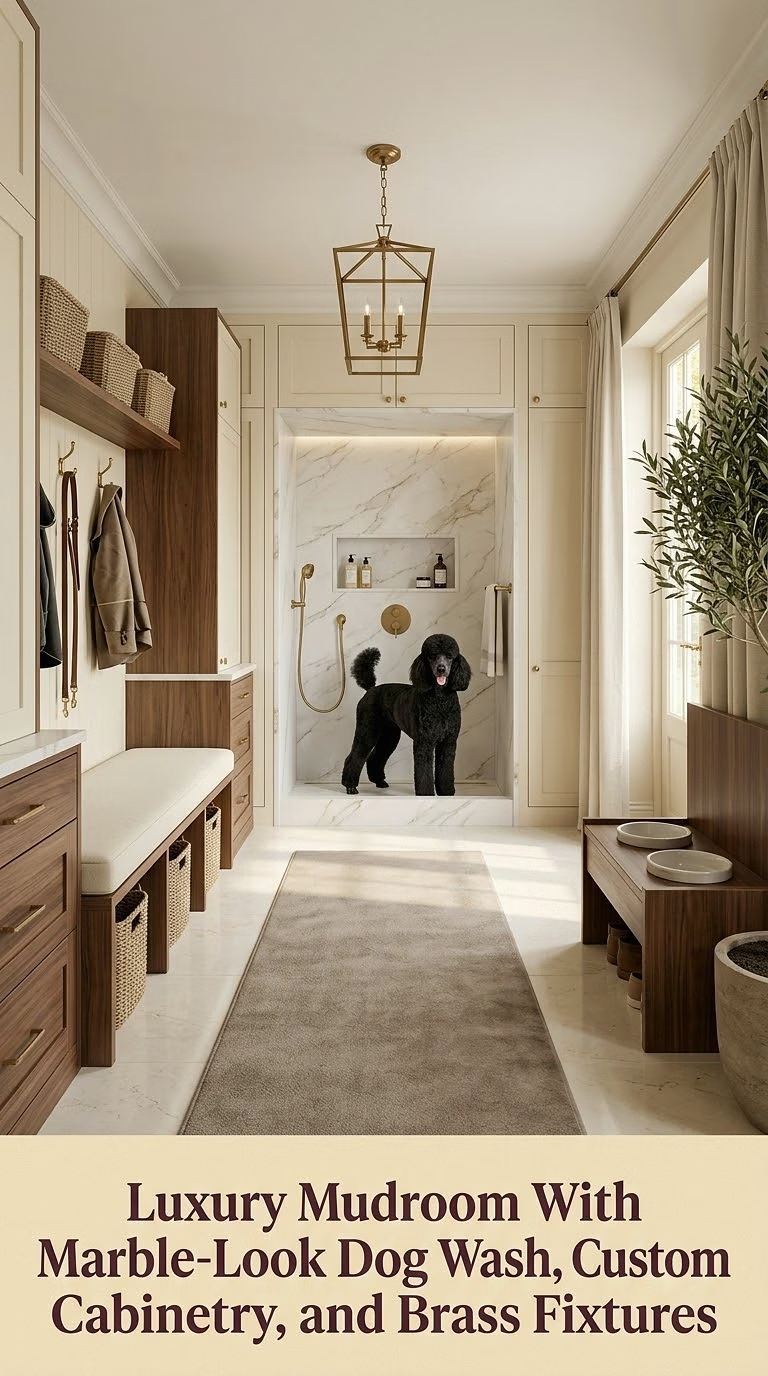
For a more elevated design, turn the entryway into a luxurious dog-friendly mudroom with floor-to-ceiling cabinetry, a built-in washing station, and sophisticated finishes.
Marble-look porcelain tile can provide a refined appearance while offering more practical maintenance than delicate natural stone in a wet, high-traffic pet zone. Pair it with warm white cabinetry, brass fixtures, and natural oak accents.
Design the dog wash around your pet’s size and your own comfort. Include a handheld sprayer, towel hooks, recessed storage, and enough open space to move safely during bathing.
Closed cabinets can hold food, grooming tools, travel supplies, and household essentials. Reserve a drawer close to the door for leashes, treats, and waste bags used every day.
Read more : 18 Dog Room Ideas Under Stairs for a Cozy and Stylish Pet Retreat
The most successful luxury dog entryways do not feel like miniature grooming salons. They blend seamlessly into the home’s architecture, making pet care easier while maintaining the same level of beauty found in the rest of the interior.
14. Senior-Dog Friendly Entryway With Non-Slip Runner, Low Bench, and Ramp Storage
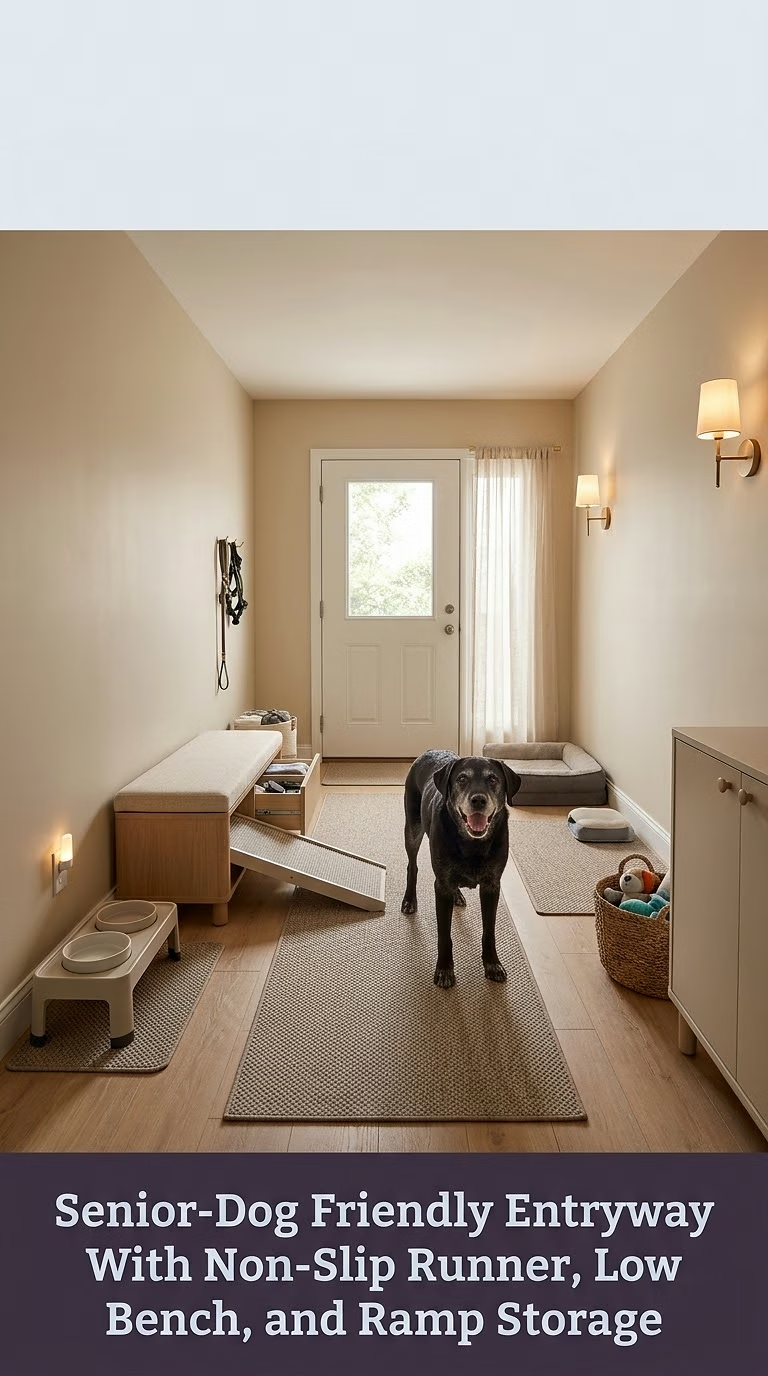
Older dogs may need a little extra support near entrances, especially when floors are smooth or there are steps between the house and outdoors.
Start with a secure, low-profile runner that provides better traction and does not create a curling edge that could become a trip hazard. Keep the path between the door and living space clear of baskets, shoes, and loose accessories.
A low bench gives you a convenient place to sit while helping with harnesses, boots, or post-walk care. Underneath, include dedicated storage for a portable ramp, paw-care products, towels, and other senior-dog essentials.
Choose gentle lighting so the entry is easy to navigate during early morning or evening walks. Avoid dramatic changes in floor level whenever possible.
Soft taupe, warm gray, natural wood, and subtle patterns create a peaceful aesthetic. The goal is to build a beautiful entryway around comfort, stability, and easy routines rather than expecting an aging dog to adapt to an inconvenient layout.
15. Puppy-Safe Entryway Airlock With Decorative Gate and Enclosed Storage
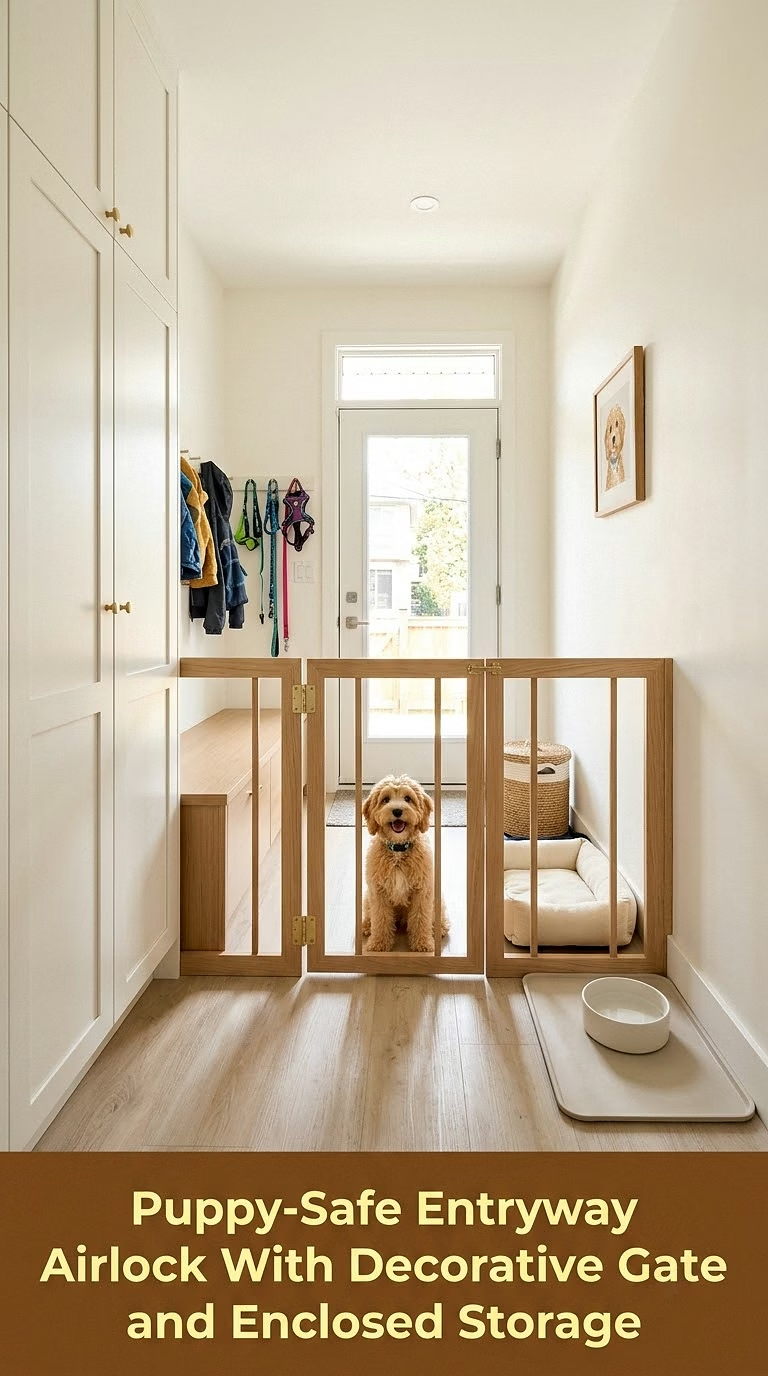
A puppy who gets excited whenever the front door opens can turn an ordinary entryway into a stressful zone. Creating a secondary boundary between the exterior door and the rest of the house can help define a safer transition area.
Use a securely installed decorative gate suited to your dog’s size, strength, and behavior. The gate should not create easy climbing opportunities or leave gaps that a small puppy could squeeze through.
Inside the entry zone, keep shoes, electrical cords, cleaning supplies, medications, and small chewable objects safely contained. Closed cabinetry is usually more practical than low open baskets for a curious young dog.
Add a washable mat, a hook for the everyday leash, and a sealed treat jar positioned above puppy level for rewarding calm behavior.
This setup can be attractive as well as functional. Black metal gates, oak cabinetry, warm neutral walls, and a patterned runner create a polished entryway while helping establish clear household boundaries.
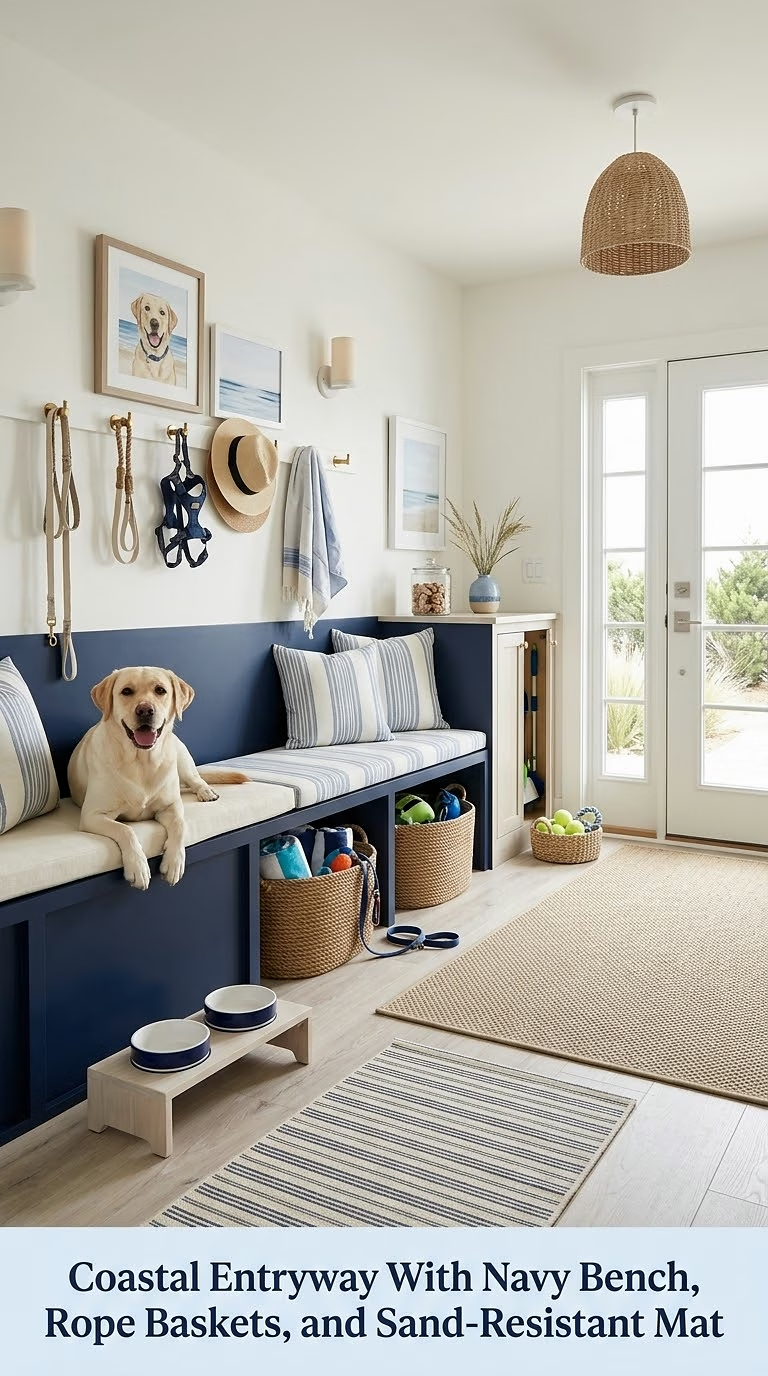
Create a fresh coastal dog entryway with a deep navy bench, white walls, pale oak details, and large rope baskets for towels and outdoor gear.
This style is especially fitting for dogs who regularly visit beaches, lakes, or sandy walking trails. Place a durable mat immediately inside the door to catch loose dirt and moisture before paws move farther into the home.
One basket can hold clean towels, while another stores floating toys, travel bowls, long lines, and outdoor accessories. Install hooks for leashes and harnesses, but avoid overcrowding the wall so the room maintains its breezy appearance.
Striped cushions, woven textures, and subtle blue accents create a relaxed coastal mood without relying on overly themed decorations.
For easier maintenance, choose removable cushion covers and smooth painted surfaces that can be wiped clean. The combination of navy, crisp white, sandy beige, and natural fibers feels both fresh and forgiving in a hardworking pet-friendly entrance.
17. Colorful Family Mudroom With Separate Human and Dog Drop Zones
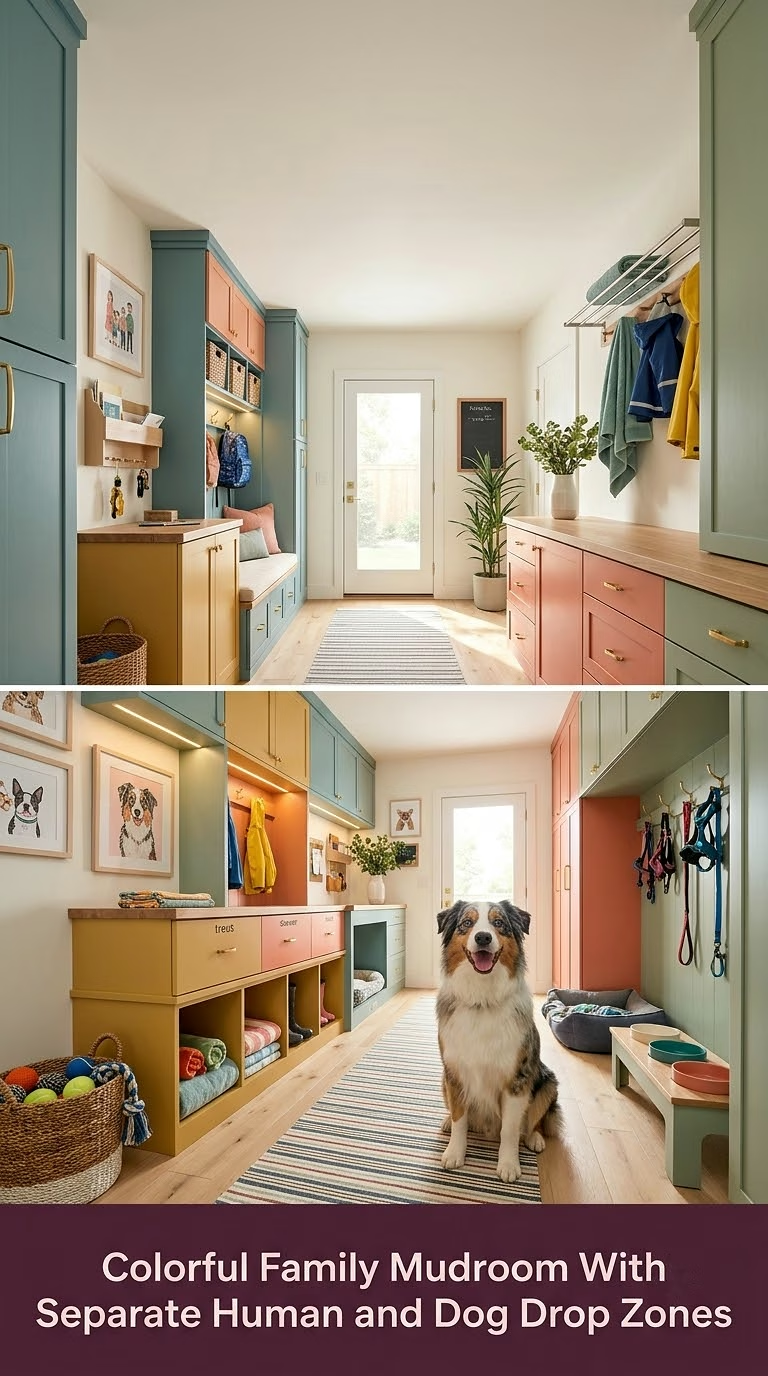
In a busy household, the best entryway layout may be one that gives every family member, including the dog, a dedicated place for belongings.
Create individual human cubbies for coats, bags, and shoes, then add a clearly defined dog station with leash hooks, a towel basket, toy storage, and a washable mat. Separating these categories prevents pet gear from disappearing beneath backpacks and jackets.
Use color to make the room cheerful. Dusty blue cabinetry, mustard cushions, terracotta baskets, or soft coral accents can give the space energy without becoming overwhelming.
Place frequently used dog accessories near the exterior door, while backups and seasonal equipment can go in higher cabinets. Keep cleaners and potentially hazardous products securely enclosed and away from curious pets.
A colorful family mudroom can still feel organized when every object has a clear home. It is a practical choice for active households where school runs, walks, work bags, sports gear, and muddy paws all meet in the same place.
18. Tiny Corner Dog Station With Floating Shelf, Ceramic Hooks, and Washable Mat
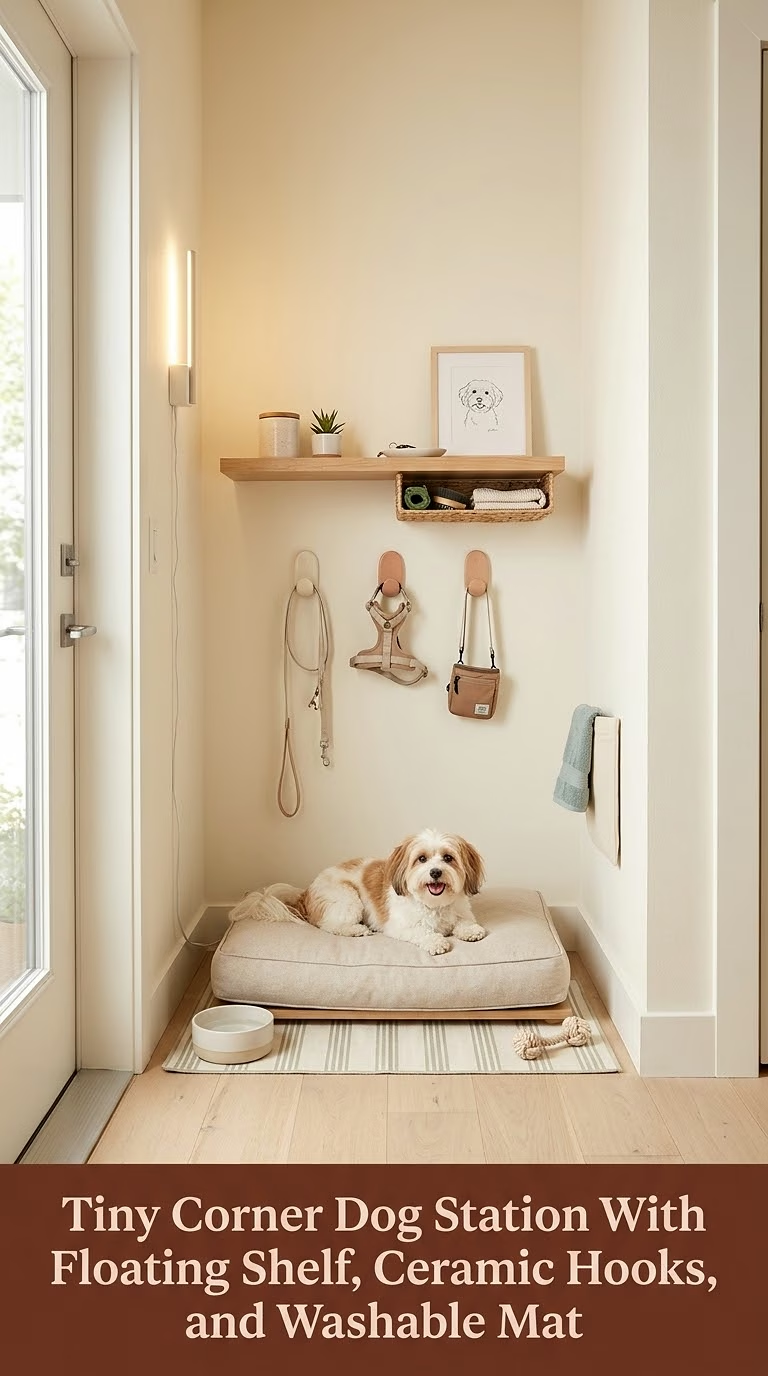
Sometimes all you have is one unused corner beside the door, and that can be enough.
Install a slim floating shelf for a small basket of waste bags, paw wipes, and other walking essentials. Beneath it, add two or three sturdy ceramic or metal hooks for a leash, harness, and lightweight dog jacket.
A narrow washable mat defines the area and gives your dog a consistent place to pause after entering the house. Tuck a small lidded basket underneath the shelf for towels or toys without creating visual clutter.
To make the station feel decorative, paint the wall behind it in a contrasting color such as sage, dusty rose, warm blue, or earthy terracotta. Add one framed dog portrait or a small personalized name plaque.
This is one of the simplest dog entryway ideas to recreate, making it ideal for apartments, rentals, narrow foyers, and anyone who wants a beautiful pet zone without committing to a major renovation.
Conclusion
A beautiful dog entryway is not about creating the biggest mudroom or investing in the most expensive custom cabinetry. It is about designing a thoughtful transition between outdoor adventures and the comfort of home.
For some households, that might mean a tiled dog wash beside the back door. For others, it could be as simple as a few attractive leash hooks, a washable runner, a basket of clean towels, and a cozy corner where everything needed for daily walks stays organized.
The best design will always reflect your dog’s size, age, habits, and lifestyle. A senior dog may benefit from better traction and a clear walking path, while a puppy household may prioritize secure storage and an extra gate near the door. Active dogs need easy cleanup zones, and small-space homes benefit from vertical storage and multifunctional furniture.
Choose the ideas that genuinely make your routines easier, then add colors, textures, and personal details that make the space feel like part of your home rather than just a pet storage area.
And when you find an idea you love, remember to pin this Pinterest post so you can easily come back to it when you are ready to create your own dream dog entryway.
Source: https://petstutorial.com
Category: Dog Rooms
