
A thoughtfully designed dog house can beespecially for your four-legged family member while still complementing the home and garden you have worked hard to create. Instead of placing a basic shelter in an empty corner, imagine a miniature cottage beside flowering borders, a modern black hideaway beneath a breezy pergola, or a rustic lodge connected to a clean paver path.
- 18 Cute Dog Room Ideas for a Cozy, Stylish, and Adorable Pet Space
- 19 Laundry and Dog Room Ideas That Make Everyday Life With Your Pet Beautifully Organized
- 18 Dog Station Ideas for a Beautiful, Organized, and Pet-Friendly Home
- 18 Dog Room Ideas That Turn Any Space Into a Cozy Retreat for Your Pup
- 17 Charming Farm Dog House Ideas for a Cozy Country Retreat
The best dog house yard ideas balance beauty with everyday practicality. A lovely exterior matters, but so do shade, airflow, drainage, easy cleaning, safe materials, fresh water, and enough room for your dog to enter, turn around, stretch out, and rest comfortably. Outdoor shelters are most useful as supervised daytime retreats, especially when the weather is mild. During extreme heat, cold, storms, or poor air quality, dogs should have access to a safer indoor environment.
You are reading: 17 Beautiful Dog House Yard Ideas for a Cozy, Stylish Outdoor Retreat
Whether your yard is tiny, spacious, modern, cottage-inspired, or still a work in progress, the following ideas offer achievable ways to create an outdoor space that feels intentional, welcoming, and truly dog-friendly.
Dog House Yard Ideas That Blend Comfort, Safety, and Backyard Style
1. White Cedar Cottage Dog House With a Deep Porch and Pea-Gravel Courtyard
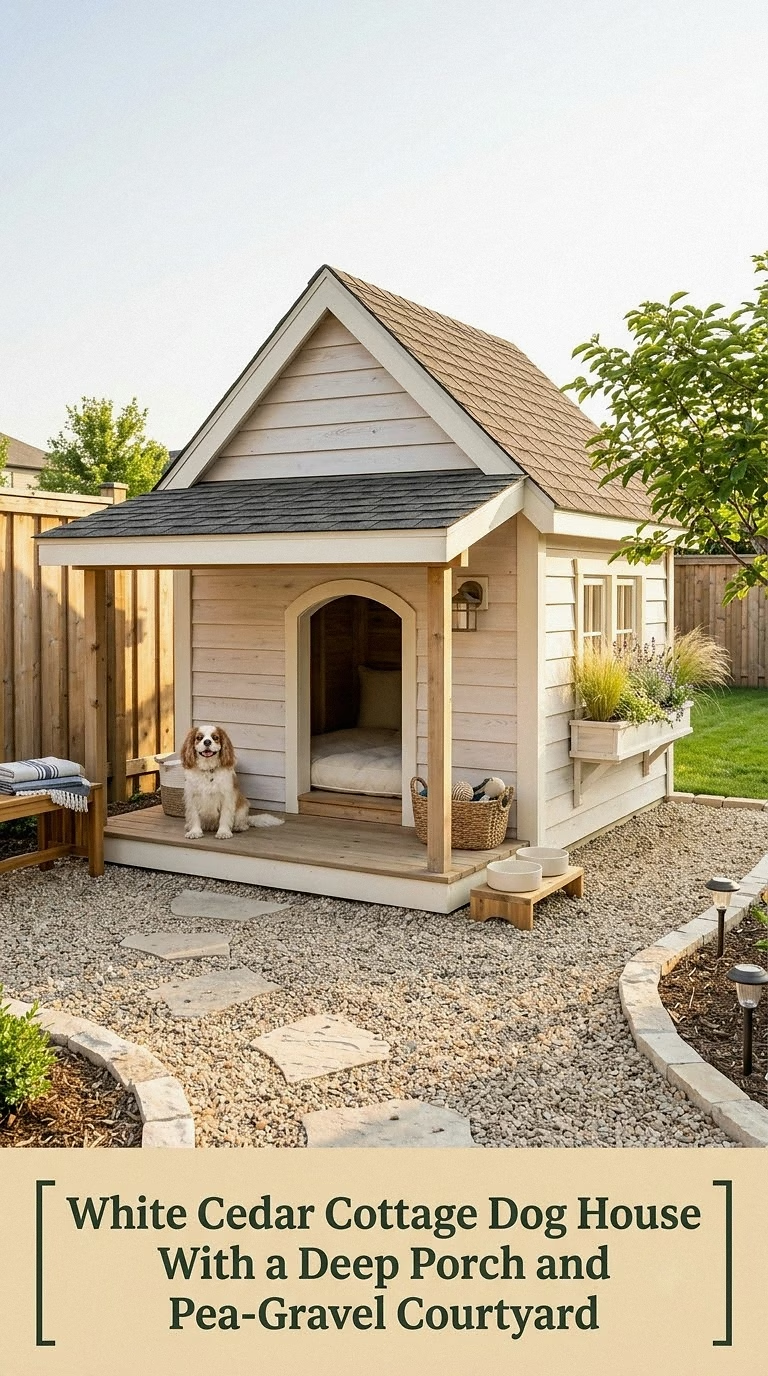
Create a storybook focal point with a white-painted cedar dog house, soft gray roof, tiny front window, and a porch deep enough to shade the entrance. Set the structure on a level pad of compacted gravel or permeable pavers so rainwater can drain away instead of collecting beneath the floor.
A small courtyard of smooth pea gravel gives the space a finished look and helps reduce muddy paw prints. Frame it with low edging, then add a washable outdoor mat beneath the porch. Keep decorative details simple and securely attached so nothing can be chewed loose.
For a charming garden effect, place two heavy planters beside the porch using plants confirmed as non-toxic to dogs. Choose pale wood, white, and soft green for an airy cottage palette. The result feels polished enough to sit near a patio while remaining practical for daily use.
2. Matte-Black Modern Dog House Beneath a Slatted Wood Pergola
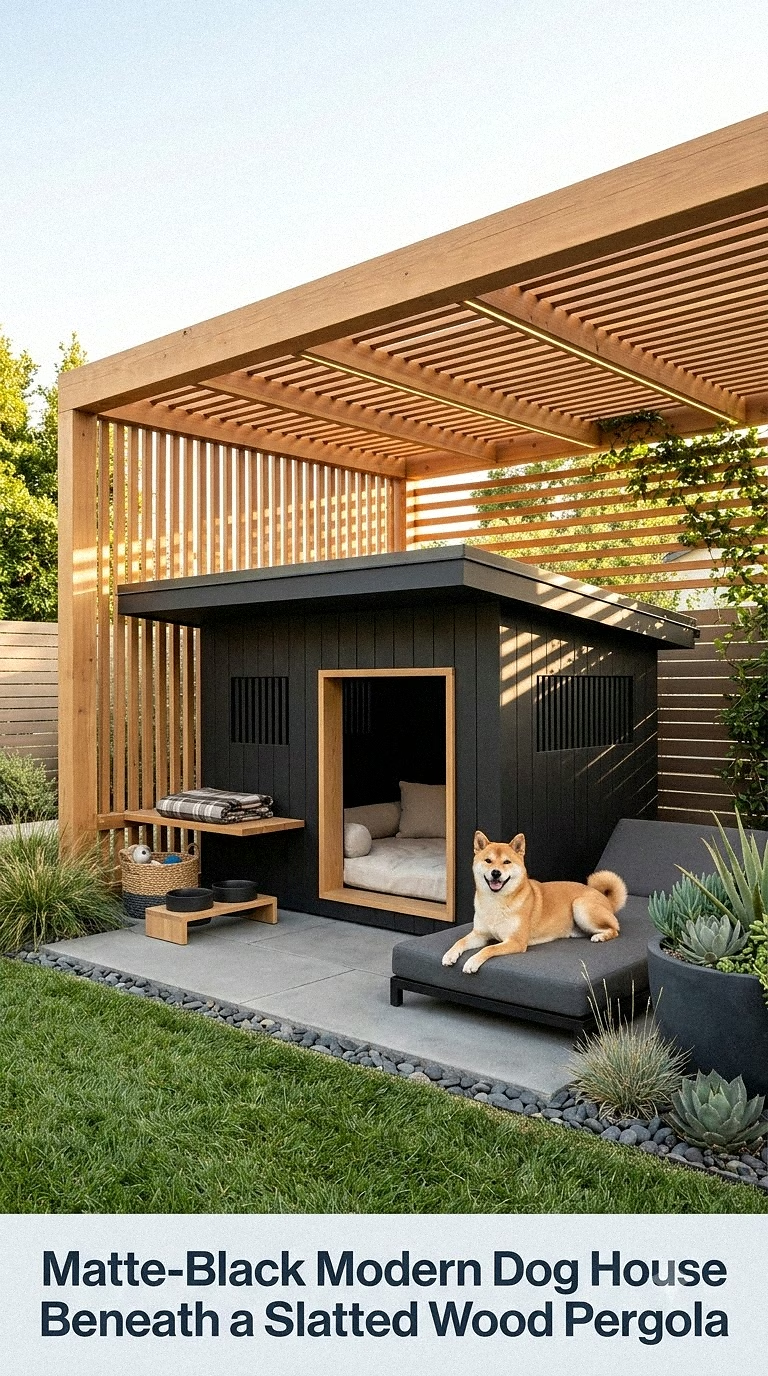
For a contemporary backyard, pair a matte-black dog house with a warm cedar pergola. The dark structure creates a bold architectural statement, while the wood slats soften the look and provide partial overhead shade. Add a separate UV-rated shade panel above the pergola if the afternoon sun reaches the area strongly.
Use a simple rectangular shape with a slightly sloped metal-look roof, a wide entrance, and screened ventilation openings placed high on opposite walls. A raised base helps keep the interior away from damp soil, while large concrete pavers create a clean, modern platform around it.
Finish the setting with ornamental grasses placed beyond your dog’s reach, a black water bowl stand, and one weatherproof outdoor cushion on the covered deck. This design works especially well beside modern fencing, charcoal patios, or homes with black-framed windows.
3. Sage-Green Farmhouse Dog House Beside Raised Herb Beds
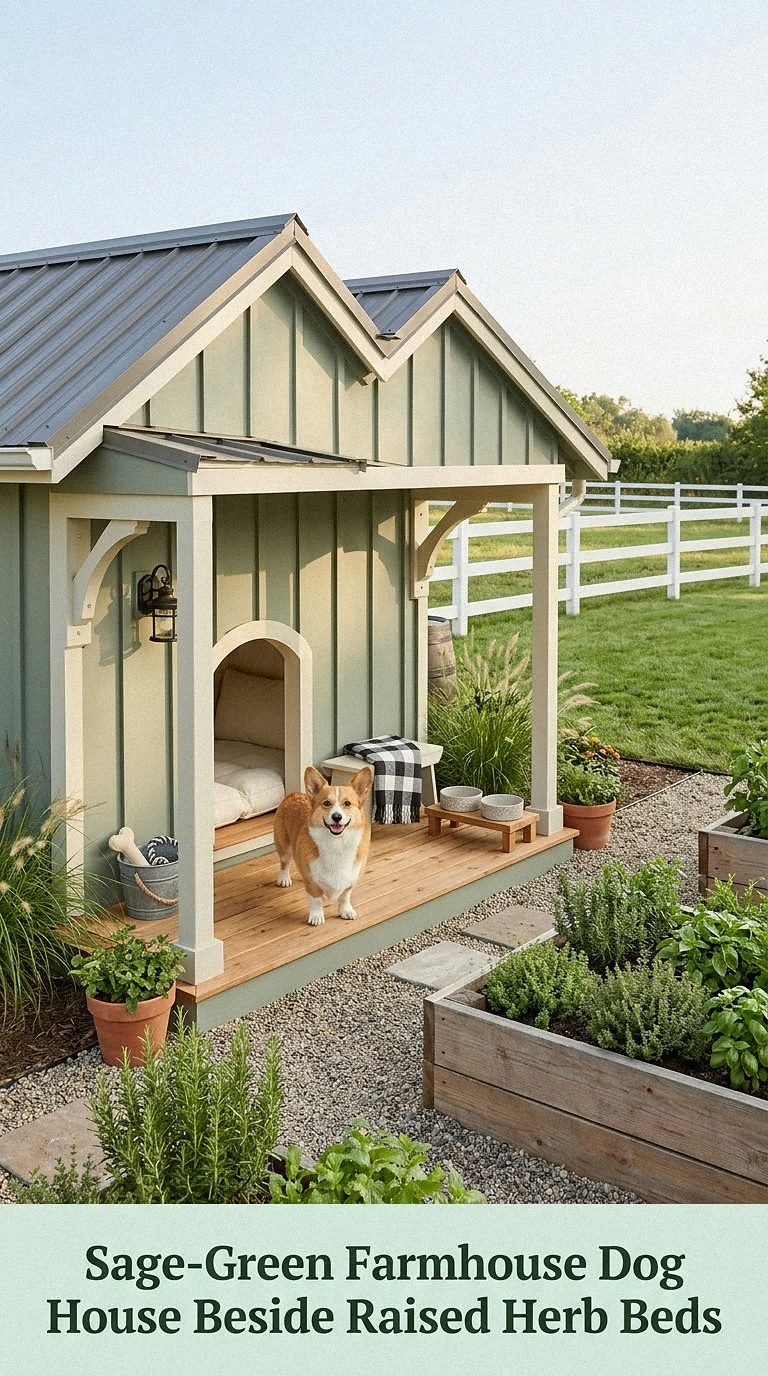
A muted sage-green dog house looks beautiful in a relaxed farmhouse yard. Add cream trim, a simple gabled roof, and a small covered porch with a wooden name plaque. Position it near raised garden beds, but leave a comfortable walkway between the shelter and the plants so your dog can move freely without trampling the garden.
Raised beds can create a lovely backdrop while keeping delicate plants more protected. Select dog-safe herbs and flowers, and verify every plant before adding it to a pet-accessible area. Avoid leaving fertilizers, pesticides, compost, bulbs, or garden tools nearby.
Use crushed stone or brick pavers beneath the house to prevent mud, and place a lidded storage bench a few steps away for towels, toys, and cleaning supplies. The combination of green paint, natural wood, galvanized accents, and tidy garden rows gives the yard a warm, collected feel.
4. Budget-Friendly Reclaimed-Wood Dog House With Crisp Painted Trim
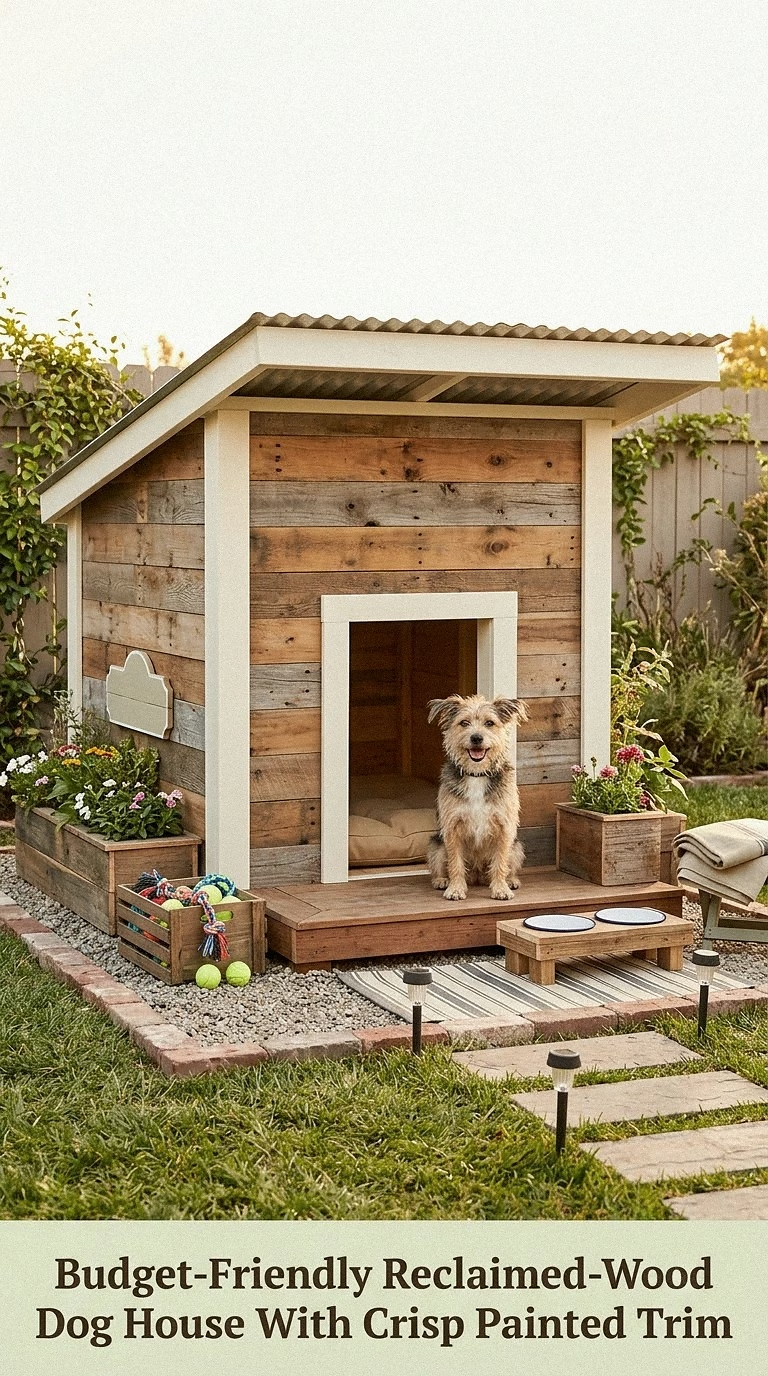
A reclaimed-wood look can be achieved on a modest budget without making the yard feel unfinished. Start with a sound, weather-resistant frame, then add sanded boards in varied natural tones as decorative cladding. Use only clean, suitable lumber, and avoid wood with unknown chemical treatments, peeling paint, rot, sharp splinters, or exposed hardware.
Paint the trim in white, navy, or deep green to make the mismatched boards feel intentional. A removable roof panel or hinged side makes cleaning much easier, while an elevated plywood floor covered with a washable mat creates a more comfortable resting surface.
Place the house on a simple concrete-block or paver foundation and hide the base with neat gravel edging. Add a thrifted metal bucket for sealed toy storage and a sturdy outdoor water bowl. This idea proves that careful finishing and thoughtful placement matter more than an expensive build.
5. Stone-Edged Dog House Platform With a Rain-Garden Border
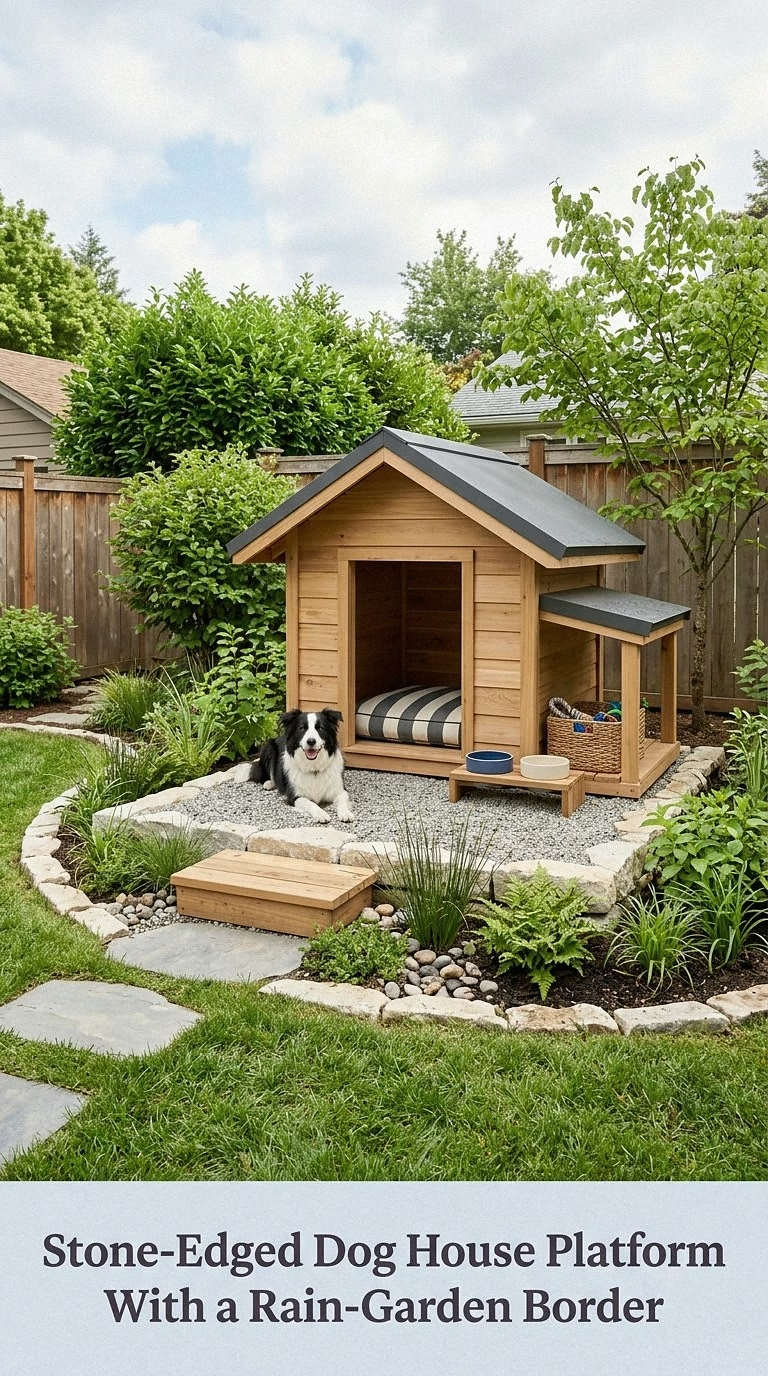
Turn a naturally damp area into a more functional yard feature by building the dog house on higher ground and directing runoff toward a separate rain-garden border. The shelter itself should remain dry, level, and easy to approach, while the planted area helps visually soften drainage channels.
Use a raised paver platform edged with natural stone. Grade the surrounding surface so water moves away from the entrance and resting area. A short stepping-stone path can connect the platform to the patio without forcing your dog through wet grass after a storm.
Choose plants appropriate to your climate and confirm they are safe for dogs before planting. Keep the rain garden far enough from the shelter that saturated soil, insects, and standing water do not affect the resting zone. This design is ideal for yards where practical drainage improvements need to look intentional and attractive.
6. Space-Saving Corner Dog House With a Vertical Trellis Privacy Screen
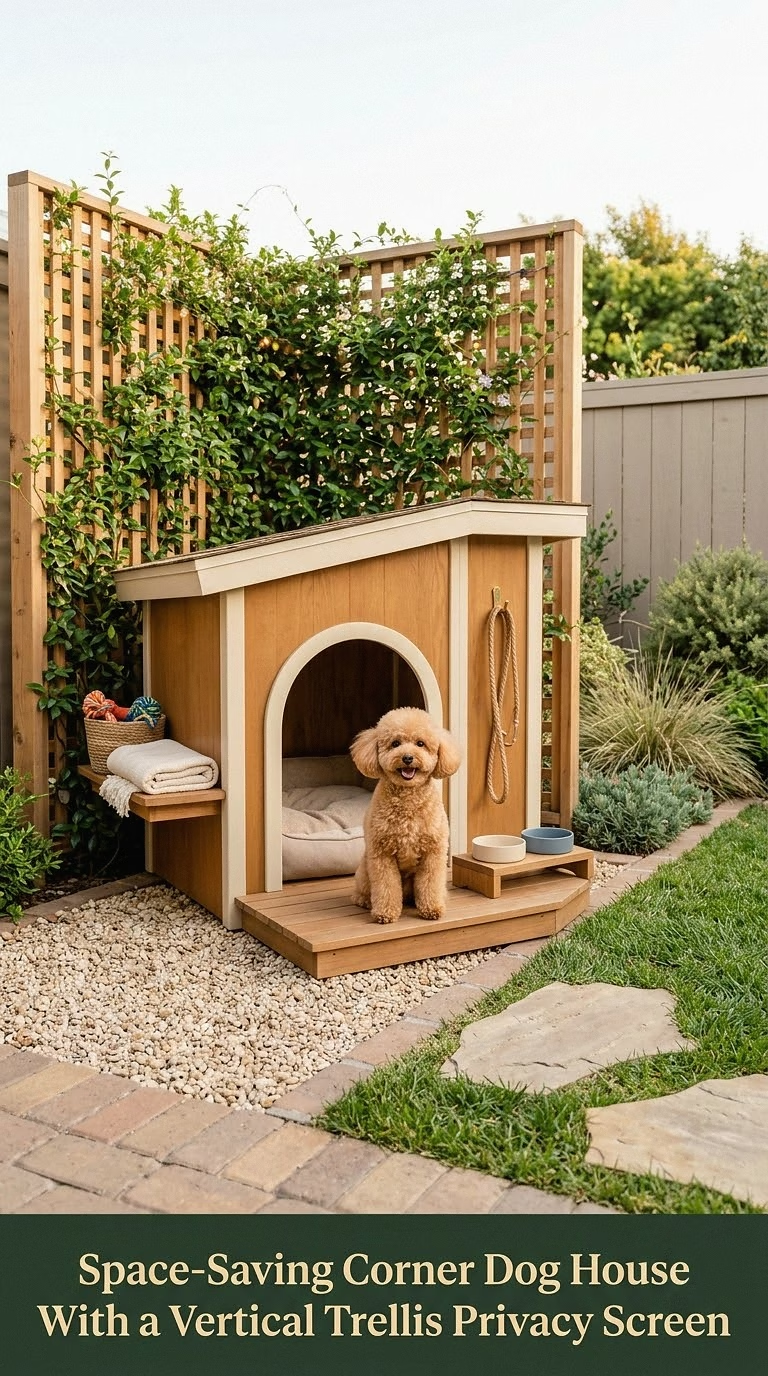
A small yard can still hold a beautiful dog retreat when the design uses the corner efficiently. Choose a compact dog house sized for your dog rather than an oversized structure that dominates the space. Angle the entrance toward the open yard and leave enough clearance around the sides for cleaning and airflow.
Read more : 19 Dog Sleeping Area Ideas for a Cozy, Stylish Resting Spot
Install an L-shaped trellis behind the house to hide utility boxes, neighboring walls, or plain fencing. The trellis can support dog-safe climbing plants, but keep vines trimmed away from vents, roofing, and chewable edges. A slim gravel strip beneath the structure prevents weeds and keeps the corner tidy.
Add one wall-mounted shelf outside the dog’s reach for towels or a watering can, plus a narrow path of rectangular pavers. Using the same paint color as the fence helps the retreat blend in, while contrasting trim gives the small structure a charming, custom-built appearance.
7. Covered Dog House and Run With a Clean Paver Walkway
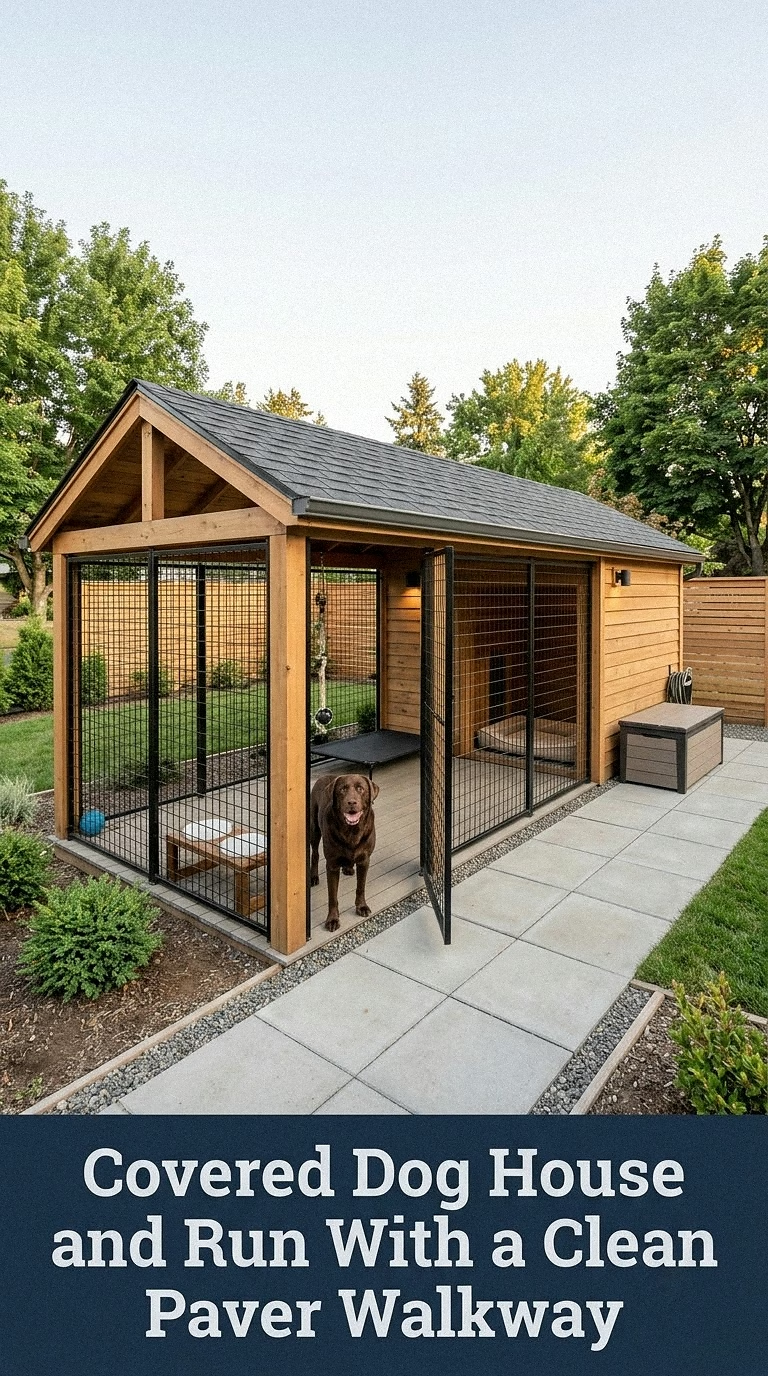
For dogs that enjoy spending supervised time outdoors, connect the dog house to a secure covered run. The shelter becomes the quiet resting zone, while the run provides space to stretch, watch the yard, and enjoy fresh air. Use fencing with safe spacing, smooth edges, secure latches, and a height suited to your dog’s jumping or climbing ability.
A roof over part of the run provides dependable shade and rain protection. Keep another section open enough for light and airflow. Underfoot, use well-drained materials such as textured pavers, artificial turf designed for pets, or compacted gravel appropriate for your dog’s paws.
A straight paver walkway from the back door makes feeding, cleaning, and rainy-day checks easier. Add a hose connection or nearby water source, but design the floor so wash water drains away rather than pooling around the house.
8. Mediterranean Stucco Dog Casa With Terracotta Roof Tiles
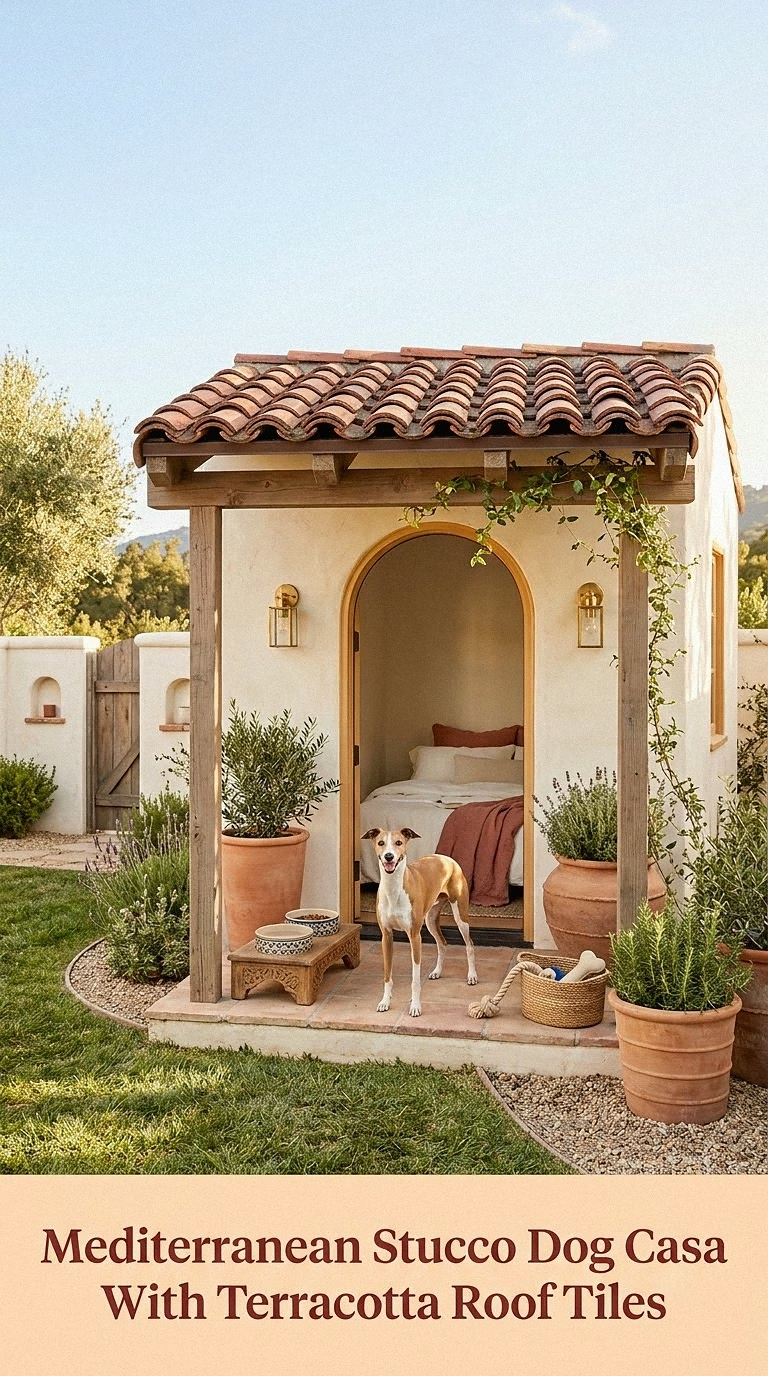
Bring vacation warmth into the yard with a small Mediterranean-inspired dog casa. Use a cream stucco-look exterior, rounded doorway, terracotta-colored roof, and a tiled porch in warm beige tones. A tiny blue accent tile or painted name sign adds personality without clutter.
Because real masonry can hold heat, build the decorative finish over a properly ventilated, insulated structure rather than creating a heavy sealed box. Place the casa beneath natural or constructed shade and include generous screened vents. A wide roof overhang helps protect the walls and entrance from sun and rain.
Surround the platform with pale gravel and large stepping stones. Add sturdy pots filled with dog-safe greenery, keeping all containers stable so they cannot tip. This style pairs beautifully with stucco homes, warm wood fencing, olive-toned landscaping, and courtyards with arched details.
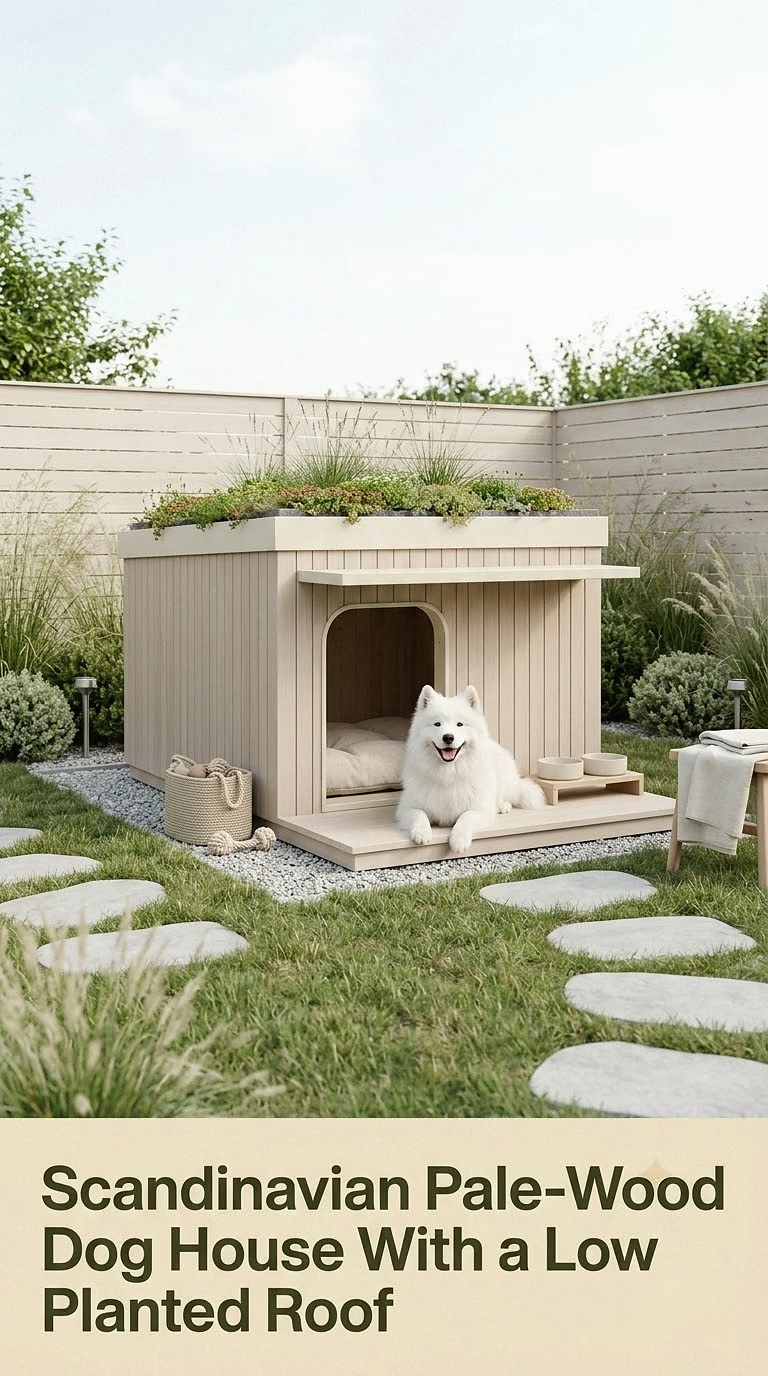
A Scandinavian-inspired dog house feels calm, modern, and closely connected to the garden. Use pale sealed wood, clean vertical cladding, a simple rectangular doorway, and minimal black hardware. The roof can be designed as a shallow planted tray filled with lightweight, dog-safe groundcover, provided the structure is engineered to support the added weight and moisture.
A waterproof membrane, drainage layer, and secure raised edge are essential to keep water out of the shelter. The planted section should never block vents or be accessible for chewing. For an easier version, use a removable faux-green roof panel or place a narrow planter behind the house instead.
Set the structure on large gray pavers and add a natural woven-look outdoor mat. This idea works best in a minimalist yard with restrained colors, simple fencing, and uncluttered planting.
10. Breezy Summer Dog Cabana With a Shade Sail and Water Station
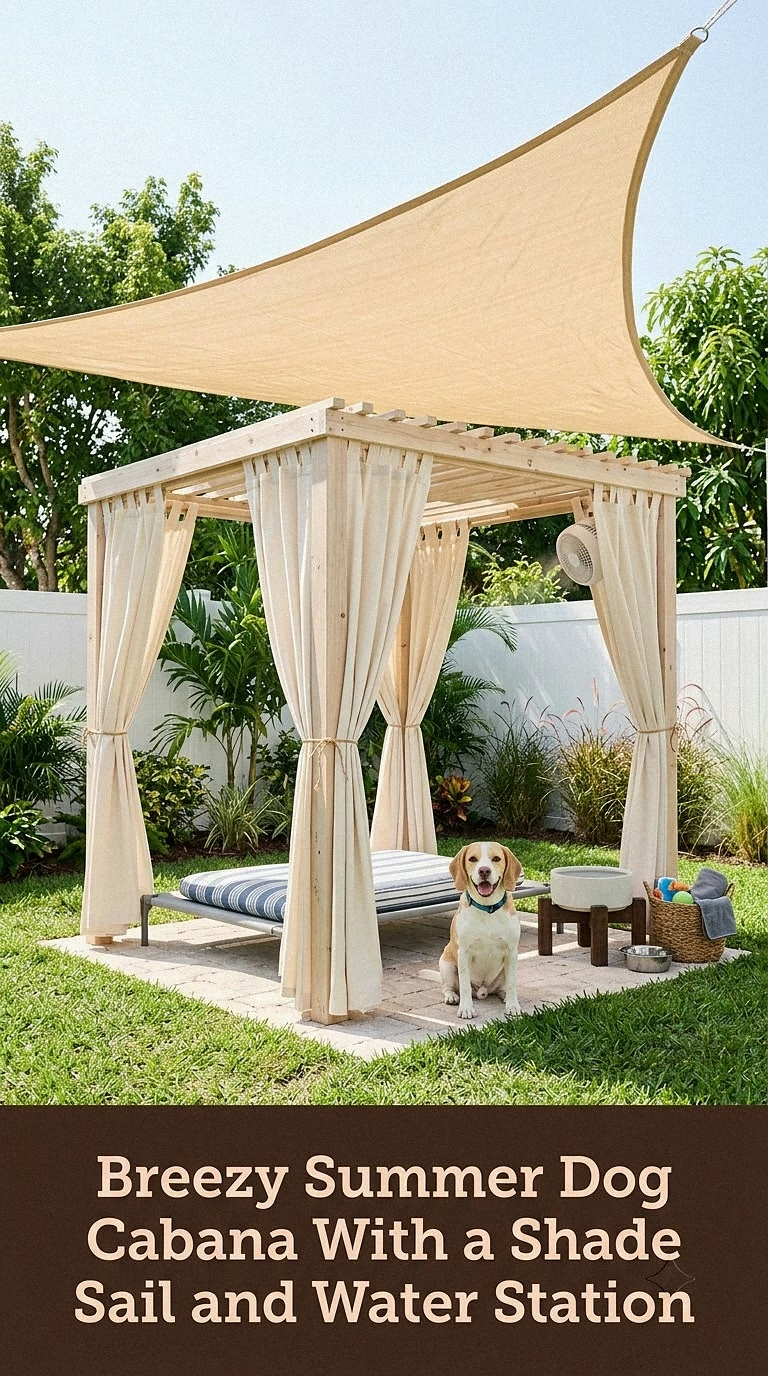
In warm climates, design the yard retreat around shade and airflow rather than relying on the dog house alone. Place an open-sided cabana over or beside a highly ventilated shelter, then stretch a properly anchored shade sail above the lounging area. Check the shade pattern during the hottest part of the day, since morning shade may disappear by afternoon.
Create a dedicated hydration station with a heavy, tip-resistant bowl set on a cool shaded surface. Keep the water fresh and easy to inspect. A raised mesh cot can provide another resting choice outside the shelter, allowing your dog to select the breeziest spot.
Use light-colored pavers or textured outdoor tile instead of dark heat-absorbing surfaces. Add a hook for a cooling towel and a weatherproof bin for water toys. During very hot or humid conditions, bring your dog indoors rather than treating the cabana as sufficient protection.
11. Winter-Ready Insulated Dog Chalet With an Offset Entry
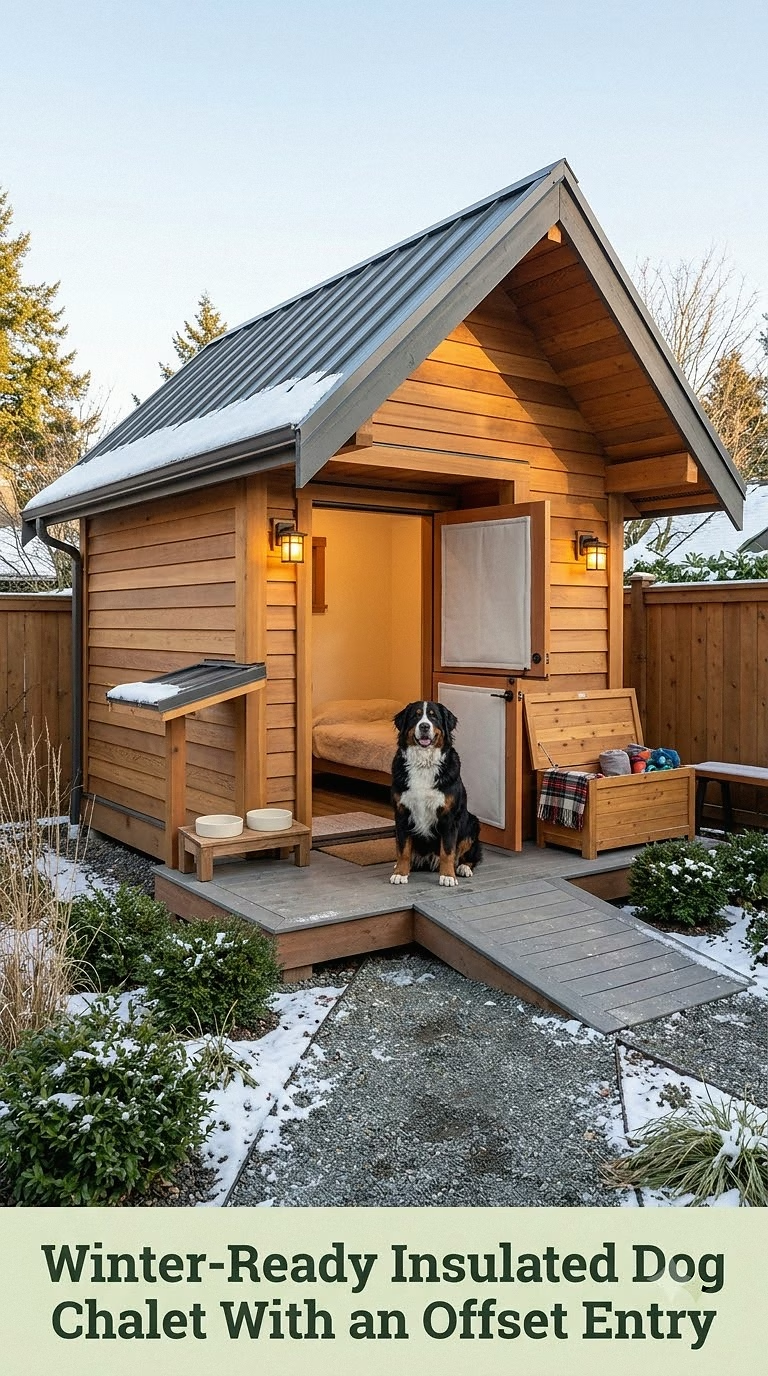
For a cold-weather look, build a compact chalet with insulated walls, a raised solid floor, and an entrance positioned to one side rather than directly in the center. The offset layout creates a more protected sleeping area away from wind entering through the doorway.
Use a steep sloped roof to shed rain or snow, and extend the eaves over the entrance. Inside, choose dry bedding appropriate to your climate and replace it whenever it becomes damp. Avoid unsafe portable heaters, exposed electrical cords, or anything your dog could knock over or chew.
The chalet can be stained warm brown with cream trim for a cozy alpine appearance. Place it on a stable platform above wet ground and orient the doorway away from prevailing wind. Even with insulation, outdoor time should remain limited during severe cold, particularly for puppies, seniors, small dogs, short-coated breeds, and dogs with health concerns.
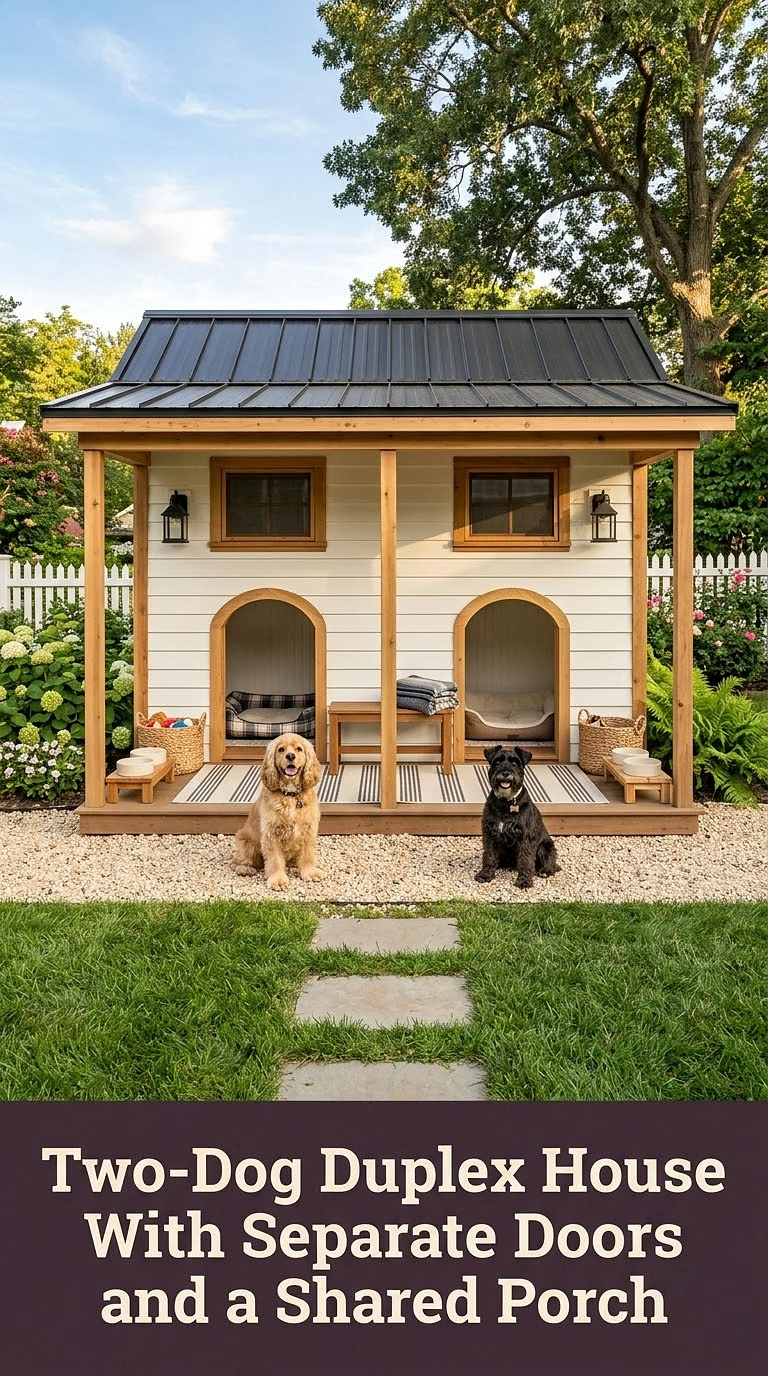
A two-dog household can benefit from a duplex-style shelter that gives each pet a private resting space. Use two separate entrances, divided interior compartments, and a shared covered porch across the front. This setup helps dogs settle independently while keeping the overall yard design cohesive.
Size each compartment for the dog using it, especially when the pair differs greatly in height or build. Include ventilation for both sides and make the divider removable only if the dogs are comfortable sharing. The roof should lift or open so each interior can be cleaned thoroughly.
Read more : 17 Beautiful Dog Room Storage Ideas for a Calm, Organized Pet Space
Paint the exterior in a soft neutral and use different door-trim colors or name plaques to personalize each side. Add two water bowls spaced apart and enough porch width to prevent crowding. This is especially useful for dogs that enjoy companionship but prefer separate beds.
13. Oversized Lodge for a Large Dog With a Wide Ramp and Shaded Deck
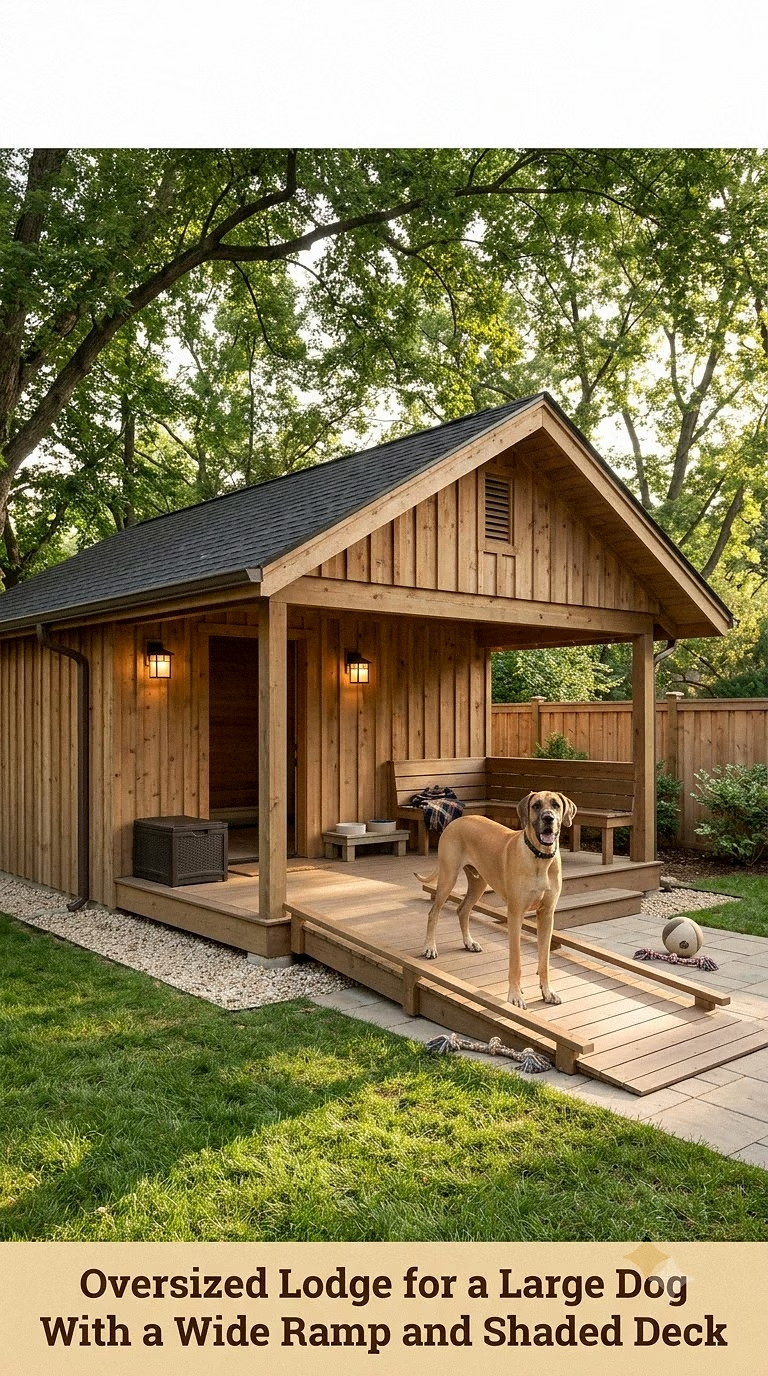
Large dogs need more than a scaled-up decorative box. Create a sturdy lodge with a broad entrance, reinforced floor, generous turning room, and a low, non-slip ramp rather than a steep step. A shaded deck across the front gives your dog space to rest outdoors without squeezing inside.
Use durable framing and smooth, sealed surfaces that can handle weight, scratching, and frequent cleaning. The roof can extend farther on one side to create a deeper shaded zone. Place a large orthopedic outdoor bed on the deck only when it can remain dry and be washed easily.
Keep the house large enough for natural movement but not so cavernous that it loses shelter value in cool weather. A charcoal roof, warm cedar siding, and black metal details create a handsome lodge that fits beautifully in a spacious yard.
14. Cottage Garden Dog Nook With a Mini Picket Fence and Safe Flowers
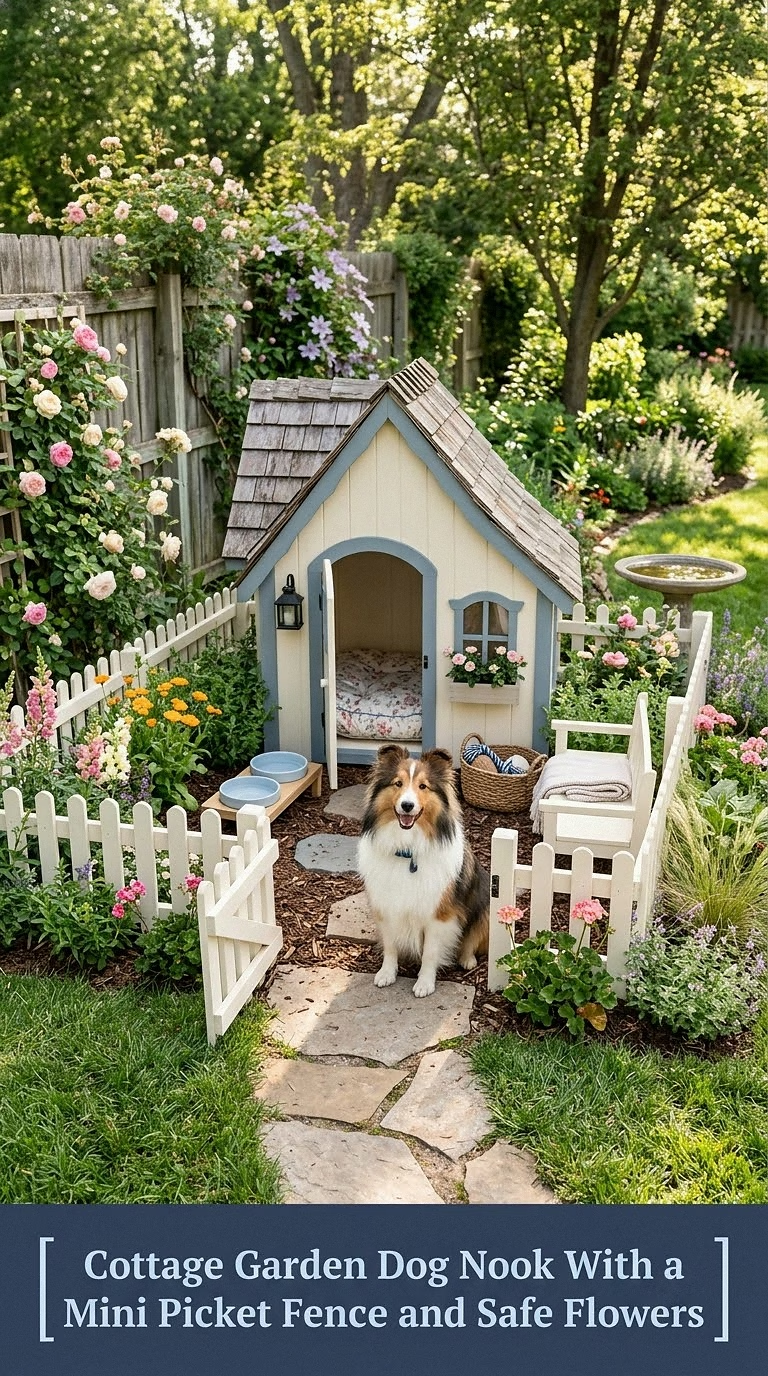
For a romantic garden setting, create a small nook around the dog house using a low decorative picket fence. The fence should define the area visually rather than confine the dog, with an open gate and enough space for easy movement. Paint it white, dusty blue, or muted green to match the house trim.
Plant drifts of verified dog-safe flowers outside the fence line, leaving the immediate area around the shelter open for cleaning. Use mulch carefully, since some products may be unsafe or tempting to chew. Smooth gravel, pavers, or pet-friendly groundcover can be a better choice near the entrance.
Add a curved stepping-stone path, one small lantern-style solar light placed beyond chewing reach, and a washable floral-patterned mat. The finished nook feels like a tiny garden cottage without sacrificing practical access.
15. Dog House Beside a Rustic Outdoor Wash and Towel Station
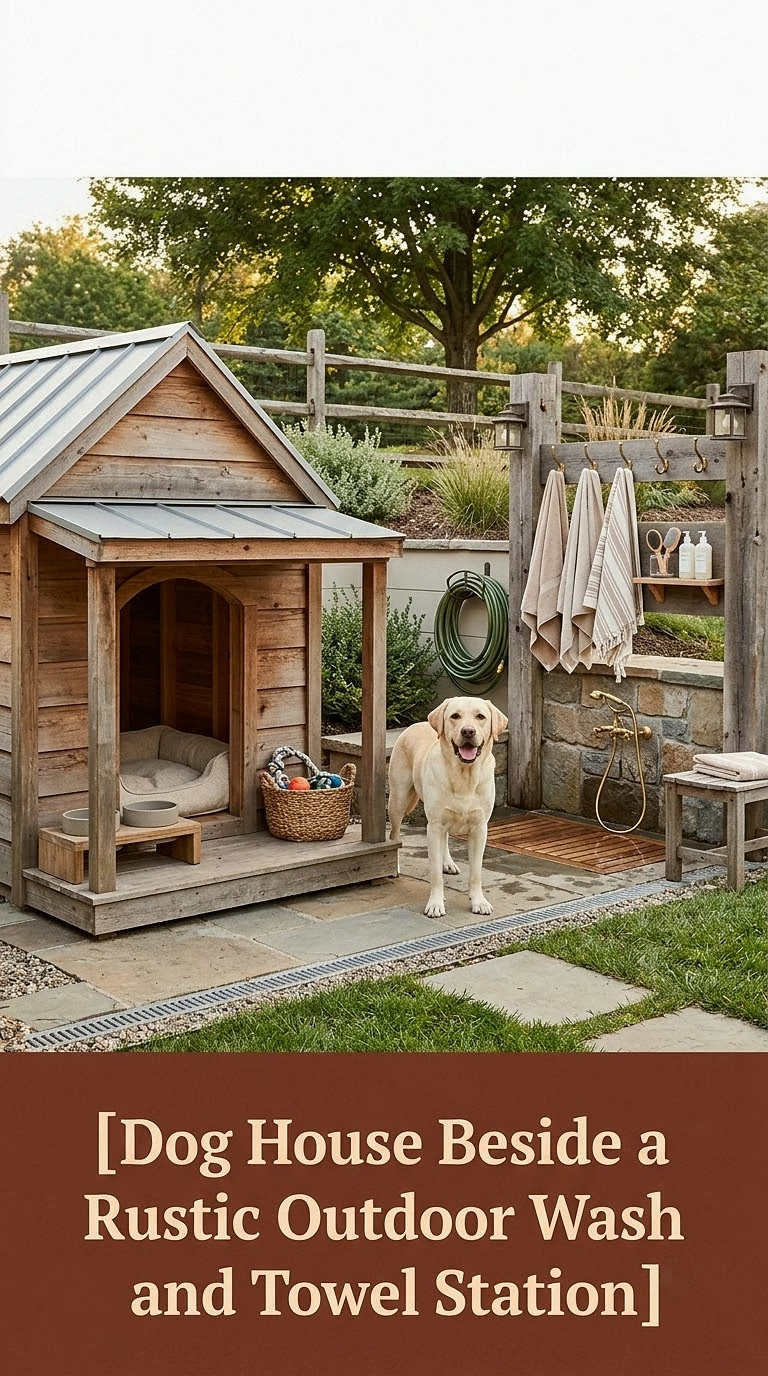
Combine the shelter with a practical cleanup zone by placing it near an outdoor dog-washing station. Use a raised basin or low tiled wash pad with a handheld sprayer, non-slip flooring, and drainage directed away from both the dog house and garden beds.
Mount hooks for leashes and towels at adult height, then add a weatherproof cabinet for shampoo, brushes, and paw-cleaning supplies. Keep every product secured so your dog cannot chew containers or reach cleaning chemicals. A small bench makes drying paws easier and doubles as hidden storage.
Style the area with natural wood, galvanized metal, and warm gray tile for a relaxed farmhouse look. This multifunctional setup is especially helpful for muddy yards, active dogs, and homes near trails or beaches. It also keeps wet cleanup from moving through the entire house.
16. Mobile Dog House on a Locking Platform for Seasonal Yard Placement
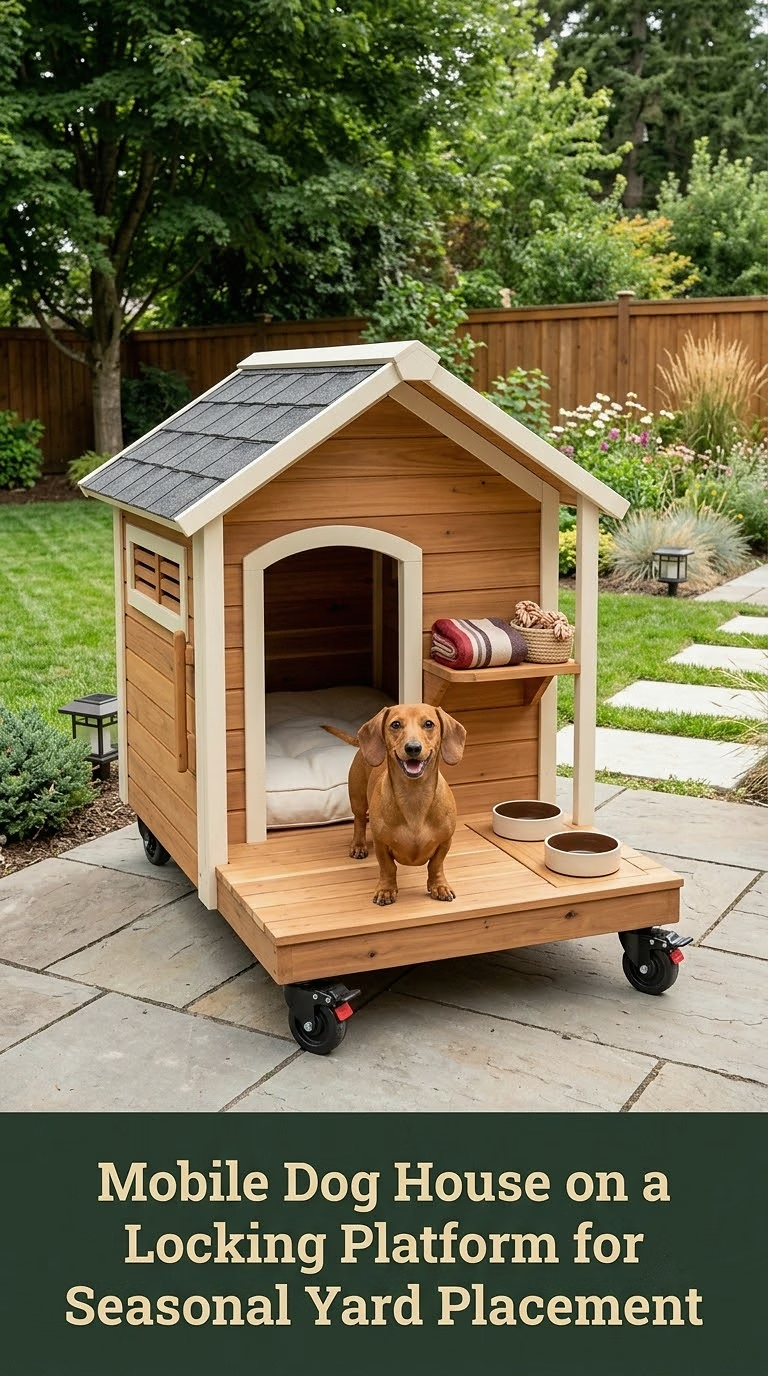
A movable dog house lets you respond to changing sun, wind, and yard use throughout the year. Build the shelter on a reinforced platform with heavy-duty locking casters or a skid-style base that can be repositioned safely. Once moved, it must sit completely stable with no rocking or rolling.
In summer, the house can be placed beneath deeper shade with good airflow. During cooler months, it can move to a dry, wind-protected location that receives gentle morning sun. This flexibility is also useful when mowing, cleaning, reseeding grass, or hosting guests.
Keep the design compact enough to move but strong enough for your dog. Use lightweight weather-resistant siding, a removable roof, and built-in handles positioned where the dog cannot chew them. Mark several prepared level pads around the yard so every seasonal location offers proper drainage and access.
17. Luxury Backyard Dog Pavilion With a Lounge Deck and Hidden Storage
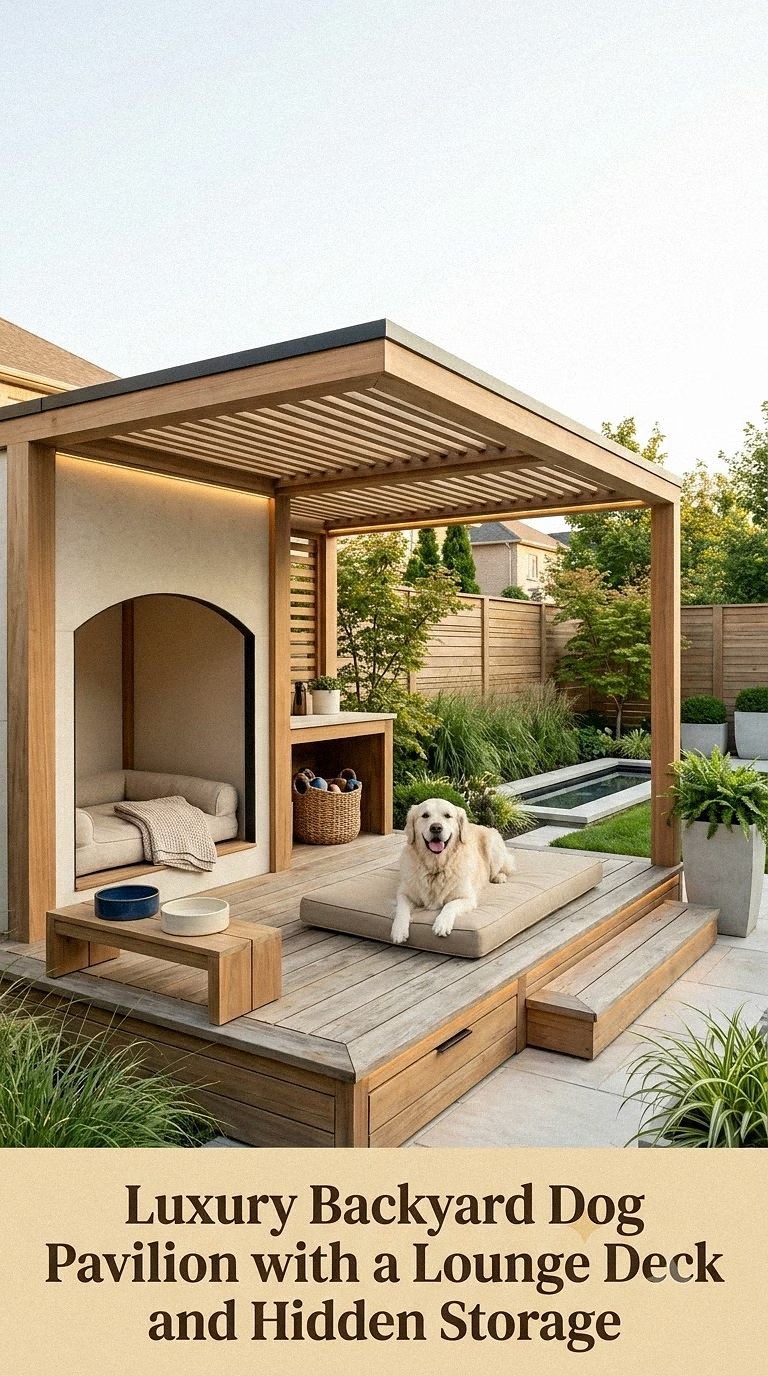
Create a polished resort-style retreat with a dog pavilion that combines an enclosed sleeping space, open lounge deck, and concealed storage. Use warm wood cladding, a low-profile roof, wide steps, and slatted side screens that create privacy without closing off airflow.
Build a bench along one side of the deck with a hinged, weather-resistant compartment for toys, towels, and spare bedding. The lid should close securely and include ventilation if damp items might be stored temporarily. A recessed water-bowl station can keep the deck tidy, but it should be removable for washing.
Complete the pavilion with a washable outdoor cushion, soft landscape lighting positioned safely away from the dog, and a broad paver terrace. The design feels luxurious because every element has a purpose—not because it is overloaded with decoration. It can become a beautiful extension of the patio while giving your dog a dedicated place to relax nearby.
Conclusion
A dog house can be much more than a practical shelter placed at the edge of the lawn. With the right location, materials, color palette, pathway, shade structure, and surrounding landscape, it can become a charming part of the yard and a comfortable retreat your dog genuinely enjoys using.
Begin with your dog’s needs, your local climate, and the natural conditions of the yard. Choose dry ground, provide reliable shade and ventilation, keep fresh water close, and make every surface easy to inspect and clean. Then add the details that reflect your style, whether that means cottage trim, modern black siding, rustic timber, Mediterranean tile, or a simple DIY gravel courtyard.
The most successful design will feel beautiful to you and safe, calm, and welcoming to your dog. Love these dog house yard ideas? Pin this Pinterest post so you can return to your favorite design when you are ready to create your dog’s outdoor retreat.
Source: https://petstutorial.com
Category: Dog Rooms
