
Imagine having a special room where your dog can sniff, explore, play, solve puzzles, and curl up for a peaceful nap, all while the space still feels beautiful enough to complement your home. A thoughtfully designed dog playroom can be so much more than a place to store squeaky toys. It can become an enriching environment that supports your dog’s natural instincts while making everyday pet care easier and more organized.
- 18 Dog Corner Ideas for Small Spaces That Feel Cozy, Stylish, and Clever
- 18 Dog Room Ideas Indoor for a Cozy, Stylish Space Your Pup Will Love
- 17 Beautiful Dog Room Storage Ideas for a Calm, Organized Pet Space
- 17 Closet Dog Room Ideas for a Cozy, Stylish Pet Retreat
- 18 Dog Station Ideas for a Beautiful, Organized, and Pet-Friendly Home
The loveliest dog playroom ideas balance fun with practicality. Non-slip flooring helps create safer movement, washable surfaces make muddy paws less stressful, and a mix of puzzle toys, scent games, comfortable beds, and open floor space keeps the room interesting. Since every dog has different needs, the best design should also reflect your pet’s age, size, activity level, chewing habits, and personality.
You are reading: 18 Dog Playroom Ideas for a Fun, Stylish, and Enriching Space
You do not need a huge spare room or an extravagant budget to create something special. A cozy corner, unused mudroom, sunroom, basement nook, or even part of a home office can become a charming play space with a little creativity. From serene Scandinavian rooms to colorful agility zones and clever small-space setups, these dog playroom ideas offer plenty of inspiration for creating a room both you and your four-legged best friend can love.
Creative Dog Playroom Ideas for Every Home, Budget, and Breed
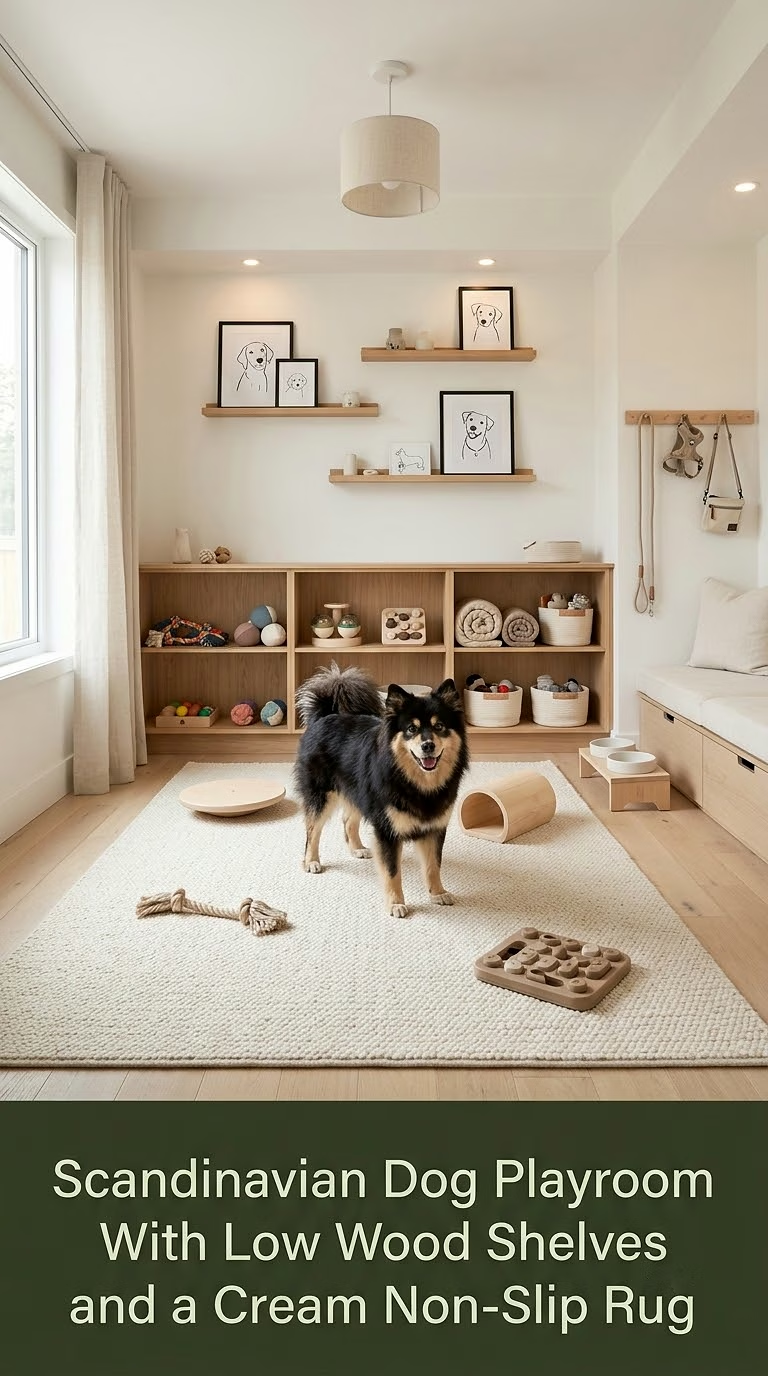
Create a calm, airy playroom with warm white walls, pale oak shelving, woven baskets, and a large cream-colored rug that provides comfortable traction under your dog’s paws. This minimalist style works beautifully when you want the dog area to blend seamlessly with a modern home rather than look like a traditional pet room.
Install low open shelves where a few carefully chosen toys can remain visible and easy to reach. Store additional toys in labeled baskets higher up so they can be rotated regularly, keeping familiar objects feeling more exciting without overcrowding the floor.
Choose a tightly woven, washable rug or modular carpet tiles with a secure non-slip backing. Smooth hardwood and tile can be slippery during enthusiastic play, especially for puppies, senior dogs, and dogs with mobility challenges.
Complete the room with a washable floor cushion, one or two puzzle toys, and perhaps a simple wooden name sign. The result feels peaceful, organized, and effortlessly stylish while still giving your dog plenty of opportunities to play and explore.
2. Colorful Indoor Agility Room With Foam Tunnels and Low Training Obstacles
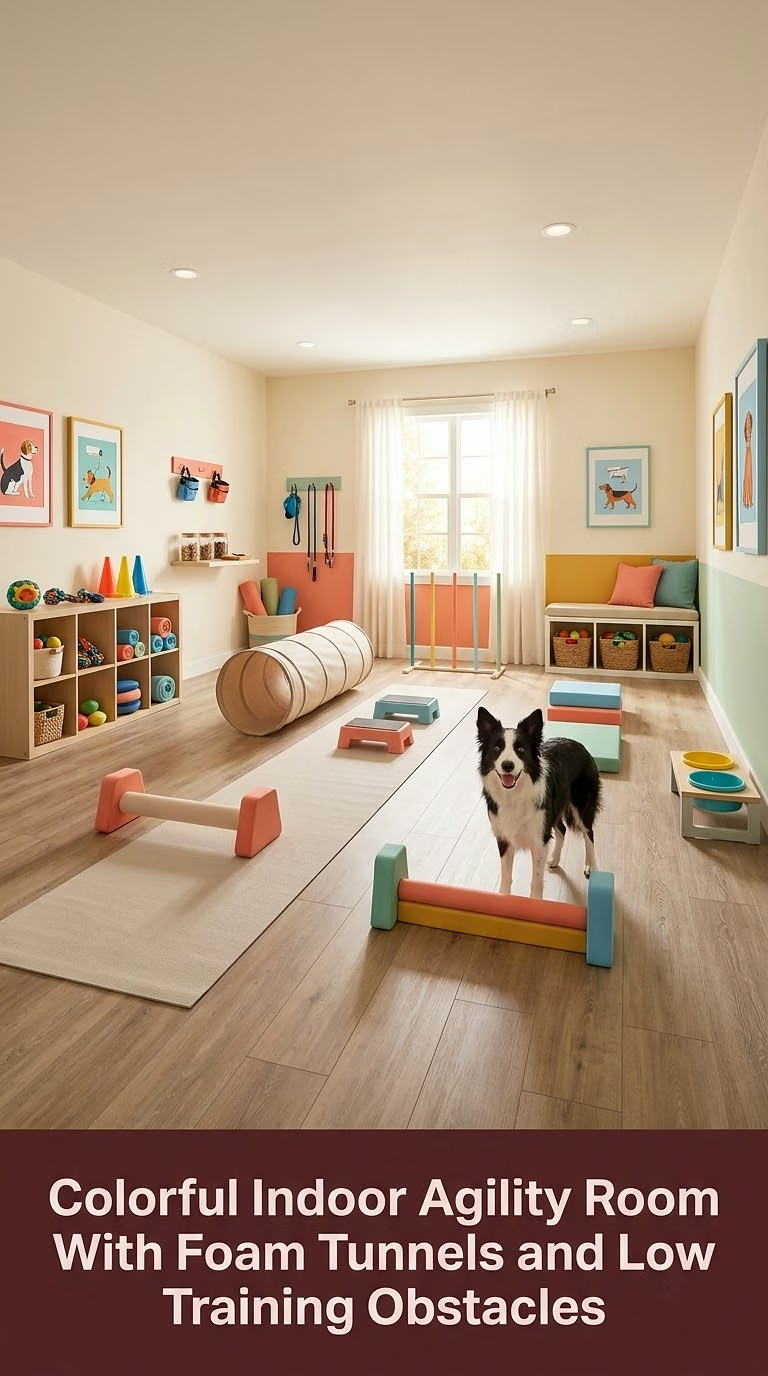
For energetic dogs who love physical challenges, turn an open room into a cheerful indoor agility-inspired space. Use a bright foam tunnel, low cavaletti poles, textured stepping pads, and lightweight cones to create a flexible course that can change from week to week.
The goal is not to fill the room with large professional equipment. Small, adjustable obstacles can provide plenty of variety while being easier to move and store. Keep jumps very low and appropriate for your dog’s size, age, health, and training experience. Puppies, senior dogs, and dogs with joint or back concerns may need gentler activities instead.
Use rubber-backed floor mats or another secure surface that offers reliable traction. Leave generous space between obstacles so your dog can turn comfortably without colliding with walls or furniture.
For a playful look, choose a coordinated palette such as coral, mustard yellow, aqua, and soft blue. Store cones and smaller equipment in matching wall baskets when playtime is over, creating a room that looks as cheerful as it feels.
3. Under-Stairs Dog Play Den With Built-In Toy Cubbies and a Cozy Rest Nook
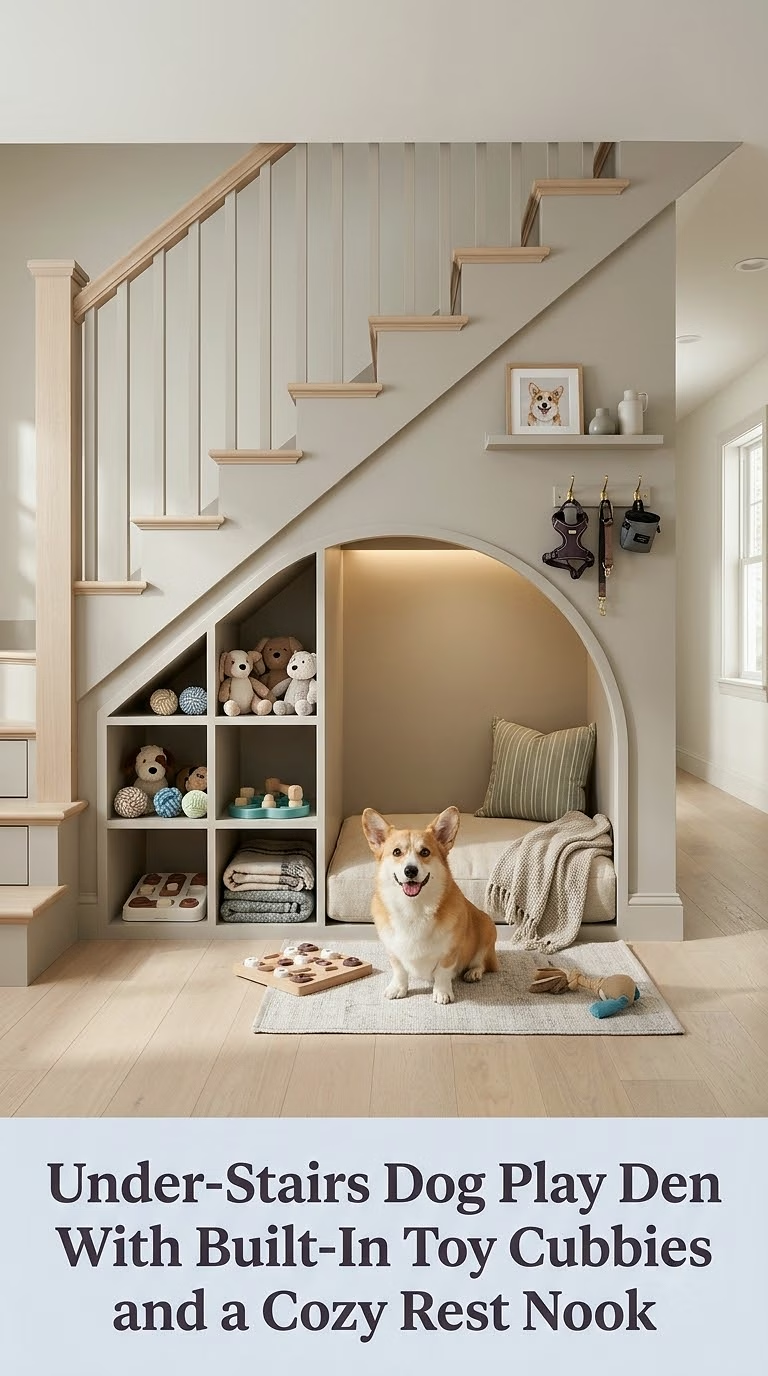
The forgotten space beneath a staircase can become an adorable miniature dog playroom, especially in a home where every square foot matters. Rather than simply placing a bed under the stairs, create a multifunctional nook with an open resting area, low toy cubbies, and a small section for interactive games.
Paint the interior in a soft sage green, warm beige, or dusty blue to make the nook feel intentional. Add a washable fitted cushion along the back wall and use rounded storage bins for balls, ropes, and plush toys.
Keep the entrance wide enough for comfortable movement and make sure air can circulate freely. Electrical cords, sharp hardware, exposed nails, cleaning products, and other household hazards should remain completely inaccessible.
For added personality, mount a small wooden name plaque above the entrance or use removable wallpaper on the back wall. This setup is particularly charming for small and medium dogs who enjoy retreating to a snug, den-like space after playtime.
4. Small-Space Dog Playroom With Foldable Mats and Wall-Mounted Toy Storage
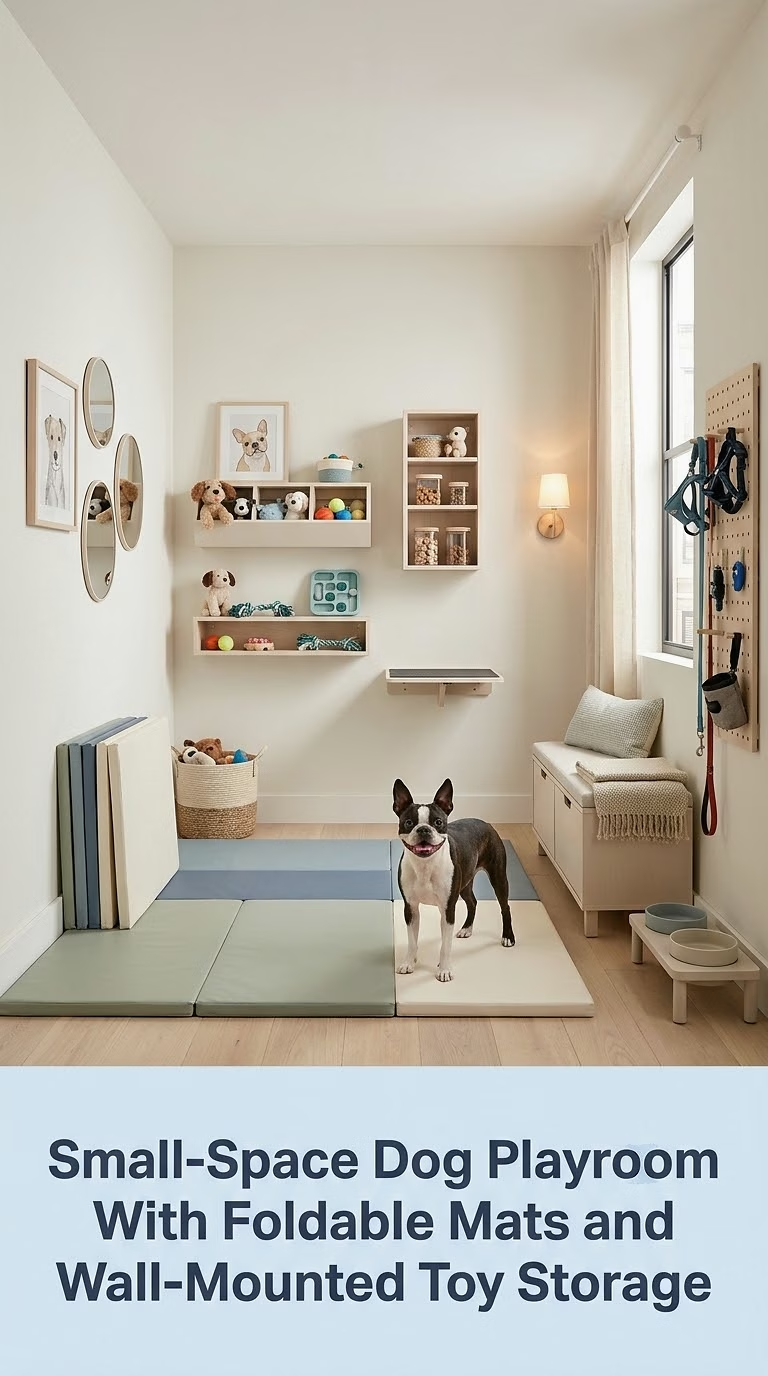
Even a compact apartment can have a dedicated dog play zone when the design makes smart use of vertical space. Choose one section of a living room, office, or hallway and define it with a foldable padded mat that can be opened for playtime and stored afterward.
Mount shallow shelves or secure wall baskets high enough that your dog cannot pull everything down. A pegboard can hold leashes, treat pouches, training targets, and lightweight accessories, while two or three attractive floor baskets keep frequently used toys within easy reach.
A restrained color palette helps a small area feel visually calm. Consider warm beige, muted terracotta, cream, and natural wood rather than introducing too many bright colors at once.
The key is avoiding clutter. Your dog needs open floor space more than an enormous collection of toys. Select a few items suited to different activities, such as a tug toy, food puzzle, chew toy, and ball, then rotate them to create variety without overwhelming your home.
5. Scent-Work Discovery Corner With Snuffle Mats and Hidden Treat Boxes
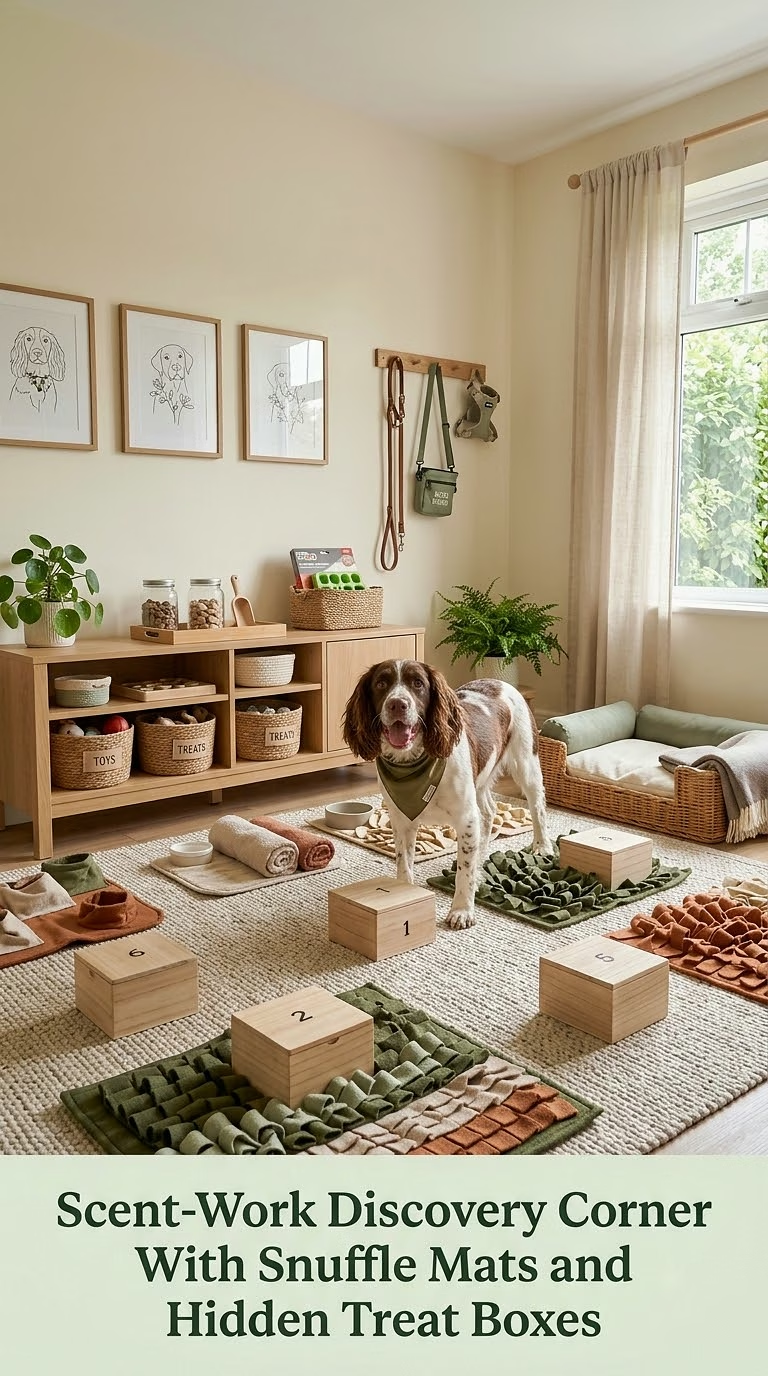
Design a dog playroom around one of your dog’s most remarkable natural abilities: the sense of smell. A scent-work corner can be visually simple yet wonderfully engaging, making it an especially appealing option for rainy days or dogs who enjoy slower, thoughtful games.
Arrange several attractive boxes, baskets, or safe containers across a non-slip mat and hide small pieces of kibble or suitable treats inside selected locations. Begin with easy searches before gradually increasing the challenge as your dog understands the game.
Add a snuffle mat in a complementary color and store scent-game accessories in labeled bins. Soft forest green, caramel brown, cream, and natural wood can give the room an earthy, calming appearance.
Always choose objects that cannot be easily swallowed, broken, or chewed into dangerous pieces, and supervise activities when appropriate. Snuffle mats should also be treated as interactive equipment rather than automatically left with every dog unattended, particularly enthusiastic chewers.
This type of playroom proves that meaningful enrichment does not require elaborate equipment or a huge budget.
6. Pastel Puppy Playroom With Washable Floor Tiles and a Secure Indoor Pen
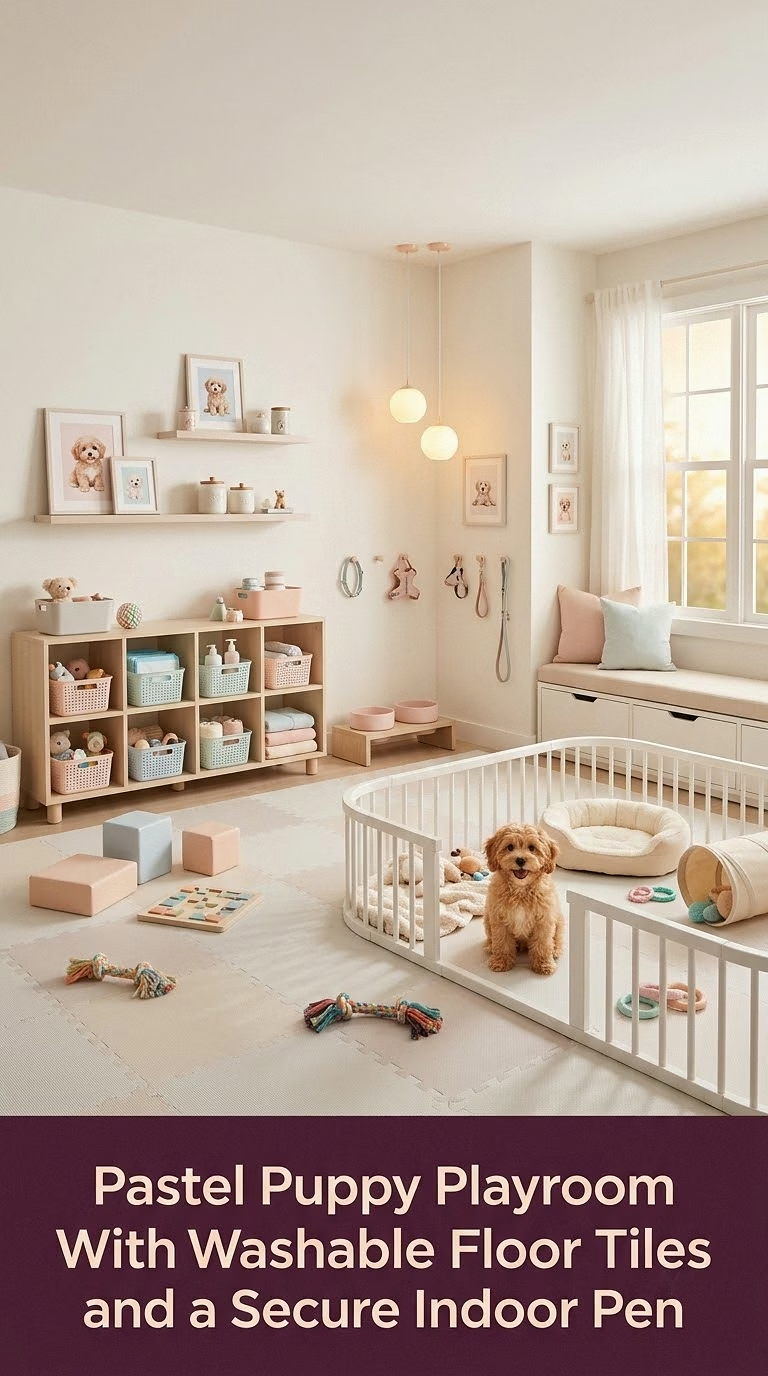
A puppy playroom can be sweet, cheerful, and practical at the same time. Start with washable flooring in soft pastel tones such as peach, mint, powder blue, or lavender, then create a secure play zone using an appropriately sized exercise pen.
Inside the pen, include a comfortable resting spot, water, and a carefully selected collection of puppy-safe toys appropriate for your puppy’s size and chewing behavior. Outside the pen, leave open floor space for supervised training games and gentle exploration.
Because puppies investigate the world with their mouths, pay special attention to dog-proofing. Cover or remove electrical cords, eliminate small swallowable objects, avoid accessible toxic plants, and secure anything that could topple when bumped or pulled.
Low storage cabinets with closed doors can keep extra supplies neatly hidden. Add one open basket for the day’s toys and rotate the selection rather than covering the entire floor.
A pastel mural featuring clouds, tiny stars, or simple paw shapes can make the room feel extra charming without sacrificing functionality.
7. Modern Black-and-Oak Dog Playroom With a Stylish Enrichment Pegboard
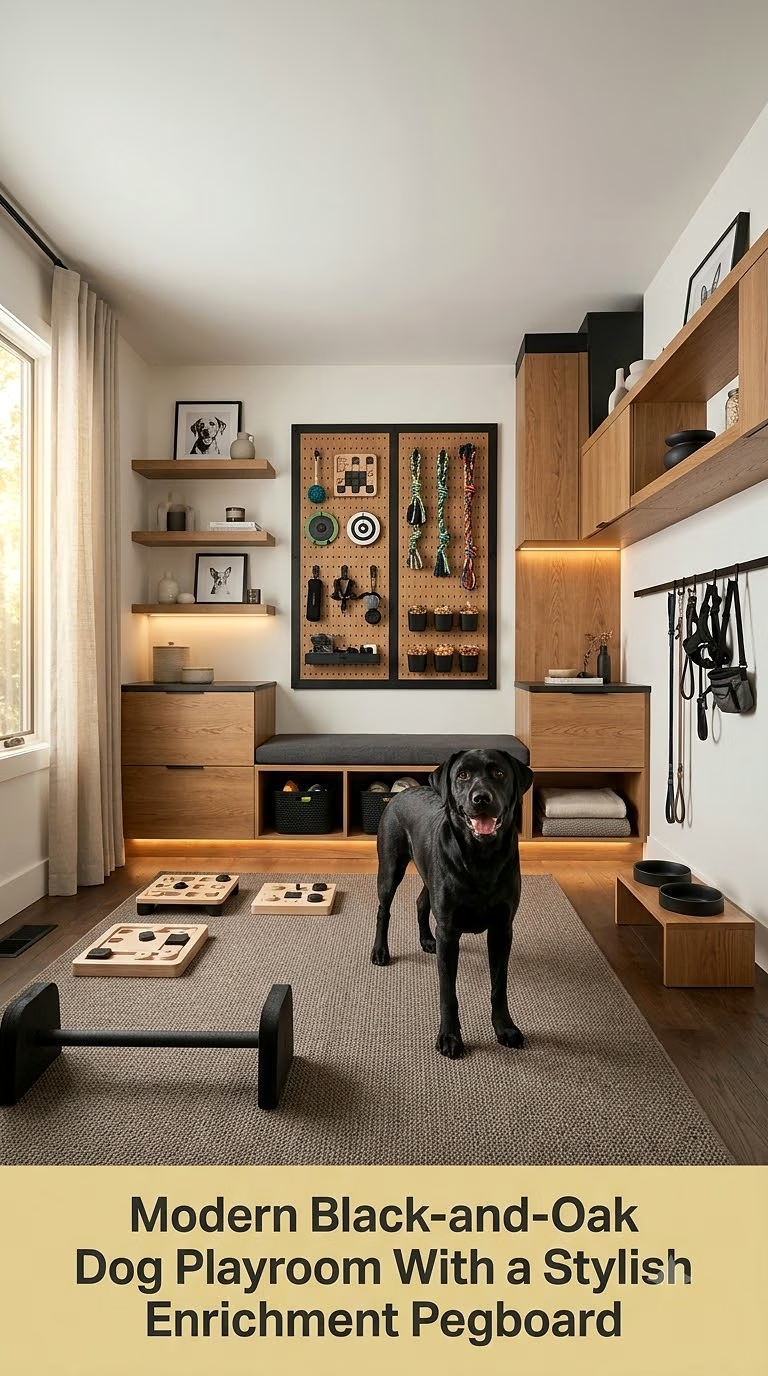
For a sophisticated interpretation of the traditional pet room, combine matte black accents with natural oak cabinetry and warm neutral walls. This style is perfect for anyone who wants a dedicated dog playroom that feels like a polished extension of a contemporary home.
Make a large pegboard the visual centerpiece. Use it to organize lightweight training accessories, treat pouches, collapsible bowls, grooming tools, and selected toys. Keep cords, small objects, and anything potentially dangerous securely out of your dog’s reach.
Read more : 16 Beautiful Dog House Ideas That Make Every Pup Feel at Home
Below the pegboard, install low oak cubbies with washable fabric bins. Dedicate each container to a different category, such as scent games, tug toys, balls, and puzzle feeders.
A charcoal washable rug can help disguise everyday dirt while providing a more secure play surface than a slick floor. Add a black-framed dog portrait and a streamlined orthopedic-style bed to complete the sophisticated appearance.
The result is clean and grown-up but still playful, proving that dog-centered design does not have to be overly cute or colorful.
8. Cozy Cottage Dog Playroom With Floral Wallpaper and Woven Toy Baskets
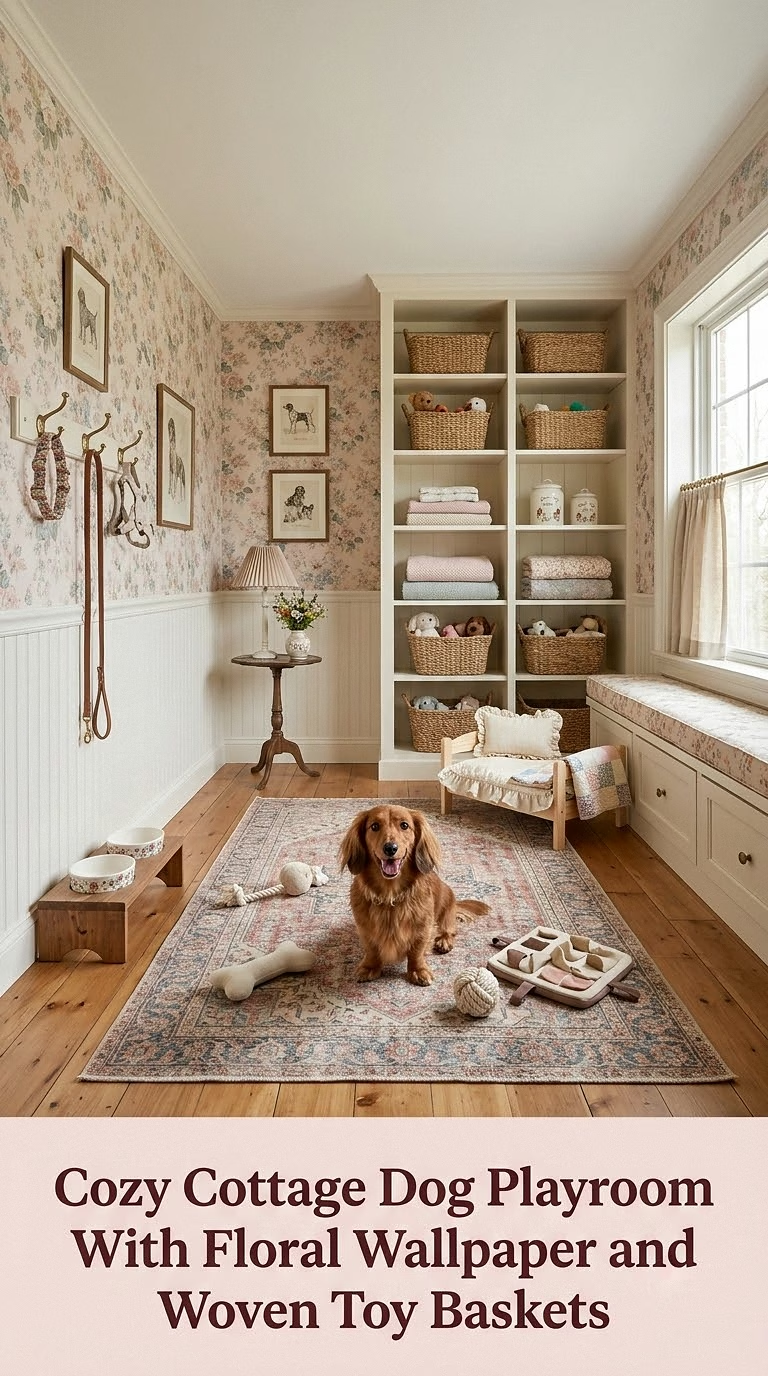
Turn a quiet spare room into a storybook-inspired retreat using delicate floral wallpaper, beadboard paneling, vintage-style hooks, and beautiful woven baskets. Soft cream, faded rose, sage green, and warm wood tones create an especially cozy atmosphere.
Choose washable or wipeable wall finishes in areas where muddy paws are likely to make contact. A patterned indoor-outdoor rug or washable area rug can add softness while simplifying cleanup.
Arrange several baskets along a low bench, but avoid using delicate materials if your dog enjoys chewing or shredding woven fibers. Closed cabinetry may be a better choice for determined chewers.
One corner can contain a soft bed with a floral washable cover, while another provides space for puzzle toys or short training sessions. Add framed illustrations of dogs or personalized artwork for a warm finishing touch.
This concept is ideal for creating a romantic, homey dog playroom that still functions beautifully for everyday life. Every item should have a purpose, whether it supports play, rest, enrichment, or easy organization.
9. Mudroom and Dog Playroom Combo With a Wash Station and Built-In Storage
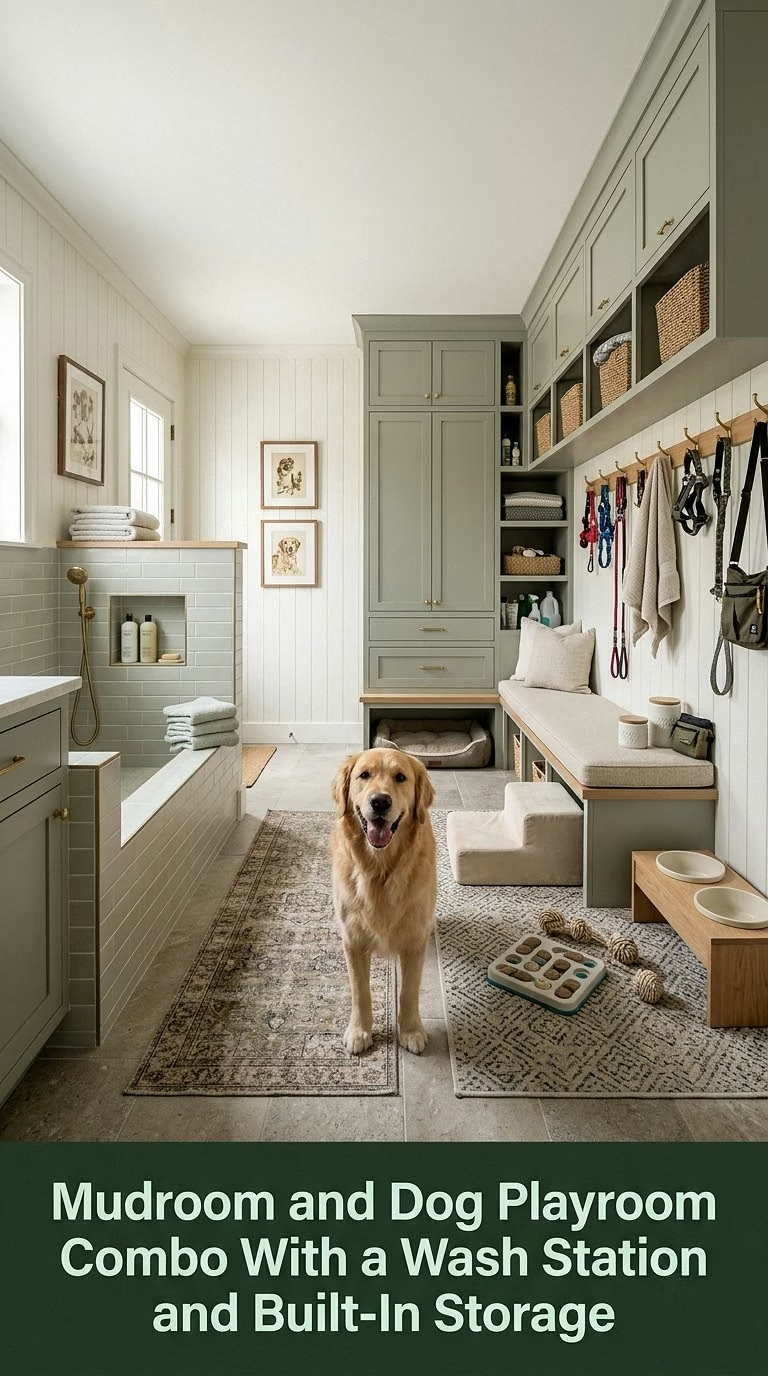
A mudroom can become one of the most practical dog spaces in the entire house when play, cleaning, and storage are combined thoughtfully. Use durable flooring, washable walls, closed cabinets, and an open area where your dog can enjoy puzzle games or settle with a favorite toy.
A built-in dog wash station is a dream addition for muddy paws, although a simpler version can include a towel station, absorbent mat, grooming basket, and paw-cleaning supplies.
Install hooks for leashes and walking gear well above chewing height. Store treats, medications, cleaners, and grooming products behind closed doors rather than on low open shelves.
For the play area, add a non-slip runner, toy basket, and compact enrichment station. Deep navy cabinets with brass hardware create a polished traditional look, while sage green or warm gray works beautifully in softer farmhouse interiors.
Because everything has a dedicated home, this setup makes transitions from outdoor adventures to indoor relaxation much easier and less chaotic.
10. Budget-Friendly DIY Dog Playroom With Cardboard Puzzle Stations
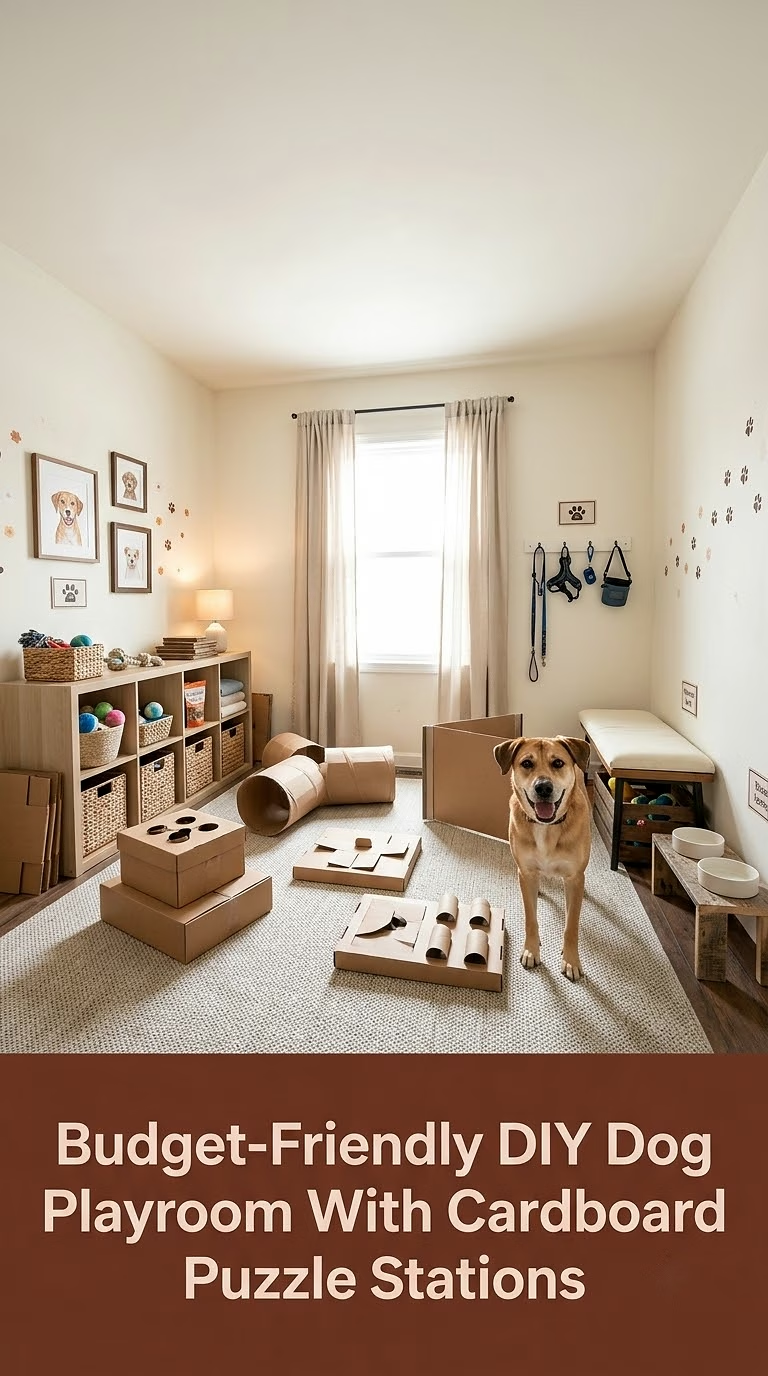
A memorable dog playroom does not have to depend on expensive equipment. Everyday household materials can become supervised enrichment activities when they are clean, appropriately sized, and suitable for your individual dog.
Create a rotating DIY puzzle station using cardboard boxes, paper tubes, muffin tins, and containers that encourage sniffing and problem-solving. For example, treats or pieces of regular kibble can be hidden among safe objects inside a box or placed in a muffin tin beneath appropriately sized balls.
Set up the puzzles on a washable mat and store unused materials in closed containers. A simple chalkboard can display the week’s enrichment activities, turning the corner into a cute and organized feature.
This approach is especially useful for dogs who quickly lose interest in familiar activities. Change the arrangement regularly instead of constantly purchasing new toys.
Supervision matters because some dogs will solve a cardboard puzzle carefully, while others may immediately try to shred and swallow the material. Adapt every game to your dog’s habits rather than assuming one setup works for everyone.
11. Luxury Dog Lounge With Custom Cabinetry and an Upholstered Daybed
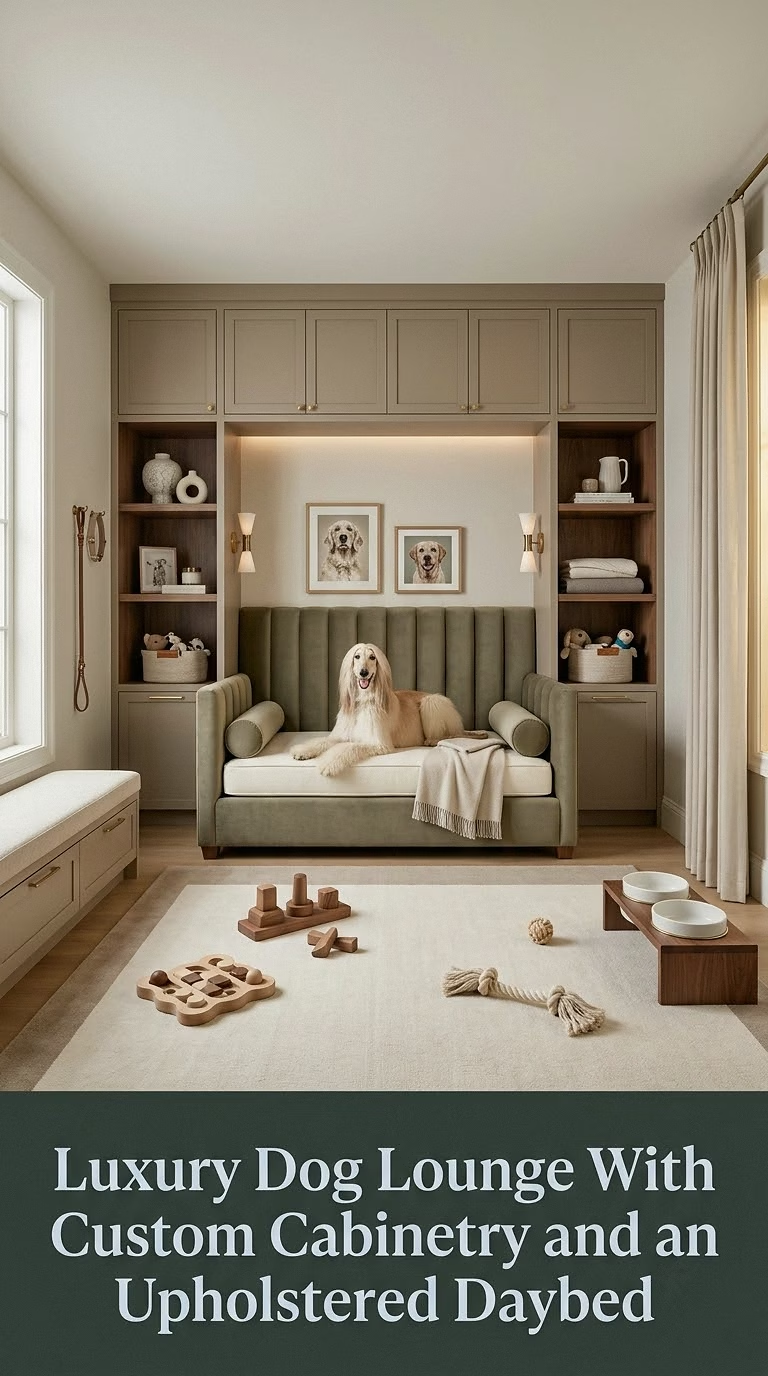
For an elevated look, imagine a dog playroom that feels more like a boutique hotel lounge. Use custom cabinetry, wall molding, soft lighting, an upholstered daybed, and beautifully coordinated storage to create a luxurious yet functional environment.
Choose performance fabrics with removable, washable covers rather than delicate upholstery that cannot handle fur, drool, or occasional accidents. A low-profile daybed gives your dog a comfortable place to relax after enrichment sessions without requiring risky jumping.
Built-in cabinets can hide bulk supplies, extra blankets, grooming products, and most of the toy collection. Display only a few beautiful items at a time for a calm, curated appearance.
A palette of warm taupe, ivory, walnut, and muted olive feels timeless and sophisticated. Add framed portraits, brass hooks positioned out of reach, and a large washable rug with reliable grip.
Luxury should never come at the expense of safety. Avoid fragile decorative objects at dog level, unsecured furniture, accessible electrical cords, and rugs that slide during energetic movement.
12. Senior Dog Sensory Room With Traction Runners and Low Puzzle Platforms
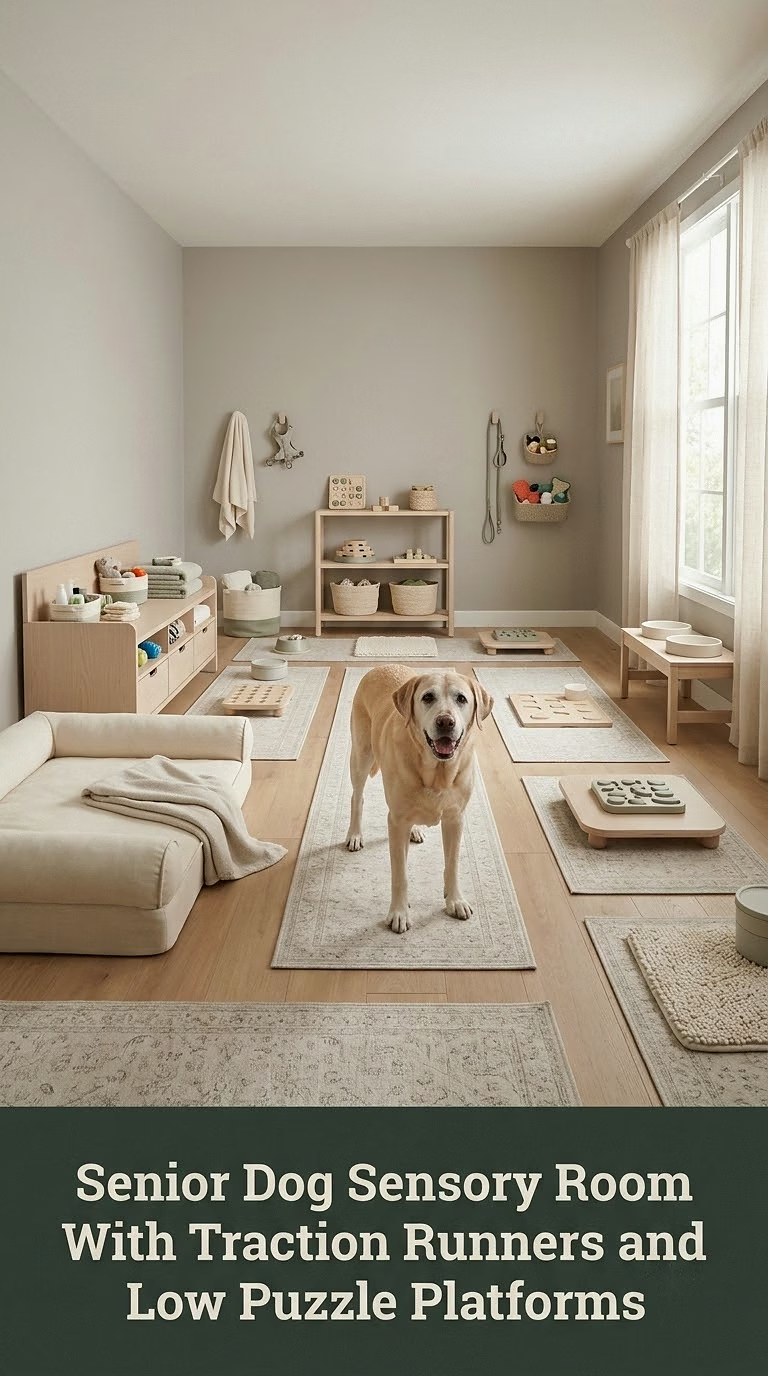
Older dogs can still enjoy playful enrichment, but their environment may need to change as mobility, vision, hearing, or energy levels evolve. Create a peaceful senior-friendly playroom using non-slip runners, low enrichment activities, comfortable bedding, and clear walking paths.
Avoid cluttering the floor with too many toys. Instead, create several distinct stations with generous space between them. One could feature a simple food puzzle, another a scent game, and another a soft resting bed.
Use low platforms rather than tall obstacles, and avoid encouraging jumping unless your veterinarian has confirmed that the activity is appropriate for your dog. Rugs and runners can add helpful traction on slippery surfaces and make walking more comfortable for dogs who struggle on smooth flooring.
Warm lighting, muted colors, and minimal visual clutter create a soothing atmosphere. Consider keeping furniture placement consistent so the room remains predictable and easy to navigate.
This gentle setup celebrates play without assuming that enrichment always needs to involve running, jumping, or intense physical activity.
13. Two-Dog Playroom With Separate Rest Zones and Matching Toy Bins
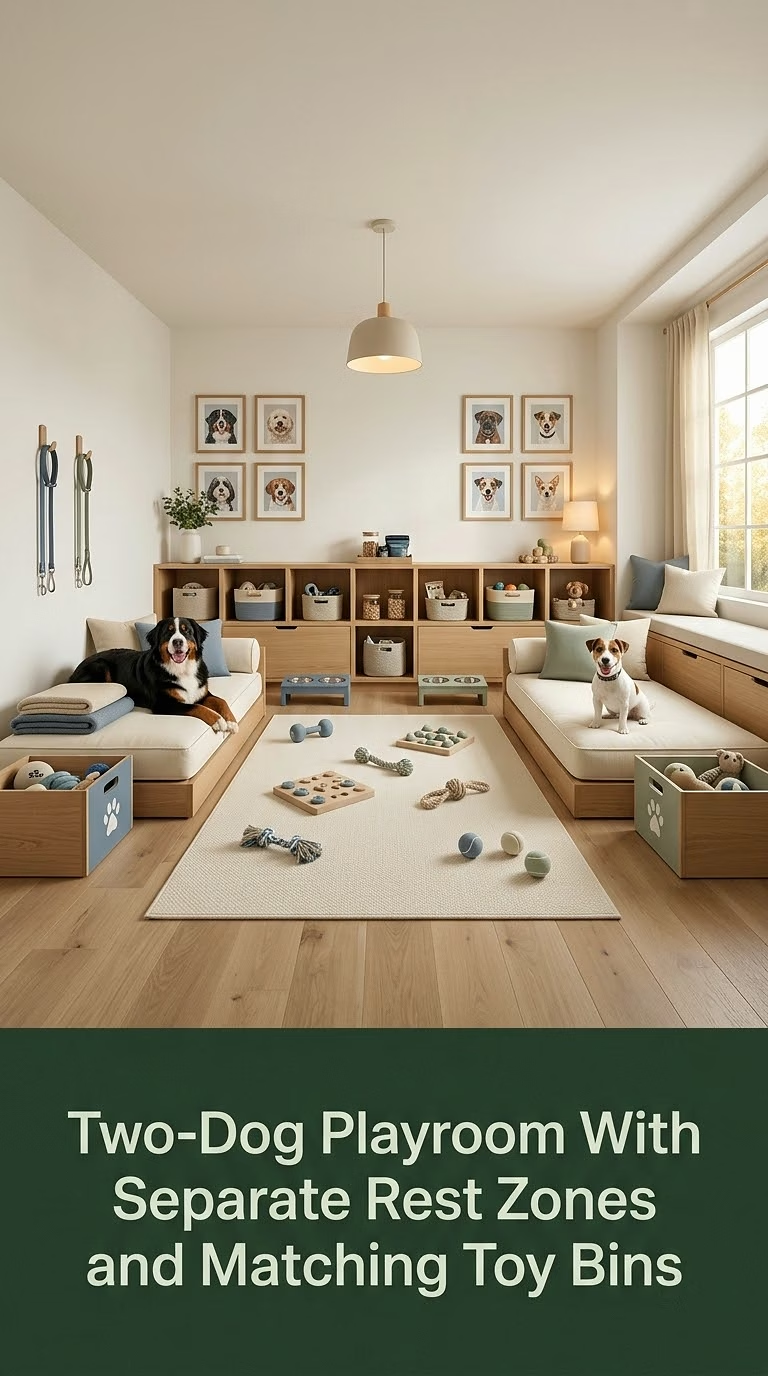
A shared playroom for two dogs works best when each pet has space to relax without constantly competing for the same bed, toy, or chew. Design the room symmetrically with two comfortable resting zones, matching toy baskets, and a generous central area for supervised interaction.
Use different accent colors to personalize each side. One dog might have dusty blue bedding while the other has muted terracotta, with matching labeled storage bins for an adorable coordinated look.
Duplicate favorite items when resource competition is a concern, and supervise dogs around high-value food toys, special chews, or prized possessions. Some dogs happily share everything, while others feel more comfortable enjoying certain activities separately.
Read more : 17 Dog Room Ideas for Bedrooms and Pet Beds That Feel Cozy, Stylish, and Practical
A low cabinet between the two resting zones can store puzzle toys and training supplies. Choose rounded furniture edges and secure heavy storage units to reduce accident risks.
This layout looks beautifully balanced while acknowledging something important: a shared room can still include individual spaces where each dog can relax and feel undisturbed.
14. Indoor Fetch Lane With a Long Non-Slip Runner and Soft Wall Bumpers
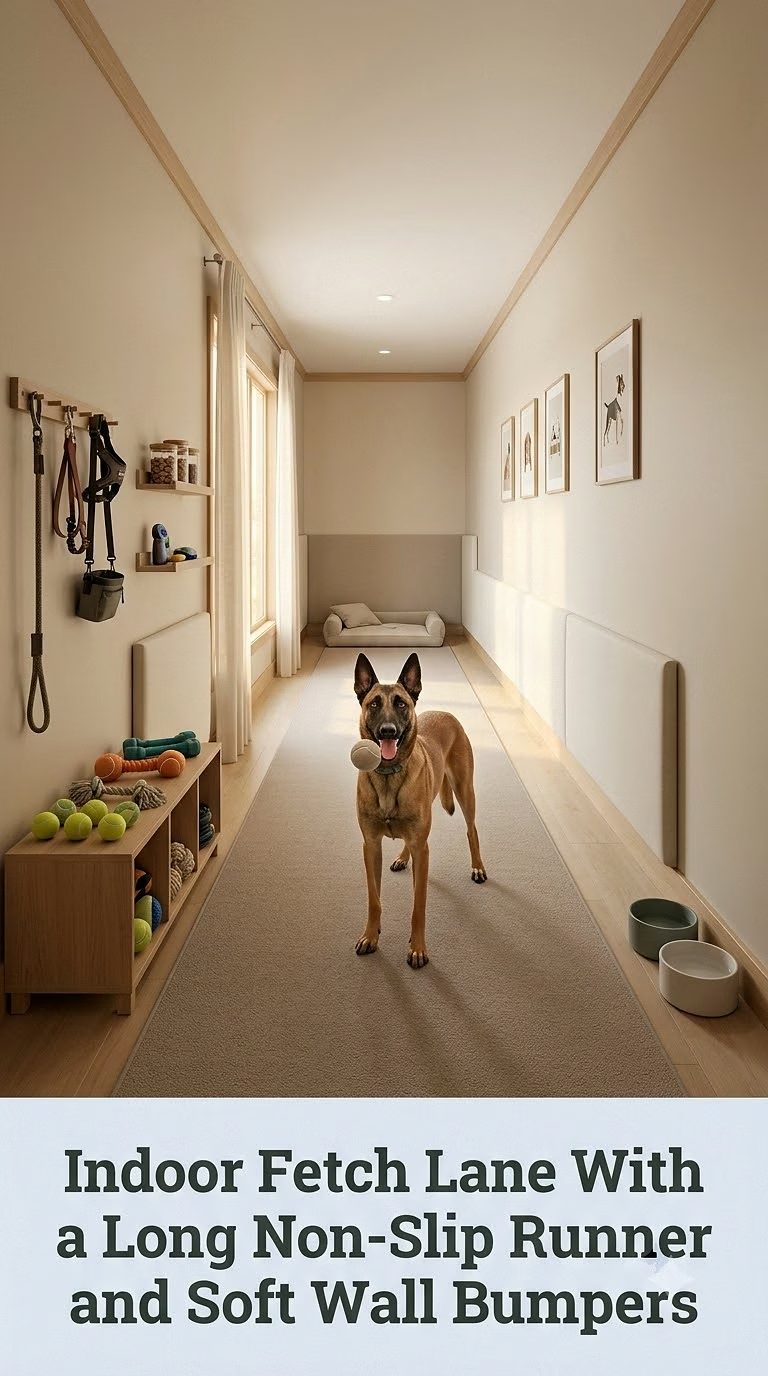
A long hallway, basement, or narrow spare room can become an indoor fetch lane for suitable dogs, especially during wet weather. The design is wonderfully simple: create a clear route, add secure traction underfoot, and use soft toys that are appropriate for indoor play.
A long non-slip runner can help dogs avoid skidding on tile or hardwood. Remove fragile decor, sharp-edged furniture, electrical cords, and anything likely to be knocked over during enthusiastic movement.
At the far end, consider adding a padded wall panel or soft bumper zone for extra protection, although the layout should still encourage your dog to slow down before reaching the boundary.
Choose a visually playful palette, such as navy and orange or sage and cream, and add wall hooks for storing lightweight fetch toys after play.
This concept is best suited to dogs who can play in a controlled way indoors. High-speed activity may not be appropriate for every dog, particularly on limited space or for pets with certain orthopedic, neurological, or cardiovascular conditions.
15. Sunny Garden-Inspired Dog Playroom With Indoor Grass Colors and Nature Textures
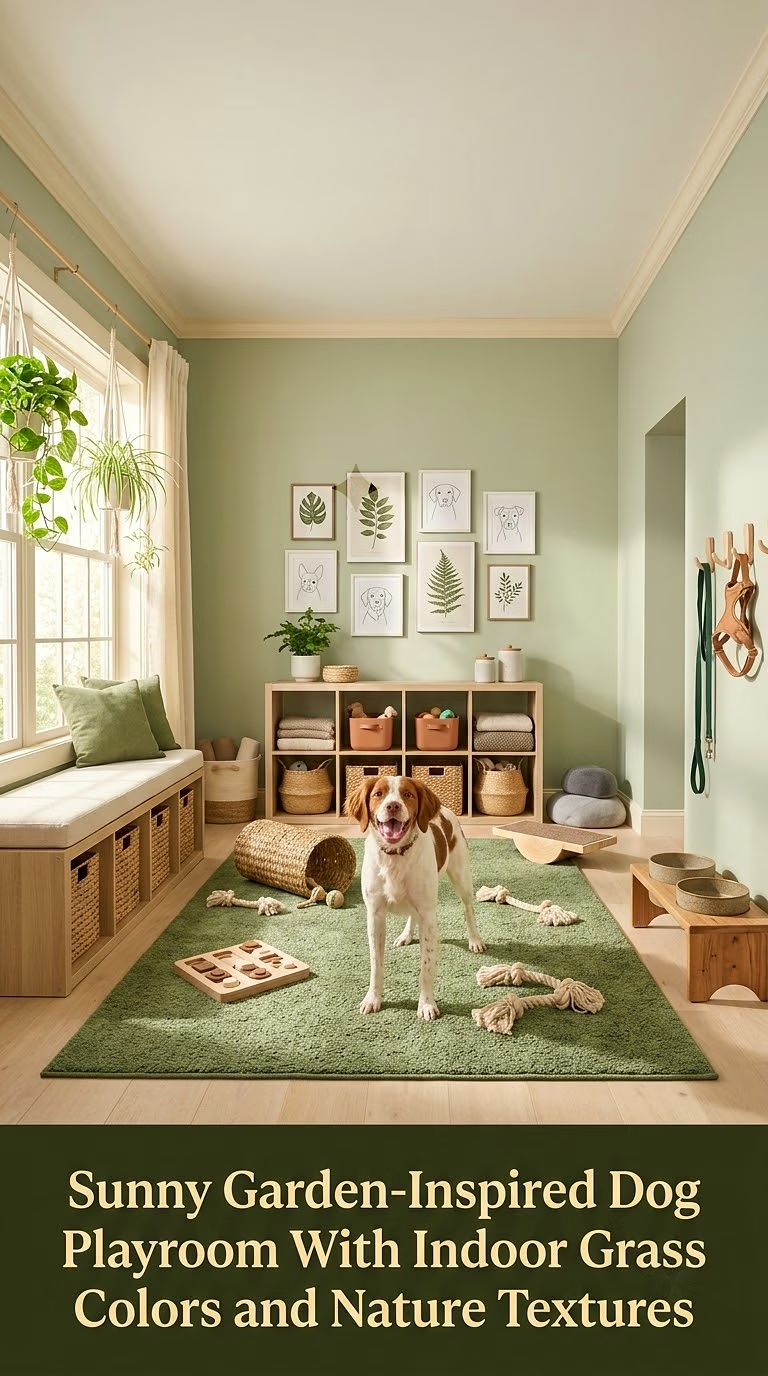
Bring the feeling of the outdoors inside with a garden-inspired playroom filled with moss green, warm wood, botanical patterns, and natural textures. This is a lovely choice for a sunroom, enclosed porch, or bright spare bedroom.
Use a large green washable rug to suggest the look of grass without introducing the maintenance challenges of natural turf. Add wooden toy cubbies, leaf-patterned cushions, and a soft tan dog bed for an earthy, relaxed atmosphere.
A scent-game station fits beautifully with this theme. Hide treats in safe containers or across a snuffle mat to encourage natural sniffing and foraging behaviors.
Be cautious with real houseplants. Many common plants can be harmful to dogs when eaten, so verify that every plant in an accessible area is dog-safe or use realistic artificial greenery instead. Keep pots stable and away from energetic play paths.
For rooms receiving strong sunlight, provide shade, ventilation, and plenty of fresh water so the space does not become excessively warm during hotter parts of the day.
16. Training-Focused Dog Playroom With a Chalkboard Wall and Treat Station
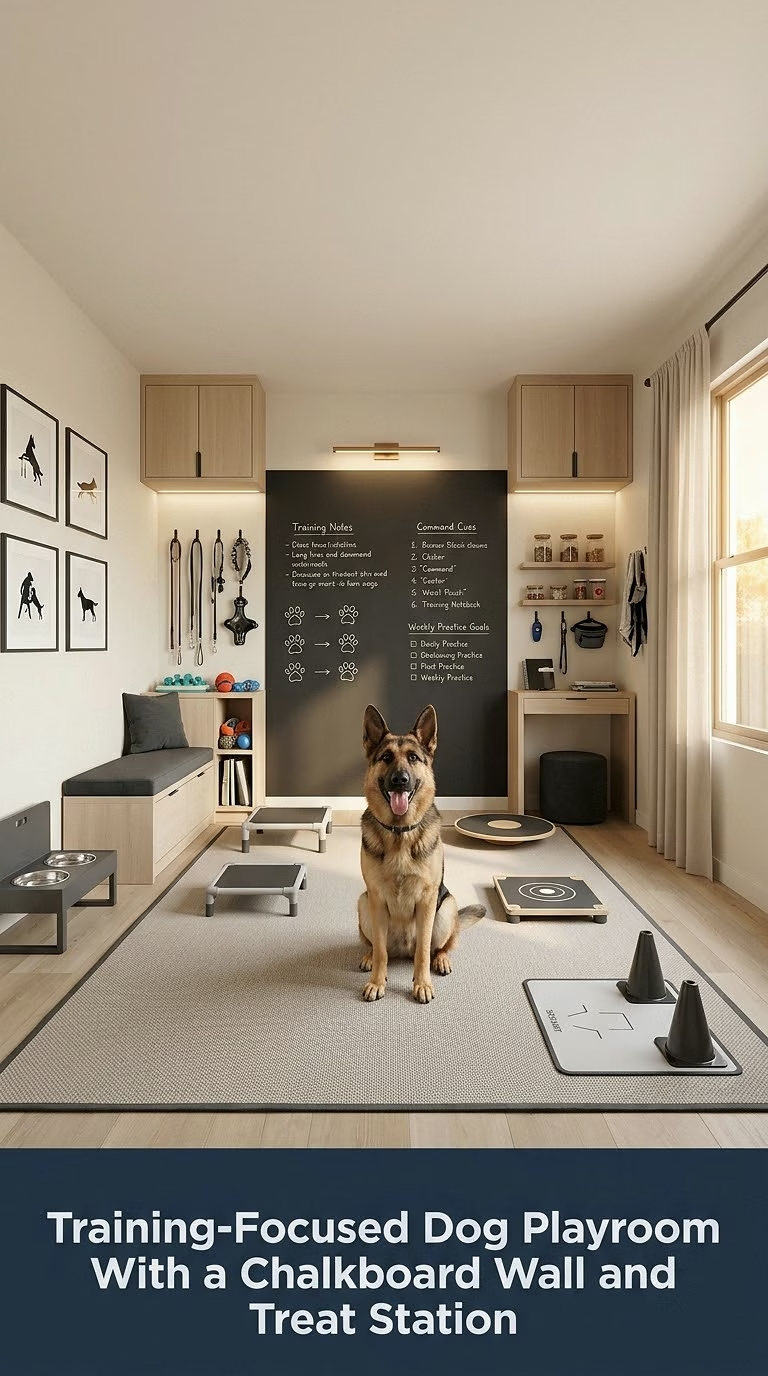
For dogs who love learning, make training the central theme of the room. Create an open practice area with a non-slip floor, a chalkboard wall for tracking new skills, and a neatly organized station for rewards and training accessories.
The chalkboard might display a weekly goal such as improving recall, practicing a settle cue, learning a new trick, or completing a scent game. This gives the room a playful personality while helping the humans in the household remain consistent.
Use airtight containers for treats and store them securely out of your dog’s reach. Keep clickers, target sticks, treat pouches, and other small accessories in closed drawers or high wall organizers.
A simple bench along one wall can double as seating for you and storage for larger equipment. Paint the room in cheerful but not overwhelming colors, such as dusty blue with mustard accents or soft sage with warm cream.
Leaving plenty of open floor space is more valuable than filling every corner with equipment, especially when practicing movement-based skills.
17. Soft Blue Cloud-Themed Dog Playroom With Floor Cushions and Gentle Sensory Games
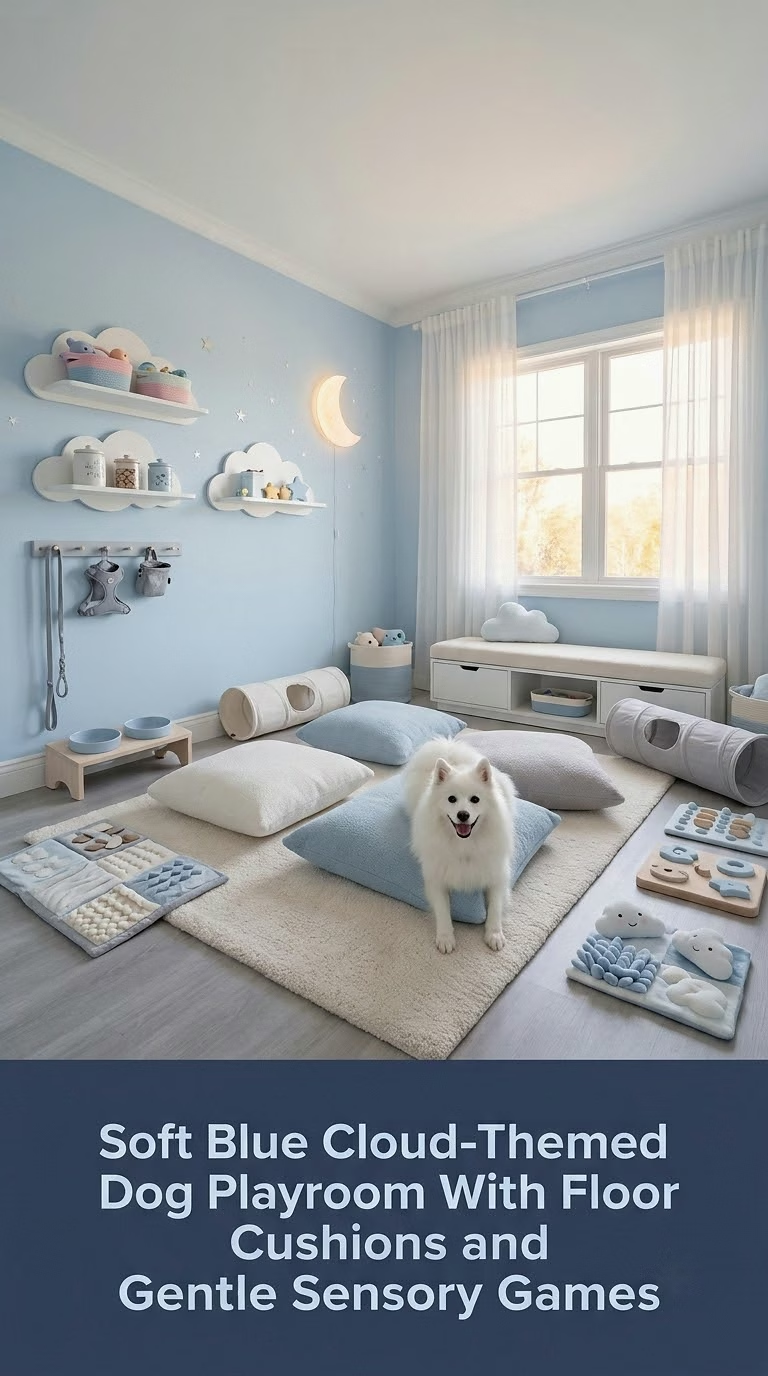
Create an irresistibly dreamy playroom using pale blue walls, white cloud motifs, plush washable floor cushions, and soft gray accents. The theme feels whimsical without becoming overly childish and works particularly well for small dogs or gentle companions who prefer quiet exploration to intense physical play.
Set up several low sensory activities around the room. One area might contain a textured snuffle mat, another an easy puzzle toy, and another a selection of soft toys for supervised play.
Avoid overloading the room with constant noise, bright flashing toys, or too many competing activities. Some dogs become overstimulated in busy environments, so giving them a choice between play and peaceful rest can make the space more comfortable.
Use secured, washable rugs that provide good grip and choose floor cushions with removable covers for easy cleaning. Keep decorative string lights, hanging cords, and small accessories safely out of reach.
A personalized cloud-shaped name sign can become the finishing touch for this sweet, soothing retreat.
18. Hidden Toy Rotation Room With Floor-to-Ceiling Cabinets and an Open Daily Play Shelf
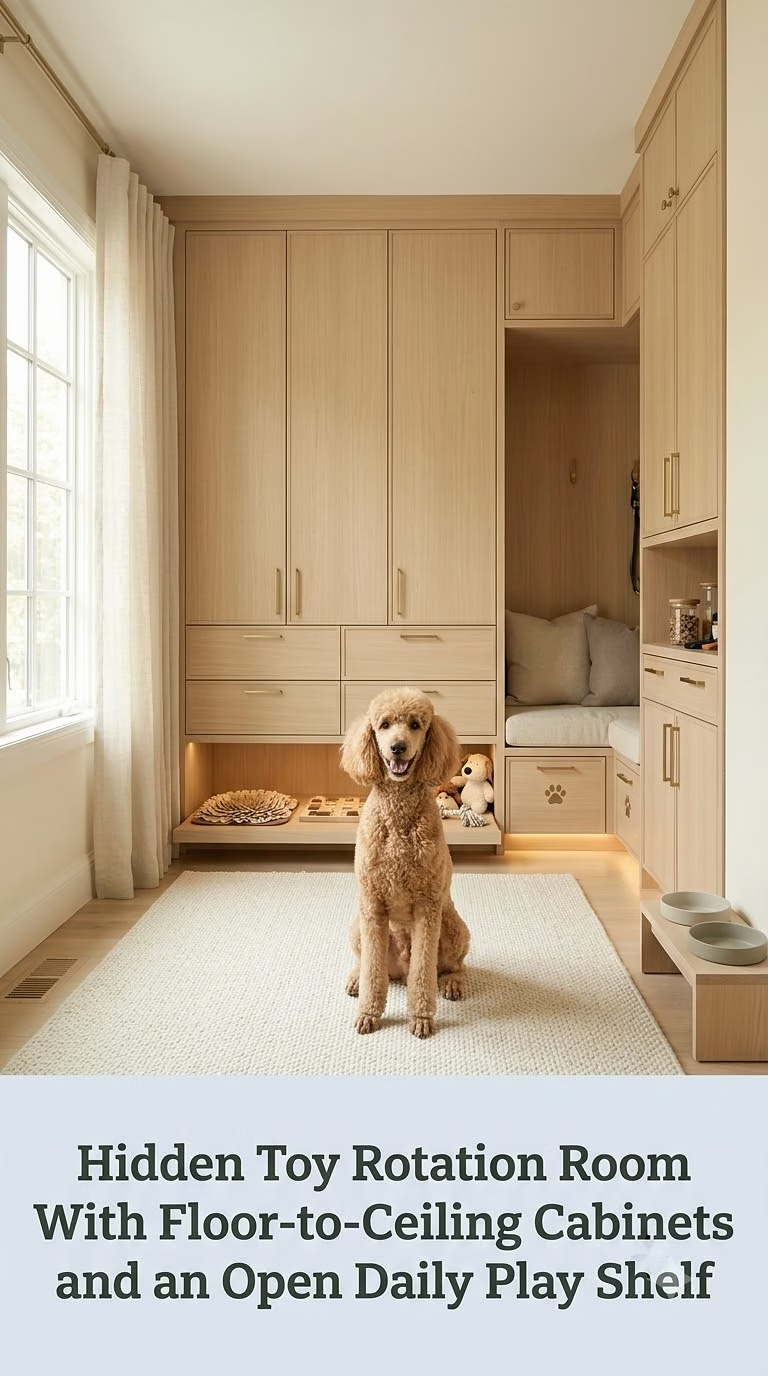
One of the smartest dog playroom ideas is to keep most toys hidden and display only a small daily selection. Instead of leaving dozens of objects scattered across the floor, install floor-to-ceiling closed cabinets combined with one open shelf that holds the current rotation.
Organize stored toys by category, such as chewing, tugging, fetching, comfort, scent work, and food puzzles. Every few days, exchange selected items to renew your dog’s interest without needing to constantly buy something new.
Choose cabinetry that matches the rest of your home, whether that means creamy shaker-style doors, sleek white panels, or dramatic dark green built-ins. Add attractive labeled bins inside for easier organization.
The center of the room should remain open for play, training, and movement. A large non-slip rug or secure modular flooring can define the activity zone.
Inspect toys regularly and remove anything damaged enough to create a swallowing, choking, or injury risk. The most beautiful dog playroom is still one designed around your individual dog’s real behavior and safety needs.
Conclusion
Creating a special playroom for your dog is less about filling a room with expensive toys and more about designing a space that supports how your dog naturally likes to move, sniff, chew, learn, explore, and rest. Even the smallest corner can become meaningful when it includes comfortable footing, safe toys, engaging activities, thoughtful storage, and a peaceful place to relax.
The best dog playroom ideas also grow and change with your pet. A bouncy puppy may love a colorful exploration zone, an energetic adult dog might enjoy scent games and training challenges, while a senior companion may benefit most from gentle puzzles, non-slip surfaces, and easily accessible beds.
Whether your style leans toward serene Scandinavian minimalism, cozy cottage charm, cheerful pastels, modern black and oak, or luxurious custom cabinetry, there is no single perfect formula. Start with your dog’s individual needs, choose features that are realistic for your home and budget, and create a room that makes everyday life together more joyful.
Love these dog playroom ideas? Pin this Pinterest post so you can easily come back to your favorite designs when you’re ready to create a special space for your dog.
Source: https://petstutorial.com
Category: Dog Rooms
