
Living in a small home does not mean your dog has to settle for a random cushion squeezed beside the sofa. With a little creativity, even the tiniest unused corner can become a beautiful retreat where your pup can nap, relax, watch the household, or enjoy a favorite chew toy.
- 19 Backyard Dog House Ideas for a Beautiful, Cozy Outdoor Retreat
- 17 Dog Kitchen Ideas for a Stylish, Organized, Pet-Friendly Home
- 17 Cozy Dog House Heater Ideas for a Safer, Warmer Winter Retreat
- 18 Dog Room Ideas Under Stairs for a Cozy and Stylish Pet Retreat
- 19 Charming Cardboard Dog House DIY Ideas for a Cozy, Creative Pet Retreat
The best dog corner ideas for small spaces work with the room rather than competing against it. Think forgotten corners, empty cabinet openings, awkward spaces beneath furniture, narrow hallways, and overlooked wall areas. A comfortable dog bed, washable textiles, clever storage, and thoughtful styling can transform these spots without making your home feel crowded.
You are reading: 18 Dog Corner Ideas for Small Spaces That Feel Cozy, Stylish, and Clever
The key is to create a space that suits your dog’s actual size, sleeping habits, mobility, and personality. Some dogs love enclosed hideaways, while others prefer an open bed where they can still see their favorite humans. Whatever your style, from soft cottage charm to clean modern minimalism, these ideas prove that a small dog corner can be both practical and genuinely beautiful.
18 Beautiful Dog Corner Ideas for Small Spaces
1. Soft Neutral Dog Nook Tucked Beside the Living Room Sofa
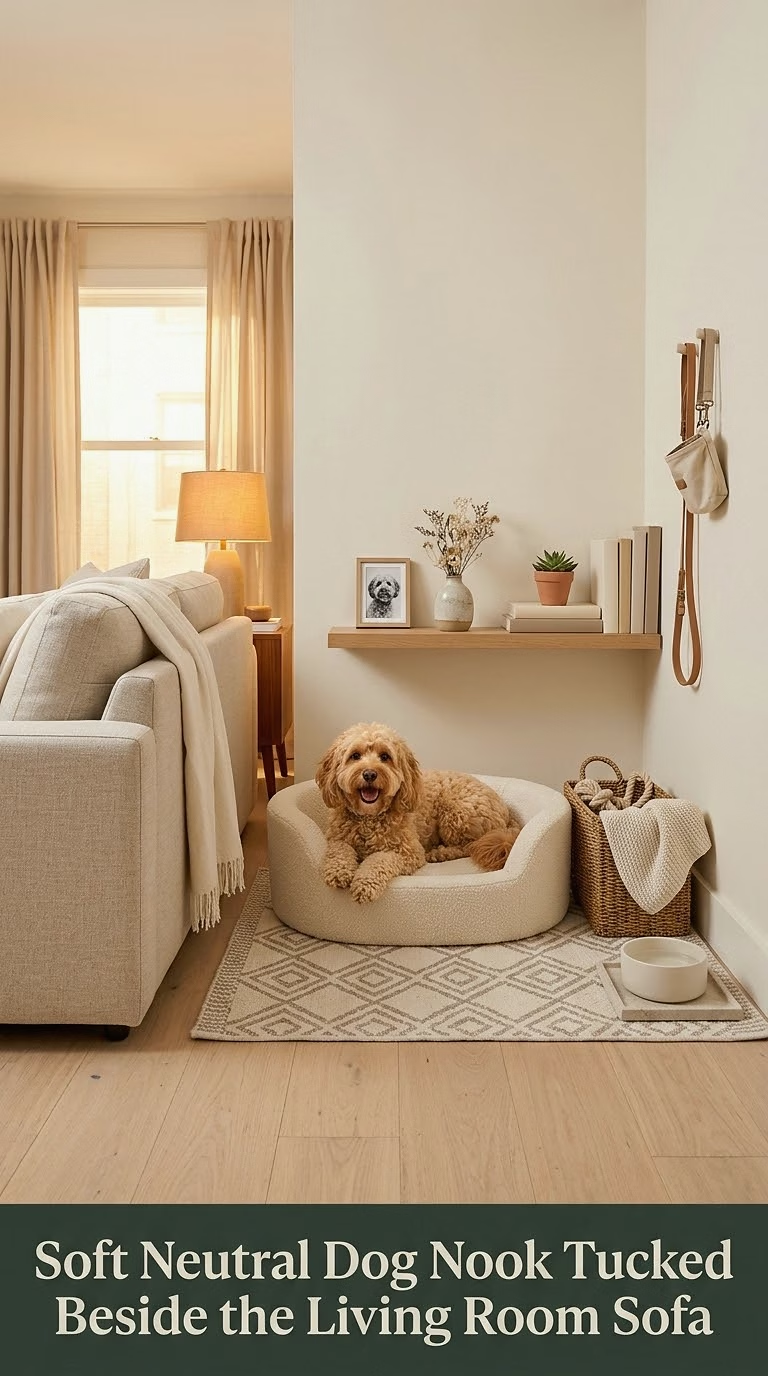
An empty space beside the sofa is one of the easiest places to create a cozy dog corner without sacrificing valuable floor space elsewhere. Start with a low-profile bed in oatmeal, cream, warm beige, or soft gray so it blends naturally with the living room rather than looking like a separate pet zone.
Add a washable textured blanket, perhaps in bouclé, cotton, or chunky knit, and place one or two favorite toys in a small woven basket nearby. A framed dog portrait or simple wooden name plaque above the bed can make the area feel intentional.
This setup works especially well for dogs that like being close to the family while still having their own place to settle. Keep electrical cords secured and avoid placing chewable decorations, toxic plants, or household chemicals within reach of curious pets.
2. Built-In Dog Bed Beneath a Floating Window Seat
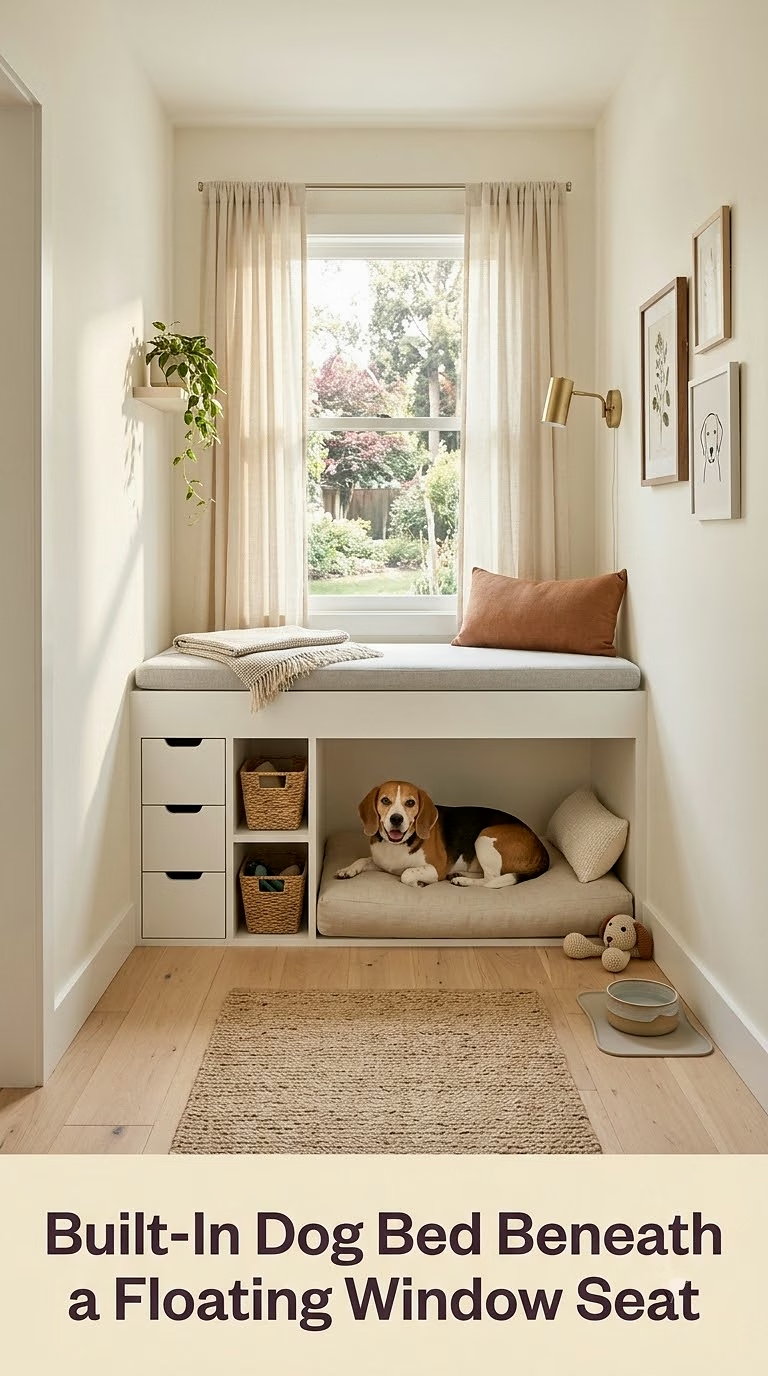
A window seat can become far more useful when the space underneath is transformed into a built-in sleeping nook for your dog. Instead of filling the entire lower area with cabinetry, leave one open cubby large enough for a comfortable fitted cushion.
Choose a window-seat finish that matches your existing interior, such as white shaker cabinetry, pale oak, soft sage green, or warm walnut. Inside the dog nook, add a removable mattress with a washable cover and a small bolster pillow along the back.
The result feels polished and custom designed while using the same footprint for two different purposes. Your dog gets a sheltered resting area, while you gain a comfortable place to sit, read, or enjoy morning coffee above.
For smaller rooms, this type of multifunctional furniture is especially effective because it combines storage, seating, and pet comfort within one compact feature.
3. Cozy Under-Desk Dog Corner for a Home Office
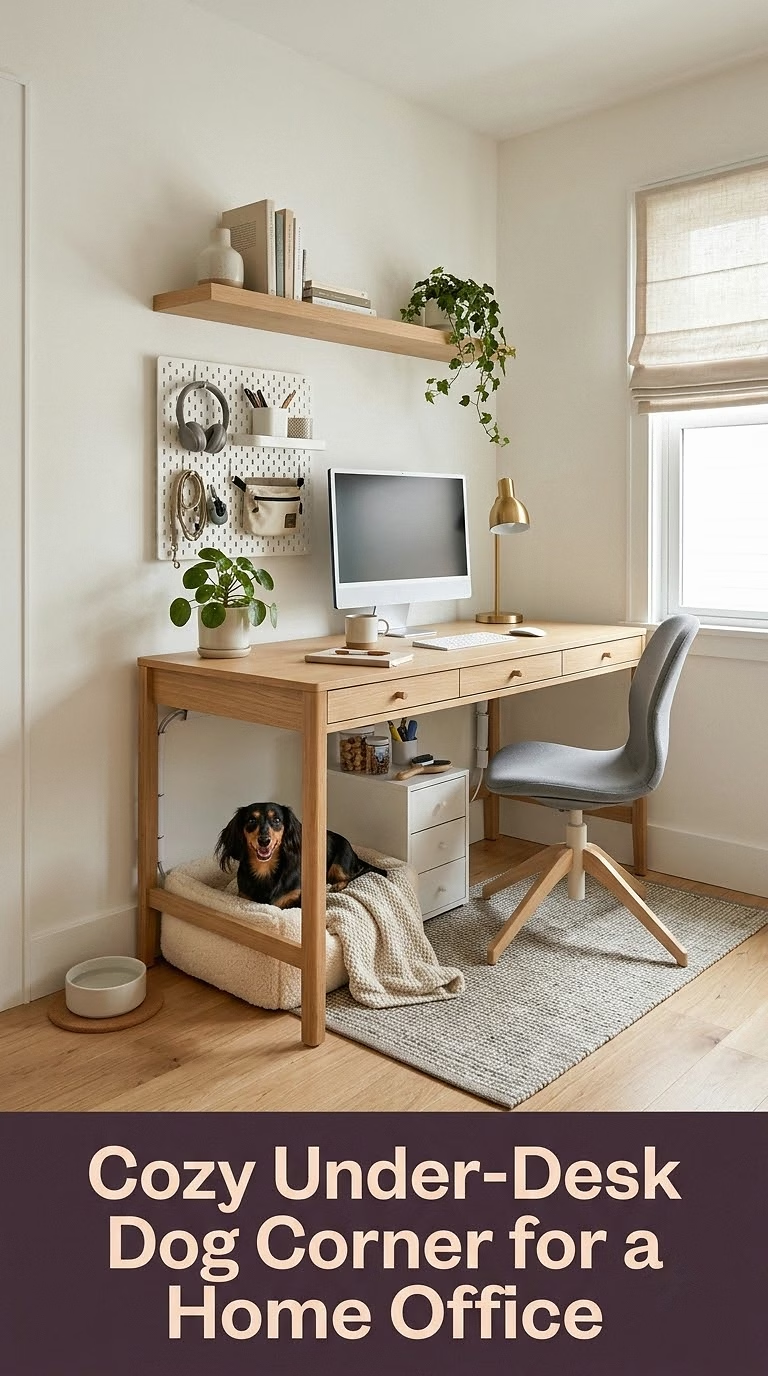
For dogs that insist on staying beside you while you work, the open space beneath one side of a wide desk can become an adorable little retreat. Instead of leaving the entire area empty, position a slim rectangular dog mattress against the wall while keeping plenty of room for your chair and legs.
Use calming colors that coordinate with your workspace, such as dusty blue, sage, cream, soft terracotta, or charcoal. A small blanket and one quiet chew toy are often enough to make the spot inviting without creating visual clutter.
This idea is particularly suitable for people working from home in apartments, bedrooms, or multipurpose rooms where a separate dog area is unrealistic. Secure computer cables and chargers carefully, since loose cords can pose a hazard to dogs that enjoy chewing or investigating unfamiliar objects.
4. Cane-Front Side Table With a Hidden Dog Bed Inside
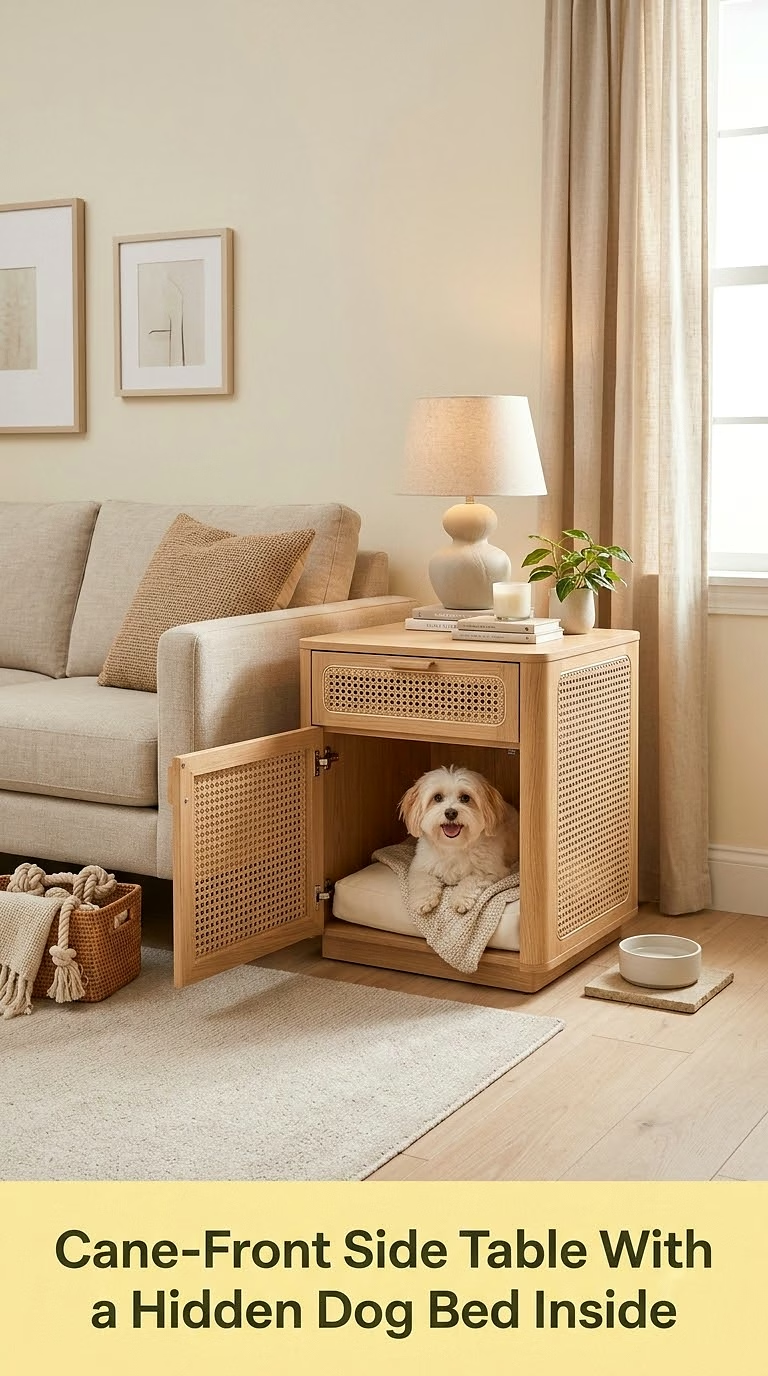
Replace a conventional side table with a multifunctional piece that doubles as your dog’s sleeping nook. A square or rectangular table with an open lower section can accommodate a cushion while still supporting a lamp, books, coffee cup, or decorative objects on top.
For a soft, elevated look, choose natural oak, walnut, or painted wood with cane or rattan side panels. The woven texture makes the furniture feel light and decorative while helping the dog nook blend beautifully into boho, coastal, Scandinavian, or modern organic interiors.
This setup works particularly well for small dogs that enjoy semi-enclosed sleeping spaces. Place it beside the sofa or bed, where a separate traditional dog bed might otherwise feel awkward.
Just make sure the interior dimensions comfortably accommodate your dog’s body and preferred sleeping position. Dogs should have adequate room to rest naturally rather than being squeezed into a space chosen purely for appearance.
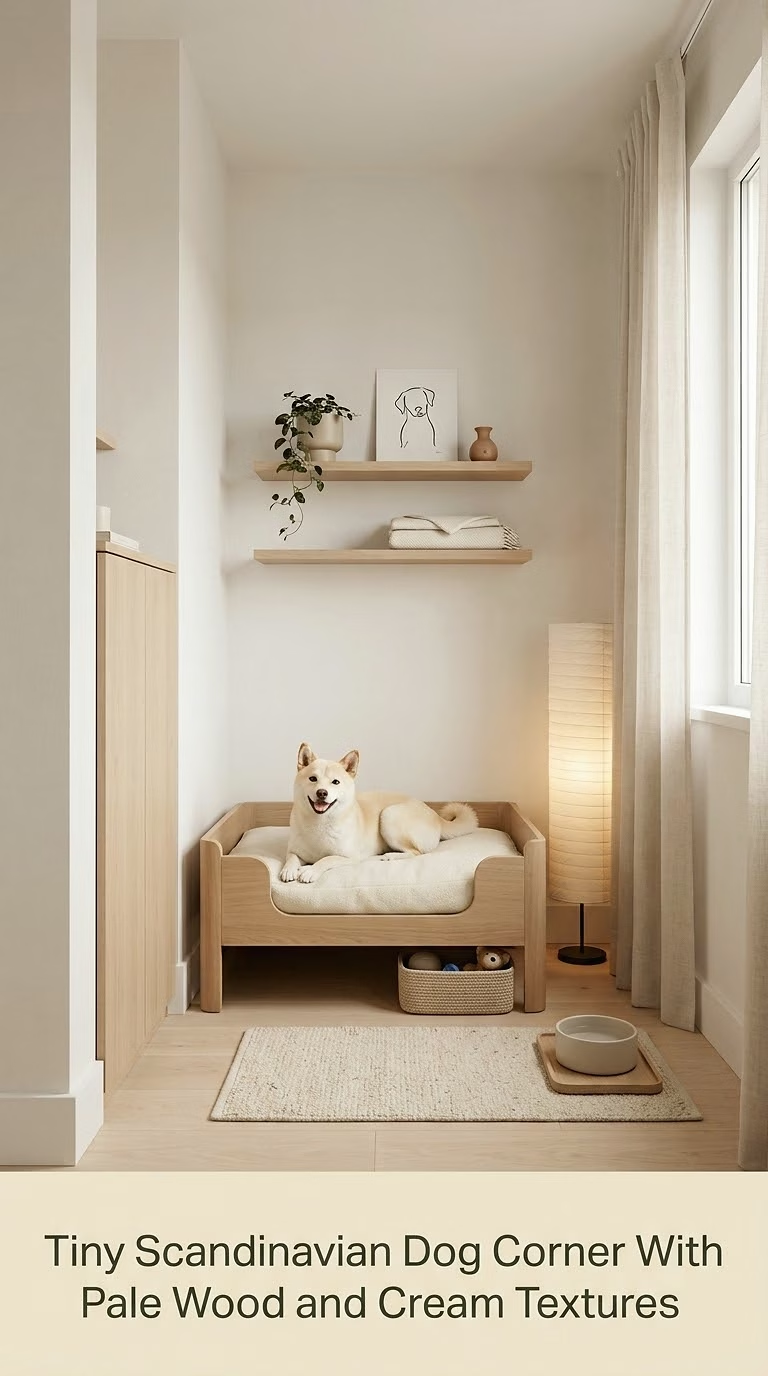
A Scandinavian-inspired dog corner can make even a tiny apartment feel calm and thoughtfully organized. Begin with a simple pale wood bed frame or a low cream cushion positioned against an unused wall. Keep the palette restrained with shades of ivory, sand, oatmeal, light gray, and natural timber.
Add one soft blanket, a minimalist ceramic water bowl, and perhaps a petite wall hook for the leash. Instead of crowding the area with decorations, use a single framed line drawing of your dog or a tiny wooden sign.
The charm comes from simplicity. Every object has a purpose, and the restrained palette helps the dog area visually disappear into the wider room.
For easy maintenance, select a bed cover that can be removed and washed frequently. Avoid delicate rugs that trap hair if your dog sheds heavily, and consider a small flat-weave mat that can be shaken out or cleaned easily.
6. DIY Dog Nook Made From a Repurposed Lower Cabinet
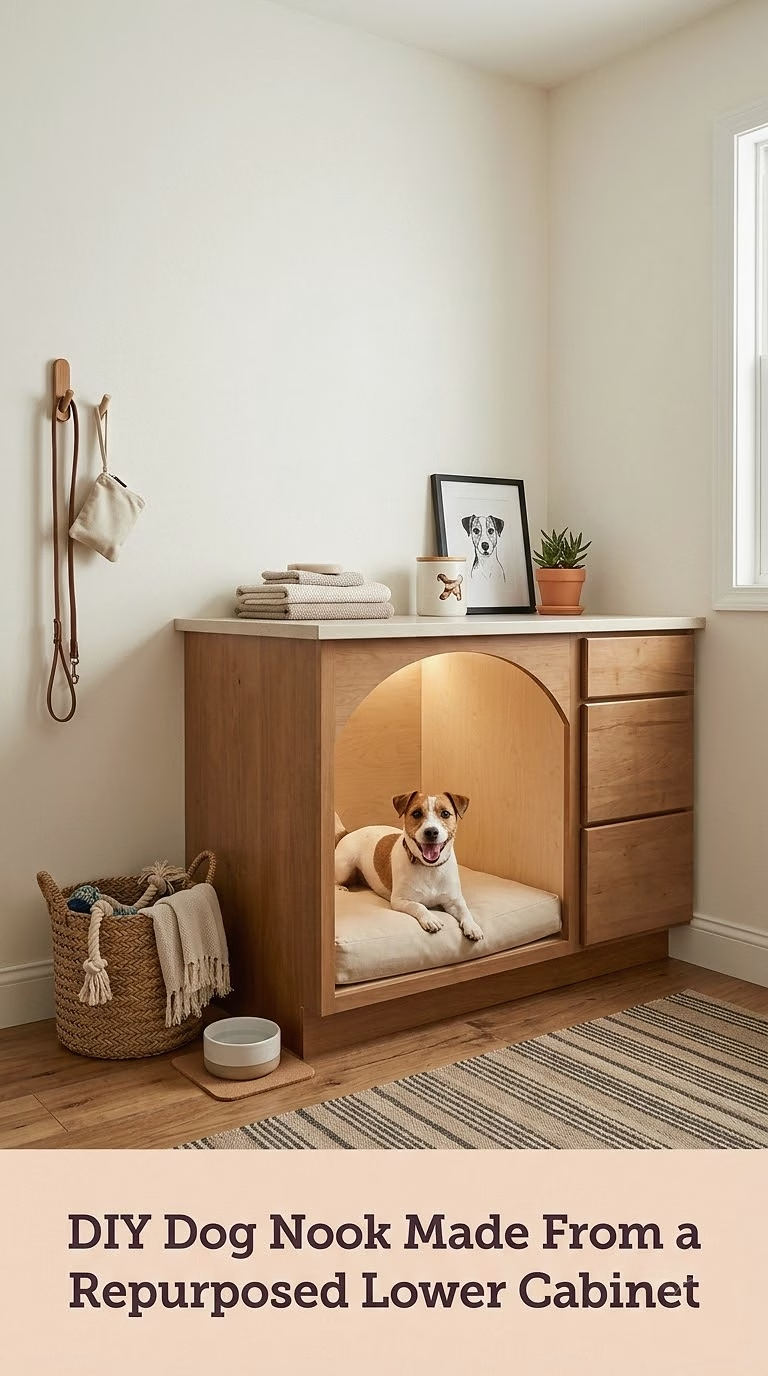
An unused lower cabinet can become a charming dog nook, particularly for a small dog that enjoys enclosed sleeping spots. Remove the door and unnecessary shelving, finish any rough edges, and fit the opening with a custom-sized cushion.
Paint the cabinet to match the surrounding kitchen, laundry room, home office, or living room cabinetry. Deep green, navy, mushroom taupe, creamy white, and natural oak can make the design feel like an intentional architectural feature.
Add removable wallpaper to the back panel for a playful detail or keep everything simple with a neutral interior.
Ventilation, accessibility, and adequate dimensions matter more than appearance. Never create a tightly enclosed compartment that becomes stuffy or difficult for your dog to enter and leave freely. Dogs using an enclosed resting area should have sufficient room to settle comfortably, with appropriate airflow and temperature.
7. Narrow Hallway Dog Corner With Vertical Leash Storage
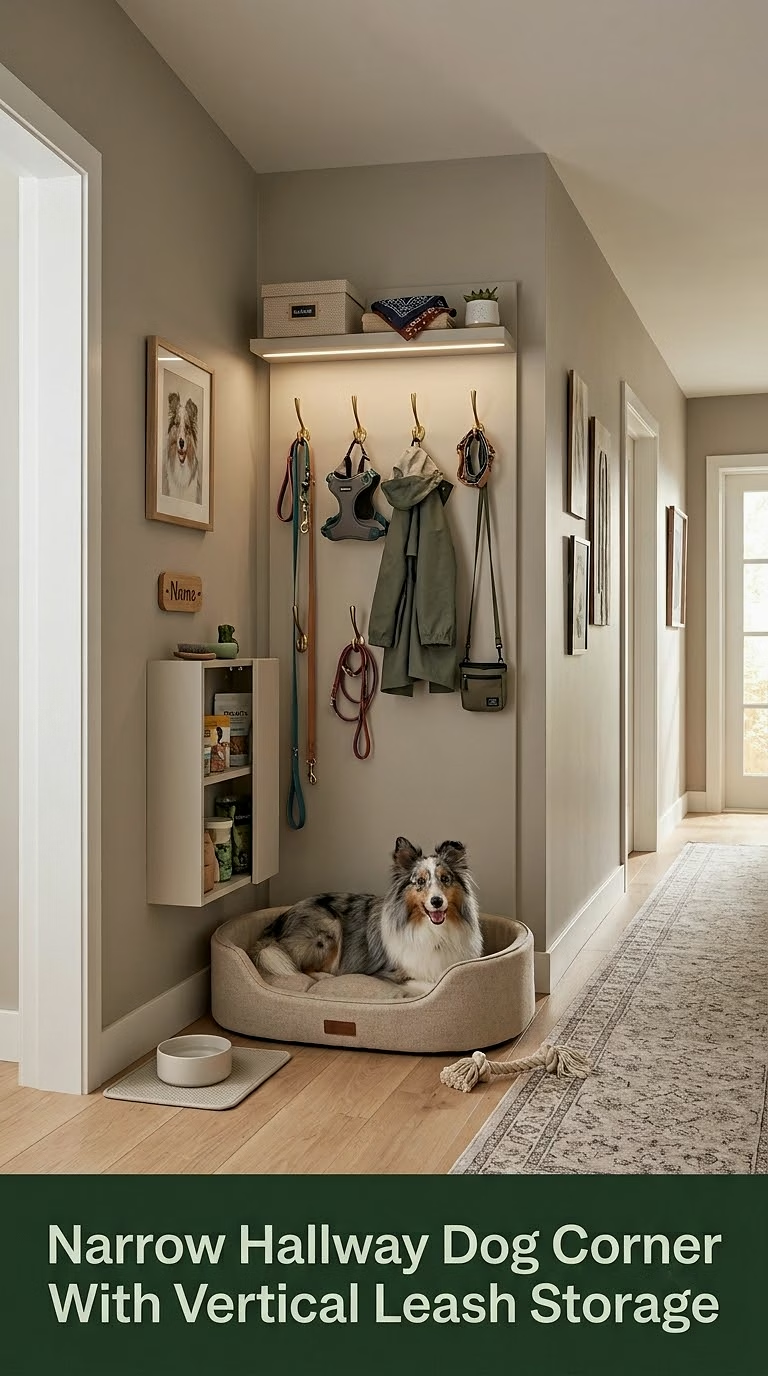
A tiny section of hallway can become both a resting area and an organized pet station without requiring bulky furniture. Place a narrow rectangular bed flush against the wall, then use the vertical space above it for attractive storage.
Read more : 17 Big Dog Room Ideas That Feel Spacious, Stylish, and Made for Large Breeds
Install two or three sturdy wall hooks for leashes, harnesses, and walking bags. A shallow shelf can hold labeled treat jars, grooming brushes, or a small basket for waste bags. Keep anything edible or unsafe well beyond your dog’s reach.
To prevent the hallway from feeling cramped, choose a bed with clean edges and a slim profile. Warm tan leather-look fabrics, washable linen, charcoal canvas, or neutral striped textiles can give the corner a polished appearance.
This idea is especially useful near an entryway because everything needed for walks stays in one place. Just make sure the dog bed does not obstruct a walkway, doorway, or emergency exit.
8. Romantic Cottage Dog Corner With Floral Wallpaper and a Vintage Bed
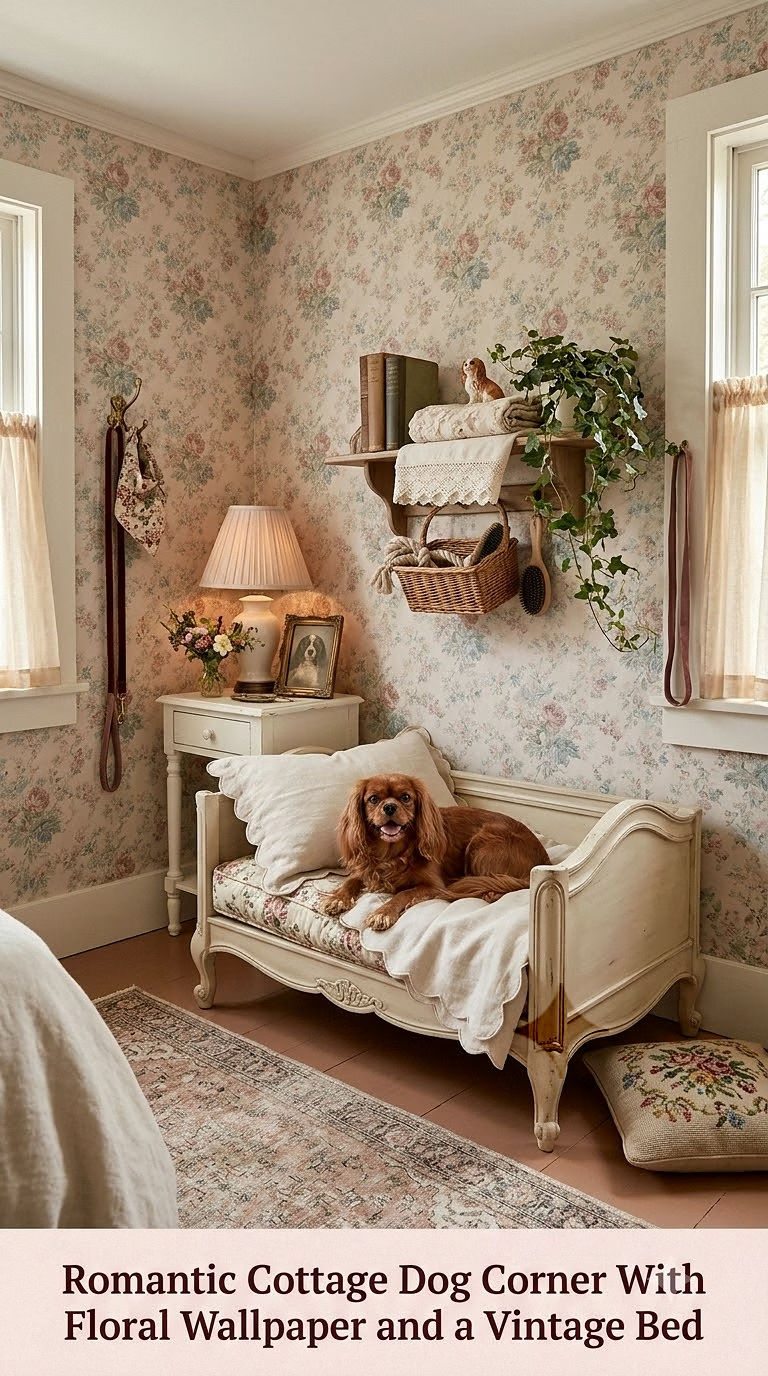
Turn a forgotten corner into a tiny cottage-inspired retreat using delicate pattern, warm wood, and soft layered fabrics. A miniature wooden dog bed with gently curved sides creates the perfect foundation, especially when painted in muted sage, dusty blue, cream, or antique white.
Apply floral wallpaper to the single wall behind the bed rather than covering the entire room. This creates a charming focal point without overwhelming a small space. Add a gingham cushion, quilted blanket, or tiny floral pillow for softness.
A personalized wooden name plaque above the bed can complete the look, while a woven basket nearby keeps toys from spreading across the room.
Although this style celebrates decorative detail, keep small buttons, ribbons, dried flowers, and fragile ornaments away from dogs that chew. The prettiest dog corner is still one designed around everyday comfort and safety.
9. Modern Black-Framed Dog Nook Under a Console Table
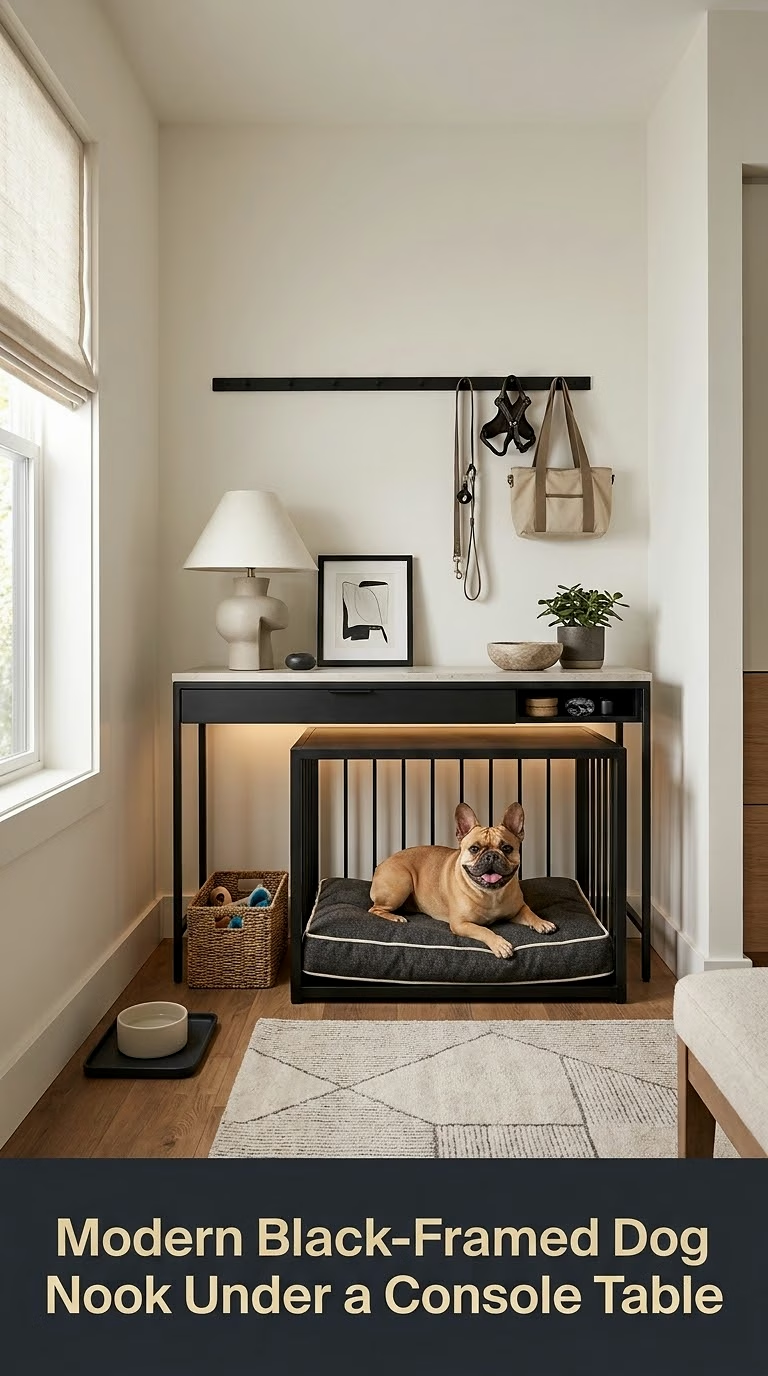
The open area beneath a slim console table often goes unused, making it ideal for a contemporary dog corner. Choose a console with slender black metal legs and a warm wood, marble-look, or matte stone top.
Slide a structured dog mattress underneath, using colors such as charcoal, camel, cream, olive, or muted rust. The contrast between dark metal and soft upholstery creates a modern, architectural look that feels suitable for sophisticated apartments.
The console remains useful for keys, a lamp, decorative bowls, or framed artwork, while your dog gains a protected spot below.
This arrangement is best for dogs that naturally fit beneath the table without feeling cramped. Avoid allowing heavy decorative objects to sit precariously near the edge, particularly if your dog tends to bump furniture when standing up or stretching.
A low basket positioned beside the console can store toys while maintaining the uncluttered aesthetic.
10. Soft Pink and Cream Dog Corner for a Feminine Bedroom
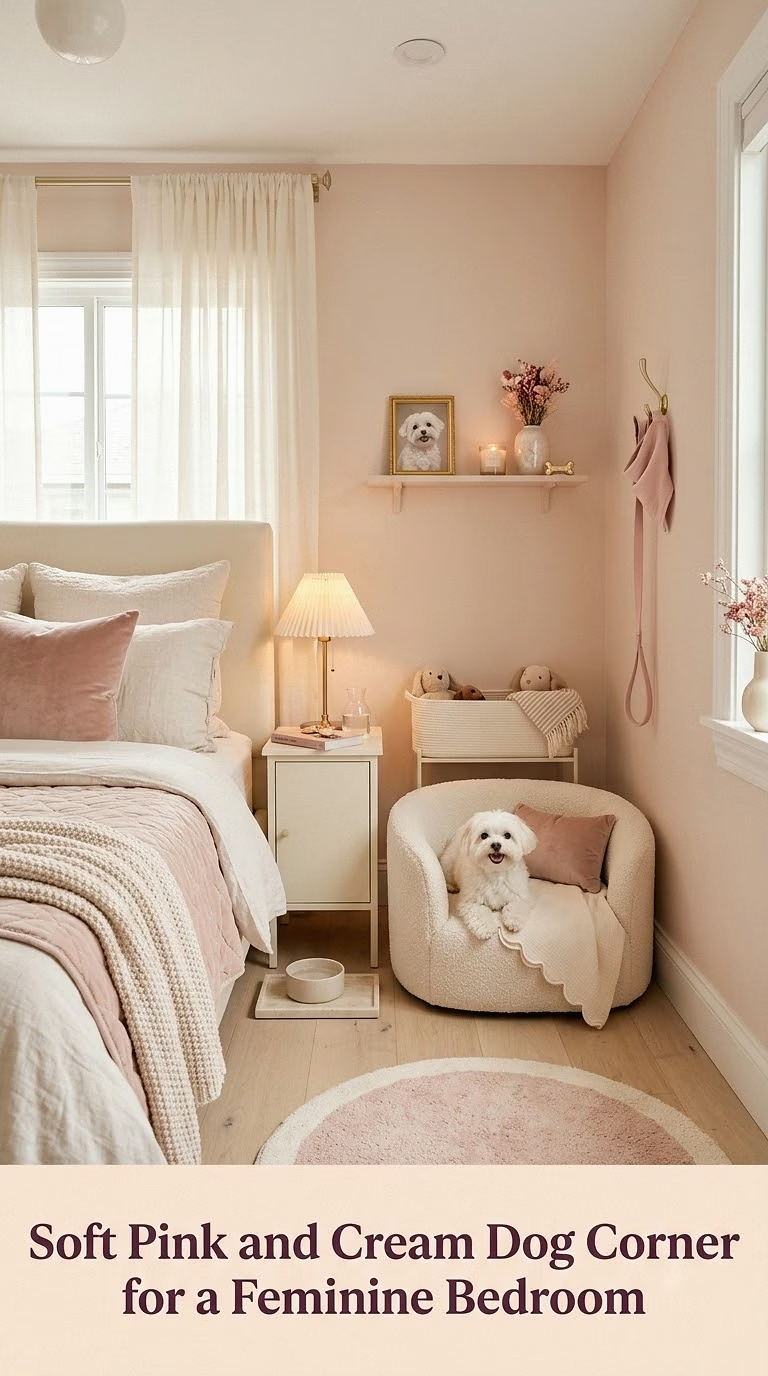
A bedroom corner can become a dreamy retreat for your dog without looking overly themed. Begin with a low round or oval dog bed upholstered in blush pink, dusty rose, cream, or warm beige. Add a lightweight quilt or soft throw in a complementary color.
Above the bed, hang a small personalized print, a framed photograph, or a simple wooden name sign. A narrow woven basket can hold two or three toys without taking up much floor space.
Keep the overall look gentle rather than excessively decorative. Pale oak furniture, linen curtains, warm lighting, and subtle floral accents can make the dog corner feel naturally connected to the rest of the bedroom.
This setup is ideal for dogs that prefer sleeping near their owner at night. Position the bed away from doors that swing inward and leave enough open floor area for your dog to enter, turn, stretch, and leave comfortably.
11. Under-Stairs Dog Hideaway With Soft Lighting and Built-In Storage
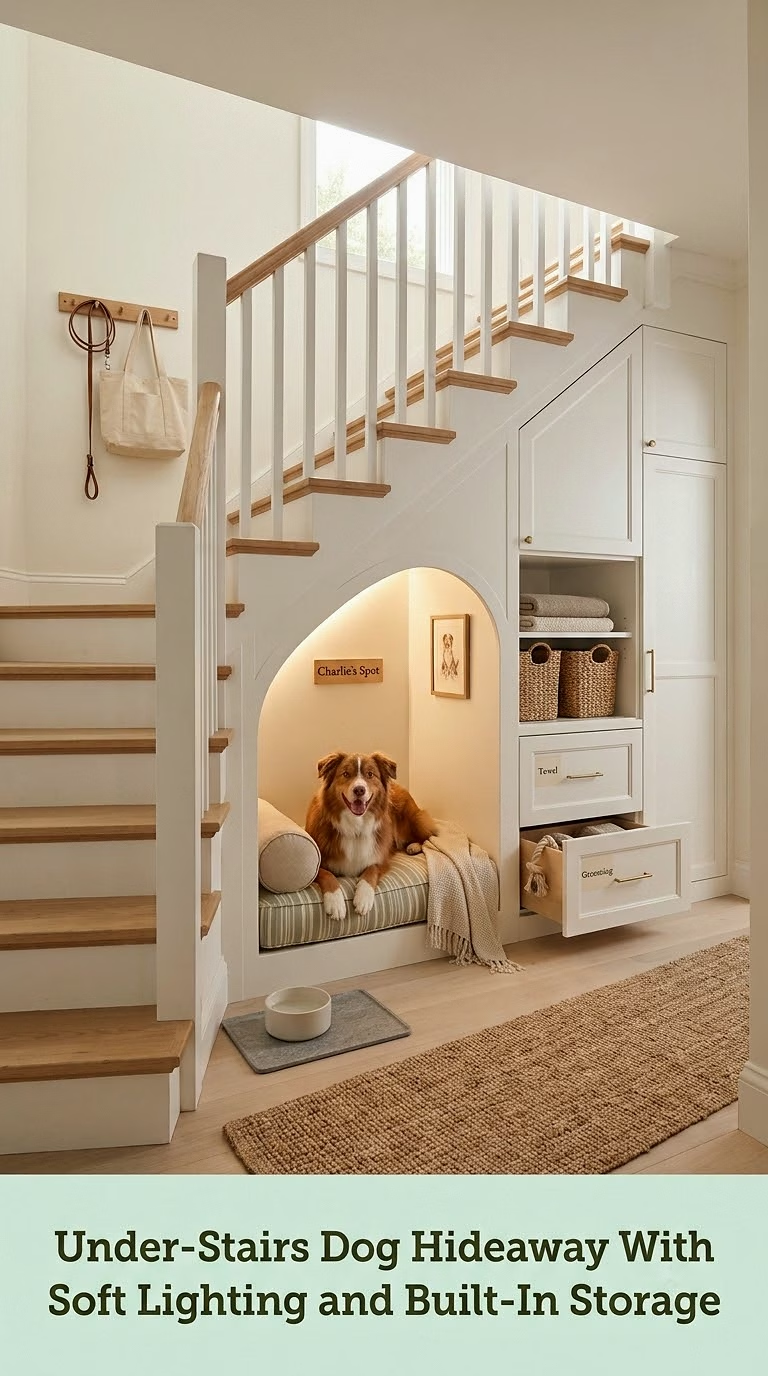
The triangular space beneath a staircase can become a memorable dog hideaway, particularly in homes where every square foot matters. Create an open entrance and finish the interior with a comfortable bed, washable wall surfaces, and gentle ambient lighting.
For a polished design, add built-in drawers or cupboards beside the dog nook to store food, towels, grooming supplies, or walking accessories. Painting everything in one coordinated color helps the feature feel integrated into the architecture.
Soft sage green, navy blue, warm white, natural oak, and mushroom gray are especially versatile choices.
Many dogs naturally enjoy private, den-like spaces for relaxation, but the area should never feel like forced confinement or punishment. It should remain comfortable, appropriately ventilated, easy to access, and suited to the individual dog’s temperament.
12. Minimalist Floating Shelf Dog Corner With Hidden Storage Baskets
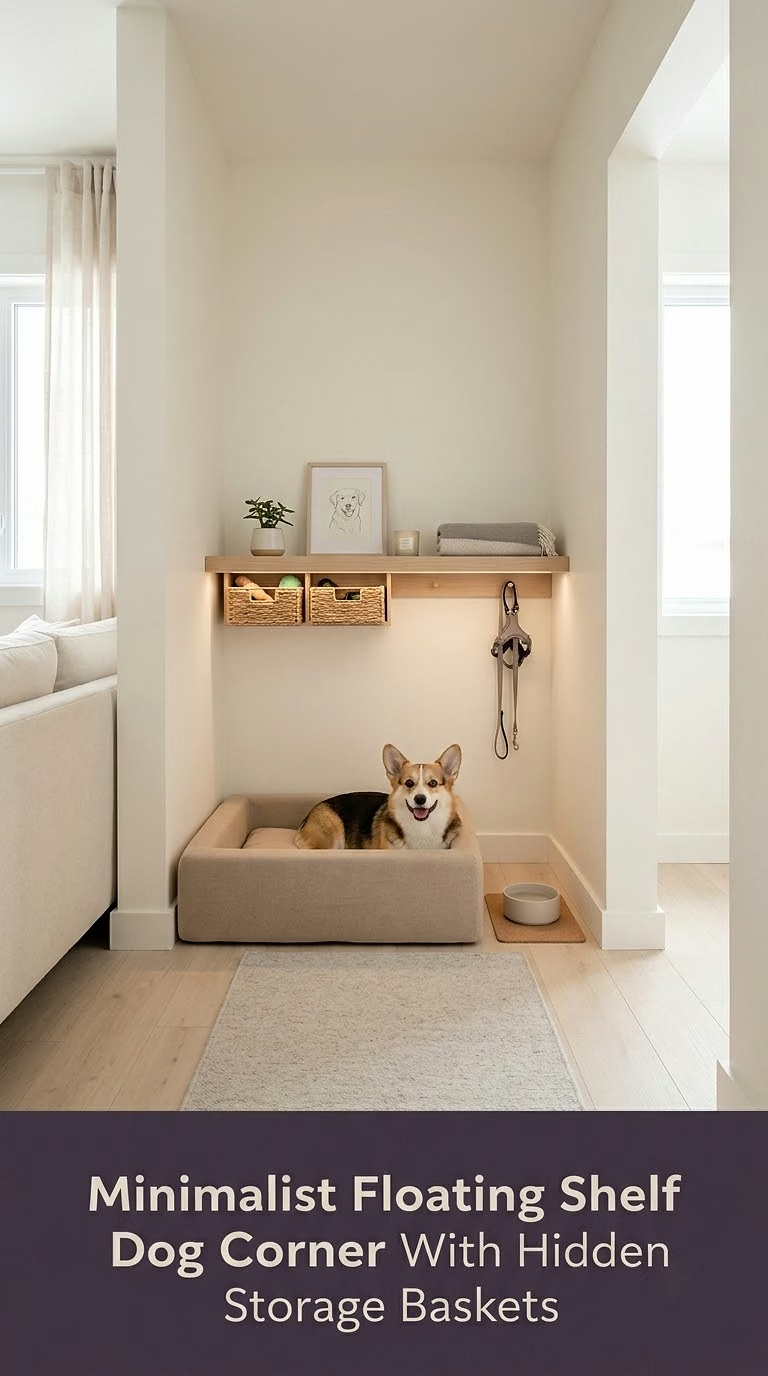
When floor area is extremely limited, use the wall above the dog bed instead of adding another piece of furniture. Install one or two shallow floating shelves high enough that your dog cannot reach stored objects.
Below, place a simple rectangular cushion in a neutral fabric that coordinates with the room. Use matching woven baskets on the shelves for spare towels, grooming brushes, or walking supplies. Closed containers can help keep smaller accessories neatly hidden.
For a calm minimalist effect, limit the palette to two or three colors, such as cream, walnut, and black or beige, white, and sage.
Avoid overloading the shelves or hanging objects directly where they could fall onto the resting area. Decorative plants should also be selected carefully, since some common houseplants are toxic to dogs. Check individual species before incorporating greenery into any pet-accessible space.
13. Boho Rattan Dog Corner With Layered Earth-Tone Textiles
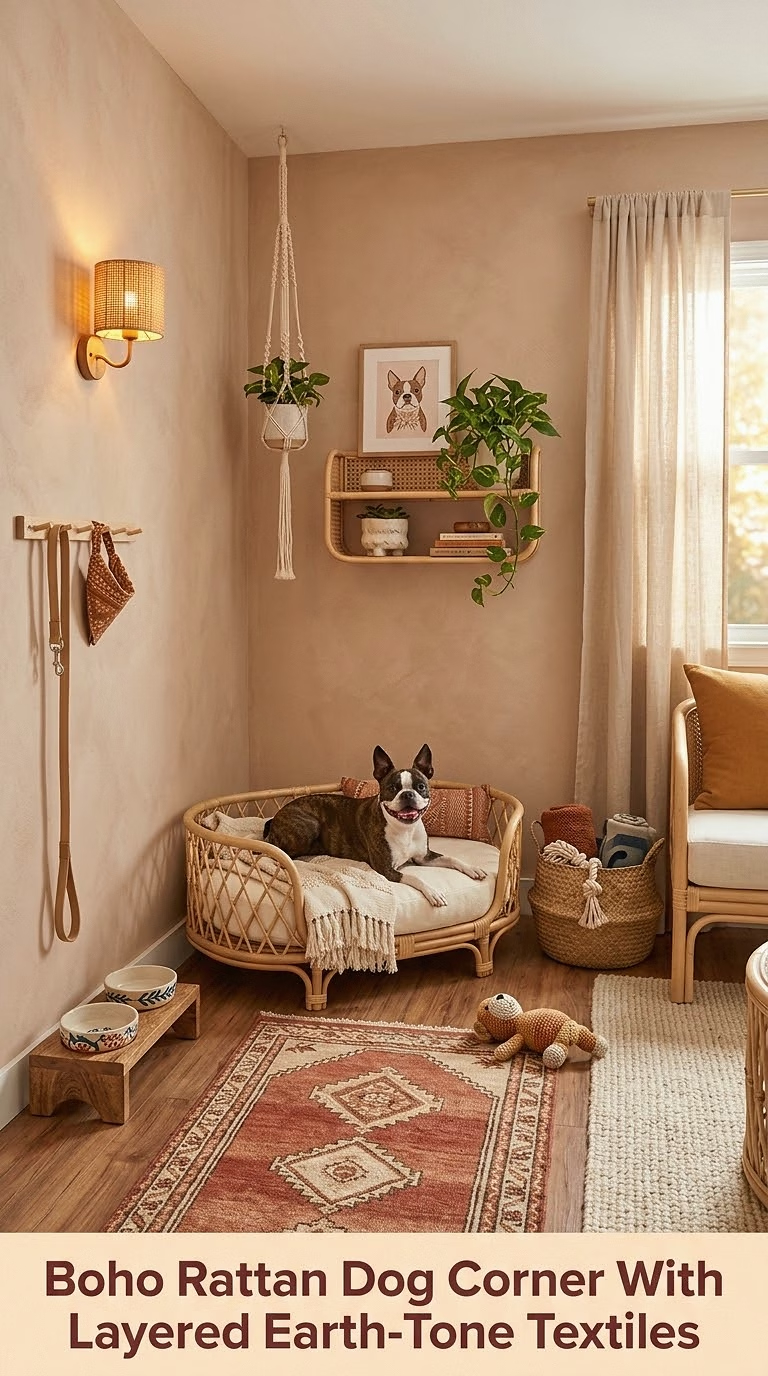
Create a relaxed bohemian dog corner using woven textures and earthy colors rather than bulky furniture. Start with a low rattan or cane dog bed and soften it with a thick washable cushion in ivory, caramel, rust, or muted olive.
Layer a small flat-weave rug beneath the bed to visually define the corner. Add one lidded seagrass basket for toys and a simple wall hanging positioned safely above reach.
Read more : 17 Beautiful Outdoor Dog House Ideas for a Cozy and Stylish Backyard Retreat
The combination of natural materials and warm tones works beautifully in bedrooms, living rooms, and studio apartments. It can also make an awkward empty corner feel purposeful without requiring permanent construction.
Be selective with decorative greenery. Eucalyptus, for example, is listed by the ASPCA as toxic to dogs, so attractive styling should never come at the expense of pet safety. Artificial foliage or confirmed dog-safe plants can offer a similar visual effect.
14. Cozy Dog Corner Beneath a Bedroom Nightstand
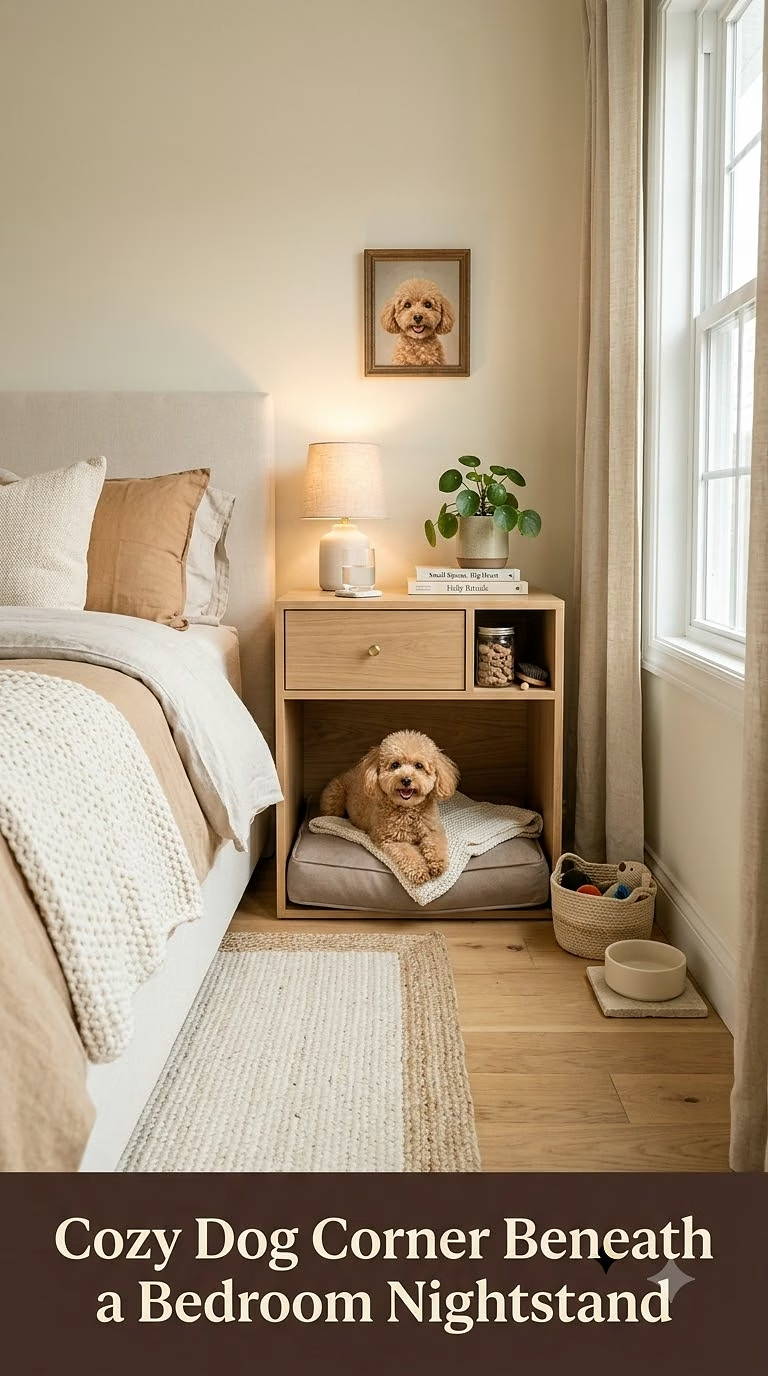
For a very small dog, the open space beneath an oversized nightstand can become a snug sleeping nook. This works best with furniture that has a wide, open lower section rather than drawers extending all the way to the floor.
Fit a thin mattress beneath the table and add a soft blanket that coordinates with the bedroom. A warm wood nightstand combined with cream bedding creates a natural, soothing look, while a painted piece in dusty blue or muted green adds subtle character.
Because the dog bed occupies space that would otherwise remain empty, the bedroom stays uncluttered.
Keep lamp cords secured and avoid leaving medications, essential oils, cosmetics, or other potentially harmful substances where your dog can reach them. The bedside area often contains objects we use daily without thinking about whether they are safe for curious pets.
15. Apartment Balcony Door Dog Corner With a Washable Floor Mat
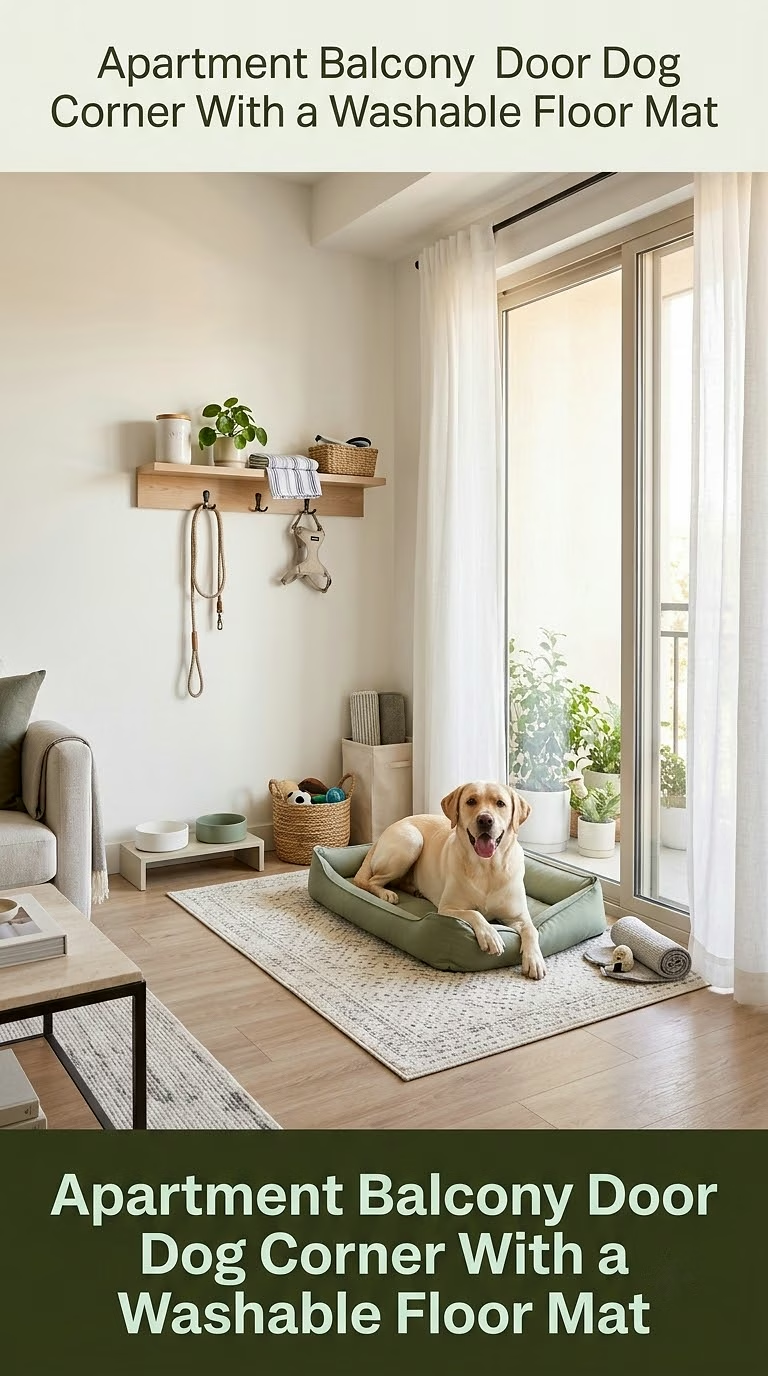
Some dogs love resting where they can watch outdoor activity, making a corner beside a secure balcony or patio door an appealing option. Place a supportive bed where your dog can enjoy natural light without blocking the doorway.
Use a washable floor mat underneath to collect loose fur, dirt, and moisture. Indoor-outdoor fabrics, tightly woven covers, and removable cushion cases are practical choices for this location.
Keep the color palette light and natural with beige, soft gray, muted blue, or olive. A compact toy basket can sit beside the bed, while wall-mounted leash hooks help save floor space.
Be mindful of temperature and direct sunlight. A sunny spot that feels pleasant during one part of the day can become uncomfortably hot later. Your dog should always be able to move away freely and access a cooler resting area.
16. Vintage Suitcase Dog Bed for a Charming Tiny Corner
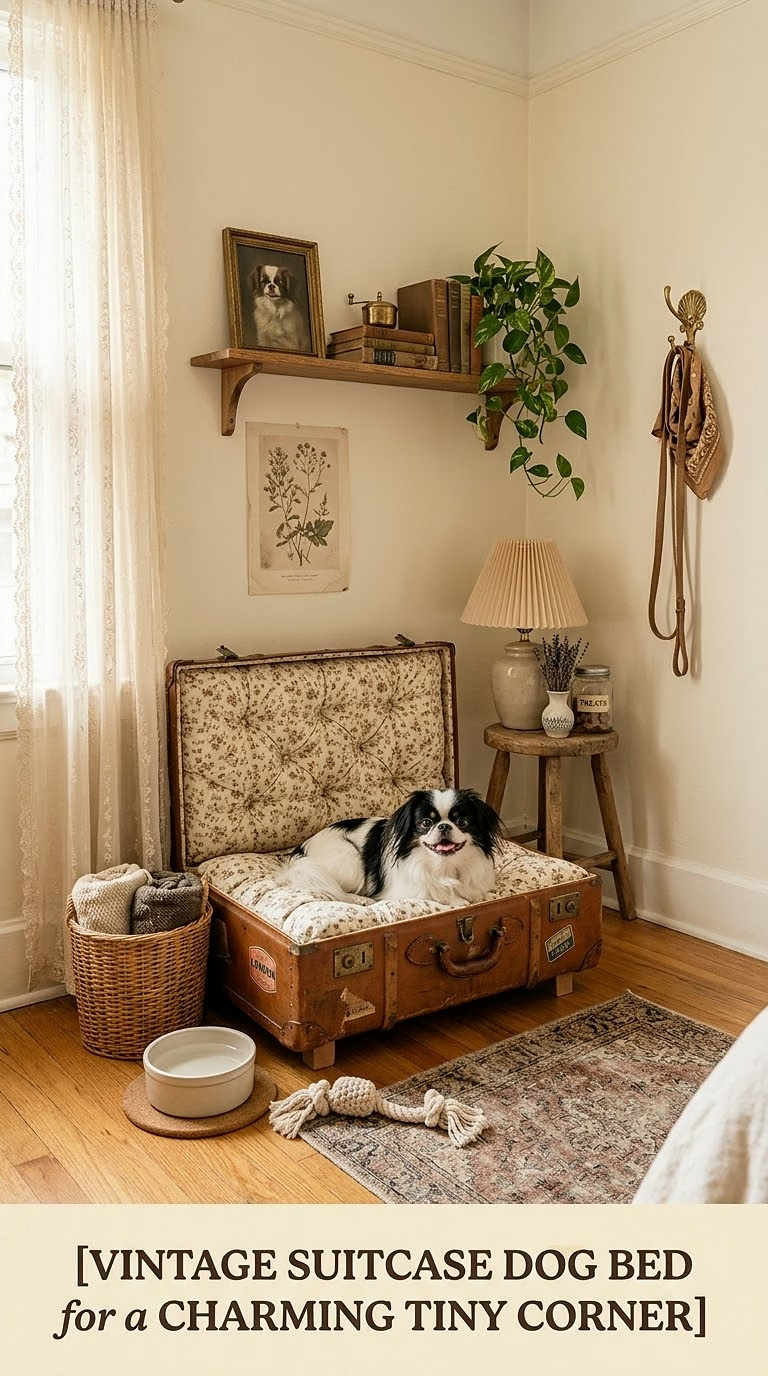
An old hard-sided suitcase can be transformed into a character-filled dog bed for a small dog. Use the bottom half as the bed base, remove or securely stabilize unnecessary hardware, and add a thick custom cushion with a washable cover.
This idea works beautifully in eclectic, cottage, retro, or travel-inspired interiors. Pair a warm brown vintage suitcase with ticking stripes, faded florals, gingham, or soft linen for a cozy look.
Position it in a tiny bedroom corner, beside a dresser, or under a low window. A framed photo or personalized name sign above it can give the setup extra personality.
Inspect every component carefully before use. Remove sharp edges, loose clasps, dangling straps, damaged lining, or anything that could be chewed or swallowed. Stability matters too, so the base should remain flat when your dog enters, turns, or jumps out.
17. Two-Level Dog Corner With a Bench Seat and Bed Below
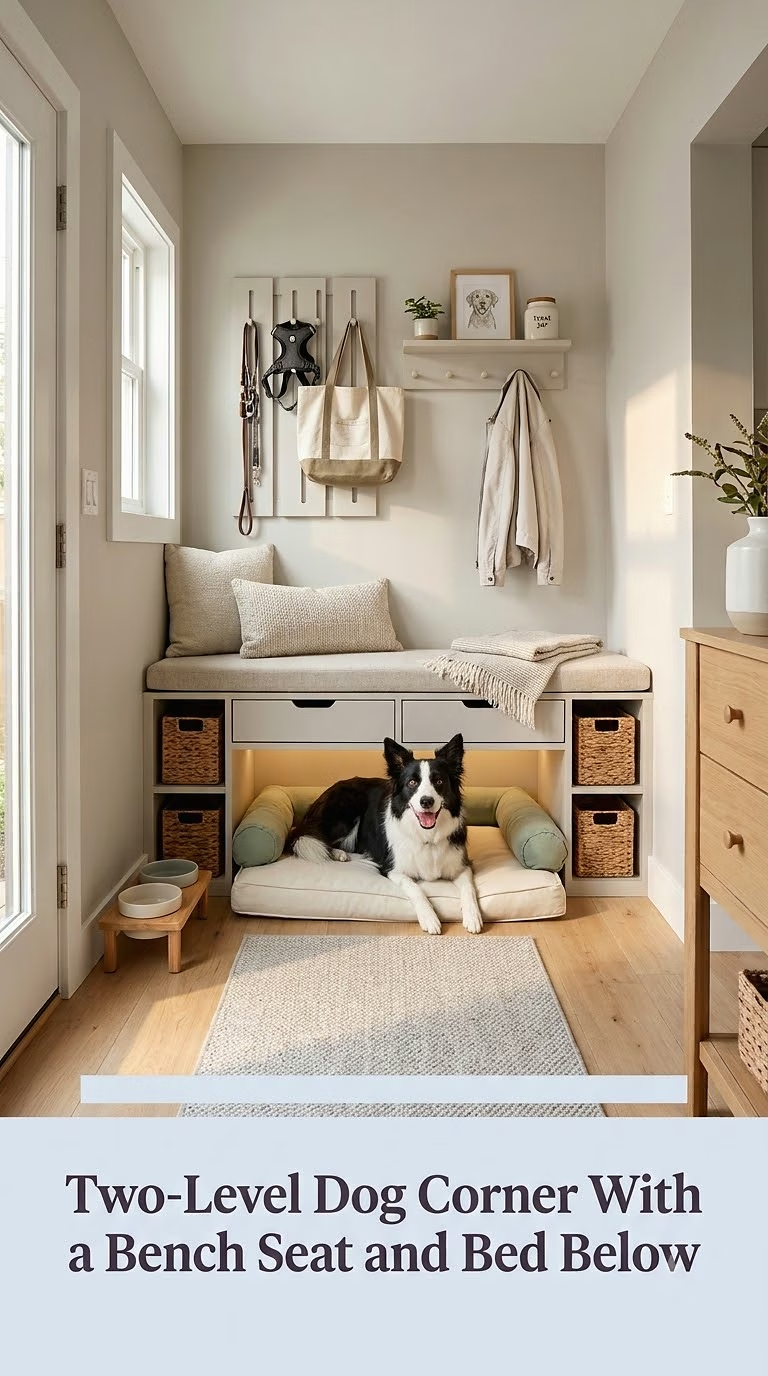
A compact bench can provide human seating, storage, and a dog resting space within a single footprint. Choose a design with an open lower section and fit a soft dog bed underneath.
This works particularly well in an entryway, bedroom, home office, or living room corner. Above the dog bed, the bench can serve as a place to sit while putting on shoes, stack folded blankets, or display a few carefully chosen cushions.
For additional storage, place baskets beside the dog’s sleeping area rather than filling the entire lower section. This keeps the retreat open and comfortable.
A light oak bench with cream upholstery creates an airy Scandinavian effect, while black wood and a deep olive cushion feel more contemporary. In cottage interiors, painted wood and patterned fabric can create a warmer, more romantic look.
The key is choosing furniture proportions based on your dog’s actual size instead of squeezing them into whatever space happens to be available.
18. Luxury Micro Dog Suite With Fluted Wood Panels and Hidden Drawers
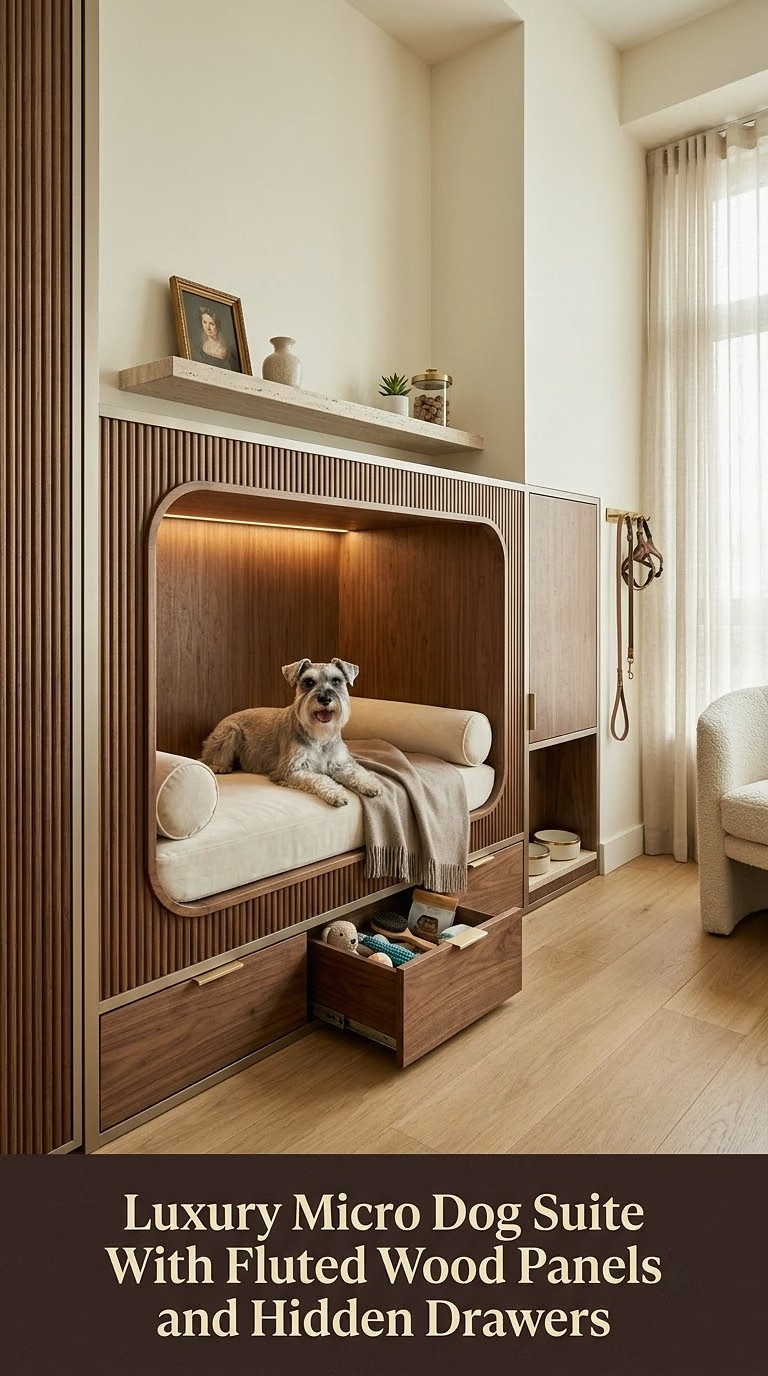
For a high-end look in a very small area, create a miniature built-in dog suite featuring fluted wood panels, integrated drawers, and a fitted cushion. The design could occupy the end of a cabinet run, the lower portion of a wardrobe, or a shallow alcove.
Use light oak for a warm modern feel, walnut for richness, or painted cabinetry in deep green, warm taupe, or soft greige. Add a discreet wall light positioned safely out of reach and choose durable, washable upholstery for the bed.
Hidden drawers above or beside the nook can store leashes, grooming tools, toys, and spare blankets without adding visible clutter.
The beauty of this concept comes from its seamless integration with the room. Rather than looking like an extra pet accessory, the dog corner becomes part of the architecture itself. Even without custom cabinetry, a similar effect can be recreated using a modified storage unit and carefully fitted cushion.
Conclusion
The most successful dog corner ideas for small spaces are not necessarily the biggest or most expensive. They simply make thoughtful use of overlooked areas while giving your dog a comfortable place that genuinely suits their needs.
A tiny space beside the sofa, beneath a desk, inside an unused cabinet, or under a multifunctional table can become a beautiful retreat with the right bed, practical storage, washable materials, and a little personality. Whether your home leans toward cozy cottage style, modern minimalism, warm boho textures, or luxurious built-ins, your dog’s corner can feel like a natural part of the room rather than an afterthought.
Love these ideas? Pin this Pinterest post so you can come back to your favorite dog corner designs when you’re ready to create a cozy little space for your pup.
Source: https://petstutorial.com
Category: Dog Rooms
