
The loveliest dog houses balance appearance with genuine comfort. A charming roofline or pretty paint color may catch your eye, but practical details such as ventilation, drainage, shade, durability, and easy cleaning are what make the space work for your pet. The structure should also suit your dog’s size, coat, age, health, and local climate rather than following a one-size-fits-all plan.
- 18 Beautiful Dog Entryway Ideas for a Stylish and Organized Home
- 19 Laundry and Dog Room Ideas That Make Everyday Life With Your Pet Beautifully Organized
- 18 Dog Bedroom Ideas for a Cozy, Stylish Space Your Pup Will Love
- 17 Dog Garage Area Room Ideas for a Cozy, Stylish, and Practical Pet Space
- 17 Beautiful Husky Dog Houses Designed for Cool Comfort and Secure Rest
These dog house ideas outdoor spaces can inspire range from affordable DIY builds to polished backyard retreats. Each one offers a different visual style while keeping your dog’s safety and everyday needs at the center of the design.
You are reading: 17 Beautiful Outdoor Dog House Ideas for a Cozy and Stylish Backyard Retreat
Outdoor Dog House Ideas That Blend Comfort, Safety, and Backyard Style
Before choosing a design, decide how your dog will actually use the house. Some dogs need a shaded daytime resting spot, while others enjoy an enclosed den during supervised backyard time. Measure your dog while standing and lying down so the interior provides enough room to enter comfortably, turn around, stand naturally, and stretch out.
Place the house on stable, well-drained ground where it receives reliable shade throughout the hottest part of the day. A raised, moisture-resistant floor, secure roof, smooth interior surfaces, and protected ventilation openings will make almost any style safer and easier to maintain. An outdoor house should always be an optional retreat rather than a substitute for indoor companionship or protection during dangerous weather.
Modern Cedar Dog House With a Matte Black Sloped Roof and Raised Deck
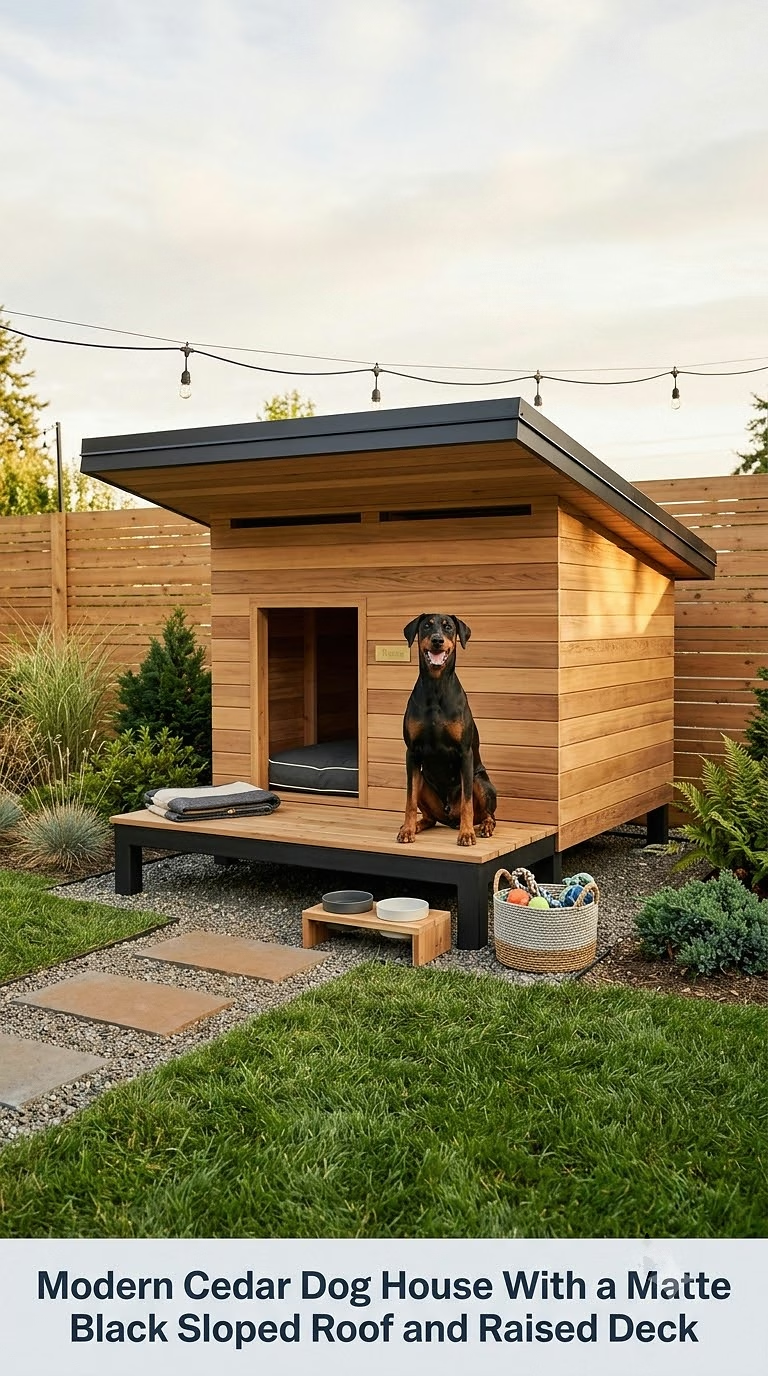
A cedar-clad dog house with a matte black roof creates a clean, modern look that blends beautifully with contemporary patios and landscaped backyards. Use horizontal timber boards for the exterior and frame the doorway with simple black trim. A single-slope roof gives the structure an architectural silhouette while helping rainwater move away from the entrance.
Extend the base to create a small raised deck where your dog can lie outside the enclosed sleeping area. The deck should have a textured, paw-friendly finish rather than a glossy coating that becomes slippery when wet. Adjustable feet or masonry supports can keep the entire structure level and elevated above damp soil.
Add ventilation beneath the roof overhang and position the doorway away from prevailing wind and heavy rain. Because dark roofing can absorb heat, place the house under natural or constructed shade and include an air gap or insulation beneath the roof. A removable interior floor panel will make routine sweeping and washing much easier.
White Cottage Dog House With Sage Green Trim and a Tiny Covered Porch
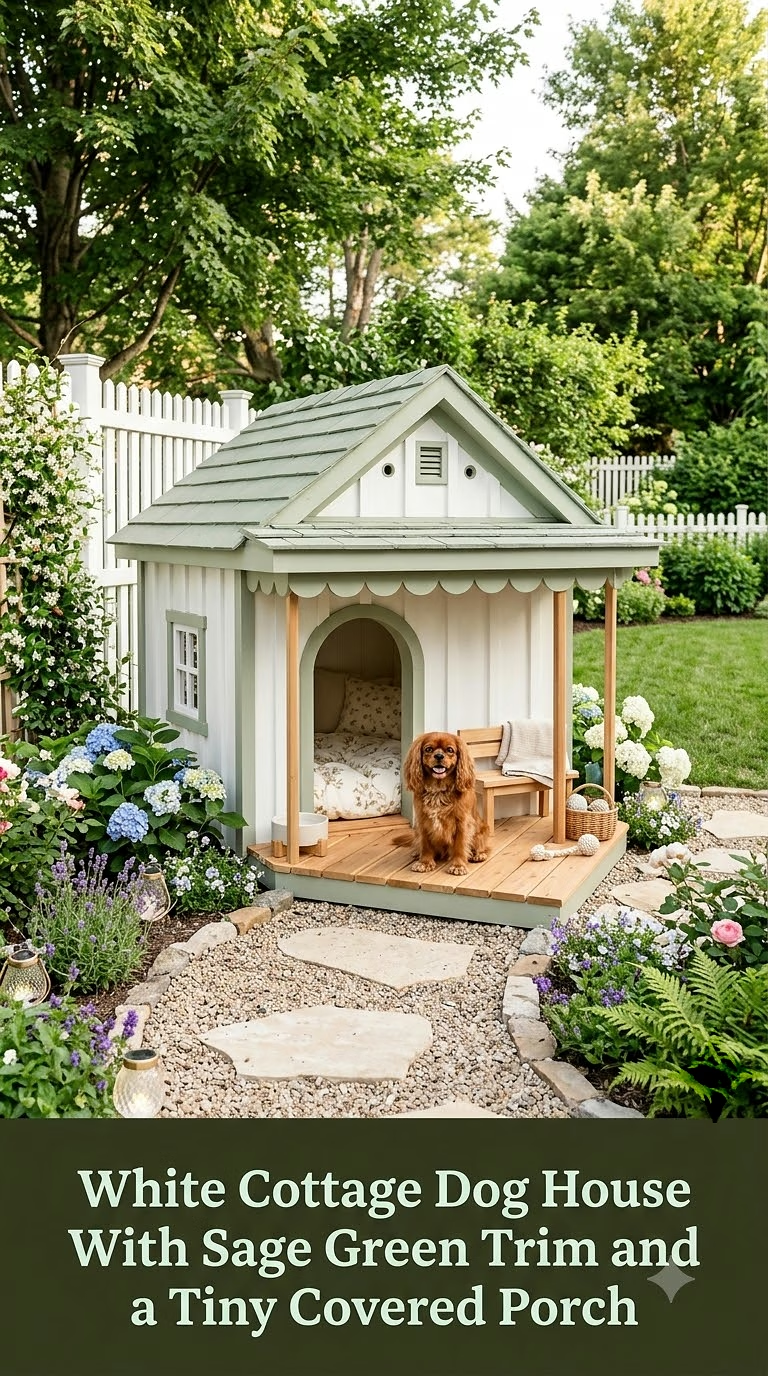
For a romantic garden setting, design a miniature cottage with white siding, sage green trim, and a petite covered porch. A softly pitched roof, simple window-style vents, and decorative flower-box details can make the house feel like a charming part of the landscape rather than an ordinary pet accessory.
Keep decorative elements safely out of chewing reach. Instead of planting flowers directly against the house, place dog-safe plants in freestanding pots with enough space for cleaning and airflow. Avoid small hooks, loose signs, sharp edging, or fragile ornaments that could be pulled off.
The covered porch provides an extra shaded resting place and helps keep rain away from the entrance. Raise the porch and sleeping floor above the surrounding ground, then add a shallow ramp for an older or short-legged dog. Choose exterior paint made for outdoor use and allow all coatings to cure completely before your dog uses the space.
Tropical Raised Dog Bungalow With Wide Eaves and Breezy Slatted Vents
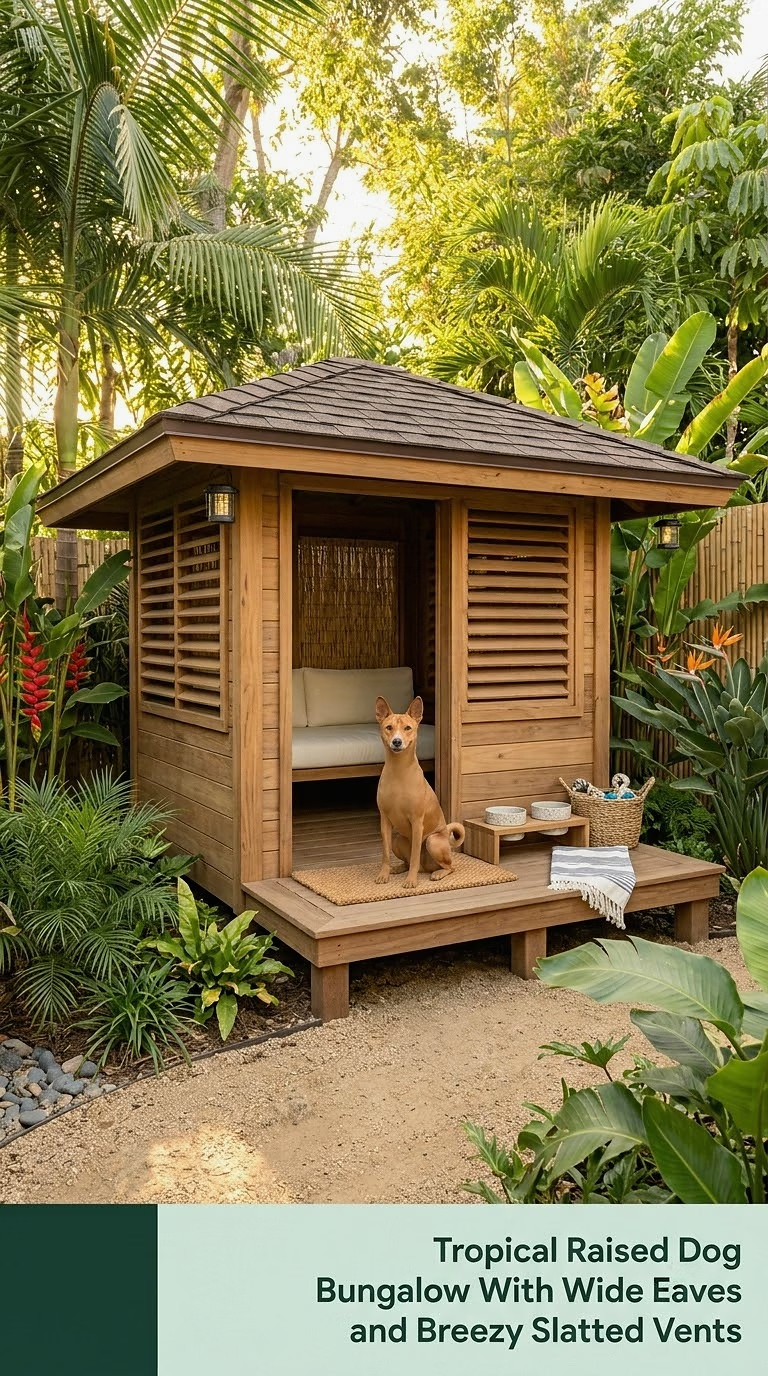
A tropical bungalow is ideal for creating a light, airy backyard retreat in a warm climate. Build the structure on short supports and give it an oversized roof with wide eaves on every side. The extended roofline shades the walls and doorway while protecting ventilation openings from sudden rain.
Use pale wood tones, bamboo-look cladding, or weather-resistant composite boards to create a relaxed resort feeling. True bamboo can split, attract moisture, or develop sharp edges if it is not properly finished, so inspect materials carefully. Decorative bamboo-style panels can provide the same appearance with less maintenance.
Place slatted vents high on opposing walls to encourage airflow without leaving large openings at your dog’s level. The house should sit beneath additional shade because an enclosed structure can still become hot even with ventilation. Complete the scene with a washable outdoor mat, a nearby water station, and a shaded open lounging area where your dog can choose a cooler place to rest.
Compact Lean-To Dog House Tucked Beneath a Covered Patio
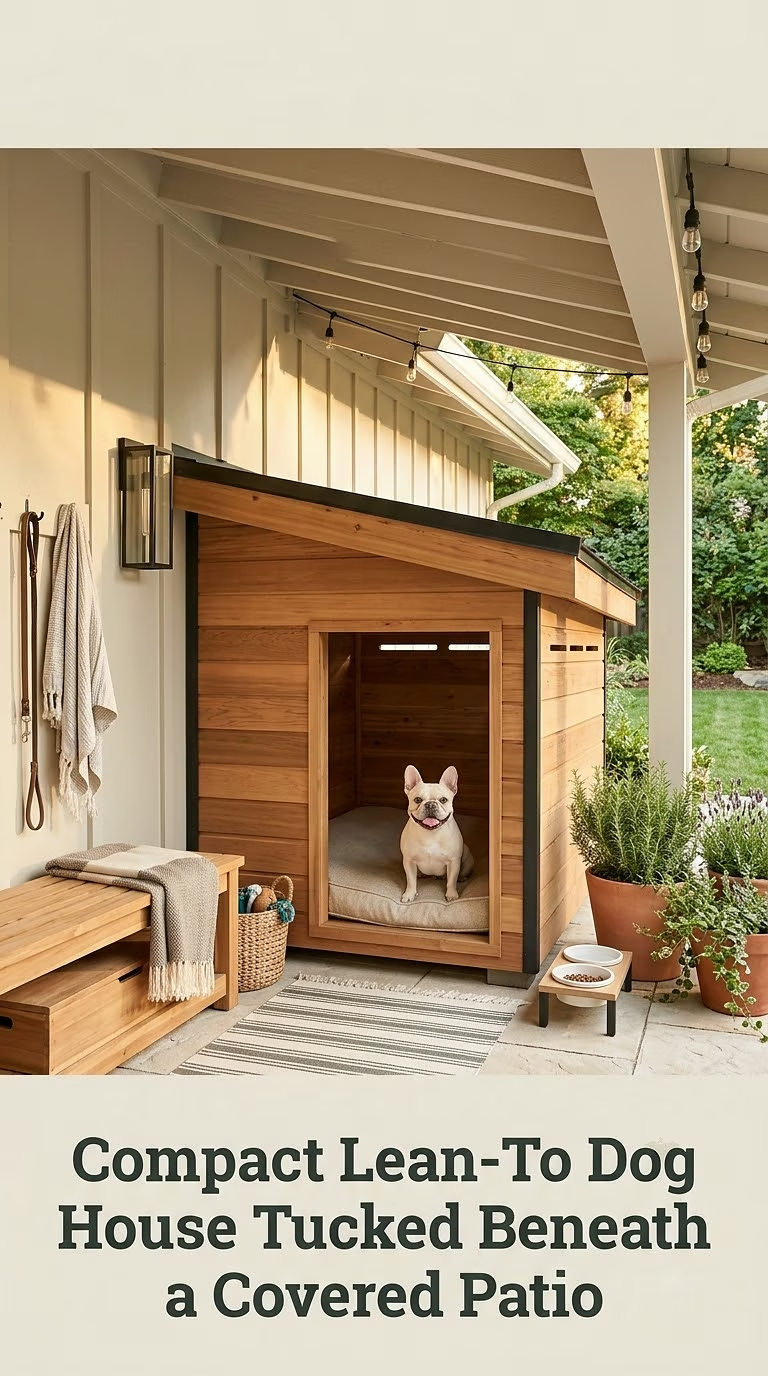
A lean-to dog house is a clever option for a narrow patio, small courtyard, or protected side of the home. Its simple rectangular shape and gently sloping roof allow it to fit neatly against a wall without dominating the outdoor area.
The house should remain structurally independent rather than relying on your home’s siding for support or waterproofing. Leave enough space behind it for airflow, inspection, and pest control. Position it beneath the patio roof while making sure wind-driven rain cannot collect around the base.
Match the exterior to your patio furniture or house trim for a coordinated look. Warm gray siding, natural wood framing, and a charcoal roof create a subtle design that works in many spaces. A hinged front panel or lift-up roof can provide cleaning access, but every hinge and support must lock securely so the panel cannot fall while your dog is inside.
Insulated A-Frame Dog Cabin With an Offset Entrance for Cold Weather
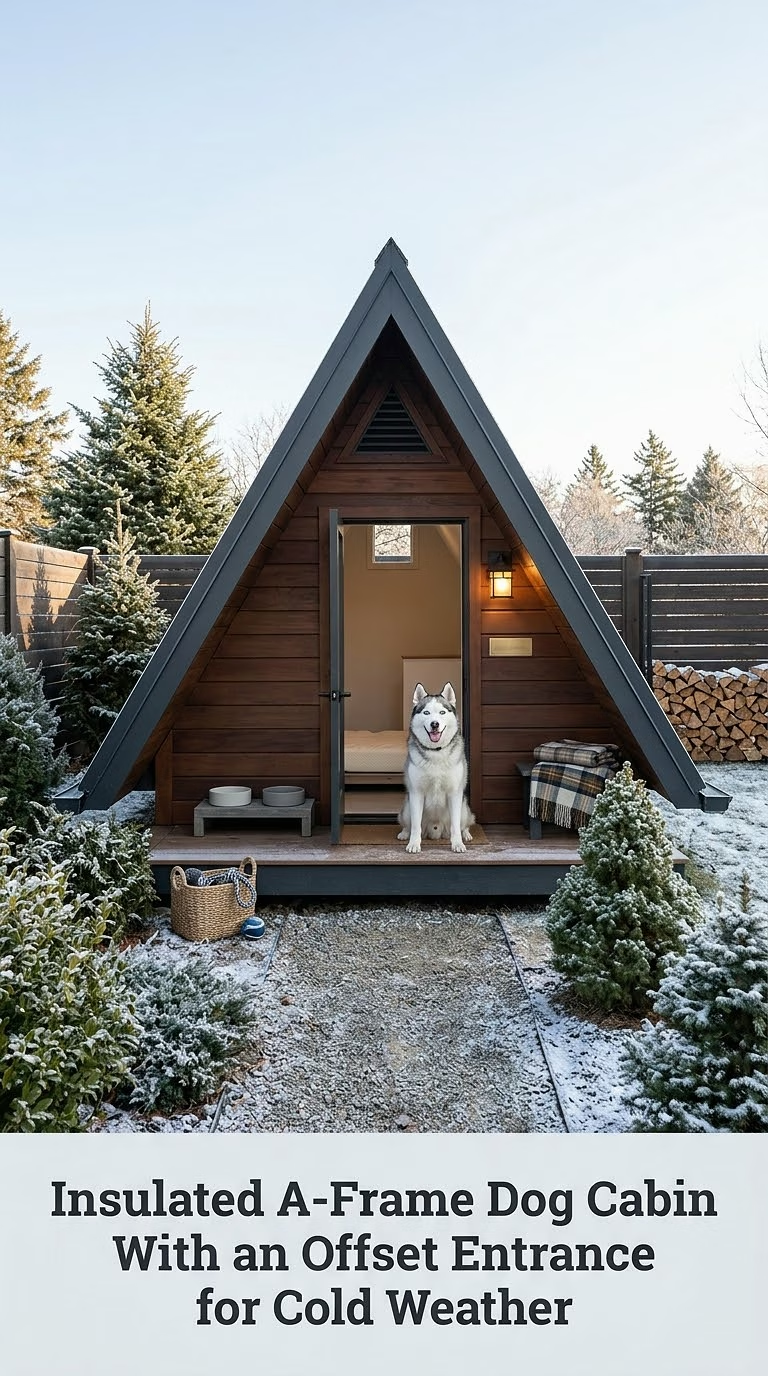
An A-frame cabin creates a cozy alpine appearance while allowing rain or snow to slide away from the roof. Use weatherproof siding, a raised floor, and protected insulation in the walls, floor, and roof. Insulation should be completely enclosed behind smooth interior panels so your dog cannot chew or scratch it.
Place the doorway slightly to one side rather than directly in the center. This creates a sheltered sleeping corner that is less exposed to wind. A flexible, dog-safe doorway flap or short internal windbreak may provide additional protection, although your dog should be introduced to it gradually so entering and exiting remain comfortable.
Keep the interior appropriately sized. An excessively large house may look luxurious, but it can feel drafty and retain less warmth during cool weather. Provide clean, dry bedding suited to your climate, and check it often for moisture. Even an insulated house is not adequate protection during severe cold, ice storms, or other dangerous conditions, so your dog must have access to a safe indoor space.
Mediterranean Stucco-Style Dog Villa With a Terracotta Roof
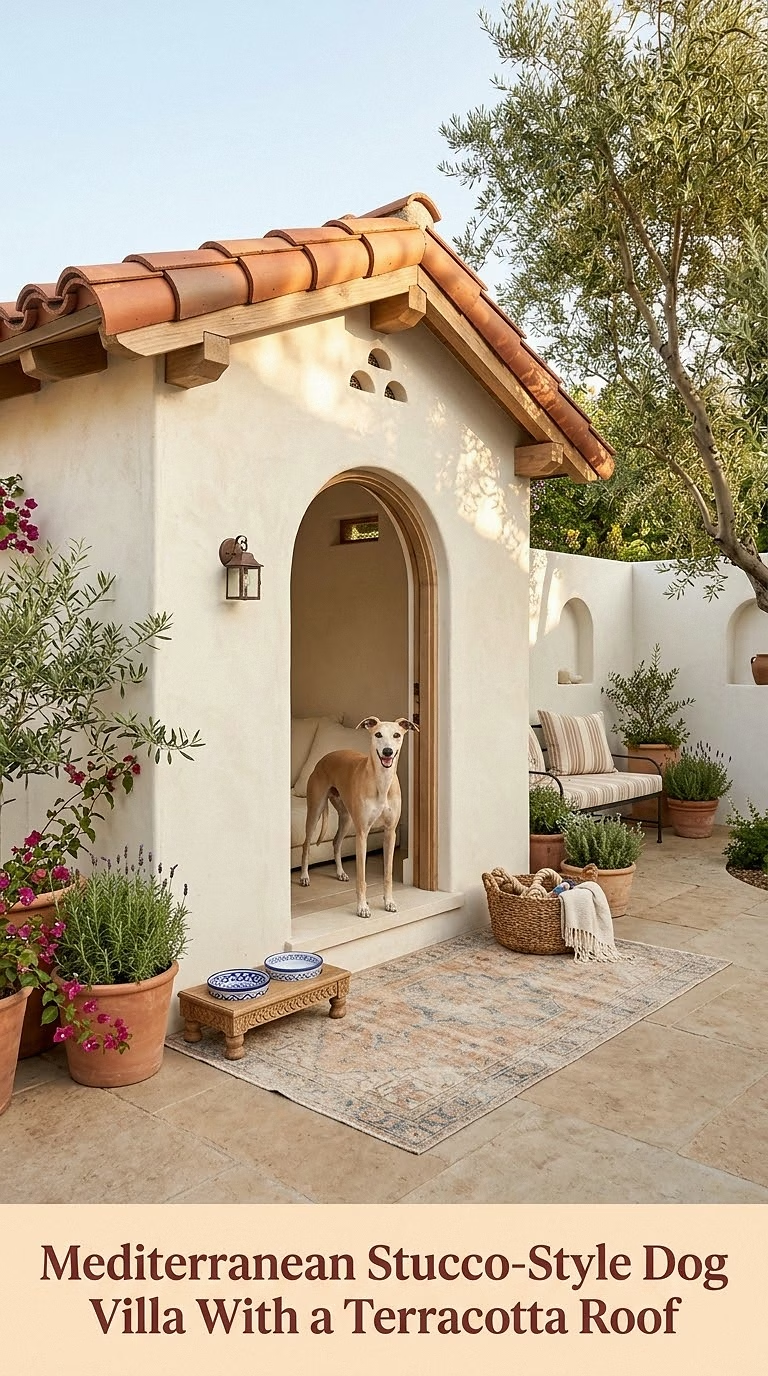
Bring a sun-washed Mediterranean feeling to the yard with creamy stucco-style walls, a terracotta-colored roof, and a softly arched doorway. The finished structure can coordinate beautifully with gravel gardens, tiled patios, olive-toned foliage, and warm stone landscaping.
Read more : 18 Dog Nook Ideas for Creating a Cozy and Stylish Retreat at Home
Real masonry can make a small dog house unnecessarily heavy and may hold heat. A more practical option is to build a sturdy framed house and cover the exterior with lightweight, weather-resistant panels that imitate smooth stucco. Use roofing designed to resemble terracotta rather than stacking heavy clay tiles on a structure not engineered to support them.
Create generous shade around the villa with a pergola, canopy, or well-placed tree that is regularly checked for falling branches. Pale exterior colors help the design feel bright and relaxed. Add a tiled-look porch using textured, non-slip outdoor material so your dog has a cool-looking but comfortable place to lounge.
Red Farmhouse Barn Dog House With White Trim and a Covered Feeding Alcove
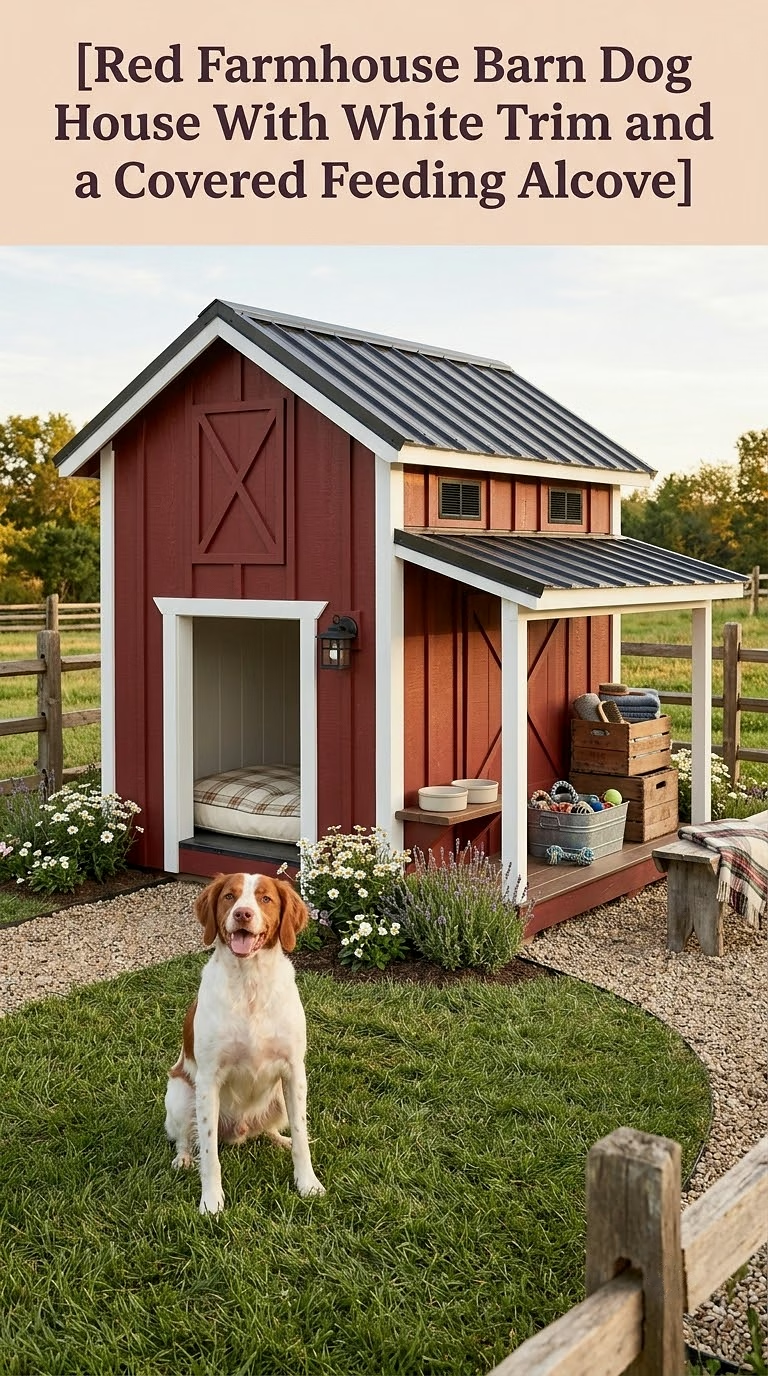
A small red barn dog house adds cheerful country character to a large backyard or farmhouse-style garden. Use deep barn-red siding, white corner trim, and a dark metal-look roof. A crossbuck detail on the exterior can create the look of a traditional barn door without adding a heavy or complicated moving panel.
Extend one side of the roof to form a covered alcove for water bowls. Keeping water outside the sleeping compartment prevents spills from soaking the floor or bedding. Place the bowl in a stable holder and refresh it frequently, especially during warm weather.
The barn house can also include a rear service door for cleaning. Install sturdy latches that your dog cannot open, and make sure there are no protruding screws or rough boards inside. For a budget-friendly finish, use simple board-and-batten siding made from exterior-grade sheet material and narrow trim strips.
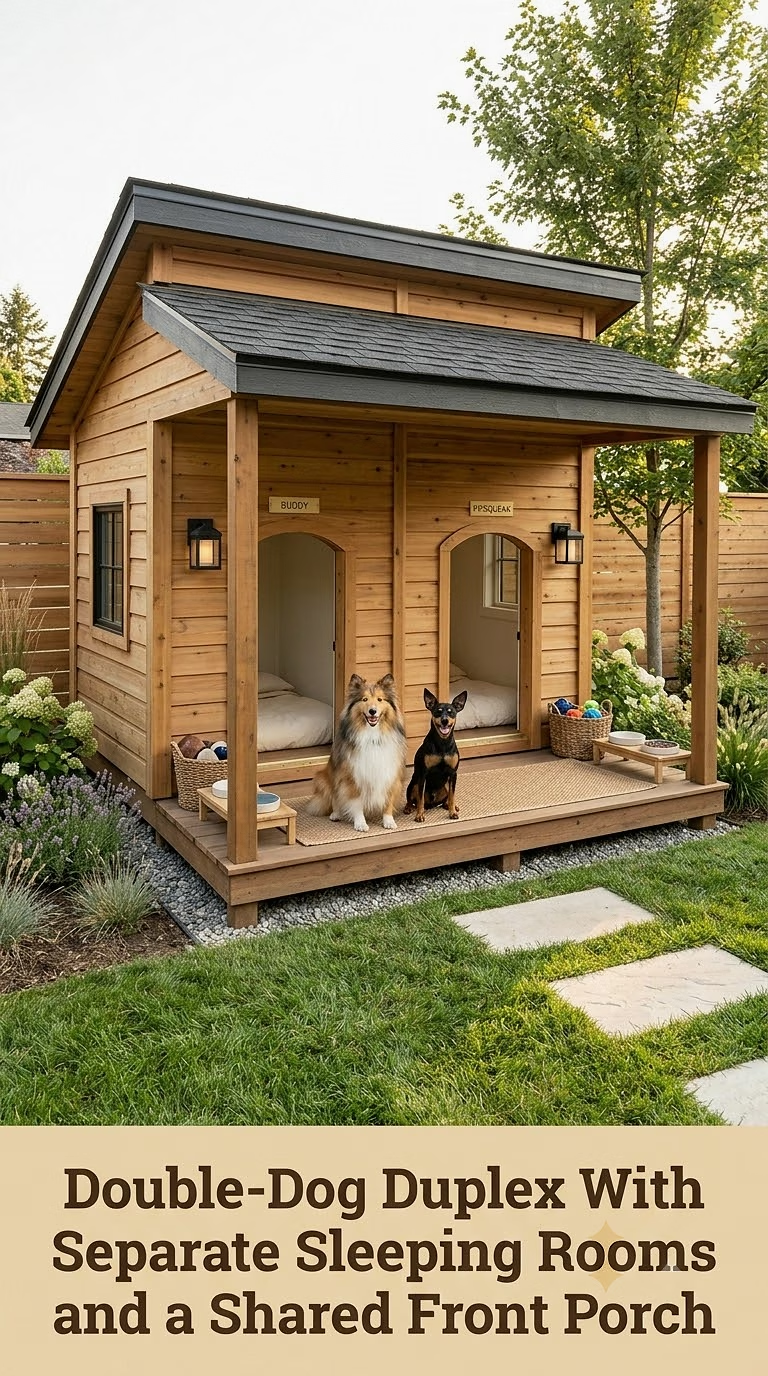
For two dogs, a duplex-style house provides individual sleeping spaces without requiring two completely separate structures. Create two enclosed rooms divided by a solid wall, then connect them visually with one long roof and a shared raised porch.
Separate rooms are especially helpful when the dogs differ in size, sleeping habits, or desire for personal space. Each compartment should have its own doorway, ventilation, and removable floor panel. Size each side for the dog who will use it rather than dividing the building into identical spaces automatically.
The shared porch can become a comfortable social area, but leave enough room for both dogs to move without blocking each other’s entrances. If either dog guards beds, food, toys, or doorways, separate houses placed farther apart may be more appropriate. Avoid placing food inside the sleeping rooms, and supervise the dogs until you know they use the duplex comfortably together.
Living-Roof Dog House With a Low Sedum Garden and Natural Wood Walls
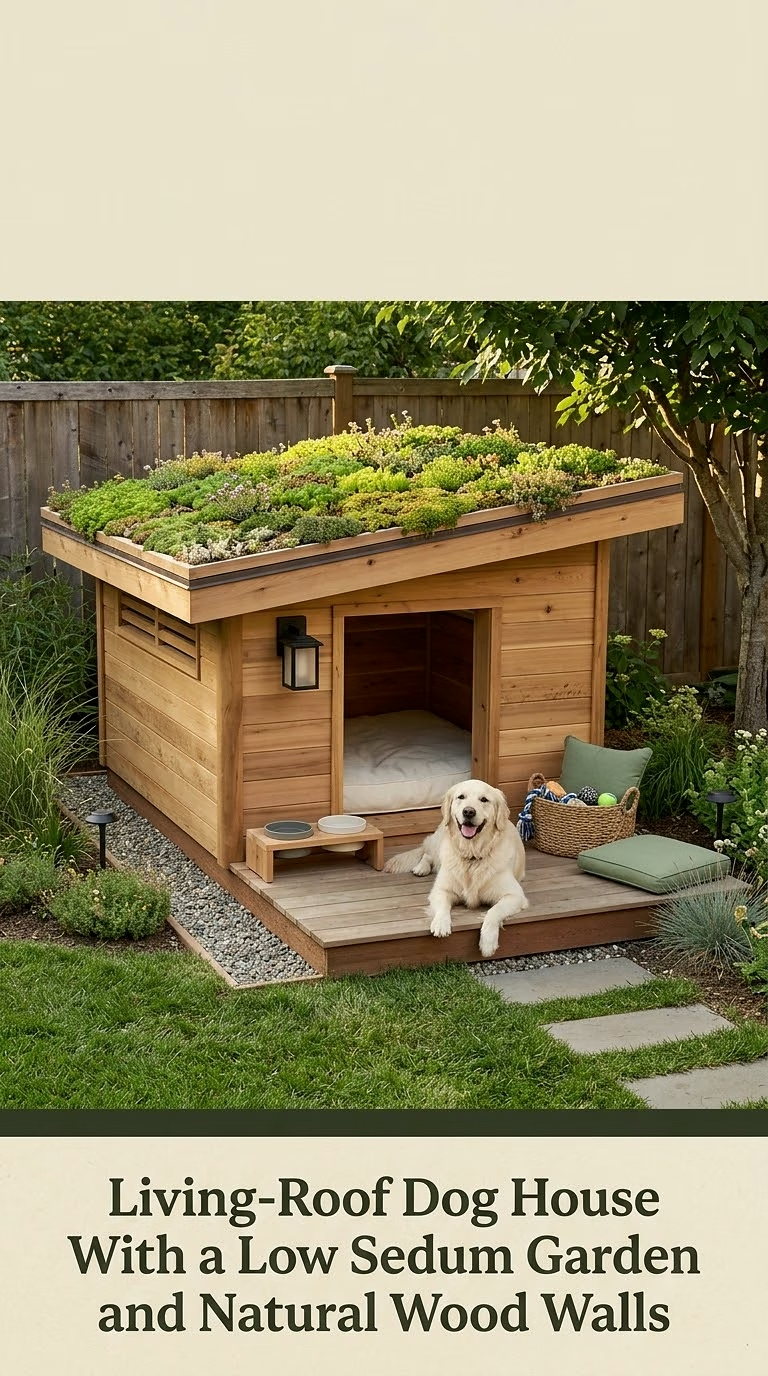
A living-roof dog house can become a beautiful garden feature while adding greenery to a small yard. Cover the exterior with natural wood and design a shallow, reinforced roof planter filled with lightweight growing material and low-maintenance, dog-safe plants.
Waterproofing is essential. The planting tray should be completely separated from the structural roof by a durable waterproof membrane and drainage layer. Water must flow toward an outlet that directs it away from the doorway, walls, and foundation. The roof also needs enough strength to support the full weight of saturated soil.
Choose low-growing plants that tolerate local weather and do not trail into your dog’s reach. Avoid toxic plants, thorny varieties, chemical fertilizers, pesticides, and loose decorative stones. A removable modular planter is often easier to maintain than building soil directly onto the roof. The house still needs shade and ventilation, since a green roof alone cannot guarantee a safe interior temperature.
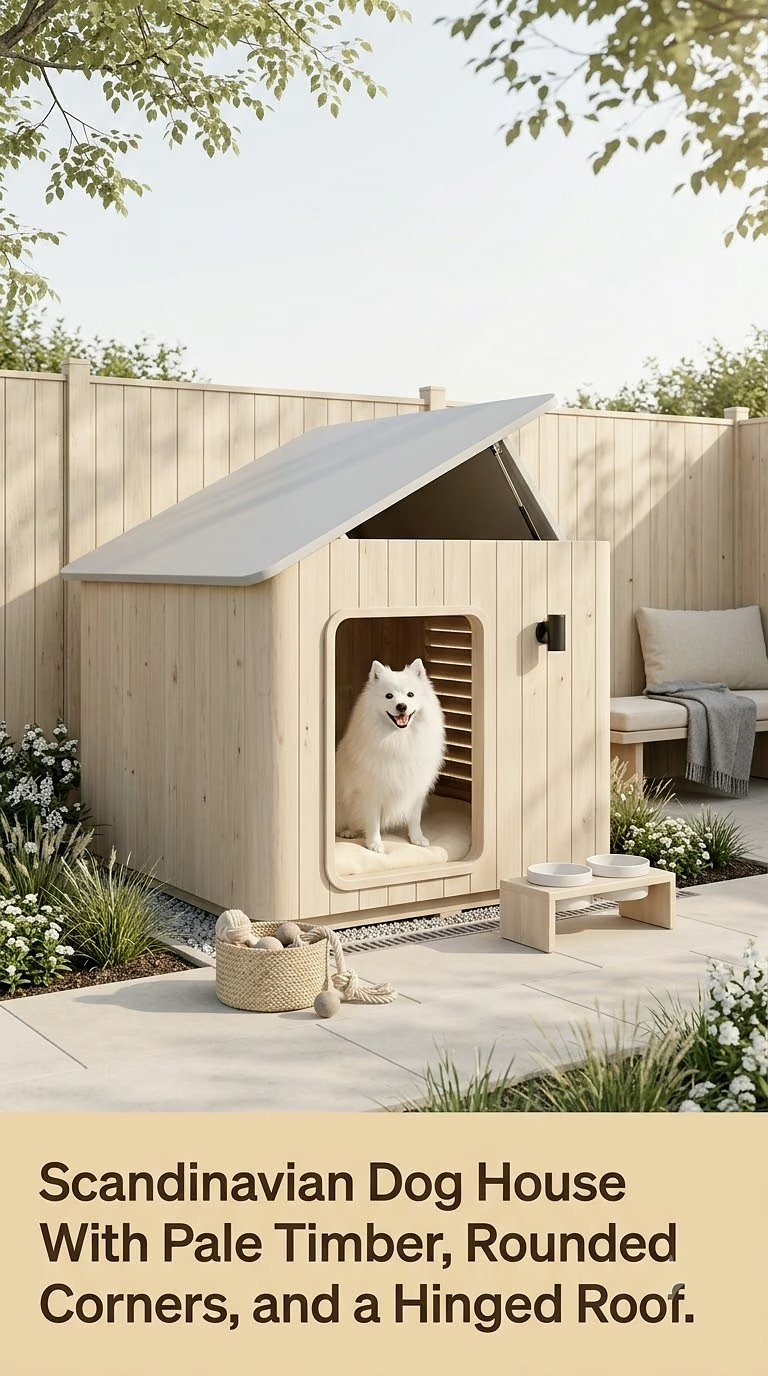
A Scandinavian-inspired dog house feels calm, modern, and welcoming without requiring elaborate decoration. Use pale timber or light beige siding, soft gray trim, and a simple pitched roof. Rounded exterior corners and clean lines give the structure a furniture-like quality that looks lovely beside a minimalist deck.
Design the roof to lift for cleaning and bedding changes. Use weather-resistant hinges, locking supports, and a secure closed position. The roof should never be able to drop unexpectedly, and the hinge gap must not create a pinch point accessible to your dog.
Inside, choose a smooth, washable floor with a removable mat or fitted outdoor bed. Keep the palette simple and let texture provide visual interest. Vertical wood battens, a narrow porch ledge, and a discreet metal nameplate are enough to make the house feel special without creating chewable clutter.
Budget Board-and-Batten Dog House With a Removable Waterproof Floor Tray
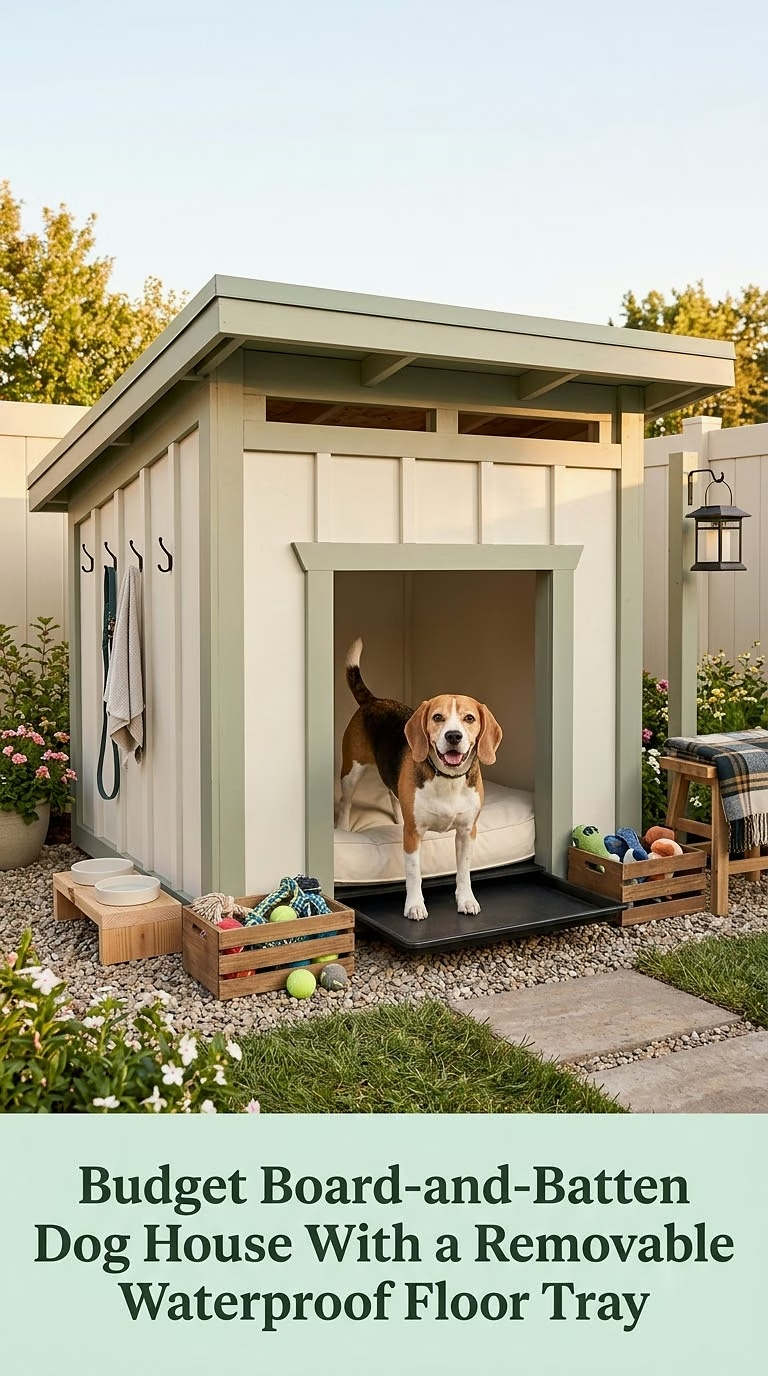
A stylish outdoor dog house does not require luxury materials. A straightforward framed box covered in exterior-grade plywood can become an attractive board-and-batten house with a few narrow trim pieces and a carefully chosen paint color.
Use new, sound lumber rather than unknown scrap wood that may contain rot, nails, chemical residue, or old coatings. Seal exposed edges and protect the roof with a proper waterproof layer. Soft blue, warm beige, muted green, or classic white can help an inexpensive build feel intentional and polished.
The most useful feature is a removable waterproof floor tray. It can catch tracked-in mud, loose hair, and small spills while making cleaning less complicated. Ensure the tray lies completely flat and cannot slide beneath your dog’s feet. Add a raised foundation made from treated supports or pavers so the plywood never rests directly on wet ground.
Poolside Dog Cabana With a Striped Canopy and Open-Air Lounging Platform
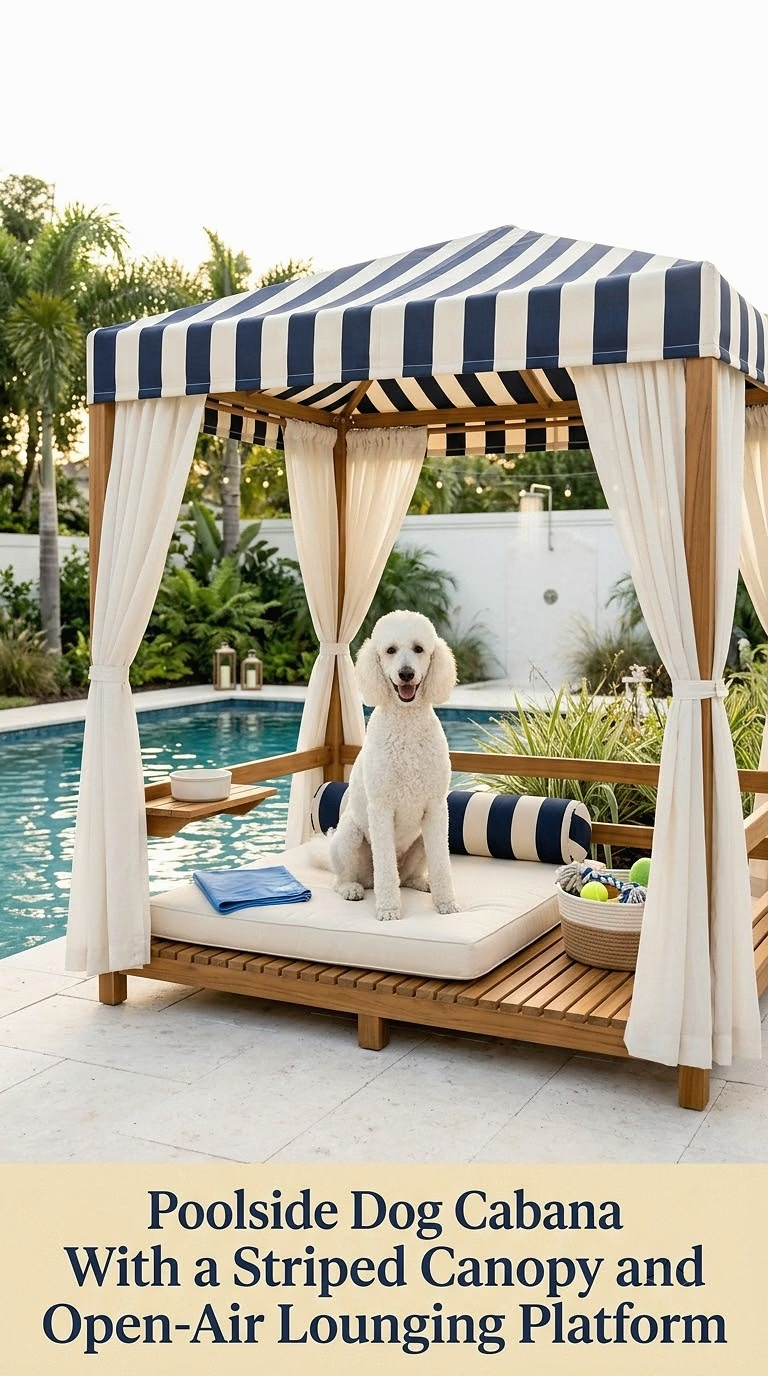
A poolside cabana gives your dog a designated place to rest near the family without relying on an enclosed box during hot weather. Create a raised lounging platform with an airy canopy, open sides, and a smaller enclosed retreat positioned behind it.
A striped outdoor fabric in cream and blue, sage and white, or warm neutral tones can give the cabana a cheerful resort look. The canopy must be tightly secured and made from durable outdoor material. Check it regularly for tears, loose cords, or sagging sections.
Position the structure far enough from the pool edge that your dog cannot slip directly into the water when stepping off the platform. Use a non-slip surface and keep electrical accessories away from wet areas. Provide fresh drinking water and additional deep shade. Dogs should always be supervised around pools, even when they are confident swimmers.
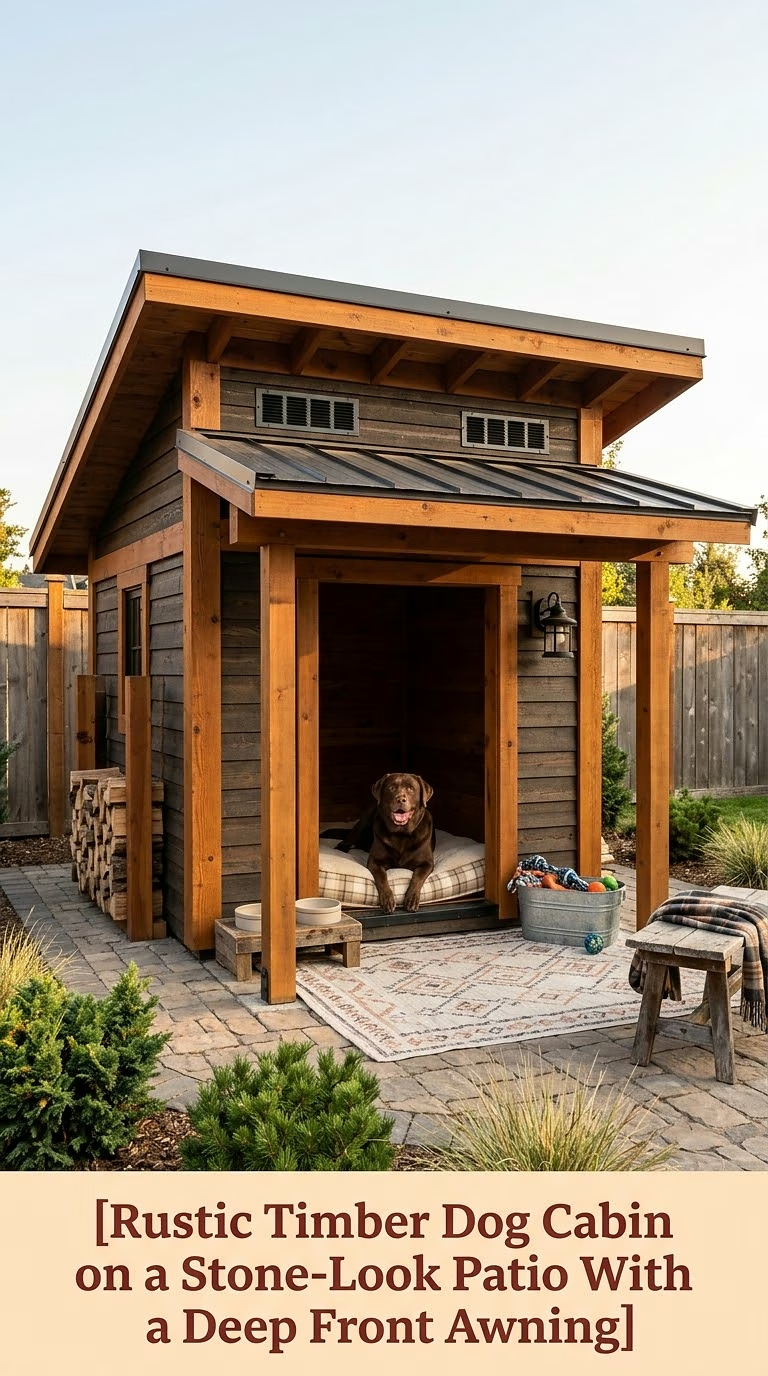
Rustic Timber Dog Cabin on a Stone-Look Patio With a Deep Front Awning
Read more : 17 Beautiful Dog Office Ideas for a Calm and Stylish Work-From-Home Space
A rustic cabin suits wooded gardens, mountain-style homes, and natural landscapes. Use warm brown siding, chunky-looking corner trim, and a deep roof overhang supported by simple timber brackets. A stone-look patio beneath the house creates a durable visual base and keeps the area from becoming muddy.
Use textured concrete pavers or lightweight stone-look products rather than loose, uneven rock. The surface should be level, stable, and comfortable under your dog’s paws. Leave small drainage gaps between pavers while preventing weeds or sharp gravel from appearing around the doorway.
The front awning creates a sheltered transition between the yard and sleeping space. Add a washable outdoor cushion on the porch and keep the interior simpler with dry, easy-to-remove bedding. Natural styling can be completed with pet-safe grasses or shrubs planted far enough away to preserve airflow and maintenance access.
Narrow Side-Yard Dog House With a Vertical Slat Privacy Screen
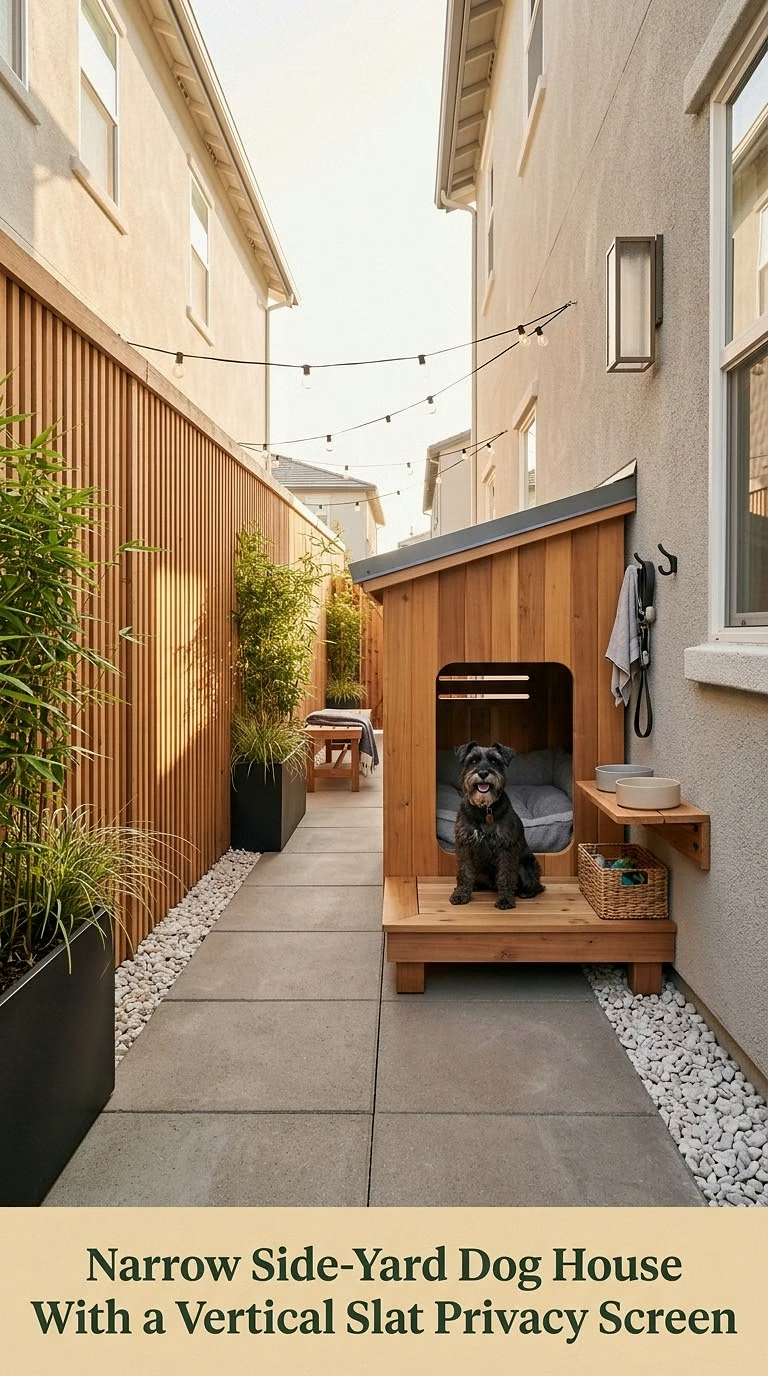
A slim side yard can become a useful dog retreat when the house is designed to follow the available space. Choose a narrow rectangular structure with a doorway on the long side, allowing your dog to enter without squeezing through a tight passage.
Install a vertical slat screen behind or beside the house to create visual softness and partial privacy. The screen can hide utility equipment or a plain fence, but it should not reduce airflow or create an escape route. Maintain safe spacing between slats and avoid designs where a collar, paw, or head could become trapped.
Use light exterior colors to keep the narrow space from feeling dark. Wall-mounted planters can add greenery while preserving floor space, provided the plants are dog-safe and the containers are securely attached. Add low-level solar lighting outside the house for visibility, but avoid bright fixtures aimed directly into the sleeping area.
Dog House and Covered Exercise Run With Matching Weatherproof Roofing
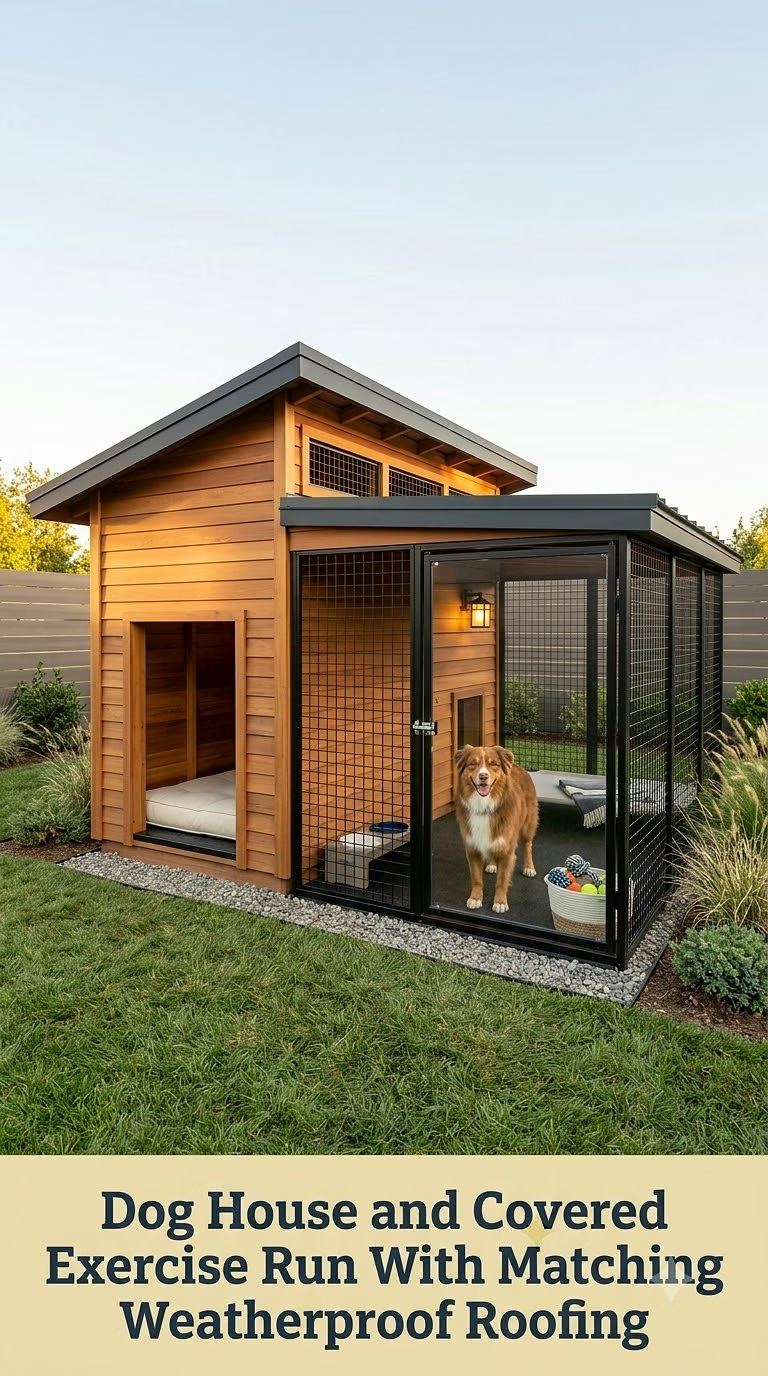
Combining a dog house with a covered run creates a more functional outdoor station for supervised play, training breaks, or relaxing near the garden. Place the enclosed sleeping house at one end and extend a secure run from its porch using durable fencing and a partially covered roof.
The run should provide both shade and open-air visibility. Use a solid roof over part of the enclosure while leaving another section protected by secure mesh. The ground can combine smooth pavers, artificial turf designed for pets, and a designated drainage strip. Every surface should be easy to inspect and clean.
Avoid sharp wire ends, large gaps, unstable panels, and fencing your dog can climb or dig beneath. The run must not become a place where the dog is isolated for long periods. Include enrichment, fresh water, and comfortable resting choices, and bring your dog indoors whenever weather conditions become unsafe.
Mobile Dog Shelter With Locking Wheels and a Roll-Out Shade Awning
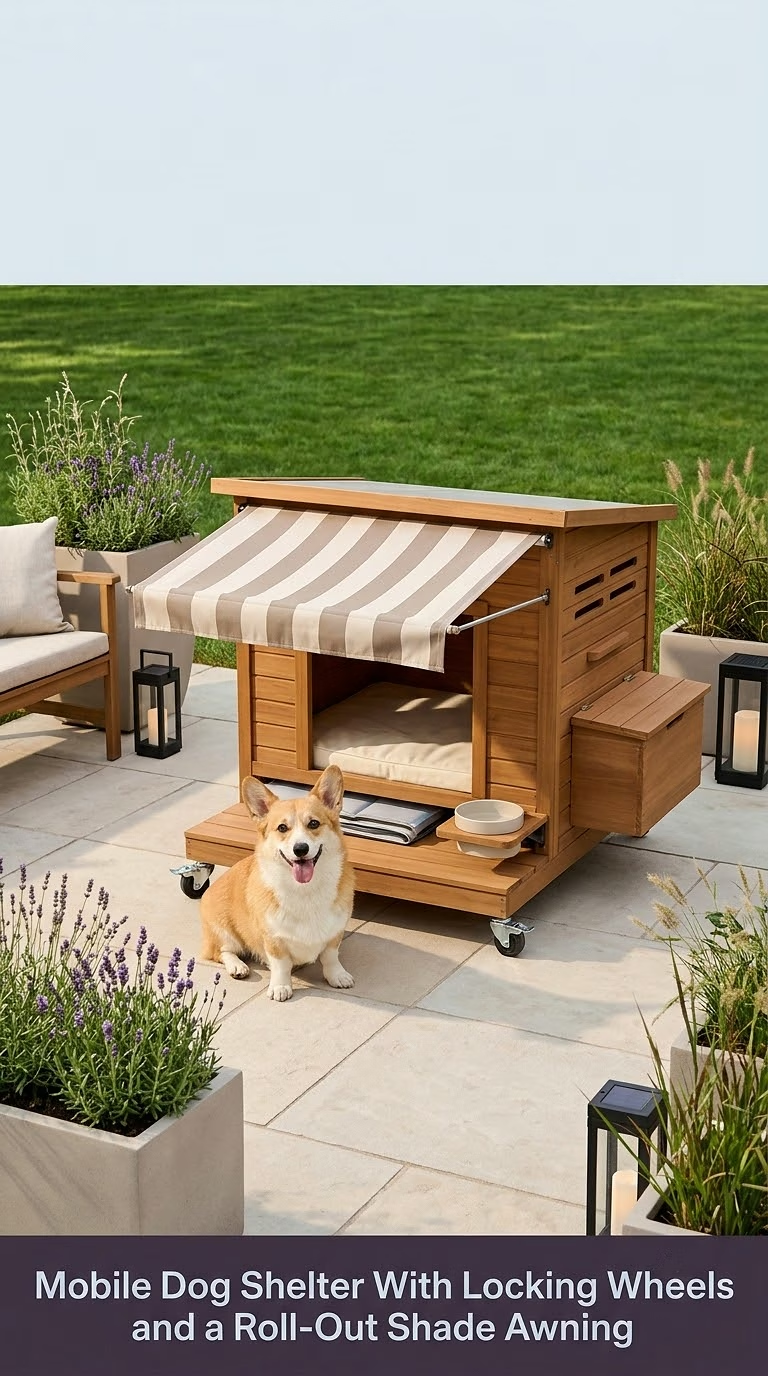
A mobile dog shelter allows you to reposition the retreat as shade patterns change through the seasons. Build a lightweight but strong house on a reinforced platform with outdoor-rated locking casters. The wheels should be large enough to move over the intended surface without making the structure unstable.
Attach a roll-out awning or folding shade panel above the porch. Use secure supports that cannot collapse in wind, and retract the awning when it is unattended or during storms. The house should only be moved while empty, with bowls, bedding, and loose accessories removed first.
This design works best on a level patio or smooth paved courtyard. Once positioned, lock every wheel and check that the house cannot rock or roll. A mobile shelter is useful for supervised daytime comfort, but it should not replace a permanently protected area or indoor refuge.
Luxury Courtyard Dog House With a Fenced Lounge and Outdoor Wash Station
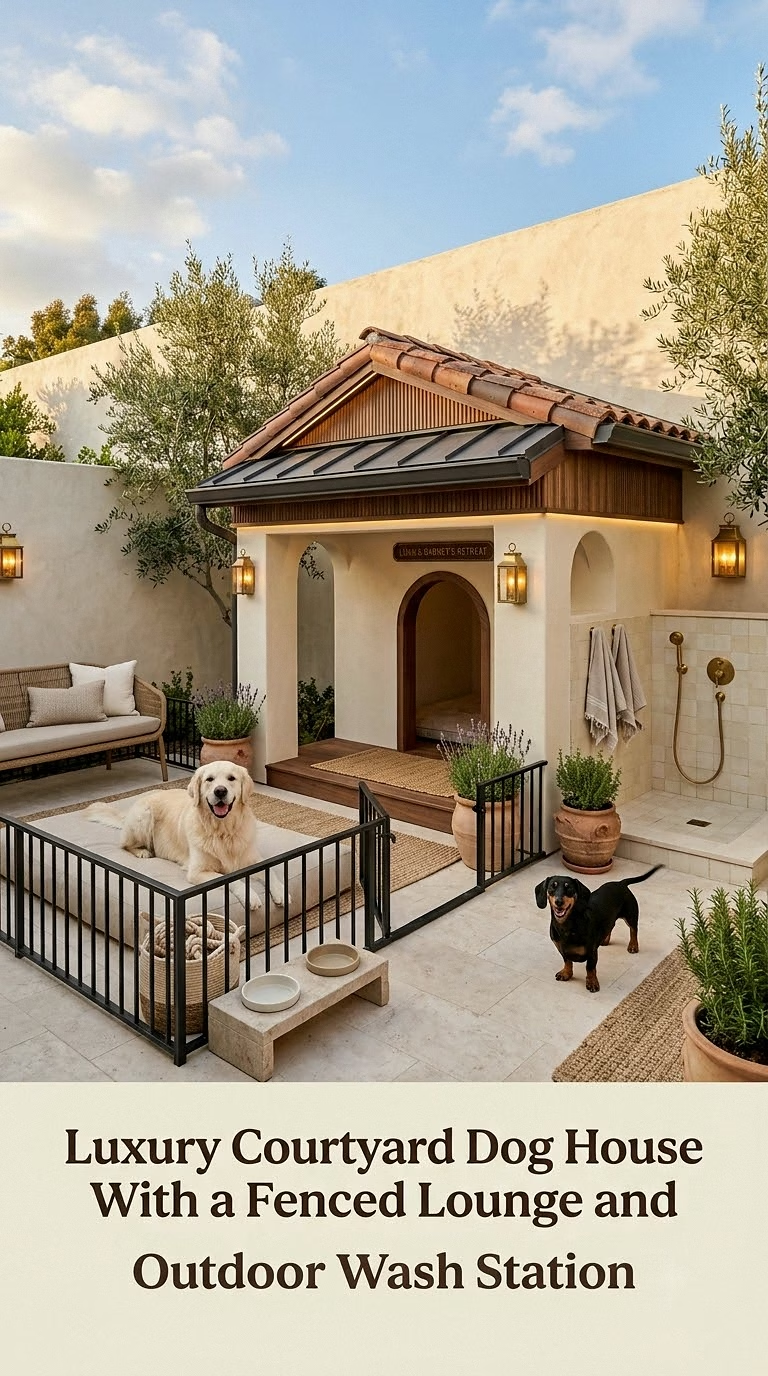
For a polished backyard centerpiece, create a miniature dog courtyard with a modern sleeping house, secure lounging area, storage bench, and compact washing station. Use coordinated materials such as warm wood, cream stucco-look panels, charcoal fencing, and large-format textured pavers.
The sleeping house can include insulated construction, discreet upper ventilation, a raised floor, and a wide roof overhang. Beside it, add a fenced lounge with a washable bed and enough space for your dog to stretch out in the shade. A weatherproof cabinet can store towels, grooming tools, waste bags, and cleaning supplies.
Place the wash station outside the sleeping area so water does not create dampness around the house. Use a handheld sprayer, non-slip floor, gentle drainage slope, and water temperature that can be controlled safely. Keep shampoos, tools, hoses, and electrical equipment secured when not in use.
Luxury should come from thoughtful planning rather than unnecessary technology. Any fan, heating product, lighting system, or monitoring device must be specifically suitable for the environment, protected from chewing and moisture, and checked frequently. Your dog should always be able to leave the courtyard and return indoors.
Conclusion
The best outdoor dog house is one that complements your backyard while giving your dog a clean, comfortable, and protected place to rest. Whether you love modern cedar architecture, cheerful cottage details, rustic cabins, or tropical resort styling, the most successful design will always begin with your dog’s individual needs.
Prioritize reliable shade, ventilation, drainage, smooth materials, a raised dry floor, and simple cleaning access before adding decorative details. Watch how sunlight, wind, and rain move through the yard at different times of day, since a location that feels comfortable in the morning may become hot or exposed later. Inspect the house regularly for leaks, insects, splinters, loose hardware, damp bedding, and signs that your dog is uncomfortable.
Most importantly, treat the outdoor house as an optional backyard retreat where your dog can relax close to the family. During extreme heat, cold, storms, or other hazardous conditions, bring your dog into a safe indoor environment.
Pin this Pinterest post so you can return to these outdoor dog house ideas when you are ready to create your pup’s backyard retreat.
Source: https://petstutorial.com
Category: Dog Rooms
