
A backyard dog house can be so much more than a basic wooden shelter tucked beside the fence. With the right layout, materidog a comfortable place to rest, watch the garden, or escape a light breeze.
- 17 Cozy Dog House Heater Ideas for a Safer, Warmer Winter Retreat
- 17 Mudroom Dog Room Ideas for a Cleaner, Cozier, More Organized Home
- 17 Beautiful Indoor Dog House Ideas That Feel Like Part of Your Home
- 17 Beautiful Outdoor Dog House Ideas for a Cozy and Stylish Backyard Retreat
- 19 Dog House Interior Ideas for a Cozy, Stylish, and Practical Pet Space
The best design will depend on your dog’s size, habits, coat, age, and local climate. A house should be large enough for your dog to stand, turn around, stretch out, and enter comfortably, but it should not feel unnecessarily cavernous in cold weather. Ventilation, dependable shade, fresh water, smooth surfaces, and a dry raised floor matter just as much as appearance.
You are reading: 19 Backyard Dog House Ideas for a Beautiful, Cozy Outdoor Retreat
Remember that an outdoor dog house is a temporary retreat rather than a replacement for indoor companionship or protection during dangerous weather. On very hot days, a traditional enclosed house can trap heat, so your dog will need access to a cooler, well-ventilated shaded area. With safety covered, you can have fun choosing a design that complements your garden and feels special enough for your four-legged family member.
Beautiful Backyard Dog House Ideas for Every Style, Space, and Budget
1. Sage Green Cottage Dog House With Cedar Shingles and a Flower Box
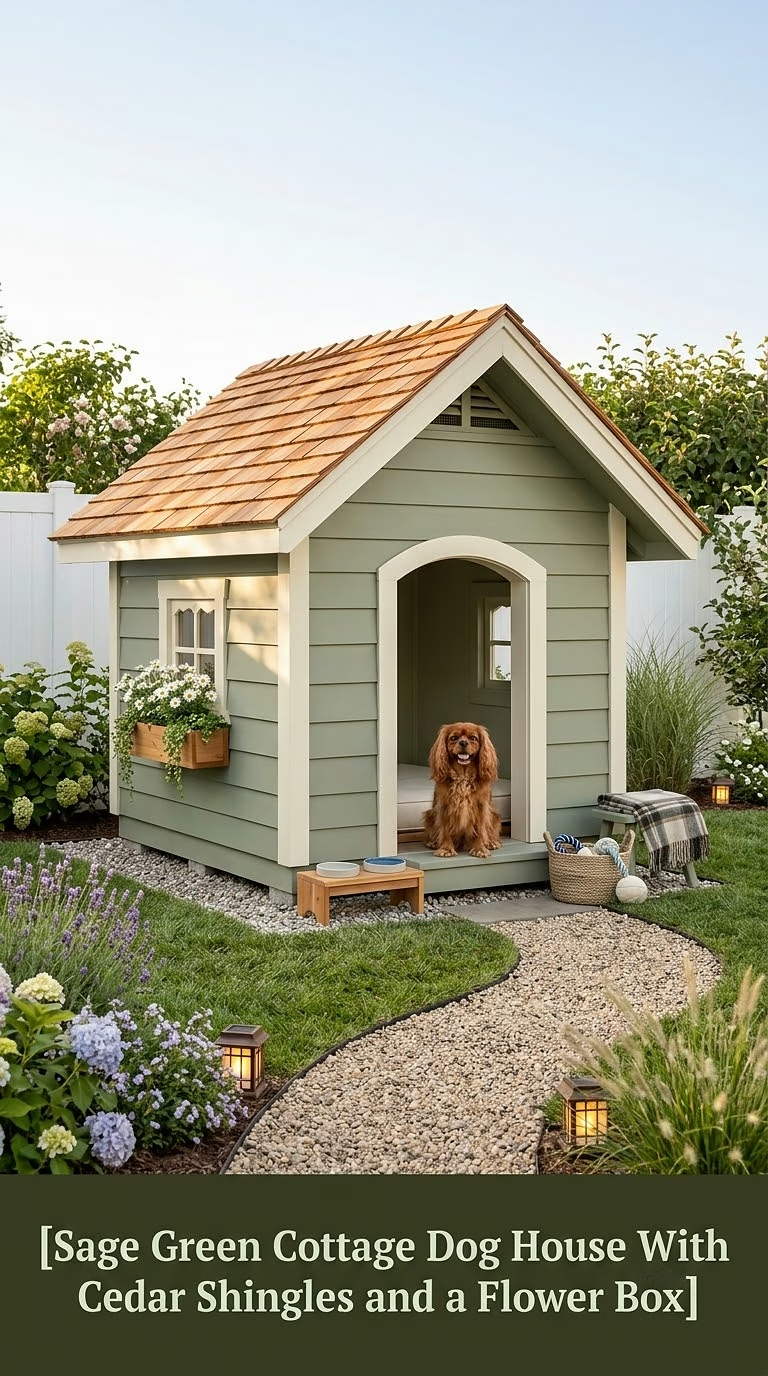
Create a storybook-style retreat with sage green siding, creamy white trim, cedar shingles, and a small flower box beneath a decorative window. This combination looks especially lovely in a cottage garden filled with lavender, ornamental grasses, or soft pink flowers.
Keep the flower box outside your dog’s reach and choose dog-safe plants rather than thorny, toxic, or heavily scented varieties. Faux flowers are another low-maintenance option, provided they are firmly attached and cannot be chewed.
For practicality, install a removable roof panel or hinged back wall so the interior can be cleaned easily. A slightly sloped roof will help rainwater drain away, while small covered vents positioned near the roofline can improve airflow without creating a strong draft at sleeping level.
2. Modern Black-and-Wood Dog House With a Slatted Shade Canopy
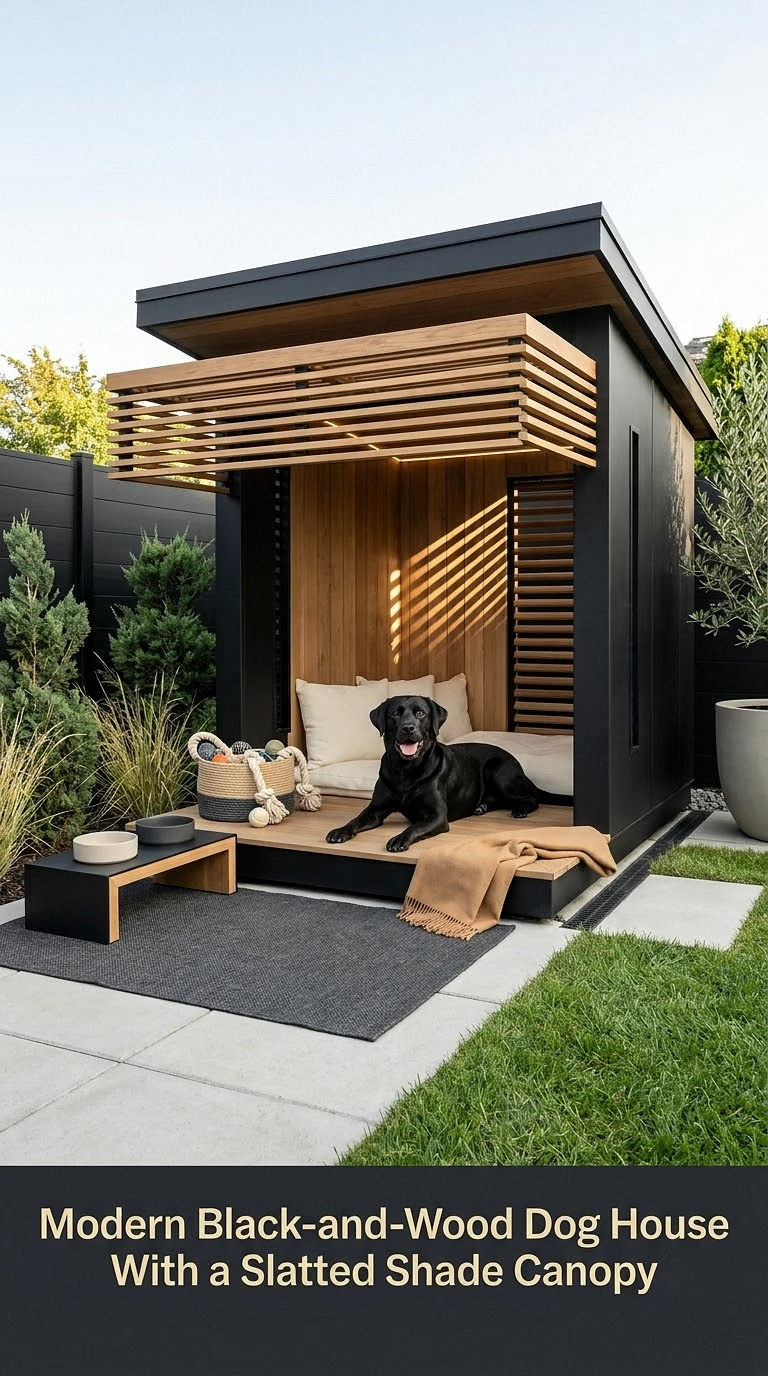
For a contemporary backyard, pair matte black exterior panels with warm cedar or teak-toned slats. Extend the slats beyond the front of the structure to create a simple canopy that casts shifting shadows across a small porch.
The contrast between black and natural wood feels sophisticated without requiring elaborate decoration. Use exterior-grade materials and a pet-safe finish that has fully cured before your dog uses the house. Dark surfaces can become hot in direct sunlight, so this design works best beneath a mature tree, beside a covered patio, or in another reliably shaded position.
Add a light-colored elevated outdoor bed beneath the canopy. This gives your dog the option of resting in the open air instead of entering the enclosed section when temperatures rise.
3. Raised Cedar Dog House With a Wide Shaded Front Porch
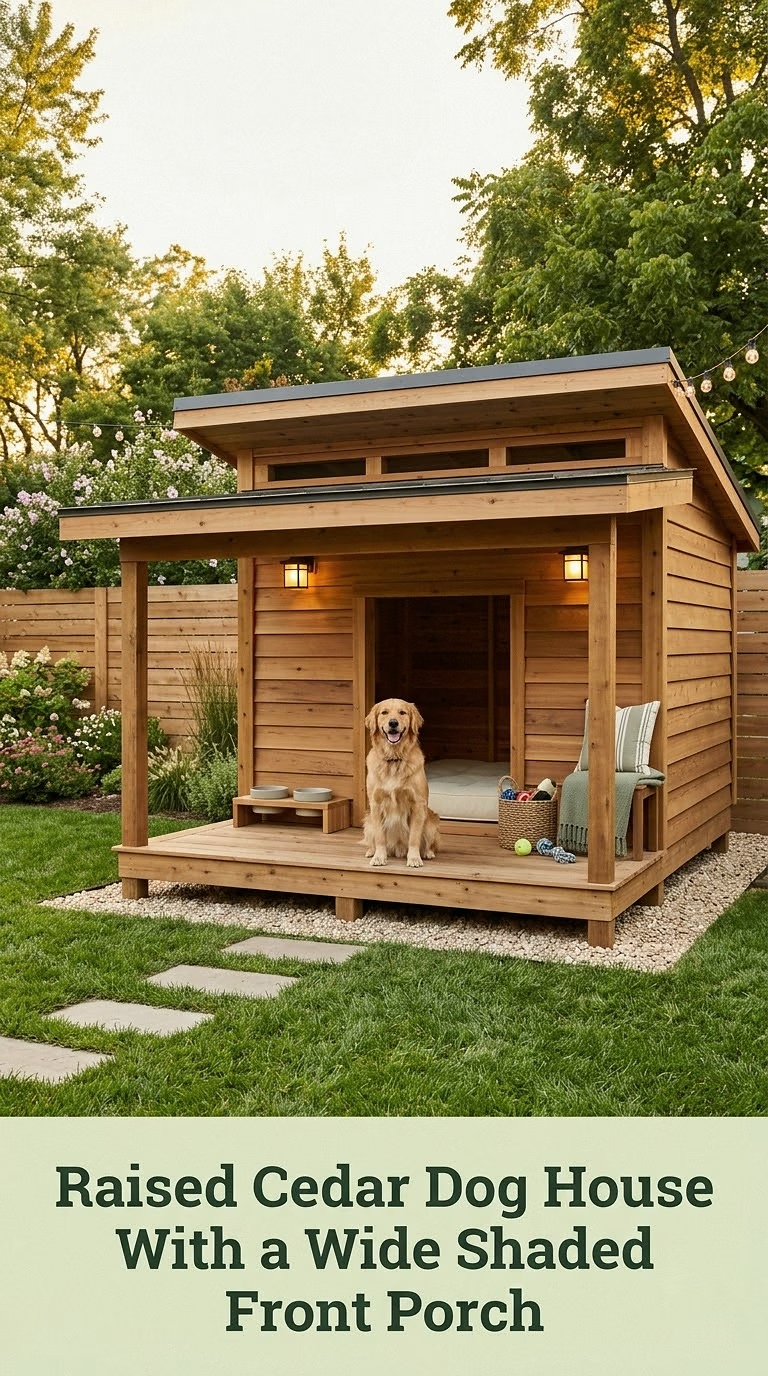
A raised cedar house with a generous front porch is ideal for dogs that like to relax outside while still feeling protected. The porch can be almost as deep as the enclosed sleeping area, creating two distinct zones for different weather conditions.
Raise the entire structure several inches above the ground using sturdy legs or a framed platform. This helps prevent moisture from collecting beneath the floor and reduces direct contact with cold, wet, or muddy soil. Cover the porch with a textured, paw-friendly surface rather than slick tile or exposed metal.
A deep roof overhang will provide shade and help keep rain away from the entrance. For older dogs, include a broad, gently sloped ramp with grip strips instead of narrow steps.
4. White Farmhouse Dog House With a Metal Roof and Mini Picket Fence
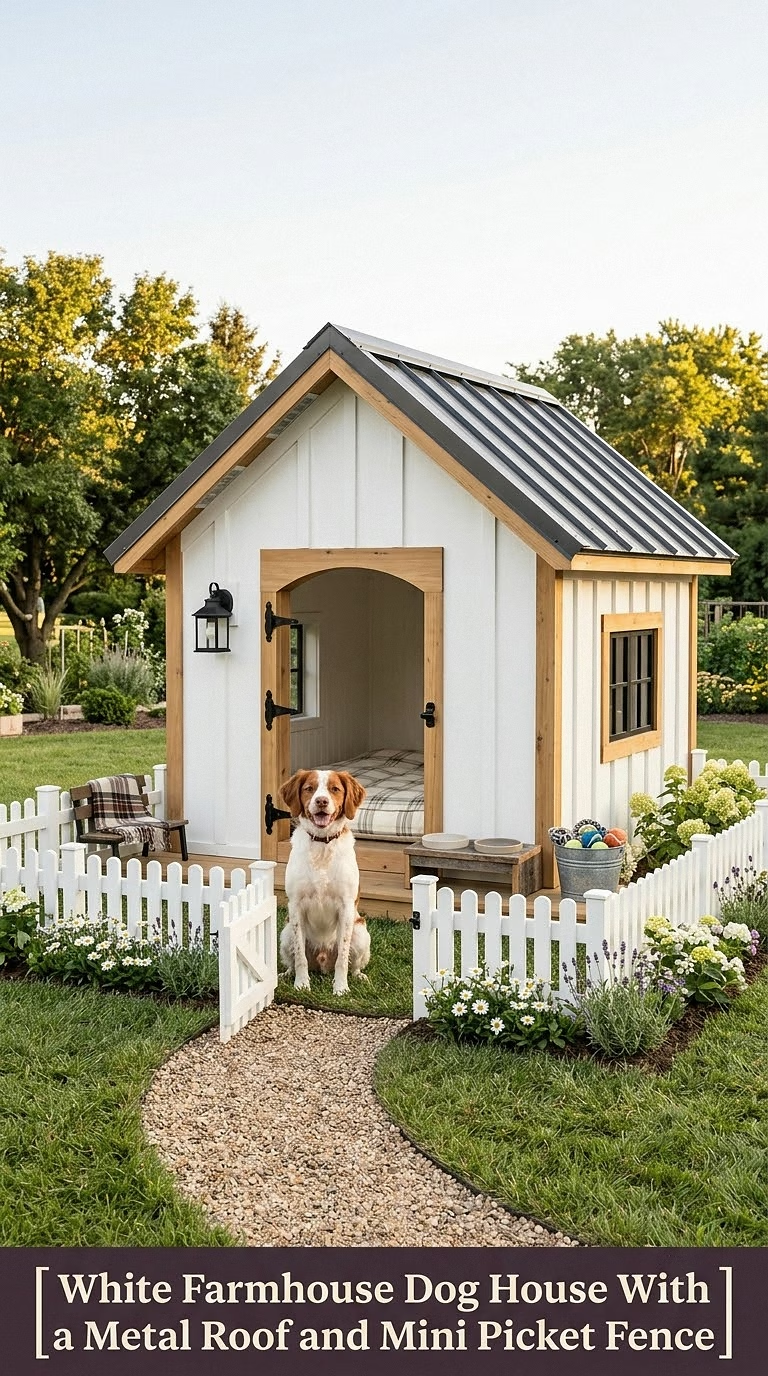
Bring classic farmhouse charm to the backyard with white board-and-batten siding, black trim, and a small galvanized-style roof. A miniature picket fence can define the area without making it feel like a restrictive kennel.
Inside the fenced section, add a washable outdoor rug, a heavy water bowl, and a weather-resistant toy basket. Keep the gate wide enough for comfortable movement, especially for large or senior dogs.
Metal roofing is durable and visually attractive, but it must be properly installed with insulation or an air gap beneath it because exposed metal can become hot and noisy. Position the house away from direct afternoon sun and soften the surrounding area with mulch, gravel edging, or dog-safe greenery.
5. Compact Corner Dog House With an Angled Roof and Built-In Planter Wall
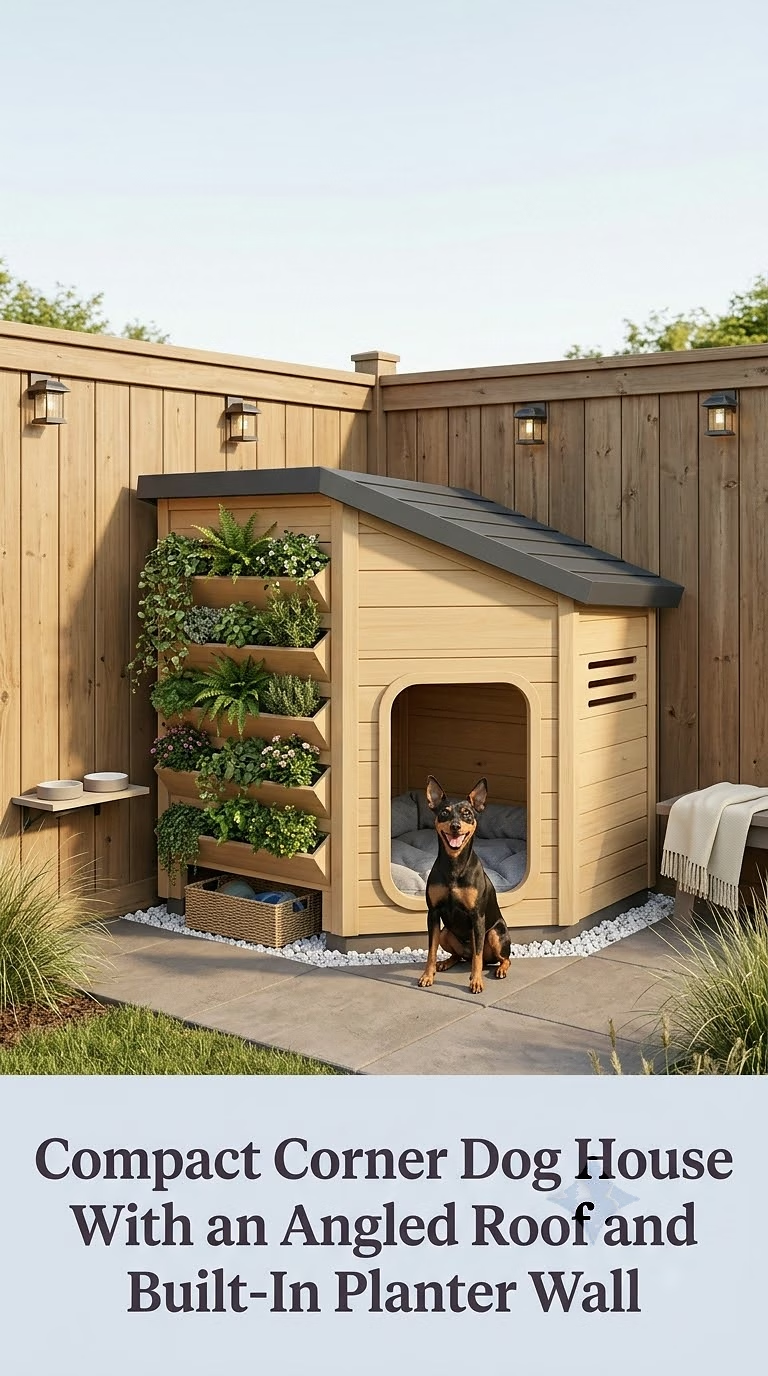
Turn an overlooked backyard corner into a purposeful dog retreat with a compact house designed to fit against two fence lines. An angled or asymmetrical roof can make the structure feel custom-built while helping direct rainwater away from the entrance.
Attach a tall planter wall beside the house rather than directly above it. This can create a soft green backdrop while preserving access to the roof for inspection and cleaning. Choose sturdy pots that cannot tip over, and prevent your dog from reaching soil additives or unsafe plants.
Use pale siding and a simple color palette to keep the corner from looking crowded. A narrow gravel border around the base will improve drainage and reduce mud splashes on the walls.
6. Rustic Reclaimed-Wood Cabin With a Stone-Look Base
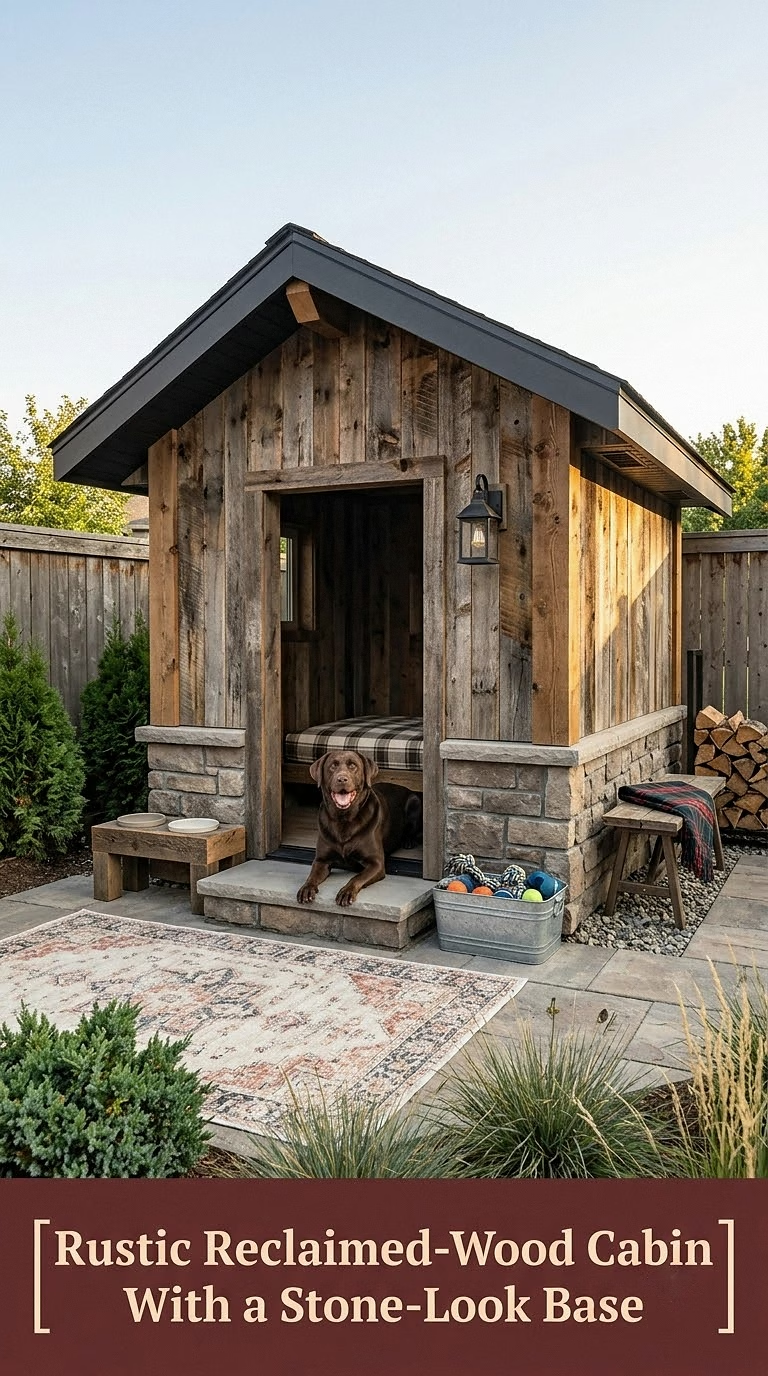
A small cabin-inspired dog house can add warmth and character to a natural backyard. Use reclaimed-looking boards, a deep brown roof, and a lightweight stone veneer around the base to create the appearance of a miniature woodland lodge.
True reclaimed wood should be inspected carefully before use. Avoid boards with unknown chemical treatments, peeling paint, protruding nails, splinters, rot, or insect damage. New lumber stained to look aged is often a safer and easier alternative.
Inside, keep the surfaces smoother and simpler than the rustic exterior suggests. Seal gaps that could trap moisture, round off sharp corners, and use a removable washable mat instead of loose fabric that may remain damp after rain.
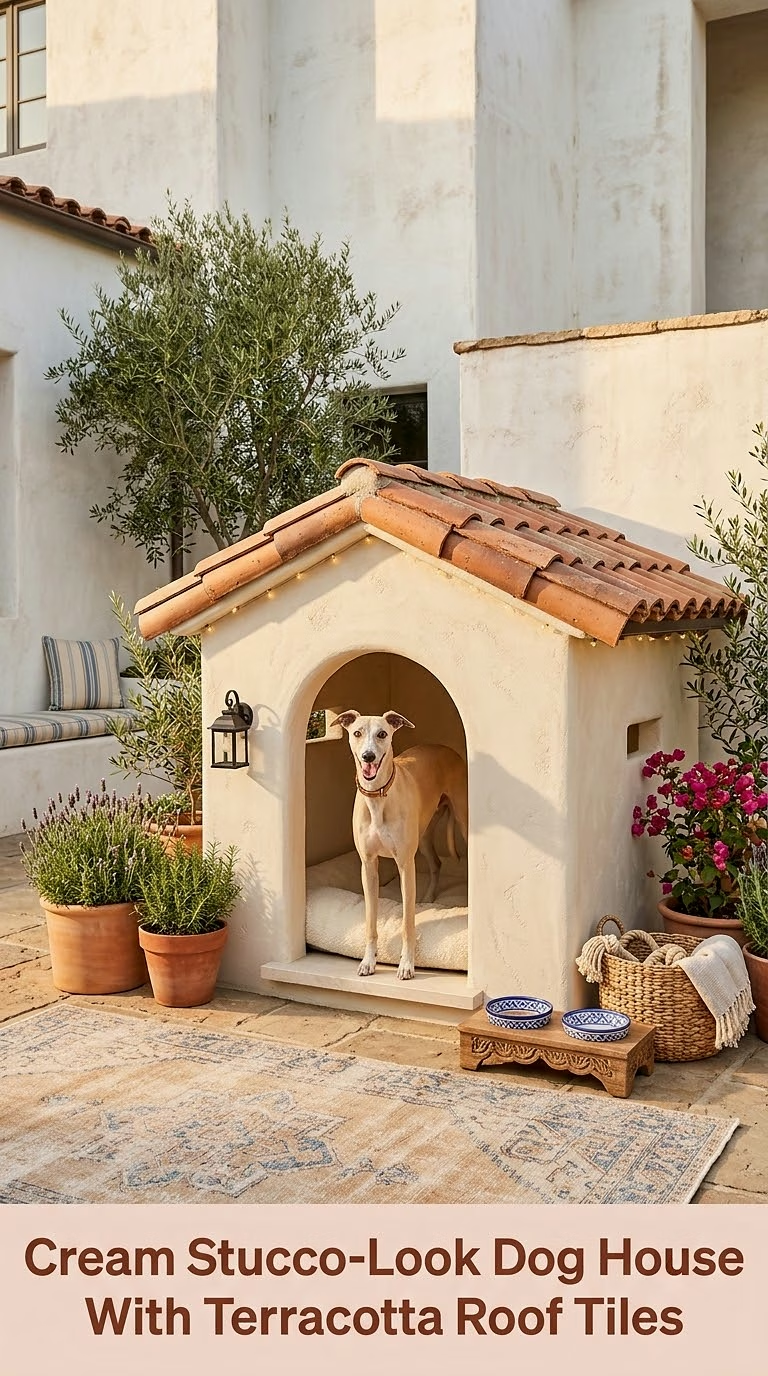
7. Cream Stucco-Look Dog House With Terracotta Roof Tiles
Read more : 19 Laundry and Dog Room Ideas That Make Everyday Life With Your Pet Beautifully Organized
Give your backyard a sunny Mediterranean feeling with a cream-colored stucco-look exterior, terracotta-toned roofing, and an arched doorway. Position the house near gravel, rosemary-like dog-safe landscaping, and large ceramic-style pots for a coordinated courtyard effect.
A lightweight textured panel or exterior coating can create the appearance of stucco without making the structure excessively heavy. Similarly, durable composite shingles can imitate terracotta tiles while being easier to support and maintain.
Because arched entrances can become too narrow near the top, measure your dog at the shoulders and head before cutting the doorway. Include discreet ventilation openings beneath the roof and a flat, removable floor panel for cleaning.
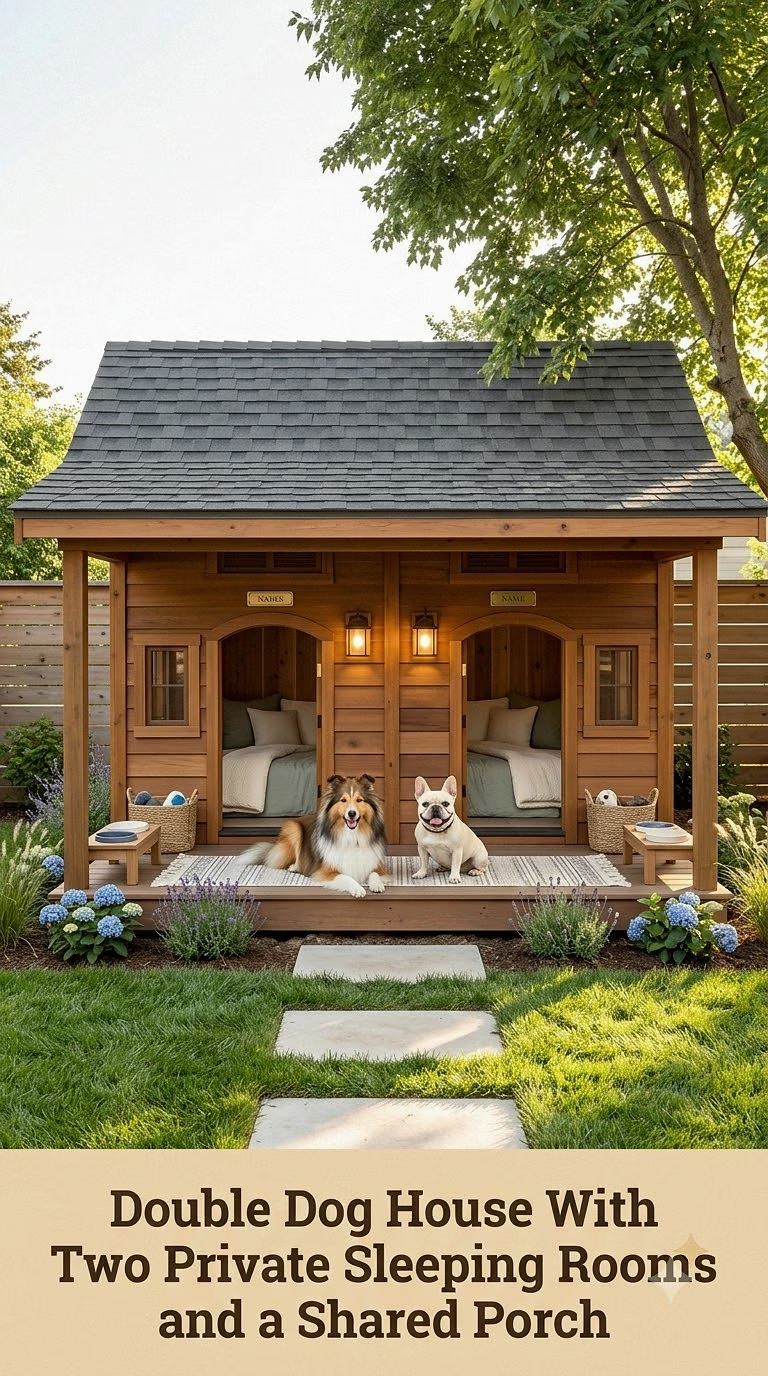
For two dogs that enjoy being near each other but sleep more peacefully with separate spaces, build a double house with two individual entrances and one shared covered porch. Matching doors create a balanced, symmetrical appearance that can look surprisingly elegant.
Each interior room should be sized for the dog using it rather than divided evenly without consideration. One side may need to be wider or taller if the dogs differ significantly in size.
A removable center partition can make the structure more flexible, but it should fit securely without gaps where paws or collars could become caught. Add two separate outdoor beds and two water stations to reduce competition. Watch how the dogs use the space before leaving toys or food inside together.
9. Garden Dog House With a Low-Maintenance Living Roof
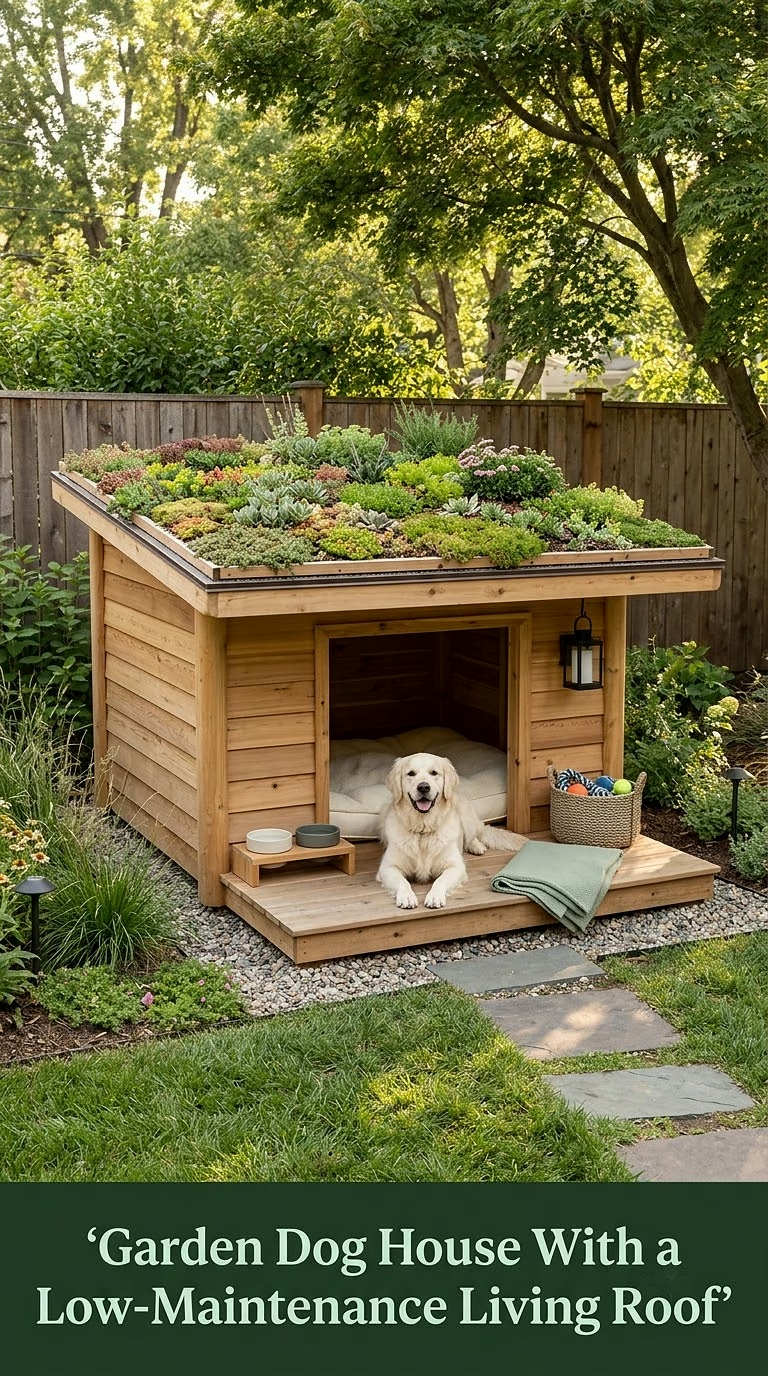
A living roof can help a dog house blend beautifully into a garden, especially when planted with low-growing greenery in shades of green, silver, and soft burgundy. It creates the look of a tiny garden pavilion rather than a separate pet structure.
This project needs more planning than a decorative planter placed on top. The roof must be strong enough to support the saturated growing medium, waterproofed correctly, and angled or drained so water cannot pool. Plant roots should remain separated from the wooden roof structure by appropriate protective layers.
Select non-toxic, climate-suitable plants and keep them inaccessible to enthusiastic chewers. The living roof does not eliminate the need for shade, ventilation, roof inspection, or a weatherproof interior.
10. Poolside Dog Cabana With White Curtains and an Elevated Cooling Cot
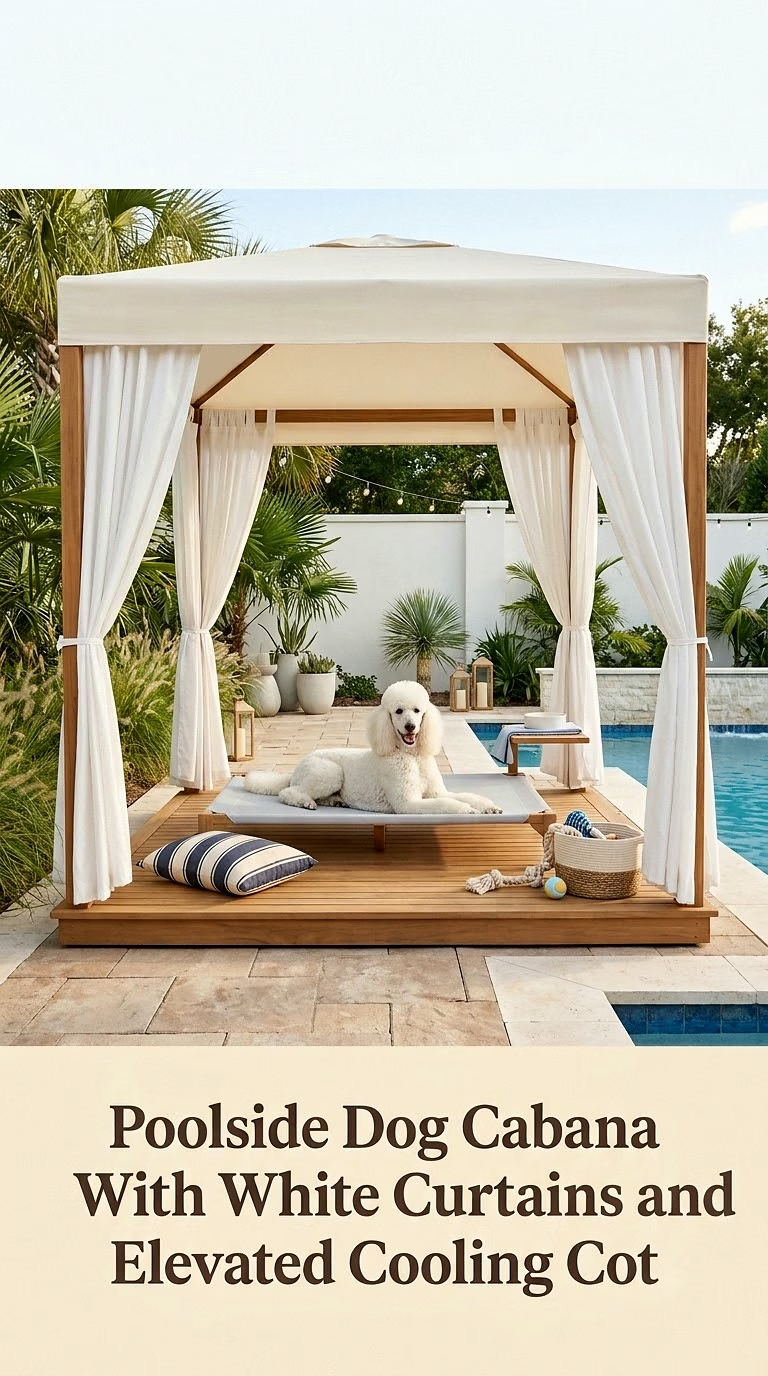
Create a breezy resort-inspired retreat with an open-sided cabana, a pale roof, and washable white outdoor curtains tied neatly to the posts. Place an elevated mesh cot beneath the canopy so air can circulate around your dog while they rest.
The curtains should be short enough that they cannot wrap around legs or become tempting chew toys. Secure every tie and panel firmly, or replace fabric with fixed outdoor shade screens for a lower-maintenance version.
Position the cabana away from slippery pool edges and supervise dogs around water. Add a non-slip path between the patio and resting area, plus a fresh water bowl in a shaded location. The enclosed sleeping house can sit at the back of the cabana, giving your dog both open and sheltered options.
11. Backyard Dog House With an Attached Mudroom and Paw-Washing Station
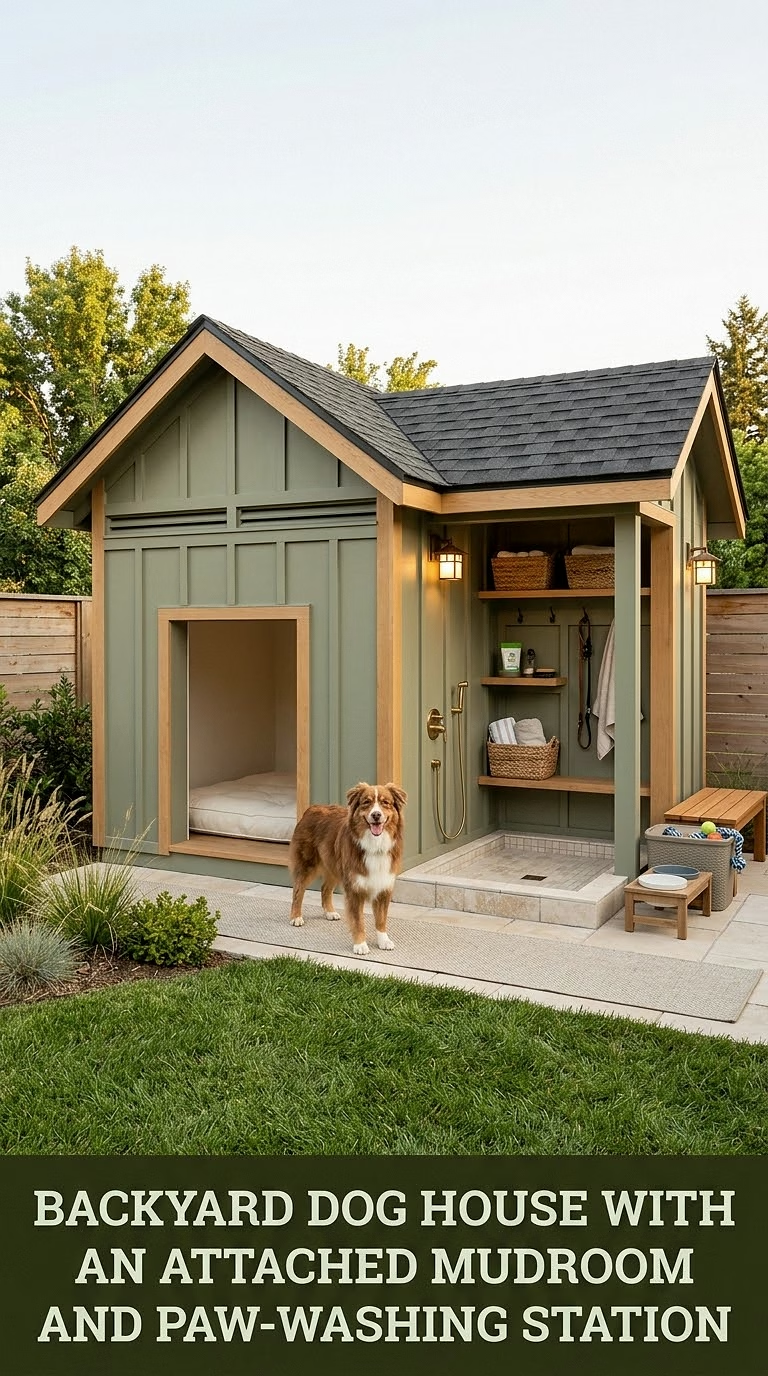
A dog house with a small open-air mudroom can make rainy-day cleanup much easier. Extend one side of the roof to cover a paved platform containing a handheld sprayer, towel hooks, and a waterproof storage box for grooming supplies.
Choose a textured surface with excellent drainage so water does not collect around your dog’s paws. The wash area should sit outside the sleeping compartment, and hoses should be stored neatly where they cannot become tangled or chewed.
Keep shampoos, cleaners, and grooming tools in a latched cabinet rather than on open shelves. A narrow bench can provide a comfortable place to dry muddy paws while also concealing storage beneath the seat.
12. Insulated Winter Chalet With a Wind-Protected Entrance
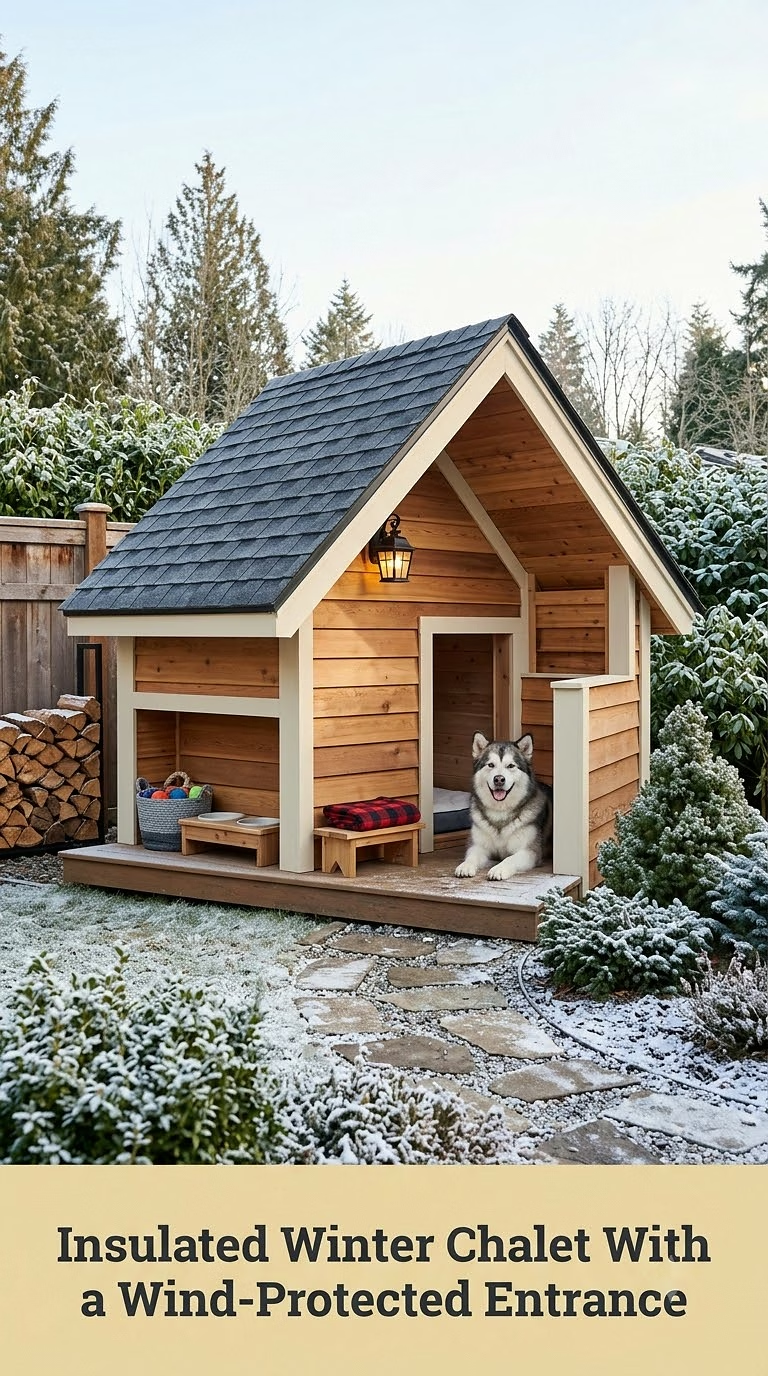
For a cold-climate backyard, consider a chalet-inspired house with insulated walls, a raised solid floor, a weatherproof roof, and an entrance positioned away from prevailing wind. Deep roof eaves and warm natural wood tones will reinforce the cozy mountain-lodge appearance.
A short interior offset wall can prevent wind from blowing directly into the sleeping zone. However, the house still needs controlled ventilation to reduce condensation and stale air. Insulation should be fully enclosed behind smooth panels so your dog cannot chew or pull it out.
Use dry bedding suited to your dog and climate, and check it frequently for moisture. Outdoor housing is not appropriate during every cold-weather condition, particularly for puppies, senior dogs, short-coated breeds, or dogs with health concerns.
13. Tropical Pavilion Dog House With Breezy Slatted Walls
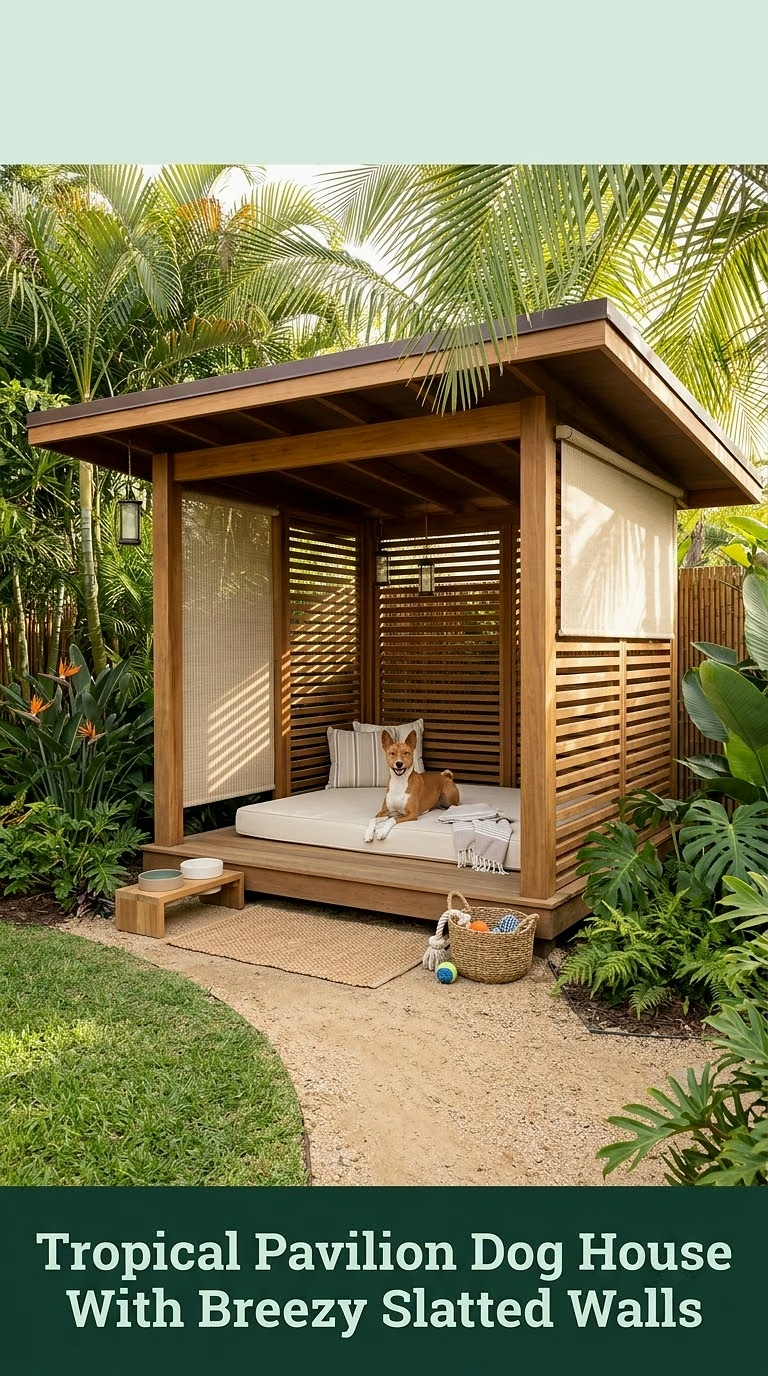
A tropical-style pavilion can work beautifully in warm regions when it is placed in deep shade and designed for generous airflow. Use a pale pitched roof, wide overhangs, and upper wall sections made from closely spaced wooden slats.
The sleeping section should still offer protection from rain, but it does not need to resemble a sealed wooden box. Cross-ventilation can be encouraged with openings on more than one side, protected by strong mesh or weather-resistant louvers.
Complete the look with large leafy dog-safe plants positioned outside the dog’s reach and a washable woven-look mat. Avoid fragile bamboo, exposed reed edges, or decorative fibers that could splinter when chewed.
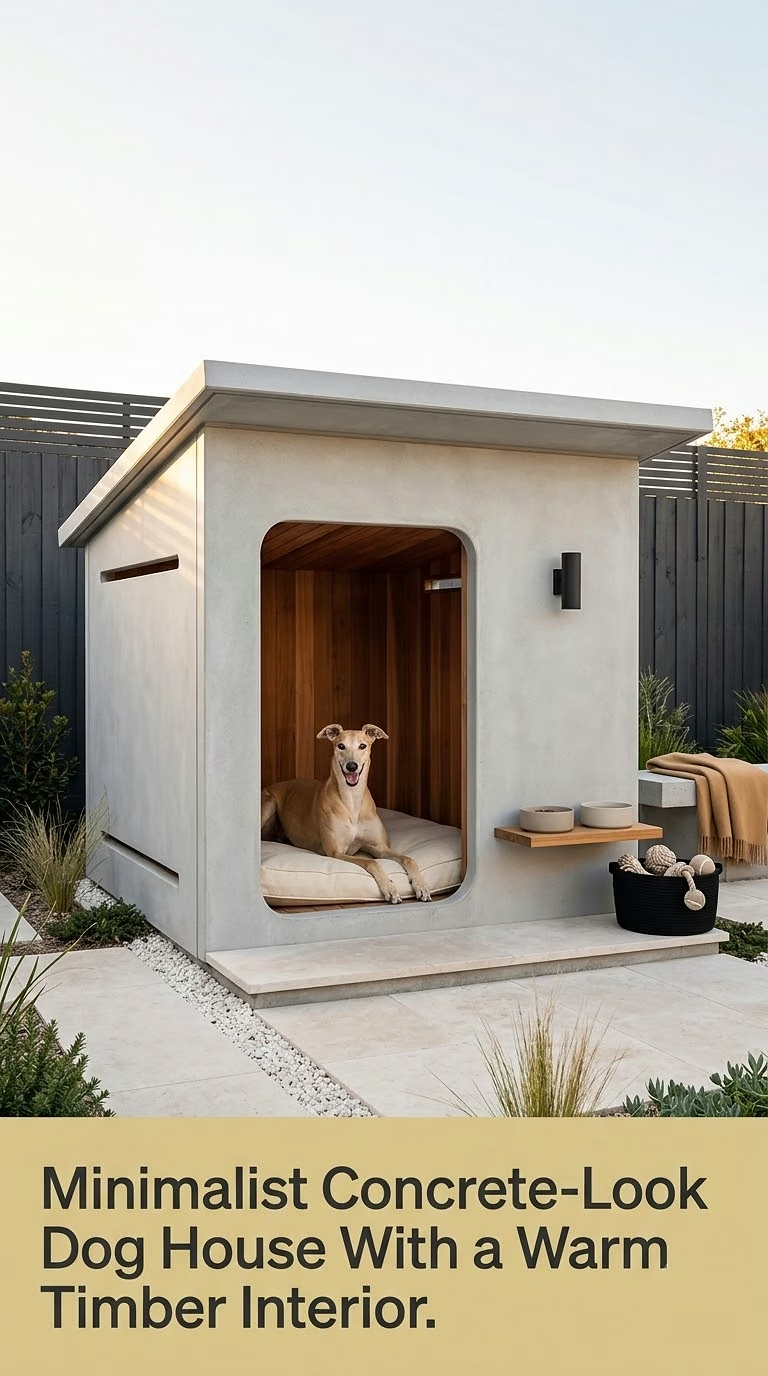
14. Minimalist Concrete-Look Dog House With a Warm Timber Interior
Read more : 19 Dog House Interior Ideas for a Cozy, Stylish, and Practical Pet Space
For a clean architectural look, choose lightweight composite panels with a soft gray concrete finish and pair them with a warm timber-lined entrance. The simple cube shape works well in modern gardens with rectangular pavers, clipped shrubs, and minimalist furniture.
Real solid concrete can be extremely heavy and may hold uncomfortable temperatures, so concrete-look panels are usually more practical. The structure should still have an insulated, raised floor and a roof with a slight hidden slope for drainage.
Soften the design with a removable tan or oatmeal-colored outdoor bed. Rounded doorway corners and smooth interior surfaces will keep the house comfortable even though the exterior has a crisp, geometric appearance.
15. Budget-Friendly Pallet-Style Dog House With a Corrugated Roof
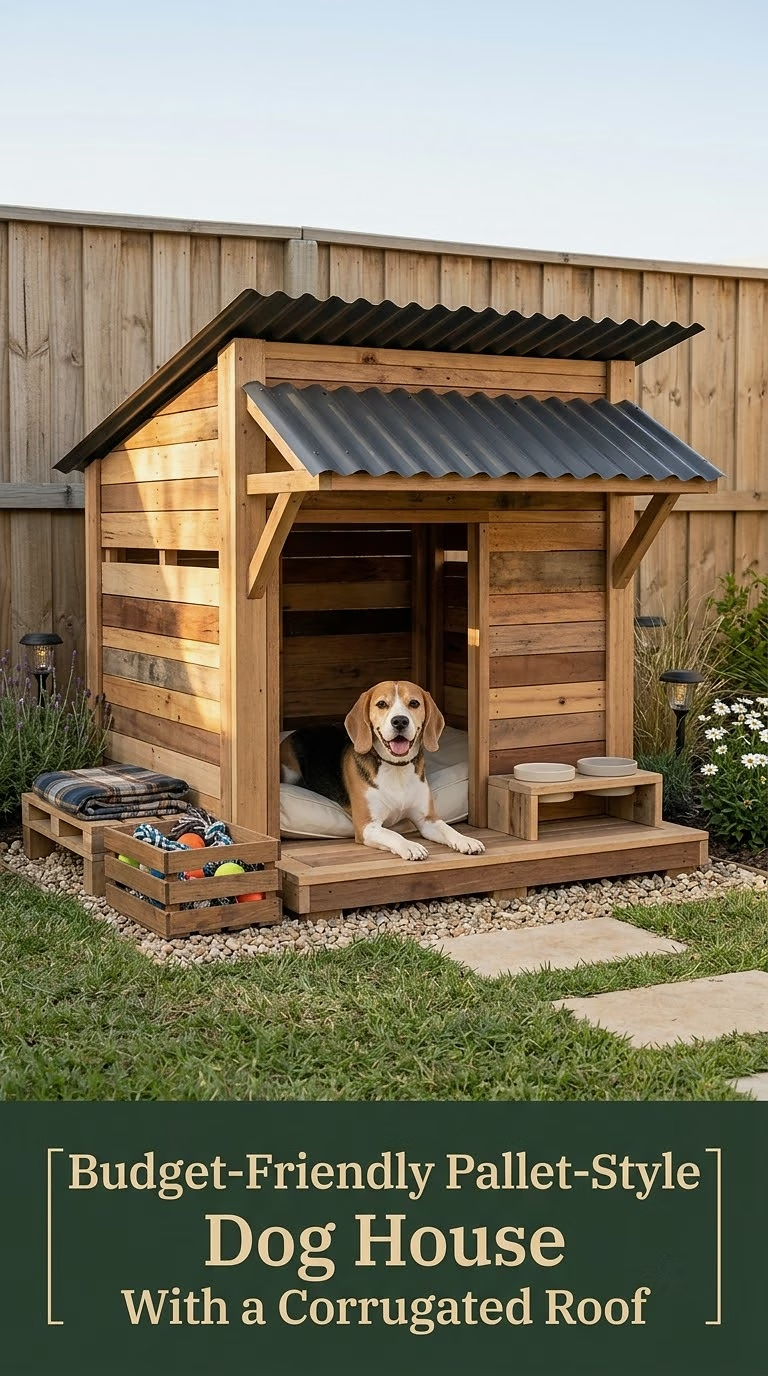
A pallet-inspired dog house can be an affordable weekend project when built with safe, clean lumber. Instead of using unknown shipping pallets, purchase untreated boards or verified heat-treated pallet wood without contamination, stains, broken edges, or chemical residues.
Create a simple rectangular frame, cover it with horizontal planks, and add a lightweight corrugated roof with a generous overhang. Cover every sharp roof edge and ensure the material is supported so it cannot flex or rattle excessively.
Paint the exterior in a cheerful color such as dusty blue, muted coral, or soft olive. Keep the floor removable, add raised feet, and seal the exterior while leaving adequate drying time before your dog enters.
16. Converted Children’s Playhouse With a Dog Bed and Toy Storage
An unused plastic or wooden playhouse can become an adorable backyard dog cottage. Remove small accessories, shutters, doors, or decorative pieces that may trap collars, pinch paws, or break off when chewed.
Create a wider entrance if needed and add a durable raised floor inside. A built-in storage bench can hold outdoor toys, towels, and spare bedding, but it should have a secure lid and ventilation holes that are too small for paws to enter.
Paint wooden playhouses in pet-safe exterior colors that coordinate with your home. Plastic structures may need additional shade because thin walls and roofs can heat up quickly in direct sunlight.
17. Dog House and Covered Run With Matching Wood Screens
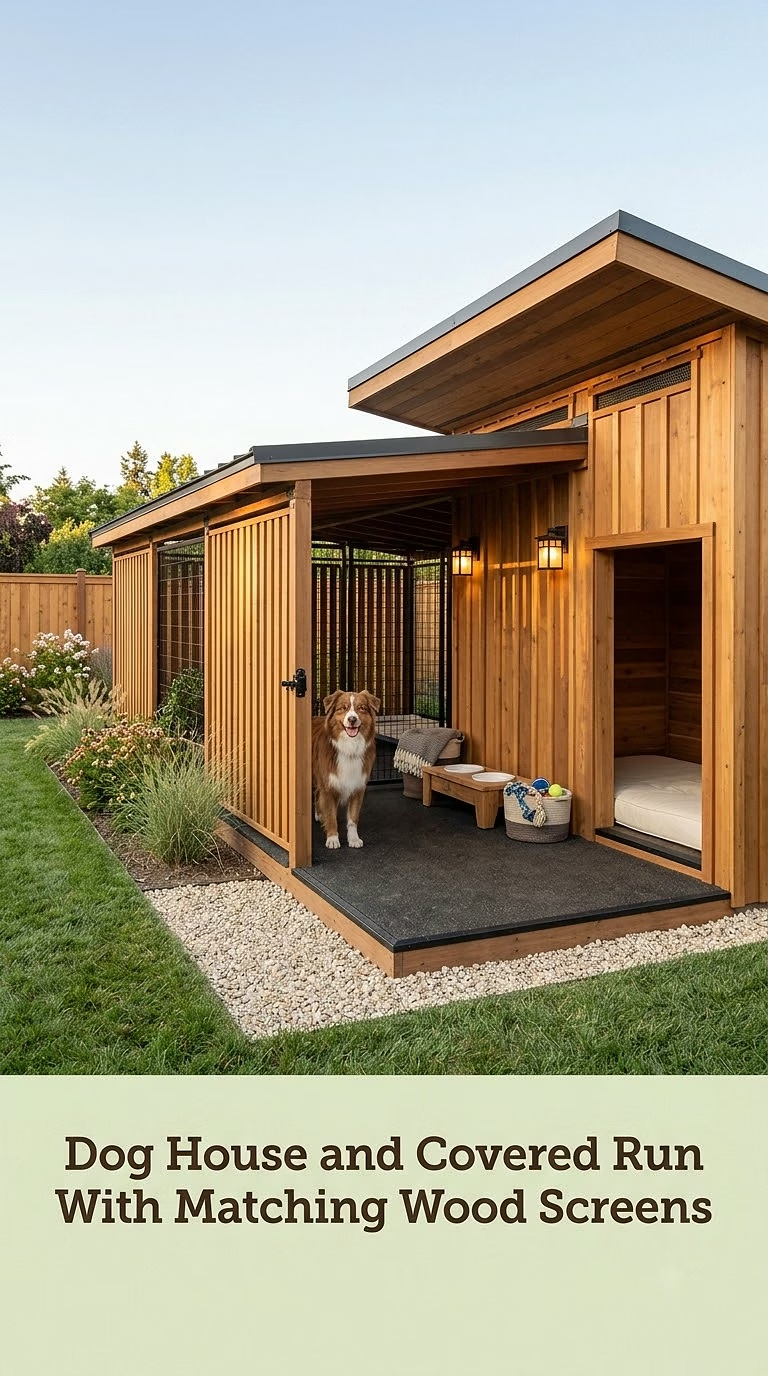
Combine a sleeping house with a covered exercise run for a coordinated, multifunctional setup. Use matching wood screens around the lower sections and strong open fencing above to preserve visibility and airflow.
The run should be tall and secure enough for your dog’s size and jumping ability, with no sharp wire ends or gaps that could catch a collar. Include a shaded resting platform, an untippable water bowl, and enough room for comfortable movement.
A roof over part of the run provides weather protection, while leaving another section open can make the space feel brighter. This setup is useful for supervised outdoor time, but it should not become a place where a social dog is routinely isolated.
18. Luxury Backyard Dog Suite With a Porch, Storage Cabinet, and Soft Lighting
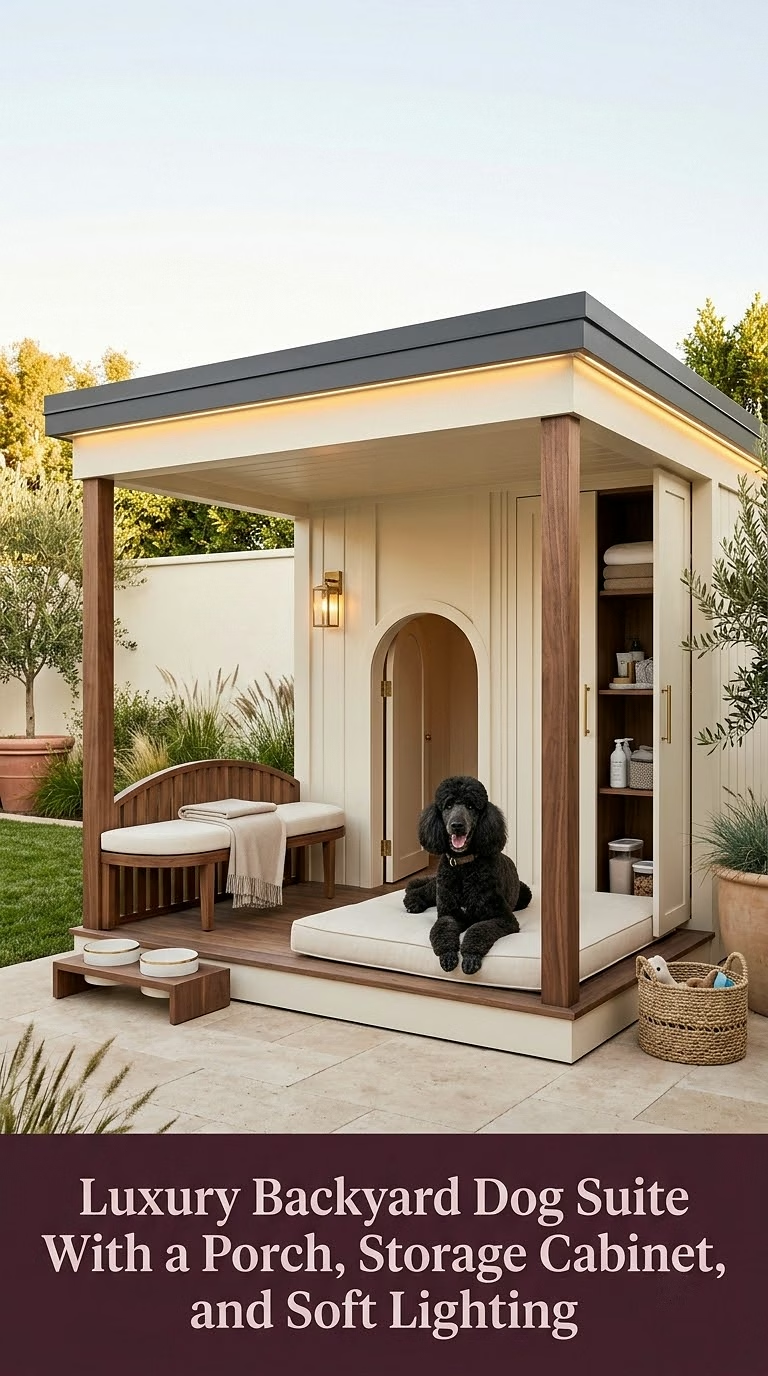
For a polished custom look, design a small backyard suite with coordinated siding, a covered porch, built-in storage, and subtle lighting. Warm white exterior lights beneath the porch roof can create a welcoming glow during early evening garden time.
Use only properly rated outdoor fixtures, protect all cables, and keep electrical components completely inaccessible to your dog. Solar lighting can simplify installation, but each fixture must be mounted securely rather than placed where it can be chewed.
Add a personalized name plaque, a washable porch bed, and a slim cabinet for towels and toys. Luxury should come from thoughtful details and high-quality construction rather than unnecessary interior decorations that reduce space or create hazards.
19. Pergola Dog Retreat With a Freestanding House and Landscaped Gravel Patio
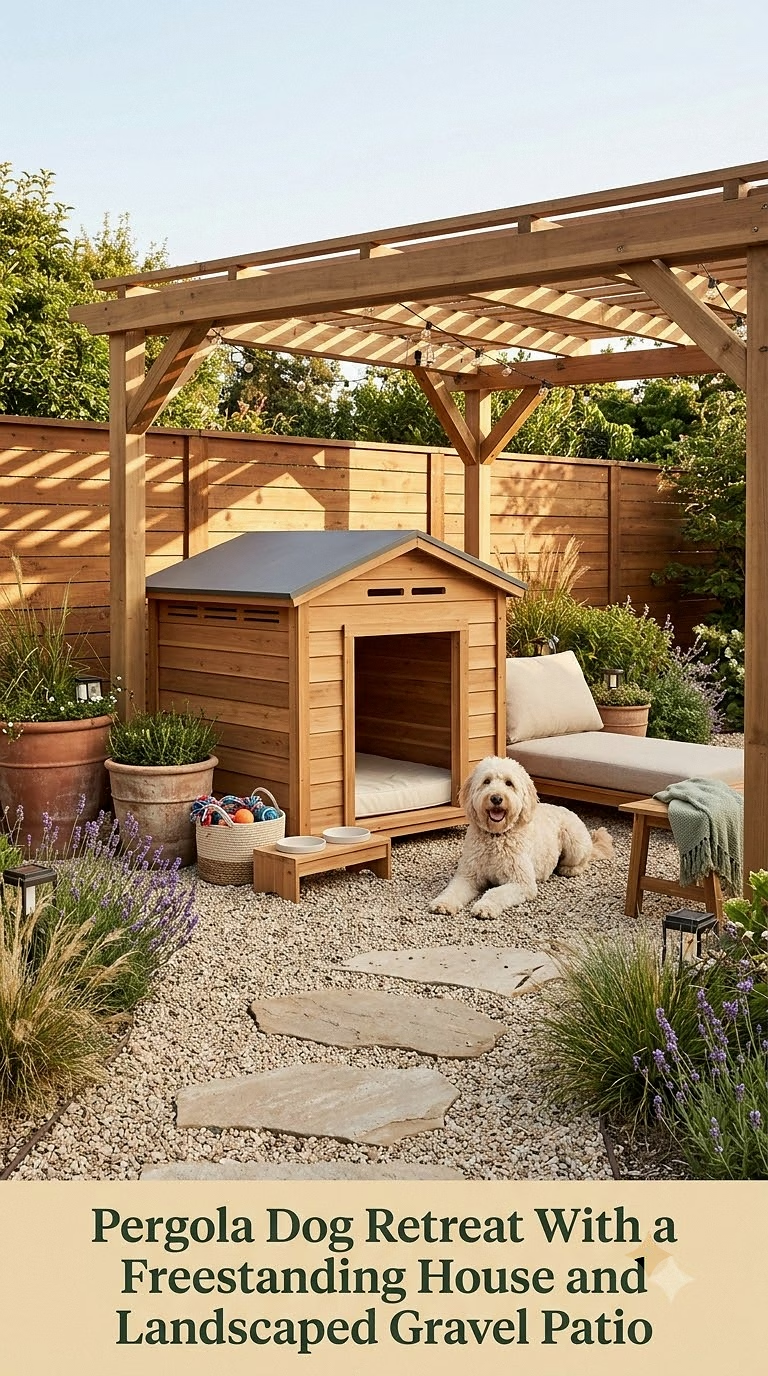
Create a complete backyard destination by placing a freestanding dog house beneath a compact pergola. Surround it with a defined gravel patio, large stepping stones, and clusters of dog-safe ornamental grasses.
The pergola provides an architectural frame and additional shade, while the separate dog house offers shelter from wind and light rain. Add a removable outdoor canopy above the pergola when stronger sun protection is needed, ensuring it is firmly secured and does not block airflow.
Choose smooth, rounded gravel that is comfortable beneath paws, or create a solid paved path through the area. Include an elevated cot, a heavy water bowl, and enough open space for your dog to choose where they feel most comfortable.
Conclusion
The most successful backyard dog house is one that balances beauty with your dog’s real needs. A pretty roofline or charming paint color can make the structure feel like part of your garden, but shade, airflow, dry flooring, safe materials, easy cleaning, and weather protection should guide every decision.
Before building, observe where sunlight, wind, and rain move through your backyard. Measure your dog carefully, consider mobility needs, and check local rules that may apply to outdoor pet shelters. Once the practical foundation is in place, you can personalize the house with colors, landscaping, porch details, and storage that complement your home.
Whether you choose a budget-friendly cabin, a breezy poolside cabana, or a luxurious garden suite, the goal is to create a welcoming retreat where your dog can rest comfortably while remaining close to the family.
Pin this Pinterest post so you can return to these backyard dog house ideas when you are ready to create your dog’s perfect outdoor retreat.
Source: https://petstutorial.com
Category: Dog Rooms
