
A husky dog house can become a shady summer retreat, a dry place to rest after snowy play, and a beautiful feature within your outdoor space. Because Siberian Huskies are athletic, curious, social, and famously talented at digging or escaping, their shelter needs to balance inviting style with thoughtful construction.
- 17 Dog Kitchen Ideas for a Stylish, Organized, Pet-Friendly Home
- 19 Dog House Interior Ideas for a Cozy, Stylish, and Practical Pet Space
- 17 DIY Dog Room Ideas for Small Spaces That Feel Cozy, Stylish, and Smart
- 18 Dog Corner Ideas for Small Spaces That Feel Cozy, Stylish, and Clever
- 17 Dog Hallway Ideas That Make Small Spaces Stylish, Cozy, and Pet-Friendly
The best house should allow easy turning and stretching without becoming unnecessarily cavernous. It should stay dry, resist drafts, release trapped heat, and stand up to scratching, chewing, muddy paws, and clouds of loose undercoat. In warm or humid weather, airflow and shade are especially important, and your husky may still need to spend the hottest hours indoors with air conditioning. In every season, the house should serve as an optional resting place near the family rather than an isolated living space.
You are reading: 17 Beautiful Husky Dog Houses Designed for Cool Comfort and Secure Rest
These ideas range from affordable DIY builds to polished backyard showpieces suited to different huskies, climates, and homes.
Dog House for Husky Ideas That Balance Beauty, Security, and Year-Round Comfort
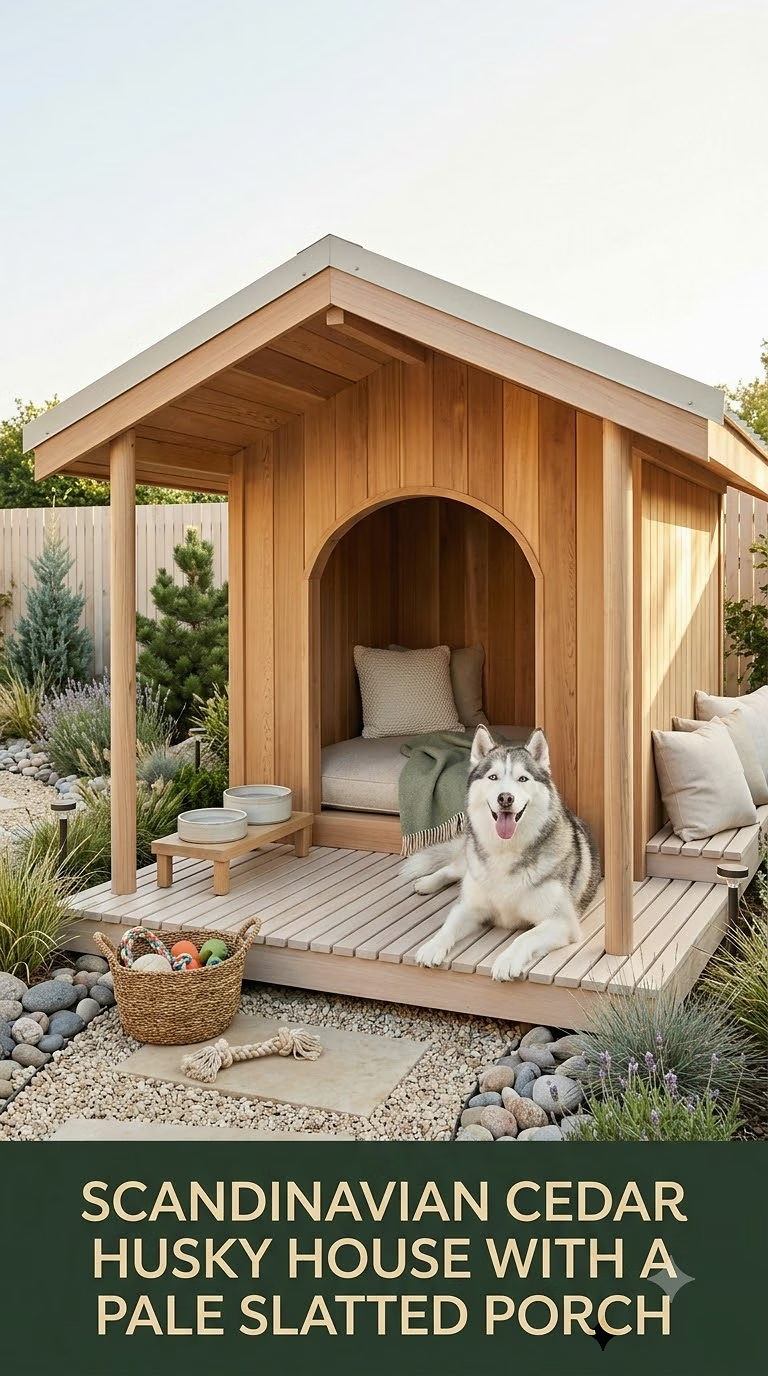
Create a clean Scandinavian-inspired shelter using pale cedar siding, a charcoal metal roof, and a low slatted porch wide enough for your husky to stretch out in the shade. The palette suits modern patios and gravel gardens, while the raised platform keeps the sleeping area away from damp soil.
Use smooth, sealed boards with no exposed splinters, screws, or chewable trim. A slightly offset doorway can reduce direct wind, and discreet vents beneath the roofline can release warm air without creating a draft at bed level. Make the roof removable or hinged so shed fur can be vacuumed out easily. For comfort, use a washable elevated cot rather than thick fabric that may hold moisture. A porch overhang adds shade, but position the entire house where afternoon sun cannot turn the interior into a heat trap.
2. Snowy Alpine Cabin With an Insulated Entry Vestibule
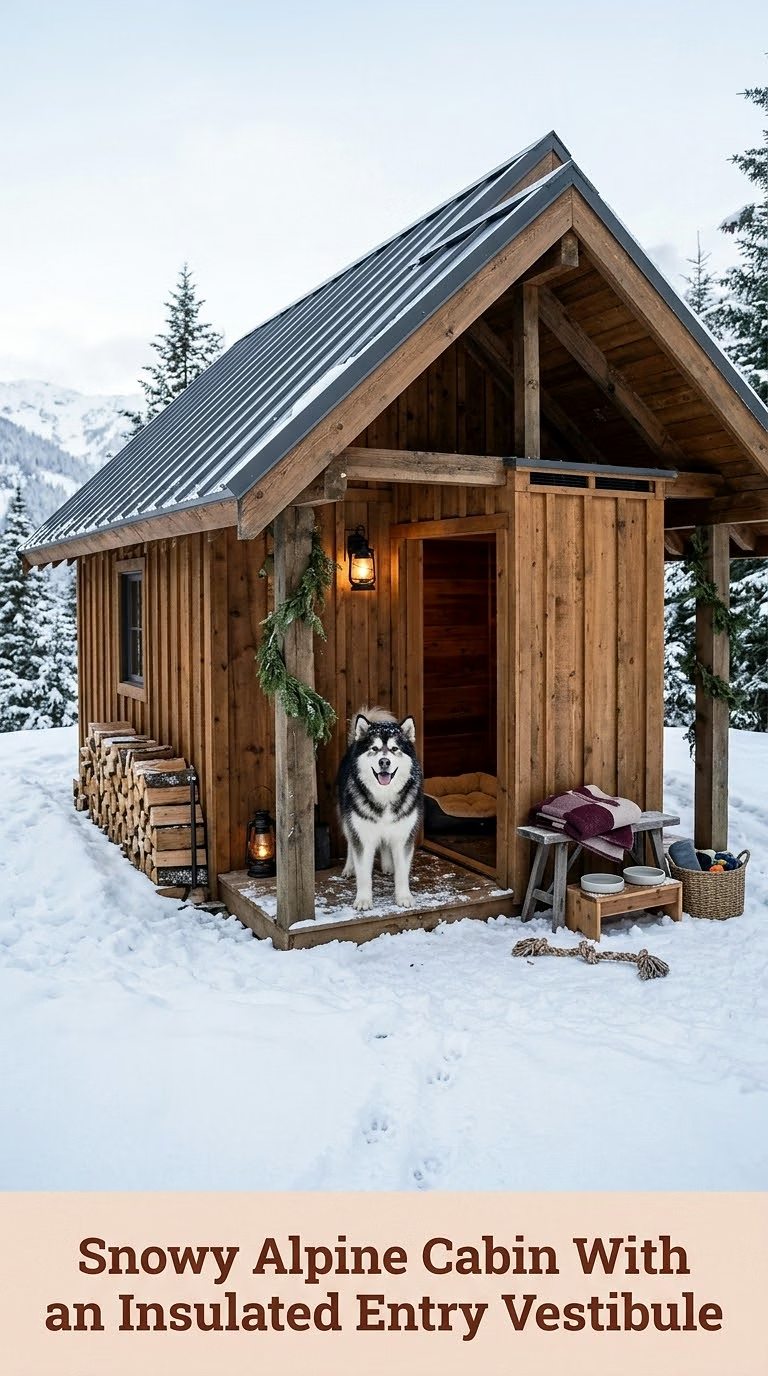
For cold, snowy regions, give the classic mountain cabin look a practical husky-friendly update. Design a compact main sleeping chamber behind a short entrance vestibule, creating two connected zones beneath one steeply pitched roof. The vestibule helps reduce wind entering the resting area, while the roof shape encourages rain and snow to slide away instead of collecting overhead.
Place insulation securely between solid inner and outer walls so your dog cannot chew or reach it. The floor should also be insulated, waterproof, and raised above the ground, with a non-slip surface over the finished interior. Avoid making the chamber dramatically larger than your husky needs; an excessively open interior is harder to keep comfortable in cold weather. Add a clear flap only when your dog accepts it and it never restricts movement. Even cold-loving huskies need dry bedding, unfrozen water, regular checks, and indoor access during dangerous weather.
3. Breezy Summer Cabana With Three-Sided Shade Screens
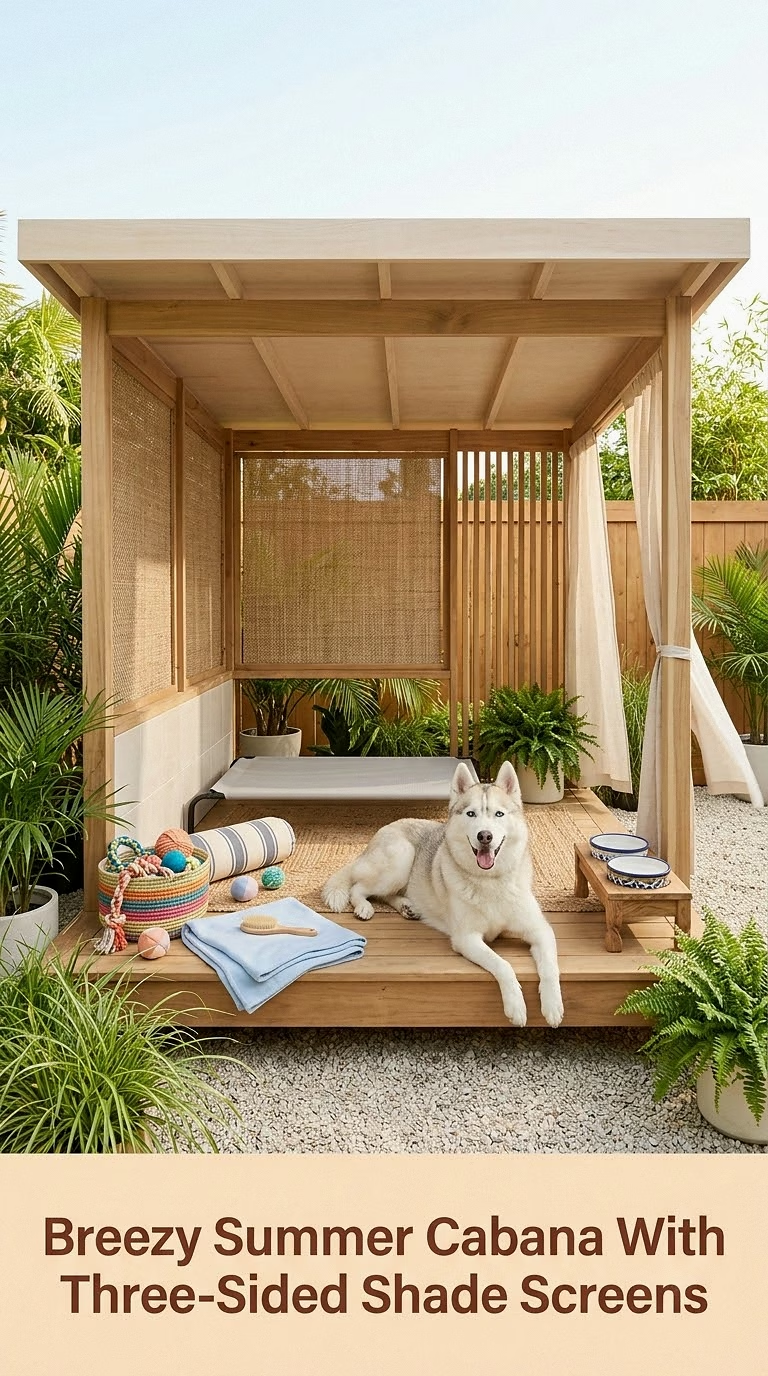
A tropical-style cabana is a smart choice for a husky living in a warm climate. Picture a broad white roof, an elevated cooling deck, and three slatted privacy screens that block harsh sun while allowing cross-breezes to pass through. Create an airy lounging pavilion with a smaller protected sleeping nook at the back.
Use light-colored roofing that reflects rather than absorbs heat, and extend the roof well beyond the walls to shade the floor throughout the day. A ceramic or stone-look cooling slab can create a comfortable resting surface, but it should remain shaded and never become hot under direct sun. Keep fresh water nearby in a stable bowl. Because enclosed dog houses can become dangerously stuffy in summer, treat this cabana as a shaded resting station and bring your husky into a cool indoor environment whenever temperatures or humidity rise.
4. Modern Black-and-Wood House With Hidden High-Level Vents
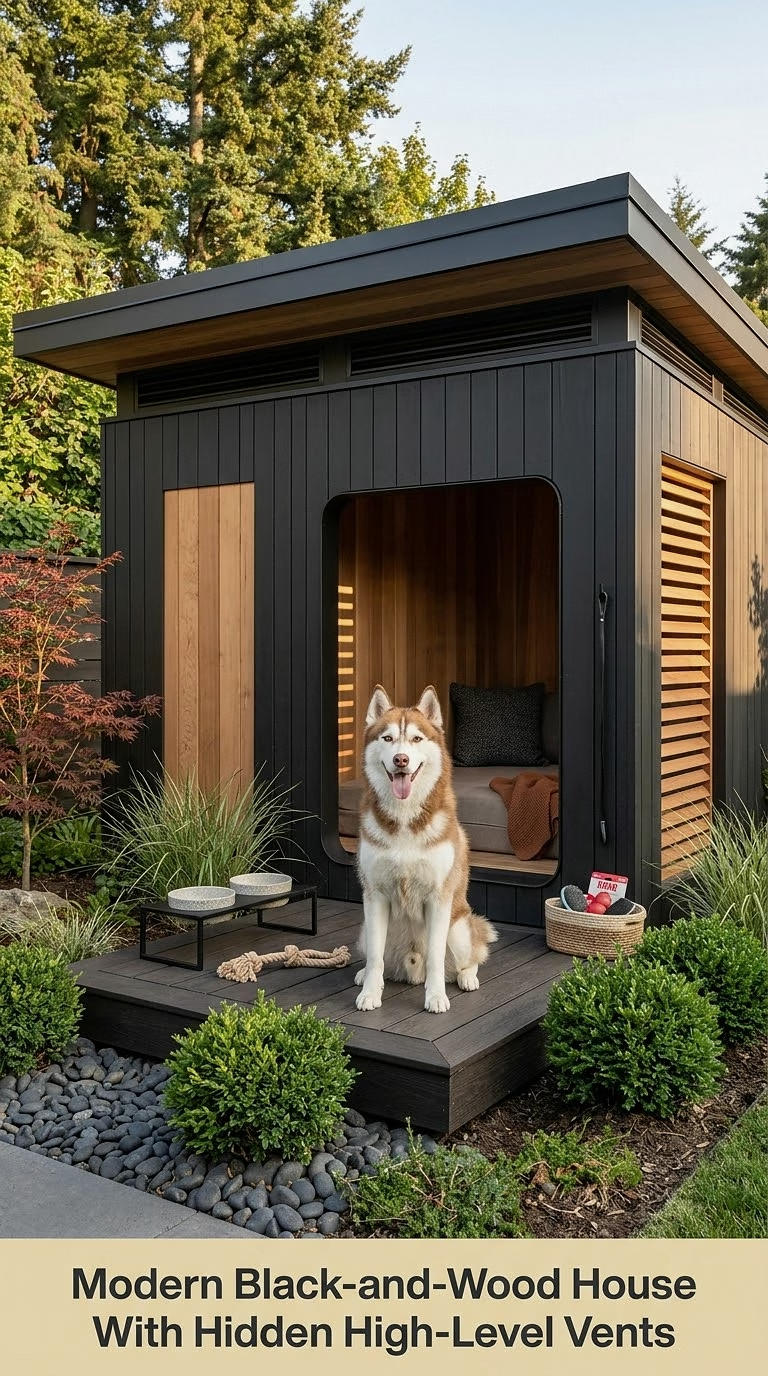
Combine matte black panels with warm vertical timber and a simple asymmetrical roof. The contrast feels architectural, yet the design can remain practical when dark surfaces are limited to shaded sides and the roof includes a reflective or insulated top layer.
Hide ventilation openings behind narrow upper slats so warm air can escape without compromising the clean silhouette. Add protected lower vents on the opposite wall to encourage gentle airflow, covering every opening with durable metal mesh that cannot be pushed loose. Inside, pale washable panels make dirt and moisture easy to spot. A flush threshold makes entry comfortable, while metal corner guards protect vulnerable edges from chewing. This style works best beneath a pergola, mature tree, or dedicated shade sail, since black materials can absorb considerable heat when exposed to strong sun.
5. Escape-Resistant Husky House With an Attached Roofed Run
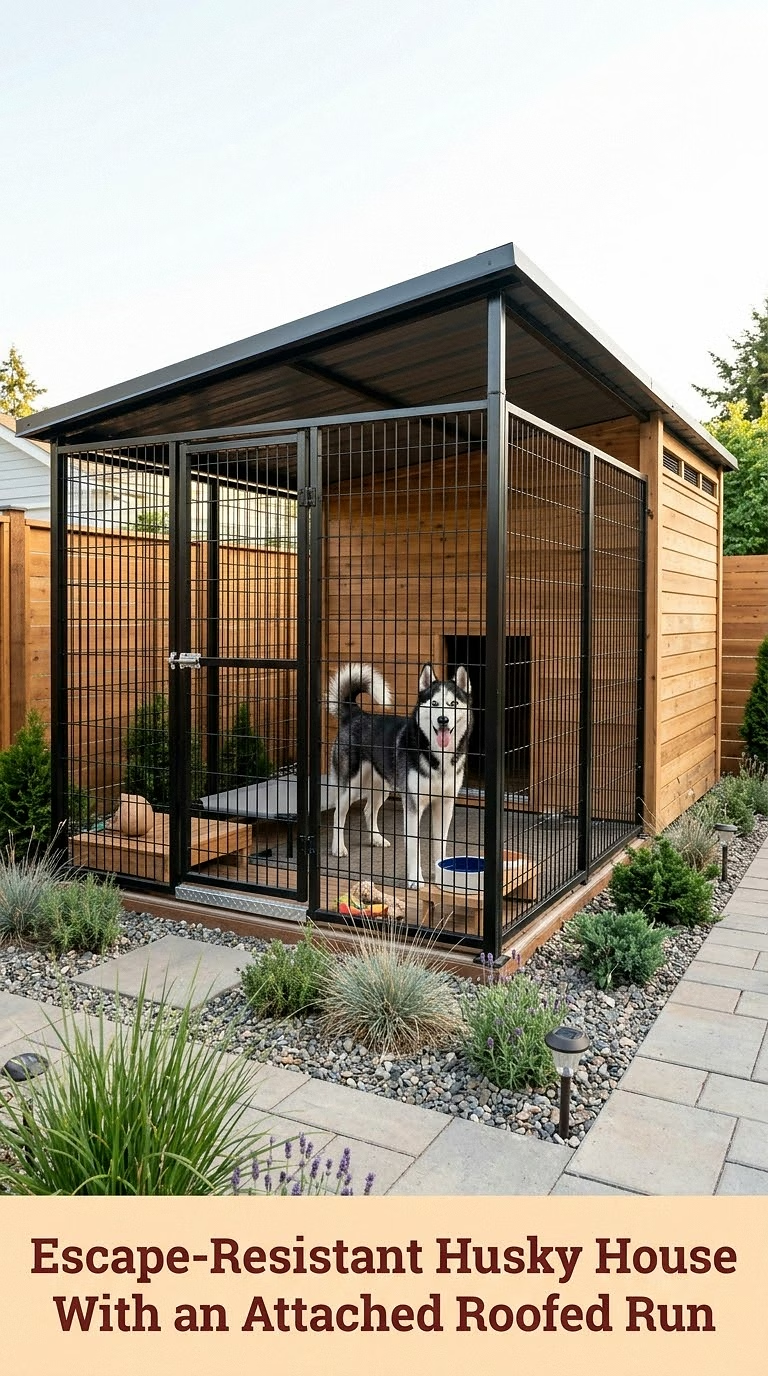
Turn the dog house into part of a secure exercise zone by connecting it to a roofed run with strong welded-wire panels, locking gate hardware, and a dig-resistant perimeter. Keep it welcoming with stained posts, black mesh, a covered deck, and planters outside the enclosure.
A determined husky may climb, jump, squeeze, or dig, so inspect every seam, latch, corner, and ground connection. Extend approved barrier material below ground or install a secure floor apron around the perimeter, taking care that no sharp wire edge is exposed. The roof should provide both escape control and dependable shade, but airflow must remain open. Use the house as one resting option, never as a replacement for walks, training, play, or family time. Check the enclosure often because soil movement and repeated digging can create new weak points.
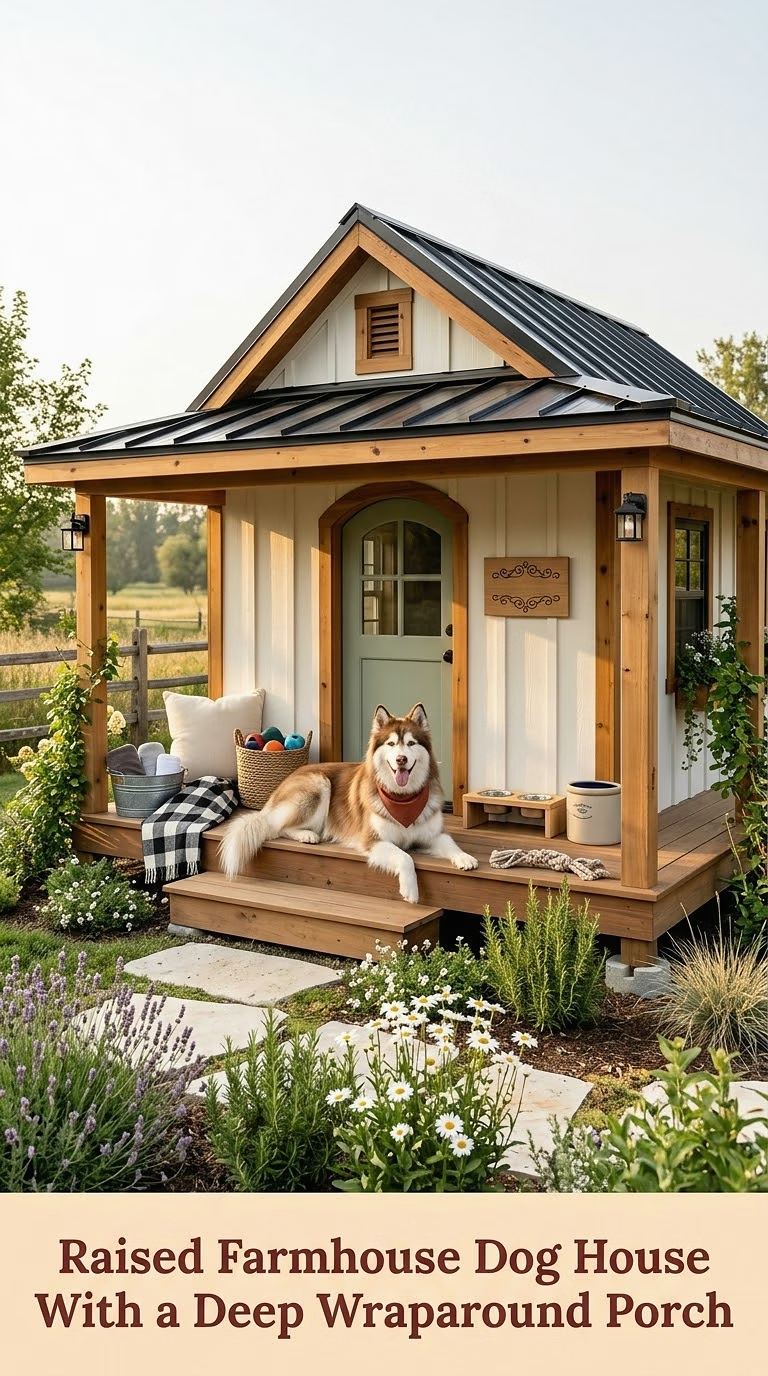
6. Raised Farmhouse Dog House With a Deep Wraparound Porch
Read more : 17 Dog Garage Area Room Ideas for a Cozy, Stylish, and Practical Pet Space
A miniature farmhouse can look charming without becoming fussy. Use white board-and-batten siding, a muted sage door surround, a dark standing-seam roof, and a generous porch that wraps around two sides. The porch offers resting spots as shade changes during the day.
Raise the structure on stable, weather-resistant supports and enclose the gap beneath it so your dog cannot crawl under, become trapped, or start excavating around the footings. A ramp may be more comfortable than steep steps, especially for an older dog, and should have wide traction strips. Make decorative shutters and trim completely flush so they cannot be pulled off or chewed. The interior should remain simple, smooth, and washable. For seasonal styling, decorate the surrounding area rather than attaching loose accessories where your husky can reach them.
7. Compact Side-Yard Husky House With a Wall-Hugging Layout
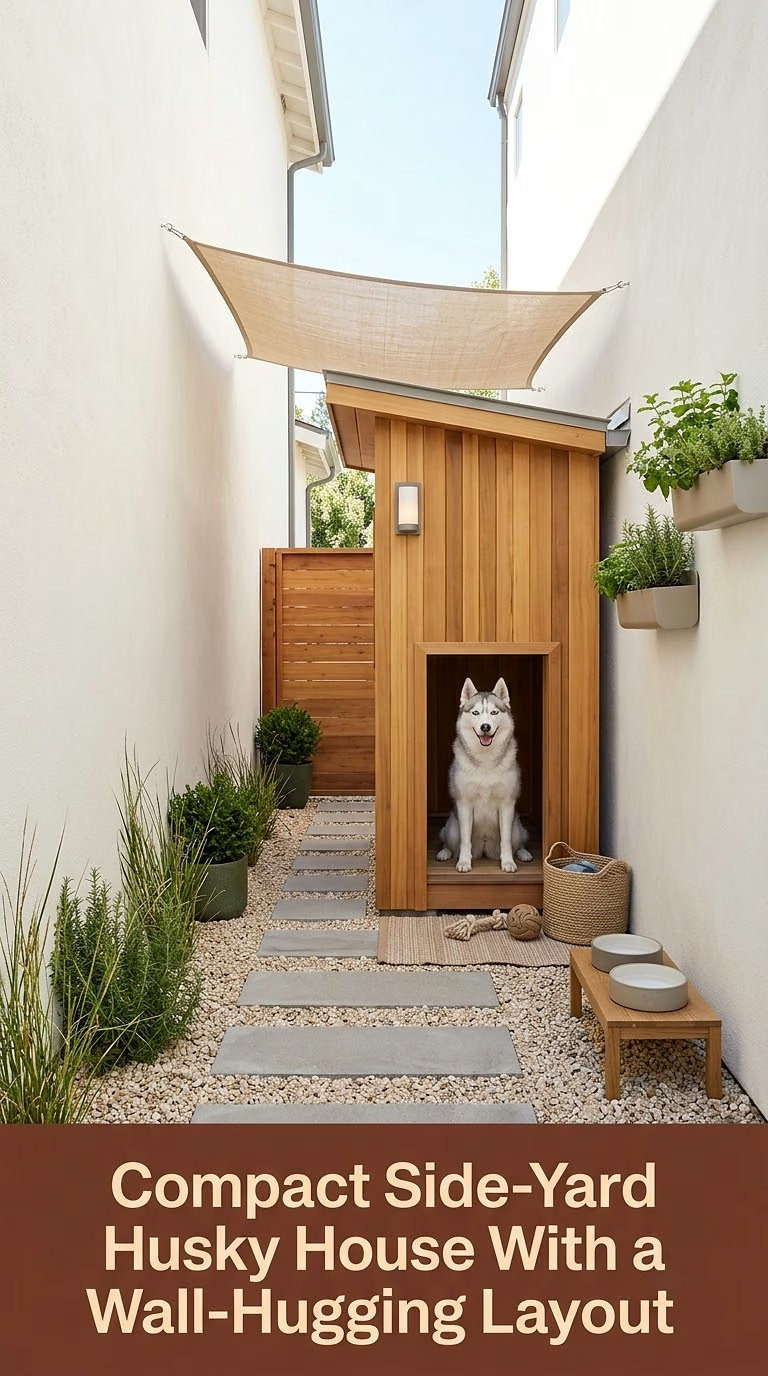
A narrow side yard can hold a comfortable retreat when the house is designed lengthwise. Use a slim rectangular footprint with the entrance at one end, a long side window protected by metal mesh, and a shallow roof that slopes away from the home’s foundation.
Keep enough clearance around the shelter for cleaning, inspections, and air circulation. A removable side panel lets you reach the interior without dragging the structure out. Choose pale siding and position the house where reflected heat from walls, paving, or air-conditioning equipment will not create an uncomfortable microclimate. A narrow elevated deck can provide a dry landing area without blocking the walkway. Since side yards often contain gates, carefully secure every latch and eliminate gaps that could become escape routes when your husky moves between the house and the main yard.
8. Rustic Timber Lodge With Chew-Proof Metal Corner Guards
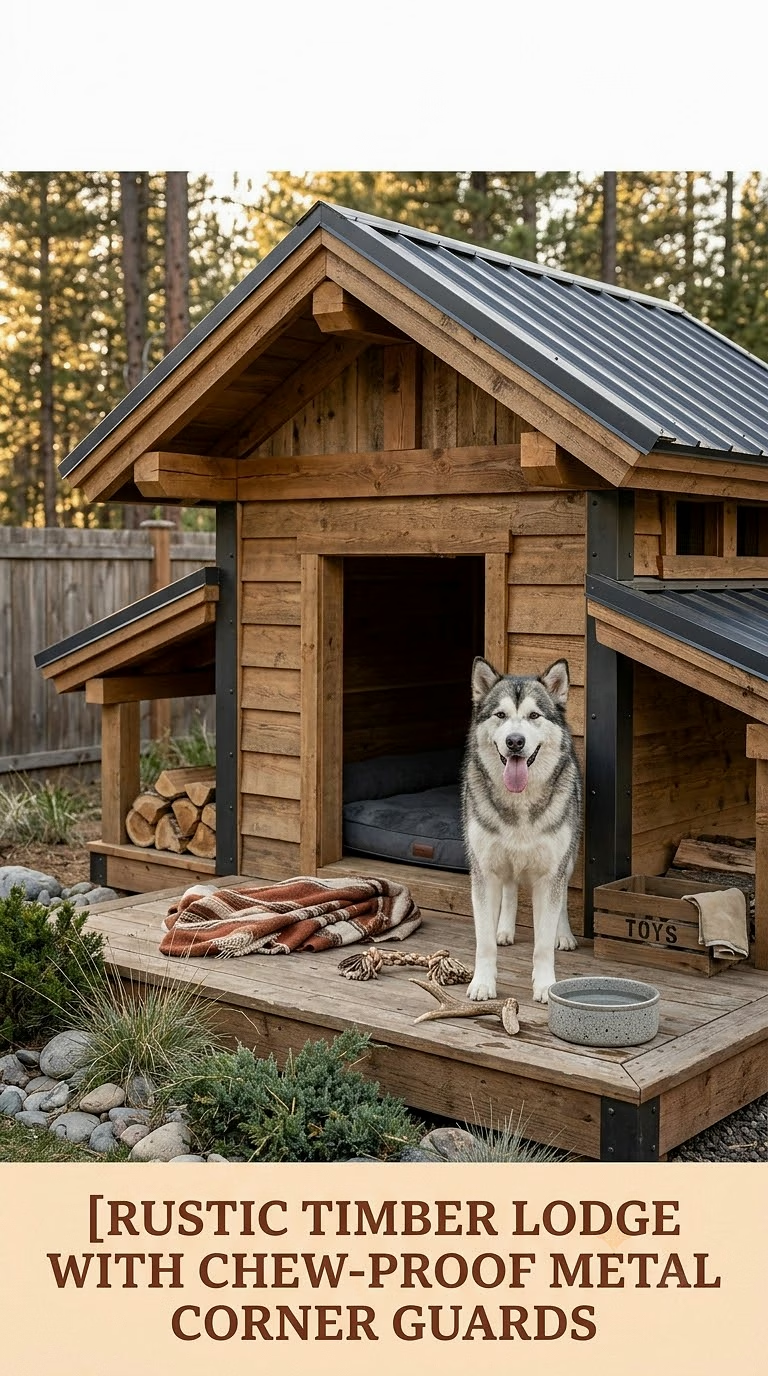
For a husky that tests every edge, use thick timber-look siding, a stone-colored base, and metal guards on corners, doorway edges, and roof trim. The result feels like a tiny woodland cabin while protecting the most vulnerable parts of the structure.
Use actual pet-safe materials rather than decorative faux logs with foam cores or thin plastic surfaces that can be torn apart. Recess fasteners and cover them securely. The interior wall finish should be smooth, sealed, and free from exposed insulation. A heavy removable floor tray can make muddy cleanup faster, while a hinged roof provides access to fur caught in corners. Avoid pressure-treated scraps, mystery pallets, peeling paint, and reclaimed boards with unknown chemical exposure. Set the lodge on compacted gravel, keeping decorative bark, toxic plants, and chewable edging out of reach.
9. Double-Door Cleaning-Friendly House With a Full Lift-Up Roof
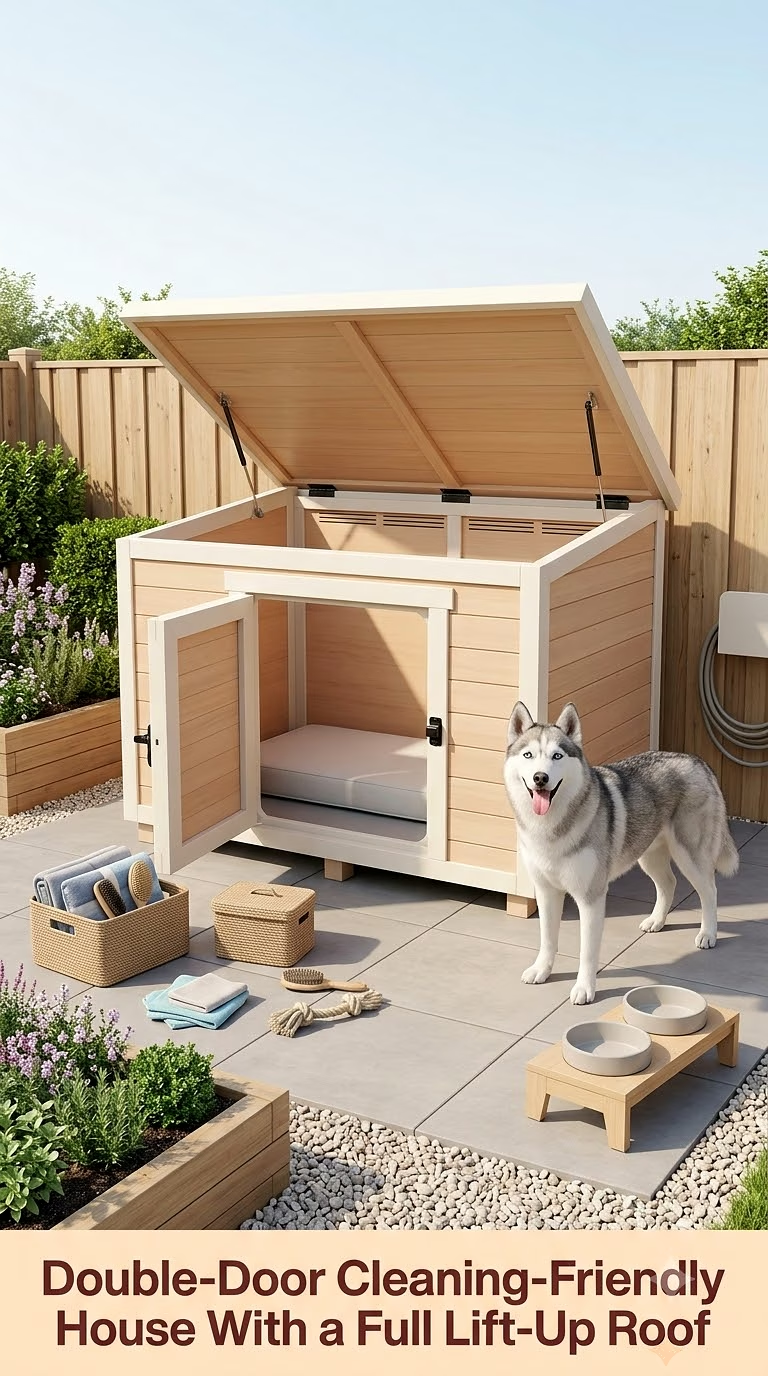
Make easy maintenance the defining feature of this design. Build a streamlined house with a normal dog entrance at the front and a wide human-access door at the back. Pair it with a gas-assisted lift-up roof so every wall, vent, and floor edge is easy to inspect.
Line the interior with durable waterproof panels and use sealed curves or simple trim where walls meet the floor, reducing cracks that trap hair and dirt. A removable non-slip floor insert can be carried outside for washing and completely dried before replacement. Vent covers should also unscrew for cleaning, since loose undercoat can restrict airflow. Choose machine-washable bedding and keep spare covers in rotation. This practical layout can still look attractive with warm gray siding, natural wood trim, and a small covered landing. Easy access encourages frequent cleaning, helping the house remain dry, fresh, and inviting.
10. Arctic Blue A-Frame With a Shaded Cooling Platform
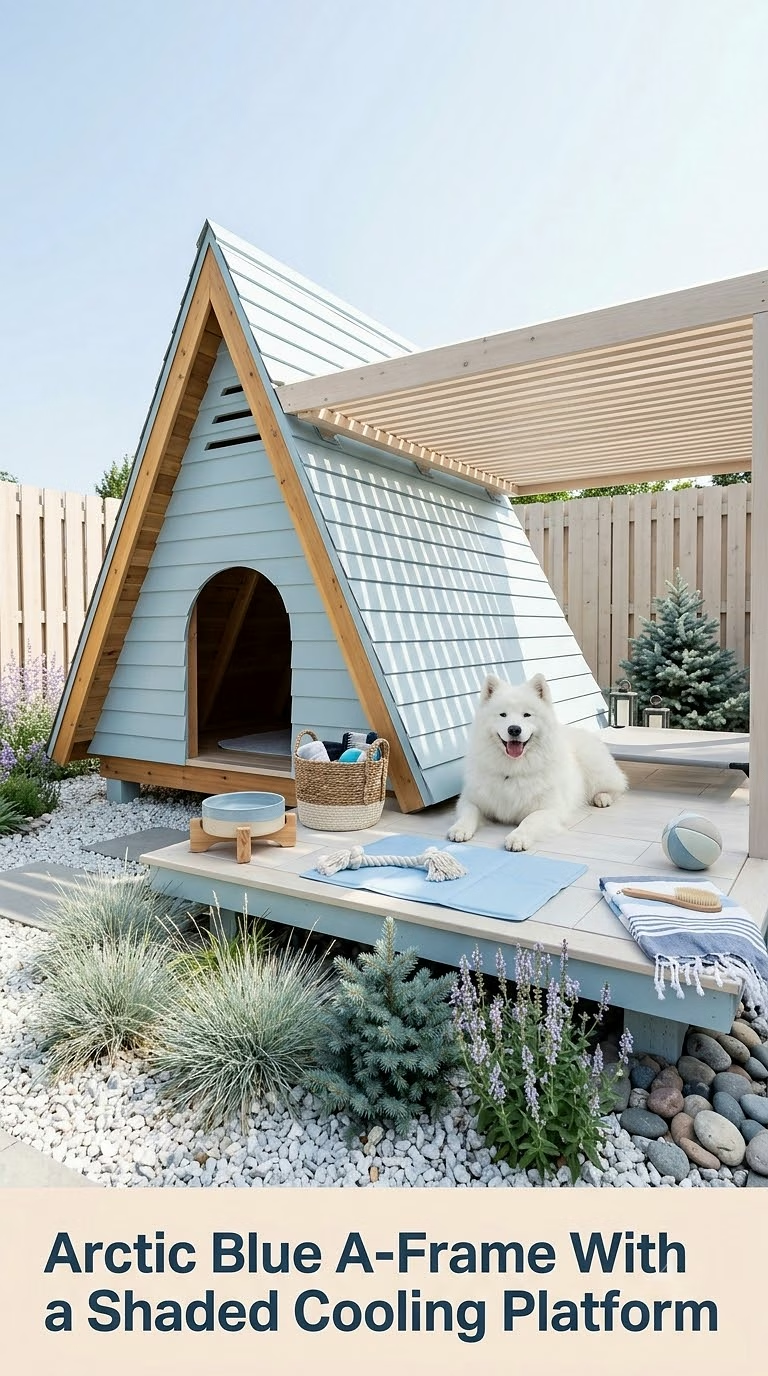
An A-frame creates a distinctive silhouette that suits a husky beautifully. Paint the exterior a soft arctic blue, finish the steep roof in light gray, and extend one side into a broad shaded platform where your dog can lounge outside the enclosed chamber.
Because sloping walls reduce usable space, add a short vertical knee wall before the roof angle begins. Your husky should be able to enter naturally, turn around, and lie down comfortably without brushing against narrow surfaces. Add vents near the roof peak, where warm air collects, and protect them with metal mesh. The platform can use composite deck boards or sealed wood with narrow, paw-safe gaps. In hot weather, the attractive A-frame should not be mistaken for a cooling solution by itself; place it in deep shade and ensure your dog can choose a cooler indoor space.
11. Green-Roof Garden House With a Reinforced Waterproof Canopy
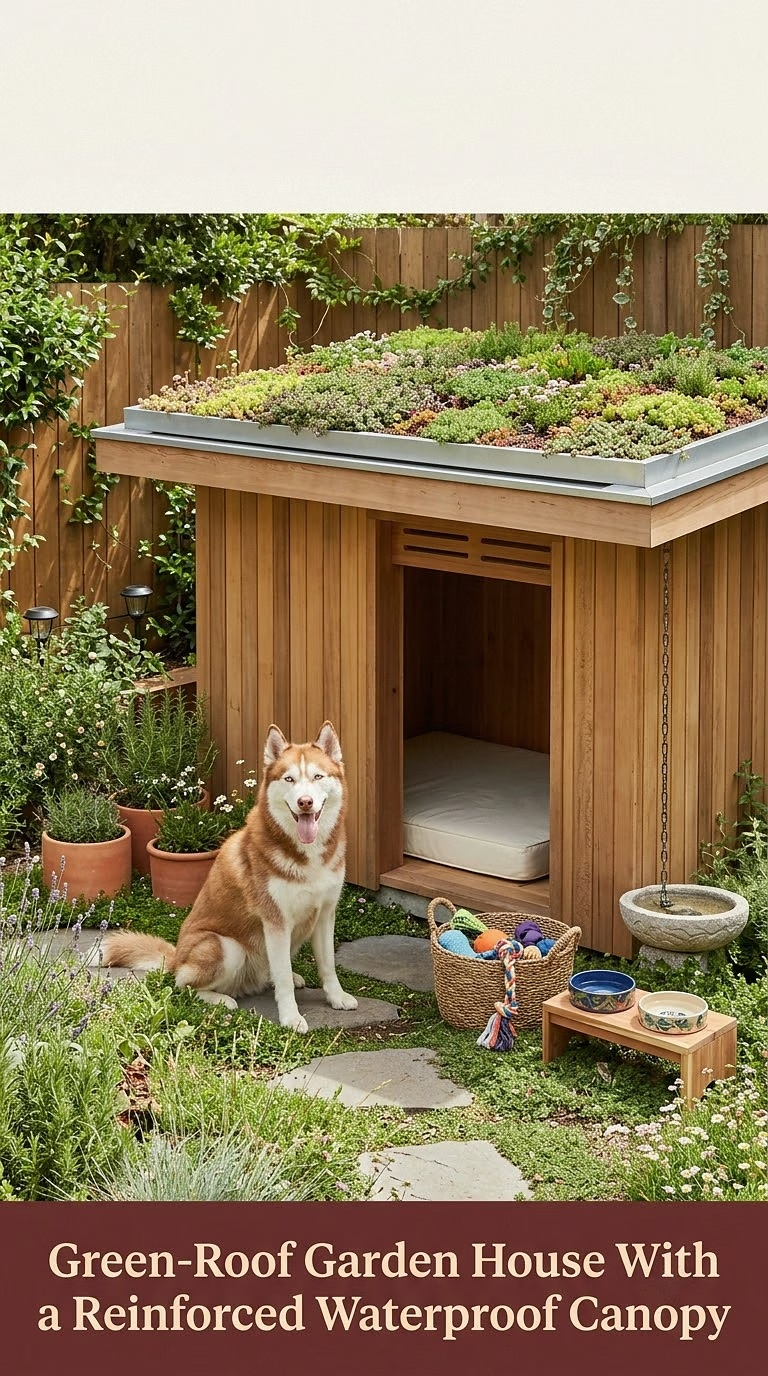
Blend the shelter into the garden with a low planted roof in a professionally waterproofed tray. Soft sedums or other dog-safe, climate-appropriate plants can make the house feel like part of the garden while adding another layer above the roof surface.
This idea requires careful engineering. The roof must support the saturated weight of soil, plants, drainage material, and rainwater without sagging. Use a fully sealed membrane, overflow drainage, and a sturdy protective edge that prevents your husky from climbing onto the roof or accessing soil and plants. Keep the actual sleeping ceiling separate from the planted assembly and inspect regularly for leaks. A simpler version uses a reinforced shade canopy with planters beside the house. Either version looks lovely with natural timber siding and a gravel base, but function must come before appearance: the interior still needs airflow, dryness, and accessible cleaning.
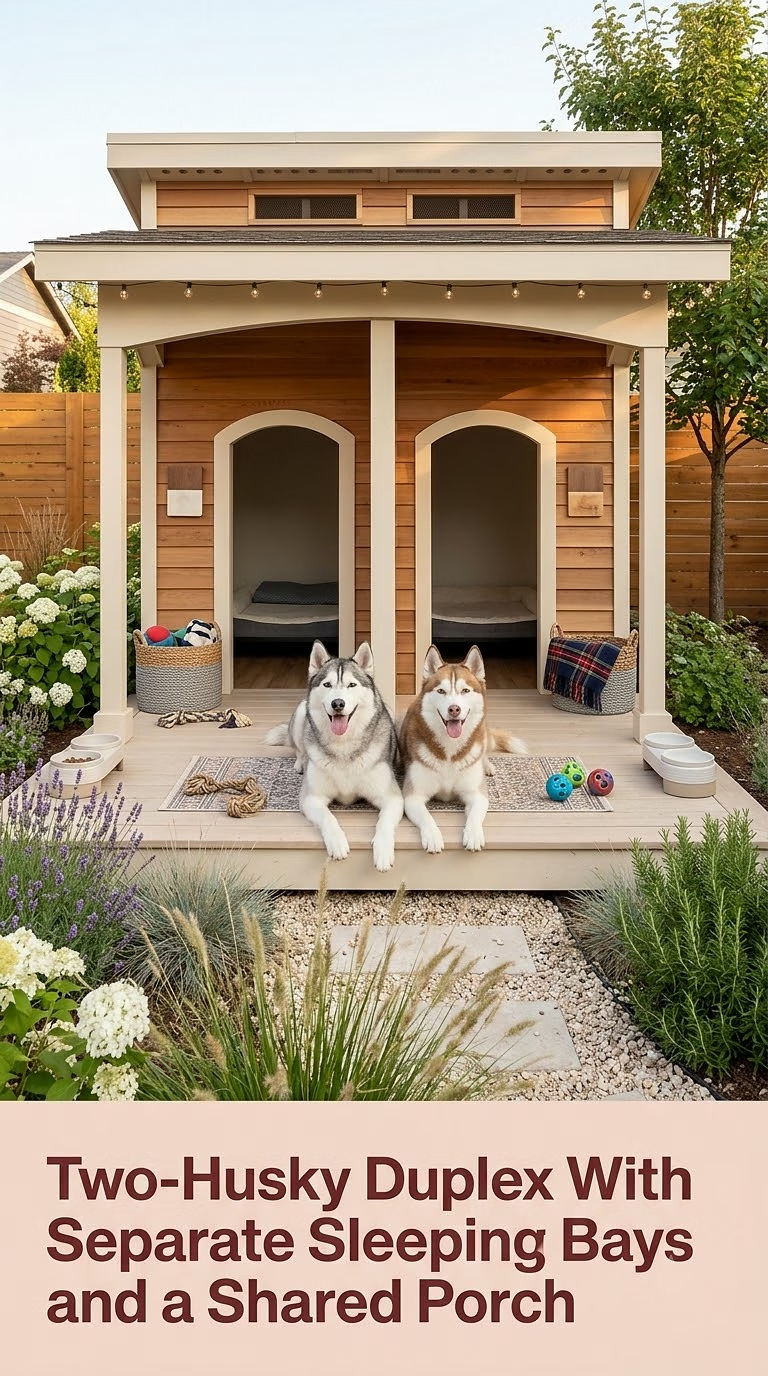
For two huskies, create a symmetrical duplex with individual sleeping bays beneath one roof and a shared porch. Matching entrances, pale wood siding, and contrasting name plaques create an appealing balanced look without forcing both dogs into one confined chamber.
Read more : 18 Dog Nook Ideas for Creating a Cozy and Stylish Retreat at Home
Separate rooms allow each dog to rest without being crowded, guard a preferred corner, or block the other’s exit. Each bay should have its own ventilation, removable floor panel, and appropriately sized doorway. The central divider needs to be solid and securely fastened, with no exposed edges. Observe your dogs before deciding whether to divide the porch. Dogs that compete over space, food, or bedding may need fully separate setups. Place water bowls away from the sleeping entrances to reduce spills, and never assume close canine companions will always want to share a small house during heat, stress, illness, or recovery.
13. Indoor-Outdoor Mudroom Husky Nook With a Secure Pet Door
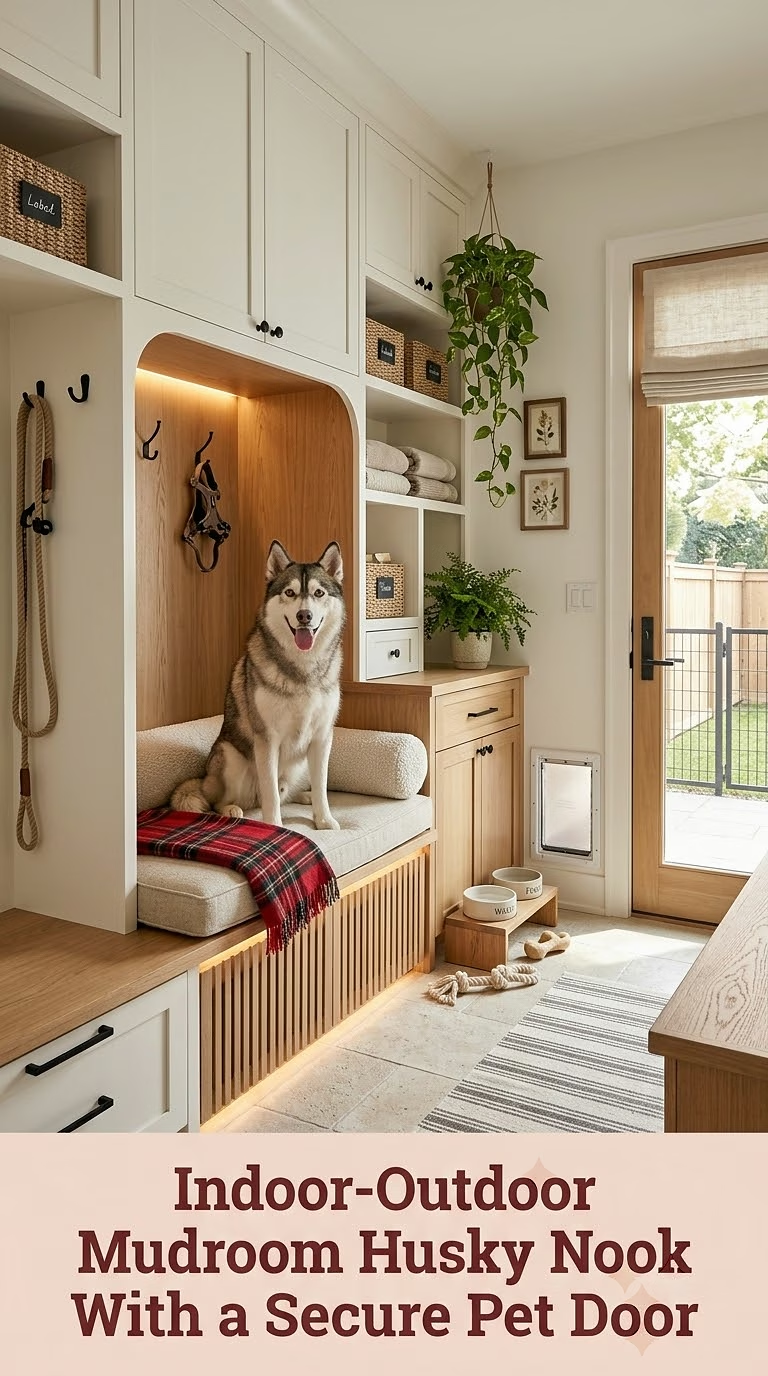
A mudroom-connected nook offers outdoor access without isolating your husky from the household. Build a weather-protected exterior porch around a secure pet door, then continue the design indoors with a washable sleeping alcove, leash hooks, closed storage, and a grooming mat.
Use a locking, insulated pet door sized for comfortable movement and positioned so it does not open directly onto a road, unsecured yard, or extreme weather. The interior nook can feature built-in bench cabinetry above, but cleaning products, grooming tools, and food must stay behind secure doors. Choose tile or waterproof flooring with enough grip for wet paws. A floor drain is useful only when professionally installed and protected from backflow. This concept gives your husky the choice of fresh air or indoor comfort while keeping the sleeping area close to family activity and climate control.
14. Budget Plywood Bungalow With a Removable Weatherproof Shell
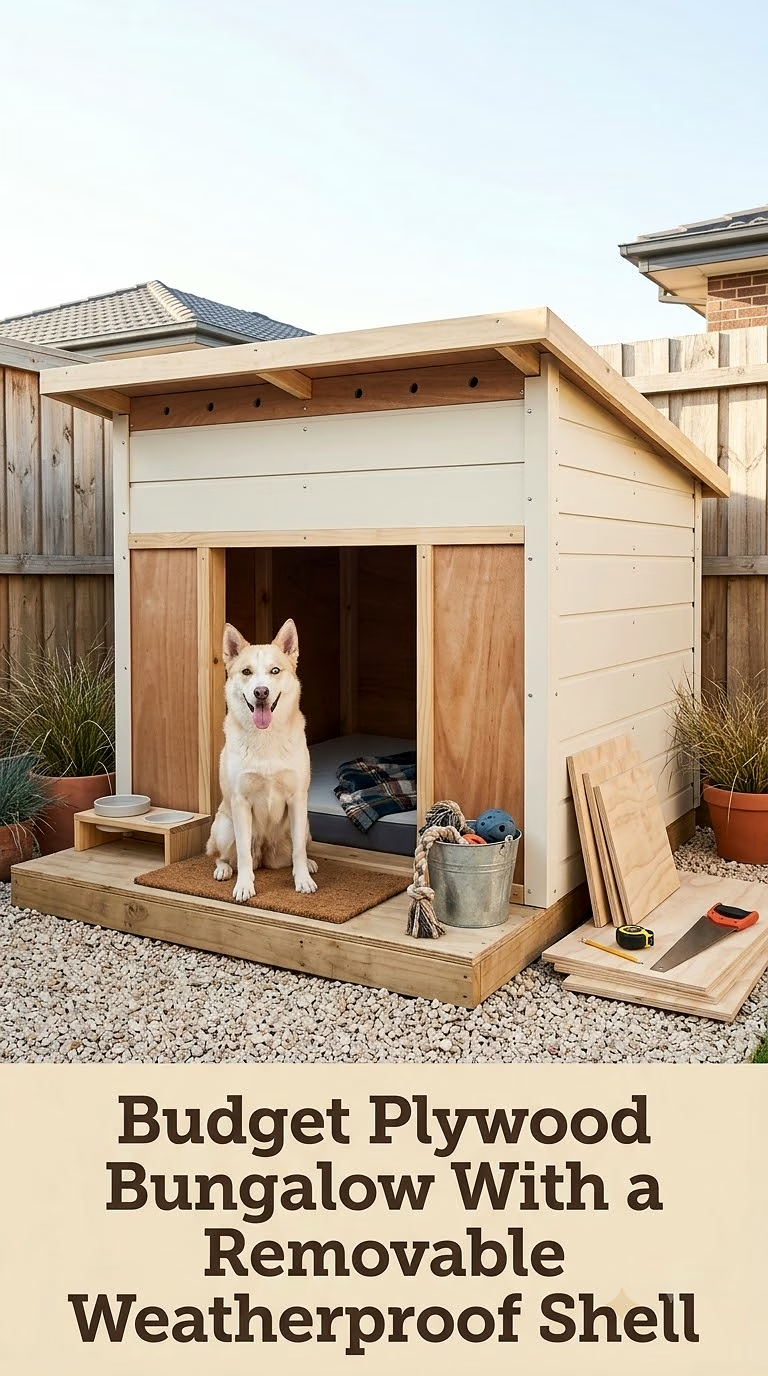
A beautiful shelter does not require elaborate carpentry or luxury finishes. Start with a sturdy framed plywood bungalow, then protect it with a simple removable outer shell made from exterior siding panels. Paint it warm cream with a terracotta roof edge for a cheerful, approachable look.
Use exterior-grade sheet material suitable for your climate, seal every cut edge, and keep paint or coating fully cured before use. The removable shell allows damaged siding to be replaced without rebuilding the inner structure. Add a raised base, sloped waterproof roof, upper vents, and a hinged cleaning panel before spending money on decoration. Skip unknown pallet wood, exposed foam board, adhesive-backed wallpaper, and thin trim that can be chewed off. A solid roof overhang is usually easier to maintain than a fabric awning. Invest first in secure hardware, dryness, and ventilation.
15. Storm-Ready Low-Profile House Anchored to a Concrete Pad
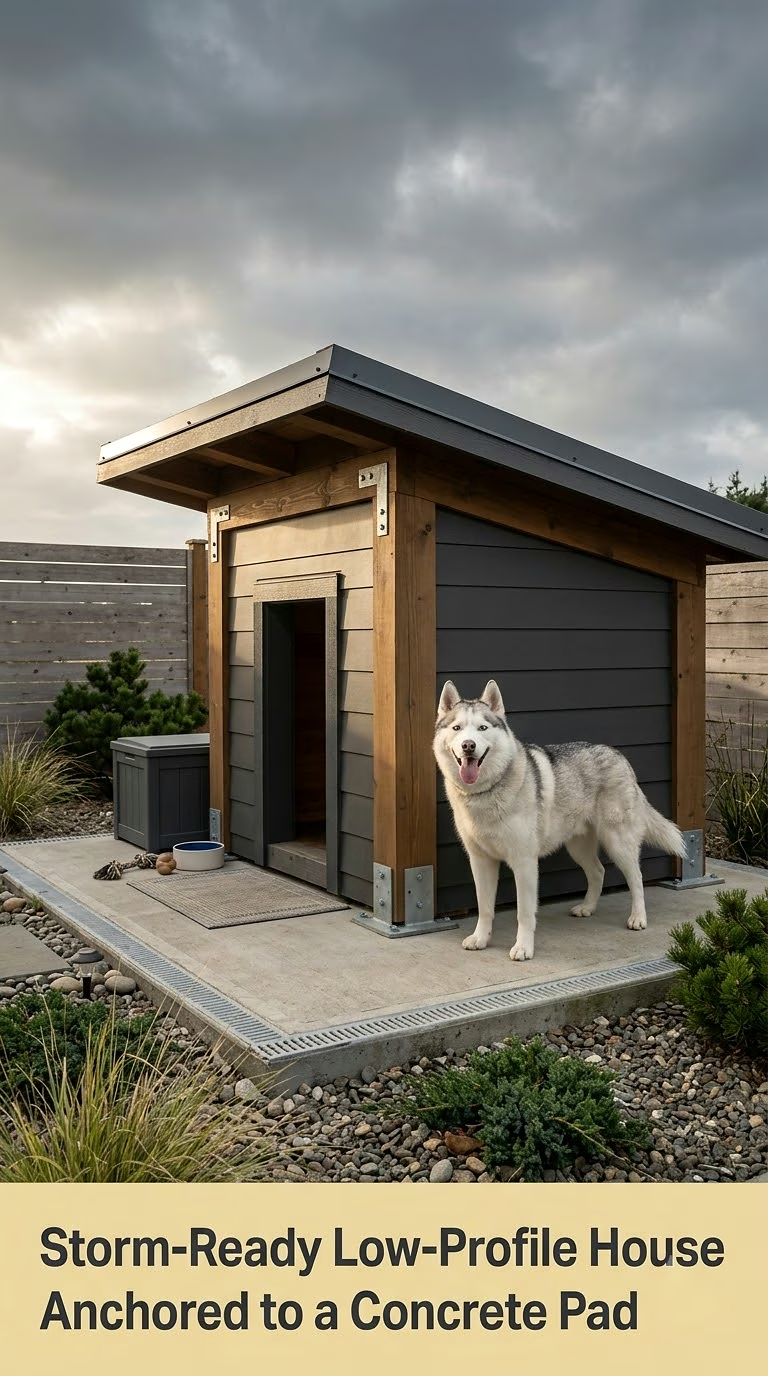
In windy areas, a low-profile shelter with strong anchoring can be safer than a tall cabin. Design a wide, grounded structure with a gently sloped roof, rounded exterior corners, and a recessed entrance protected by a short side wall. Warm taupe siding and a dark base help it blend into patios and utility areas.
Anchor the house according to local conditions and construction requirements, using hardware your dog cannot reach. A concrete pad can provide stability, but the sleeping floor should still be raised or thermally separated from the slab so it does not become damp, cold, or excessively hot. Direct roof runoff away from the entrance and yard paths. Never treat the structure as a refuge during hurricanes, tornadoes, floods, wildfire, or dangerous temperatures. Include your husky in the household emergency plan, keep identification current, and move your dog with the family to an appropriate safe location when severe weather threatens.
16. Luxury Courtyard House With a Pergola, Water Station, and Grooming Bench
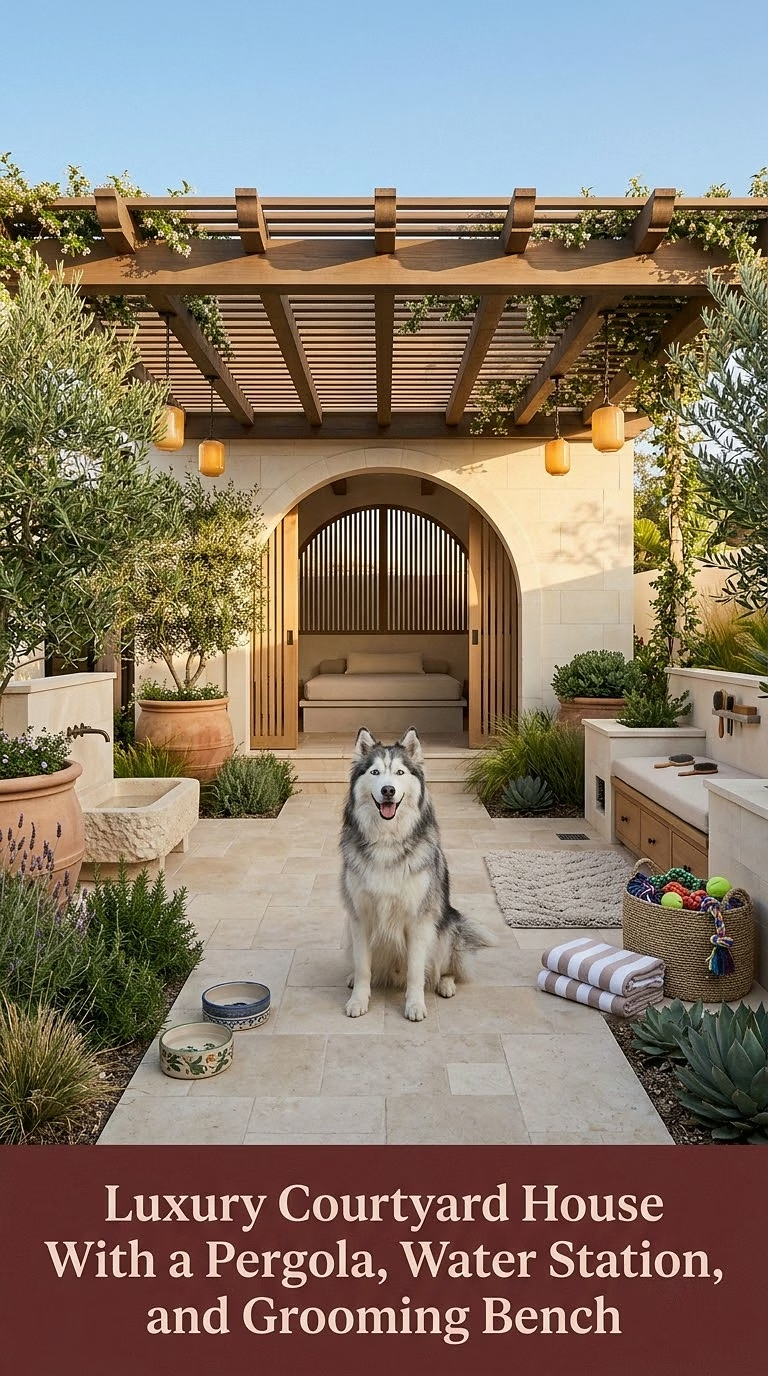
Create a boutique-style courtyard with a refined dog house, slatted pergola, water station, and outdoor grooming bench. Use pale limestone-look pavers, honey-toned wood, black hardware, and neatly clipped non-toxic greenery beyond the enclosure.
The pergola should support a dependable weatherproof shade layer rather than relying on decorative slats alone. Position the water bowl where it stays cool and cannot be contaminated by roof runoff, soil, or grooming debris. Add closed storage for brushes and towels, but never leave medications, pest products, or sharp tools accessible. The grooming bench should have a low, non-slip platform and be used only with hands-on supervision; do not tether a dog there unattended. Inside the house, keep luxury simple with a durable orthopedic mat, smooth washable walls, and quiet ventilation. The richness comes from coordinated materials, not fragile accessories.
17. Convertible Four-Season House With Adjustable Vents and Removable Panels
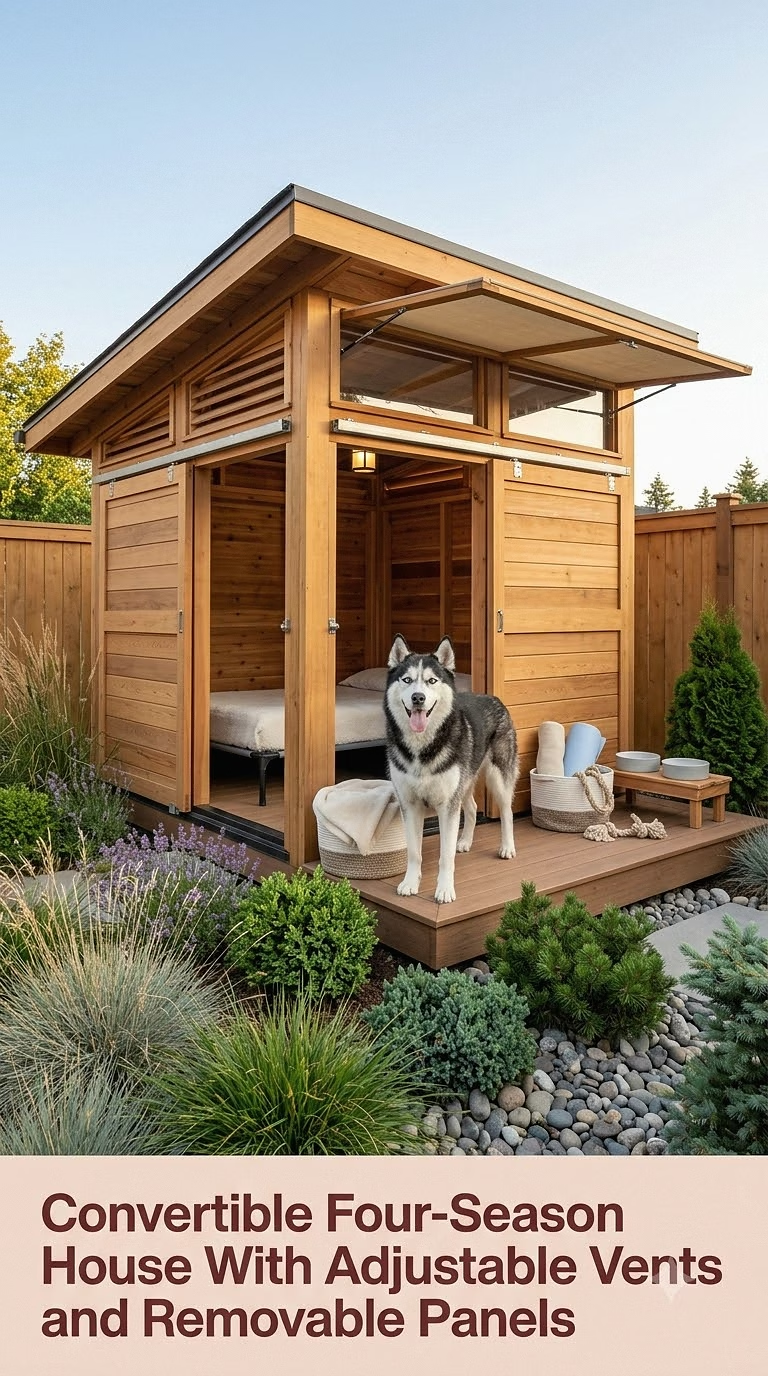
A convertible house suits regions with cold winters and hot summers. Build a solid inner sleeping chamber with removable insulated wall panels, closable upper vents, and a detachable front wind baffle. Add a wide outer roof and shaded deck that remain useful year-round.
Every seasonal component should lock firmly into place without leaving pinch points, exposed fasteners, chewable insulation, or gaps large enough for a paw. During cold weather, use the baffle and protected insulation while maintaining enough ventilation to control moisture. During warm weather, remove appropriate panels to increase crossflow and keep the entire structure in shade. Label the pieces and store them dry so reassembly is simple. A temperature sensor can flag discomfort, but it never replaces checking the house and your dog. Your husky should always be free to leave the shelter and move to a safer indoor environment.
Conclusion
The best husky house is not simply the largest or most heavily insulated option. It is a secure, dry, well-ventilated retreat designed around your individual dog, your local climate, and the way your family uses the yard. Features such as an elevated floor, protected vents, shaded outdoor lounging space, chew-resistant edges, and wide cleaning access often matter more than decorative details.
Choose a style that complements your home, then build the practical layers first. Watch where sunlight falls, check how water drains, inspect for digging or chewing, and adjust bedding and ventilation as the seasons change. Keep the shelter close to family life, with plenty of exercise, interaction, supervision, and indoor comfort when conditions are unsuitable.
Love these dog house for husky ideas? Pin this Pinterest post so you can return to your favorite design when you are ready to build.
Source: https://petstutorial.com
Category: Dog Rooms
