
A dedicated dog corner can turn even the smallest unused space in your home into something wonderfully personal. It gives your dog a comfortable place to nap, retreat from household activity, enjoy a favorite toy, or simply stay close to the family without having beds, blankets, and accessories scattered across every room.
- 17 Dog Utility Room Ideas for a Stylish, Organized, Pet-Friendly Home
- 17 Dog Hallway Ideas That Make Small Spaces Stylish, Cozy, and Pet-Friendly
- 17 Painted Dog House Ideas That Turn a Simple Shelter Into a Backyard Showpiece
- 17 Big Dog House Ideas for Spacious, Stylish, and Weather-Ready Retreats
- 18 Beautiful Dog Entryway Ideas for a Stylish and Organized Home
The loveliest dog corners do more than look adorable in photos. They combine comfort, easy cleaning, safe materials, thoughtful storage, and a style that feels naturally connected to the rest of the home. A soft bed tucked under a staircase might suit a compact house, while a built-in cabinetry nook can become a beautiful feature in a modern mudroom. Even apartment dwellers can create a charming setup using one small corner, a washable rug, and a few carefully chosen accessories.
You are reading: 19 Dog Corner Ideas to Create a Cozy, Stylish Space Your Pup Will Love
Before designing your dog’s space, think about where your pup naturally chooses to rest. Many dogs enjoy staying near their people while still having a quiet place of their own. Avoid locations exposed to intense direct sunlight, uncomfortable drafts, excessive heat, or constant foot traffic. Choose a bed large enough for your dog to stretch out comfortably, prioritize washable fabrics and secure storage, and keep electrical cords, toxic plants, cleaning products, and small chewable decorations safely out of reach.
From dreamy cottage-inspired beds to clever apartment solutions and luxurious built-in retreats, these dog corner ideas prove that a practical pet space can also become one of the sweetest features in your home.
19 Cozy and Stylish Dog Corner Ideas for Every Type of Home
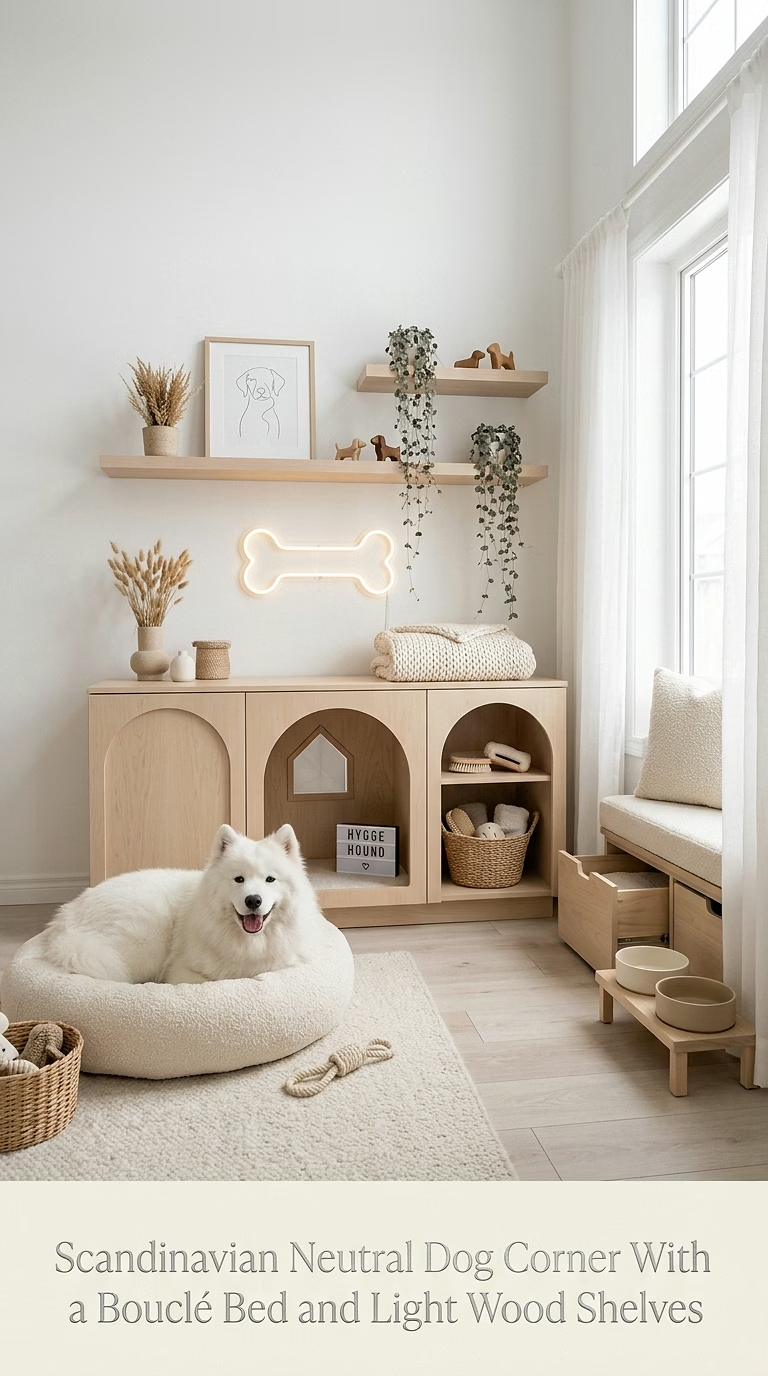
Create a calm Scandinavian-inspired retreat with a palette of creamy white, warm beige, pale oak, and soft gray. Start with a plush oval or rectangular dog bed in bouclé-style fabric, ideally with a removable washable cover. Place it against a quiet wall and add one or two floating light-wood shelves above it for decorative objects that remain safely out of your dog’s reach.
A small framed portrait of your pup, a simple ceramic name plaque, and a woven toy basket can give the corner personality without making it feel cluttered. Add a flat, non-slip washable rug underneath the bed if your flooring is slippery.
This design works especially well in minimalist living rooms, bedrooms, and apartments where you want pet furniture to blend gracefully with the existing decor. Keep accessories restrained and functional. One beautiful basket for toys usually looks more polished than several small containers.
For extra coziness, include a lightweight blanket that can easily be washed. Avoid placing the bed directly beside a radiator or in strong afternoon sunlight, especially if your dog has a thick coat or tends to overheat.
2. Built-In Under-the-Stairs Dog Nook With Soft Lighting and Custom Storage
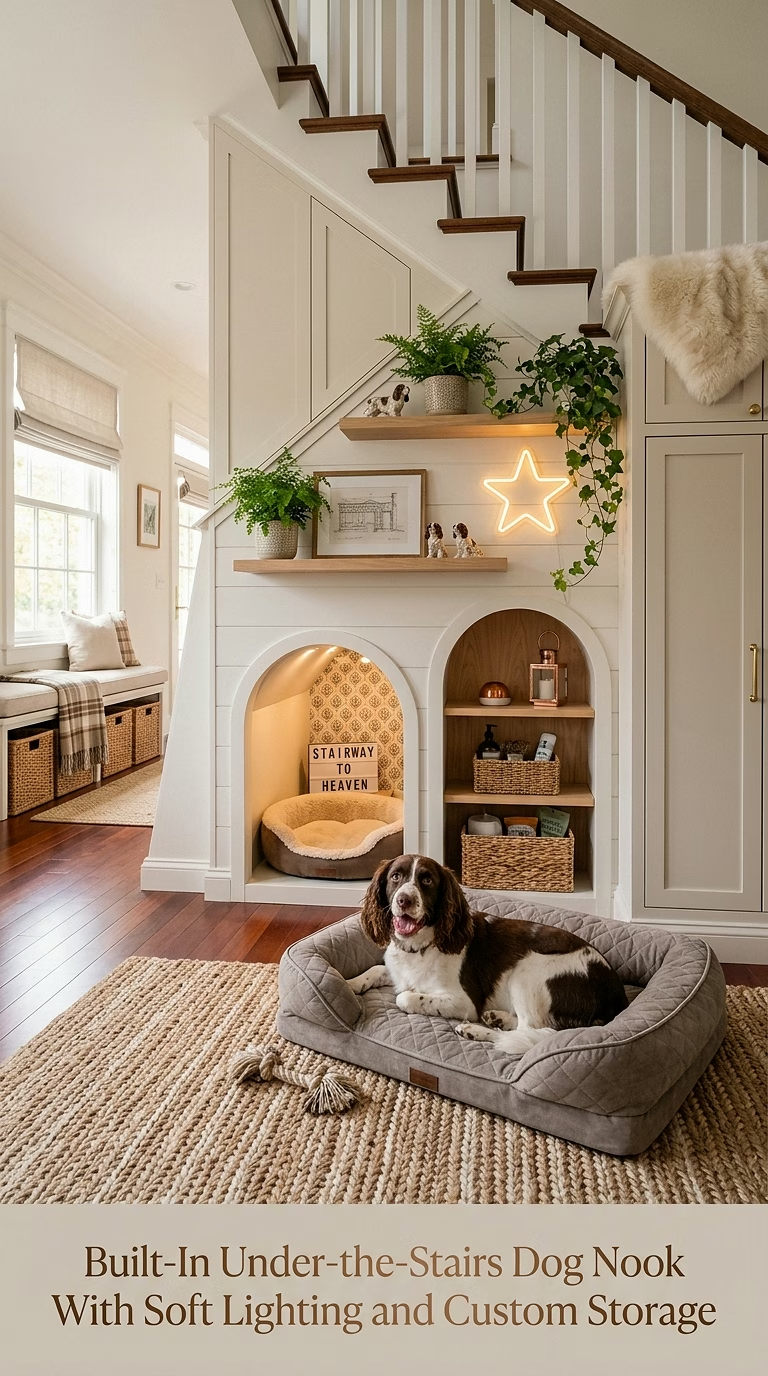
The awkward space beneath a staircase can become one of the most charming dog corners in the entire house. Create an open alcove large enough for your dog to enter, turn around, sit, and lie down comfortably. Line the base with a supportive washable cushion and paint the interior in a warm neutral such as mushroom beige, sage green, or muted blue.
For a polished built-in appearance, frame the opening with painted trim that matches nearby cabinetry or walls. Small drawers or cabinets beside the nook can store leashes, grooming tools, waste bags, spare blankets, and toys.
Soft lighting can make the space feel magical, but safety should come first. Any lighting should be professionally installed or completely inaccessible to chewing. Avoid loose electrical cables and hot bulbs inside the nook.
This idea is particularly attractive for family homes because it makes use of otherwise wasted floor space while giving your dog a retreat that still feels connected to everyday household life. Keep the opening unobstructed so your pup can enter and leave freely whenever the space is being used as a resting area.
3. Sunny Window Dog Corner With a Low Bed and Soft Linen Curtains
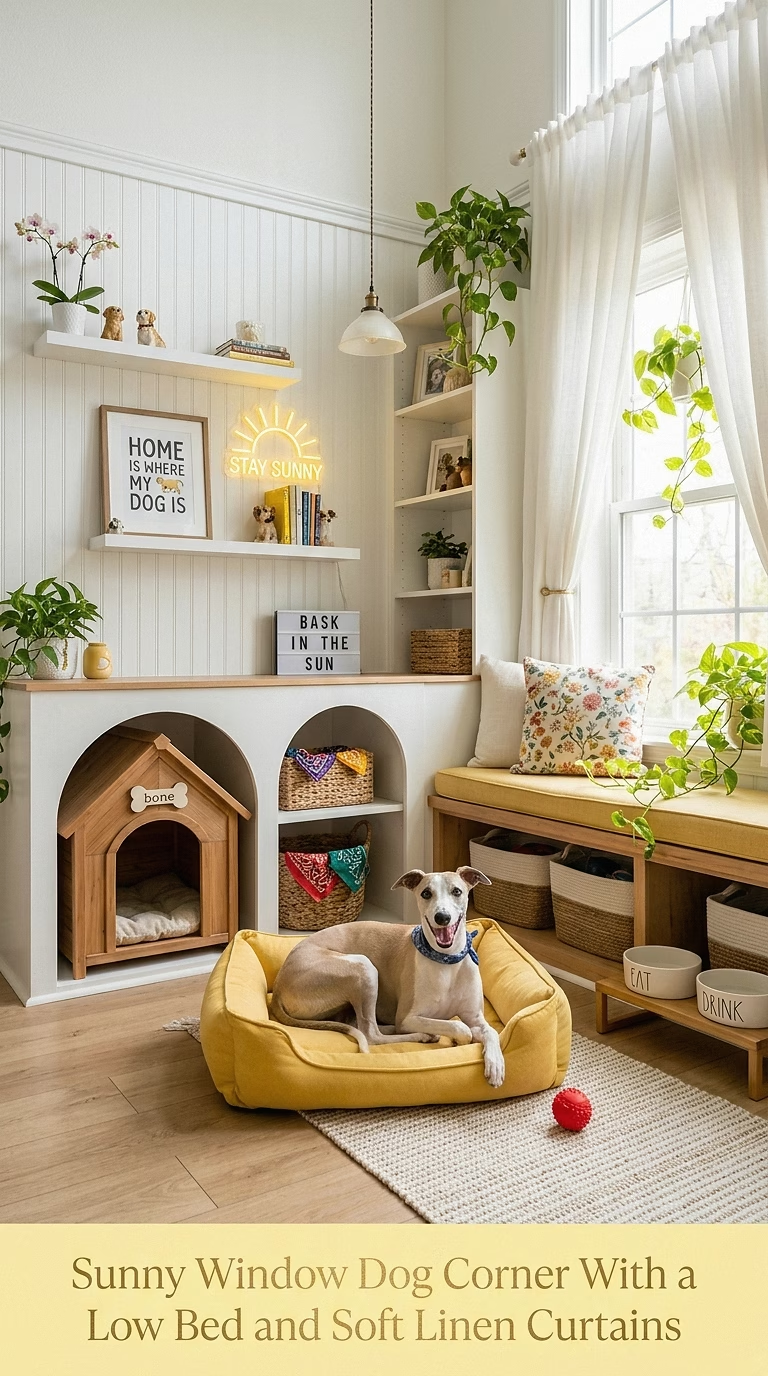
For a dog that loves watching the world go by, create a peaceful window corner with a comfortable low-profile bed positioned beside a secure window. Choose natural textures such as linen, cotton, light wood, and woven baskets to give the area an airy, relaxed feeling.
A cushioned bed in warm oatmeal, dusty blue, soft sage, or muted rose can make the corner feel intentional rather than simply practical. Add a toy basket on one side and a small personalized print above the bed to finish the look.
Pay attention to temperature throughout the day. A sunny corner that feels lovely in the morning may become uncomfortably hot during the afternoon. Use curtains, blinds, or shades to control strong sunlight and make sure the space remains well ventilated.
For senior dogs or dogs with limited mobility, keep the bed directly on the floor rather than creating an elevated window seat that requires jumping. A non-slip rug can provide better footing when getting up and lying down.
This setup works beautifully in bedrooms, living rooms, home offices, and sunrooms where your dog enjoys staying close while you relax or work.
4. Boho Dog Corner With a Rattan Bed, Macramé Details, and Earthy Textures
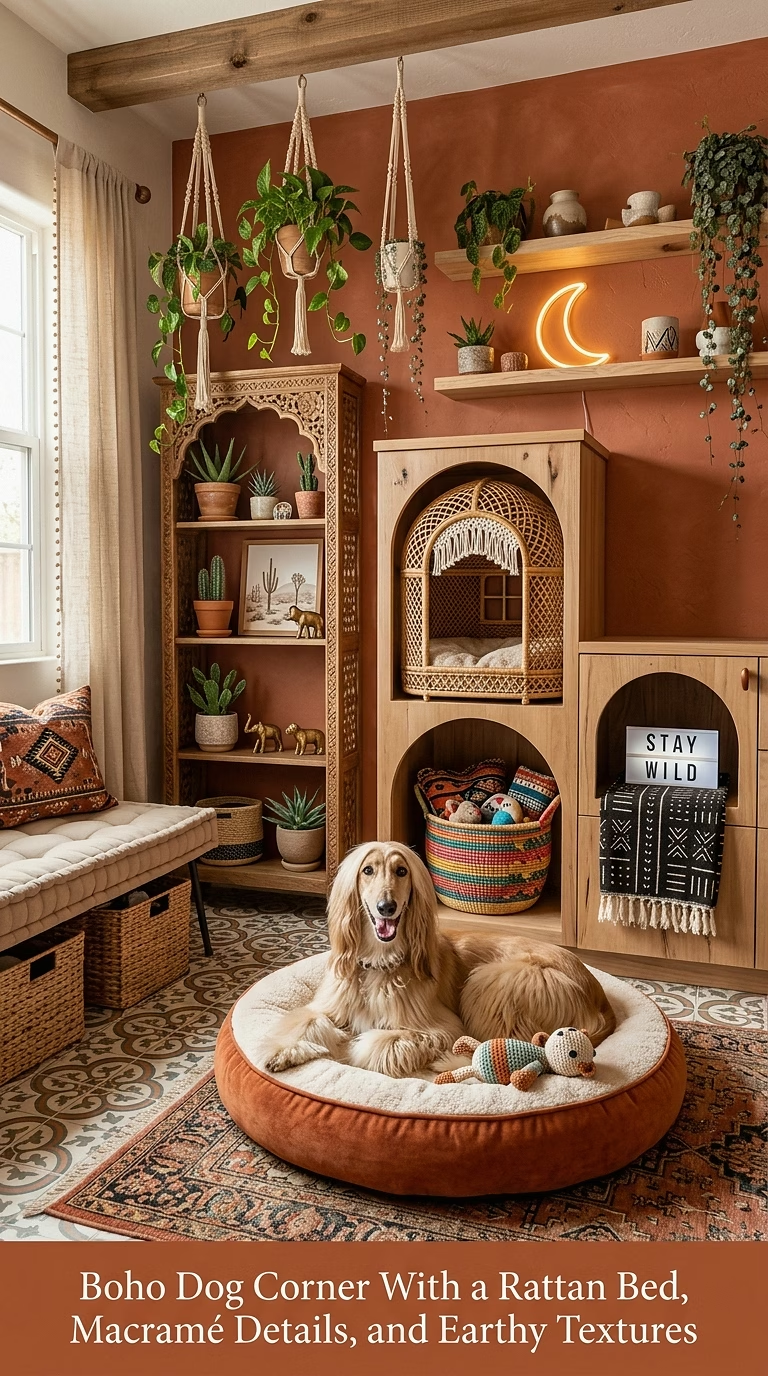
A boho dog corner can feel warm, artistic, and relaxed without requiring a large budget. Begin with a low rattan-style dog bed or a simple upholstered bed surrounded by natural textures. Layer the space with terracotta, cream, camel, muted mustard, and dusty peach for a cozy earthy palette.
Add a washable patterned rug with a low pile, a woven basket for toys, and wall decor such as a small macramé piece positioned safely beyond chewing reach. Decorative cushions can look beautiful for photography, but only use them if your dog does not destroy or swallow stuffing.
For greenery, choose plants confirmed to be non-toxic to dogs and consider placing them on high shelves if your pup enjoys digging or chewing leaves. Never assume a popular houseplant is automatically pet-safe.
This style is especially effective in a bedroom corner, bohemian living room, or cozy studio apartment. The secret is to avoid overdecorating. Give your dog enough clear space to move comfortably while choosing two or three statement textures that make the nook visually memorable.
5. English Cottage Dog Corner With Floral Fabrics and Vintage Wood Accents
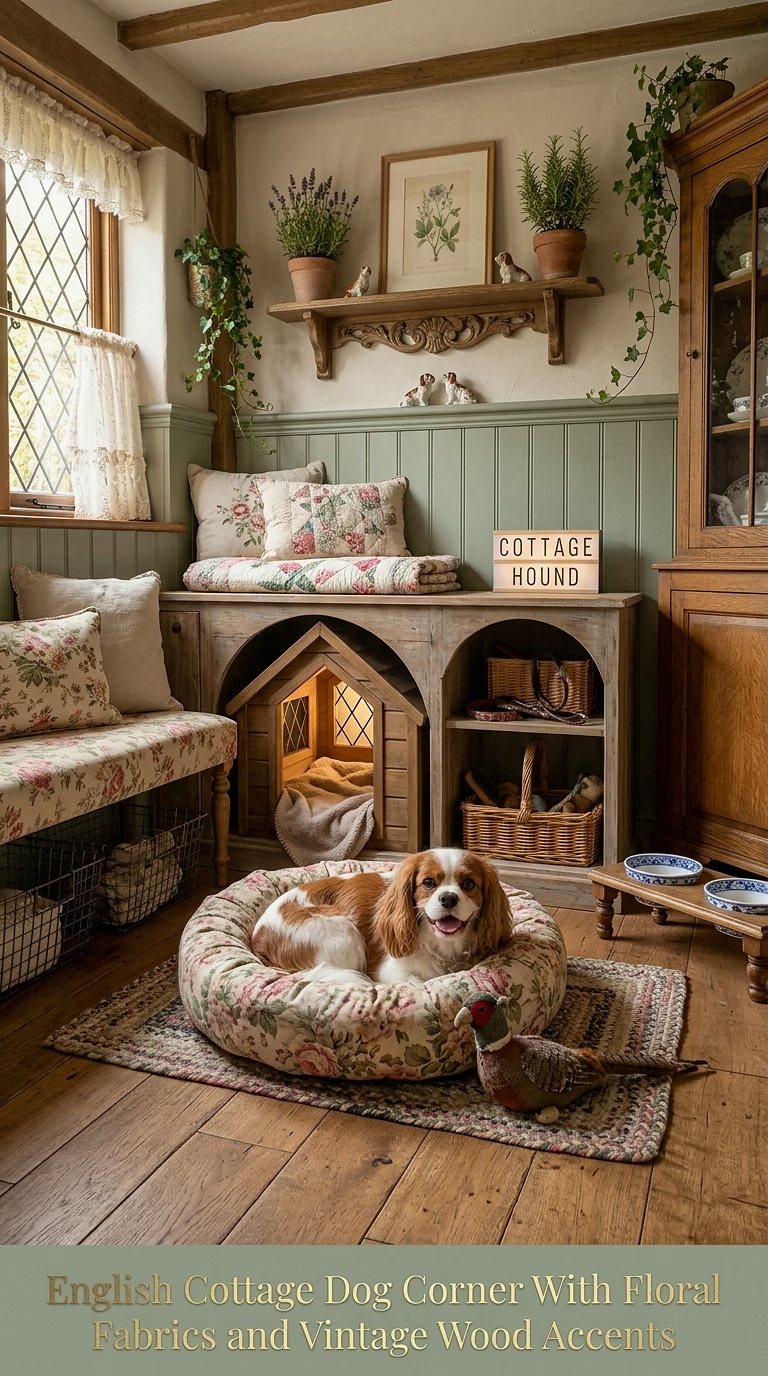
Create a storybook-inspired retreat using tiny floral prints, painted wood, antique-style details, and soft traditional colors. A cushioned dog bed with a removable floral cover can become the focal point, especially when surrounded by sage green, dusty rose, faded blue, or warm ivory.
Place the bed beneath a small gallery wall featuring framed dog illustrations, countryside landscapes, or a tasteful portrait of your own pup. An old wooden crate can be cleaned, sanded, and repurposed as open toy storage, provided there are no splinters, protruding nails, or unsafe finishes.
A small gingham or striped blanket adds another layer of cottage charm. For practicality, choose machine-washable fabrics and avoid heavily fringed textiles if your dog tends to chew loose fibers.
This idea is lovely for cottages and traditional homes, but it can also introduce warmth into a modern space. A single vintage-style bed, one floral textile, and a wooden basket may be enough to create the aesthetic without making your room look overly themed.
6. Modern Mudroom Dog Corner With Built-In Bench Storage and Leash Hooks
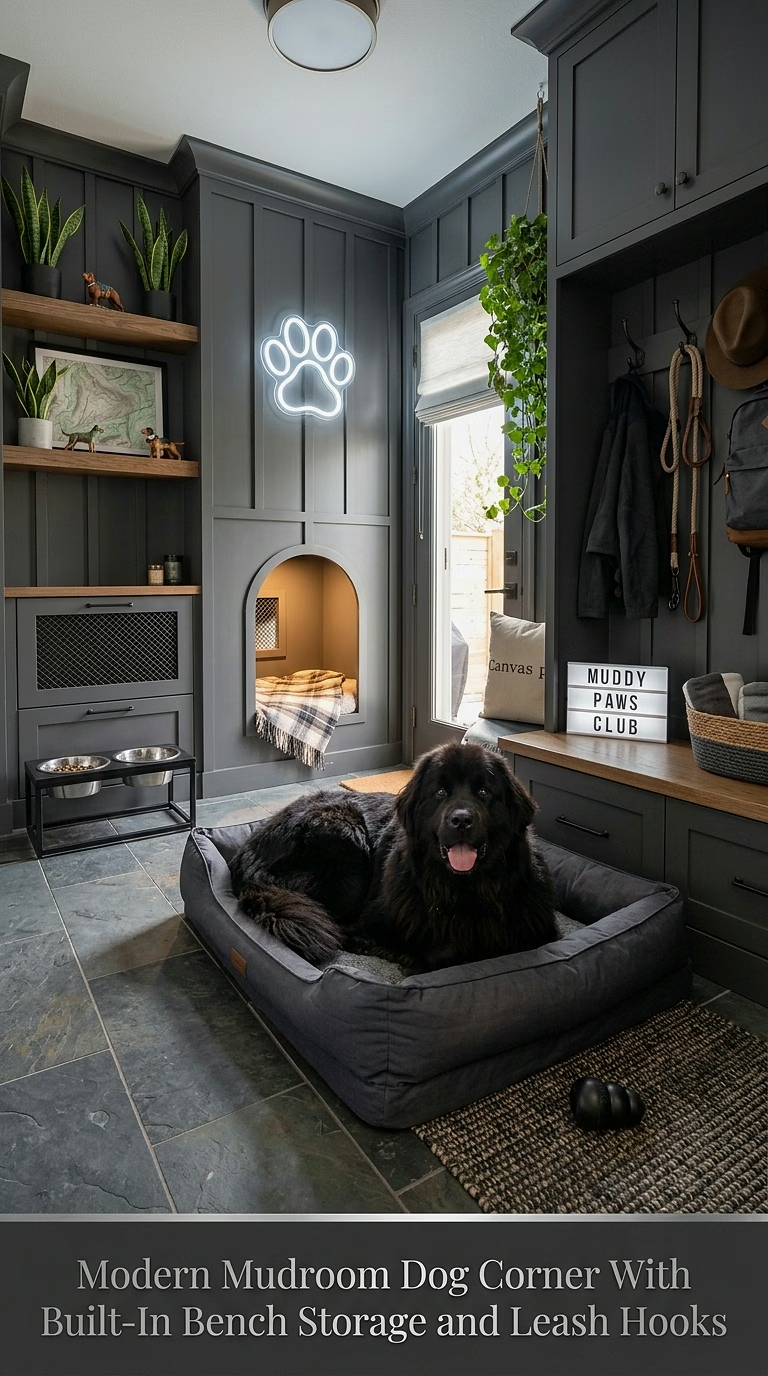
A mudroom is one of the most practical places for a dog corner, particularly for active dogs that frequently return home with wet paws, muddy coats, and outdoor gear. Design the area with easy-to-clean flooring, washable bedding, accessible storage, and a clear spot for leads and harnesses.
A built-in bench can incorporate a dog bed underneath while drawers or cabinets above hold towels, grooming tools, treats, and walking essentials. Install sturdy hooks at adult height for leashes so dangling straps do not become tempting chew toys.
Choose durable materials such as sealed tile, properly finished cabinetry, and washable rugs with non-slip backing. A darker floor or subtle pattern can also make everyday marks less noticeable.
For a Pinterest-worthy finish, coordinate the dog’s bed with the room’s cabinetry. Deep green cupboards paired with tan leather details feel sophisticated, while pale blue cabinetry and woven baskets create a softer cottage look.
Make sure your dog still has enough space to lie down comfortably away from swinging doors and busy pathways.
7. Repurposed Bookcase Dog Nook With a Bed Below and Toy Storage Above
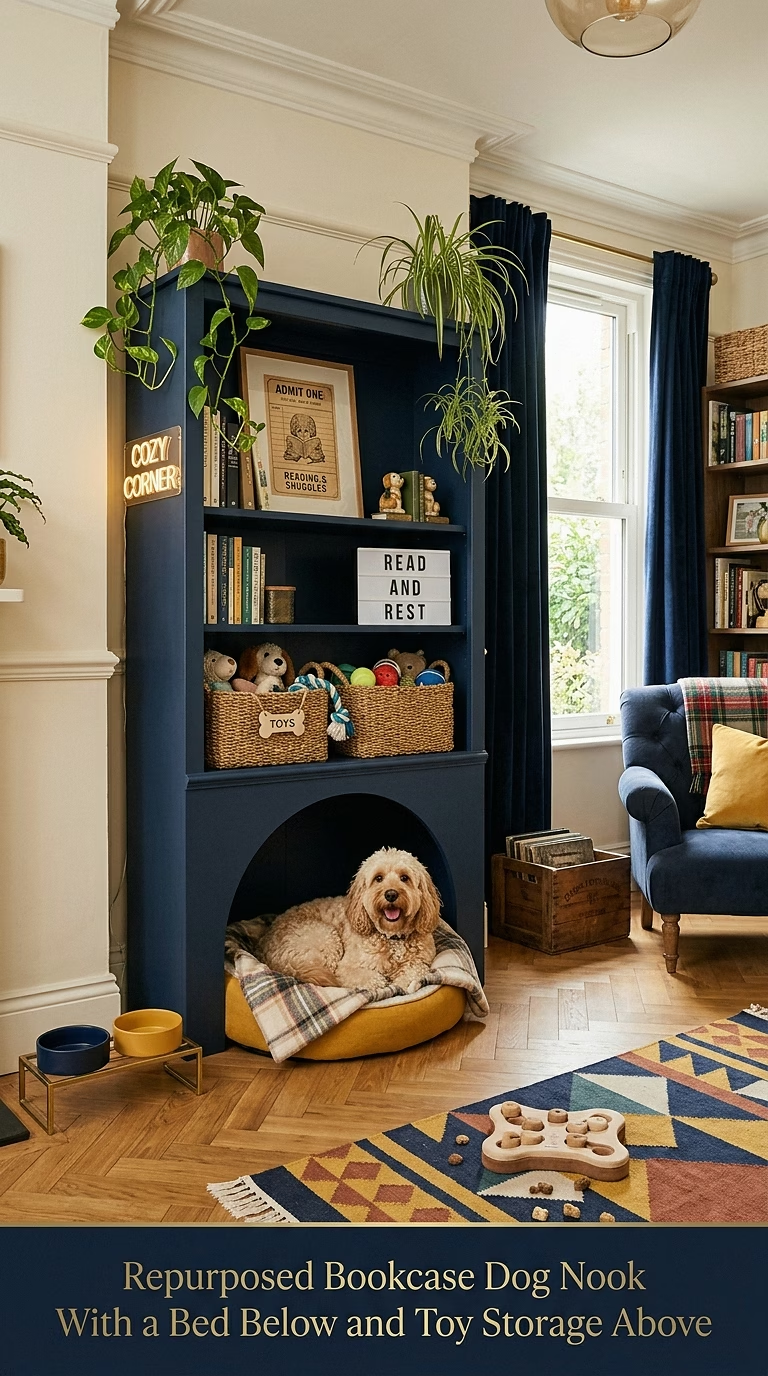
An old bookcase can become an affordable multifunctional dog corner with a little creativity. Remove the lowest shelves to create an open sleeping nook and place a custom-sized washable cushion inside. Use the upper shelves for organized storage, keeping treats, medications, grooming products, and small accessories securely out of your dog’s reach.
Paint the bookcase to coordinate with your room. Soft sage, dusty blue, warm white, or natural wood can create a charming furniture-style appearance. For a more playful look, paint the interior of the sleeping compartment in a contrasting shade.
Add a labeled toy basket beside the bookcase or attach hooks to the exterior for frequently used accessories, provided they cannot be chewed or pulled down.
Read more : 17 Mudroom Dog Room Ideas for a Cleaner, Cozier, More Organized Home
Before beginning this DIY project, make sure the furniture is structurally sound and firmly anchored to prevent tipping. Sand rough edges, avoid unsafe paints or finishes, and ensure the opening is large enough for unrestricted movement.
This is an excellent option for renters, budget-conscious decorators, and small-home owners who need one piece of furniture to perform several jobs.
8. Converted Closet Dog Corner With Wallpaper and a Personalized Name Sign
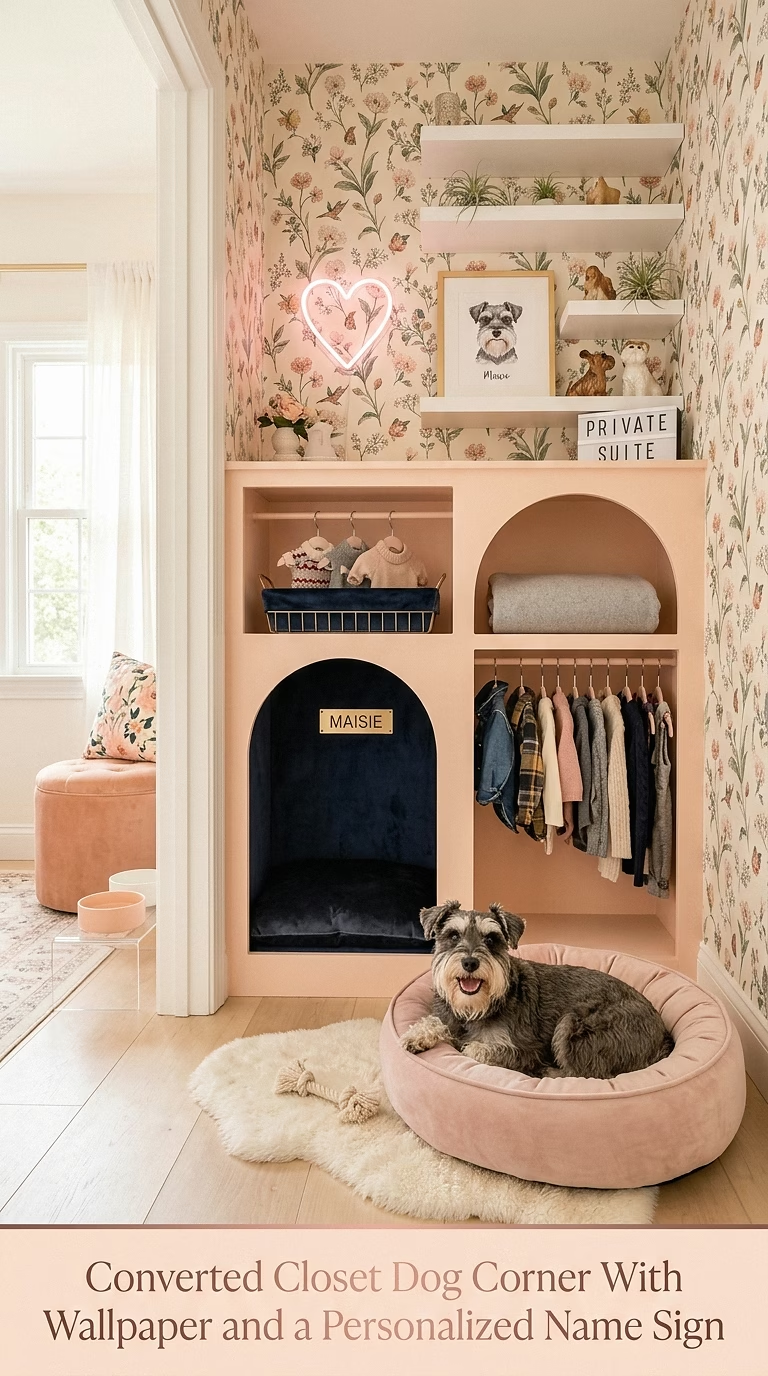
A rarely used closet can become an adorable miniature room for your dog. Remove the door entirely or keep it permanently secured open, then transform the interior with washable paint or charming wallpaper.
Create a focal wall using delicate florals, tiny paw prints, subtle stripes, or a sophisticated botanical pattern. Place a properly sized dog bed on the floor and add a personalized wooden name sign above it. Built-in shelves can hold neatly arranged toys and supplies, but keep chewable or potentially hazardous objects inaccessible.
Ventilation is essential. Never turn a poorly ventilated enclosed closet into a confined space for a dog, particularly in warm conditions. The dog should also be free to enter and leave a resting nook rather than being unexpectedly shut inside.
A small rechargeable light may help illuminate the space for decorative purposes, but avoid loose cords or accessible batteries.
This design is ideal for bedrooms, hallways, or home offices and can become exceptionally photogenic without occupying additional floor space.
9. Minimalist Apartment Dog Corner With Vertical Wall Storage
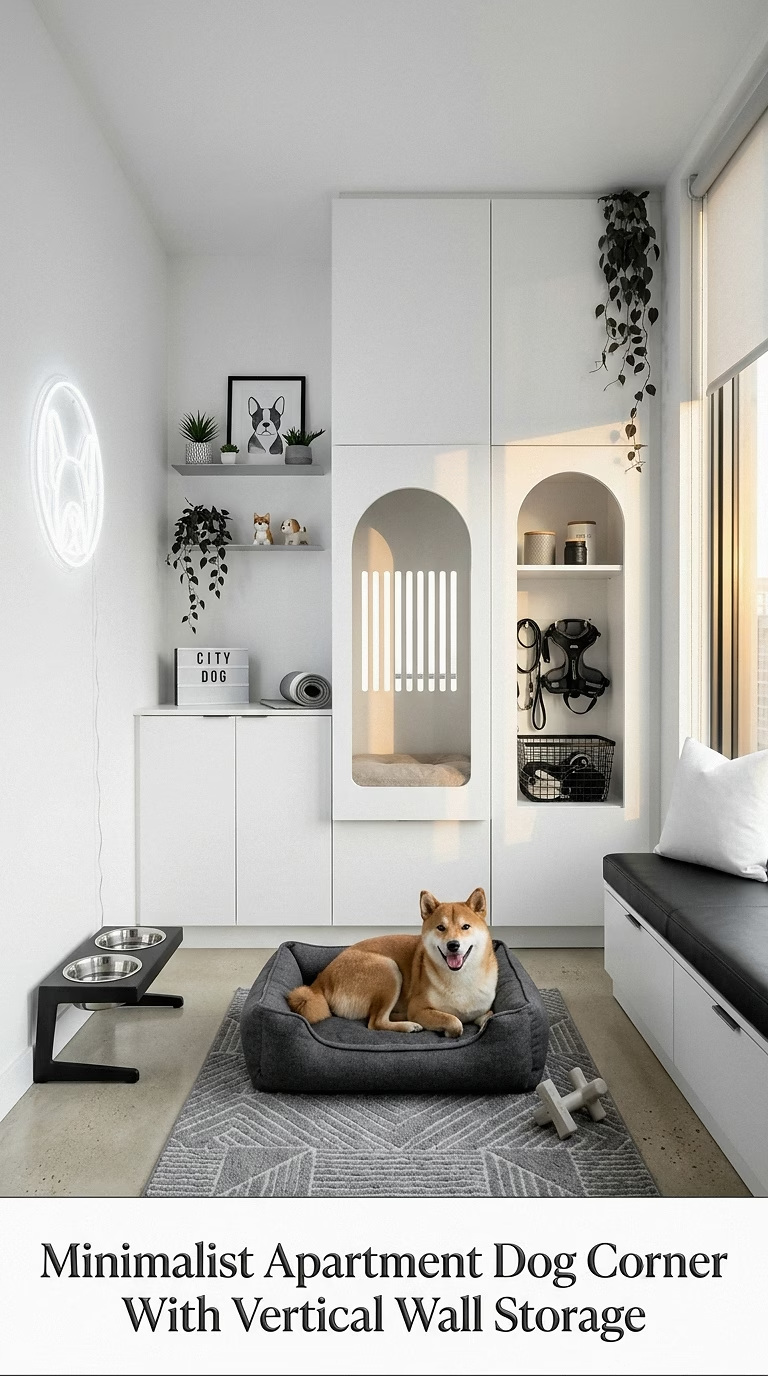
Living in a small apartment does not mean sacrificing style or giving up precious floor area. Create a compact dog corner by using vertical wall space while keeping the ground-level setup beautifully simple.
Start with one supportive bed sized appropriately for your dog. Above it, install a narrow floating shelf or wall-mounted cabinet for spare supplies. Add a peg rail for lightweight accessories, but position leashes and harnesses where your dog cannot pull them down.
A slim woven basket can hold favorite toys without taking up much space. Choose a restrained color palette that matches the room, such as ivory and oak, charcoal and cream, or dusty rose and warm beige.
Avoid filling the corner with unnecessary decorations. In a compact home, visual calm often makes the area look more luxurious.
Place the nook away from heavily used doorways and narrow walkways where people might constantly step over the dog. Even a small corner can feel comfortable when your pup has sufficient room to stretch out and rest undisturbed.
10. Cozy Bedroom Dog Corner Beside the Bed With Matching Textiles
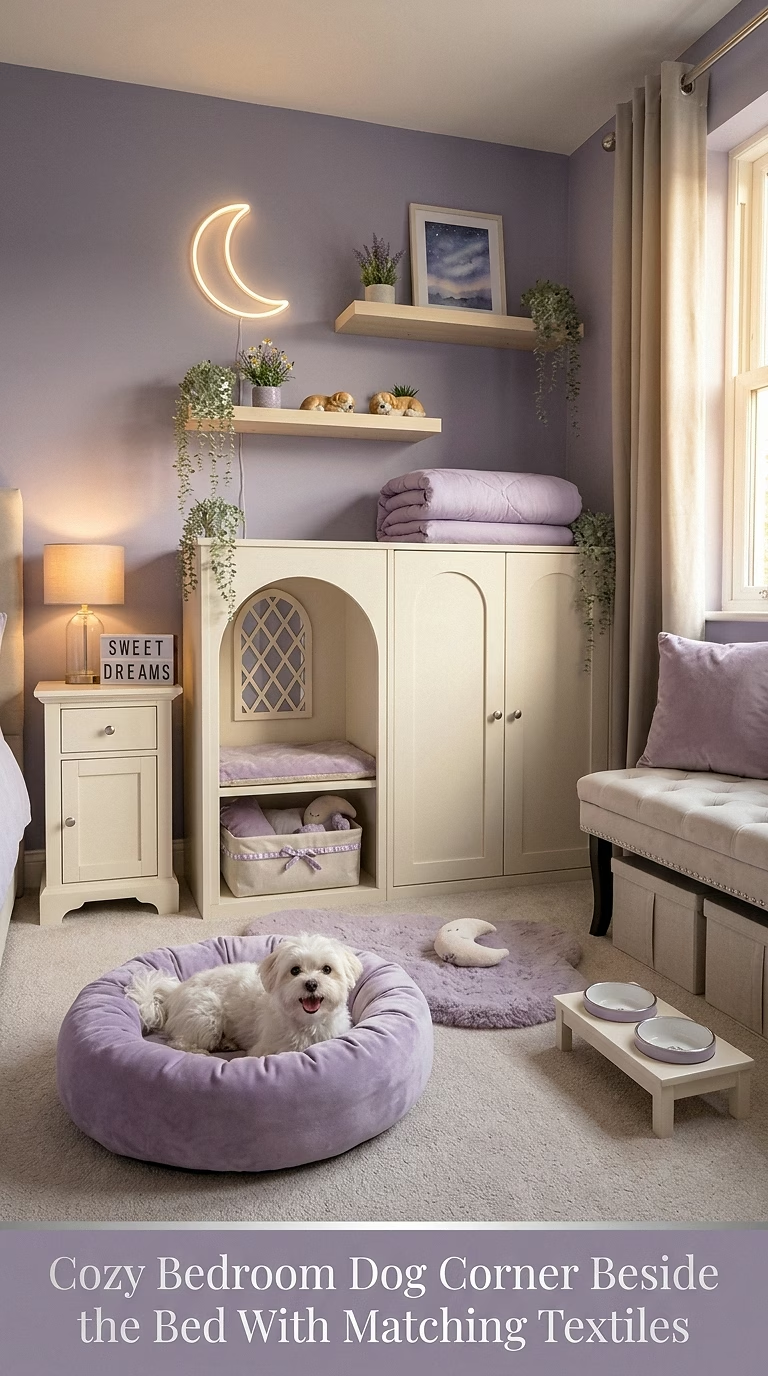
For dogs that love sleeping close to their humans, create a coordinated bedside retreat instead of leaving a random pet bed in the middle of the room. Choose a dog bed that complements your own bedding through color, texture, or fabric.
For example, pair an ivory upholstered dog bed with cream linen bedding, or use muted blue stripes that subtly echo your duvet or curtains. A small washable rug underneath can visually define the area and improve traction on smooth floors.
Keep the corner simple and restful. One cozy blanket, a favorite toy, and perhaps a small framed name sign are enough. Avoid strong lighting, dangling electrical cords, scented candles, or clutter around the bed.
For puppies adjusting to a new home, having a sleeping area near their owner may provide reassurance before the bed is gradually moved elsewhere, when desired. Older dogs may also appreciate staying close without having to jump onto a high human bed.
This is a particularly lovely solution for creating a coordinated, peaceful bedroom that still recognizes your dog as part of the family.
11. Furniture-Style Dog Crate Corner With a Wooden Cabinet Surround
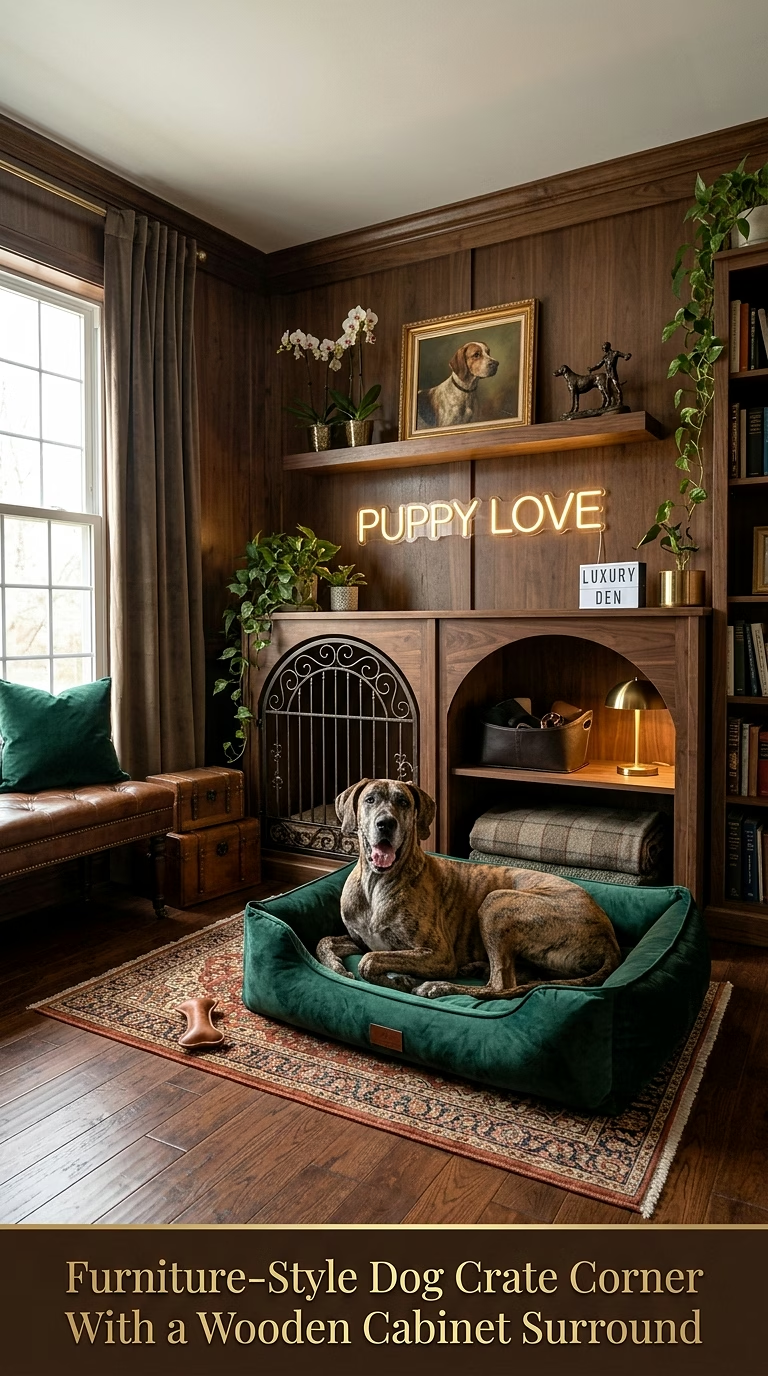
A dog crate does not have to look like a temporary metal structure placed awkwardly against a wall. A well-designed furniture-style surround can help it blend into a living room, bedroom, or home office while still providing a comfortable space for a crate-trained dog.
Choose a structure with excellent ventilation and enough interior room for your dog to stand, turn around, lie down, and rest comfortably. Add a washable crate mat and, when suitable for your individual dog, a safe favorite toy.
Decorate the top as you would a console table, using framed artwork or a simple lamp while keeping objects safely away from curious noses and wagging tails. Never compromise airflow simply to make the crate look prettier.
Most importantly, a crate should be introduced positively and should not become a punishment area. Some dogs enjoy crates as quiet retreats, while others have different comfort needs.
For a cohesive Pinterest-inspired look, match the crate surround to nearby furniture using white oak, walnut, matte black, or painted cabinetry.
12. Pretty Entryway Dog Corner With a Storage Basket and Walking Station
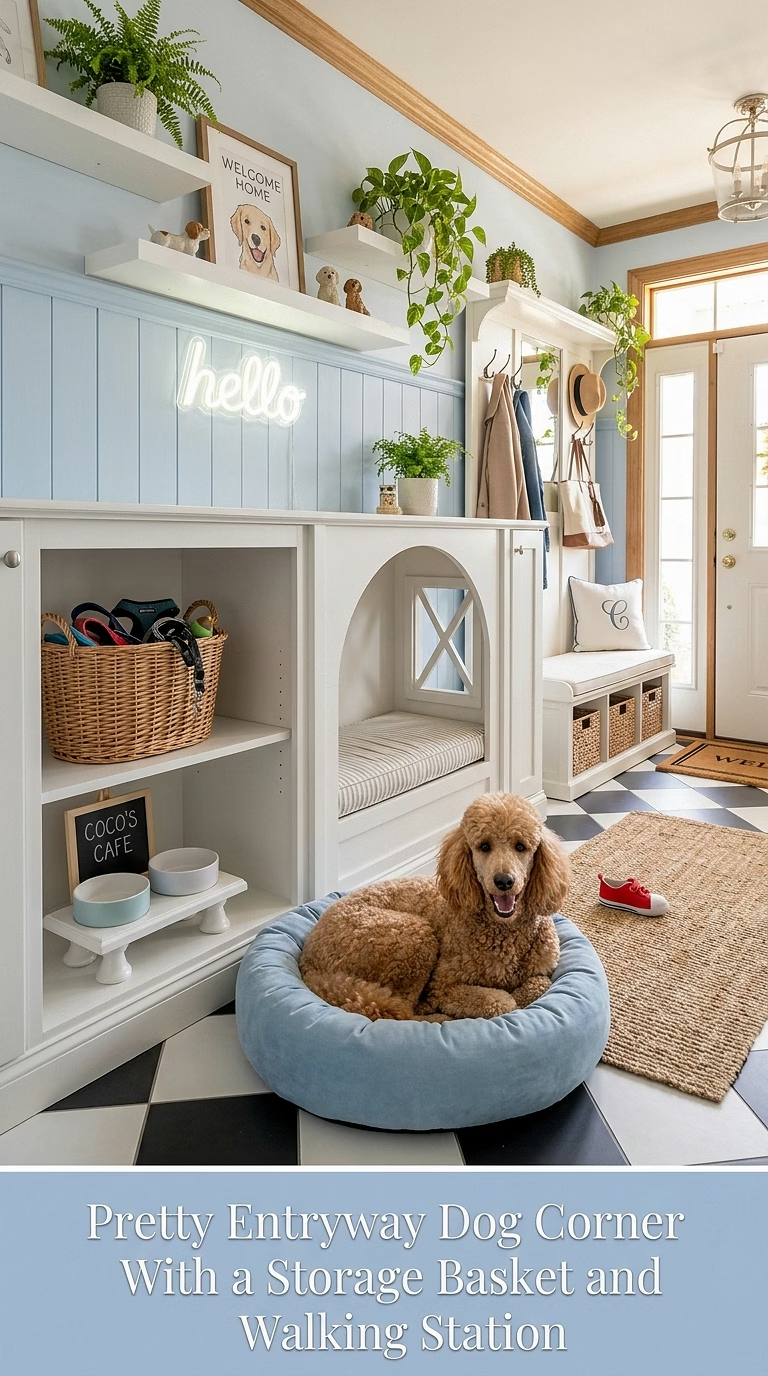
Turn a small section of your entryway into an organized dog corner that makes daily walks easier. Place a washable dog bed or compact bench-style cushion against the wall, then add attractive storage for outdoor essentials.
Use a wall rail with labeled hooks for leads and harnesses, a closed container for waste bags, and a basket for clean towels. A lidded cabinet is useful for treats or grooming products that need to stay safely away from your dog.
To create a stylish visual identity, coordinate the accessories. Natural wicker, black metal hooks, and sage green walls feel warm and modern, while white cabinetry with pale blue accents creates a fresh coastal look.
Because entryways experience considerable foot traffic, position the resting bed slightly away from the main pathway. Your dog should be able to relax without being continually disturbed by opening doors, shoes, packages, or visitors.
Choose an easy-to-clean rug with good traction, especially if wet paws frequently enter through the door.
13. Washable Tiled Dog Feeding Corner With Custom Bowl Storage
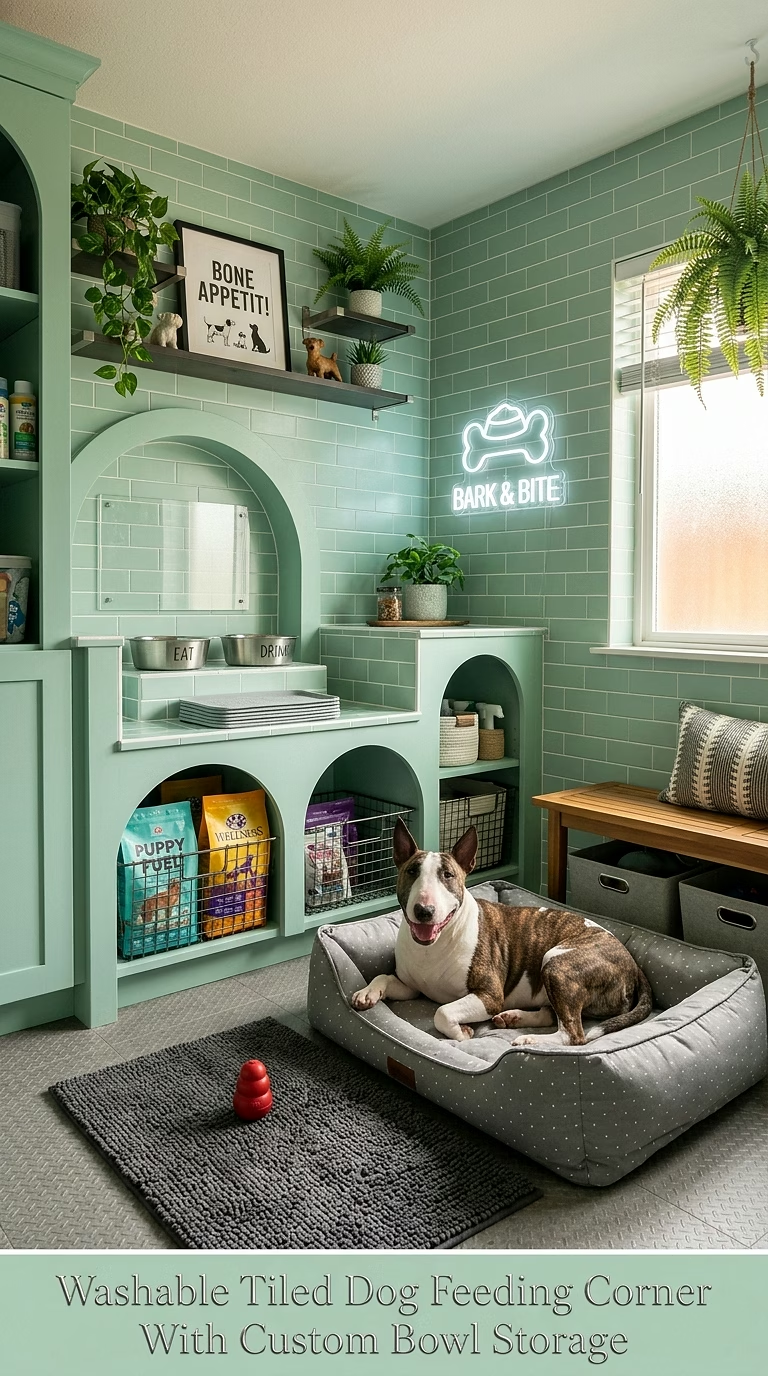
For dogs that tend to splash water or scatter food, create a dedicated feeding corner using practical, water-resistant surfaces. A small section of ceramic or porcelain tile behind and beneath the bowls can simplify cleanup while becoming a beautiful design feature.
Consider classic subway tile, warm terracotta tones, soft sage squares, or a subtle checkerboard pattern. Place bowls on a stable non-slip mat and make sure they are appropriately sized for your dog.
Nearby closed cabinetry can hold food and treats securely. Avoid leaving large bags of food accessible to curious dogs, and keep cleaning products stored separately and out of reach.
A small framed print or personalized name plaque can make the station feel intentional. For maximum flexibility, avoid permanently installing bowls at an arbitrary height unless you have determined that the setup genuinely suits your individual dog’s needs.
This idea works especially well in kitchens, utility rooms, mudrooms, and laundry areas where durable flooring and convenient cleaning are already priorities.
14. DIY Wooden Pallet-Style Dog Corner With a Custom Washable Cushion
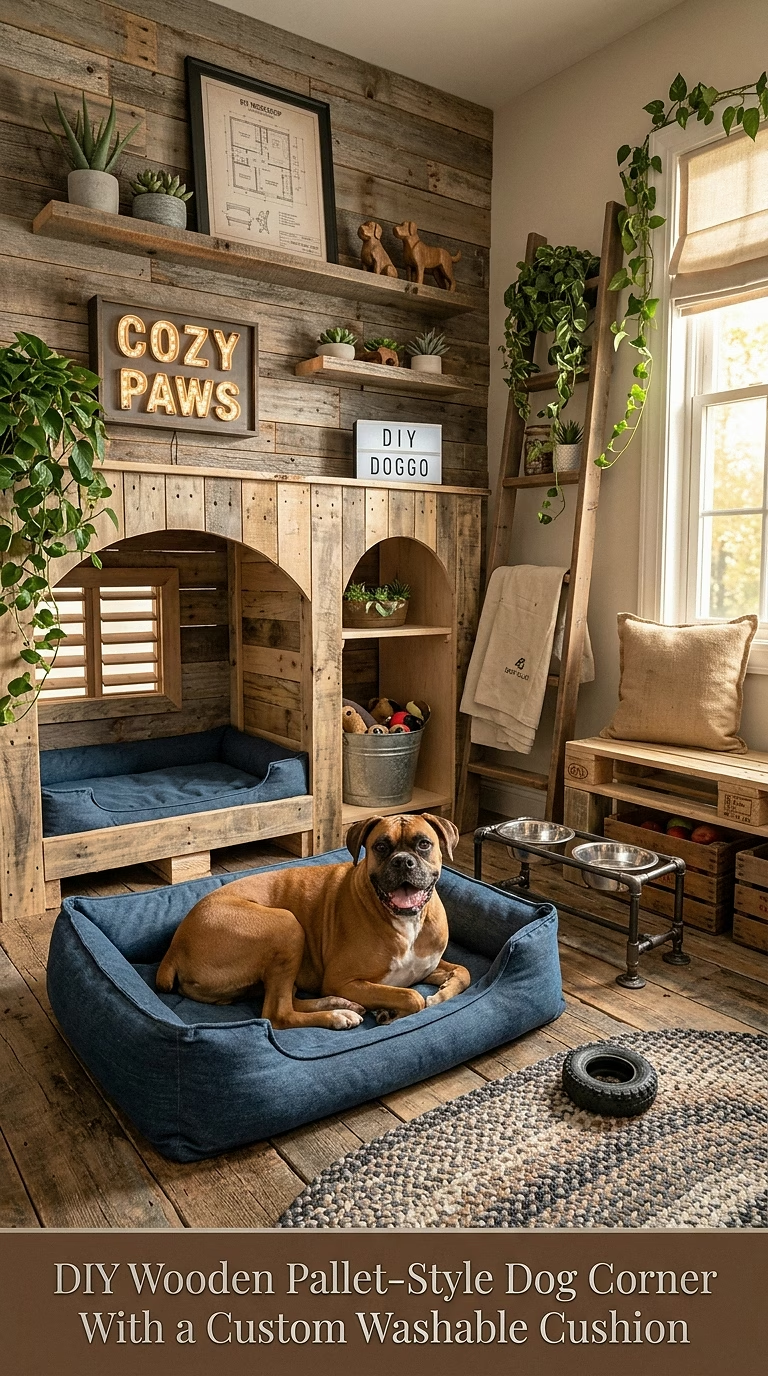
For an affordable handmade project, create a rustic dog bed inspired by wooden pallet furniture. Rather than simply giving your dog an untreated shipping pallet, build or repurpose the structure carefully so every surface is smooth, sturdy, clean, and free from protruding nails, staples, chemicals, or splinters.
Read more : 17 Dog Hallway Ideas That Make Small Spaces Stylish, Cozy, and Pet-Friendly
Paint or finish the wood in a style that suits your home, such as warm natural oak, soft white, sage green, or faded blue. Add a thick custom-sized cushion with a zippered washable cover.
The slightly raised frame can visually define the corner, while a low front edge makes access easier. For older dogs, puppies, or dogs with mobility difficulties, keep the bed very low or choose a completely floor-level design.
Complete the area with a simple basket for toys and one piece of wall art. The result can feel rustic and handcrafted without becoming cluttered.
This is a great weekend DIY idea for farmhouse, coastal, industrial, and casual family interiors.
15. Luxury Upholstered Dog Alcove With Wall Paneling and Brass Details
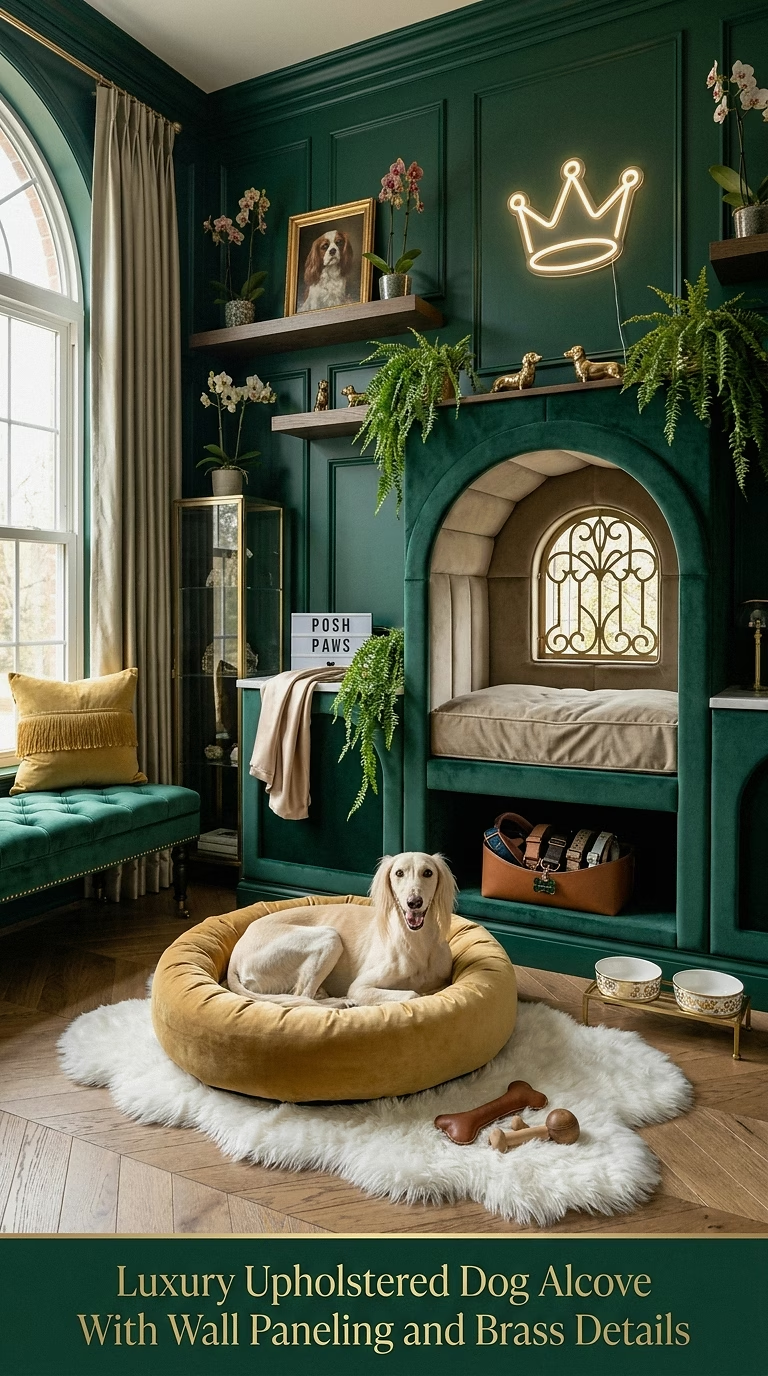
For a truly elevated dog corner, design a miniature upholstered alcove that feels like bespoke furniture. Frame the space with painted wall paneling, custom cabinetry, or an arched opening, then place a tailored cushion inside.
A palette of deep olive, navy, warm taupe, burgundy, or soft mushroom can create a luxurious atmosphere. Add subtle brass hardware to nearby drawers or cabinets for an elegant finishing detail.
The beauty of this concept comes from restraint. Instead of filling the nook with novelty dog decorations, let quality materials and architectural details create the visual impact.
Practicality still matters. Choose durable, washable upholstery and make sure decorative trim cannot be chewed or pulled loose. The interior should remain well ventilated and spacious enough for comfortable movement.
This idea works particularly well beneath cabinetry, in a living room alcove, or as part of a custom mudroom. It proves that dog-friendly design can feel sophisticated enough to belong in a carefully curated interior.
16. Soft Pink and Cream Dog Corner With Feminine Floral Details
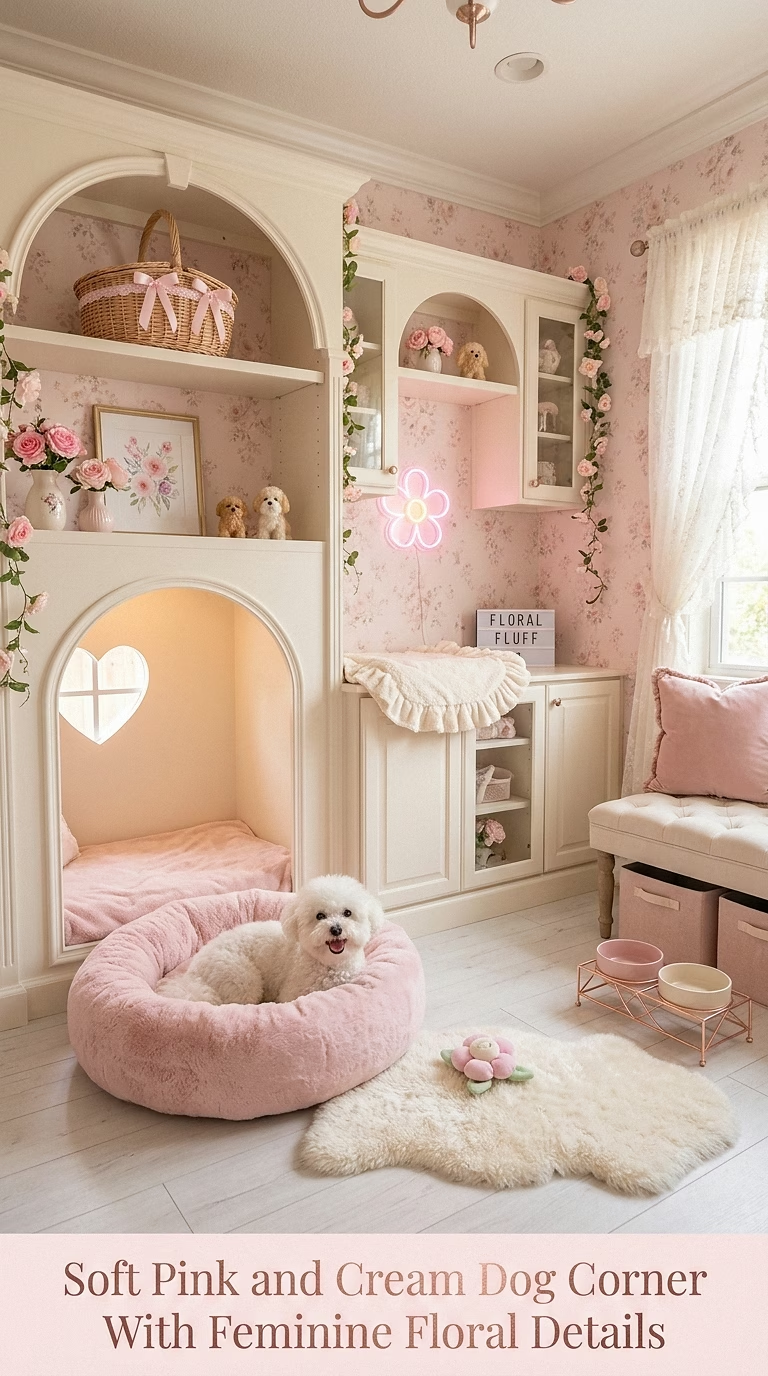
For a sweet, feminine space designed for both a beloved pup and a Pinterest-loving pet parent, combine blush pink, creamy white, dusty rose, and natural wood.
Choose a cushioned bed in soft pink or ivory, then add a floral or gingham washable blanket. A scalloped wall shelf, personalized name plaque, or delicate framed botanical artwork can give the area a playful boutique feeling.
Keep actual flowers and plants carefully selected. Some common decorative plants are toxic to dogs, so verify every species before bringing it into a pet-accessible area. Artificial floral decor can be an alternative, but it should still remain inaccessible if your dog likes chewing or swallowing non-food objects.
A small cream-colored basket can hold toys, while pale wooden flooring or a washable neutral rug keeps the palette calm.
This design is especially charming in bedrooms, dressing rooms, home offices, and feminine living spaces. It feels decorative and special without requiring expensive custom construction.
17. Senior Dog Comfort Corner With an Orthopedic Bed and Non-Slip Flooring
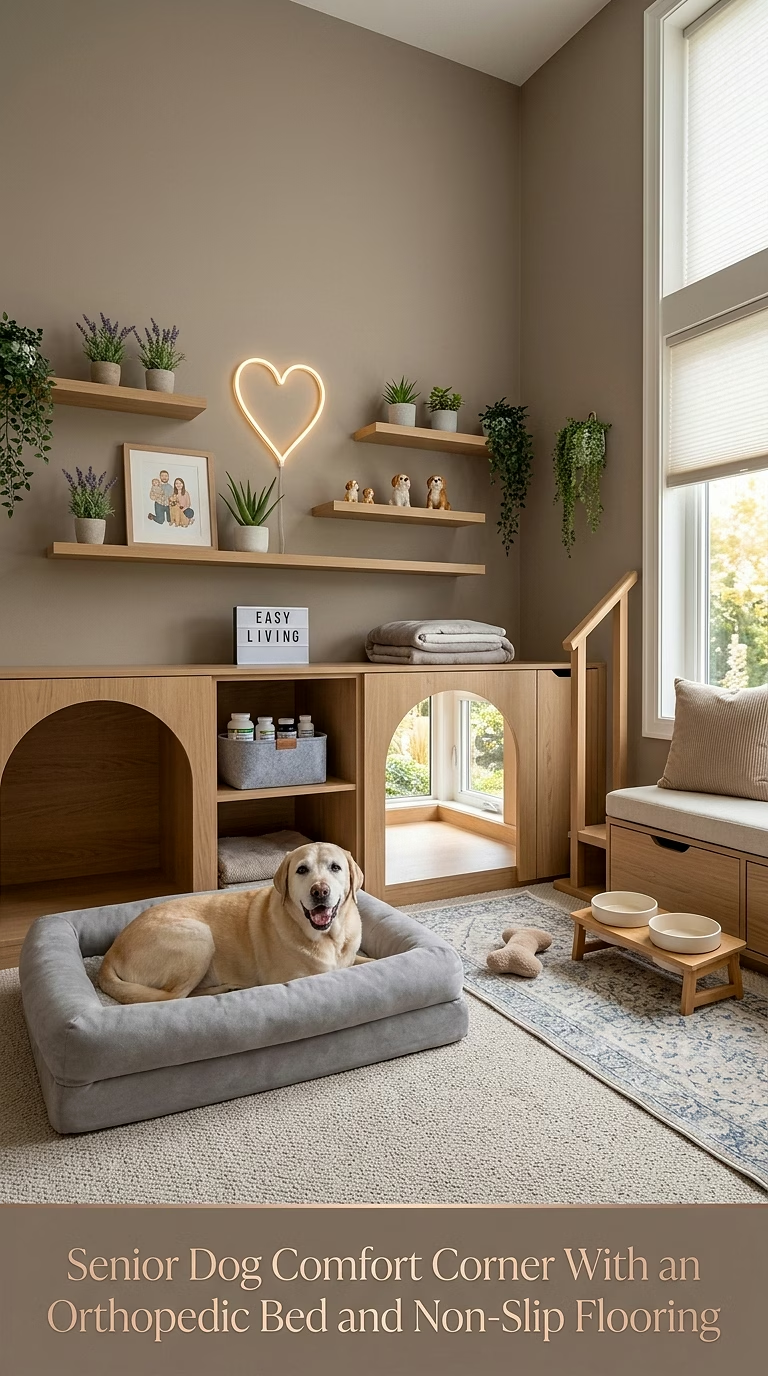
A senior dog’s corner should prioritize accessibility and support while still looking beautiful. Start with a generously sized supportive bed that is easy to step into without climbing over high sides. Depending on your dog’s individual health needs, an orthopedic-style mattress may provide additional comfort.
Place the bed on a stable non-slip surface. Smooth tile, laminate, and other slippery flooring can make standing and walking more difficult for some older dogs, so a secure washable rug or runner may provide helpful traction.
Keep food, water, and frequently needed items conveniently accessible, while maintaining enough clear floor space for easy movement. Avoid unstable furniture, sharp corners, and cluttered pathways.
Temperature also deserves attention. Senior dogs, short-coated breeds, and some smaller dogs may appreciate additional warmth, while others can overheat easily. Choose bedding according to your own dog’s needs rather than focusing only on appearance.
Use sophisticated colors such as warm taupe, dusty blue, oatmeal, or sage to make this highly practical space feel serene and intentional.
18. Puppy Corner With Washable Bedding, Toy Baskets, and a Soft Play Zone
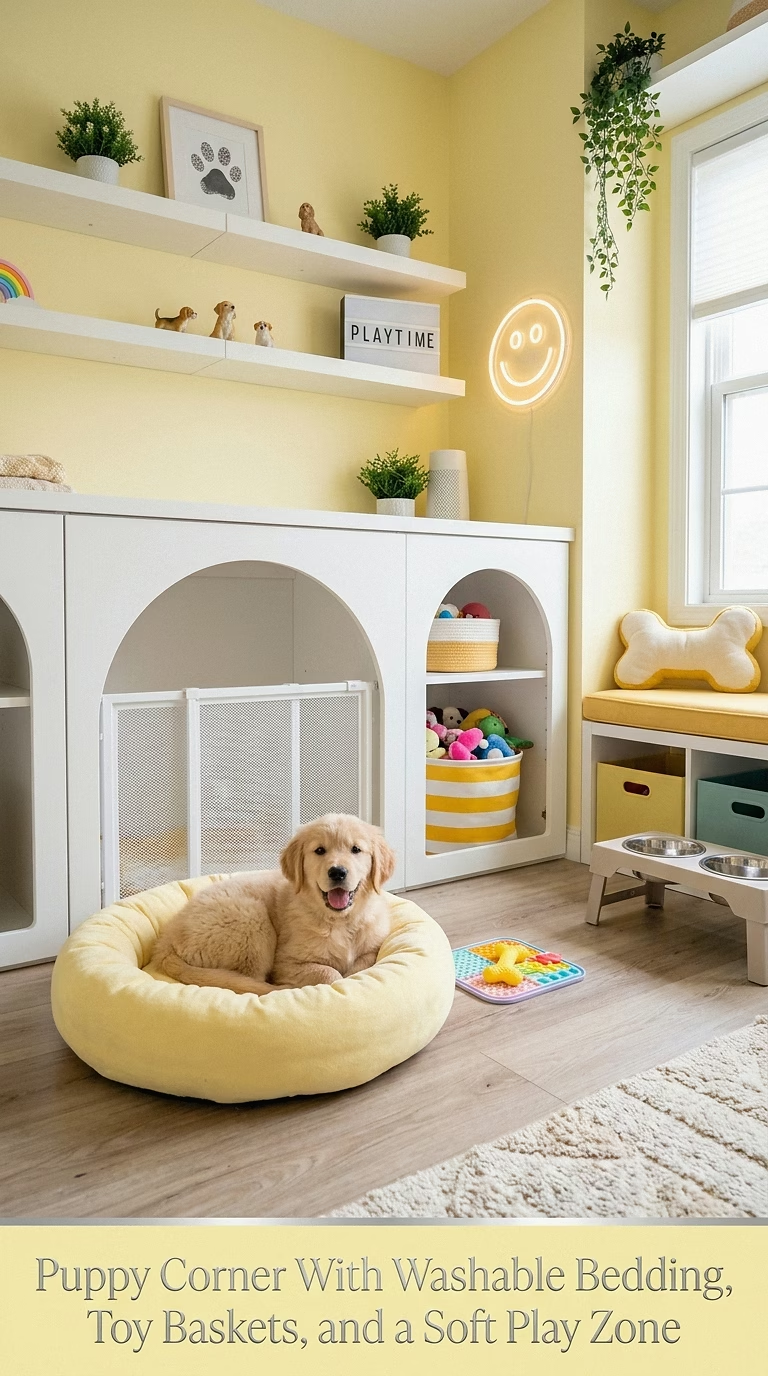
A puppy corner needs to survive accidents, enthusiastic chewing, scattered toys, and seemingly endless bursts of energy. Create a simple, flexible space that can evolve as your puppy grows.
Use washable bedding and an easy-to-clean floor surface. A non-slip mat or washable rug can help define the area, provided your puppy does not chew and swallow pieces of it. Keep only a carefully selected collection of appropriate toys accessible and rotate them rather than filling the corner with clutter.
Store spare bedding, training supplies, waste bags, and cleaning essentials in secure closed cabinets. Cleaning products should never be left where a curious puppy can reach them.
If you include a crate, introduce it gradually and positively. Make it a comfortable place rather than using it as punishment.
Choose cheerful colors such as muted mint, pale yellow, sky blue, or soft coral for a playful Pinterest look. A personalized name sign can complete the corner without occupying floor space.
19. Nature-Inspired Dog Corner With Sage Green Walls and Pet-Safe Plants
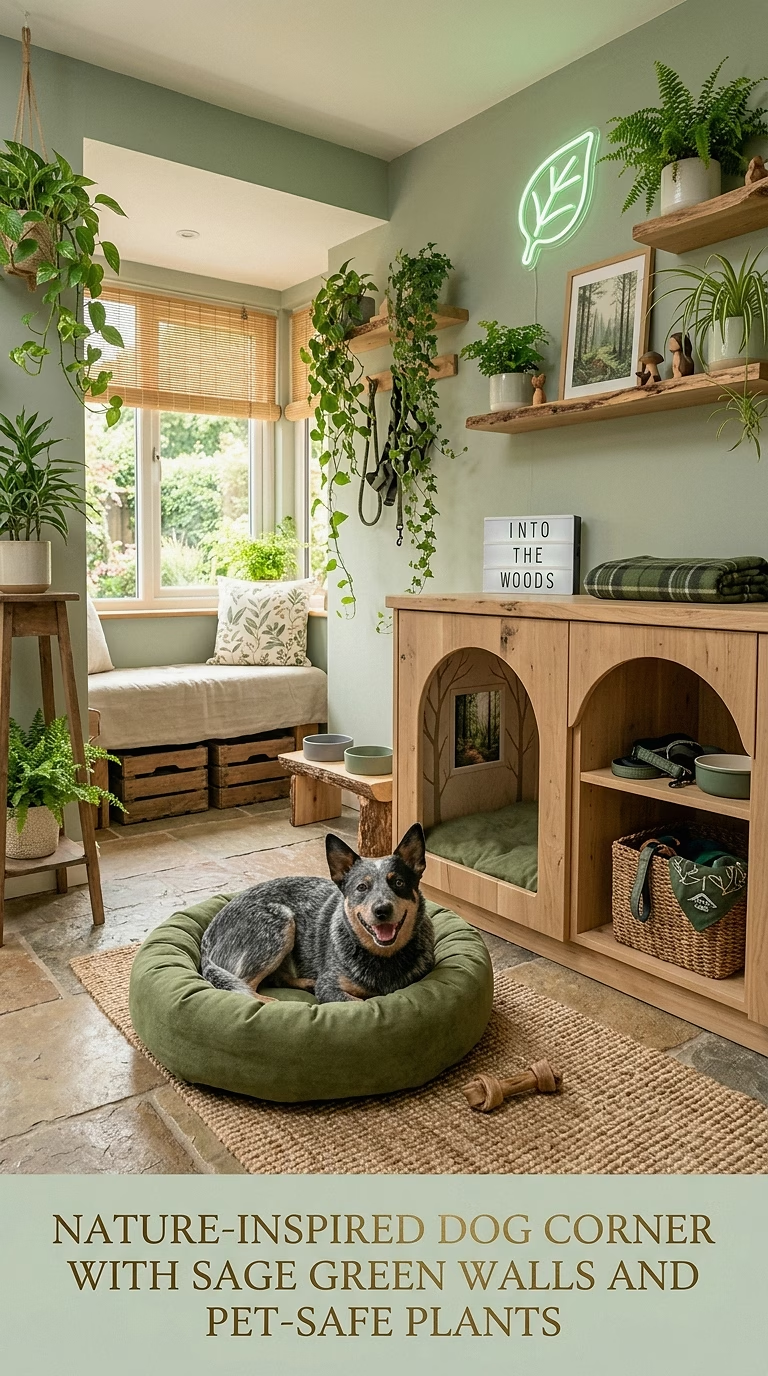
Bring a calm outdoor feeling indoors with a dog corner inspired by natural colors and organic textures. Paint the wall sage, muted olive, or soft eucalyptus green, then add a bed in cream, tan, or warm brown.
Use woven storage baskets, light wood accents, and a washable rug with a subtle botanical pattern. The result should feel earthy and restful rather than heavily themed.
Greenery can complete the look, but this is one area where appearance should never come before safety. Many familiar houseplants can be harmful to pets. Choose only plants confirmed to be non-toxic to dogs, and remember that even non-toxic plants may cause digestive discomfort if heavily chewed. Elevating plants can also help protect both the greenery and your curious pup.
Keep the resting area away from intense direct sunlight and cold drafts. Add a comfortable bed sized so your dog can naturally change positions and stretch out.
This calm, organic style works beautifully in living rooms, bedrooms, sunrooms, and quiet home-office corners.
Conclusion
The best dog corner is not necessarily the largest, most expensive, or most elaborate one. It is a space that genuinely suits your dog’s size, age, personality, sleeping habits, and everyday routine while fitting comfortably into the way you live.
A tiny apartment corner can feel just as special as a custom built-in alcove when it includes a comfortable bed, a quiet location, good traction, washable materials, and a few personal details. Likewise, an unused closet, awkward staircase space, old bookcase, bedroom corner, or section of the mudroom can become a beautiful retreat with thoughtful planning.
Start by observing where your dog already loves to rest. Then consider comfort, temperature, airflow, accessibility, cleaning, and safety before choosing colors or decorative accessories. Keep potentially harmful plants, electrical cords, medications, cleaning products, small objects, and tempting food securely out of reach.
Once those essentials are covered, have fun making the space feel like part of your home. Whether your style is Scandinavian, cottage, bohemian, minimalist, feminine, rustic, or luxurious, a thoughtfully designed dog corner can become a sweet reminder that beautiful interiors and happy pets absolutely belong together.
Source: https://petstutorial.com
Category: Dog Rooms
