
Sharing your home with several dogs means more wagging tails, more joyfully designed dog room can make everyday life feel much calmer while giving each dog a comfortable place to rest, eat, play, and retreat when they need a little personal space.
- 17 Dog Kitchen Ideas for a Stylish, Organized, Pet-Friendly Home
- 17 Big Dog House Ideas for Spacious, Stylish, and Weather-Ready Retreats
- 18 Dog Playroom Ideas for a Fun, Stylish, and Enriching Space
- 17 Beautiful Dog House Yard Ideas for a Cozy, Stylish Outdoor Retreat
- 18 Beautiful Dog Entryway Ideas for a Stylish and Organized Home
The best dog room ideas for multiple dogs balance togetherness with individuality. Your dogs may love curling up beside one another, but they can still benefit from separate beds, clearly defined feeding areas, quiet resting spots, and storage organized around their individual needs.
You are reading: 17 Dog Room Ideas for Multiple Dogs That Keep Every Pup Comfortable and Organized
Whether you have two tiny companions, a lively pack of rescue dogs, or several large breeds sharing your home, there are beautiful ways to create a space that feels practical without looking like a commercial kennel. From cozy cottage-style sleeping alcoves to modern crate walls and multifunctional laundry rooms, these ideas can help you design a dog room that feels just as welcoming as the rest of your home.
17 Dog Room Ideas for Multiple Dogs for a Beautiful, Calm, and Easy-to-Manage Space
1. Built-In Sleeping Alcoves With Individual Nameplates for Every Dog
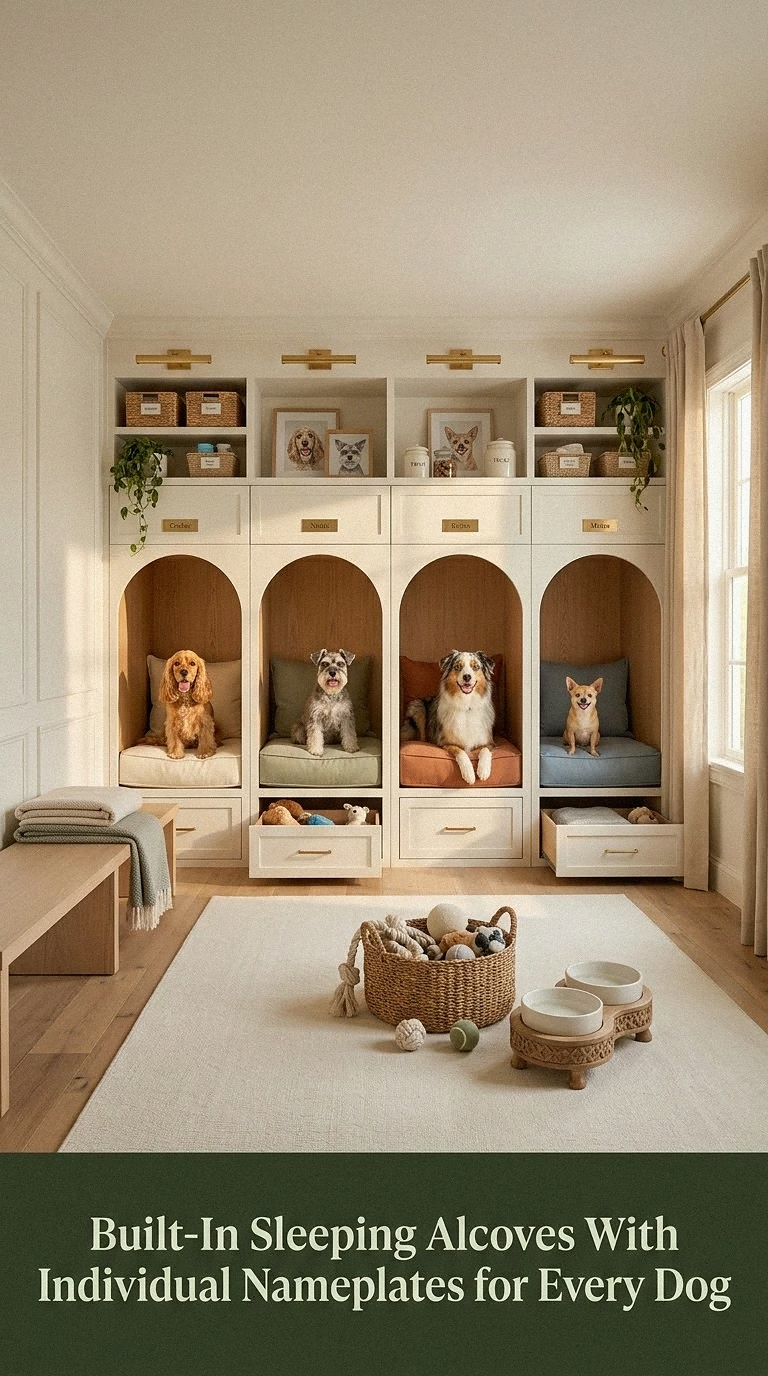
Create a charming row of built-in sleeping alcoves so every dog has a private place to relax while still remaining close to the rest of the pack. This design works especially well along one long wall, with matching openings sized appropriately for each dog.
For a polished look, paint the surrounding cabinetry in a soft neutral such as warm white, sage green, muted taupe, or dusty blue. Add a removable cushion inside each alcove and place a small wooden or brass nameplate above every opening.
The biggest advantage is that each dog gains a clearly defined resting space. One pup might prefer curling into a cozy corner while another stretches across a larger bed, so customize cushion sizes according to their individual sleeping styles.
Keep fabrics machine washable and avoid filling the alcoves with unnecessary decorations that could be chewed. Overhead cabinets can store spare blankets, grooming tools, medications, and seasonal accessories without taking up additional floor space.
The result feels like custom furniture rather than a traditional kennel setup, making it particularly beautiful in a mudroom, family room, or dedicated pet suite.
2. Modern Black-Framed Crate Wall With Warm Wood Cabinetry
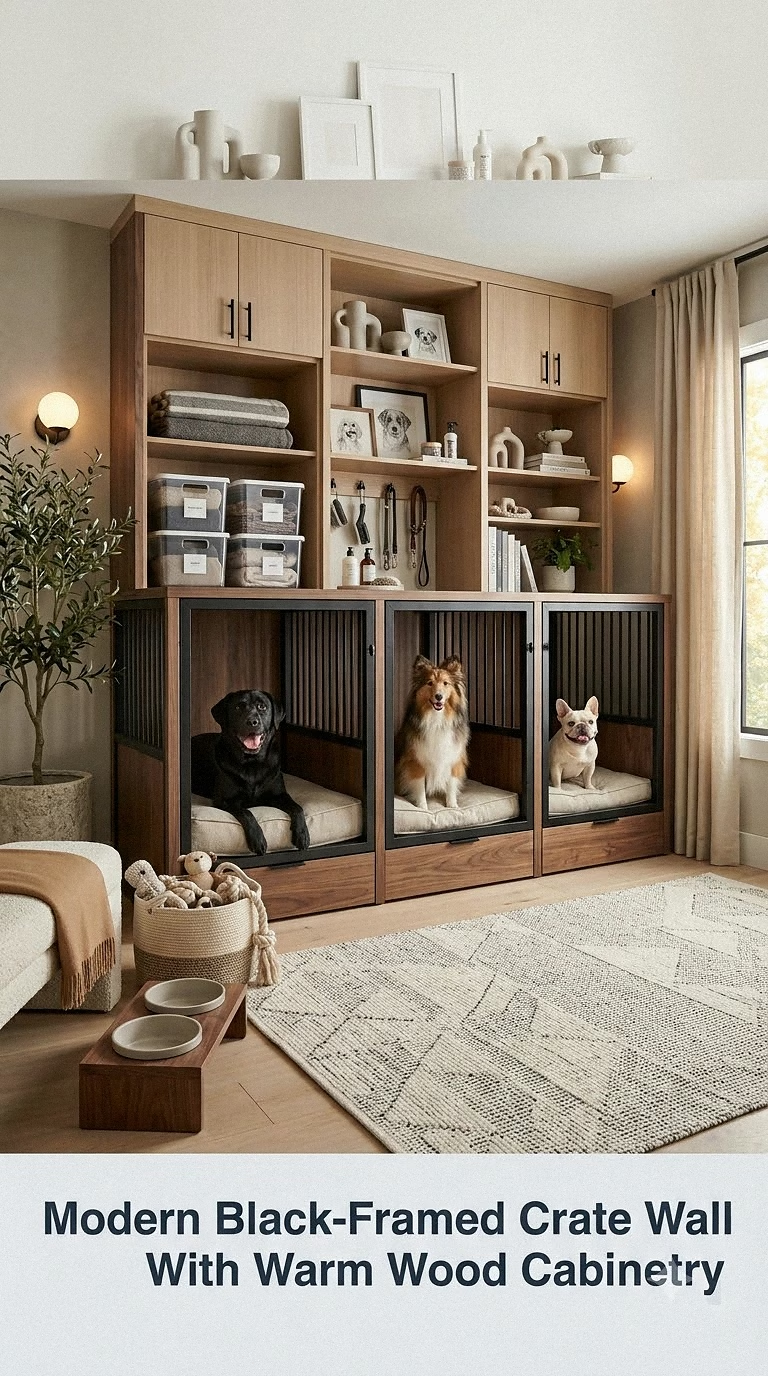
For dogs that are already comfortable relaxing in crates, turn a row of crates into an intentional architectural feature instead of letting mismatched wire enclosures dominate the room.
Place appropriately sized crates side by side beneath a long wood countertop, then surround them with custom or semi-custom cabinetry. Matte black framing paired with warm oak, walnut, or medium-toned wood creates a sophisticated modern look.
Each dog should have a crate with enough room to stand naturally, turn around, and rest comfortably. Proper airflow is also essential, so avoid enclosing crates behind solid doors or blocking ventilation openings.
Use the countertop as a grooming preparation area or decorative surface, while upper cabinets can hold labeled bins for each dog’s belongings. A few framed photos or simple ceramic jars can soften the space without creating clutter.
To make this idea more affordable, use standard furniture-grade plywood around existing crates rather than ordering fully custom cabinetry. Matching washable crate mats will bring the entire design together.
3. Separate Feeding Cubbies With Half-Height Wooden Dividers
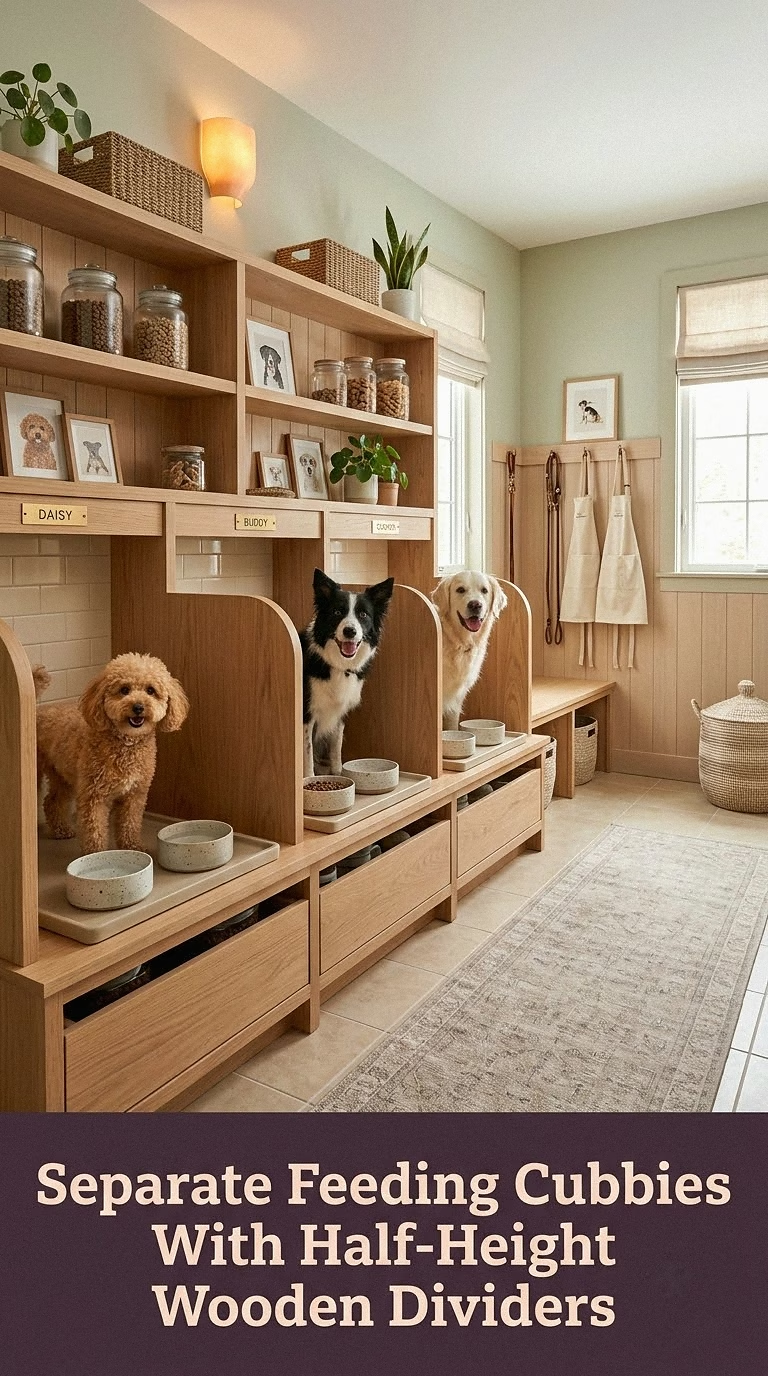
Mealtimes can become chaotic in a multi-dog household, especially when dogs eat at different speeds or become overly interested in one another’s bowls. A row of individual feeding cubbies creates a calmer and more controlled setup.
Build three or four feeding stations along a wall, separating each one with sturdy half-height wooden panels. The dividers provide visual separation without making the room feel closed or cramped.
Install bowl holders at comfortable heights based on the needs of your individual dogs, or simply use non-slip feeding mats on the floor. Labeling each station can also help family members keep track of different foods, supplements, or portion sizes.
Choose moisture-resistant materials around the feeding area because splashes and crumbs are inevitable. Wipeable wall panels, sealed wood, or tile backsplashes can make daily cleanup much easier.
This setup can be styled beautifully with white cabinetry and natural wood, dark green paneling with brass labels, or soft blue-gray paint for a relaxed coastal feel.
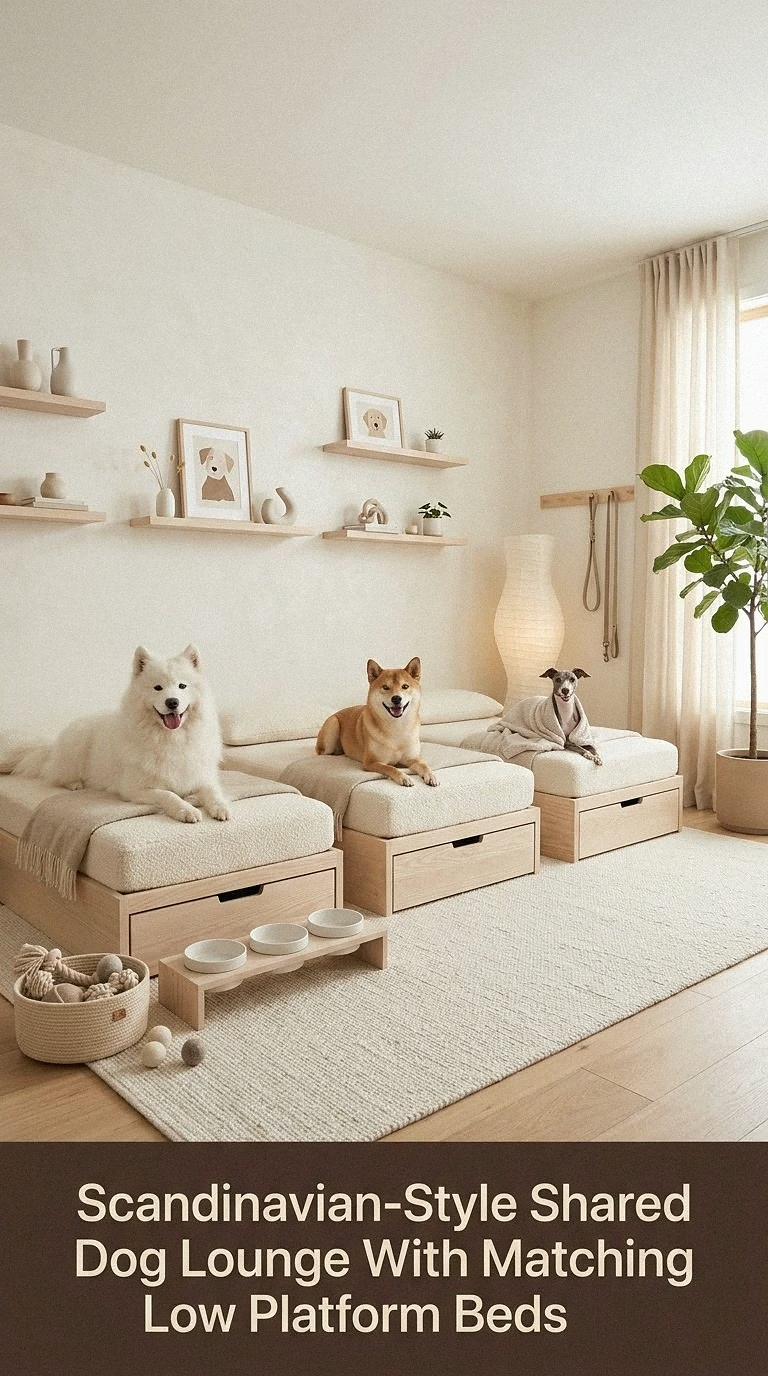
A shared dog room does not need elaborate built-ins to feel stylish. For a simple and serene look, arrange a row of matching low platform beds against a pale neutral wall.
Choose natural wood frames with removable cushions in shades of oatmeal, beige, soft gray, or cream. Keep the rest of the room minimal, with light walls, simple woven baskets, and just a few practical accessories.
Individual beds give each dog a designated resting place while maintaining a cohesive visual style. Leave enough space between beds for dogs to enter and exit comfortably without stepping over one another.
A large washable rug or non-slip runner can add softness and grip, particularly for senior dogs or pups that struggle on slick flooring.
This design works beautifully when your dogs enjoy being near one another but still appreciate having their own beds. It is also relatively easy to recreate on a budget using simple wooden bed frames or DIY plywood platforms finished with rounded edges.
5. Cottage-Style Dog Room With Floral Cushions and Paneled Sleeping Nooks
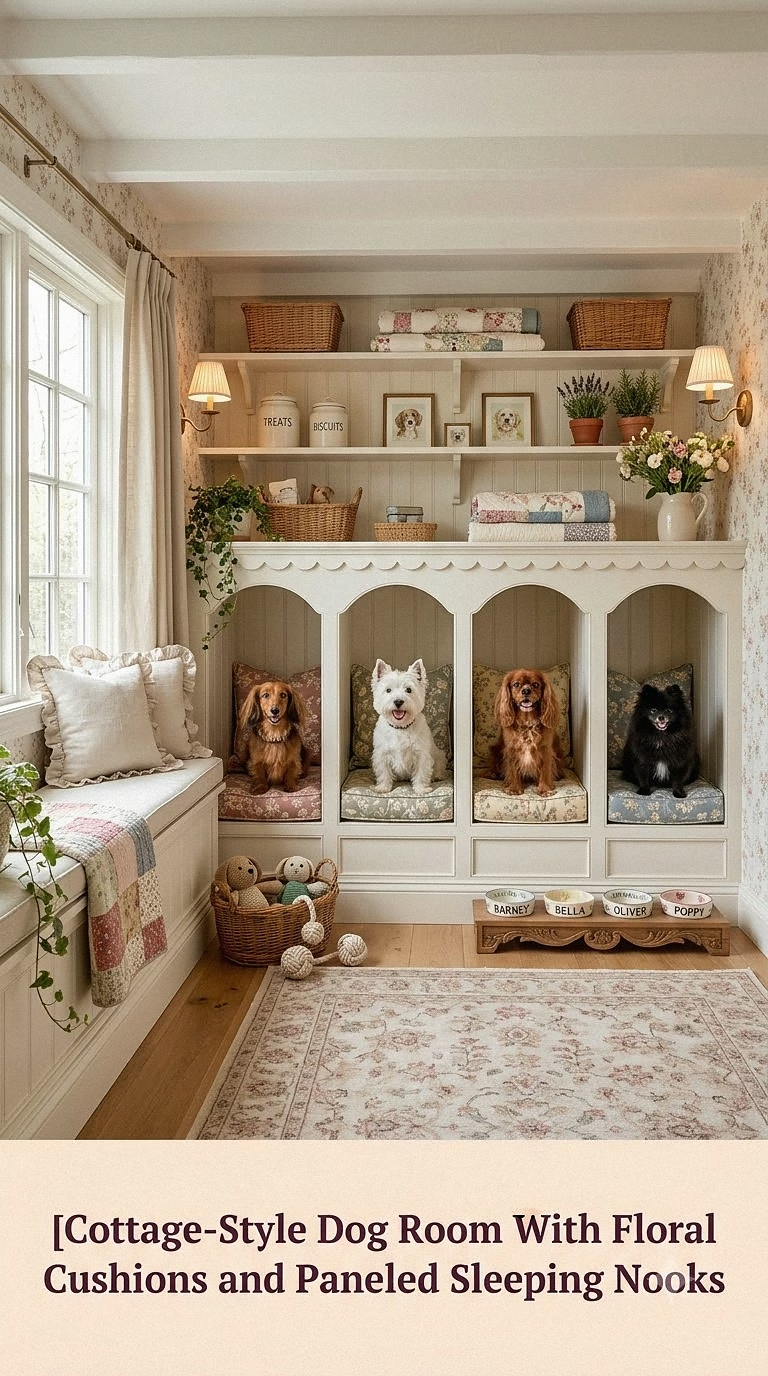
For a softer, more romantic look, transform the dog room into a cozy cottage-inspired retreat. Picture cream-painted wall paneling, sage green cabinetry, vintage-style hooks, woven baskets, and a beautiful row of sleeping nooks filled with washable floral cushions.
The trick is keeping the room charming without making it impractical. Use removable covers rather than delicate upholstery, and choose durable fabrics that can handle fur, dirt, and frequent washing.
Give each dog its own nook, but add one larger communal bed for those moments when several pups decide to nap together. A window nearby can provide natural light, while a Roman shade or curtain can help control strong afternoon sun.
Small framed dog portraits, personalized wooden signs, or ceramic treat jars can add personality. Keep chewable decorations, cords, and fragile accessories out of reach.
This style feels particularly beautiful in country homes, renovated farmhouses, and traditional interiors where a stark modern kennel wall might feel out of place.
6. Laundry and Multi-Dog Room Combo With Washable Floors and Built-In Storage
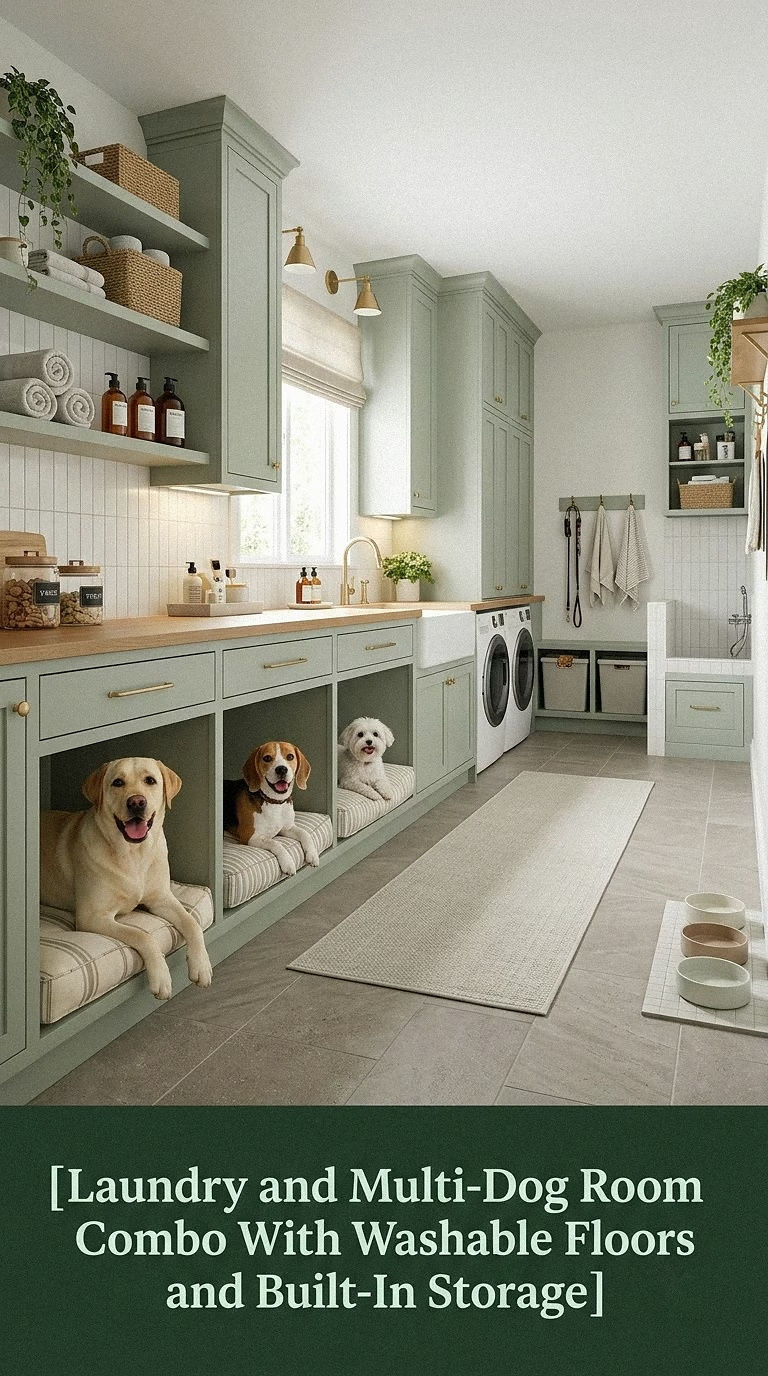
Combining a laundry room with a dedicated space for several dogs can be incredibly practical. Both functions benefit from durable flooring, washable surfaces, utility storage, and easy access to cleaning supplies.
Place dog beds or sleeping alcoves beneath a long countertop on one side of the room, keeping laundry appliances on the other. Install upper cabinets for detergents and household supplies, while lower drawers or cubbies hold dog towels, leashes, grooming brushes, and spare bedding.
A waterproof or moisture-resistant floor is especially useful in this setting. Add non-slip runners or washable rugs where the dogs regularly walk or rest.
Hooks near the entrance can hold separate leashes and harnesses for each dog. Color coding is helpful when several dogs use different sizes of equipment.
Read more : 17 Painted Dog House Ideas That Turn a Simple Shelter Into a Backyard Showpiece
For an even more functional setup, include a deep utility sink for rinsing muddy paws, cleaning bowls, or hand-washing pet accessories. The goal is to create one hard-working room where messes can be managed quickly without sacrificing warmth or style.
7. Under-the-Stairs Multi-Dog Retreat With Side-by-Side Cozy Nooks
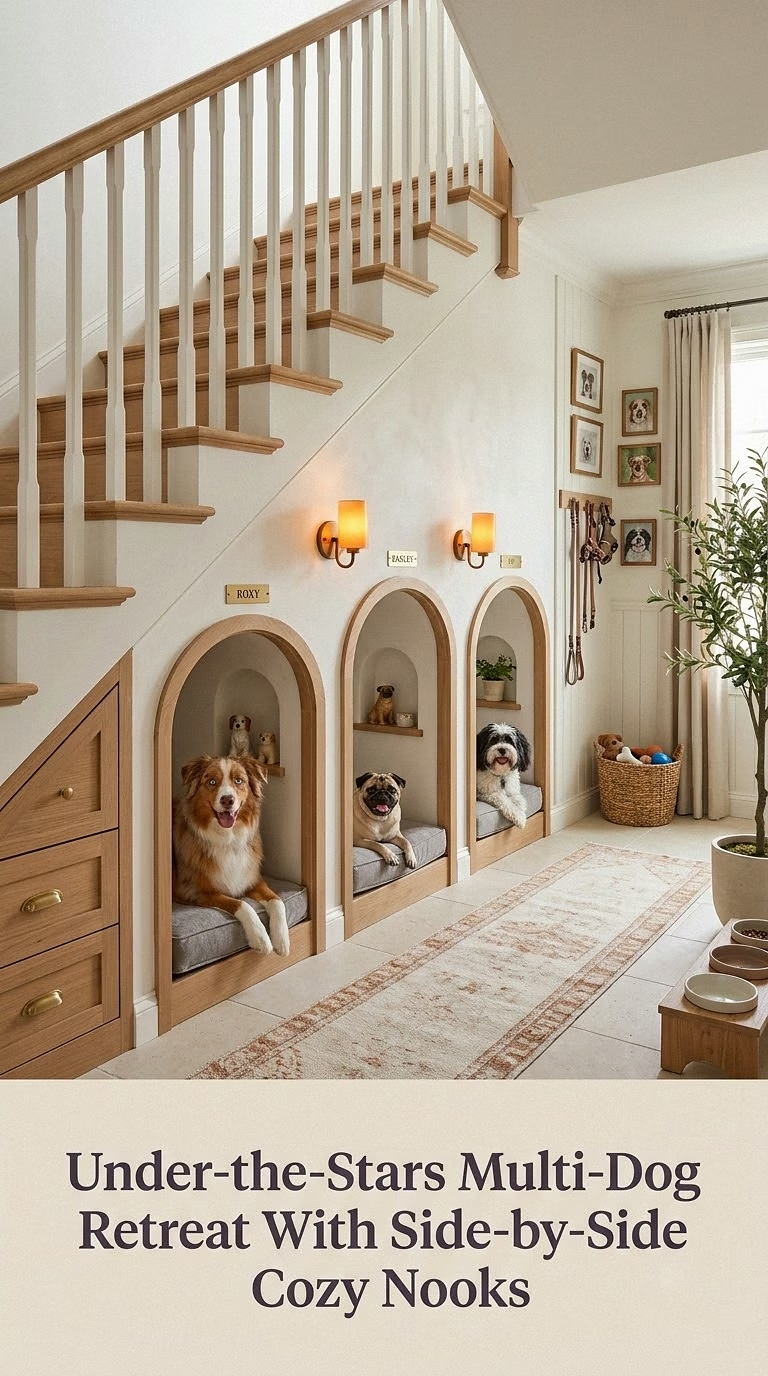
An unused area beneath the staircase can become a surprisingly beautiful retreat for two or three dogs, particularly in homes where a full dedicated dog room is not possible.
Instead of creating one large opening, divide the space into individual side-by-side sleeping nooks. Each dog can have a cushion, nameplate, and small entrance designed to suit its size.
Paint the exterior to match the surrounding walls for a seamless architectural appearance, or make the dog area stand out with deep green, navy, charcoal, or warm mushroom-colored paneling.
Good ventilation should remain a priority, especially in fully enclosed designs. Open-front sleeping bays are often the simplest solution.
For dogs that enjoy being together, create one slightly larger shared nook and one smaller private retreat. This allows the dogs to choose whether they want company or solitude.
Removable bed covers and wipeable interior walls make maintenance easier, while discreet overhead or side storage can hold toys and blankets.
8. Color-Coded Locker Wall for Leashes, Harnesses, Towels, and Accessories
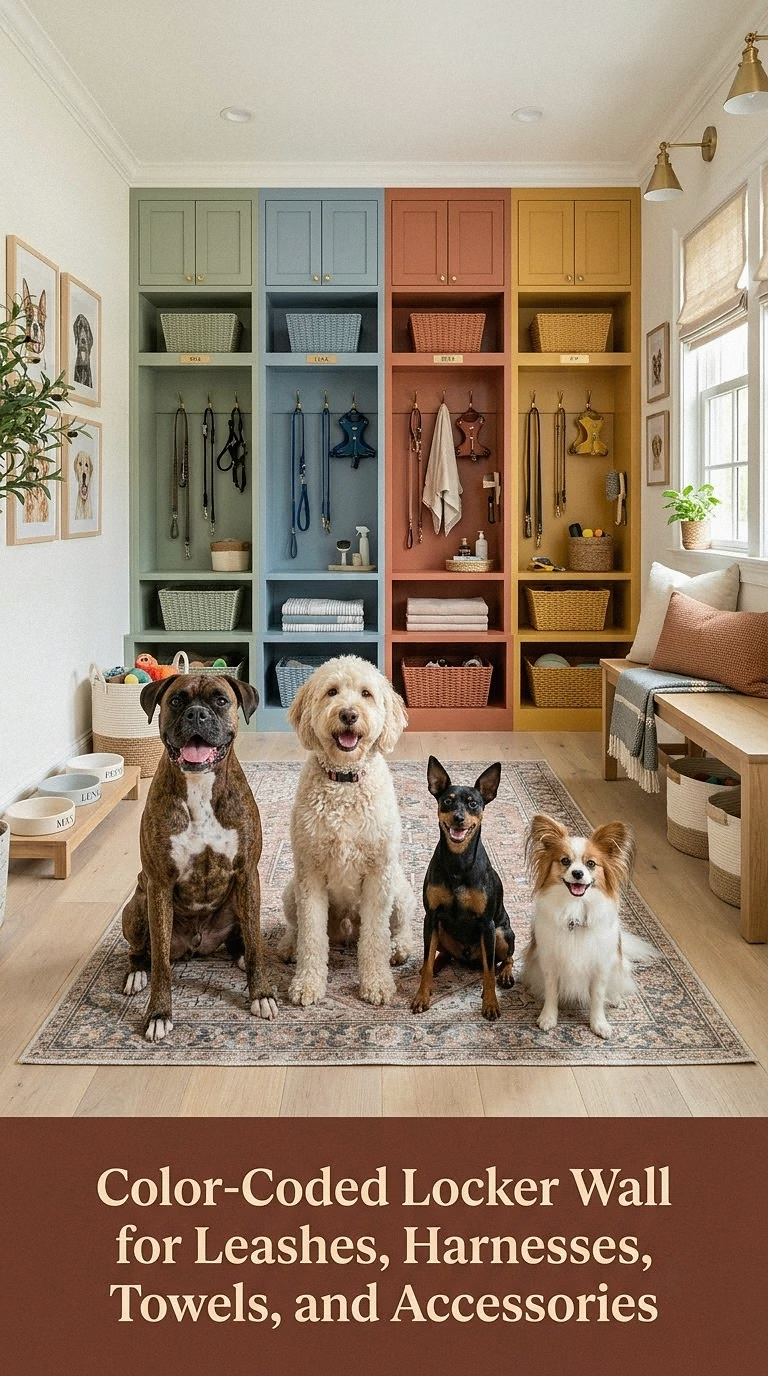
When several dogs live together, keeping track of their individual equipment can quickly become frustrating. A dedicated locker wall turns everyday organization into part of the room’s design.
Give each dog its own vertical cubby with a hook for a leash, a hook for a harness, a basket for toys, and a small shelf for grooming essentials. Add the dog’s name above each section.
For extra convenience, assign each dog a subtle color. One might have dusty blue accessories, another muted coral, and another sage green. This makes it easier to grab the correct leash or towel at a glance without creating a rainbow of visual clutter.
Use closed drawers for medications, paperwork, or less attractive supplies. Frequently used items can remain visible and accessible.
This idea works particularly well in mudrooms and entryways because you can prepare several dogs for a walk without searching through overflowing baskets. Add a bench nearby for putting on shoes and handling harnesses comfortably.
9. Luxury Dog Spa Room With a Tiled Wash Station and Plush Resting Bays
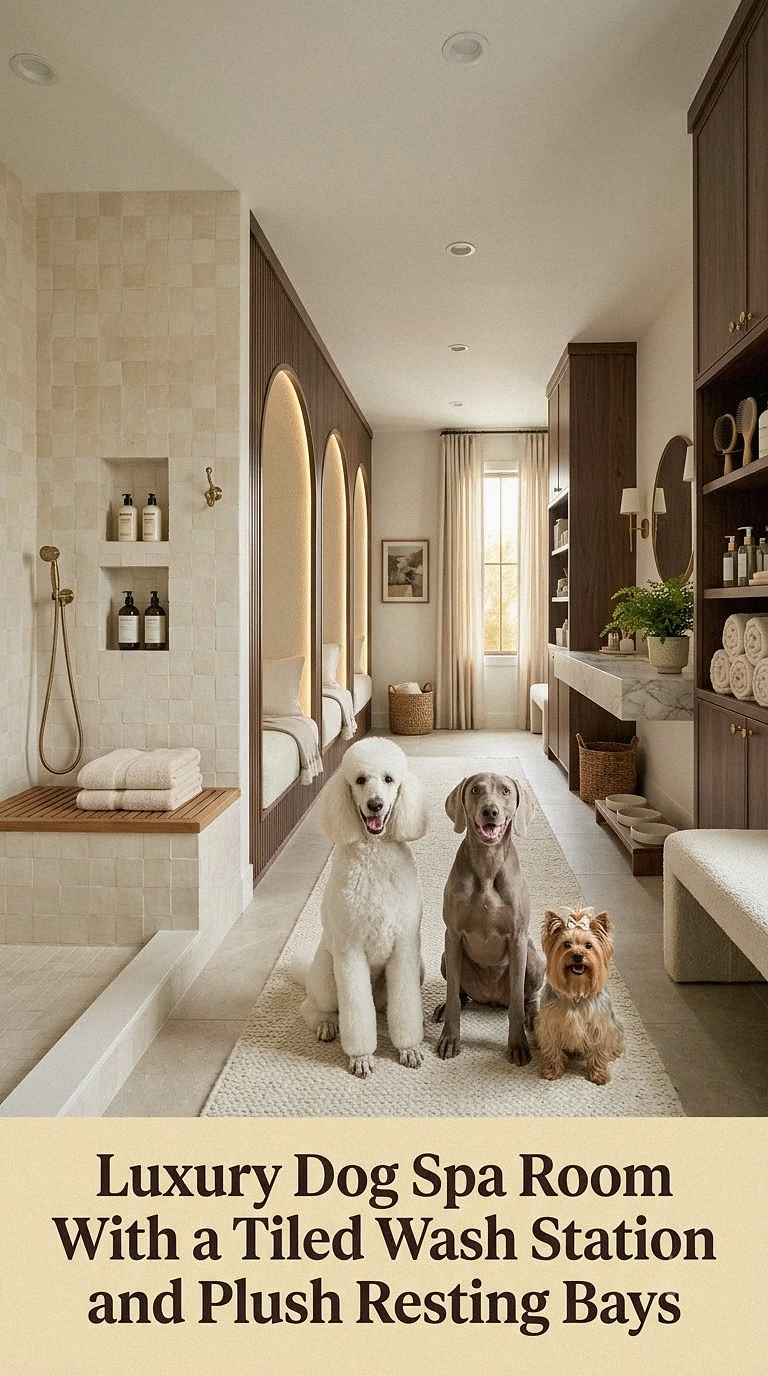
For homes with several large dogs, long-haired breeds, or pups that frequently return from outdoor adventures covered in mud, a built-in washing station can transform everyday routines.
Create a tiled dog shower with a low entry, handheld sprayer, non-slip surface, and nearby towel storage. Next to it, install individual resting bays where clean dogs can relax after bathing.
Large-format porcelain tile, warm wood cabinetry, and brushed brass or matte black fixtures can make the room feel luxurious without losing practicality. Use washable beds with waterproof inner liners so damp fur does not ruin cushions.
A grooming drawer can hold brushes, nail tools, shampoo, paw wipes, and ear-cleaning supplies. Keep products securely stored when not in use.
You do not need an enormous room for this idea. A compact corner with a raised wash station and two or three beds can still create a highly functional mini dog spa.
10. Compact Closet Conversion With Side-by-Side Beds and Overhead Storage
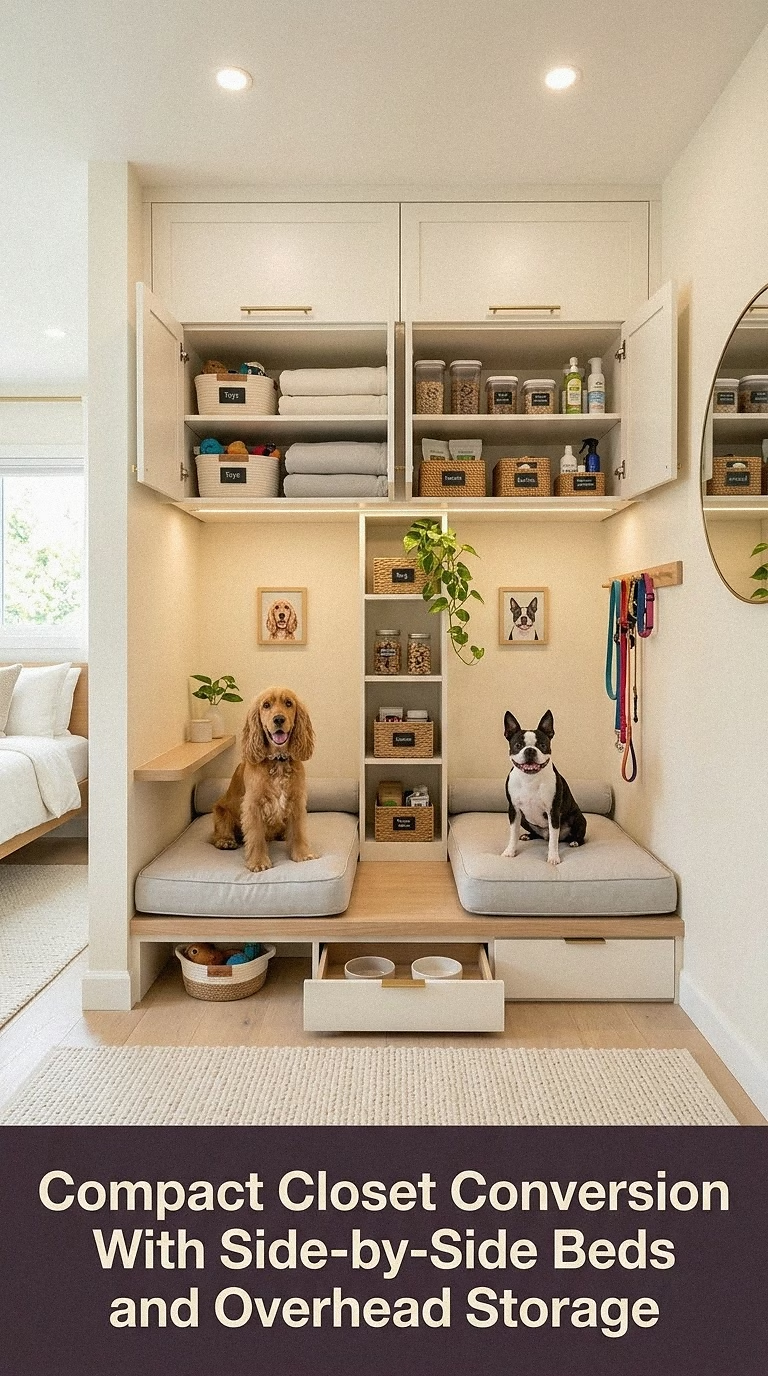
A deep closet, oversized utility cupboard, or unused wardrobe recess can be converted into a compact dog room for smaller breeds.
Remove the doors if airflow or accessibility would otherwise be limited, then create two or three open sleeping bays at floor level. Use the space above for shelves or closed cabinets.
Paint the inside a soft contrasting color to make the dog area feel intentional. Warm beige, pale green, dusty rose, and muted blue can create a cozy backdrop without overwhelming a small space.
Because every inch matters, choose thin but supportive cushions that fit each sleeping bay precisely. Removable covers make washing much easier.
Avoid overloading the space with toys and decorative objects. A small basket beside the beds and a few hooks above are usually enough.
This solution is especially useful in apartments, townhouses, and smaller homes where dogs need their own defined retreat but an entire room cannot be dedicated exclusively to them.
11. Split-Zone Dog Room for Senior Dogs and Younger High-Energy Pups
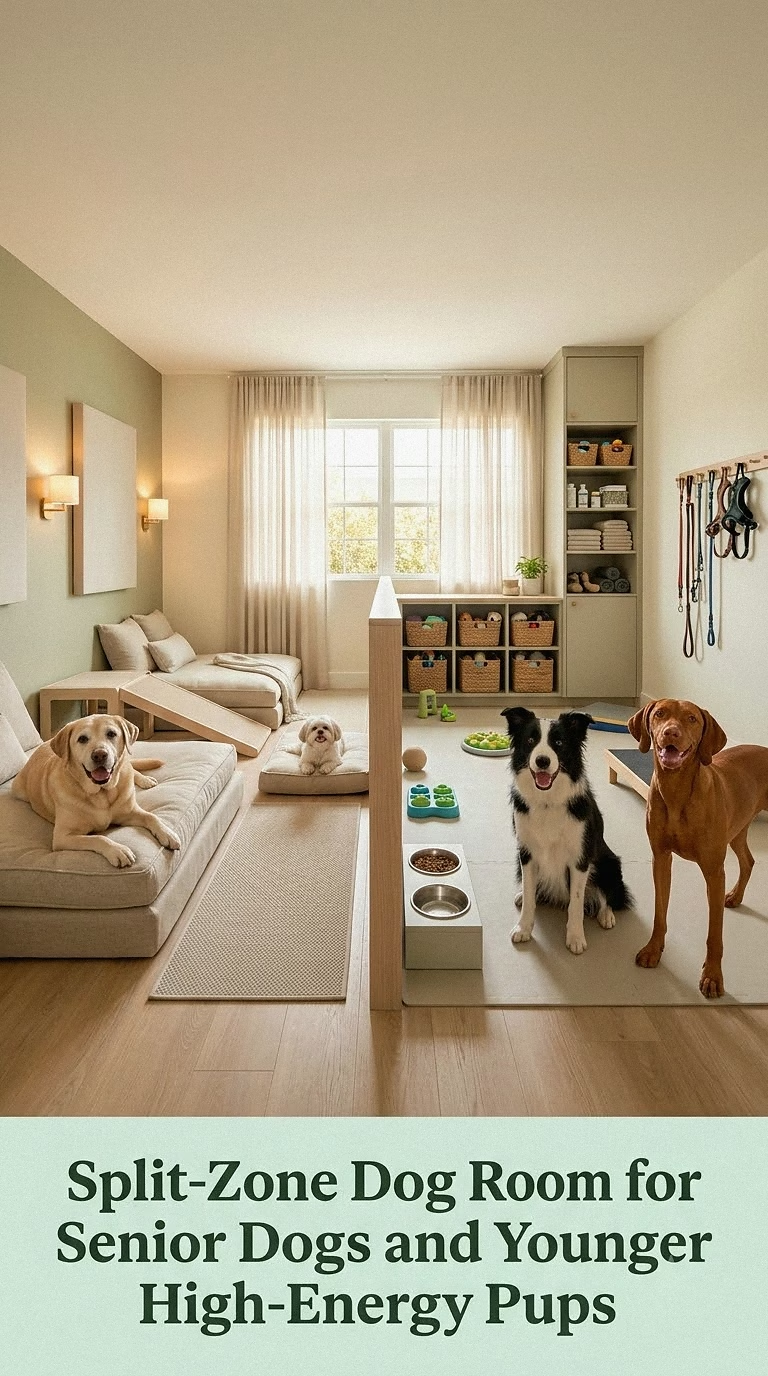
A household with dogs of different ages often benefits from separate zones designed around different energy levels.
Create a quiet senior section with an orthopedic-style bed, soft lighting, non-slip flooring, and easy access without steps or high platforms. On the opposite side of the room, design a more active area for younger dogs with toy baskets, training mats, and extra open floor space.
A decorative indoor gate, half wall, or furniture arrangement can create visual separation when necessary. The goal is not to isolate the dogs permanently but to give older or quieter pets an escape from energetic play.
Keep walking paths wide and uncluttered, especially around senior sleeping areas. Avoid placing a beloved resting bed directly beside a busy doorway where other dogs constantly pass.
Visually, unify both sides with the same wall color and cabinetry so the room still feels cohesive despite serving different needs.
12. Indoor-Outdoor Dog Room With a Dutch Door and Mud-Control Entry Zone
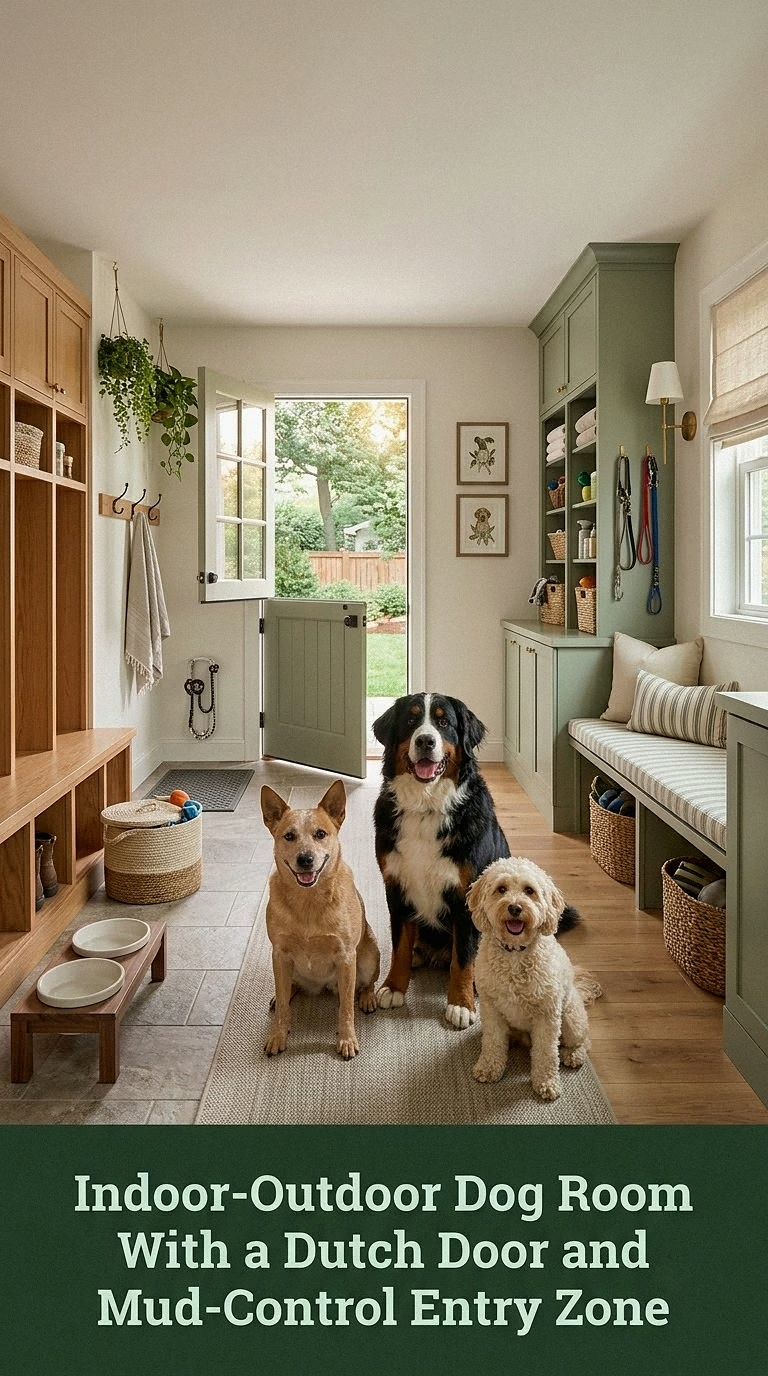
For dogs that regularly move between the house and a fenced outdoor area, an indoor-outdoor transition room can keep much of the mess contained in one manageable location.
Design the room with a durable floor, washable wall finish, hooks for towels, and a large mat near the exterior entrance. A Dutch door can add farmhouse charm while giving you more control over access and airflow when appropriate.
Place dog beds farther from the doorway so resting pups are not constantly disturbed by traffic. Store clean towels and paw-cleaning supplies near the entrance for quick wipe-downs after rainy walks.
A bench with cubbies underneath can hold outdoor toys, coats, boots, and travel equipment. Separate labeled baskets prevent gear from becoming mixed together.
Read more : 16 Beautiful Dog House Ideas That Make Every Pup Feel at Home
For the visual palette, consider slate tile, warm white walls, natural oak cabinetry, and forest green accents for a polished but outdoor-friendly aesthetic.
13. Calm Multi-Dog Retreat With Soft Acoustic Surfaces and Individual Quiet Corners
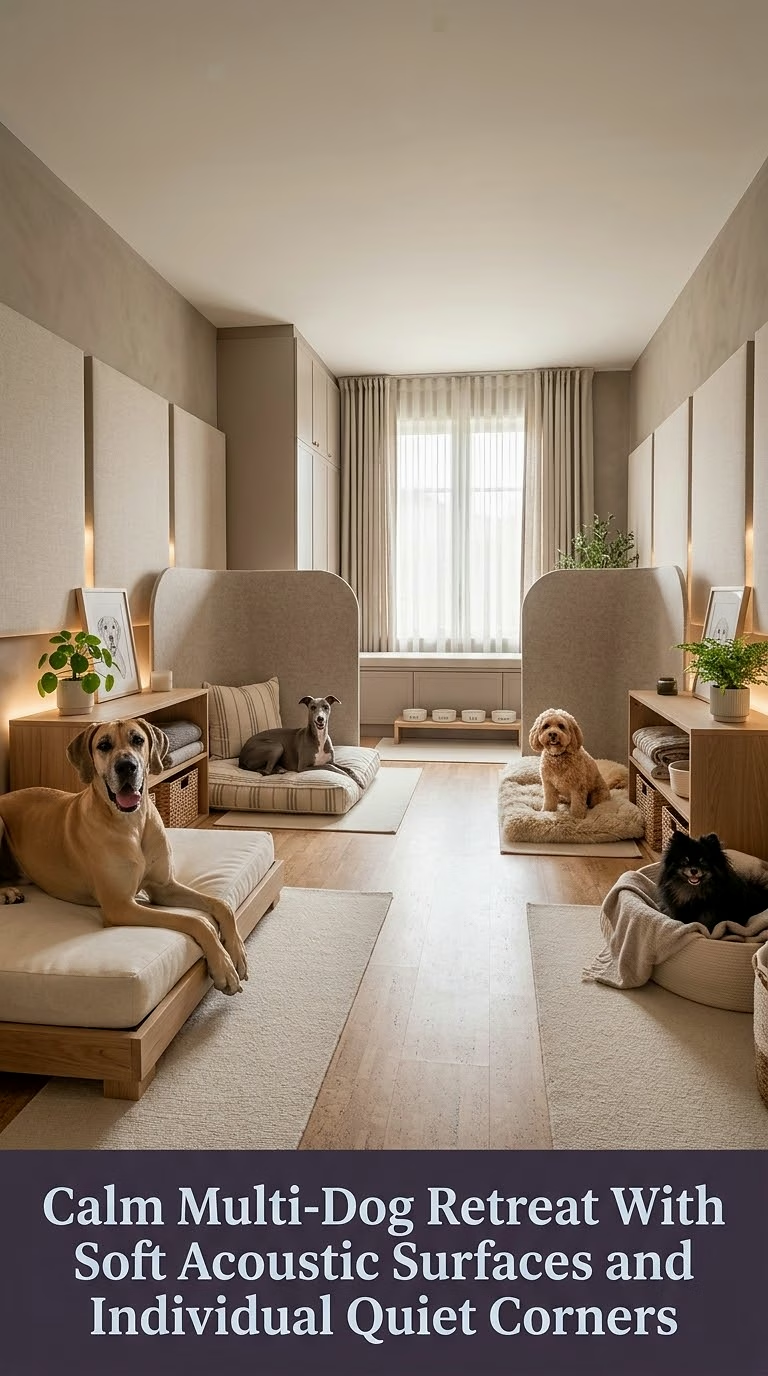
Some multi-dog homes can become noisy, especially when one dog’s barking triggers the rest of the group. A calm retreat should focus on creating a softer sensory environment rather than filling the space with stimulation.
Use upholstered beds, washable rugs, fabric window treatments, and thoughtfully chosen wall panels to reduce the harsh feeling of an empty, echoing room. Avoid dangling fabrics or soft furnishings if any of your dogs are likely to chew them.
Arrange beds in different corners rather than forcing every dog into one row. Some dogs prefer sleeping beside a wall, while others feel more comfortable with a wider view of the room.
Soft, warm lighting can make the space feel more peaceful in the evening. Add blackout shades when exterior movement regularly excites the dogs.
Keep the room visually uncluttered with closed cabinetry and only a few toys available at once. This idea is especially useful for dogs that benefit from having a predictable, quiet place to settle.
14. Farmhouse Mudroom With Matching Wooden Kennel-Style Bays and Vintage Hooks
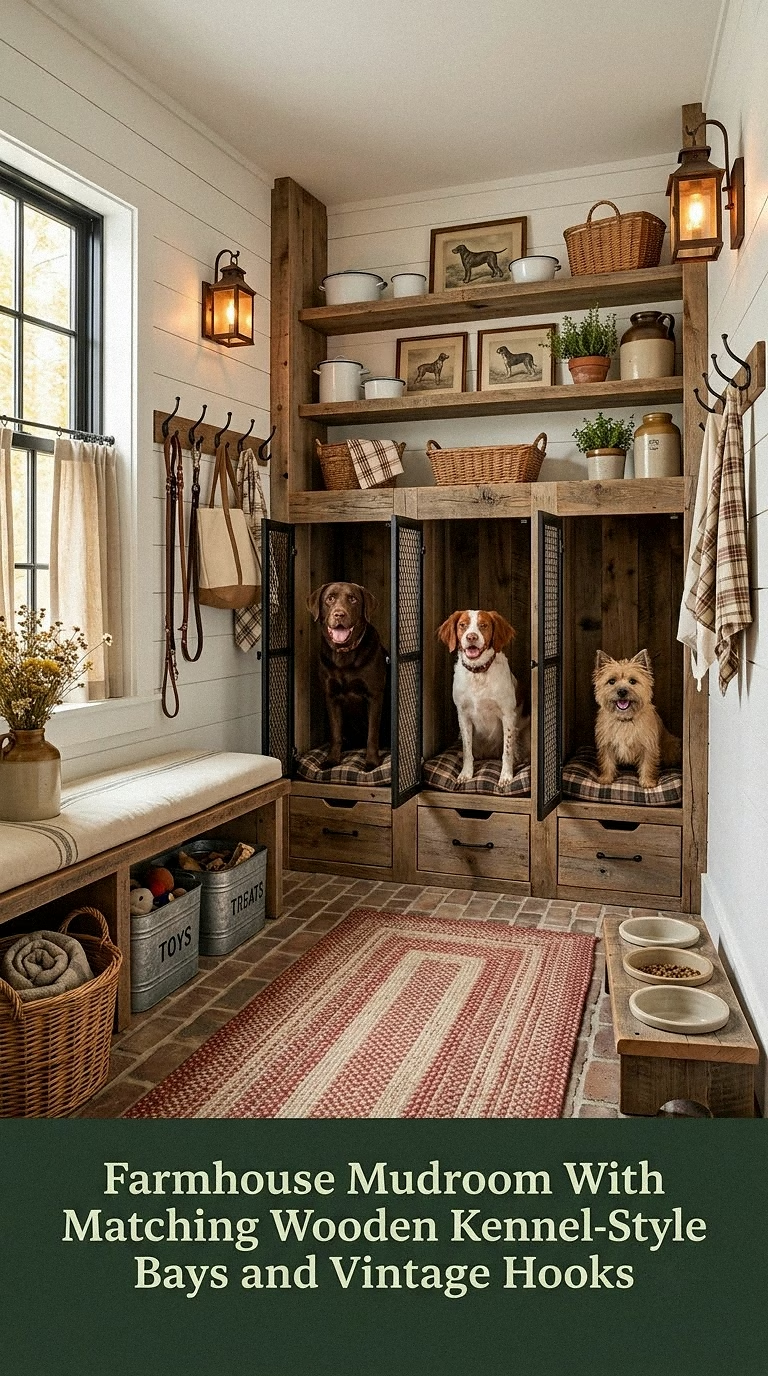
A farmhouse-inspired multi-dog room can feel warm, practical, and completely integrated into the home.
Create a row of sturdy open-front or ventilated kennel-style bays beneath a wood countertop. Use painted paneling in cream, soft gray, muted olive, or deep navy, then add natural wood accents for warmth.
Above the bays, install vintage-inspired hooks for leashes and canvas bags. Woven baskets can hold towels and toys, while ceramic jars store treats safely out of reach.
Brick-look tile or stone-look porcelain flooring can create rustic character while remaining easier to maintain than genuinely porous old materials.
Personalized nameplates make each bay feel special. For a more relaxed look, use mismatched cushions within the same coordinated color palette.
This setup works beautifully in a mudroom near a back entrance, giving muddy dogs a place to settle before moving through the rest of the house.
15. DIY Row of Low Plywood Platform Beds With Removable Cushions
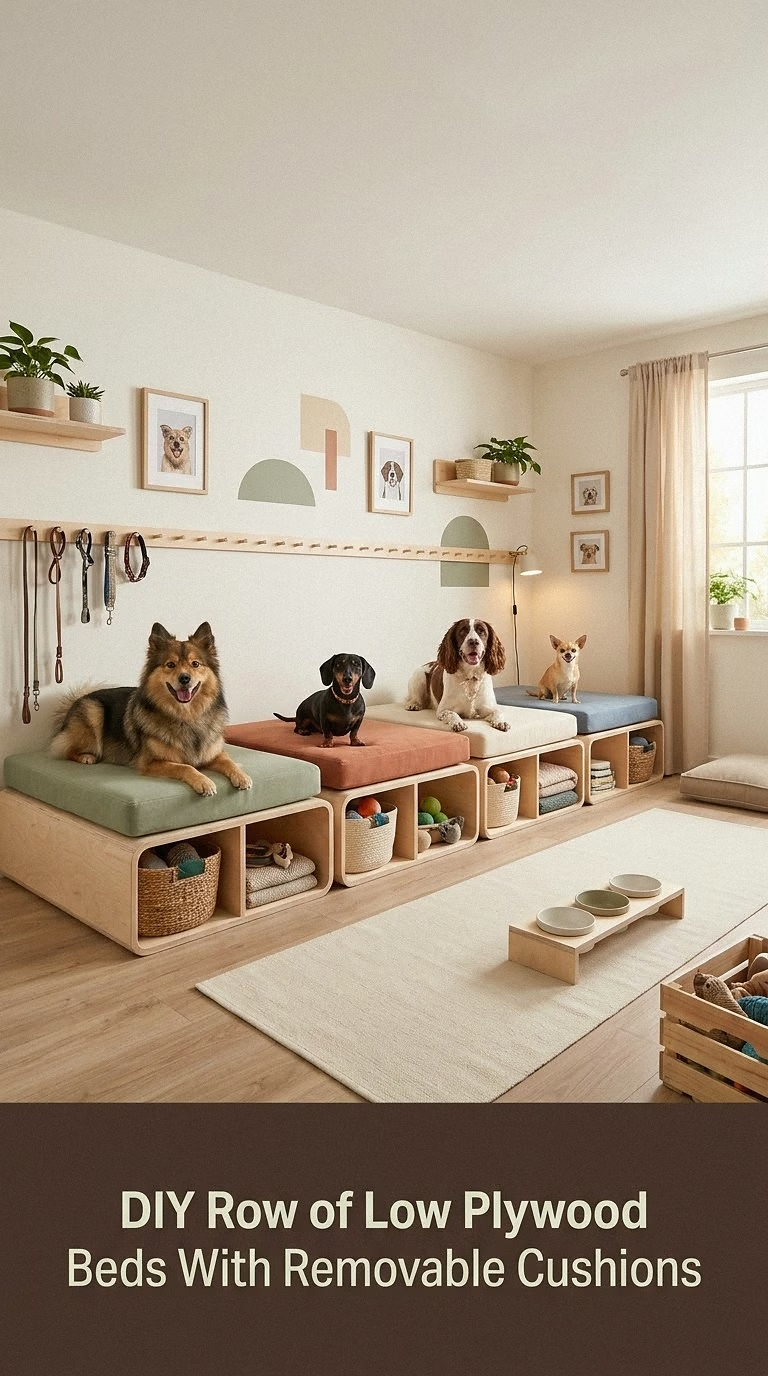
You do not need custom cabinetry to create a coordinated dog room for several dogs. A row of simple DIY platform beds can provide a stylish and budget-conscious alternative.
Build each platform from smooth furniture-grade plywood or another sturdy material, making sure all surfaces are well finished and edges are rounded. Size each bed for the individual dog rather than forcing every pet onto identical dimensions.
Add removable cushions in coordinating fabrics. For example, choose three different muted patterns within the same palette, such as beige stripes, sage checks, and tiny neutral florals.
Leave enough space between platforms for easy access and cleaning. Small rubber feet beneath the frames can improve stability and protect the floor.
Above each bed, hang a simple name sign or framed photo. Avoid placing decorative objects at chewing height.
This idea works especially well for renters because the furniture can move with you and does not require permanent built-in construction.
16. Flexible Crate-Free Dog Room With Open Beds and Freestanding Gates
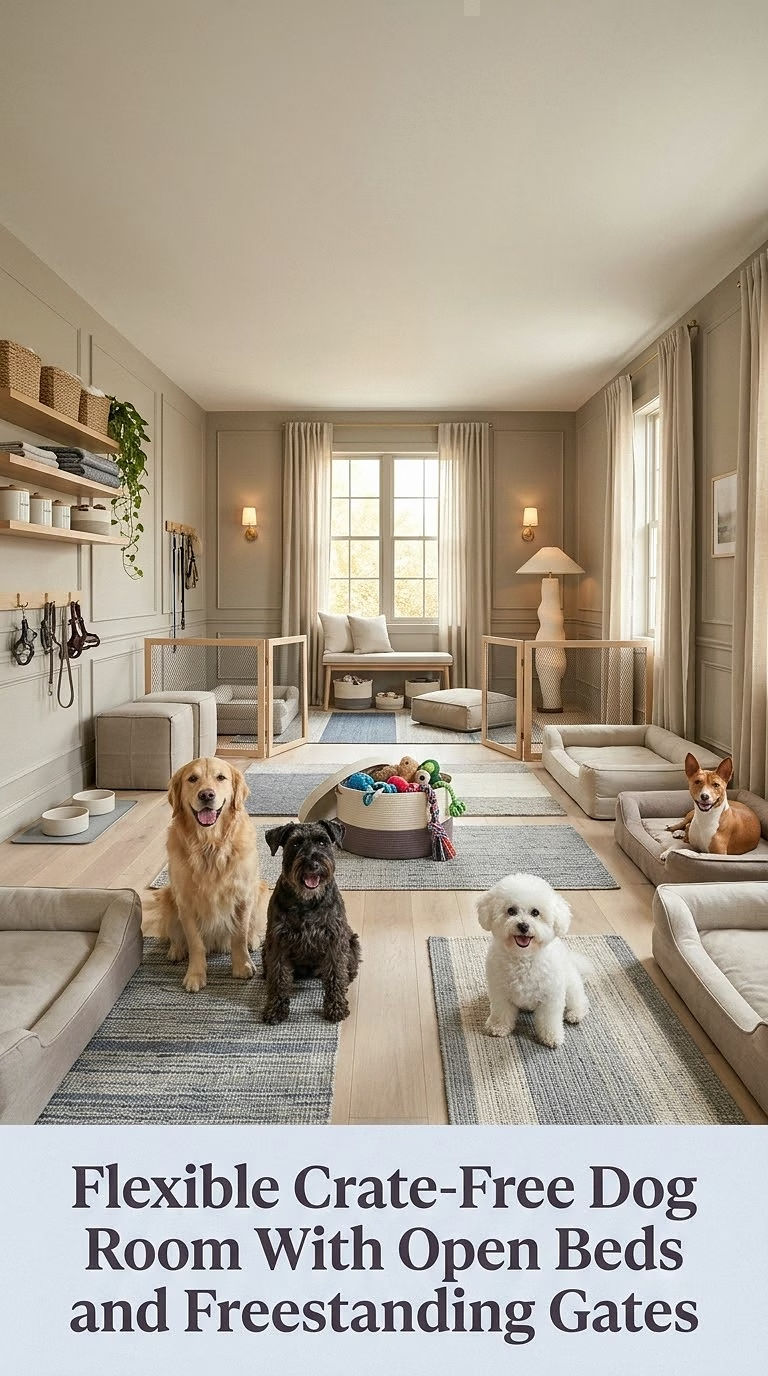
Not every dog needs or enjoys the same type of enclosure. A flexible, crate-free room can use open beds, movable furniture, and freestanding gates to create separate areas when necessary.
Arrange several beds around the perimeter, leaving a clear open zone in the center. This gives dogs multiple choices while reducing the chance that one pet blocks access to every resting space.
Use sturdy gates to divide the room during feeding, recovery from illness, introductions, or moments when one dog needs quiet time. The layout can change as the dogs’ needs evolve.
Low storage cabinets can hold toys and supplies without making the room feel crowded. Choose furniture with rounded corners and stable construction.
A neutral base palette allows colorful beds and accessories to add personality. Warm white walls, natural wood, and washable rugs can create a comfortable living-room atmosphere rather than a kennel-like appearance.
17. Central Washable Runner Layout With Clear Paths Between Every Dog Zone
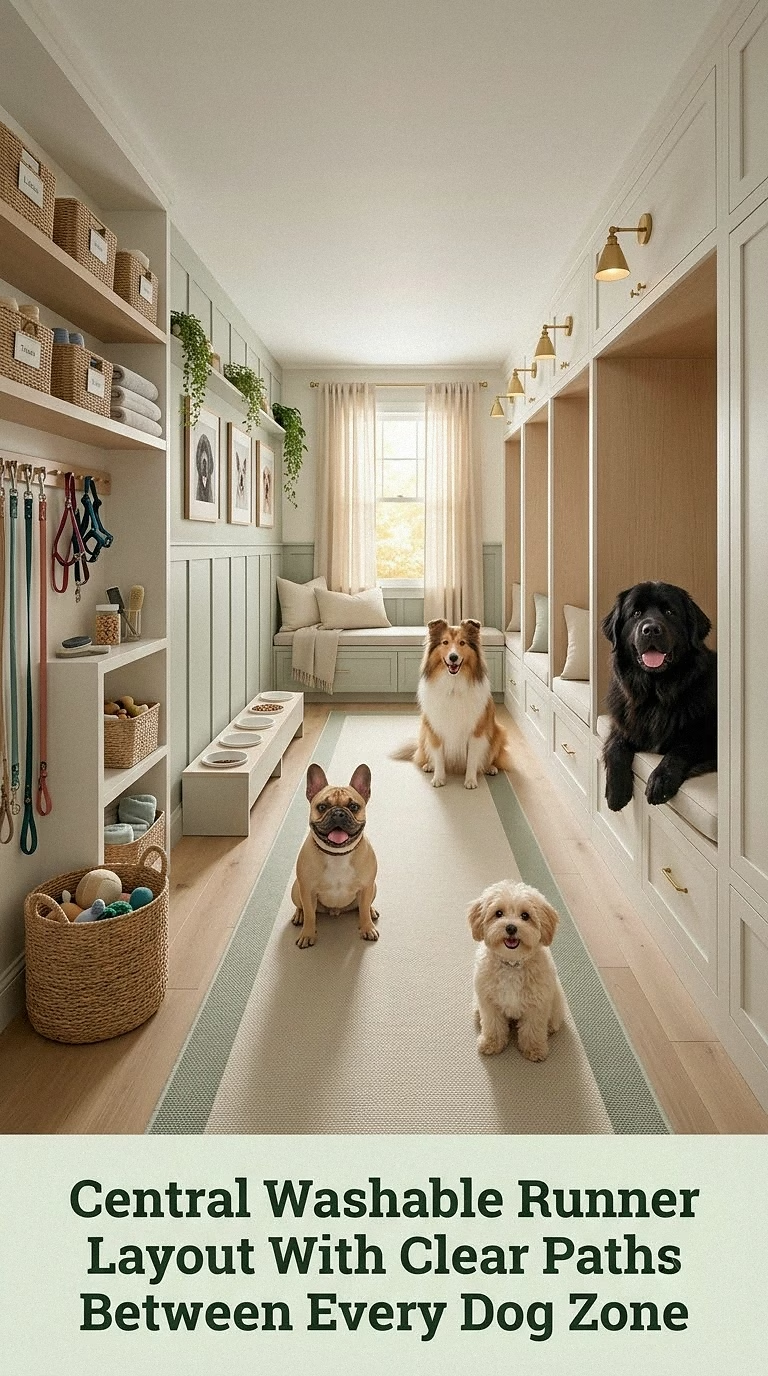
One of the most overlooked elements in a multi-dog room is circulation. A beautiful space can still feel stressful when dogs have to squeeze past one another to reach beds, water, or doorways.
Create a clear central pathway through the room with a long washable runner or a series of secure, non-slip mats. Arrange individual sleeping areas, storage, and feeding zones along the sides rather than cluttering the center.
This layout is especially helpful for larger dogs and senior pets that need more room to turn comfortably. It also makes vacuuming and daily cleanup more straightforward.
Choose a runner with a subtle pattern that disguises occasional fur between cleaning sessions. Pair it with coordinated beds and storage baskets for a polished appearance.
Avoid creating narrow dead ends where a dog could feel trapped by another pet. Multiple open routes through the room can make movement easier and give each dog more freedom to walk away when it wants space.
Conclusion
The best dog room ideas for multiple dogs do more than simply fit several beds into one space. A truly thoughtful room recognizes that every dog has its own personality, sleeping habits, energy level, feeding routine, and need for personal space.
You might create a luxurious tiled dog spa, a compact closet conversion, a charming row of cottage-style sleeping nooks, or a practical laundry and dog room combination. What matters most is balancing shared companionship with individual comfort.
Start with the essentials: comfortable washable beds, clear walking paths, organized storage, appropriate feeding arrangements, and quiet spaces where each dog can retreat. From there, add colors, materials, cabinetry, and personalized details that make the room feel like a natural extension of your home.
With a little planning, even a busy multi-dog household can have a beautiful, organized space that makes daily routines easier and gives every pup a special place to call their own.
Love these dog room ideas for multiple dogs? Pin this Pinterest post so you can easily return to your favorite designs when you’re ready to create the perfect space for your pack.
Source: https://petstutorial.com
Category: Dog Rooms
