
Designing a house for a large dog comes with a few special considerations. The entrance needs to accommodate broad shoulders, the floor must support extra weight, and the interior should allow your dog to stand naturally, turn around, stretch out, and rest without feeling confined. At the same time, an outdoor house should provide dependable shade, airflow, drainage, and protection from wind and rain.
- 17 Dog Room Ideas for Bedrooms and Pet Beds That Feel Cozy, Stylish, and Practical
- 17 DIY Outside Dog Area Fence Ideas for a Safe and Beautiful Backyard
- 17 Cozy Dog House Heater Ideas for a Safer, Warmer Winter Retreat
- 18 Dog Station Ideas for a Beautiful, Organized, and Pet-Friendly Home
- 18 Dog Room Ideas Indoor for a Cozy, Stylish Space Your Pup Will Love
The loveliest designs combine these practical needs with materials and colors that complement the rest of the home. From affordable DIY cabins to luxurious miniature cottages, these big dog house ideas offer inspiration for creating a shelter that looks beautiful in the yard while keeping your oversized companion comfortable.
You are reading: 17 Big Dog House Ideas for Spacious, Stylish, and Weather-Ready Retreats
Beautiful and Practical Big Dog House Ideas for Large Breeds
1. Natural Cedar Big Dog Cabin With a Wide Arched Entrance
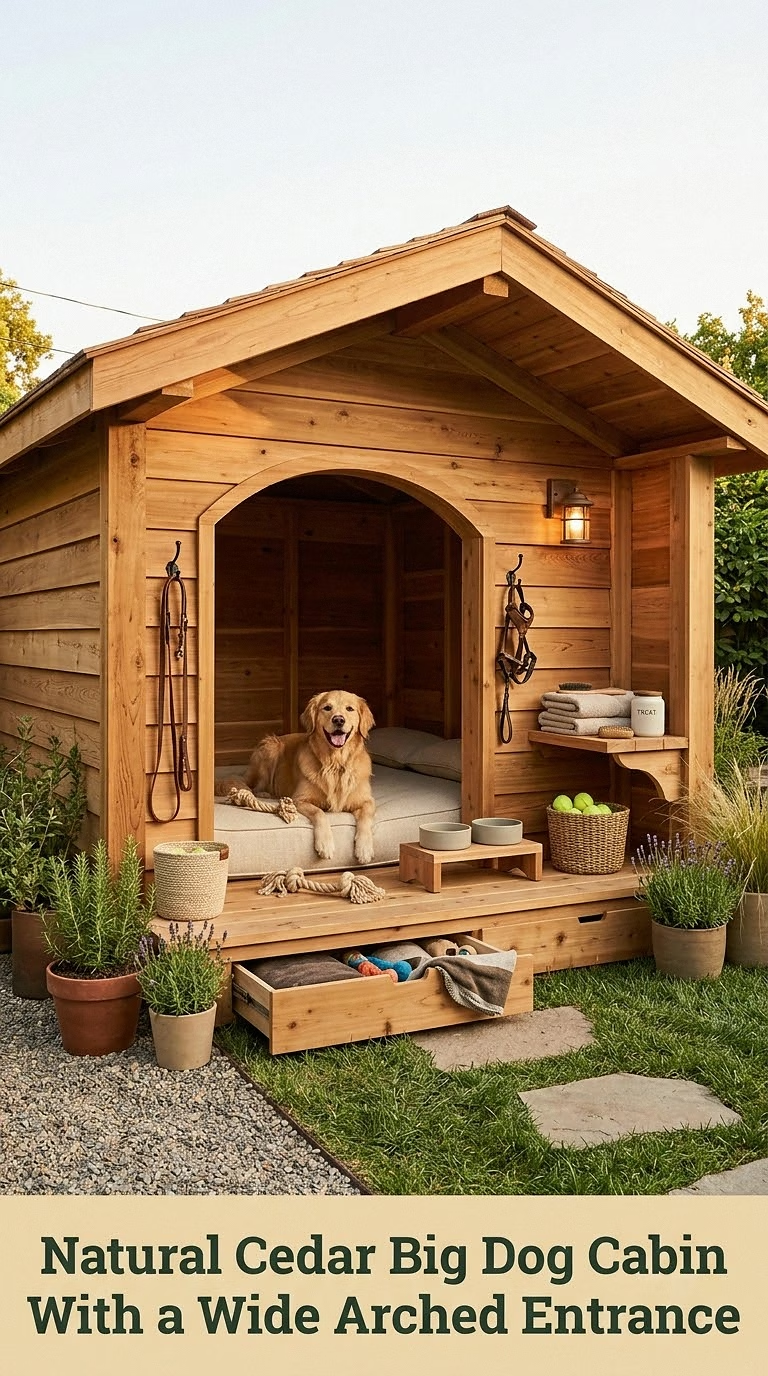
A cedar cabin is a timeless choice for a large dog because its warm wood grain blends naturally into gardens, wooded properties, and traditional backyards. Use thick cedar boards or exterior-grade siding over a sturdy frame, keeping the finish simple with a clear, pet-safe exterior sealant.
Create a wide arched doorway that gives your dog enough shoulder clearance without making the opening unnecessarily tall. An oversized entrance can allow too much wind and rain inside, so measure your dog while standing and add a comfortable margin rather than relying only on general breed sizes.
Complete the cabin with a slightly raised floor, a gently sloped roof, and discreet ventilation openings beneath the roofline. A washable orthopedic mat in a neutral color will soften the interior without distracting from the natural woodland appearance.
2. Modern Black Dog House With Vertical Wood Slats and a Flat Roof
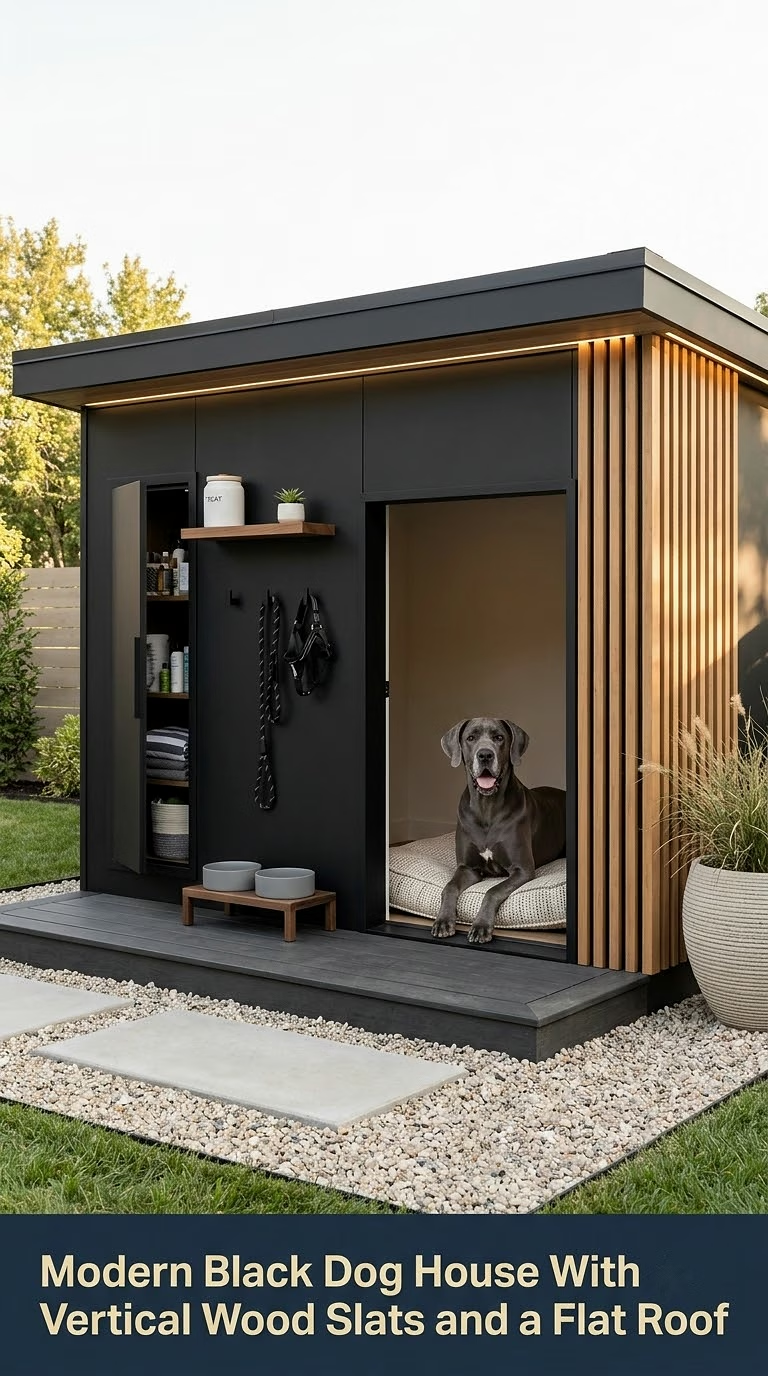
For a contemporary backyard, combine matte black exterior panels with vertical natural-wood slats. The contrast creates a sophisticated architectural look that feels more like a miniature modern studio than a traditional kennel.
A flat-looking roof can still be built with a subtle slope so rainwater runs toward the back. Add a generous overhang above the entrance to keep the doorway shaded and reduce the amount of rain entering the house. Hidden feet or a low platform can lift the structure away from damp soil while preserving its clean lines.
Position screened ventilation slots high on opposite walls to encourage airflow without creating a direct draft at sleeping level. This bold design looks especially striking beside black fencing, concrete pavers, ornamental grasses, and modern outdoor furniture.
3. White Farmhouse Dog House With a Deep Covered Front Porch
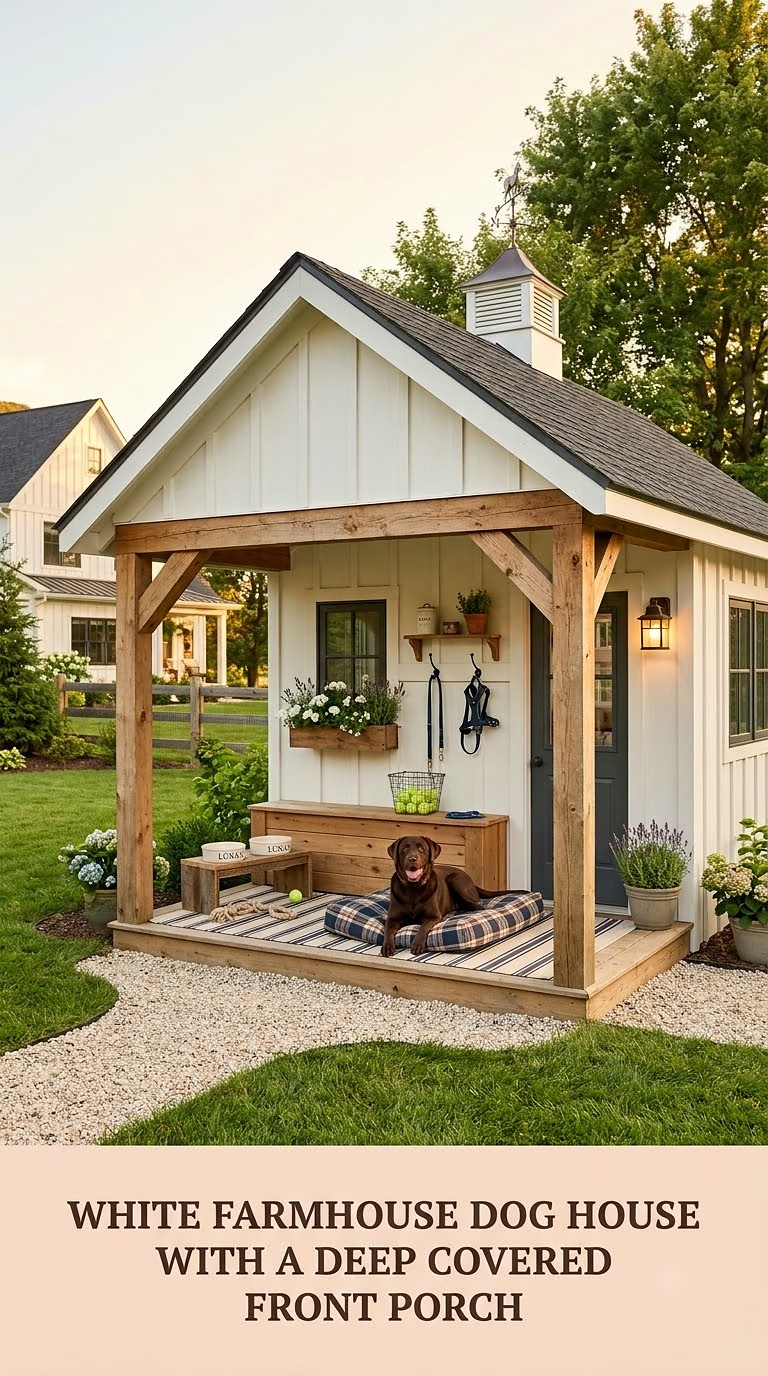
Turn a functional dog shelter into an adorable backyard feature with white siding, dark roof shingles, and a deep covered porch. A front porch gives a big dog somewhere to relax outdoors while remaining protected from direct sunlight and light rain.
Use simple farmhouse details such as black trim, a small name plaque, and natural wood porch posts. Avoid delicate decorations or loose pieces that could be chewed or pulled free. For a large breed, make the porch platform deep enough for the dog to lie down without blocking the entrance.
The main sleeping area should remain enclosed and weather-resistant. A removable interior floor panel makes cleaning easier, while the roof overhang helps keep the walls and doorway dry. Soft gray, cream, and pale wood accents will maintain the calm farmhouse palette.
4. Oversized A-Frame Dog House With a Charcoal Metal Roof
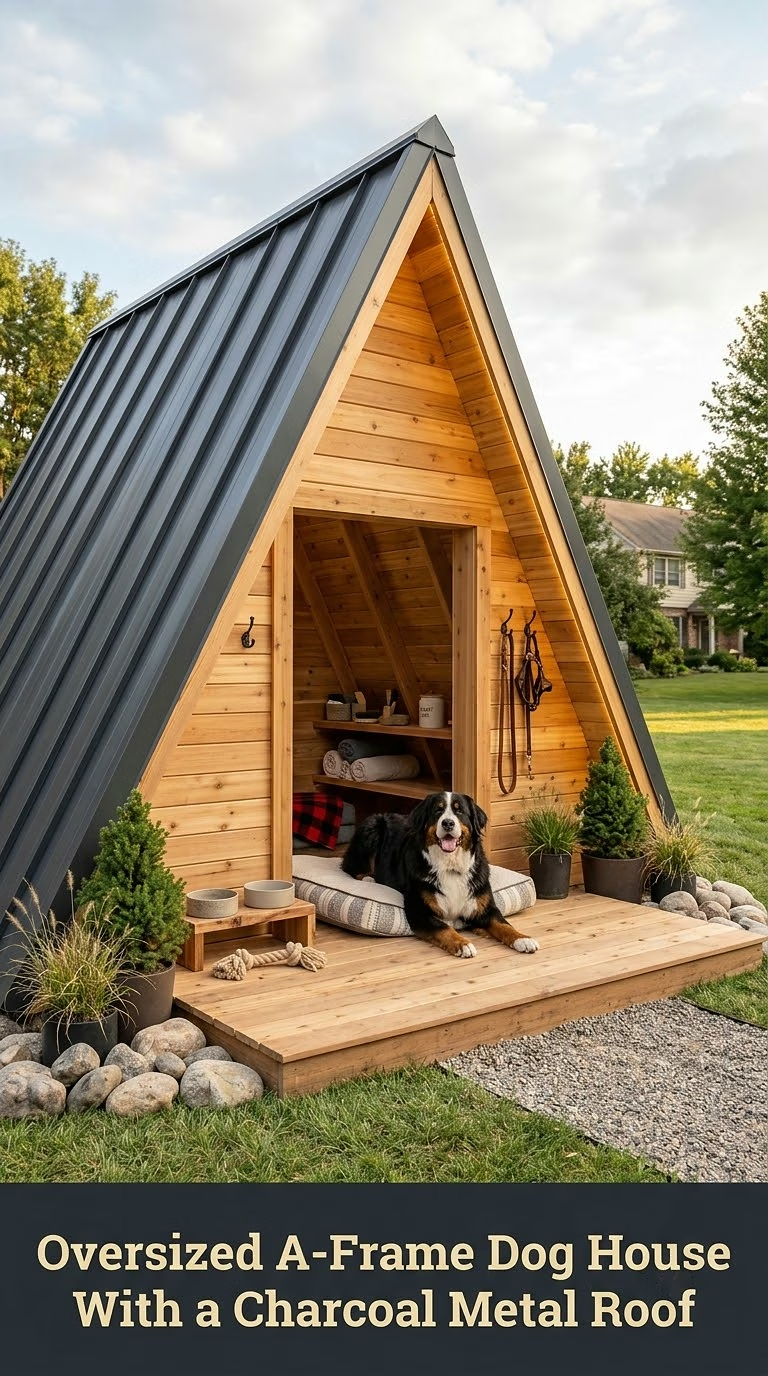
An A-frame dog house creates a charming cabin silhouette while allowing rain, leaves, and snow to slide easily from the roof. The tall central ceiling also makes the interior feel less restrictive for long-legged breeds.
Build the lower walls wide enough for your dog to turn around and sleep comfortably, since the angled roof reduces usable space near the sides. A charcoal metal roof creates crisp contrast against cedar, pine, or warm brown siding. Make certain all metal edges are fully covered and inaccessible to your dog.
Add small screened vents near the upper front and back walls to release trapped warm air. A raised doorway lip can discourage rainwater from flowing inside, but it should remain low enough that senior dogs or dogs with limited mobility can step over it comfortably.
5. Insulated Mountain Lodge With Stone-Look Siding and Timber Trim
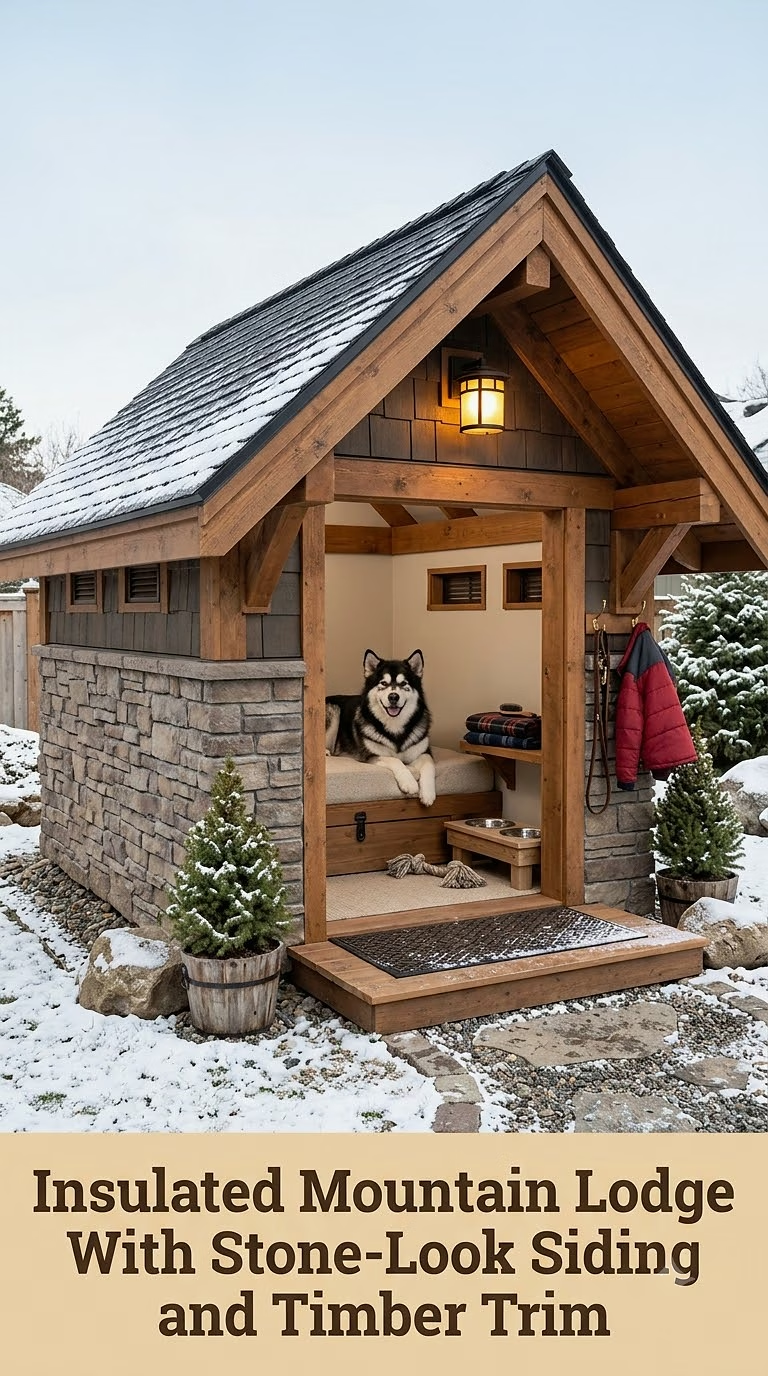
A mountain-lodge-inspired house is perfect for a rustic landscape or a backyard surrounded by mature trees. Combine timber-style framing with lightweight stone-look cladding around the lower exterior. The stone effect adds visual weight without requiring a heavy masonry structure.
For colder climates, place rigid insulation safely between the inner and outer walls, completely enclosing it so your dog cannot chew or scratch it. Insulation should be paired with controlled ventilation rather than creating a tightly sealed box where moisture and odors can accumulate.
Use a weatherproof roof, raised floor, wind-blocking entrance position, and dry bedding appropriate for local conditions. Even a beautifully insulated shelter should not be treated as adequate protection during dangerous temperature extremes, particularly for puppies, seniors, short-coated dogs, or animals with health concerns.
6. Coastal Blue Dog Cottage With White Trim and a Shaded Deck
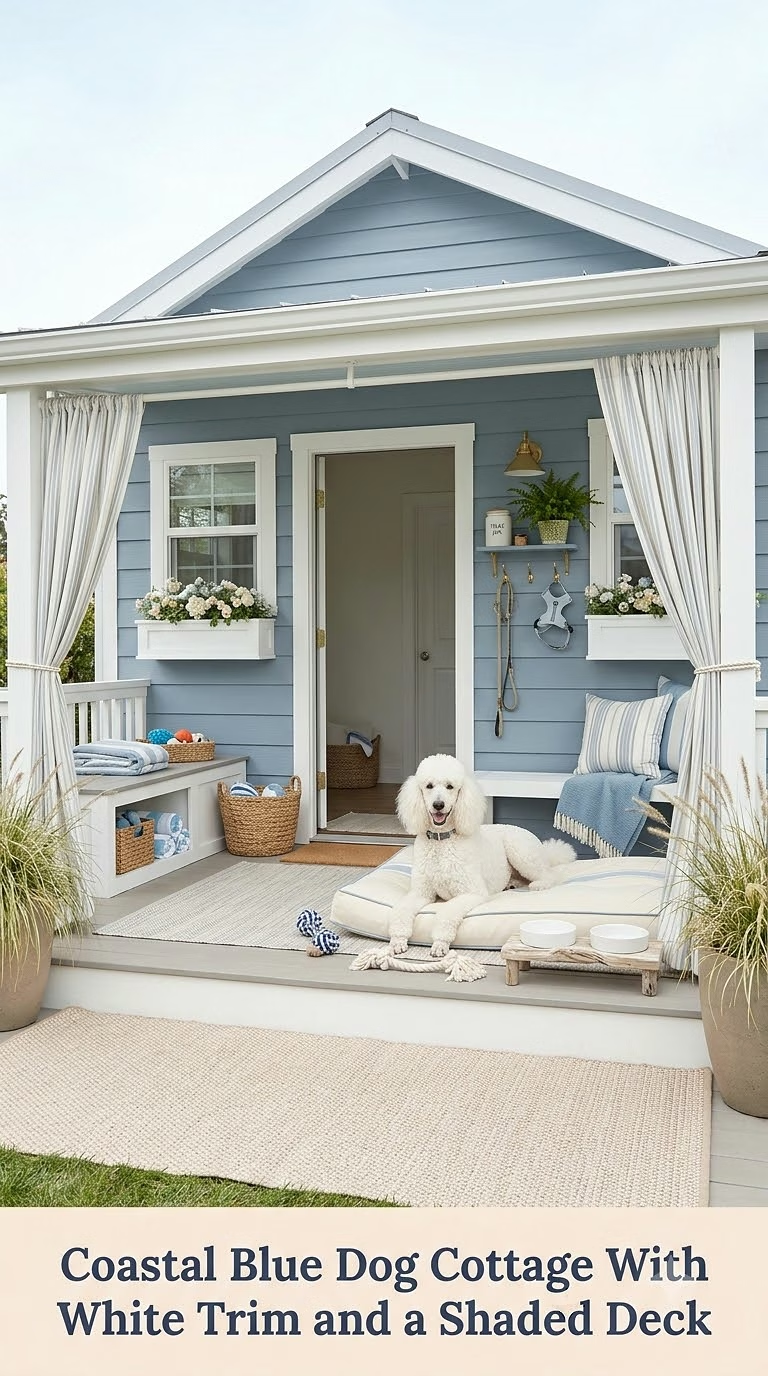
Bring a breezy coastal feeling to the backyard with dusty blue siding, fresh white trim, and a pale wood deck. The soft palette looks cheerful without feeling overly bright, especially when surrounded by hydrangeas, gravel paths, or weathered outdoor furniture.
Extend the roof over one side of the deck to form a shaded resting spot. Large dogs often enjoy lying near their house rather than inside it during mild weather, so a protected outdoor platform can be just as valuable as the sleeping compartment.
Read more : 17 Closet Dog Room Ideas for a Cozy, Stylish Pet Retreat
Choose exterior paint or stain that is suitable for outdoor use and fully cured before your dog uses the house. Keep the interior simpler, with smooth washable surfaces and no exposed decorative molding. Screened side vents and a light-colored roof can help reduce heat buildup, but the structure should still be placed in dependable shade.
7. Extra-Wide Double Dog House With Two Private Sleeping Rooms
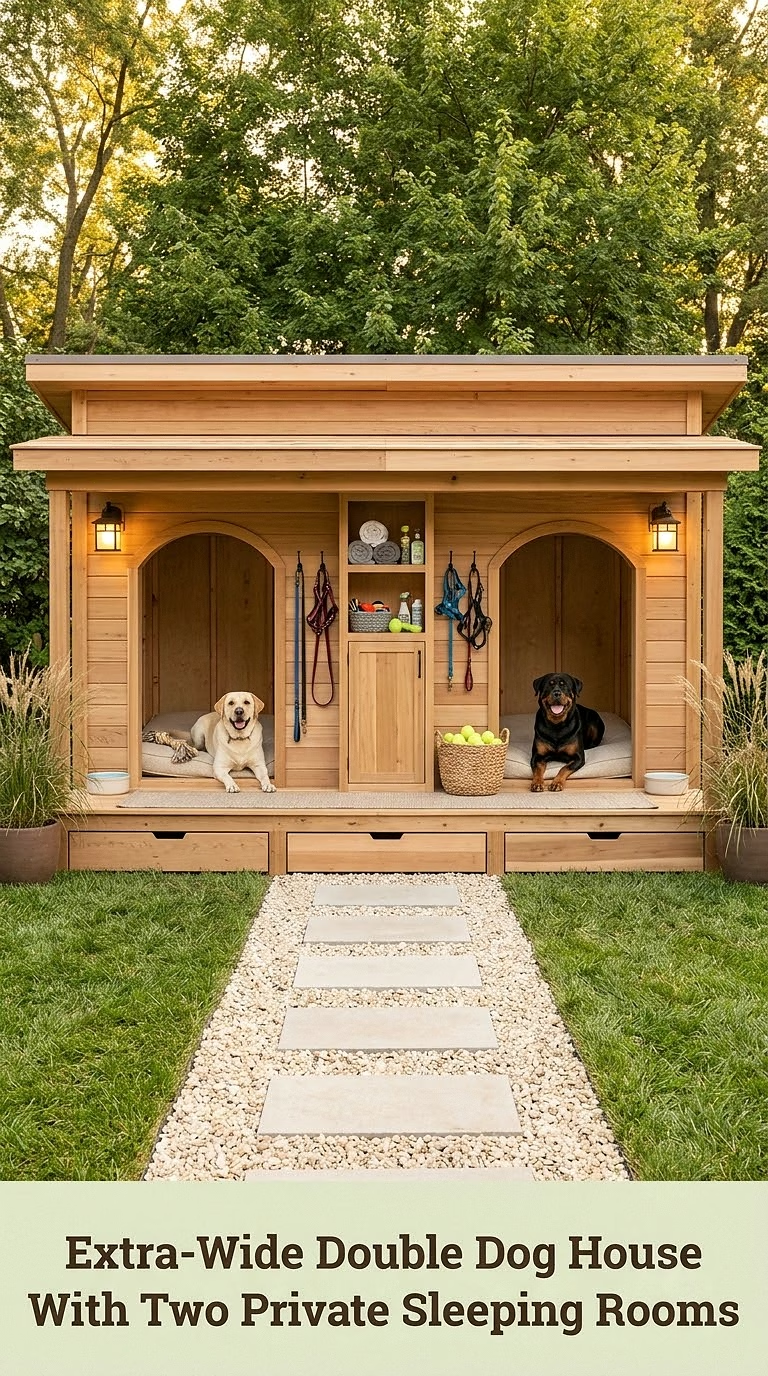
For a pair of large dogs, create one coordinated structure with two separate sleeping rooms. Each side should have its own doorway, ventilation, resting area, and removable floor panel. This arrangement gives each dog personal space while creating a cleaner look than two unrelated houses.
A central dividing wall can be permanently closed or fitted with a secure interior opening, depending on how comfortably the dogs rest together. Some companions enjoy sharing a connected retreat, while others sleep more peacefully when they can withdraw completely.
Use matching doors and symmetrical windows to give the exterior a balanced appearance. A long shared porch across the front provides space for both dogs to lounge. Remember that doubling the dogs means planning for more frequent cleaning, stronger flooring, and enough surrounding room to prevent crowding.
8. Raised Big Dog House With a Full-Length Ramp for Senior Dogs
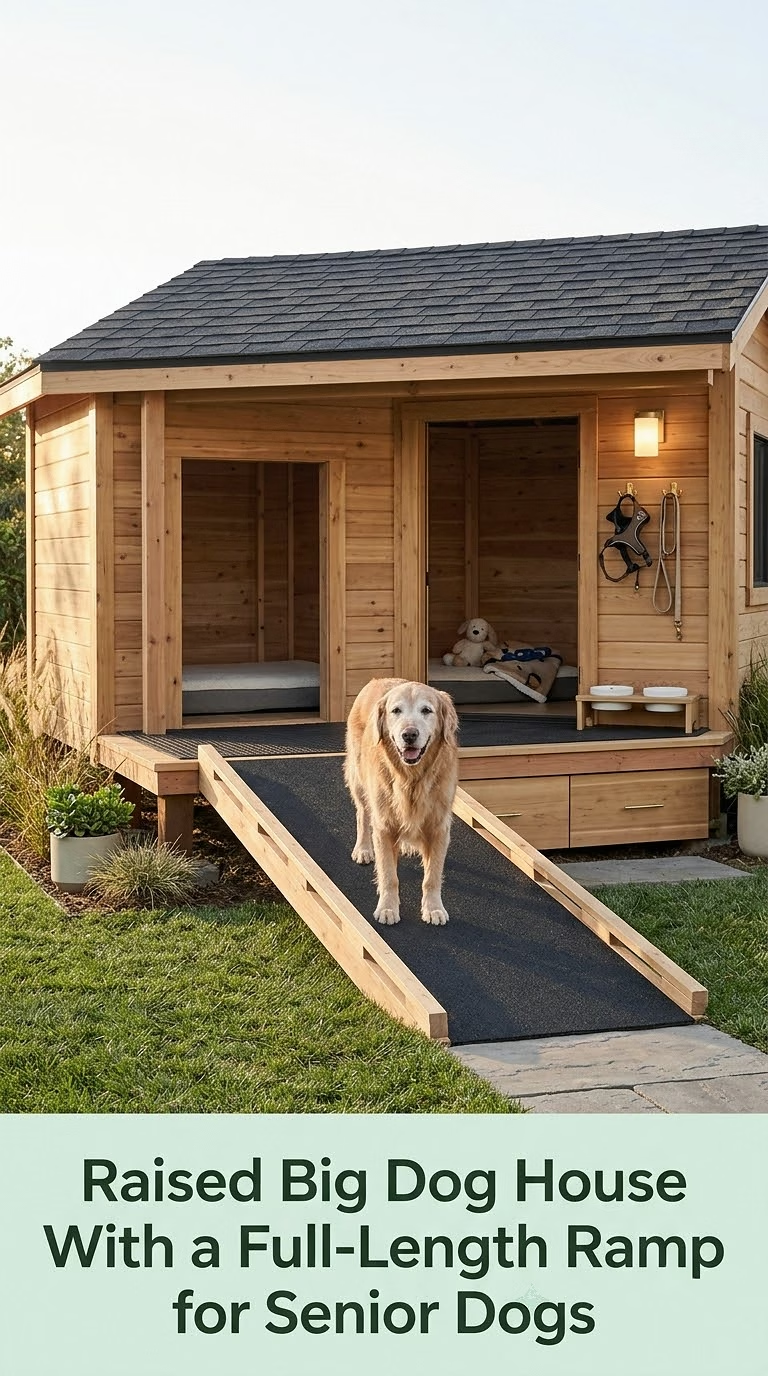
Senior dogs and large breeds with joint stiffness may struggle with tall thresholds or steep steps. A gently raised dog house with a wide, low-angle ramp can improve access while still keeping the floor away from wet ground.
Cover the ramp with a textured, weather-resistant surface that provides grip when damp. Add low side rails if your dog has poor balance, but keep the path wide enough for comfortable movement. The entrance should be nearly level with the top of the ramp, without an abrupt lip that could catch a paw.
Inside, use a supportive bed with a removable washable cover. Keep the layout open and uncluttered so your dog can reposition easily. A hinged roof or large access panel will allow you to clean the house without repeatedly moving heavy bedding through the doorway.
9. Budget-Friendly Plywood Dog House With a Removable Sloped Roof
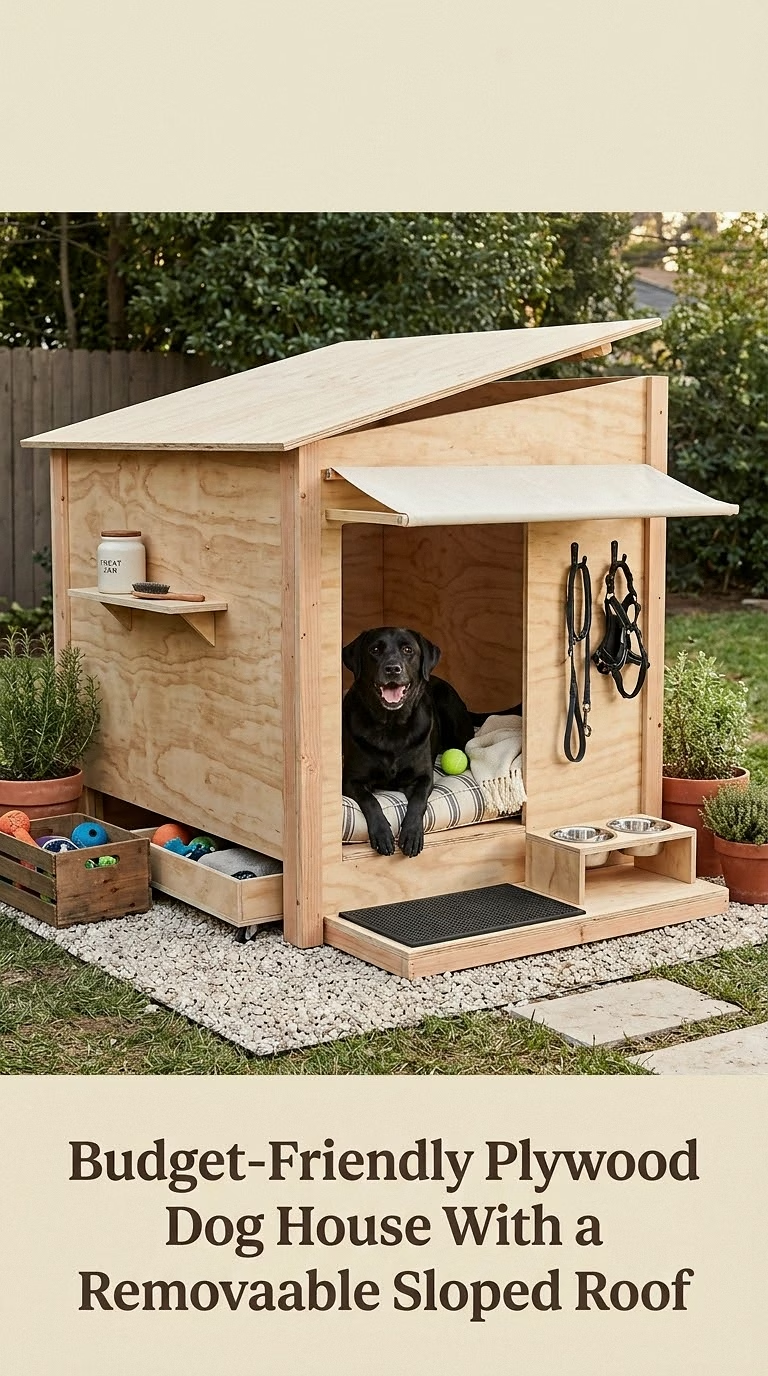
An attractive big dog house does not have to require premium materials or elaborate carpentry. A basic timber frame covered with properly sealed exterior-grade plywood can create a strong, budget-conscious shelter.
Keep the design rectangular, with a single sloped roof that lifts off or opens on hinges. This makes construction simpler while giving you full access for sweeping, washing, checking for damage, and replacing bedding. Cover exposed plywood edges carefully because they can absorb moisture faster than the flat surfaces.
Paint the exterior in a soft olive, warm beige, or muted terracotta to help the simple structure feel intentional. Do not use unidentified reclaimed wood, damaged pallets, or boards that may contain unsafe treatments, sharp fasteners, mold, or chemical residue.
10. Big Dog House and Pergola Combination With a Cooling Patio
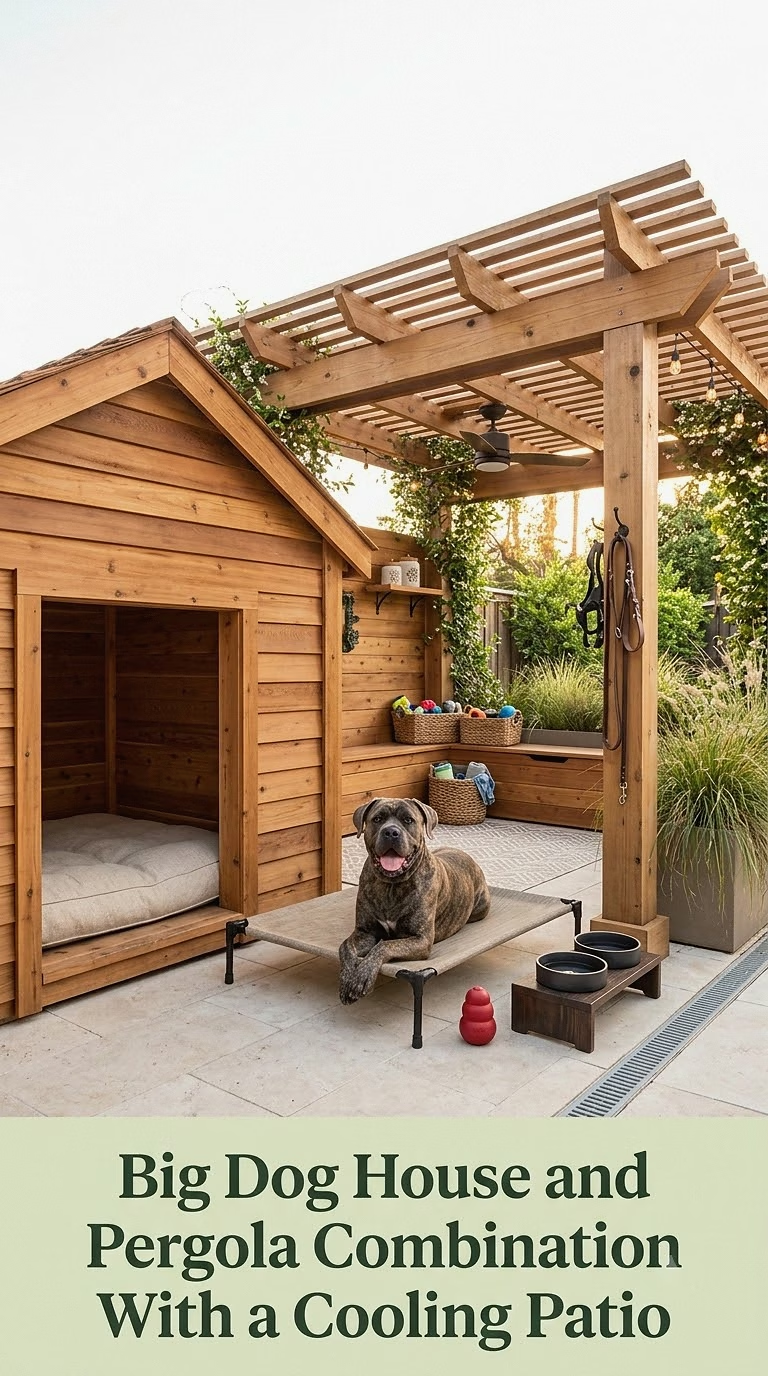
Combine an enclosed sleeping shelter with a pergola-covered patio to create a complete outdoor retreat. The house provides privacy and protection, while the open patio offers shade and airflow during warm afternoons.
Build the pergola tall enough that air can circulate freely and position the slats or shade cover according to the direction of the strongest sun. A solid roof section may be needed in wet climates, since decorative pergola slats alone will not provide reliable rain protection.
Finish the patio with smooth concrete pavers, sealed decking, or another surface that drains easily and does not become dangerously hot. Include a stable water station in a shaded location, but place it where spills will not soak the sleeping area. This design works especially well in large fenced yards.
11. Minimalist Side-Yard Dog House With a Narrow Covered Run
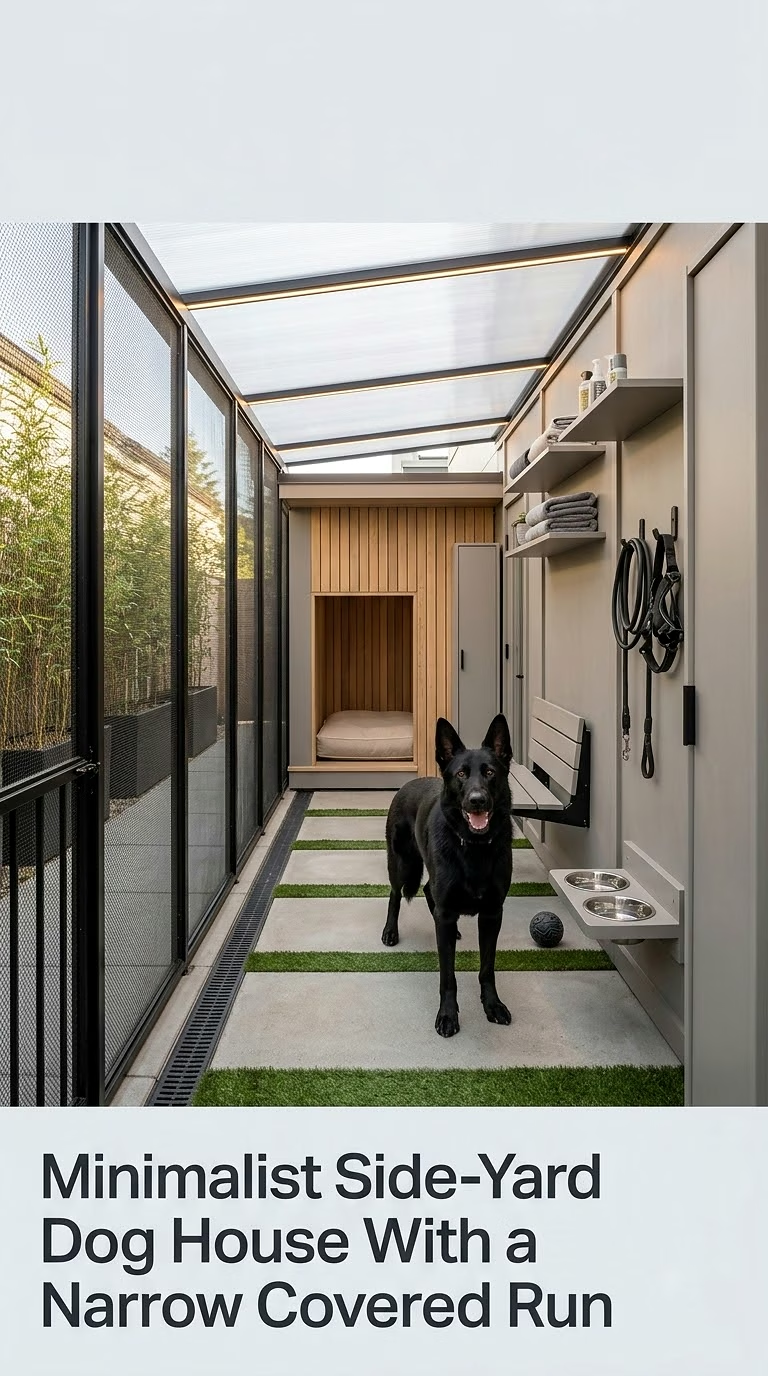
A side yard can become a practical dog zone when the available space is long but relatively narrow. Place the sleeping house at one end and connect it visually to a covered run or lounging path.
Use a streamlined exterior with pale gray siding, black trim, and a simple shed roof. Rather than making the house too narrow, preserve enough internal width for your dog to turn and stretch. The run can be narrow, but the sleeping chamber must still suit the dog’s actual body measurements.
Choose secure fencing that is strong enough for a large breed and inspect the bottom for digging opportunities. Add drainage gravel or washable pavers instead of allowing the pathway to become muddy. The run should supplement walks, play, and time with the family rather than replacing regular exercise.
12. Green Roof Dog House Surrounded by a Pollinator Garden
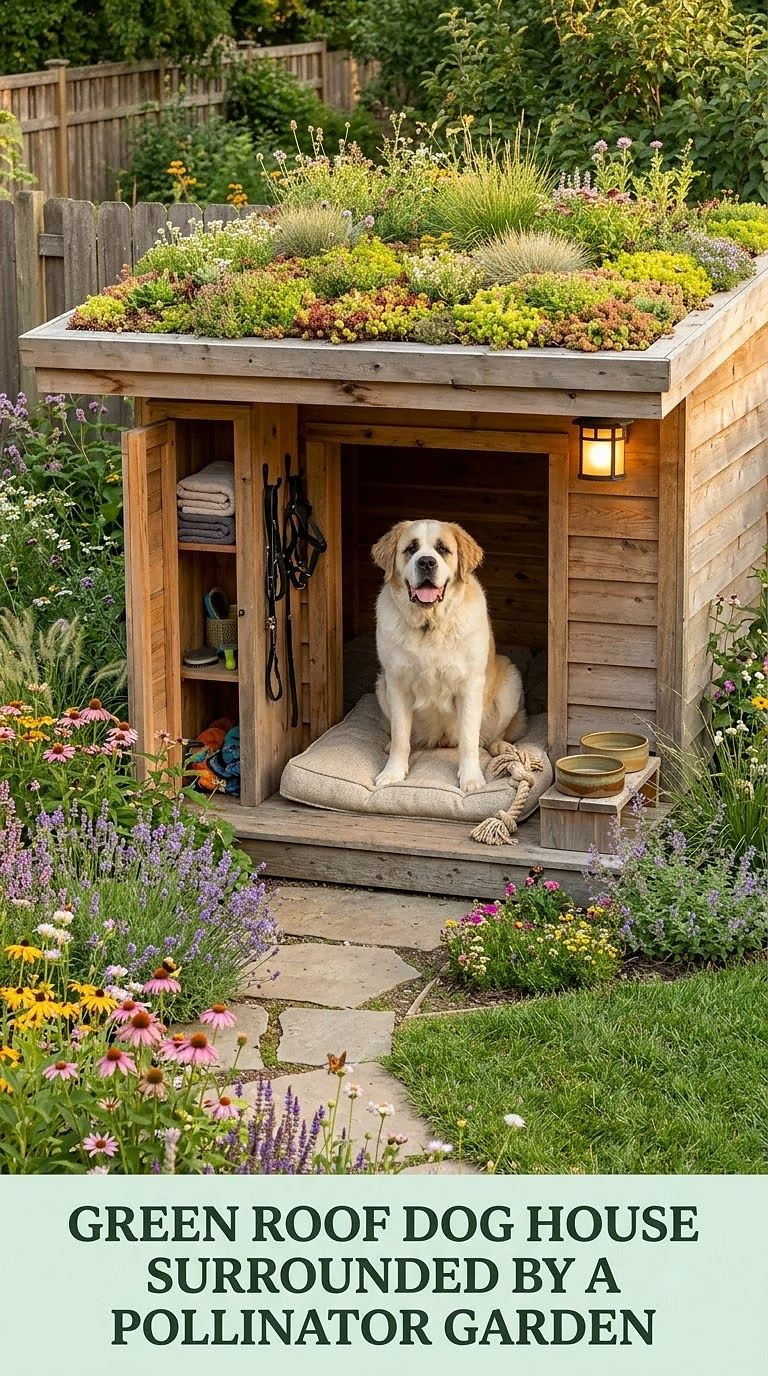
A planted roof can help a dog house blend into a lush garden while creating a beautiful cottage-like focal point. Use a professionally designed shallow green-roof system with waterproofing, drainage, lightweight growing medium, and plants suitable for the local climate.
The structure must be engineered to support the added weight of wet soil and vegetation. For this reason, a green roof is better suited to a carefully planned build than a casual modification of an existing lightweight house.
Select non-toxic, low-maintenance plants and prevent your dog from climbing onto or eating the roof garden. Position the house beside dog-safe flowers and sturdy ground covers, leaving enough open space around the walls for cleaning and inspections. A simple natural wood exterior keeps attention on the living roof.
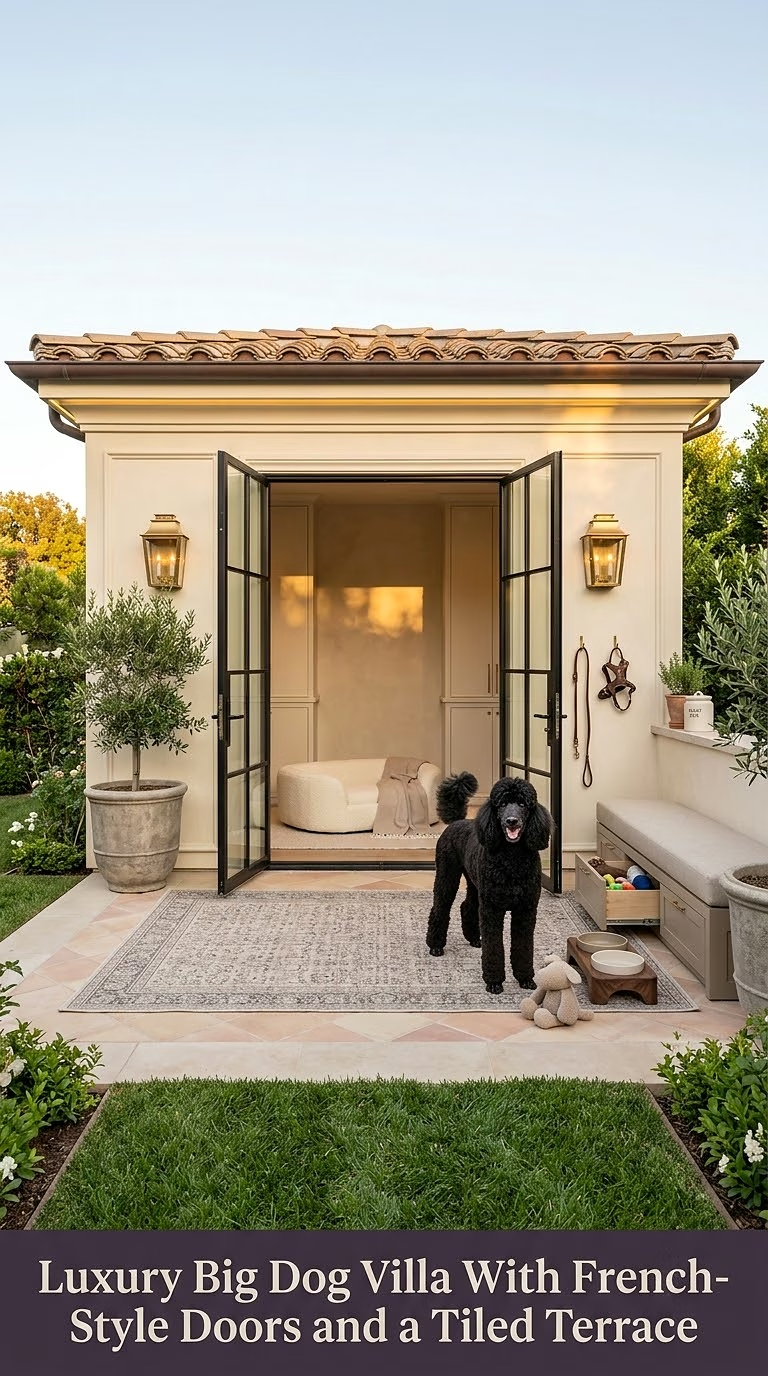
13. Luxury Big Dog Villa With French-Style Doors and a Tiled Terrace
Read more : 19 Dog Sleeping Area Ideas for a Cozy, Stylish Resting Spot
Create a luxurious retreat with cream exterior walls, an elegant dark roof, and a broad tiled terrace. French-style doors can inspire the appearance, but the actual entrance should remain open, durable, and safe rather than using fragile glass panels at dog level.
Decorative trim, miniature wall lights, and a personalized plaque can add character when securely installed beyond chewing height. Inside, prioritize practical features such as washable wall panels, ventilation, a supportive bed, and easy access for cleaning.
Use outdoor porcelain pavers or textured tiles on the terrace to achieve an upscale finish without creating a slippery surface. The finished villa should be beautiful, but every decorative decision must remain secondary to structural strength, temperature control, and comfortable proportions.
14. Rustic Barn Dog House With Red Siding and a Dutch-Door Detail
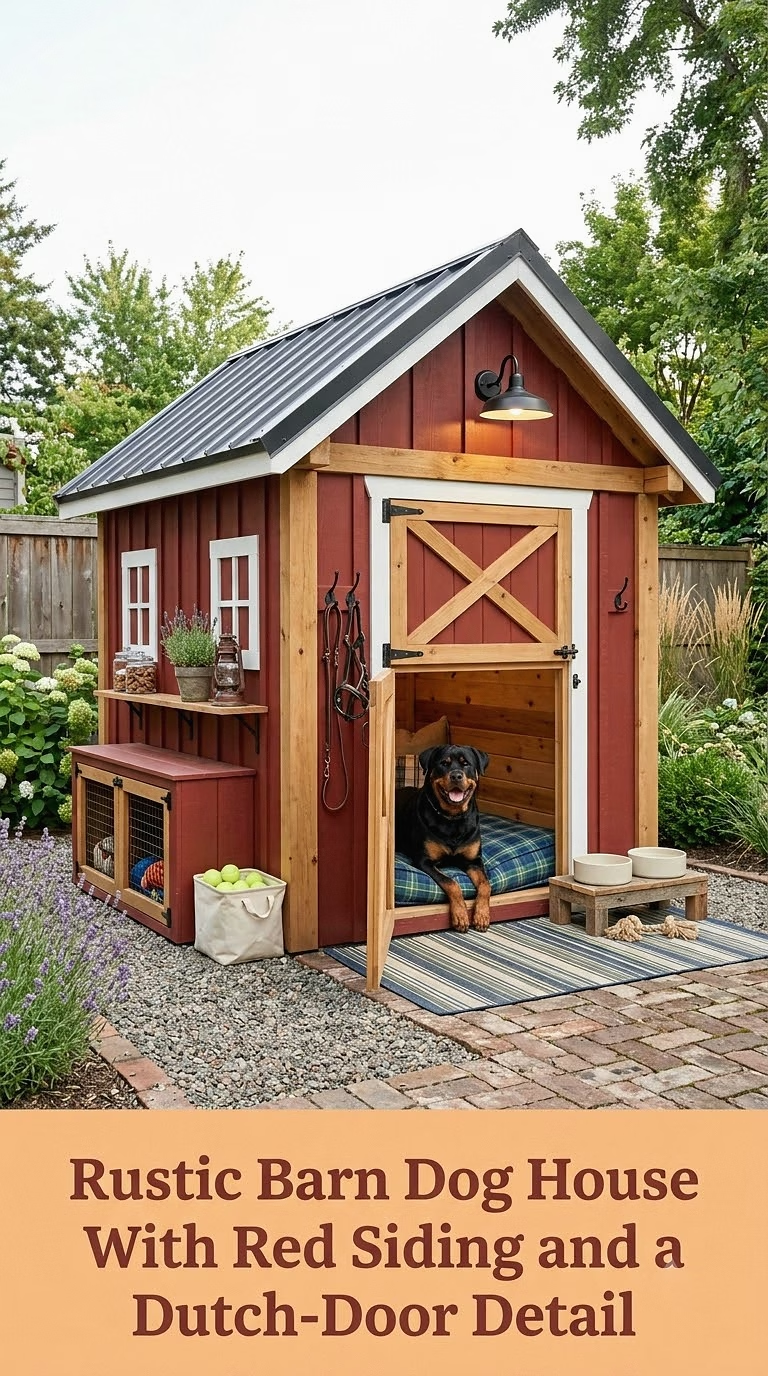
A miniature barn design brings playful countryside charm to a backyard. Deep red siding, white trim, and a dark pitched roof create the classic look, while a decorative Dutch-door frame makes the entrance feel distinctive.
Keep the lower entrance completely unobstructed so your dog cannot become caught on ornamental pieces. Faux hinges and cross-brace details should be flat, smooth, and securely attached. A long side window fitted with strong screening can increase airflow while preserving the barn appearance.
Inside, sealed wood walls and a removable rubber-backed mat make muddy paw prints easier to manage. Place the structure on a level gravel base or raised platform so rainwater drains away rather than collecting around the barn-style walls.
15. Reversible Seasonal Dog House With Summer and Winter Entrances
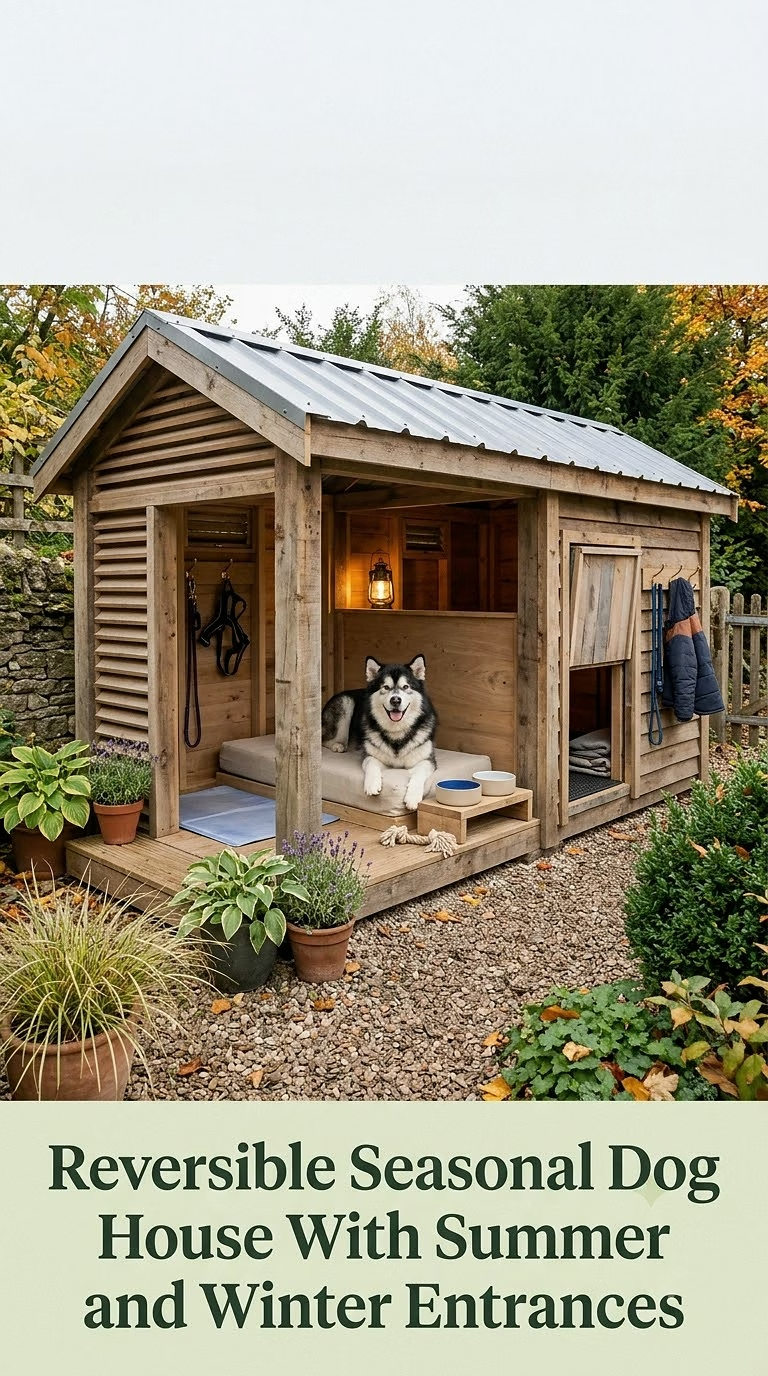
A climate-conscious dog house can be designed with two entrance positions or removable windbreak panels. During warm months, a wider shaded opening and additional screened ventilation improve airflow. During cooler months, the main opening can be protected with an offset panel that reduces direct wind.
The system should remain simple enough that every component can be inspected and secured. Avoid heavy doors that might trap the dog or flexible flaps that your pet is likely to chew. Removable panels should lock firmly in place with hardware that is inaccessible from inside.
Use a light reflective roof for hot seasons and enclosed wall insulation where cold-weather protection is necessary. Seasonal adjustments should always be based on actual weather conditions and the needs of the individual dog, not solely on the calendar.
16. Porch-Swing-Inspired Big Dog Bed House Under a Covered Patio
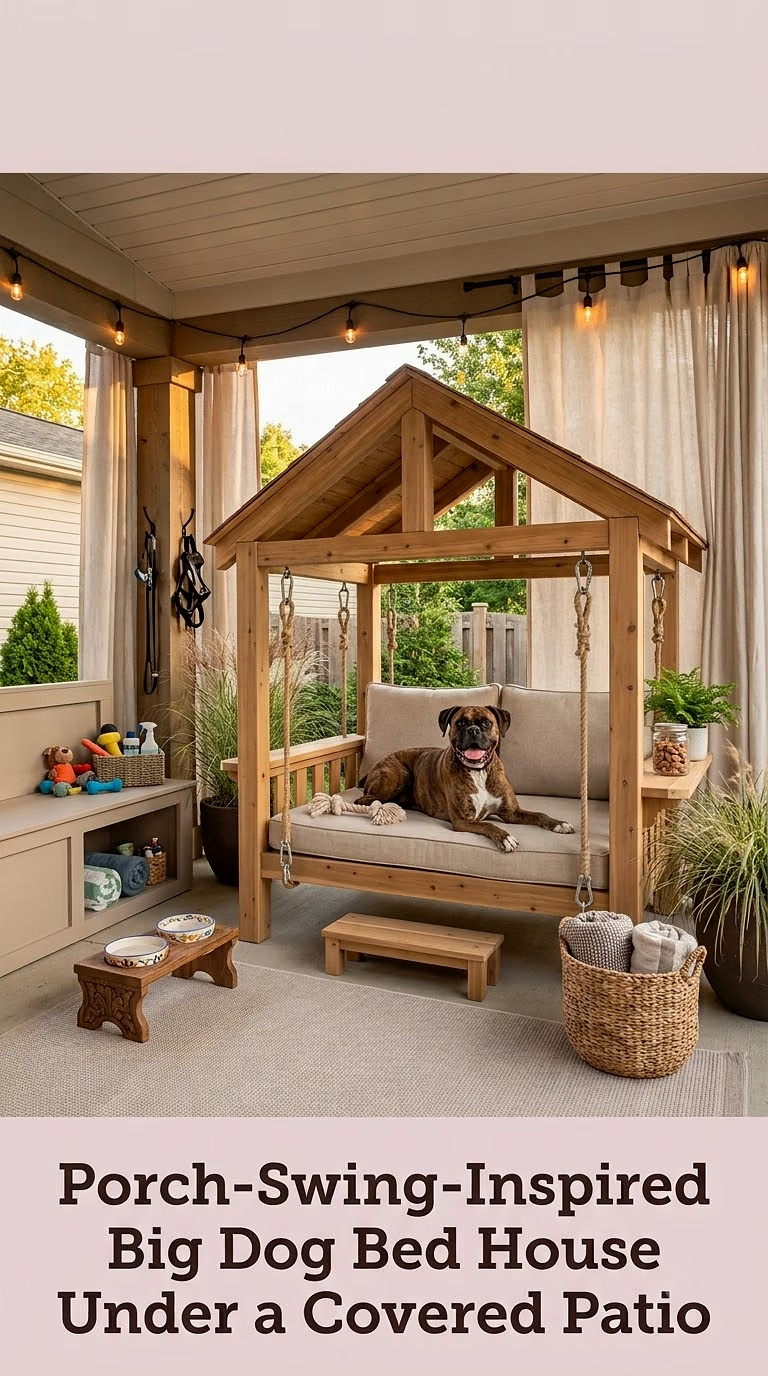
For a dog that spends most of its time indoors but enjoys relaxing with the family outside, create a semi-open bed house beneath a covered patio. The design can resemble an oversized porch swing alcove, with three protective walls, a roof, and a wide open front.
Because the structure is already protected by the main patio roof, it can focus more on comfort and style than heavy weather resistance. Use painted beadboard, chunky wood framing, and a large fitted cushion to coordinate with nearby seating.
The sleeping platform should remain stationary rather than actually swinging, particularly for a heavy dog or one with mobility concerns. Add a washable cushion cover and leave enough clearance around the bed for easy entry. This idea turns unused patio space into a cozy shared living area.
17. Dog House With an Attached Storage Cabinet and Feeding Station
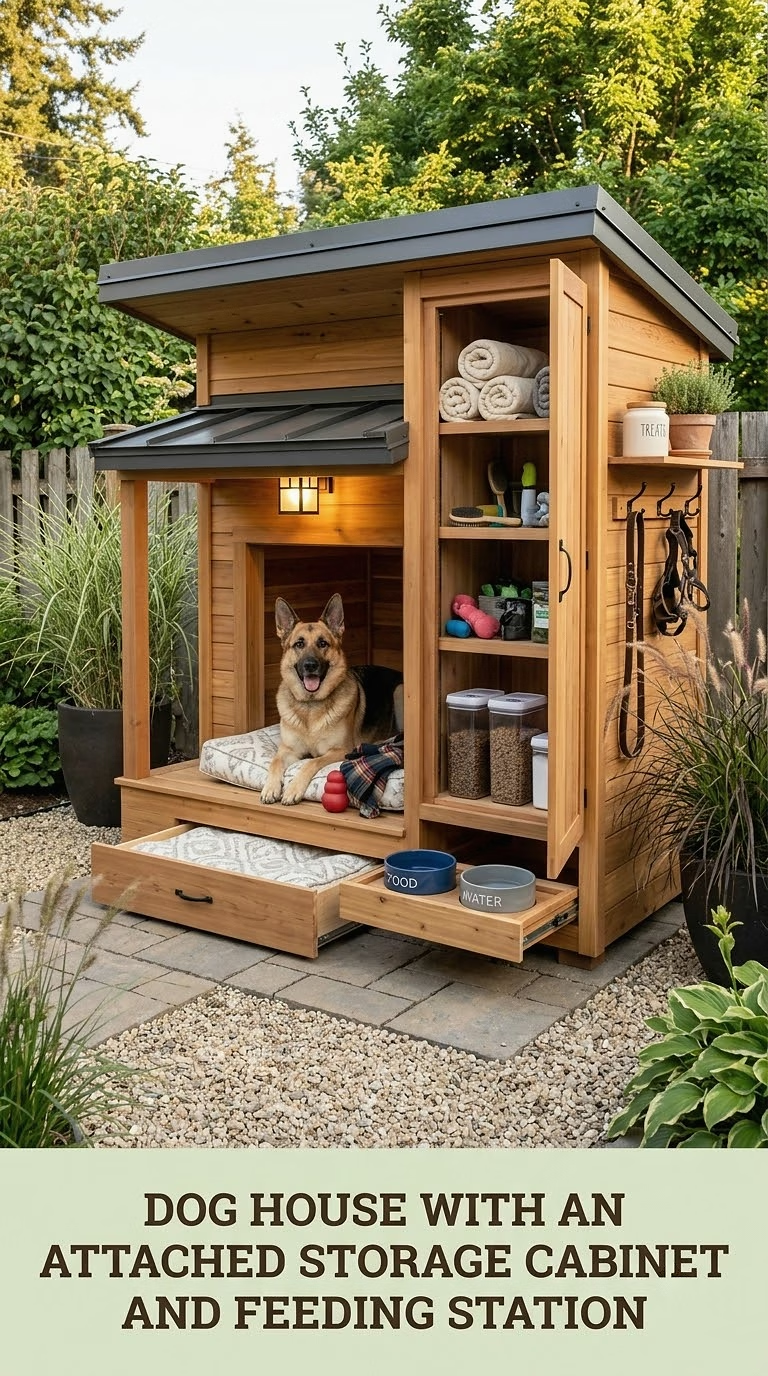
Make a large dog house work harder by adding a sealed storage cabinet to one side. The cabinet can hold leashes, grooming brushes, waste bags, towels, and a limited supply of sealed essentials without taking space away from the sleeping compartment.
Keep stored food in pest-resistant containers and avoid placing chemicals, medications, fertilizers, or sharp tools anywhere the dog could access them. The cabinet should have its own exterior door so opening it does not disturb the resting area.
A small covered feeding station can extend from the opposite side, with fitted openings that hold stainless steel bowls securely. Position the water bowl in constant shade and design the surface so spills drain away from the house. Matching siding and hardware will make all three zones feel like one polished backyard feature.
Conclusion
The best big dog house is not simply a smaller human house enlarged for an oversized pet. It is a thoughtfully measured shelter designed around the way a particular dog stands, turns, rests, and responds to local weather.
Begin with the essentials: a strong raised floor, smooth interior surfaces, a weatherproof roof, secure construction, dependable shade, and enough ventilation to prevent the space from becoming hot or damp. From there, you can introduce a style that suits your home, whether that means a natural cedar cabin, white farmhouse cottage, modern black studio, rustic barn, or luxurious garden villa.
Remember to inspect the structure regularly for water damage, loose hardware, sharp edges, insects, chewing, and worn bedding. Keep fresh water nearby and bring your dog into a safe temperature-controlled environment whenever outdoor conditions become uncomfortable or dangerous. With these practical details in place, a beautiful dog house can become a welcoming retreat your large companion will genuinely enjoy.
Love these big dog house ideas? Pin this Pinterest post so you can return to your favorite design when you are ready to build or decorate.
Source: https://petstutorial.com
Category: Dog Rooms
