
A dog house can be so much more than a simple shelter placed in the corner of the yard. With the right shape, materials, colors, and thoughtful details, it can become a charming little retreat that feels connected to your home and garden. Imagine your dog stretching out on a shaded porch, curling up inside a warm wooden cabin, or watching the backyard from a breezy bungalow designed especially for them.
- 17 Beautiful Dog Office Ideas for a Calm and Stylish Work-From-Home Space
- 18 Cute Dog Room Ideas for a Cozy, Stylish, and Adorable Pet Space
- 17 Dog Room Ideas for Bedrooms and Pet Beds That Feel Cozy, Stylish, and Practical
- 18 Dog Playroom Ideas for a Fun, Stylish, and Enriching Space
- 17 Dog Utility Room Ideas for a Stylish, Organized, Pet-Friendly Home
The best dog house ideas balance beauty with comfort, safety, and everyday practicality. A lovely exterior matters, but the structure also needs a properly sized interior, dependable ventilation, a weather-resistant roof, a dry floor, and convenient access for cleaning. Outdoor dog houses should always be positioned with the local climate in mind, and dogs should be brought indoors during extreme heat, severe cold, storms, or any conditions the shelter cannot safely manage.
You are reading: 16 Beautiful Dog House Ideas That Make Every Pup Feel at Home
Beautiful and Practical Dog House Ideas for Every Yard and Home
Modern Cedar-Slat Dog House With a Matte Black Sloped Roof
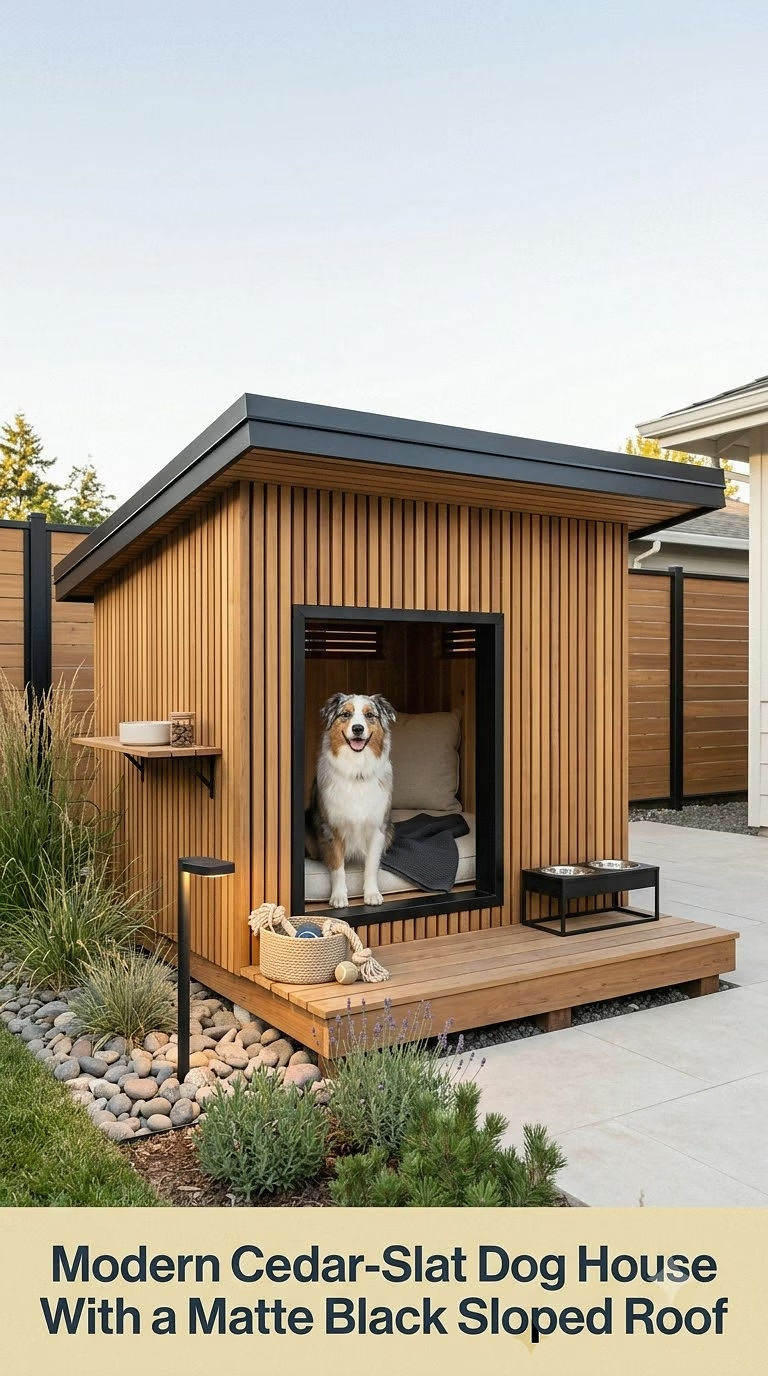
Create a polished backyard focal point with warm vertical cedar slats, crisp black trim, and a simple sloped roof. This design works especially well beside a modern patio, minimalist garden, or contemporary home because its clean lines feel stylish without appearing overly decorative.
Extend the floor several inches beyond the entrance to create a small landing where your dog can sit or stretch out without lying directly on damp soil or grass. A slightly raised platform also improves airflow beneath the floor and helps protect the structure from standing water after rain.
The roof should slope away from the doorway so runoff does not drip across the entrance. Add narrow ventilation openings high on the side walls, protected with durable mesh, to encourage airflow without creating a strong draft at sleeping level.
A removable floor panel or hinged roof will make sweeping, washing, and replacing bedding much easier. Finish exposed wood with a pet-conscious exterior coating and allow it to cure completely before inviting your dog inside.
Sage Green Cottage Dog House With White Trim and Window Boxes
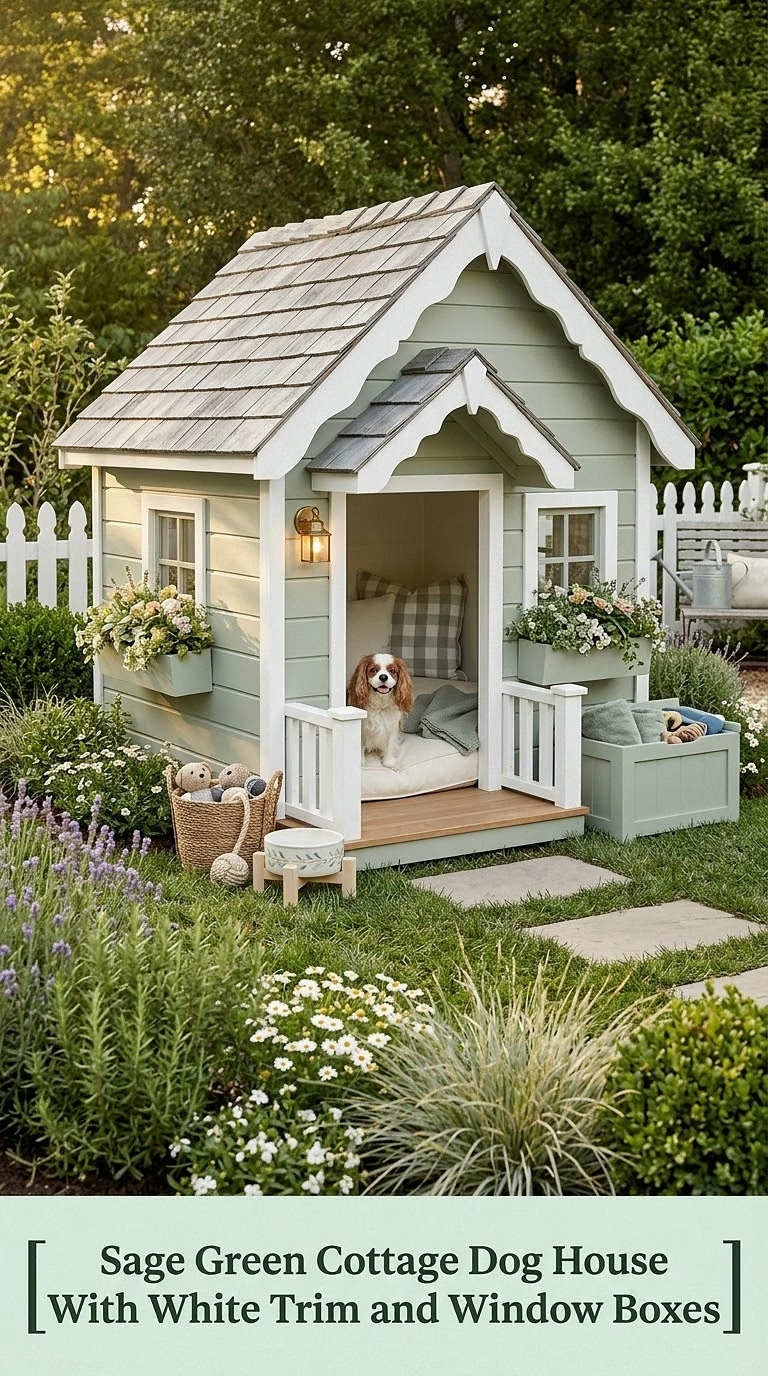
For a romantic garden look, paint a petite cottage-style dog house in muted sage green and frame the doorway with creamy white trim. A steep gable roof, decorative shutters, and a scalloped fascia can give the structure storybook charm while still keeping the overall shape practical.
Place the house near a picket fence, flowering border, or gravel garden path so it feels like a miniature country cottage. A small front step or porch can give your dog a clean place to pause before entering.
Window boxes add personality, but they should remain shallow, securely attached, and out of chewing reach. Choose only dog-safe plants and use removable planter inserts so watering does not soak the wooden walls or encourage rot.
Inside, keep the sleeping area simple with a fitted washable mat instead of multiple layers of decorative fabric that may trap moisture. This design feels sweet and feminine while remaining manageable to clean and maintain.
Rustic Farmhouse Dog House With a Corrugated Metal Roof and Front Porch
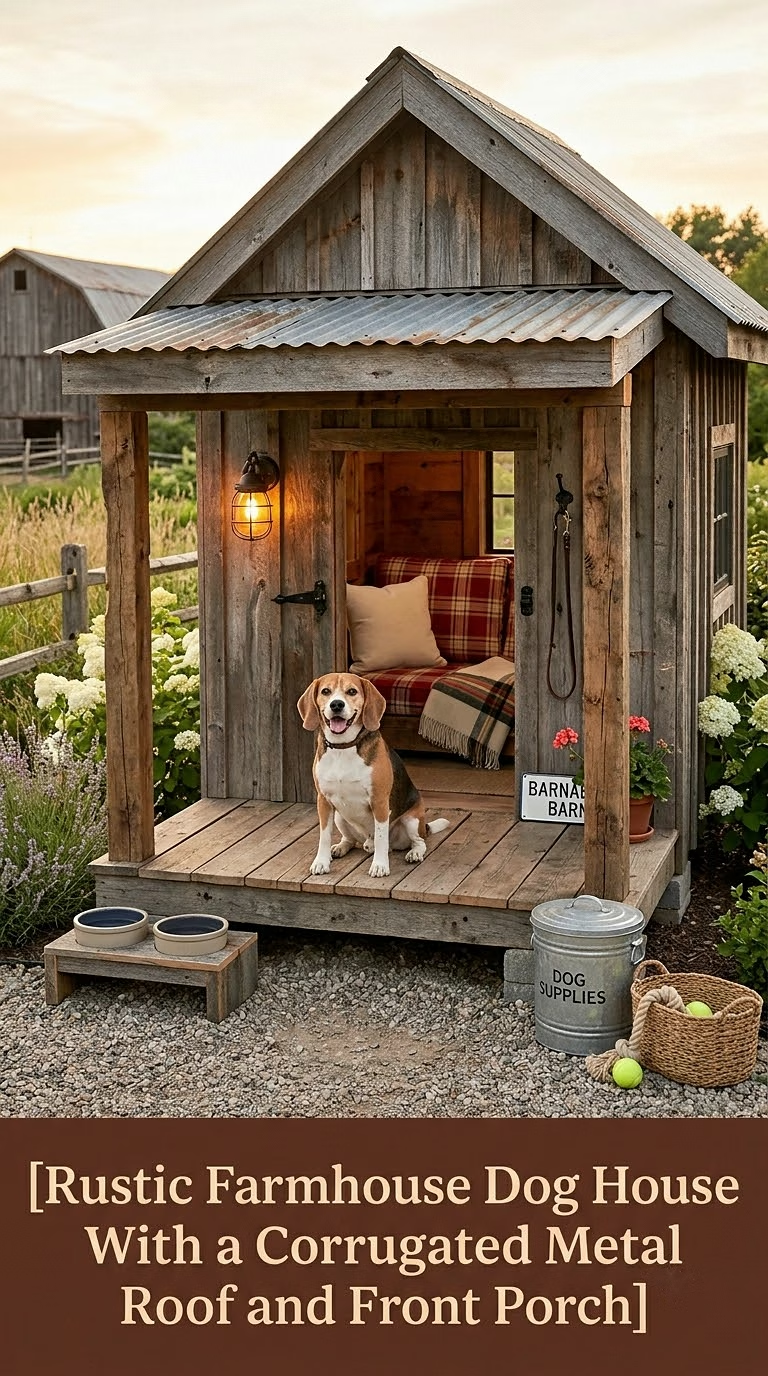
A farmhouse-inspired dog house feels warm and welcoming when it combines natural wood siding, black metal details, and a corrugated roof. Add a covered front porch wide enough for your dog to lie beneath the overhang while watching the yard.
Chunky timber posts can frame the porch and give the structure a substantial appearance. Avoid narrow decorative railings, however, because collars, paws, or claws could become caught in small gaps.
Corrugated metal sheds rain quickly and creates a strong rustic silhouette, but it should be installed over a solid roof deck rather than used as a thin exposed sheet. An air gap or insulation beneath the metal can help reduce heat transfer and soften the sound of heavy rain.
Use smooth, sealed boards on the porch and space them slightly for drainage without leaving gaps wide enough to catch nails. A dark walnut stain, black trim, and a simple wooden name plaque complete the farmhouse look without making the space feel cluttered.
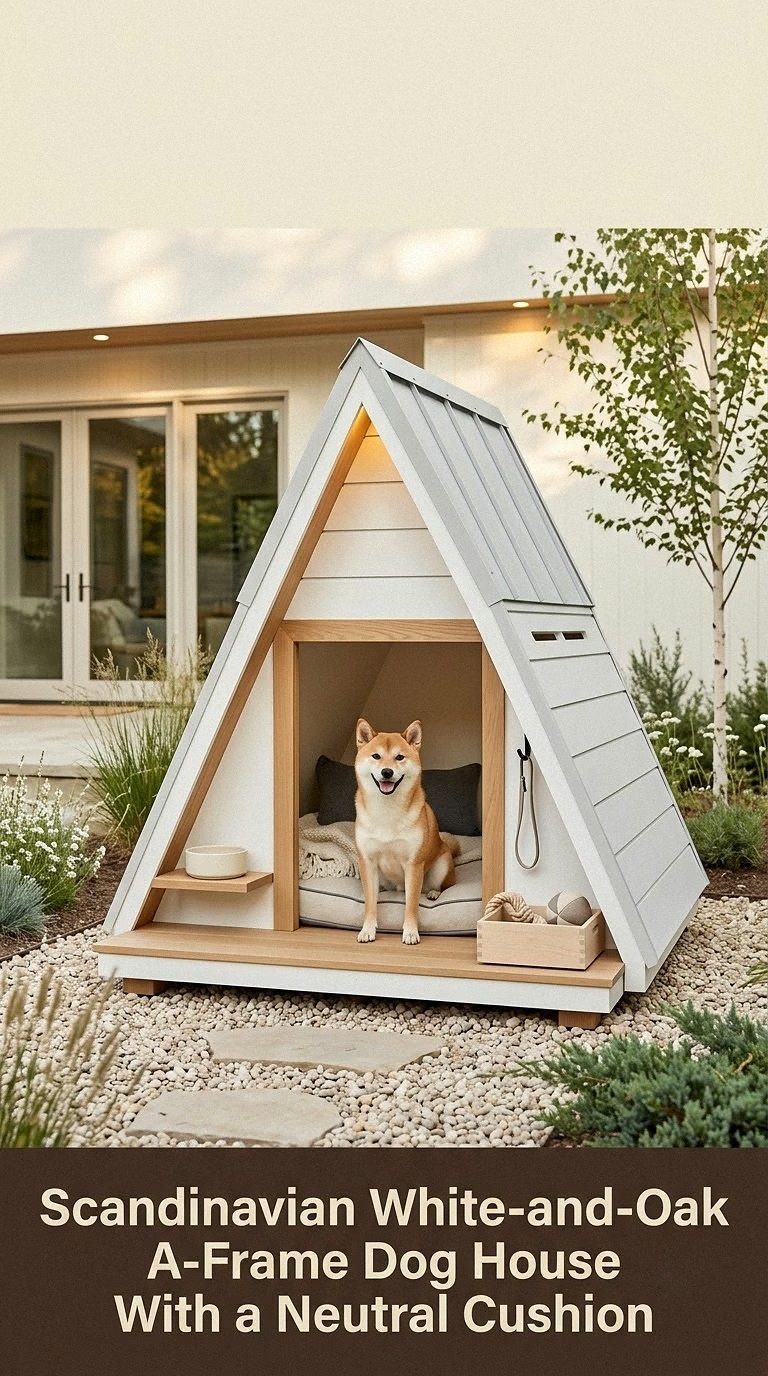
An A-frame silhouette is perfect for a clean Scandinavian-inspired dog house. Pair white exterior panels with pale oak trim, a soft gray cushion, and a simple arched entrance for a look that feels calm, modern, and easy to coordinate with existing décor.
The steep roof gives the house a recognizable architectural shape and naturally encourages rainwater to run off. However, the sloped interior walls can reduce usable space, so measure the house at your dog’s shoulder height rather than relying only on the widest floor measurement.
Your dog should be able to enter comfortably, turn around, stand naturally, and stretch out without rubbing against the roof. For an outdoor version, use weather-resistant construction beneath the decorative finish and raise the floor above the ground.
For an indoor version, consider making the roof lightweight and removable so you can vacuum the interior easily. A tailored washable cushion keeps the space comfortable without creating bulky folds of fabric around the doorway.
Insulated Winter Cabin With an Offset Doorway and Raised Timber Floor
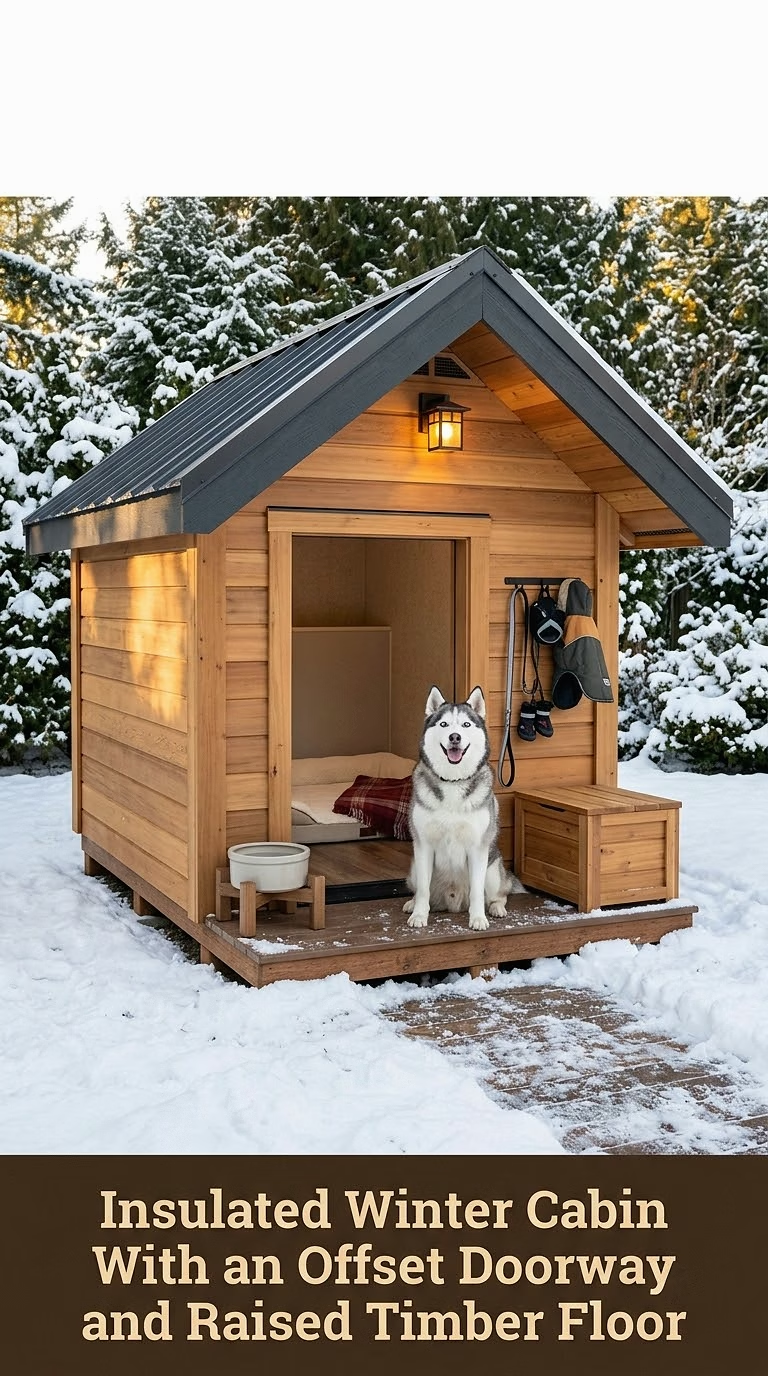
For a cold-climate dog house, focus first on dryness, draft reduction, and a protected sleeping zone. A small cabin with double-wall construction, enclosed insulation, a weatherproof roof, and a floor raised above wet or frozen ground creates a strong foundation.
Position the entrance slightly off-center so your dog can curl up behind an interior wall section rather than lying directly in the path of cold wind. A short internal divider can create an additional buffer between the entrance and sleeping area.
The house should be spacious enough for your dog to move comfortably, but it should not be unnecessarily cavernous. An oversized interior is harder for a dog to warm with natural body heat.
Cover all insulation so it cannot be chewed or scratched. Use dry bedding suited to your climate and cleaning routine, and inspect it regularly for moisture.
A flexible doorway flap may reduce wind exposure, but introduce it gradually so your dog learns to pass through confidently. Even a well-insulated cabin cannot replace indoor shelter during dangerously cold weather.
Tropical Dog Bungalow With Louvered Sides and an Extra-Deep Roof
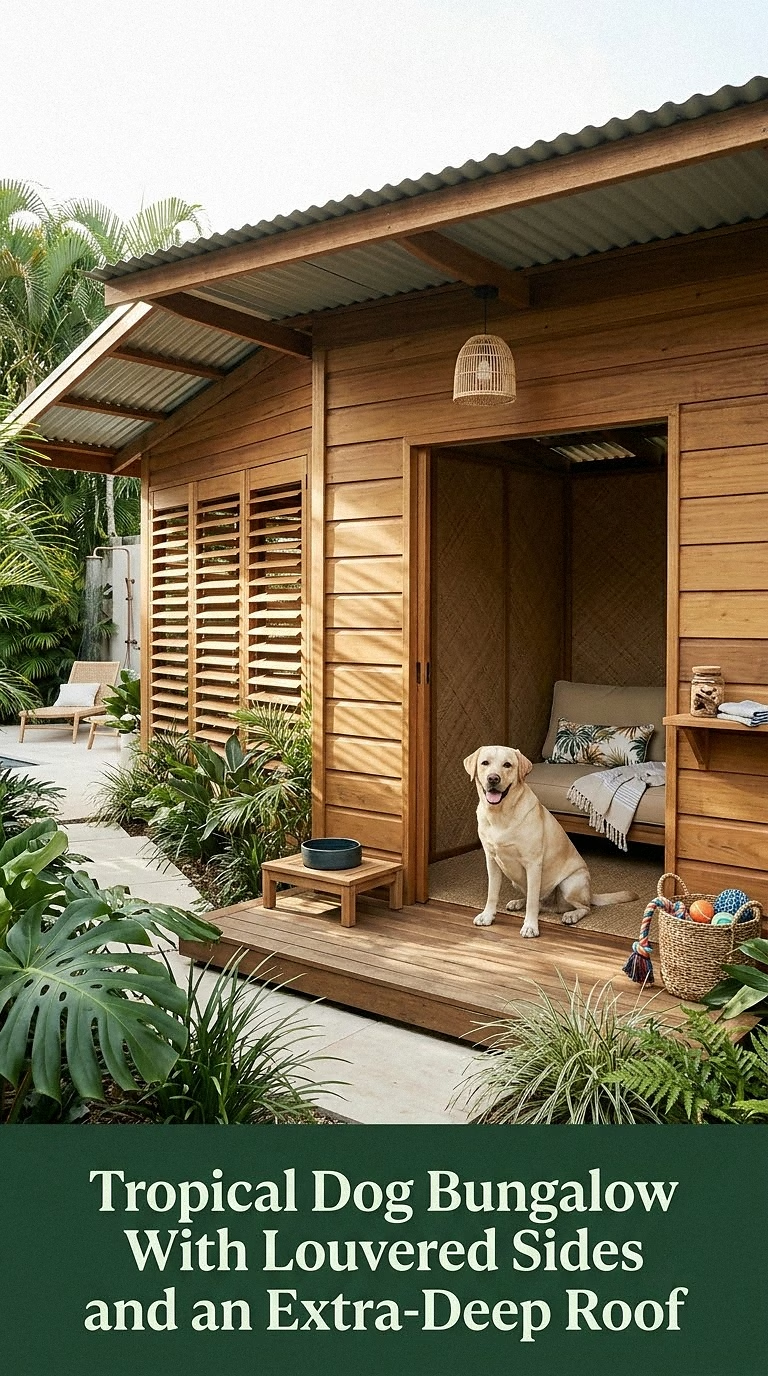
In warm and humid regions, a breezy bungalow may be more suitable than a tightly enclosed cabin. Use a broad roof with generous overhangs, pale exterior colors, and high louvered openings that allow cross-ventilation while keeping the sleeping area shaded.
A low covered deck gives your dog a cooler place to rest outside the enclosed section when the air is still. Natural wood, white trim, and woven-look details can create a relaxed tropical aesthetic.
Orient the house away from intense afternoon sunlight and position it where trees, a covered patio, or a pergola provide dependable shade without blocking airflow. The raised base should allow air beneath the floor and keep the interior away from rainwater.
Avoid dark roofing materials that absorb excessive heat. Never assume that an enclosed dog house will remain cool simply because it is shaded.
During very hot or humid conditions, your dog should have access to a cooler indoor environment, plenty of fresh water, and close supervision for signs of overheating.
Compact Side-Yard Dog House With a Hinged Roof and Narrow Footprint
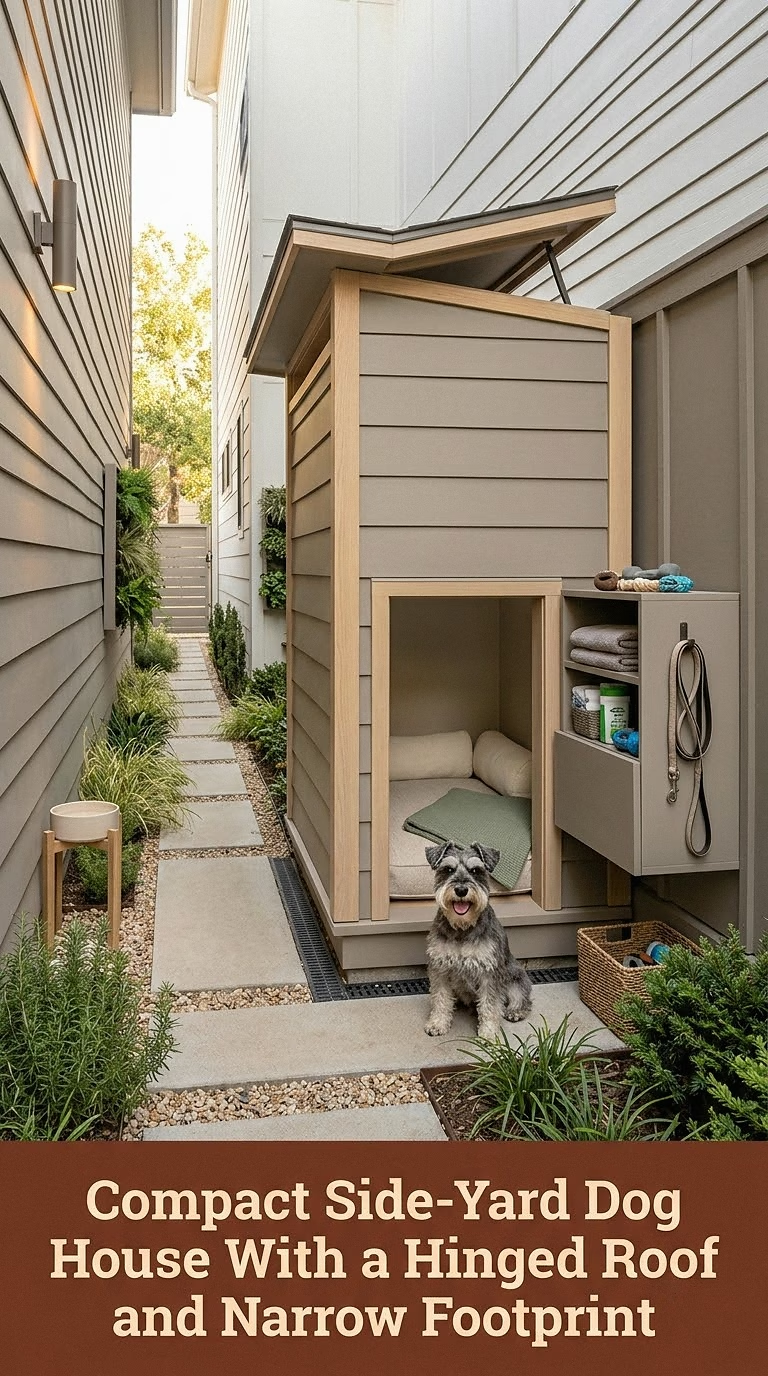
A narrow side yard can still accommodate a comfortable dog retreat when the house is designed lengthwise rather than as a wide square. Use a slim rectangular footprint, a shed-style roof, and an entrance placed along the longer wall.
Paint the exterior to match the nearby fence, siding, or garden shed so the dog house blends into a space that might otherwise feel crowded. A simple color palette also makes the narrow area appear more organized.
The most practical feature is a fully hinged roof supported by secure lid stays. This allows the entire interior to open for cleaning without requiring you to crawl through the doorway or drag the house into the main yard.
Read more : 17 Big Dog House Ideas for Spacious, Stylish, and Weather-Ready Retreats
Leave enough clearance around the structure for airflow and maintenance. Do not wedge it tightly between two solid walls that reflect heat.
A gravel strip beneath the house improves drainage, while adjustable feet can help keep the floor level on uneven ground. This idea is ideal for smaller properties because every inch serves a clear purpose.
Built-In Under-Deck Dog Retreat With Waterproof Ceiling Panels
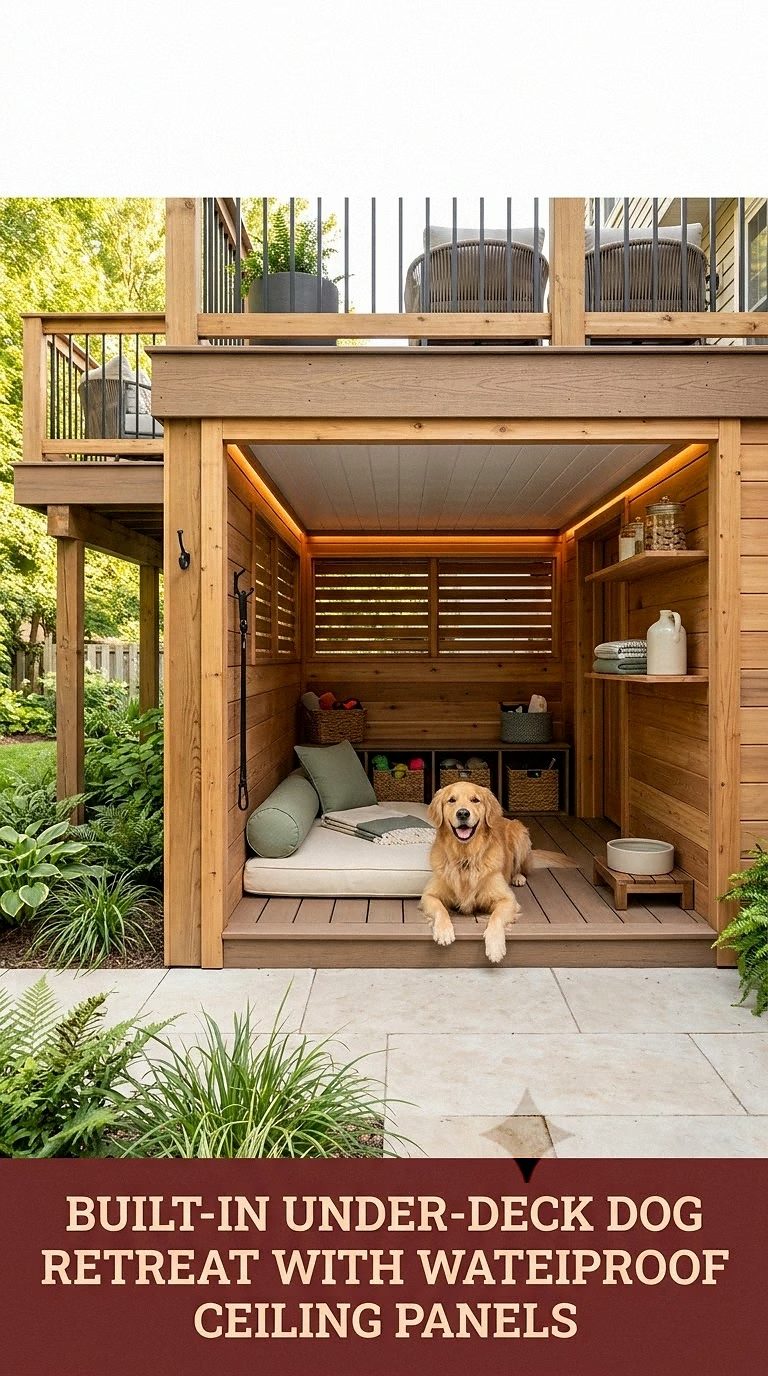
The unused area beneath a raised deck can become a sheltered dog retreat when moisture and ventilation are managed properly. Create a defined sleeping enclosure at one end, then add a small covered lounging platform in front.
Install waterproof ceiling panels or an under-deck drainage system above the space so rainwater does not drip through the decking onto your dog or the bedding. Direct runoff away from the entrance and surrounding floor.
A gravel base, outdoor pavers, or a raised wooden platform will help keep the area dry and easier to clean. Add side walls where necessary for protection, but preserve cross-ventilation and a clear view of the yard.
Check carefully for exposed nails, splintered beams, dangling wires, garden chemicals, and narrow gaps where a collar or paw might become trapped.
Because under-deck areas can become dark and damp, choose light-colored washable surfaces and inspect the retreat regularly for mold, pests, and standing water. It works best as a supervised resting place connected to family activity.
Dog House and Pergola Lounge With a Shaded Outdoor Daybed
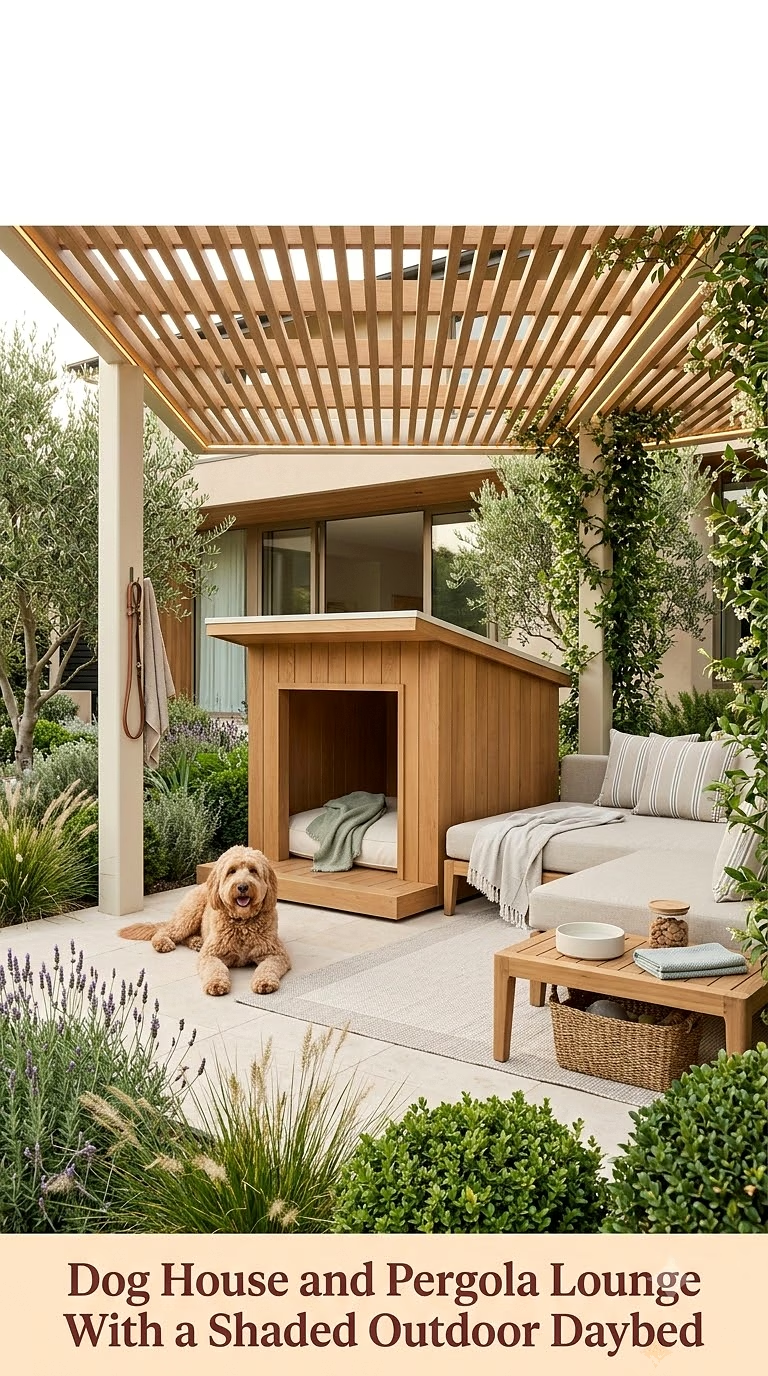
Combine a compact enclosed dog house with an open pergola to create a flexible indoor-outdoor retreat. The enclosed section provides privacy and protection, while the pergola shades a larger platform where your dog can stretch out on a breathable outdoor bed.
This arrangement looks especially elegant near a patio when the pergola repeats materials already used in your outdoor furniture, fencing, or garden structures. Warm wood, cream cushions, and black hardware create a polished but approachable style.
Use a solid or partially covered pergola roof where dependable shade is required. Widely spaced decorative slats may look beautiful but can allow intense sunlight to reach the platform for much of the day.
Anchor the structure securely and keep climbing vines or hanging plants away from chewing height unless they are confirmed to be safe for dogs.
A recessed water-bowl station can be convenient, but it should remain shaded and easy to remove for cleaning. This setup gives your dog a choice between a private nap and a breezy place to watch the household.
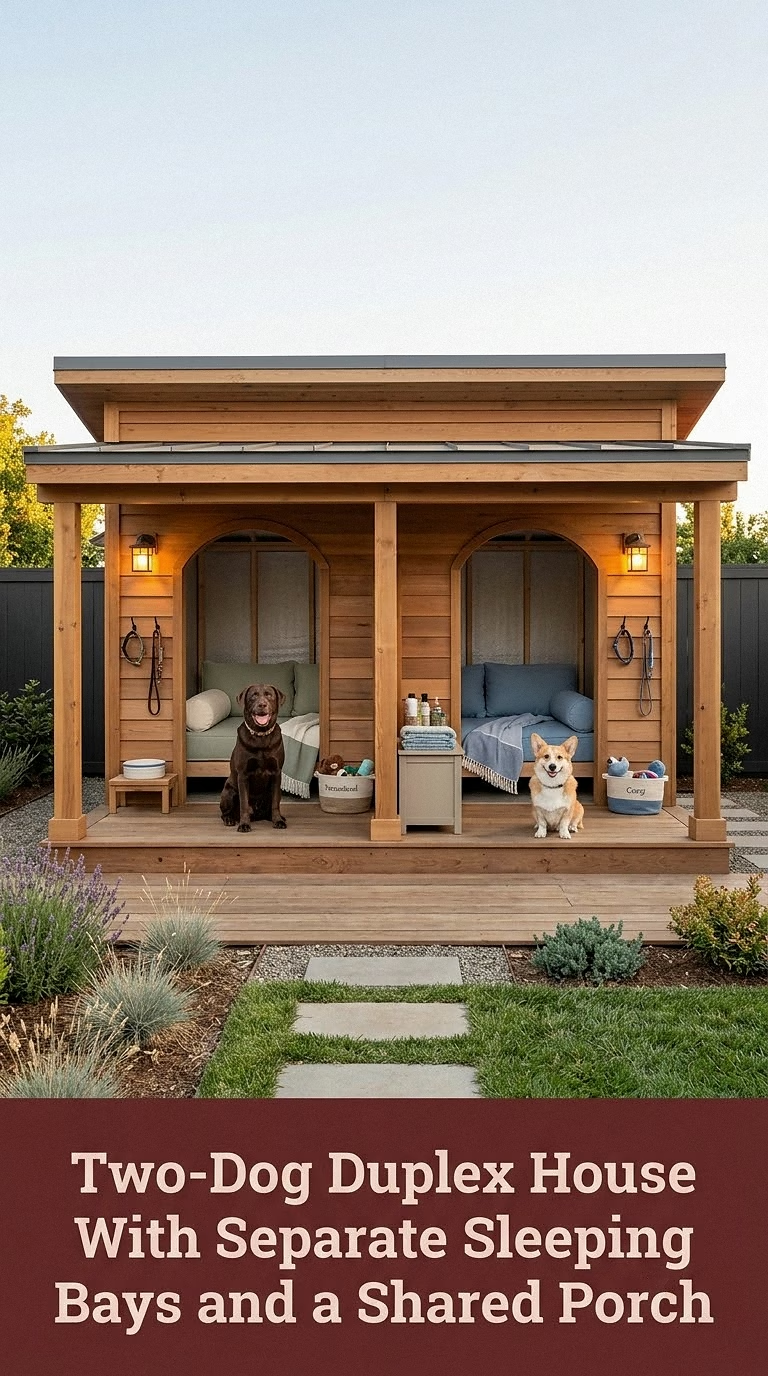
For two dogs, a duplex-style house can provide individual sleeping spaces beneath one coordinated roof. Use a symmetrical façade with two entrances, a secure dividing wall, and a shared front porch.
Paint each doorway in a slightly different accent color or add personalized name plaques to give both sides their own identity. Matching cushions or porch mats can bring the design together.
Separate bays are helpful when the dogs prefer different sleeping positions, have different body sizes, or occasionally need space from one another. Each compartment should be sized for the dog using it and include its own ventilation openings.
The divider should extend securely from floor to roof so paws, collars, or bedding cannot become trapped between panels. Smooth every edge and avoid loose trim.
When the dogs genuinely prefer sleeping together, consider a removable divider that can be safely secured in place or taken out. Observe their normal resting behavior before deciding on the final layout.
Large-Dog Ranch House With a Wide Porch and Gentle Entry Ramp
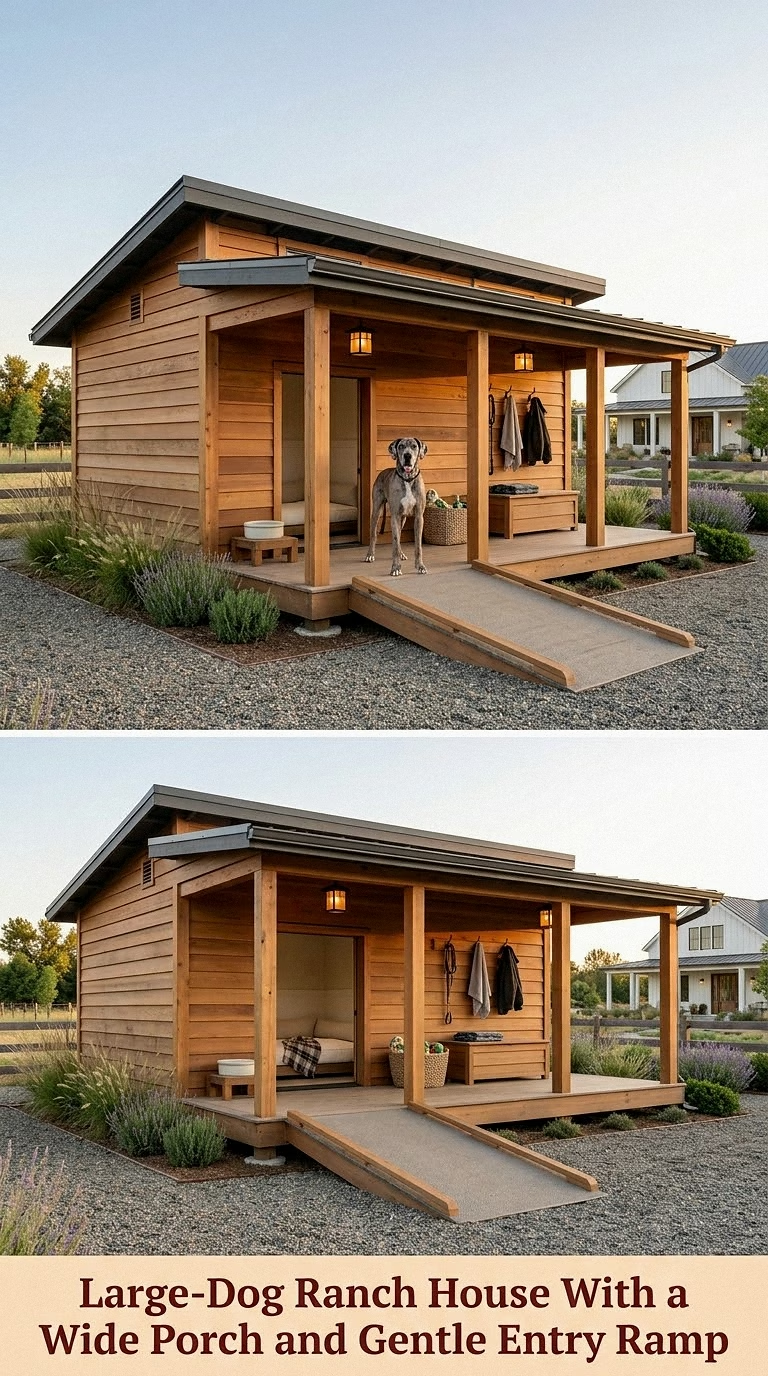
A large dog house looks beautifully balanced when it uses the long, low proportions of a ranch-style home. Add horizontal wood siding, a broad roofline, and a porch that extends across the entire front.
A gentle entry ramp with a non-slip surface makes the house easier to access for senior dogs, heavy breeds, dogs recovering from injury, or pets that do not enjoy stepping over a tall threshold.
Build the ramp wide enough for confident footing and keep the incline gradual. Low edge guides can provide security without making the walkway feel narrow or enclosed.
The interior should be tall enough for your dog to stand naturally and wide enough for a full turn and stretched sleeping position. However, it does not need to be as large as a human garden shed.
Reinforce the floor for the dog’s weight and support the porch at several points. A lift-off wall panel or full-width hinged roof is especially helpful because cleaning a deep large-breed dog house through the entrance alone can be difficult.
Budget-Friendly Pallet-Look Dog House Made With Smooth New Lumber
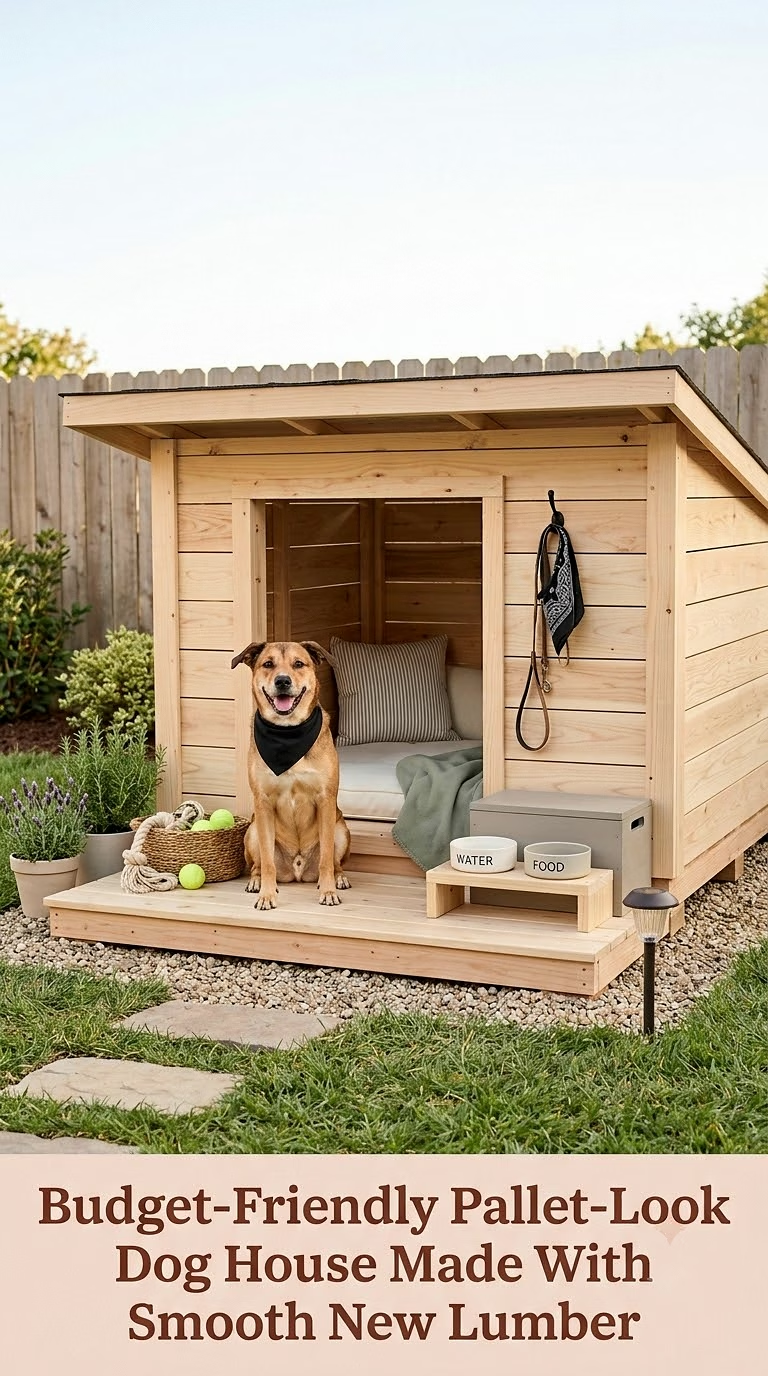
You can achieve the casual charm of a pallet dog house without using rough or chemically treated shipping pallets. Build a simple frame from new exterior-grade lumber, then attach evenly spaced horizontal boards to create the familiar slatted appearance.
Using new materials gives you greater control over splinters, nails, wood treatments, and structural strength while still keeping the project affordable.
Prioritize the features that directly affect comfort: a raised floor, dependable roof, sealed joints, high ventilation openings, and removable access for cleaning. Decorative leftover boards can be used for a porch edge, trim, or a name sign.
Sand every cut edge carefully and set all screws flush with the surface. Run an old cloth over the finished interior; if the fabric catches, continue sanding until the surfaces are smooth.
A clear protective finish or warm honey-colored stain can make the completed house look intentional rather than improvised. Keep the design simple so damaged boards can be replaced easily later.
Indoor Cane-Front Dog House Made From a Repurposed Cabinet
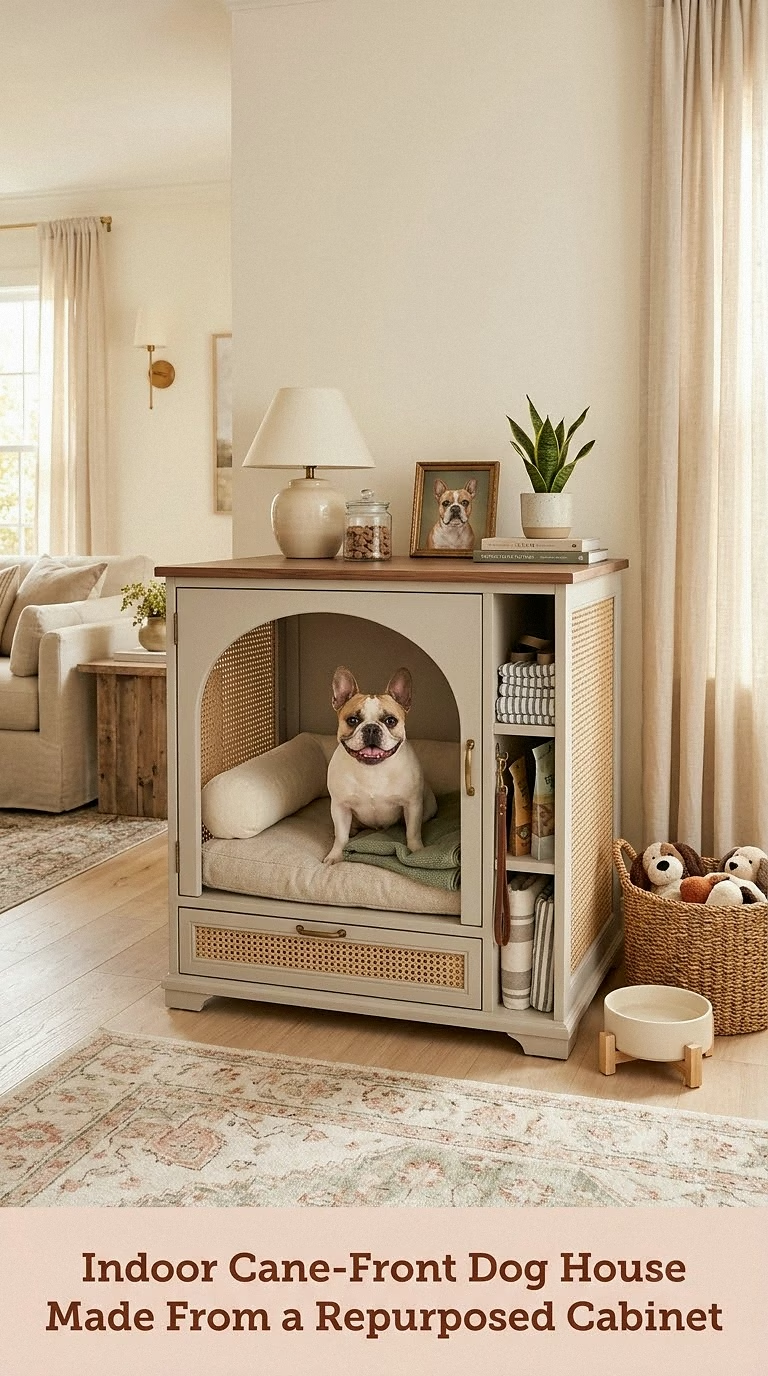
A sturdy low cabinet can become a stylish indoor dog house when the doors are removed and the interior is properly modified. Paint the frame soft cream, warm beige, or muted taupe, then add cane-style side panels for a light furniture-inspired appearance.
The top can function as a side table, console, or decorative surface, making the dog house useful in a living room or bedroom where floor space is limited.
Do not place a dog inside a closed or poorly ventilated cabinet. Create a generous entrance, provide permanent airflow, remove sharp hardware, and cover every cut edge.
The structure must be strong and stable enough that it cannot tip when the dog leans against the sides or moves around inside. Attach it to the wall when necessary.
Use a fitted washable mat and keep electrical cords, breakable decorations, and heavy objects away from the top. This idea is best for dogs that already enjoy enclosed sleeping spaces and want a quiet den close to their people.
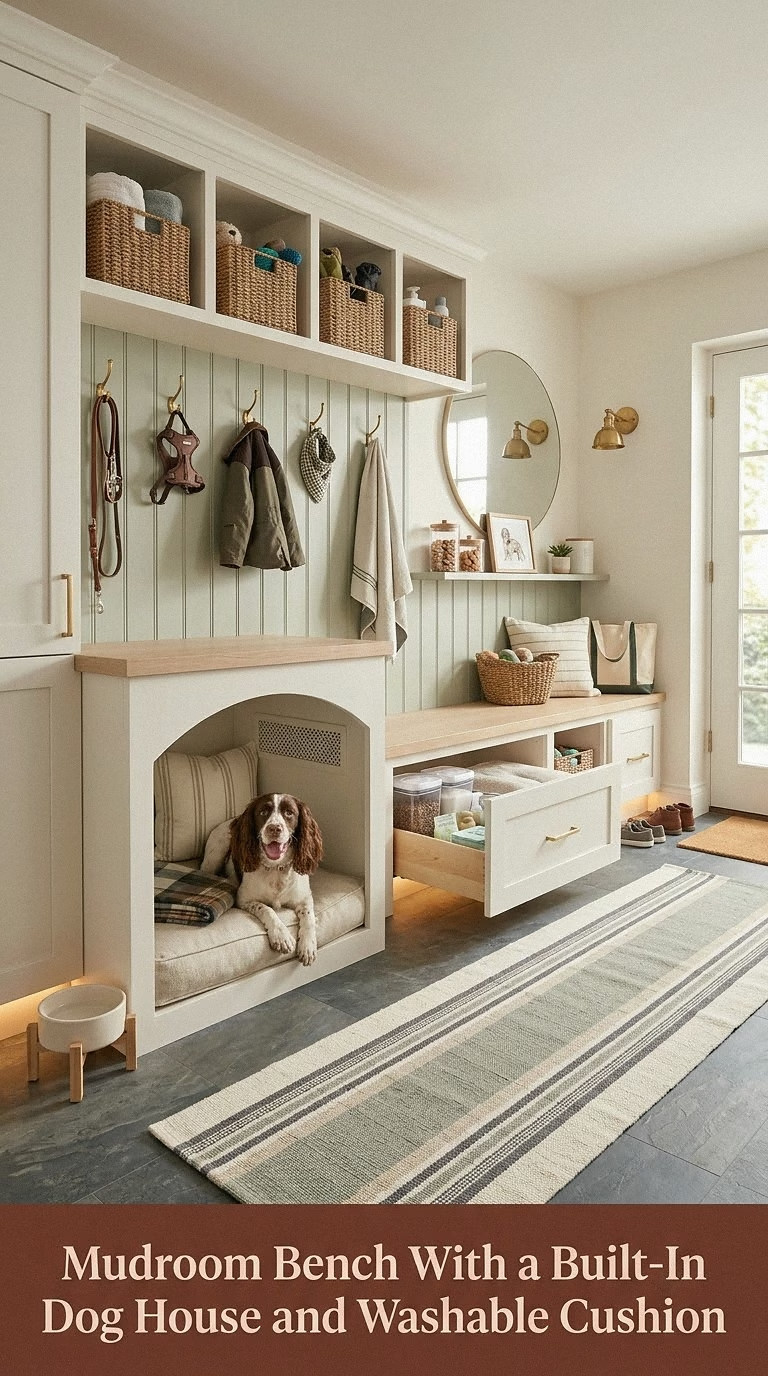
Mudroom Bench With a Built-In Dog House and Washable Cushion
Read more : 17 Dog Kitchen Ideas for a Stylish, Organized, Pet-Friendly Home
Turn a mudroom bench into a multifunctional dog house by creating an open sleeping cubby beneath the seat. Use durable painted cabinetry, a wide arched entrance, and a fitted cushion covered in washable performance fabric.
Above the cubby, the bench provides a place to sit while putting on shoes. Wall hooks, upper cabinets, and baskets can organize leashes, towels, coats, and walking accessories.
Measure the sleeping compartment around your dog rather than relying on standard cabinet dimensions. The opening should not force your dog to crouch excessively, and the interior should allow a comfortable turn.
Add ventilation slots in the side or back panels where they will not be blocked by storage baskets or the surrounding wall. Choose a moisture-resistant base because muddy paws and wet coats are inevitable in an entryway.
Avoid keeping cleaning products, medications, food containers, or small chewable objects in open compartments near the dog house. The final setup should make pet care feel integrated into the room instead of added as an afterthought.
Pet-Safe Green-Roof Dog House With a Low Sedum Garden
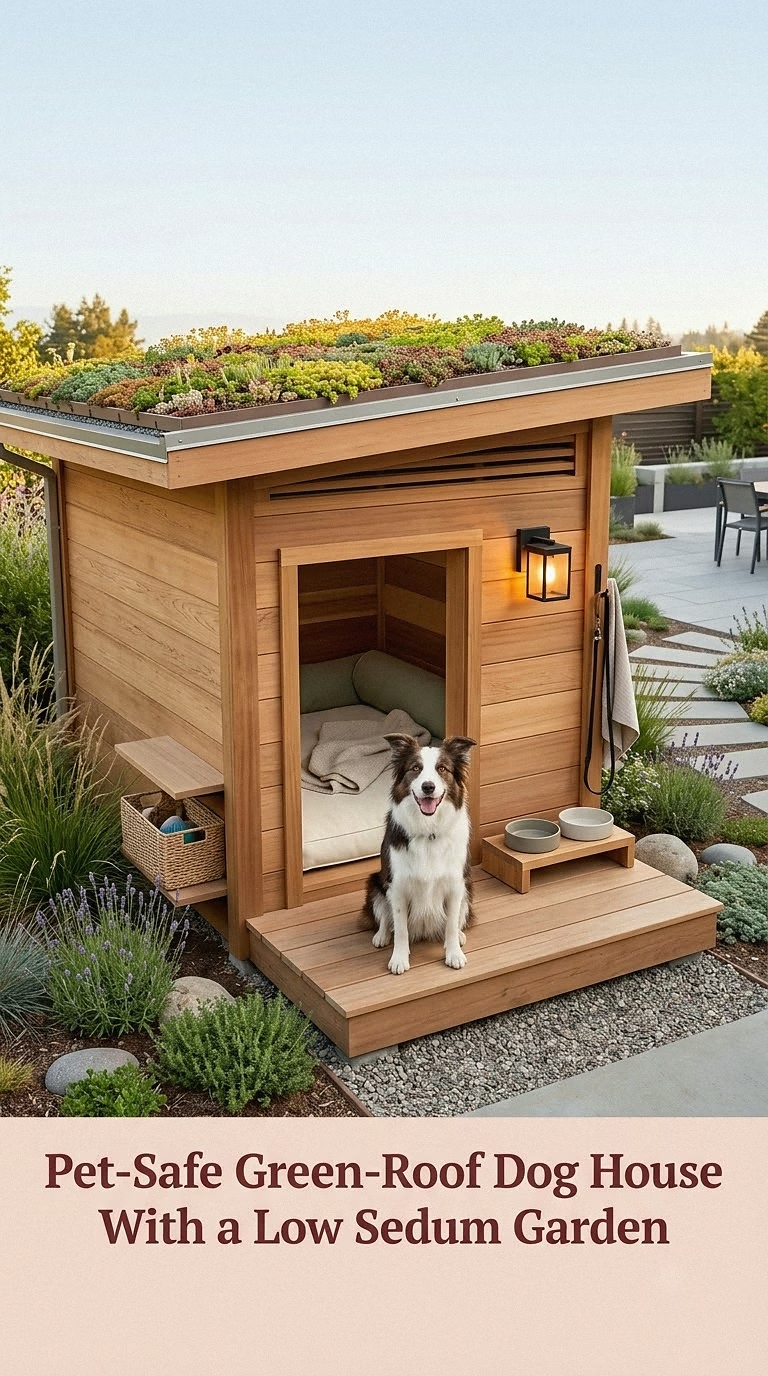
A green-roof dog house can blend beautifully into a garden when it is constructed as a genuine planted roof rather than a loose container of soil placed on top.
The structure needs adequate support for the additional weight, along with a waterproof membrane, drainage layer, root barrier, edge containment, and a slight pitch that directs excess water away from the doorway.
Keep the planting low and simple so the roof remains easy to inspect. Sedum-like ground covers can create a soft carpeted appearance, but every plant should be checked carefully for dog safety and suitability for the local climate.
Prevent your dog from climbing onto the roof, digging in the soil, or chewing irrigation components. A removable modular planting tray can make maintenance safer and protect the wooden structure underneath.
Pair the living roof with natural timber siding and a stone or gravel foundation for an earthy, garden-inspired look. This is a more advanced project, but it creates a memorable feature that feels connected to the surrounding landscape.
Mobile Patio Dog House on Locking Casters With a Fold-Down Deck
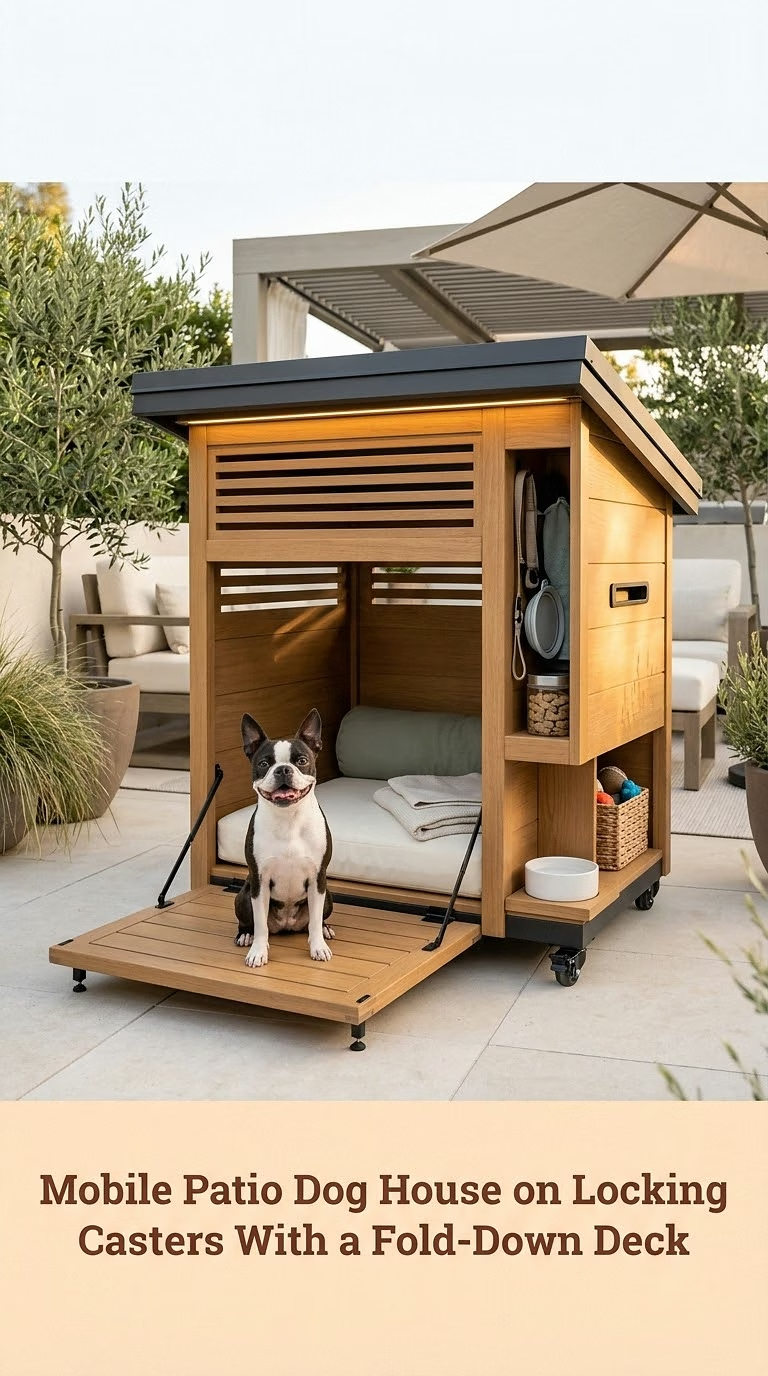
A mobile dog house is helpful when shade moves across the patio throughout the day or when outdoor furniture needs to be rearranged seasonally.
Build a compact weather-resistant house on a strong base fitted with large outdoor-rated locking casters. Add a fold-down front panel that becomes a small deck when open and closes neatly for storage.
The wheels must support the complete weight of the structure and remain locked whenever your dog is using it. Keep the overall house low enough to resist tipping.
Cover gaps around hinges and folding hardware so paws, nails, and fur cannot become pinched. Use a textured, non-slip surface on the deck for secure footing.
Never move the structure while your dog is inside. A pale exterior finish, high ventilation panels, and a removable cushion make the design especially suitable for a covered patio.
This flexible dog house idea works well for renters or homeowners who want a substantial retreat without permanently attaching a structure to the garden.
Coastal Blue Dog House With White Shiplap and a Striped Awning
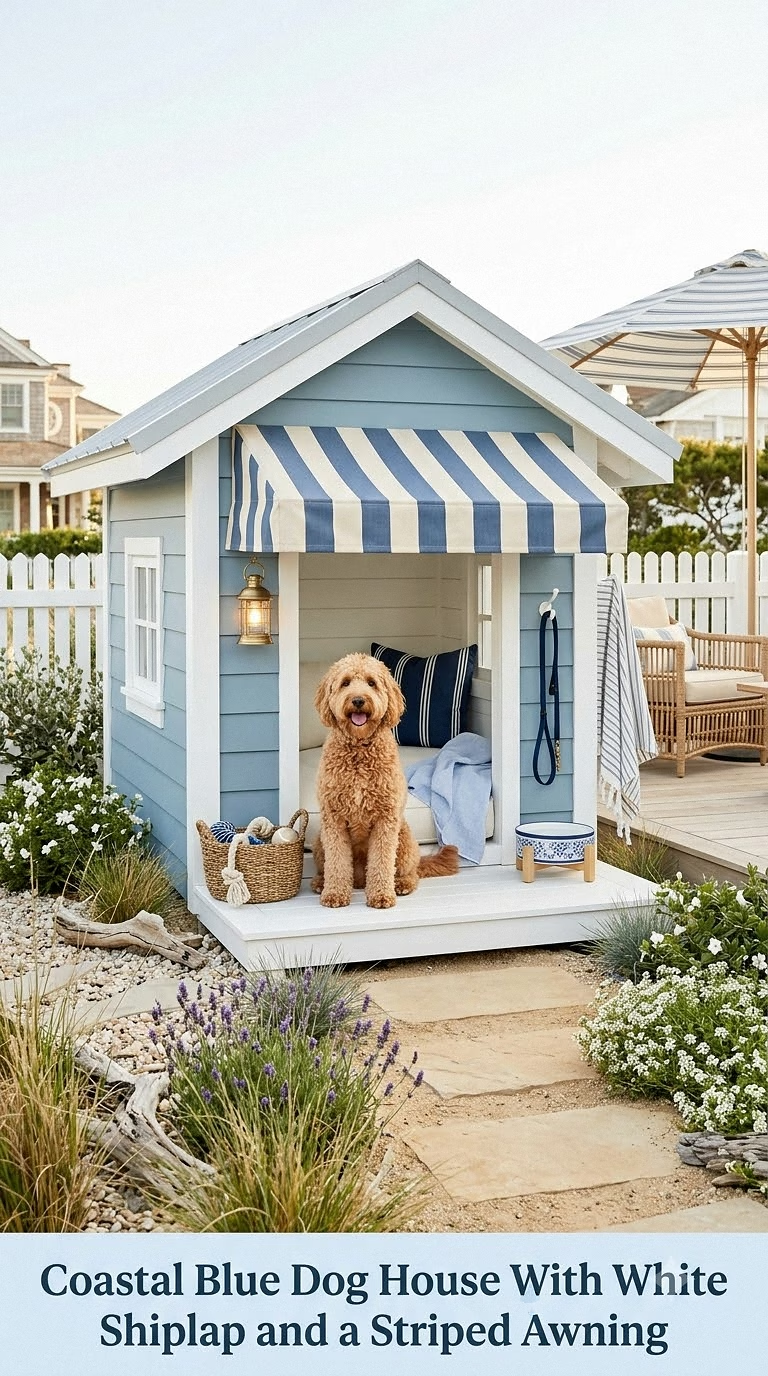
Bring a relaxed seaside feeling to the yard with a soft blue dog house, crisp white shiplap siding, and a striped fabric awning above the doorway. A small white porch and rope-inspired decorative details can complete the coastal theme.
The awning should be made from outdoor fabric that resists moisture and fading. Install it high enough that your dog cannot pull, chew, or become tangled in the material.
Use stainless or coated hardware in rainy or coastal environments where ordinary metal may rust quickly. A sloped roof and raised floor will help protect the structure from moisture.
Inside, choose a washable cushion in a simple navy, cream, or pale gray fabric. Avoid filling the sleeping space with decorative pillows that reduce movement or trap sand and dirt.
This design looks especially attractive near a pool area, light-colored patio, or beach-inspired garden, but the house should still be positioned in genuine shade rather than relying only on the small awning.
Storybook Brick-Base Dog House With an Arched Wooden Doorway
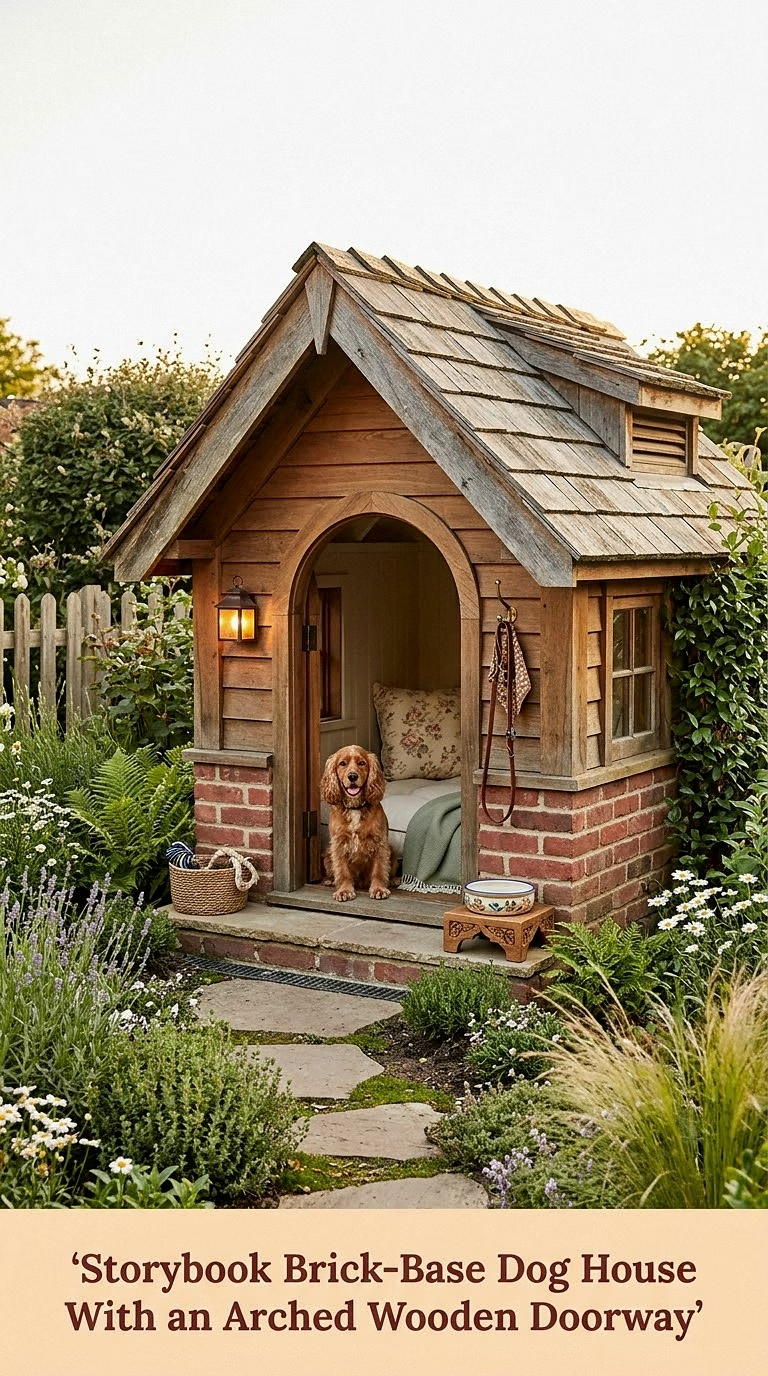
Create a charming storybook dog house by combining a low brick or brick-look base with warm timber siding and an arched entrance. A steep roof, small lantern-style accent, and curved trim can make the structure resemble a miniature countryside cottage.
Real masonry can add unnecessary weight, so lightweight brick slips or weather-resistant faux brick panels may be easier to use. The base should remain raised, level, and protected from water.
The arched doorway must still provide adequate shoulder clearance. Decorative curves should never force your dog to squeeze through a narrow opening.
Keep the interior surfaces smooth and simple, even when the exterior is highly detailed. A removable back panel allows easy access for cleaning without disturbing the decorative front.
Use warm brown, cream, and muted red tones for a timeless palette. A small stone path leading toward the entrance can complete the look while also reducing mud around the doorway.
Conclusion
The most beautiful dog house ideas succeed because they begin with the dog rather than the decoration. A cottage façade, modern cedar screen, planted roof, or farmhouse porch can make the structure feel special, but comfort depends on the practical details hidden beneath the styling.
Choose a size that allows your dog to enter, stand, turn around, and rest naturally. Provide ventilation without exposing the sleeping area to strong drafts, keep the floor raised and dry, and make sure the roof or wall panels can be opened for regular cleaning.
Place the dog house where your pet can remain connected to family activity, and observe how sunlight, wind, rain, and drainage change throughout the day. A location that feels shaded in the morning may become extremely hot during the afternoon.
Introduce the finished retreat with familiar bedding, treats, and gentle encouragement. Never force your dog to stay inside or use the structure as punishment. Let your pet explore the space at their own pace and decide how they prefer to use it.
With thoughtful planning, even a simple wooden dog house can become a safe, inviting little home that looks lovely in your space and feels naturally comfortable to your pup.
Pin this Pinterest post so you can return to these dog house ideas when you are ready to plan your pup’s perfect retreat.
Source: https://petstutorial.com
Category: Dog Rooms
