
The kitchen is often the heart of the home, and for many dog lovers, it is also where wagging tails gather, water bowls live, treats are handed out, and curious noses appear the moment dinner preparation begins. Instead of letting dog supplies feel like clutter that has been squeezed into an otherwise beautiful room, a thoughtful dog-friendly kitchen can make everyday life more organized, comfortable, and visually appealing.
- 19 Dog House Interior Ideas for a Cozy, Stylish, and Practical Pet Space
- 17 Cozy Dog House Heater Ideas for a Safer, Warmer Winter Retreat
- 17 Beautiful Outdoor Dog House Ideas for a Cozy and Stylish Backyard Retreat
- 17 Dog Room Ideas for Bedrooms and Pet Beds That Feel Cozy, Stylish, and Practical
- 17 Stylish Dog Cubby Ideas for a Cozy and Beautiful Pet Retreat
Whether you are planning a full kitchen renovation or simply looking for an affordable weekend project, there are countless ways to create a special place for your dog without sacrificing your personal style. A feeding station can blend into cabinetry, an unused corner can become a cozy dog nook, or a simple collection of matching storage jars can instantly make the room feel more polished.
You are reading: 17 Dog Kitchen Ideas for a Stylish, Organized, Pet-Friendly Home
The best dog kitchen ideas balance beauty with practicality. Surfaces should be easy to clean, bowls should be placed away from busy walkways, food needs secure storage, and your dog’s comfort should be considered alongside the way your family uses the room.
From farmhouse-inspired feeding stations to luxurious built-in dog suites, these ideas offer inspiration for kitchens of every size, budget, and decorating style.
17 Dog Kitchen Ideas That Blend Style, Comfort, and Everyday Function
1. White Shaker Cabinet Dog Feeding Station With a Warm Oak Countertop
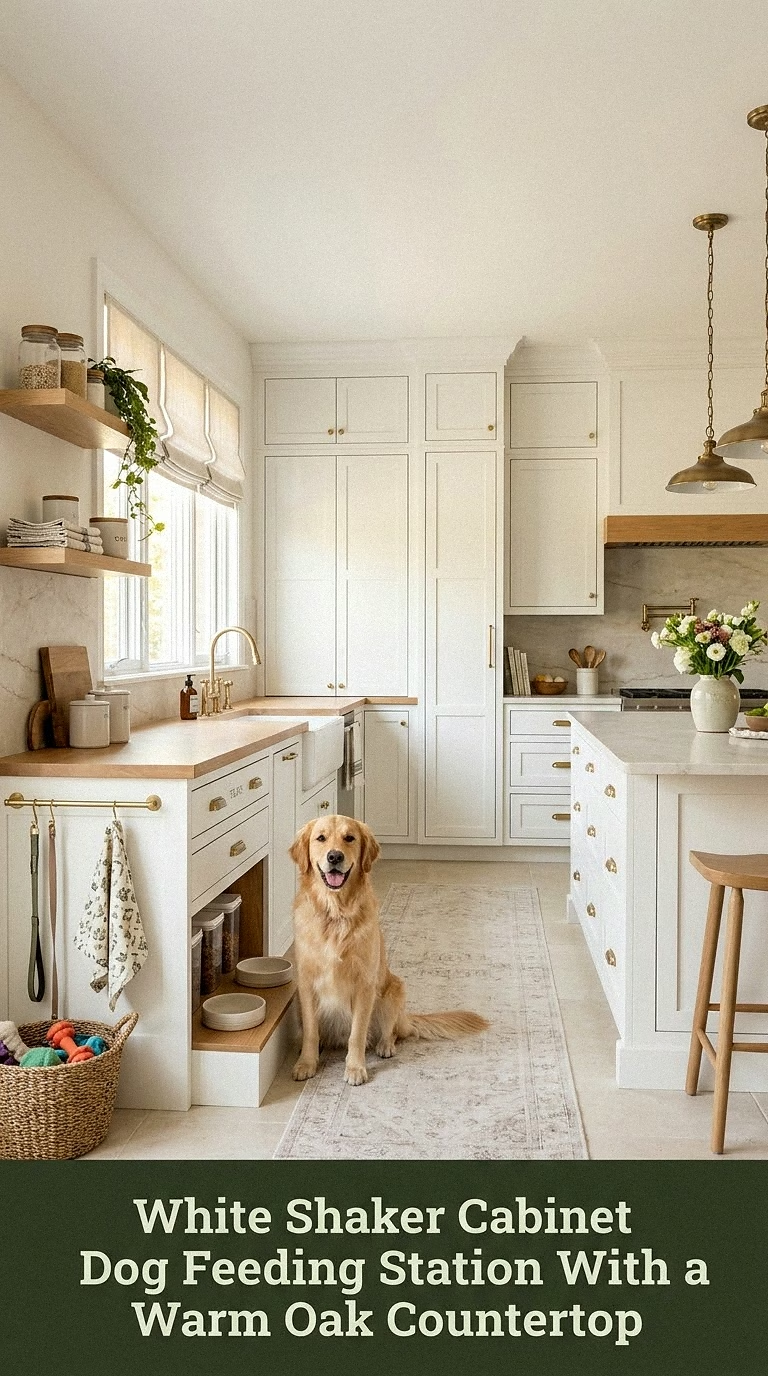
Create a polished feeding area by extending white Shaker-style cabinetry into a dedicated dog station topped with warm natural oak. Two stainless steel bowls can sit neatly inside circular openings in the countertop, preventing them from sliding across the floor while giving the entire setup a custom-built appearance.
This design works beautifully in farmhouse, cottage, coastal, and transitional kitchens. Use a lower cabinet beneath the bowls for storing sealed dog food containers, extra dishes, and grooming supplies. A shallow drawer above can hold measuring scoops, medications, waste bags, and small accessories.
For a softer decorative touch, hang a simple framed illustration of your dog or a small personalized wooden sign above the station. Keep embellishments restrained so the area remains easy to wipe clean.
Position the feeding station at the end of a cabinet run rather than beside the oven or in the center of a busy walkway. This gives your dog a calmer place to eat while helping family members avoid stepping around bowls during meal preparation.
2. Sage Green Kitchen Island With Built-In Dog Bowls and Hidden Storage
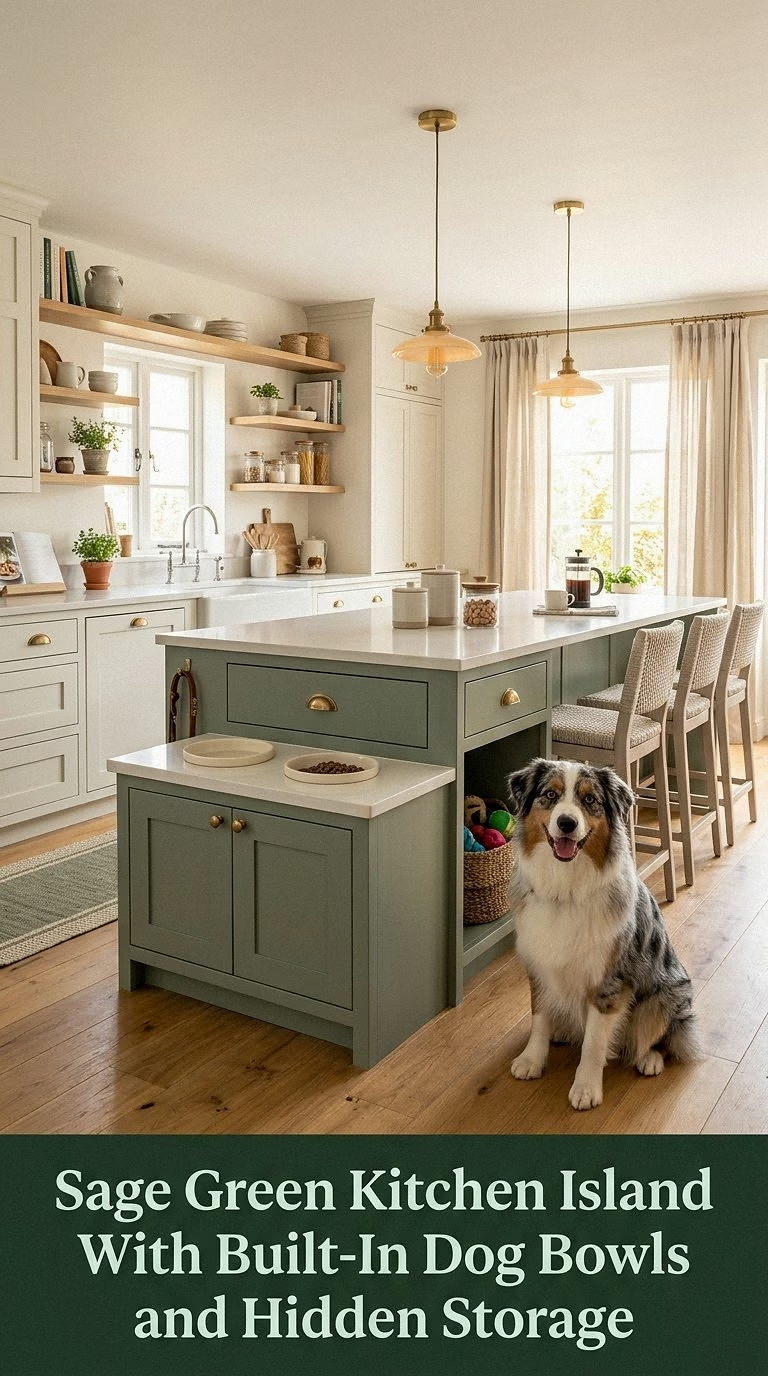
A sage green kitchen island can become both a dramatic design feature and a practical home base for your dog’s everyday essentials. Dedicate one end of the island to a recessed feeding nook, with two bowls positioned beneath an extended countertop that provides a little shelter without making the space feel enclosed.
Behind the feeding area, concealed drawers can store food, treats, supplements, and cleaning cloths. Matching the cabinet fronts to the rest of the island keeps everything visually seamless, making the dog station feel like an intentional part of the kitchen rather than an afterthought.
Sage green pairs beautifully with brass hardware, pale quartz countertops, warm oak flooring, and creamy white walls. For a more modern appearance, choose flat-front cabinetry and matte black hardware instead.
Make sure the nook is wide enough for your dog to stand comfortably without bumping into surrounding cabinetry. A washable mat beneath the bowls can catch splashes and crumbs while adding another subtle layer of color and texture.
3. Small Kitchen Dog Corner With a Floating Shelf and Ceramic Bowls
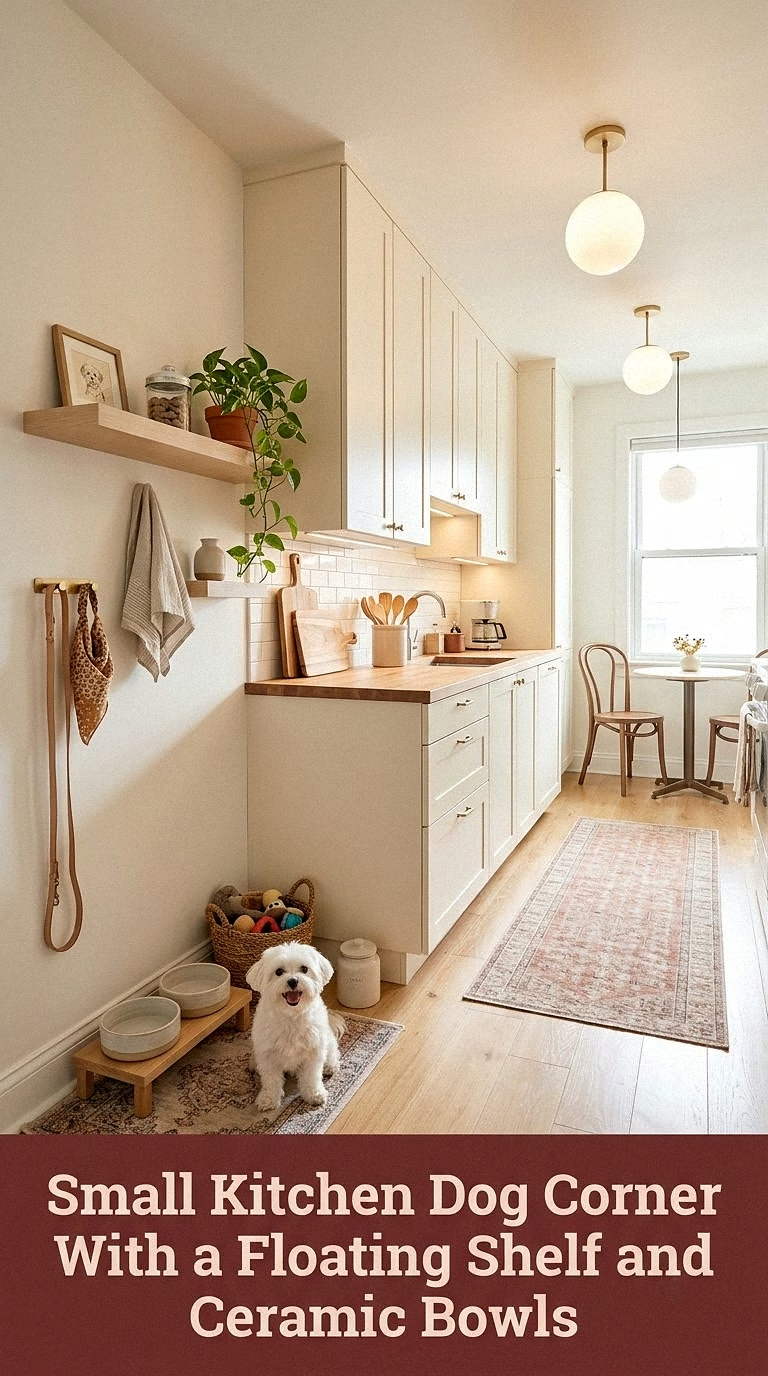
Even a tiny kitchen can accommodate a charming dog station when vertical space is used thoughtfully. Choose a quiet corner and place two coordinated ceramic or stainless steel bowls on a slim waterproof mat. Above them, install a narrow floating shelf for treats, grooming wipes, and a decorative storage jar.
Keep the palette simple to prevent the small area from feeling cluttered. Cream bowls, pale wood shelving, woven baskets, and soft neutral walls create a calm look that blends easily with Scandinavian, minimalist, or modern cottage kitchens.
Add one or two hooks beneath the shelf for a leash and lightweight walking accessories, but avoid hanging too many items directly over open food and water bowls. The goal is to create a useful little zone without overwhelming the limited wall space.
This is one of the easiest dog kitchen ideas for renters because it requires very little permanent customization. A freestanding shelf, compact feeding mat, and matching containers can achieve a similar effect without changing cabinets or countertops.
4. Farmhouse Dog Pantry With Glass Treat Jars and Labeled Storage Baskets
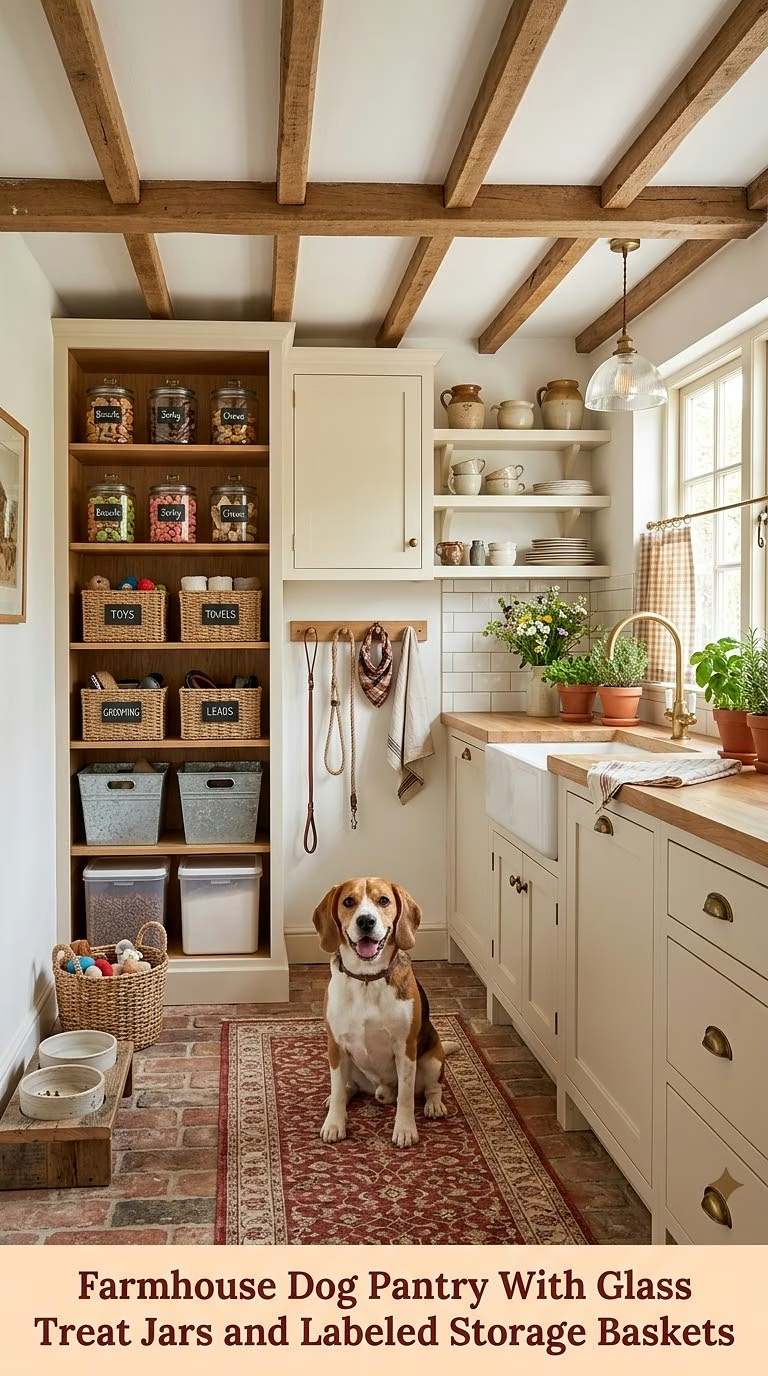
Transform one section of your kitchen pantry into a beautifully organized dog pantry filled with matching baskets, clear containers, and practical everyday supplies. Reserve lower shelves for food and heavier containers, while lighter accessories such as towels, bandanas, and replacement toys can be stored above.
For a farmhouse-inspired look, combine natural woven baskets with creamy ceramic treat jars, black labels, and warm wooden shelves. A small chalkboard or dry-erase board can display feeding instructions, medication reminders, or items that need restocking.
Keep dog food protected in secure containers and store potentially dangerous human foods separately and well out of reach. Chocolate, products containing xylitol, grapes, raisins, onions, garlic, and other unsuitable foods should never be accessible to a curious dog.
The beauty of this idea is that it can be as elaborate or simple as your space allows. One dedicated shelf can dramatically improve organization, while a larger walk-in pantry can become a complete dog care station with food, treats, grooming tools, medications, travel supplies, and backup bowls all arranged in one place.
5. Modern Black Cabinet Feeding Nook With a White Quartz Backsplash
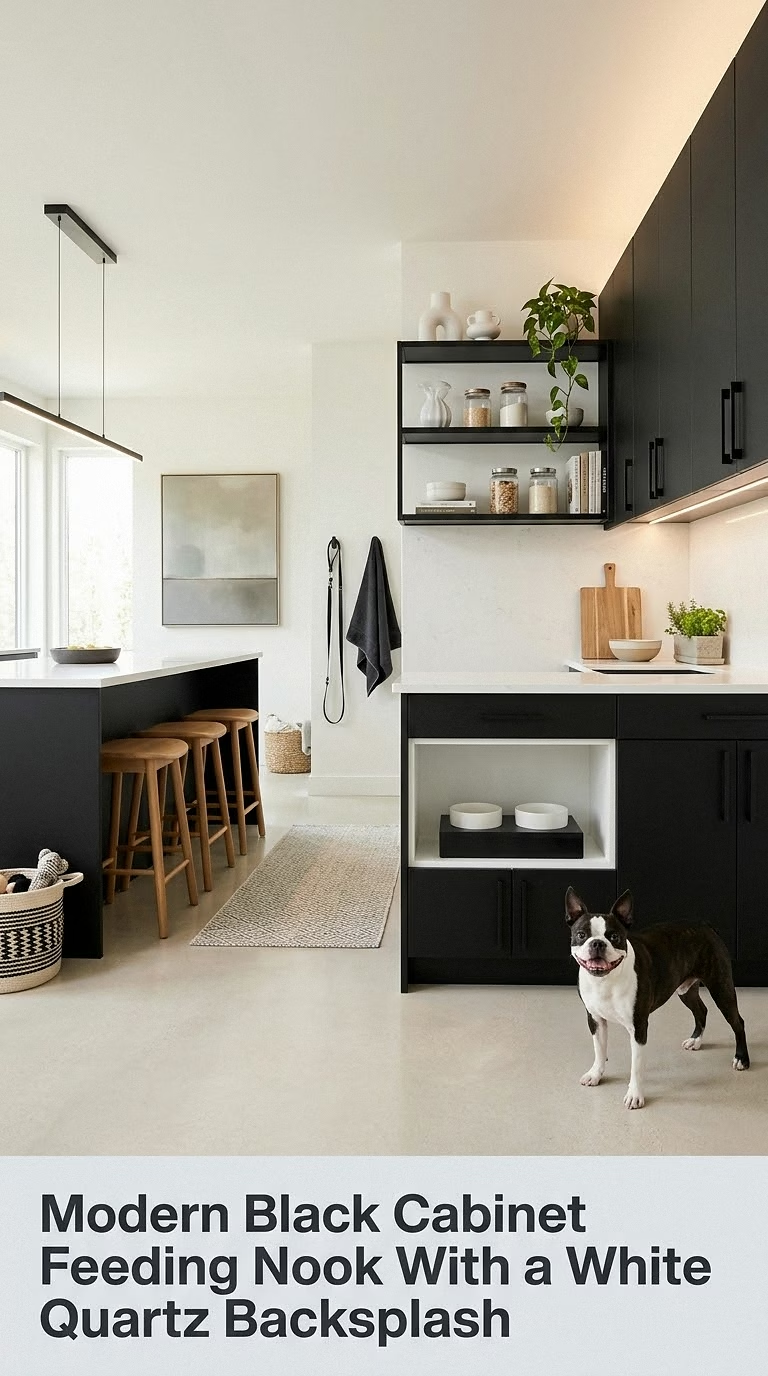
For a bold and sophisticated look, build a feeding niche into matte black cabinetry and line the back wall with white quartz or a quartz-look surface. The strong contrast creates a dramatic architectural feature while keeping the area practical and easy to wipe down.
Choose simple stainless steel bowls for a sleek appearance, or use white ceramic bowls to echo the light backsplash. A warm LED strip beneath the upper cabinet can provide subtle illumination and make the feeding station feel especially luxurious in the evening.
Flat-front cabinets work particularly well with this design because they create a clean, uninterrupted visual line. Concealed storage beside or above the nook can hold food and accessories without adding countertop clutter.
This concept is ideal for contemporary kitchens where brightly colored pet products might feel visually distracting. By limiting the palette to black, white, and metallic finishes, your dog’s station becomes part of the architecture itself.
Keep electrical cords, small appliances, and household cleaners away from the feeding zone so the beautifully streamlined design remains safe and practical.
6. Cozy Under-Counter Dog Bed Nook Beside the Kitchen Island
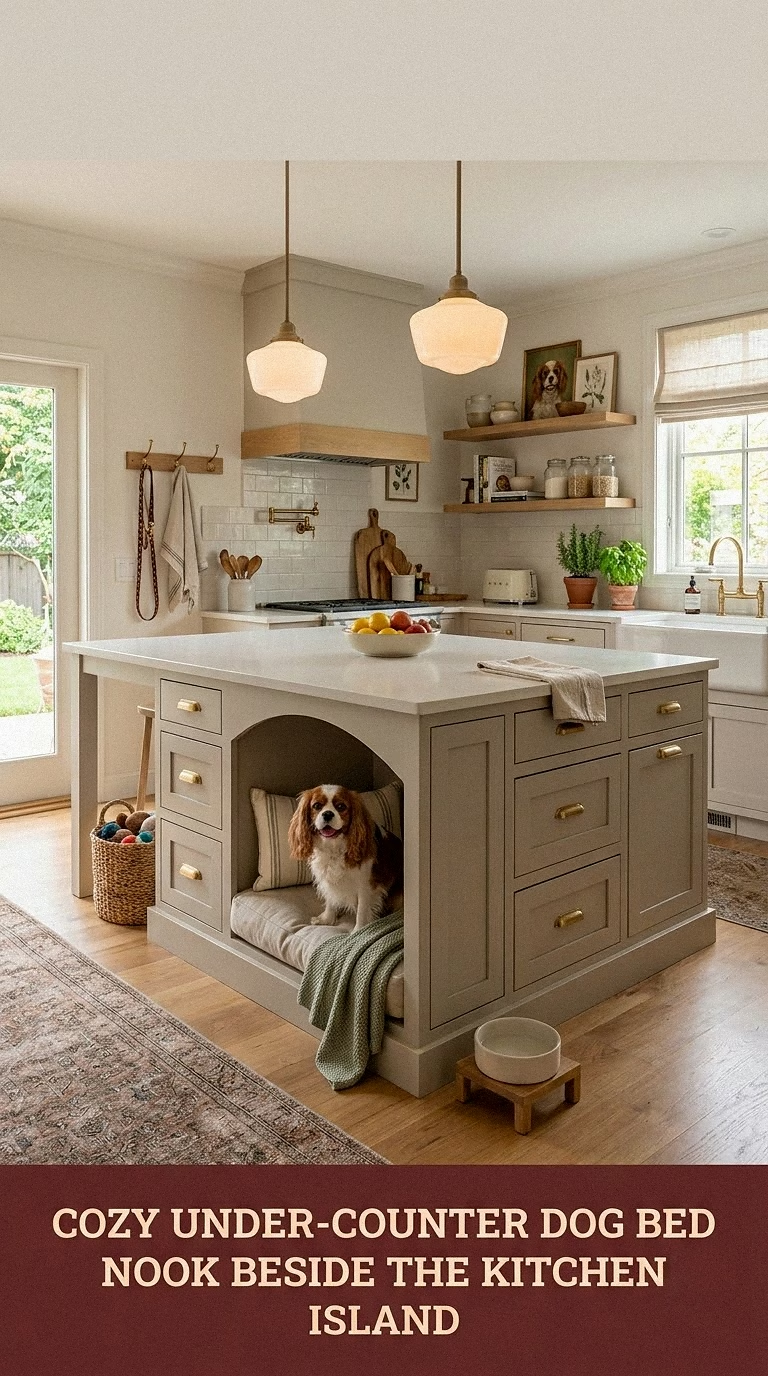
Not every dog kitchen setup needs to focus on food. Some dogs simply want a comfortable place to relax while their favorite person cooks, and an under-counter bed nook can provide exactly that.
Extend one side of a kitchen island or cabinet run to create an open cubby large enough for a washable dog bed. Line the nook with durable painted paneling, beadboard, or a wipeable wood-look surface. Add a thick cushion in a fabric that complements the kitchen’s color palette.
A soft taupe bed looks beautiful in a warm neutral kitchen, while plaid or striped fabric adds charm to farmhouse interiors. In a modern space, try a structured charcoal cushion against pale oak cabinetry.
The nook should provide enough room for your dog to lie down and turn comfortably. Avoid placing it near the oven, cooktop, or any location exposed to excessive heat or falling food.
Read more : 17 Dog Room Ideas for Bedrooms and Pet Beds That Feel Cozy, Stylish, and Practical
This thoughtful feature helps keep your dog close to family activity without encouraging them to lie directly in busy kitchen walkways.
7. Blue Coastal Kitchen With a Built-In Arched Dog Feeding Alcove
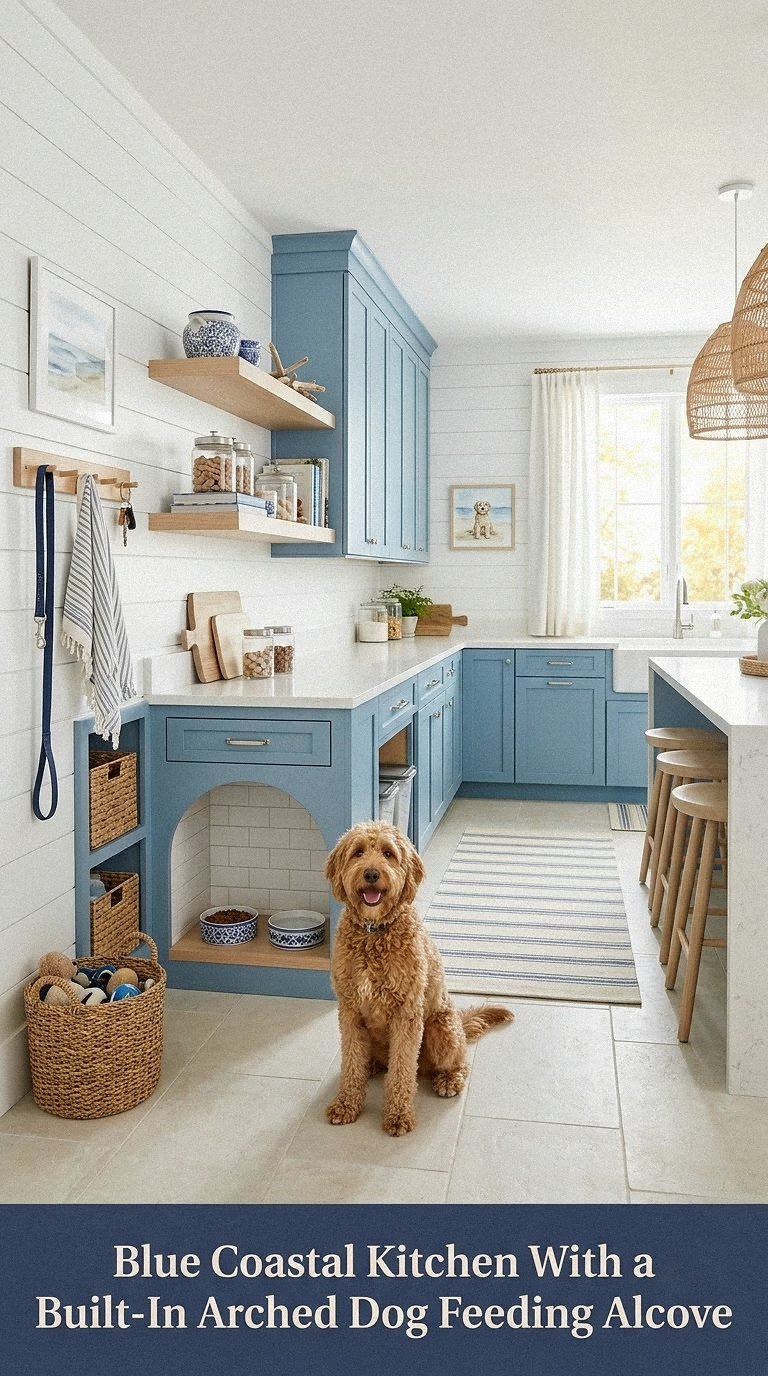
Bring personality to your kitchen with an arched feeding alcove built into soft blue cabinetry. The curved opening immediately gives the station a custom architectural quality, transforming a functional pet area into a genuine focal point.
Choose dusty blue, muted navy, or pale coastal blue depending on the mood you want to create. Pair the cabinetry with white counters, light oak floors, brushed nickel hardware, and simple metal bowls.
Inside the arch, use a waterproof backsplash such as tile, quartz, or another easy-clean surface. A patterned tile can create a playful moment without overwhelming the rest of the kitchen. Small-scale stripes, subtle geometric designs, or handmade-look tiles work especially well.
The feeding platform can be slightly recessed to keep bowls contained and reduce the chance of accidental kicks. Nearby cabinetry can hide food and supplies.
This idea is especially appealing when you want your dog’s space to look charming and decorative rather than purely practical. The arch acts almost like a miniature room designed just for your pet.
8. Pull-Out Dog Bowl Drawer for a Clean, Clutter-Free Kitchen
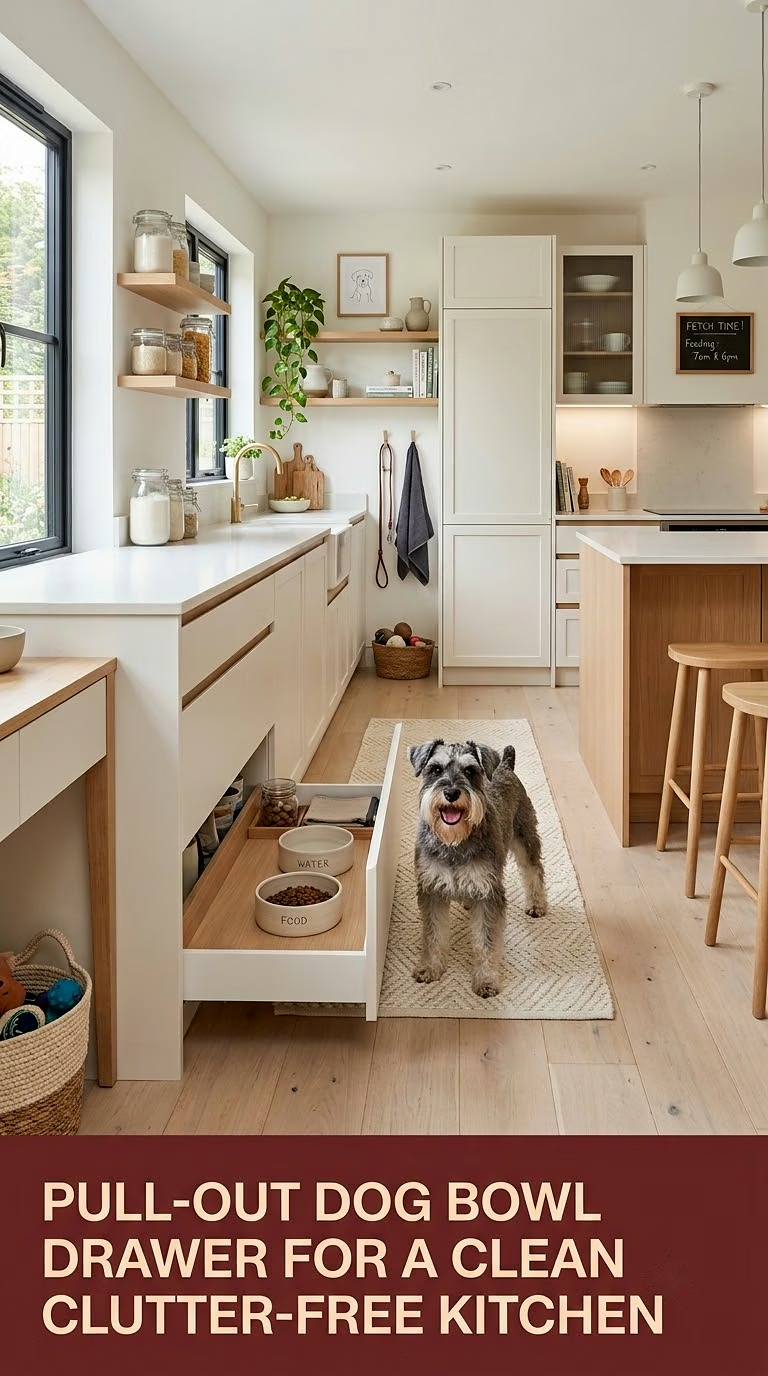
A pull-out feeding drawer is a clever solution for anyone who dislikes seeing bowls sitting permanently on the kitchen floor. The drawer contains fitted openings for food and water bowls and slides neatly back into the cabinetry when appropriate.
This concept works especially well in minimalist kitchens with streamlined cabinet fronts and uncluttered floors. Match the drawer to your existing cabinetry so it disappears almost completely when closed.
Because dogs need ongoing access to fresh water, plan carefully before making the entire feeding area retractable. One practical approach is to use the pull-out drawer for meals while keeping a separate water bowl accessible elsewhere.
Choose removable bowls that can be lifted out easily for regular washing. The surrounding drawer surface should also be water-resistant and simple to wipe clean because spills and crumbs are inevitable.
A pull-out station is particularly useful in compact kitchens where every inch of floor space matters. It also helps reduce visual clutter when guests arrive or when you need extra clearance for cleaning.
9. Warm Wood Dog Food Station With Open Shelves and Woven Baskets
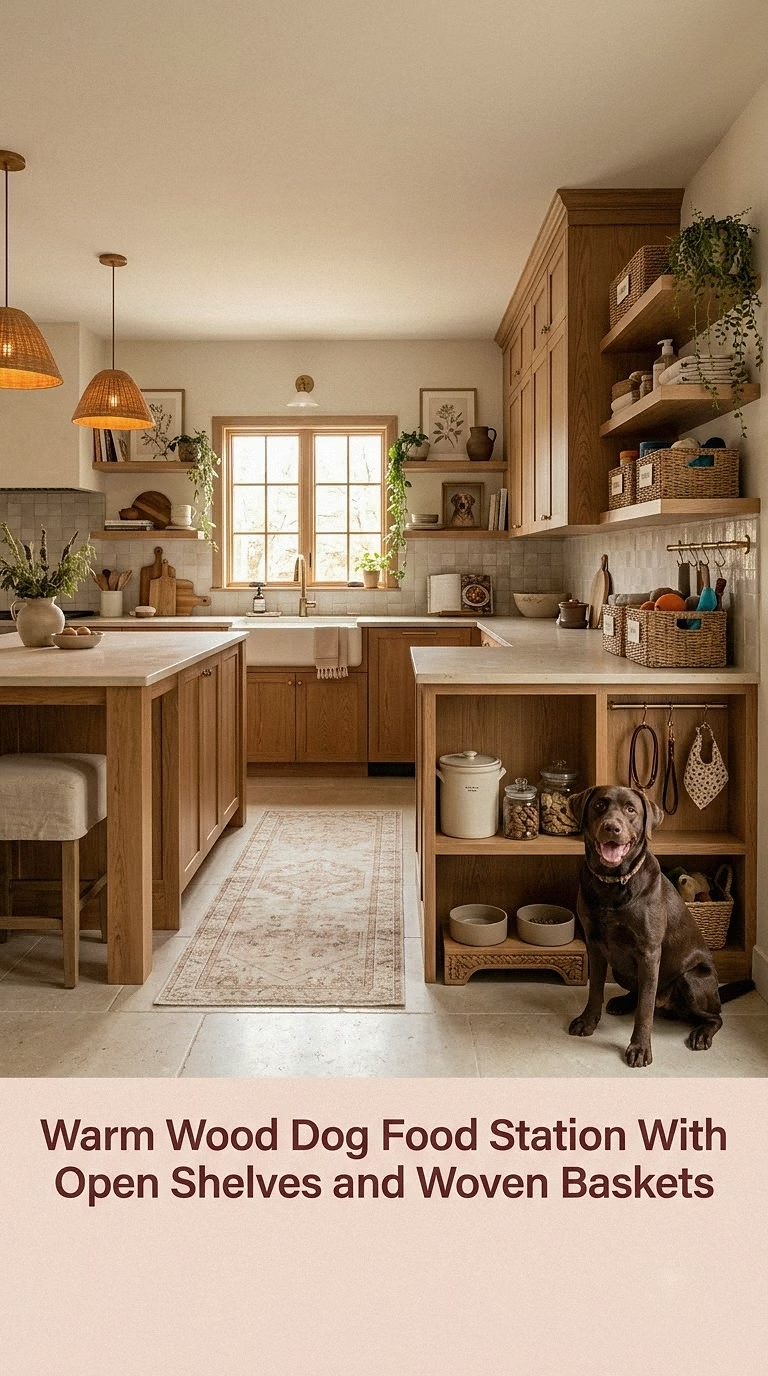
Create a relaxed, organic feeding zone using warm wood cabinetry, open shelving, and textured woven baskets. This style feels inviting and works beautifully in rustic, bohemian, Mediterranean, and modern organic kitchens.
Begin with a low wooden feeding cabinet that holds two removable bowls. Above it, install open shelves for neatly arranged accessories. Use baskets to conceal less decorative items and ceramic jars for treats.
The most attractive setups repeat materials already found elsewhere in the kitchen. For example, if your kitchen includes oak shelves or rattan pendant lights, use similar tones and textures around the dog station.
Avoid overcrowding the shelves with decorations. A small framed pet portrait, one trailing plant placed safely out of reach, and a few coordinated storage containers are usually enough.
Since natural wood can be affected by repeated water exposure, protect surfaces near the bowls with a suitable finish or add a removable waterproof tray. This allows you to enjoy the warmth of wood without making daily cleanup unnecessarily difficult.
10. Luxury Dog Kitchen Suite With Feeding Station, Storage, and Sleeping Nook
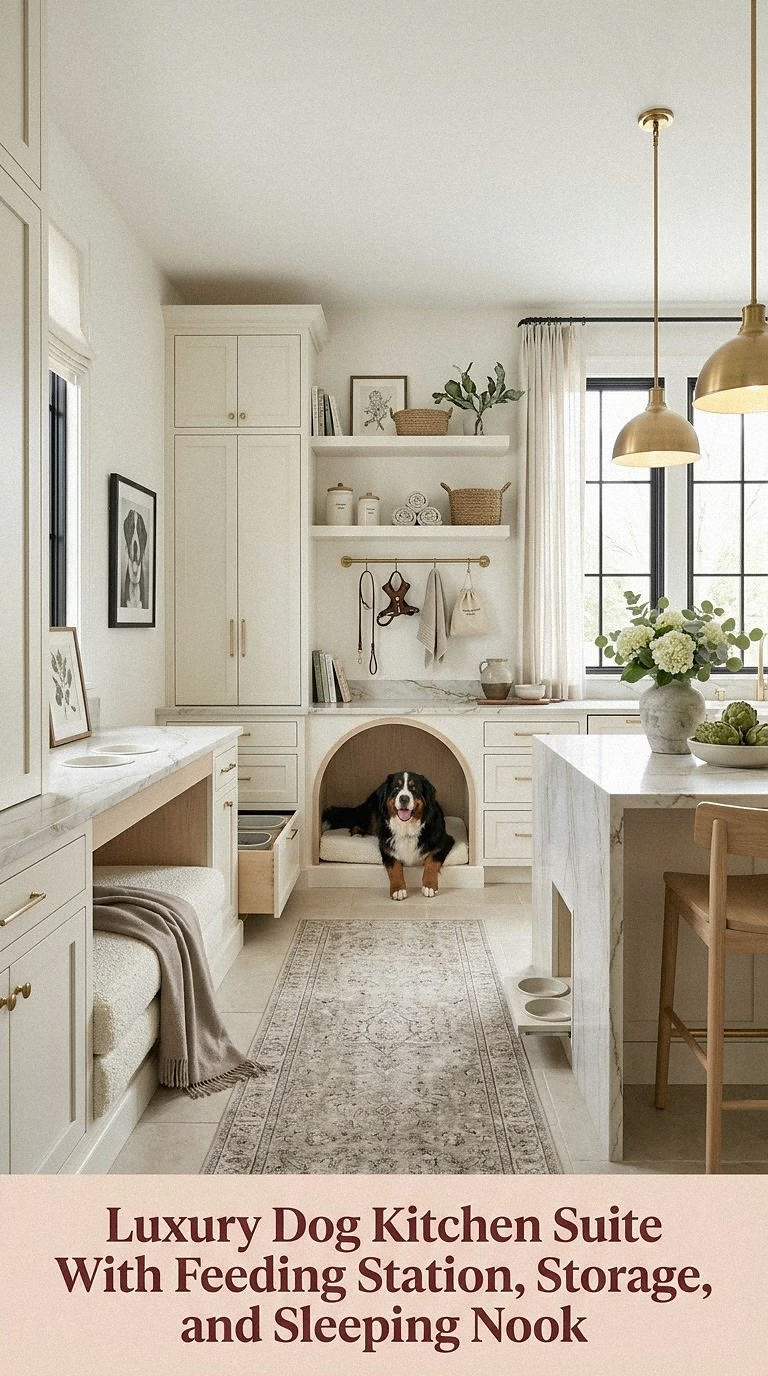
For a spacious kitchen or renovation project, consider designing a complete dog suite that combines feeding, sleeping, and storage in one beautifully coordinated area.
The layout might include a built-in bed nook at one end, a feeding alcove in the center, and tall cabinetry for food, treats, leashes, medications, towels, and grooming supplies. Matching finishes make the entire zone feel like a natural extension of the kitchen.
For an elevated look, combine painted cabinetry in deep olive, navy, mushroom, or warm taupe with quartz surfaces and elegant hardware. A small wall light above the sleeping nook can add warmth, while decorative paneling creates architectural interest.
Functionality should still guide every decision. Use washable bedding, removable bowls, wipeable surfaces, secure storage, and enough open space for your dog’s body size.
A luxurious pet setup does not need excessive decoration. The most sophisticated designs rely on excellent proportions, beautiful materials, thoughtful storage, and subtle details that make life easier for both dog and owner.
11. DIY Vintage Sideboard Turned Into a Charming Dog Feeding Cabinet
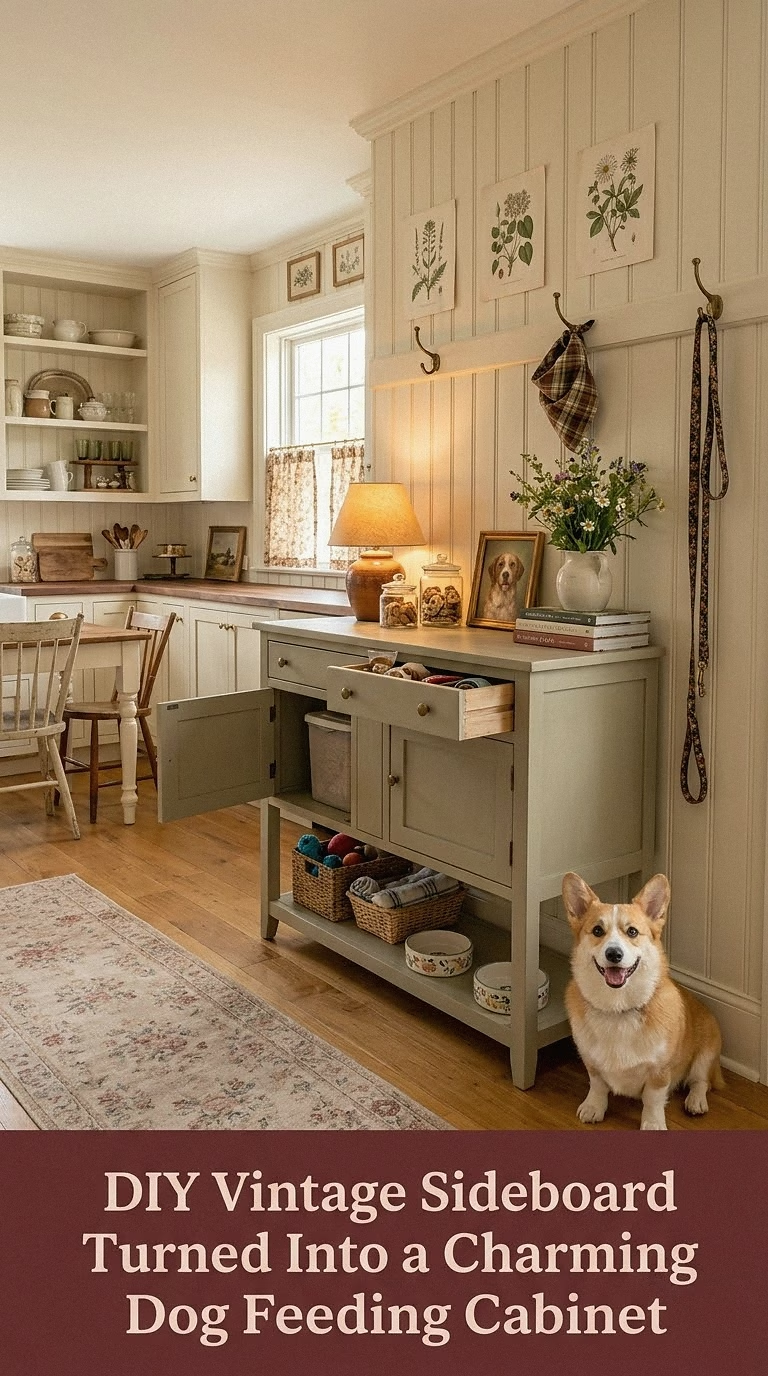
An old sideboard, console, or small dresser can be transformed into a stylish dog feeding station without the expense of custom cabinetry. This is an excellent project for anyone who loves vintage character, thrifted furniture, and hands-on home improvement.
Choose a sturdy piece at an appropriate height, then cut fitted openings in the top for removable bowls. Drawers can store treats, waste bags, measuring cups, and grooming supplies, while larger lower cabinets can hold food containers.
Paint the furniture soft cream, muted green, dusty blue, or another shade that complements your kitchen. New hardware can dramatically change the finished appearance. Antique brass knobs feel traditional, while matte black pulls create a more updated farmhouse look.
Protect the top surface from water with a durable, easy-clean finish. Check the furniture carefully for loose components, sharp edges, or peeling materials before allowing your dog to use it.
The result can look completely custom while adding personality and valuable storage to the kitchen.
12. Narrow Galley Kitchen Dog Station at the End of a Cabinet Run
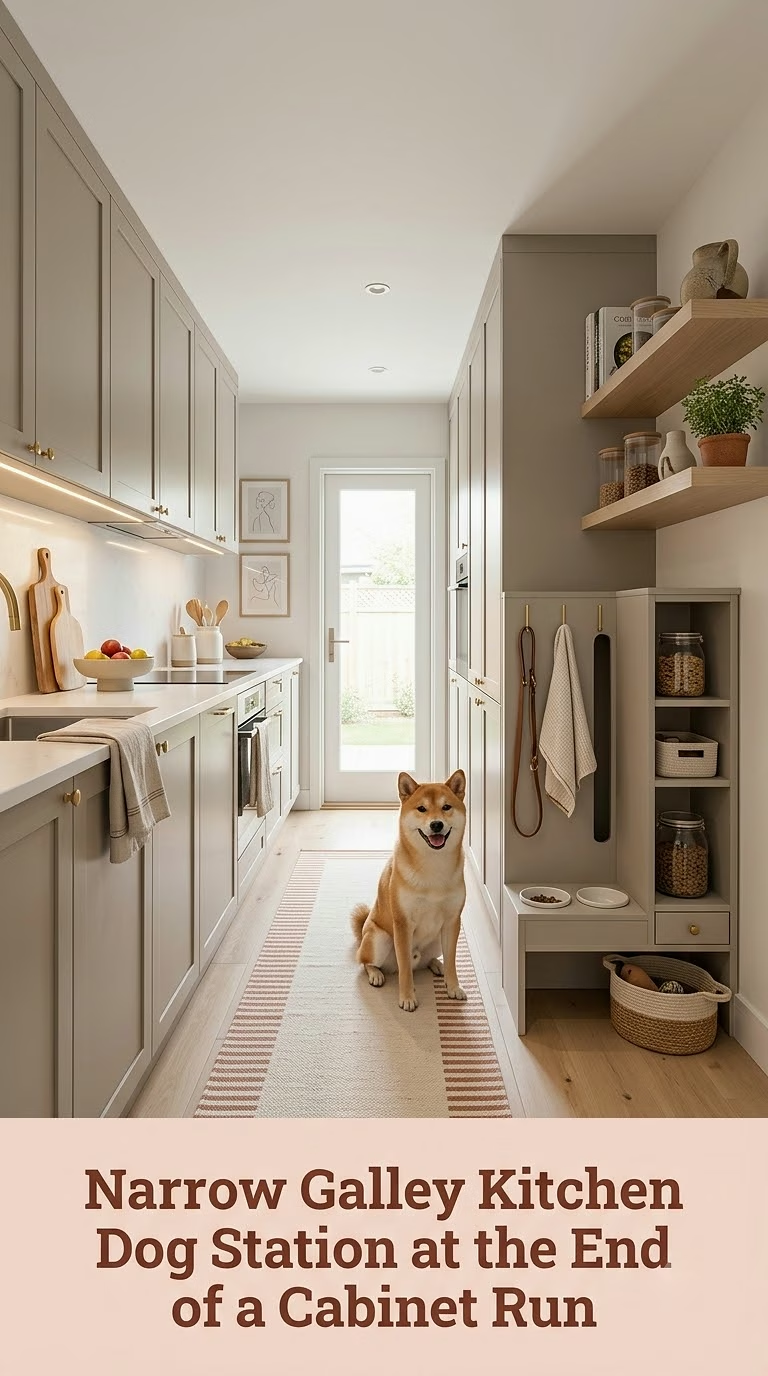
Galley kitchens often have limited floor space, so the best place for a dog station may be at the very end of the cabinetry, away from the primary cooking path.
Create a slim feeding platform that aligns with the cabinet depth and holds two bowls side by side. A shallow drawer above can store small essentials, while a deeper cabinet beneath provides room for food.
Use the same cabinet color and hardware as the rest of the kitchen for a seamless result. In a white galley kitchen, a pale oak feeding platform can introduce warmth. In a dark contemporary space, matching charcoal cabinetry keeps the design visually quiet.
Pay close attention to traffic flow. Avoid placing bowls where the refrigerator door opens, where chairs are regularly pulled out, or where family members frequently carry hot dishes.
Read more : 17 Dog Hallway Ideas That Make Small Spaces Stylish, Cozy, and Pet-Friendly
For renters or smaller budgets, recreate the same idea with a narrow freestanding feeding bench placed against the end wall. Matching its finish to the existing cabinets helps create a built-in appearance without renovation.
13. Colorful Retro Dog Feeding Corner With Checkerboard Tile and Bright Bowls
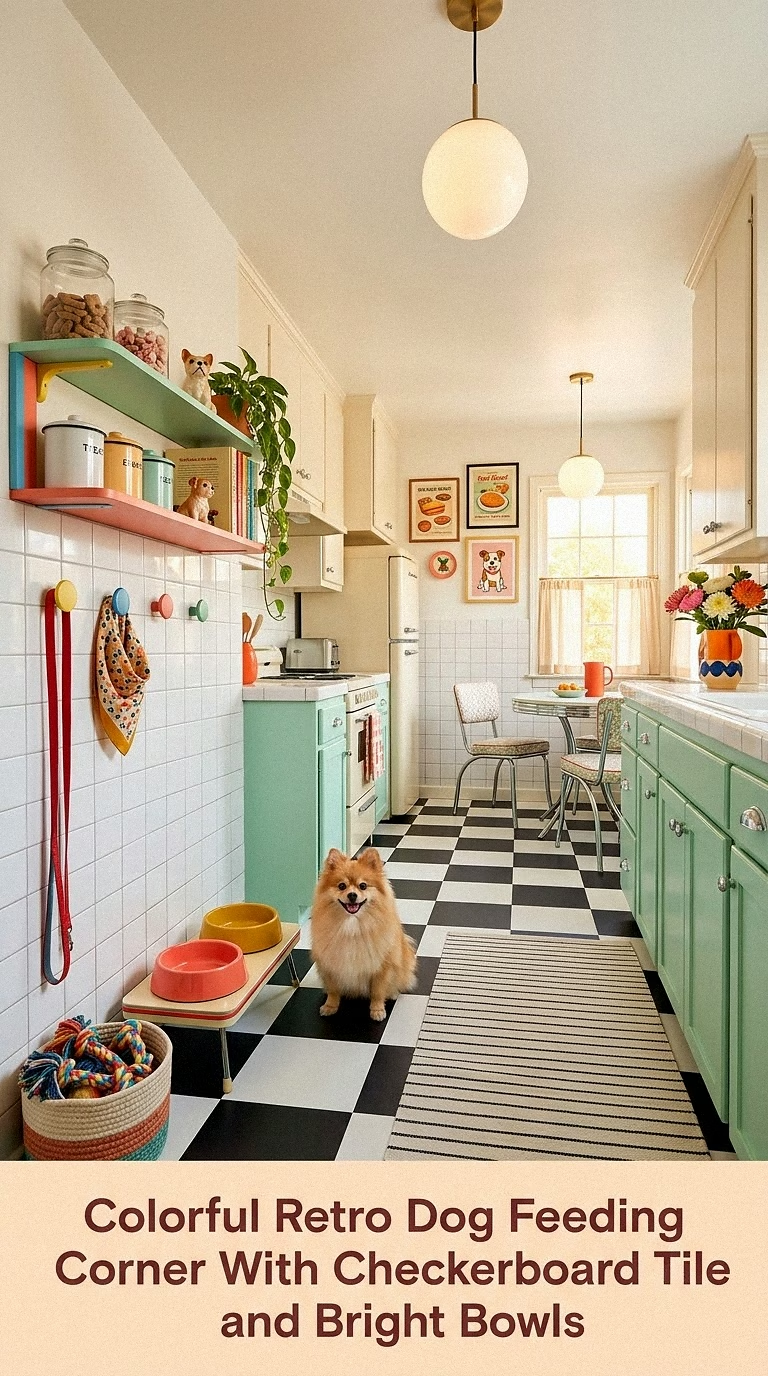
For a cheerful kitchen filled with personality, create a retro-inspired dog corner using checkerboard tile, saturated colors, and playful accessories.
Start with a small backsplash or floor mat featuring classic checks in cream and terracotta, black and white, or pastel colors. Add ceramic bowls in cherry red, butter yellow, mint green, or cobalt blue. A painted shelf above can hold treats and a framed illustration.
The key is controlling the number of competing elements. Choose two or three dominant colors and repeat them throughout the station rather than introducing every bright shade at once.
A vintage-style metal container can hold sealed food packaging, while simple wall hooks provide a place for leashes. Rounded edges and curved furniture details reinforce the playful retro aesthetic.
This idea proves that dog kitchen spaces do not always need neutral colors or hidden cabinetry. When designed thoughtfully, a pet station can become one of the most joyful visual moments in the room.
14. Minimalist Beige Dog Kitchen Station With Hidden Handleless Cabinets
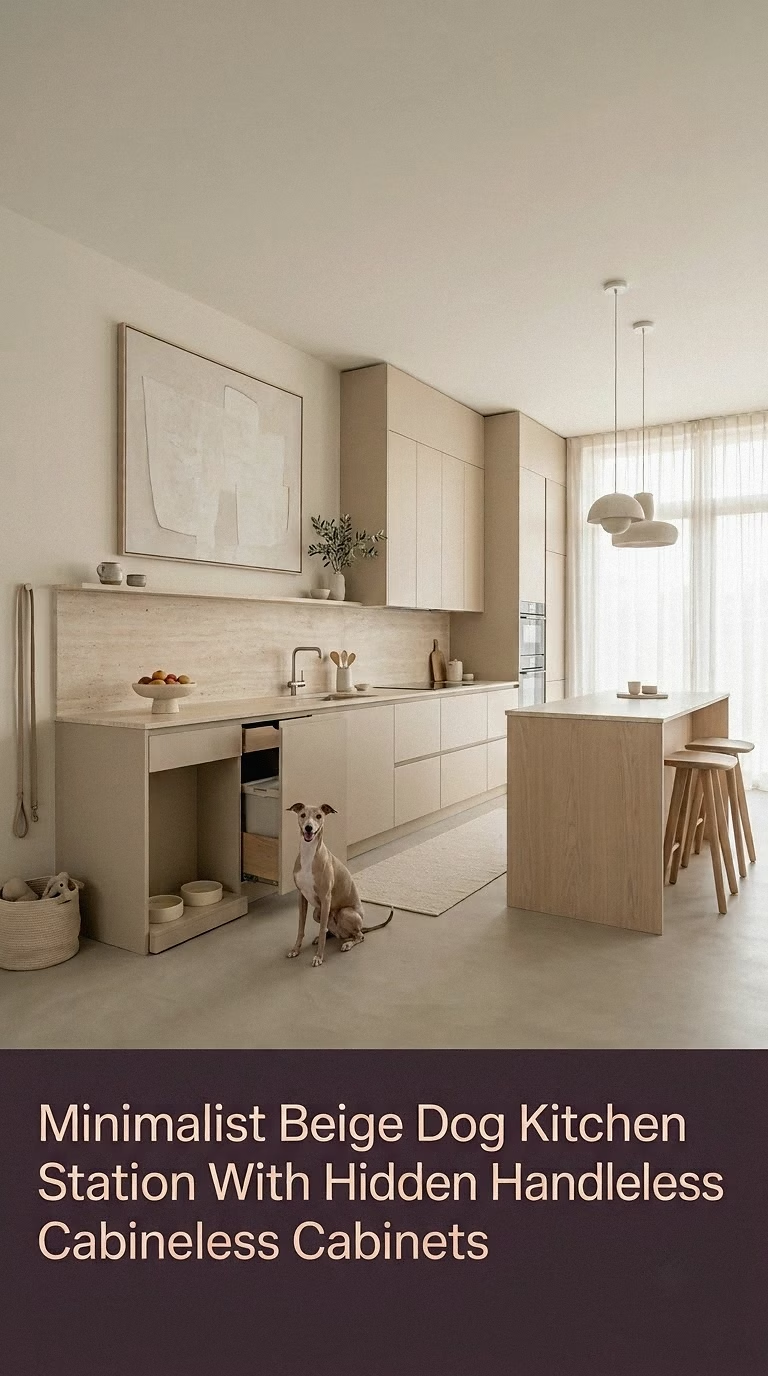
A warm beige feeding station is perfect for a calm, modern kitchen where you want pet supplies to remain almost invisible. Choose handleless cabinets in mushroom, sand, putty, or creamy greige, then create a simple open niche for two coordinating bowls.
Continue the same countertop or backsplash material into the niche for a seamless, monolithic appearance. Pale quartz, porcelain, and stone-look surfaces can create an elegant visual effect while providing a practical area for everyday cleanup.
Store food and accessories behind closed doors rather than displaying them on open shelving. Deep drawers with internal dividers can separate treats, grooming items, medicines, and walking supplies.
The restraint of this design is what makes it feel luxurious. There is no need for excessive signage or decorative accessories. A single textured mat or two beautiful bowls may be all the decoration required.
Soft neutral tones also make the station easier to integrate into an existing kitchen without allowing the dog area to visually dominate the room.
15. Mudroom-Kitchen Transition Zone With Dog Bowls, Leash Hooks, and Towel Storage
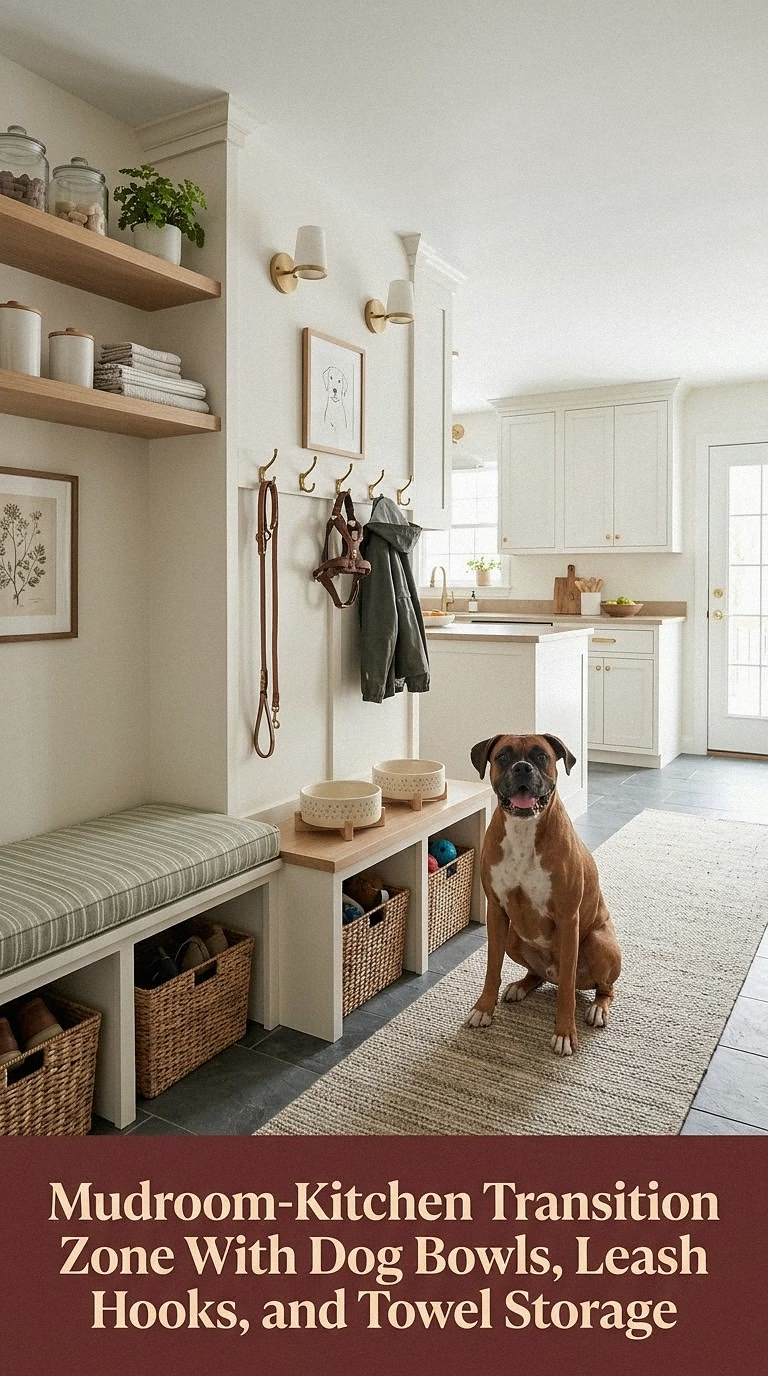
Homes with a mudroom connected to the kitchen have an ideal opportunity to create a multifunctional dog station. This transition zone can handle feeding, walking supplies, muddy paws, and everyday organization before mess reaches the main kitchen.
Place the feeding bowls against one wall, preferably away from the door’s swing and the busiest foot traffic. Add low drawers for towels and grooming supplies, hooks for leashes and harnesses, and upper cabinets for less frequently used items.
A washable runner or durable tiled floor makes cleanup easier, especially after wet walks. Use closed cabinets for food and treats to discourage curious noses from exploring.
For a coordinated appearance, repeat the kitchen’s cabinet color or countertop material in the mudroom. Alternatively, use a complementary shade such as deep green beside a cream kitchen or navy beside warm natural wood.
This arrangement is especially practical for active households because it creates one dedicated place for everything needed before and after a walk.
16. Breakfast Nook Dog Bench With a Hidden Bed Under the Seat
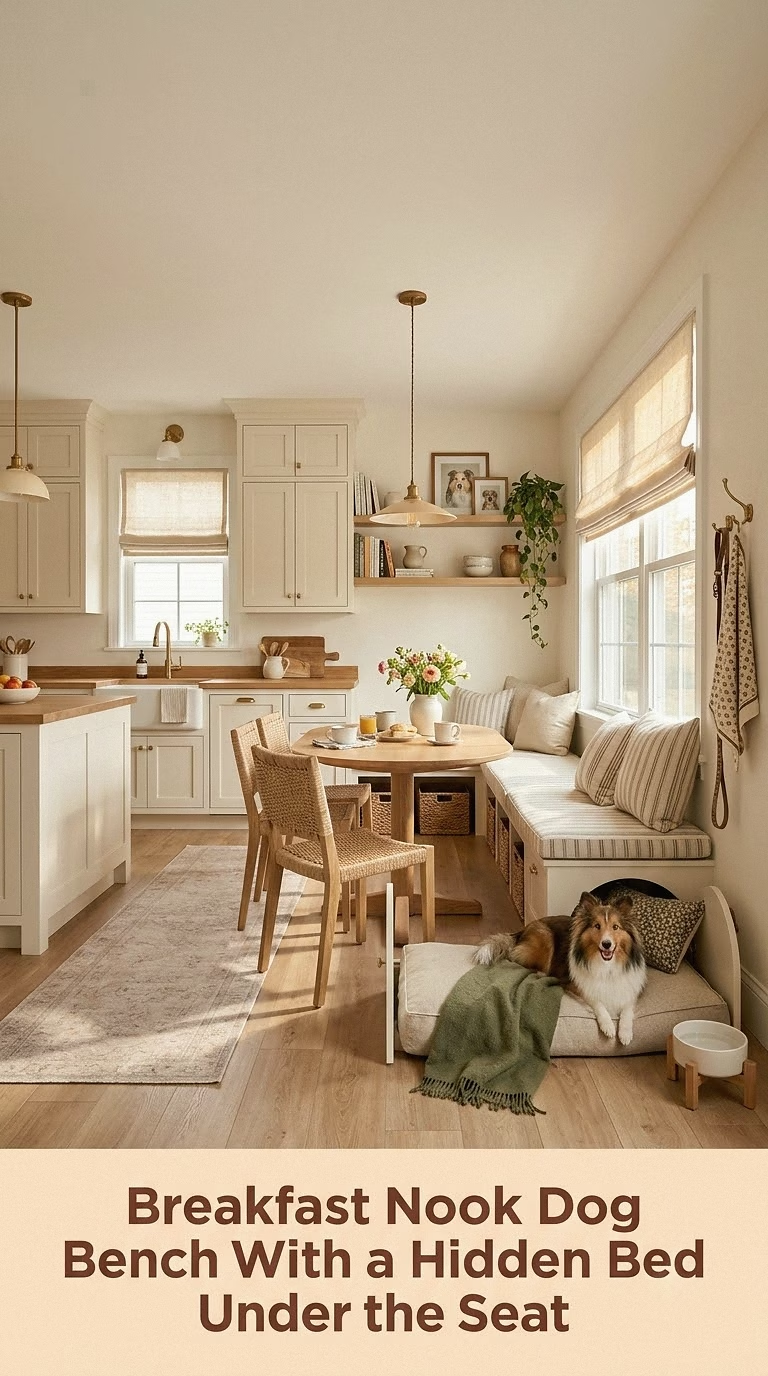
Combine human seating and pet comfort by incorporating a dog bed into the base of a built-in breakfast nook bench. The upper portion provides comfortable dining seating, while an open lower cubby becomes a cozy resting spot for your dog.
This idea works particularly well for dogs who love staying close during family meals but tend to lie beneath chairs or directly in walkways. A dedicated bed gives them their own place without requiring additional floor space.
Coordinate the dog cushion with the bench upholstery for a cohesive look. For example, pair oatmeal linen seating with a soft caramel dog bed, or use washable blue-and-white fabrics in a coastal kitchen.
The cubby should be comfortably sized for your dog and well ventilated. Avoid enclosing the space too tightly, and make the cushion easy to remove for washing.
Storage drawers can be incorporated into other sections of the bench, creating an efficient multifunctional feature that combines seating, organization, and pet comfort.
17. Soft Pink Cottage Kitchen With a Petite Dog Tea Station and Decorative Storage
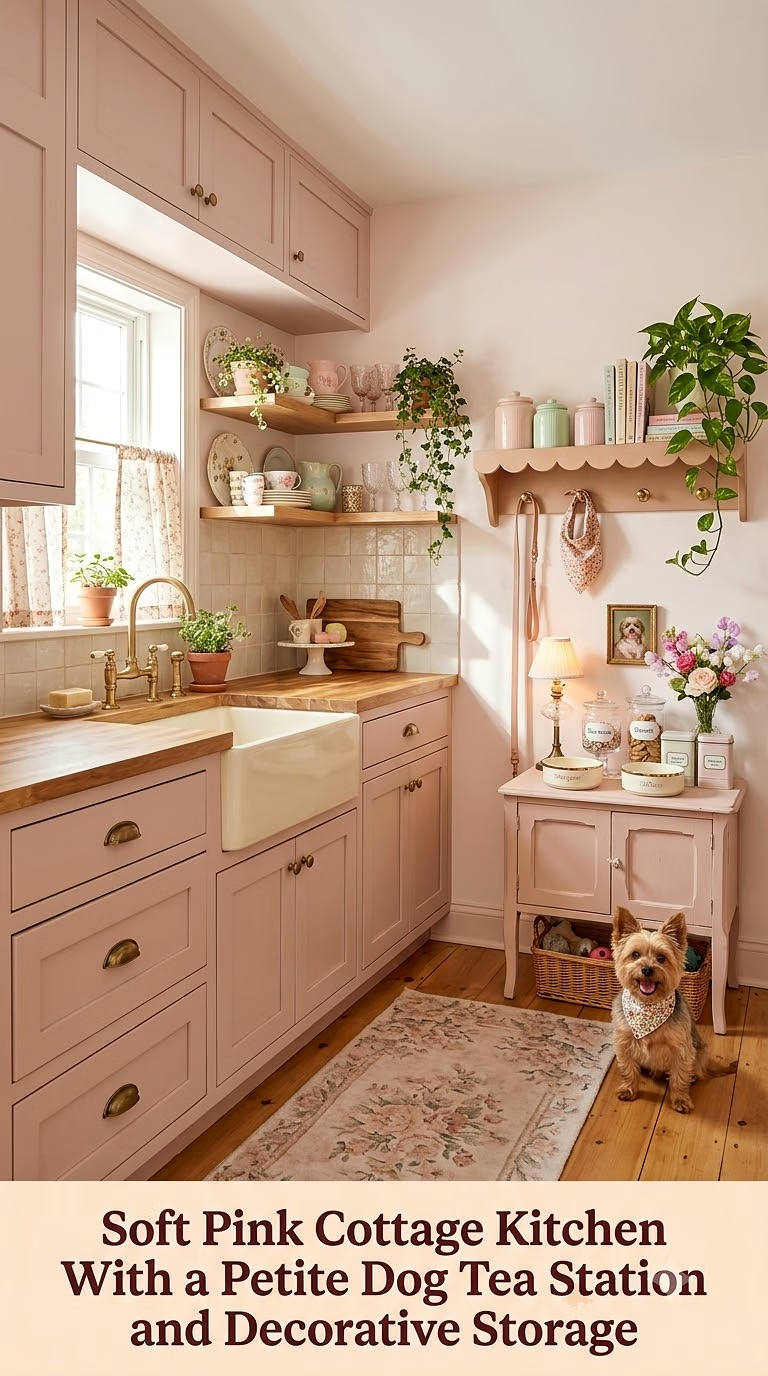
For a playful yet sophisticated take on dog kitchen design, create a petite feeding station surrounded by soft pink cabinetry, floral details, and charming decorative storage.
Choose a muted blush, dusty rose, or plaster pink rather than an overly bright shade. Pair it with creamy countertops, brass hardware, natural wood accents, and delicate patterned tile.
Use attractive ceramic bowls that complement the palette, and store treats in matching lidded jars. A small shelf above the station might display a framed portrait, a vintage-style container, or a tiny arrangement of decorative objects placed safely beyond your dog’s reach.
Despite its whimsical appearance, the station should remain practical. Keep surfaces easy to wipe, bowls removable for frequent cleaning, and food securely stored. Place the area away from hot appliances and major cooking zones.
This feminine cottage-inspired concept is especially charming in small kitchens, breakfast rooms, and pantry corners where a little personality can make an ordinary feeding area feel special.
Conclusion
A thoughtful dog-friendly kitchen can make everyday routines feel calmer, cleaner, and more enjoyable without forcing you to compromise on style. Whether you choose a simple feeding corner with a floating shelf or invest in a custom-built dog suite with storage and a sleeping nook, the most successful design will suit both your dog’s needs and the way your household actually lives.
Think carefully about traffic flow, washable materials, secure food storage, bowl placement, and comfortable resting spots. Small details such as coordinated containers, a dedicated treat drawer, or a washable mat can make a surprisingly big difference.
Most importantly, your dog’s space does not need to look separate from the rest of your home. With thoughtful colors, materials, and proportions, it can become one of the most charming and personal features in your kitchen.
Love these dog kitchen ideas? Pin this Pinterest post so you can easily return to your favorite designs when you’re ready to create a special kitchen space for your pup.
Source: https://petstutorial.com
Category: Dog Rooms
