
Creating a special place for your dog is one of those small home uur dog gets a comfortable spot that feels familiar and secure, while you gain a dedicated place for beds, toys, bowls, leashes, grooming supplies, and all the little things that otherwise seem to spread throughout the house.
- 17 Painted Dog House Ideas That Turn a Simple Shelter Into a Backyard Showpiece
- 19 Dog Corner Ideas to Create a Cozy, Stylish Space Your Pup Will Love
- 19 Cute Dog House Ideas That Look Like Tiny Dream Homes
- 17 Shed Dog House Ideas for a Beautiful and Cozy Backyard Retreat
- 19 Dog House Interior Ideas for a Cozy, Stylish, and Practical Pet Space
The best dog area ideas do not require a huge spare room or an expensive renovation. A quiet corner beside the sofa, an unused space beneath the stairs, a section of the mudroom, or even a small cabinet nook can become a beautiful and functional retreat. The key is choosing a location that works with your dog’s size, personality, habits, and daily routine.
You are reading: 18 Dog Area Ideas to Create a Cozy, Stylish, and Practical Space for Your Pet
Whether you love warm farmhouse interiors, clean modern spaces, soft neutral palettes, or playful personalized details, these ideas offer plenty of inspiration for creating a dog area that feels like a natural part of your home.
18 Beautiful Dog Area Ideas for Every Home, Style, and Space
1. Warm Neutral Dog Corner With a Bouclé Bed and Wooden Name Sign
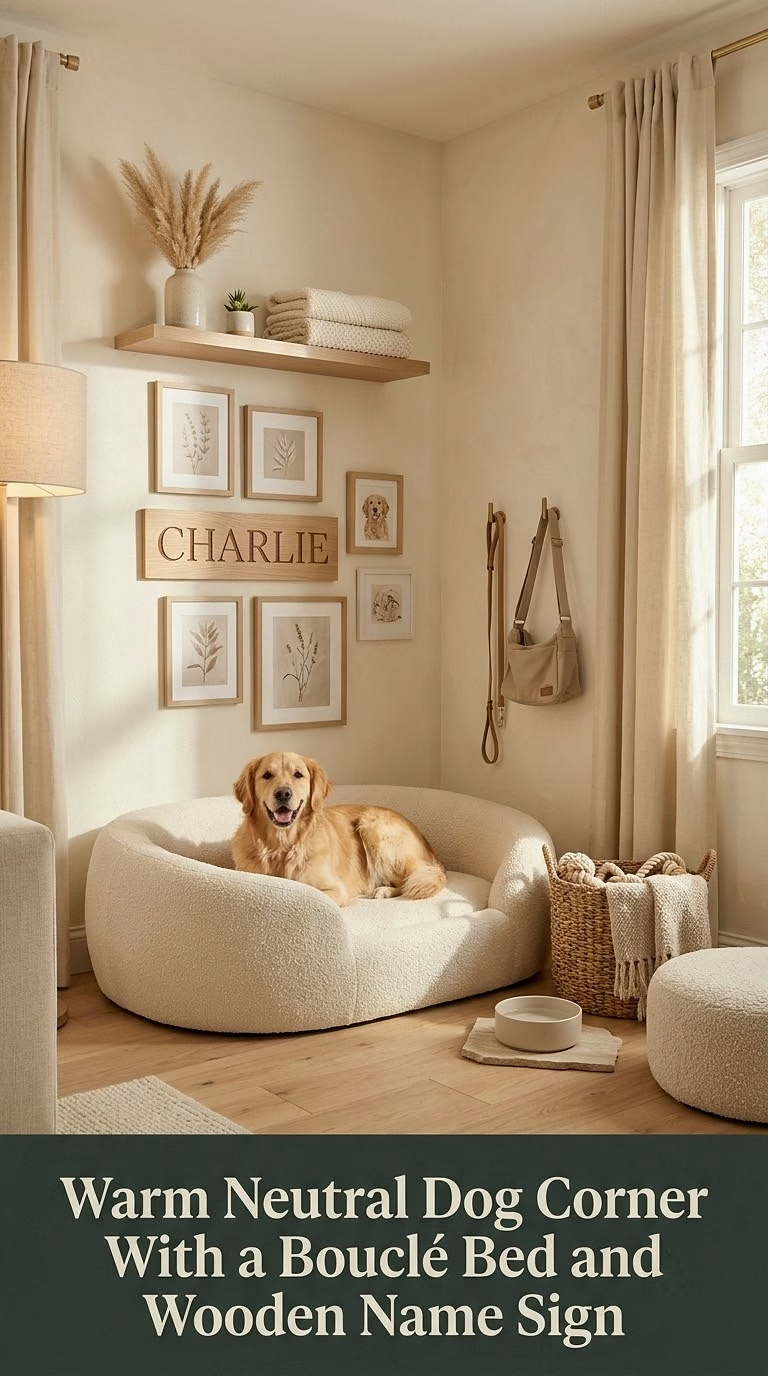
Transform a quiet living room corner into a polished dog retreat using warm neutrals, natural wood, and soft layered textures. Start with a generously sized cream or oatmeal-colored dog bed that gives your pet enough room to stretch comfortably. A washable bouclé-style cover can add softness and visual warmth while still keeping the area practical.
Mount a simple wooden name sign above the bed for a personalized touch, then add one woven basket for toys and a small wall hook for a favorite leash or bandana. Keep decorations minimal so the space feels calm rather than crowded.
This idea works especially well in homes decorated with beige, ivory, taupe, oak, and muted brown tones. The goal is to create a dog area that looks intentional enough to complement the living room while remaining cozy enough for everyday naps. Position it away from strong drafts and heavy foot traffic so your dog can truly relax.
2. Built-In Dog Nook Beneath the Staircase With Soft Lighting
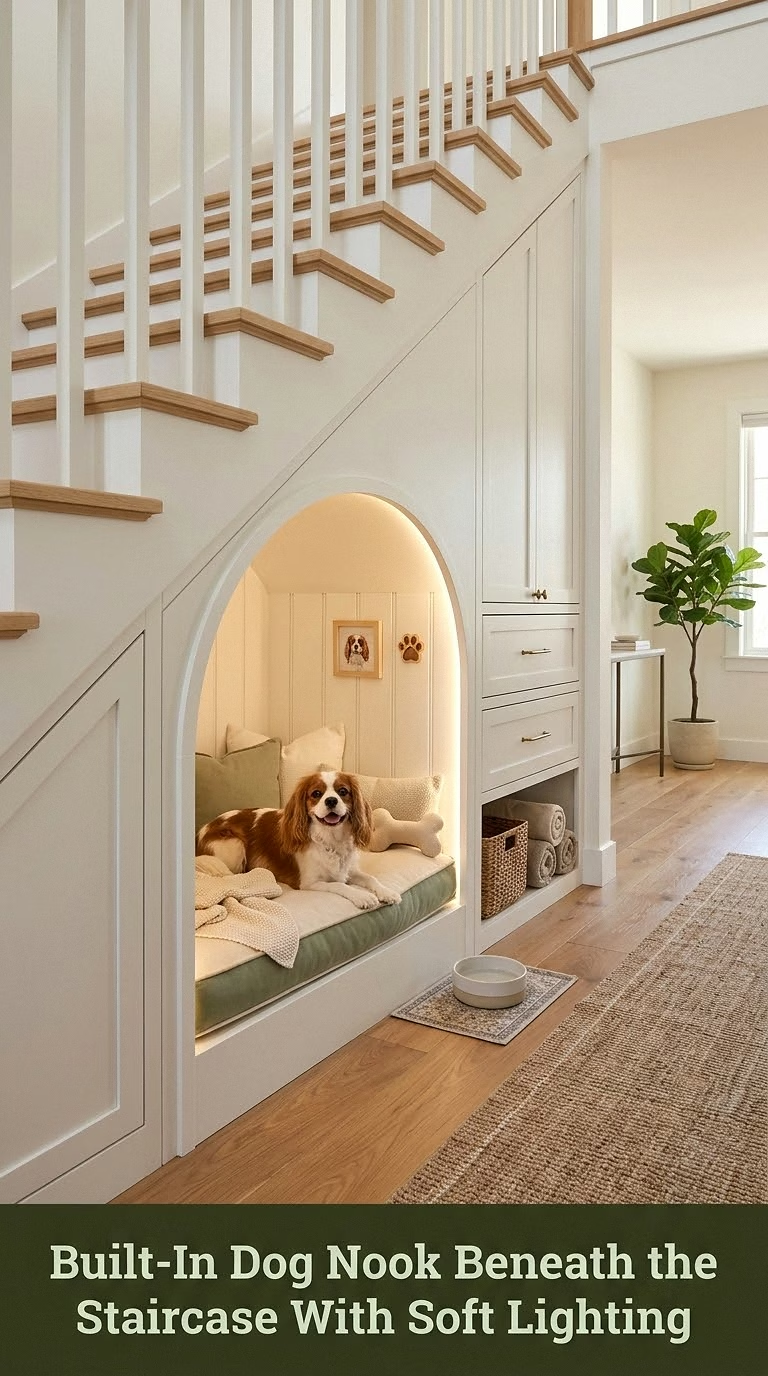
The empty space beneath a staircase can become one of the most charming dog areas in the house. Instead of leaving this awkward spot unused, turn it into a snug retreat with a custom opening, soft bedding, and warm interior lighting.
For a refined look, paint the exterior to match the surrounding walls or cabinetry. Inside, use a washable cushion sized to fit the nook properly, along with smooth, easy-to-clean surfaces. A small battery-powered or professionally installed low-heat light can create a cozy atmosphere without making the space feel dark.
Make sure the nook has good airflow and enough room for your dog to stand, turn around, lie down, and stretch naturally. Avoid overfilling the interior with decorative accessories that could reduce usable space. A framed name plaque or small paw-print detail outside the entrance is enough to make this clever dog area feel special.
3. Modern Mudroom Dog Area With Built-In Bed and Storage Drawers
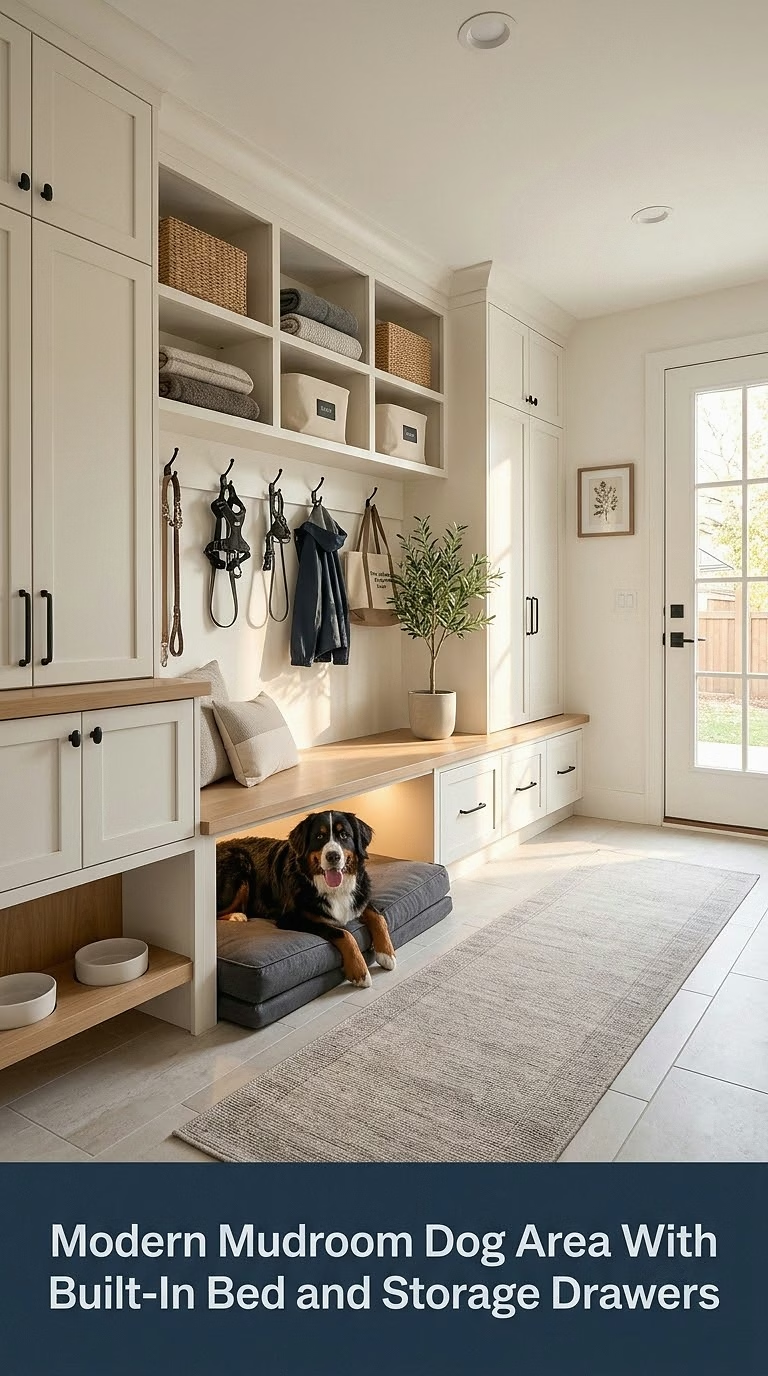
A mudroom is a natural location for an organized dog area, especially for active pets that frequently come indoors with wet paws, leaves, or dirt. Create a built-in sleeping nook beneath a bench or countertop and surround it with practical storage for everyday essentials.
Deep drawers can hold towels, grooming brushes, waste bags, extra collars, and seasonal accessories. Wall hooks above the bench make it easy to grab leashes and harnesses before a walk. For the floor, choose a durable, easy-to-clean surface that can handle muddy paws and occasional splashes.
Visually, this design looks especially polished when the dog bed coordinates with the cabinetry. Sage green cabinets with a cream cushion feel relaxed and inviting, while charcoal or navy cabinetry creates a more sophisticated look. Keep frequently used items within reach but store medications, cleaning products, and anything potentially hazardous securely away from your dog.
4. Small Apartment Dog Area Beside the Sofa With Hidden Toy Storage
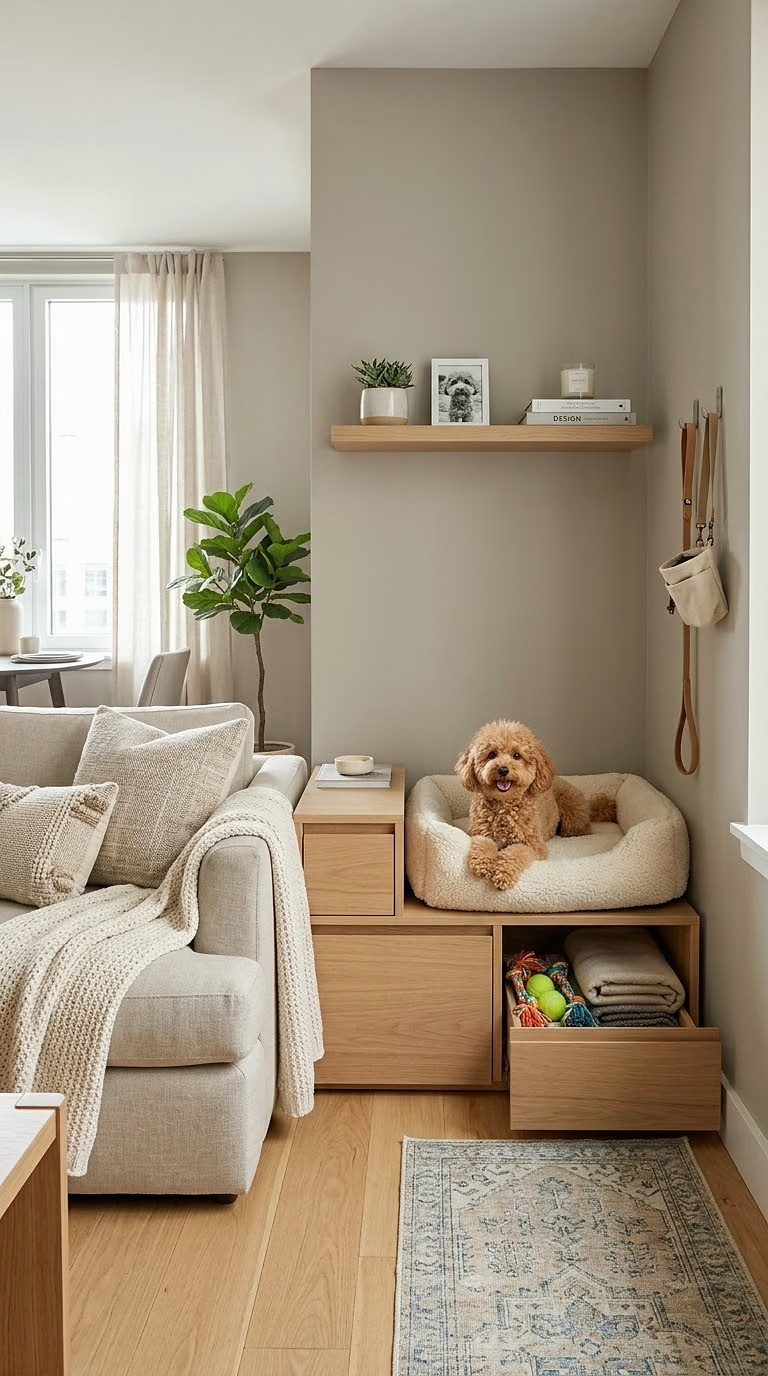
You do not need an entire room to create a beautiful dog area. In a small apartment, a narrow section beside the sofa can become a practical retreat without making the living room feel cluttered.
Choose a low-profile dog bed that fits neatly against the wall and coordinate its color with your existing furniture. A small lidded storage ottoman or woven basket can hold toys while doubling as a side table or decorative accent. If floor space is especially limited, install one or two floating shelves above the area for framed photos, extra accessories, or closed storage boxes.
Keep the layout simple and resist the temptation to add too many decorations at dog level. Cords, fragile objects, and small items should remain safely out of reach. With a soft neutral bed, one organized storage piece, and a personalized wall detail, even the smallest apartment corner can feel thoughtful and complete.
5. Farmhouse Dog Station With Shiplap, Woven Baskets, and Vintage Hooks
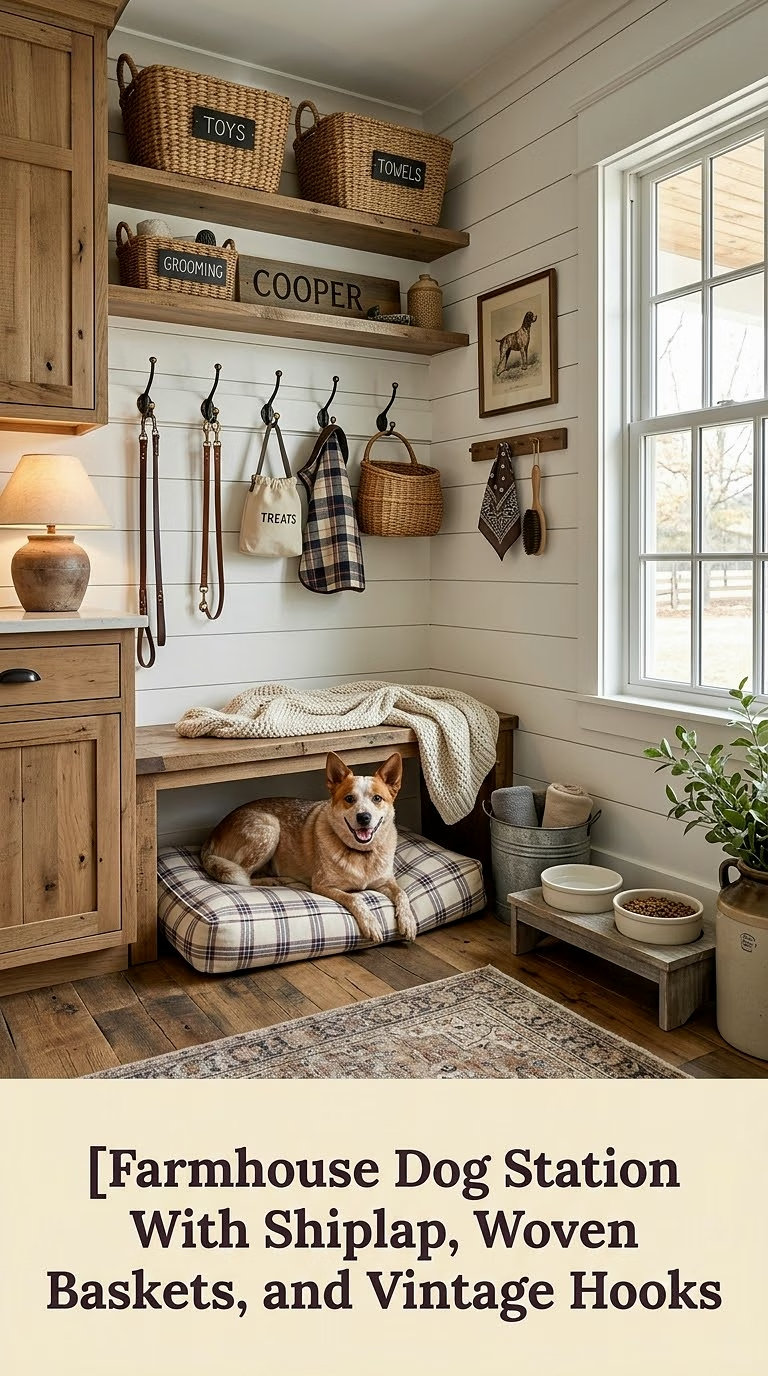
For a cozy farmhouse-inspired home, create a dog station that combines painted wood, woven textures, and vintage-style hardware. A soft white or pale greige shiplap wall makes a charming backdrop, while black metal hooks provide practical storage for leashes, collars, raincoats, and walking bags.
Place a comfortable plaid, ticking-stripe, or neutral linen-look bed below the hooks. Use labeled wicker baskets for toys and towels, keeping the arrangement tidy while adding texture. A wooden sign with your dog’s name or a simple phrase can complete the look without overwhelming the space.
This setup works beautifully in an entryway, mudroom, laundry room, or wide hallway. For a more authentic farmhouse feel, combine warm oak, cream, faded sage, and matte black. Choose washable fabrics and avoid delicate decorative items near the floor, particularly if your dog is curious or enjoys chewing.
6. Luxury Dog Lounge With a Mini Sofa, Framed Portrait, and Elegant Decor
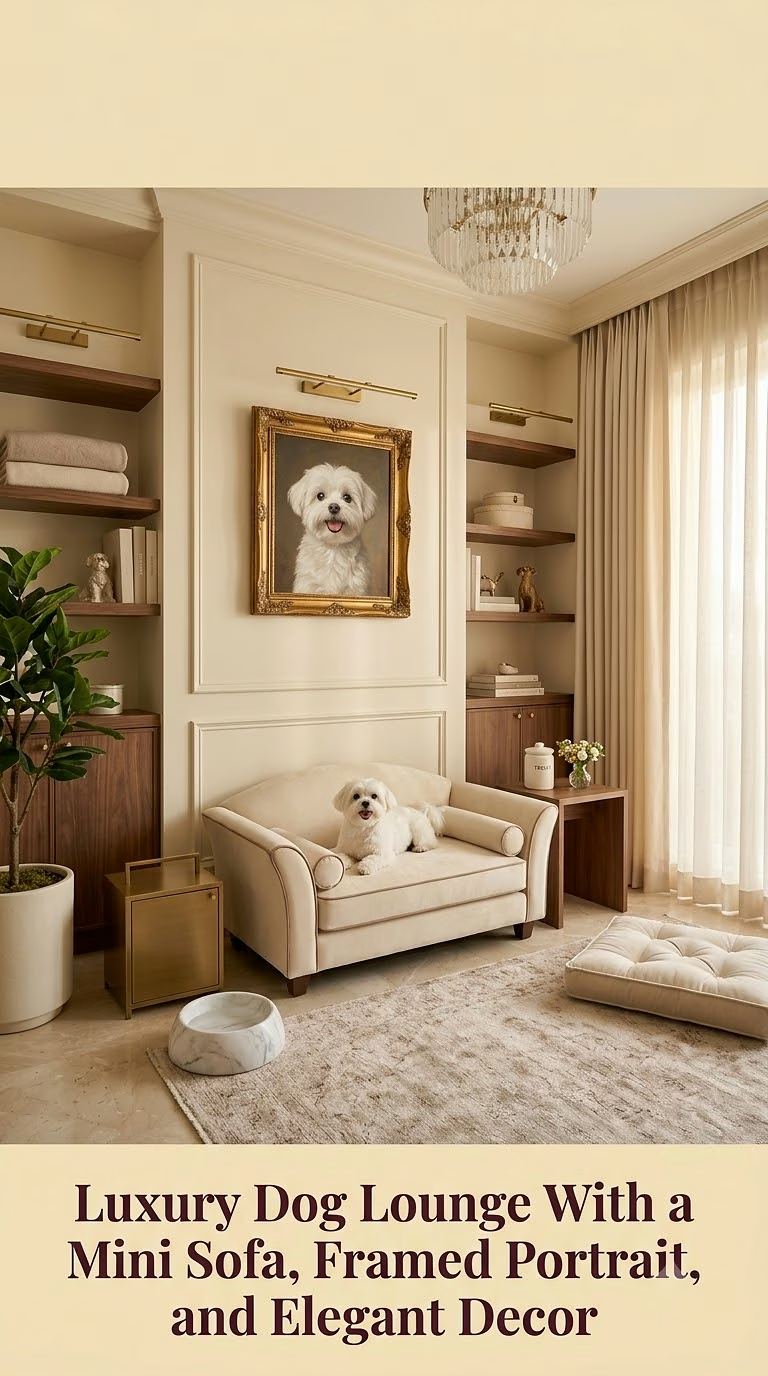
For a truly pampered setup, create a miniature lounge that feels like a stylish room designed especially for your dog. A small upholstered pet sofa can serve as the centerpiece, surrounded by elegant but restrained decorative details.
Hang a framed portrait of your dog above the sofa, then add a small washable rug underneath to visually define the area. Soft shades such as dusty rose, muted blue, warm beige, or creamy white give the space an elevated appearance. A personalized pillow can add another layer of charm, provided your dog does not tear or chew decorative cushions.
The key is balancing luxury with practicality. Select a sofa that gives your dog enough room to relax comfortably and use removable, washable covers whenever possible. Keep candles, glass ornaments, plants, cords, and other tempting objects safely out of reach. The result should feel indulgent but still completely suitable for everyday use.
Read more : 17 Beautiful Dog Room Storage Ideas for a Calm, Organized Pet Space
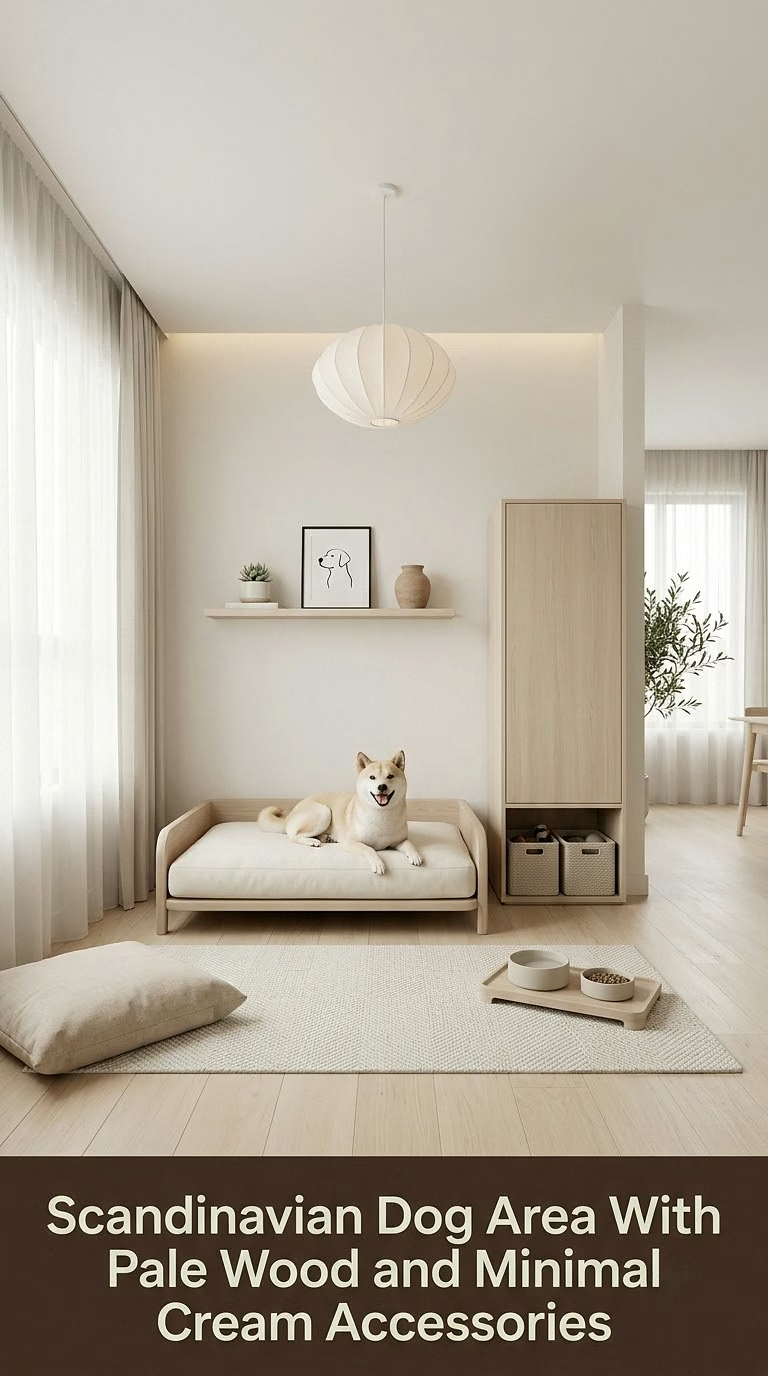
A Scandinavian-inspired dog area is ideal for anyone who loves clean lines, natural materials, and an uncluttered home. Begin with a low wooden dog bed frame in oak, birch, or a similar pale finish, paired with a simple cream or light gray cushion.
Instead of filling the space with accessories, choose only what is useful. A single round basket can hold toys, while two wooden wall hooks keep a leash and walking bag organized. A small framed line drawing of your dog adds personality without disturbing the minimalist aesthetic.
This idea works particularly well beside a bedroom wall, in a light-filled living room, or near a home office. Stick to a restrained palette of white, sand, beige, pale gray, and natural wood. The simplicity makes daily cleaning easier and allows the dog’s bed to blend naturally with the surrounding interior rather than feeling like an afterthought.
8. Laundry Room Dog Area With Washable Bedding and Floor-Level Cabinets
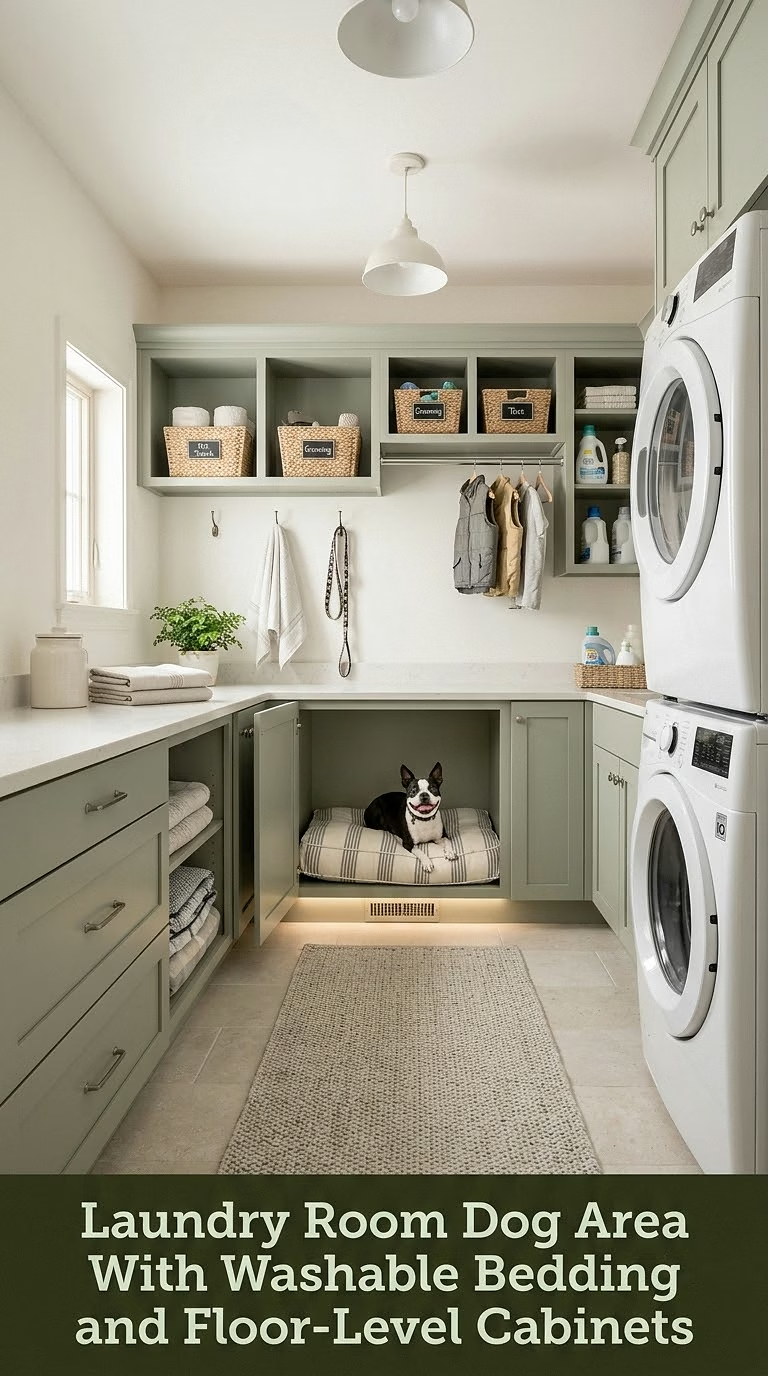
A laundry room can easily become a multifunctional dog zone, combining sleeping space, storage, and cleanup supplies in one convenient location. Create a dedicated bed area beneath a countertop or between floor-level cabinets, making sure the dimensions comfortably suit your dog.
Use closed cabinets for food containers, towels, shampoo, brushes, and other supplies. Keeping these items behind doors helps reduce visual clutter and protects curious pets from products they should not access. A waterproof mat beneath water bowls can help manage splashes, while washable bedding makes routine maintenance much easier.
For a bright and cheerful look, combine white cabinetry with soft blue, pale sage, or warm wood details. Good ventilation is especially important in a room where laundry, damp towels, and wet dogs may share the same space. A simple, well-planned laundry room dog area can make grooming days and muddy walks far less stressful.
9. Window-Side Dog Retreat With a Cushioned Bench and Sunny View
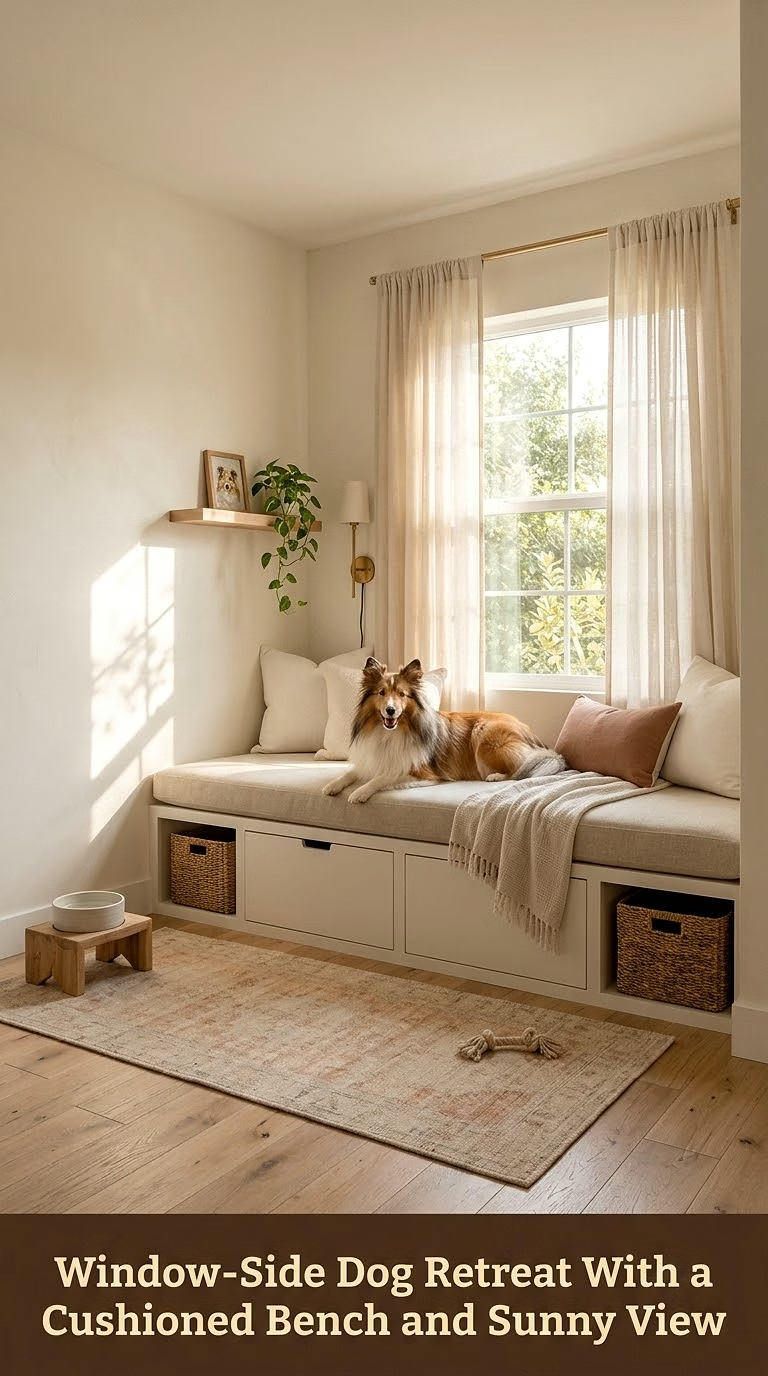
Many dogs enjoy watching the world outside, making a window-side retreat an appealing choice for pets that love observing the garden, street, or backyard. A low cushioned bench or generously sized bed positioned near a secure window can create a relaxing daytime spot.
Choose a location where your dog can comfortably rest without blocking a walkway. Add a washable cushion in a color that coordinates with the room, along with one small toy basket nearby. Keep window cords secured and make sure screens, locks, and surrounding objects are safe.
Consider how your individual dog reacts to outdoor activity. Some pets relax while watching people or birds, while others become overly excited by passing dogs, delivery drivers, or traffic. The best location is one that genuinely helps your dog settle. Soft curtains or adjustable shades can provide more privacy when needed.
10. Cozy Bedroom Dog Area With Matching Bedding and Soft Layered Textures
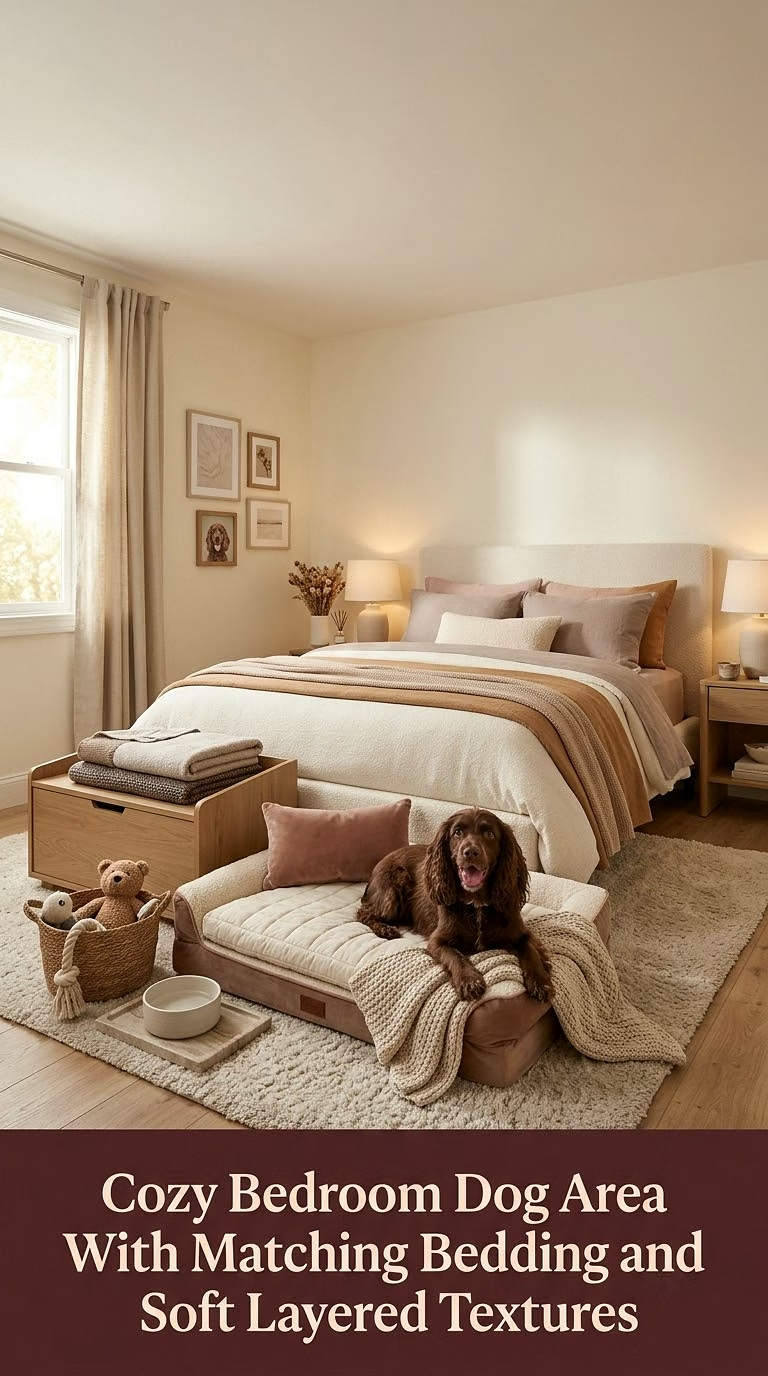
Create a peaceful dog sleeping area beside your own bed by using coordinated colors and soft, comforting textures. Instead of choosing a pet bed that feels disconnected from the room, look for one that complements your bedding, rug, curtains, or upholstered furniture.
A warm taupe dog bed beside an ivory bed frame creates a calm, sophisticated look. For a more romantic bedroom, try dusty rose, muted lavender, or soft sage. Add one washable blanket for warmth and a small basket for nighttime essentials.
Leave enough open space around the dog bed so your pet can enter and leave comfortably, especially during the night. For older dogs, avoid forcing them to navigate slippery floors or tall furniture to reach their resting place. A low, supportive bed positioned in a quiet, draft-free location can create a wonderfully peaceful shared bedroom setup.
11. DIY Wooden Dog House Nook With Arched Doorway and Removable Cushion
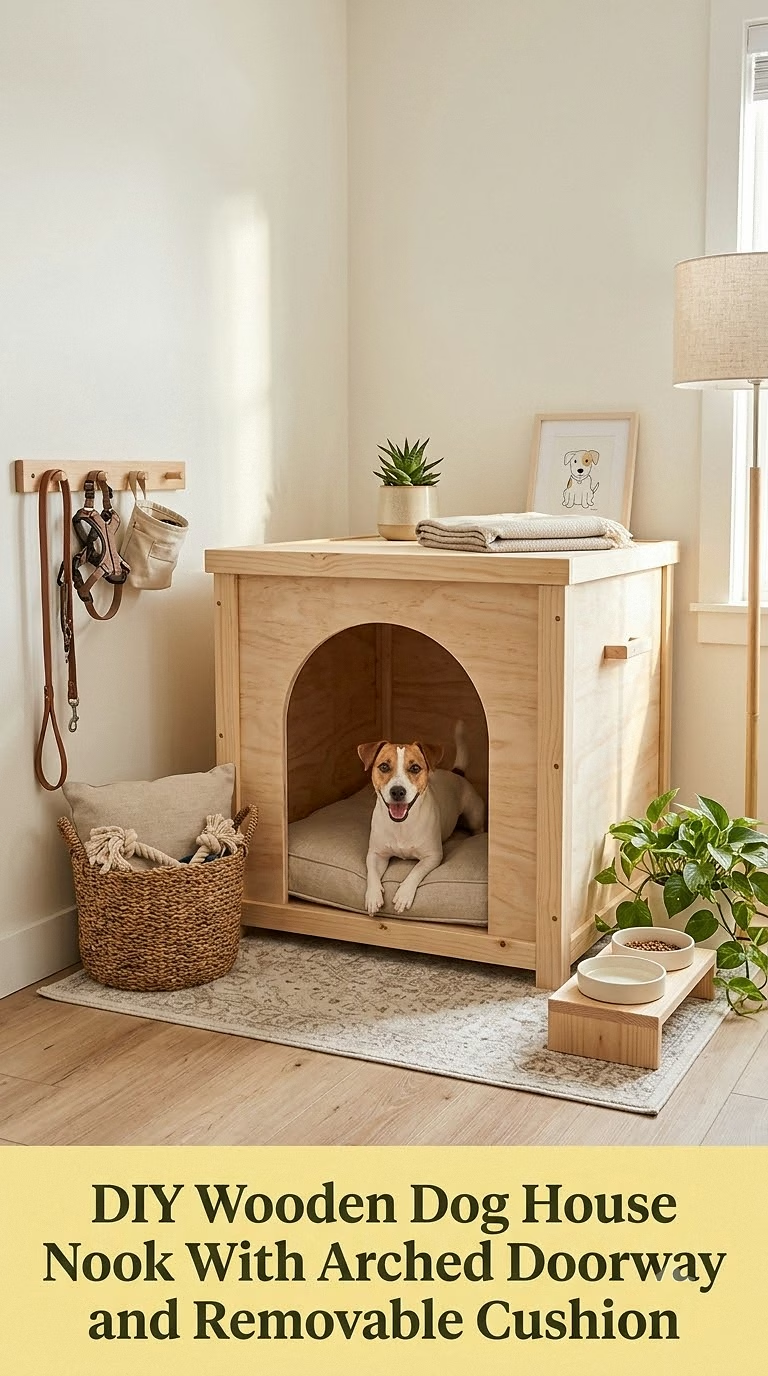
A handmade indoor dog house can become a charming focal point without requiring an elaborate renovation. Build a simple wooden structure with an arched doorway, smooth finished edges, and enough interior space for your dog to rest comfortably.
Paint it to coordinate with your interior, such as warm white for cottage style, sage green for a relaxed natural look, or natural wood for a rustic finish. Add a removable washable cushion rather than permanently upholstering the interior, making cleanup far easier.
This DIY project can be adapted to many budgets. Basic plywood and paint can create an affordable version, while decorative molding and custom lettering can produce a more polished appearance. Prioritize ventilation, stability, and smooth surfaces over purely decorative features. Avoid tiny ornamental pieces that could be pulled off and chewed.
12. Boho Dog Corner With Rattan Accents, Earthy Colors, and a Woven Bed
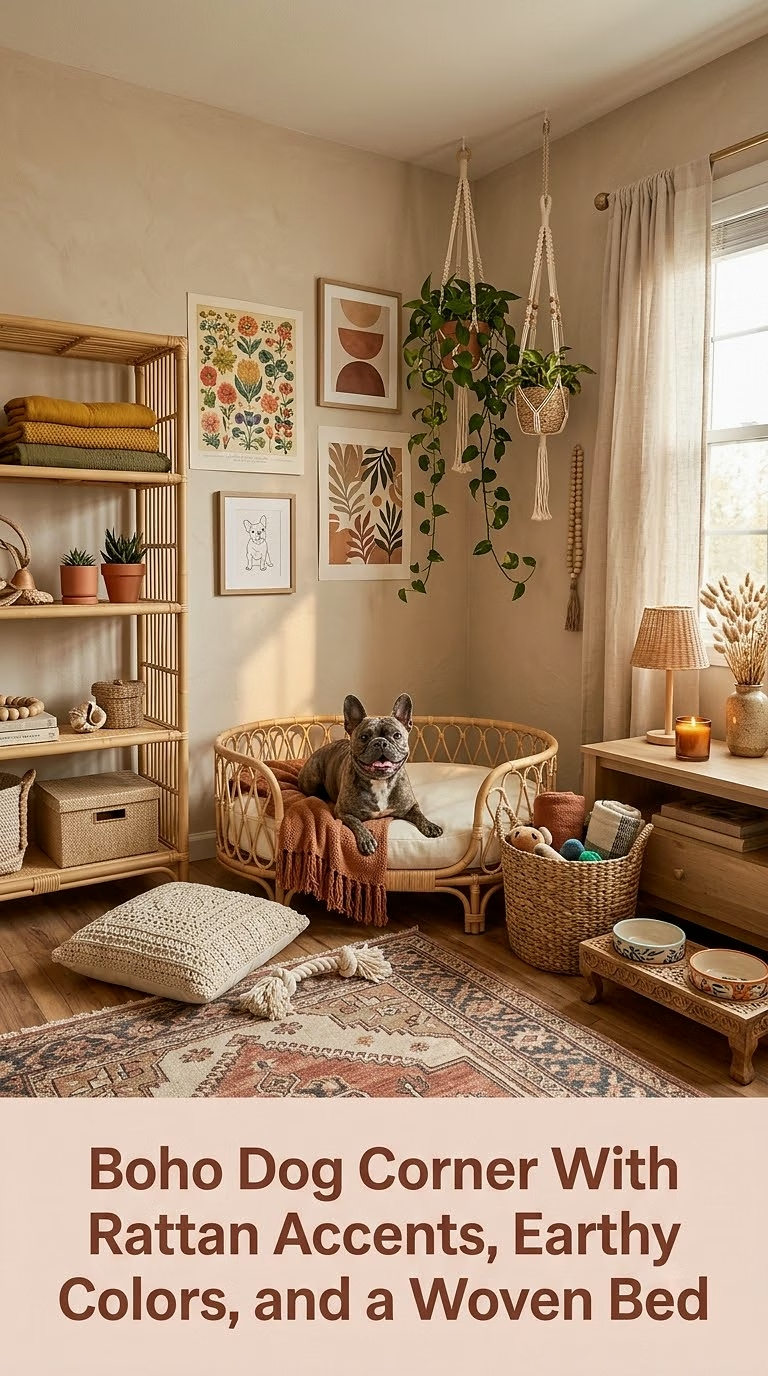
Bring relaxed bohemian style into your dog’s area with woven textures, earthy colors, and natural-looking materials. Start with a round or rectangular dog bed surrounded by a decorative rattan-style frame, provided the construction is sturdy and suitable for your dog’s chewing habits.
Use warm shades of terracotta, caramel, cream, olive, and muted mustard to create a layered, collected look. A woven storage basket can hold toys, while a lightweight cotton blanket adds softness. Above the bed, display simple wall art or a personalized wooden sign.
Keep decorative plants safely away from the dog’s reach unless you are certain they are pet-safe. For a lower-maintenance alternative, use framed botanical artwork rather than live greenery. This style is especially effective in sunrooms, bedrooms, creative studios, and relaxed living areas where texture and warmth are already part of the decor.
13. Under-Desk Dog Nook for a Cozy Work-From-Home Companion
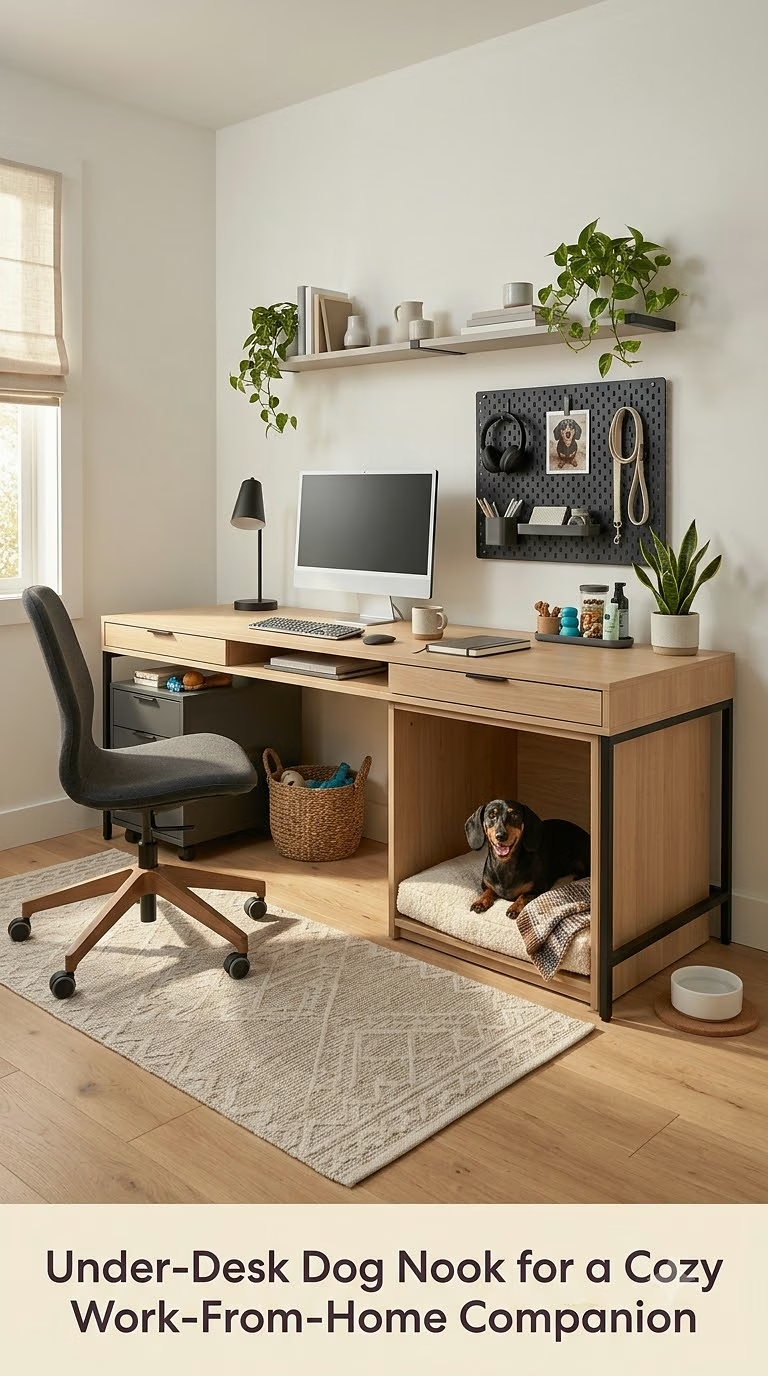
Dogs often want to stay close while their owners work, so an under-desk nook can be both space-saving and comforting. Instead of allowing the area beneath a large desk to become wasted space, place a fitted dog mat or low bed beneath one side.
The setup should leave plenty of legroom for you and enough space for your dog to enter, turn, and rest freely. Route computer cables, chargers, power strips, and other electrical cords completely out of reach. A desk with cable-management channels or closed rear panels can make this much easier.
For a cohesive look, coordinate the bed with the office color palette. A charcoal cushion works well with modern black furniture, while cream or camel tones complement warm wood desks. Add a nearby toy basket, but keep the under-desk area itself uncluttered so your dog has a calm, comfortable place to settle.
14. Indoor-Outdoor Dog Area Near the Back Door With a Paw-Cleaning Station
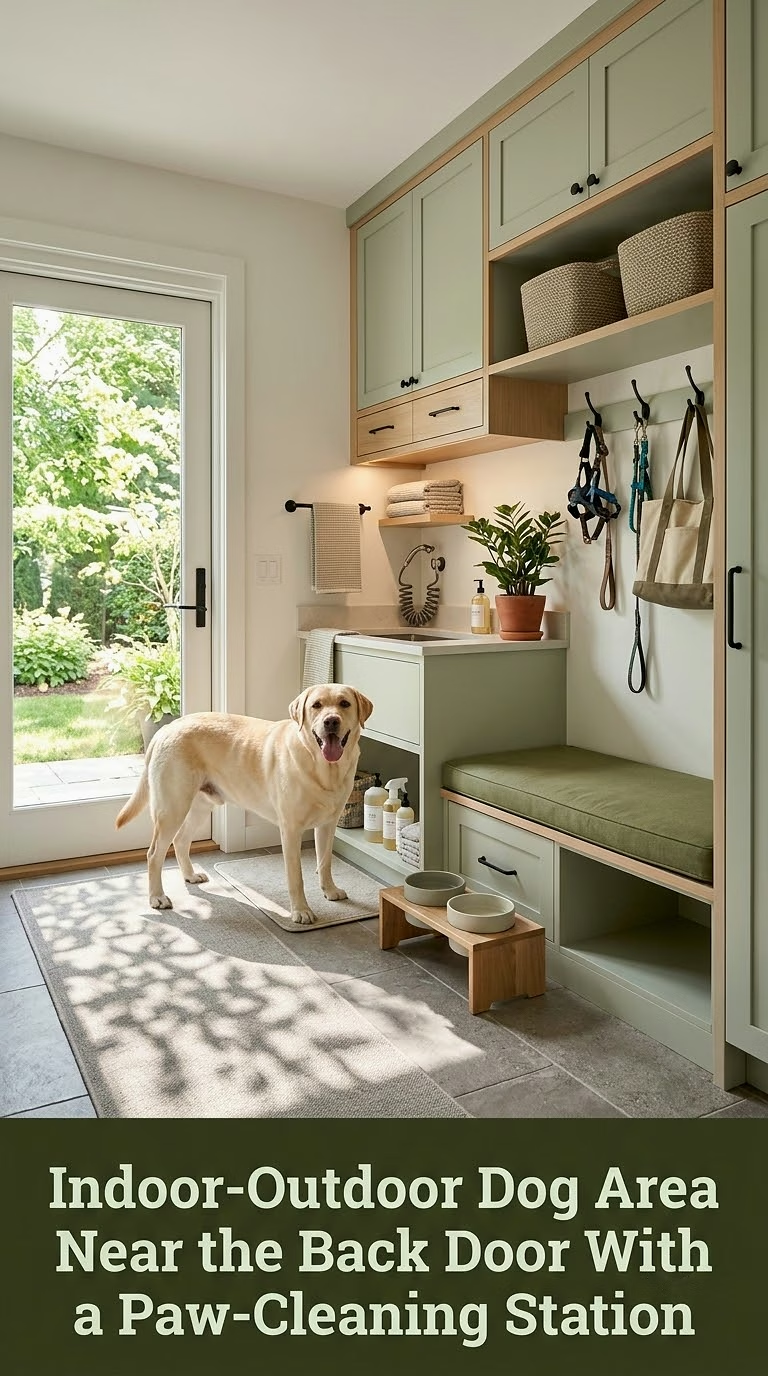
For dogs that spend plenty of time exploring outside, create a transition zone near the back door where muddy paws, wet coats, and outdoor gear can be managed before they reach the rest of the house.
Read more : 19 Dog Sleeping Area Ideas for a Cozy, Stylish Resting Spot
Start with a durable floor mat and a bench or cabinet containing washable towels, grooming wipes, brushes, and walking supplies. Install hooks for leashes and raincoats, then add a designated dog bed slightly away from the wettest part of the entryway. A washable runner can provide traction on smooth flooring.
For a more elaborate version, include a dog-washing station with suitable waterproofing, drainage, ventilation, and dimensions that work for your dog’s current and future mobility. Ground-level access can be especially practical for larger or aging dogs. The most effective setup is not necessarily the fanciest one, but the one that fits your daily routine.
15. Colorful Dog Play Area With Toy Cubes and Rotating Activity Baskets
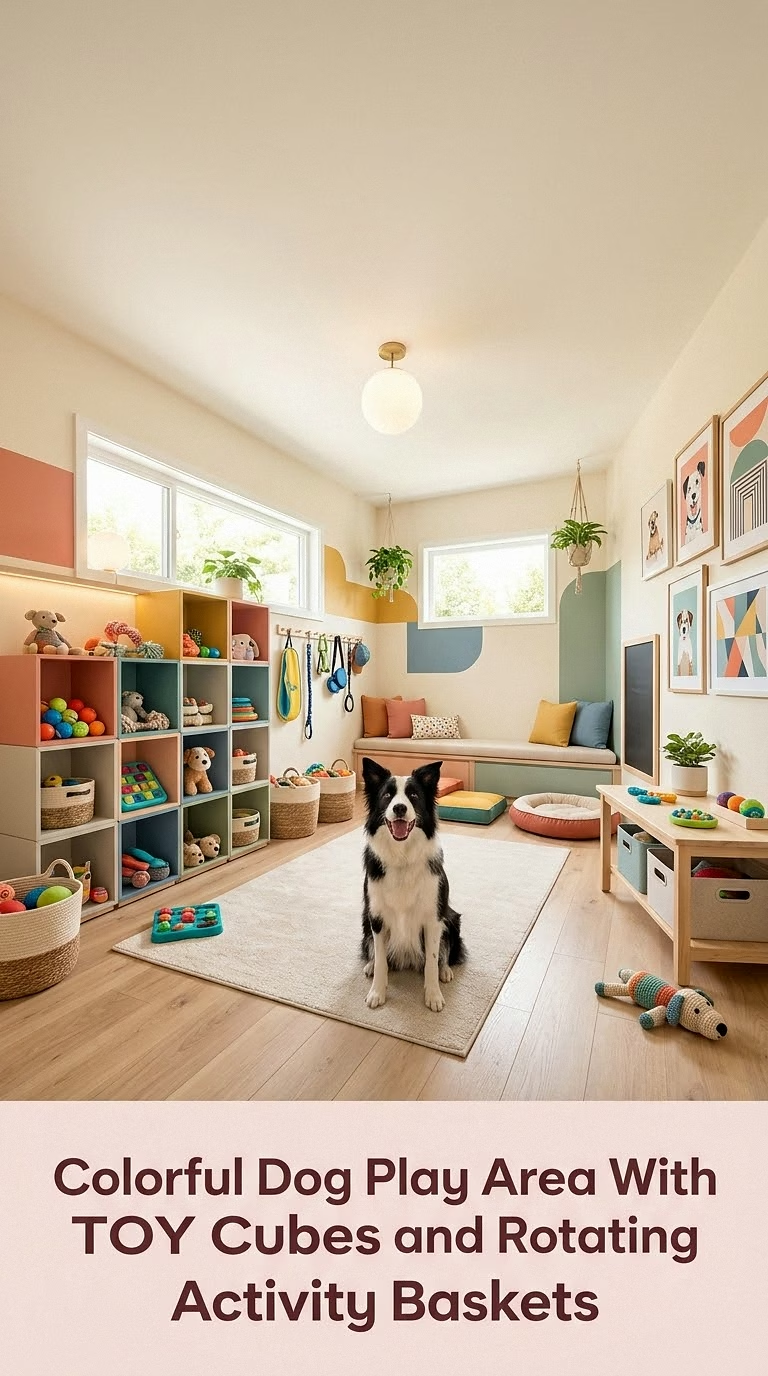
Not every dog area needs a neutral palette. A playful corner filled with cheerful colors can create an energetic space for toys, enrichment activities, and supervised play.
Use a low cube organizer with fabric or woven bins to separate balls, tug toys, puzzle toys, and soft toys. Rotate some items periodically rather than keeping everything on the floor at once. This makes cleanup easier and gives the area a more organized appearance.
Choose a coordinated palette such as coral, teal, mustard, and cream, or pastel pink, lavender, and mint. Add a washable rug to visually define the play zone while protecting the floor.
Keep storage secure and appropriate for your dog’s behavior. Dogs that chew baskets, pull apart fabric bins, or swallow small pieces may need sturdier closed storage. A colorful dog play area should encourage fun without creating unnecessary hazards.
16. Senior Dog Comfort Zone With an Orthopedic Bed and Non-Slip Flooring
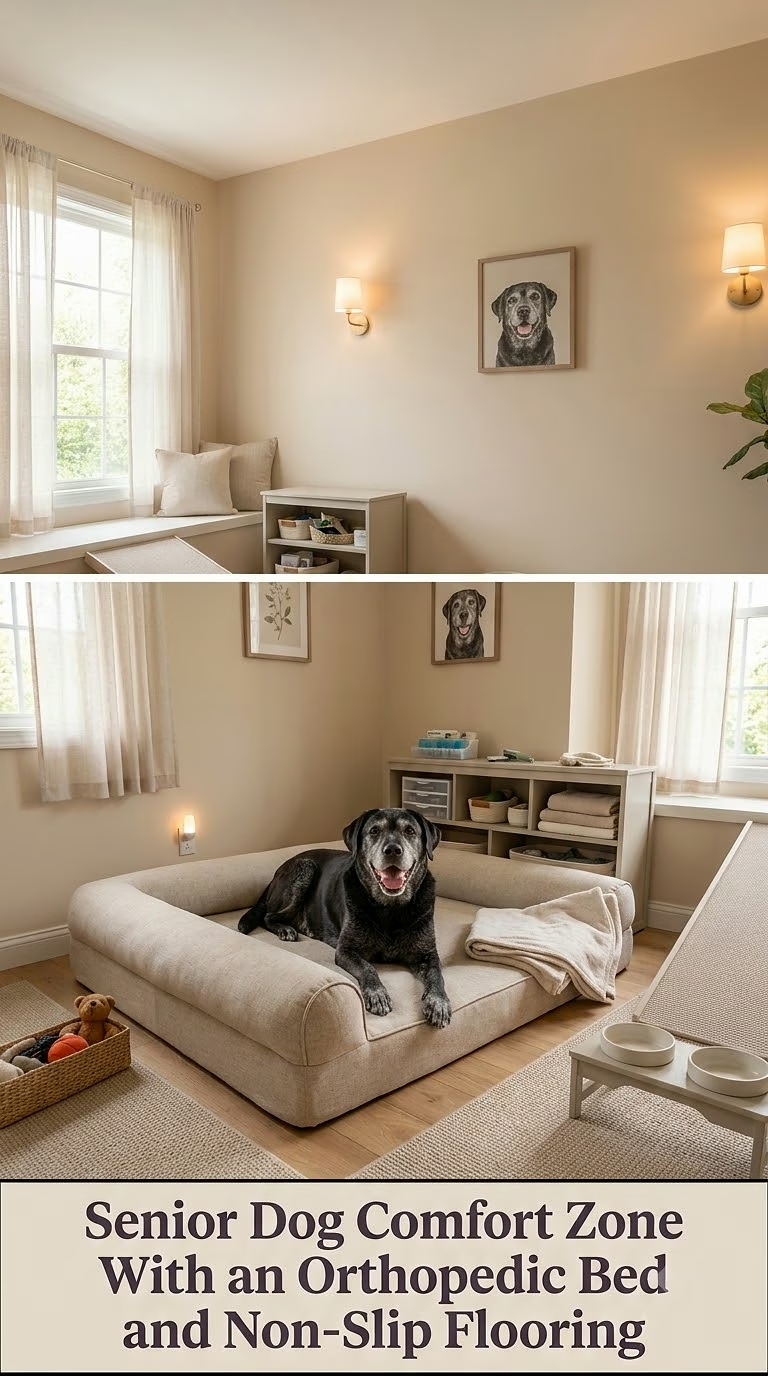
Older dogs often benefit from a thoughtfully arranged area that reduces unnecessary climbing, slipping, and difficult movement. Choose a quiet location close to family activity so your dog can rest without feeling isolated.
A supportive bed with enough room to stretch should be the centerpiece. Position it directly on a stable surface and add non-slip rugs or mats where smooth flooring could make standing difficult. Keep water nearby without placing it so close that splashes dampen the bedding.
Avoid tall platforms, narrow entrances, and layouts that require your dog to squeeze around furniture. Soft lighting can help create a peaceful atmosphere, while a lightweight washable blanket adds comfort without excessive bulk.
This type of dog area can still look beautiful. Use warm neutrals, muted blues, gentle greens, and natural wood to create a soothing retreat that feels integrated with the rest of your home.
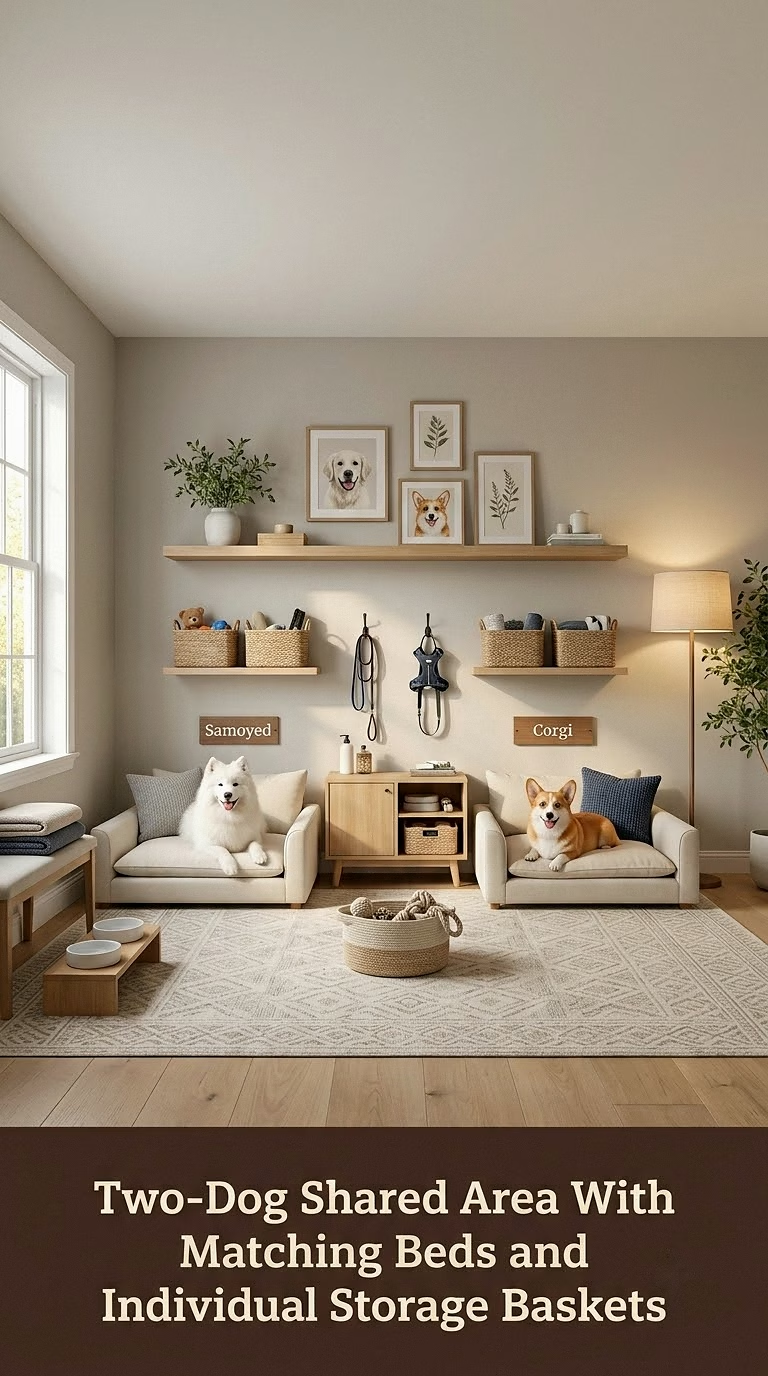
For a multi-dog household, create a coordinated shared area that gives each pet a clearly defined resting place. Place two matching or complementary beds side by side with enough space between them for both dogs to relax comfortably.
Individual storage baskets can hold each dog’s favorite toys, harnesses, or accessories. Personalized name signs above the beds add a charming visual detail and help the setup feel intentional. For dogs of different sizes, use appropriately sized beds rather than forcing perfect symmetry.
A shared dog area works beautifully in a wide hallway, mudroom, family room, or spare bedroom. Choose durable, washable materials and keep the layout open enough to prevent crowding.
Pay attention to your dogs’ personalities and relationships. Some dogs happily sleep close together, while others prefer more personal space. The design should respect their actual behavior rather than focusing only on creating a perfectly matched appearance.
18. Multifunctional Dog Area With Built-In Feeding Station, Bed, and Vertical Storage
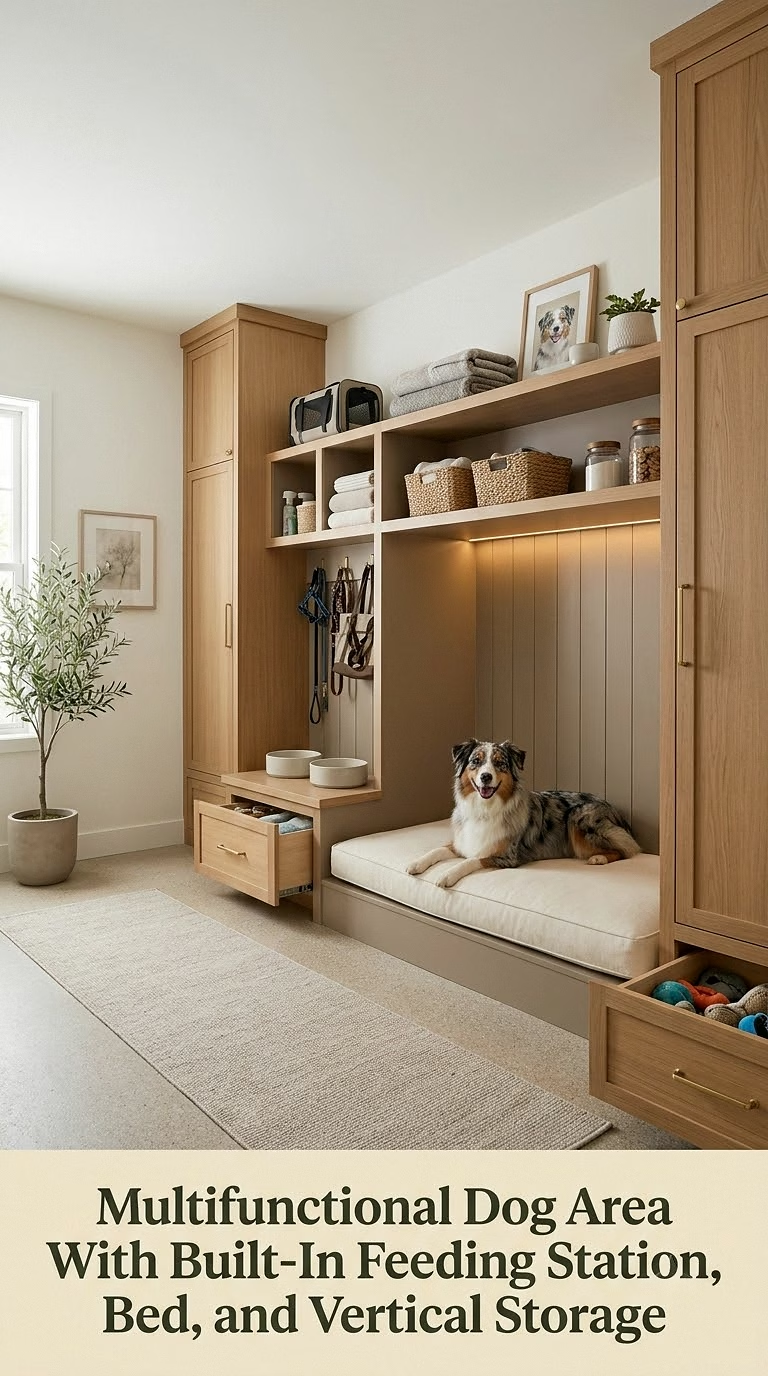
For the ultimate space-saving solution, combine several dog essentials into one compact and organized station. A custom cabinet wall can include a built-in sleeping nook at floor level, drawers for supplies, hooks for walking gear, and a dedicated feeding area.
This concept works particularly well in mudrooms, kitchens, utility rooms, and wide entryways. Use vertical storage to keep extra towels, food containers, grooming tools, and seasonal accessories organized without taking up more floor space.
A removable waterproof mat beneath bowls can help protect cabinetry and flooring from spills. Choose materials that are easy to wipe clean, and keep food, medicine, cleaning supplies, and potentially dangerous items safely secured.
Visually, the entire station can blend with your home through matching cabinetry, hardware, and colors. Soft sage, navy, warm white, natural oak, and charcoal are all versatile choices. A thoughtfully planned multifunctional dog area can make everyday pet care feel dramatically more organized.
Conclusion
The most successful dog area ideas combine comfort, safety, organization, and personal style in a way that suits both your home and your dog’s real habits. A beautiful setup does not need to be large or expensive. Even a small unused corner can become a meaningful retreat with the right bed, thoughtful placement, practical storage, and a few carefully chosen decorative details.
Start by observing where your dog naturally likes to rest, how much space they need, and which supplies you reach for most often. Then choose an idea that makes everyday routines easier while giving your pet a comfortable place that truly feels like their own.
Whether you prefer a tiny apartment nook, a farmhouse-style station, a luxurious mini lounge, or a full mudroom setup with built-in storage, the best design is one that looks beautiful while genuinely working for your dog and your household.
Pin this Pinterest post so you can easily return to these dog area ideas when you are ready to create the perfect space for your pet.
Source: https://petstutorial.com
Category: Dog Rooms
