
Creating a special place for your dog does not require a spare bedroom, a huge laundry room, or an expensive home renovation. In fact, some of the most charming dog spaces begin with nothing more than an unused corner, an empty cabinet, a narrow hallway, or a forgotten spot beneath a piece of furniture.
- 17 Dog Den Ideas to Create a Cozy, Stylish Retreat for Your Best Friend
- 18 Dog Nook Ideas for Creating a Cozy and Stylish Retreat at Home
- 17 Dog Utility Room Ideas for a Stylish, Organized, Pet-Friendly Home
- 17 DIY Outside Dog Area Fence Ideas for a Safe and Beautiful Backyard
- 17 Cozy Dog House Heater Ideas for a Safer, Warmer Winter Retreat
The best DIY dog room ideas for small spaces focus on making every inch work harder. A cozy bed can slide beneath a console table. A closet can become a peaceful little retreat. An awkward space under the stairs can transform into a beautiful built-in dog den. With smart storage, washable materials, thoughtful lighting, and a little creativity, even the tiniest apartment can include a dedicated place that feels completely designed for your pup.
You are reading: 17 DIY Dog Room Ideas for Small Spaces That Feel Cozy, Stylish, and Smart
The goal is not simply to create something cute. Your dog’s space should feel comfortable, safe, calm, and easy to maintain. Choose a location where your dog can still feel connected to family activity without being overwhelmed by constant foot traffic, noise, drafts, direct heat, or harsh sunlight. Prioritize ventilation, removable bedding, durable surfaces, and secure storage for treats, grooming products, and anything else your dog should not access unsupervised.
Whether your style is cozy cottage, warm minimalist, modern neutral, colorful, or quietly luxurious, these ideas prove that a beautiful dog room can fit into much less space than you might imagine.
17 DIY Dog Room Ideas for Small Spaces You Can Actually Create
1. Warm White Under-the-Stairs Dog Den With a Cushioned Built-In Bed
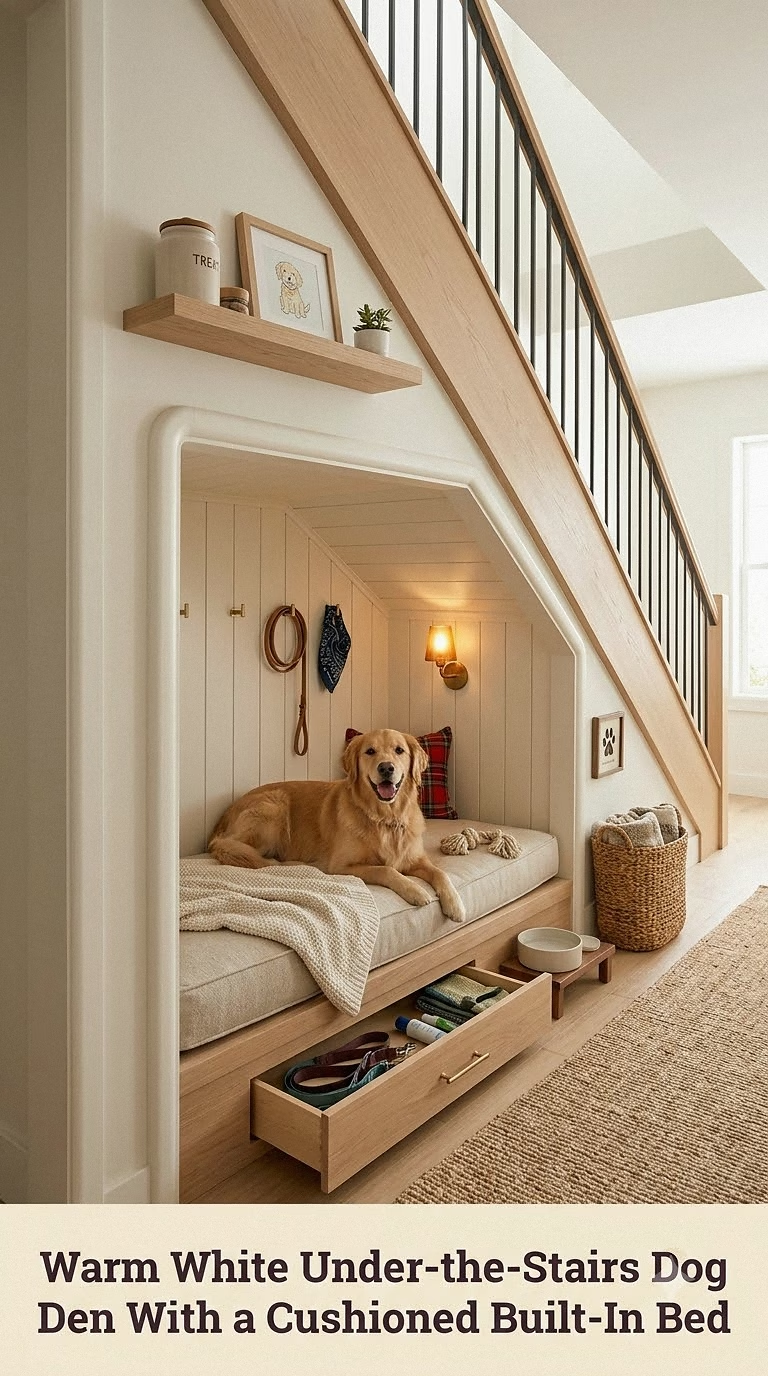
An empty space beneath a staircase can become one of the coziest dog retreats in the entire house. Instead of filling the area with random boxes, turn it into a miniature room with warm white walls, a fitted cushion, soft lighting, and a simple framed entrance.
For a DIY version, carefully measure the available height and depth before building anything permanent. The sleeping area should allow your dog to stand, turn around, stretch, and lie comfortably. Add a removable cushion cover in a durable fabric that can be washed regularly.
A small wall-mounted light can create a beautiful glow, but keep cords fully concealed and make sure the fixture does not become hot enough to create a hazard. Ventilation is especially important in enclosed areas, so avoid completely sealing the space.
Finish the nook with one or two decorative touches, such as a wooden name sign or tiny framed portrait, without cluttering the floor. The result feels like a miniature bedroom hidden inside your home’s architecture.
2. Narrow Bedroom Corner With a Low Wooden Dog Bed and Floating Shelves
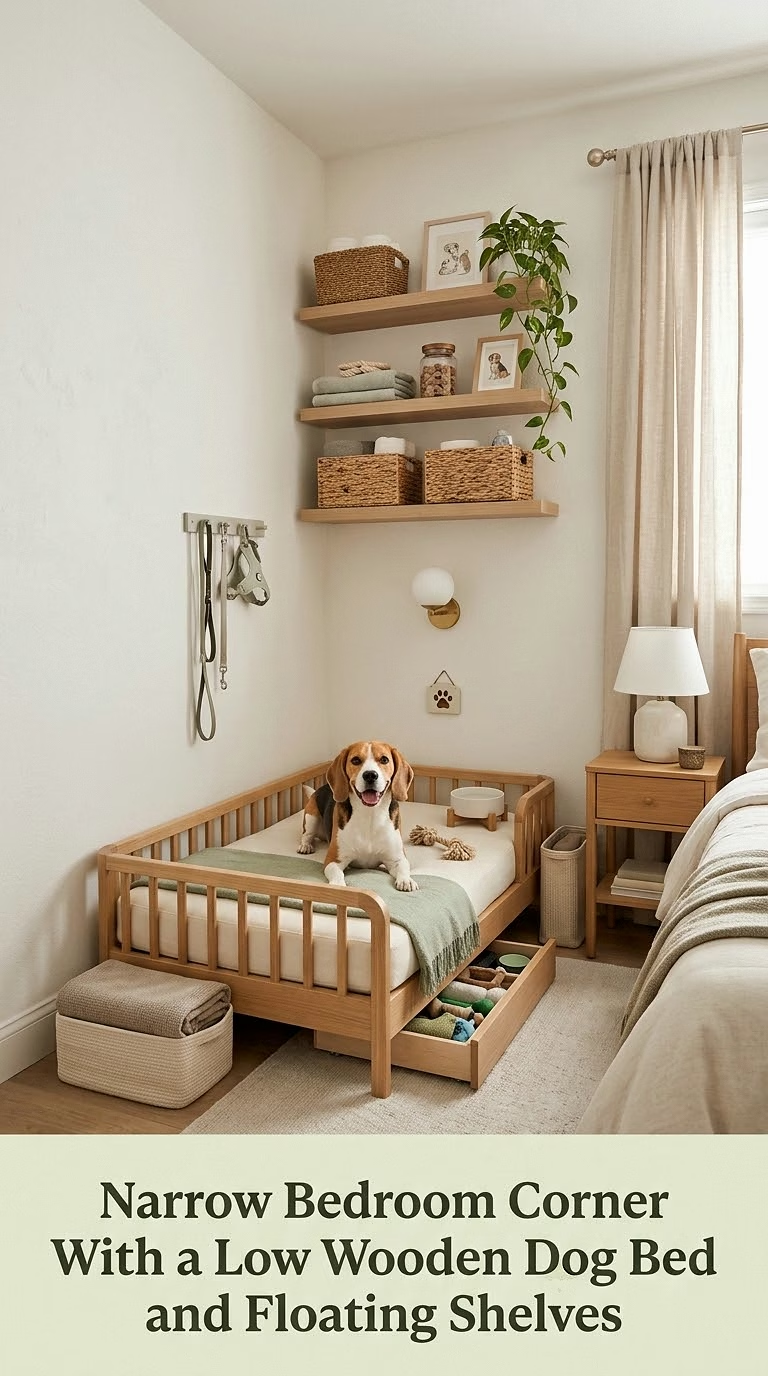
A narrow bedroom corner may be too small for another piece of human furniture, but it can be perfect for a beautifully organized dog zone.
Start with a low DIY wooden bed frame sized precisely for the available corner. A simple rectangular platform made from smooth, securely assembled wood can elevate the bed slightly while giving the area a more intentional, furniture-like appearance. Choose a washable mattress cover in oatmeal, beige, muted blush, sage, or another shade that complements your bedroom.
Above the bed, install one or two shallow floating shelves for decorative items and neatly contained dog essentials. Keep treats, medications, grooming tools, and small objects in closed containers well beyond your dog’s reach.
A washable runner beside the bed can visually define the area without occupying much space. The key is to work vertically rather than spreading storage across the floor.
This setup works especially well for dogs who enjoy sleeping close to their owners and prefer a calm location with familiar scents nearby.
3. Soft Sage Green Closet Dog Room With Curtains Instead of Doors
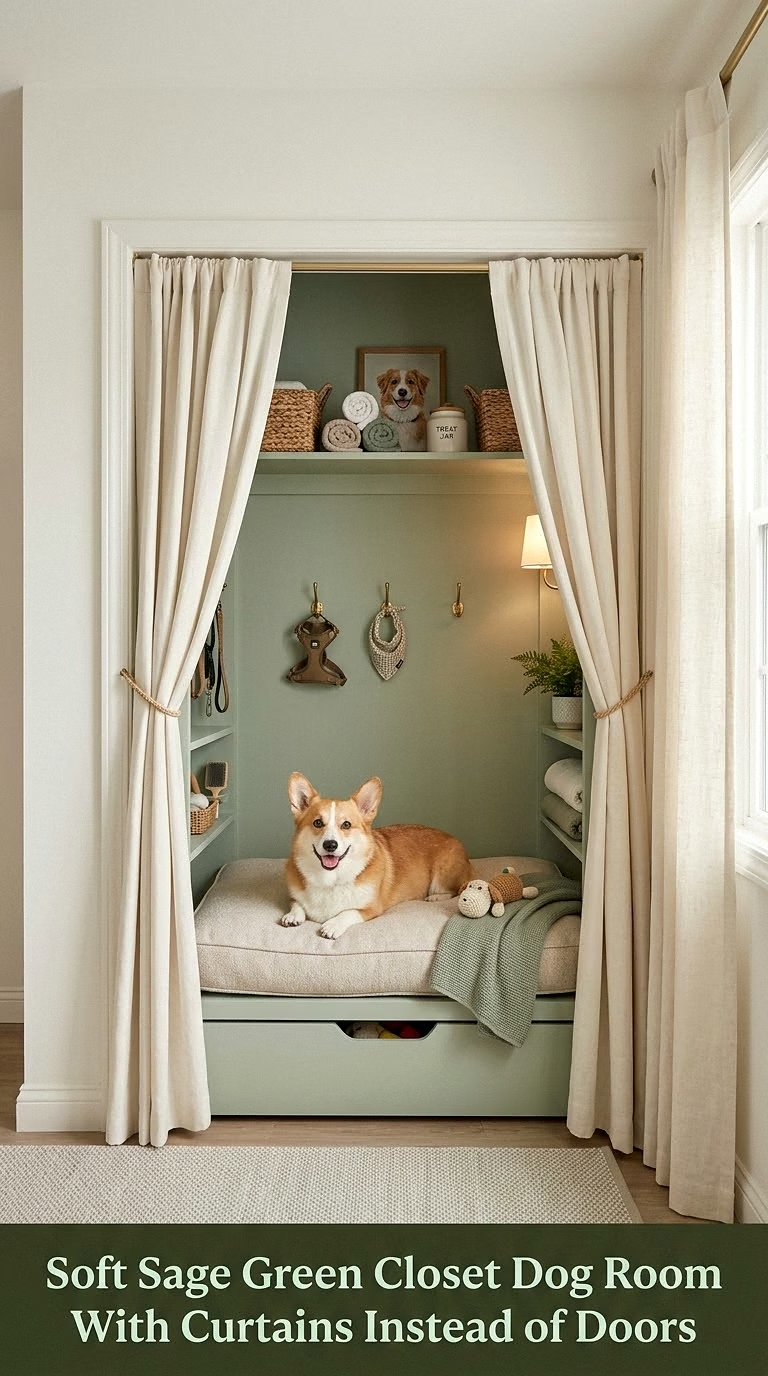
An underused closet can become an enchanting miniature dog bedroom, especially when bulky doors are removed and replaced with lightweight curtains.
Paint the interior a soft sage green or another calming shade, then add a fitted bed with washable covers. A tension rod and linen-look curtain can soften the entrance while allowing you to hide the area when needed. The curtain should never interfere with airflow or trap your dog inside.
Use the upper closet shelf for organized storage in labeled baskets or closed bins. This is an excellent place for spare blankets, leashes, towels, and seasonal accessories, provided potentially dangerous products remain securely inaccessible.
For a cozy finishing touch, add a battery-operated light positioned where it cannot be chewed or knocked loose. Avoid placing dangling cords, tassels, or small decorative objects within reach.
The transformation can be surprisingly affordable because the basic structure already exists. A little paint, a cushion, fabric, and thoughtful storage can turn an ordinary closet into a peaceful retreat without sacrificing valuable floor space.
4. IKEA-Style Console Table Dog Nook With Hidden Storage Drawers
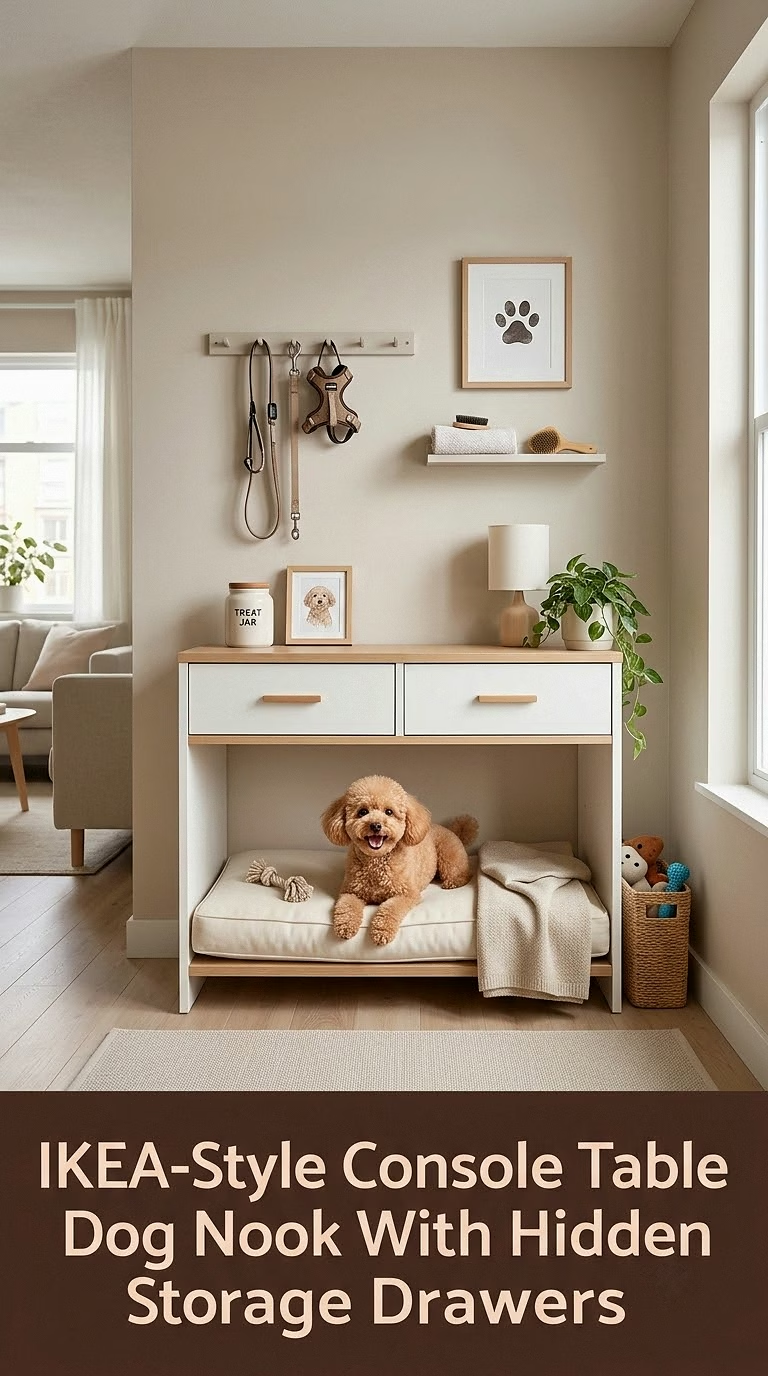
A console table can do double duty as both stylish human furniture and a cozy sleeping space for your dog.
Choose or build a sturdy console with enough clearance underneath for your dog to relax comfortably. Place a rectangular cushion beneath it, creating a naturally sheltered sleeping nook. Above, use drawers or closed compartments for leashes, poop bags, brushes, towels, and other everyday supplies.
For a polished appearance, repeat colors already used elsewhere in the room. A light oak console paired with an ivory cushion creates a Scandinavian feel, while walnut wood and a deep olive bed offer a richer, moodier look.
Avoid overcrowding the sleeping area with unnecessary decorations. Your dog’s comfort matters more than perfectly styled accessories.
This idea is particularly useful in apartments because it does not demand additional floor space for a separate dog house or crate-style piece of furniture. The same footprint serves two purposes, helping the room feel organized rather than crowded.
5. Cozy Window Alcove Dog Lounge With a Washable Bench Cushion
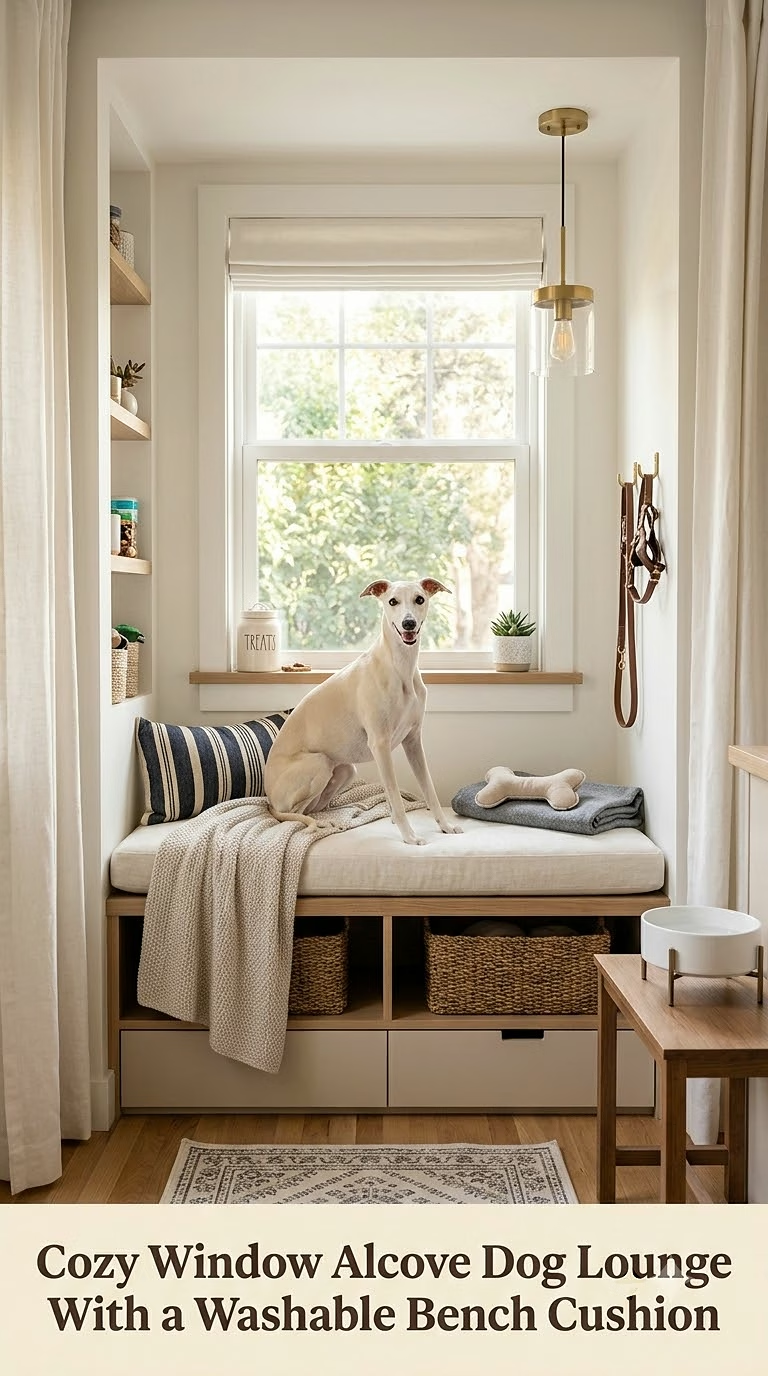
A low window alcove can become a dreamy dog lounge when designed carefully around temperature, sunlight, and comfort.
Create a simple bench-style platform with hidden storage below, then top it with a washable cushion. Storage compartments can hold toys, spare bedding, towels, or walking accessories, reducing clutter elsewhere in the room.
This arrangement works best in a window that does not expose your dog to excessive heat or intense direct sunlight for long periods. Add a shade or light curtain to help control brightness and temperature when necessary.
Choose tightly woven, easy-care fabrics rather than delicate upholstery that traps fur and is difficult to clean. A removable cover with a zipper makes everyday maintenance much easier.
Visually, the space can be beautiful with warm natural wood, cream textiles, and a single small pillow. Just make sure decorative cushions do not overwhelm the sleeping surface or reduce your dog’s ability to stretch comfortably.
For dogs who enjoy watching outdoor activity, this can quickly become a favorite place to rest.
6. Tiny Laundry Room Dog Corner With Vertical Pegboard Storage
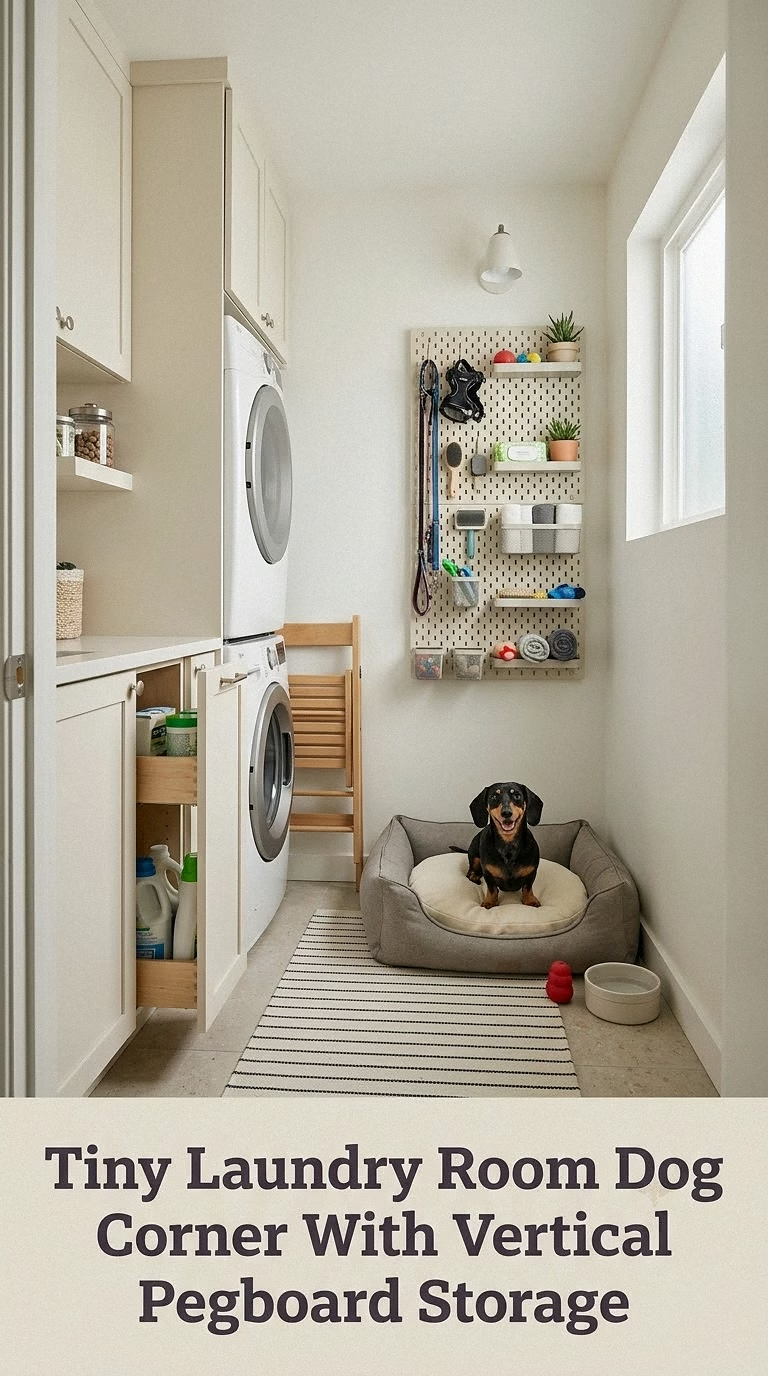
Small laundry rooms often contain awkward gaps beside cabinets, under counters, or near unused wall sections. Instead of letting that space go to waste, turn it into a compact dog station with vertical organization.
Place a washable dog bed or fitted cushion on the floor, preferably away from hot appliances, exposed cords, detergents, and cleaning chemicals. Above the bed, install a pegboard with securely mounted hooks and baskets for leashes, harnesses, towels, and walking accessories.
Keep all laundry products, medications, cleaners, and grooming liquids inside closed cabinets that your dog cannot access.
Read more : 17 Dog Garage Area Room Ideas for a Cozy, Stylish, and Practical Pet Space
A color palette of white, light wood, and soft gray can make a tiny utility room feel fresh and uncluttered. Add a narrow washable mat beneath the dog bed if you need extra floor protection.
The biggest advantage of this design is efficiency. Instead of adding another cabinet, the wall itself becomes storage, leaving precious floor area free for your dog to rest.
7. Modern Black Crate Nook Beneath a Floating Desk
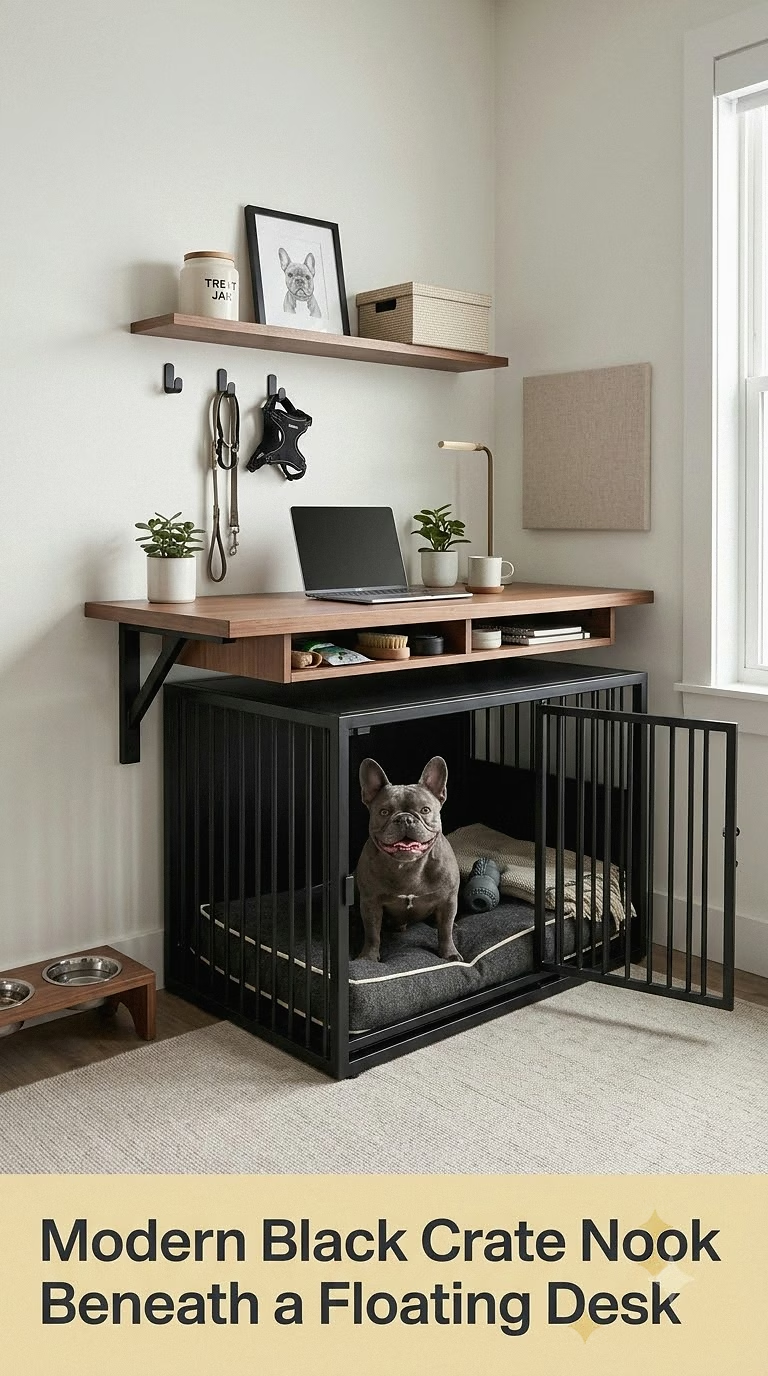
For apartment dwellers working from home, the empty space under one side of a wide floating desk can become a surprisingly stylish dog room.
Position a properly sized crate or open sleeping nook beneath the desk, making sure your dog has adequate space and ventilation. A matte black crate paired with a charcoal cushion can create a sleek contemporary look, while light wood surfaces prevent the overall area from feeling too dark.
Keep computer cables completely out of reach by routing them through cable channels or protective covers. Chargers, power strips, headphones, and other small electronics should never dangle near the sleeping area.
One advantage of this arrangement is companionship. Your dog can relax near you while you work without needing a separate room. However, choose a desk location away from constant rolling-chair traffic and make sure your dog’s resting area remains quiet enough for uninterrupted sleep.
A single framed dog portrait above the desk can visually connect the workspace and pet zone without adding clutter.
8. Boho Rattan Dog Nook in an Empty Living Room Corner
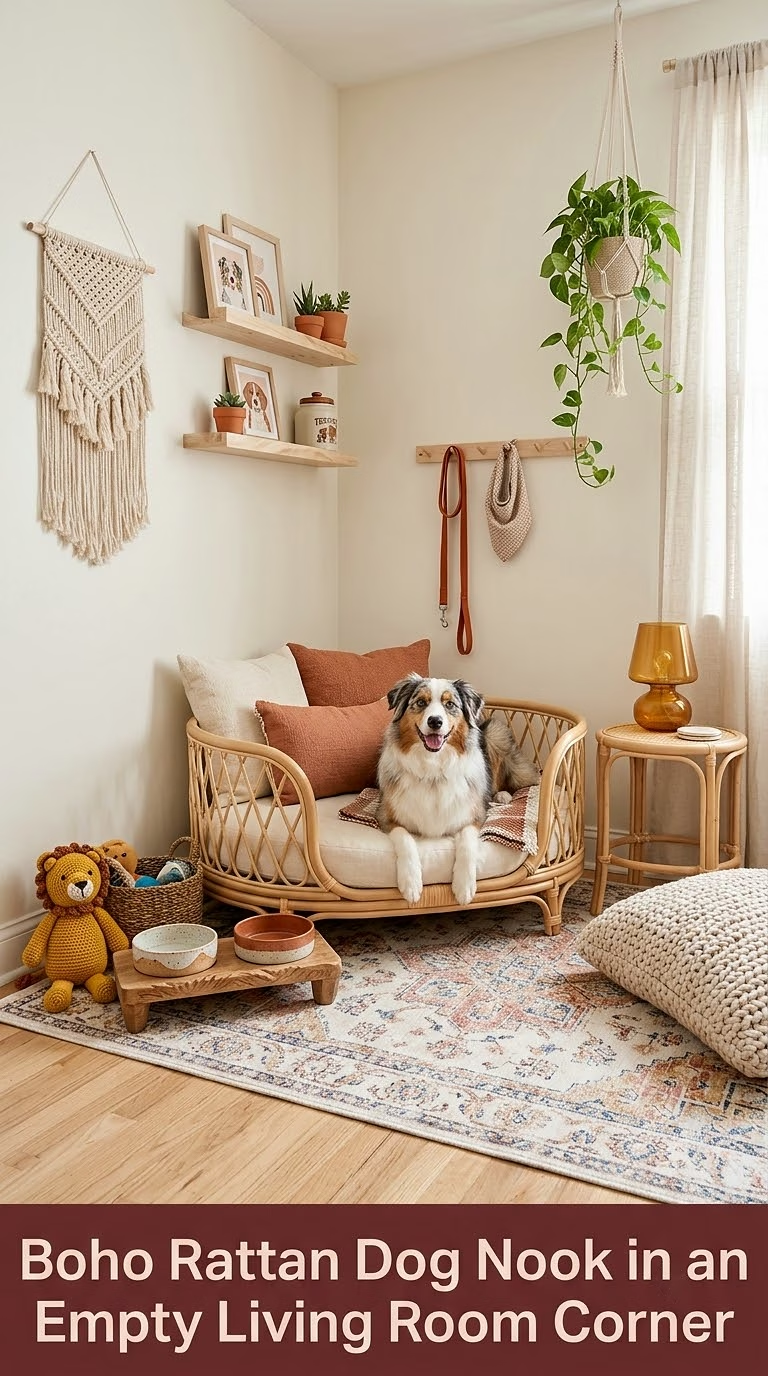
An unused living room corner can become a warm, textured dog retreat using natural-looking materials and a soft neutral palette.
Start with a rounded or rectangular dog bed in cream, tan, or muted terracotta. Add a low wooden frame or sturdy furniture-style surround if desired, then place a rattan-look storage basket nearby for larger toys.
For safety, avoid baskets with sharp broken fibers or loose pieces that an enthusiastic chewer might swallow. A washable liner inside the basket can make cleaning easier.
Complete the space with a small washable rug and simple wall art positioned securely above your dog’s reach. Pampas grass and decorative plants may look beautiful, but they are unnecessary around curious dogs and can introduce chewing or toxicity concerns depending on the plant.
The goal is to capture the relaxed bohemian feeling through texture rather than clutter. Woven details, warm wood, linen-look fabrics, and earthy colors are enough to make a tiny corner feel soft and inviting.
9. White Cabinet Dog Bed With Slatted Doors and Hidden Toy Storage
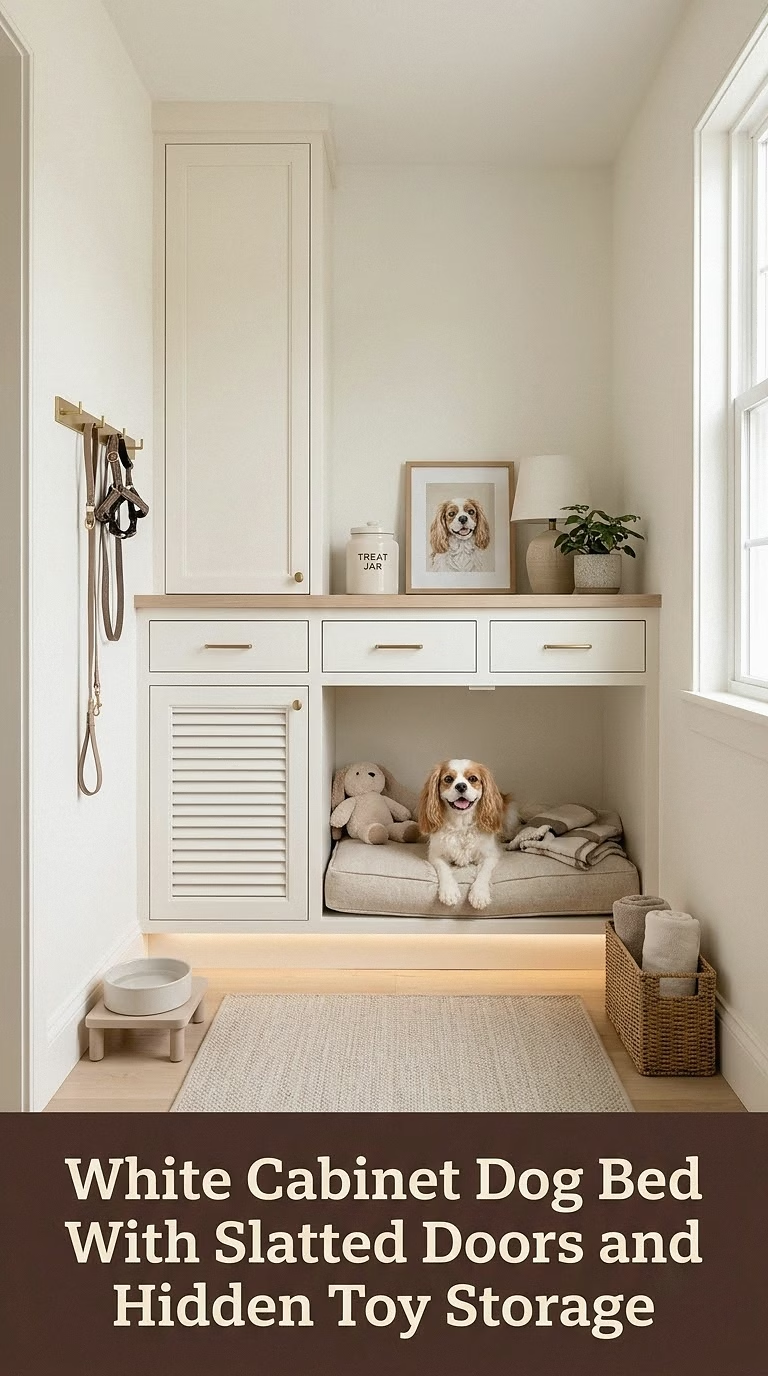
A lower cabinet can be transformed into a built-in dog sleeping nook, creating a beautifully integrated look in a kitchen, laundry room, hallway, or mudroom.
Remove unnecessary internal shelving and create a comfortable open space sized appropriately for your dog. Ventilation should be a priority, particularly if the design includes doors. Slatted, mesh, or generously ventilated fronts are preferable to a tightly enclosed cabinet.
Place a removable, washable cushion inside and use adjacent drawers for toys, leashes, and towels. Avoid storing treats directly beside an easily accessible dog nook unless the containers are genuinely secure.
White cabinetry creates a clean, classic appearance, while brass-look handles and a neutral bed can make the setup feel almost custom. For a more cottage-inspired look, consider soft cream paint and natural wood accents.
Before modifying cabinetry, check for exposed nails, staples, rough edges, peeling paint, or hardware that could catch a collar or injure paws.
10. Blush Pink Apartment Dog Corner With Wall-Mounted Toy Baskets
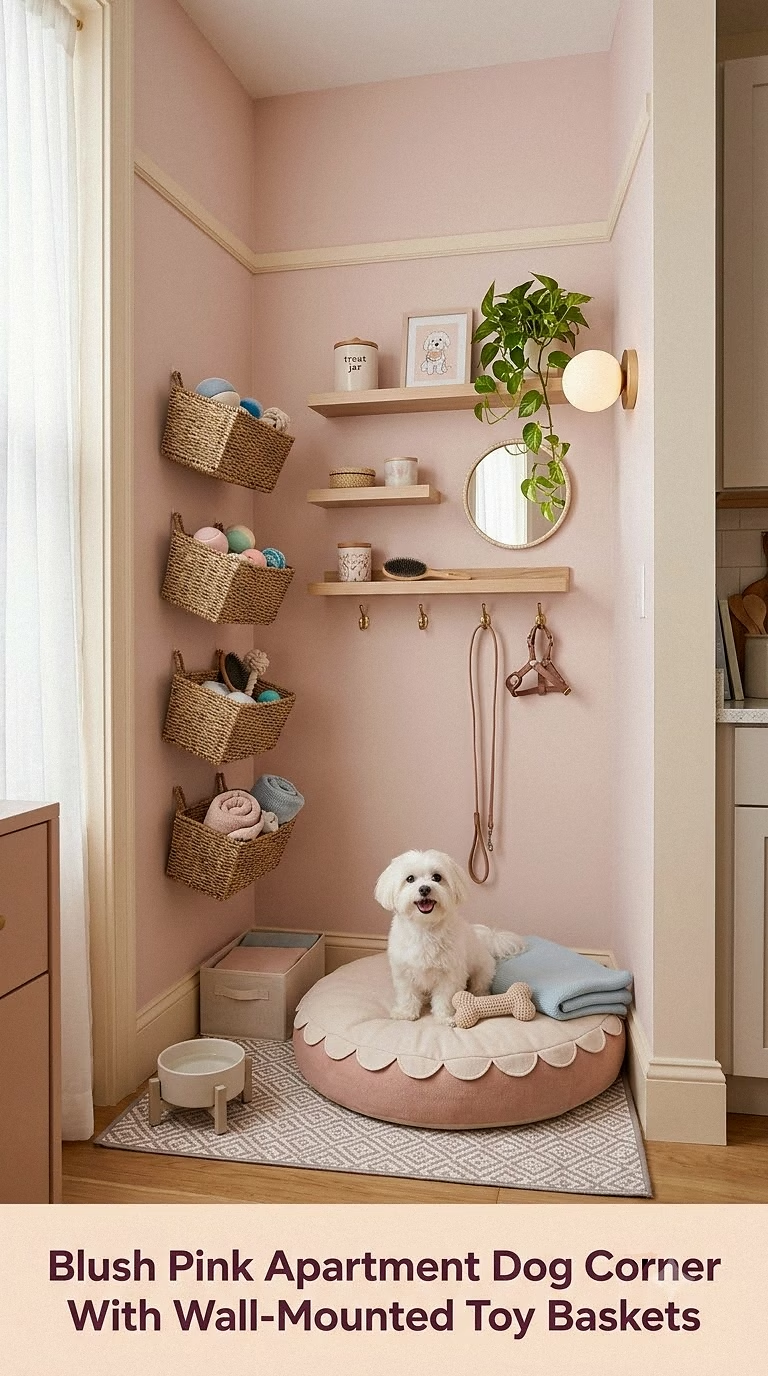
For a sweet, feminine look that still feels sophisticated, create a tiny dog corner using dusty blush, warm cream, and pale wood.
Choose a washable bed with a supportive inner cushion and position it against a quiet wall. Above it, install shallow wall-mounted baskets or sturdy bins for lightweight items. Make sure everything is securely anchored and positioned high enough that your dog cannot pull the baskets down.
A personalized wooden name sign can become the focal point, while a small collection of neatly arranged toys adds color at floor level.
The blush palette works beautifully when balanced with neutral tones rather than covering every surface in pink. Try a cream wall, pale oak shelf, blush bed, and a few muted rose accessories.
This idea is particularly effective in studio apartments because it visually defines your dog’s personal zone without requiring partitions or bulky furniture. The entire setup can fit along a single narrow wall and still look intentional.
11. Rustic Wooden Crate Bed With a Pull-Out Storage Drawer
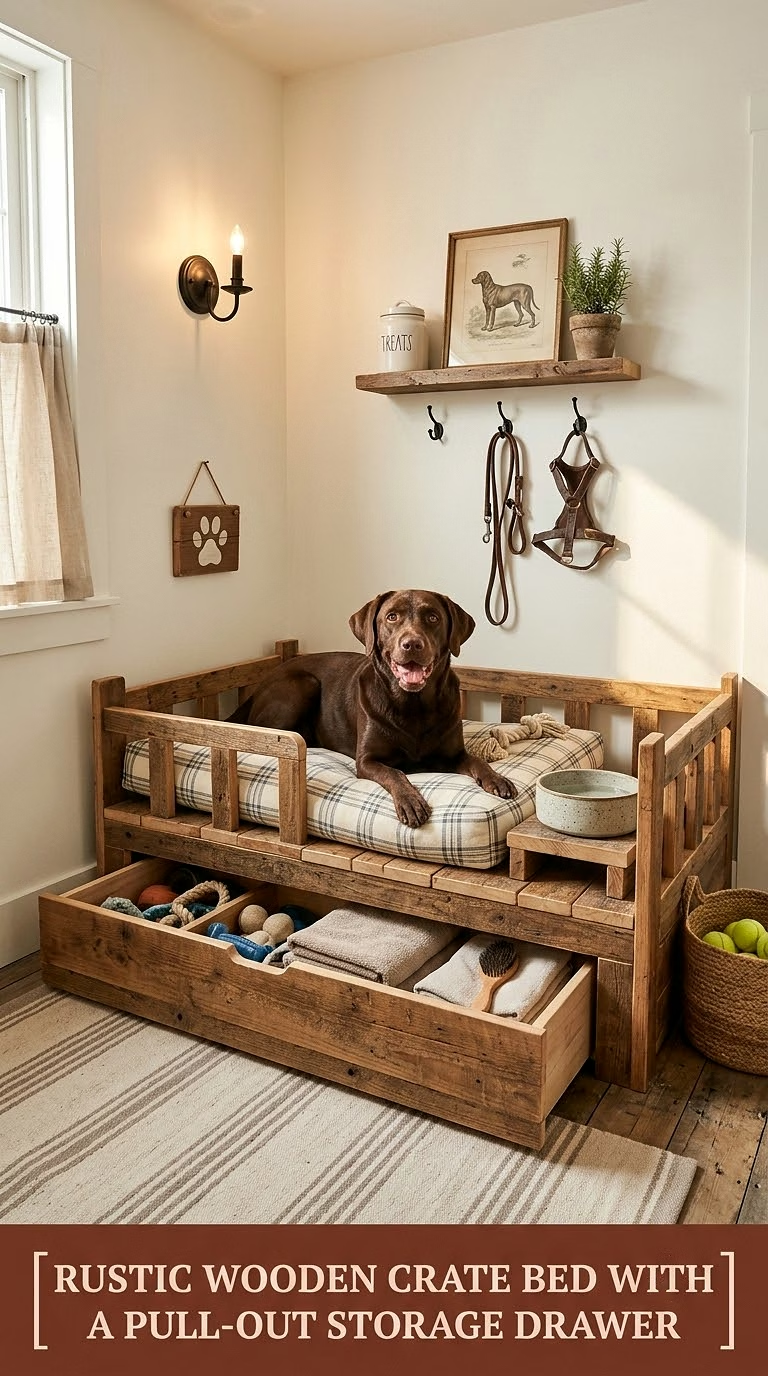
A DIY wooden bed with a built-in drawer combines rustic charm with genuinely useful storage.
Build a low rectangular frame around a fitted cushion, then incorporate a shallow pull-out drawer beneath the sleeping platform. Use the drawer for spare covers, towels, poop bags, or toys that are too bulky for wall storage.
All wooden surfaces should be smooth, splinter-free, and finished with appropriate pet-conscious materials. Avoid exposed screws, sharp corners, and decorative hardware where a paw, tag, or collar could become caught.
For the visual style, use warm medium-toned wood paired with a cream, plaid, or muted green cushion. The design feels particularly at home in cottage, farmhouse, and cabin-inspired interiors.
Adding furniture sliders beneath the frame can make cleaning easier, but they should be securely installed and suitable for your flooring.
This project requires more DIY effort than simply placing a bed in a corner, but the extra storage makes it especially valuable in a small home.
12. Minimalist Hallway Dog Station With Slim Shoe Cabinet Storage
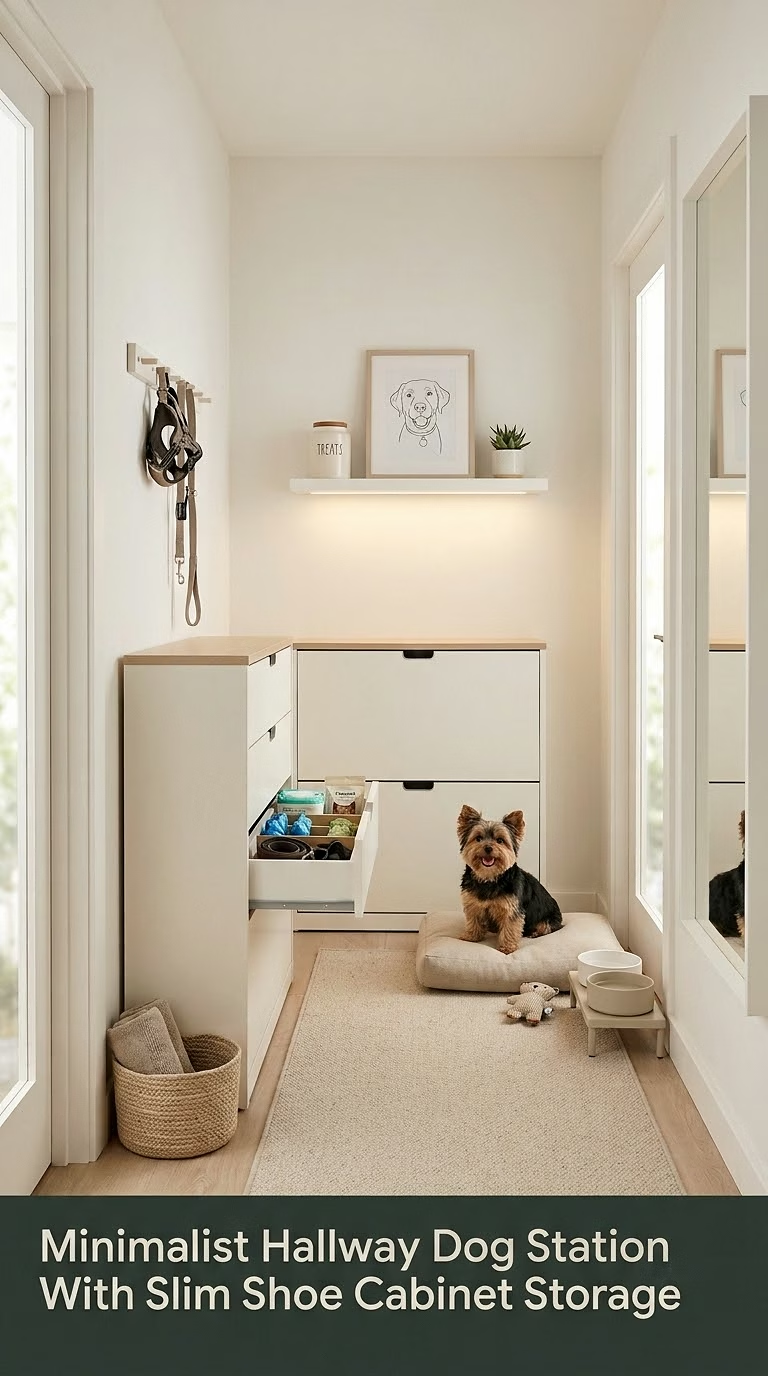
A wide section of hallway can become a practical dog station without blocking the path or making the home feel crowded.
Use a shallow shoe cabinet or narrow wall-mounted storage unit for leashes, wipes, towels, waste bags, and walking gear. Beside or beneath it, position a compact dog bed that fits closely against the wall.
Add two sturdy hooks for a leash and harness, but avoid hanging items where your dog can chew or become tangled in them. The walking path should remain completely clear.
A warm minimalist palette of beige, off-white, oak, and charcoal helps the area blend naturally with the rest of the home. A narrow washable runner can protect flooring while adding softness.
Read more : 17 Big Dog Room Ideas That Feel Spacious, Stylish, and Made for Large Breeds
This concept works especially well near an entryway because everything needed for walks stays together. You can grab the leash, harness, and waste bags without searching through different rooms, while your dog’s bed gives the area a cozy purpose between outings.
13. Fold-Down Wall Bed for Dogs in an Ultra-Small Studio Apartment
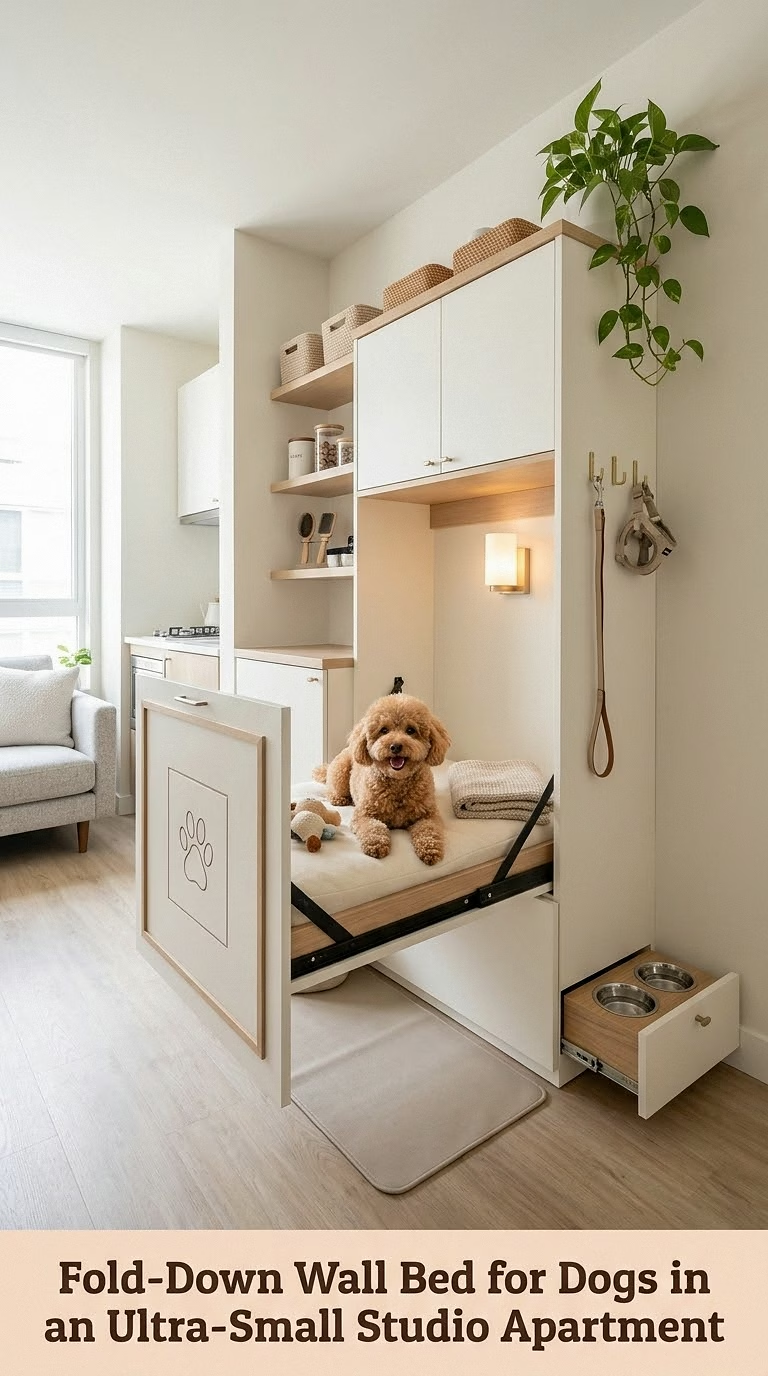
When every square foot matters, a fold-down dog bed can provide a dedicated sleep space without permanently occupying valuable floor area.
The basic concept is similar to a miniature wall-mounted Murphy bed. A sturdy panel folds down to create a low sleeping platform and lifts back against the wall when not needed.
This project requires careful construction. Hinges, anchors, locking mechanisms, and weight capacity must all be appropriate for your dog’s size. There should be no dangerous gaps where paws, fur, or tails can become trapped.
Attach a removable cushion rather than permanently upholstering the platform, making it easier to wash and replace. When folded up, the outer panel can resemble decorative wall furniture or feature a simple name plaque.
This design is best for calm dogs and owners with solid DIY skills. For enthusiastic chewers, large dogs, or dogs who jump heavily onto furniture, a fixed low platform may be the safer and more practical choice.
14. Cozy Reading Chair Dog Nook With a Matching Mini Bed
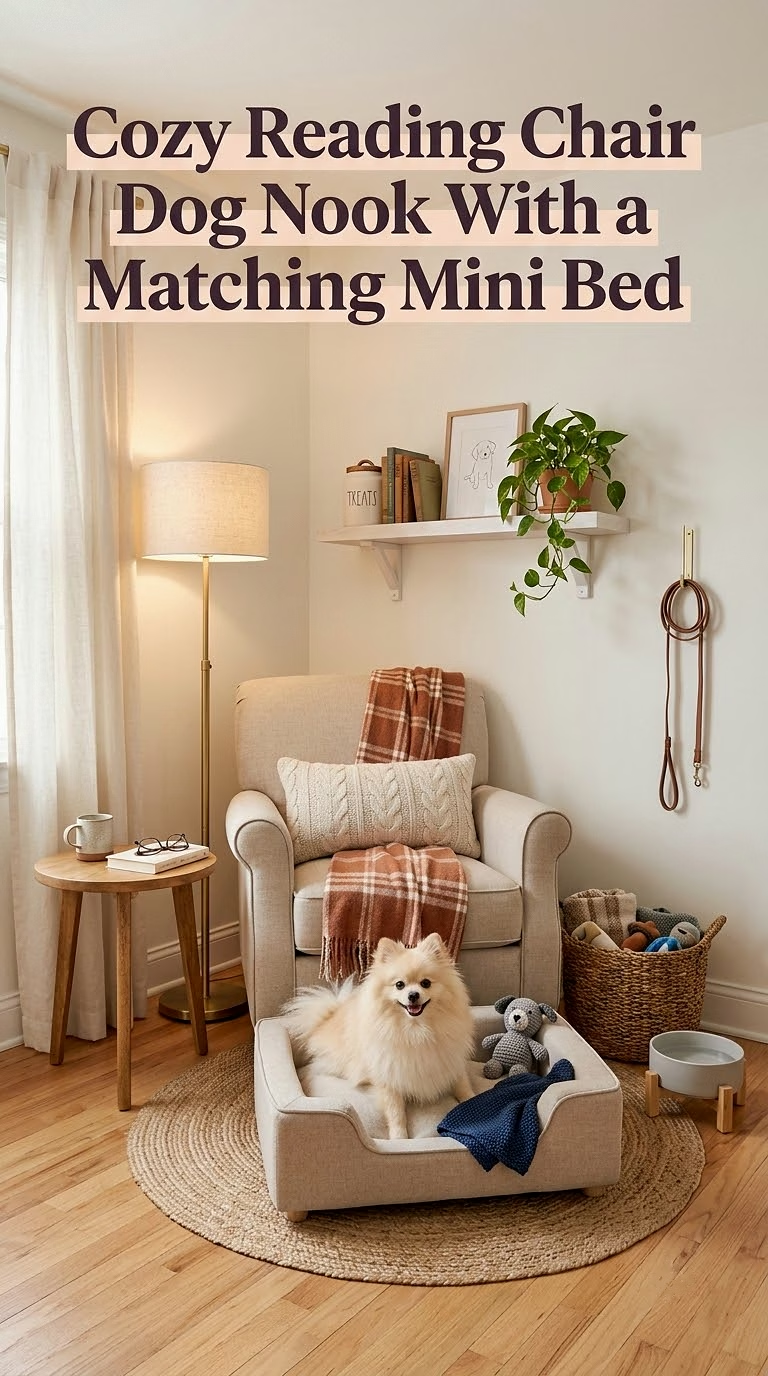
A reading corner becomes even more inviting when your dog has a matching little lounge beside your chair.
Place a compact dog bed or handmade wooden platform next to an armchair, using coordinating fabrics to visually connect the two pieces. For example, pair a cream boucle chair with an oatmeal dog bed, or combine a deep green chair with a warm tan cushion.
A tiny wall shelf can hold a framed photograph or decorative item, but practical dog supplies should remain stored in closed containers elsewhere.
The biggest appeal of this setup is emotional as much as visual. Your dog gets a designated place close to you while you read, relax, or enjoy morning coffee.
Keep enough separation between the chair and bed so nobody accidentally steps into the dog’s space when standing up. In a very small room, angling the bed into an unused corner can preserve circulation while maintaining the cozy side-by-side arrangement.
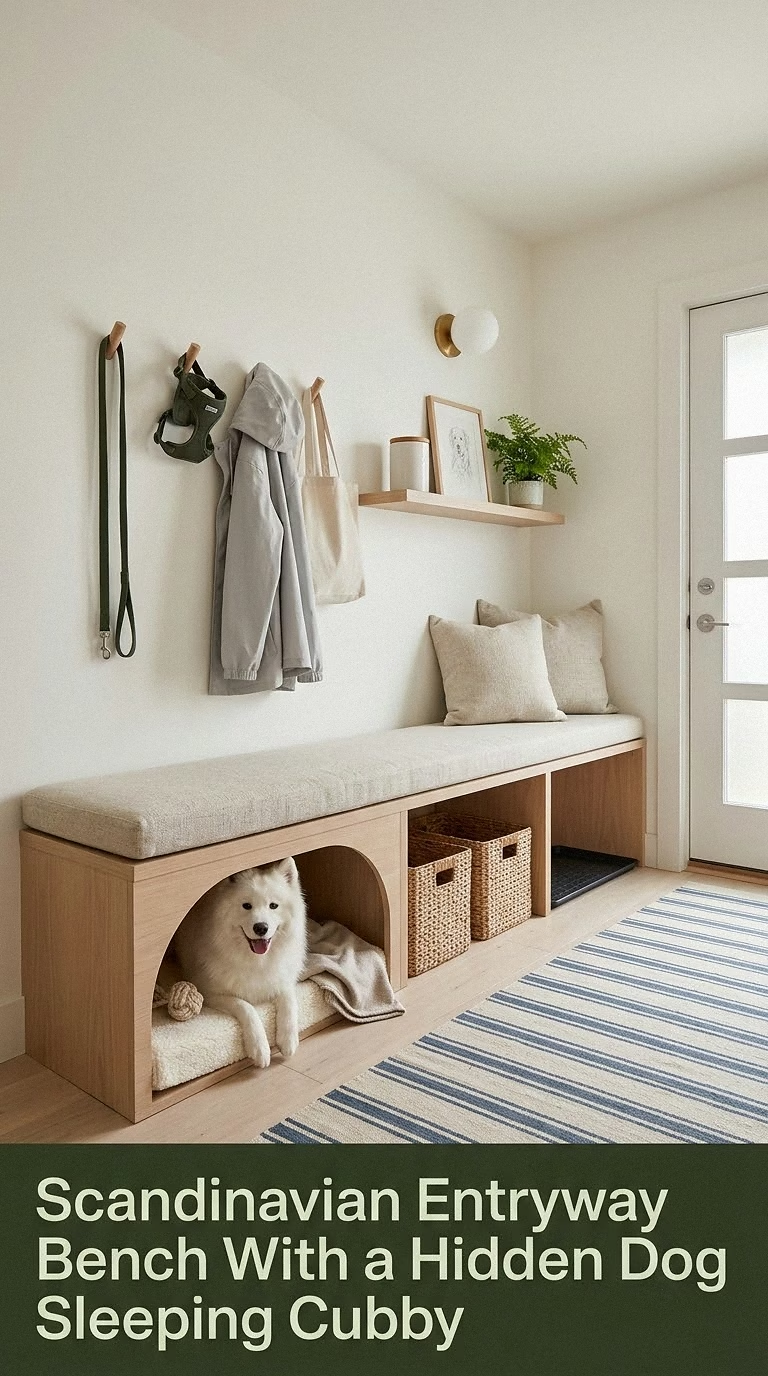
A compact entryway bench can serve three functions at once: human seating, shoe storage, and a cozy resting place for your dog.
Build or choose a sturdy bench with an open cubby on one side and closed storage on the other. Add a fitted washable cushion inside the open compartment, ensuring the dimensions allow your dog to enter, turn, and relax comfortably.
Natural wood, warm white paint, pale gray textiles, and simple hardware create a Scandinavian-inspired appearance that feels clean rather than crowded.
Because entryways can be busy, this concept works best in a relatively quiet corner rather than directly beside a door that constantly opens and closes. Watch for drafts, wet shoes, dangling coats, and bags that could intrude into the dog’s sleeping area.
A small basket above or beside the bench can hold walking accessories, while towels can be stored nearby for muddy paws.
For tiny homes, few designs offer this much function within such a small footprint.
16. Colorful DIY Dog Play Corner With Low Toy Cubbies and a Washable Mat
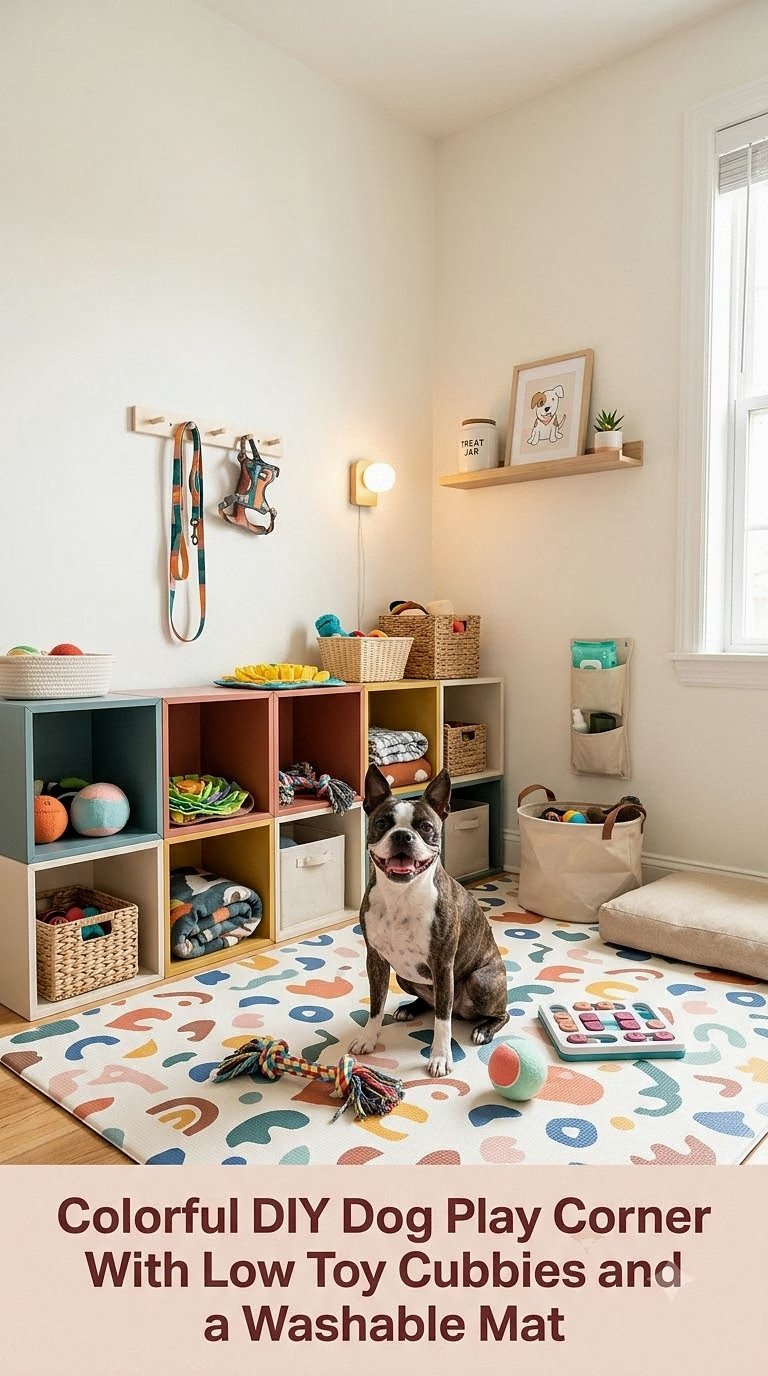
Not every dog room needs to focus exclusively on sleep. A compact play corner can provide enrichment and organized toy storage without taking over the entire living room.
Start with a washable floor mat that defines the zone. Against one wall, place low cubbies with a few carefully selected toys. Rotate toys periodically instead of leaving everything out at once, helping the area remain neat and keeping familiar objects feeling interesting.
Use cheerful colors such as mustard, terracotta, muted blue, and sage for a playful look that still suits adult interiors. Painted wooden bins can add personality, provided the finish is appropriate and the surfaces remain free from peeling material.
Keep chewable toys separate from damaged items, and regularly inspect ropes, plush toys, and rubber pieces for wear.
A low basket can work for dogs who safely choose their own toys, while determined chewers may require sturdier closed storage.
This setup is easy to adapt to an apartment corner and can be completed gradually on a modest budget.
17. Luxury Neutral Dog Bedroom Wall With Upholstered Headboard and Brass-Style Details
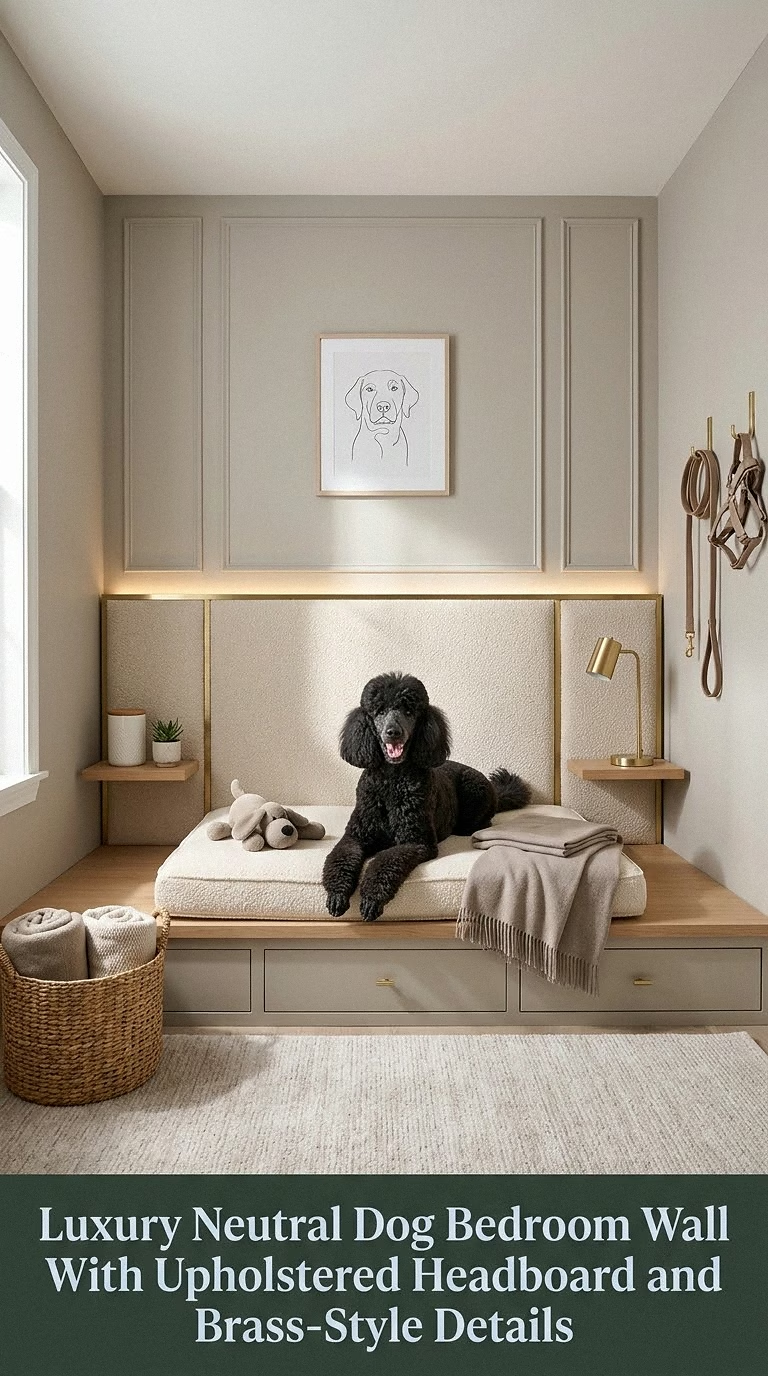
A tiny dog space can still feel luxurious without becoming excessively expensive.
Create a miniature bedroom effect by mounting a padded headboard-style panel behind your dog’s bed. Choose a washable or easily wipeable upholstery option in cream, taupe, caramel, or warm gray. Add a low wooden platform and a supportive cushion with removable covers.
For the luxurious look, use brass-style accents sparingly. A small name plaque or decorative wall hook can provide enough warmth without introducing unnecessary objects near your dog.
The headboard should be firmly attached, with no loose buttons, studs, trim, or fabric that could be chewed off. Avoid dangling lights and exposed electrical cords.
This idea works beautifully along a narrow bedroom wall, at the end of a hallway, or inside a generously sized closet nook. Because the design relies on a coordinated palette and one strong focal feature, it feels polished without requiring a large amount of furniture.
The result is a glamorous little retreat that still prioritizes comfort, cleanliness, airflow, and everyday practicality.
Conclusion
The most successful DIY dog room ideas for small spaces are not necessarily the biggest or most expensive. A thoughtful corner with a washable bed, smart storage, good airflow, and a peaceful location can be far more useful than an elaborate room that does not match your dog’s actual needs.
Look around your home for forgotten spaces that could serve a second purpose. The area beneath a staircase, an empty closet, a narrow wall, an unused cabinet, or the space below a console table could become a beautiful retreat with just a few carefully planned changes.
Choose materials that are easy to clean, keep cords and unsafe objects out of reach, avoid overcrowding enclosed areas, and always design around your dog’s size, age, habits, and comfort. With a little creativity, even the smallest apartment can include a stylish place where your pup feels safe, relaxed, and completely at home.
Save your favorite idea for later, and pin this Pinterest post so you can come back to these DIY dog room ideas when you’re ready to create the perfect small-space retreat for your pup.
Source: https://petstutorial.com
Category: Dog Rooms
